A Decade of Spare Time: How Adam T. Deen Captured the Moments That Define Who We Really Are
Welcome to this edition of [book spotlight]. Today, we uncover the layers of 'Spare Time,' by Adam T. Deen (self-publishing). We'd love to read your comments below about these insights and ideas behind the artist's work.
Adam T. Deen spent ten years photographing free time.
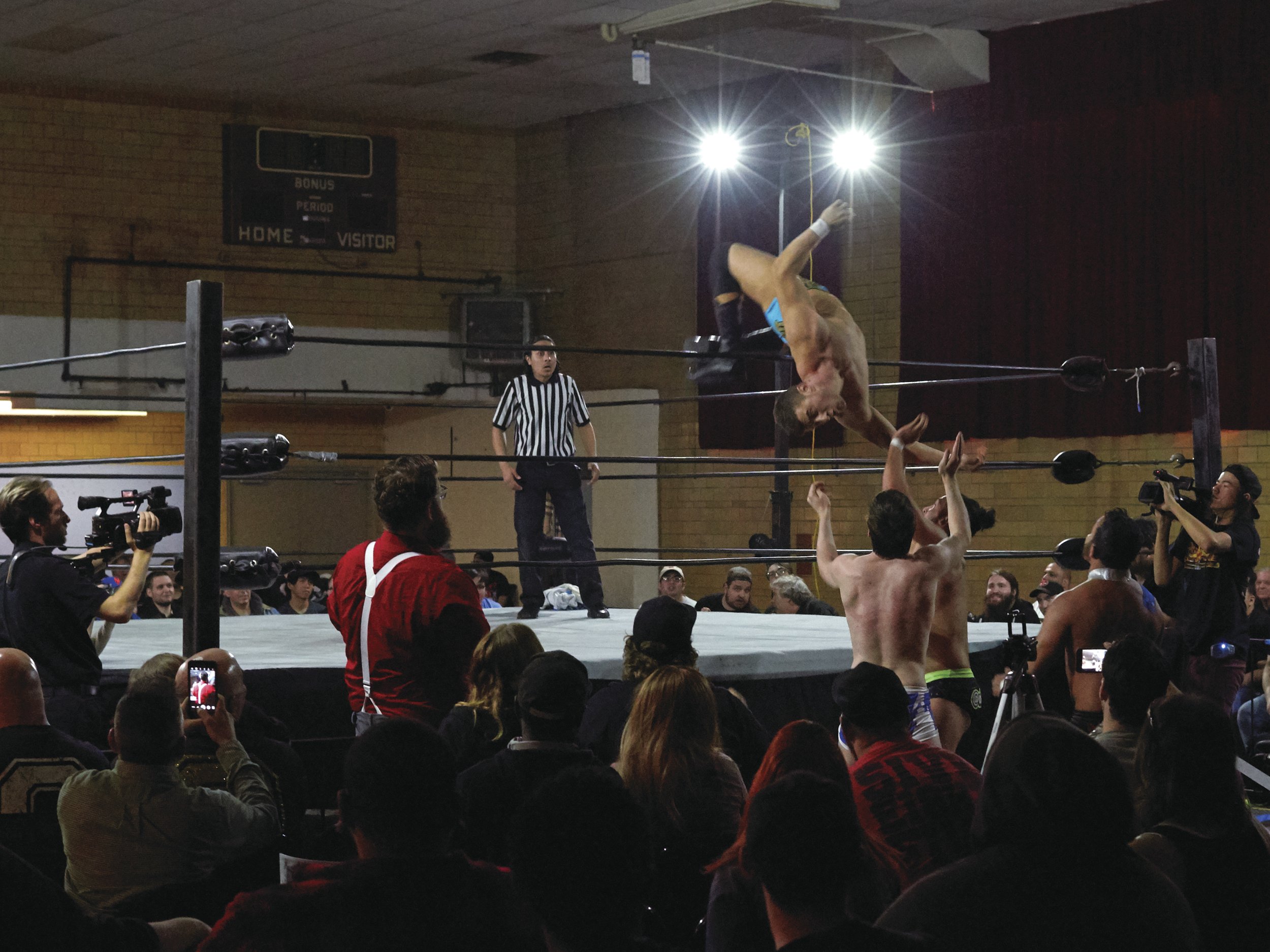
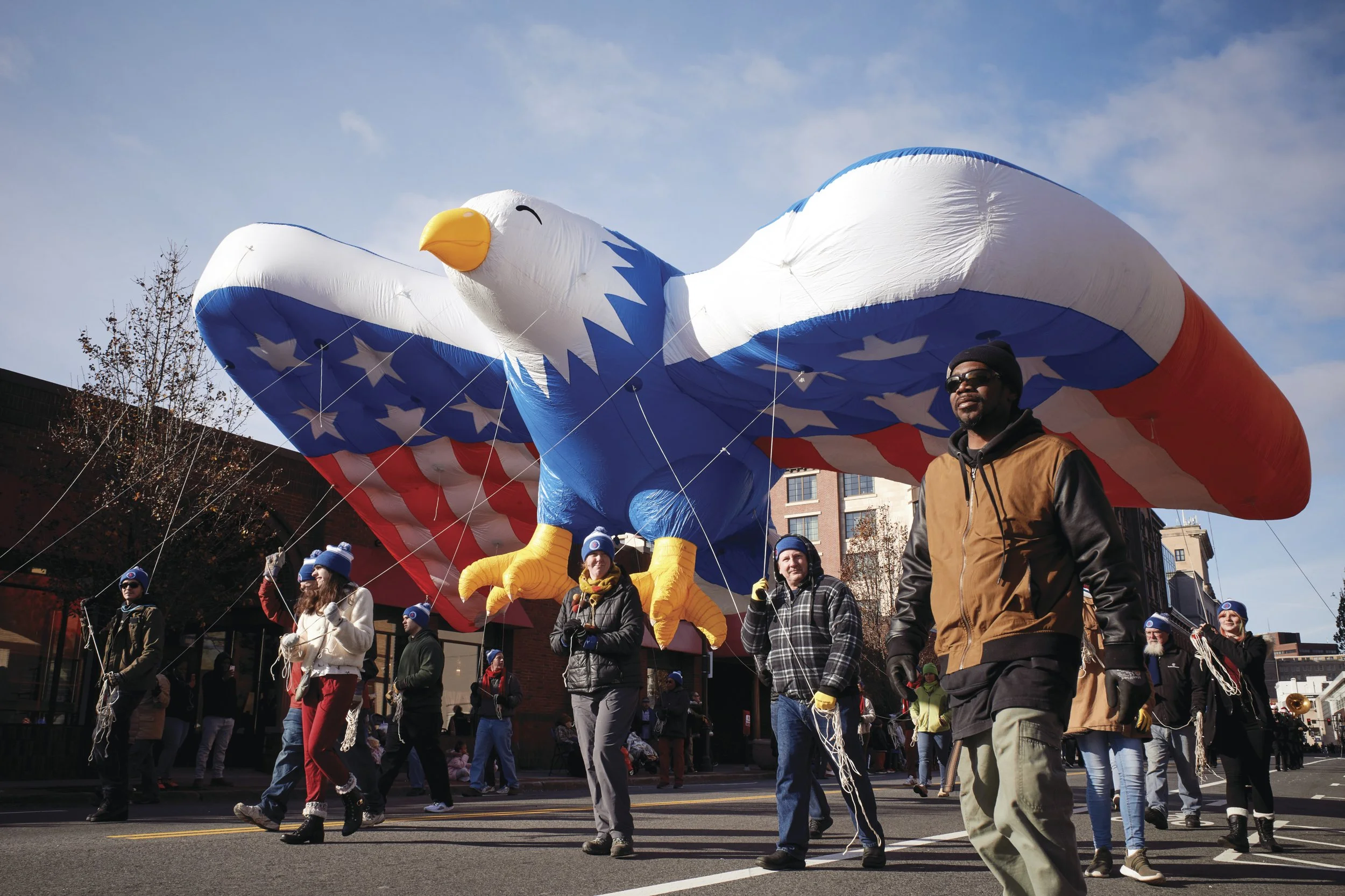
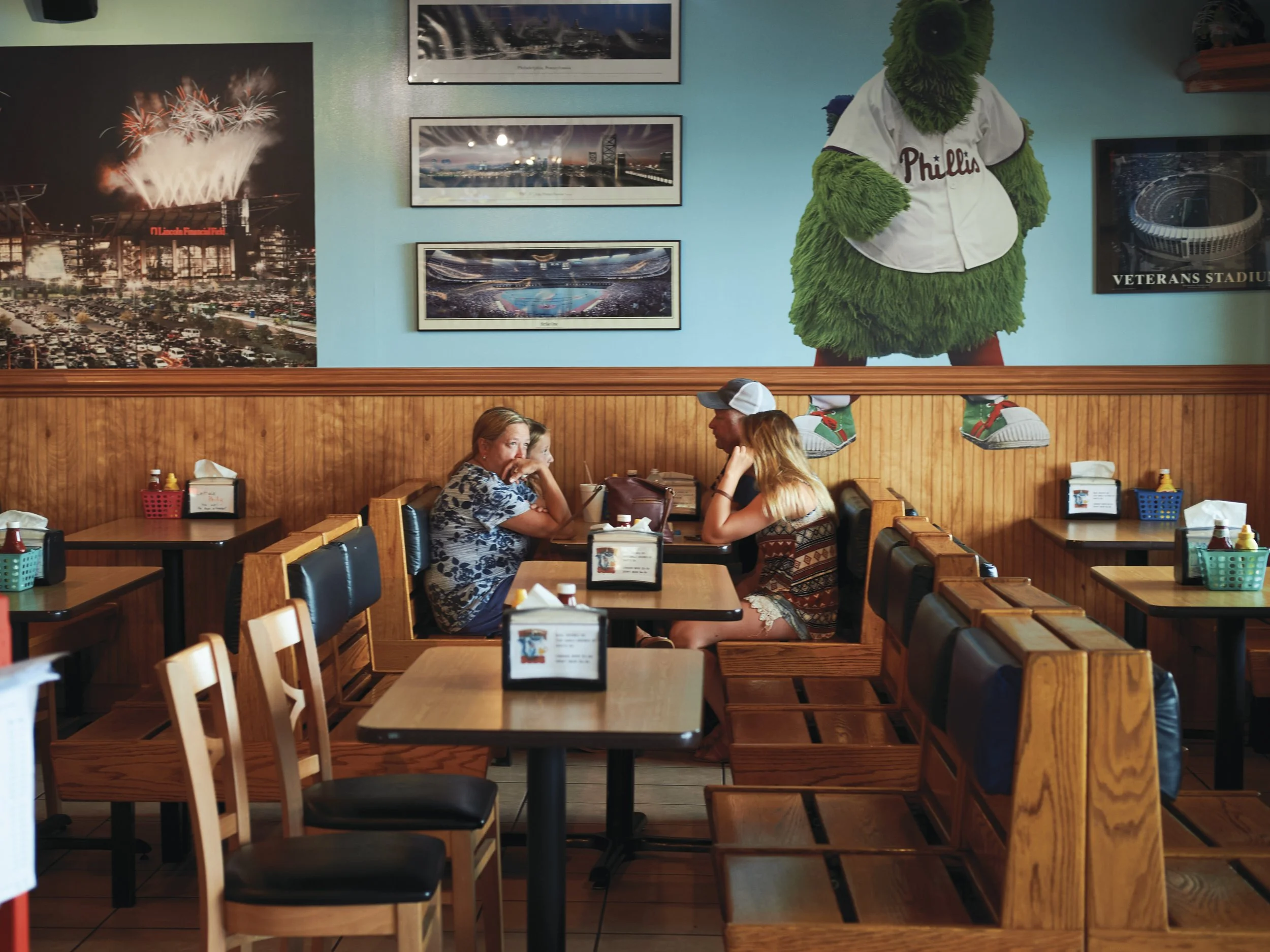
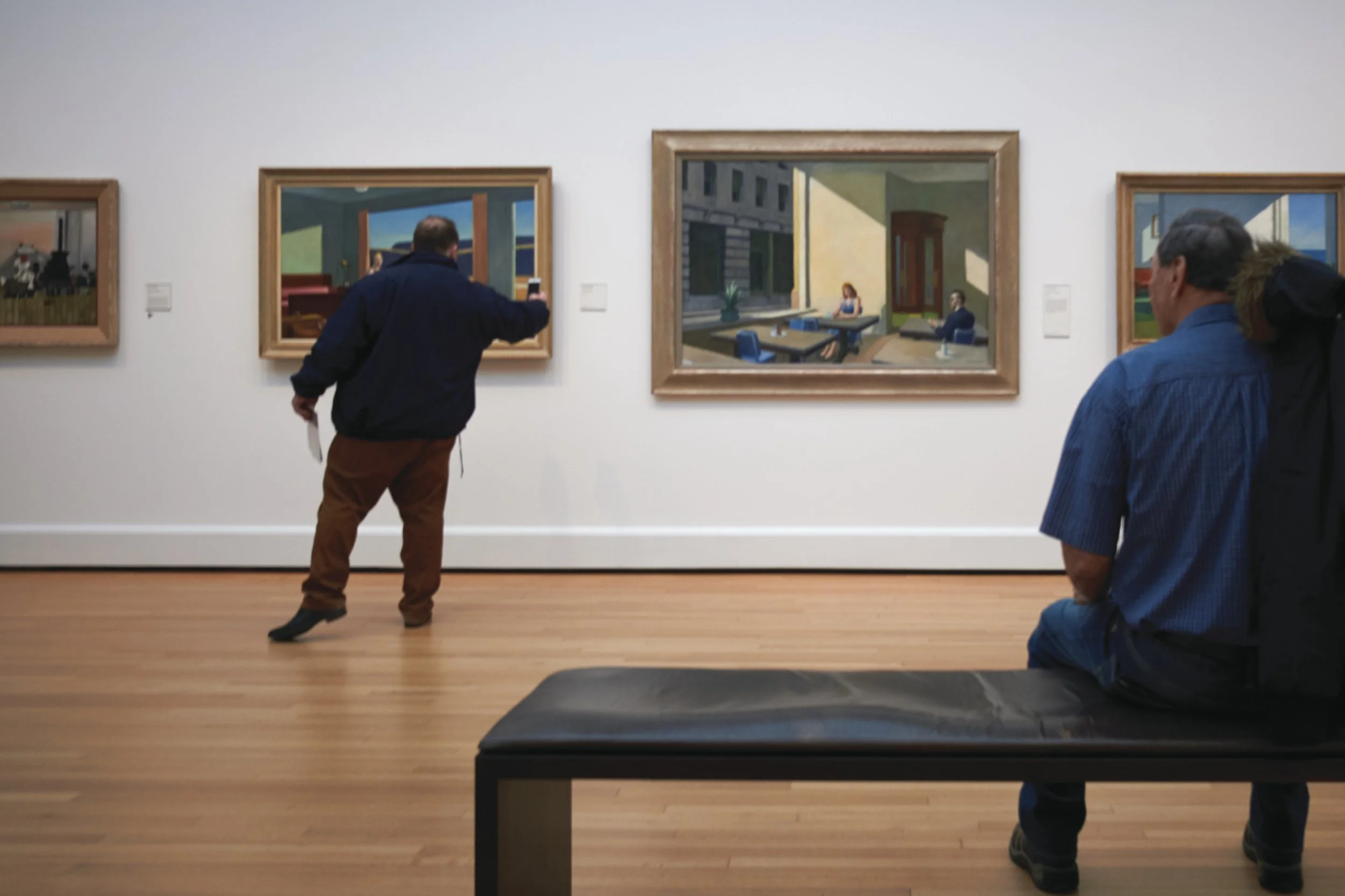
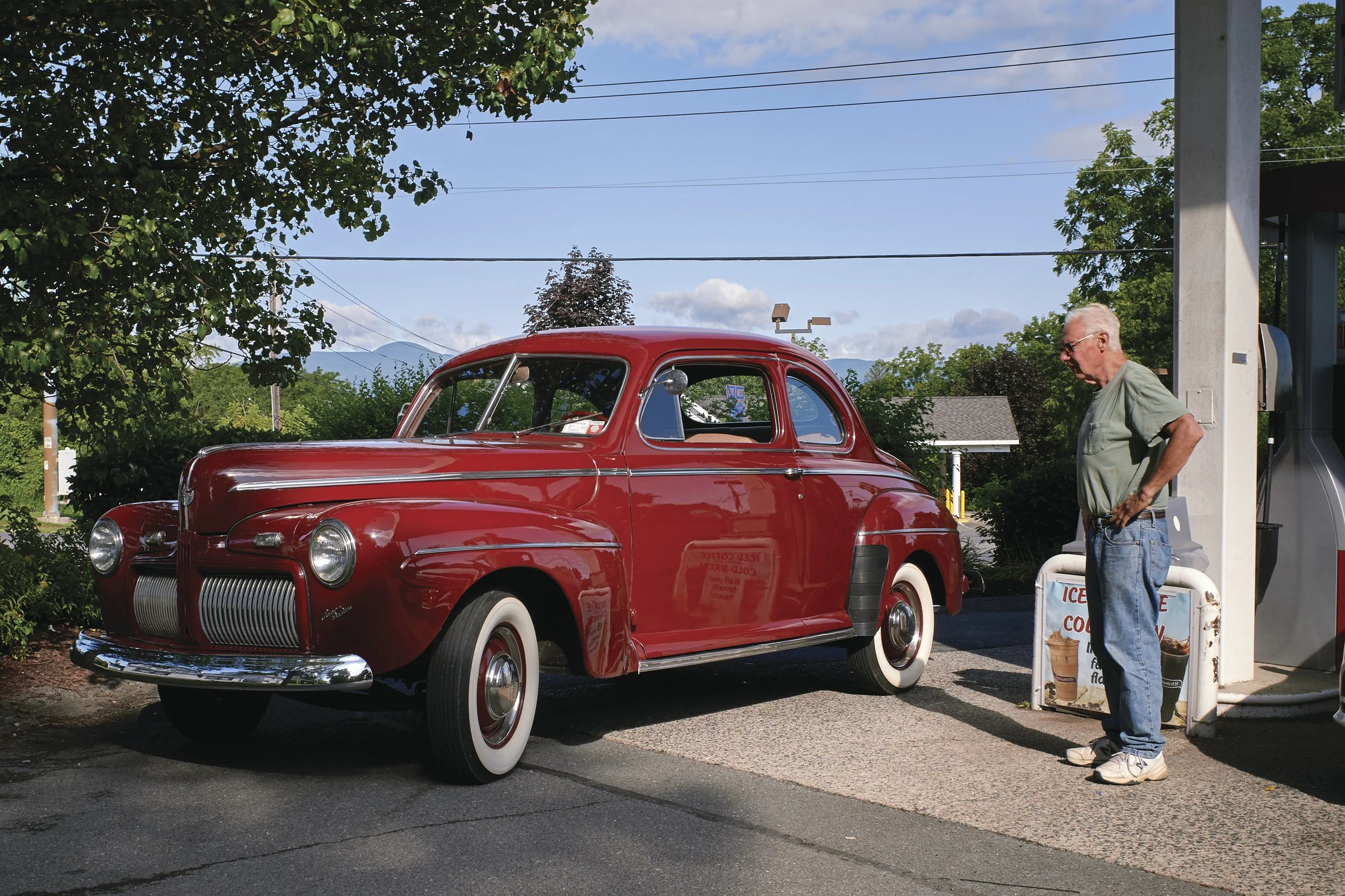
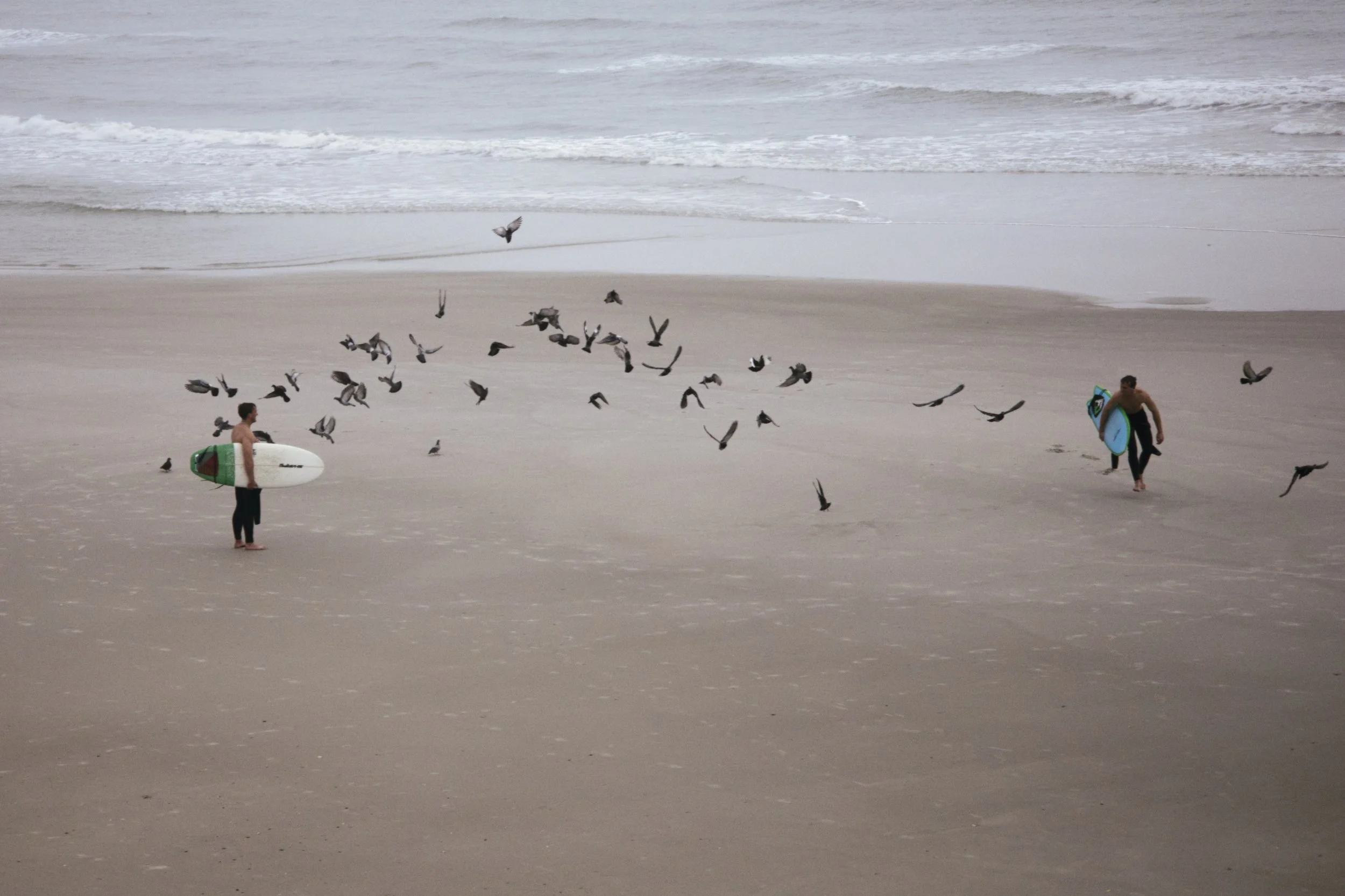
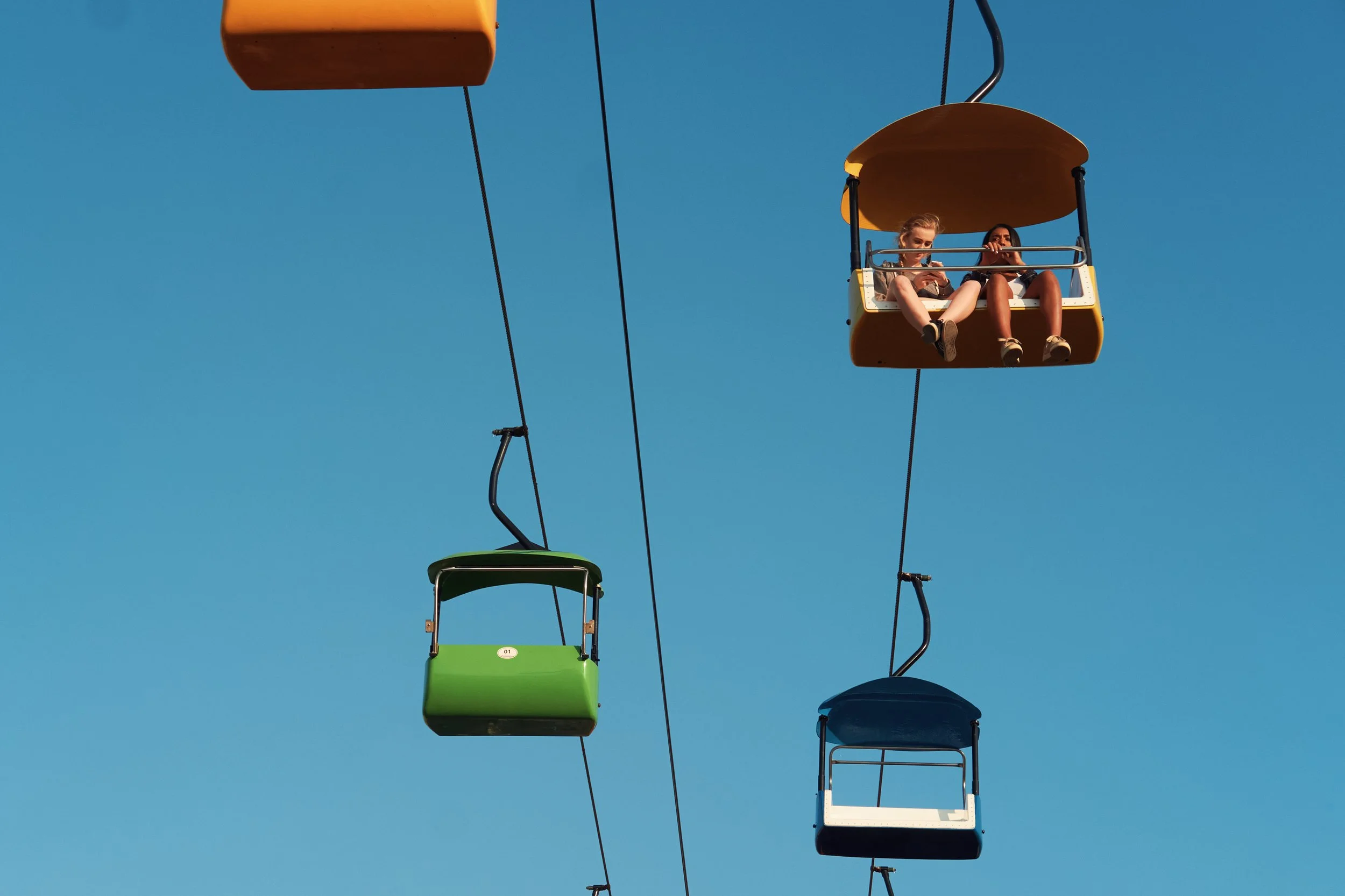
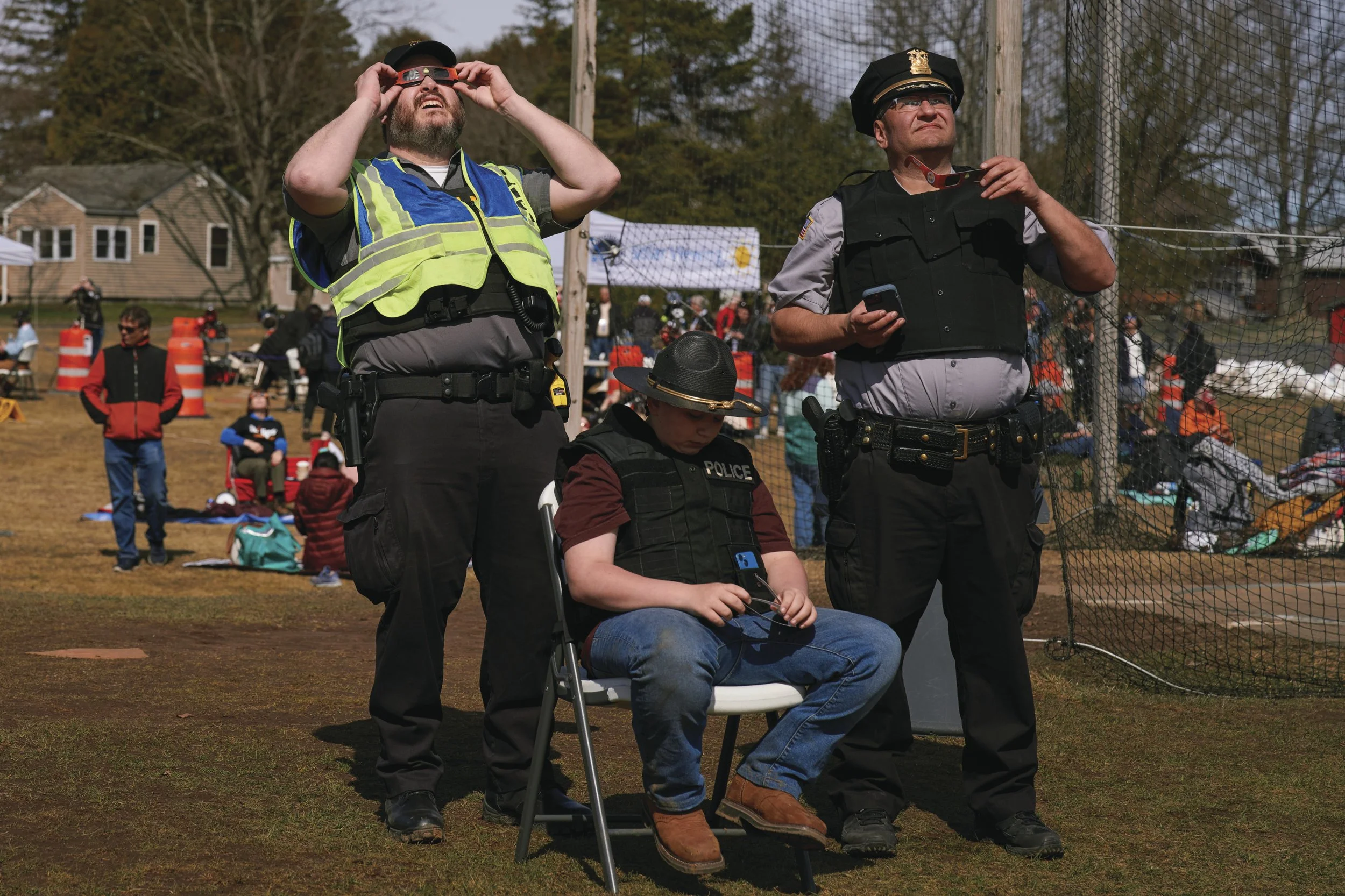
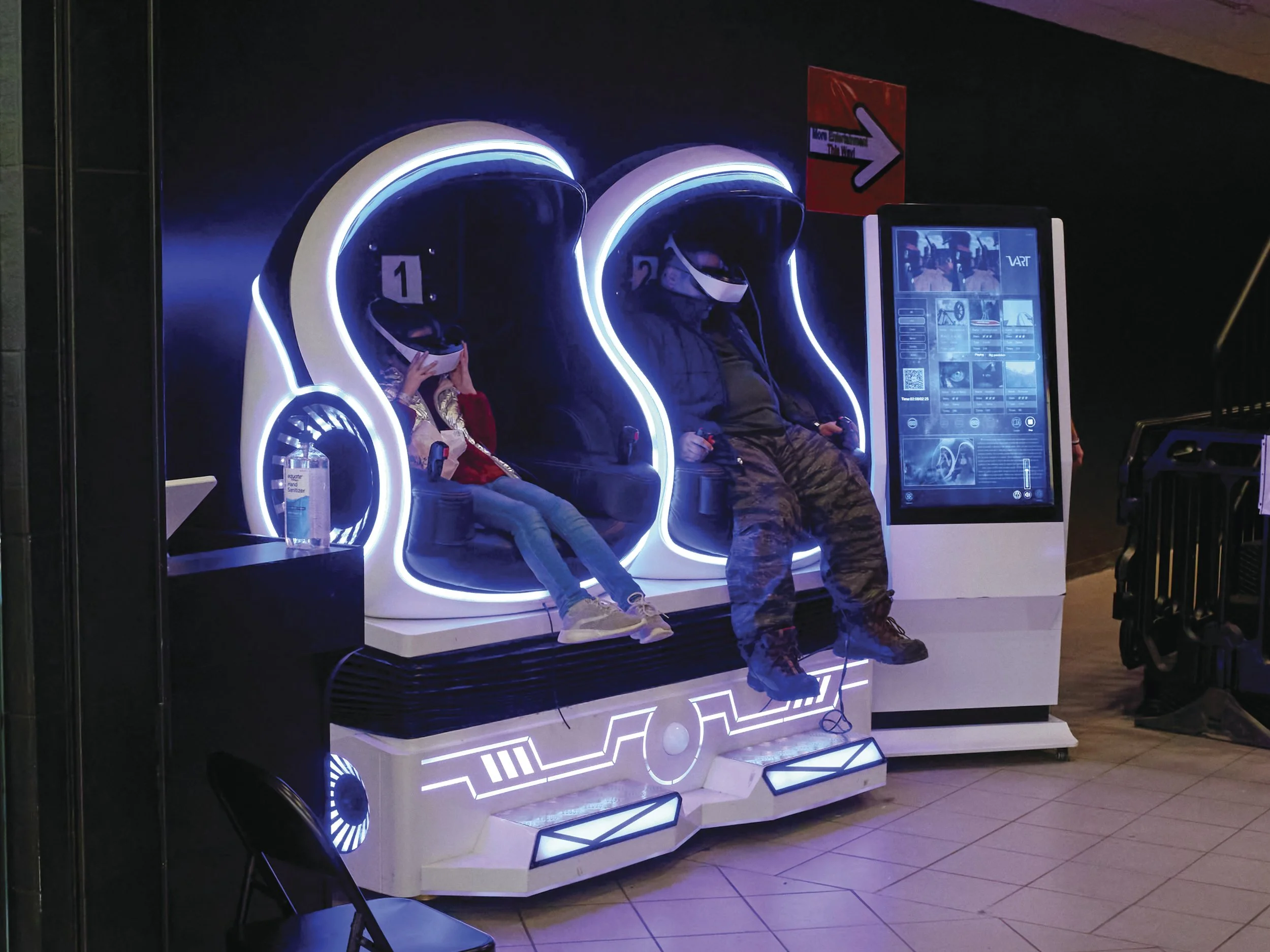
Over that decade, he saw people fishing on quiet lakes, jumping from cliffs, walking through parades, or simply eating dinner at a small-town diner. His new book Spare Time collects these moments from 2014 to 2024, showing how people use the hours that are truly their own. Many of these scenes are spontaneous, taken while Deen was traveling for work or wandering through a new place with his camera ready. It is a record of how free time can reveal who we really are.
Free time is not just empty hours.
It is when people often feel most alive, doing what they choose rather than what is required. Deen’s photographs show this in many forms, from demolition derbies in the Hudson Valley to an evening swim in the French Riviera. Some moments are shared with friends or strangers, others are spent alone in quiet observation. Together, they make you think about how you use your own spare hours.
Your job says less about you than your spare time.
The Book
Spare Time is the first artist book by photographer and filmmaker Adam T. Deen. Published in 2025 in a signed first edition of 100 copies, the book brings together photographs made between 2014 and 2024 that explore how people spend their free hours. From demolition derbies in the Hudson Valley to evening swims in the French Riviera, Deen’s images capture moments of leisure, curiosity, and connection. The project was inspired by Robert Owen’s 19th-century call for “eight hours for work, eight hours for rest, eight hours for what you will” and reflects on the idea that how we spend our spare time reveals a core truth about who we are. Printed by Conveyor Studio, the softcover volume measures 8.25 x 7.25 inches and features 72 pages with 30 full-color photographs, an introduction by artist Caitlin MacBride, and photo editing by Jennifer Greim. (adamtdeen.com/store)
Overview of the project: What inspired you to document recreational activities over a decade, and how did your idea of what spare time means evolve during the making of Spare Time?
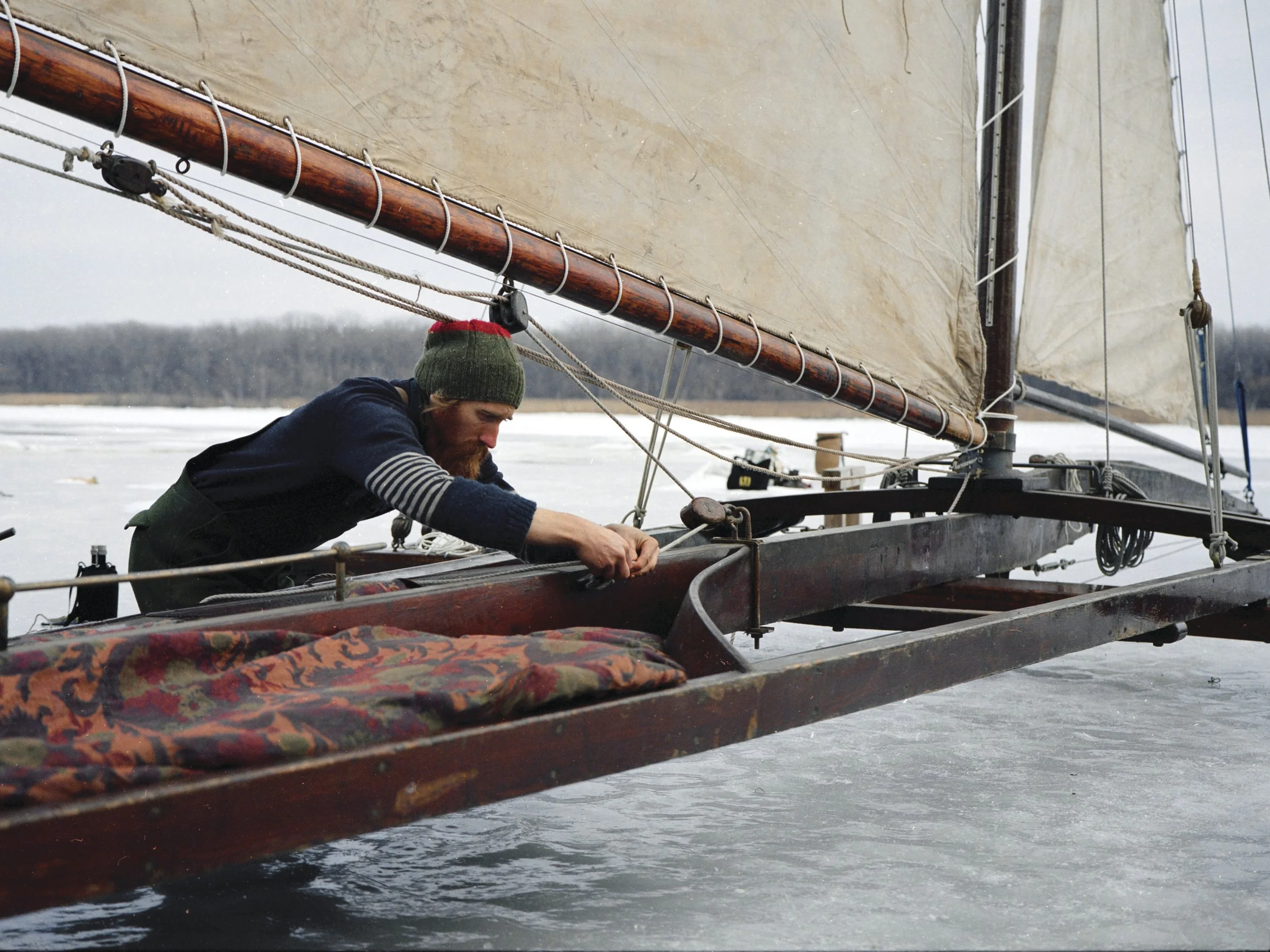
Well, the framework for the book sort of came about backwards. It started one day at my local dog park when I met someone associated with my local library. At some point, she found my Instagram, saw my work, and asked if I would like to exhibit at the library walls. I love any opportunity to share my work in person and thought it also might be the perfect time to make a release of my first book. My last exhibition was in Athens, New York, at the Stewart House. I had spent a few weeks photographing 100+ year-old ice yachts being sailed on the frozen Hudson… a rare occasion these days. It was cool to have the exhibition in the same place that the photos took place. The thinking here was that a book release at a local library would be equally as fun. And it was a ton of fun to fill it out.
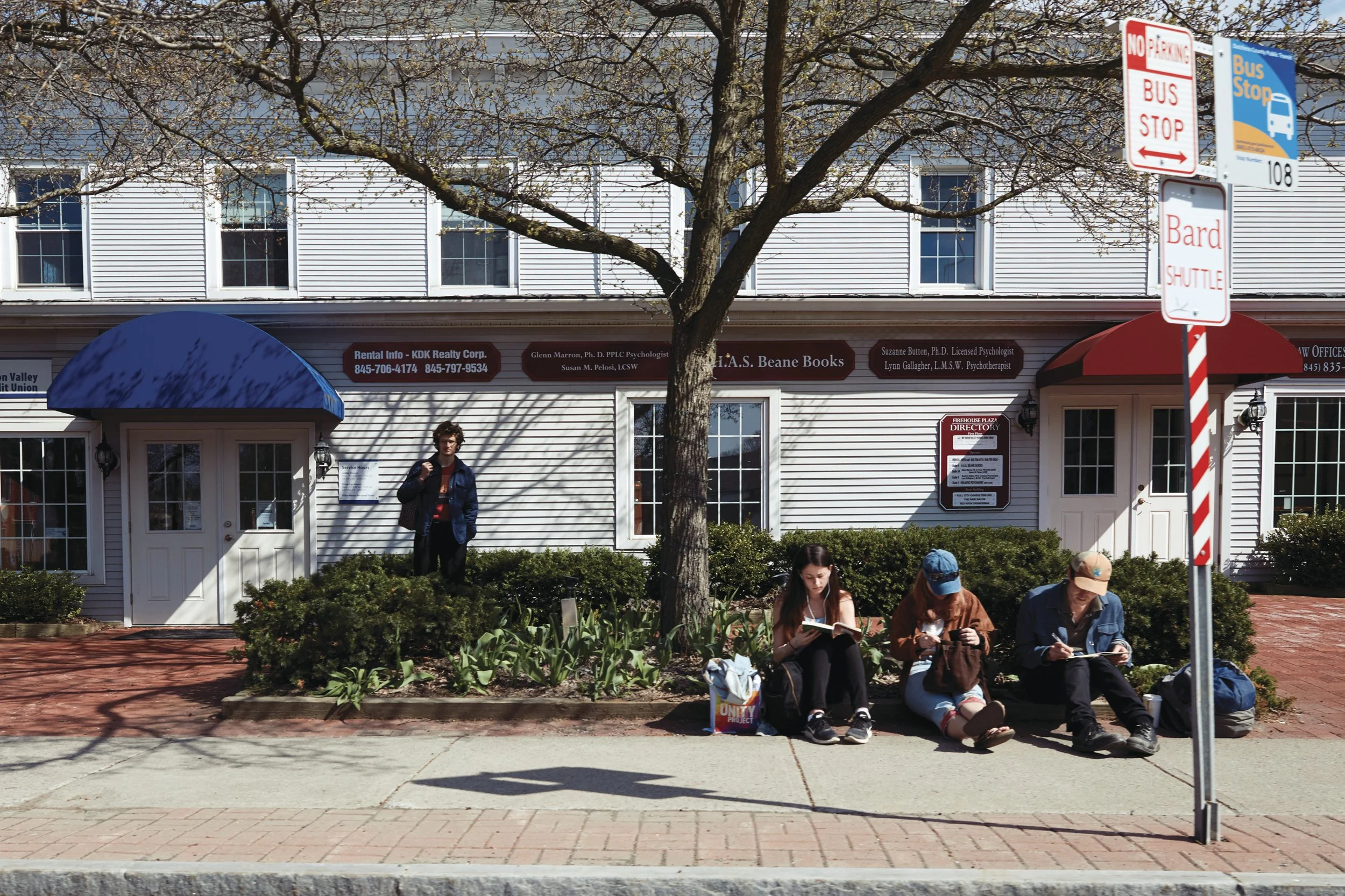
I had been wanting to make a book for some time but didn’t have the concept for it. I started pulling all of my favourite street photography to see what was there. I had started shooting street around 2014. I was freelancing in the art department and photo assisting jobs that would take me all over the place. Unless we were working in a studio, I would be in a new place that had a new route to get there. I would photograph along the way going to and coming from set. Sometimes jobs that would take me out of state. Not all of the photographs but most of them were made because I was where I was because of work.
It was my partner, Jen, who really saw the edit come together within the book’s framework. I started out with a few hundred of my favourite photos from the last ten years and was playing around with what I thought looked nice together while Jen was also playing around with the same photo set. When she showed me the beginning of the edit, saying something along the lines of “these people are all enjoying their free time,” it really gave me a direction and all started to come together from there.
Looking back, do you think that theme was always there in your work, just waiting to be seen? How did it feel to have someone else surface that hidden cohesion?
Yes, it’s most certainly a theme that has always been there. I think for a few reasons: naturally, I am interested in other people’s interests for starters. I like knowing why you like something even if it’s something that I won’t be interested in later; I’ll genuinely be interested in learning about it from the person telling me. It makes sense that I would be drawn in this direction. Whether I’m just observing the doing or learning something new to me, it’s an easy thing to be curious about. But it’s also abundantly a fun thing to photograph, someone really good at doing what they do, or just really into whatever they’re doing if they’re not an expert. It makes for a really great time for me because it’s less about forcing the photograph and more about looking for all the ways to see the same thing. It leaves you with a lot of opportunity for surprise, I guess.
Having someone else, especially my partner, surface the cohesion felt really great. The feeling that came from another person seeing something that was so apparent in something I’d had in front of me for years was really something else and felt wonderful.
The meaning of leisure: The project suggests that how we spend our spare time reflects a core truth about who we are. How did you approach capturing this idea visually across such diverse settings?
I am the type of photographer that likes to have at least a point-and-shoot on me most of the time. Pretty much all of these photographs were made whilst I was out wandering around. When I am photographing for myself, rarely do I head out into the world with a plan. Often times I’m making pictures in the in-between times in my life. If I have an appointment to get my computer fixed, for example, I’ll go explore my immediate surroundings.
From demolition derbies to evening swims: How did you choose the wide range of activities you photographed, and what connects them in your eyes?
These were all places that I just sort of ended up one way or another. I really enjoy making photographs out of spontaneity. I wonder a lot. Sometimes the intention is just that I have some free time that day. The image of the woman riding a horse, for example, I had no idea that was happening. I was in the area and could hear the announcer introducing the riders, so I wondered over to see what was happening and ended up making a photograph that I adore along with a few others that I also really like.
Some days I set out with the intention of making photographs of whatever I happen across that looks interesting in the moment, and sometimes it’s just that I am in the right place. Whenever possible, I like to walk or take public transportation when going from A to B, whether I am running errands, working, travelling, etc., to give myself the most people and things to see. I’ll happily set off to the airport several hours before a flight, especially in the north-east because of all the people you’ll see along the way between the subways, trains, and in the airport. When I was living and working in Manhattan, on my lunch breaks, I would eat quickly so I could spend the rest of it photographing.
Advice for photographers exploring everyday life: What guidance would you offer to photographers who want to find meaning and narrative in seemingly ordinary moments?
For capturing ordinary moments. My advice would be to follow your gut as to when to snap the photo or where you put yourself. For me, this sort of photography can have a real energetic rush. You could almost equate it to the movements in a piece of classical music, where in the moments before I’ve made a photograph I am happy with are like the slower build-up parts of a musical piece, and when I’ve captured a photograph I know right away I will love, all of that build-up will rush out.
I like the little spot in-between staying present and trying to predict the future just a little bit as it relates to, say, the quality of light around you or maybe a scene that looks like it might unfold in front of you and hoping that these things come together in a pleasing way. There is a very focused presentness that happens.
For finding the narrative, for me, it came in collaboration. Having someone else really go through your work can be a really powerful thing. Don’t shy away from having more eyes on the work.
Has that awareness changed how you move through your own spare time? Do you find yourself more tuned in to those in-between moments now, even when you’re not holding a camera?
I haven’t really given it thought outside of photography. Now that you point it out, I really only feel that sort of focus when I’m photographing. Makes me wonder what it’ll be like to point that focus in other directions.
Looking back though, the most recent comparison that isn’t holding a camera is with this old Jeep I have and like to drive on weekends. I have a pretty solid amateur grasp on the workings of older vehicles when it comes to fixing them, but the Jeep was having an issue that took several Saturdays away from me. I tried everything I could think of, tried what others could think of, but I could not get it to start. It got to a point where each failed attempt was bringing me into the same headspace that I can get in when I’m not finding the photo the way I want to. Debilitatingly frustrating. All that’s to say, I’m sure the opposite exists. I’ll keep an ear out for it.
Influence of Robert Owen’s idea: The book draws from Robert Owen’s vision of dividing the day into work, rest, and what you will. How did this concept shape your approach to sequencing and storytelling?
I was really fortunate to have my friend and artist, Caitlin MacBride, write the introduction; she also pulled the quote which I wasn’t aware of prior. When Jen was showing me the beginnings of the edit, she said something like “these photos are all of people not at work and doing something for themselves.” It made it a lot of fun to then go back through and start pulling all of the images that fit into that frame.
Balancing documentary and artistic vision: How do you navigate the line between documentary accuracy and creating poetic or emotional resonance in your images?
I always want the photo to feel accurate from a documentation point of view. The beauty to me is in the spontaneity. To me, my favourite images have the poetic and emotional resonance sort of built into the scene itself outside of any of my doing. I am just an observer.
Working over a decade: What were some challenges or surprises in sustaining focus on this theme over ten years, and what kept you motivated? What would you share with photographers about the value of patience and persistence in building a body of work across many years?
I wish I could say that I had a sustained focus and that I had this book in mind ten years ago. Though now that I have made it and gone through that process, it has rejuvenated some parts of me that want to create more and do it with intention. I am really interested in seeing what happens; how long to give it feels like the big question. I guess I could use the advice here.
So I guess my advice would be you’re out in the world and something looks interesting to you now, make the photograph. It might fit nicely with something else later.
What remains with you: After finishing Spare Time, how has your own perception of leisure and its role in shaping identity changed, both as an artist and a person?
At one point, for a few years, I was working at a job that was a source of great unhappiness. It took me a few years to realise that. It had started out great, it was a job that I had in some ways sought out and worked towards, but it ended up with demands on me that didn’t allow for a reset. I was talking about this with my father, and he said something along the lines of “Sometimes you live to work and sometimes you work to live, right now you’re working to live.”
I feel like the way people spend their leisure time is where they want to be most in that moment as much as their circumstances will allow, or a reflection of the time they spend in places they do not want to be, as if it’s an opposite mirror.
There is a certain kind of reverence that should be given to that time.
When I meet a new person and I’m getting to know them, I like to see if I can learn what they do for fun before I learn what they do for work.







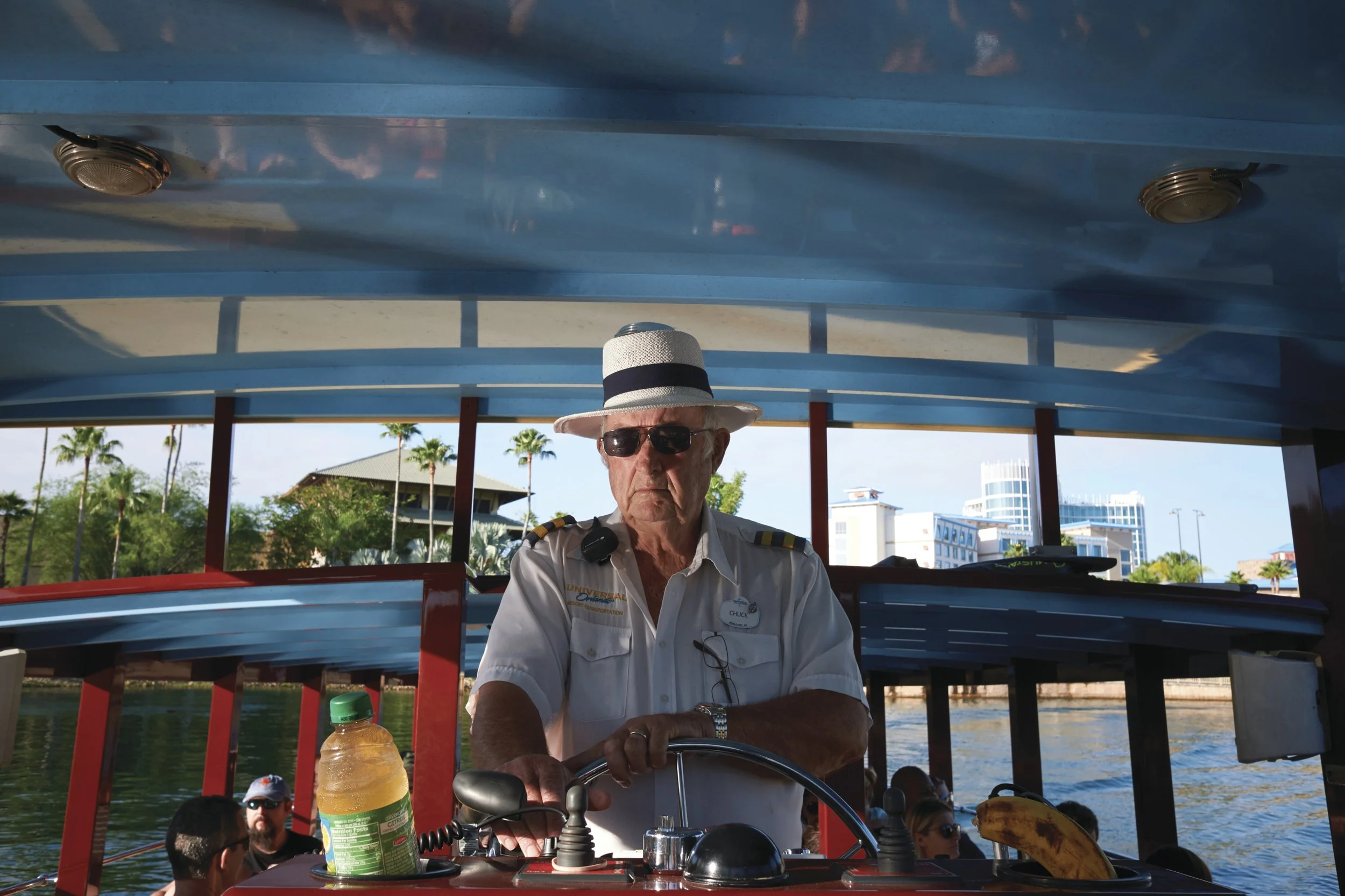
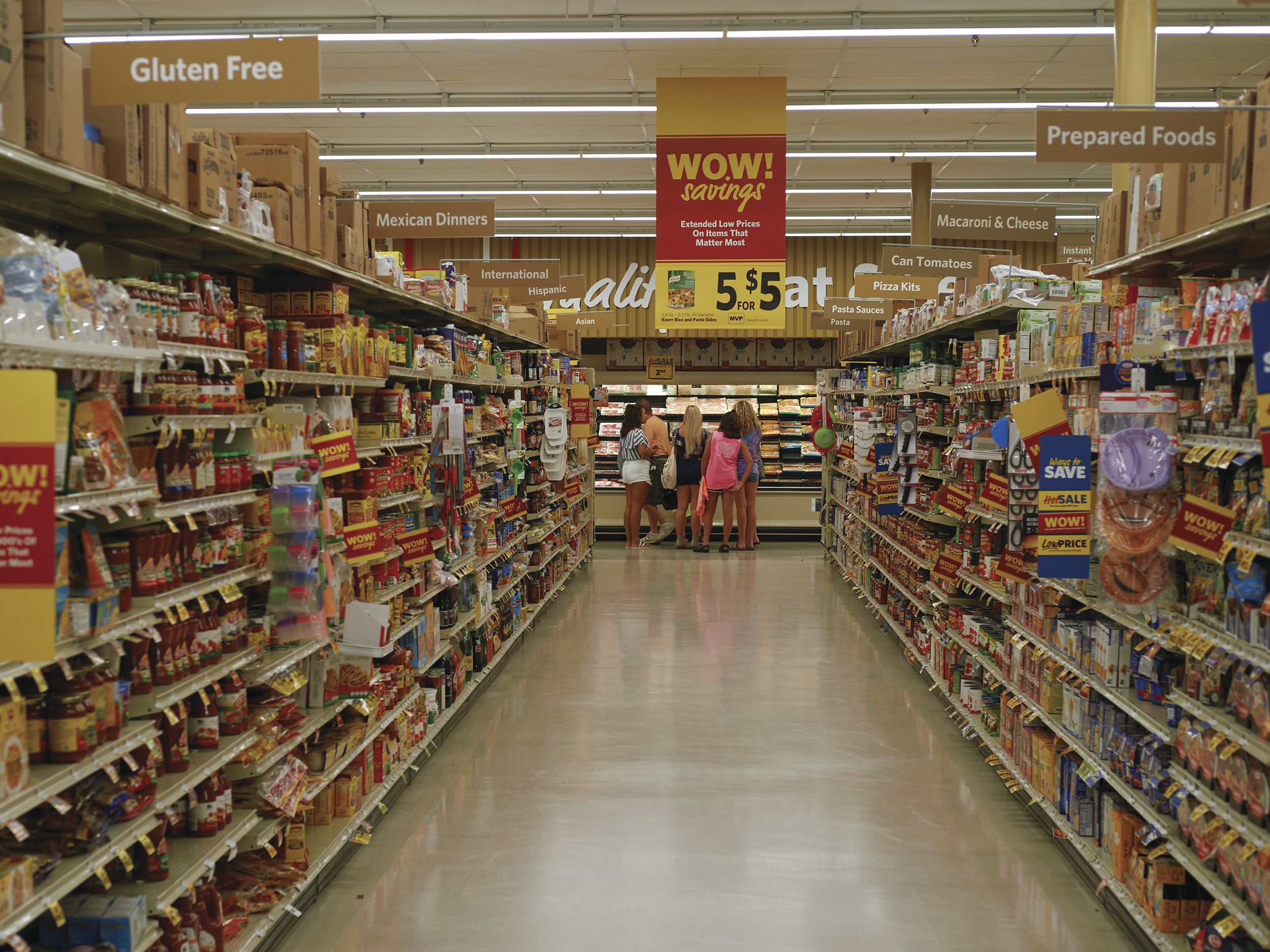
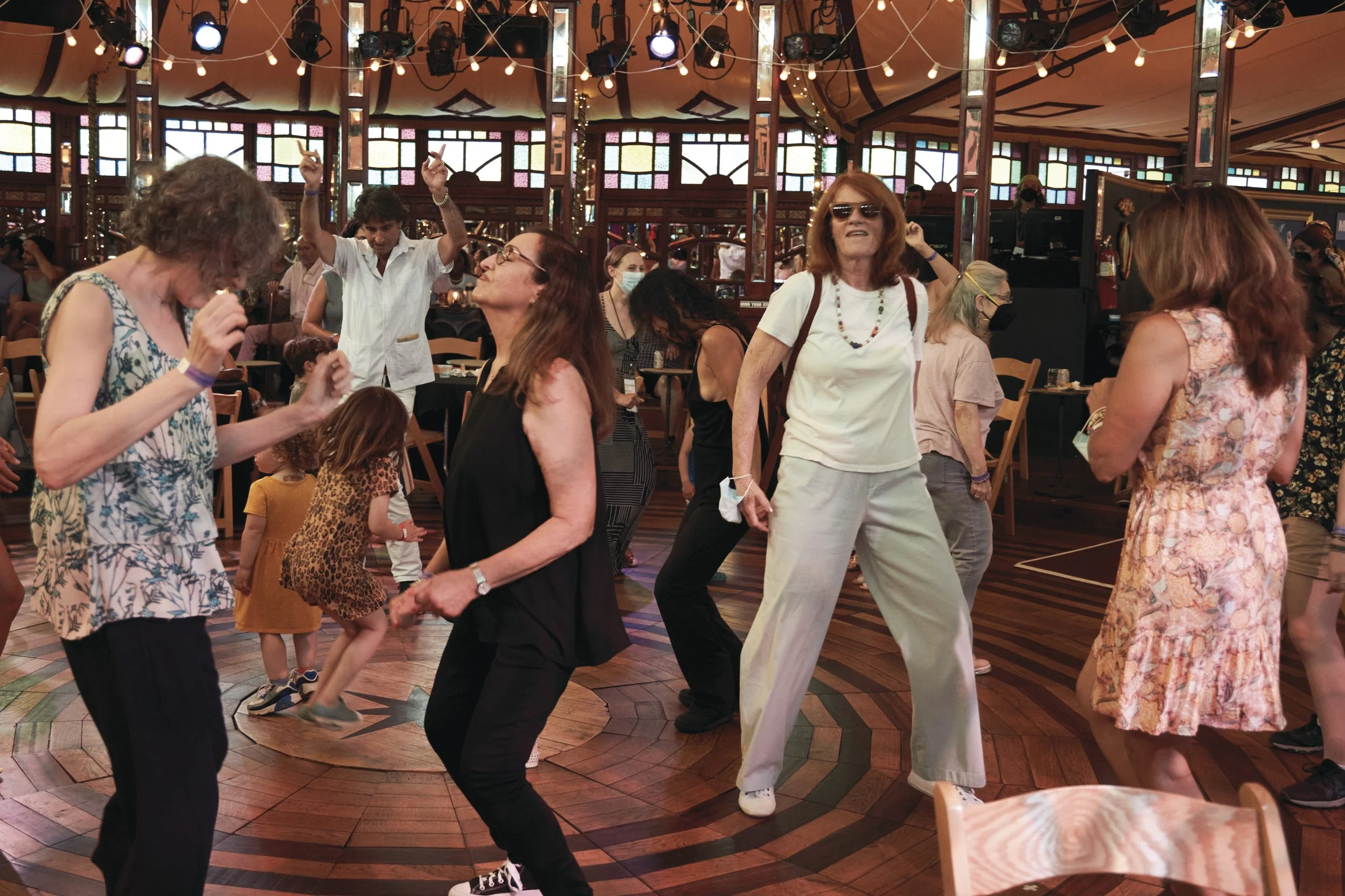
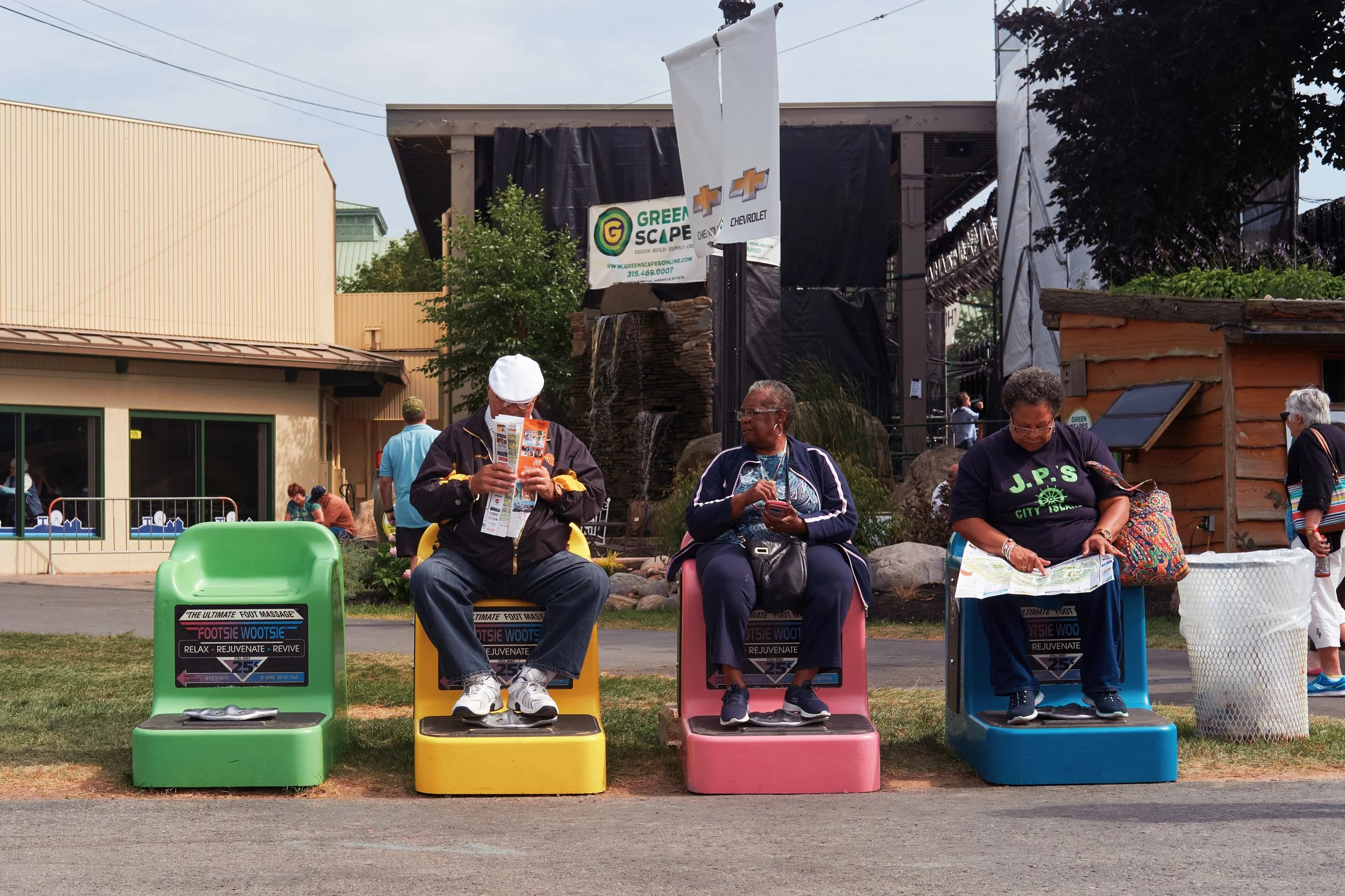
After spending ten years photographing spare time, do you think leisure reveals more about who someone is than their job does? What patterns did you start to see in how people chose to spend that time?
Yeah, I think it can reveal a bit more about what a person’s needs might be, which reveals levels to anyone’s complexity, and what they do for a job is just part of the picture as a whole. Everyone’s different, and I’m not trying to analyse too deep, but the zoomed-out comparisons between free time vs work time vs personality type can be interesting sometimes as to how they stack against each other. Whether it’s similar or contrasting.
Is the way you work boring and the way you spend your free time thrilling? Or is it high energy on both ends? Or slow-paced and relaxed all together?
Does winning or performing in front of a crowd give you a certain feeling you might not get elsewhere? Does what you do in your off time have a lot of solitude involved where that’s basically the point? Do you need to disappear or stand out?
An example for me is one of the ways I like to spend my free time is going to dance parties with really loud rhythmic music. Often times these spaces don’t allow photography. The downside to compulsively bringing a camera everywhere is that there is a part of me that doesn’t turn off when I do that. Which is usually good but can become tiresome. When I am in these spaces and the music is loud enough and the DJ is really good at working the crowd, it’s a wonderful feeling to be fully present. There are a lot of photos in those moments that I would love to make, but if photography was allowed into these spaces, they wouldn’t be what they are; therefore, the moment I need to have wouldn’t exist. Every now and again, I need to go dancing, and I feel like it’s in opposition to the way that I spend my working time.
To discover more about this intriguing body of work and how you can acquire your own copy, you can find and purchase the book here. (adamtdeen.com/store)
More photography books?
We'd love to read your comments below, sharing your thoughts and insights on the artist's work. Looking forward to welcoming you back for our next [book spotlight]. See you then!
Gosbert Gottmann wanted war photographs that resisted easy reading. In Freiheit Freedom Воля, he works with images connected to the war in Ukraine and changes them through abstraction, distortion and deformation. Photography Book Spotlight