How David Ricci Turned Flea Market Chaos Into a Sharp Portrait of American Culture
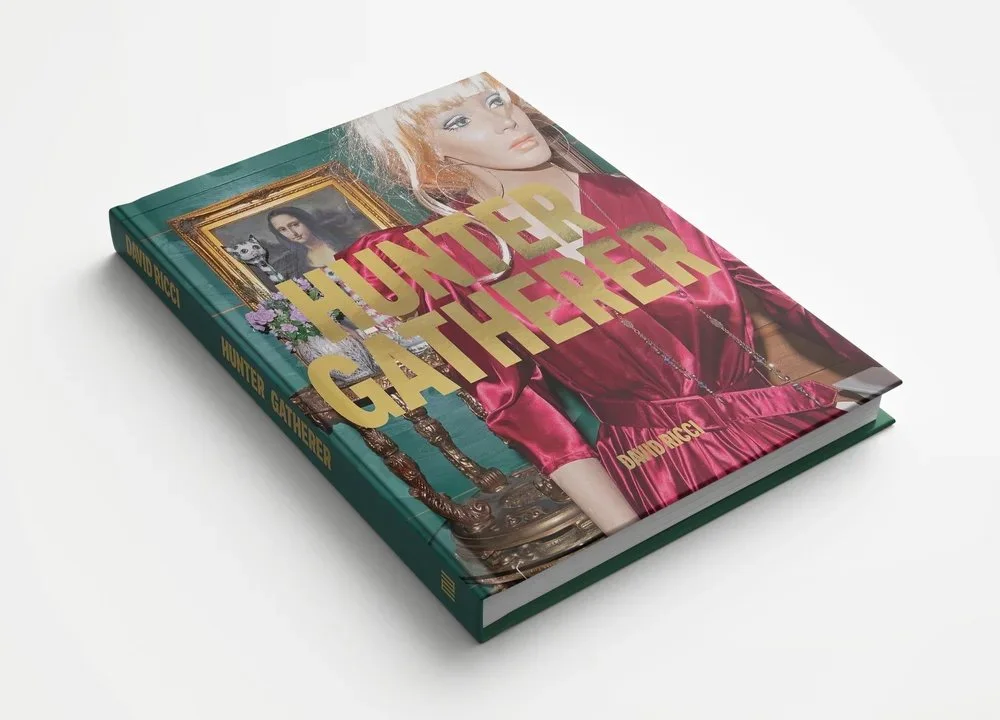
Welcome to this edition of [book spotlight]. Today, we uncover the layers of 'Hunter Gatherer,' by David Ricci (published by MW Editions). We'd love to read your comments below about these insights and ideas behind the artist's work.
David Ricci turns visual chaos into compelling photographs.
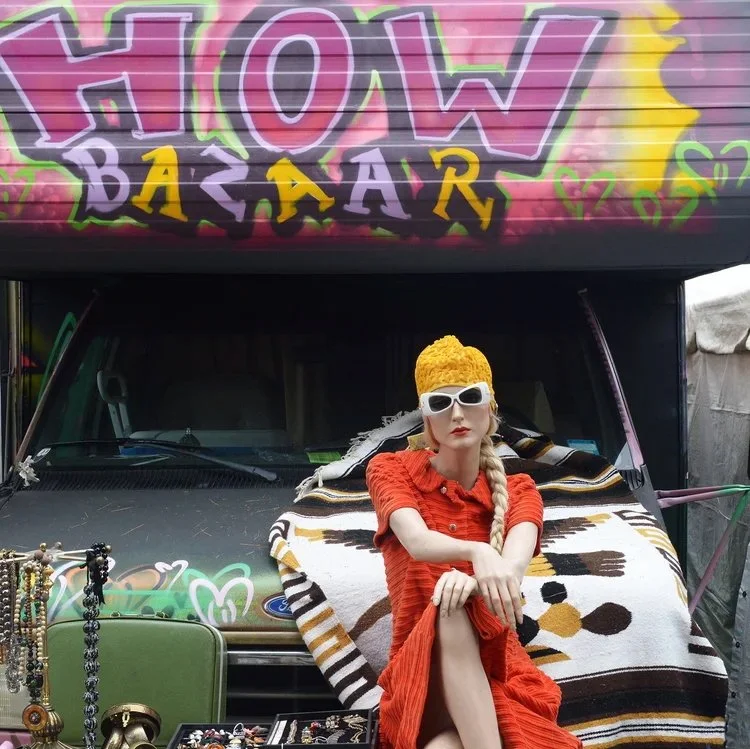
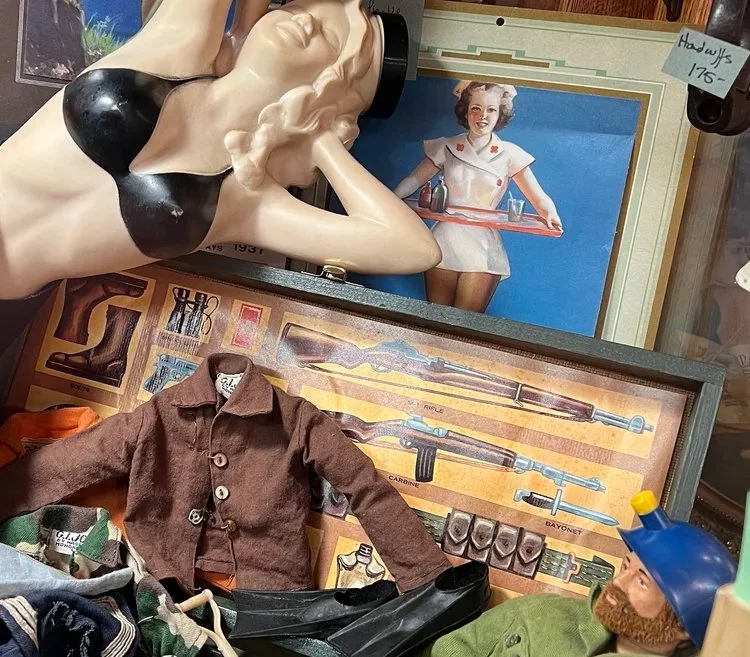
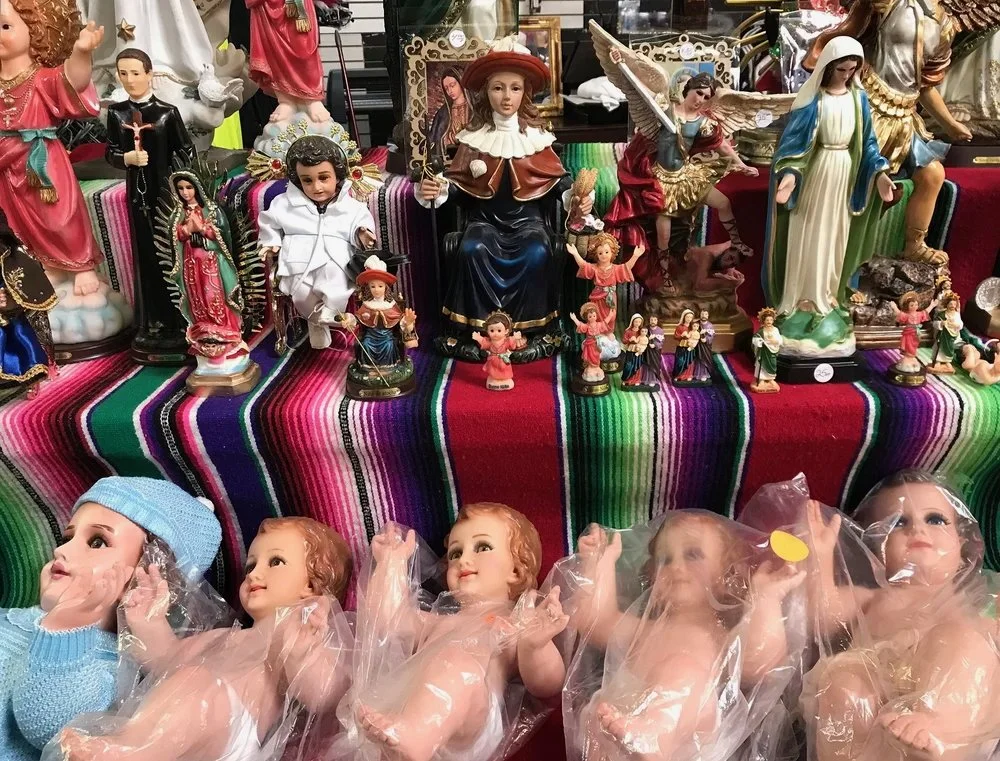
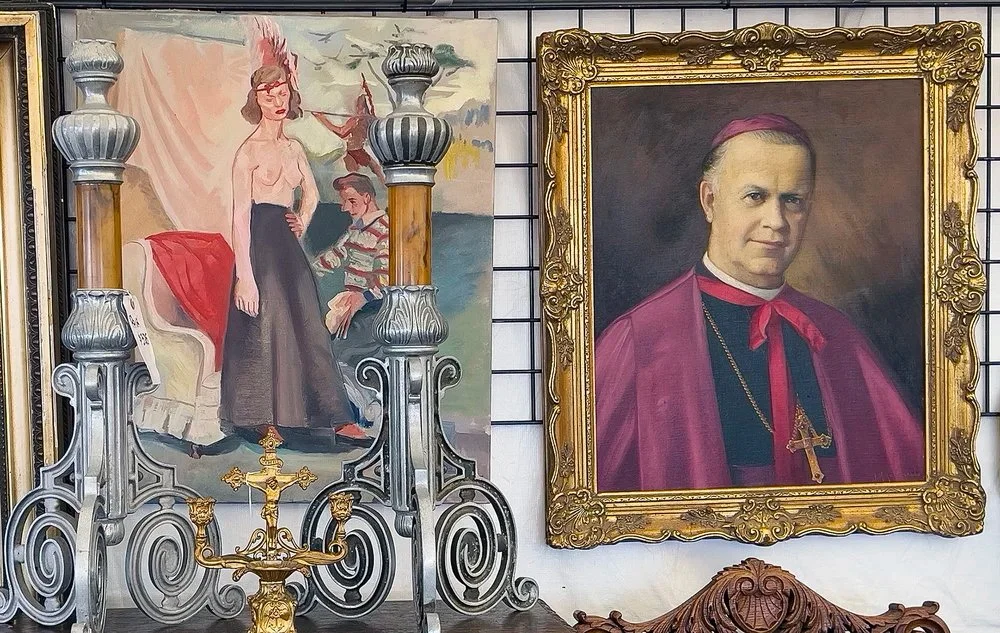
He spent years visiting flea markets and antique shops across the United States, looking for scenes that spoke about American culture. His images are crowded with objects: dolls, posters, religious statues, toys, arranged by chance but full of meaning. Some are funny, some are uncomfortable, and together they tell a story about what America values and what it tries to forget. This is not just a photo project about clutter, but a sharp look at history, identity, and bias.
In Hunter Gatherer, Ricci uses these chaotic spaces to hold up a mirror to America.
By photographing the objects exactly as he found them, he shows how much they reveal about race, religion, gender, and pop culture. His work mixes the discipline of careful framing with the surprise of unexpected juxtapositions: a praying nun next to Batman, a crucified Jesus above a box marked “National Casket Co.” or racist memorabilia displayed without comment. The book is both a document of what he saw and an invitation to think about why these things still exist. Hunter Gatherer proves that photographing chaos can reveal truths that a neat, simple frame would hide.
In the right hands, clutter becomes a cultural portrait.
The Book
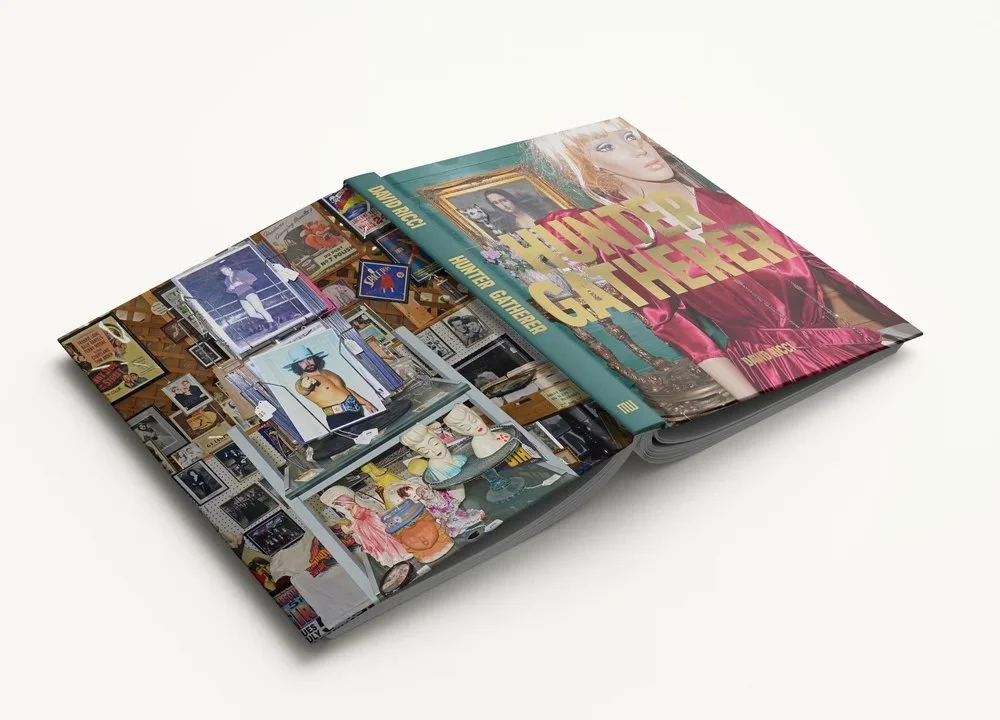
Over several years, Ricci photographed flea markets, antique malls, and resale venues across the United States, capturing objects exactly as he found them. The book moves from chaotic, densely packed compositions to intimate portraits of dolls and mannequins, using these chance arrangements to explore themes of race, religion, gender, pop culture, and American consumerism. With an introduction by Cheryl Finley, author of Committed to Memory: The Art of the Slave Ship Icon, Hunter Gatherer combines visual complexity with cultural commentary, challenging readers to confront both the humor and discomfort embedded in the country’s material history.
"Hunter Gatherer: Salvaged Stories of American Culture" has worldwide distribution and is available through your local bookstore or online at MWEditions.com, Amazon.com, Barnes&Noble.com and many other online retailers.

Overview of the project: What inspired you to begin photographing at flea markets and antique malls across the U.S., and how did these seemingly mundane spaces lead to such a layered and politically charged project like Hunter Gatherer?
Like nearly every photography project in my fifty-year career, there was no preconceived plan - I stumbled into the Hunter Gatherer work. The first shot came at an antique shop in Maine during a vacation with my wife. Following that, we visited the Brimfield Antiques and Flea Markets, a massive triannual outdoor show an hour's drive from our home in western Massachusetts.
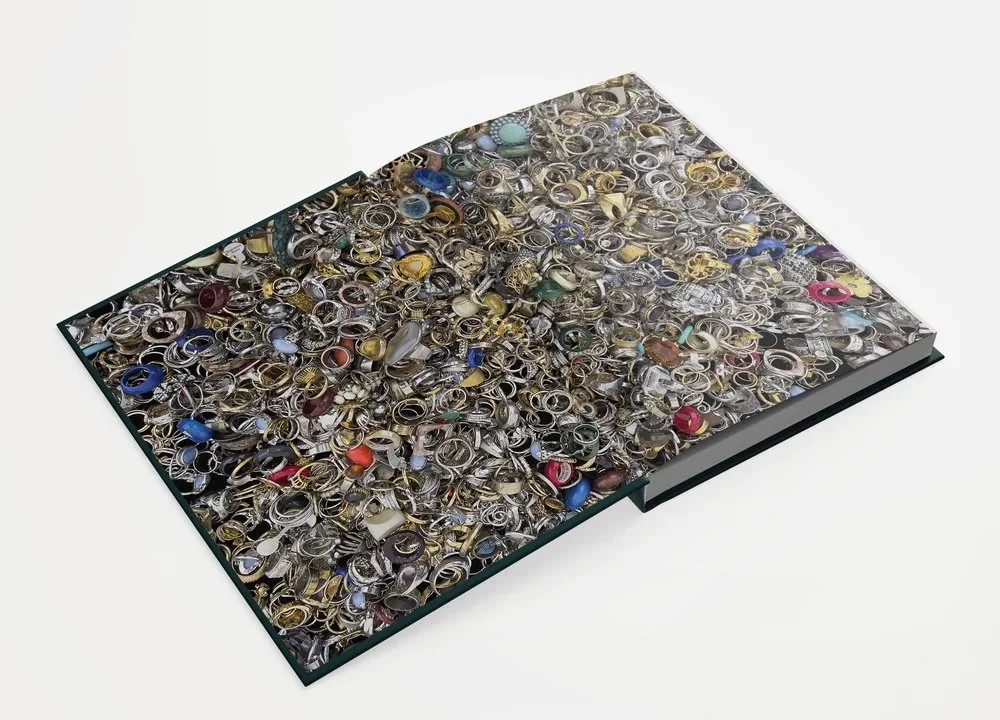
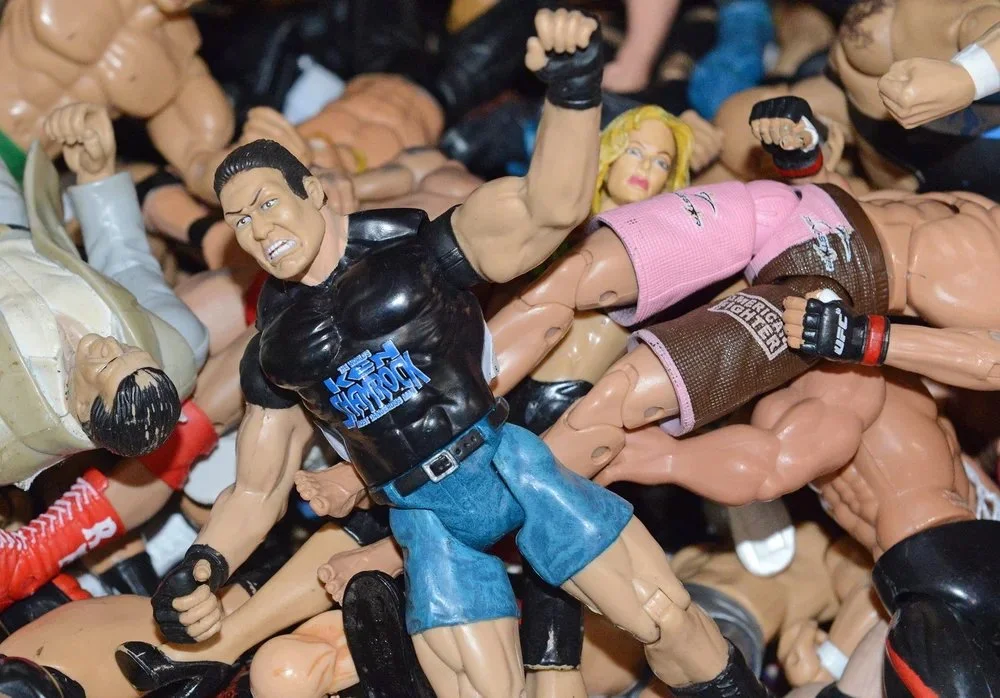
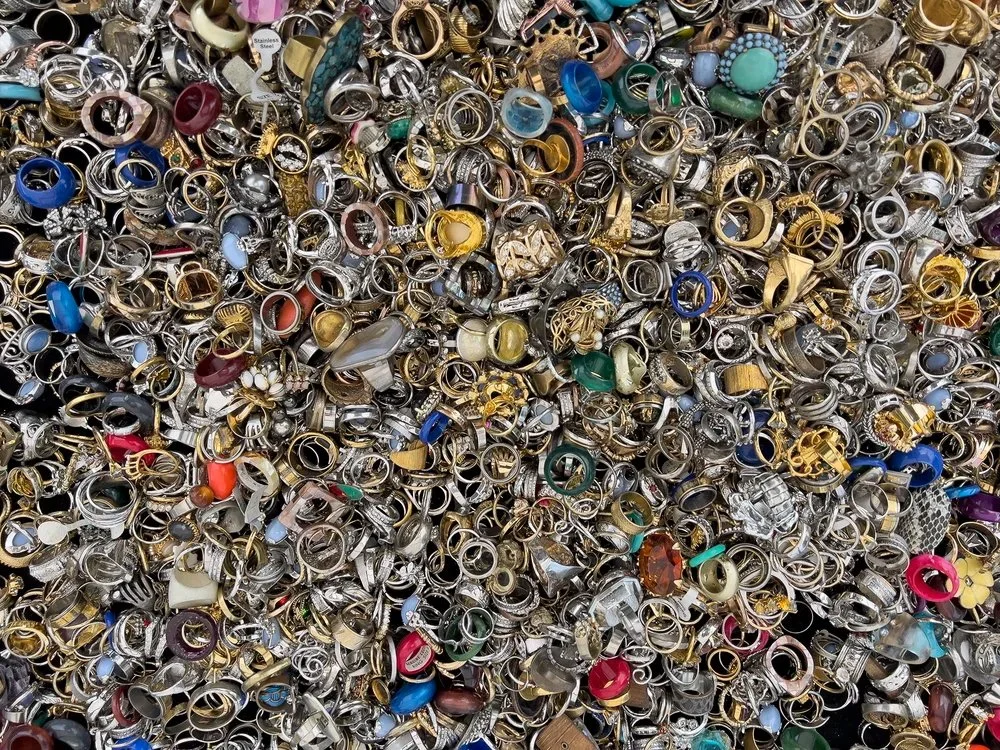
At Brimfield, I began envisioning a photography project centred on resale marketplaces. While flea markets have become clichéd territory for photographers, I was determined to find a personal approach. Initially, I focused on illuminating western consumerism by photographing displays crammed with material goods: tables piled with tools, toys, trinkets, and costume jewellery; shelves packed with knick-knacks; endless racks of clothes; booths overflowing with household items and bizarre objects. Chaos echoing the American dream mantra, I own, therefore I am.
As the work progressed, I became more interested in the stories behind individual collectibles, especially those reflecting race, gender, religion, and popular culture in America. This shift transformed the project into social commentary examining American biases and values, both historical and contemporary – hence the subtitle of the book: Salvaged Stories of American Culture.
Confronting America’s past through objects: Your photographs turn found objects into subtle but powerful critiques of American history and culture. How do you decide which visual elements or displays carry that critical weight and how conscious is your framing of these narratives?
Nearly all items at these venues carry historical and cultural significance, but I'm most interested in objects that reveal aspects of material culture emblematic of the American character. I do extensive mental editing, wandering from one shop or booth to the next, scrutinising displays without taking a single picture until an object or scene emerges from the merchandise and calls "hey, over here." Over the course of this project, those biddings have ranged from playful to somber, from whispers to screams.
While some objects carry inherent critical weight, I try to expand on that by thoughtful selection of subject matter and image framing. All the merchandise was photographed on site, just as I found it displayed at the time – without rearranging anything. Sometimes I photograph a single object, typically a doll or mannequin with a peculiar expression, unusual physical condition, or other compelling qualities. Much more often I frame multiple objects together, positioning my camera to reveal unexpected narratives and commentary that, in many cases, the dealers likely never intended. Including objects that contain text, like signage, posters and labels, often adds to the resonance of the scene.
Absence of people, presence of stories: Although all the images in Hunter Gatherer are devoid of people, the scenes feel deeply animated. How do you think about using inanimate objects as stand-ins for human presence, and what role does imagination play in that exchange?
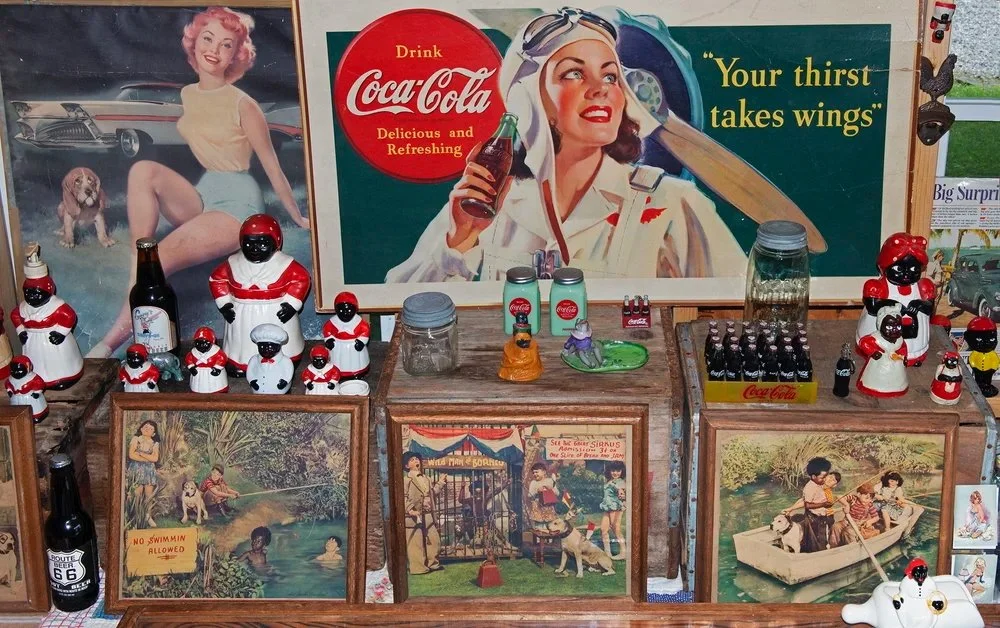
Using portrayals of people rather than actual individuals is central to this project. The figures fall into a few categories, each carrying distinct cultural weight. Some are recognisable icons, Marilyn Monroe, Elvis Presley, John Kennedy, Jesus, the Virgin Mary, whom we know through photographs, television, movies, writings, and scripture. Others are generic or universal types, the most troubling being caricatures that embody degrading stereotypes, such as Mammy, Sambo, and other Black “memorabilia” figures. A third category encompasses popular fictional characters from Batman to Mickey Mouse.
They all play roles within my visual narratives, where facial expression, gesture, physical condition, and the interplay between characters suggest unspoken thoughts, implied dialogues, and stories that breathe life into the image. To fully engage with these works, we need to free our imagination and embrace unexpected interactions: the Virgin Mary praying near a topless woman astride a steer, Trump encountering Mammy, Jesus appearing alongside a reclining nude.
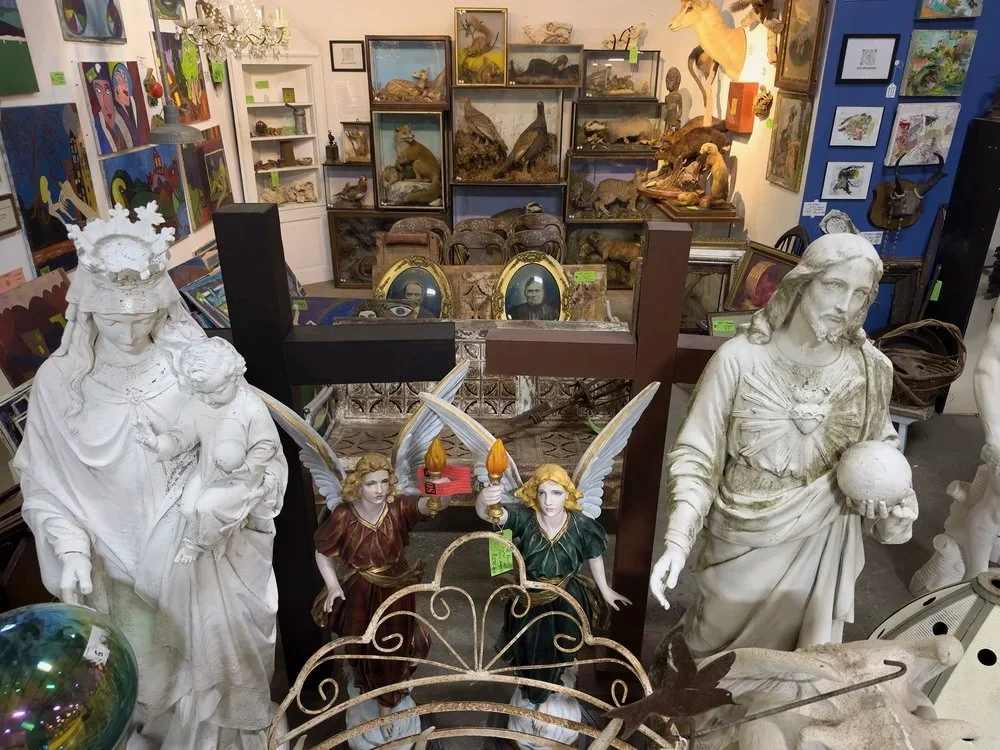
Visual complexity and layering: In our previous conversation about EDGE, we talked about your attraction to complexity and chaotic compositions. How does Hunter Gatherer build on or diverge from that visual language?
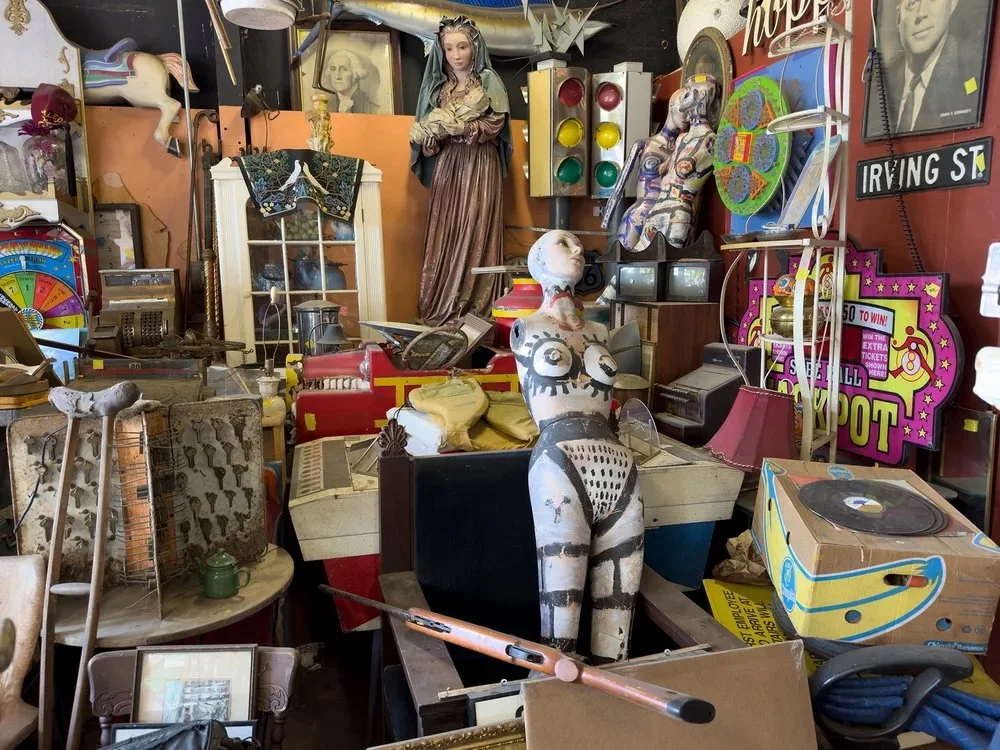
At the beginning of this project, I noticed dealers’ displays overflowing with merchandise and thought that the "edge of chaos" compositional style I had developed in previous work would suit these venues perfectly for commenting on America's consumerist culture. Initially, I built on the visual language from EDGE, but over time my approach evolved in unexpected directions.
My shift toward discovering objects and scenes that reflect social concerns required a more focused approach: moving in closer and positioning the camera to suggest larger narratives. Another stylistic change occurred when I began creating "portraits" of dolls and mannequins, close-up head shots that represent the opposite extreme from my complex compositions.
Advice for photographers drawn to found environments: For photographers interested in working with existing spaces or curated environments like antique malls, what advice would you offer on how to read a space and frame it with intention?
After making photographs for several years for Hunter Gatherer, I developed an intuitive sense of what interested me while remaining open to surprise. This was one of the great joys of this project – not knowing what I would find. The key is avoiding rigid preconceptions that might blind you to unexpected discoveries. Let the space and subject matter guide you rather than imposing predetermined ideas. For me, this approach proved essential for discovering the cultural artefacts and juxtapositions that were pivotal for this project.

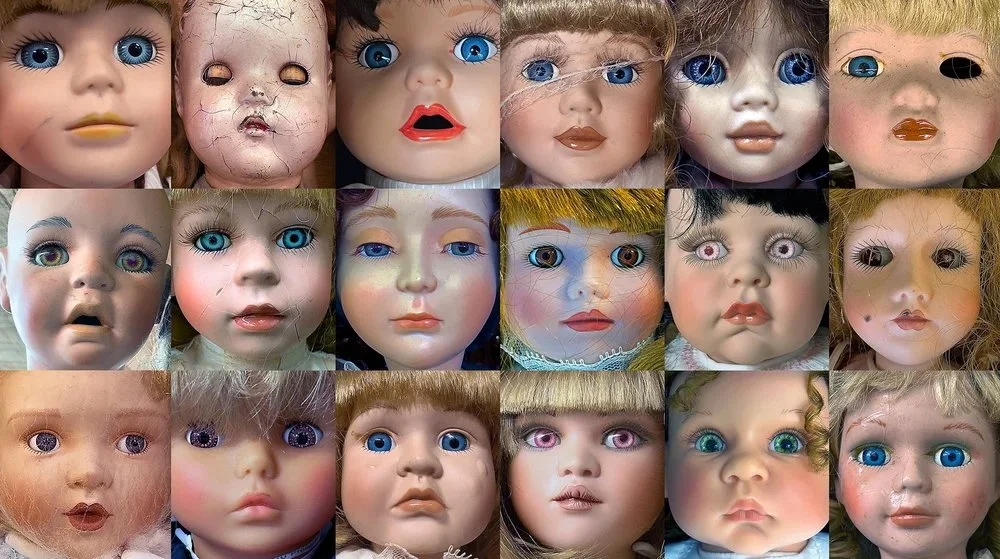
Themes of discomfort and confrontation: Many of the images in Hunter Gatherer bring forward themes like racism, objectification, and child neglect. How do you balance your aesthetic approach with the need to respect and confront these heavy subjects?
Yes, there are themes in the book that will cause discomfort – or worse. Let me answer your question by focusing on one: race.
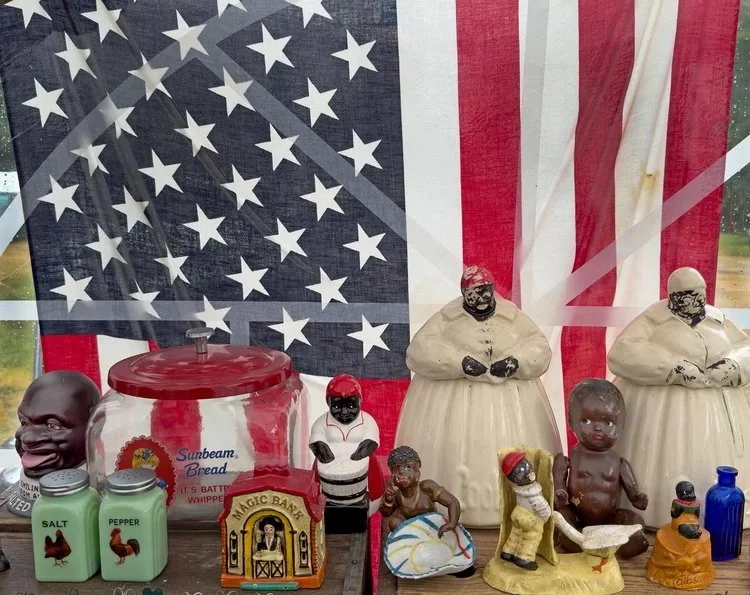
When I started photographing Black memorabilia a few years into the project, it was clear to me that I was entering a minefield. My photographs are not intended to offend or exploit, but rather to confront the past and engage with the present. But I realised that my images might be deemed offensive or give agency to racist ideology if they were appropriated for nefarious purposes. These concerns were particularly worrisome because here I am, a white guy, taking these photographs during a dramatic upsurge of racism and hate crimes around the United States and elsewhere.
Was it okay for a white photographer to appropriate these dehumanising portrayals of Black people? Should I stop making these images and permanently delete them, or would it be better to continue working and put them out into the world? I wanted and needed to learn more.
I read several books and did extensive research, which ultimately led to discovering the Jim Crow Museum of Racist Imagery at Ferris State University in Michigan, which collects and exhibits Black memorabilia and other racist material. Initially, encountering an institution dedicated to displaying racist objects was disturbing, but it ultimately proved deeply enlightening. As the museum’s website emphasizes, these objects can “aid our understanding of America’s racist past and serve as catalysts for grappling with the ongoing racial strife in the country.”
Facing unpleasant aspects of our history because it makes us uncomfortable does nothing to address the sins of the past or the current political and social climate that divides people in the US and other countries around the world. I came away from my soul-searching believing that it is important for me to make and share photographs that address race and racism - not despite my colour, but because of it.
The role of humour and absurdity: Despite the serious undercurrents, some of the images verge on the surreal or absurd. What role does irony or dark humour play in the way you shape this body of work?
Irony plays a pivotal role in several photographs. In “Interchangeable,” ironies abound - a crucified Jesus overlooks a collection of syringes set against a backdrop with the words “NATIONAL CASKET CO. INC. USA” on a nearby box. I came across this arrangement at an antique mall in Pawtucket, Rhode Island.
The image titled “Dispensation,” captures a figurine of a praying nun displayed alongside a prone Batman Pez dispenser. My initial response when I came across this arrangement was amusement, likely the intended effect of the dealer who displayed them that way. Yet deeper examination reveals multiple interpretive layers. What role has Catholicism played in shaping American identity? How does pop culture intersect with religious iconography? The hand beneath Batman’s head adds another quirky element to the composition – a child’s grasp just out of reach of the candy? Beyond the initial joke, the photograph can be read as a meditation on sacred and secular, childhood innocence and adult commerce, American religious heritage and contemporary pop culture.
Advice for concept-driven book projects: What lessons from producing EDGE have carried over into Hunter Gatherer, and what advice would you give to photographers building a book-length project with a strong conceptual backbone?
The importance of working with an experienced editing and design team became apparent right from the beginning when working on EDGE with Fall Line Press. This lesson has proven even more valuable with Hunter Gatherer, which has been far more challenging to edit, sequence, and design due to its broad range of themes, subject matter, and compositional approaches. Weaving these disparate elements into a cohesive narrative required extensive collaboration with the editor and designer through multiple iterations.
My primary recommendation for any photographer developing a photobook is to collaborate with experienced editors and designers who bring objectivity and expertise to the book development process. We photographers tend to develop emotional attachments to certain images. Those bonds can cloud our judgment when developing a photobook, which is quite a different endeavour from an exhibition. Some photographs that would work well on gallery walls might not translate effectively to the printed page or contribute in a meaningful way to your book’s narrative arc. Of course, if a photographer feels confident about their ability to edit, sequence and/or design their own book, go for it. But for many of us, the best path is to collaborate with people who have experience and expertise in those areas.

Looking forward to publication: With the book slated for Fall 2025, what do you hope readers and viewers will take away from Hunter Gatherer not just in terms of visual engagement, but also in how they reflect on American culture through its leftover artifacts?
I encourage readers to notice how aspects of American culture weave in and out as the book progresses. Be aware not only of what the book reveals about the country’s past, but more importantly what it says about the ethos of present-day America. The insightful introduction by Cheryl Finley, acclaimed author of Committed to Memory: The Art of the Slave Ship Icon, situates the body of work within a historical and cultural context that helps unpack its layers.
I hope readers find the book meaningful, though that meaning will be unique to each person. Neither the objects, photographs, nor the book itself contain inherent meaning, it emerges from the dynamic between work and viewer, shaped by personal experience and cultural perspective. My own perspective is that of a white male raised in the Catholic Church in middle-class America during the 1950s and 60s, graduating high school with four hundred classmates, all white. I hope readers will engage with Hunter Gatherer in ways that illuminate how their own lives, culture, and personal histories intersect with the work's broader themes.
"Hunter Gatherer: Salvaged Stories of American Culture" has worldwide distribution and is available through your local bookstore or online at MWEditions.com, Amazon.com, Barnes&Noble.com and many other online retailers.
More photography books?
We'd love to read your comments below, sharing your thoughts and insights on the artist's work. Looking forward to welcoming you back for our next [book spotlight]. See you then!
Ian Bates found his wildfire story after the fire. In 2014, he saw his first wildfire while visiting a friend in Eastern Washington. Photography Book Spotlight