From Church Balcony to Guggenheim Fellowship: The Photographic Story Behind Linda Foard Roberts’ Lament
Welcome to this edition of [book spotlight]. Today, we uncover the layers of 'Lament,' by Linda Foard Roberts (published by Radius Books). We'd love to read your comments below about these insights and ideas behind the artist's work.
Some photographs change how we see the past forever.
Linda Foard Roberts’ project Lament is about the places in the American South connected to the history of slavery. She began it after learning, in a quiet moment inside a church, that she was sitting where enslaved people once sat. Her work combines large-format black-and-white photography with research, personal history, and collaboration with historians and writers. It shows that the past is still present and shapes the way we live today. This is a story about how photography can help us look closer, remember, and open difficult conversations.
Lament began with one moment of truth.
That moment grew into years of travel, photographing buildings, landscapes, and objects that carry the weight of history. The project became personal when Roberts discovered her own family’s connection to enslavement. With support from a Guggenheim Fellowship and respected contributors like Henry Louis Gates Jr., the work turned into a two-volume book. It is both a record of places and a call for understanding, compassion, and repair. Lament shows that when we face the past directly, we can create space for healing.
The Book
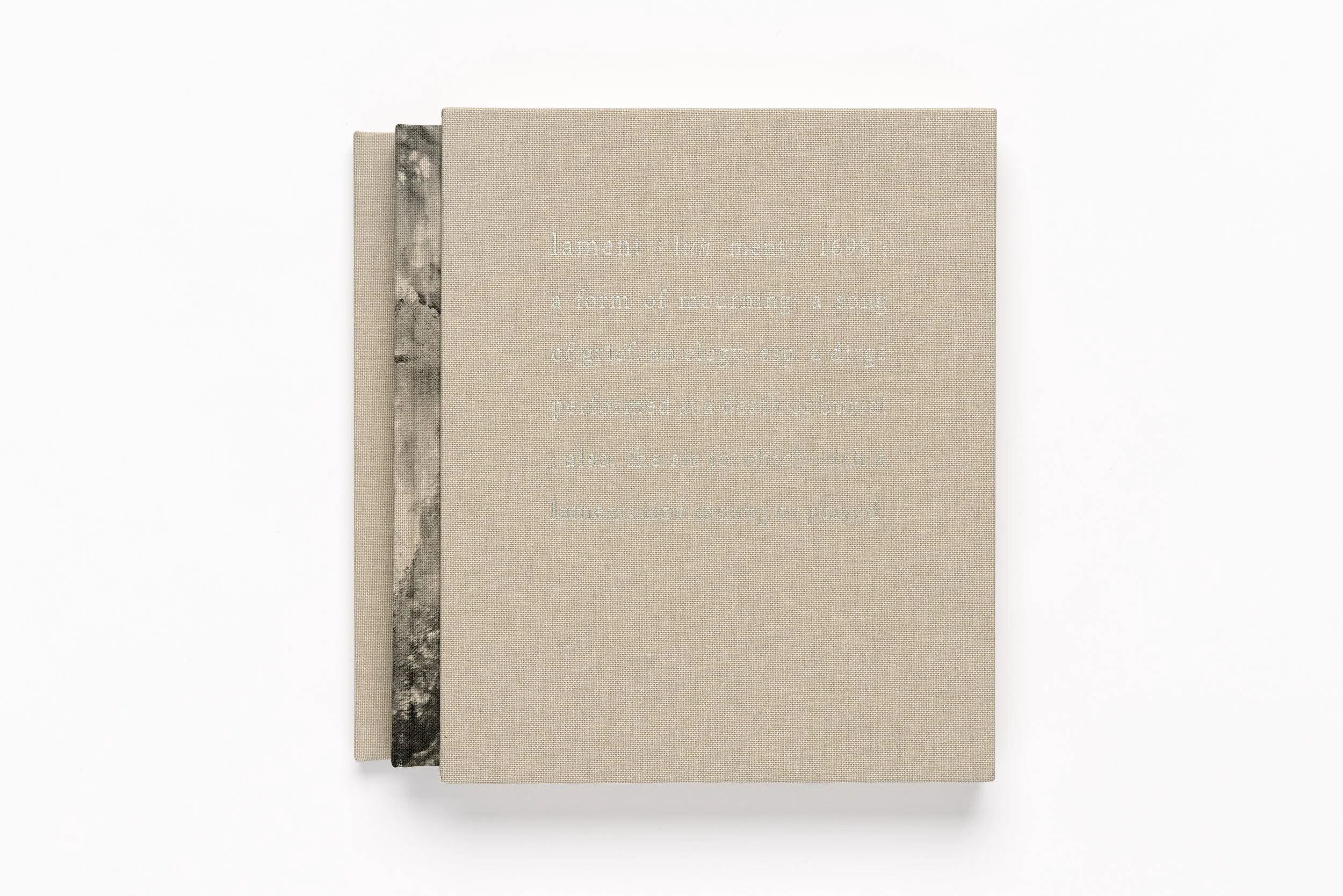
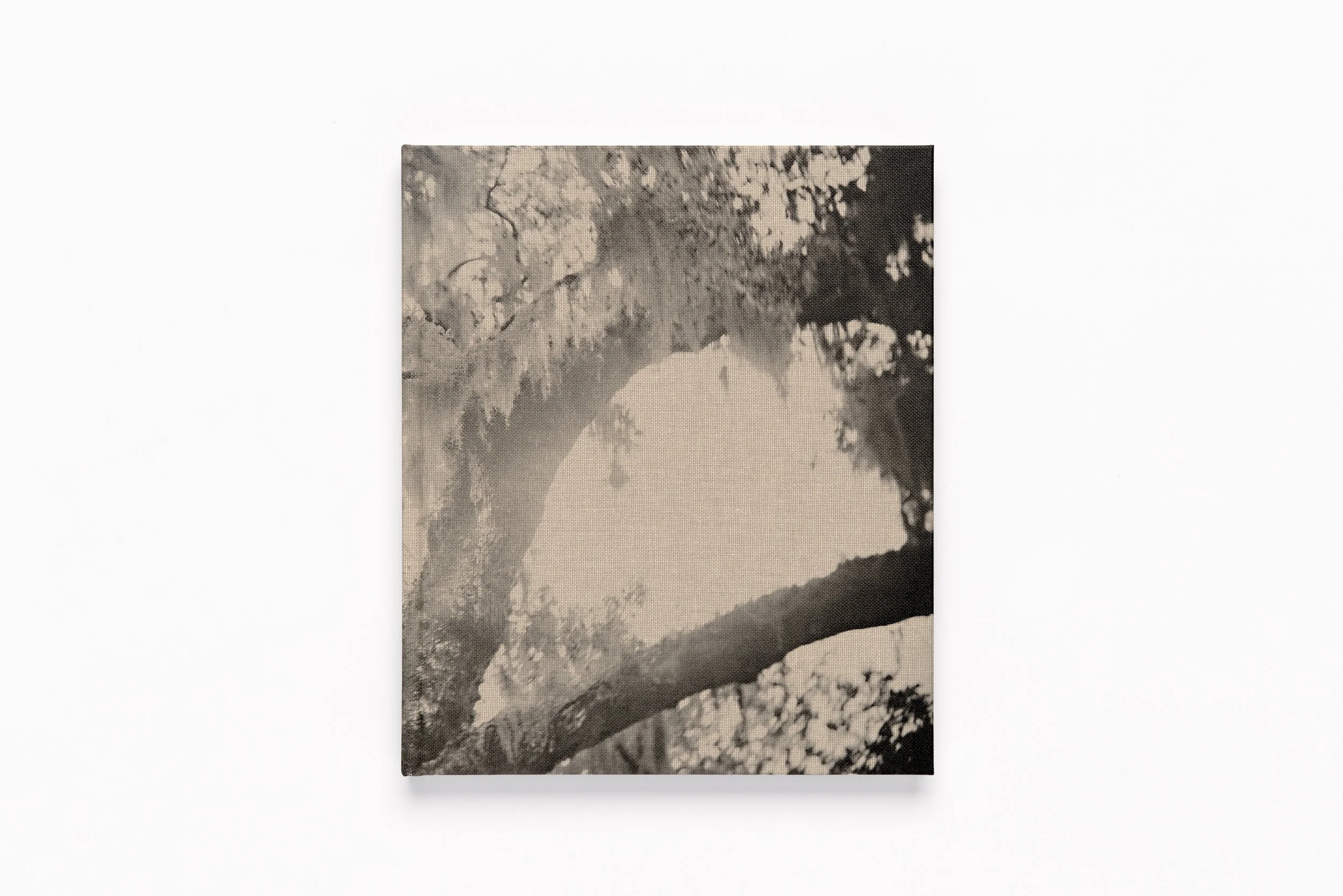
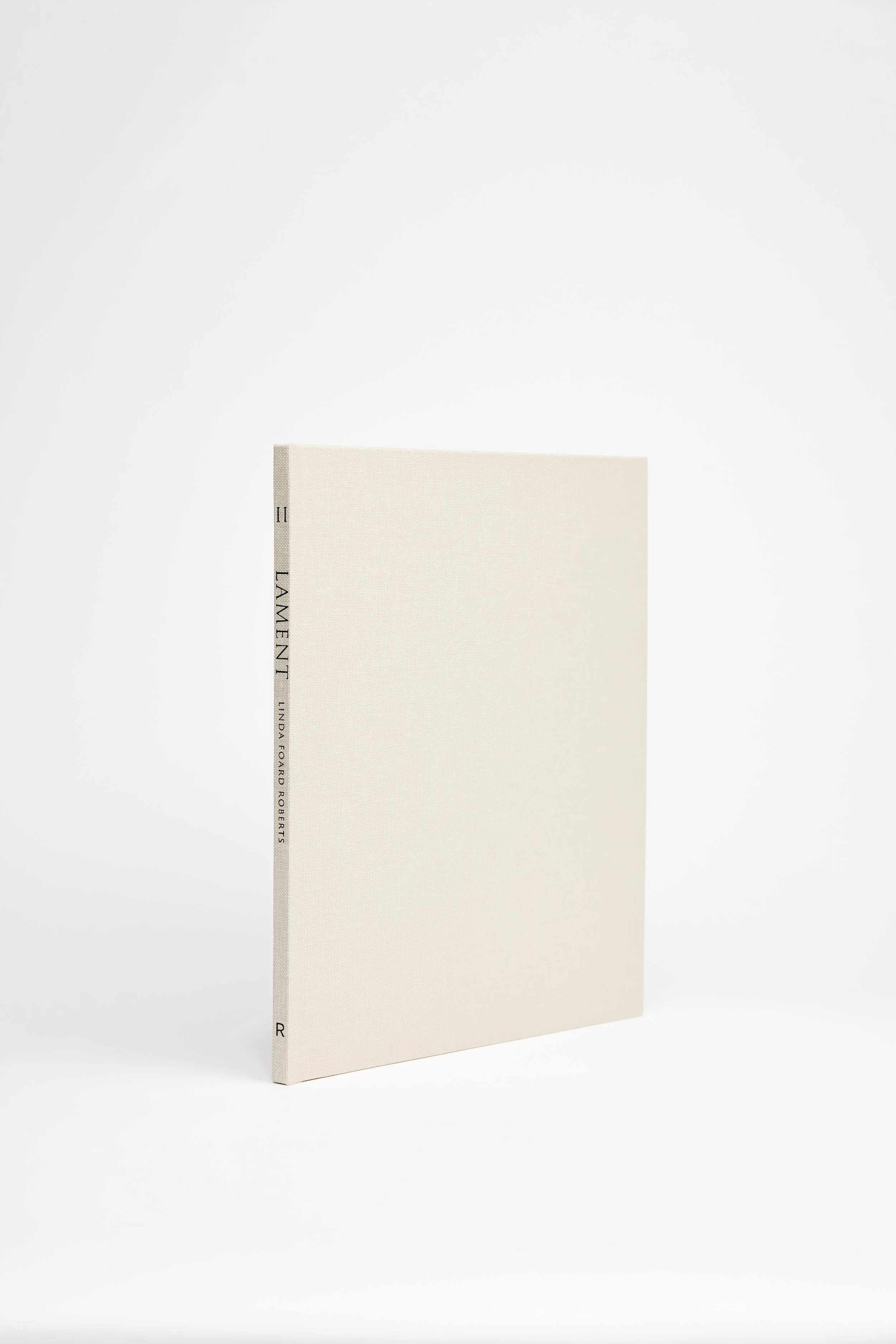
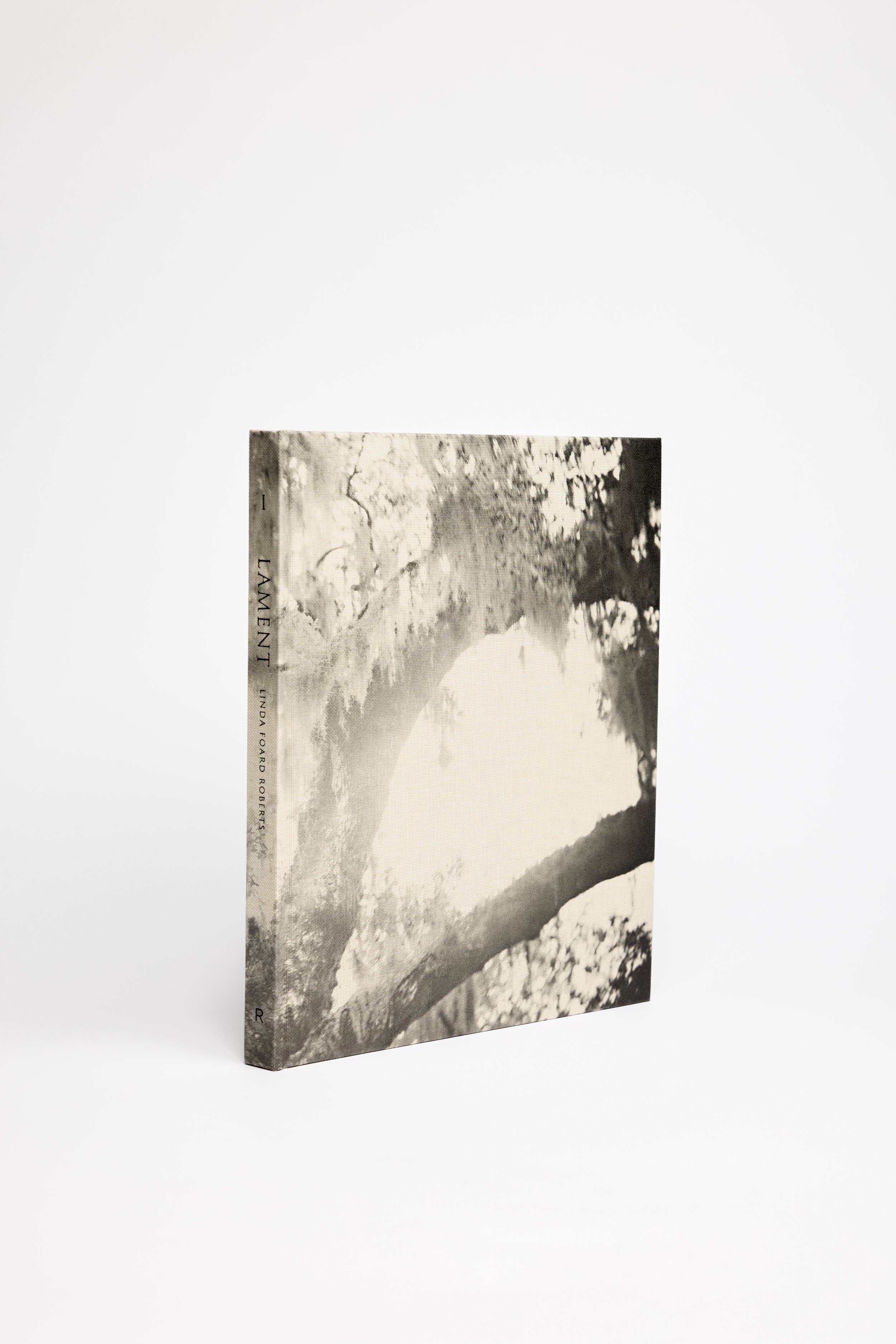
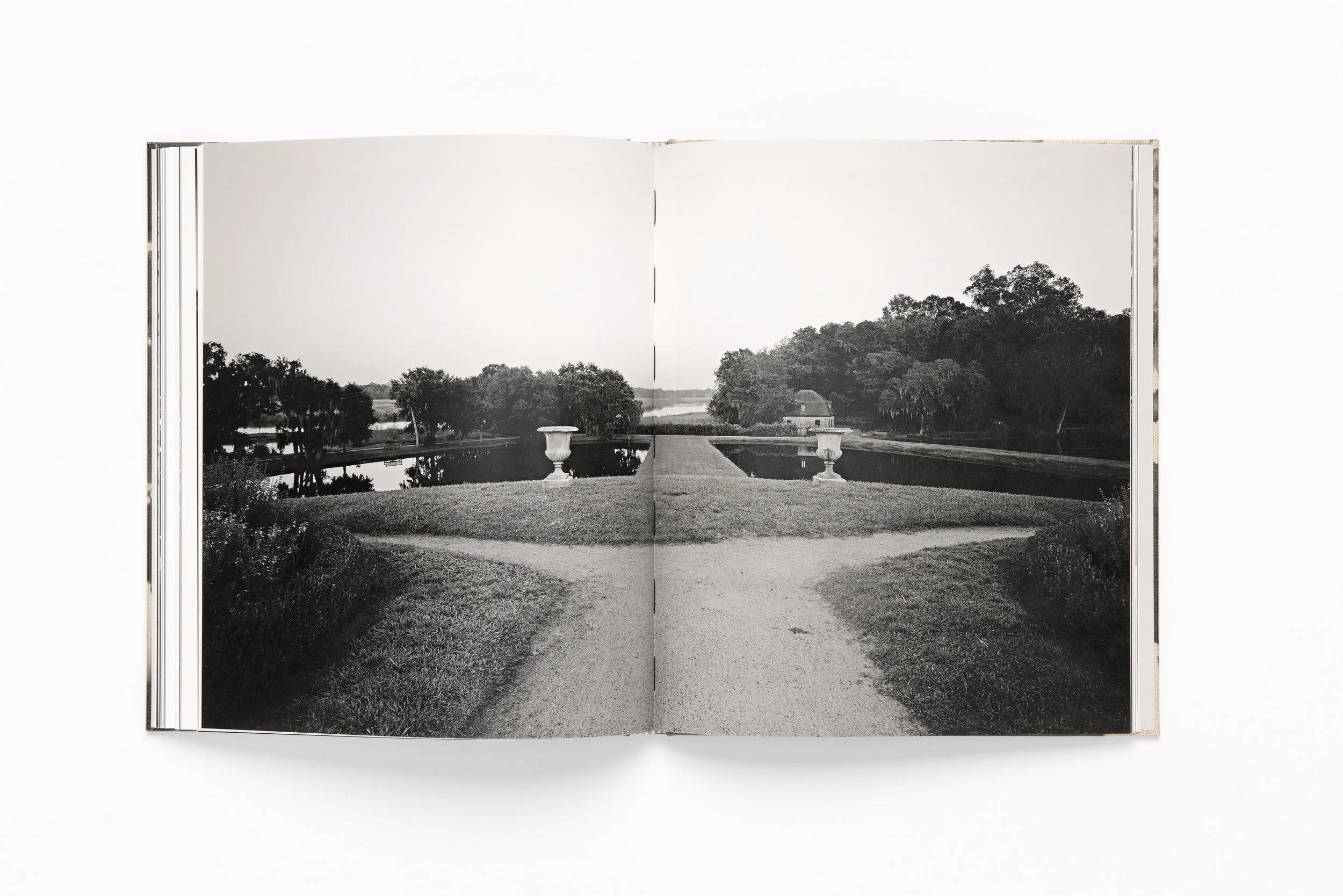
Lament is a two-volume photography book by Linda Foard Roberts, published by Radius Books in 2023. Supported by a 2020 Guggenheim Foundation Fellowship, the project documents locations in the American South connected to the history of slavery. Using an 8×10 view camera with a 19th-century Darlot Brass Barrel lens, Roberts creates black-and-white images that explore memory, loss, and the possibility of healing. The work combines photographs with essays by Jennifer Sudul Edwards, Cheryl Finley, and Michelle Lanier, a poem by E. Ethelbert Miller, and an afterword by Henry Louis Gates Jr. The books are presented in a slipcase, with an embossed cover that reveals the etymology of the word “lament” when held to the light. A portion of the proceeds supports the Equal Justice Initiative, the Slave Dwelling Project, and the creation of a memorial for the enslaved cemetery at Providence Presbyterian Church, where the project began.
(Amazon, Radius Books )
….a book that so wonderfully embodies James Baldwin’s belief that “Each of us, helplessly and forever, contains the other.” Henry Louis Gates Jr., PhD (from his essay in the book)
Review/Blurb by Deborah Willis, Ph.D. :
"Lament" is truly an imaginative, enchanting, and transformative book that fuses memory, mourning, beauty, and grieving. What I learned from looking closely at the prints in this book is Linda Foard Roberts' love of words, nature, light, and the land. Each writer in this volume shares deeply personal reflections on their own experiences with Linda’s arresting photographs. Holding close to the complex history of architecture in the South while engaging with the metaphysical, Linda shifts time and space. She is refining, defining, and expanding the history of photography, memoir, and family history by recreating themes that employ a sense of longing and belonging. The contemplative images suggest a lost history rediscovered with hope through the lens of Linda Foard Roberts' work.
“Whenever we treat an identity as something to be fenced off from those of another identity, we sell short the human imagination. People can successfully project themselves into the lives of others. That is what art is meant to do—cross boundaries, engender empathy with other people, bridge the differences between author and reader, one human and another”. - Henry Louis Gates Jr., PhD
This project is supported by a 2020 Guggenheim Foundation Fellowship.
A portion of the proceeds from sales of photographs from this project will be donated to the Equal Justice Initiative, which includes the Legacy Museum, a museum for the history of racial inequality, and the National Memorial for Peace and Justice, a sacred space for truth-telling and reflection, both in Montgomery, Alabama. A portion of the proceeds will also go to support the Slave Dwelling Project, a non-profit organisation dedicated to developing resources to preserve African American slave dwellings. Lastly, a portion of the proceeds will go toward helping to erect a memorial for the enslaved cemetery at Providence Presbyterian Church, where the work began.
Overview of the project: What inspired you to begin Lament, and how did it evolve into such a deeply personal meditation on memory, loss, and transformation?
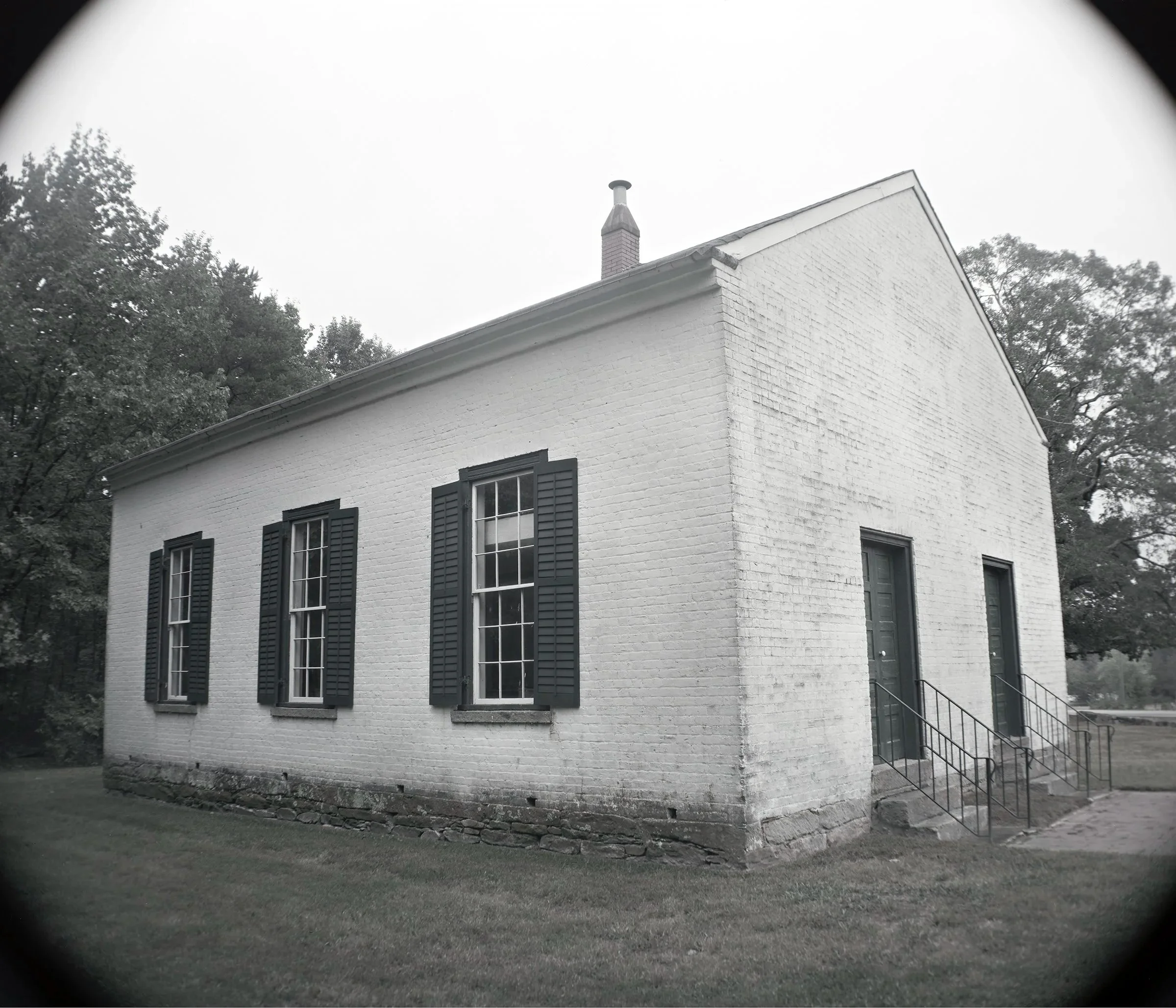
In 2016 I was finishing up working on my book, Passage – which is about life, love, family, and the sacredness of time. It was during this time that I was sitting on the balcony of a church we had been attending with my family, when my son quietly and emotionally revealed we were sitting in the same balcony pews where the enslaved once sat. I was moved to tears. This was kind of a beginning for me.
In that moment, I felt a strong tangibility to this past and a collapse of time. Feeling the social unrest in our country and the continued invisible barriers, my hope for healing became a driving force. I was drawn by something greater than myself and decided to record these places of oppression as a way to invite a shared witnessing to this past. I felt compelled to add my voice to the chorus of all those who came before me. I hope that this open discussion and dialogue about our country's deepest scars will facilitate cultural reform, healing, and new possibilities.
What I didn't know when I began this journey was my own connection to the history of enslavement, and that the people I would be honouring would have once been held by my own ancestors. I am still sitting with this awareness. I have stepped back and then forward again from this work and I thought of the words of Thomas Wolfe from Look Homeward Angel, "Each of us is all the sums he has not counted."
My book, Lament, pulls from our deepest connection to humanity, reminding us that we are all woven into the social fabric of time, history, and life together, and that we must examine our shared past. This work connects the tangibility of history and the geography of memory to foster a deeper understanding of the palpable presence of the interconnected past in everyday life.
Bryan Stevenson’s grandmother counseled him by sharing, "Bryan, you can't understand the most important things from a distance; you have to get close."
These words have guided me throughout this journey. Healing requires an understanding upheld by closeness.
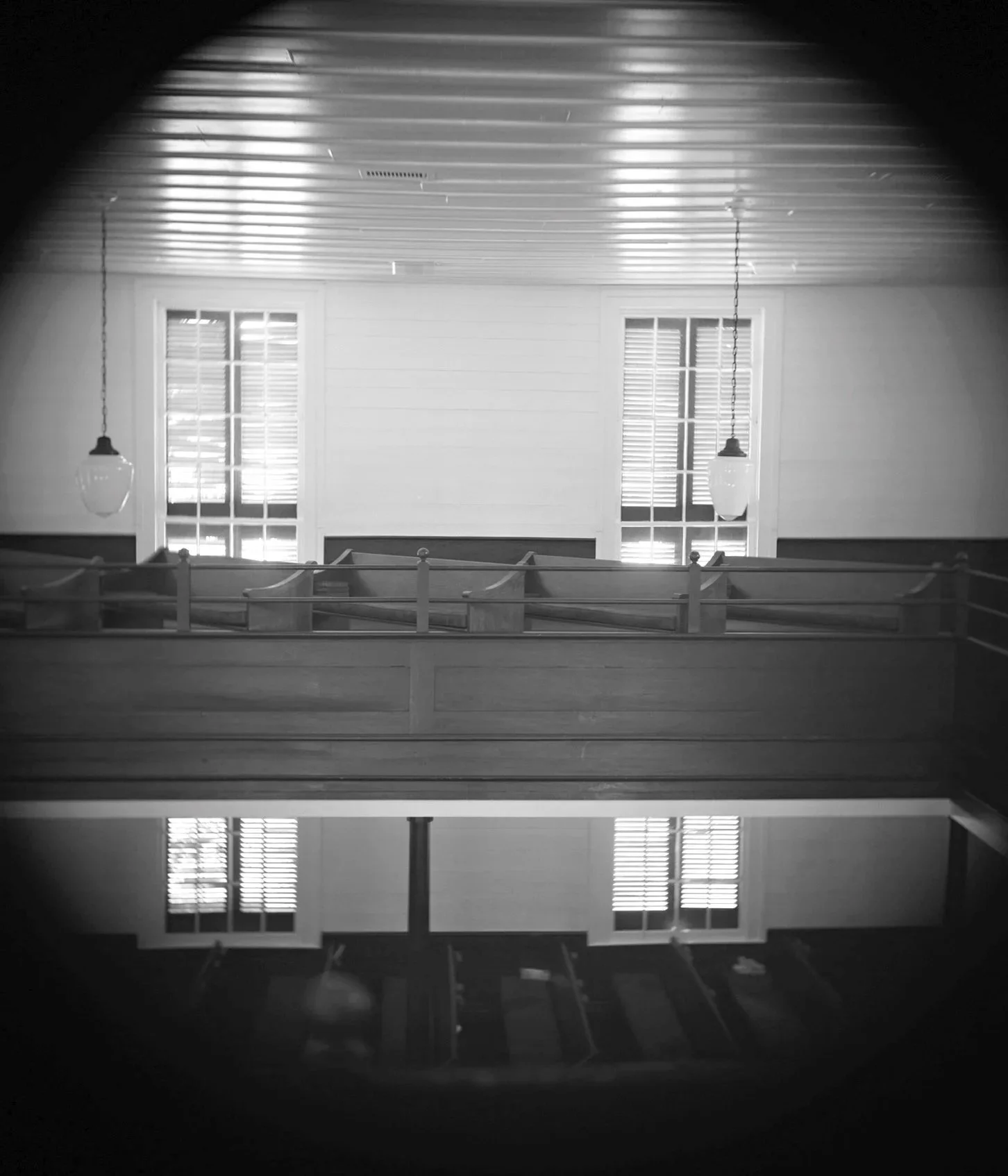
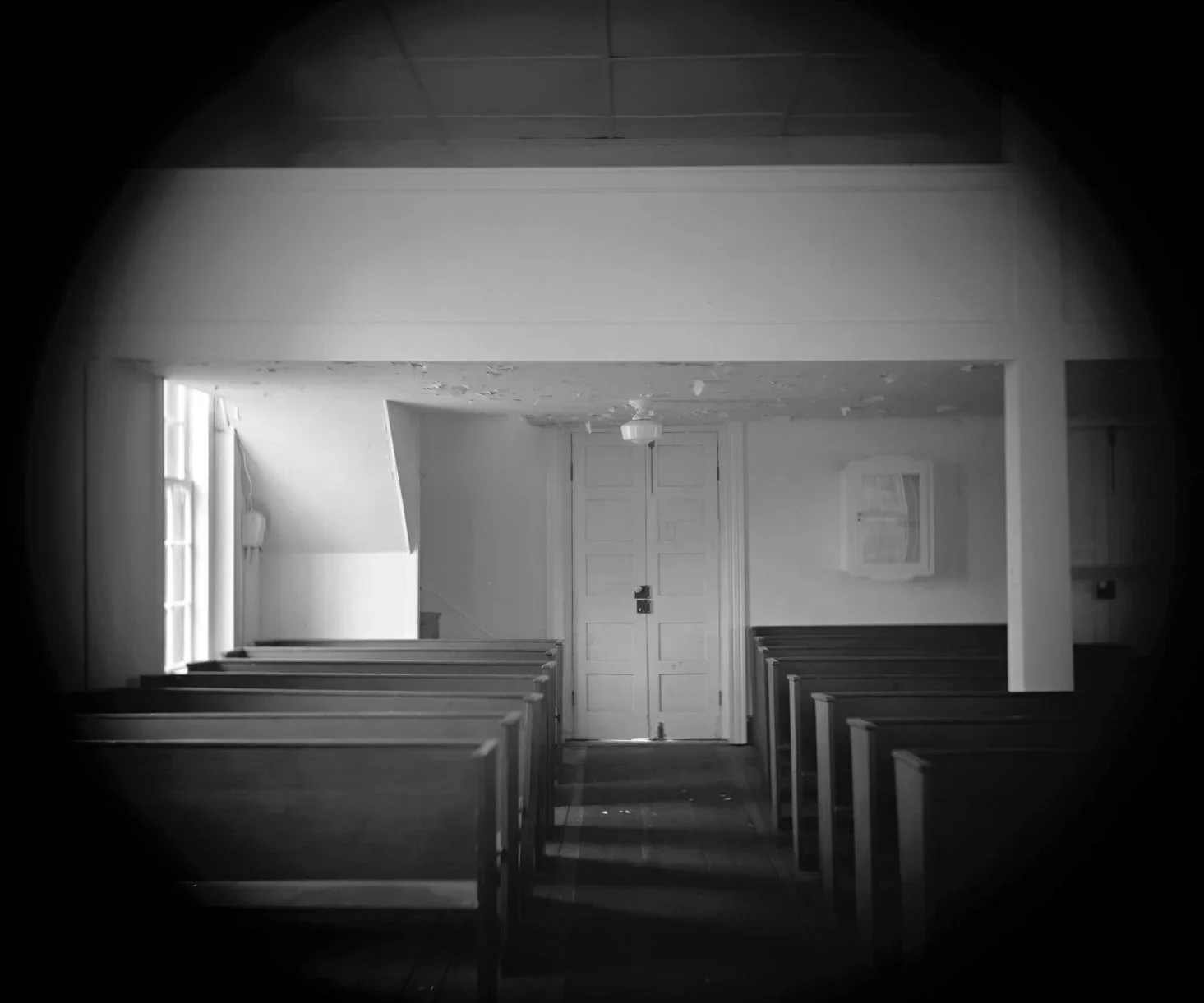
Photographing impermanence: Much of Lament centres on the decay of objects, places, and even history. What draws you to these symbols of impermanence, and how do you decide what to photograph?
I have always believed that places and things hold memories, and it is up to us, as artists, to reveal what lies beneath the layers of time. I feel that intent is essential. When I am working, if I don't feel an emotion while taking the photographs, how can I expect the viewer to be moved?
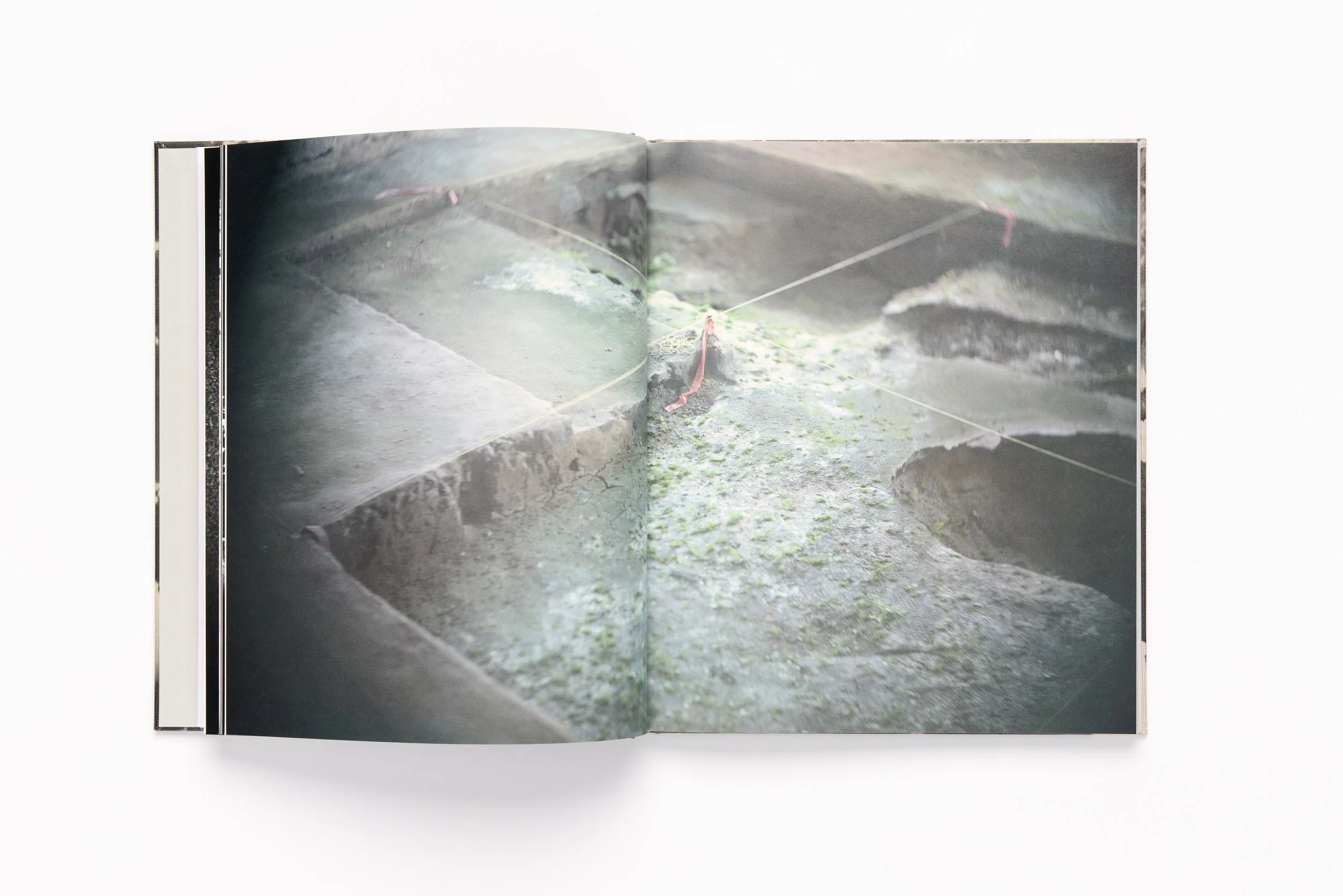
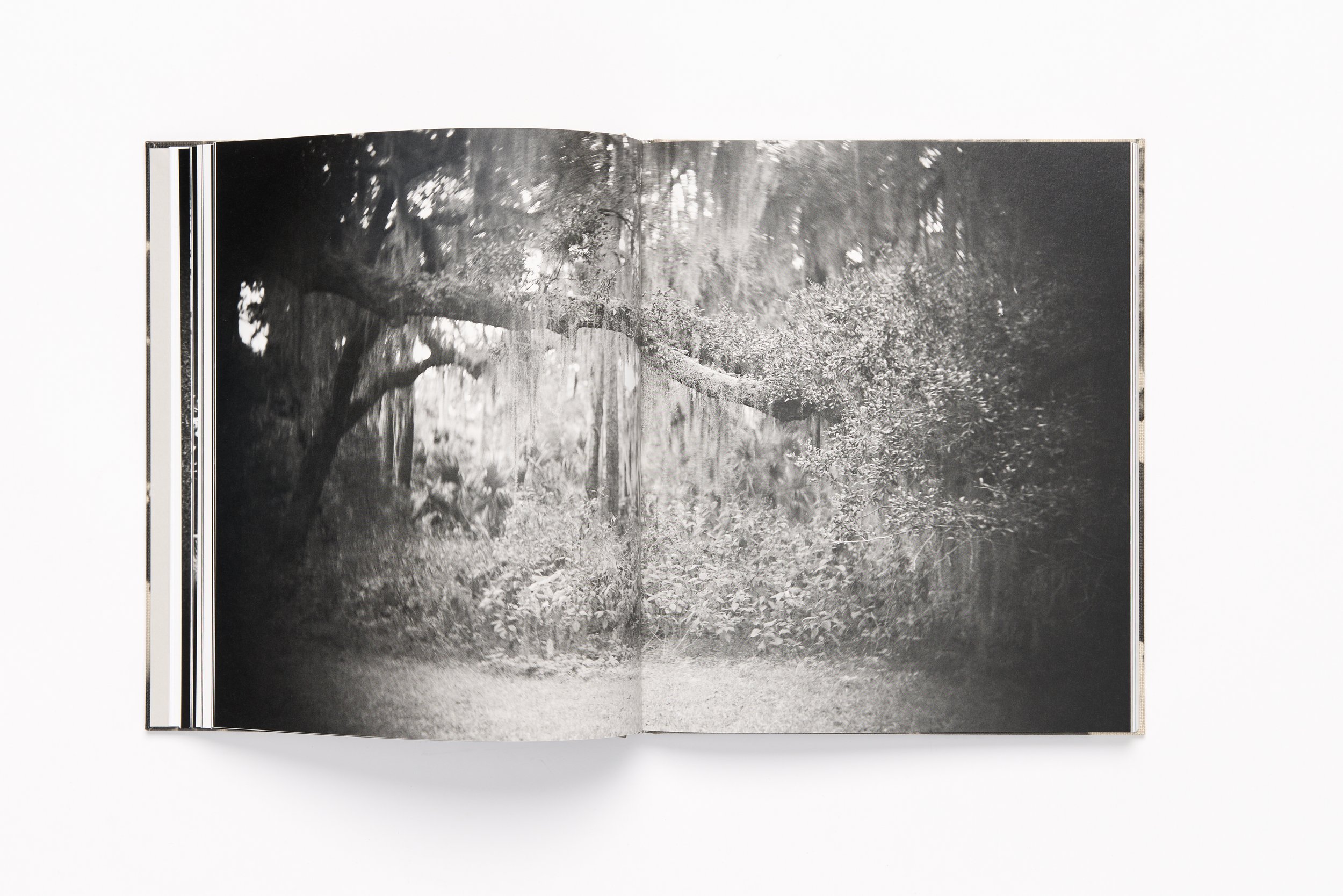
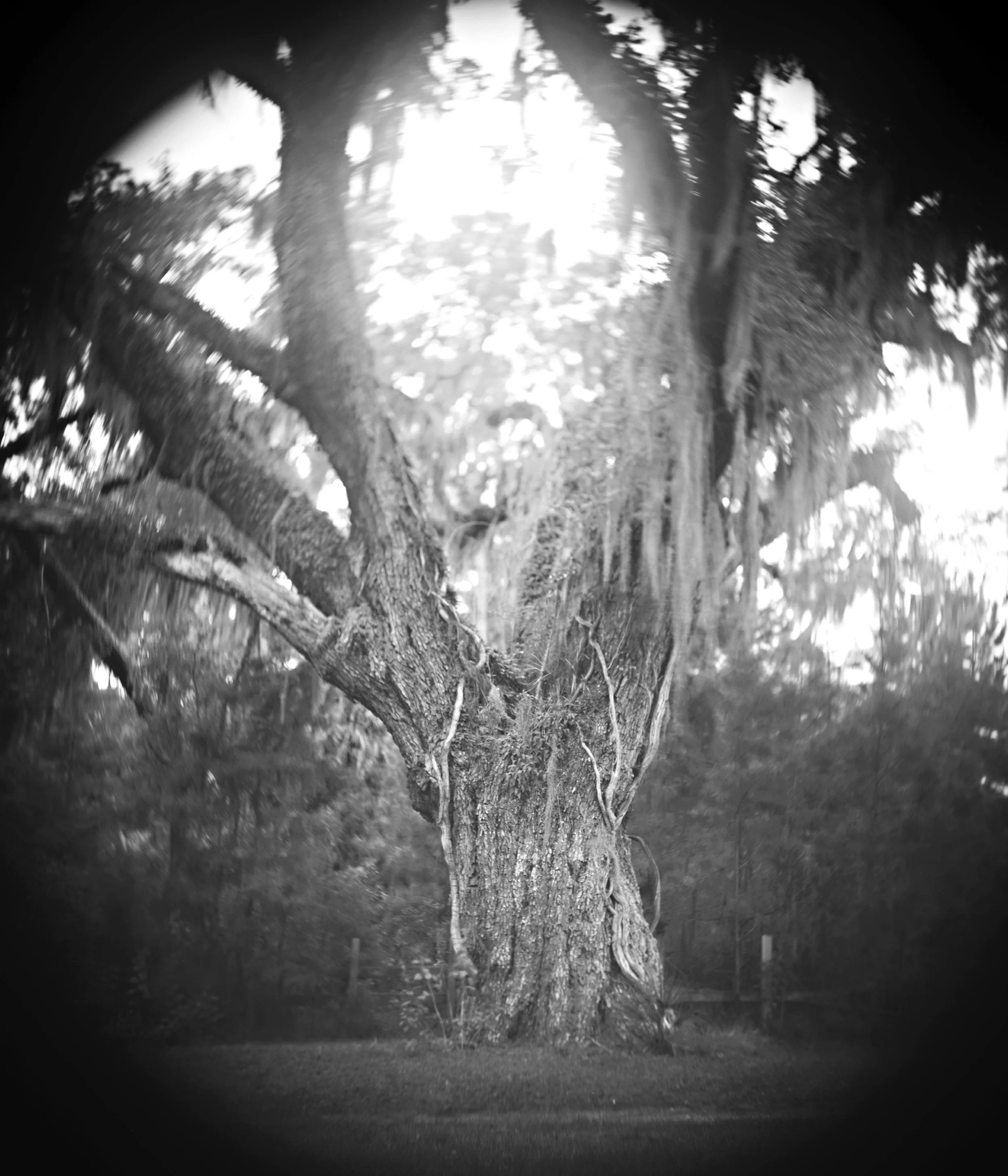
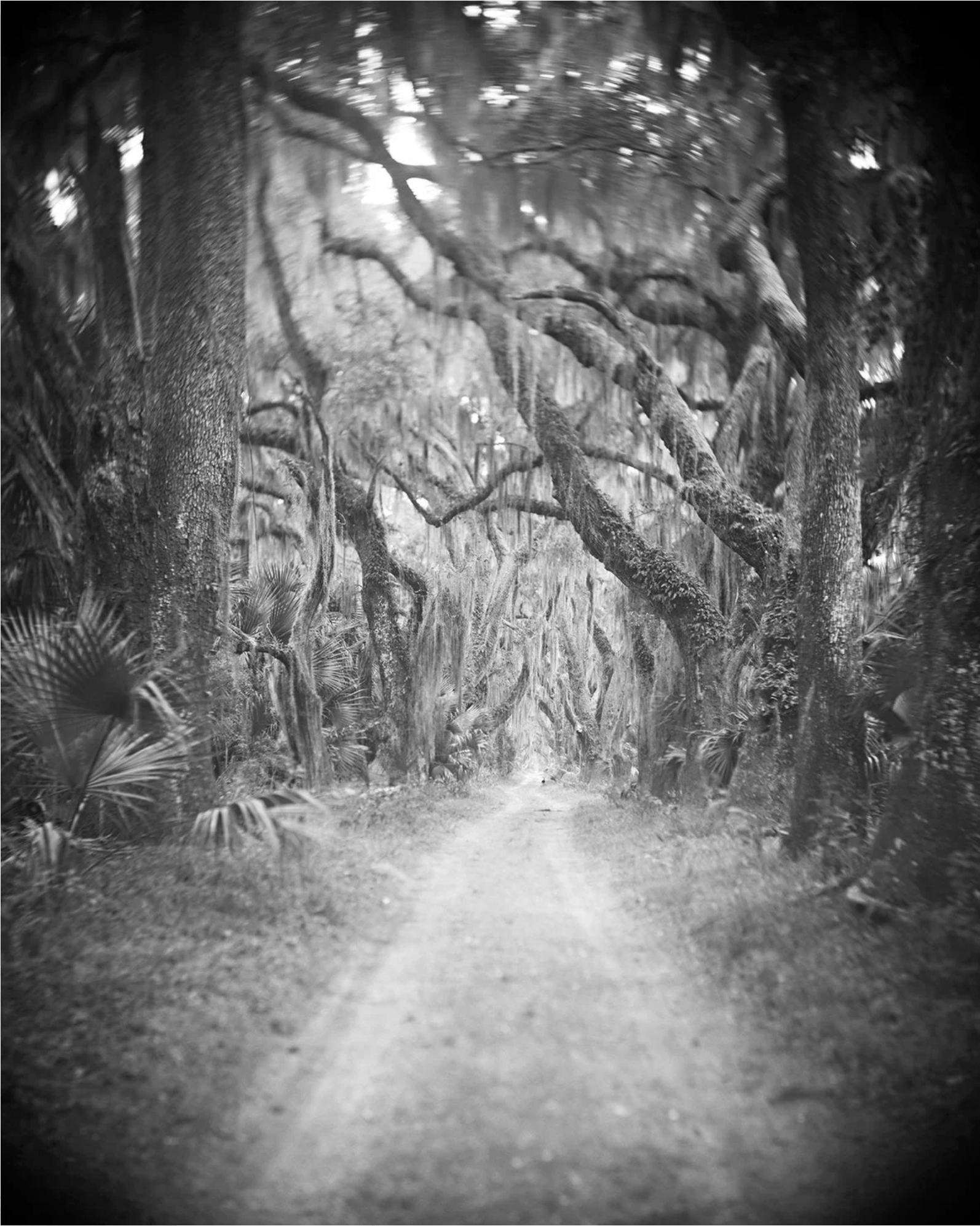
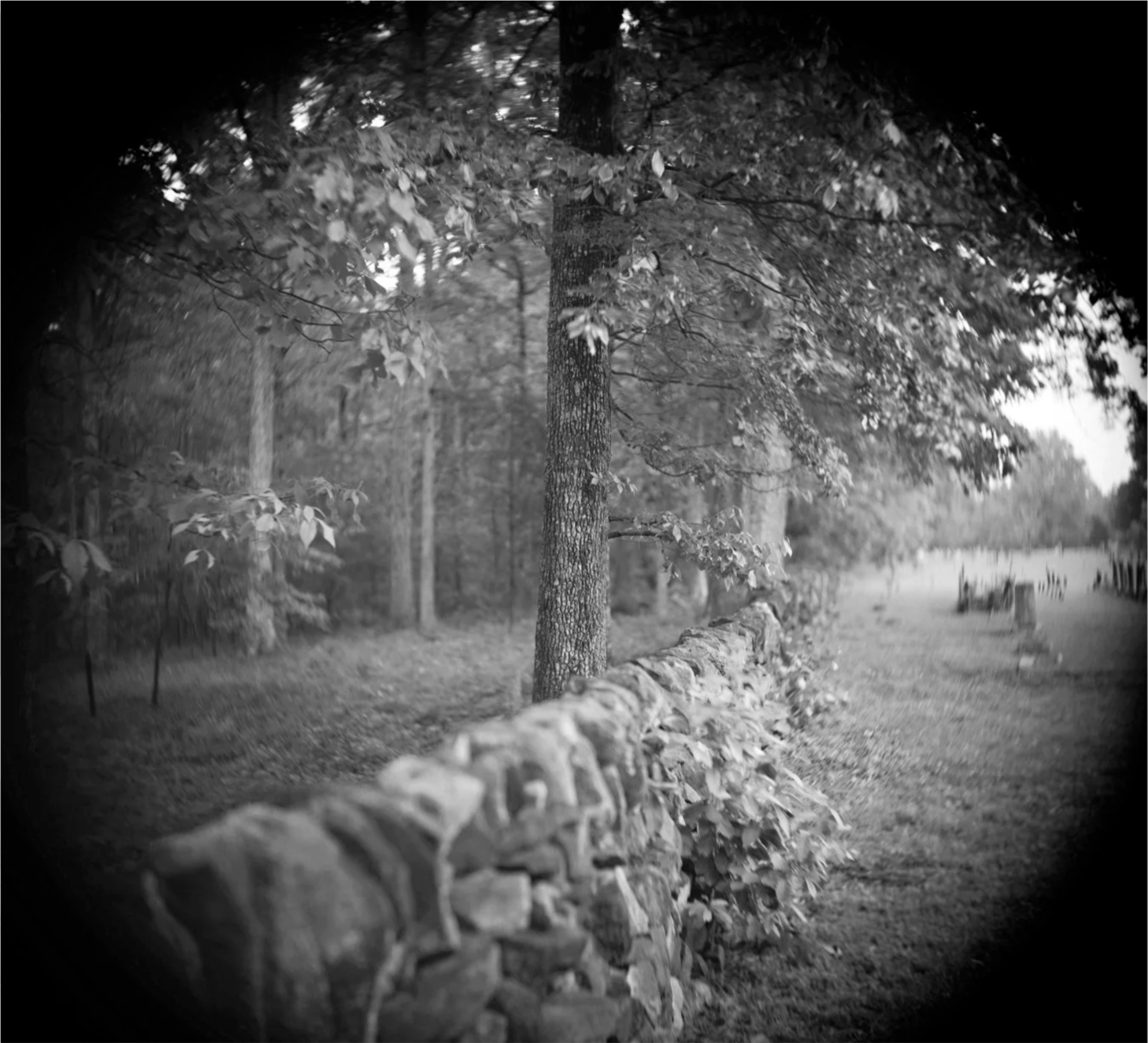
This work took me places across the South to bear witness to our country's deepest scars. The tangibility of these places of suffering, the evidence of tragedy manifested itself in the entangled, weeping earth, the hanging moss, and resurrection fern-covered limbs, worn hand posts, tired stairs, half-light windows, darkness, the presence of something here that beckons us, calls us to remember, to look, but not to just look, to see and feel. To feel we must pull from the deepest part of our humanity, our hearts, and this becomes the anchor to which we can better understand the stories being told by these places and spaces. Within this physicality, our hearts and minds are invited to connect.
The role of motherhood: You've said that being a mother influenced how you view the world and make photographs. How did that perspective shape Lament and the themes of preservation and fragility in the book?
All of my work is inspired by the limitations of our mortality and the limitations of time. Motherhood can be steeped in deep love, a kind of surrender if you will, while experiencing the strong current of time. I have always believed that time with our loved ones is all that really belongs to us. One of the many complex narratives of this history is how families were torn apart by the economies of slavery. Life is already delicate, fragile, and transformative, and it is extraordinary that we are here for such a short time; it is cruelly heartbreaking that our history of slavery took vital and basic freedoms from so many.
Working in black and white: Your black-and-white imagery feels timeless and tactile. What does the monochrome palette allow you to express that colour cannot?
I love colour and black and white, and there are a few colour images in the book, which are used as grounding images. I believe that black and white has the capacity to take you back in time, convey emotion, and be fully present without the distractions of colour.
For this work, I used an 8” x 10” view camera with a Darlot Brass Barrel lens from the 1800s. The lens provided a way for me to look back through time at these places of history, in the present time and place, and see the overlap of evidence of our past with the present. There are no shutter speeds or f-stops on this lens, which allowed me to be fully present and in the moment, taking the lens cap off for exposures, leaving an element of chance within my work.

Advice for photographers exploring personal themes: What would you say to photographers who want to use their work to process grief or explore memory without becoming overly sentimental?
I used to believe I had to travel the world to take meaningful photographs. When I was living in the country, raising my children, I realised I wanted to document not what was new to me but what was a part of me.
I believe that the more personal you are, the more universal your work will be. We are all connected through our humanity. It is essential to have an emotional connection to your work, as it will be reflected in your images. Art is meant to move us, to help us think, to encourage us to act, to have a better understanding of the universality of humanity within all of us; it brings us closer together.
Archive as material: You often incorporate found materials, family heirlooms, and references to Southern history. How do you weave archival and personal elements into a photographic narrative?
If you are open to your creative process, the objects and locations will come to you. Have you ever noticed that you receive more of what you focus on?
Most of my work is about being present, paying attention to my surroundings, to people, and places of significance in the world right around me. Again, it is about having an emotional connection to what you are photographing. Titles can be guiding as well. In earlier work, my ideas were conveyed through multiple images, much like lines in a poem. I like to read a lot of poetry, books across genres, and am as inspired as much by what I read as what I see.
Balancing concept and intuition: Lament is both conceptually rigorous and emotionally raw. How do you balance planning a project with staying open to what the world offers you?
This was the most challenging project I have undertaken to date. The emotional impact of the places I sought, and the discovery of my own family’s history, were all part of the process. It was a balance of following my intuition and listening to what was happening in the world, while also recognising the importance of addressing the enormity of silence and erasure.
This project was only possible through the collective counsel, support, guidance, and generosity of spirit of many, many people. I am so very fortunate to have immensely generous and talented contributors. I am deeply grateful to all of the writers and contributors whose powerful words express what sometimes a photograph cannot convey. The book includes essays by Jennifer Sudul Edwards, Ph.D., Chief Curator and Curator of Contemporary Art, The Mint Museum, Charlotte, NC; Cheryl Finley, Ph.D., historian, author, curator, and critic; Michelle Lanier, Center for Documentary Studies at Duke University, and Afterword by Henry Louis Gates, Jr. Ph.D., professor, literary critic, historian, and filmmaker, and a poem written for the work by Eugene Ethelbert Miller, poet, teacher, literary activist.
A defining moment in this project is when writer and folklorist Michelle Lanier and I visited the church where the work began. We spent time here at the burial site for enslaved laborers. She powerfully and beautifully greeted the land with prayer and song. We later sat together in the same balcony pews where this work was born. In that moment, and even now, we share an unflinching commitment in the direction of justice. Michelle’s poem, which is in Lament, was written after this experience. Her words capture what the images cannot.
I am also fortunate to have worked with the immensely talented designer and publisher, David Chickey of Radius Books, and editor Nick Larson. David and his team at Radius designed a thoughtful and meditative, two-volume book, housed in a slipcase. The cover of the book is embossed with the etymology of the word ‘lament.’ To read these words, the book must be moved into the light, which is a metaphor for how these places of history exist all around us, but often it takes intention to truly see them.
Interpreting the South: As a lifelong Southerner, your work reflects a nuanced view of the region's beauty and contradictions. How do you see your role in reshaping or reclaiming narratives about the American South?
Being from the South, I am drawn to researching local community histories and places near where I have resided and ventured in my life. This work is about opening doors to conversations about the untold stories. I want to contribute my art as a reminder that our history exists all around us. I will always return to a desire for healing and connection. I am hoping this work will allow for conversations and an opening of hearts.
What remains with you: After completing Lament, what ideas, emotions, or questions are still with you and how might they shape your next body of work?
I see my efforts as a contribution to a legacy of truth-seeking that began long before I started this project and will continue long after. I hope this work will advance ongoing efforts to make a sometimes seemingly ineffable history tangible. I have seen how such efforts create opportunities for change, for both compassion and action. This work is not only a document of our past but a metaphor for our present, expressing a need for renewed compassion, repair, and change. Consider it an invitation. It is up to all of us to inspire change.
To discover more about this intriguing body of work and how you can acquire your own copy, you can find and purchase the book here. (Amazon, Radius Books )
More photography books?

We'd love to read your comments below, sharing your thoughts and insights on the artist's work. Looking forward to welcoming you back for our next [book spotlight]. See you then!

Robin de Puy could no longer make this project alone. She first photographed Randy in Ely, Nevada, during a 2015 road trip and kept returning to him for more than ten years. Interviews