Short Hope: How Keizo Motoda Found Dignity, Freedom, and Human Connection in Kamagasaki
Welcome to this edition of [book spotlight]. Today, we uncover the layers of 'Short Hope,' by Keizo Motoda (published by Fugensha, sold by by shashasha). We'd love to read your comments below about these insights and ideas behind the artist's work.
Kamagasaki gave Keizo Motoda a second chance.
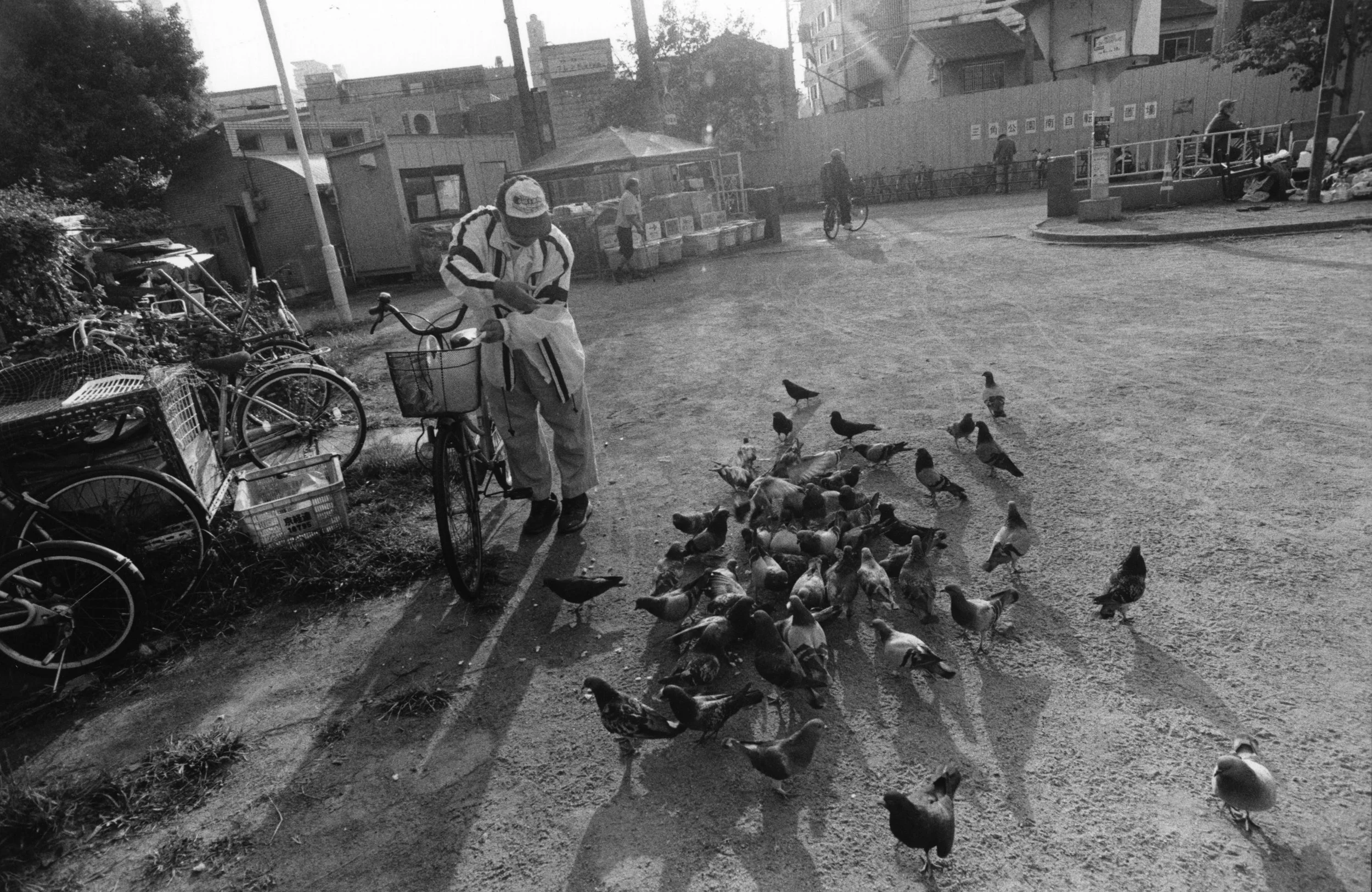
He first came to this Osaka neighborhood in the 1990s, when he was still a photography student. He wanted to photograph there, but the men in the streets frightened him. More than 25 years later, he returned and found the beginning of Short Hope in the early morning light of Sankaku Park. What he once could not photograph became the place he could not leave behind.
Short Hope is a book about Kamagasaki, but it is also about the kind of human life that is slowly disappearing from many cities.
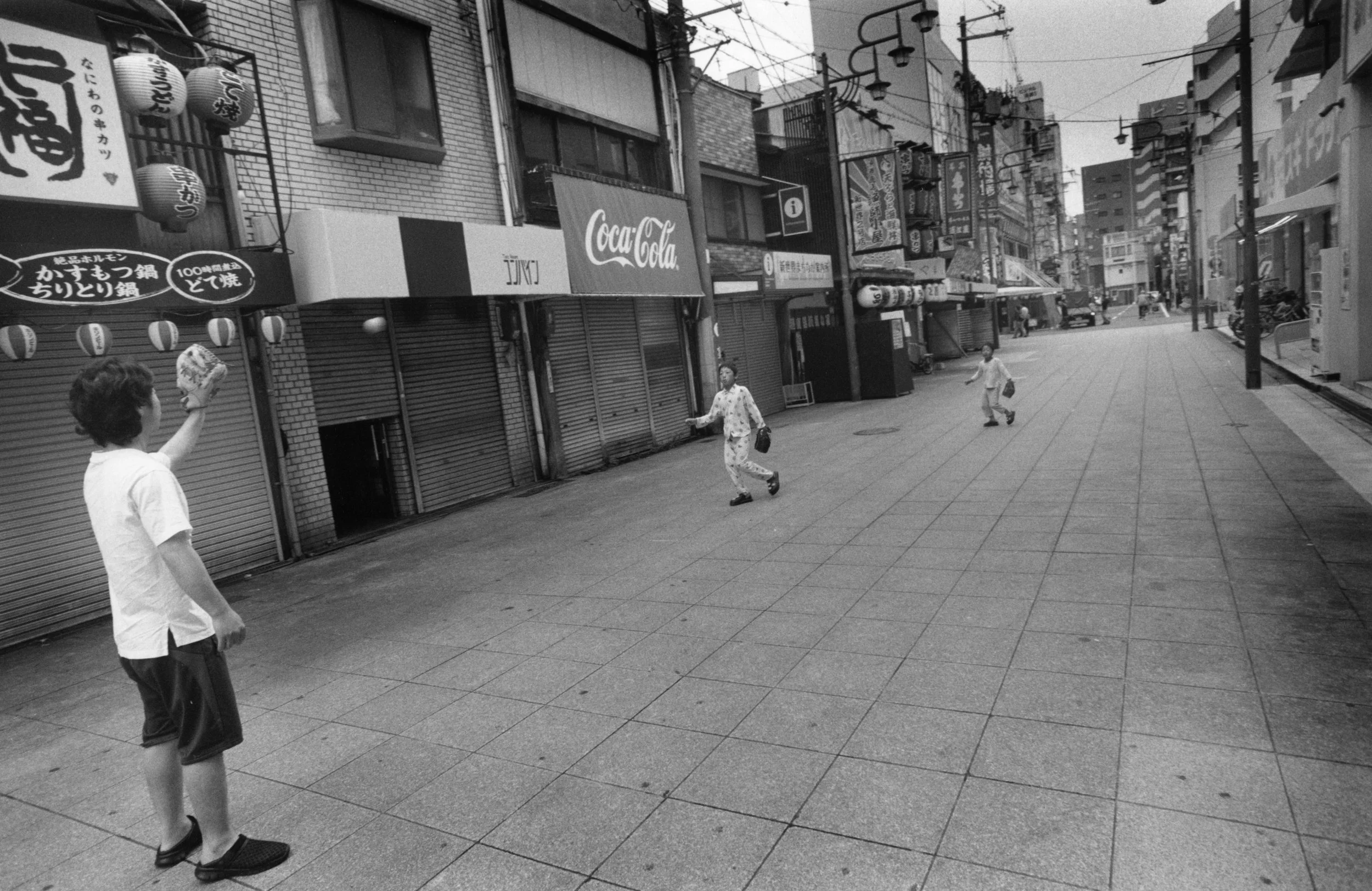
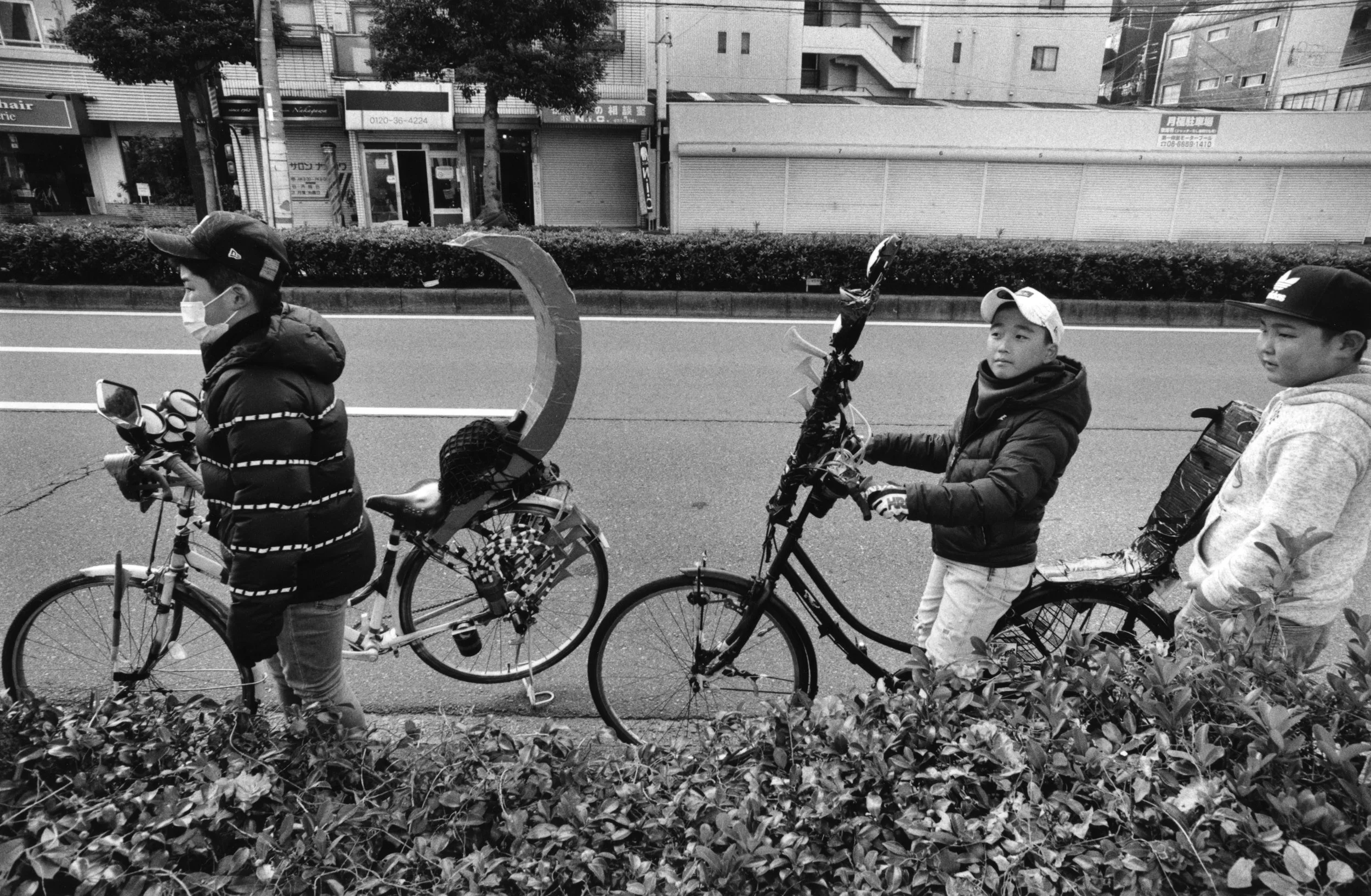
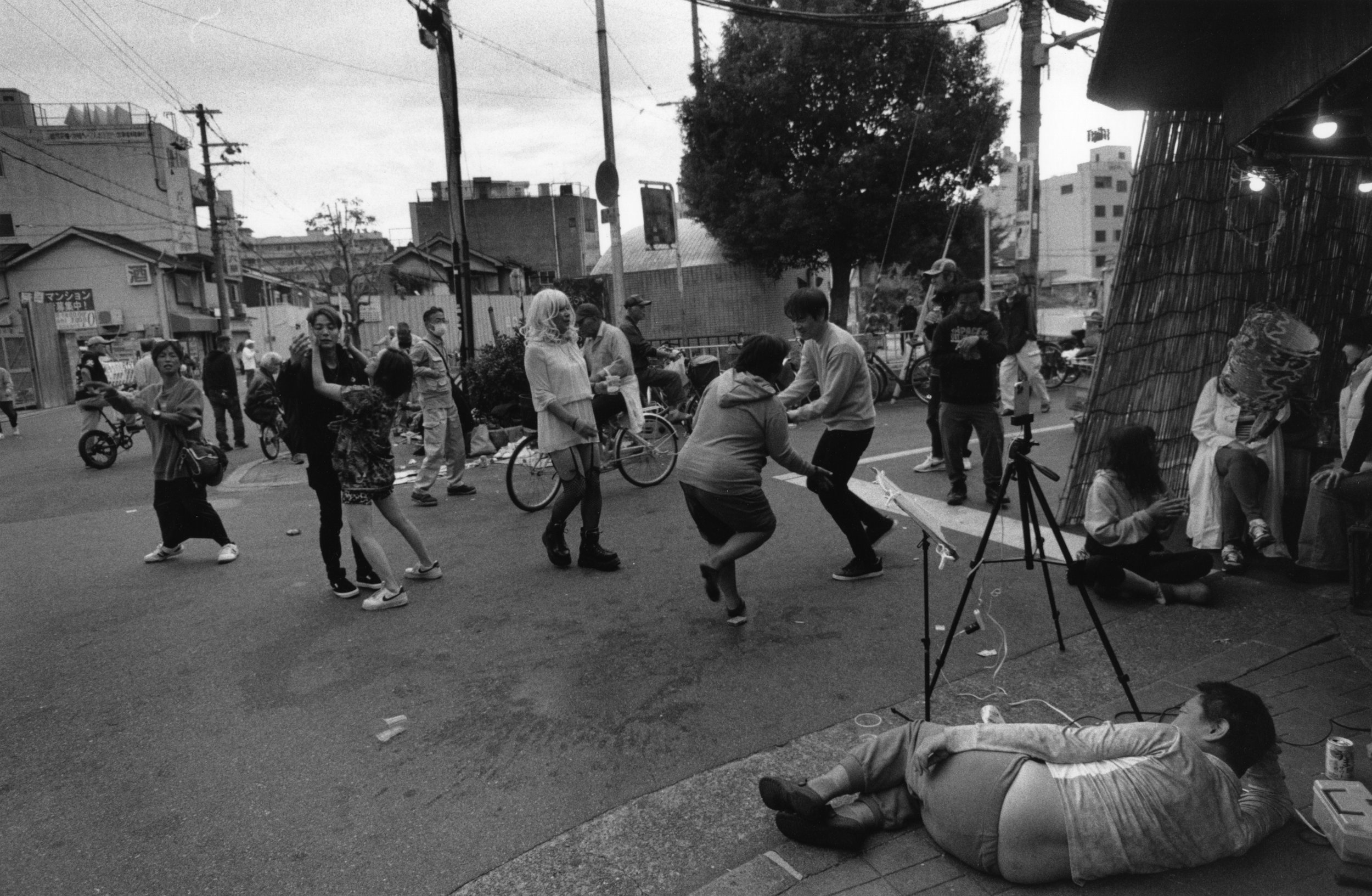
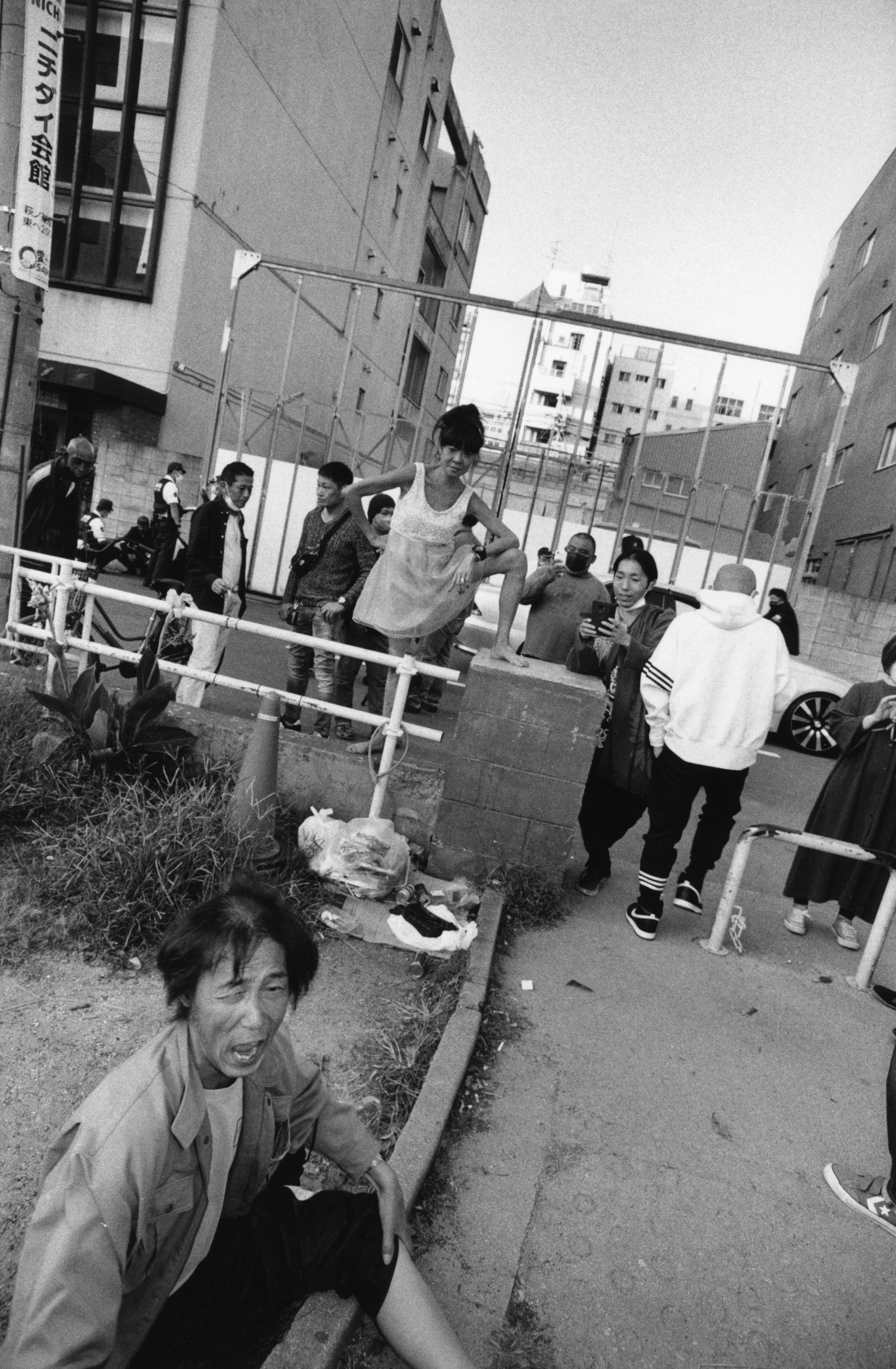
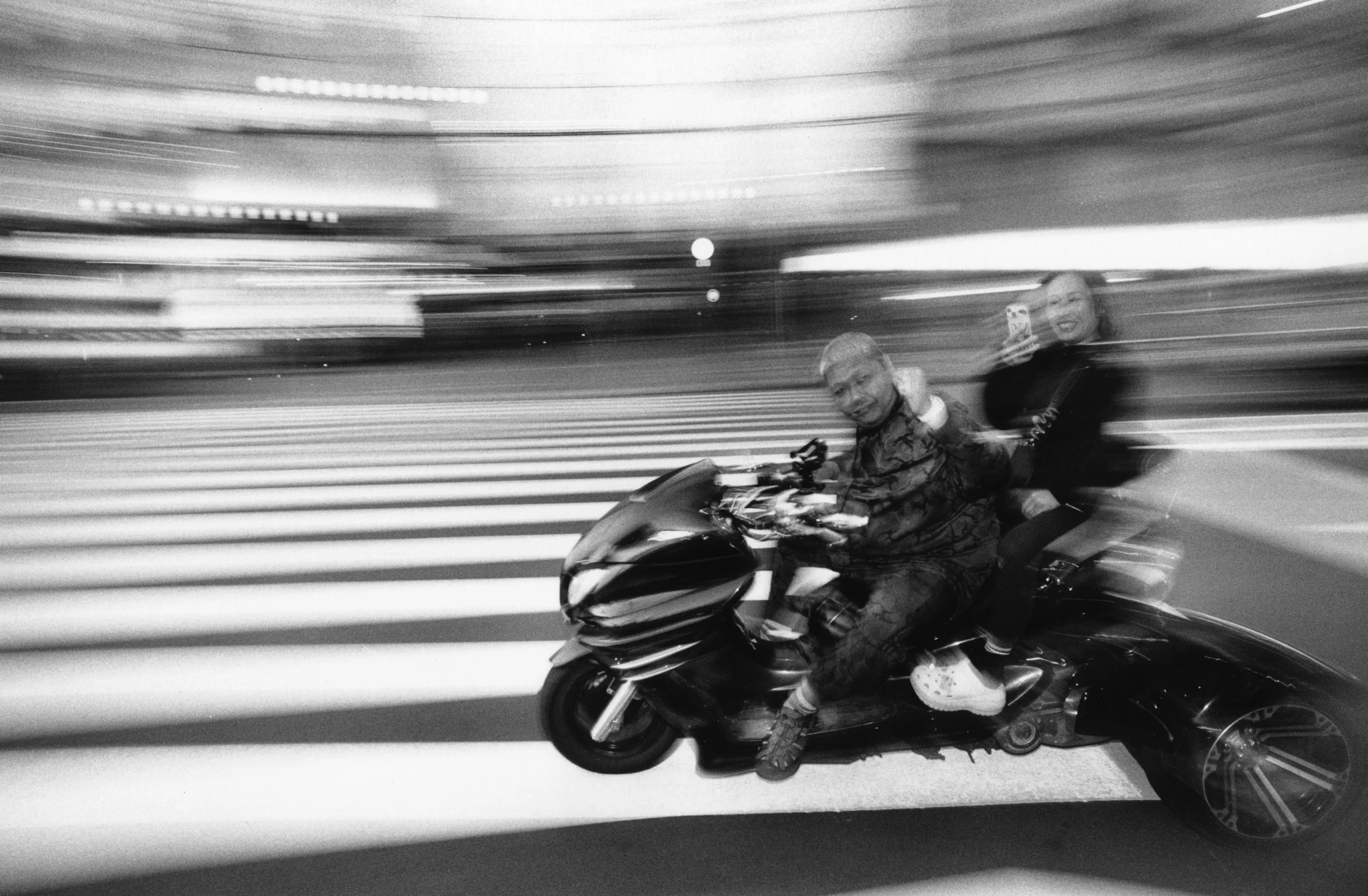
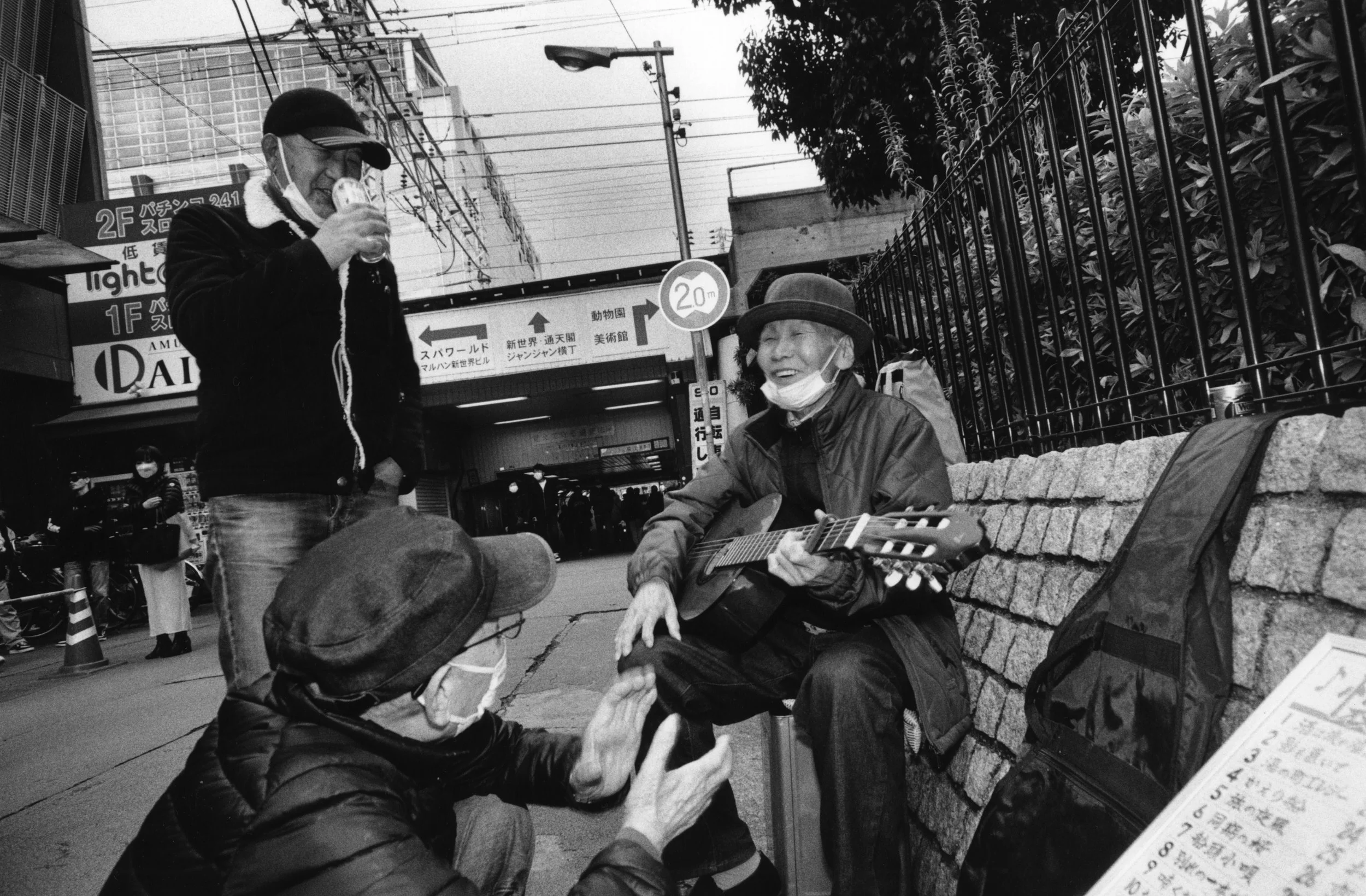
Motoda photographed people smoking, gathering, playing music, writing on walls, and using the street as a shared space. He does not present the neighborhood only as hardship or poverty. He looks for dignity, freedom, and the direct human connection that still exists there.
Motoda speaks about returning to a place with fear, working with empathy, and deciding which photographs belong in a book. His answers show that a strong street photograph is not only about what looks unusual, but about what genuinely moves the person behind the camera.
The Book
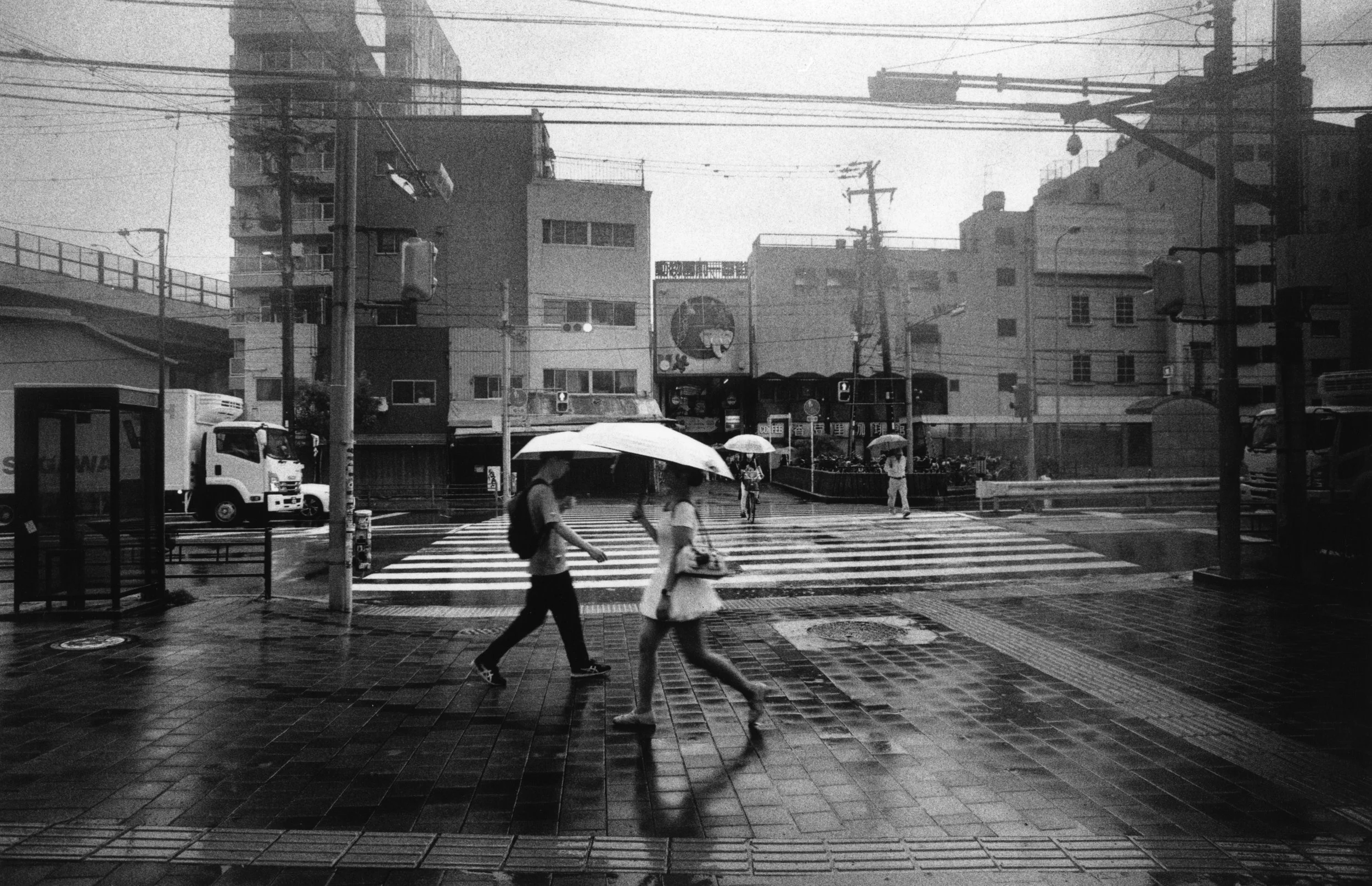
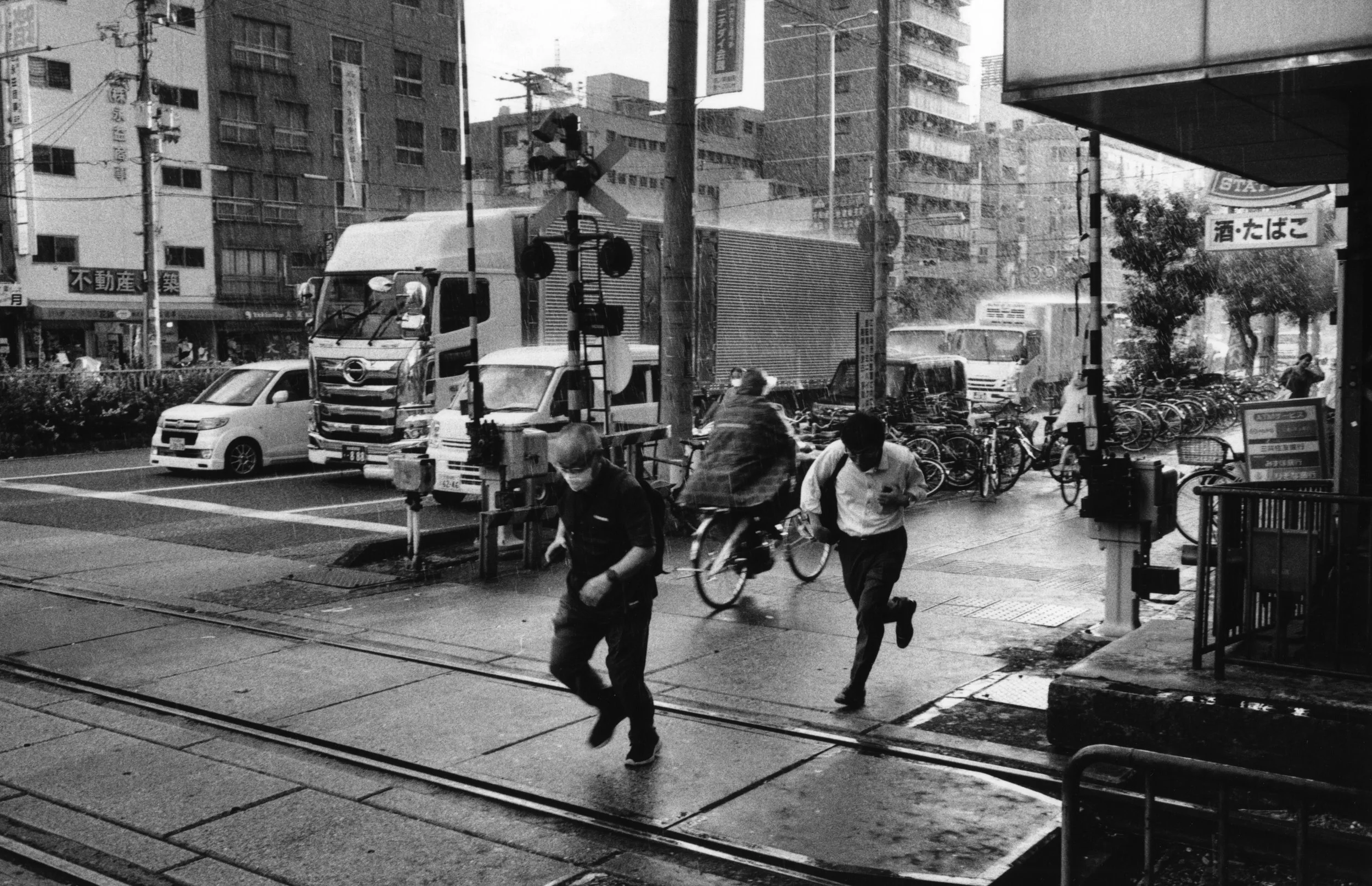
Short Hope by Keizo Motoda, published by Fugensha, is a black-and-white photobook about Kamagasaki, also known as the Airin district, in Osaka. The area is often described through poverty, cheap lodging, day labor, homelessness, and social hardship, but Motoda looks at it differently. Over several years, he photographed the people, streets, parks, signs, and shared public life of the neighborhood with empathy and attention.
The book shows Kamagasaki not only as a difficult place, but as a place where people can still live with unusual freedom. In Motoda’s photographs, the street becomes a space for smoking, talking, playing music, gathering, and being oneself. Short Hope is a portrait of a neighborhood, but also a quiet reflection on dignity, human connection, and what modern cities are slowly losing. (Fugensha ,shashasha, Amazon)
Origins: You have spent years photographing strangers on city streets, but Kamagasaki is a very specific place with a very specific community. What made you want to go there?
As I wrote in the preface to both the exhibition and the photobook, in 2021 I was in Osaka for work and stayed at a hotel in Tennoji the night before. I woke up at 5am and thought, "Nishinariku is close from here," so I walked to Kamagasaki. I passed through Tobita Shinchi, and by the time I reached Sankaku Park, the sun had risen and the park was glowing gold. There was a male couple there, so I approached them and asked to take their photograph. Without my asking, they said, "We're a couple, shall we kiss?" and kissed right in front of my camera. That moment made me decide to photograph this neighborhood.
There was also an older regret behind it. When I was attending photography school in 1995 and 1996, I was 24 years old and visited Kamagasaki several times hoping to shoot there, but the men in the streets frightened me and I was never able to take the photographs I wanted. That unfinished feeling also made me want to go back.
Process: You traveled from Kanagawa to Osaka by overnight bus to shoot this project over two years. How did that physical effort of commuting shape the way you worked when you arrived?
The first reason I chose the overnight bus was economic - the travel costs were difficult to manage otherwise. But there was a practical benefit too - arriving in Osaka in the early morning meant I could go straight to the streets and start shooting immediately.
Presence: You have described trying to stay still and quiet in the neighborhood, almost erasing your own presence. How do you decide when to press the shutter if you are trying not to be noticed?
I tried not to make my presence felt out of consideration for the people who live there. I imagined that many of them would not want to be photographed. But I am a photographer, and when the moment I wanted to capture arrived, I shot it no matter what.
Format: You chose monochrome film for all 176 photographs in this book. What does black-and-white film give you in a place like Kamagasaki that color cannot?
Color is too literal. I wanted to avoid showing unsanitary conditions in a raw, documentary way. What mattered most to me was that people appeared as people, and that the streets appeared as streets. Monochrome is also more abstract: it makes it harder to pin down exactly when the photograph was taken, which blurs the sense of time and era. Many photographers have shot Kamagasaki before, and I wanted to face that whole body of work directly. The fact that this is a contemporary project is clear enough from the captions and the publication date, so the ambiguity of monochrome was not a problem.
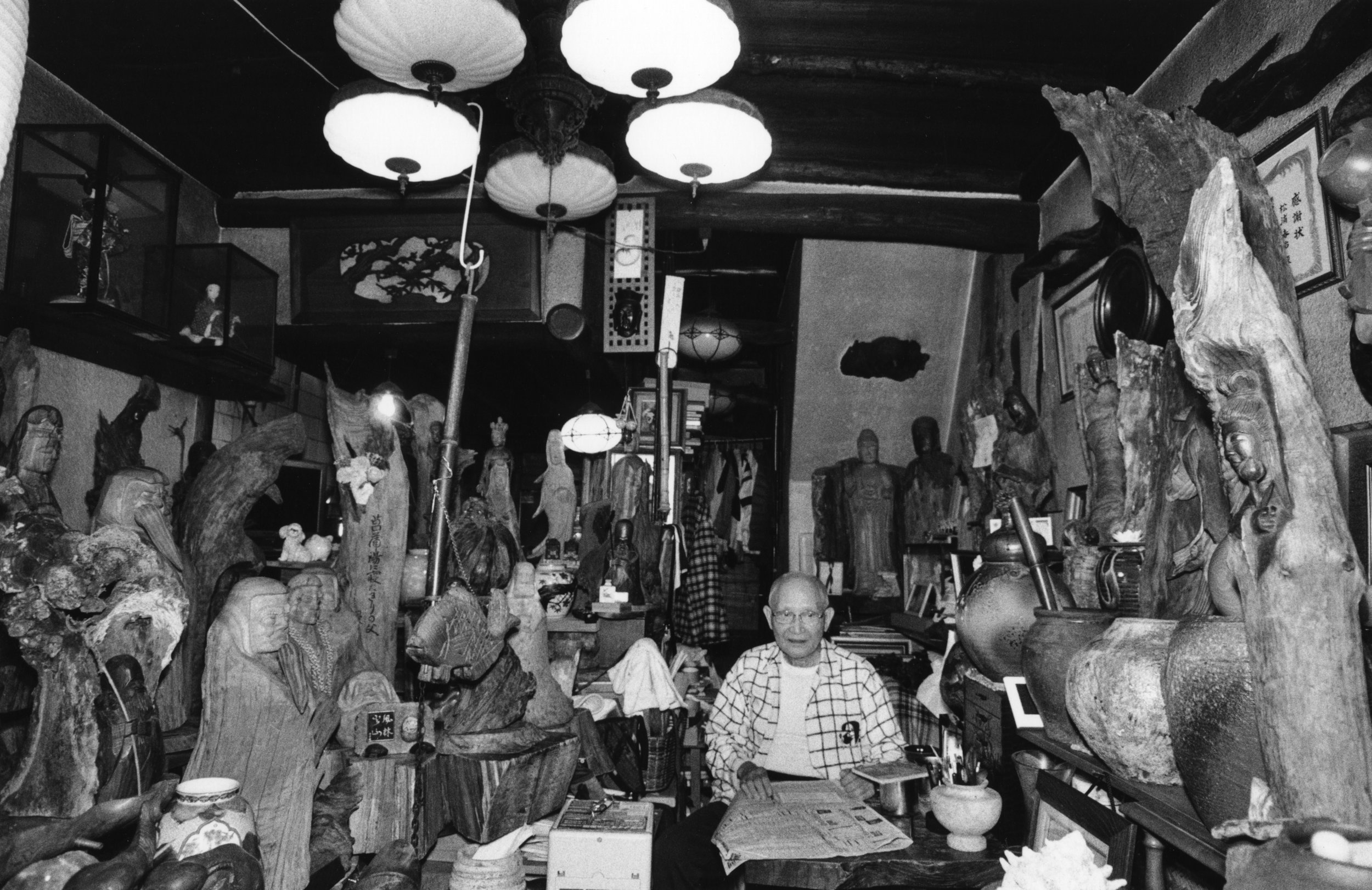
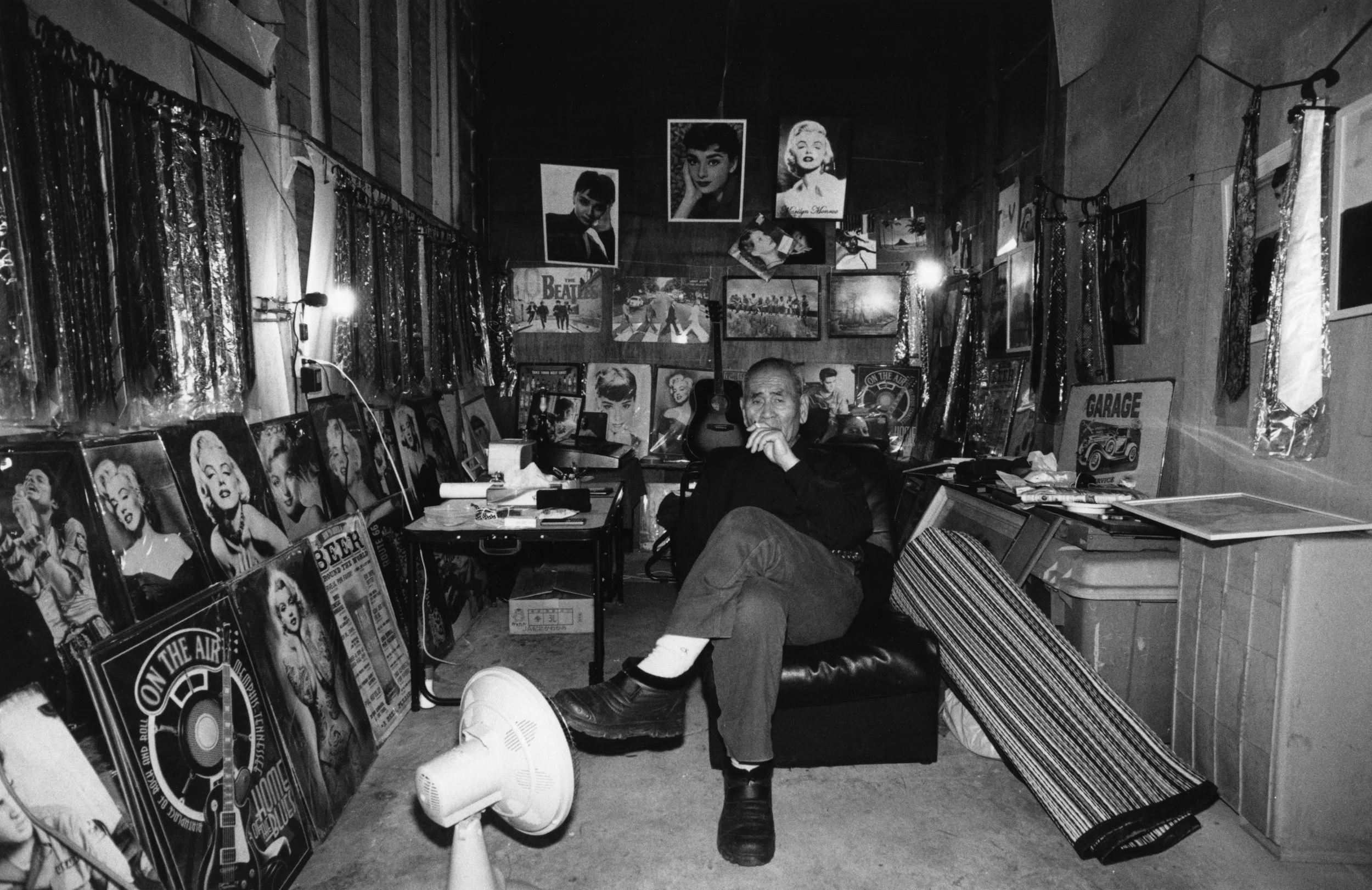
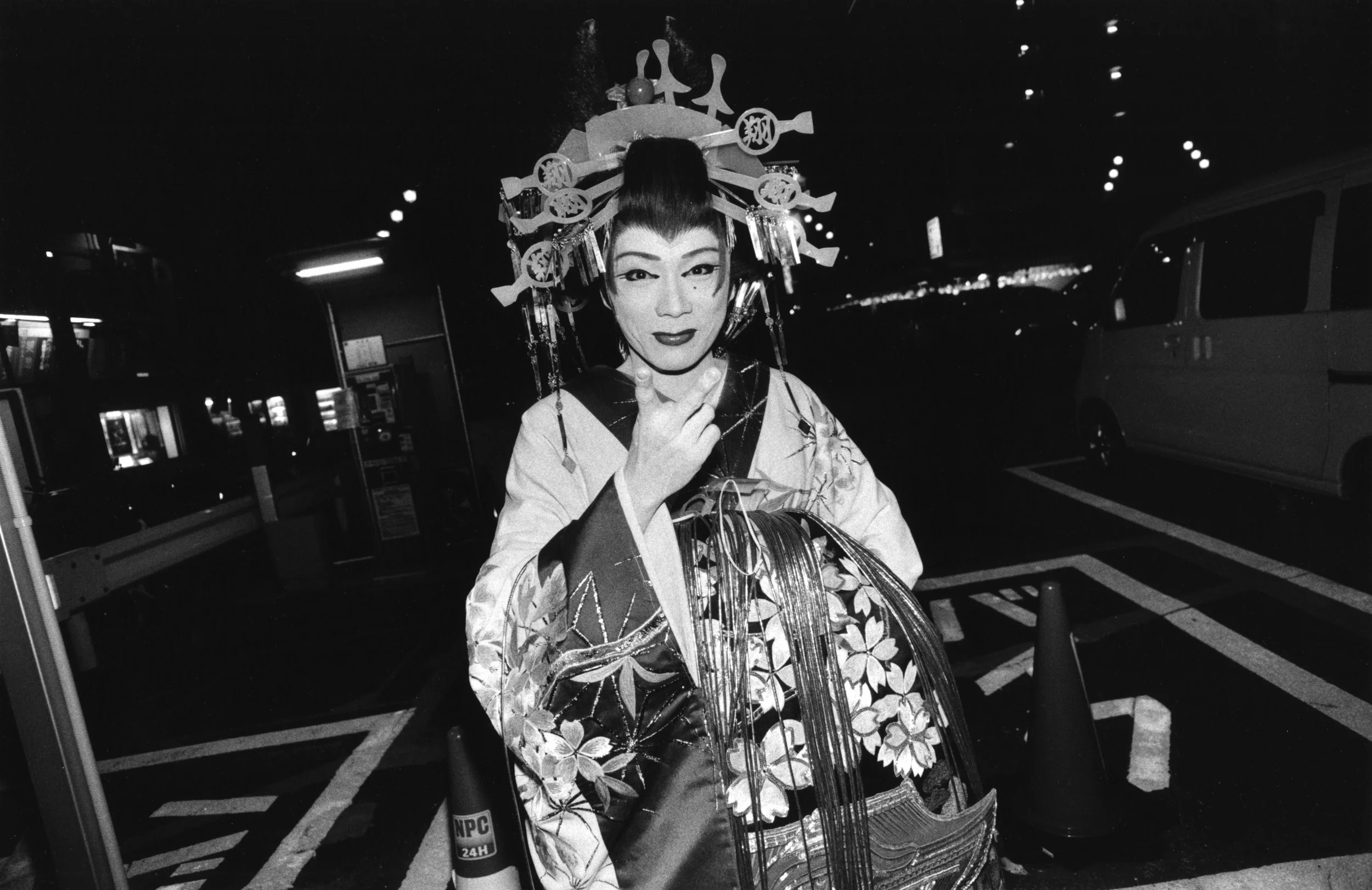
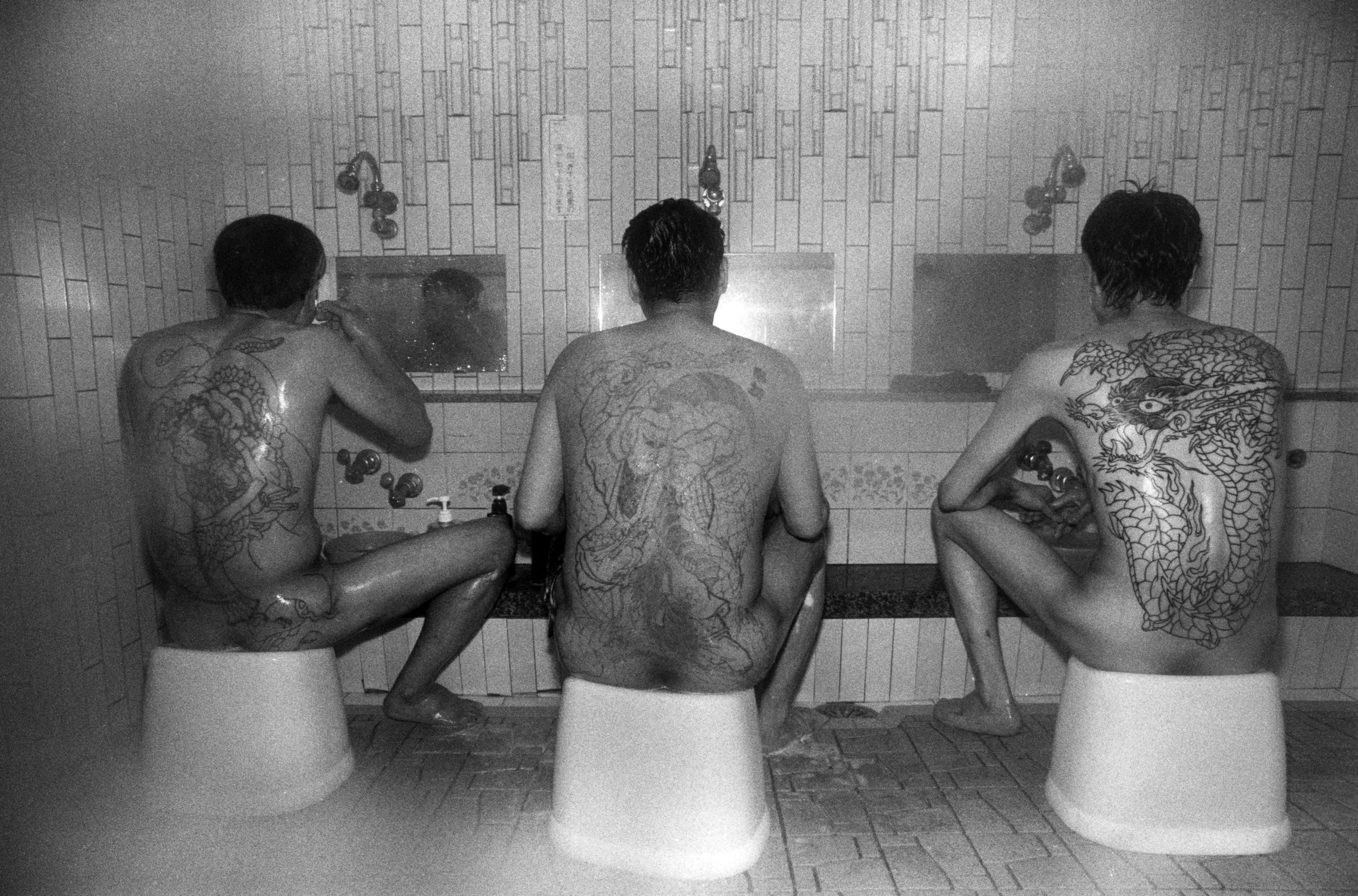
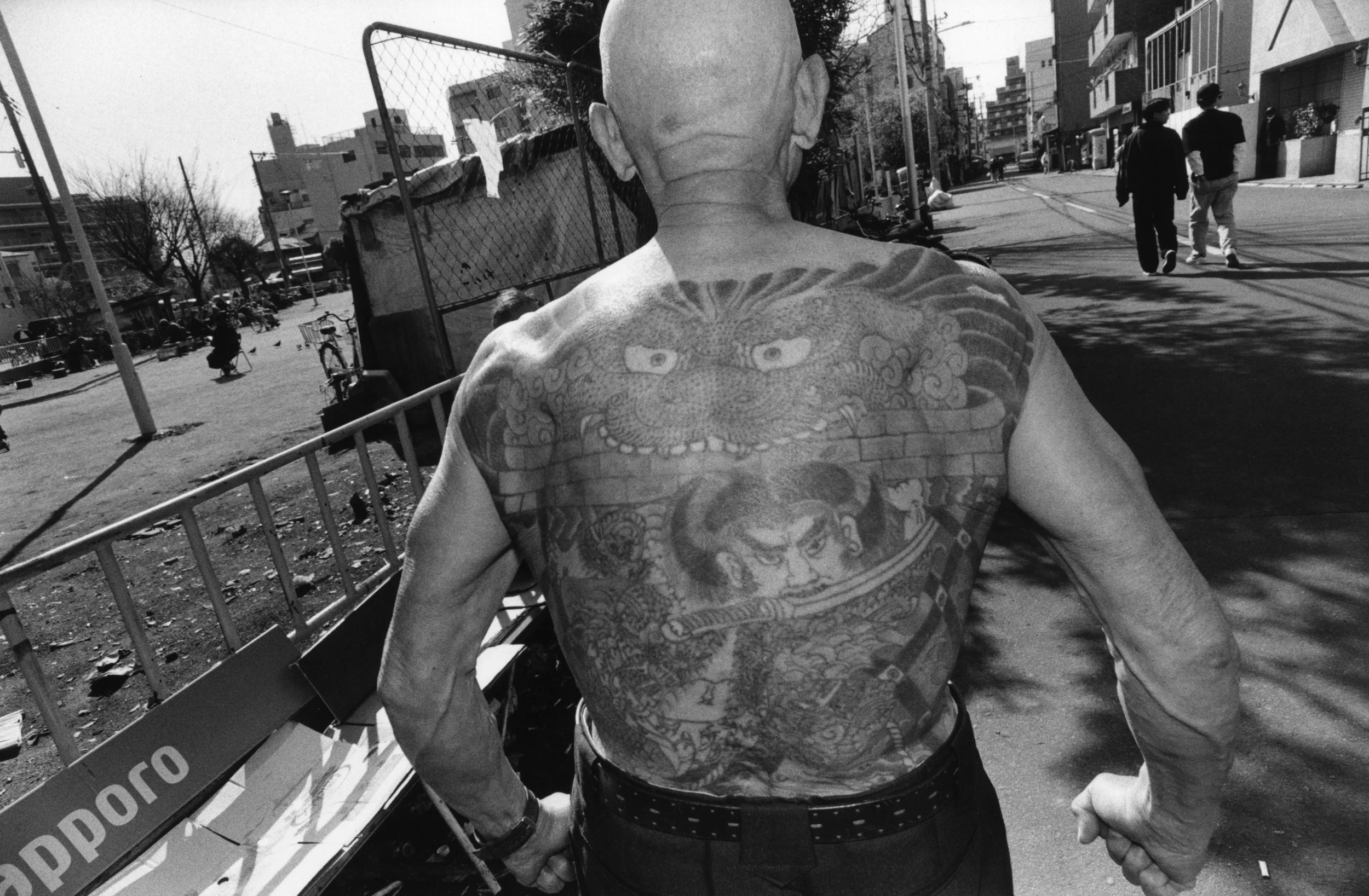
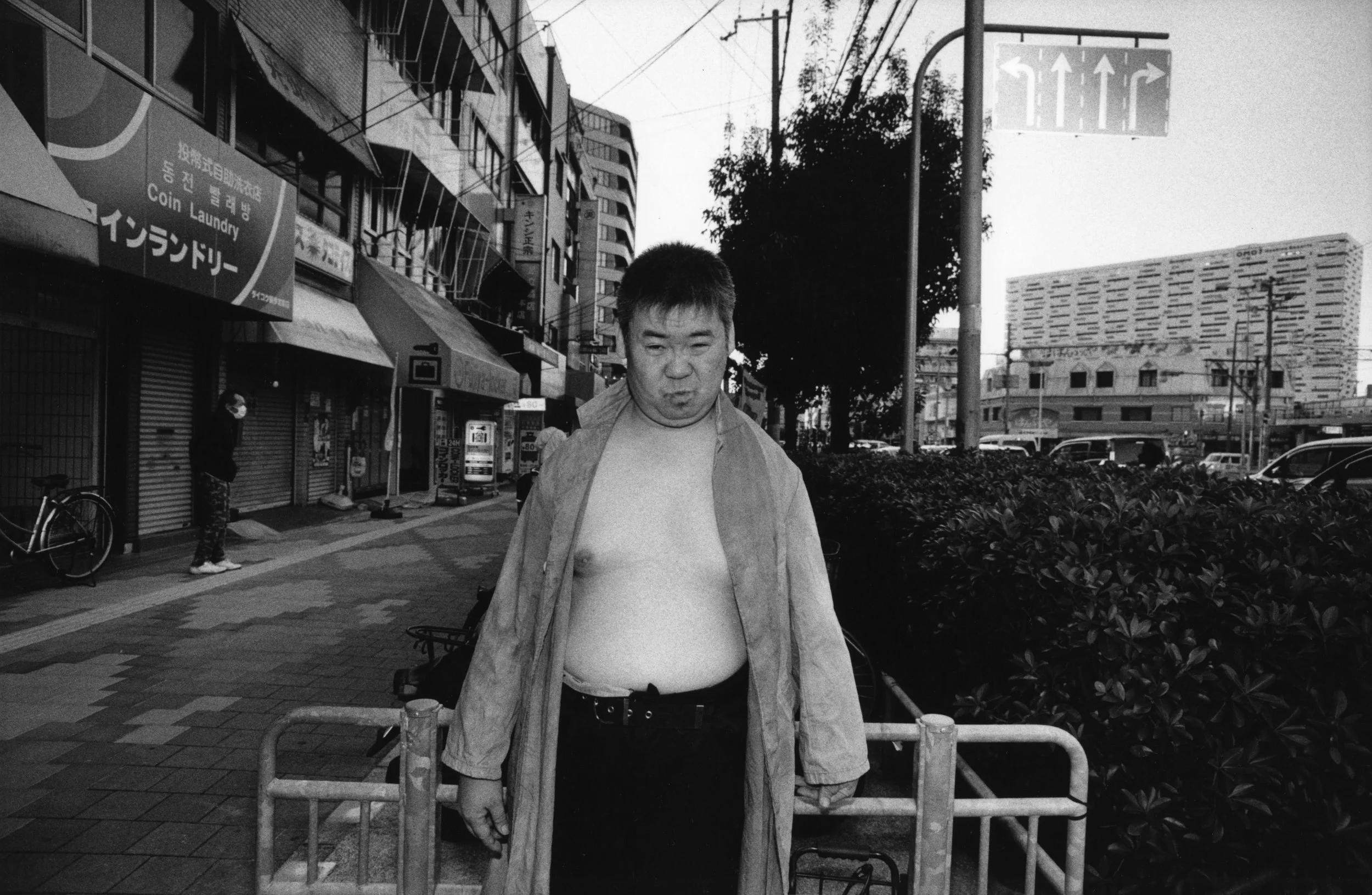
Subjects: The book includes portraits of very unusual people, like a cross-dressed man with tattoos and an old man surrounded by his own wood carvings. How do you earn enough trust to photograph someone like that in a short encounter?
The camera is the best tool there is for connecting people. Simply having one is enough to open a door between you and another person.
When a portrait felt vivid but also risked turning the person into spectacle, how did you decide whether it stayed in the book?
At the moment of the encounter, I asked myself: was I genuinely moved? Did I feel empathy? Did something stir inside me? I only include work that came from a real emotional response in the field. I never photograph something simply because it looks striking or unusual.
What kinds of pictures did you remove because they were too descriptive, too harsh, or too easy?
If a subject was visually strong but didn't move me, the photograph didn't become a work, even if I pressed the shutter. I have no interest in deciding in advance what kind of image I want and then going out to find something that fits that idea. What matters entirely is what actually moves me when I am there.
Language: The streets of Kamagasaki are full of handwritten signs and strong words. How do you decide when text on a wall or a sign belongs in a photograph alongside a person?
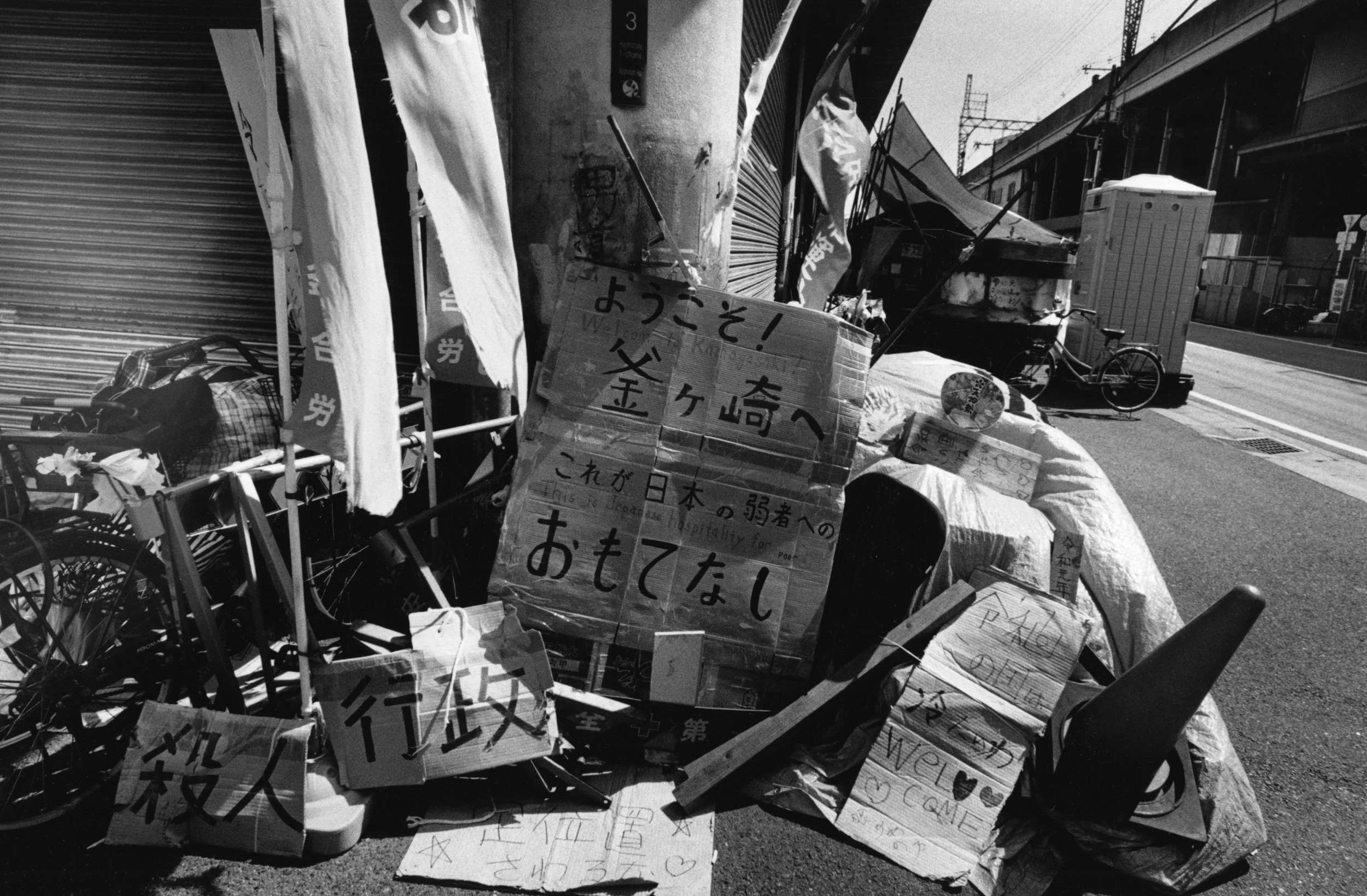
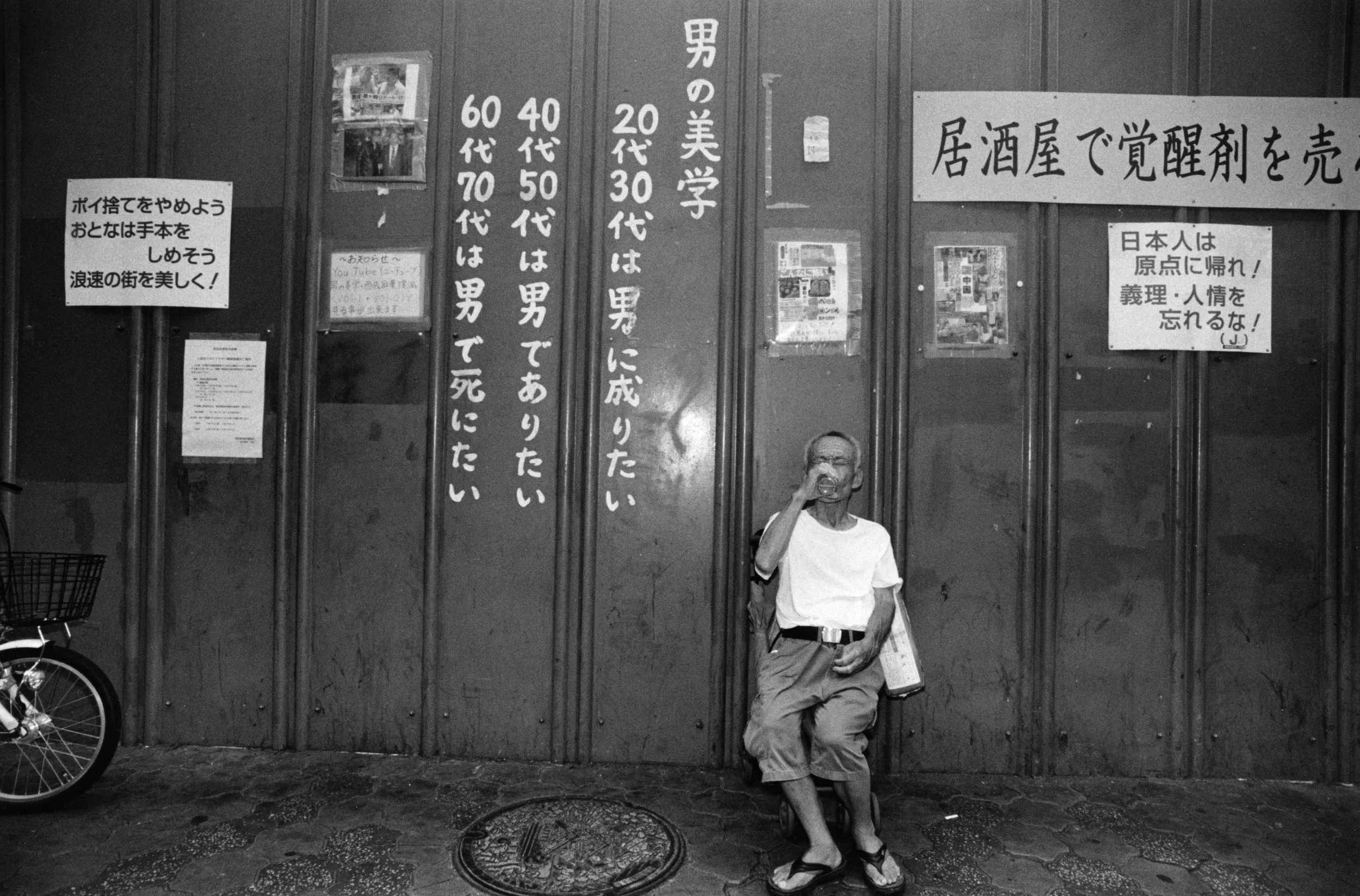
In most urban streets, language is dominated by advertising and information designed to guide consumer behavior. But in Kamagasaki, there are words everywhere that carry the direct, personal voice of the person who wrote them. They remind you of something obvious that the modern city tends to forget: the street exists for people.
Title: "SHORT HOPE" is also the name of a Japanese cigarette brand, and the title suggests life as short as a cigarette burning down. When did you know that image was the right frame for this whole project?
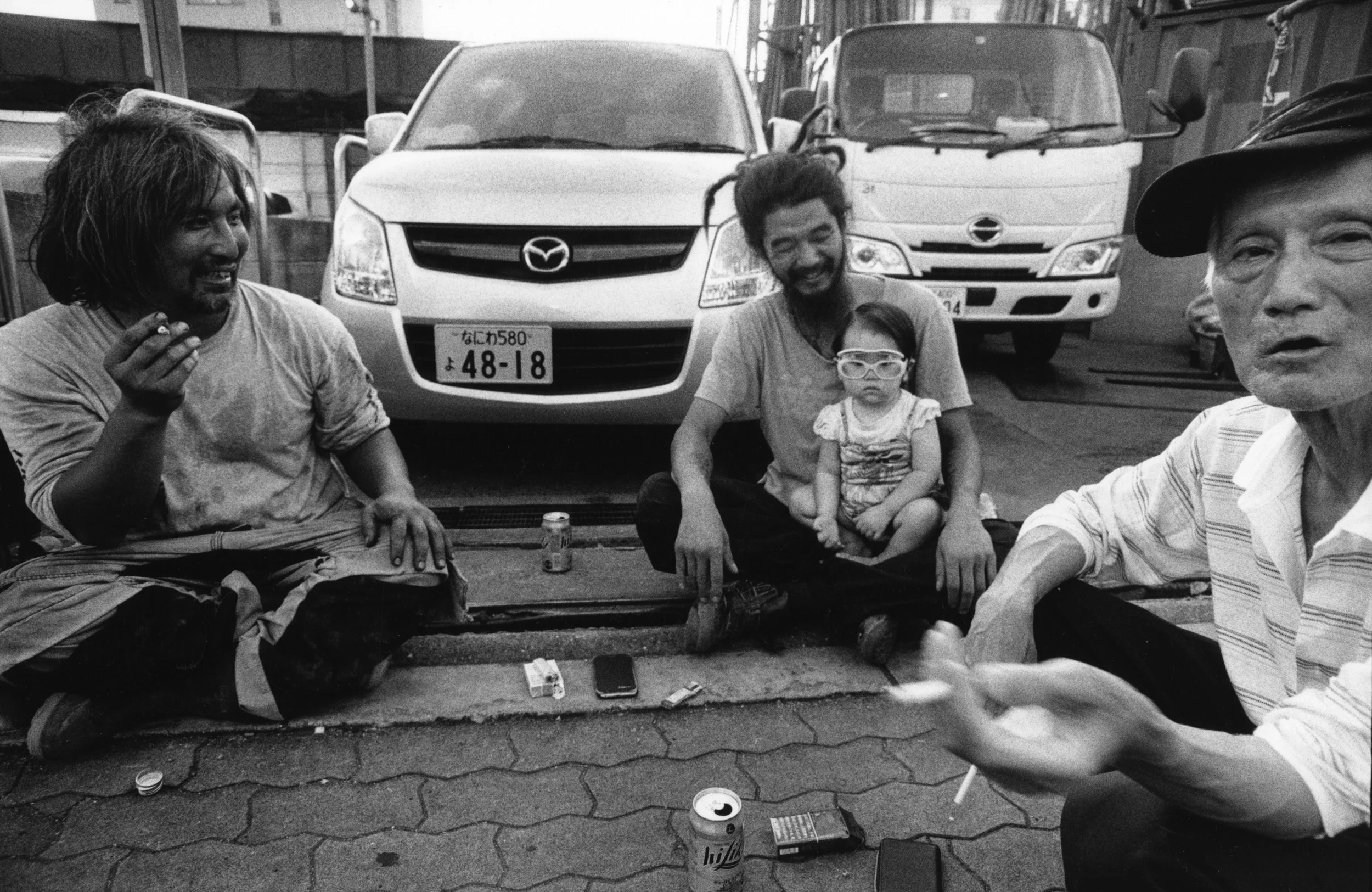
The title came to me in the autumn of 2025, just before I began assembling the photobook. In Japan, smoking on public streets has been prohibited in most areas for several years now due to local ordinances. But in Kamagasaki, many people still smoke outdoors as a matter of course. I find that very interesting.
Community: The book shows how people in this neighborhood turn streets and parks into shared spaces, playing chess or music together in public. Did documenting that change how you think about what a city is for?
I have always believed that streets belong to people, so if someone wants to play music, they should simply play. But in most cities today, the moment someone starts performing on the street, someone else calls the police and it gets stopped. That saddens me. There is no freedom there.
How did you decide the balance between portraits, street text, and shared public scenes like music, shogi, and gatherings?
I became convinced that Kamagasaki holds something real that is disappearing from most cities: genuine human connection, unmediated by smartphones, social media, advertising, or commercial messages. I wanted to capture as many forms of that connection as possible within the work. I didn't think consciously about balance: it came from that conviction.
Book: The 192-page photobook was published by Fugensha and is now traveling as an exhibition to venues including a space inside Nishinari itself. What does it mean to bring these photographs back to the neighborhood where they were made?
Holding an exhibition in the very neighborhood you photographed takes real courage. I expect the reactions to be divided. I can imagine someone saying to my face, "You understand nothing about this place." But that is exactly why doing it matters. Showing the work there will bring me realizations I could not arrive at any other way.
What makes one Kamagasaki image feel like "SHORT HOPE" and another feel like just a strong street photograph?
A photograph should not only stimulate the eye. The photographer's subjectivity must be present: and not just present, but strong enough to become universal, to open a space where viewers can enter and leave freely on their own terms. It is that personal conviction and genuine passion that transforms a street photograph into a work, into a story.
More photography books?

We'd love to read your comments below, sharing your thoughts and insights on the artist's work. Looking forward to welcoming you back for our next [book spotlight]. See you then!
Gosbert Gottmann wanted war photographs that resisted easy reading. In Freiheit Freedom Воля, he works with images connected to the war in Ukraine and changes them through abstraction, distortion and deformation. Photography Book Spotlight