How Jane Fulton Alt Turned Grief Into a 6-Year Photographic Journey in Her Own Garden
Welcome to this edition of [book spotlight]. Today, we uncover the layers of 'Still Life,' by Jane Fulton Alt (published by MW Editions). We'd love to read your comments below about these insights and ideas behind the artist's work.
Sometimes loss gives a photographer a new subject.
In Jane Fulton Alt’s case, that subject was the garden she once shared with her husband. After his sudden death, she found herself returning there each day, not with a plan, but with a need to stay close to something familiar. What began as a quiet routine slowly turned into a long-term body of work shaped by light, time, and memory. The result is a book that moves between grief and presence without trying to resolve either.
But the work is also about staying with one place.
Jane spent years photographing large-scale events, yet here everything unfolds in a small, contained space. By returning again and again, she began to notice shifts that only reveal themselves over time, changes in season, fragile moments of growth, and the way light alters what is seen. In this interview, she reflects on how the project evolved and why it took years to understand what the work was really about.
What stays is a quiet record of change.
What happens when you stop looking for images and instead let them come to you? And how does repetition change what you are able to see? Jane speaks about patience, about letting a project unfold slowly, and about finding meaning in what at first feels almost invisible.
The Book
Still Life: A Photographer’s Journey Through Grief and Gardening by Jane Fulton Alt and published by MW Editions brings together a series of photographs made in a native garden following the sudden loss of her husband. Taking over the garden he had begun, Alt gradually transformed daily care into a visual practice, where observing plants, light, and seasonal change became a way to process grief. The book presents around forty-five color images alongside texts that reflect on loss, ecology, and the act of paying attention, positioning the project between personal experience and a broader conversation about climate and the natural world.(Amazon, MW Editions)
Project genesis: You spent your career photographing places like post-Katrina New Orleans and wildfire landscapes. How did the sudden loss of your husband Howard lead you to turn your camera toward your own backyard garden?
Finding my subject matter has not really been of my choosing. My photographic projects choose me. Shortly after Howard died, early one morning I had an epiphany. I had another book in me. And so the process began.
I had been photographing in our garden long before he passed away. I have always been keenly aware of how light falls on subjects and anytime the light spoke to me, I would try to capture it. What shifted for me after he died there was a much deeper connection to him through the garden. The garden had always been his “project” and frankly, there wasn’t much room for me other than weeding. I was a bystander. When I asked him about cutting flowers to photograph, he often hesitated because it meant that I was depriving an insect from their source of food.
After Howard passed away, I was photographing with a broken heart. the weight of the project was on my shoulders. I had the great fortune of having a mentor who “gave me permission” to garden. The intimacy I had with the plants grew as I nurtured and photographed them.
I have a memory of feeling a little annoyed with the looming flat of unplanted honey suckle plants needing to be planted shortly after he passed away. I felt an urgency to get them into the ground. After deciding where they might flourish, I discovered, much to my dismay, that Howard had already planted them in the same places I had identified. It was a tender moment of connection.
The garden became a “life line,” if you will, to him and to myself in the grieving process. Everything in the garden became a way back to him and then, back to living. There is something so nourishing when you tend to plants and observe the life cycle in real time. The plants became my teacher. The garden and the camera were a very potent combination to my finding my way in this new journey.
Subject and light: A garden changes every day with the seasons and the weather. How did you decide when a plant or moment in the garden was ready to be photographed?
I have always responded to my surroundings. I get pulled into a moment if the light is particularly beautiful. When I was feeling blue, which was often in the beginning years, I would retreat to the garden. If one quiets the mind enough and pays attention, the world offers itself up in unexpected ways.
Technical approach: The book contains 47 color illustrations in a square format. What camera and lenses did you use, and did you work with natural light or bring in extra light when shooting close to the plants?
I have used many different cameras in my photographic career. I worked early on with the Hasselblad and loved the square format. I tried working with the horizontal shape and it did not “feel” right. I think the square format gives me a sense of wholeness, completeness, not unlike a circle.
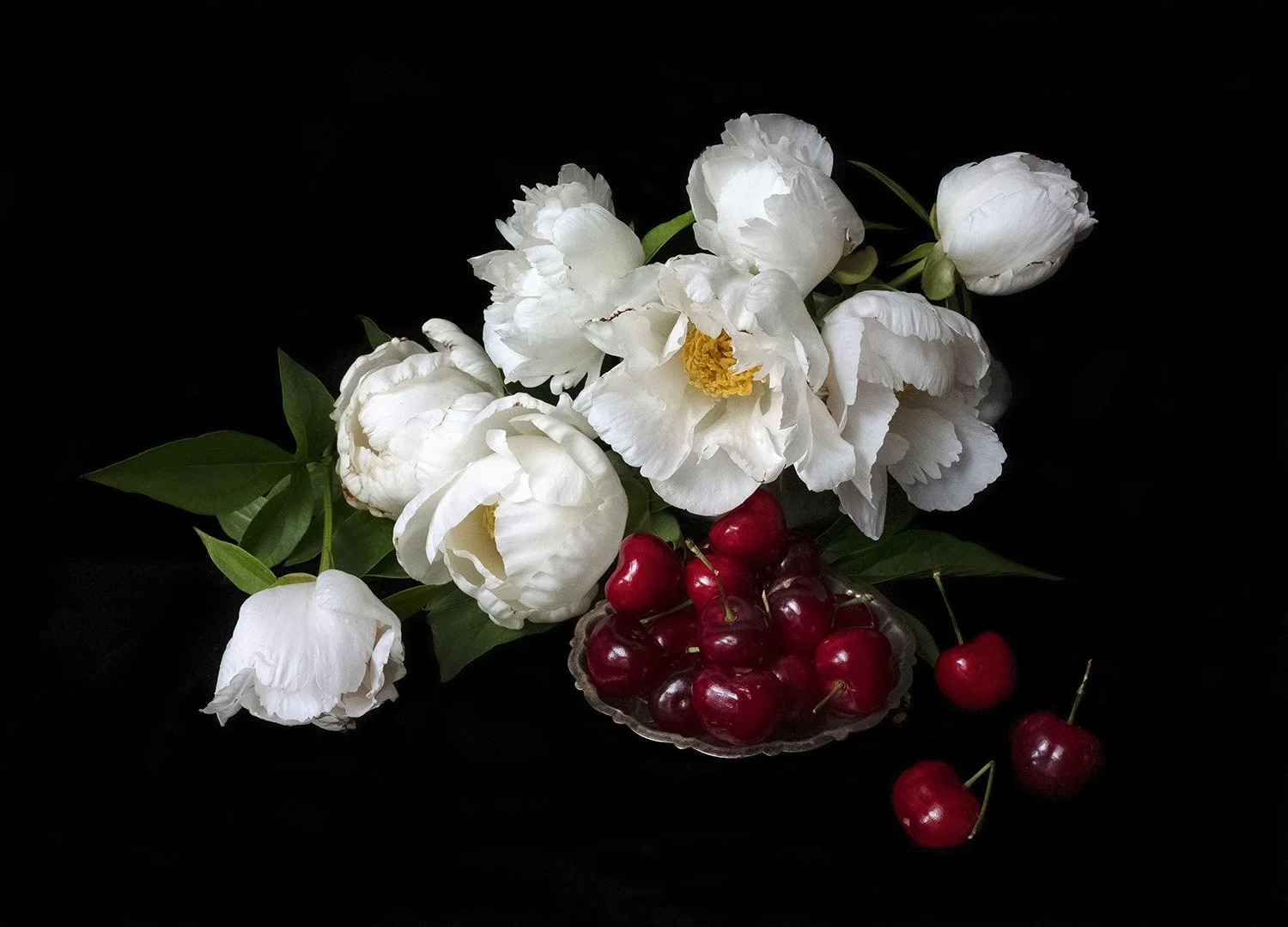
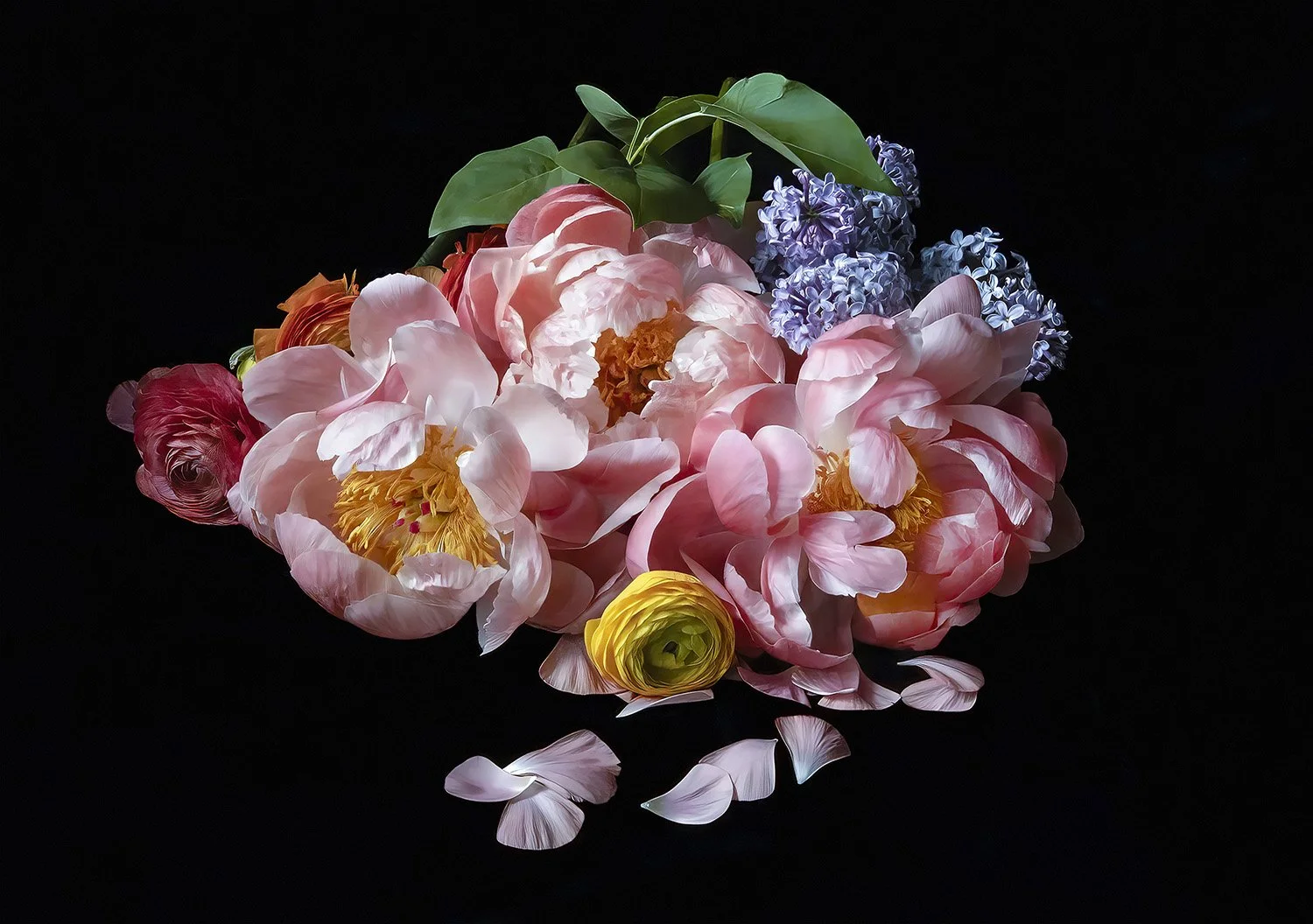
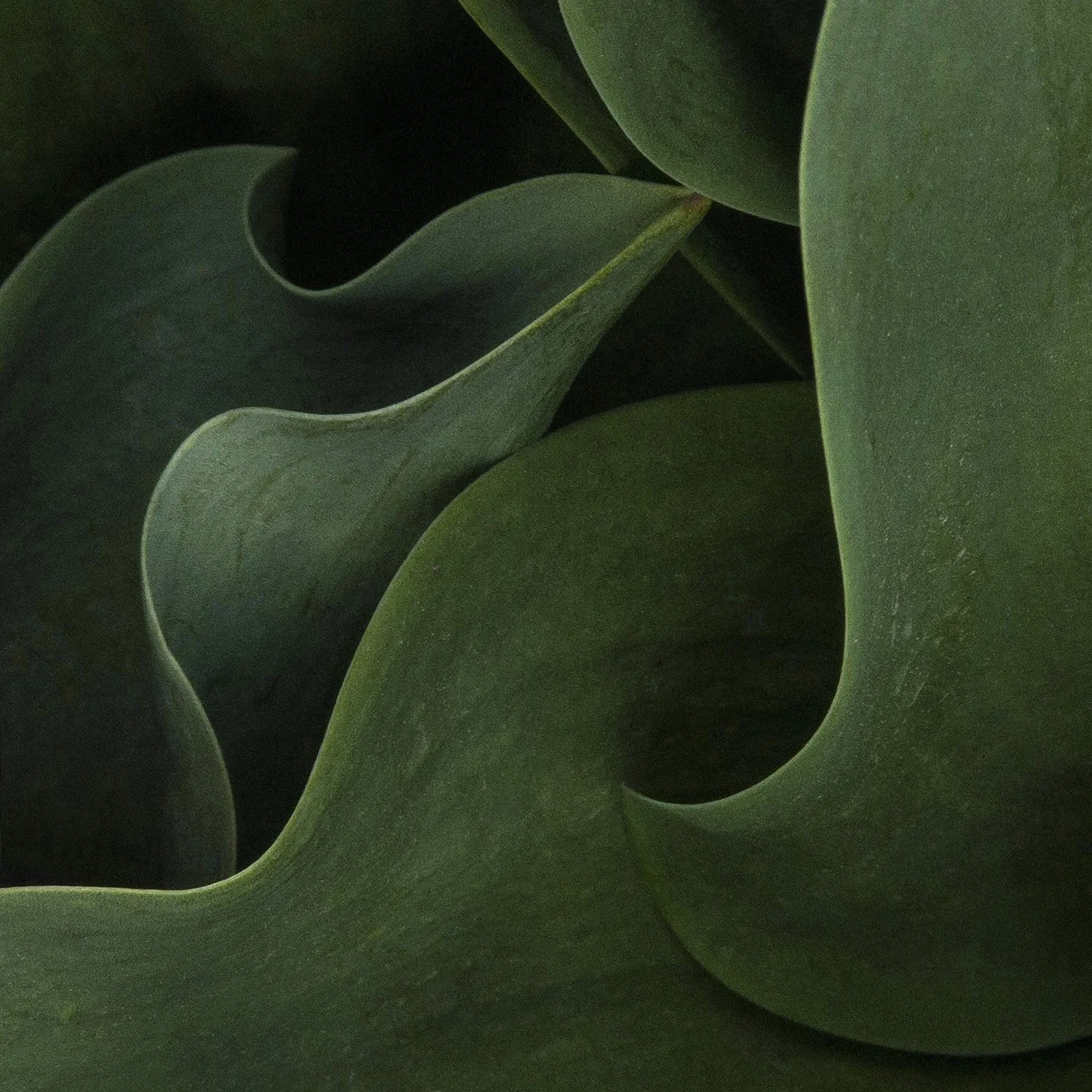
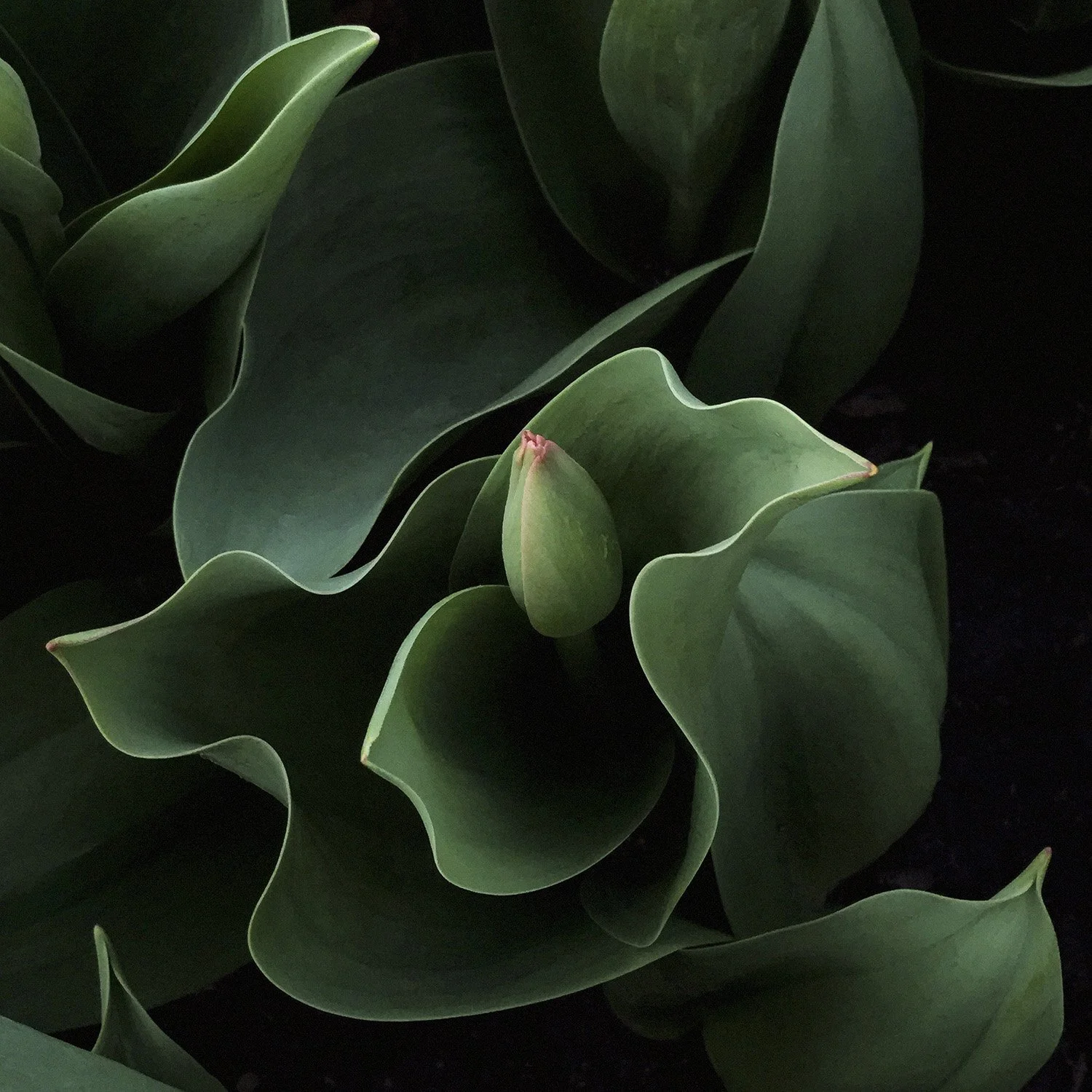
The peony still lives were taken next to a kitchen window with the Fujifilm T-X2. The tulips were taken with an iPhone 7. I loved the photographs I was making and tried to work with a more “serious” camera but I couldn’t figure out how to produce a comparable image. I only use natural light, greatly influenced by my photography mentor who was not very interested in the technical aspects of photograph.
Still life tradition: The title "Still Life" connects your work to a long tradition of painters and photographers who photograph flowers and plants. How did you think about that tradition when you were making your images?
I didn’t really think about it consciously. I have always loved the use of dramatic lighting in European masters such as Italian painter Caravaggio and Dutch master Johannes Vermeer. We are all drawn to what we love so yes, their work did influence my work. Light is a very potent component to creating an artwork. Edward Weston wrote, ‘Composition is the strongest way of seeing.” Lighting is central to creating a successful artwork.
Editing and sequencing: How did you choose which photographs to include from what must have been many images, and how did you decide the order they appear in the book?
Well, it changed, a lot, over time. I started by pulling together all of my photographs which pertained to plants and the natural world. I consulted with Jorg Colberg, a German writer, educator and photographer. His comment was, if you want a catalogue of your work, this is fine, but you might consider a book with narrative content.
The editing of the images was a long arduous process with many trained eyes working with the sequencing. It took 6 years of sitting with the work to settle on the final edit. I am in awe of how many people helped to make the book what it is today. It really does take a village.
Collaboration: You brought together a meditation teacher, a native plant scientist, and a photography curator to write essays for the book. How did their different perspectives shape the way you saw your own project?
The project determined who to invite to write for the book. The elements of art, gardening and grieving were already there. The essays were the outcome of very personal and poignant relationships.
Bill Hunt was the first person I asked to write for the book. He was the first collector to ever purchase a photograph from me. He is a wonderful writer and well versed in art and philosophy. He seemed like a natural fit as he was witness to my growth as a photographer over the years. I was so touched by the depth and the breadth of his contribution.
Doug Tallamy was central to Howard’s understanding of the urgency to create a native garden. When anyone stopped by the garden to ask what he was up to, he immediately handed them Doug’s book “Bringing Nature Home.” Having Doug Tallamy’s essay was a dream come true in giving the book weight and substance.
James Baraz was, and still is, instrumental in my ongoing practice of finding joy and staying grounded. Shortly after Howard died, a friend suggested taking his course, Awakening Joy. I might note that this was also during covid, a particularly challenging time for all of us. I took the course and 2 years later became a certified teacher. It was a perfect of marriage of my social work training and my interest in Buddhist philosophy. The teachings have been helpful in giving me a roadmap during these challenging times.
James’s essay was the final piece of the puzzle for making the book complete. His essay was gift and a blessing for all of us who have experienced profound loss.
Healing through photography: Your past books documented major public disasters like Hurricane Katrina. How was the experience of photographing something deeply private and personal different from those earlier projects?
I’m not sure it is different. What I am realising is that I have always used the camera to help me process difficult and challenging situations. When I started photographing, my goal was to learn how to use a camera for a family trip to SE Asia. It turns out, I had a fabulous teacher who engaged me in asking essential questions, like what it means to be alive. The camera was, and still is, a tool for trying to process what I am experiencing. When I was working in the Lower Ninth Ward post-Hurricane Katrina as a social worker, I left the site early one day, totally overwhelmed with a headache, burning eyes, and the “Katrina cough.” I got back to my hotel room and realised I needed to photograph what I was seeing as a way to cope with my overwhelming despair.
The Burn work unfolded at the same time my first grandchild was born, and my sister started her chemotherapy. The parallel controlled “burns” gave extra weight to my experience of photographing in the prairie. It gave me a context to understand the impending loss I was facing. Nature does that somehow. If you pay attention.
And now, the garden. I don’t know where I would be if I didn’t have my garden. It is so comforting to watch the cycles of life in a garden and then realise we are all part of it. Kinda like coming home.
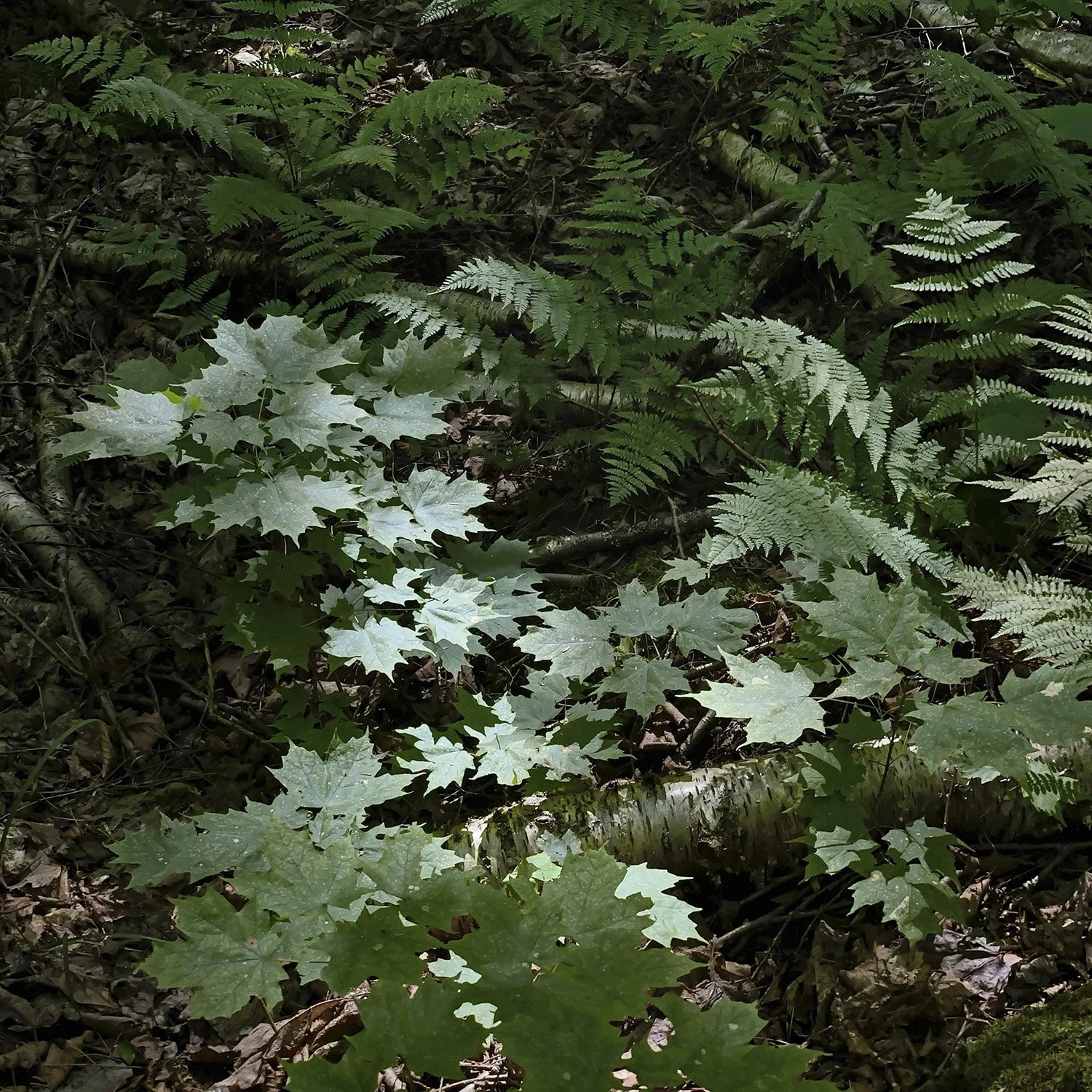
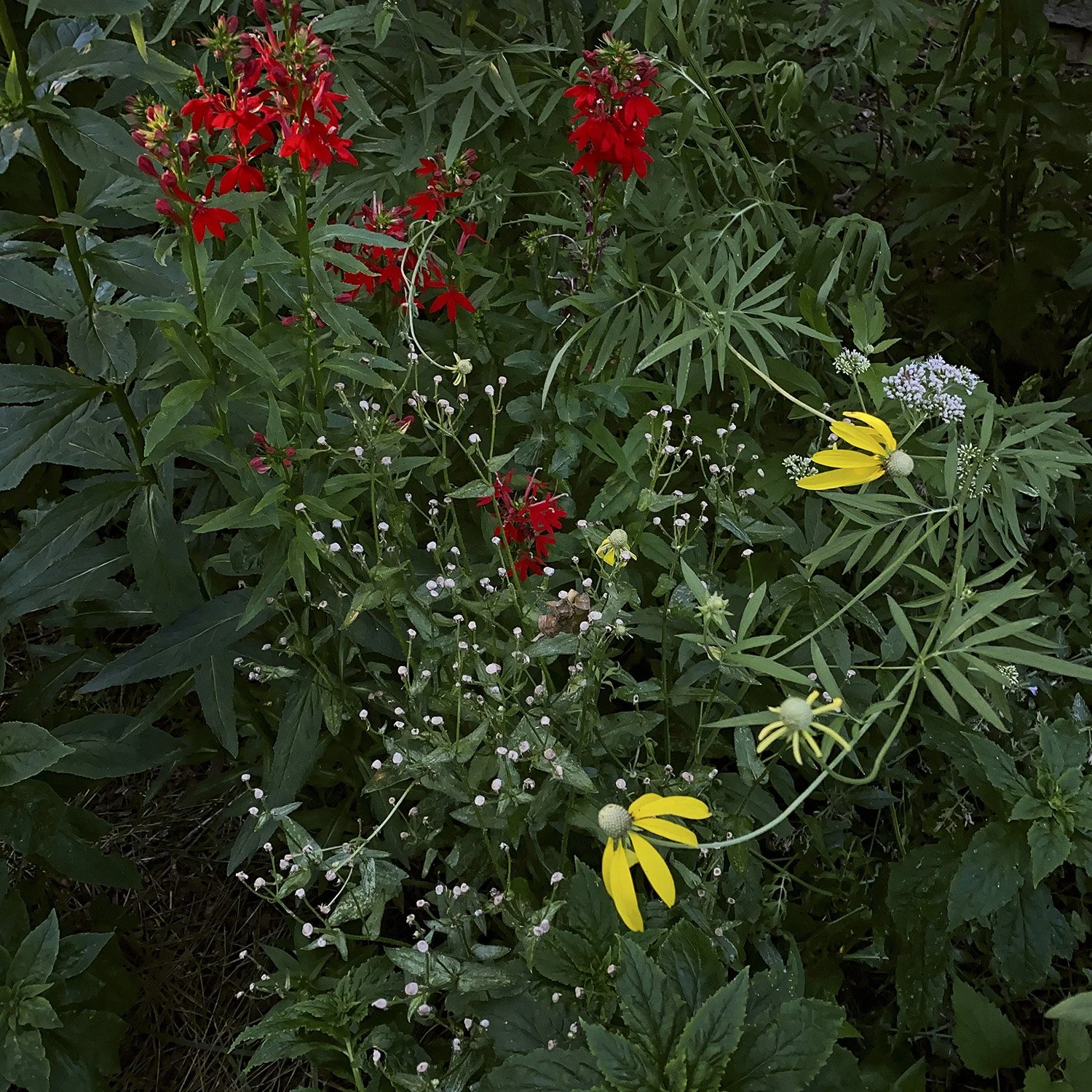
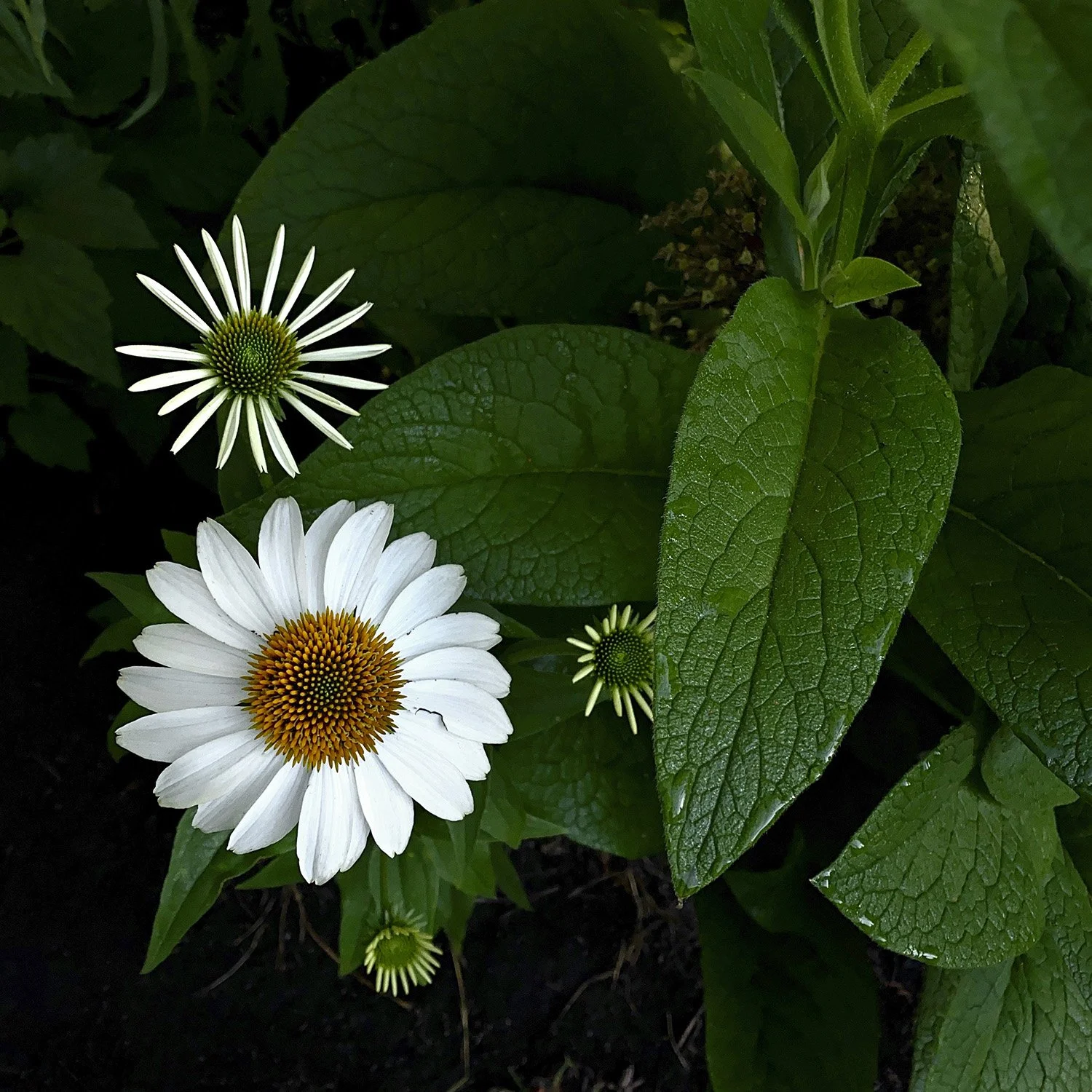
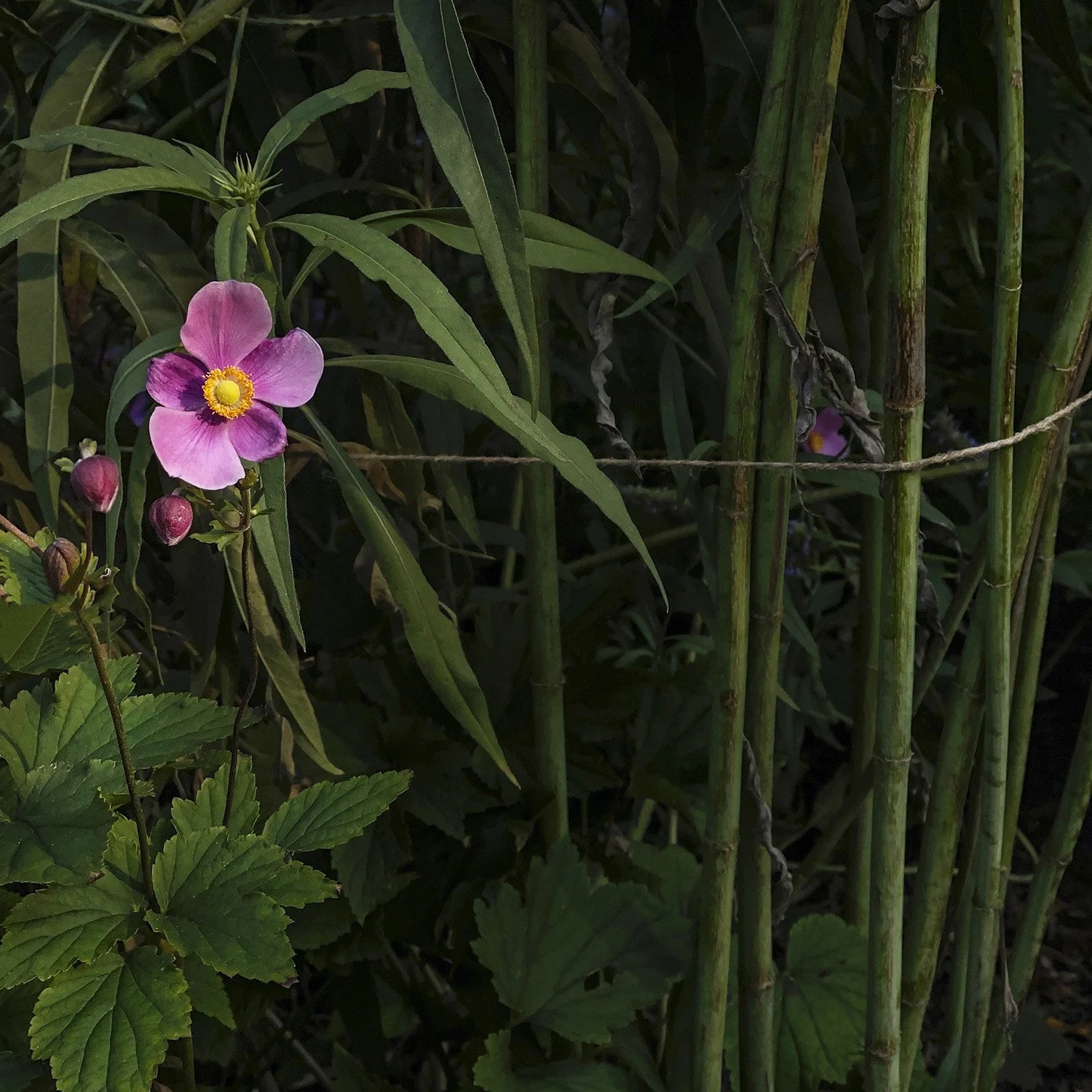
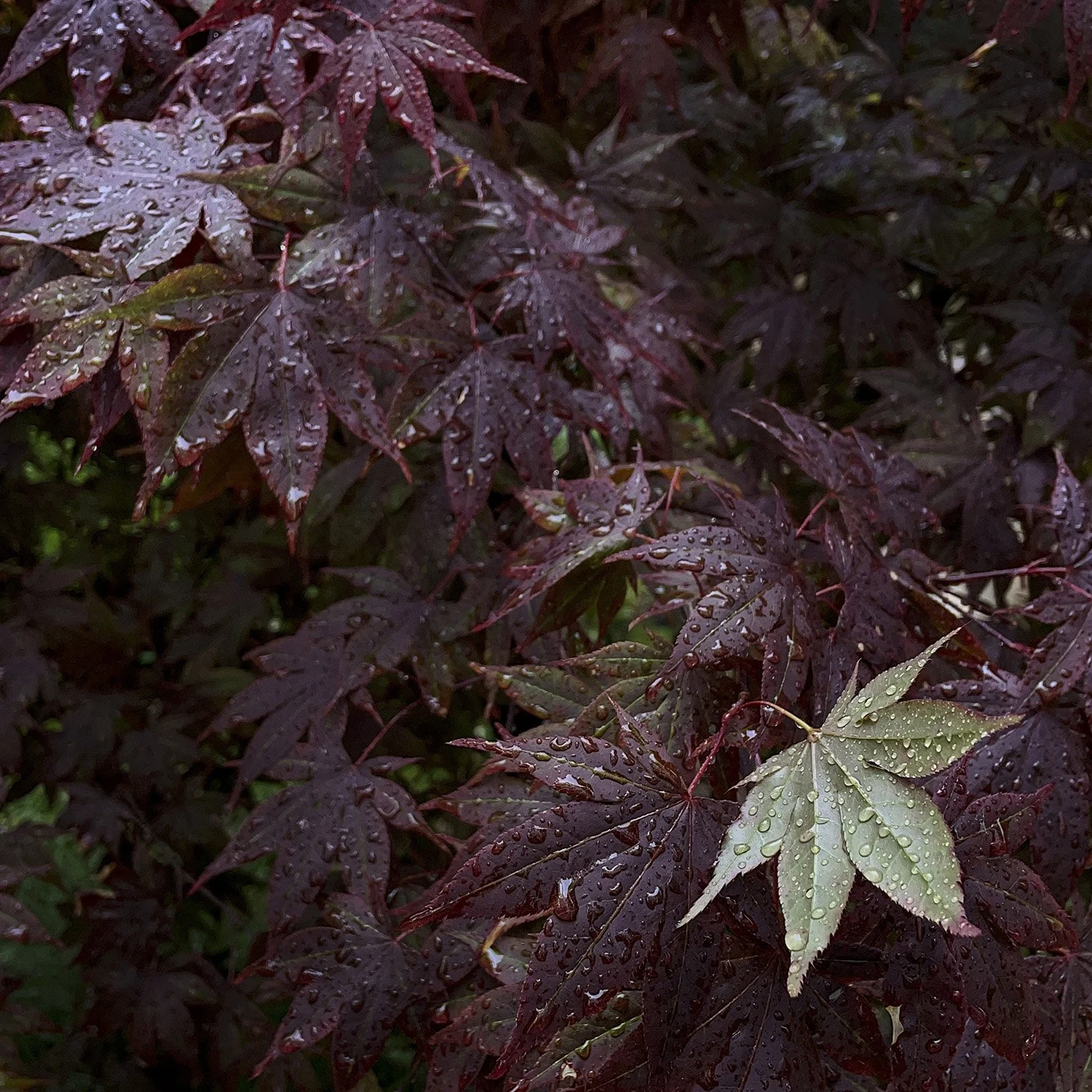
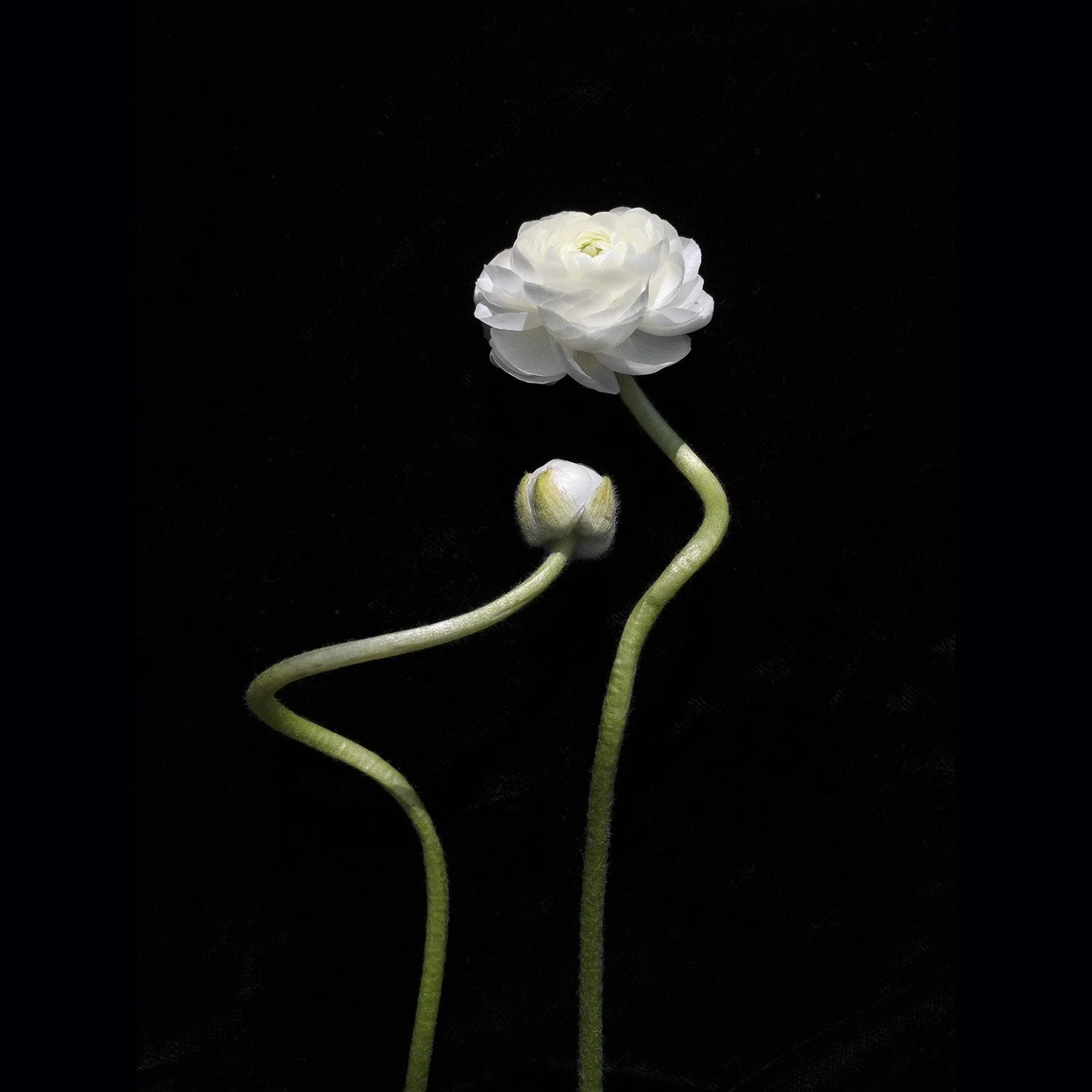
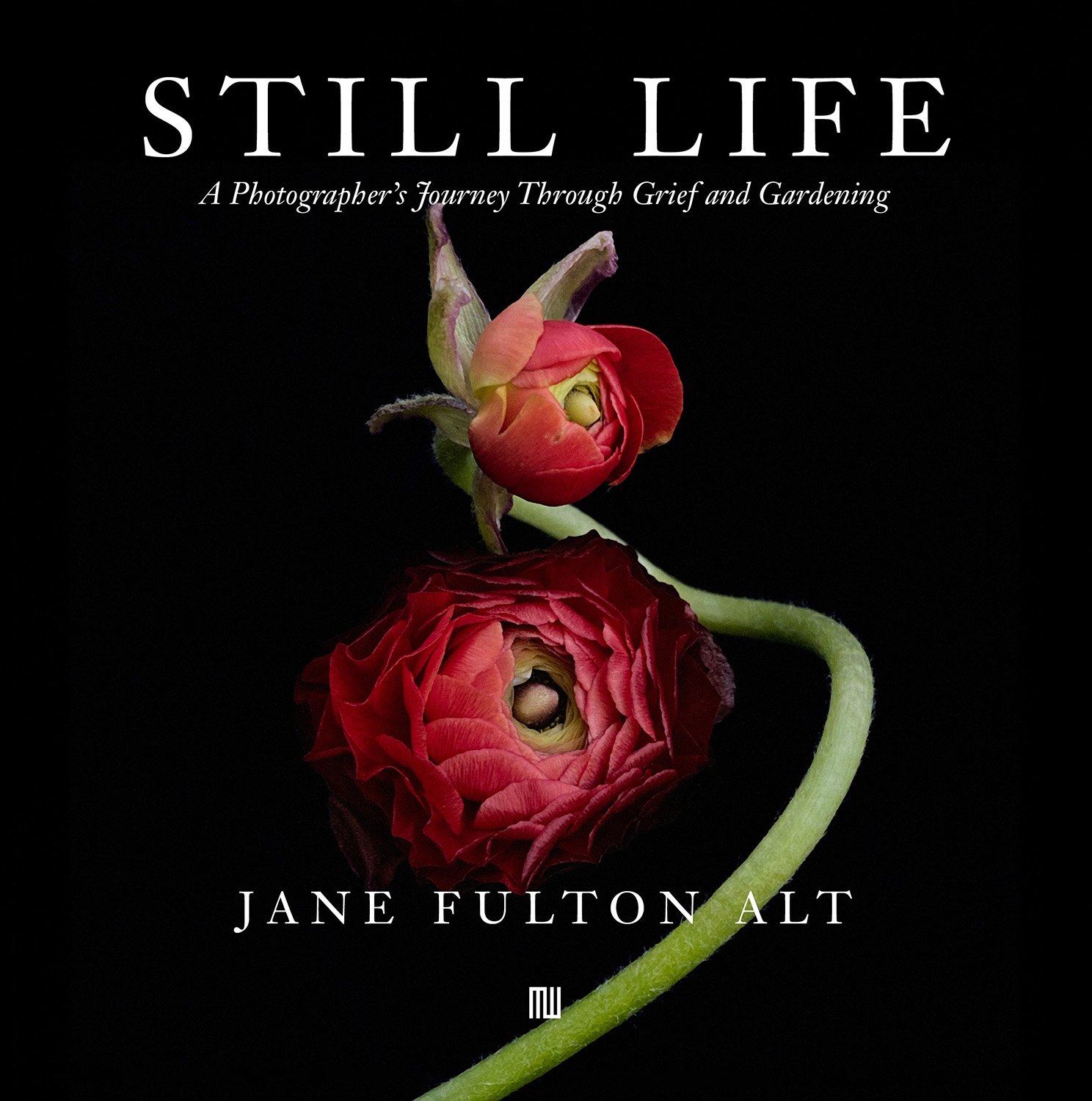
To discover more about this intriguing body of work and how you can acquire your own copy, you can find and purchase the book here. (Amazon, MW Editions)
More photography books?

We'd love to read your comments below, sharing your thoughts and insights on the artist's work. Looking forward to welcoming you back for our next [book spotlight]. See you then!
Gosbert Gottmann wanted war photographs that resisted easy reading. In Freiheit Freedom Воля, he works with images connected to the war in Ukraine and changes them through abstraction, distortion and deformation. Photography Book Spotlight