Sweet Noise: A Holocaust-Era Love Story Told Through Photos, Silence, and 700 Letters
Welcome to this edition of [book spotlight]. Today, we uncover the layers of 'Sweet Noise: Love in Wartime,' by Max Hirshfeld (published by Damiani Books). We'd love to read your comments below about these insights and ideas behind the artist's work.
Can a photograph carry the weight of a family’s silence?
That question followed Max Hirshfeld when he traveled to Poland in 1993 with his mother, a Holocaust survivor. He wasn’t sure what he would find or if he’d be able to take any pictures at all. What he captured was deeply personal: his mother frozen in the courtyard where she once lived, overcome with emotion, and him photographing her while trying to understand her pain.
This trip became the starting point for Sweet Noise, a book that blends photographs, personal reflections, and over 700 love letters exchanged between his parents after the war.
Max Hirshfeld spent decades trying to tell his parents’ story and couldn’t find the right form.
He tried writing text to match his images. He tried sequencing photos like a travel diary. But none of it felt true enough. Then he opened a box of letters his mother had saved. The words were honest, emotional, and full of detail no photograph could show. Instead of separating image and text, he brought them together, letting the letters guide the book’s structure and meaning.
Sweet Noise is the result. A photo book shaped by memory, held together by love, and made stronger by what was once left unsaid.
The Book
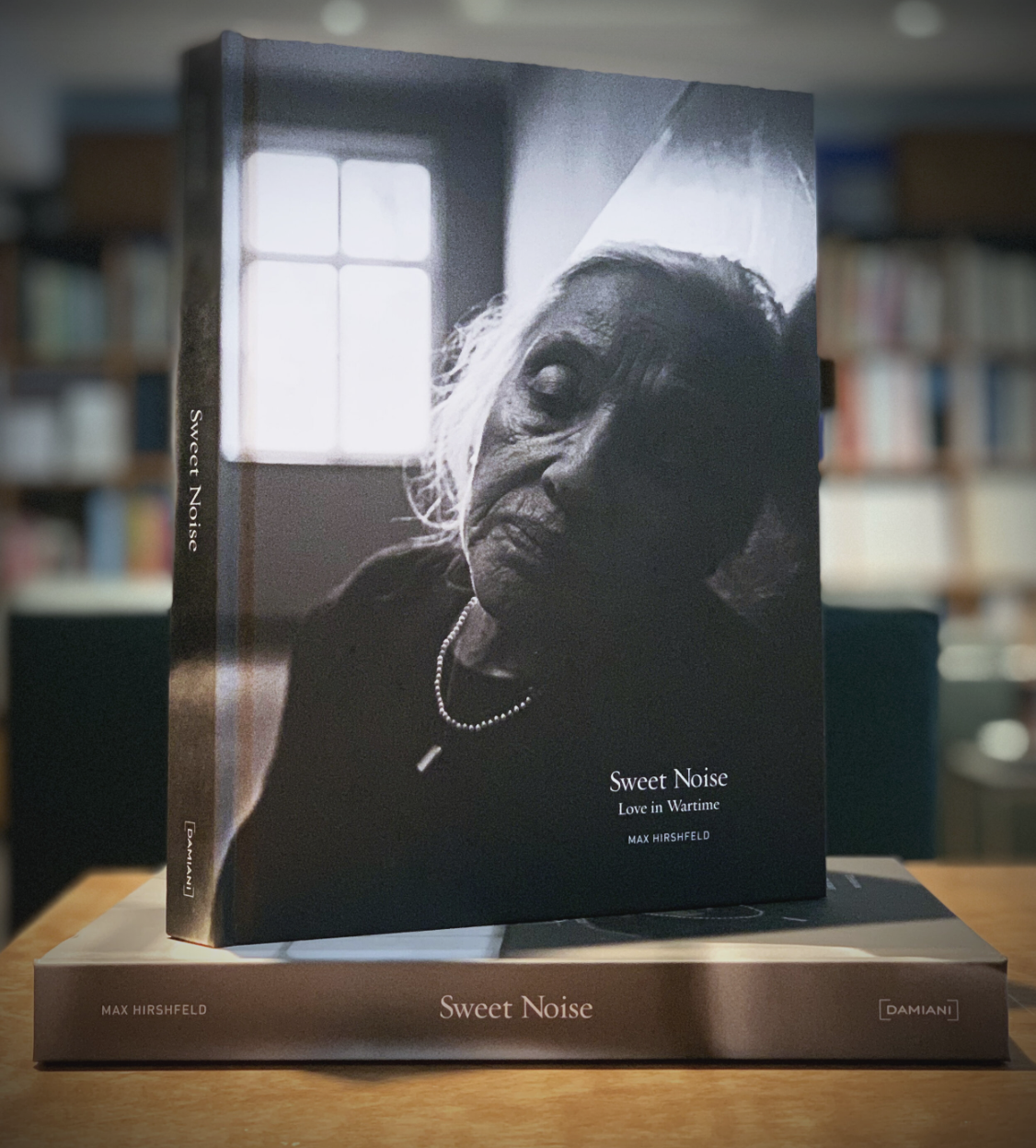
Sweet Noise: Love in Wartime is a deeply personal photobook by American photographer Max Hirshfeld. It tells the story of his parents, Holocaust survivors who were separated after World War II, through a powerful blend of photographs, personal reflections, and over 700 love letters exchanged during their postwar immigration ordeal. The book unfolds as a visual and emotional journey, beginning with a 1993 trip to Poland where Hirshfeld accompanied his mother back to her hometown and Auschwitz.
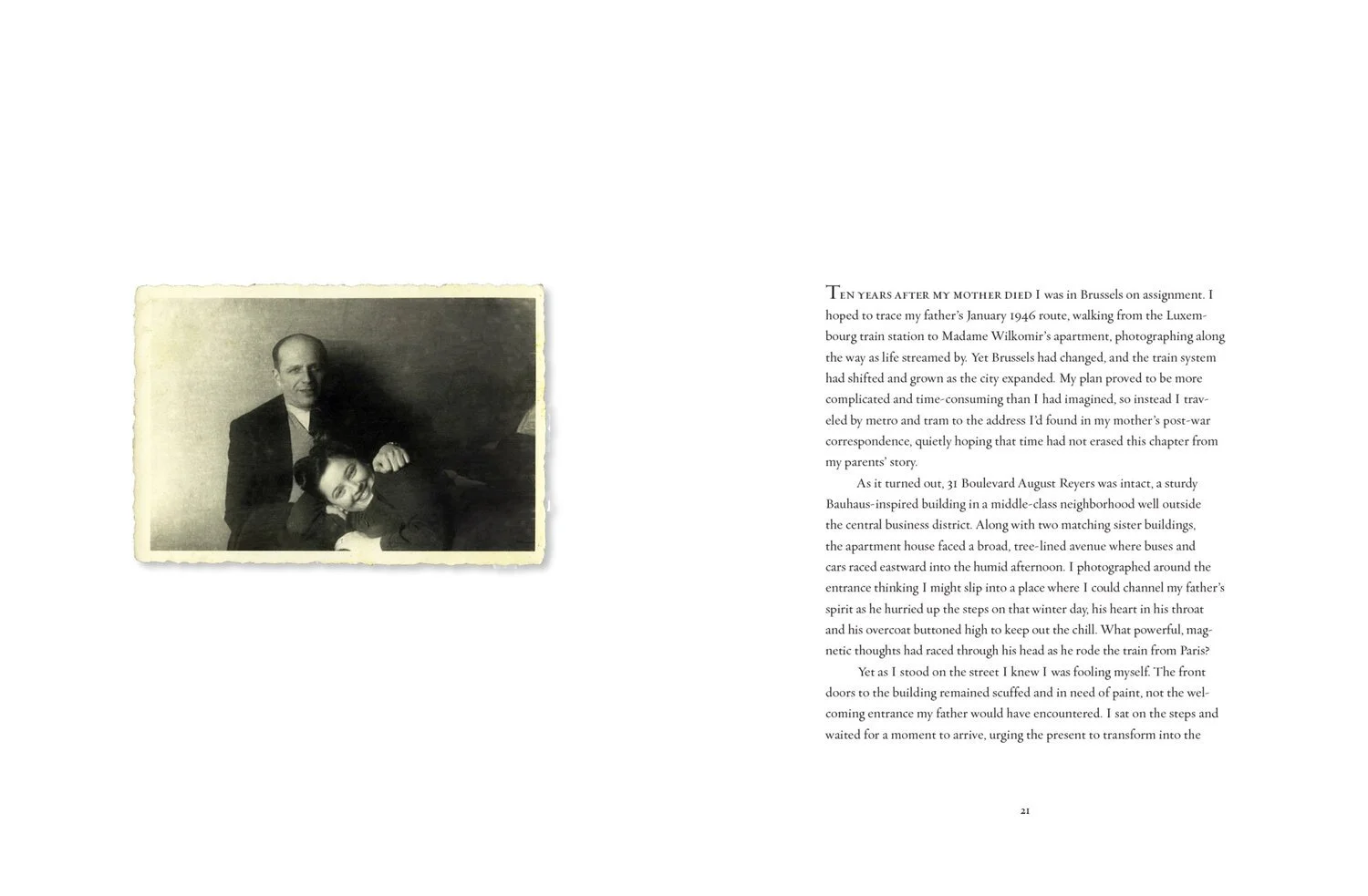
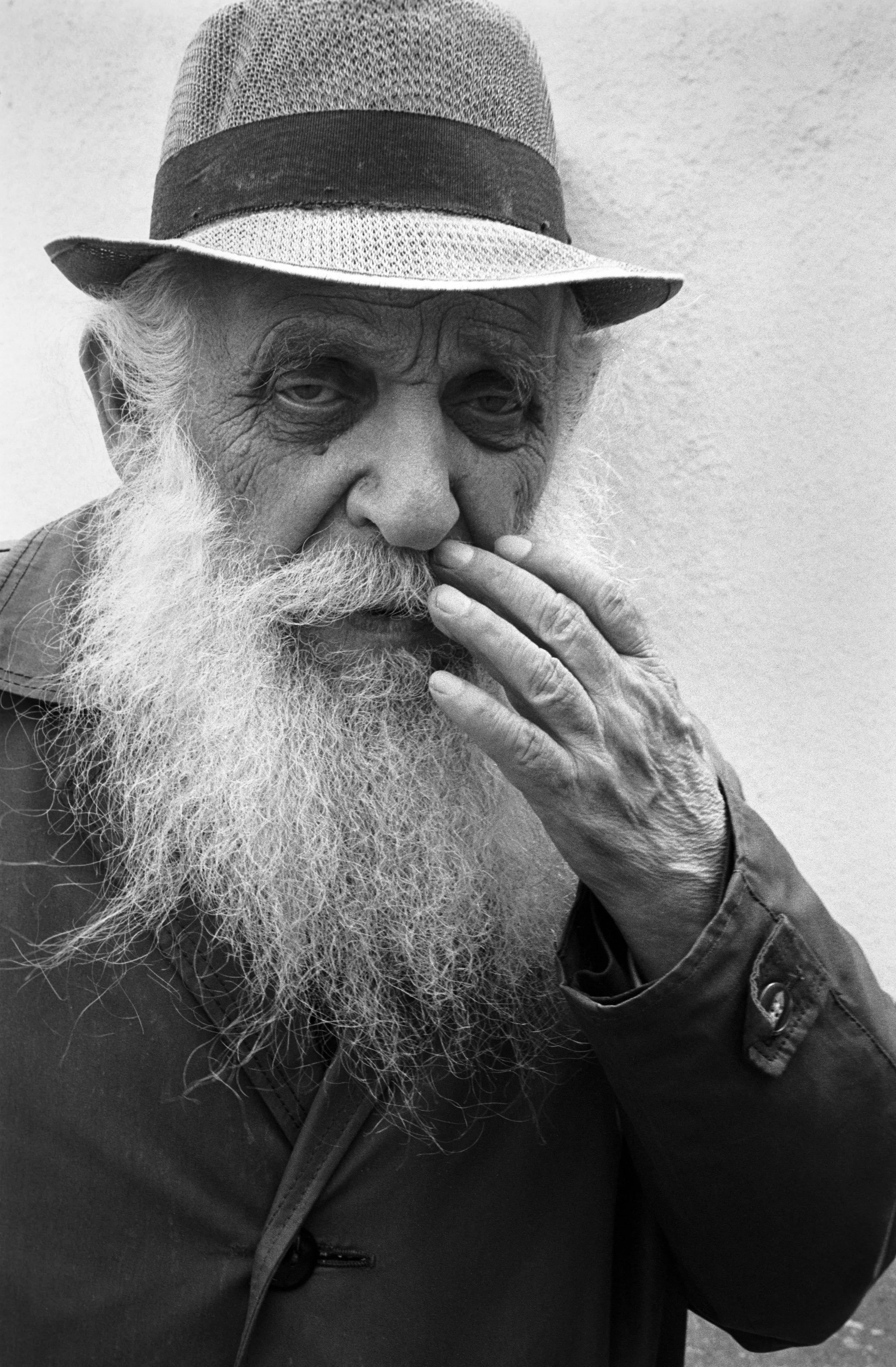
More than a documentary record, Sweet Noise weaves past and present into a layered narrative about memory, silence, and inherited trauma. Hirshfeld’s quiet, observational photographs are paired with the raw intimacy of his father’s letters and his own written reflections, creating a rare portrait of survival, longing, and love. The design of the book emphasizes intimacy, resembling a personal journal or prayer book, and avoids a rigid photo-text structure in favor of a more fluid and organic experience. (sweetnoisebook.com, Damiani Books, Amazon)

Overview of the project: What inspired you to reconstruct your parents’ love story through photographs, letters, and memoir, and how did you find the right form to bring their voices and your own into harmony?
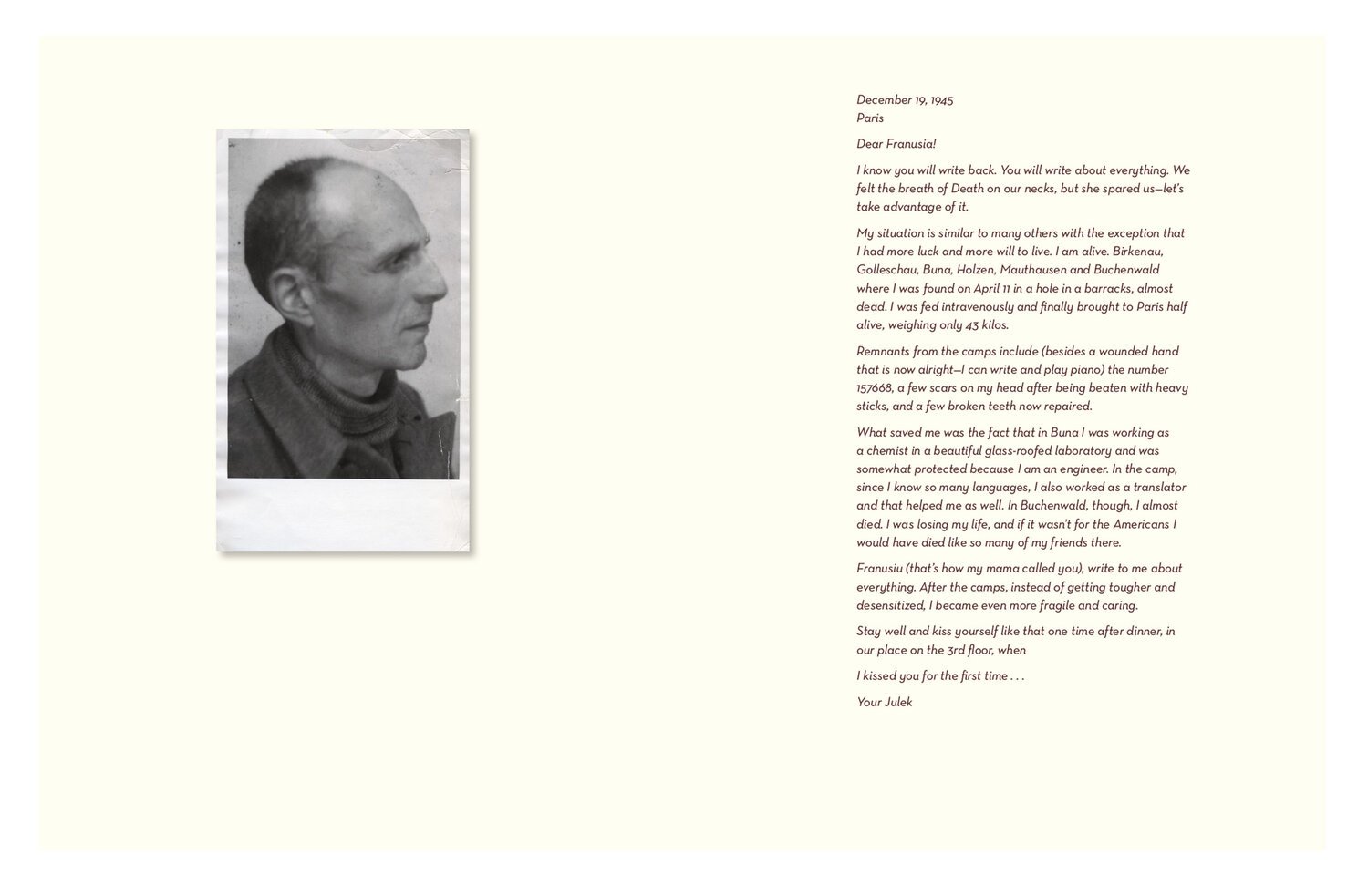
Sweet Noise is unique due to several factors. One is that the photography holds up to scrutiny in that it exists within the proven realm of honest documentation. As Richard Avedon said “There is no such thing as inaccuracy in a photograph. All photographs are accurate. None of them is the truth.” Secondly, the raw nature of their (then-current) histories are on clear display through the magnifying glass of the letters, memories not tempered by the fogginess of time. No matter how many times I tried to tell my parents’ story it felt hollow; the letters, on the other hand, are deep and intense and form a clear trajectory to the heart.
Simply put, they could not be improved upon.
And lastly, the book accomplishes something quite special in its linear approach by weaving the past (the letters) and the present (my photographs and words) into a deeper whole. My father’s words are raw and pure, and set the tone for what I hope is respect for the gravity and power of the story on my part.
You talked about needing time and distance before you could face photographing in Poland. Was there a moment on that trip when it became clear you were finally ready?
Sharing my text for this one. Hope it answers the question.
“I asked her to stay in the center of the courtyar d as I started shooting. She became riveted to the spot, seemingly unaware of me. Moving closer with my camera, I watched a great sorrow come across her face; she bit her lower lip and began to cry. Rather than consoling her I photographed the moment, burying my sense of duty as her son in a split-second of selfishness, silently welcoming the raw emotion. I hadn’t been able to predict the nature of the images I might find in Poland; I only hoped to be able to respond without hesitation. Watching my mother wrestle with her memories seemed to suck the air from my lungs. The camera was all that held me in place.”
What led you to undertake this journey to Poland, and how did it evolve into a photographic and narrative project?
“It wasn’t until after my father died and I turned thirty that I began to ask questions about Poland and my mother’s memories of her home, of the ghetto and Auschwitz. Over the next few years we discussed her desire to share her past and her need to show me the places she remembered. She told me that before she died we would go there, to her world before.
I hoped the trip would be a revelation. I wanted to look through her eyes, older and seeing both the present and the past filtered through time. I hungered to share words with her that would fill in this uncharted history. Perhaps my camera could help open unknown doors, the photographs crystallizing and illuminating a path into our past.”
Letters as narrative foundation: The love letters between your parents form the emotional core of the book. How did you approach selecting and presenting these intimate exchanges, and what did they reveal to you that you hadn’t fully understood before?
Letting the book find its voice was a struggle. The sparse text I originally wrote was a poetic companion to the photographs but worked more as a travel essay than a book. It was 10-12 years of stops and starts before I found the letters, yet before I had any translated, I knew that what was missing before was now found.
Opening the box of letters felt spiritual and daunting all at once. I had no idea what to do. But when I received the first few translations, I read a passage my father wrote about their “secret place under the stairs” and knew inherently what to do. Amazingly, in one of several iterations I had tried to crack open the conundrum of how to share their story, I had written almost the exact same scenario — and this was BEFORE I had read the translation.
Only two things really mattered in what I asked from my translator: concentrate on the immigration fiasco my parents found themselves inexplicably tied up in, and how they were able to keep their love alive.
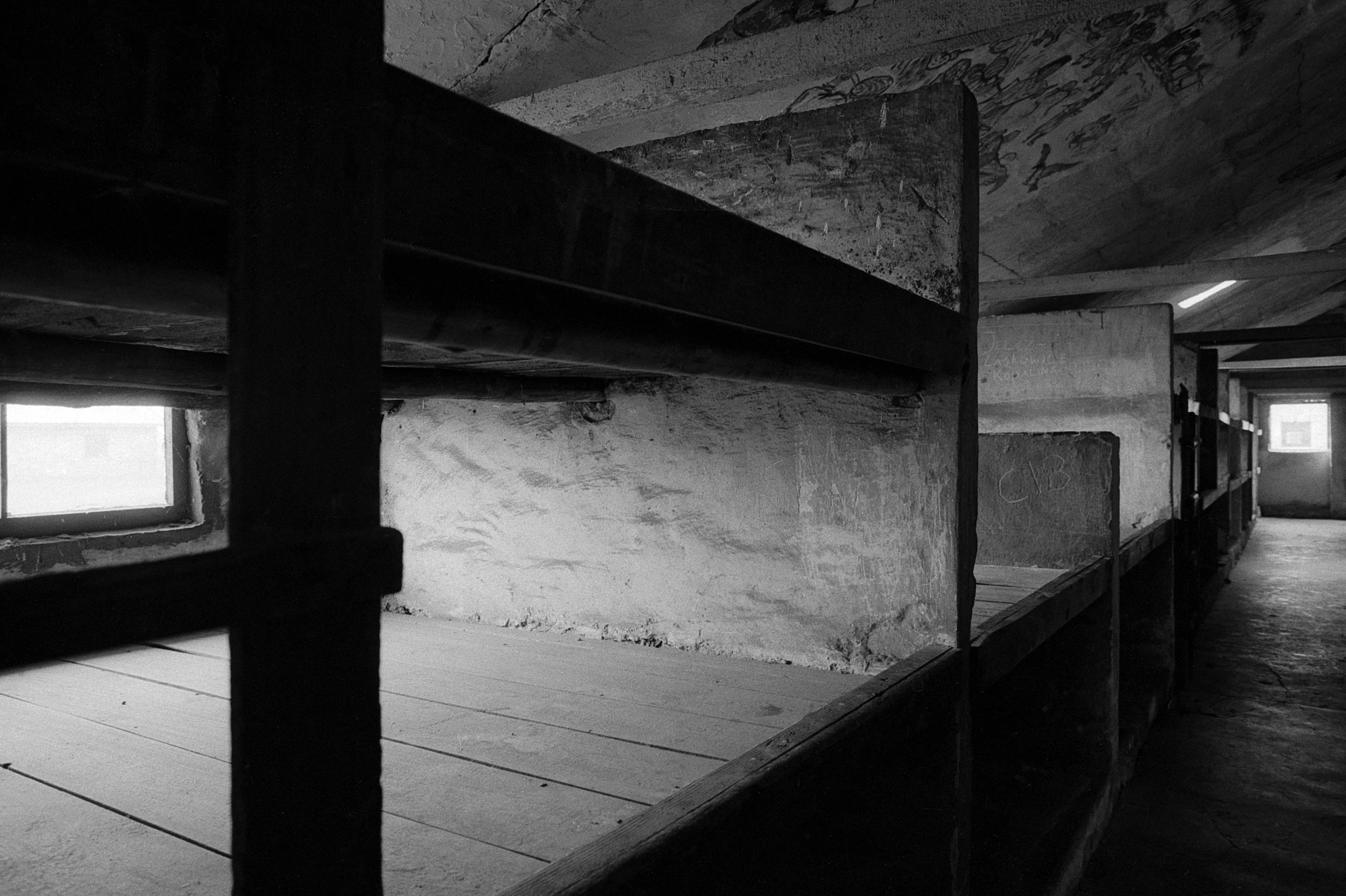
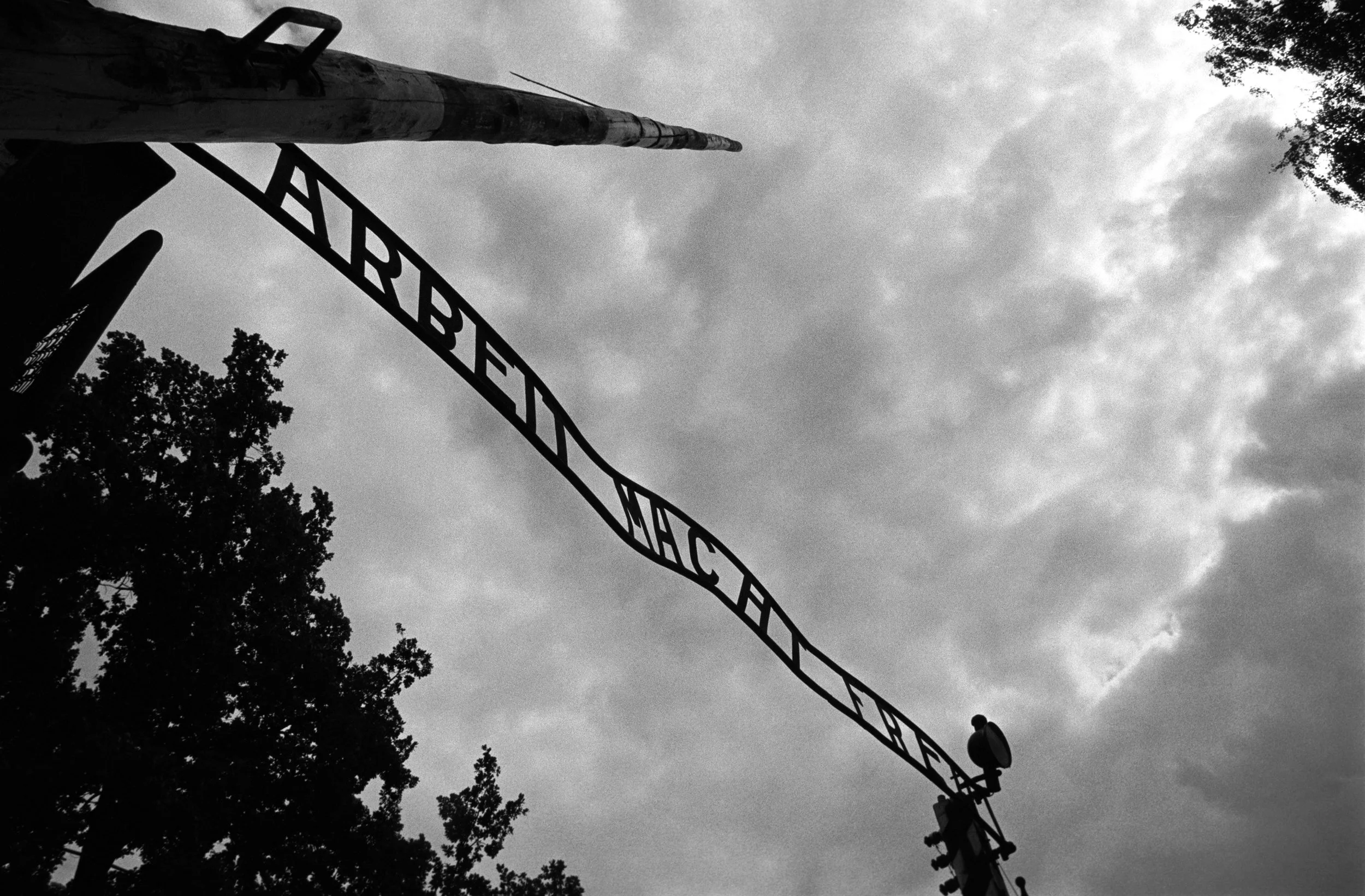
Returning to Poland: In 1993, you accompanied your mother back to Poland and Auschwitz. How did photographing that journey shape your understanding of her past and your own role as both son and documentarian?
Once I understood that it was their experience and not mine (and never would be) it was easier to subconsciously detach. Their recollections were sporadic and impossible to understand, and in a house where the Holocaust was part of the air, the deeper test of my urge to understand the effect on their lives (and subsequently on mine) came with adulthood and blossomed with the very act of writing. In my case, I was lucky to have the photographs to prompt my questions, yet I was never sure if I would find any answers.
Visual language and emotional tone: Your photographs often evoke a quiet, contemplative mood. What guided your visual choices in this project, and how did you use photography to express what words alone could not?
This journey was laden with potential landmines, and as such required a sensitive approach to what my mother would be going through, not what I needed to achieve had this been an assignment. I’ve always been a voracious observer, a big fan of the small detail writ large. Maybe I grew up quiet since there was a dark cloud hanging over my family home that forced me to watch and wait while storing visual clues to our past.
You mentioned listening carefully for emotional truth when combining text and image. How did you know when you had found that balance when the image and the story felt like they truly belonged together?
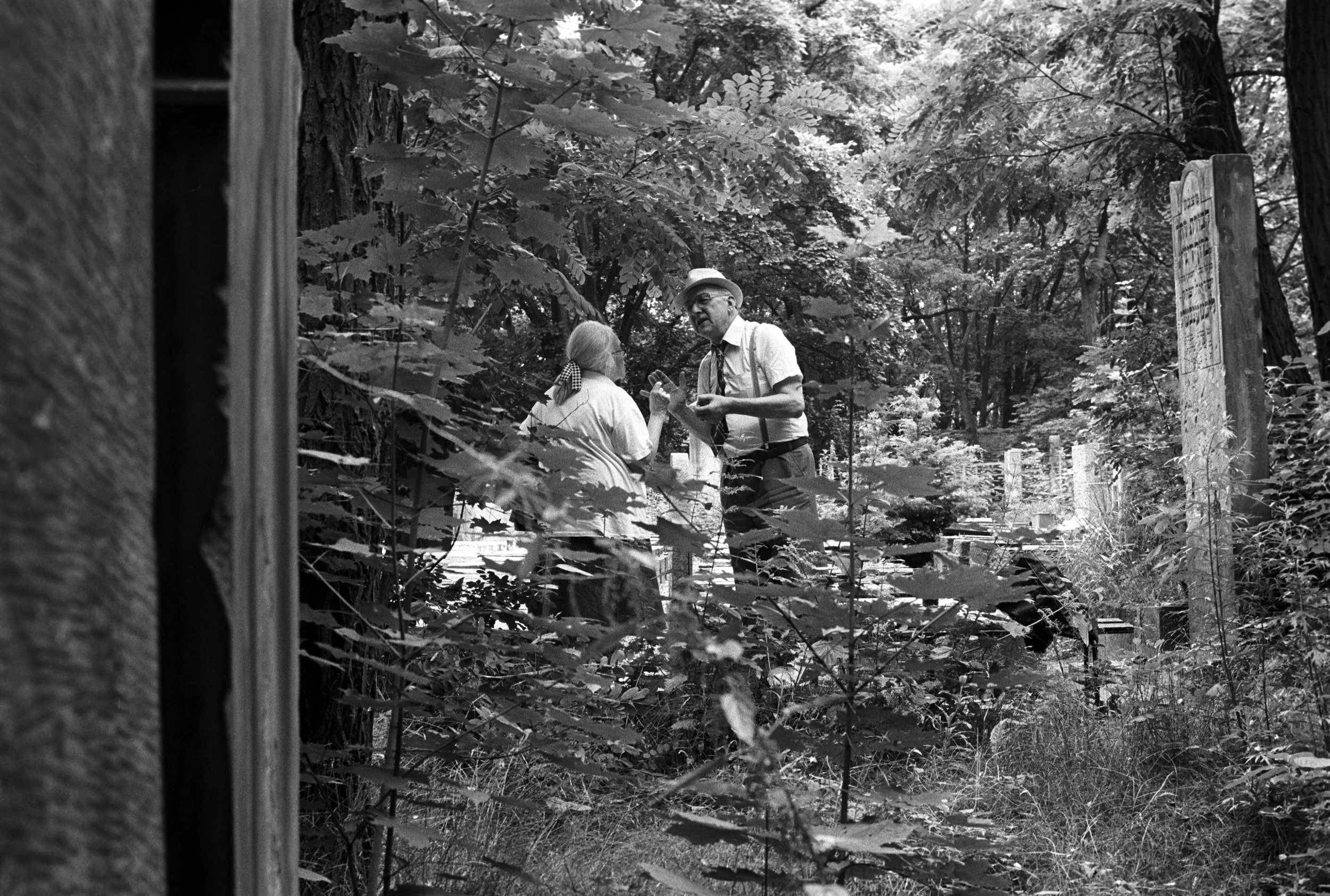
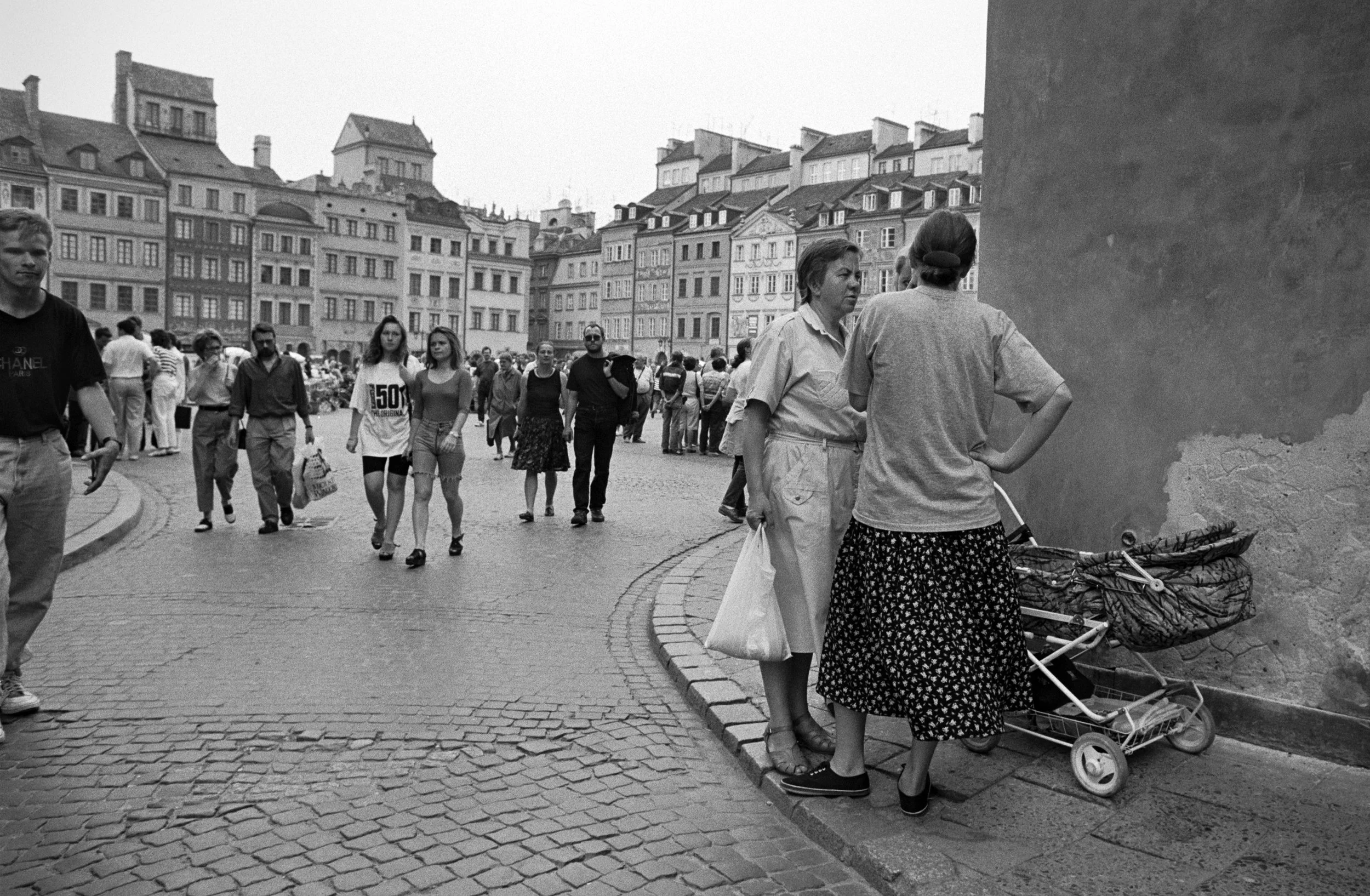
Almost from the first time I reviewed the contact sheets in 1993, I started isolating images that told the story in a sequential, linear fashion. It felt right that since we followed an itinerary — Warsaw (a place my mother had never visited) to Radom to Opatow to Zawiercie to Kraków to Auschwitz/Birkenau that the book (and now exhibition) should do the same.
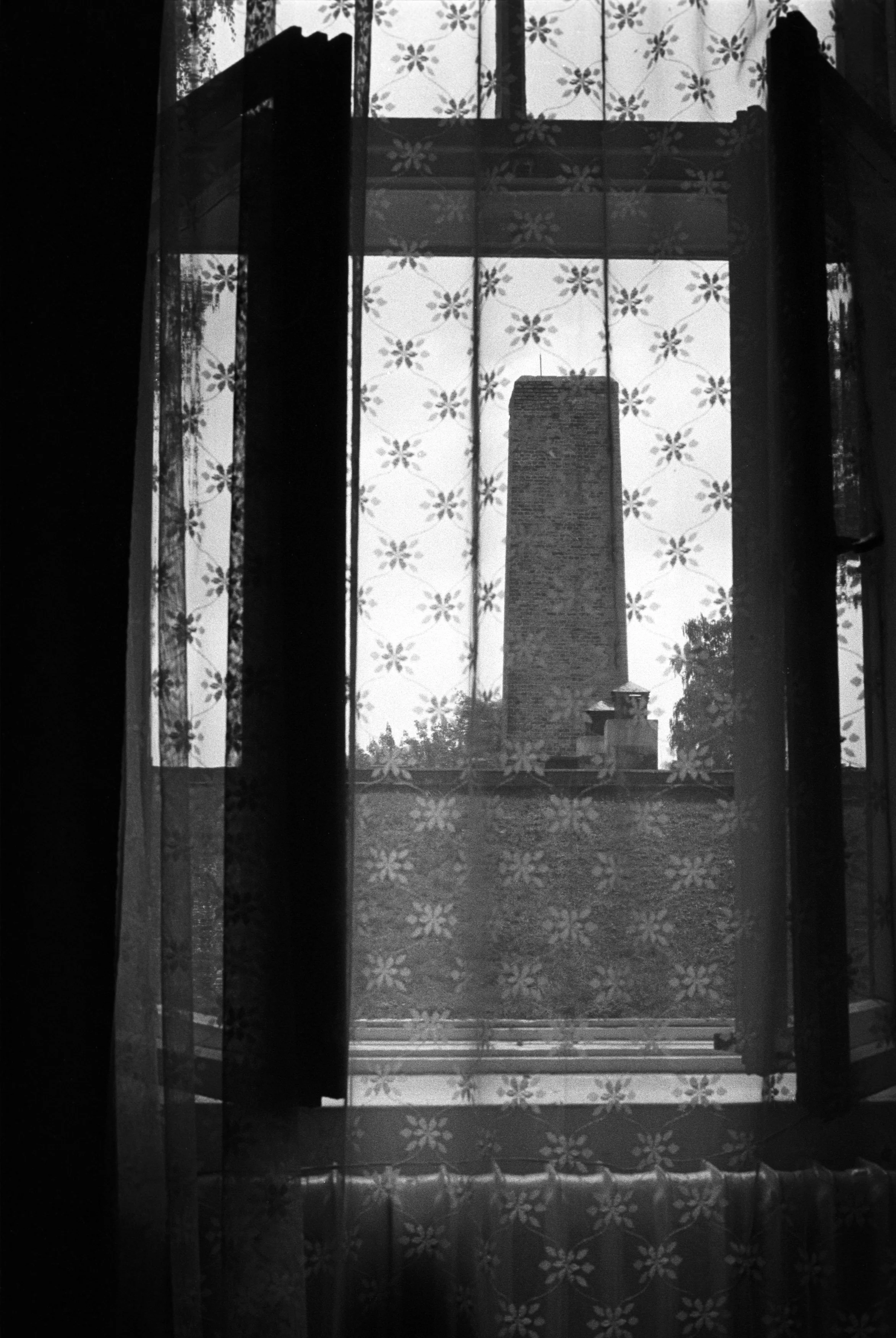
With a wide-eyed, almost touristic response to Warsaw, the timeline followed a jagged course leading to the real heart of the trip, my mother’s return to Auschwitz where the images and text touch deeper on our experience there with a somewhat heightened sense of horror. A friend remarked after seeing the photographs soon after they were printed, that it felt like a strange mojo had entered the room.
In my mind, it was always about the photos first (and that the text is there for support) but as I fleshed out the text it began to be apparent that the two elements fed off each other making the whole that much stronger. And the very specificity of the design was to avoid “text/photo, text/photo, text/photo” and to allow for a more random, spontaneous experience that might help support the free-form nature of this plan.
I struggled with combining the letters with my photographs and text, even trying several times to add their story to my words while still keeping some letters. But inevitably, authenticity ruled the process, and rather than isolating the letters into a separate volume, we chose to include them within the context of the broader scope of the book. Had I known about the letters before or just after the trip to Poland, I might have attempted a different structure: photographs and text before the letters, or the more difficult task of weaving all three elements together. Discovering the letters proved to be a second gift from my mother, one that needed to be treated with respect and love when sharing this remarkable love story.
Intergenerational memory: As a child of Holocaust survivors, how has this project changed your relationship to inherited memory, and what do you hope it offers to others navigating similar legacies?
I knew this effort on my mother’s part was a gift to me, a rare opportunity with access to a part of my psyche that I didn’t know was there. When I pitched the upcoming trip to Poland with a prominent magazine photo editor, the response I got was spot-on: show me what you saw and then we will talk. All survivor stories are unique and special, and even though I was so lucky to receive my mother’s gift, I still have regrets about not asking enough questions and not shooting enough film.
About 10-12 years after our trip — and 6-7 years after my mother died, I opened THAT box she gave me, the box that held the 700+ letters my parents had written to each other during their three-year, post-war separation. If I can offer one other suggestion it would be to ‘open that box’.
Design and structure: The book’s design feels intimate, almost like a prayer book. What was your vision for the physical experience of the book, and how did you collaborate with your designer to achieve it?
After several misguided iterations, I realized I had lived with the material long enough to know that it didn’t want to be a coffee table book. I wanted the photos to have room to breathe, but it still needed to be small enough to hold in one’s lap, maybe something like the Union Prayer Book I had grown up with. And at 200 pages, it would have enough heft to feel substantial. I had been working with the designer — David Skolkin — for several years through the various iterations, and once I had reduced the elements to their basic forms he went to work and hit a home run. As David says, my book is like a perfect sentence.
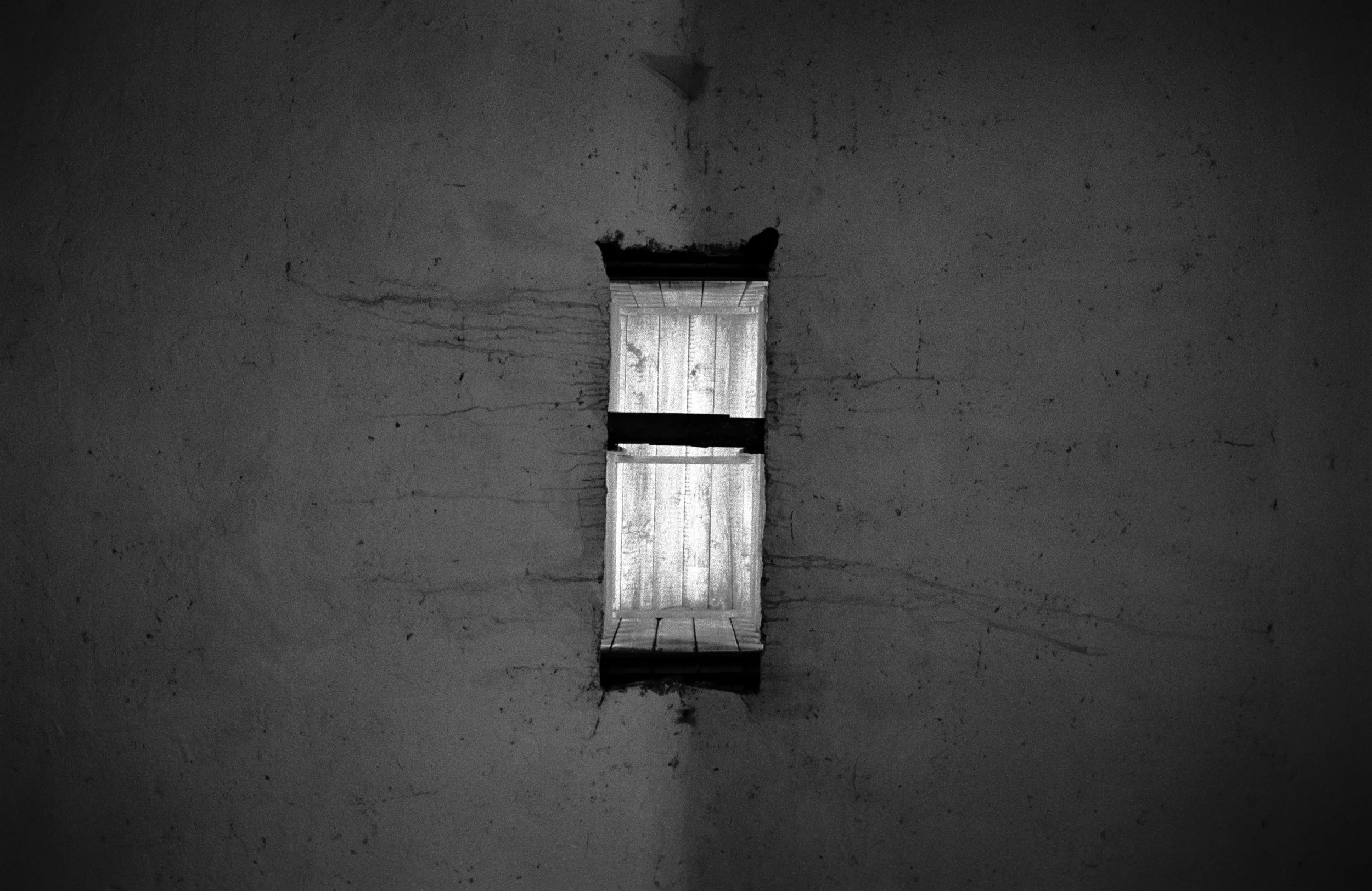
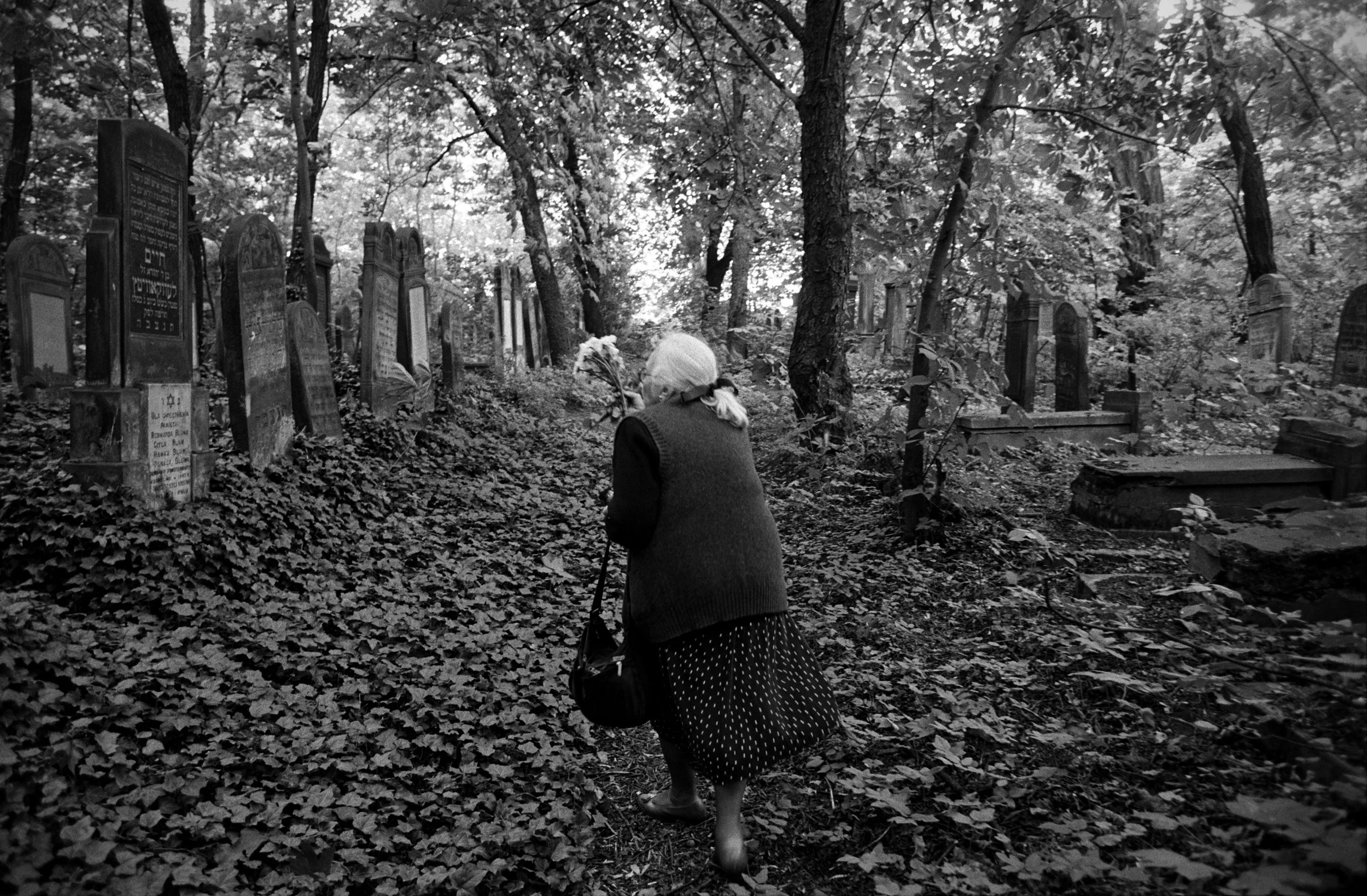
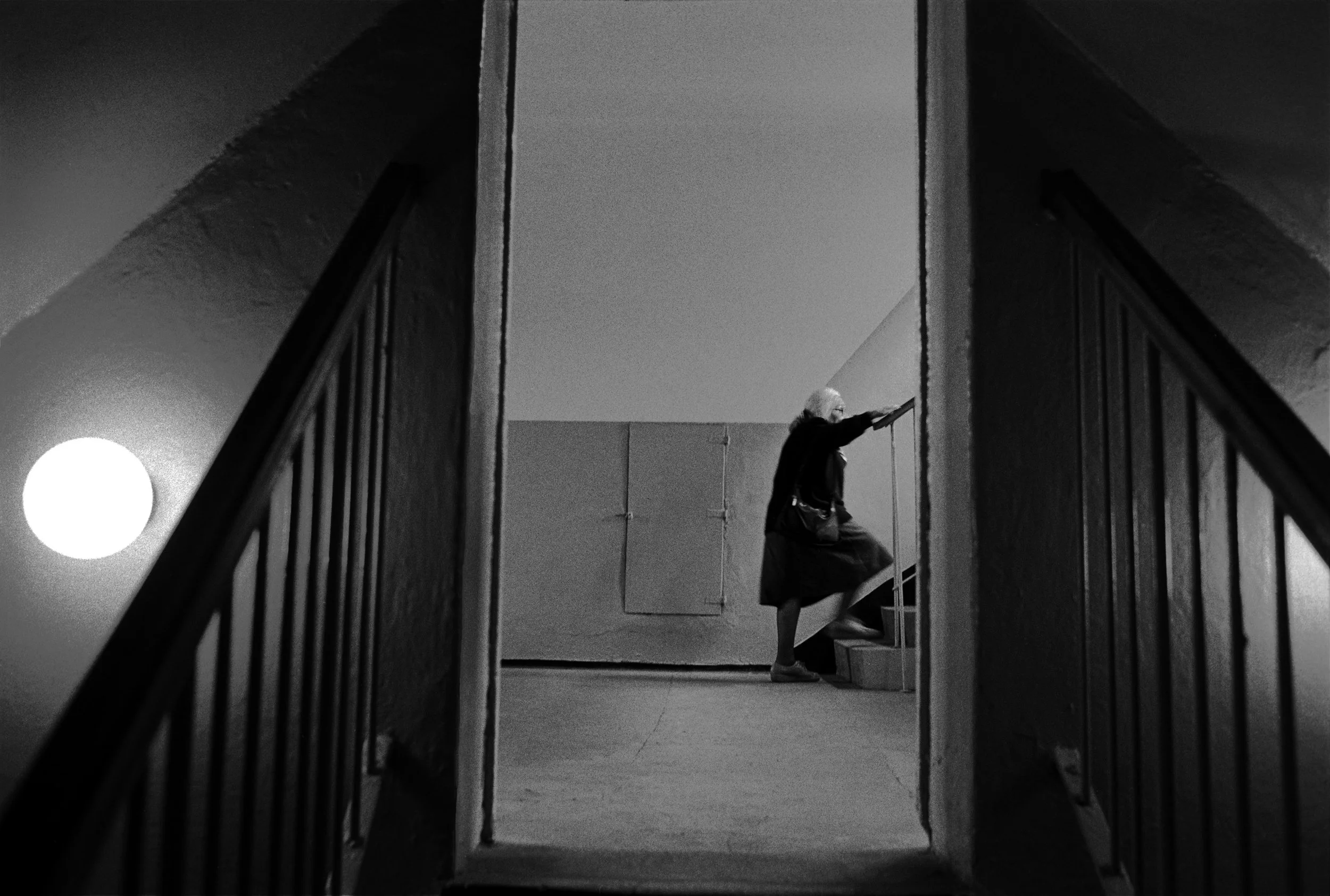
The role of silence: You’ve spoken about the “sweet noise” of memory. How do you interpret silence in your family’s story and in your own process of listening, remembering, and creating?
“Sweet Noise”, the first part of the title, comes from the text and represents the ache of lost childhood that flowed across my mother’s face as she stood in the courtyard of her birth home. “Love in Wartime” broadly references the larger arc of my parents’ love story and lends power to the notion of their indomitable spirits, and the reminder that love can conquer all.
Legacy and reflection: Now that Sweet Noise has been shared with the world, how do you reflect on its impact both personally and publicly? Has it brought you closer to your parents’ story or opened new questions?
As luck would have it, the book was delivered and distributed during the last three months of 2019 and the first three of 2020 before the world shut down due to Covid. At some point in late 2021/early 2022, I decided to begin the process of creating a traveling exhibition featuring the book. The design of that has gone through a few changes (much like the book) and is now in production with several potential exhibition dates from late 2026 through 2029.
In addition, I have begun giving talks using some of the book’s themes — immigration and the rise in antisemitism — that will continue as a companion to the exhibitions.
To discover more about this intriguing body of work and how you can acquire your own copy, you can find and purchase the book here. (sweetnoisebook.com, Damiani Books, Amazon)
More photography books?
We'd love to read your comments below, sharing your thoughts and insights on the artist's work. Looking forward to welcoming you back for our next [book spotlight]. See you then!
Robin de Puy could no longer make this project alone. She first photographed Randy in Ely, Nevada, during a 2015 road trip and kept returning to him for more than ten years. Interviews