How Albes Fusha Captured Two Decades of Spiritual Devotion Without Disrupting a Single Moment
Welcome to another captivating photo essay, this time by Albes Fusha. We'd love to hear your thoughts. Feel free to comment below and, if you're interested, share your photo essay with us. Your perspectives add valuable dimensions to our collective exploration.
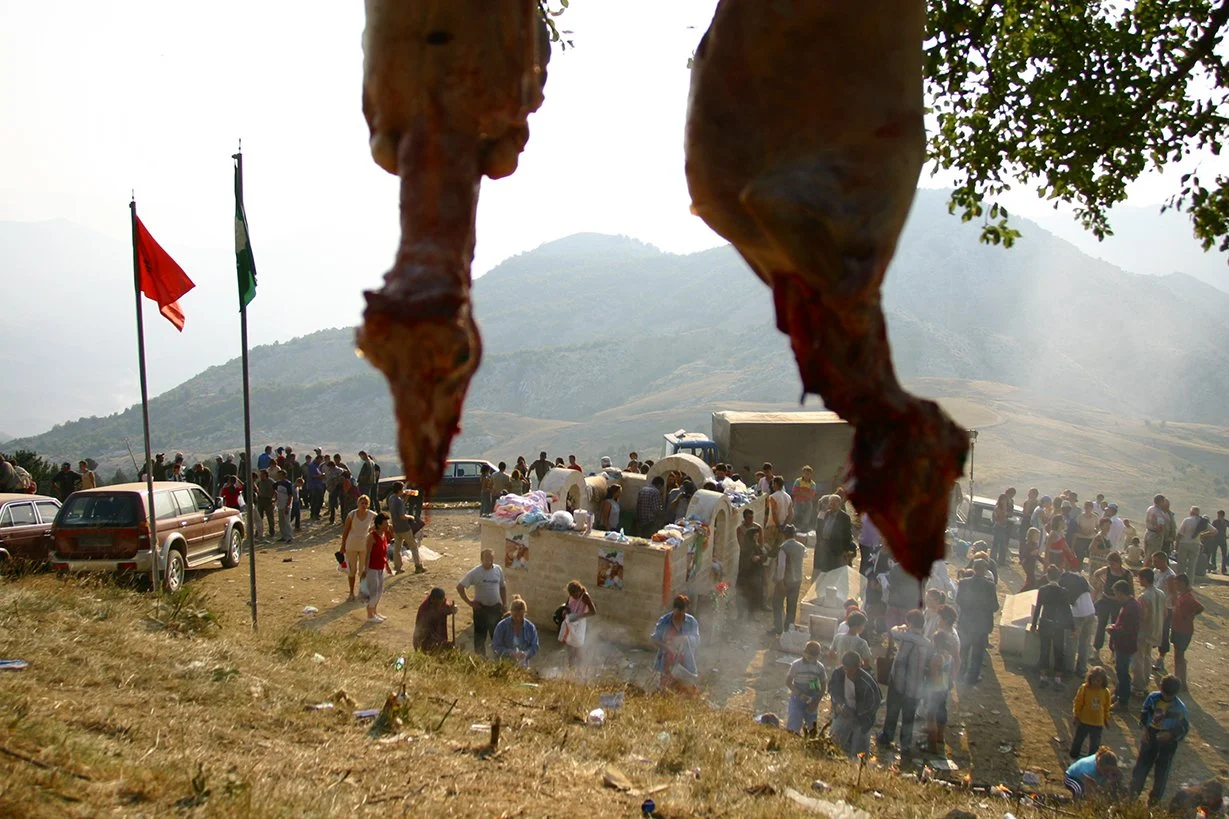
Disclaimer: This article contains photographs of animal sacrifice as part of a religious ritual. Some images may be disturbing to sensitive viewers.
Can you capture spiritual ecstasy without ever getting in the way?
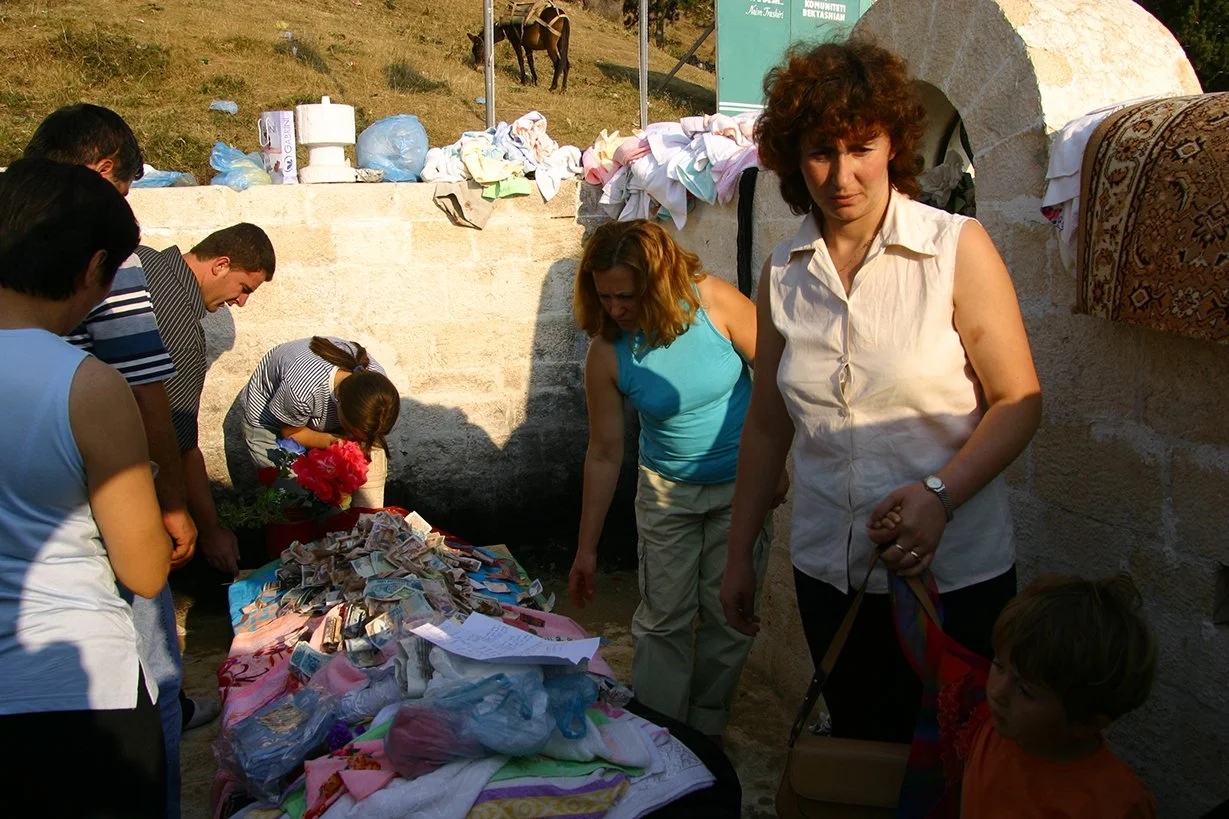
Asoc.Prof. Albes Fusha has spent over twenty years photographing the Bektashi pilgrimage to Mount Tomorr in Albania. Instead of standing on the side, he walks with the people, sharing their path, eating their food, and moving at their speed. He doesn’t use flash or set up any scenes. He waits, watches, and takes the photo only when something real happens. His goal is simple: to show what deep belief looks like when it’s part of everyday life.
He works quietly, blending in and earning trust over time.
Getting close without interrupting is what allows him to capture honest moments full of emotion. Over the years, his perspective has shifted from the visual details to the deeper meaning behind the ritual. The annual pilgrimage reveals how tradition, identity, and faith continue to shape everyday life. Each photograph reflects a world where patience, presence, and shared experience matter more than spectacle.
"Pilgrimage to Mount Tomorr: A Photographic Journey into Spiritual Ecstasy and Belief"
This project emerged from a deep concern about how humans reach spiritual ecstasy through collective rituals and how faith creates realities, gathers crowds, and shapes collective consciousness. The inspiration for this project came from a long-standing personal experience, where I had the opportunity to witness the annual pilgrimage of Bektashi believers to Mount Tomorr. Located in the central part of Albania, Mount Tomorr holds significant spiritual importance for the Bektashi, a branch of the Sufi tradition of Islam. This pilgrimage is a unique ritual that reveals faith in its purest and most intensive form. It is more than an act of belief—it is an event that unites body and spirit in an uninterrupted rhythm, taking individuals beyond the everyday.
The purpose of this project is to capture the moments when sacrifice, prayer, song, and ecstasy come together to create a powerful emotional landscape, blurring the boundaries between the sacred and the earthly. The exhibition offers an opportunity to understand how belief, through such rituals, transforms into a direct, palpable experience, deeply rooted in the body and soul, and how this belief sustains and shapes collective sensitivity. This collective experience becomes an expression of deep belonging and a challenge to the rapid changes that have taken over the modern world.
The inspiration comes from the very nature of the ritual, which holds immense significance in Albanian culture and is deeply intertwined with a rich spiritual and cultural history. Bektashism, which originated in Anatolia (present-day Turkey) in the 13th century, established a new centre in Albania’s capital, Tirana, in 1924. Today, Tirana is the global centre of Bektashism. In recent years, this faith has been at the centre of political and social debates, with discussions surrounding the possibility of creating an independent Bektashi state to preserve the values and identity of the faith. In this context, the pilgrimage to Tomorr, located in the district of Berat in central Albania, has gained special significance, becoming a testament to the power of tradition to survive and maintain spiritual identity.
For more than two decades, I have attentively followed this ritual. Each year, I strive to capture the moments when pilgrims experience spiritual ecstasy—when belief is no longer just an idea but a direct and tangible experience. The photographs created over these years are filled with tension, energy, and devotion, reflecting the strength of this faith that has endured through generations.
Regarding the photographic process, I have taken a careful approach to document every detail of the ritual, including moments of silence and emotional intensity. The camera has been a tool not just to capture images but to convey the spiritual atmosphere of the event. I have avoided any possible interference in the scene, trying to preserve the naturalness and intimacy of the experience. This required a precise technical approach—working with light and shadow to highlight the smallest details of the ritual while maintaining a balance between intimacy and the collective nature of the event.
The photographs that follow are reflections of a profound spiritual process and an attempt to bring to the public a shared experience that cannot be captured by words alone. They are a visual story expressed through light and colour, a mirror of the ecstasy and transformation that takes place during this pilgrimage. Each image tells an inner story of individuals engaged in this experience, as well as the emotions and sensitivities that express their connection to an ancient and profound belief.
Regarding the impact and reception of this project, it is clear that the photography has attracted a wide audience, sparking interest in the role belief plays in shaping societies and cultures. This project is more than an exhibition—it is a visual and emotional journey that helps understand the relationship between the individual and the collective in the context of a living and significant tradition.
In the end, this project is a reflection on the importance of preserving tradition and spiritual identity in a world that is rapidly changing. In every image, the aim is to unveil the tension, energy, and devotion that keep this deep faith alive, giving the viewer the chance to feel the emotions and experiences that occur during these extraordinary spiritual moments.
You have followed this pilgrimage for many years. What keeps bringing you back to Mount Tomorr, and how has your view of the ritual changed over time?
What brings me back to Mount Tomorr each year is the constant tension between permanence and change. In the early years, I was fascinated by the visual richness—the procession of people, the symbolism, the ritualised gestures. But with time, my perspective shifted. I began to sense the deeper emotional and spiritual layers: the quiet acts of devotion, the moments of personal transformation, and the vulnerability of people seeking connection. The ritual has become not just a religious observance, but a mirror of collective memory, resilience, and identity. It now feels less like a “subject” and more like a living experience that invites me to return, to listen more deeply.
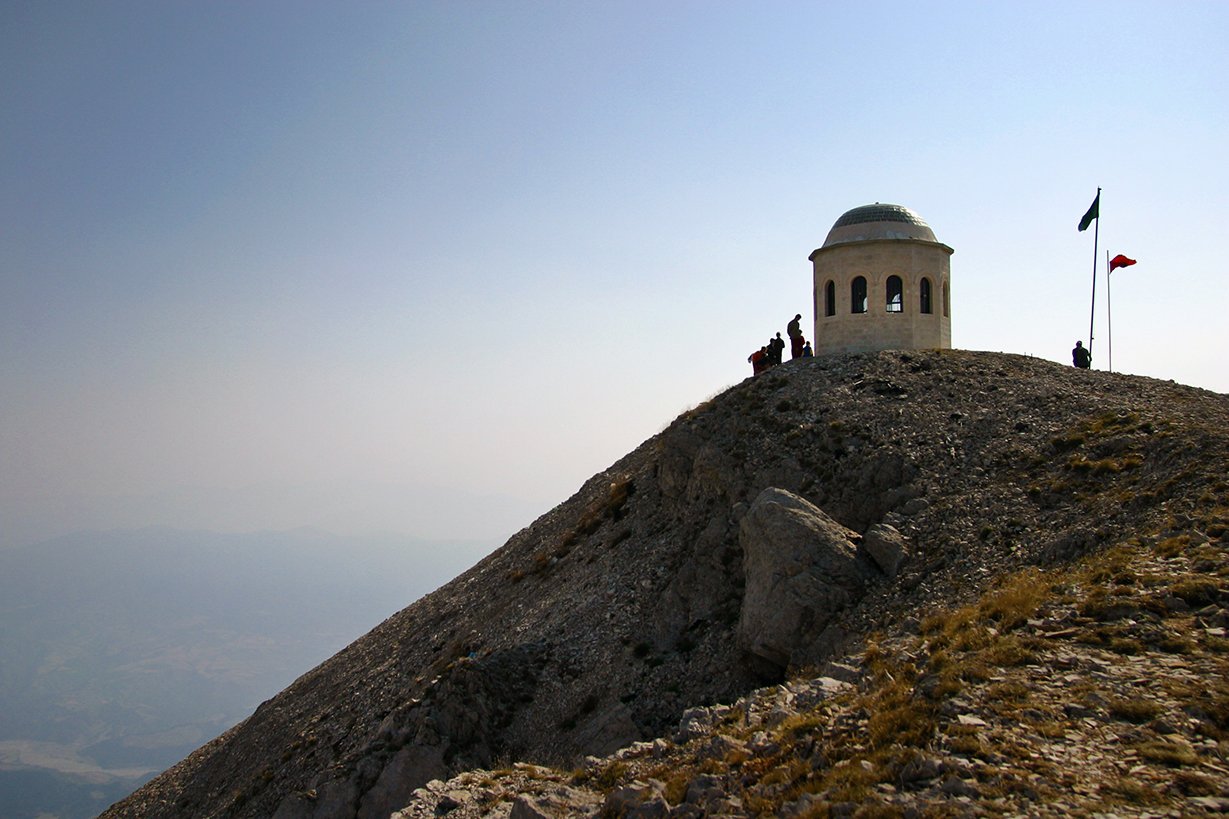
Your photos show strong emotions like joy, pain, and deep belief. How do you know when the right moment comes to take a picture during such powerful and personal experiences?
I don’t look for the “right” moment in the conventional sense. Instead, I observe, I walk alongside the people, I tune into their rhythm. When emotion rises—when there is a tremble in a voice, a shared silence, a spontaneous embrace—I feel something shift inside me. That’s often when I release the shutter. These moments are raw and honest; they are not staged. I try to capture them without imposing or interrupting, letting the energy guide me rather than chasing it.
You say this project is about more than belief—it’s about identity and tradition. Why do you think this ritual is still so important for people today, even in a fast-changing world?
Because it offers grounding. In a world that often feels fragmented and rushed, this ritual reconnects people to their ancestry, to land, to something timeless. It’s not just about religion—it’s about belonging. Many of the pilgrims are young people who were born into a world very different from their grandparents’, yet they return each year to climb this mountain, to fast, to pray, to sing. It’s a way of saying: “I still exist within this story.” The ritual becomes a way to resist erasure and preserve dignity in a changing world.
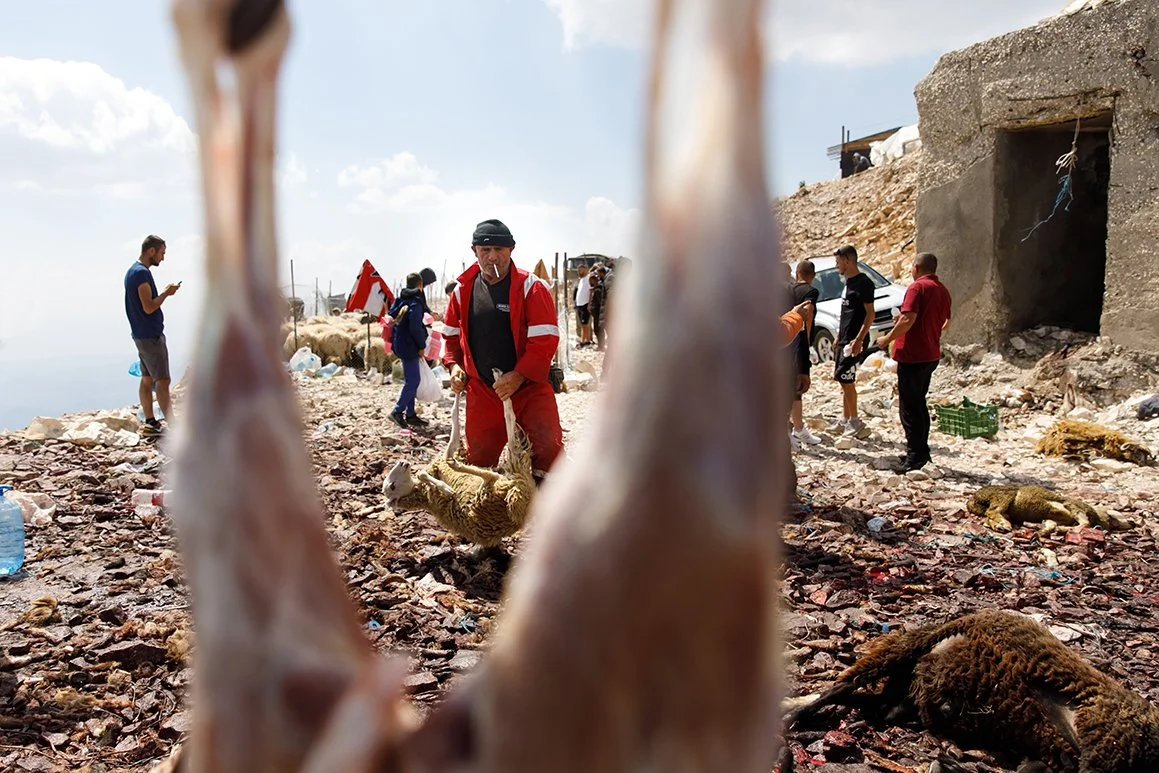
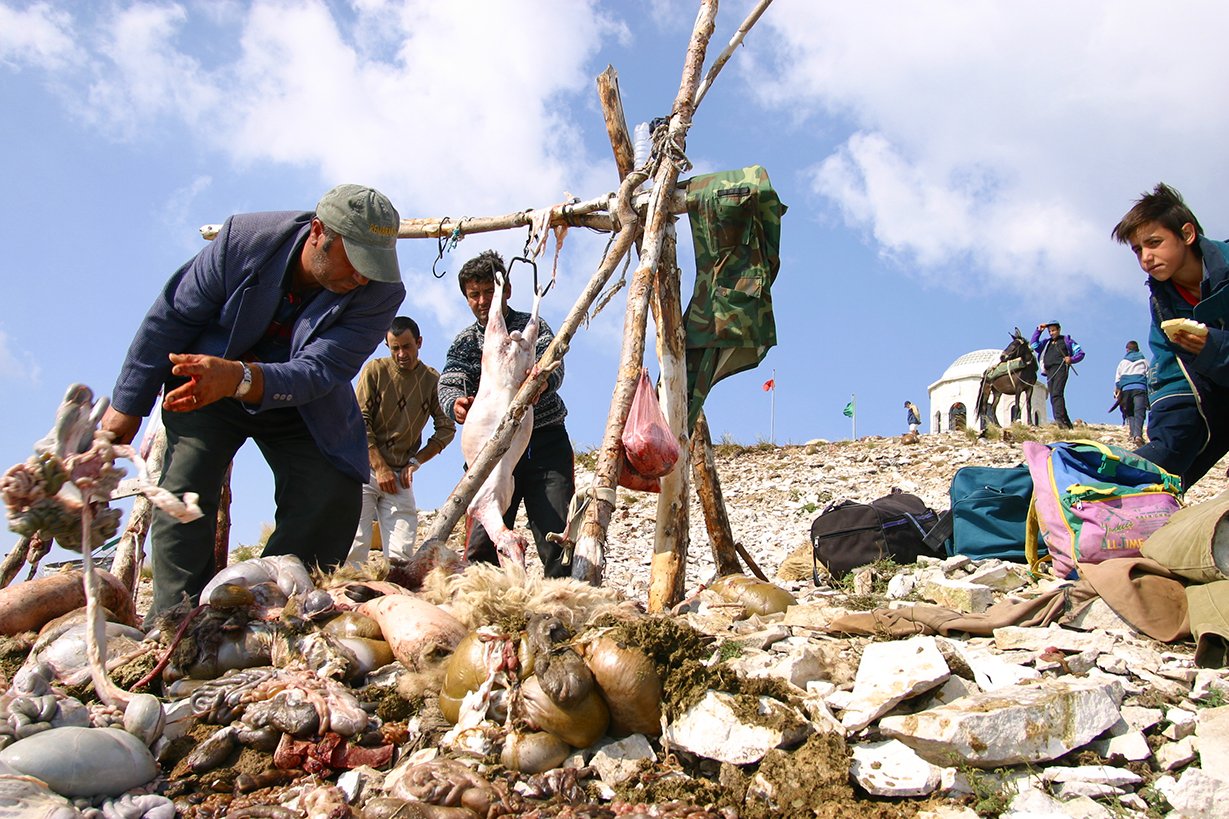
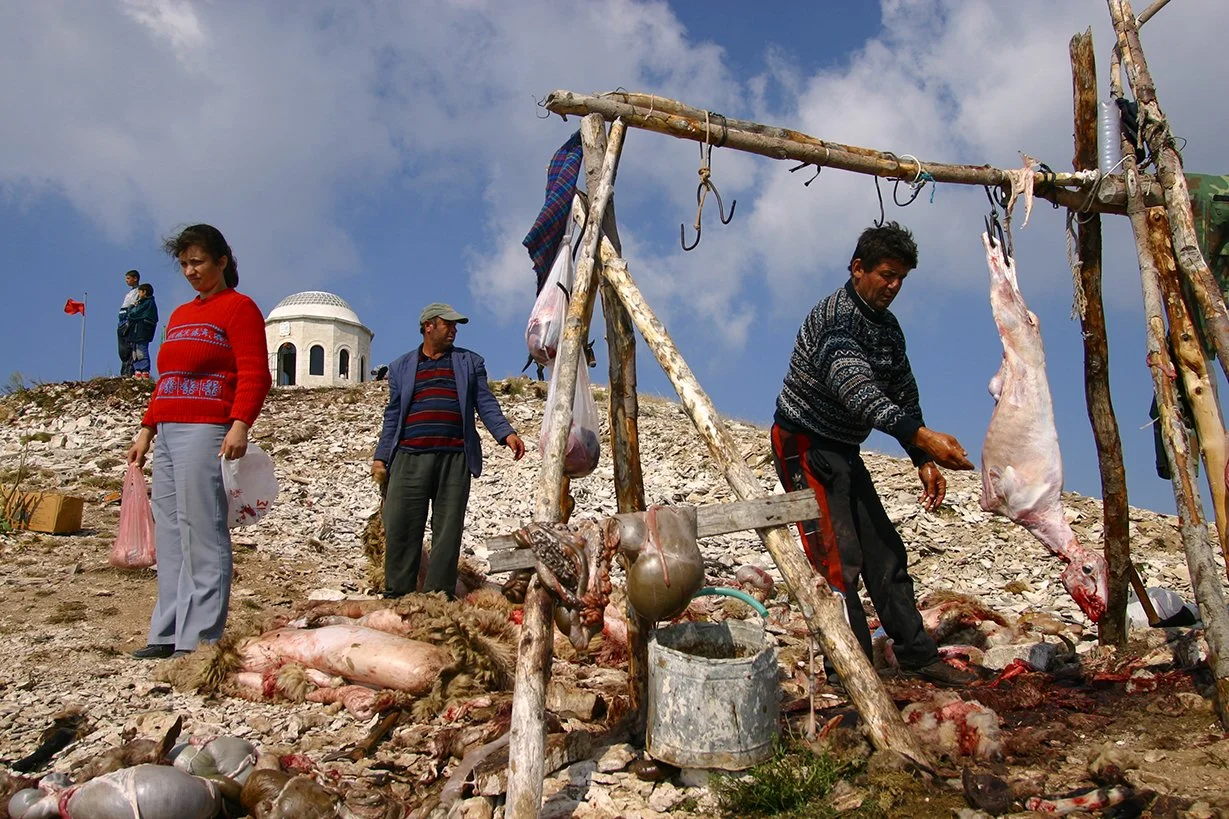

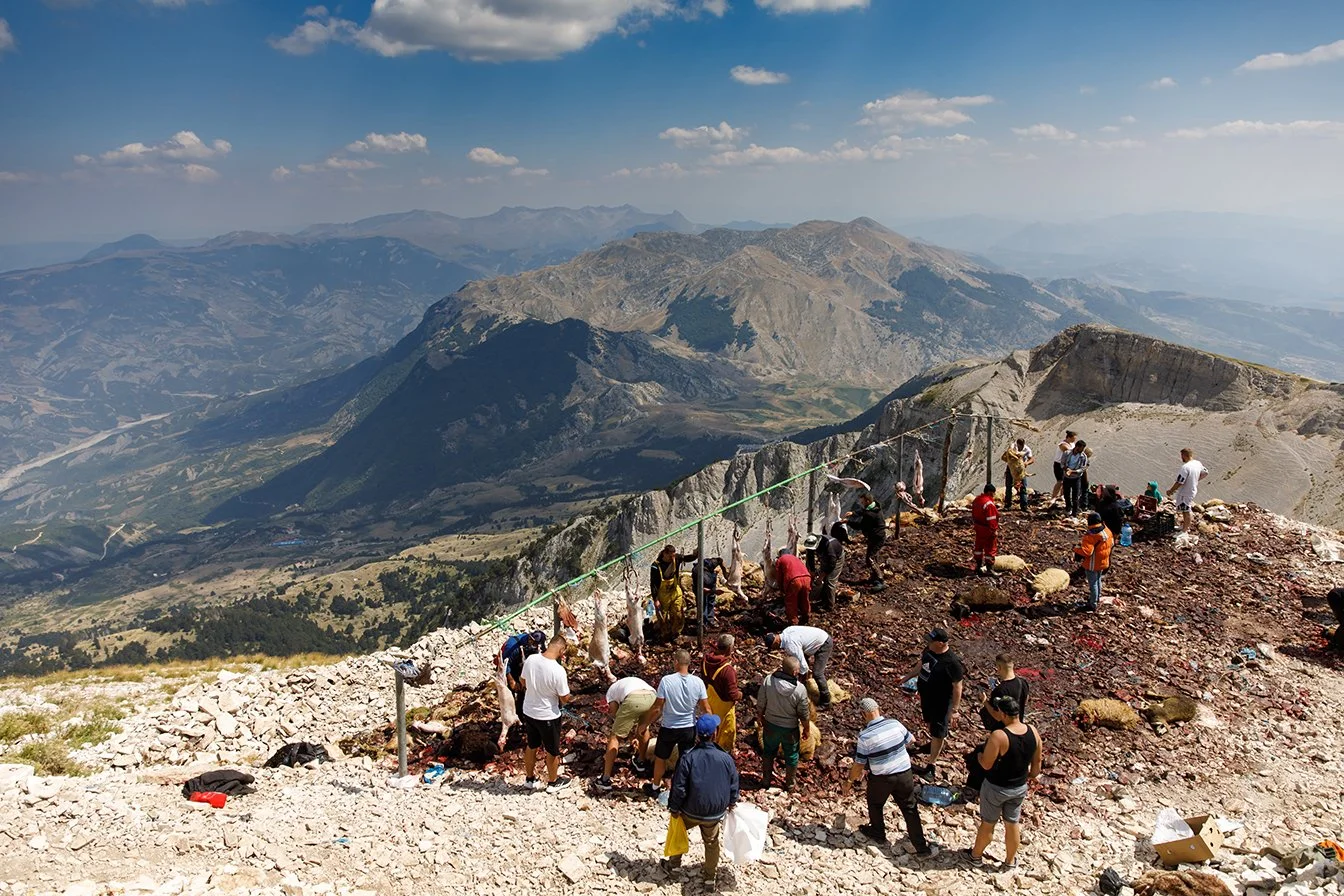
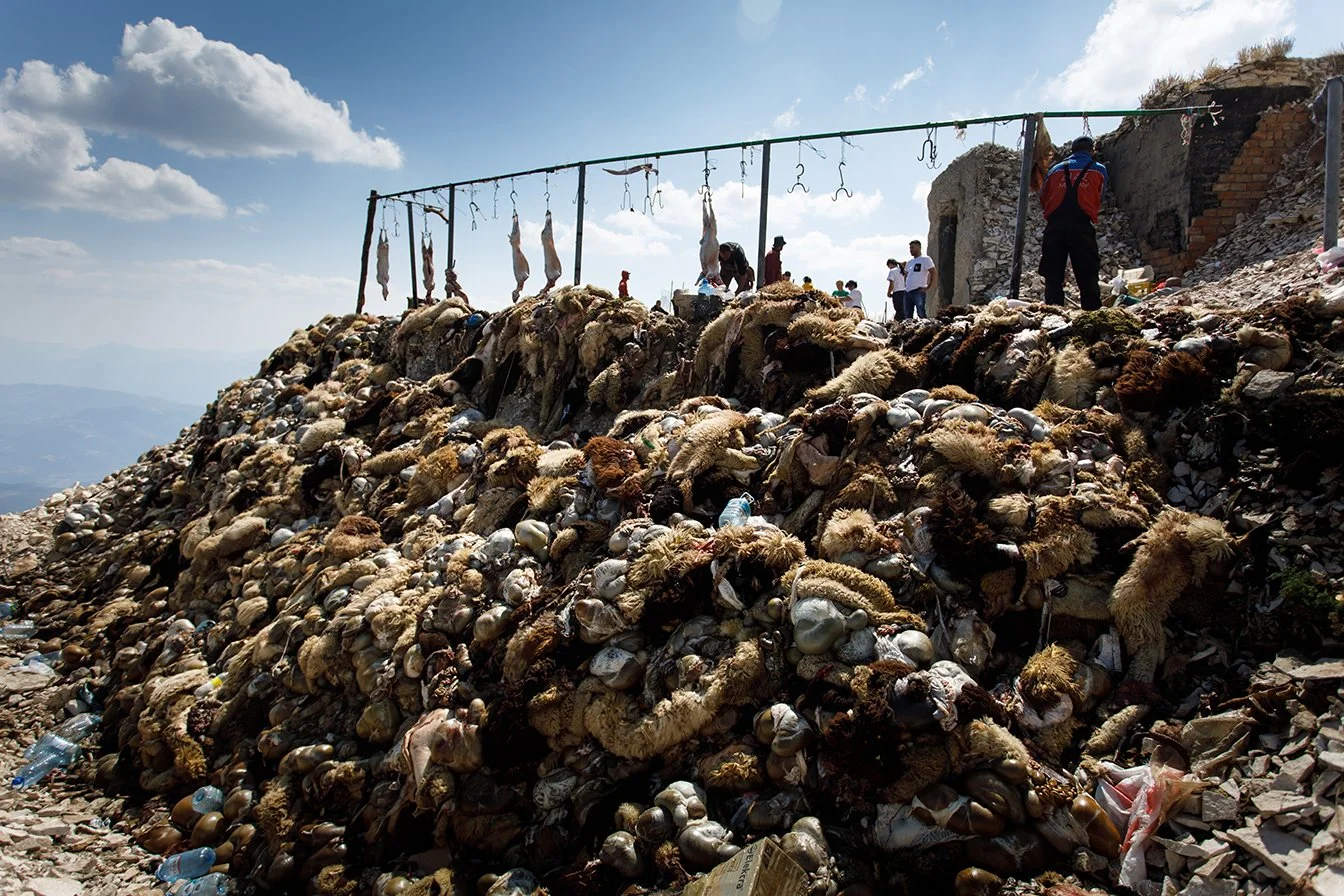
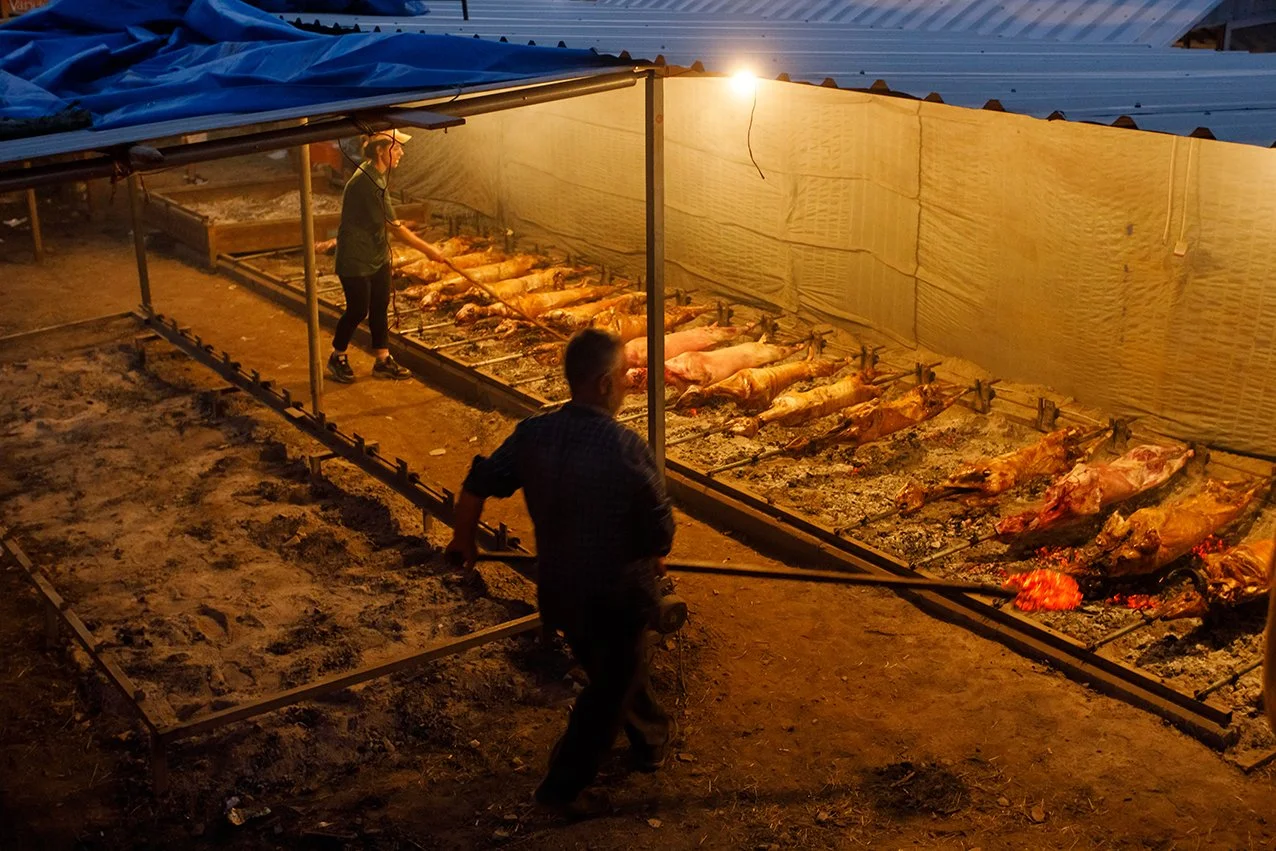
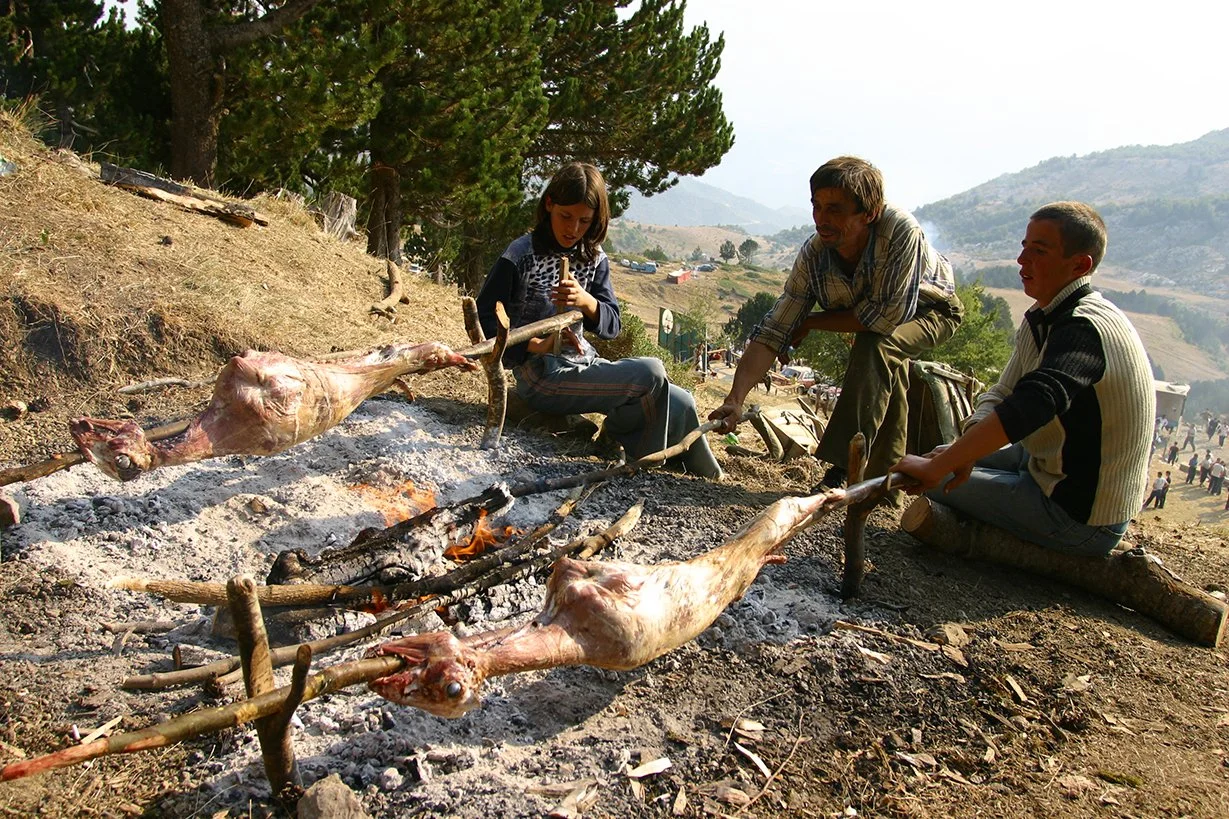
You try not to interrupt or change what is happening during the pilgrimage. How do you stay invisible as a photographer, while still capturing the deep emotions and energy of the event?
Invisibility is a form of respect. I never approach this work with the mentality of an observer looking in. I participate where I can—I walk the same dusty paths, I share meals, I sleep near the same fires. Over the years, people have come to trust me; they no longer see me as someone “taking pictures,” but as someone who is part of the experience. That trust creates space for authenticity. I keep my gear minimal, I avoid artificial lighting, and I move with the flow of the event. This allows me to photograph moments as they truly unfold, without disrupting them.
Michael Behlen photographed water that would not stay still. For three years, he returned to Millerton Lake in California’s Central Valley, making all the photographs during storms, when the reservoir became harder to read. Picture Story