The Life Behind the Lens: How Stephen Shames Photographed Power, Pain, and Revolution
Today, we talk about photography of Stephen Shames We'd love to read your comments below about these insights and ideas behind the artist's work.
A cheap pawn shop camera launched one of America’s most powerful photographic archives.
Stephen Shames didn’t plan to become a photographer. He just wanted a way to express himself. What started with street scenes in the East Village and protests in Berkeley became decades of deep, personal work inside some of the most important social movements in U.S. history. He didn’t stay on the sidelines. He lived with the people he photographed.
Stephen Shames didn’t just photograph events. He changed how we remember them.
From the Black Panthers to child poverty, his images gave visibility to people the media ignored. Over fifty years, he built a record of American power, pain, and resistance. His archive continues to shape public memory today. He was trusted because he showed up, listened, and stayed.
This is the story of how a young student with a camera became the visual historian of a revolution.
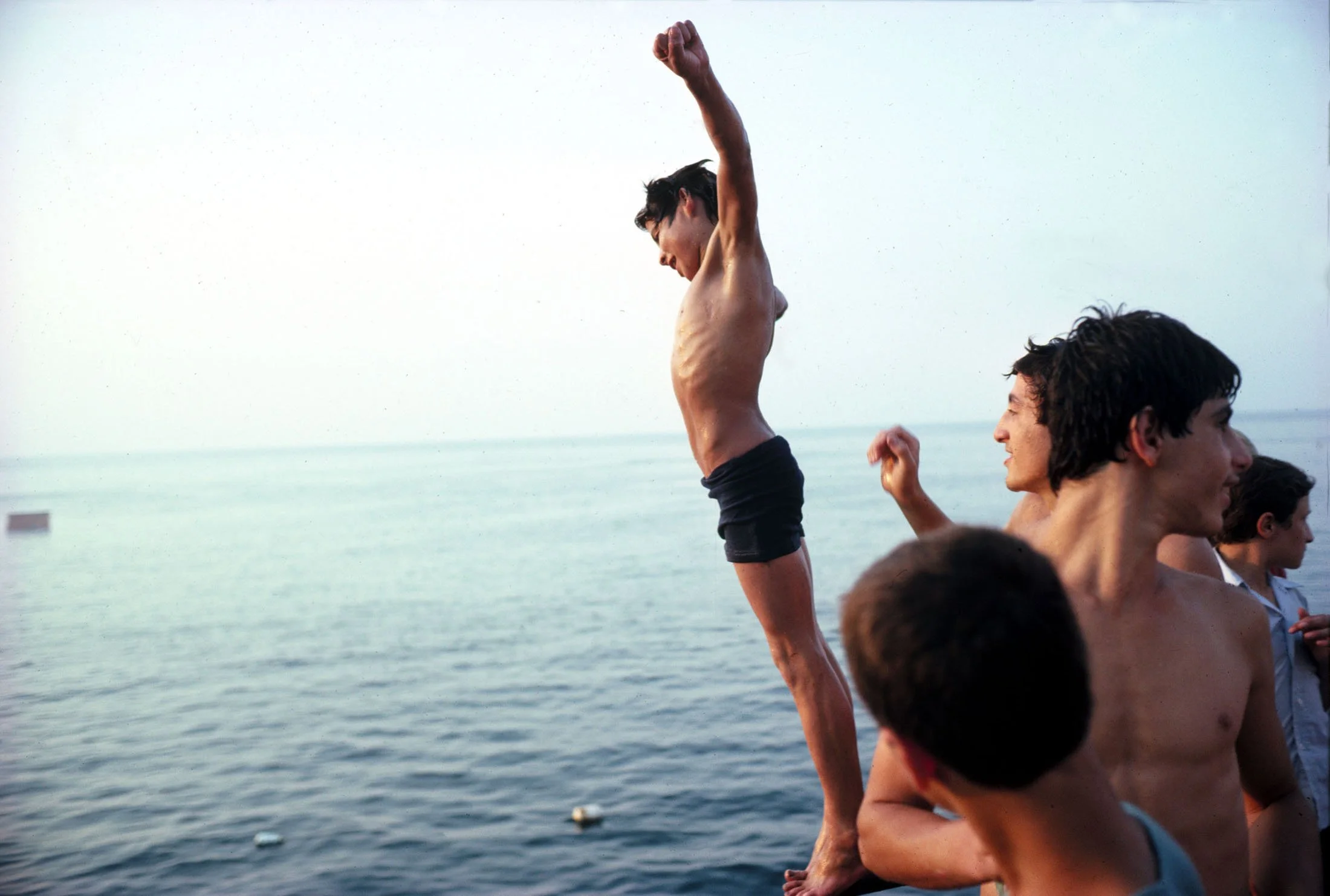
Martin: You spent five decades photographing people and places, some of which are at the edge of American society. What originally drew you to photography?
Stephen Shames: I grew up in a house where my mum collected art. She was a poet and collected art directly from artists she knew in Japan. She collected modern Japanese prints, and I'm trying to remember his name, a very famous guy who made furniture. In fact, John F. Kennedy had his rocking chair in the White House, and my mum had one of his rocking chairs too. This was in the 1950s, and she met all these people before they became world-famous. She just had that eye. Even the furniture we had, the dishes, the glasses, just about everything in our house is in museums now. But back then, it was just ordinary stuff.
So, I guess that's where I got my eye. I grew up surrounded by art. Part of me always wanted to be an artist, but I could never draw or paint. When I was at the University of California at Berkeley, in my sophomore year in 1966, I worked in a plastics factory during the summer. I always worked summers, even in high school. But in August that year, I quit and hitchhiked across the country, ending up in the East Village, staying at a crash pad. I was just 19 years old, hanging out in that scene.
It was the year before the Summer of Love. Anyway, I got a little bored, went to a pawn shop, and bought a cheap little camera. I started walking around the city, taking pictures, and boom, a light went off in my head. I thought, "Wow, I can express myself with a camera."
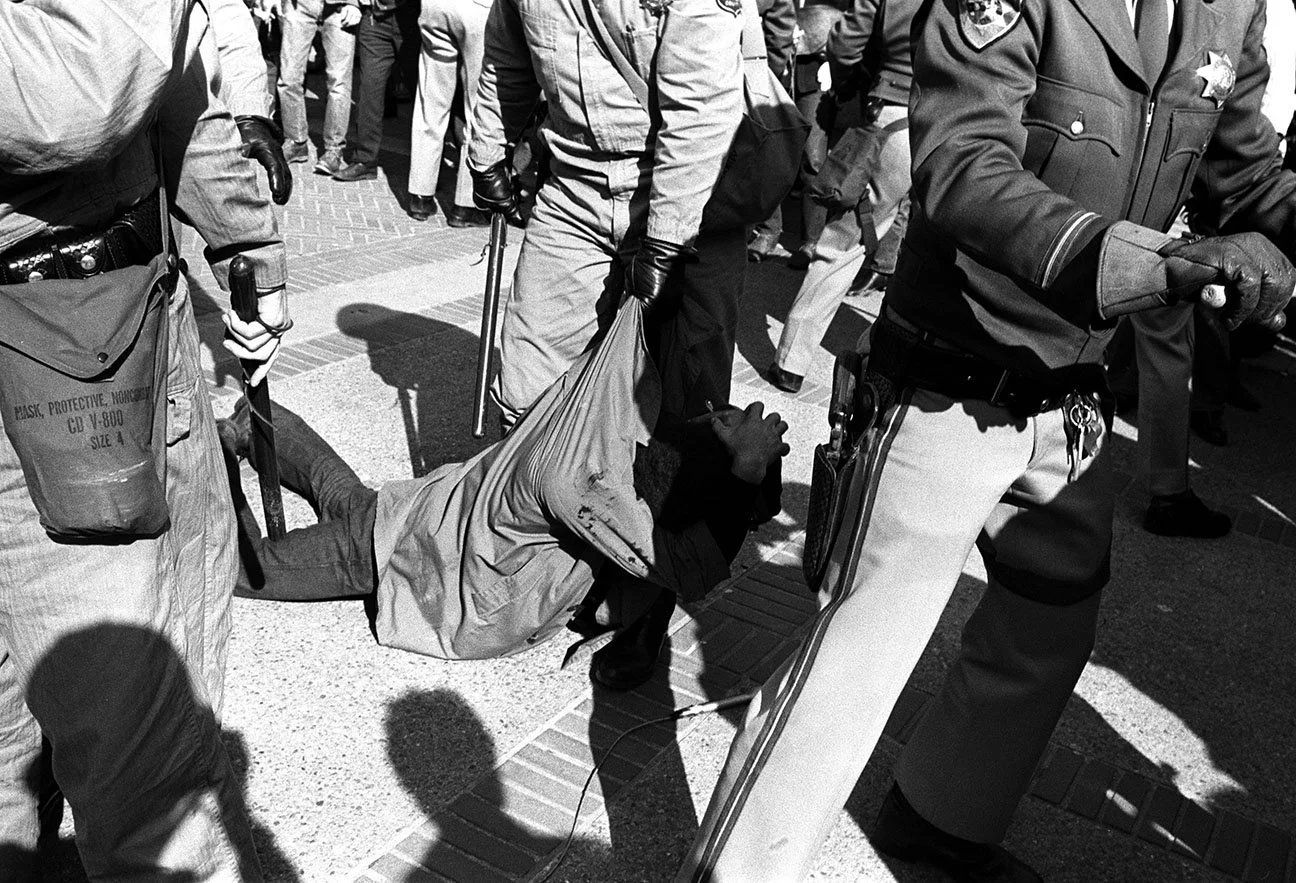
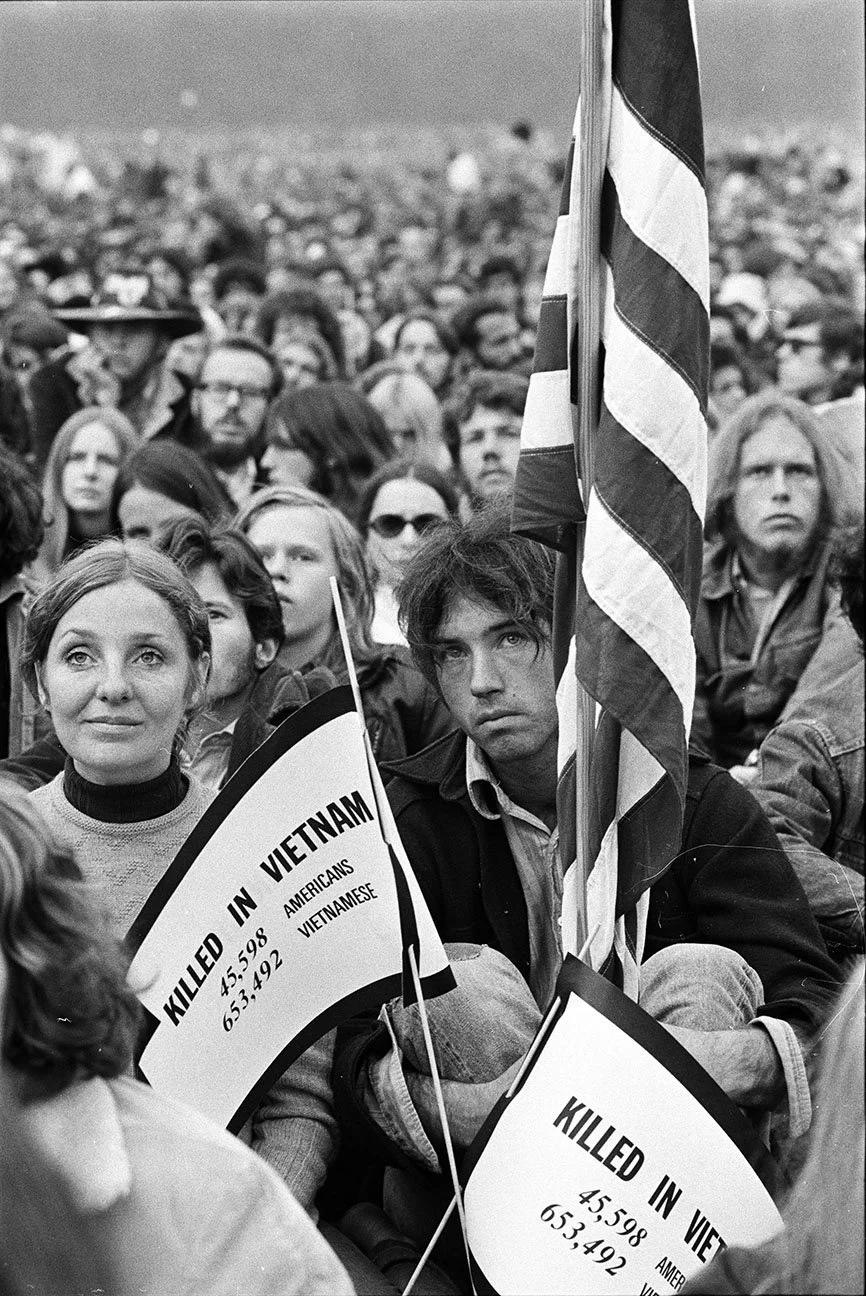
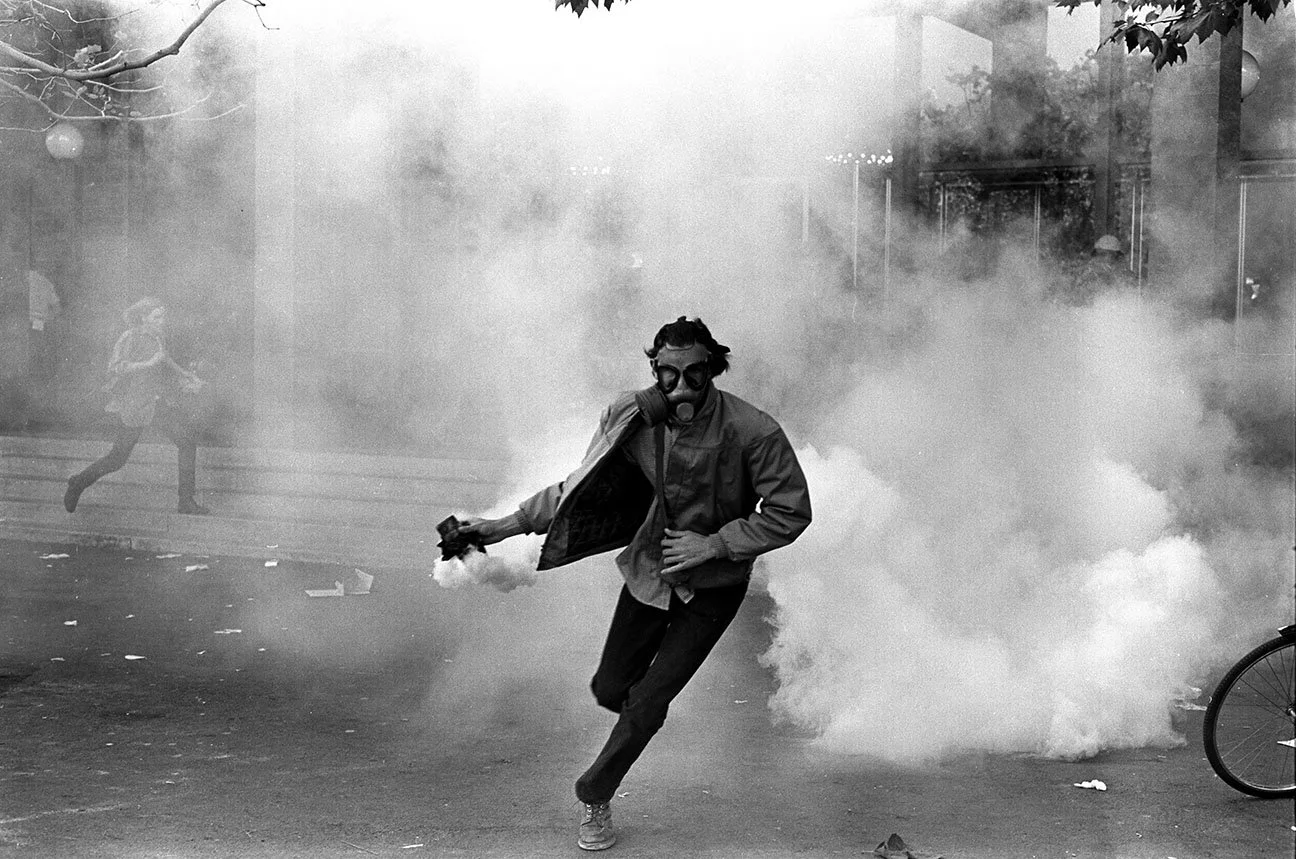
When I went back to Berkeley that autumn, there were Vietnam War demonstrations and all kinds of things happening on campus. I started photographing police brutality, police beating up students and people at peace marches. But anyway, I started photographing that. A couple of significant things happened on 15 April 1967, continuing from that school year.
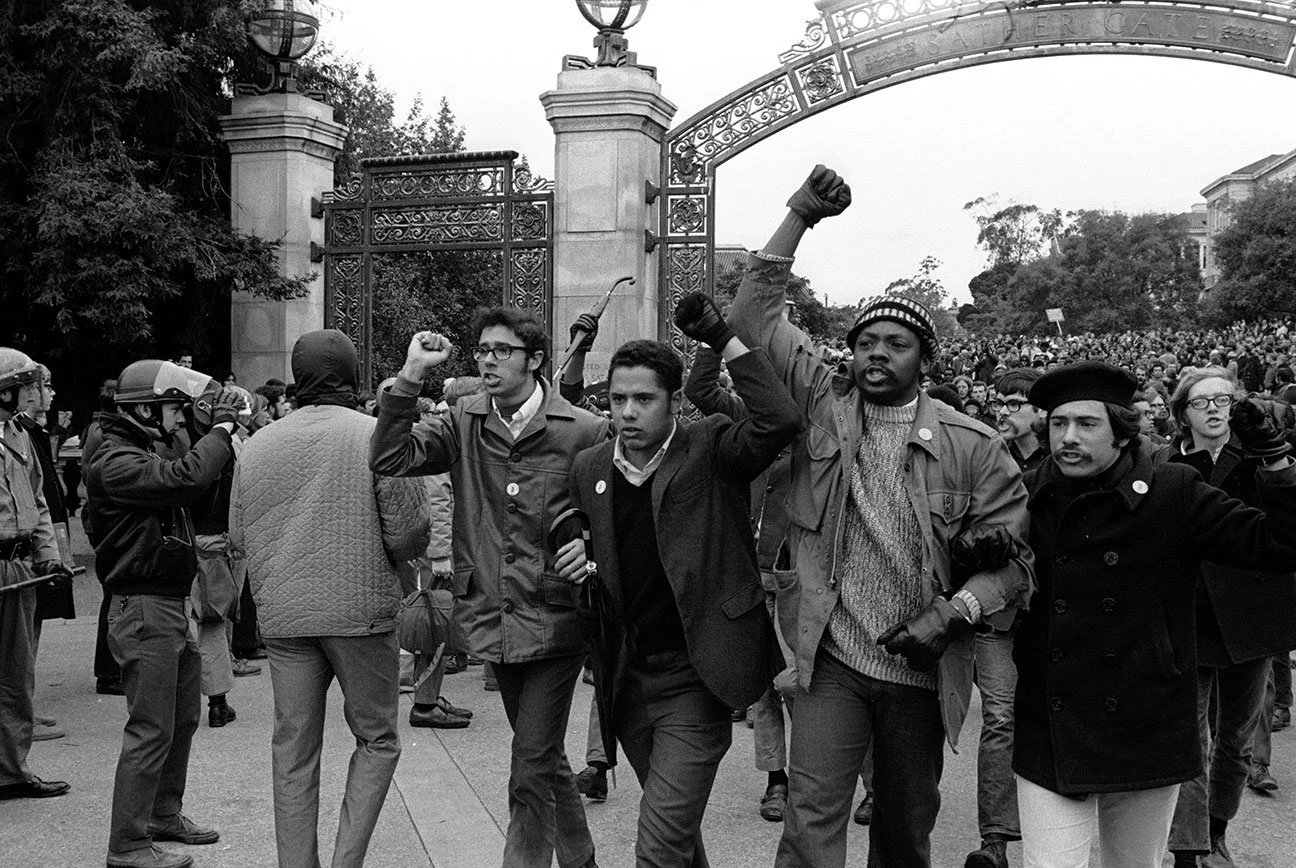
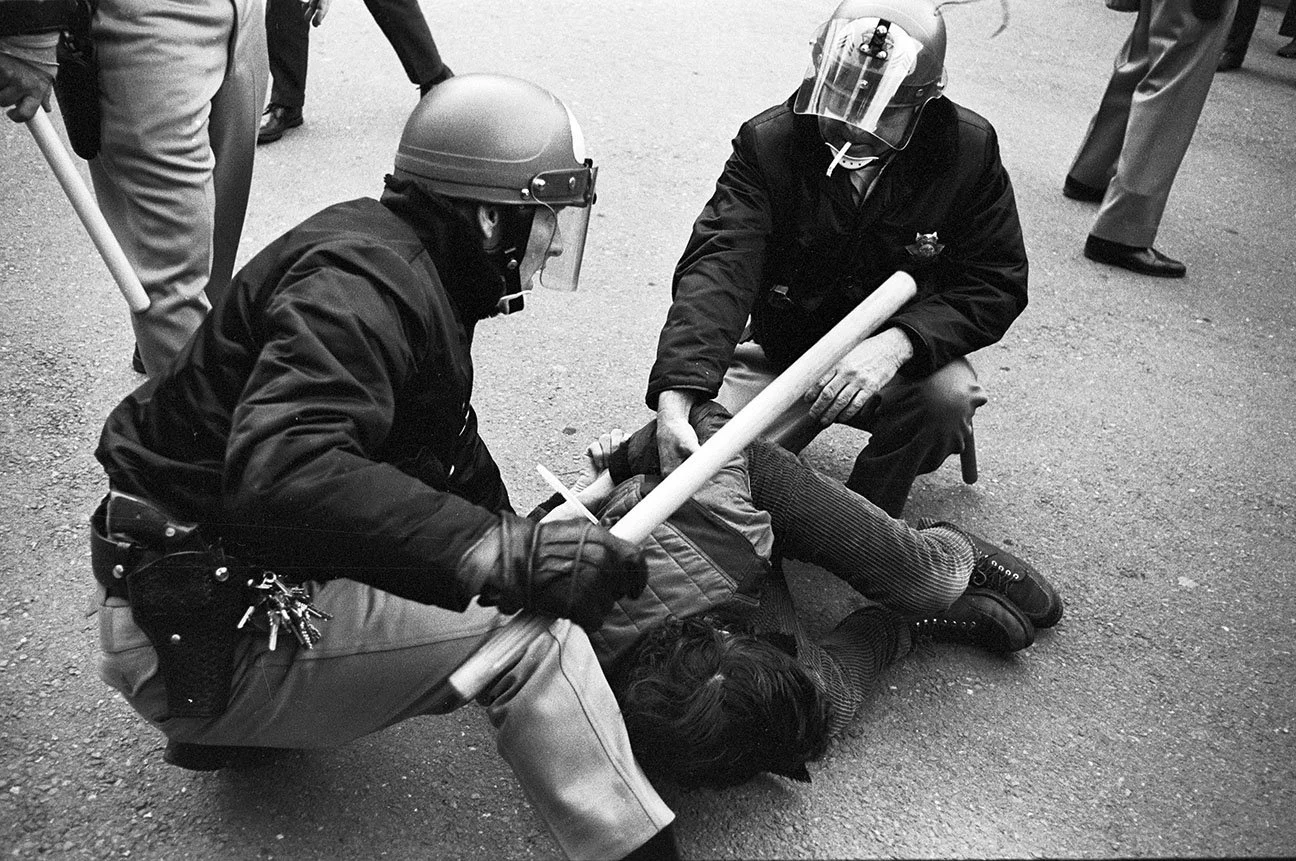
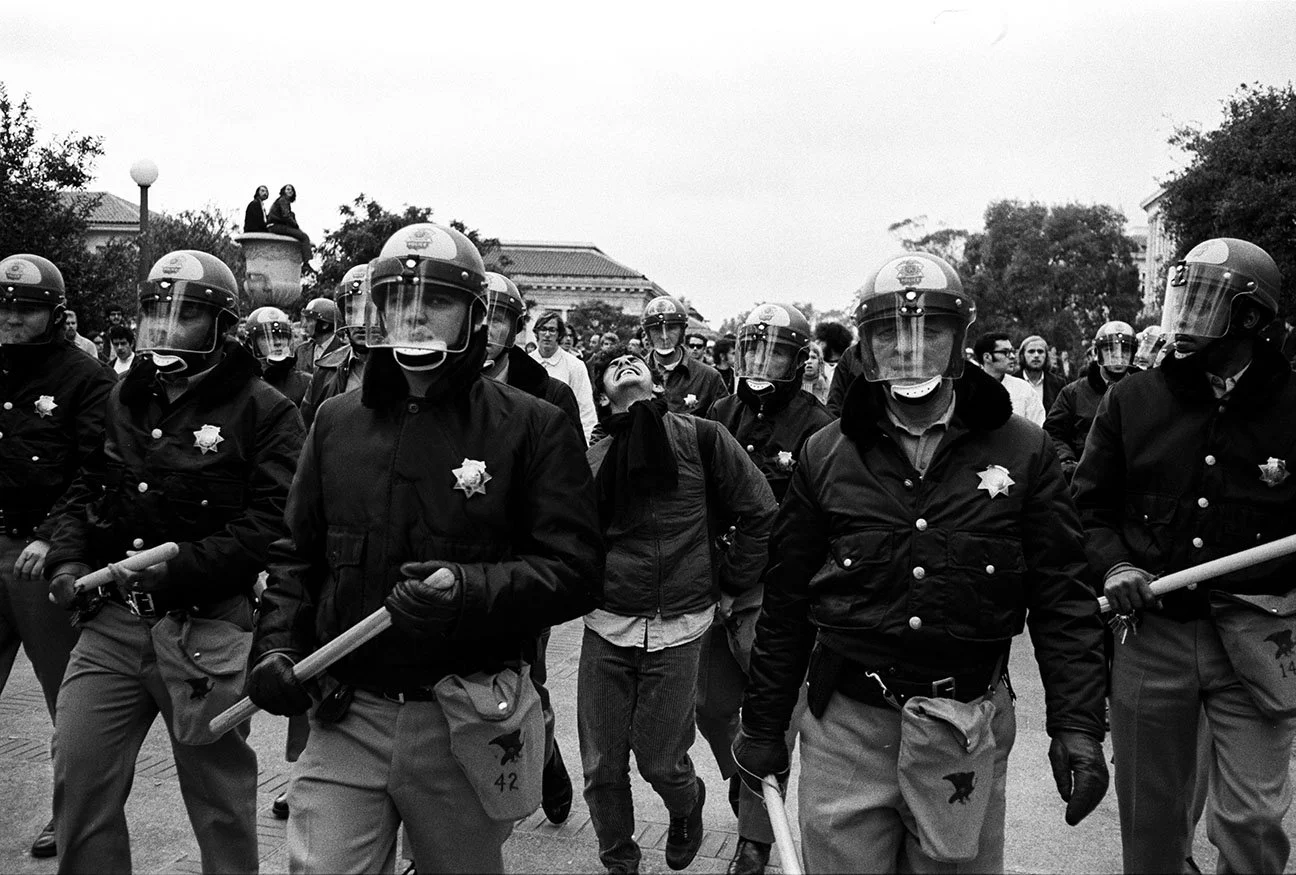
So, was that a continuation of your school year?
Yes, in a way. On 15 April 1967, I joined my dad, who had come up from Los Angeles, to participate in the first peace march in San Francisco against the Vietnam War. On the side of the march, selling red books, were Huey Newton and Bobby Seale. I managed to take one photo of Bobby. Someone stepped in front of Huey, and since I wasn’t really a photographer at that time, I didn’t realise I should take another shot. I just kept walking. But I still had that picture.
Sometime in the spring, all these young kids were running away to San Francisco and Berkeley. It was 1967, the Summer of Love. Anyway, kids were hanging out in the streets, creating this entire scene across the United States. I was having coffee at the Mediterranean, a café on Telegraph Avenue, during curfew hours. Berkeley had a curfew, so the police would arrest these kids and send them back home.
Max Scherr, the editor of the Berkeley Barb, saw me with my camera and asked, "Hey kid, do you want to work for the Barb?" I said, "Sure." He told me to go out and take photos of the cops arresting the kids. So I did. I went back to the Barb, developed the film, and that’s how I started stringing for the Barb.
Between what was happening on campus and my work for the Berkeley Barb, I met Alan Copeland, who became my best friend. He was stringing for the AP and working for Newsweek. He introduced me to those contacts, and I started stringing for The New York Times and the AP. We’d take photos to the AP because there was something happening all the time.
That’s really how I started as a photographer. I was thrown into it very quickly. I was photographing every day, maybe not attending class every day, but definitely taking photos daily.
Malcolm Gladwell in his book Outliers: The Story of Success basically made the point that it takes 10,000 hours to become really good at something.
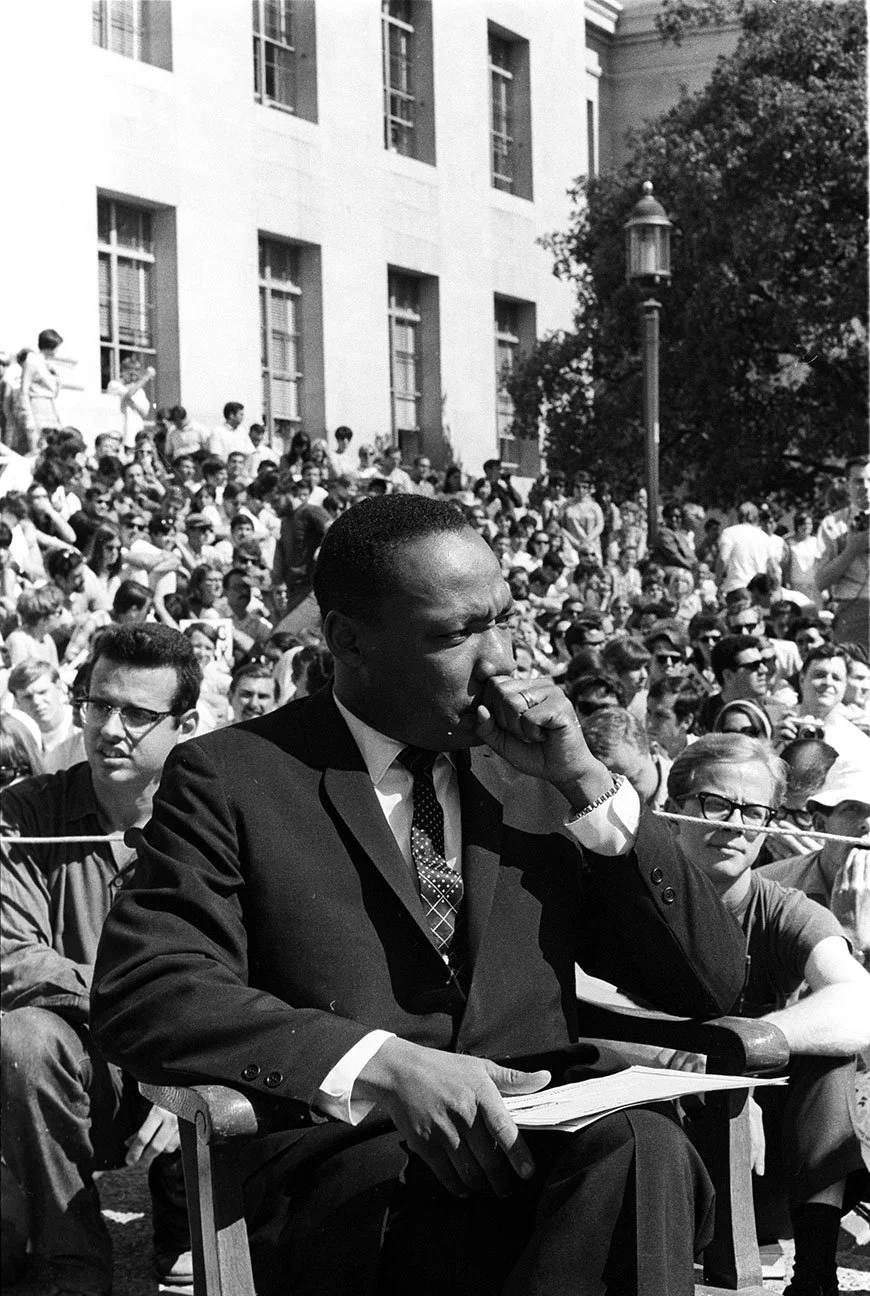
My point is that during my sophomore, junior, and even senior year at Berkeley, I put in those hours. In 1967, I photographed Martin Luther King when he came to campus, but I wasn’t a professional yet. I still had a cheap little camera. Later, Allan introduced me to Leica. I got a Leica and a Canon F1. I upgraded my equipment because I was earning some money. The AP was paying $10 per picture. Some weeks, I’d earn $90, which, in 1968, was like having $300 or $400 a week. Even $300 felt substantial. I didn’t make that every week, but it was enough to buy better equipment.
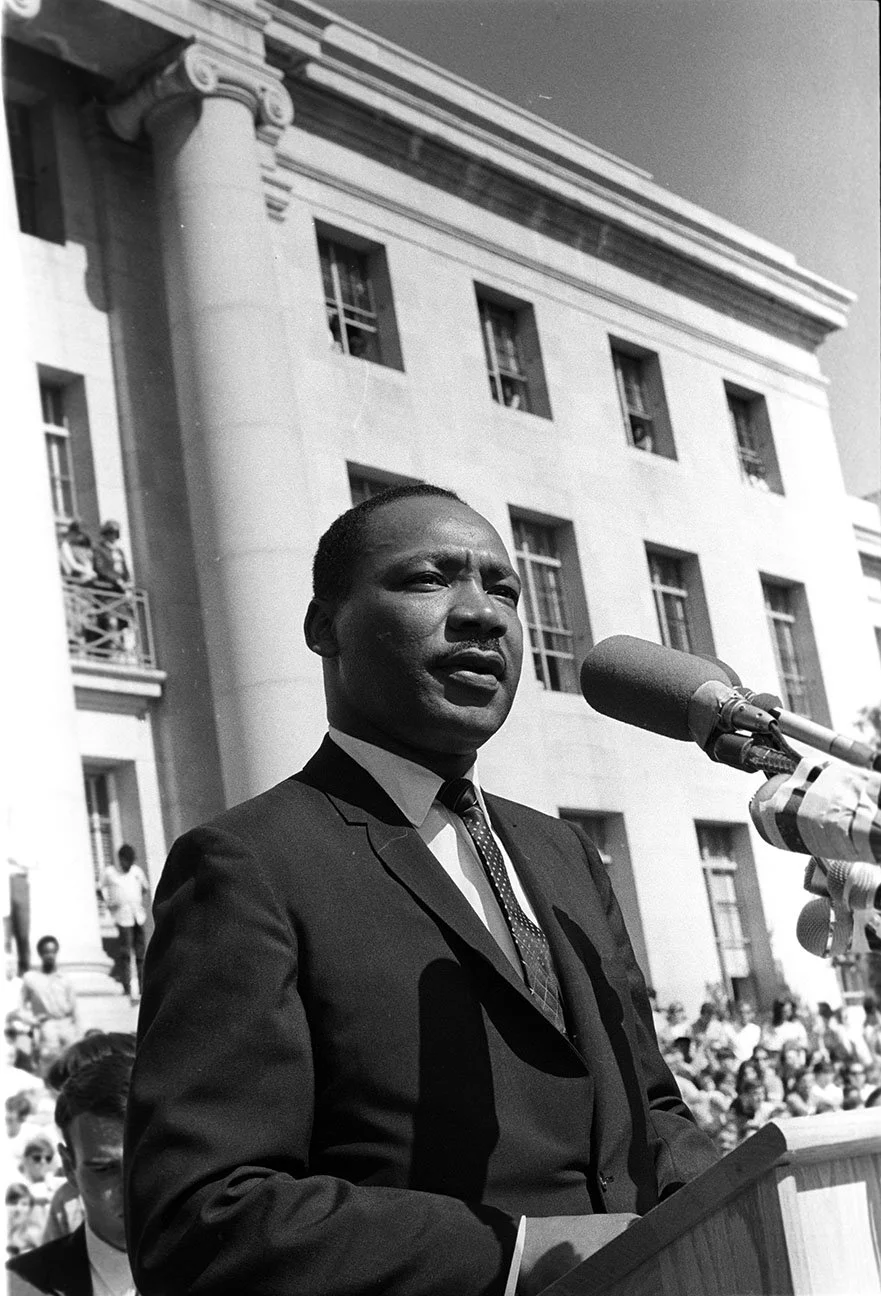
How did you first get involved with photographing the Black Panthers?
Very quickly, while still a junior in 1968, I started stringing for the AP, doing pictures for Newsweek, and working on assignments for the New York Times. I began photographing the Black Panthers on my own, and later received a New York Times assignment that allowed me to continue and expand that work. I went there and met Bobby Seale. At that time, late 1967, the Panthers were pretty small. In Berkeley, there were maybe 20 Panthers, just a handful. They hadn’t gone national yet, but they expanded very quickly in 1968. I probably started photographing them in 1967 because I have pictures of them from that year.
I went to the office because I was stringing for the Berkeley Barb. I showed some of my pictures there, and back in '67, there were only a few Panthers, so Bobby Seale was in the office, and you could approach him. The Panthers were always on campus speaking, and Eldridge Cleaver even taught a course at the university. When the regents stopped the course, people protested. There were always these protests going on, and I was photographing them, getting pictures in the Barb.
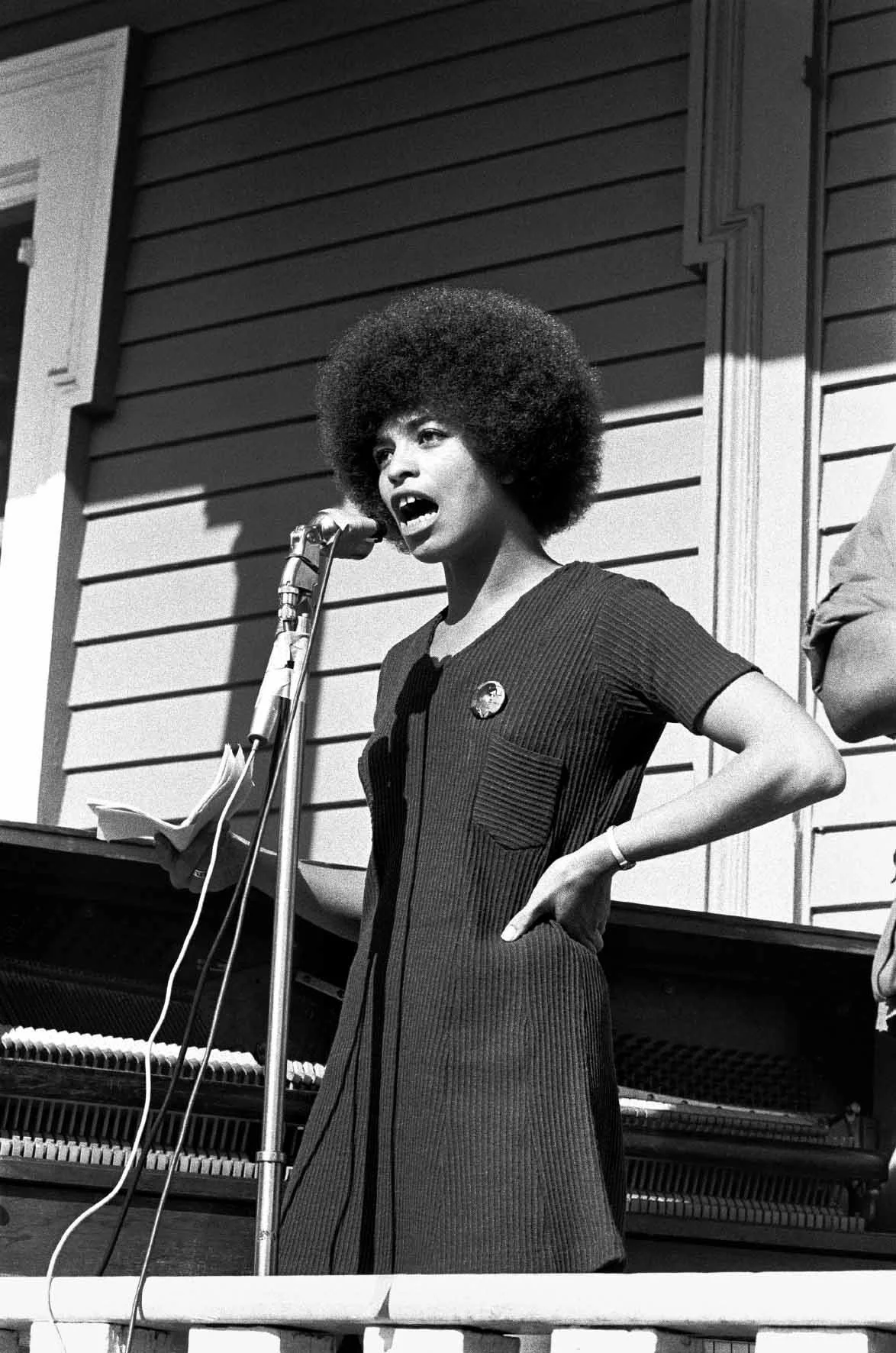
I photographed the Panthers when they spoke at UC Berkeley and in Berkeley and Oakland. Some of my first photos are of Bobby Seale and Stokely Carmichael, the Bobby Hutton funeral, and Free Huey rallies. I took the photos to thePanther office and showed them to Bobby. He liked my work and asked if they could use my photos in the Panther newspaper.
It wasn’t just the Panthers but also the student movement against the war. All those people came through Berkeley.
That must have been an intense environment. Who else did you meet during that time?
I met pretty much everybody: Stu Albert, Jerry Rubin, Tom Hayden. In 1966, one of my roommates at Berkeley was Marty Roysher. He had been on the steering committee of the Free Speech Movement, so he introduced me to Mario Savio and all the other people involved. As a freshman or sophomore, they put me up to run for the student senate on the radical slate, called Slate; it was the left-leaning slate. We won, and I also became a monitor at marches against the war. I was involved, but I hated the meetings. Regardless of political stance, people in politics often have infighting, jockeying for position, and egos getting in the way. That wasn’t for me.
So you decided to focus on photography instead?
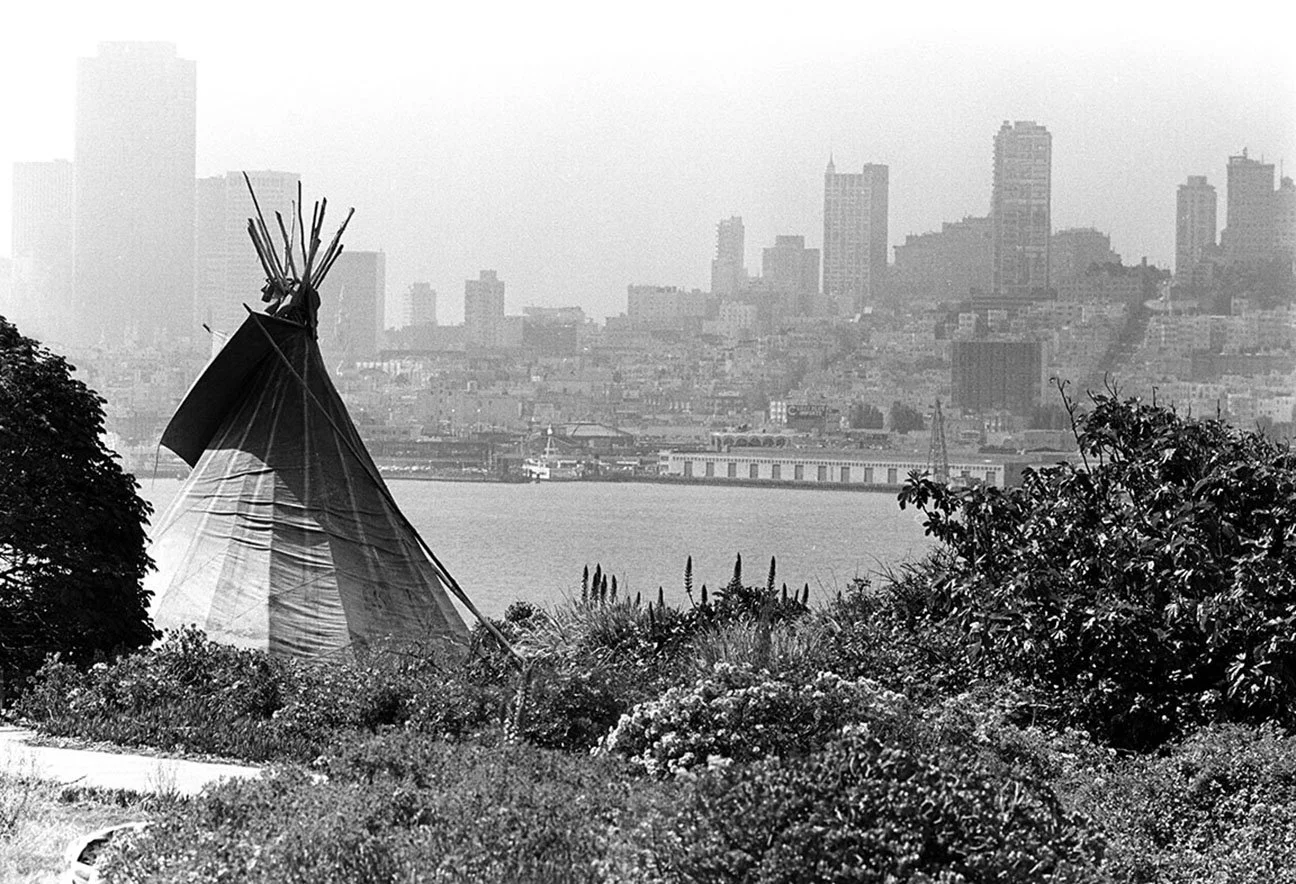
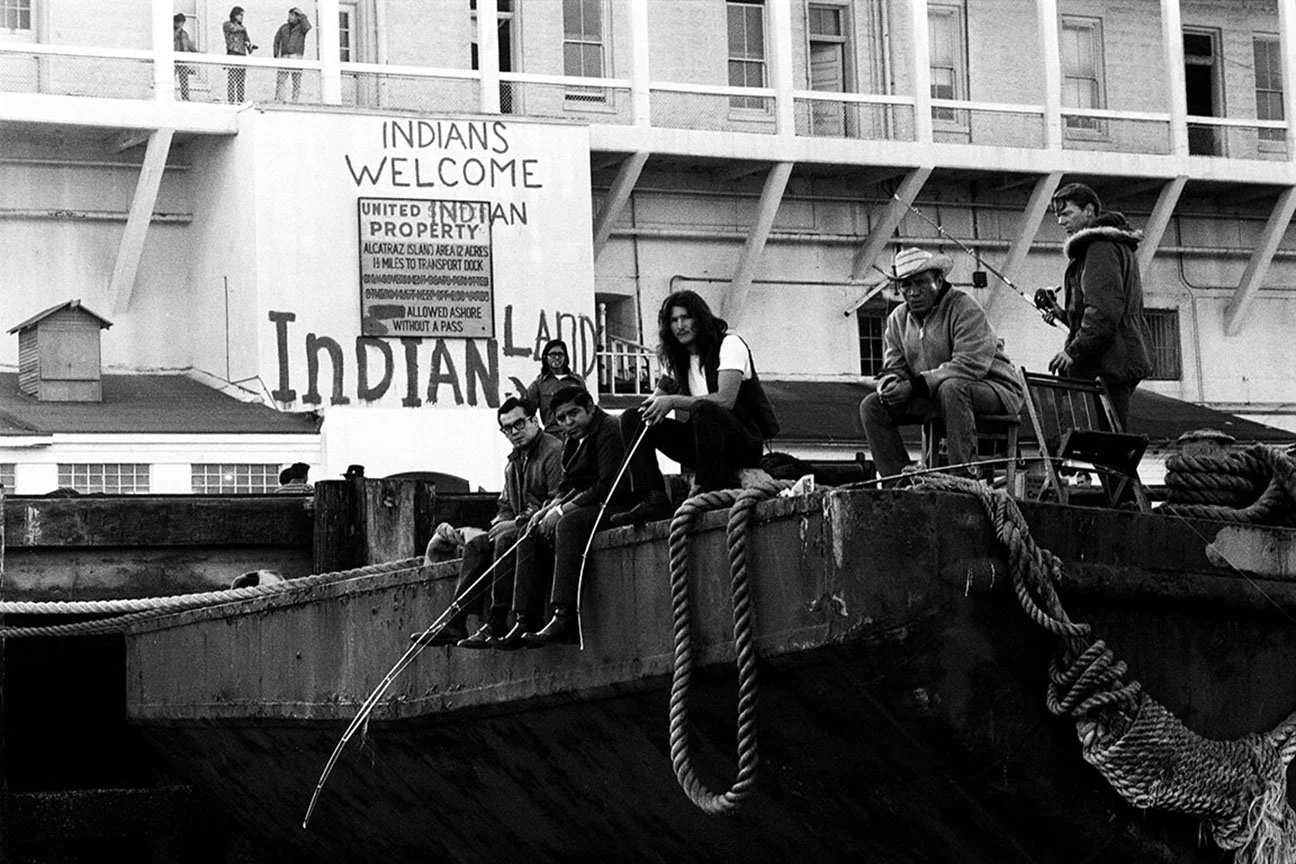
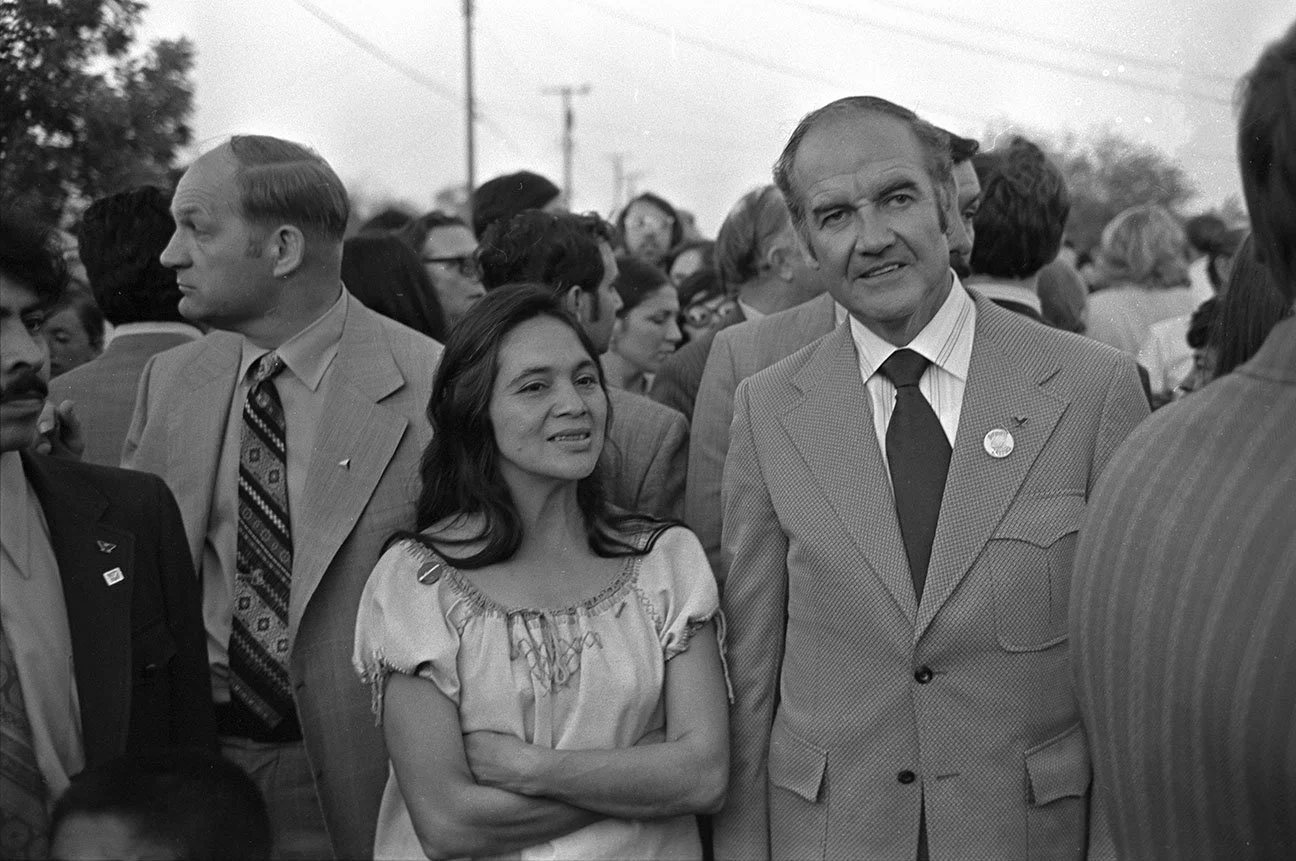
Yes, I decided I was going to be the artist of the revolution. I wanted to take my camera and document what was going on. Even while I was a student, I became one of the few people documenting the student movement against the war. That expanded to everything else. In 1969, Berkeley was pretty much shut down because of a student strike to create the first Black Studies Department. The same thing was happening at San Francisco State. I was photographing all of that while still working assignments, like documenting the farmworkers with César Chávez and Dolores Huerta for the New York Times, and the Indians’ takeover of Alcatraz Island, where I was one of the few non-Indigenous people allowed to stay overnight.
How did you become involved with the movement and start seeing yourself as an artist?
That’s how I met everyone who was part of the movement. Things weren’t so separated back then; it was all interconnected. I wasn’t necessarily thinking of myself as an artist; I just felt like part of the movement, creating change. Later, people started appreciating my pictures, telling me I had talent, and that’s when I began considering myself an artist. I decided I was going to be the artist of the revolution, to take my camera and document what was going on, and that’s what I did.
Even while I was a student, I was one of the few people documenting the student movement against the war. That involvement expanded to other areas. In 1969, I was still a student and graduated in June of that year. But throughout 1969, Berkeley was practically shut down due to a student strike aiming to create the first Black Studies department. A similar movement was happening at San Francisco State, and I was involved in photographing both.
Through the New York Times, I went down with reporter Earl Caldwell to document the farm workers' movement led by César Chávez and Dolores Huerta in California. We covered both the grape and later the lettuce strikes.
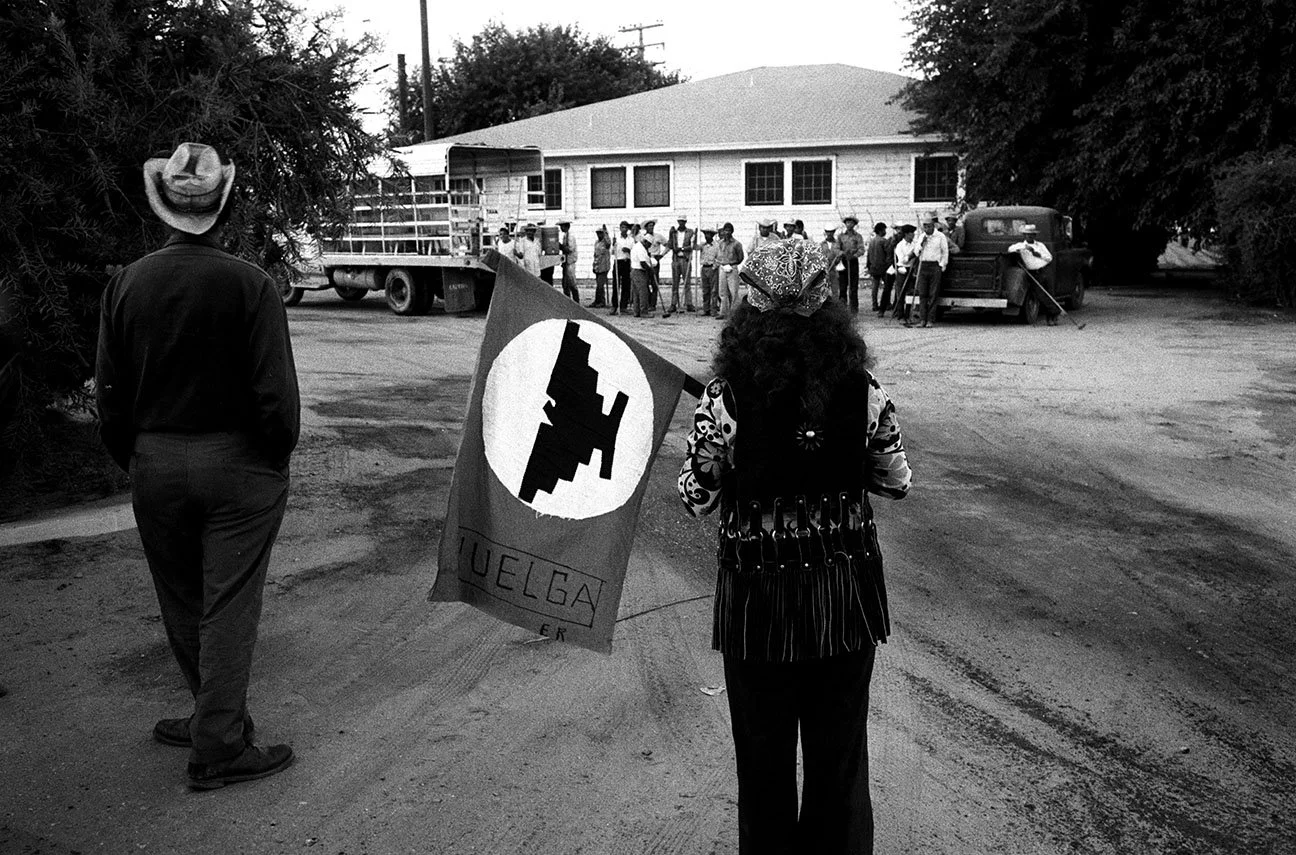
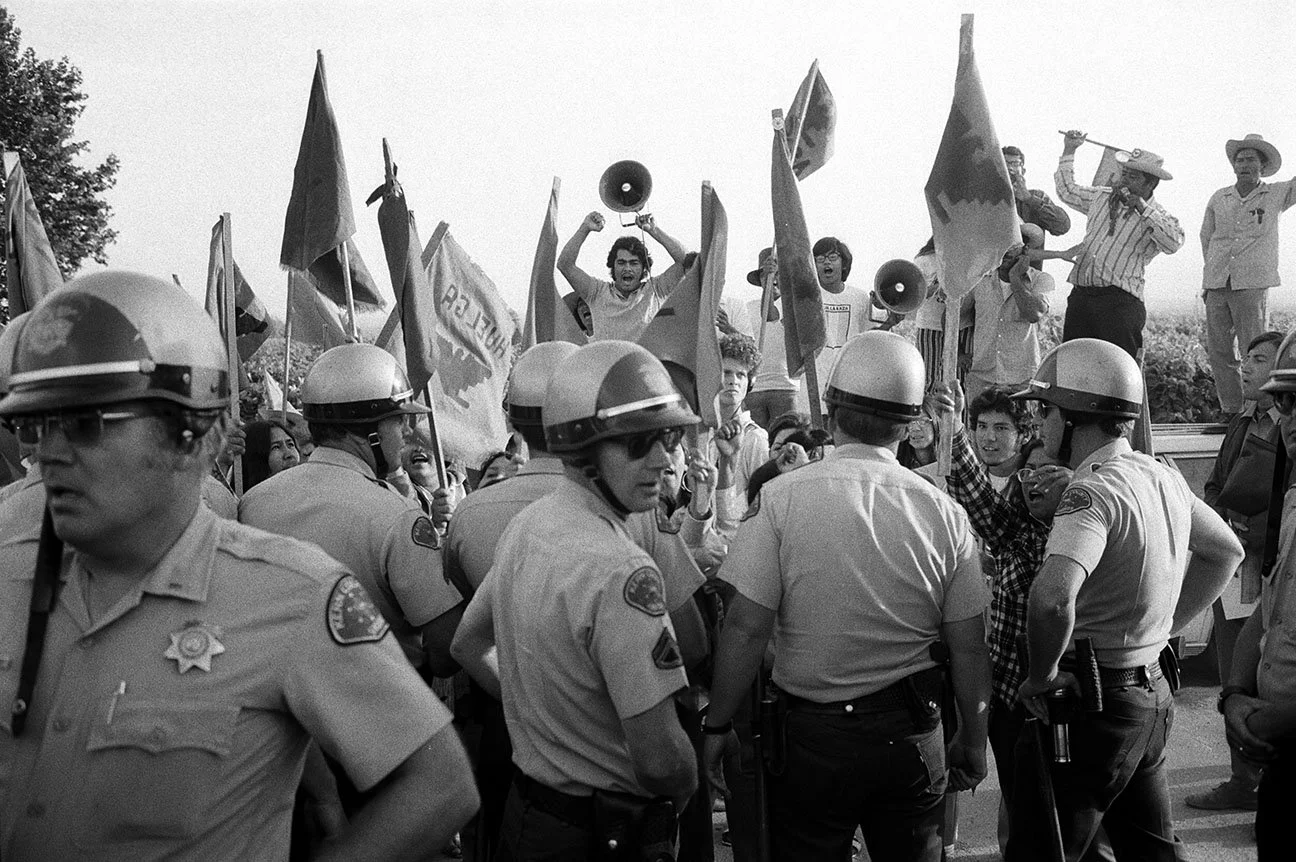
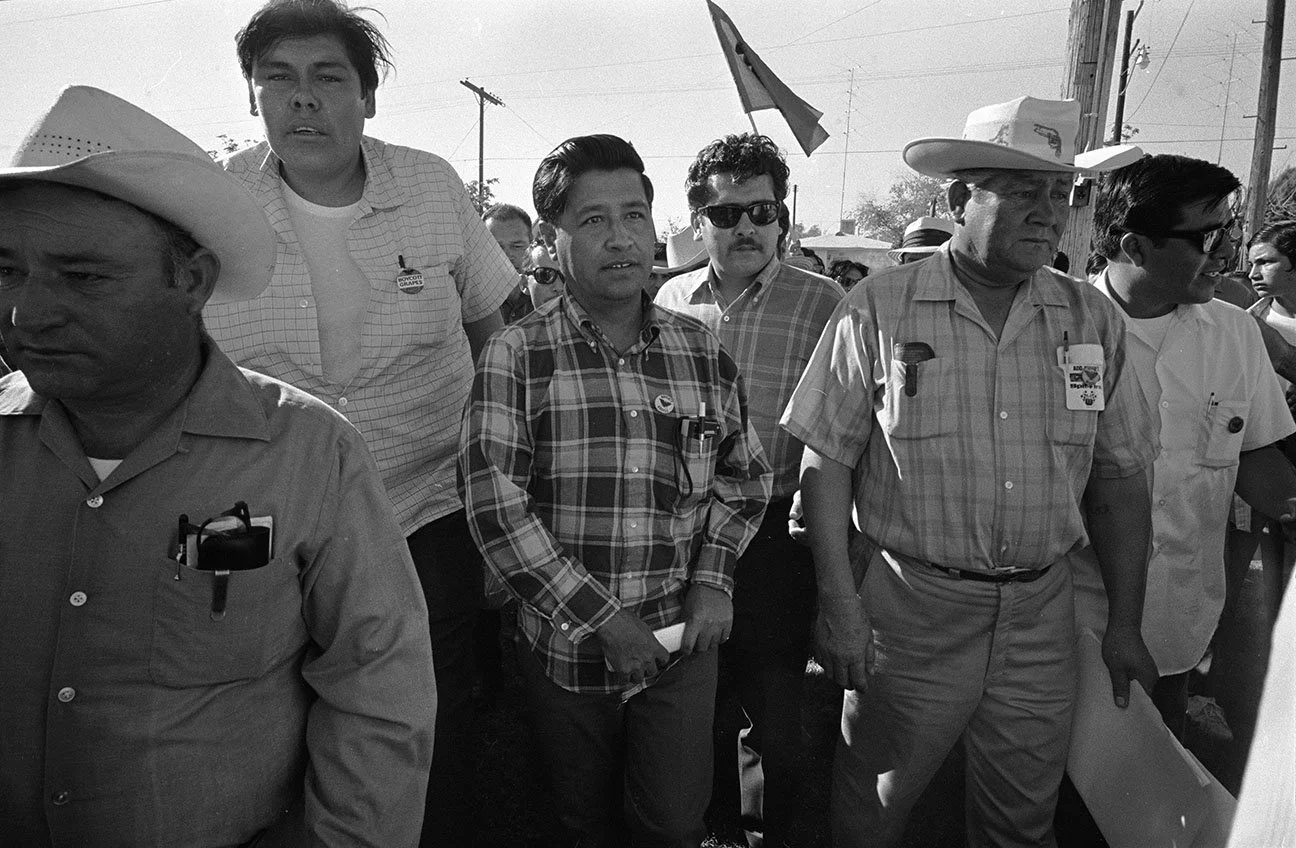
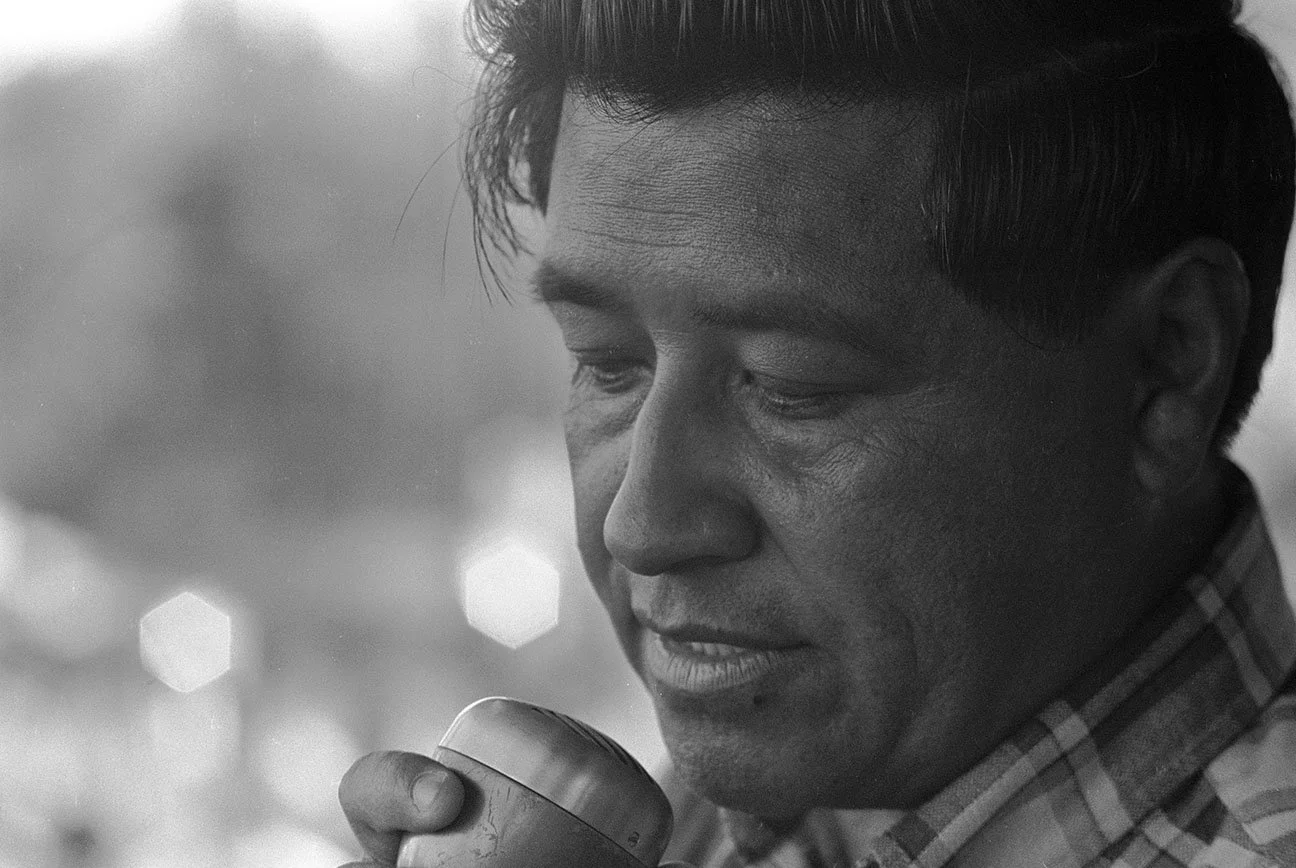
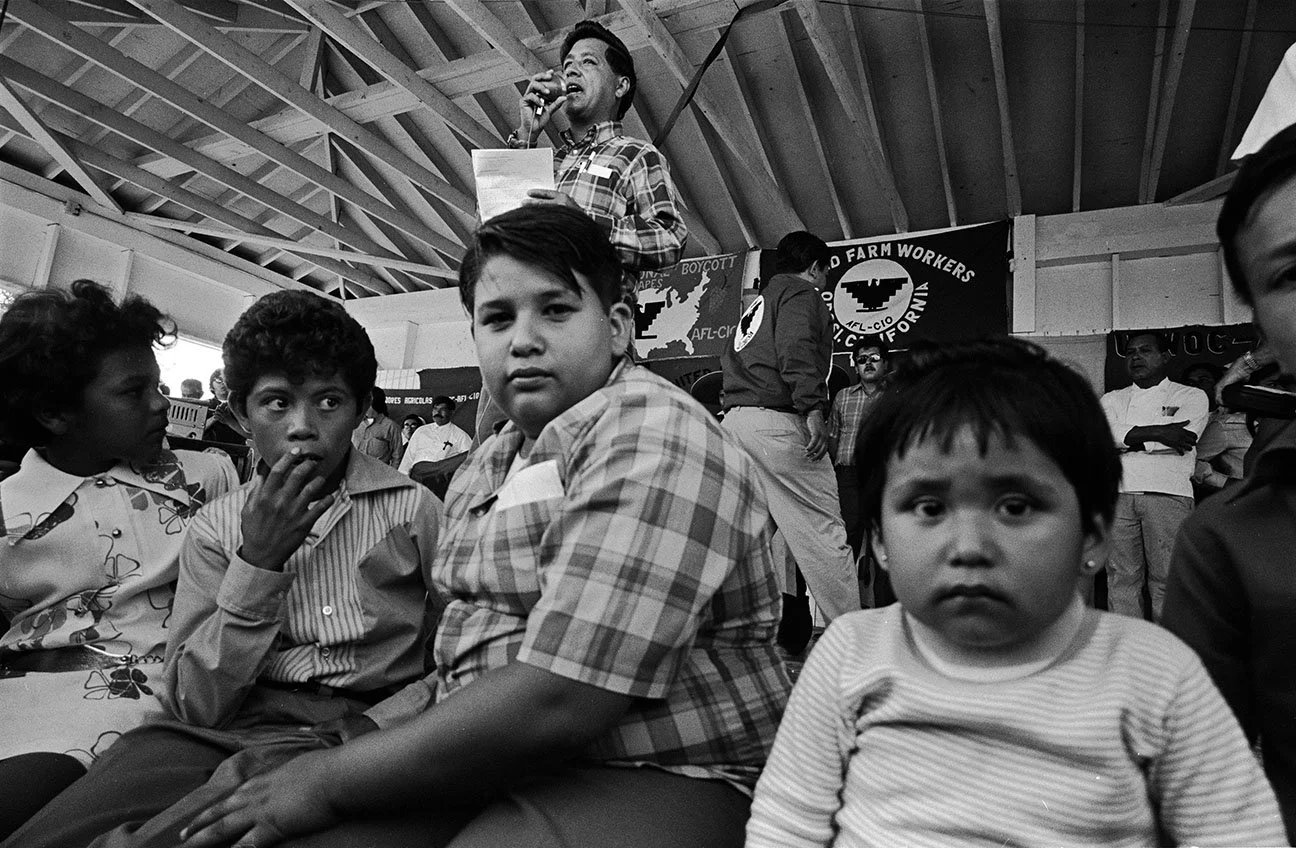
That same year, the Indians took over Alcatraz Island. I went there, and they welcomed me. I was one of the few non-Indigenous people allowed to stay overnight. I’d bring my sleeping bag, and I stayed there multiple times. Richard Oakes, the leader, and I became friends.
Through Berkeley and the Black Panthers, I met everyone involved in the movement. Things weren’t so separated back then; everything was interconnected. There’s a photo I took of Huey Newton after he was released from jail. He’s holding a Bob Dylan album. The Panthers studied Dylan’s lyrics in their political education classes. We were listening to soul music, and Black activists were listening to Dylan, as well as other white musicians from the 60s like the Grateful Dead, Jefferson Airplane, Janis Joplin, all part of the San Francisco Bay Area, which felt like the revolution’s centre.
After graduating, I kept going, continuing to document the movement. Initially, I didn’t think of myself as an artist; I simply felt part of a movement creating change. Over time, as people appreciated my work and recognised my talent, the idea of being an artist started to resonate with me. But back then, there were no photography programmes or MFAs in photography at Berkeley. I learned journalism photography from the AP, but my fine art foundation came from the student union’s art studio, where I met talented people like Leonard Sussman, who became a professor. I combined the fine art perspective with practical photojournalism, working for the AP, the New York Times, the Washington Post, and Newsweek, alongside underground press outlets like the Berkeley Barb and the Black Panther newspaper.
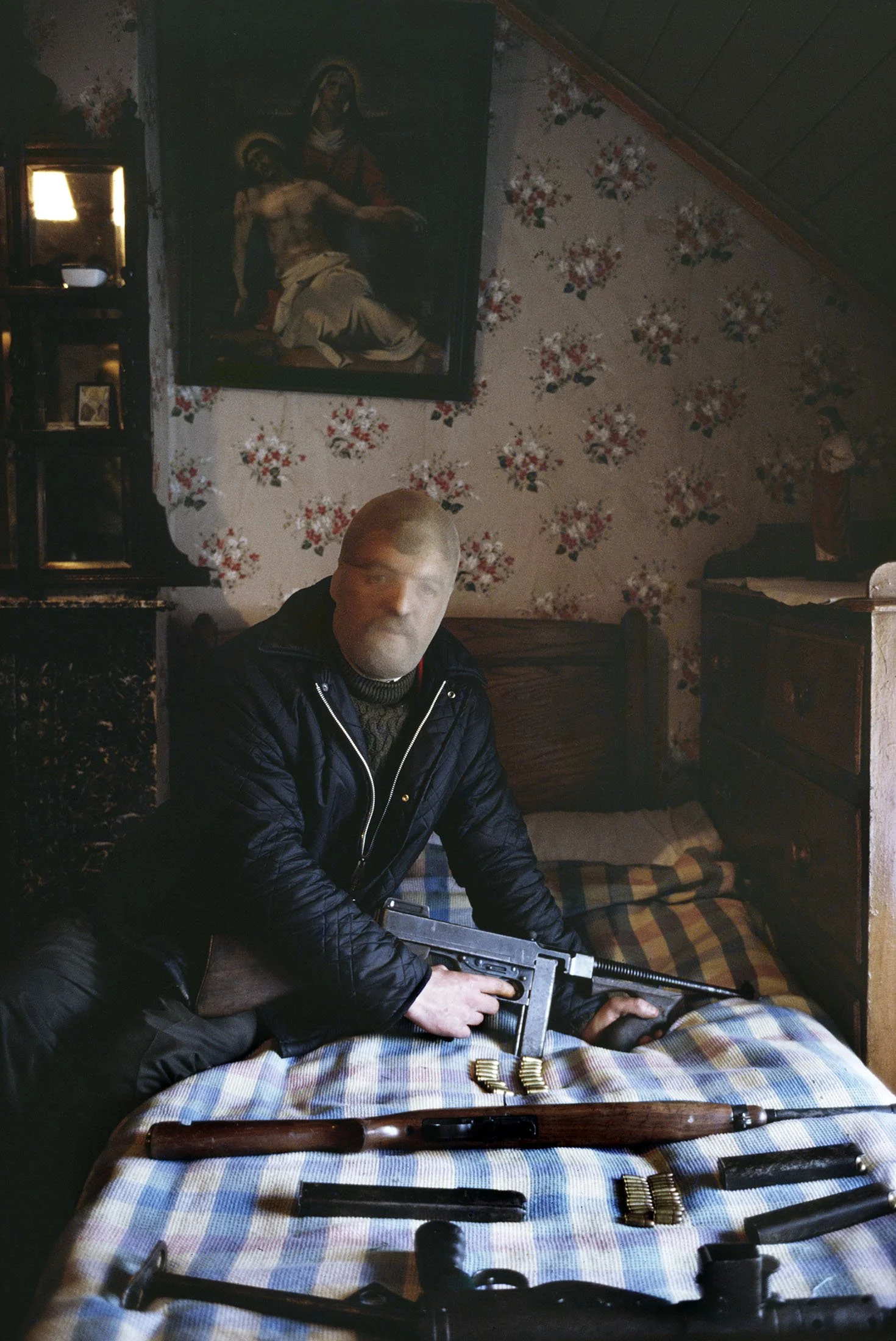
Bobby Seale liked my photos, brought me into the Panther Party, and provided incredible access. This relationship led me to build the largest Black Panther archive in the world, capturing behind-the-scenes moments, at their homes, schools, and offices. For example, at George Jackson’s funeral, I was the only photographer allowed inside the church.
Through my work with Liberation News Service, an alternative to mainstream outlets, my photos appeared across progressive publications in the U.S. and globally. Back then, we didn’t trust mainstream media to tell our side of the story; they often echoed the government’s narrative. Over time, as mainstream outlets became critical of the Vietnam War, things shifted slightly.
After graduation, I continued my work, deepening my connection with the Panthers. When Bobby Seale ran for mayor in 1972, I was on his campaign committee, with my photos featured prominently in campaign materials. I also worked on Ron Dellums’ and George McGovern’s campaigns, eventually photographing for major Democratic campaigns throughout the 70s.
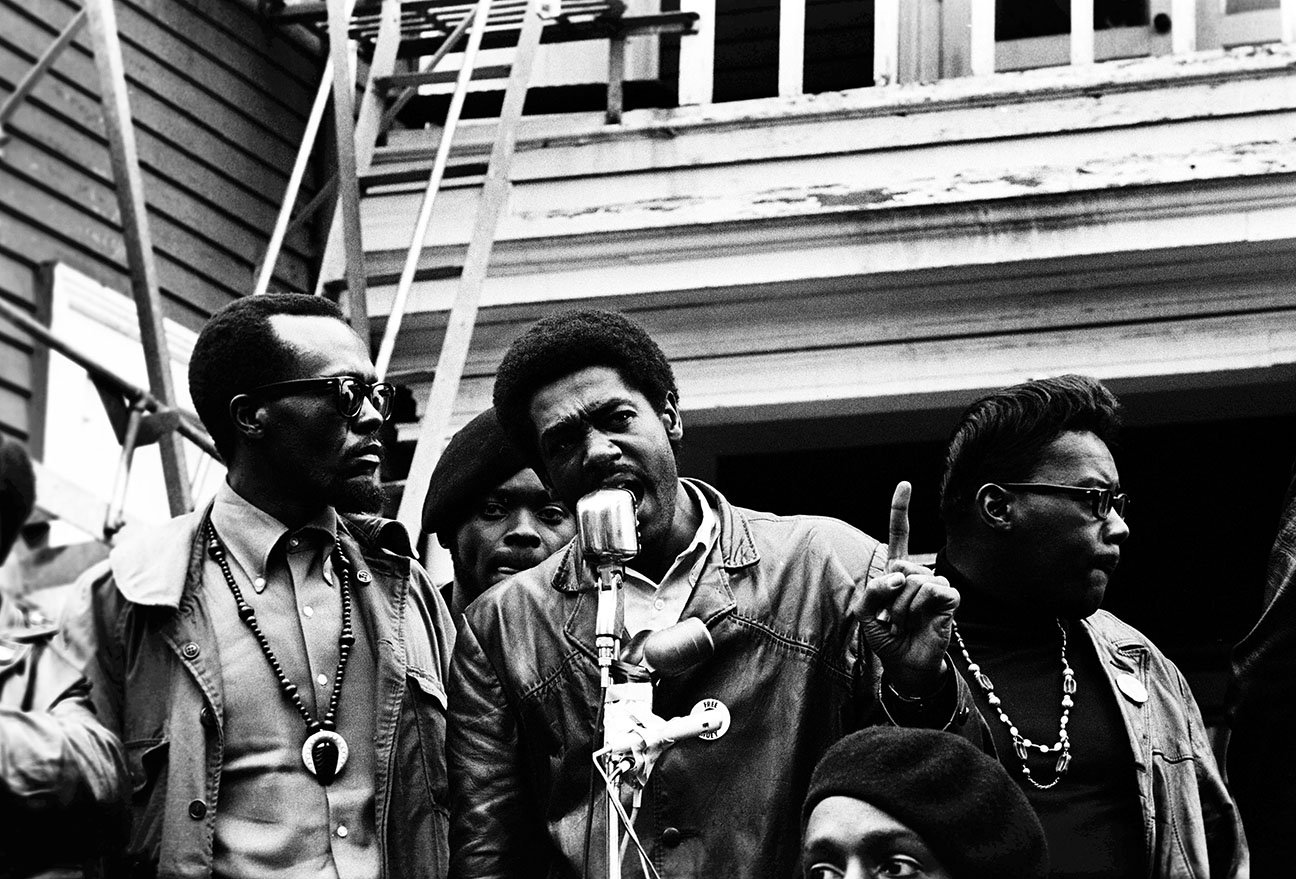
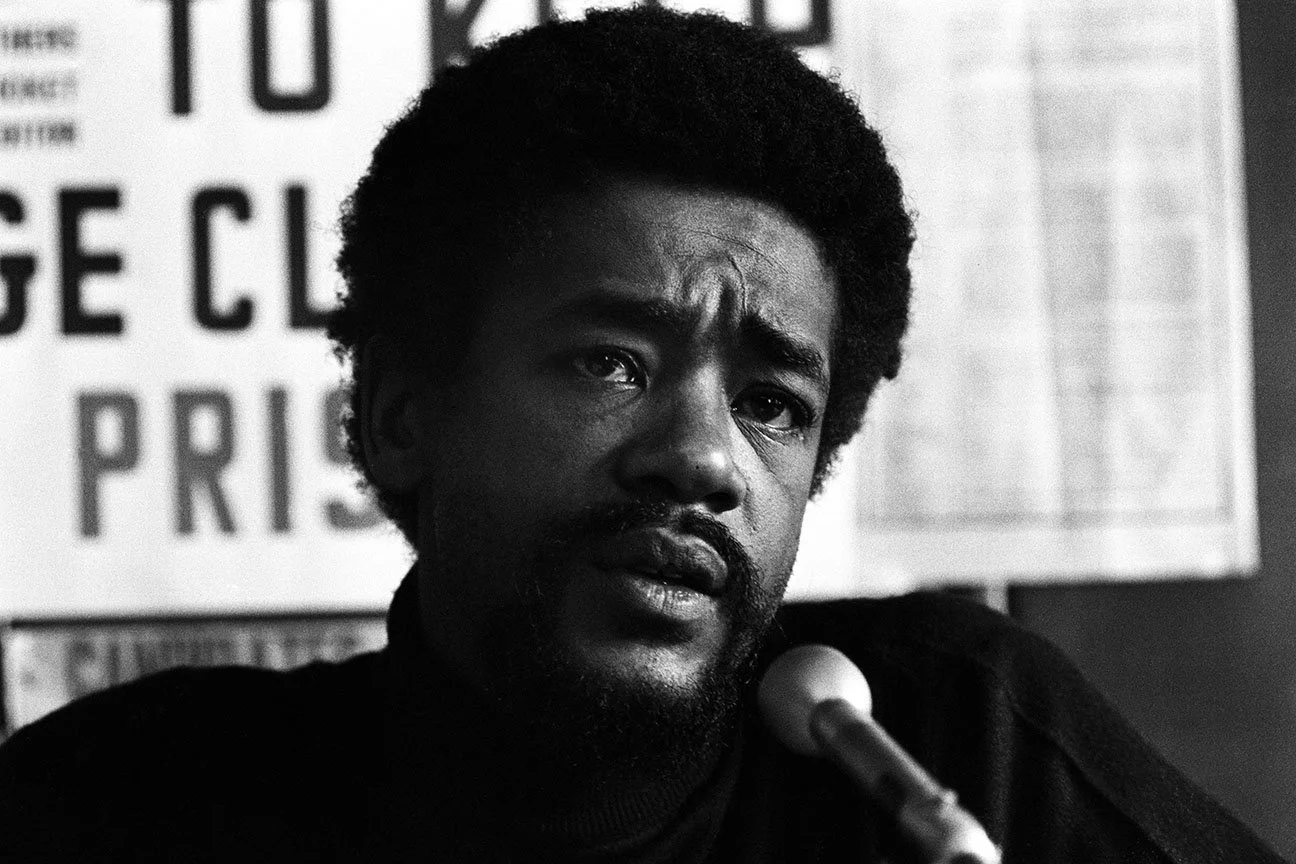
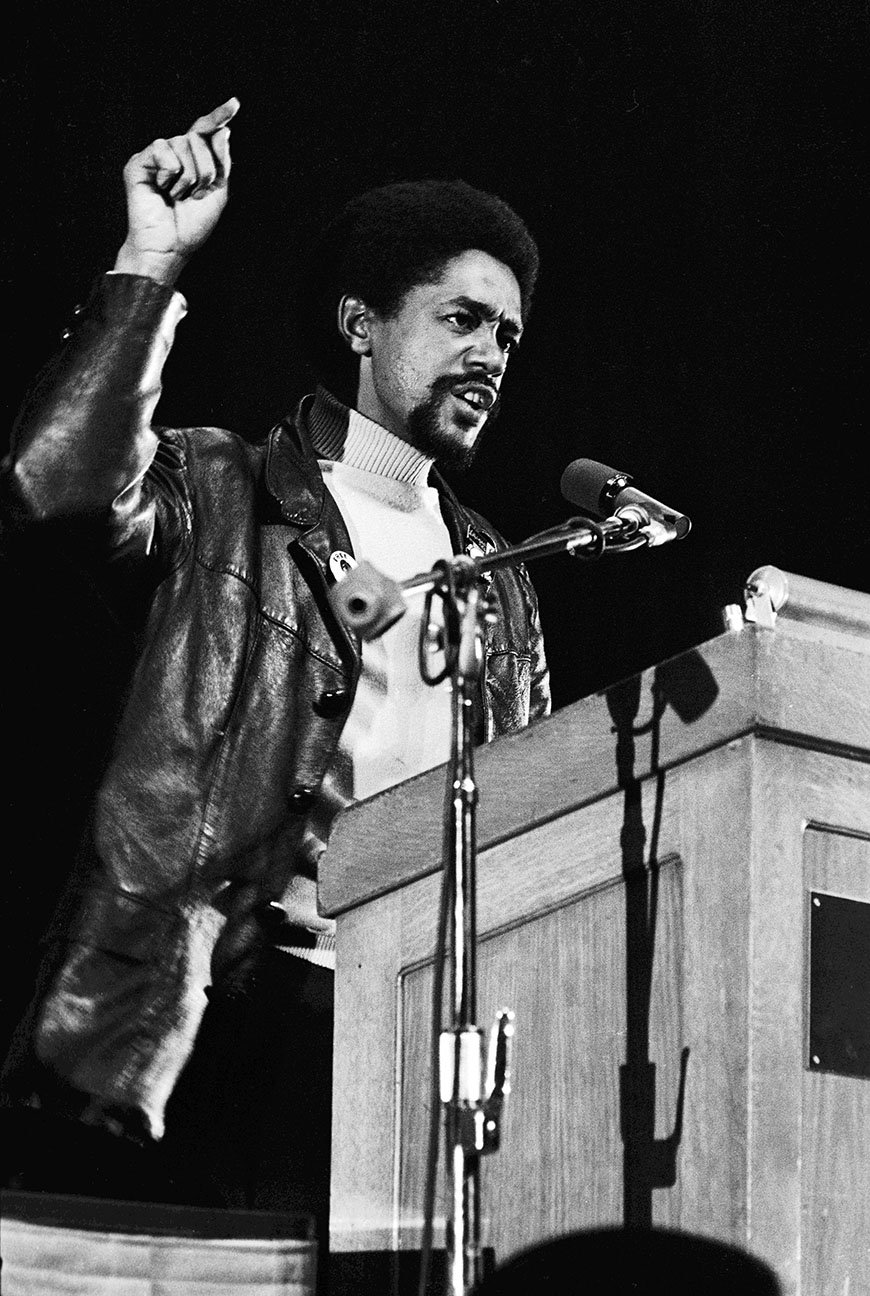
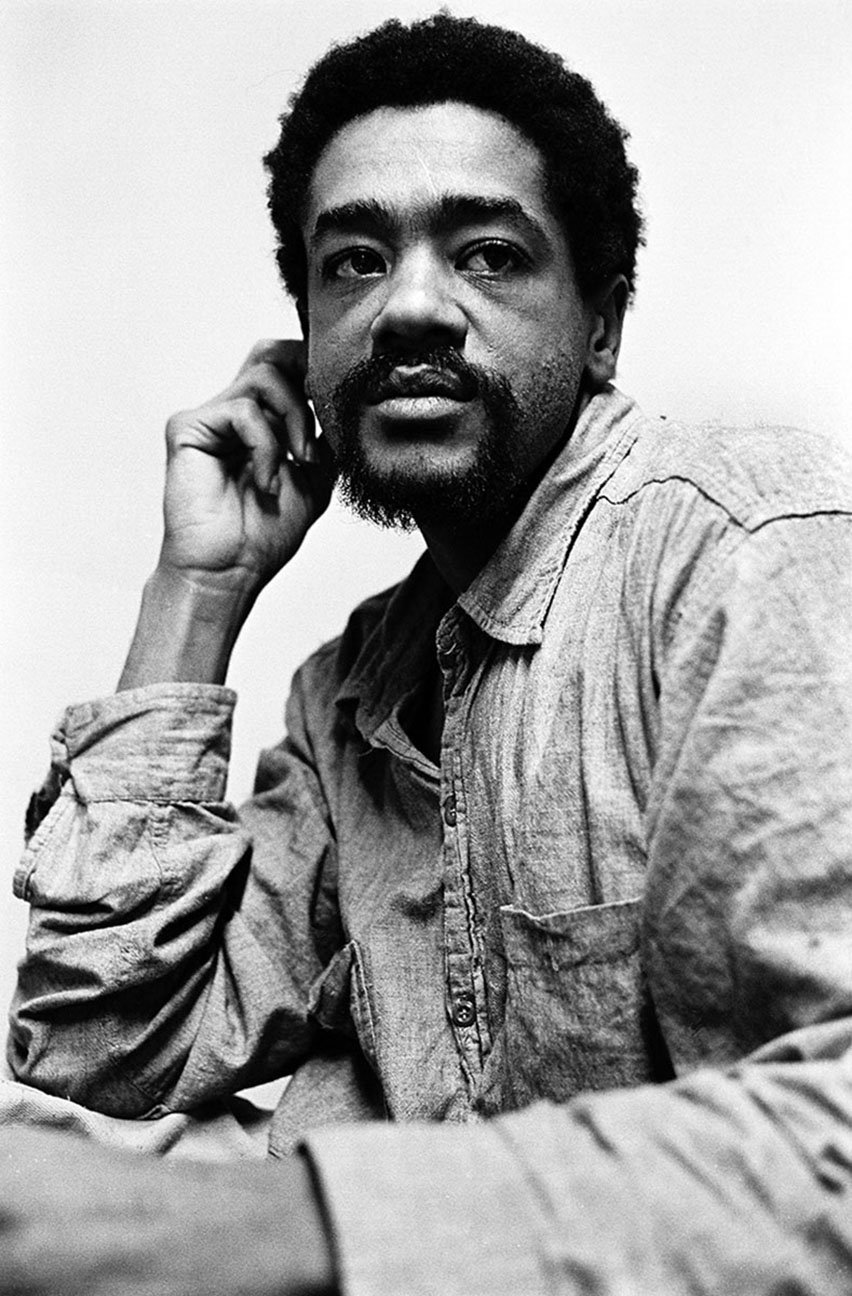
I wasn’t necessarily thinking of myself as an artist back then. I just felt I was part of the movement, and we were creating change. After I graduated, I just kept going. People started liking my pictures and told me they thought I had talent, which made me consider that I could be an artist. But initially, I was young and not thinking in those terms.
How did your involvement with the civil rights movement shape your understanding of what photography can do?
The photographs from the South during the civil rights movement were powerful. I was still in high school then, so I wasn’t directly involved, but I saw the impactful images in Life Magazine and other publications, photos of dogs attacking protestors, people getting beaten, and more. Photographers like Charles Moore and Danny Lyon captured images that helped change national sentiment and contributed to the passing of the Civil Rights Act.
Similarly, images from Vietnam discredited the government’s narrative. Photographs showing civilian casualties, the famous napalm girl running down the street, and Eddie Adams’ photo of an execution changed public perception. Television also played a role. I realised photography could be a powerful tool. My photographs of the Black Panther Party have since altered how people view the Panthers. The government portrayed them as terrorists, but my images show their true spirit. Back then, my photos weren’t widely published, but now they’re historical records, reshaping perceptions of the Party.
That’s fascinating. How did that understanding influence your later work?
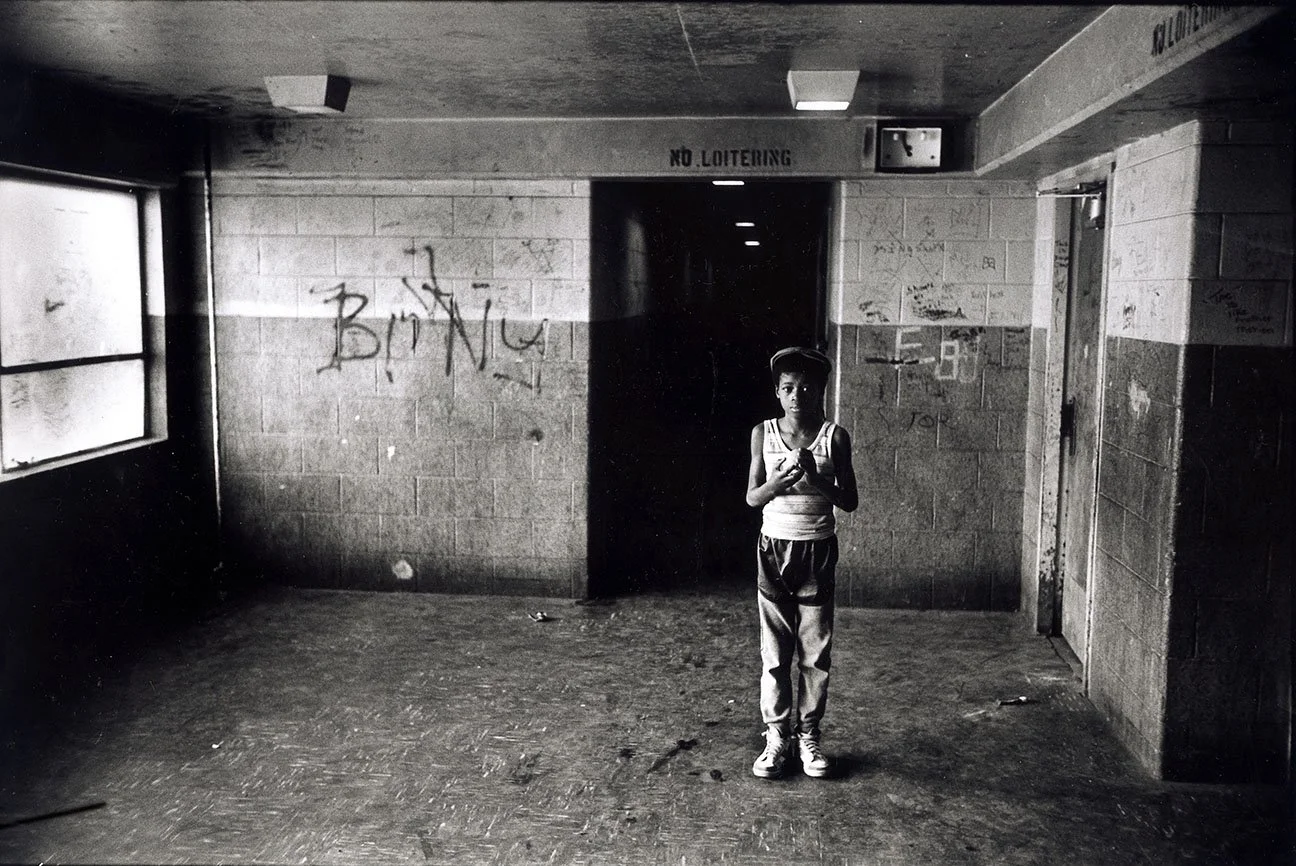
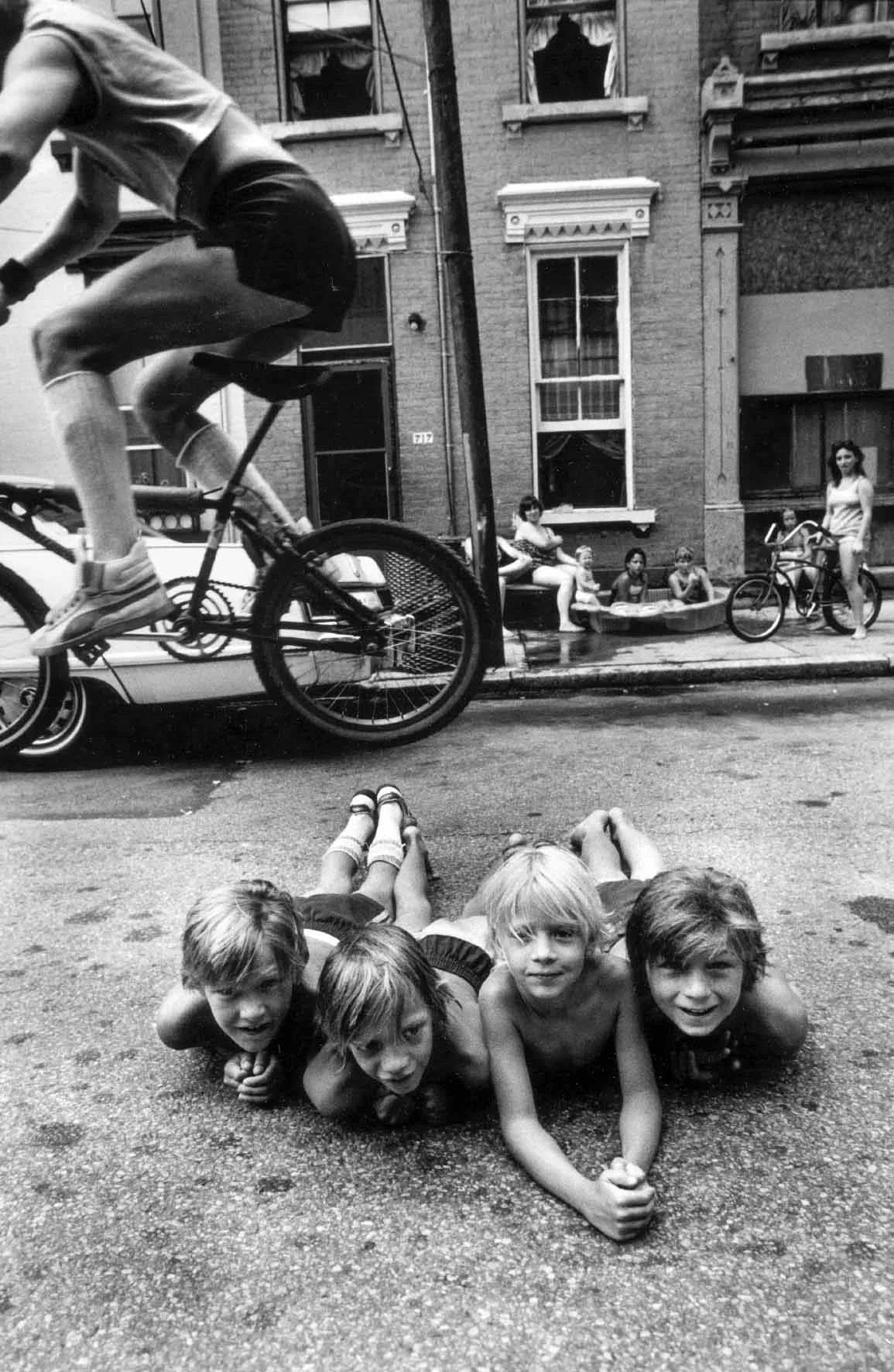
It infused my career. In 1984, Marty Roysher introduced me to Marian Wright Edelman of the Children's Defence Fund, who encouraged me to focus on child poverty. I spent the next few years photographing child poverty, supported by a grant from the Alicia Patterson Foundation. My experiences with the Panthers taught me how to photograph communities from within, rather than as an outsider. That approach shaped my work on child poverty and homelessness across the country.
Photography, when done thoughtfully, reveals truths from within communities. It’s not just about taking pictures; it’s about understanding and representing people authentically, which I’ve carried through all my projects. I saw the pictures in Life magazine and other publications; these magazines were pivotal, like Life and Look, and newspapers too. When you look at Charles Moore's pictures of dogs attacking people, or images of individuals getting beaten up, those photographs really changed the nation's perception and helped pass the Civil Rights Bill.
In 1985, I dedicated the entire year to photographing child poverty. After that, I joined the Philadelphia Inquirer. Gene Roberts, one of the judges on the Alicia Patterson panel, who was also the Editor of the Inquirer, played a role in that. Later, I took a leave of absence to work on the Homelessness in America project with Tipper Gore. Over five or six years, I documented child poverty and homelessness nationwide.
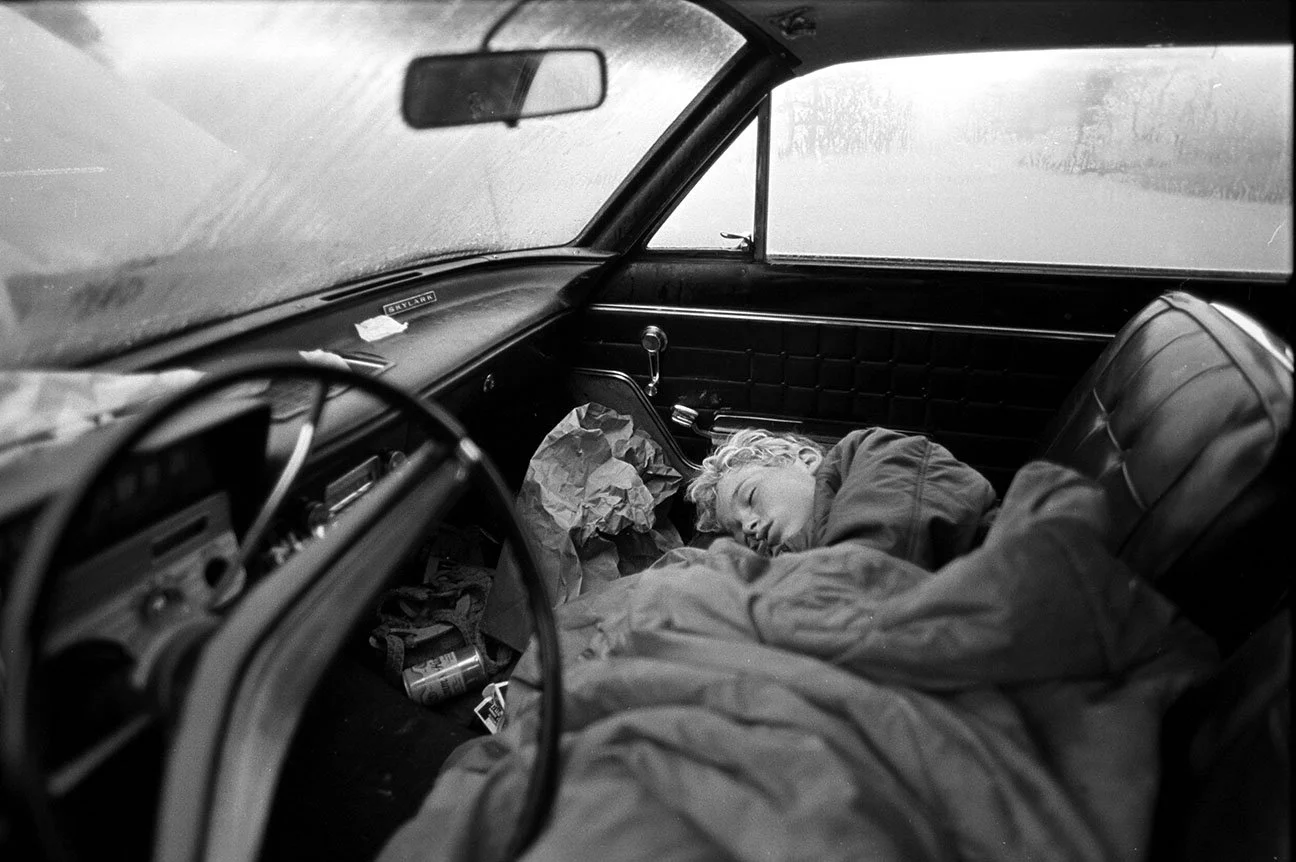
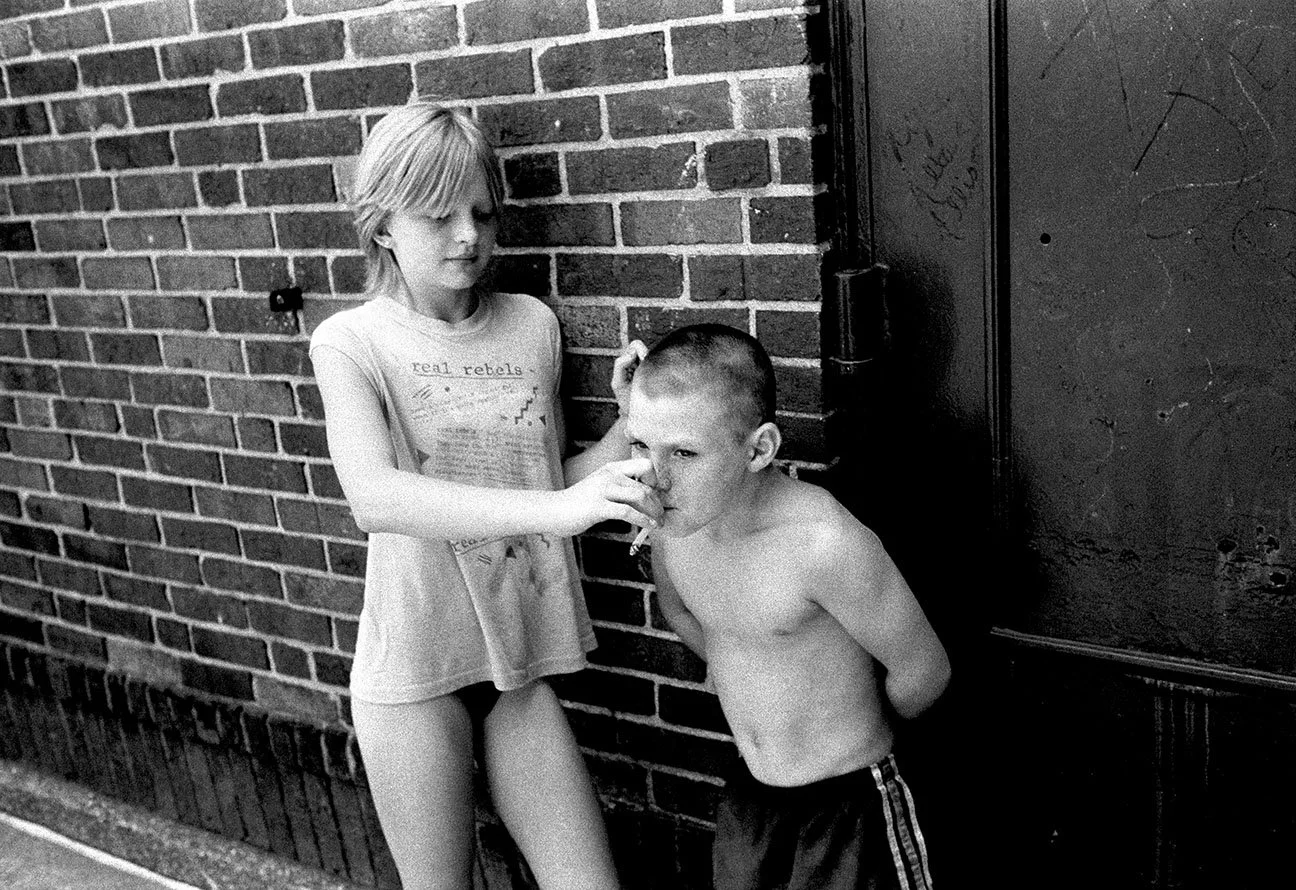
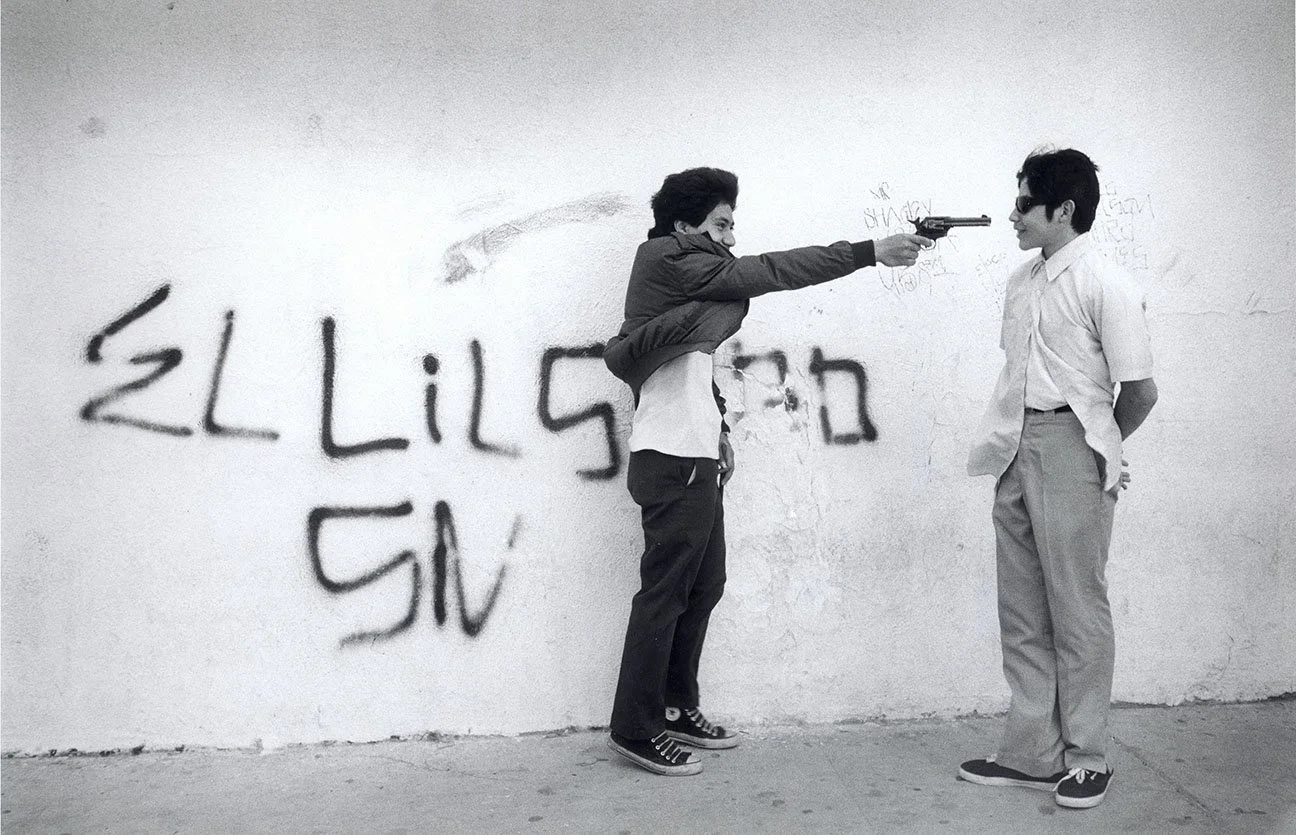
I remember you mentioning the difference between being a tourist and a traveller. Why is that distinction important for photographers?
As a traveller, you immerse yourself in the community, capturing it from within. Back then, the media claimed to be objective, but it often reflected a white, male worldview. True journalism requires acknowledging that people from different backgrounds see the world differently. Being a traveller means striving to understand and represent those diverse perspectives.
To do that, I conduct extensive research before starting a project. I read both nonfiction and fiction from the community I’m photographing. Fiction helps me understand the emotional and cultural context. Listening to local music also gives me insight into how people think and feel.
Additionally, I engage with people, build relationships, and share my work with them as I progress. This process helps me step outside my own cultural bubble. We all view the world through the lens of our personal experiences, our "bubble," shaped by culture, race, gender, and geography. Recognising and challenging these biases is essential for truthful, impactful photography.
Because if you're a traveller, you're really getting inside the community and photographing it from the inside. That's important because, even back then, the establishment media was corporate but somewhat independent. Now the media is fragmented, totally corporate, and some of it isn't even journalism anymore, some of it’s just propaganda.
Back then, the media held onto the idea, carried over from the 1950s, that it was objective as opposed to subjective. But in the 1970s, with people like Tom Wolfe, the idea that there is no objective truth crept into journalism. That’s where I was, that everybody’s subjective. The best you can do is be truthful and try to understand the viewpoint of the people you’re photographing.
So, if you’re going to be a traveller and photographing a community, you should make an attempt to see things from their perspective. It’s not about doing PR for them; it’s about being aware that what you’re seeing might not be the way they perceive it.
How do you achieve that?
You just have to be open. One thing I do is do a lot of research before starting a major project in a community. I try to read. For me, reading fiction is better. Of course, I read statistics and non-fiction journalism about the community, but fiction, and listening to the music people are listening to, helps me get into the mood of how people are thinking.
Fiction writers write more from the heart, from the subconscious. Journalism can skim the surface, but fiction dives below to explore how people think and view things. So, I’d read fiction. If I were going to India, I’d read Indian writers, what they’re writing about, what matters to them, and make an attempt to get involved.
The other thing is just listening to people, being open, making friends. I often show pictures to people as I go along. It’s a whole process, but the biggest part is getting out of what I explain to young photographers: all of us live in a little bubble. Our bubble is cultural, racial, gender-based, national, it’s shaped by where we live, our cities, our countries. There are many factors in our bubble.
The most important thing for a photographer is to get out of that bubble. Making an attempt to step outside of it truly works. Can you give an example?
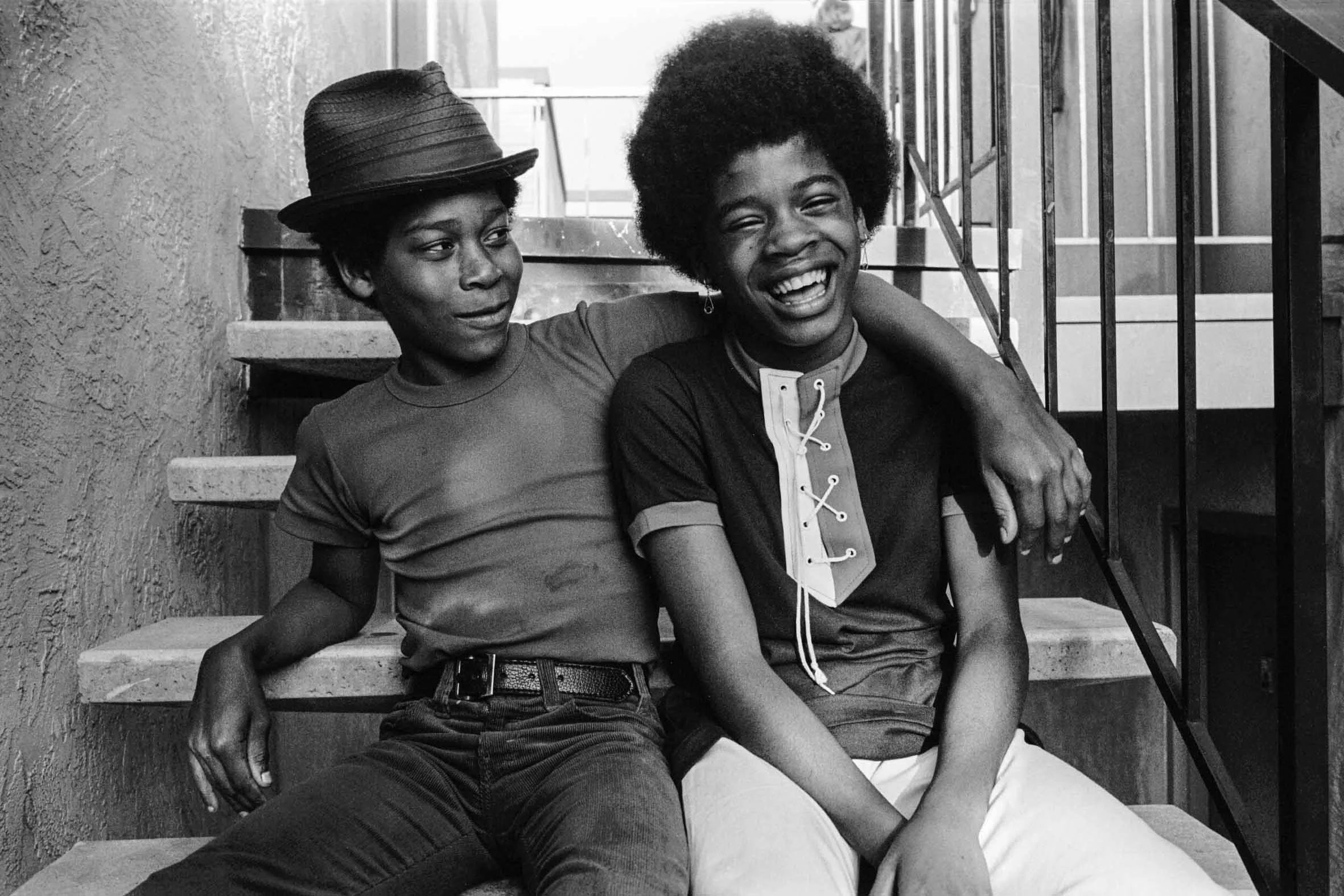
I'll give you one, not a funny one, but illustrative. I took a picture of the cops beating some people up, and the Berkeley Barb ran it on the cover with the headline "Pigs Run Amok."
Later, around 2:00 in the morning, Max Sheer, the editor of the Barb, was walking across the Berkeley campus. A Berkeley cop, the same one in the picture beating someone up, stopped him and asked, "Are you Max Sheer, the editor of the Barb?" Max said, "Yes." The cop replied, "Well, I was on the cover of your newspaper this week." Max looked around, thinking, "Oh my God, it's 2 a.m., and I'm alone with this guy I called a pig in a headline." But then the cop said, "Yeah, I bought five copies and sent them to all my relatives in the Midwest."
That's a perfect example of how people live in different bubbles. We were saying this guy's a fascist pig monster, beating people up, and he's proud of it; he's dealing with what he saw as hippie communists. The same picture meant something completely different to both sides. Max thought the cop would be angry, but instead, he was proud to be on the cover. Everyone lives in their own little bubble, and maybe the truth lies somewhere in between.
You also talked about how the story has to be based on reality. How do you teach yourself to recognise reality, especially when photographing people or places different from your own experience?
That's hard. You just have to trust yourself. If you're open and observing, you have to trust what you see happening in front of the lens and let it unfold. I'm not a fly on the wall; I become part of the scene I'm photographing. I'm not necessarily interacting all the time, but if people talk to me, I talk to them. I'm not just sitting there, unresponsive.
I photograph with a 24 mm and a 35 mm lens; 90% of my pictures, or even more, are taken with those two lenses. I take a few telephoto shots, but most photographers stay back with telephoto lenses. I'm right there. When I'm in people's homes with my 24 mm lens, I'm close enough to reach out and touch them. You're part of the scene.
I also live with the people as much as possible. When I was photographing homeless families on the beach in California, I bought a tent, camped out, ate with them, and stayed on the beach. When I photographed unemployed steelworkers, I slept on their couches because significant moments don’t just happen from 9 to 5; they happen in the middle of the night and early in the morning. You have to be there.
Is that your advice to young photographers who want to document something meaningful but feel like outsiders? How do they build trust and avoid surface-level photos?
Just be open with people. Explain what you're trying to do. When I was working on the poverty project, I explained to people that they were invisible to the broader public, and while I couldn’t promise to improve their lives directly, I could at least bring their reality to a larger audience.
When talking to young photographers, I tell them to start by photographing what they know. If you grew up with horses and love them, do a story related to horses, wild horses, horse racing, people training horses, because you know that world. I’d say, "You can’t compete with me on stories I know, but you can compete with me on stories you know better than anyone else."
So, building trust comes from being present and genuine?
I think people just have to find their own way. The key is to be open and not arrogant. It's natural for all of us to believe that our group is the best, that we're smarter, our families are more brilliant, and our children are better looking than anyone else's. That's just human nature, and in a way, it's good for the species, it makes us take better care of our kids.
But as a photographer, you need to step out of that mindset. You must be aware that while you might think your religion or ethnic group is better or smarter, if you're photographing another group, you need to set those feelings aside. Be open to the fact that those people believe the same about themselves. Try to understand them.
I feel a sense of accomplishment when I'm with a group and can anticipate what people are going to say, think, or how they'll act in a situation. It means I'm starting to understand how they feel about things. That doesn't mean you can't be critical in your photographs, that's perfectly fine, but you need to be open and try to understand. That's the best you can do, just do your best.
Another important part is trusting your instincts. As a photographer, you can't overthink. If you pause to consider whether something is a good picture, the moment is gone. And once you've taken the photo, how do you recognise if it's a good picture, worth publishing or sharing? I can't really answer that. I just know a good picture when I see it.
Is there something specific you're looking for in a photograph?
I'm looking for something that tells a story but also has strong graphics. It's pleasing to the eye. It reminds me of a joke by Lenny Bruce. He was a radical comedian. He was incredible, and they actually hounded him to death. He was one of the pioneers who opened up comedy for people like Richard Pryor. Lenny did this routine, "How does a judge know what's pornography?" His answer was, "If it gives the judge an erection, it's pornography." So, how do you know what's a good picture? My answer is similar, I just know it's a good picture. I can't explain it fully, it's just a sense I have.
That's subjective, of course. Everyone has their own idea of what makes a good picture, and that changes over time. Over time, though, there tends to be a consensus about what qualifies as a good picture. You just have to trust your instincts.
When you showed your pictures to editors, did you ever receive advice or comments, like suggestions on what to focus on or improve?
Yes, in news photography, people would choose certain pictures, and you'd receive feedback. I learned a lot from that. I can’t think of specific comments, but you’d notice which images were selected. However, that didn’t always mean they were the best artistic pictures. Journalism isn’t necessarily looking for artistic value; they’re looking for images that serve a purpose. A lot of photojournalism is quite two-dimensional. The best photojournalism, like the work of Sebastião Salgado, Dorothea Lange, or W. Eugene Smith, goes beyond that. Most of what you see in magazines and newspapers doesn’t get beneath the surface. It documents events: "This is a demonstration with 50,000 people," or "Here’s a picture of the police beating someone." It’s straightforward documentation.
I studied the work of photographers like W. Eugene Smith. I even met with him once. He criticised my work, saying I wasn’t going deep enough, that I was holding back. That feedback helped me grow. Moving to New York in 1976, I was fortunate to meet many editors and photographers, and that exposure helped me evolve.
But to be an artist, you need a vision, and that takes time to develop. My photographs are very emotional; that’s part of my vision: getting beneath the surface to capture emotion. Other photographers focus on different things. For example, Alex Webb’s images are incredibly beautiful and visually striking; that’s his vision. I see the world differently.
Every artist has a unique perspective, and being an artist means being able to express how you see the world so others can connect with it. That’s their vision. I don’t see things through his eyes; I see things through my own. All artists have unique visions. The great artists, in particular, have distinct visions. We all see the world in somewhat unique ways, but being an artist means you’re able to express how you see it so that others can understand and connect with it.
I think everyone sees the world in their own way, but most people can’t express it. They’ve never learned how, or they don’t have that artistic gene, or whatever it is that artists have, that allows us to do that. Maybe it’s having messed-up childhoods. The more I grow, the more I realise that many artists, when they talk about their work, often had troubled childhoods. Not necessarily because their families were messed up, but maybe because of their personal experiences.
I’m not saying all artists come from messed-up families, just that they had difficult childhoods. Maybe they were in a war-torn region, like parts of Africa during conflicts. I think having a troubled childhood can open you up to trying to figure out why things happen. Whereas, if you grow up in a comfortable middle-class or upper-class family without much suffering, you might not question things as deeply.
For people who want to create art without such backgrounds, they just need to be more open to experiences and perspectives they don’t naturally see. Sensitivity plays a role too. You don’t necessarily have to suffer yourself; maybe you’re sensitive to the suffering of others.
Most artist biographies begin by delving into their childhoods. Perhaps this is because every childhood carries its own complexities, after all, no parent is perfect, and we're all human. Some individuals are simply more sensitive to the suffering around them, more attuned to their environment. Many artists I know, including renowned photographers and painters, have these deep sensitivities rooted in early experiences.
When you read about artists like Picasso, it becomes apparent that many share this common thread. In a sense, maybe everyone is a bit "messed up“; humanity is inherently flawed in various ways. Some of us are just more curious about understanding why humanity is the way it is. I believe much of art serves as an expression of pain, whether personal or observed in others. My photography, for instance, reflects other people's pain, though it's fueled by my own experiences growing up. I've channelled that personal pain into documenting the struggles of others, street children, child labourers, child soldiers, or impoverished communities both in the United States and worldwide.
This is merely my observation, and I could be wrong. However, it seems that at the core of many artists' biographies lies some form of pain. Perhaps everyone harbours a kernel of pain, but some people learn to channel it into creating profound art, while others may direct it towards hatred. For example, during my work in Iowa and Nebraska photographing poverty, I met people who were deeply angry. Back then, they despised Reagan for damaging the farming industry. Their anger stemmed from pain, which some directed outwardly while others transformed it into something constructive.
I think all humans react to pain on some level. Some individuals perceive the world as having been taken from them, feeling lost or displaced. They may attribute this to changes they don't understand, viewing the same facts differently from others. For instance, feelings of loss or inequality can trigger resentment, while others might find inspiration to create art or foster compassion.
When reflecting on photography, what defines success for me is simply creating a great picture. That’s my primary focus. Everything else, whether an image is published, exhibited, or earns income, is secondary. The act of creating beautiful artwork is the goal itself. Exhibits and publications are wonderful for sharing art and sustaining a living, but they aren't the driving force behind my work.
From what I've observed, truly successful people, whether artists, scientists like Stephen Hawking, or entrepreneurs like Steve Jobs, share a similar mindset. Their motivation lies in the work itself, not in the accolades, wealth, or recognition that might follow. If I were to inherit $10 million tomorrow, my life wouldn't change much, I’d just have more freedom to take pictures without worrying about practicalities. My passion for photography remains at the heart of everything I do.
More photography books and interviews?
We'd love to read your comments below, sharing your thoughts and insights on the artist's work. Looking forward to welcoming you back for our next [book spotlight]. See you then!
Robin de Puy could no longer make this project alone. She first photographed Randy in Ely, Nevada, during a 2015 road trip and kept returning to him for more than ten years. Interviews