How Keiko Nomura Turned Personal Memory Into One of the Most Poetic Travel Photobooks of the 2000s
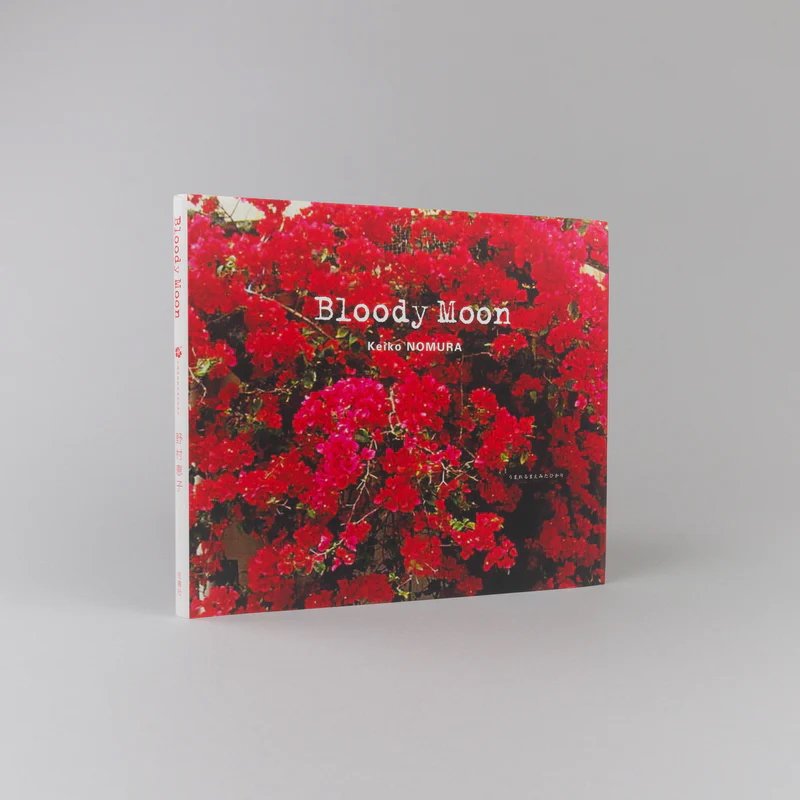
Welcome to this edition of [book spotlight]. Today, we uncover the layers of 'Bloody Moon,' by Keiko Nomura (published by Tosei-sha). We'd love to read your comments below about these insights and ideas behind the artist's work.
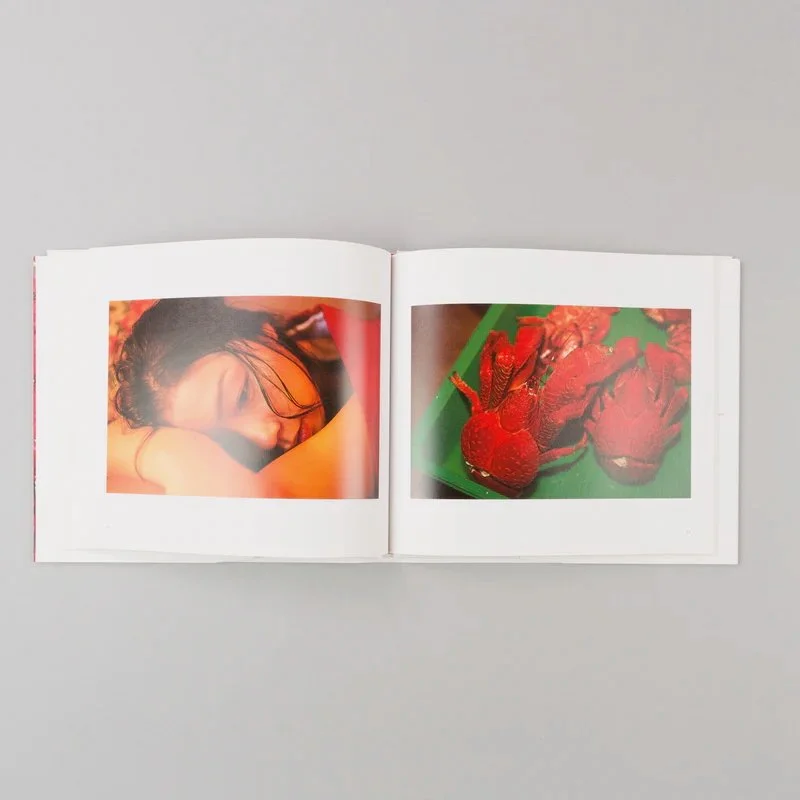
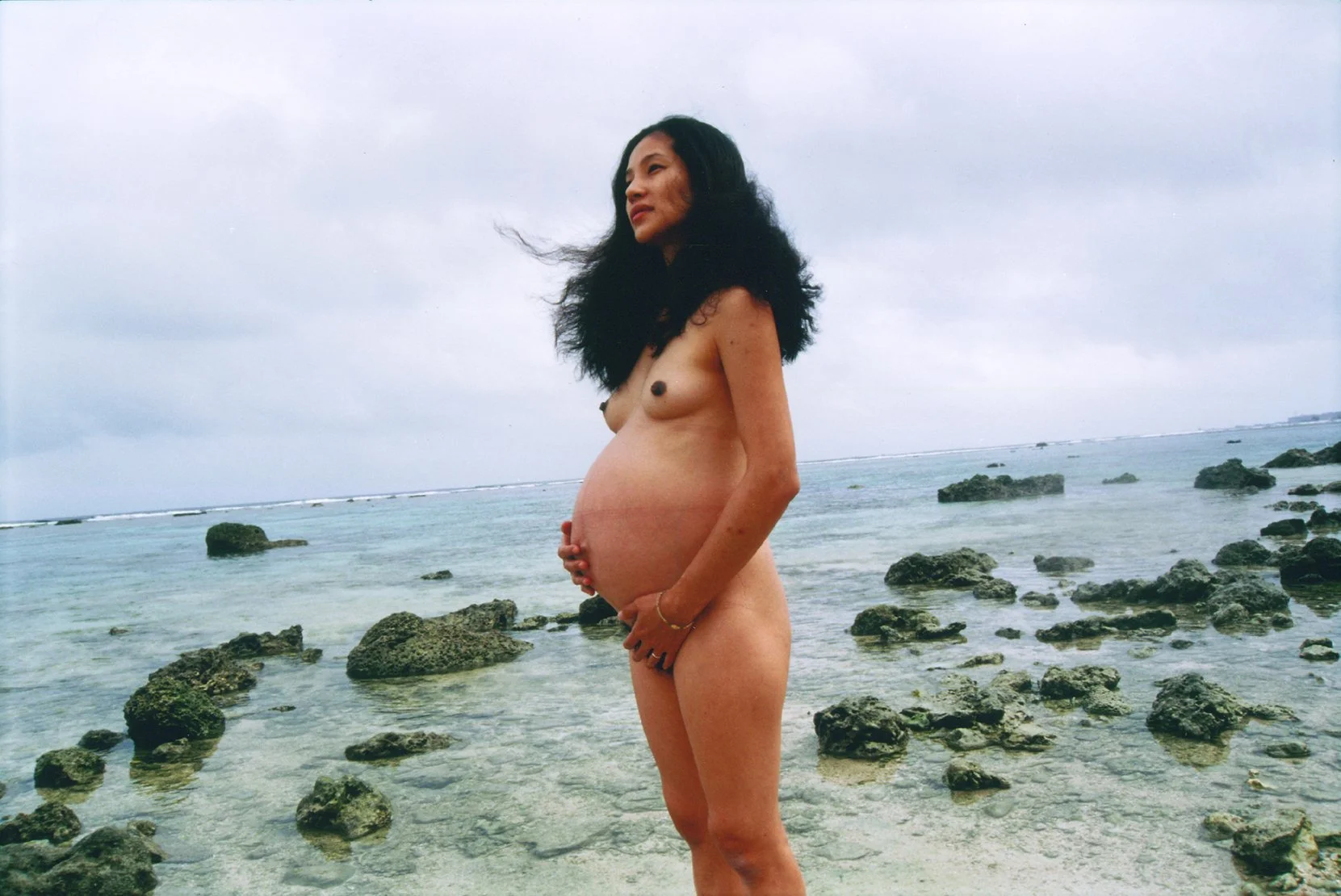
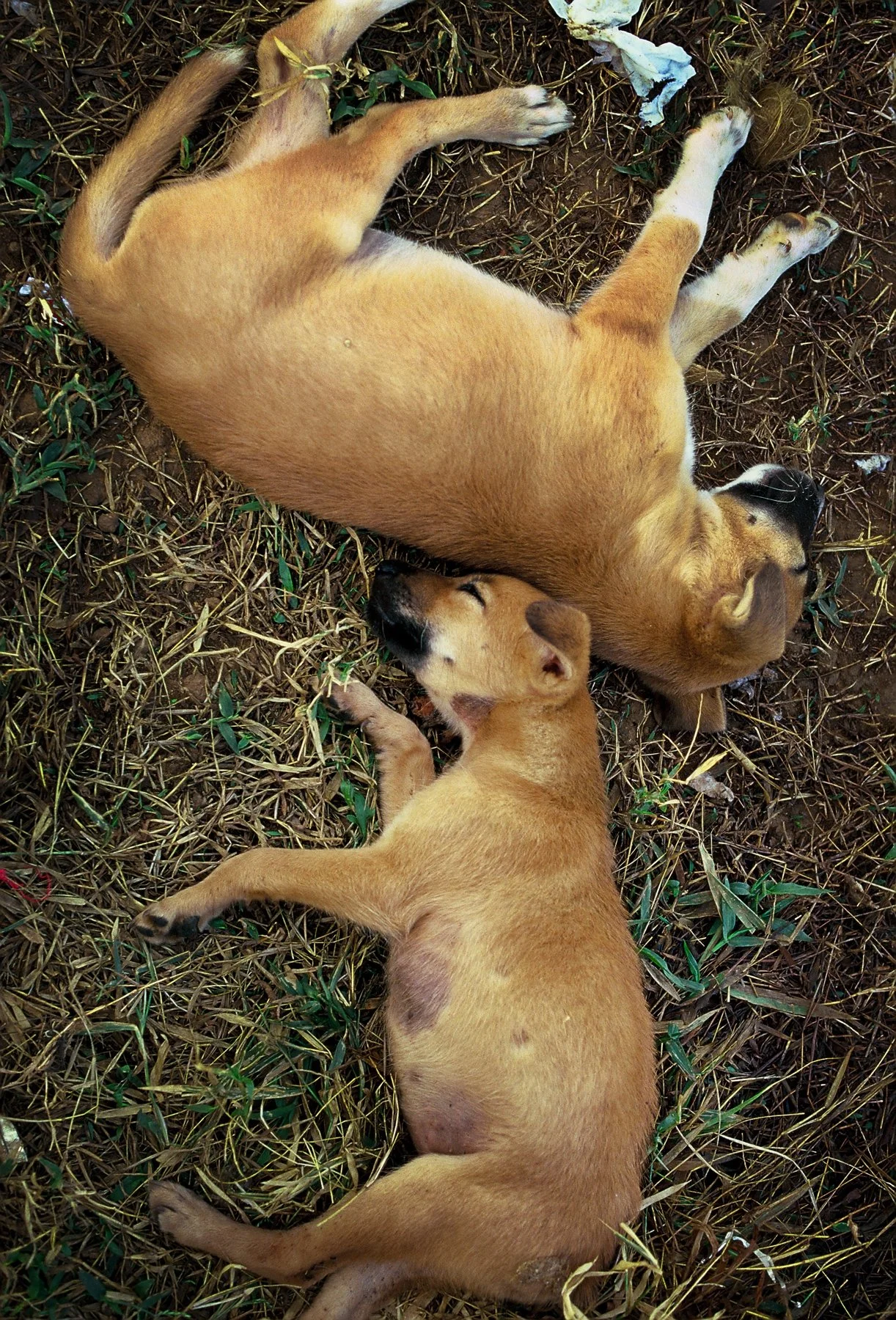
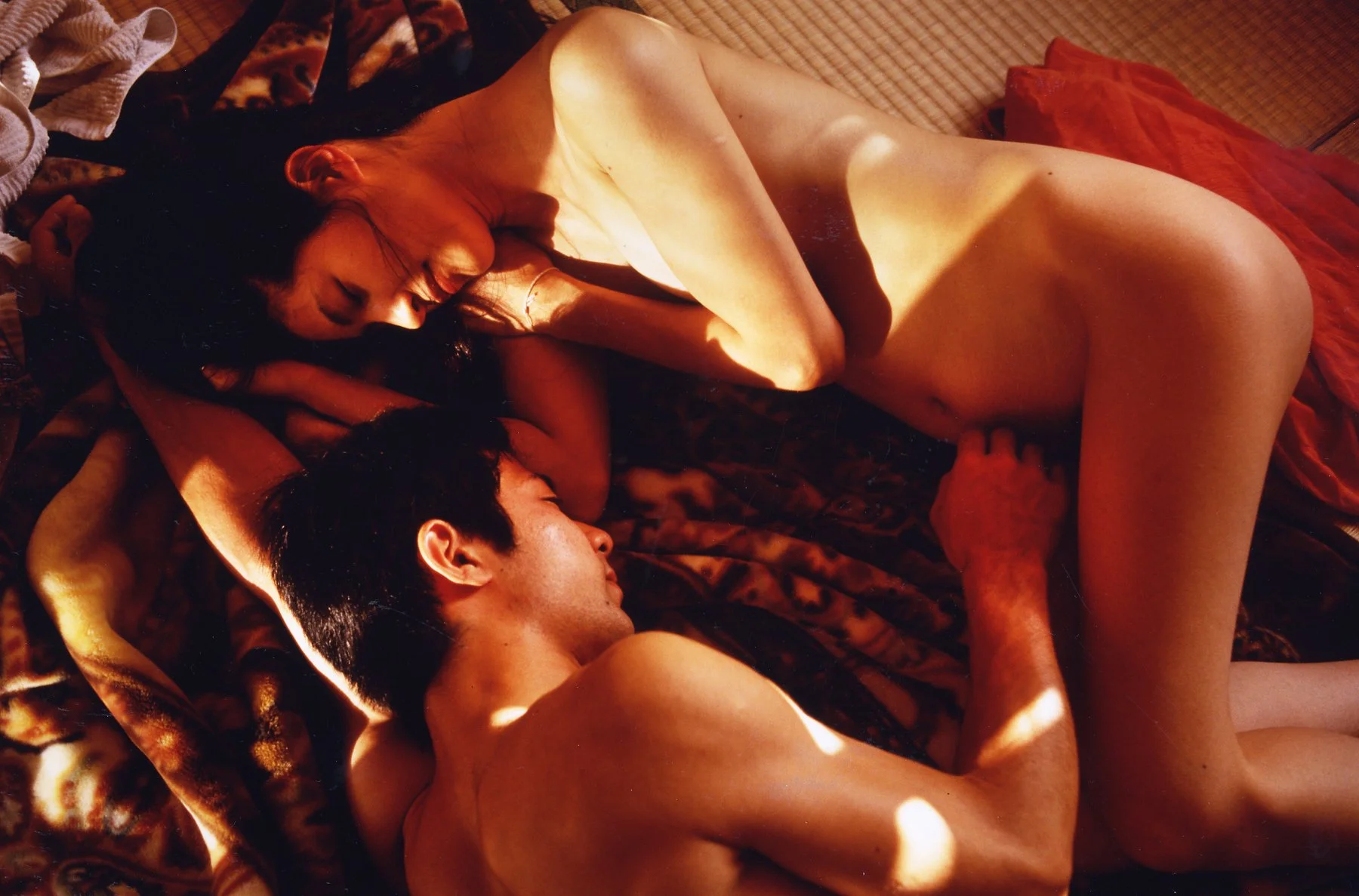
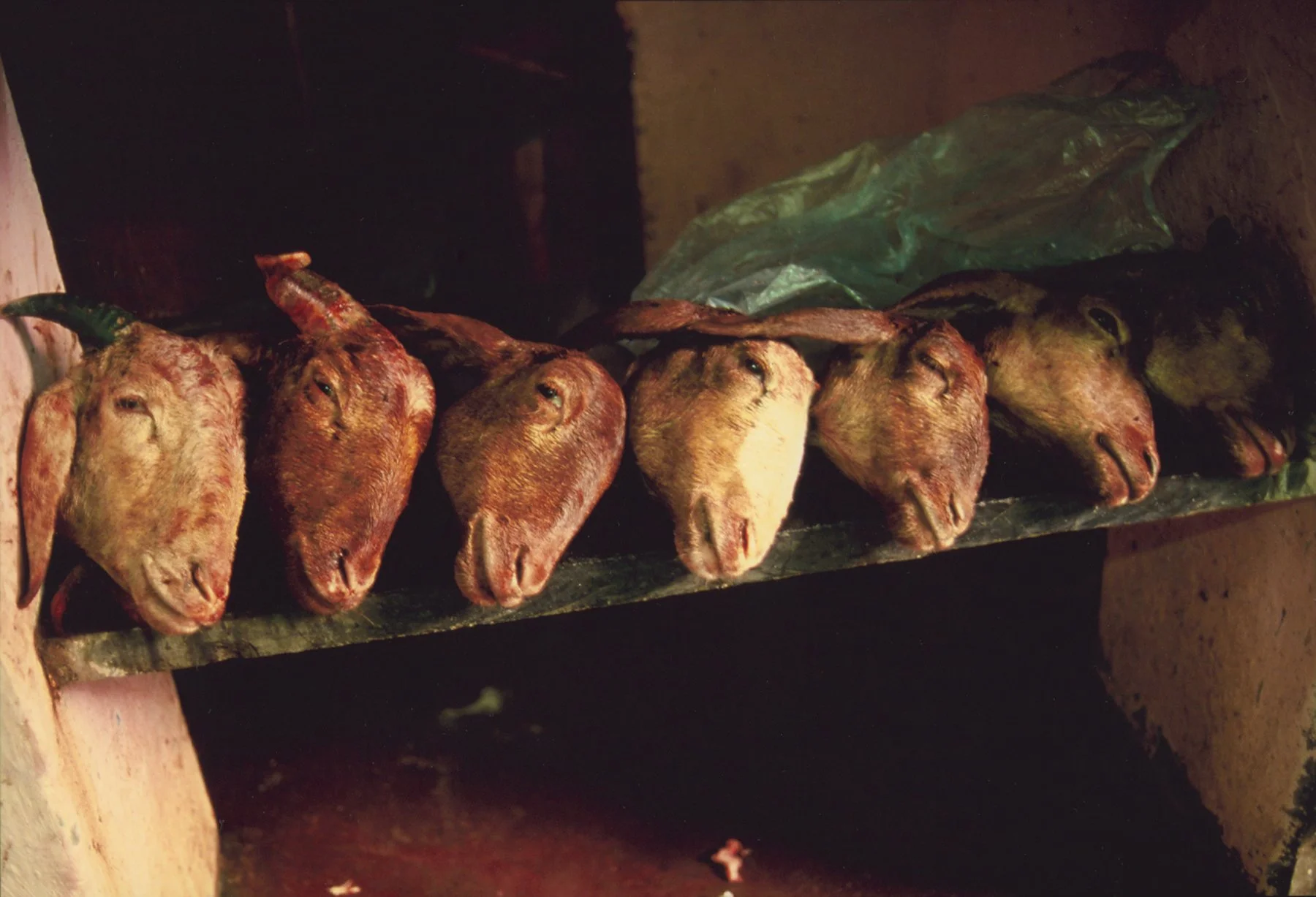
This article includes discussion and selected images from Bloody Moon, which contains photographs of nudity and deceased animals. These images are part of the artist’s exploration of life, memory, and the natural cycle.
Viewer discretion is advised.
What does a feeling look like on film?
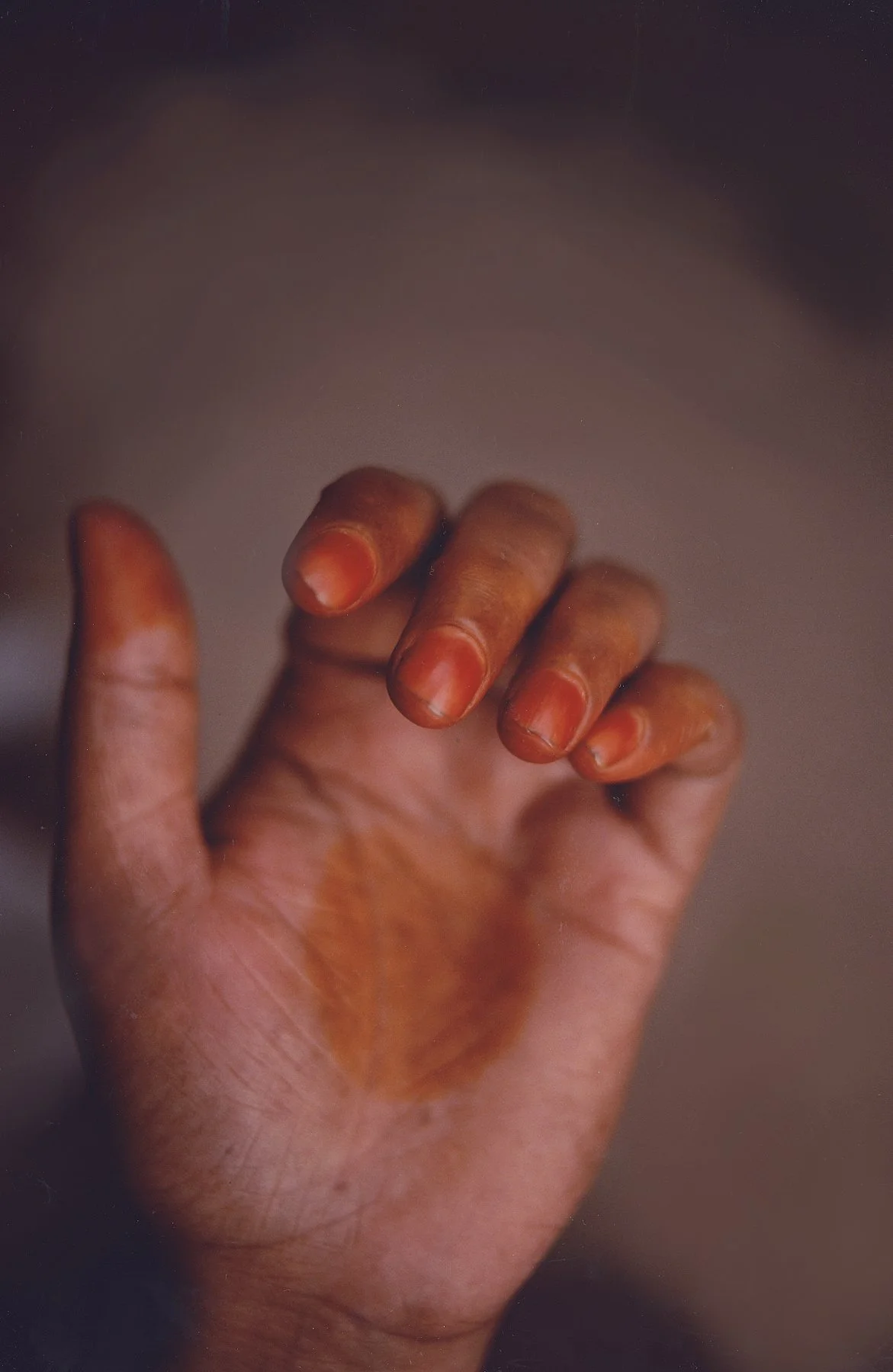
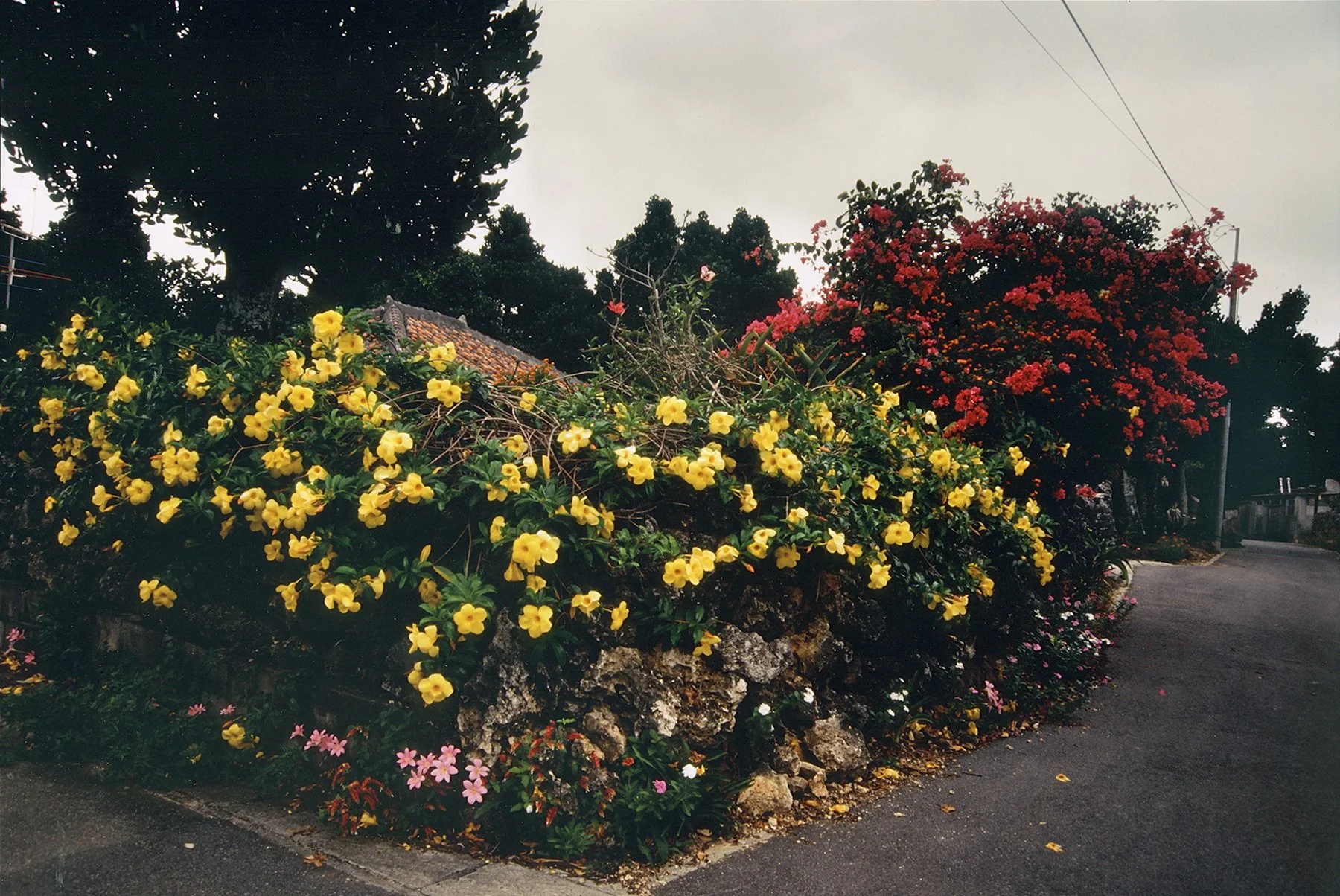
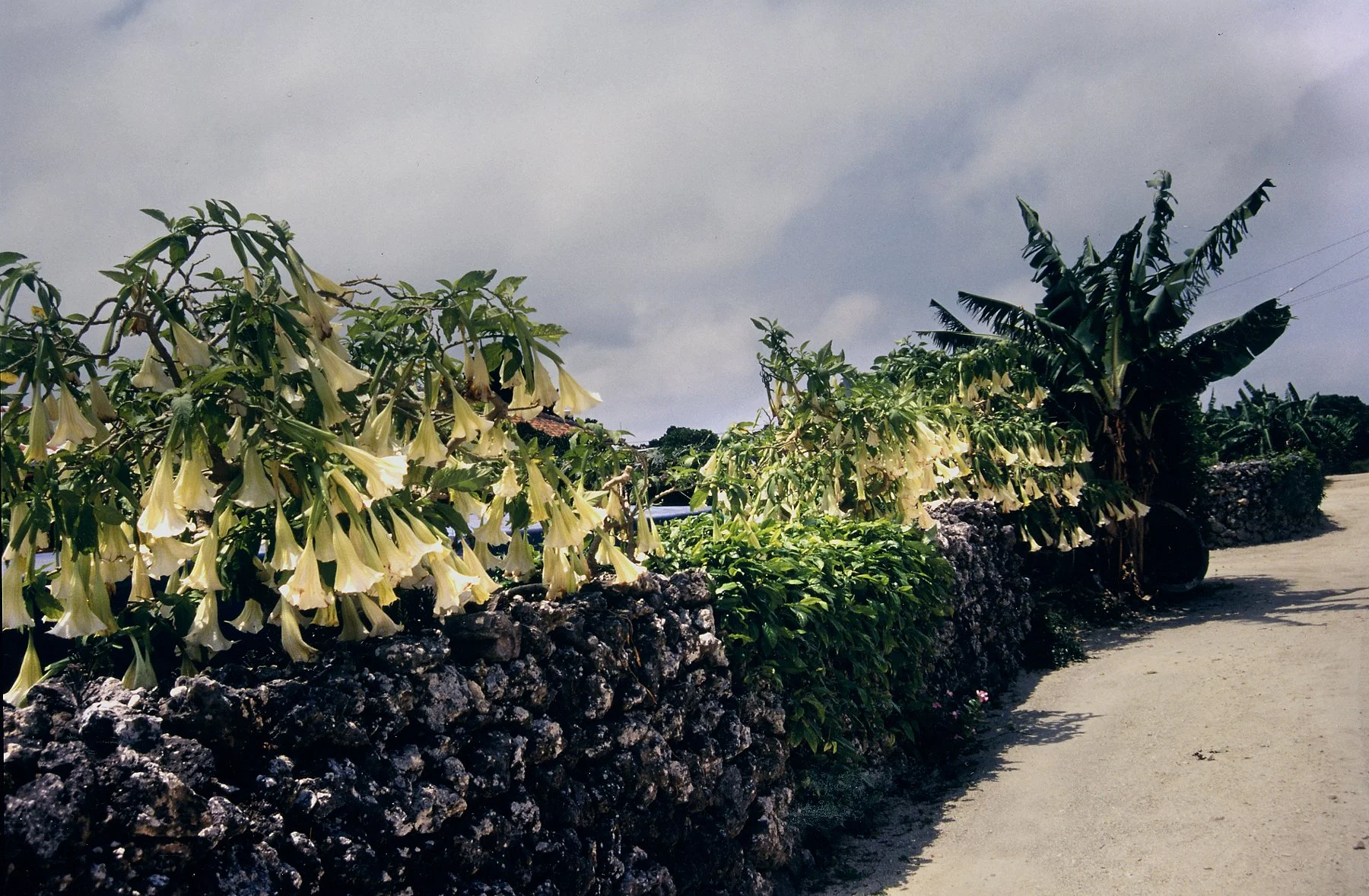
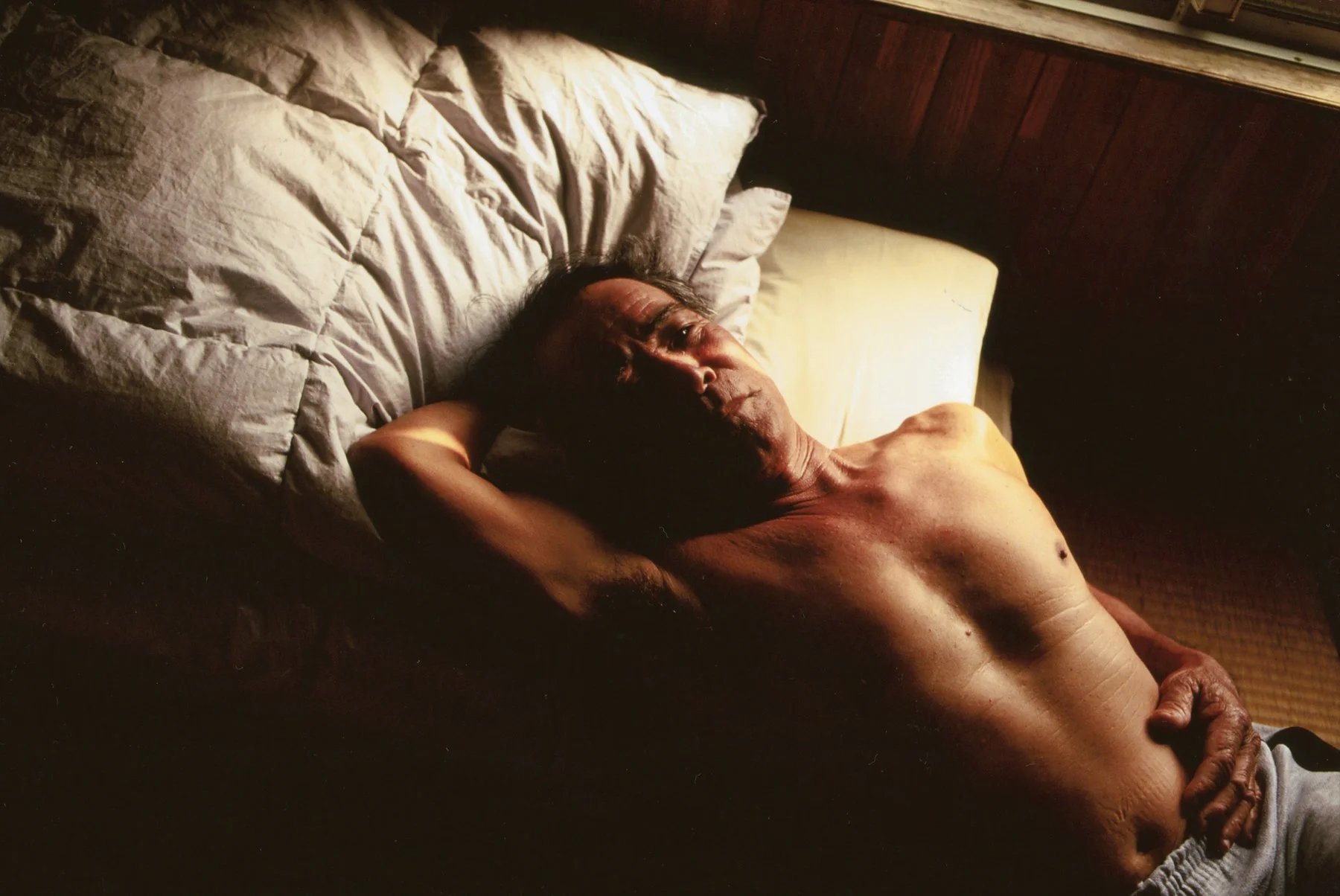
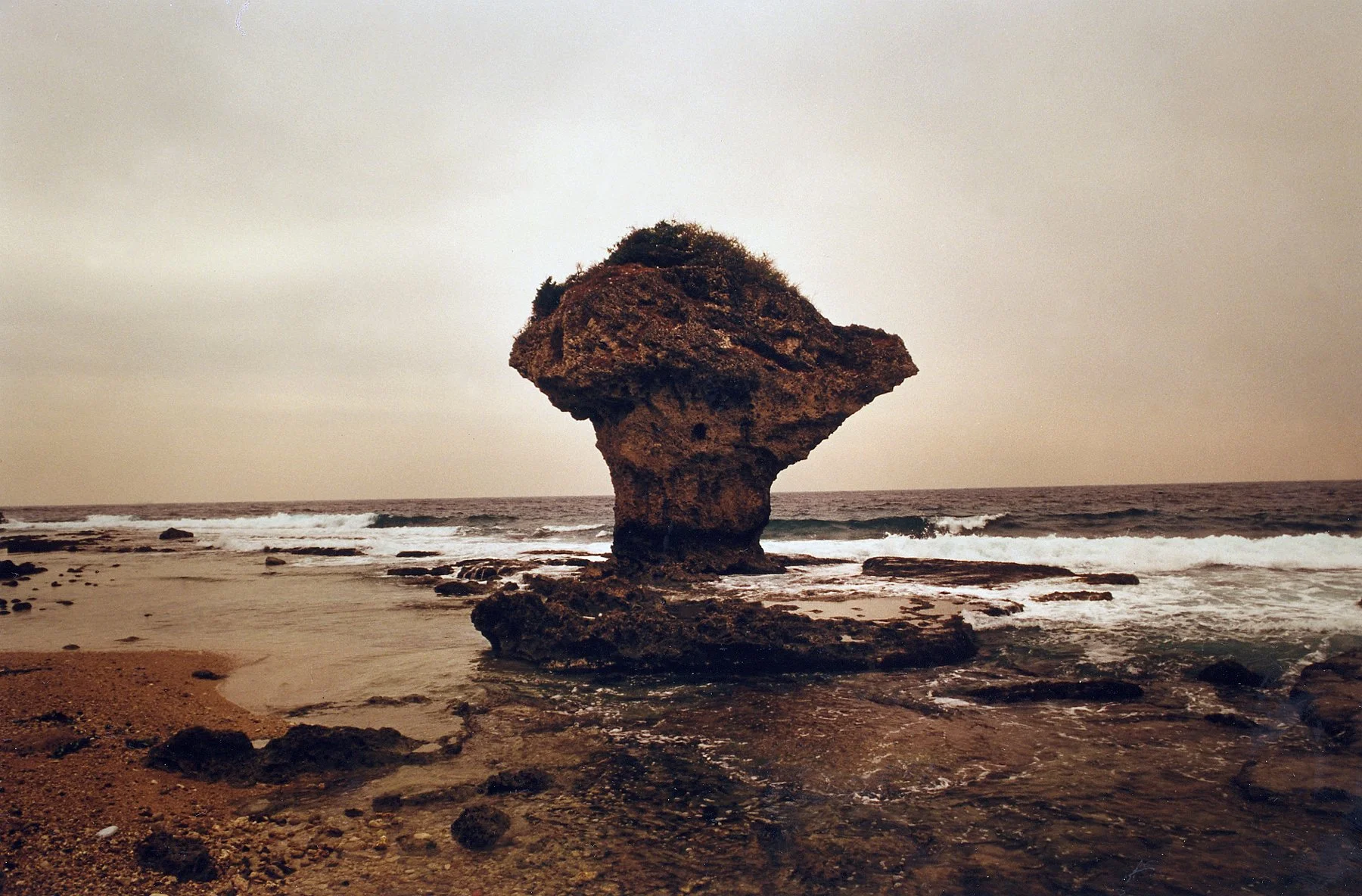
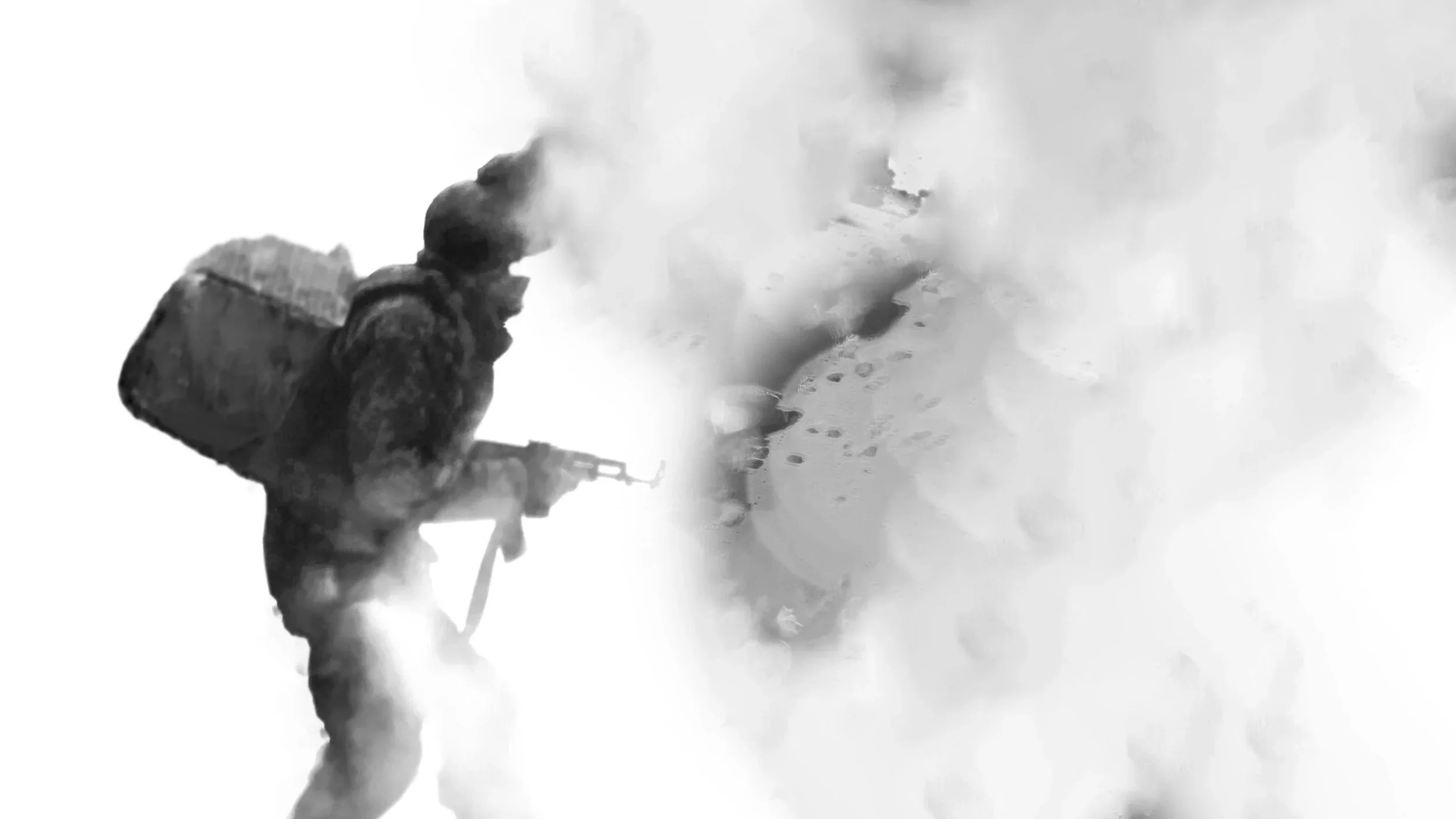
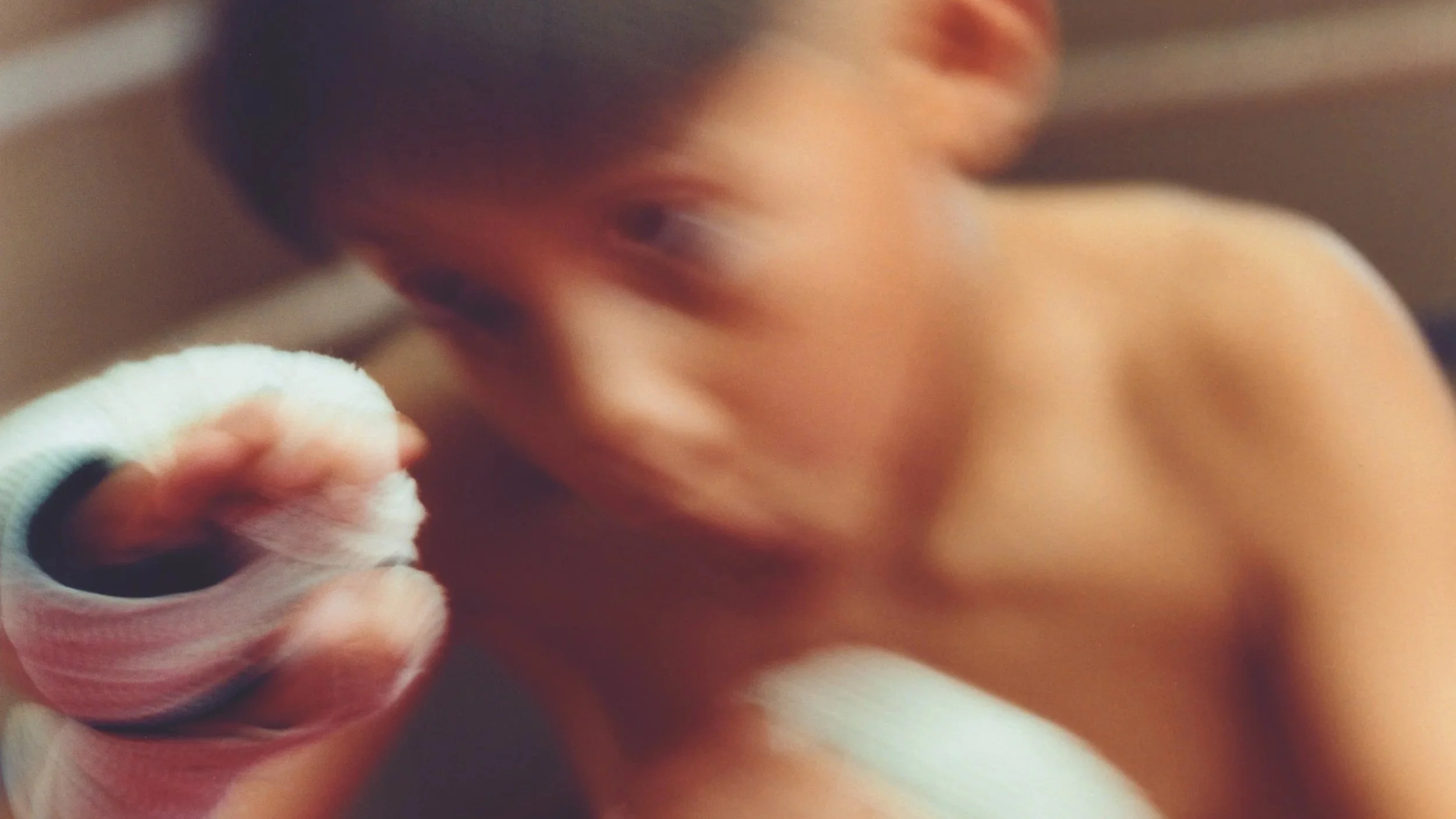
In Bloody Moon, Keiko Nomura tries to photograph something invisible: memory, emotion, and the atmosphere of a place. She began the project after years of travel, returning to the landscapes that shaped her childhood imagination. The book moves between Okinawa, Taiwan, India, and Tokyo, blending portraits, colors, and moods in a way that feels personal and poetic. It is not a typical travel book. It is more like a quiet diary of dreams and questions.
How do you photograph something you cannot touch?
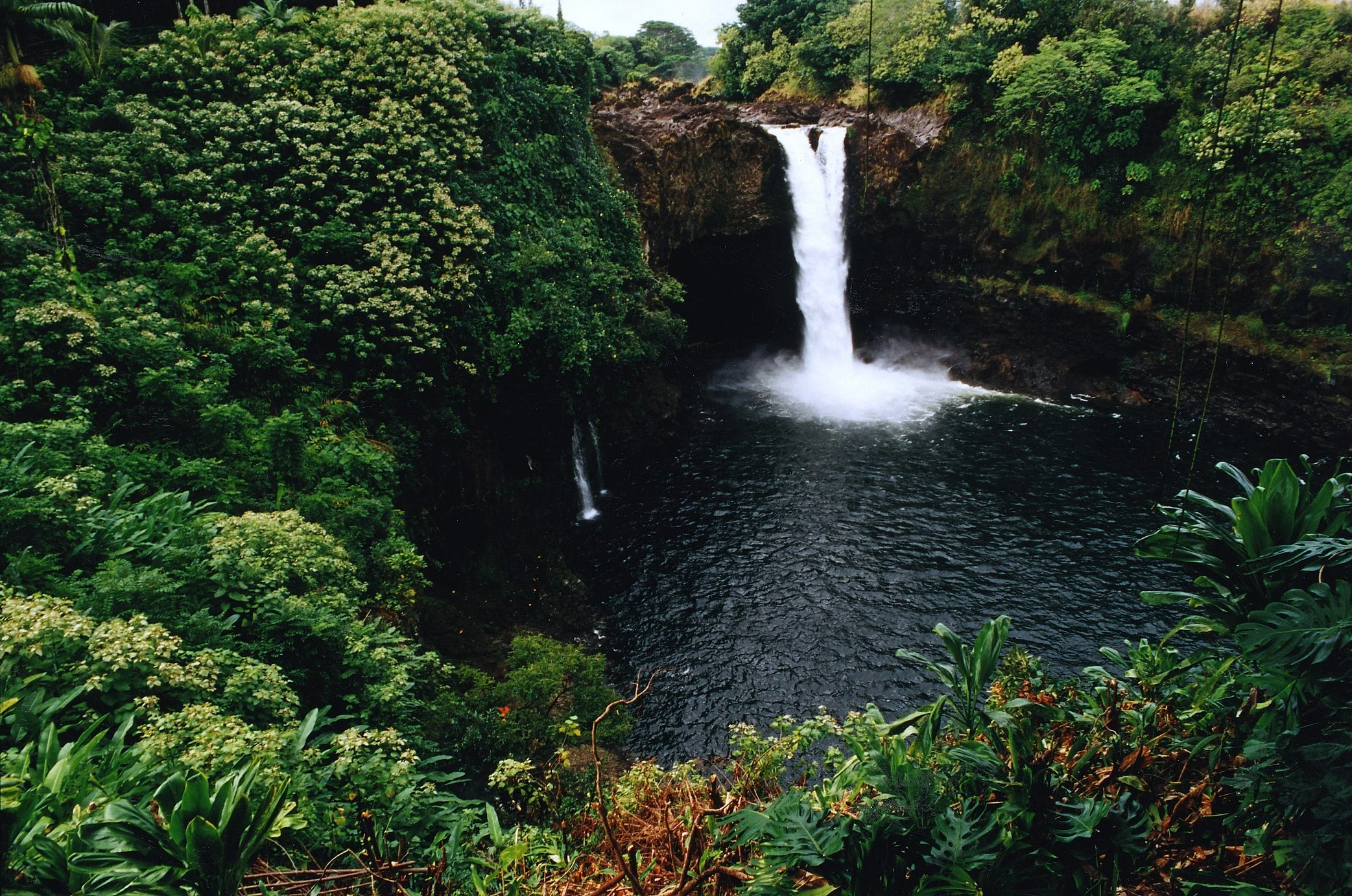
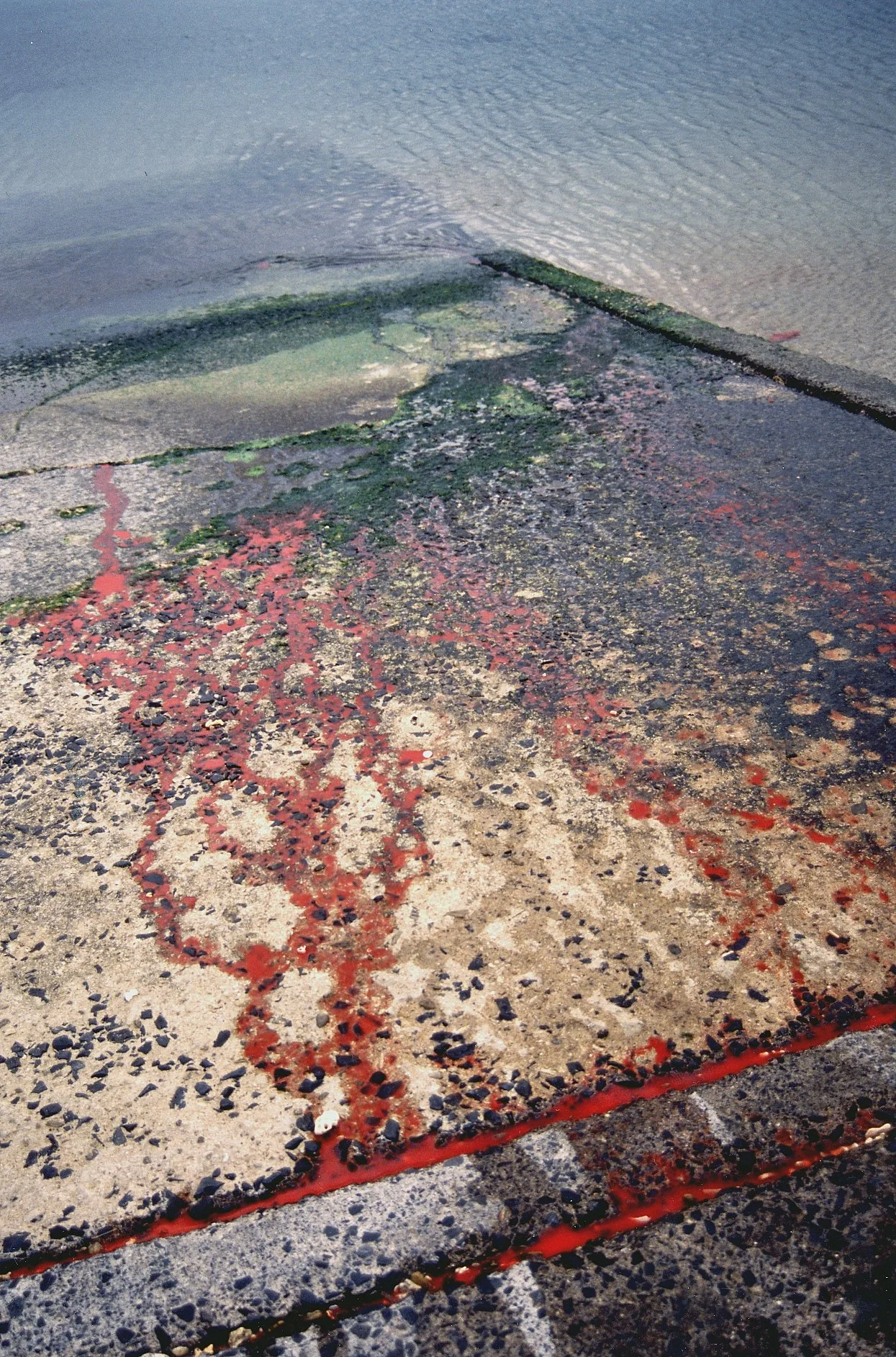
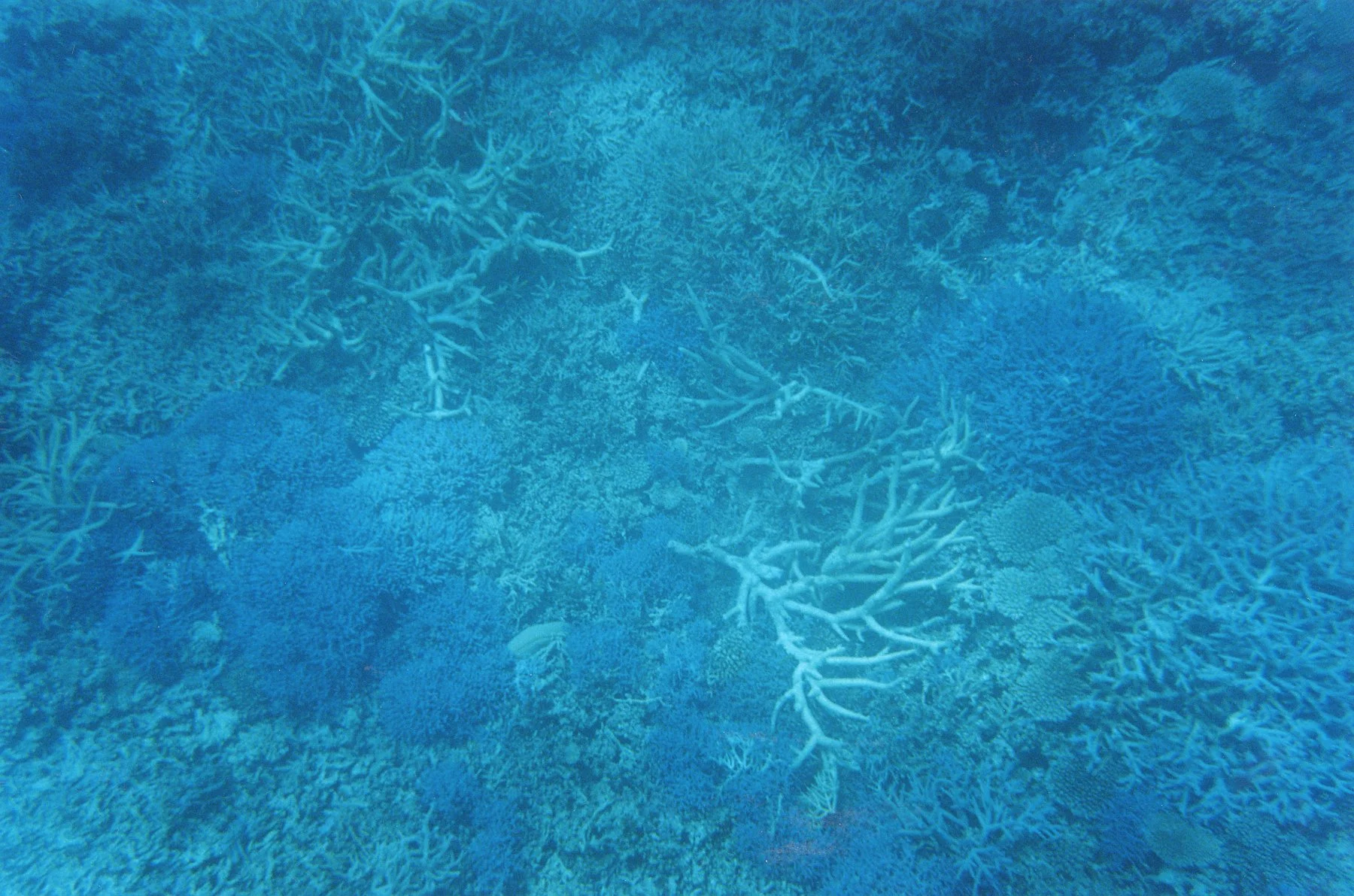
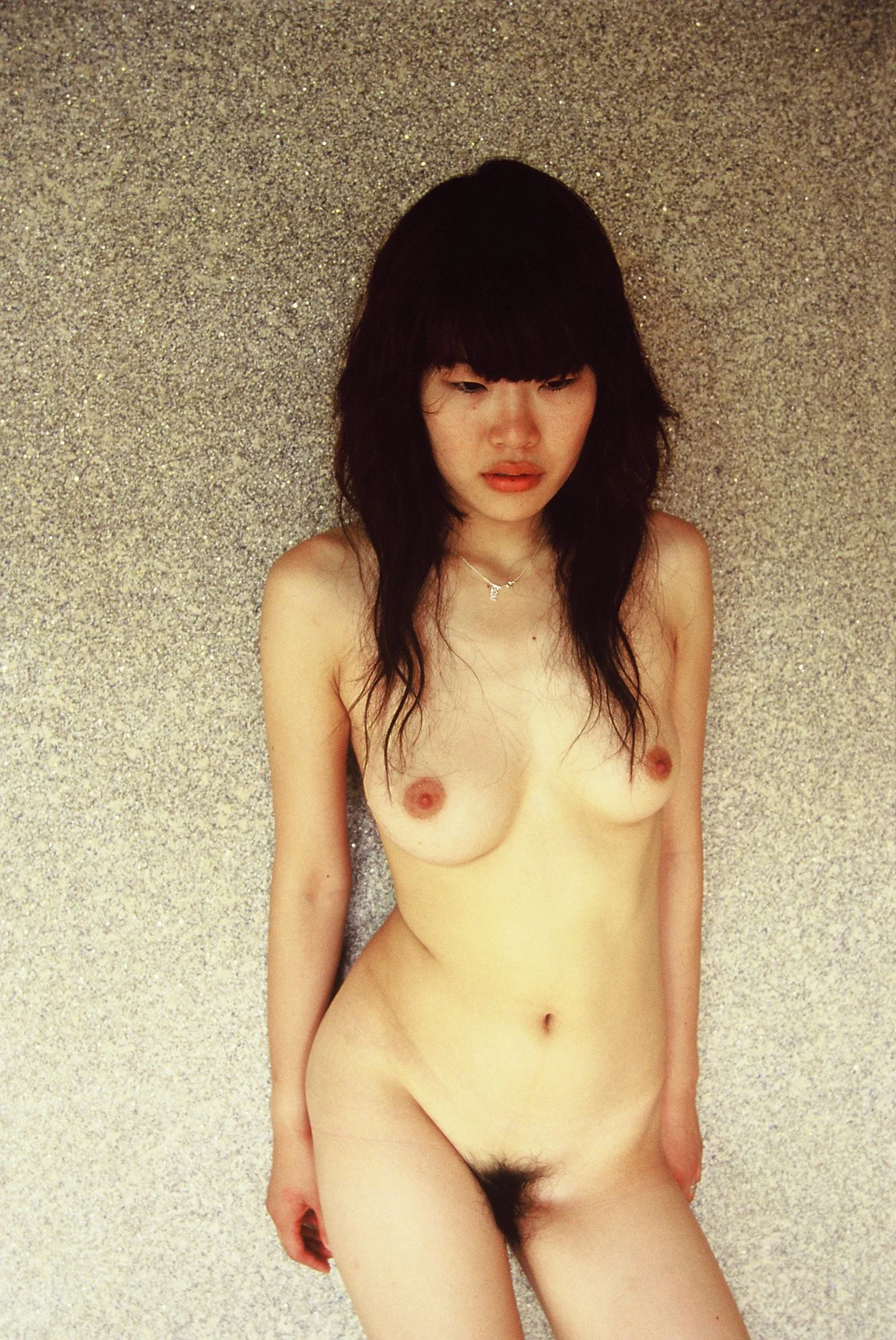
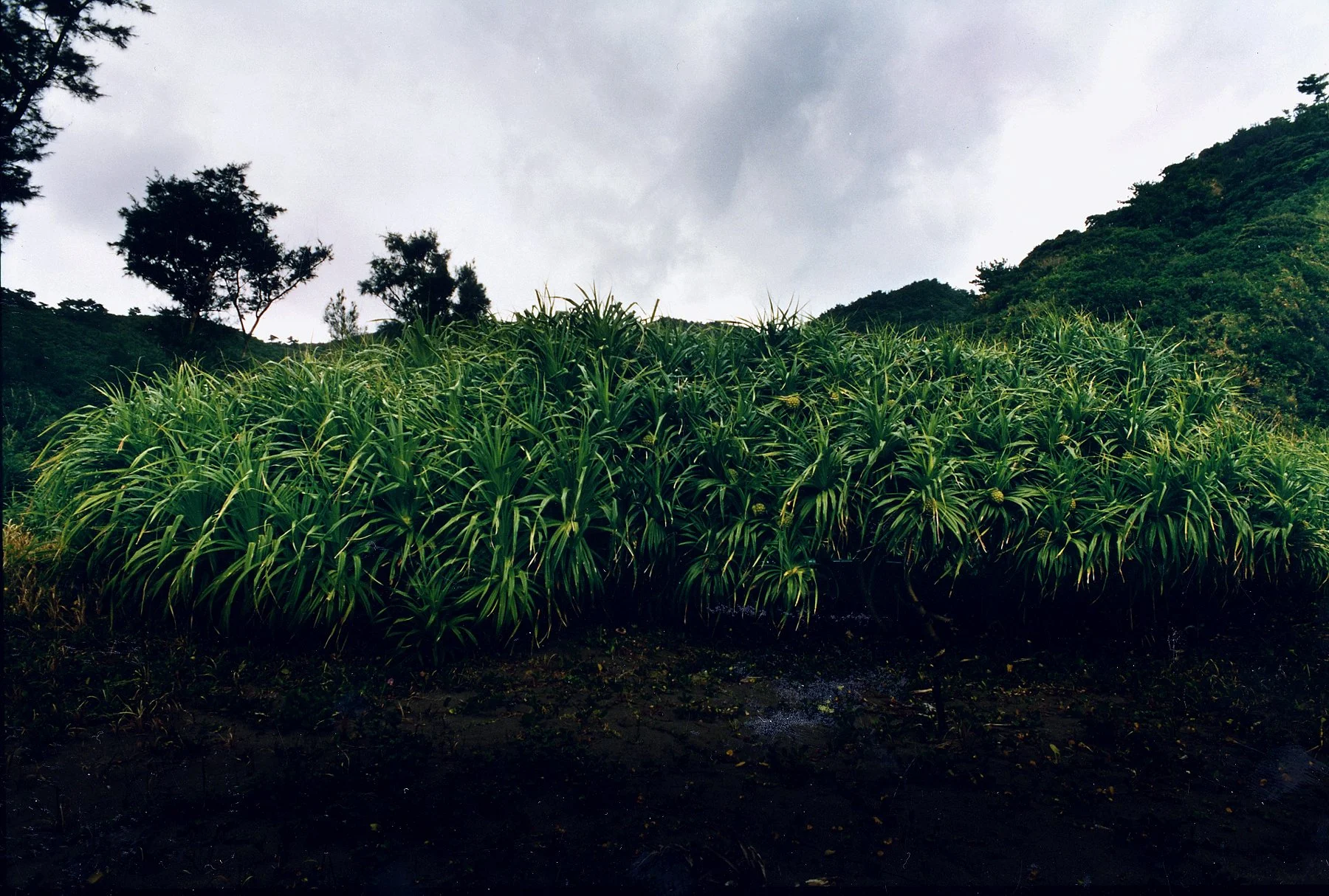
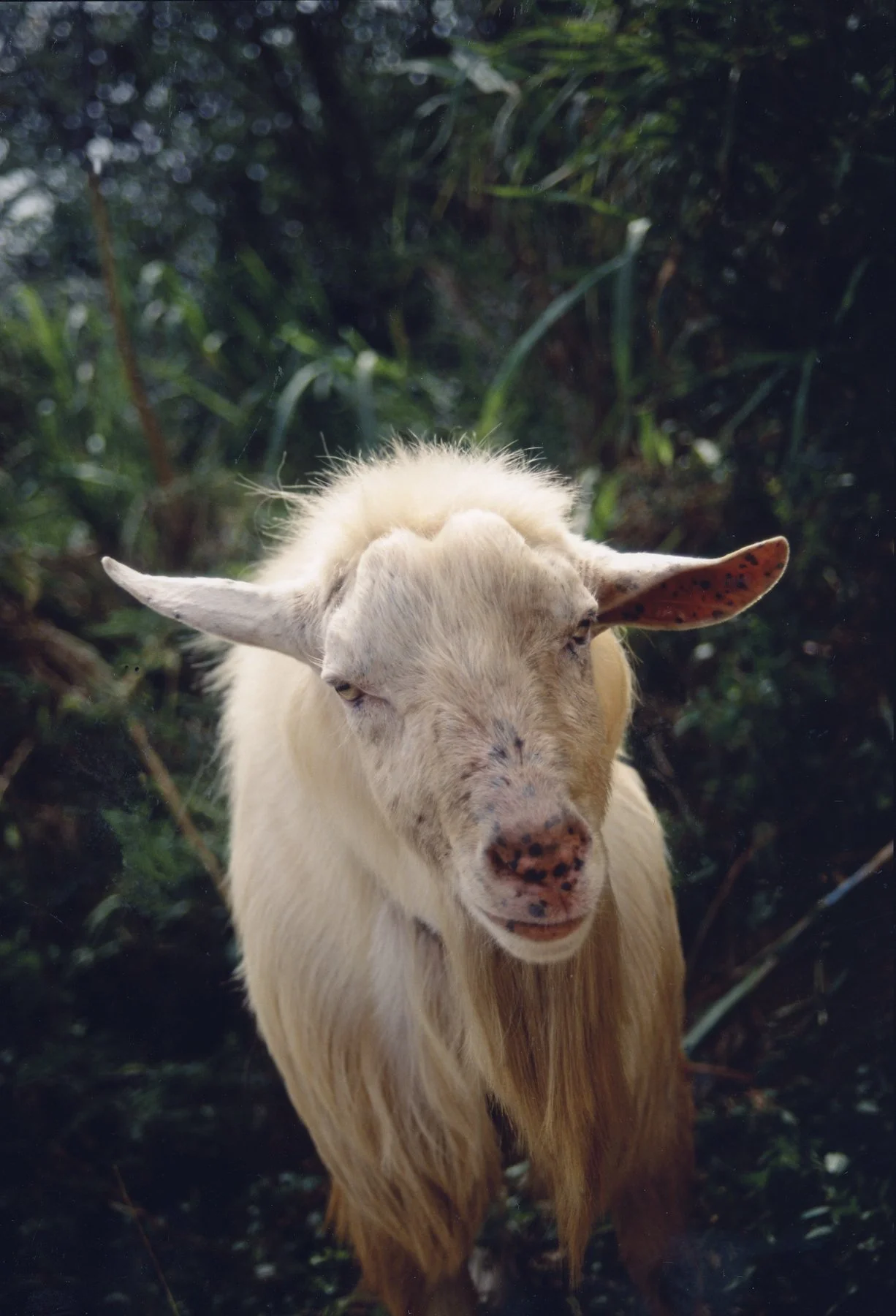
Nomura uses natural elements like water, the cycle of seasons, and soft light to suggest what words cannot explain. The work was shot entirely on film, with colors carefully chosen to reflect emotions: red for life, blue and green for spirit. She connects everyday scenes with deeper symbols of womanhood, nature, and transformation. Even city images are tied to the sky and the passing of time.
Bloody Moon is a story about remembering, feeling, and finding beauty in what cannot be seen.
The Book
Bloody Moon is a photobook by Japanese photographer Keiko Nomura, first published in 2006 by Tosei-sha. The project began after her widely praised debut Deep South, which focused on Okinawa. In Bloody Moon, Nomura continues her journey further south, traveling through Okinawa, Taiwan, India, and back to Tokyo.
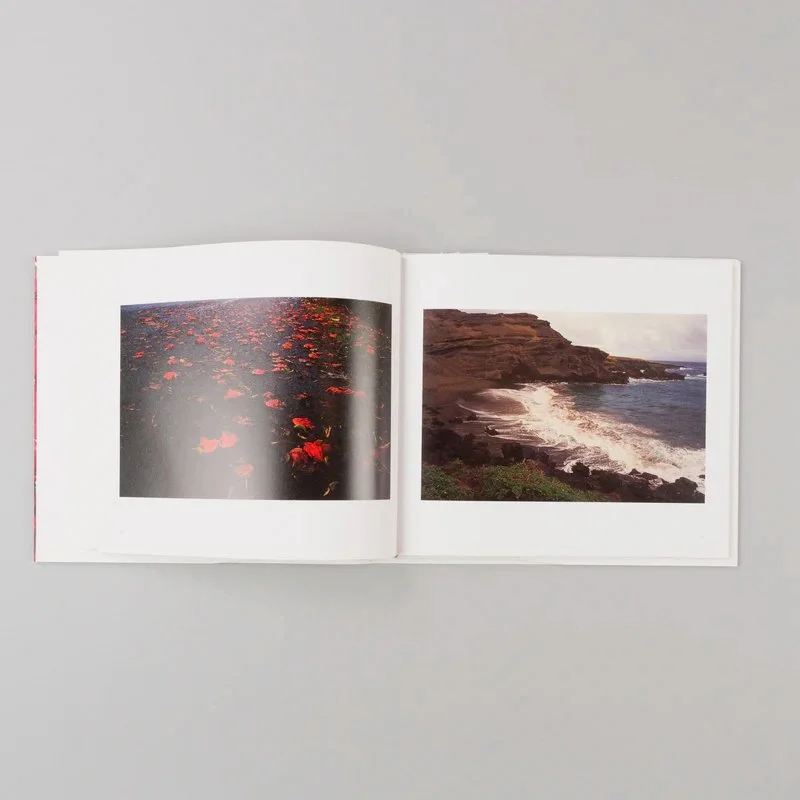
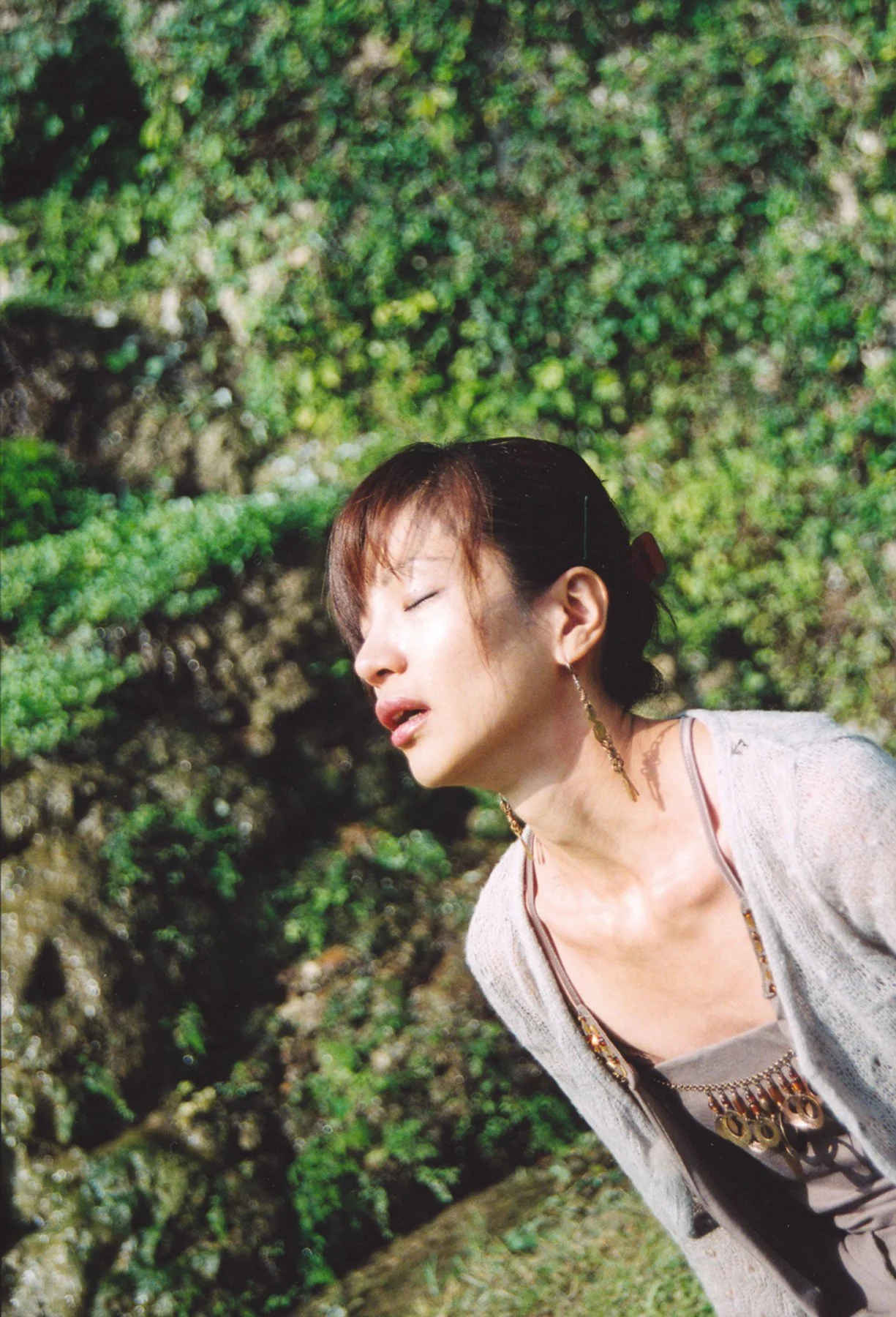
The book brings together color portraits, landscapes, and symbolic scenes that reflect her personal memories and emotions. Shot entirely on film, the photographs often use natural elements like water, light, and sky to explore larger ideas about identity, femininity, and the passing of time.
Bloody Moon is not a traditional travel documentary. It is a poetic and emotional work, shaped by Nomura’s search for meaning across cultures, places, and memories. The book has become one of her most recognized works and marked a turning point in her artistic journey. (Tosei-sha)

Overview of the project: What inspired you to create Bloody Moon, and how did the idea of exploring four mental images evolve across your travels in Okinawa, Taiwan, India, and beyond?
I published and presented my debut work, Deep South, which was based on the theme of Okinawa. For a new photographer, it was very widely accepted and highly praised. However, after that, I was unsure about my next project. It took me a long time to put together my next work after a long period of travel, and six years passed before I finally published Bloody Moon. The concept behind this work was to continue my exploration journey, which had begun in Okinawa, further south and deeper. I travelled from Okinawa to Taiwan and India, then back to Tokyo. It was a journey to explore the image of southern lands in my mind.
Memory and roots: This book revisits landscapes tied to your grandparents’ origins. How did returning to these childhood-influenced places shape the emotional tone of your images?
My grandparents were immigrants from Okinawa to Osaka, Japan. When I was a child, their language and daily customs seemed foreign and strange to me, but as an adult I travelled to Okinawa and came to recognise that they were rooted in the unique southern culture, traditions, and customs. I also began to think about the influence of the land on people. In other words, the relationship between the climate, terroir, and the residents. I came to believe that the native land climate, that is, the natural environment of the land, influences the culture and customs of the people.
Mental images in photography: Bloody Moon is built around “mental images that elude manifestation.” How do you translate intangible moods or feelings into concrete photographs?
Mood and emotion are invisible to the eye. But I try to find ways to express them in my photographs. I think it is important for people to have a story in each photograph and in each sequence of photographs. This does not mean explaining, but rather, whether or not it evokes a story for the viewer.
Balancing worlds: Your book includes exotic nature, intimate portraits, eroticism, and urban scenes. How did you decide what to include in each sequence to maintain a cohesive poetic flow?
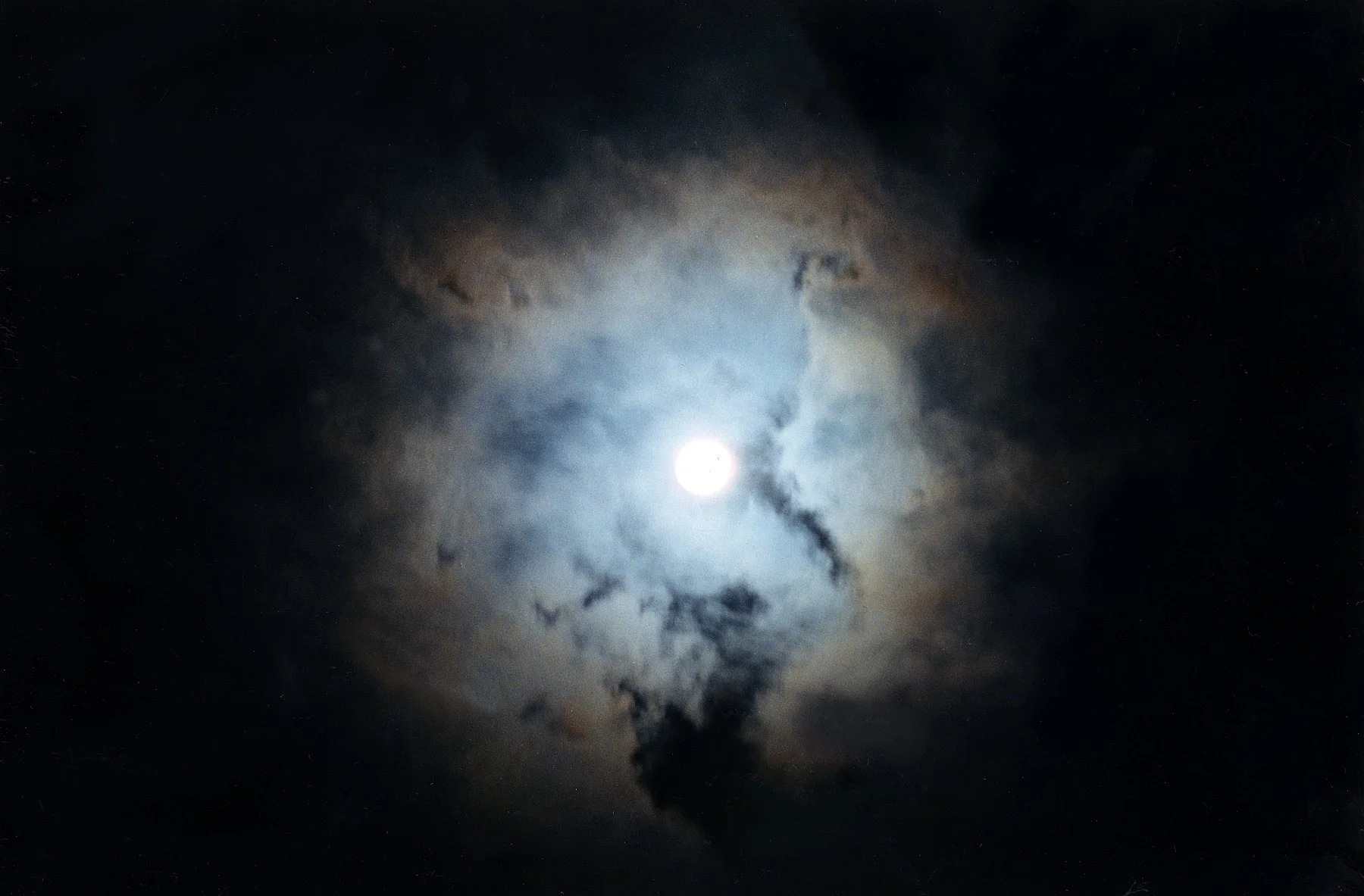
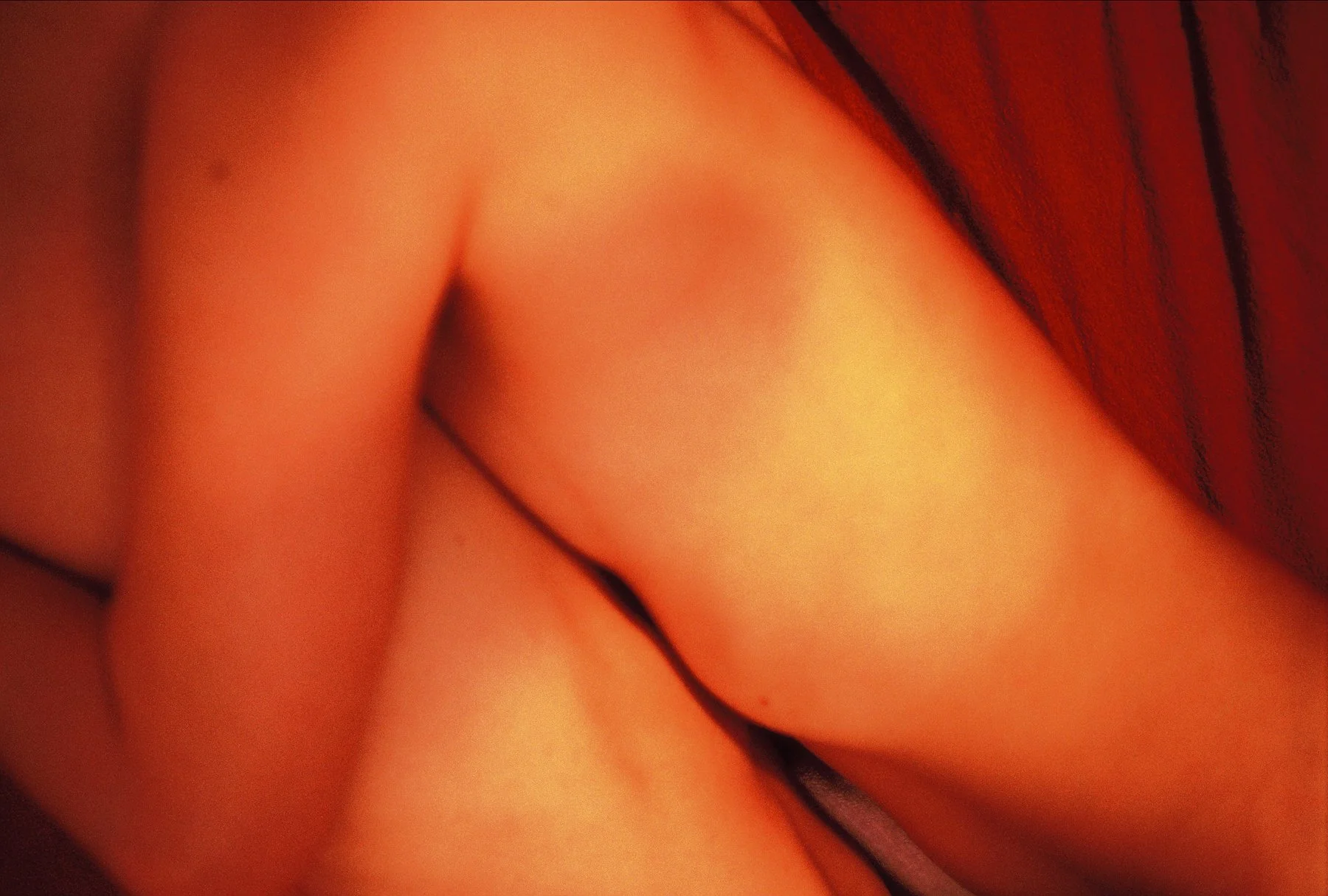
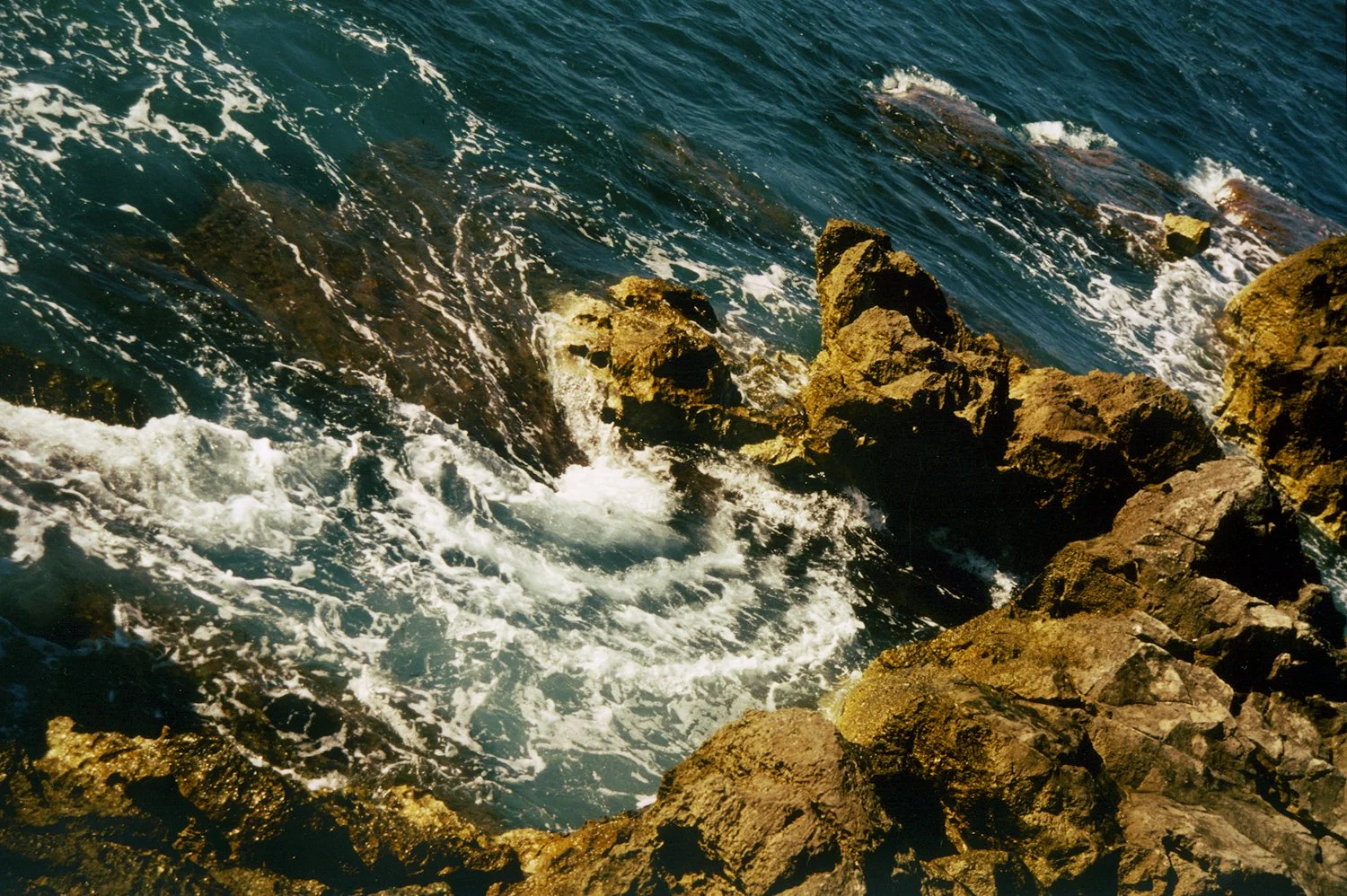
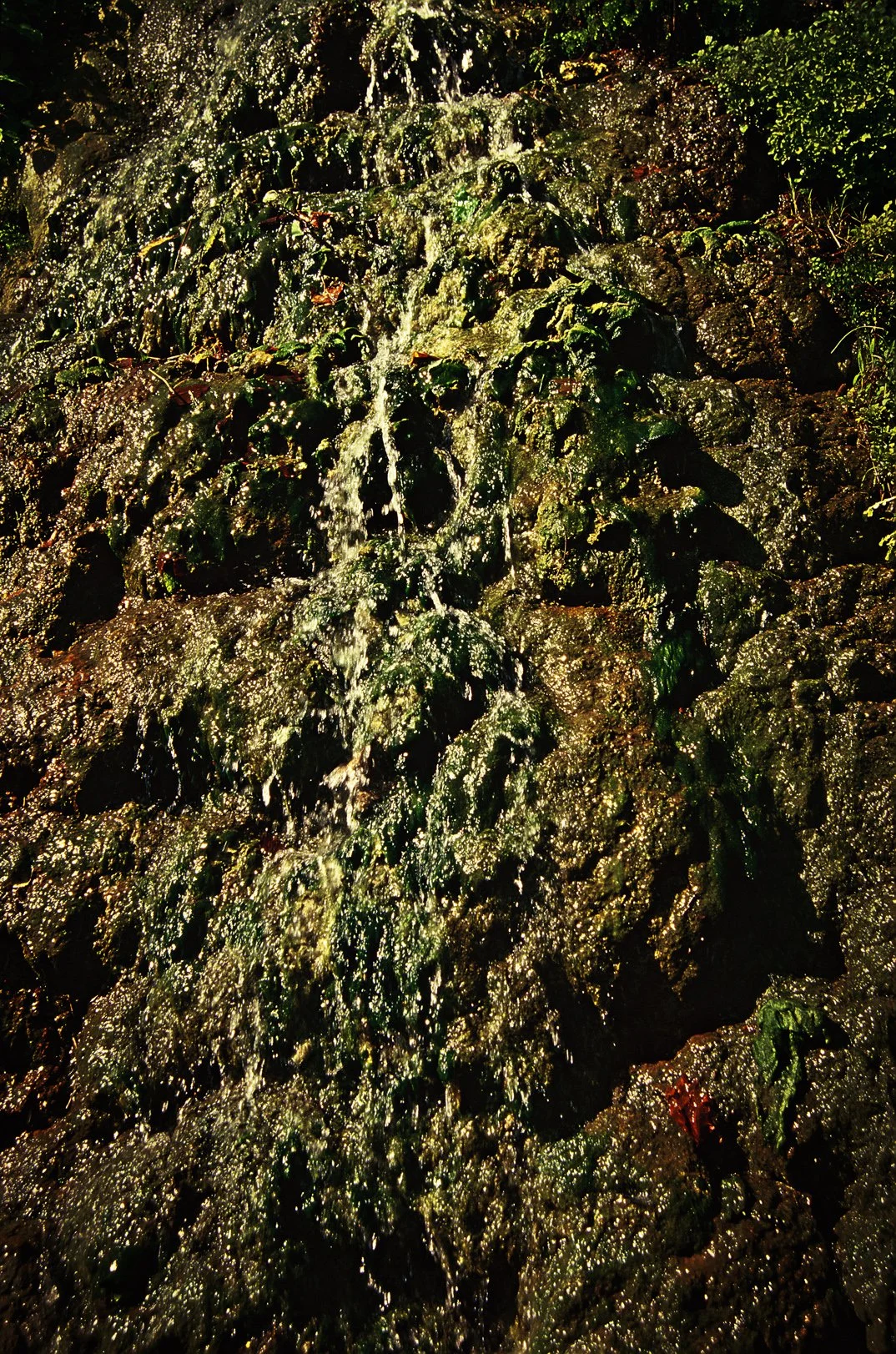
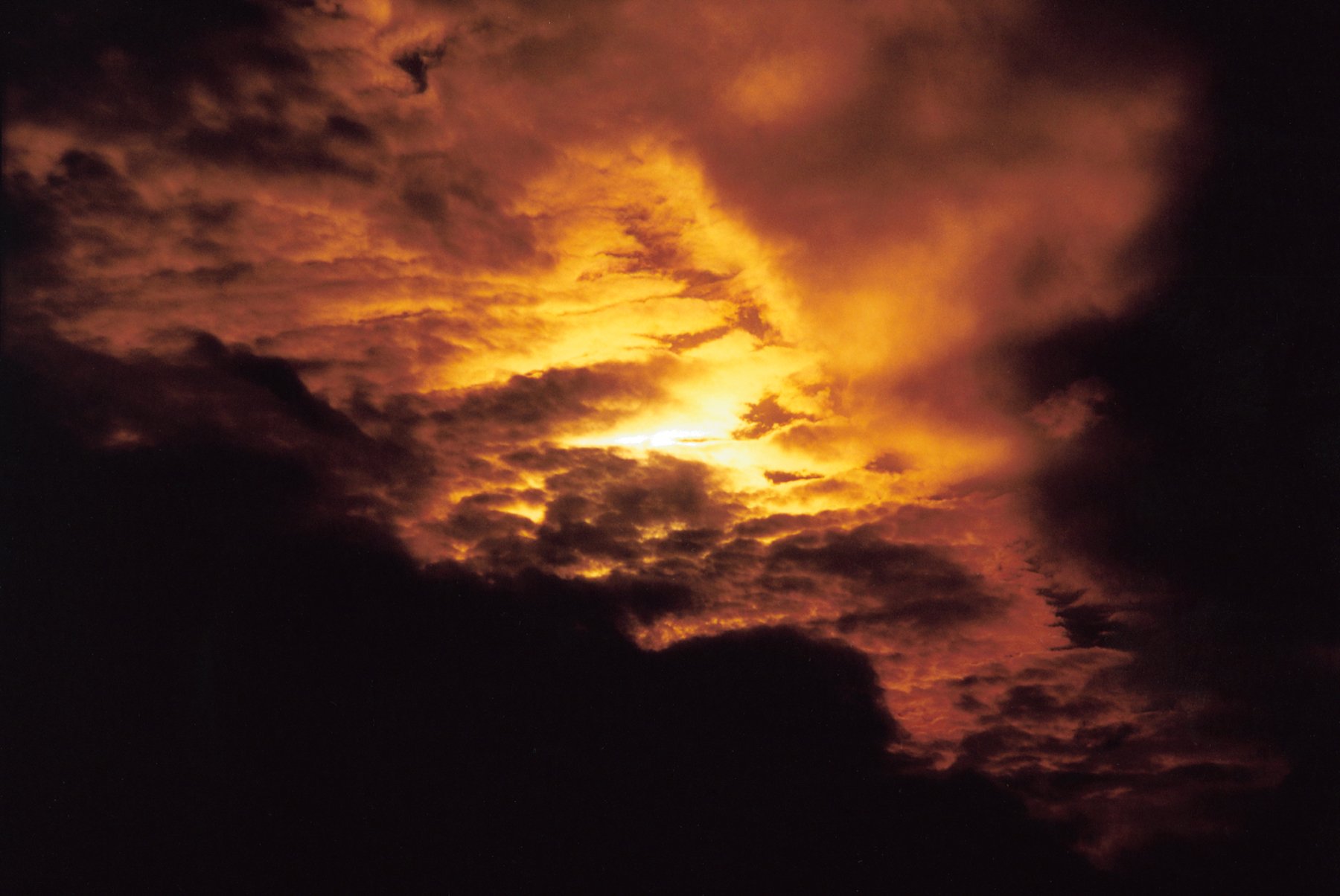
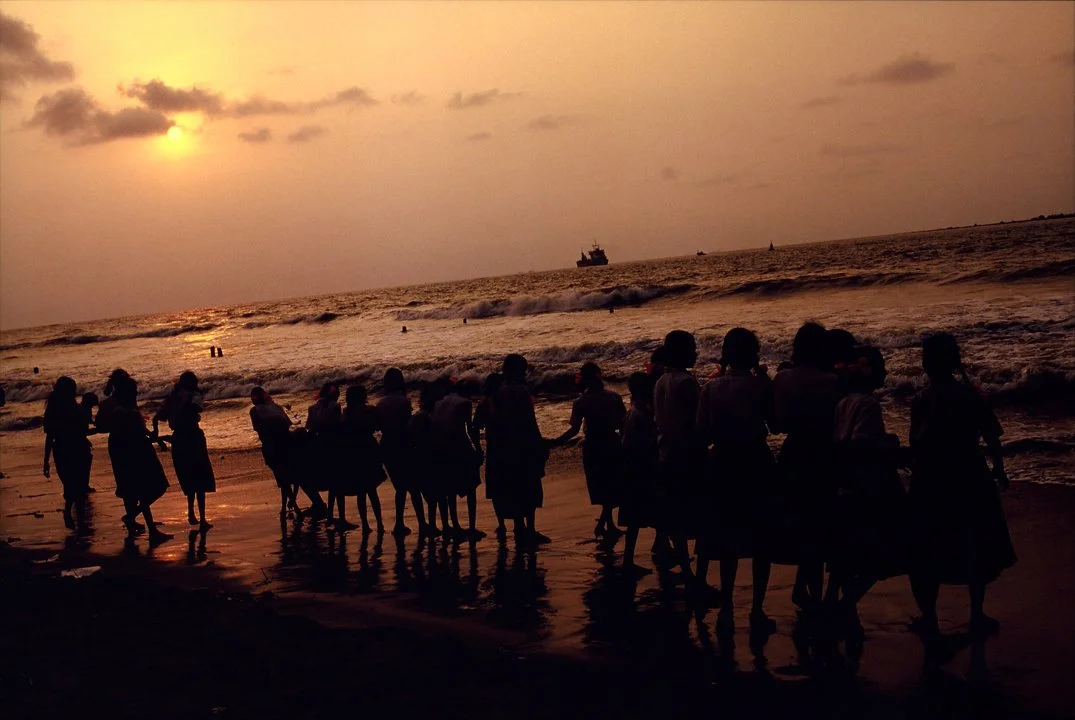
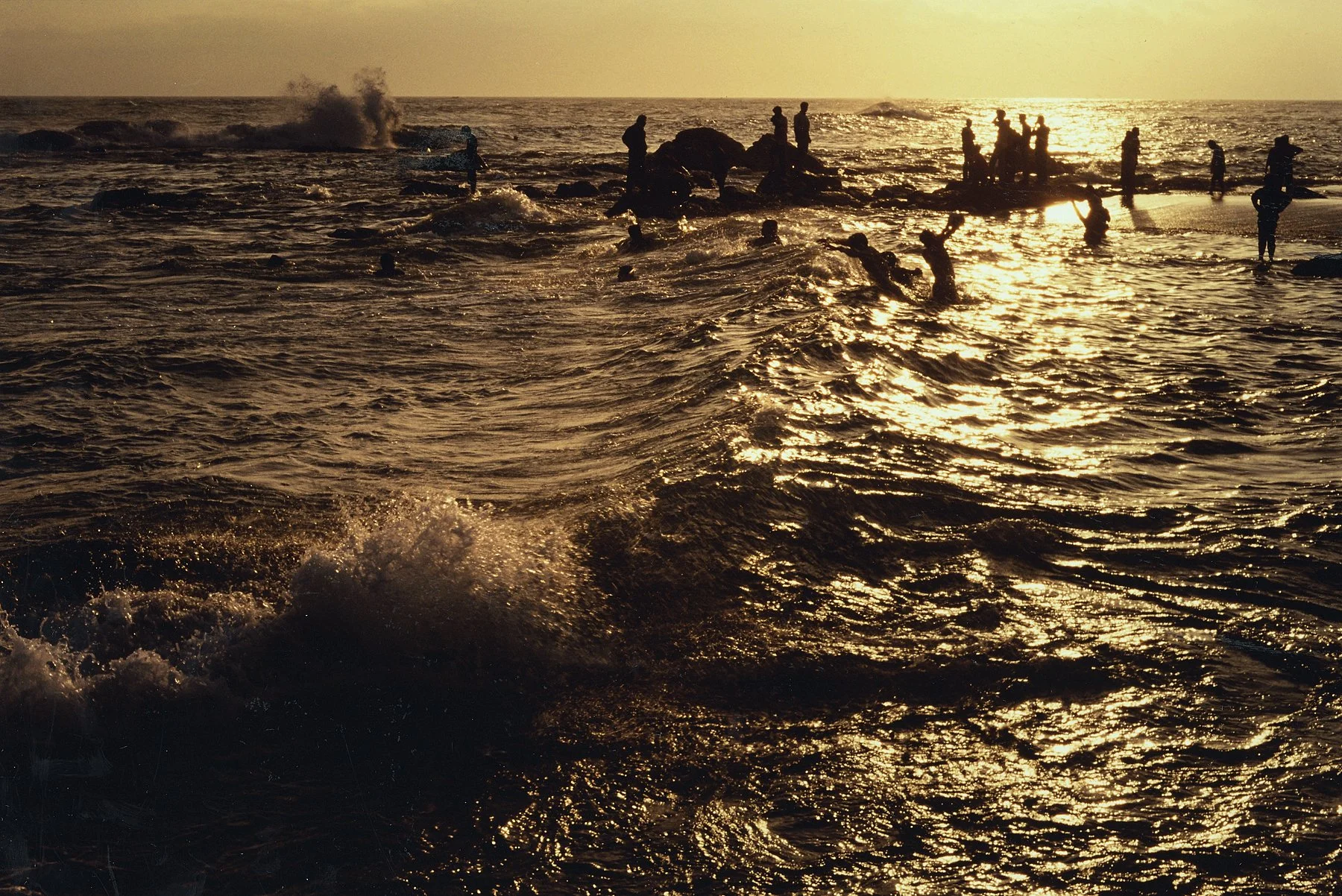
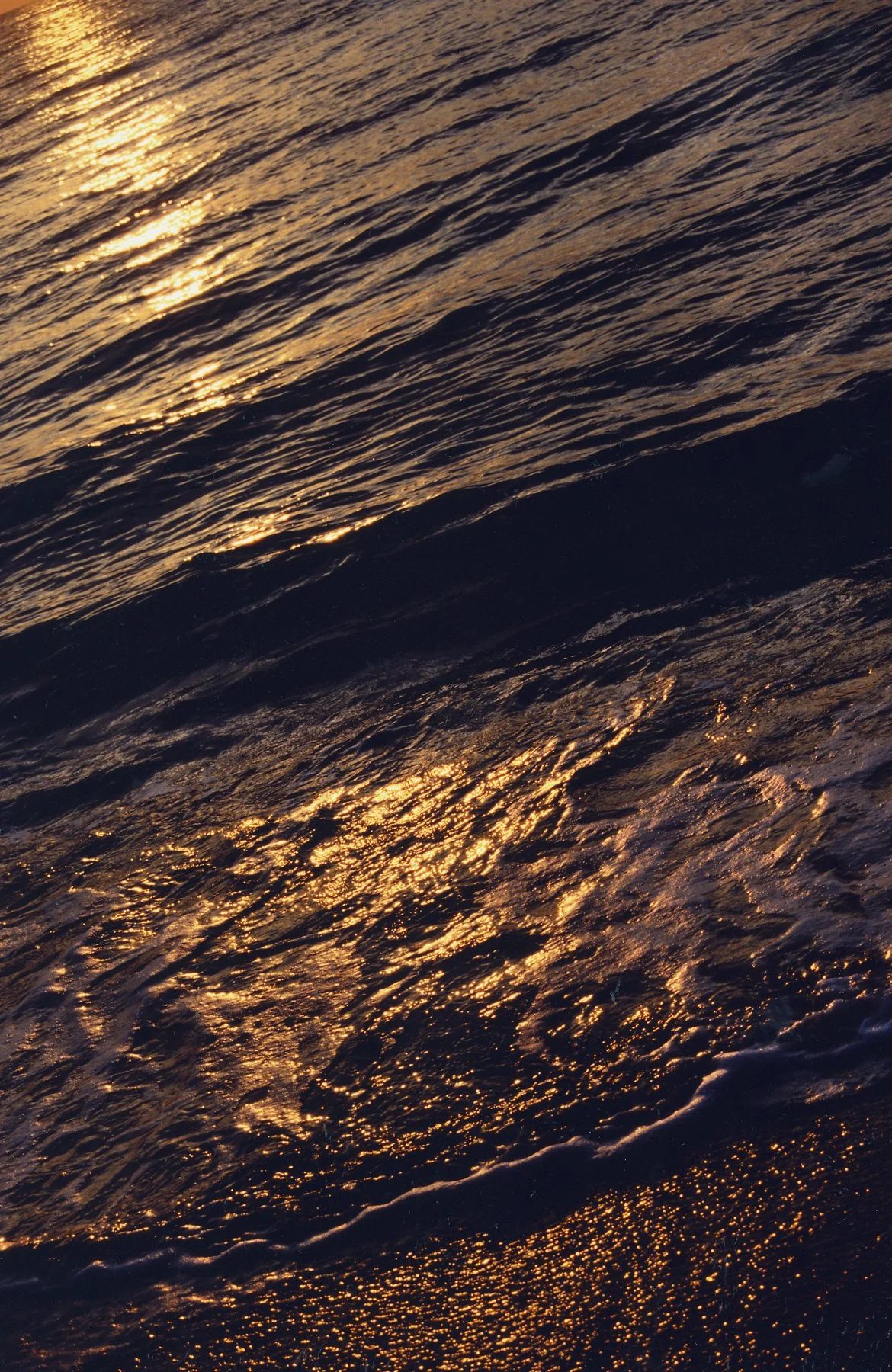
The images of water are integrated to create a flow in the sea sequence. Water rises into the sky, becomes rain, moistens the forest, becomes a river, and returns to the sea. I consciously incorporate the images of this cycle into my work. I entrust the image of human life to an erotic and realistic portrait of a woman. Even though there is not much nature in the city, if you look up, you will see the sky. I entrusted the image to the sky and the cycle of the seasons.
Use of colour and atmosphere: Your vibrant palette creates dreamy, emotional atmospheres. How do you use colour as a storytelling tool, and what should photographers keep in mind when working with colour mood?
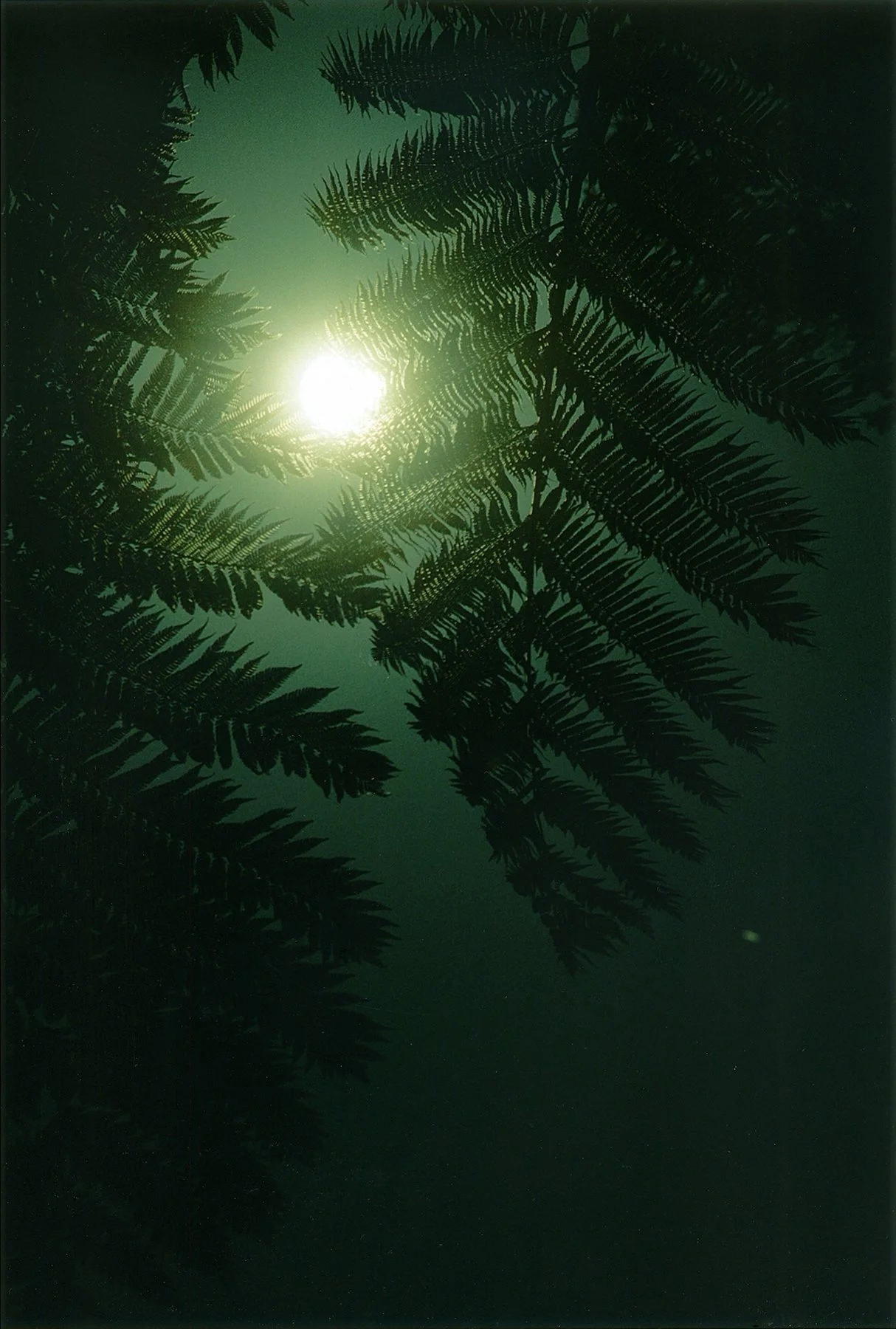
I was not motivated to create any exceptional colours for my work, but I did lean toward warmer colours throughout. Since “Bloody Moon” was shot entirely on film, I used Kodak film of the time. I am perceptive of the colour red as a symbol of life. I am also reflecting blue and green as objects of life, which appear alternately in the sequences. I think it is important to create a sense of unity in the overall colour mood.
Advice on conceptual travel photography: For photographers seeking personal narratives through travel, what advice would you give on integrating memory, emotion, and location?
The expression is crucial for creating your own stories and thoughts in your work. Is it a story, tale, or narrative? Where is the central focus of the story? I believe this is also important. Additionally, having deep thinking will help you notice more signs while travelling.
Water and transformation: You’ve written about floating free in water, the idea of “running across the sky, bloodymoon.” How does the element of water guide both your creative process and thematic vision?
Water is still an essential theme/vision in my work. For example, I think of the body as a glass and the soul as the water in that glass. If the container breaks and the water spills out, the water will evaporate and cannot be drunk, seen, or touched. But that water has not disappeared. It rises into the sky and becomes clouds and rain, and goes on an endless, great cyclical journey. In water, people are freed from gravity and human society and become one living organism that harmonises with nature. That is how I envision it.
Experimentation with materials: Your work often crosses mediums. Have you explored alternative printing or layering processes to deepen your visual expression, and what would you encourage others to try?
Basically, my target medium of expression is photo exhibitions and photo books, but recently I have been actively experimenting with video (including slide shows) and installations that also make full use of sound and lighting.

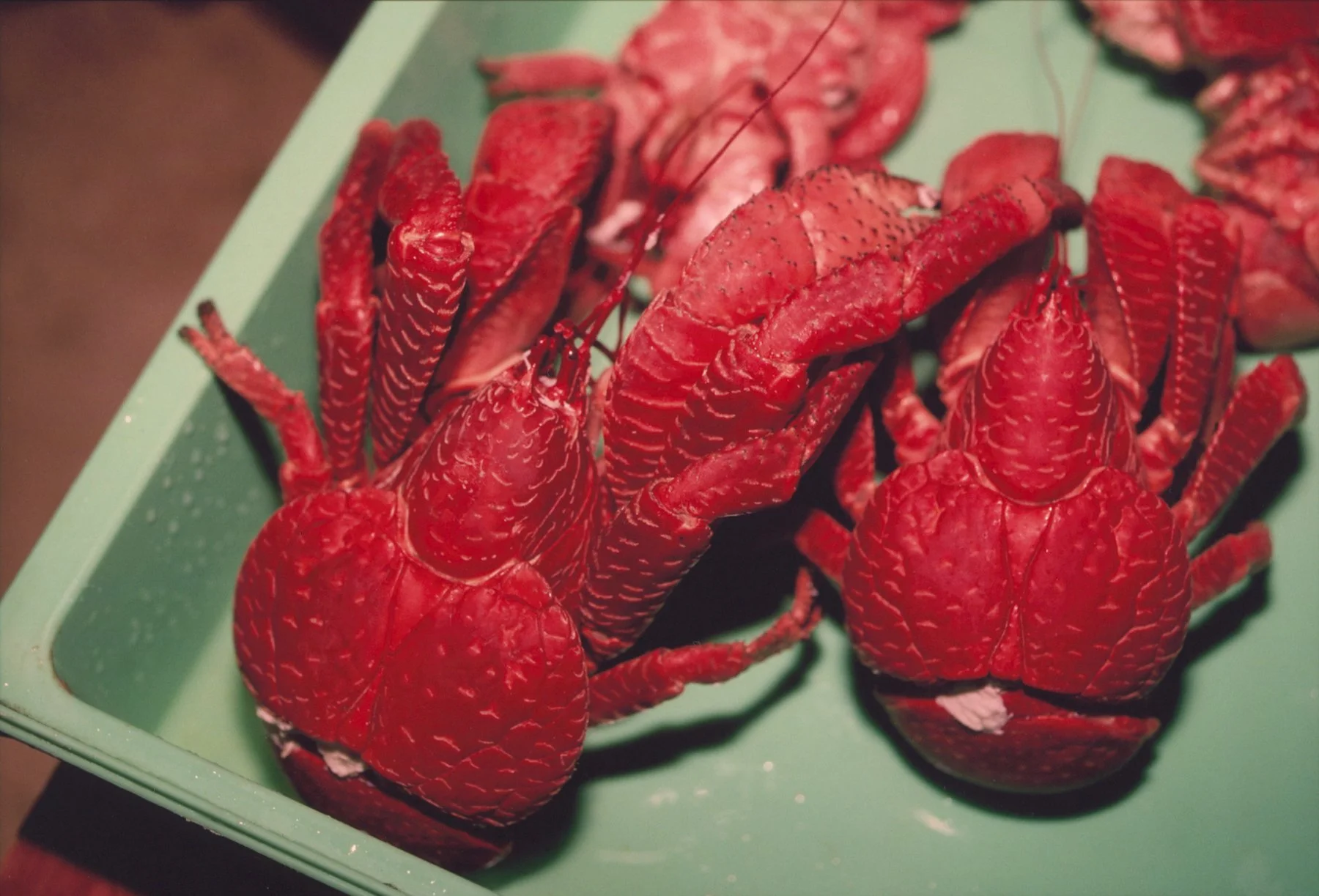
Looking back on Bloody Moon: Nearly two decades after its original 2006 publication, what resonates most with you today about this work and how has your relationship to its themes evolved over time?
Since Bloody Moon, I have continued to create numerous works. The locations have changed, and the themes have all been slightly different, but I believe that my base style of artistic expression was formed around the time of “Bloody Moon”. I think this means that my journey to explore something began around that time and continues to this day.
To discover more about this intriguing body of work and how you can acquire your own copy, you can find and purchase the book here. (Tosei-sha)
More photography books?
We'd love to read your comments below, sharing your thoughts and insights on the artist's work. Looking forward to welcoming you back for our next [book spotlight]. See you then!
Robin de Puy could no longer make this project alone. She first photographed Randy in Ely, Nevada, during a 2015 road trip and kept returning to him for more than ten years. Interviews