Inside the Shankill Through Julie McCarthy’s Camera
Welcome to this edition of [book spotlight]. Today, we uncover the layers of 'The Shankill,' by Julie McCarthy (published by Daylight Books). We'd love to read your comments below about these insights and ideas behind the artist's work.
Understanding the Shankill starts with hearing its people.
This is why Julie McCarthy spent five years returning to the same street, listening before photographing. Her project shows daily life that is often ignored when people talk about this place. By focusing on real conversations and small moments, she builds a picture that feels grounded and honest. The promise here is simple: this interview will help you understand what she saw and why it matters.
Julie’s work begins with one idea.
A community is more than its history of conflict. Her long commitment to the Shankill gives her a viewpoint that few visitors ever gain. By following her process, you can see how patience, trust, and time shape meaningful photography.
The Book
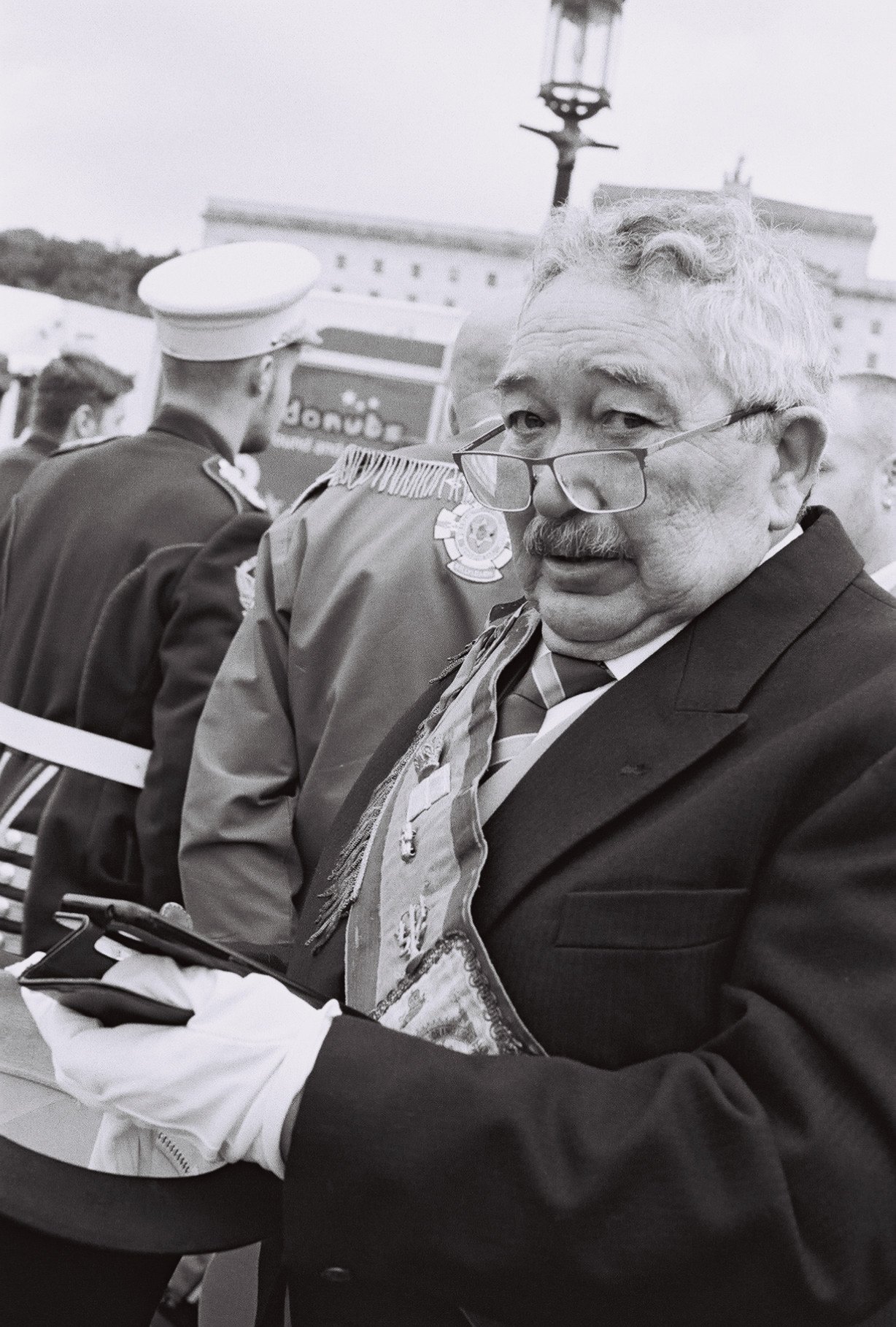
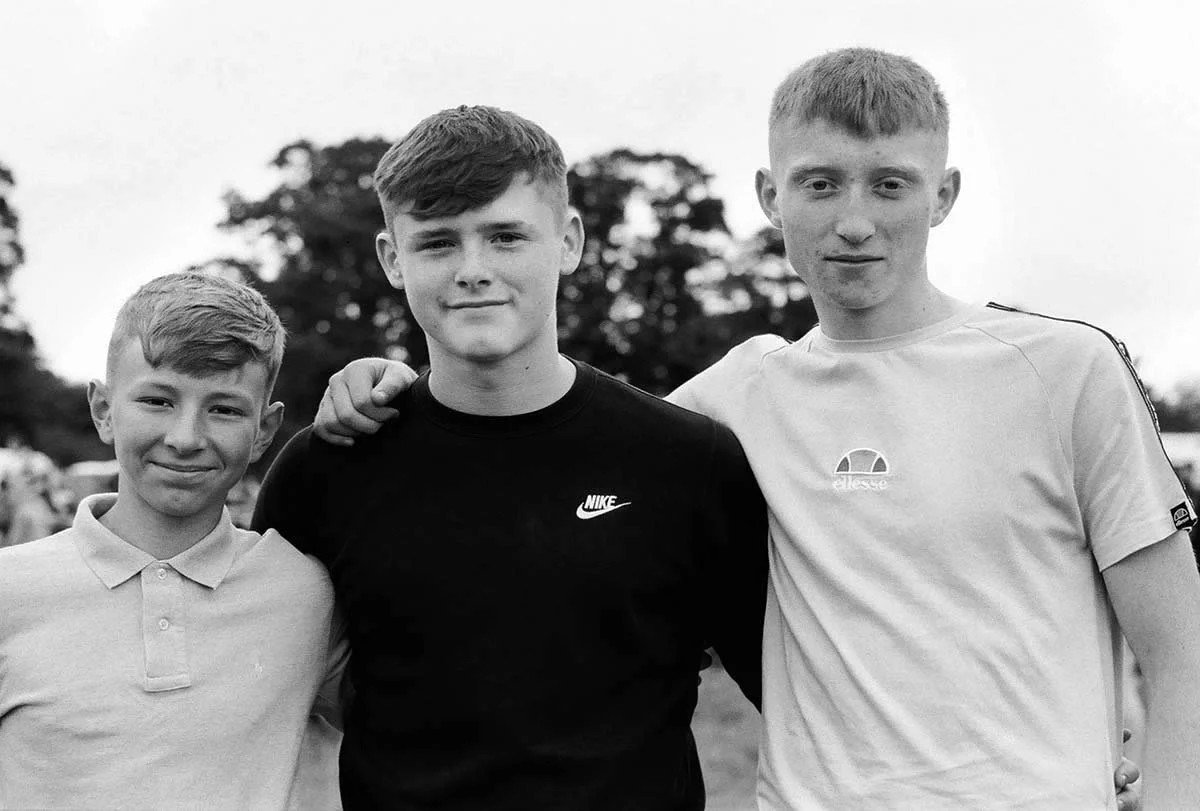
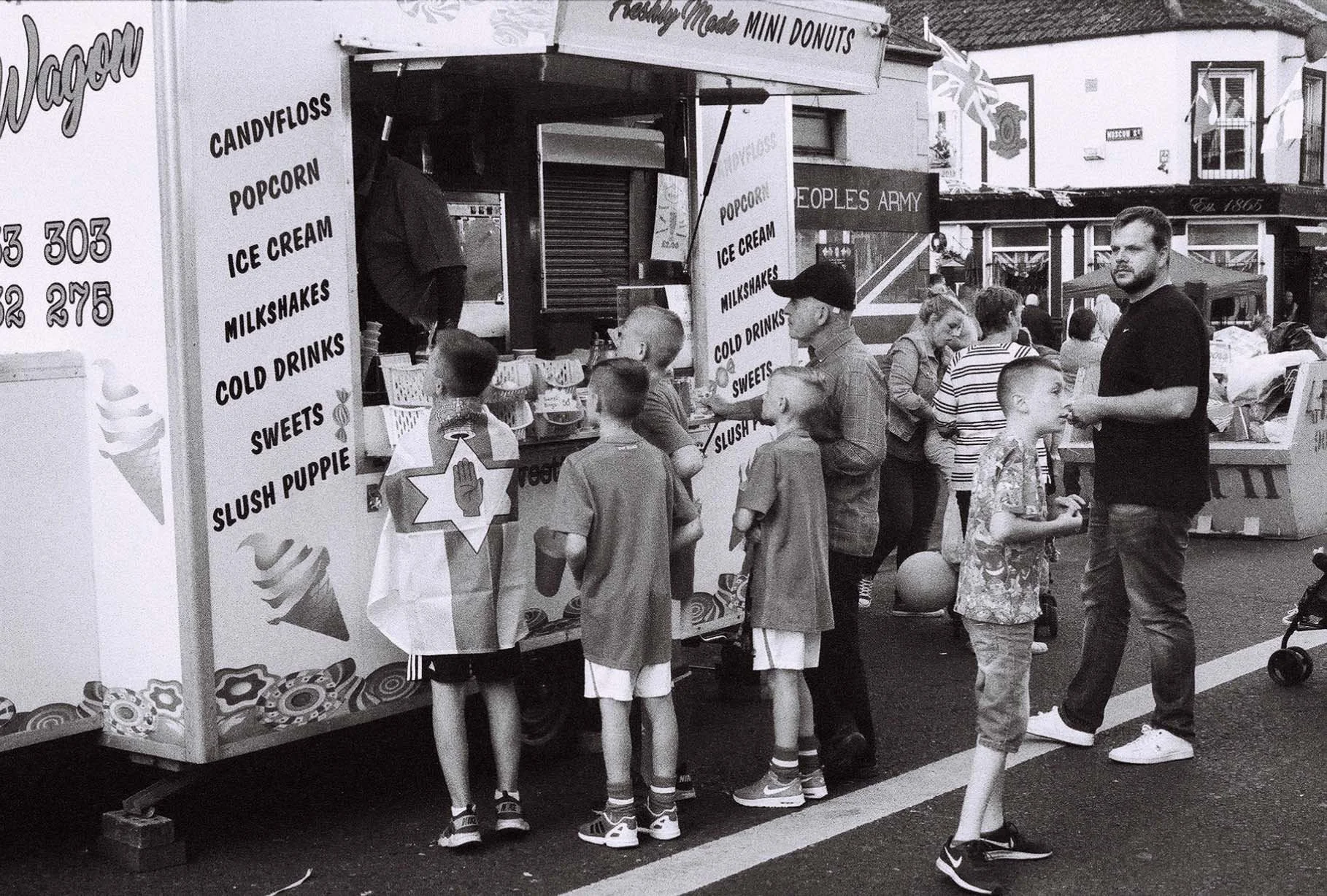
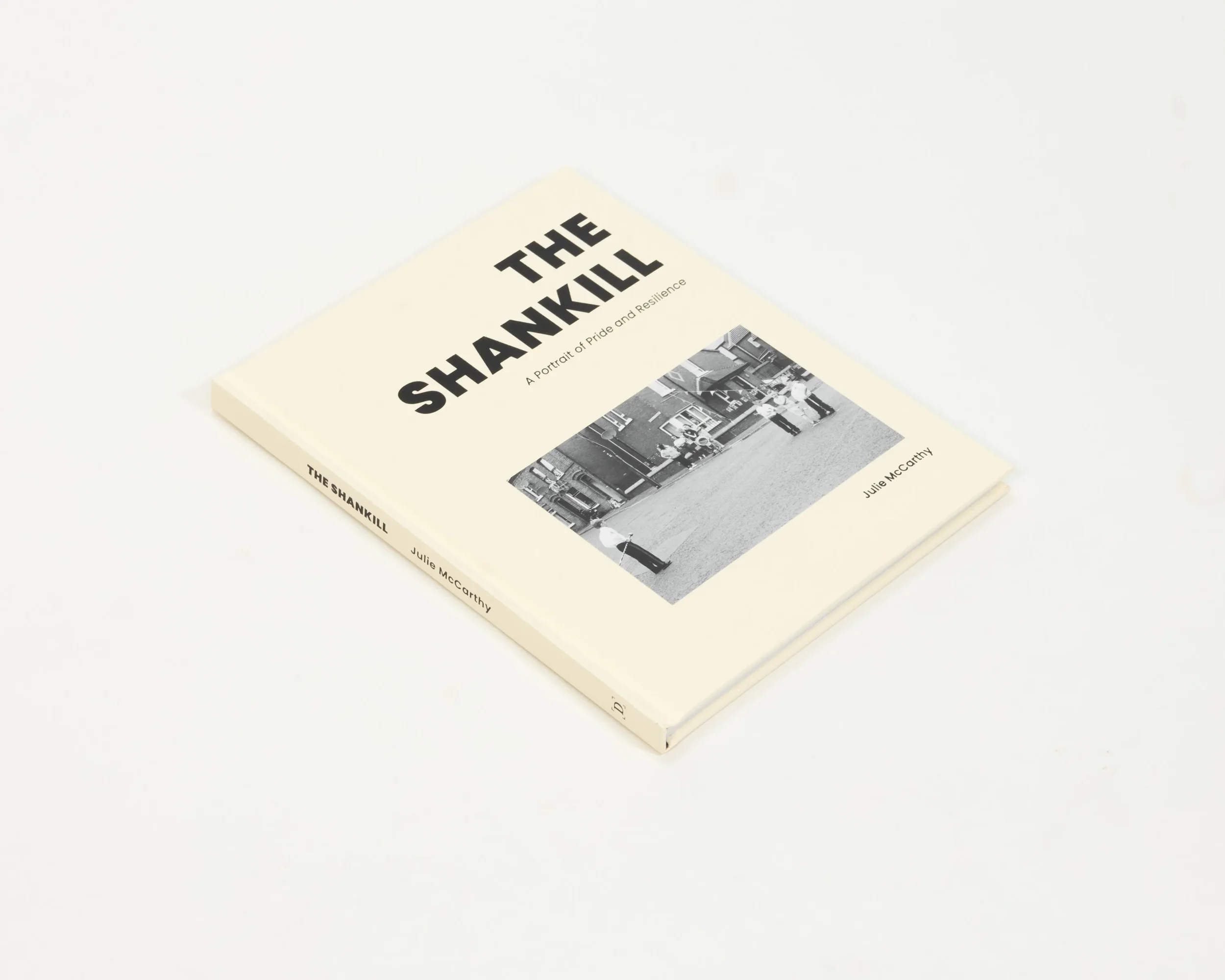
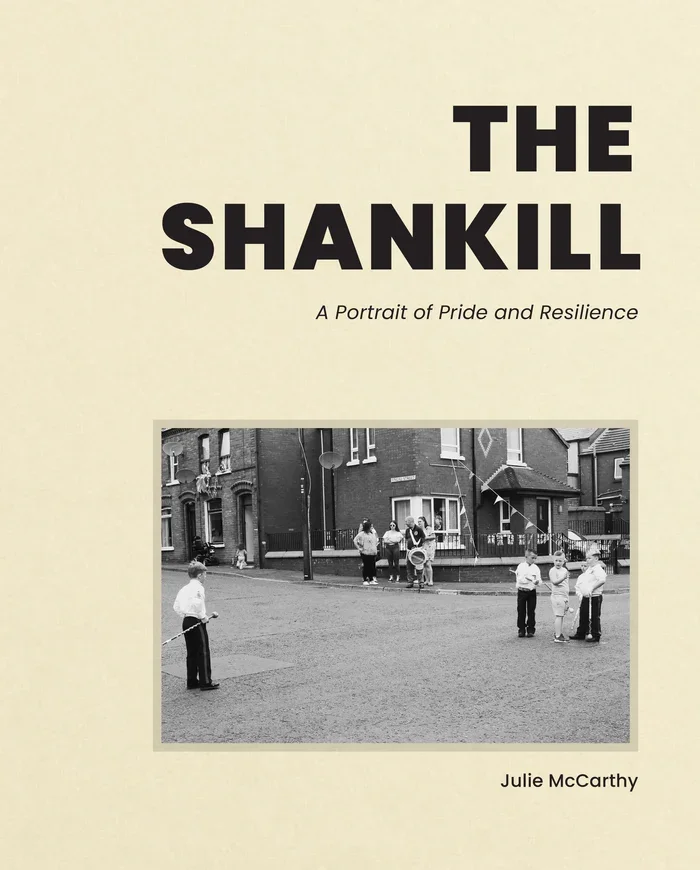
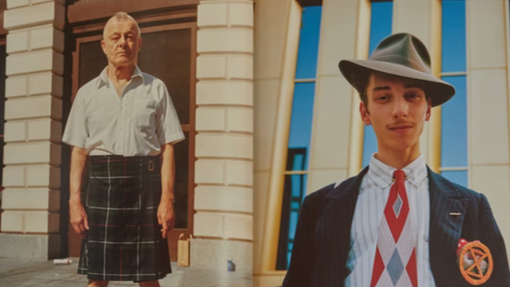
The Shankill is a long term documentary project that looks at daily life in a community often defined by its past. Photographed over five years, the book shows moments of pride, family, tradition, and routine on the Shankill Road in Belfast. Instead of focusing on conflict, the work highlights how people live, celebrate, and move forward while carrying a complex history. Daylight Books published the project as a portrait of strength and resilience inside a place many outsiders think they already understand. (Daylight Books, Amazon)
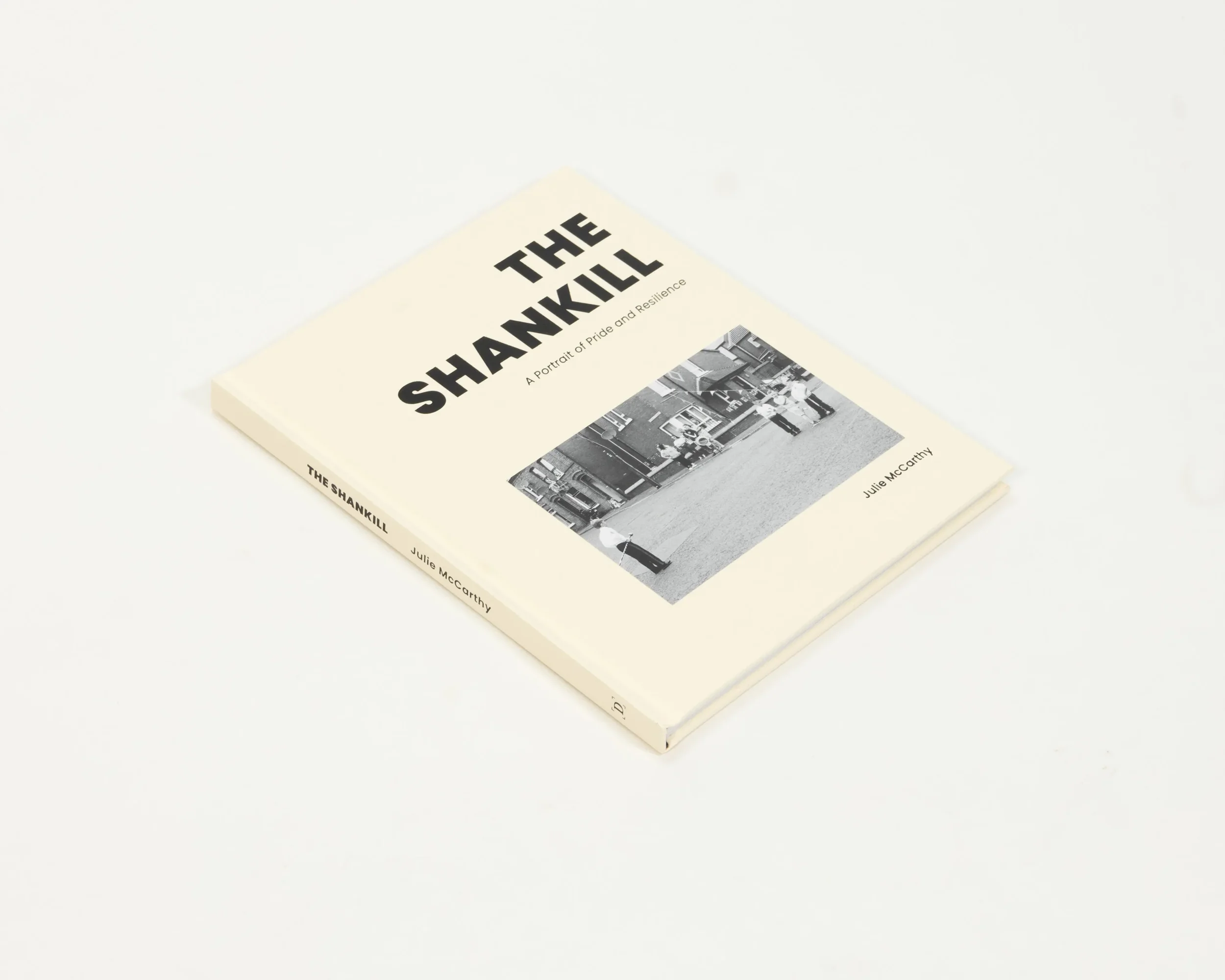
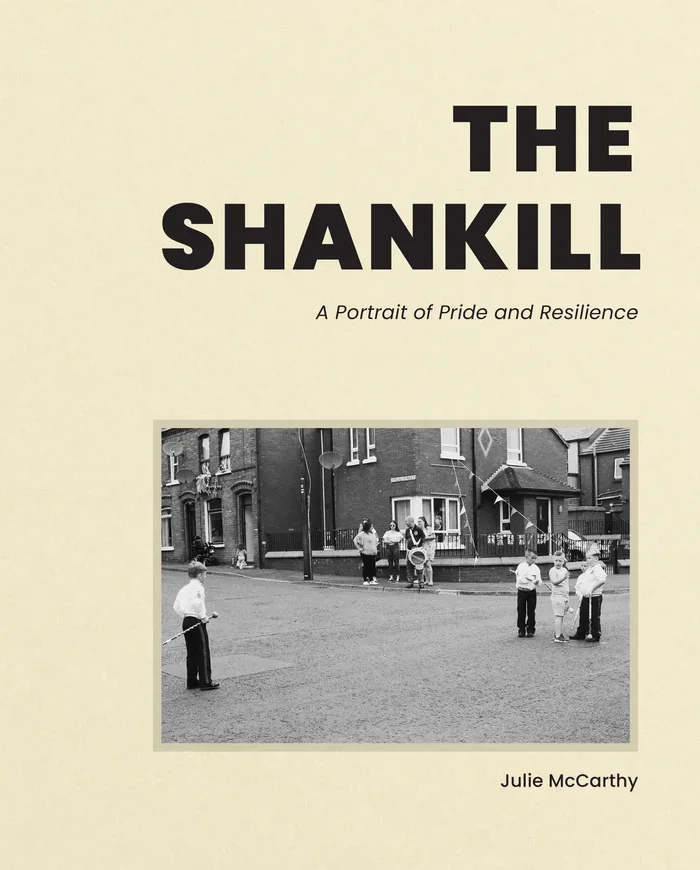
Project Start: What made you return to the Shankill Road every year for five years, starting in 2016?
The first year I was on the Shankill, I was totally taken by the bonfires and parades. They were compelling and dramatic but frequently photographed. I wanted to look beyond the two-day event and concentrate on the people and their daily lives.
Building Trust: How did you gain the trust of the Shankill community to photograph their daily lives and traditions?
I was put in touch with an organisation on the Shankill. They invited me to a women’s group where I met Julie, who took me under her wing. One day, she and her husband drove me “through the wall” to the Catholic/Republican side, the Falls Road. She said that she had never been on the other side in all of her 45 years. When I asked her how she felt, she said that she believed that everyone was looking at her, that they could tell that she was from the Shankill. When I looked around, all I saw were people who looked just like Julie.
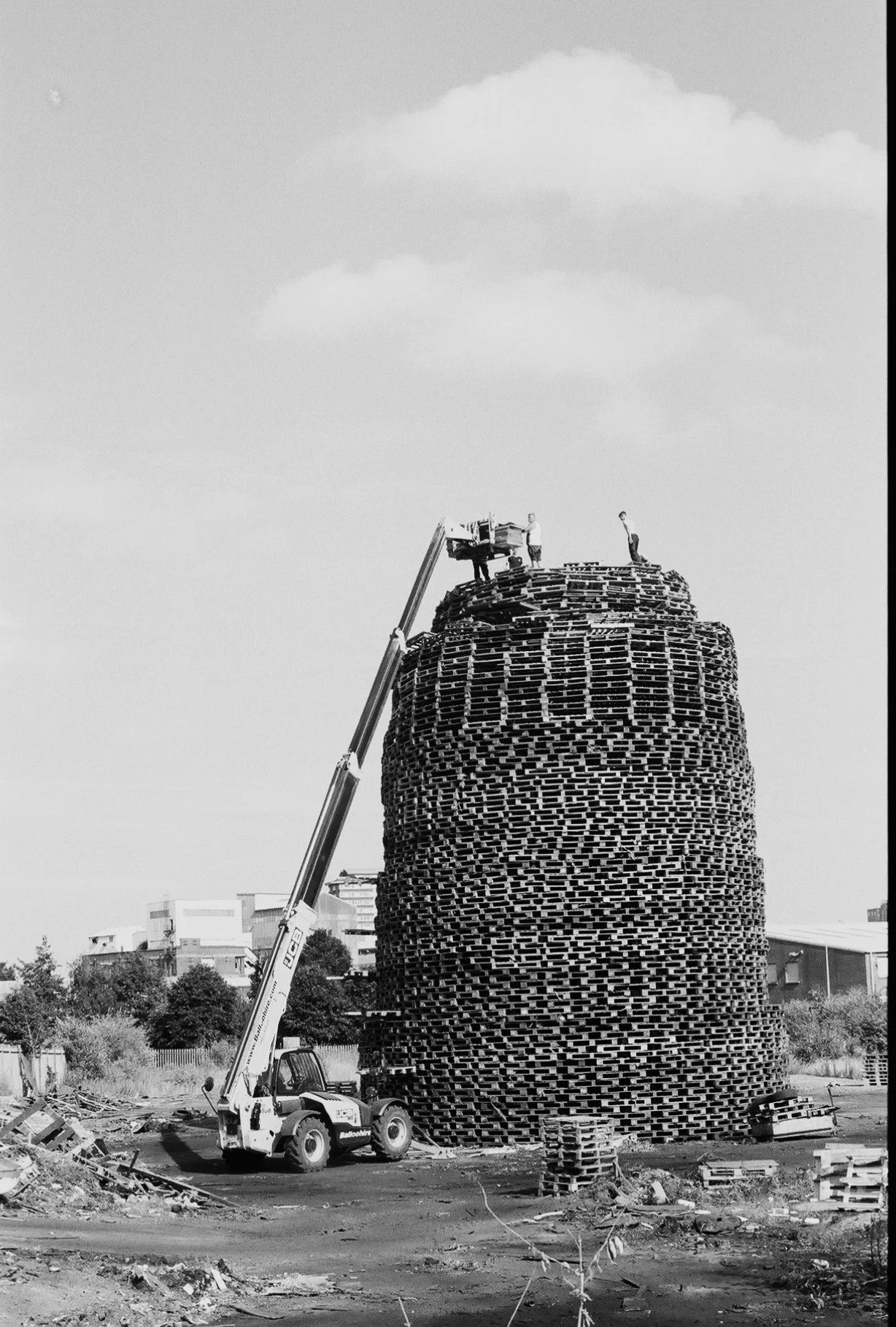
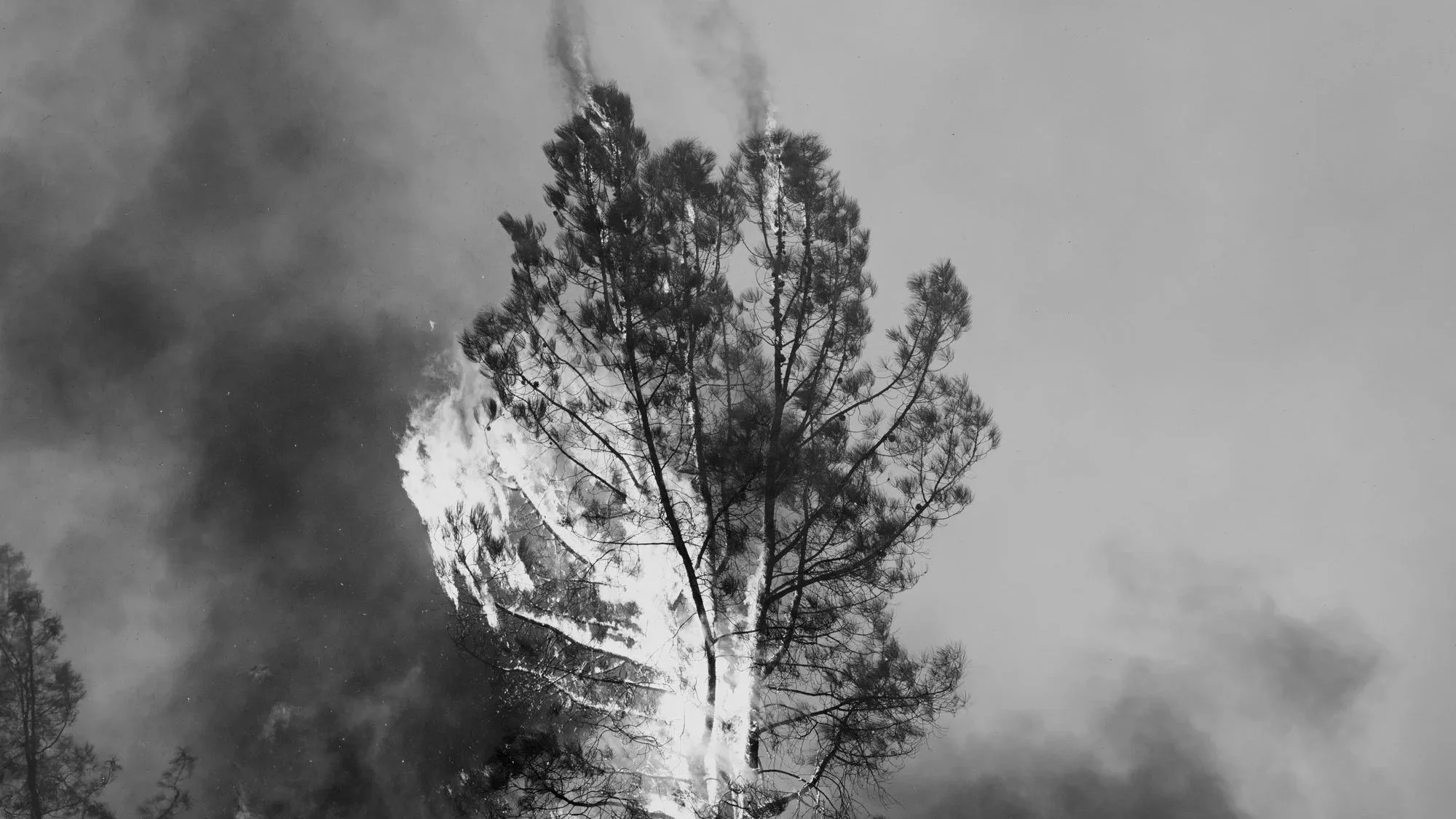
July Twelfth Bonfires: How do you photograph six-story-high bonfires while showing both the fire and the people's connection to this tradition?
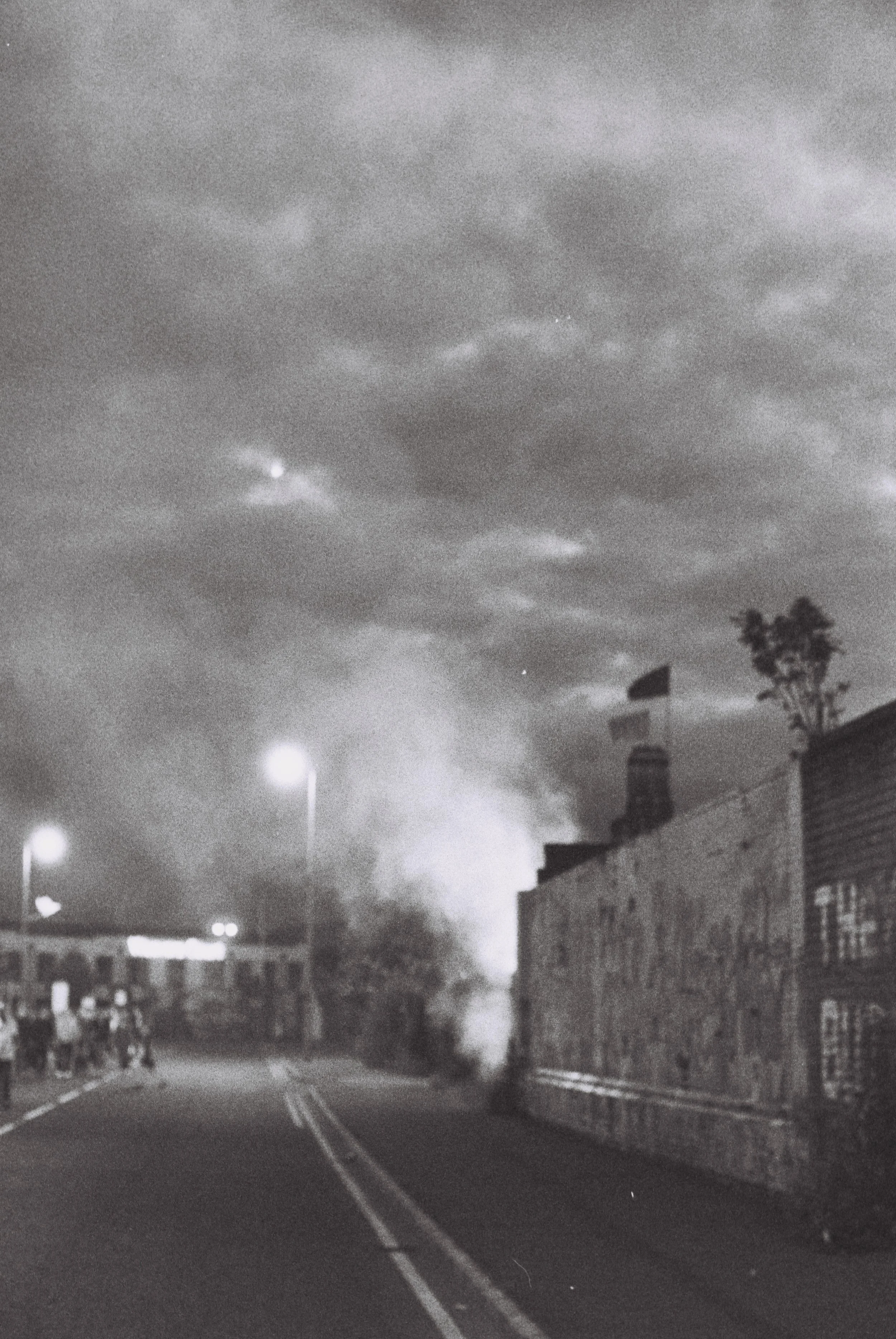
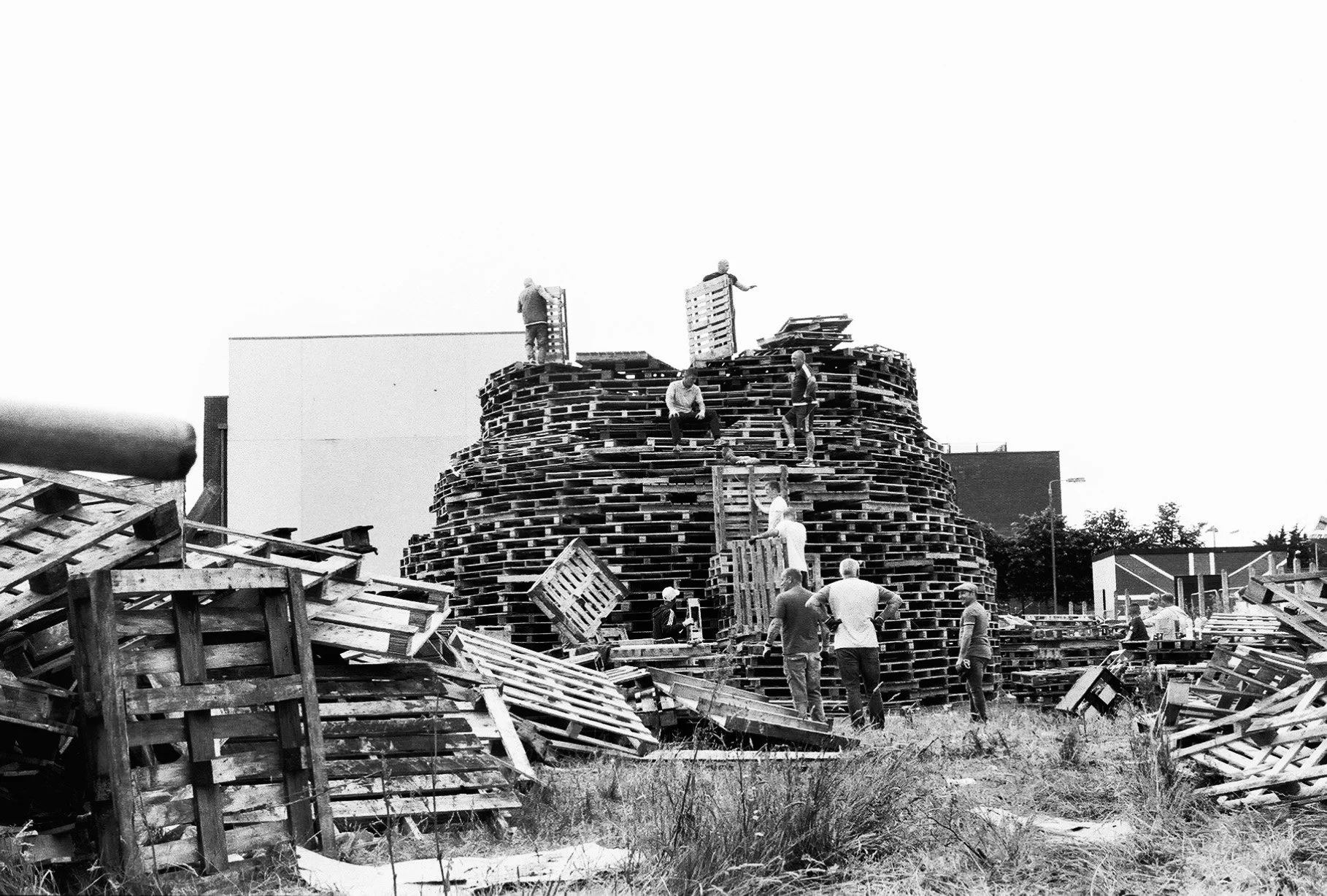
Preparations for building the bonfires begin many weeks before the lighting of them. Wooden pallets are handed up hand over fist until they reach three or four stories high. Often, images of politicians hang from the pallets.
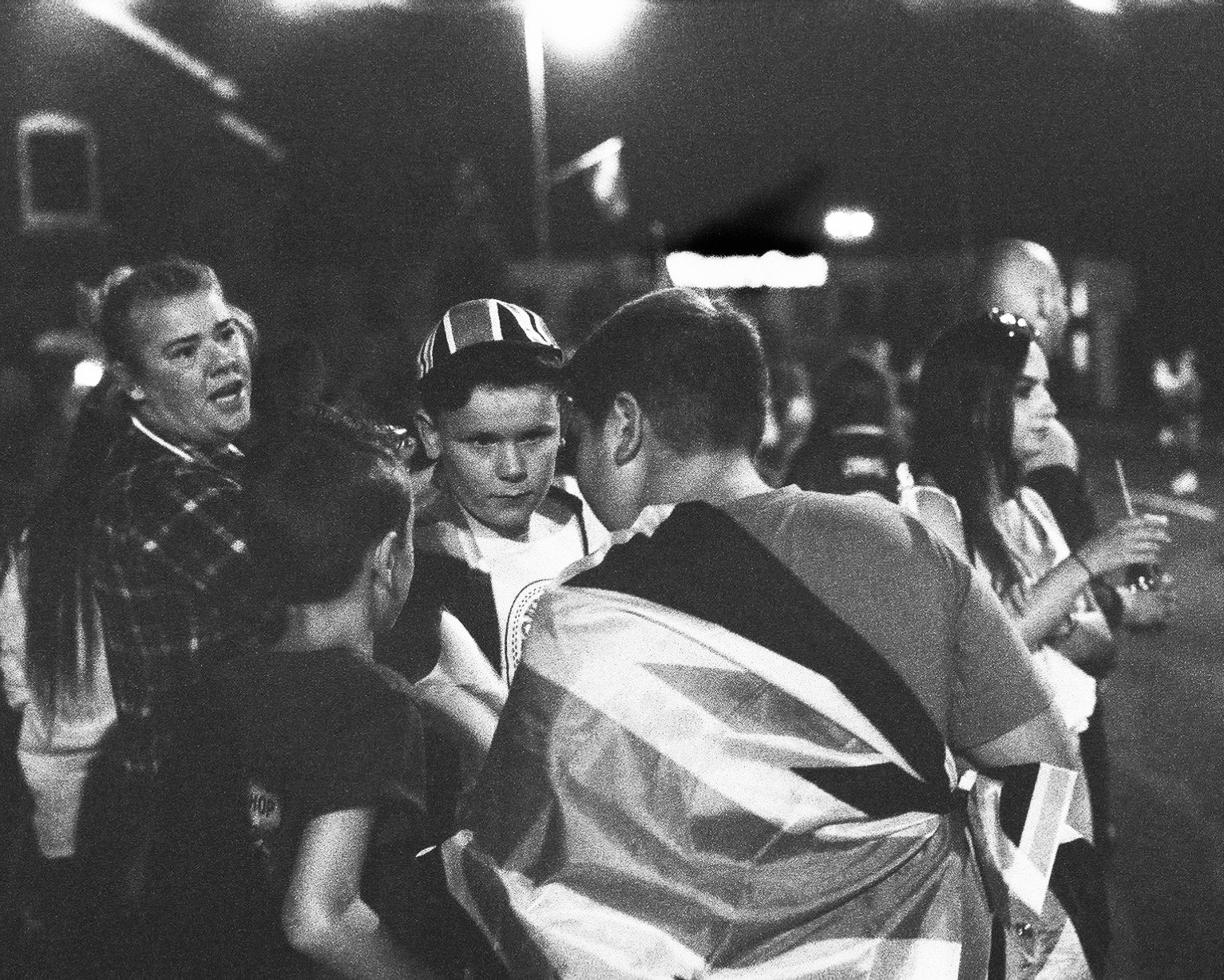
At midnight (after the pubs close), a large crowd gathers, and when it is time, gasoline is poured over the wooden structure by adults and children. It is lit with great shouts and cries.
As the sparks fly and flames lick the sky, the crowd moves back. This is a custom that is so deeply embedded that even the smallest child knows their place and stays close enough to feel the heat but not get burned.
I photographed both the building and lighting of the bonfires, capturing the process. The fire-lit upturned faces were a photographer’s delight. The entire event felt like a scene from a film, stirring emotions linked to tribal unity and age-old customs.
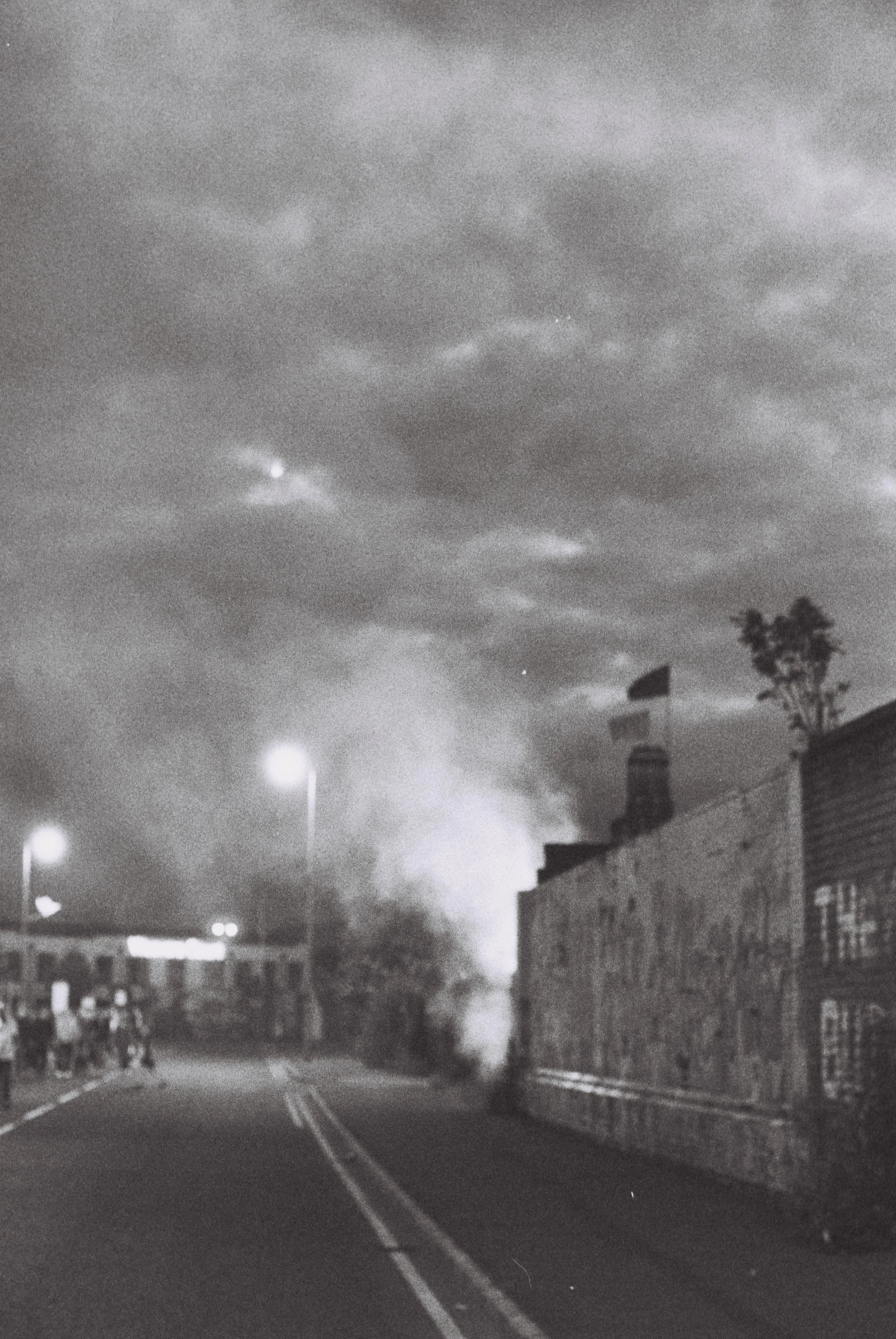
Peace Wall Presence: How did the Peace Wall dividing Protestant and Catholic communities affect your photography approach?
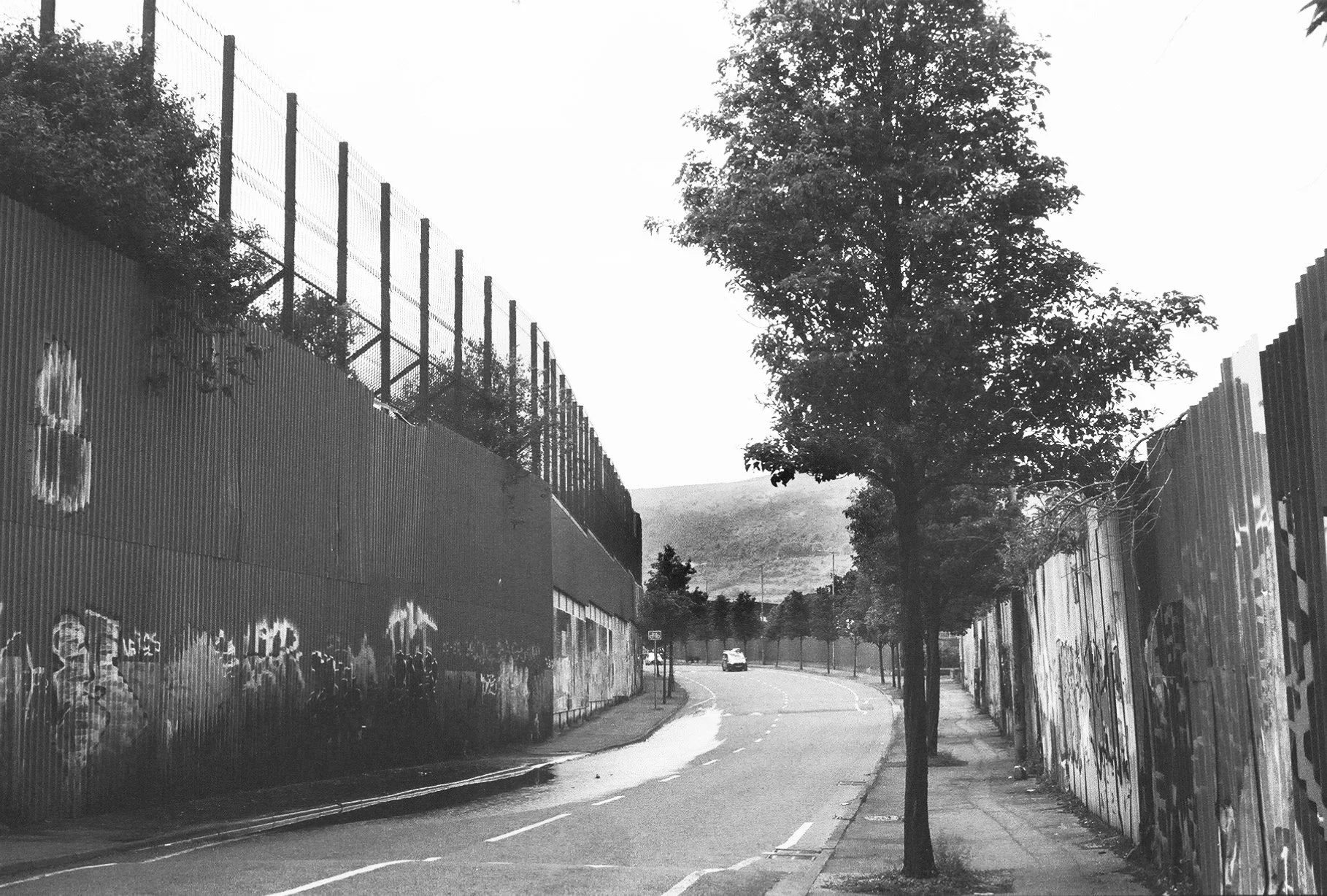
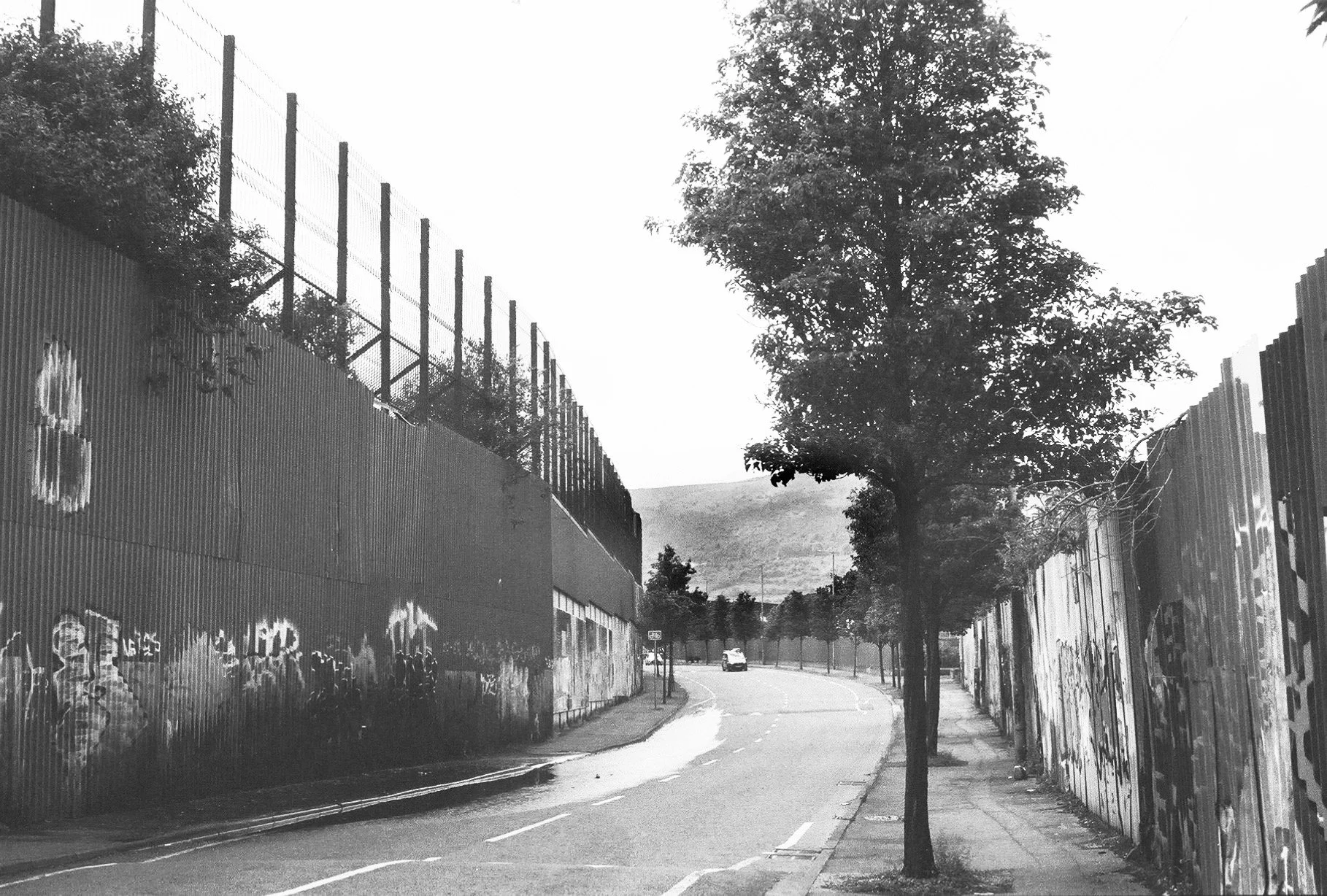
Except for the car ride with Julie, I never ventured through the gates to photograph the Falls Road. It wasn’t out of fear that I avoided the Falls Road; on the other side, it was as safe as the Shankill and much the same. It was more due to keeping a single focus, that being, the Shankill. But I did want to capture the wall with the concertina wire running along the top and the solid doors that are locked at ten every night as well as the gates that residents from both communities pass through to do their shopping. What struck me was the everydayness of a mother and daughter passing through the graffitied gates with smiles on their faces.
Showing Pride: What camera techniques did you use to capture the "pride and resilience" you saw in people's faces?
I am low-key when it comes to techniques and equipment. I use an analogue Canon camera, black and white film, and a 50 millimetre lens. Using a minimum of equipment allows me to focus on what I am photographing rather than having to worry about changing lenses, etc.
Murals as Background: How do you include the political murals on Shankill Road in your photos without making them the main subject?
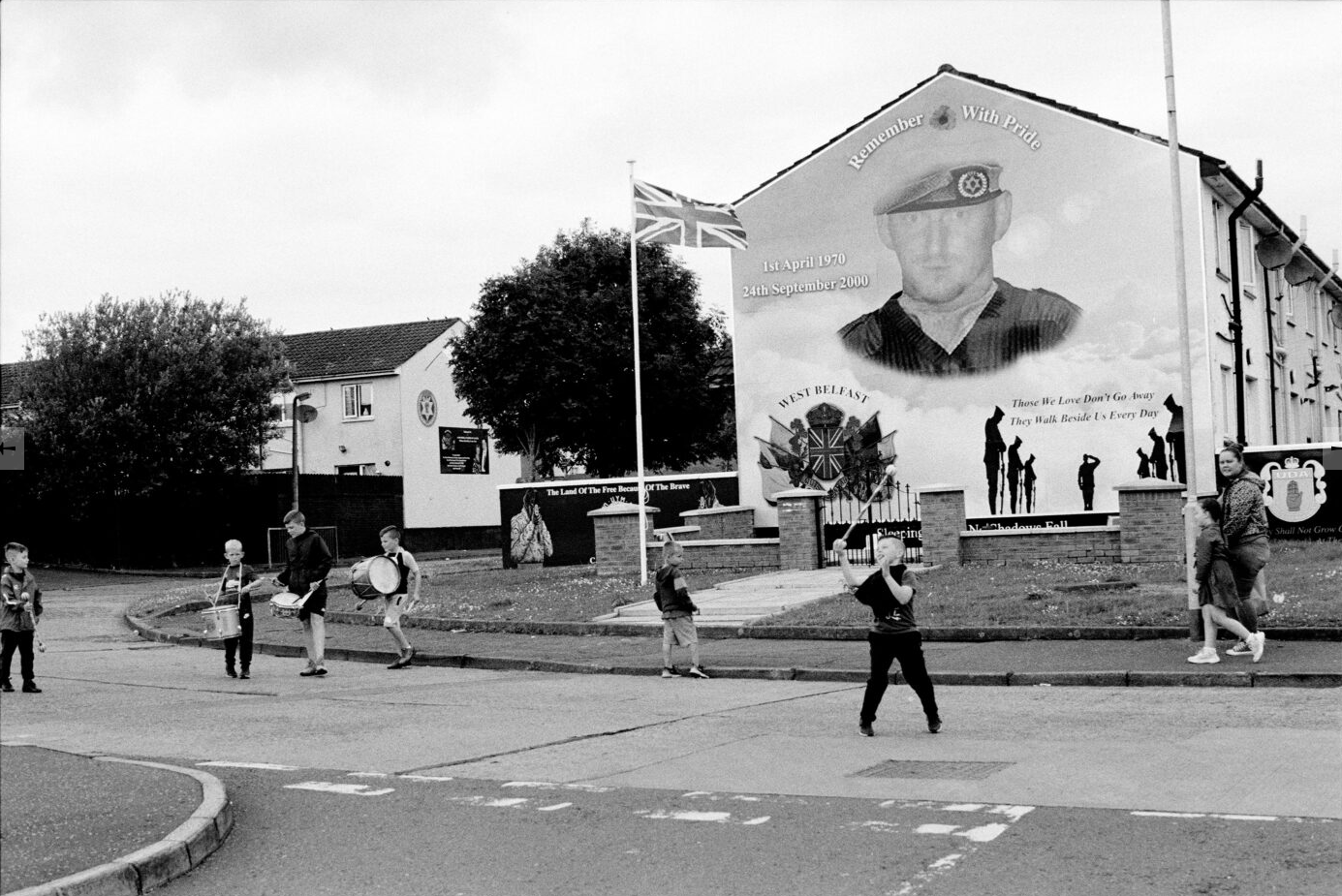
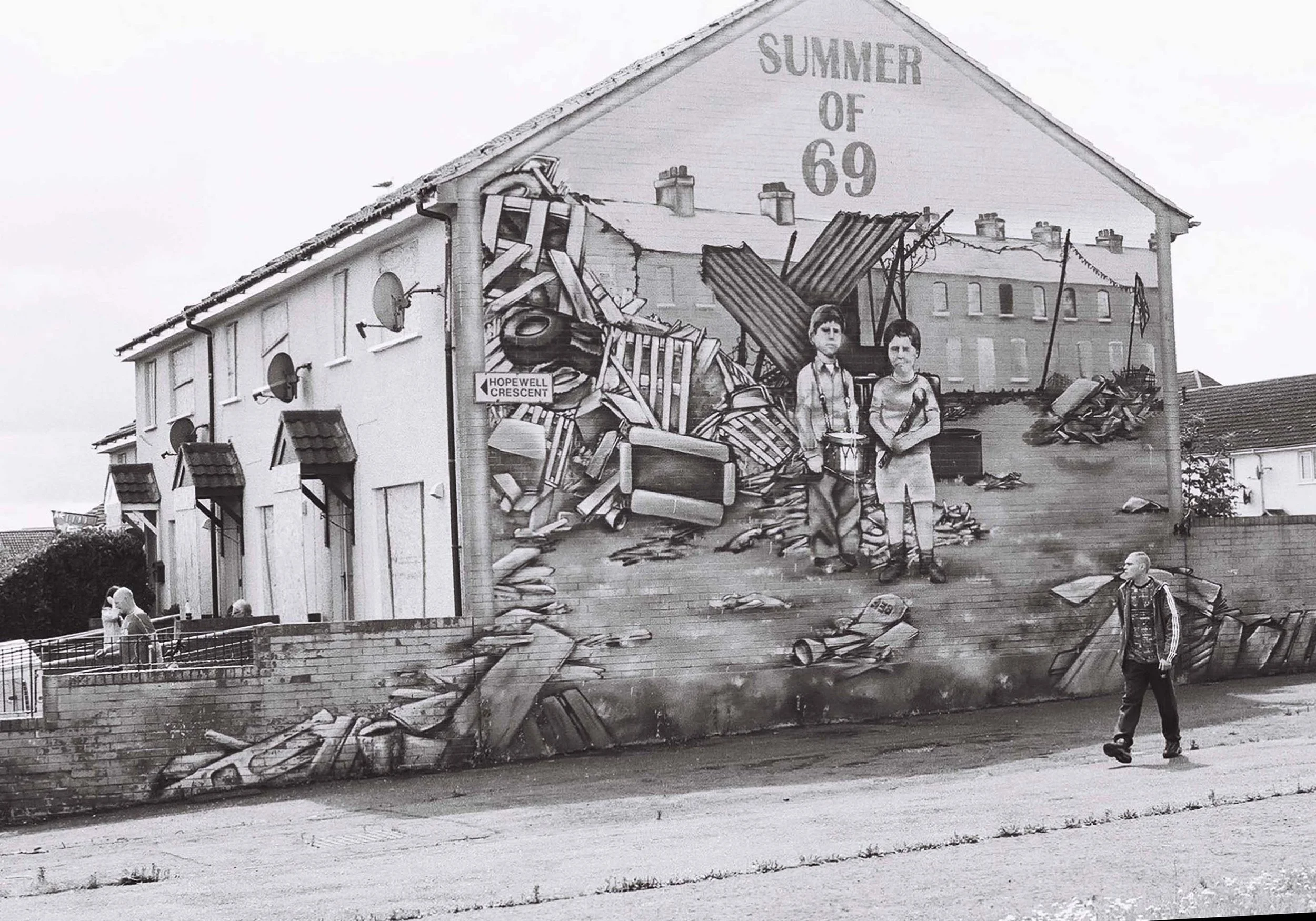
I didn’t want to focus on the murals as such. I did want the viewer to see the dichotomy between the looming presence of armed soldiers painted on the walls and the ordinariness of the streets.
Moving Beyond Conflict: How did you photograph a community known for thirty years of violence while focusing on their present-day life instead?
The people on the Shankill want to move on. They are tired of being identified with the violence of the Troubles. But the past is handed down from generation to generation. Young boys no older than ten or eleven are eager to tell me their history. One young man told me, with great delight, that if I went over to the Falls Road, they would turn me upside down and pull down my knickers. I photographed him standing near a bonfire, his shirt dirty from soot, his face open and innocent. I wondered if he understood the implications of the past.
Self-Taught Vision: As a largely self-taught photographer, how did your lack of formal training help you see the Shankill differently?
Although I never attended art school, I did attend classes and workshops through the years, including spending three months at Maine Photography Workshops, as it was called then. I suppose not having formal training might have given me a less stylised approach and a willingness to break the rules.
Five-Year Changes: What changes did you notice in the community or your own photography style between your first and last visit?
As the years progressed, I spent more time talking with people about their lives and the complexities of living on the Shankill, how they managed the weight of the past as it influenced the present.
My view of the Shankill changed as I listened. I realised that these people are more than their past; they are strong, resilient, proud of their traditions, and looking forward to the future.
To discover more about this intriguing body of work and how you can acquire your own copy, you can find and purchase the book here. (Daylight Books, Amazon)
More photography books?
We'd love to read your comments below, sharing your thoughts and insights on the artist's work. Looking forward to welcoming you back for our next [book spotlight]. See you then!
The past became visible once Richards learned where to look. For The Inner Passage, Virginia McGee Richards spent fifteen years photographing a waterway in the South Carolina Lowcountry. Photography Book Spotlight