How Stefan Draschan Turns Ordinary Museum Moments Into Photographs You Have To Look At Twice
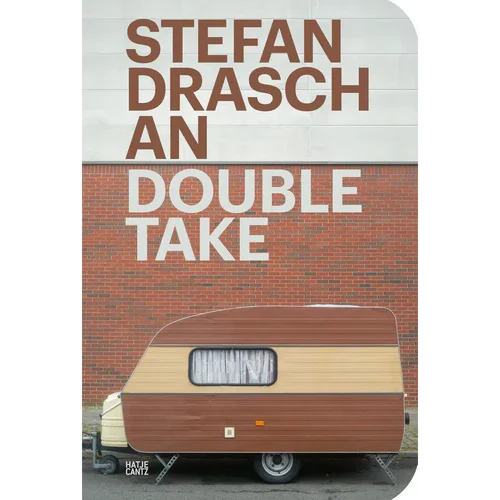
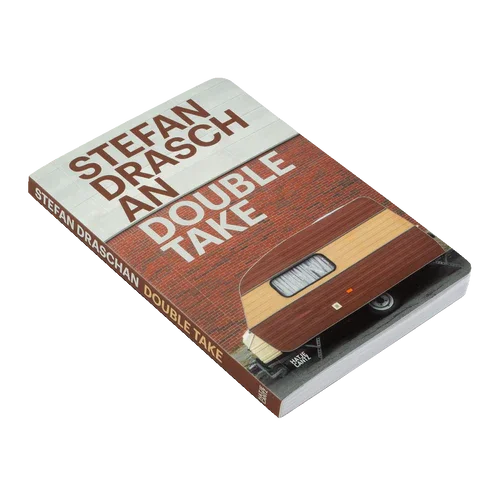
Welcome to this edition of [book spotlight]. Today, we uncover the layers of 'Double Take,' by Stefan Draschan (published by Hatje Cantz). We'd love to read your comments below about these insights and ideas behind the artist's work.
The most interesting photos hide in plain sight.
They appear in ordinary moments that most people walk past without noticing. Stefan Draschan has spent years proving this with his patient museum work, waiting for tiny coincidences that suddenly line up. His new book Double Take shows how much can happen when you slow down and really look. This interview explores how he does it.
Great museum photography starts with the second glance.
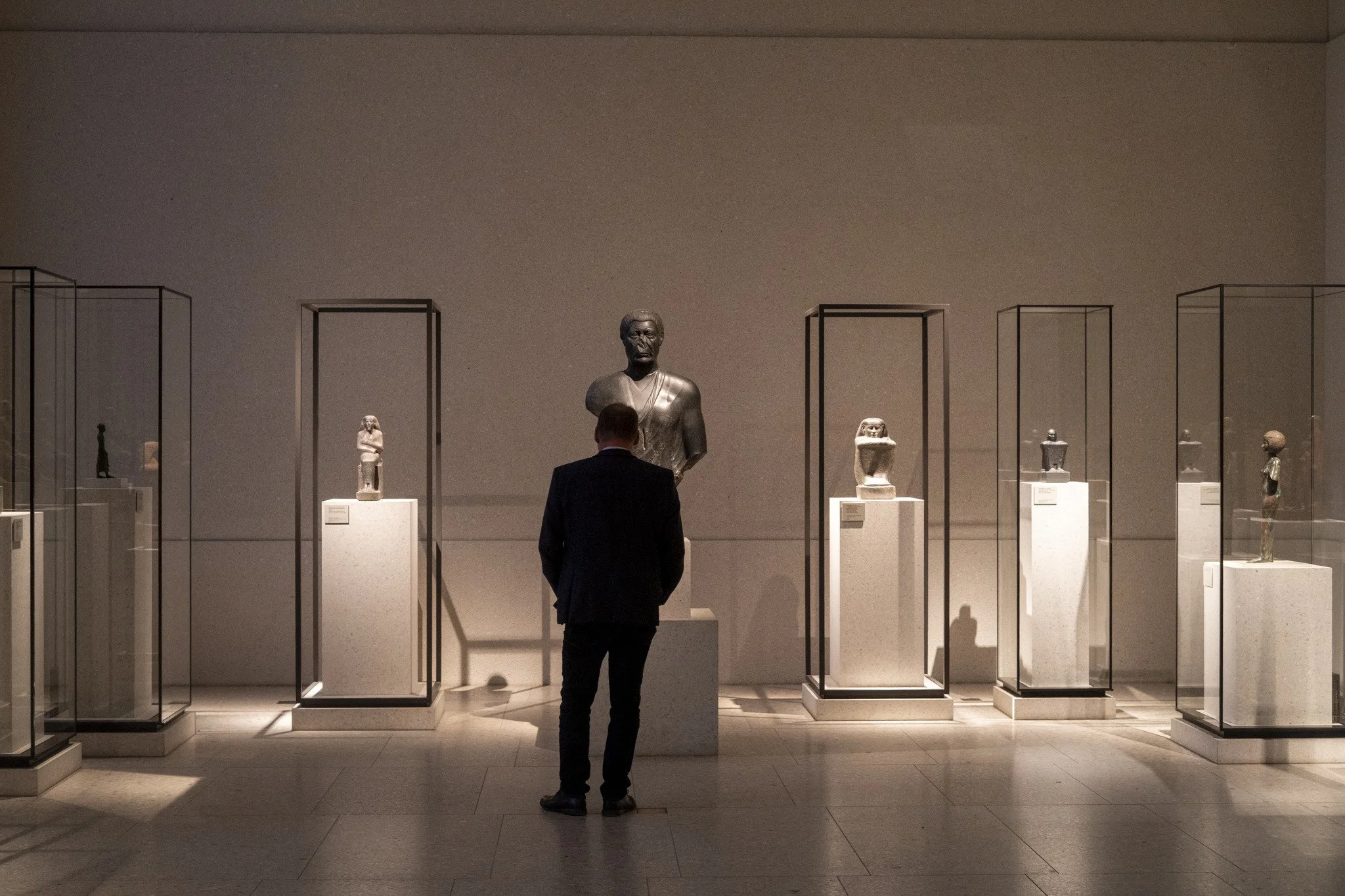
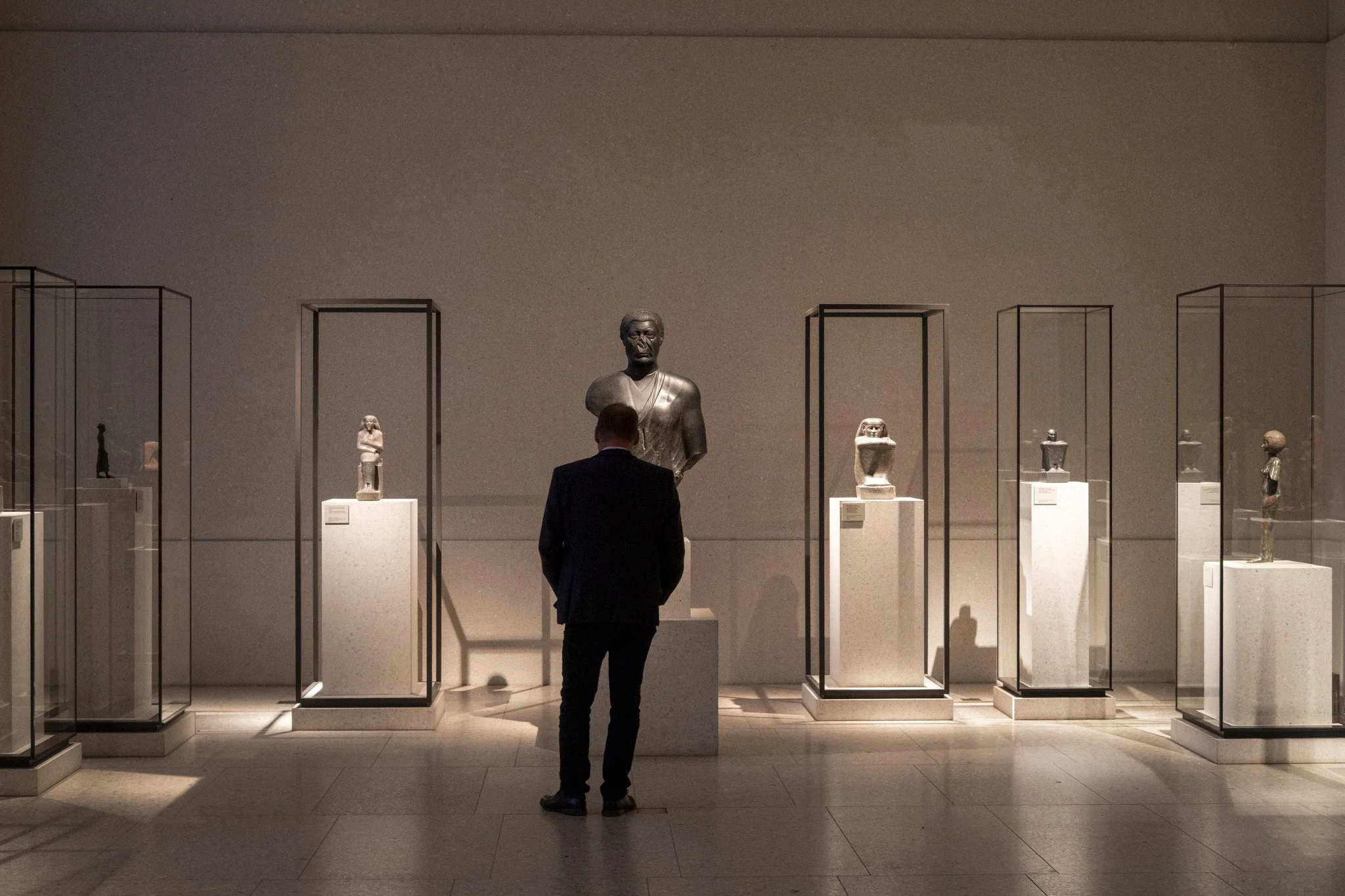
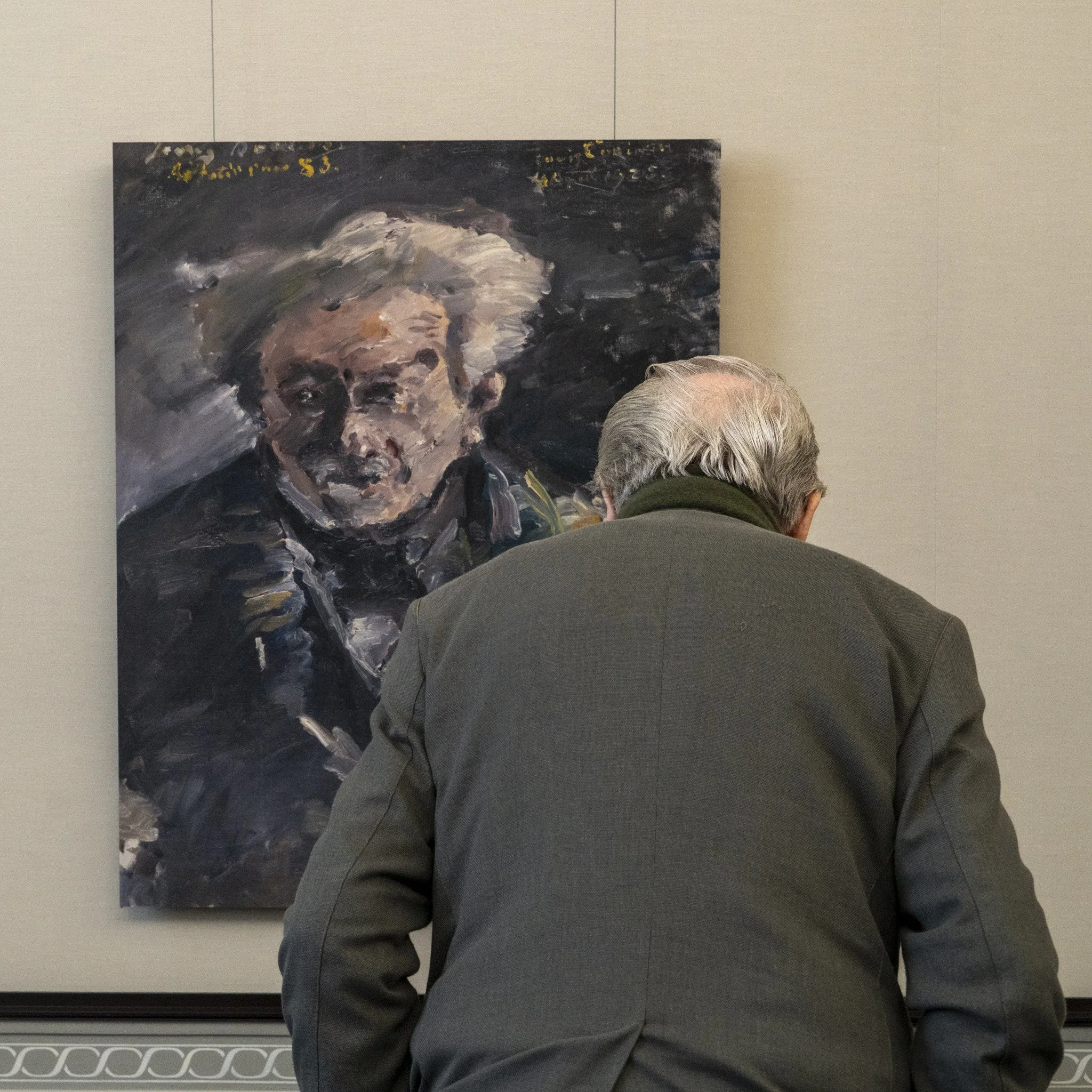
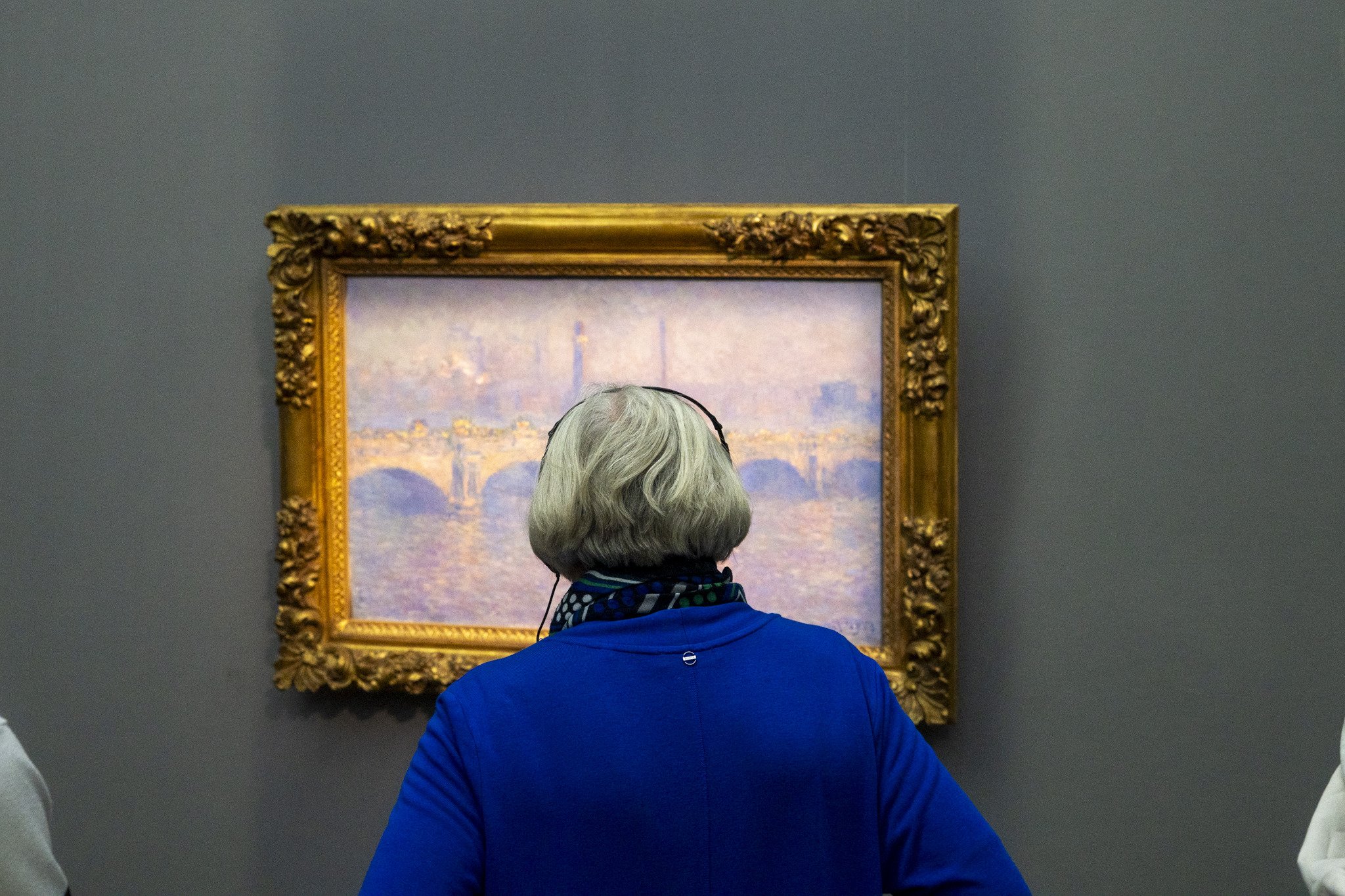
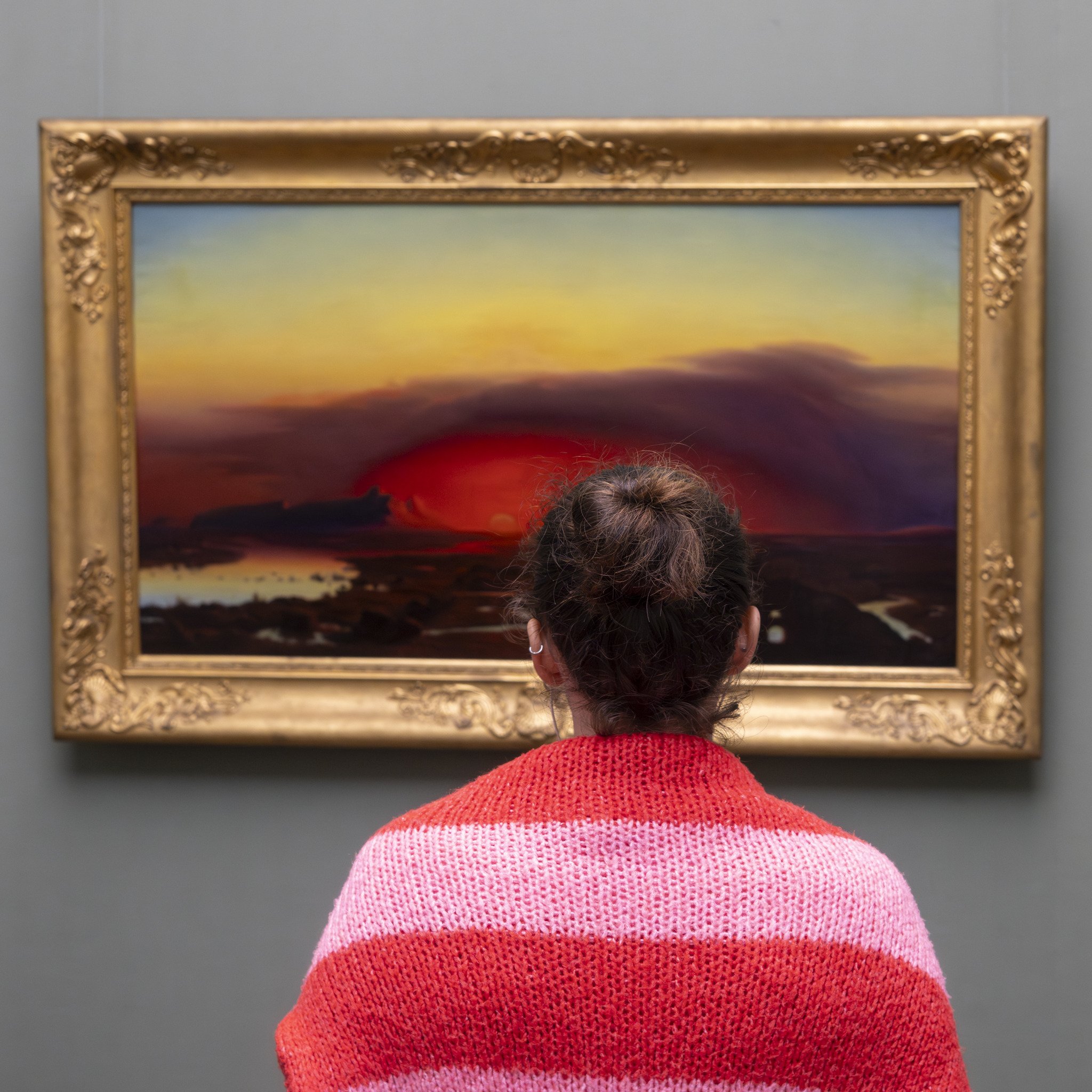
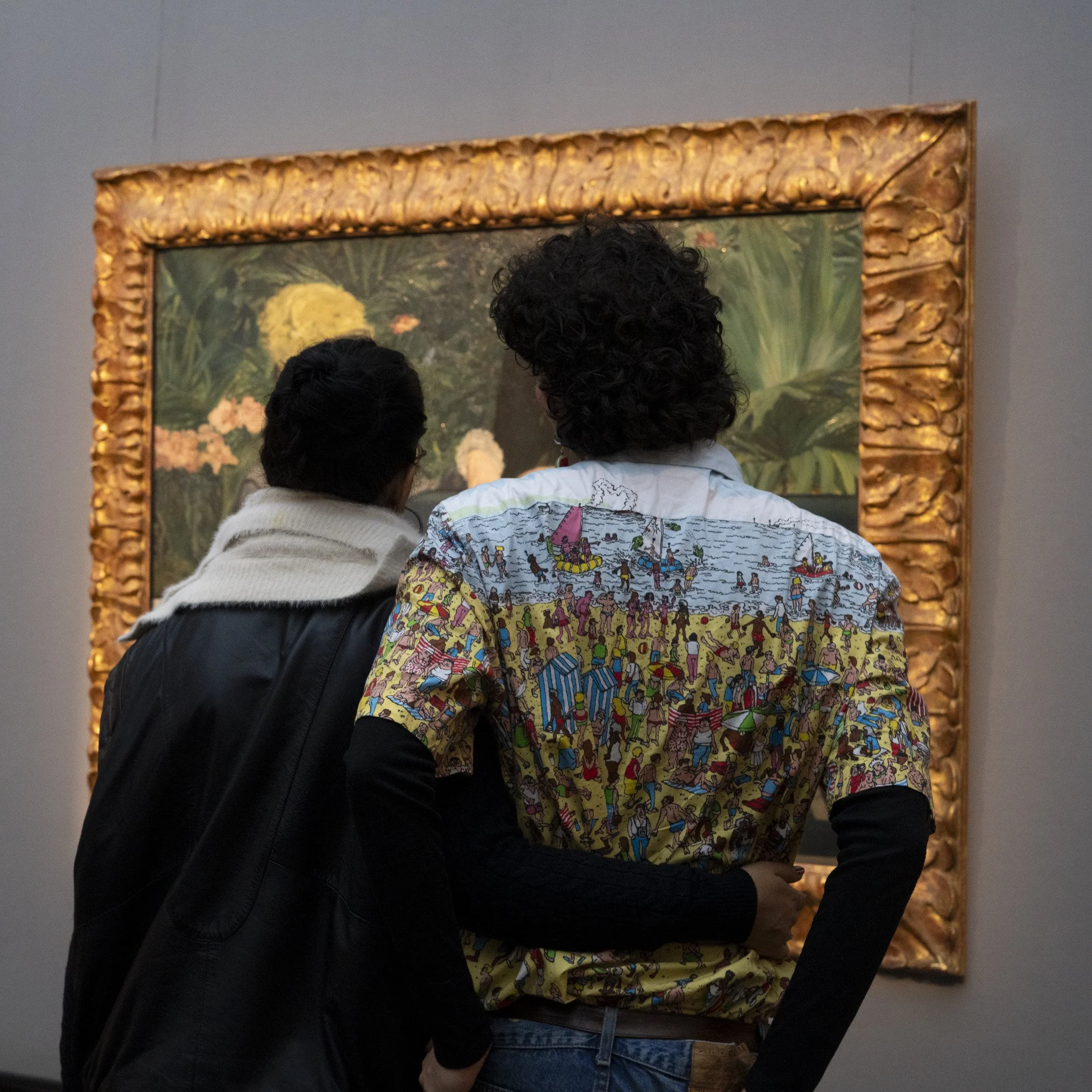
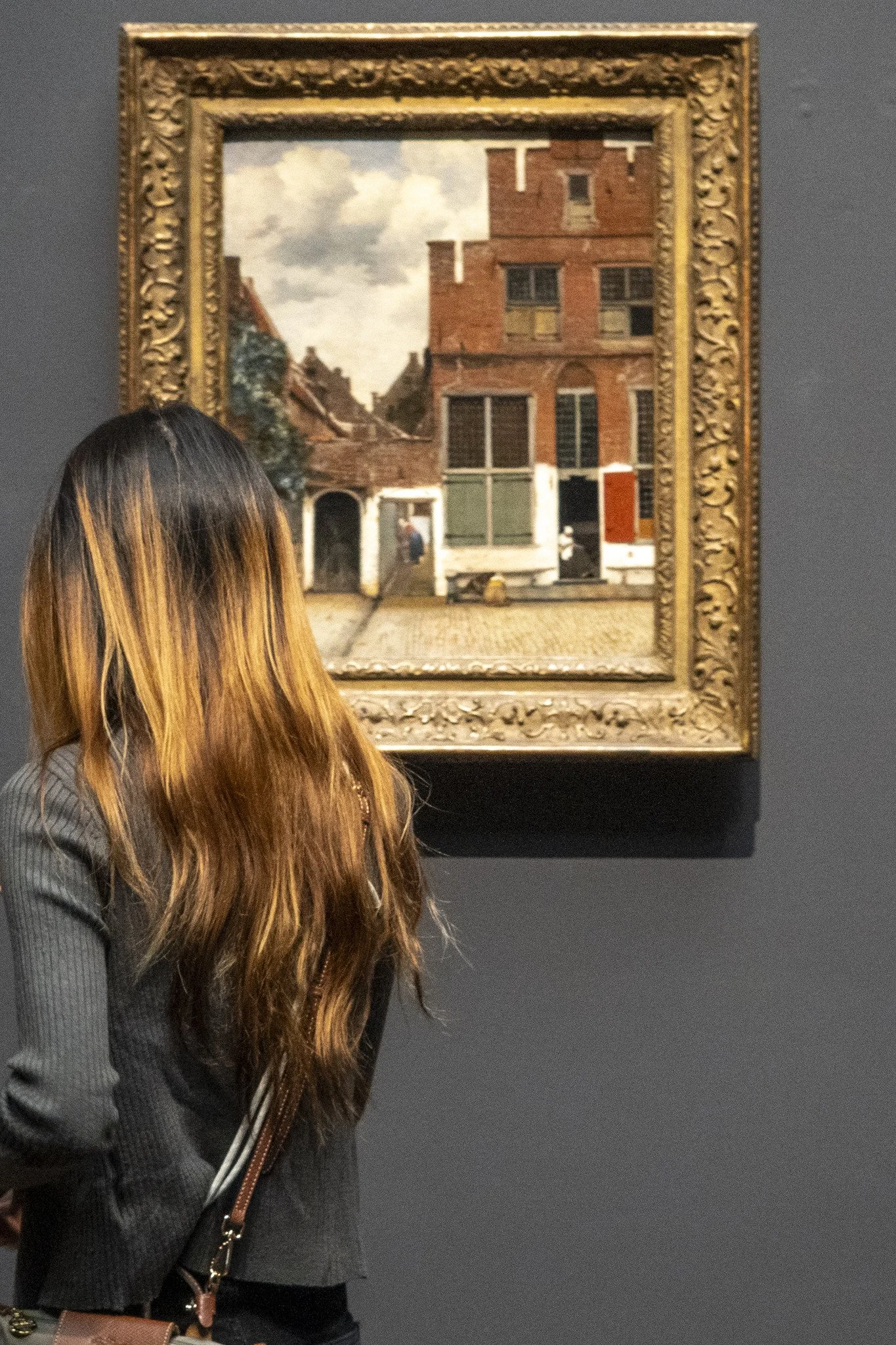
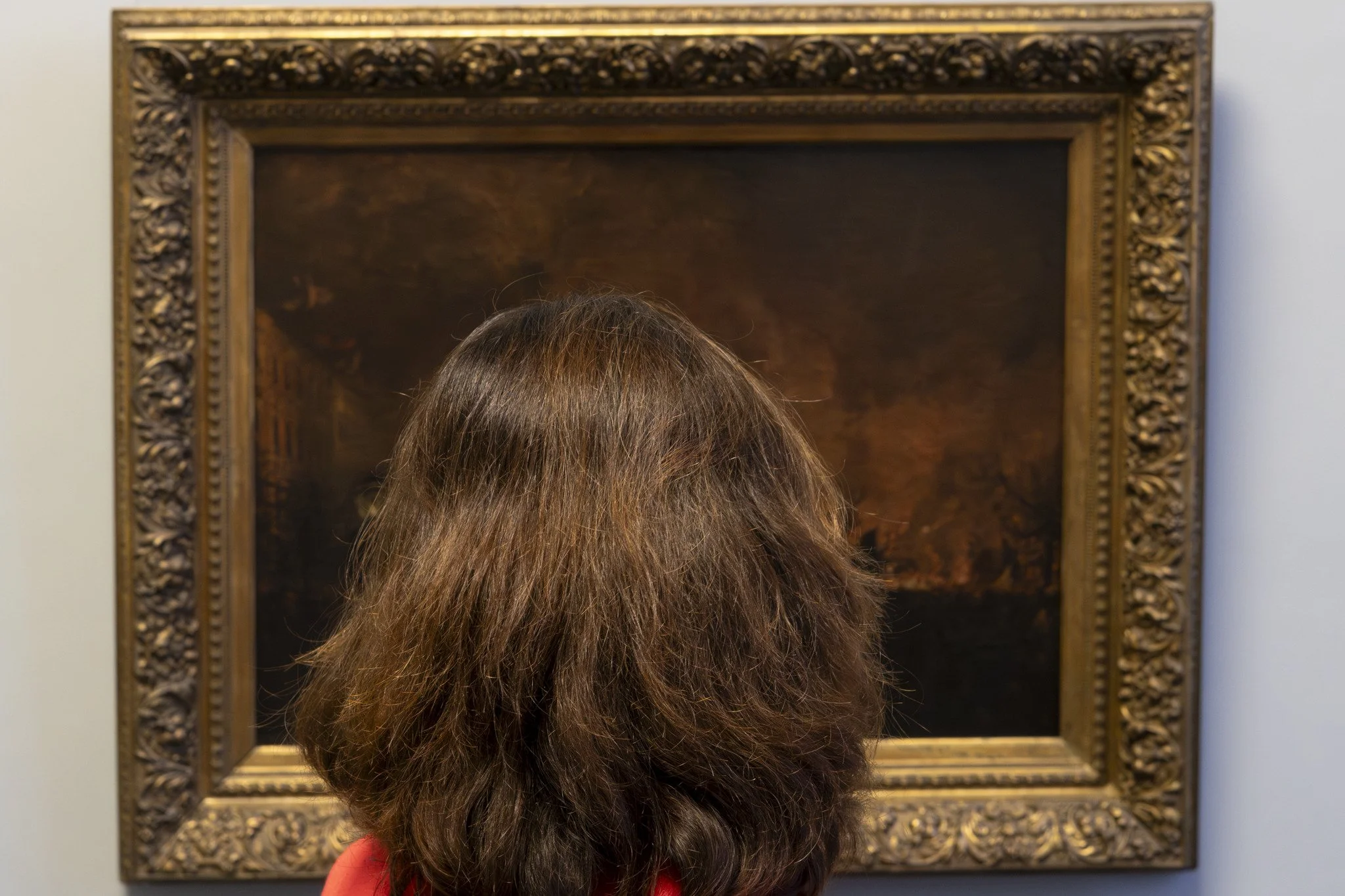
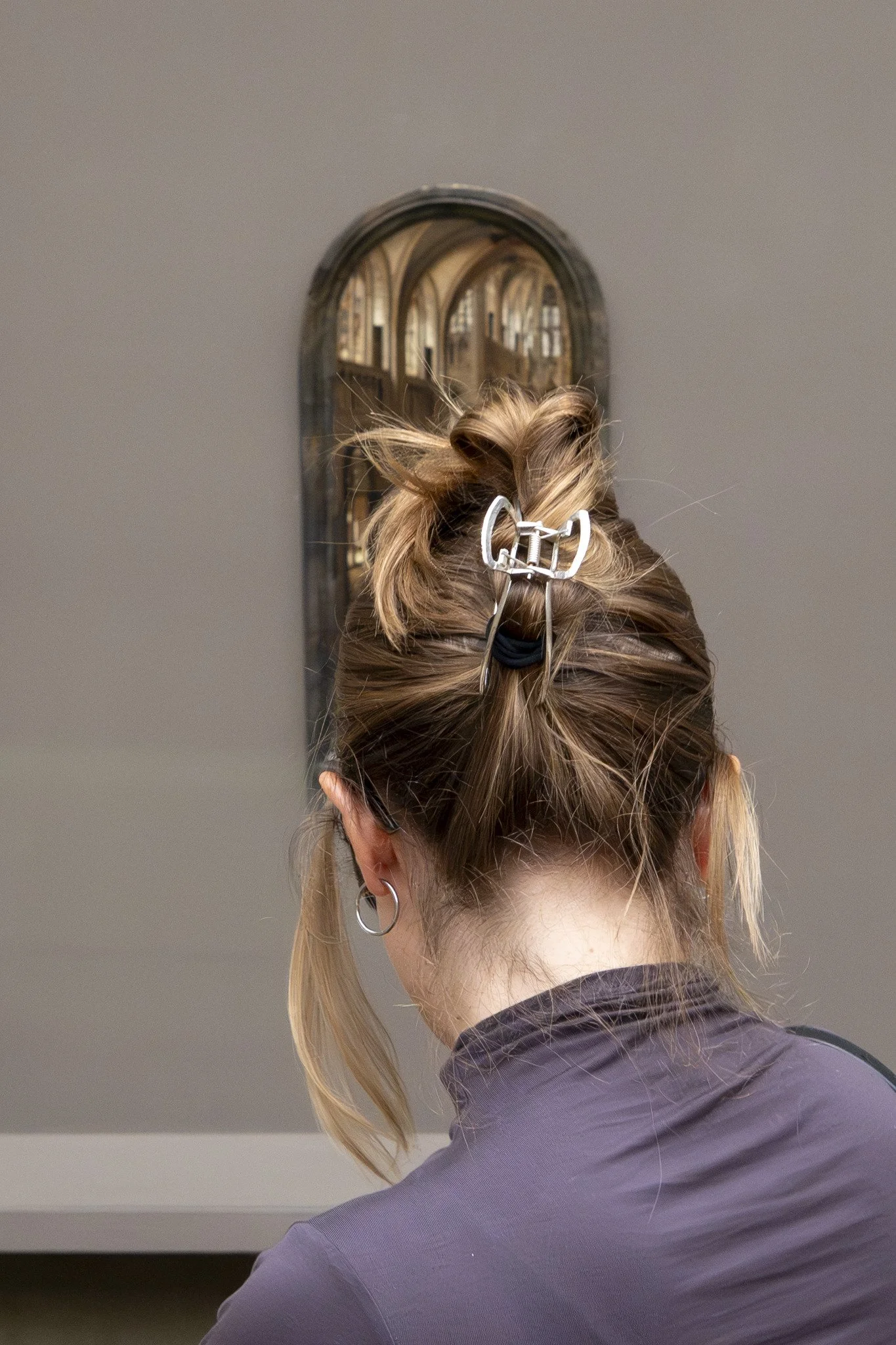
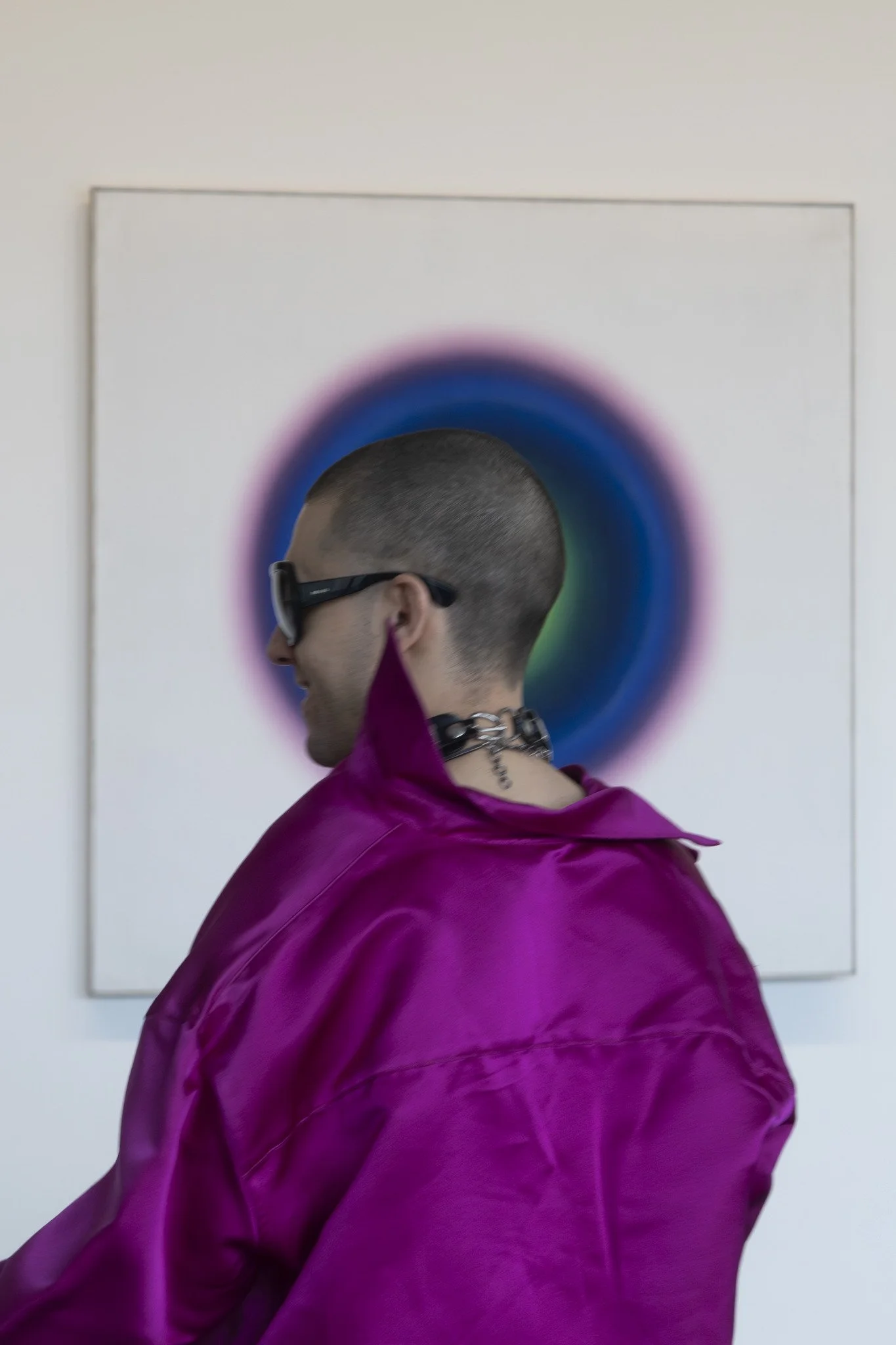
It is the moment when something small becomes visible, like a color match, a gesture, or a quiet connection between a person and a painting. Draschan has built whole series from these moments, from People Matching Artworks to Cars Matching Homes, all shown with simple clarity in Double Take. His approach offers a helpful way to train your own eye and find better scenes anywhere.
The Book
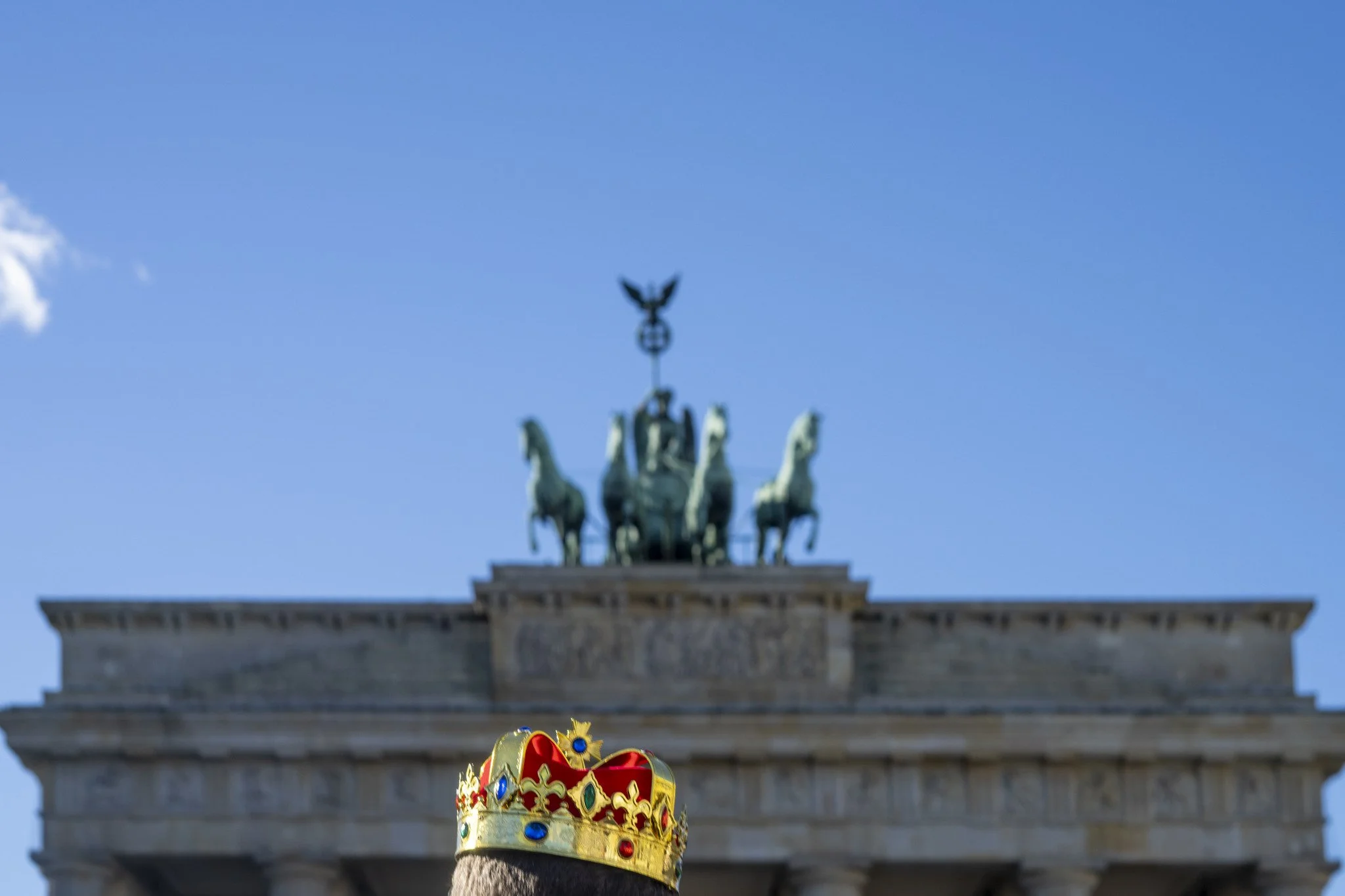
Double Take is a collection of Stefan Draschan’s most surprising photographic projects, gathered from nearly a decade of patient observation in museums and public spaces. The book brings together his well-known series such as People Matching Artworks, Cars Matching Homes, Sleeping Beauties, Gestures in Museums, and several others that reveal how small details can connect people, objects, and surroundings in unexpected ways.
Each photograph shows a moment when colors, shapes, poses, or patterns fall into perfect harmony. These scenes look accidental, but they come from long hours of careful watching and searching for visual coincidences. Double Take is both playful and thoughtful, offering a fresh way to understand how much beauty and humor exist in everyday life when you look a little longer. (Hatje Cantz, Amazon)
Project Start: You saw your first match in Berlin with a guy in front of a Georges Braque painting. What made you realize this should become a big project?
Back in summer 2014, nothing really. But I was already influenced and fascinated by Alécio de Andrade, and had been casually snapping similar moments, like a priest looking at art, with my iPhone in the years before.
It was during travels when two or three similar situations happened in Munich and Vienna that I started actively looking for more matches in spring 2015. (Cars matching homes came before this: the same principle, but with stationary objects often in broad daylight, so much easier!)
Choosing Spots: How do you pick which artwork to stand near before people arrive?
Never. I tried that once in 2021, after reading an article about me, in front of an El Greco in the Louvre, sitting on a nearby bench. I already knew nothing would happen and stopped after 10 or 30 minutes.
But there are artworks that pick me. I'll stand for more than an hour in front of them, just staring, maybe watching only a third of a painting. For example, the Caravaggio in the Pio Monte della Misericordia in Naples. The composition is the most perfect, satisfying thing for my eyes, the same effect I get from looking at old trees, which I also love. I'm not thinking about photographing at all, though I unconsciously notice people and will take a shot if necessary. When I'm in top form and concentrated, it's hard not to see everything. I'm feeling so intense.
When I enter new exhibitions or museums, I often pick a focus point, an artwork where I really want to capture a great match photograph. That becomes my goal. It never happens, but I can take other photographs that are the result of this longing.
Museum Knowledge: You learned how people move through museums. What patterns did you notice that help you predict where visitors will go?
I learned that even the best predictions fail in individual cases! Just last week I noticed a person who would be a good match with a painting ahead, 2 to 5 minutes of normal museum behavior away. But the person suddenly disappeared behind a column. There was no sign of him anywhere. I looked carefully in all directions but had no explanation. You can get important messages, feel the need to drink something, take a break, go to the toilet, or activate stealth mode!
But I also only look at people for maybe a second. That's it. I don't follow them, not even with my eyes.
Patience & Timing: You said "I can wait forever and then it's about 1/25th of a second." How do you stay focused during long waits?
Photography is fundamentally a language for me, poetry. So what I say in words might just be a feeling in that moment, and it changes over time.
But I'm often so thrilled and passionate that I don't have any special awareness of time. Nowadays I'm rarely in a museum longer than one hour. It's partly a concentration thing, but often I have ten good shots after just half an hour, sometimes even two or three shots in a minute. That satisfies me; it's time well spent.
Basically, you need to learn to be prepared and ready. Anyone who photographs regularly for two or three years develops this skill.
There's only one museum where I would wait for extended periods: the Pergamonmuseum. There were lots of seating areas where you could sit quietly without taking spots from others, especially in the carpet section. There's a constant flow of people passing by huge carpets that you can photograph from a sitting position, plus large objects throughout. I've never been bored. If there's nothing to photograph, I can start enjoying the art myself. (The museum has been under renovation for years now.)
I sometimes need residencies or long-term stays to avoid always visiting the same places. My qualifications seem too low though. I've been trying for years but haven't gotten one yet. This is bad for my focus and my vision.
Sometimes I use audioguides in English, French, or Italian, and so I found out that the Roman emperor "Trajan" is pronounced the same in French as my last name "Draschan" :) So in times of motivation crisis, I went to the Pergamonmuseum and motivated myself by feeling like an emperor when listening ;)
When to Click: How do you know the exact moment to take the photo? What makes a match "perfect"?
The decisive moment! I used to play lots of tennis when I was young. I had a perfect backhand, but everything else was mediocre, so I trained my serve a lot. It didn't help, but maybe it made me aware of that moment.
As a student in Vienna, I joined my brother's art professor, Peter Kubelka, at the "invisible cinema" (Filmmuseum) for a talk about film. He used the word "Jetzt-Moment" (now-moment), which fascinated me. He was using a gong. I learned you don't hit it but touch it regularly and softly, which makes it produce a great, loud sound after two minutes. Maybe these things made me aware.
It's also important to know my series Bicycle Culture, as it's my second-largest series and quite intense in many ways. Maybe I can catch a third of the photos I see; for the rest, I'm often too late. And I'm getting older...
Philosophy: Do you think people are naturally attracted to art that matches their style, or is it just luck?
They are. We are. Though there's also a certain percentage of people who, when they get close to a matching painting (my attention only heightens in those few meters before, and I'm thinking how lucky I am), then they make a detour or pass it without even looking at it.
Old Masters vs Modern: You prefer matching with old masters because contemporary art is "too easy." Why is it more interesting to connect people with old paintings?
I think it's a great sign of humanity, compassion, and love (and luck) that art is preserved. Europe was in constant, intense wars for centuries, so it's really a wonder that every single piece survived. You can see how substances came into the world. There's a sudden rise of pipe smokers in Dutch paintings of the 1620s, which helps me explain motonormativity, the common disease of our age.
Both nicotine and cars go into your brainstem, the oldest part of the brain, and trick you. Nicotine makes you think you're immortal; a car makes you think you're a genius, even though it's absurd that a 70 kg person uses a 2-ton machine to move themselves. You think it's a great idea because you don't have to use any body energy.
Camera Settings: What camera gear do you use, and how do you shoot quietly without people noticing?
I've used various cameras, of course, but now use a Sony Alpha R4, which makes no noise and is perfect for dark rooms like museums.
Technical Challenges: Museums have difficult lighting. What tricks help you get good photos in dark spaces?
This was hard in the beginning, but thankfully, technical innovations in affordable cameras since 2015 make it possible to produce this photography at a fine art print level, which is the conditio sine qua non for me. If I can't make a minimum A2 fine art print, it doesn't exist for me. I think many people have benefited from these technological innovations.
Personal Story: You were hit by cars twice while cycling, which led to this project. How did those experiences change the way you see and photograph cars?
To understand this, it's necessary to feel the danger cars pose. They are death machines. From today's police report in Berlin:
"…when the traffic light was green. An as-yet-unknown man driving a Mercedes on Neuendorfer Straße in the direction of Streitstraße hit him on the road. The driver is said to have stopped near a bus stop, looked out of the driver's side window, and laughed before fleeing the scene of the accident. The boy suffered an injury to his nose and felt pain in the left side of his body. In a state of shock, he went from the scene of the accident to his daycare center and reported the accident to the teacher. However, the teacher reportedly did not call the supervisor or medical help. Despite the ongoing pain, the eight-year- old remained in the daycare center until around noon, when he finally called his caregiver, who immediately picked him up and, together with him, filed a police report..."
In my case, it was also green, and at the second hit I could also hear the car drivers laughing. Car driving, like flying, is really the worst for any human personality. This godlike feeling while destroying everything around you.
Turning Damage into Art: You photograph damaged cars and make them look like artworks. What makes a crashed or broken car interesting to photograph?
I like to make art of trash, as it would otherwise just have negative effects. But look at my "Cars matching homes." I can do it the other way around too!
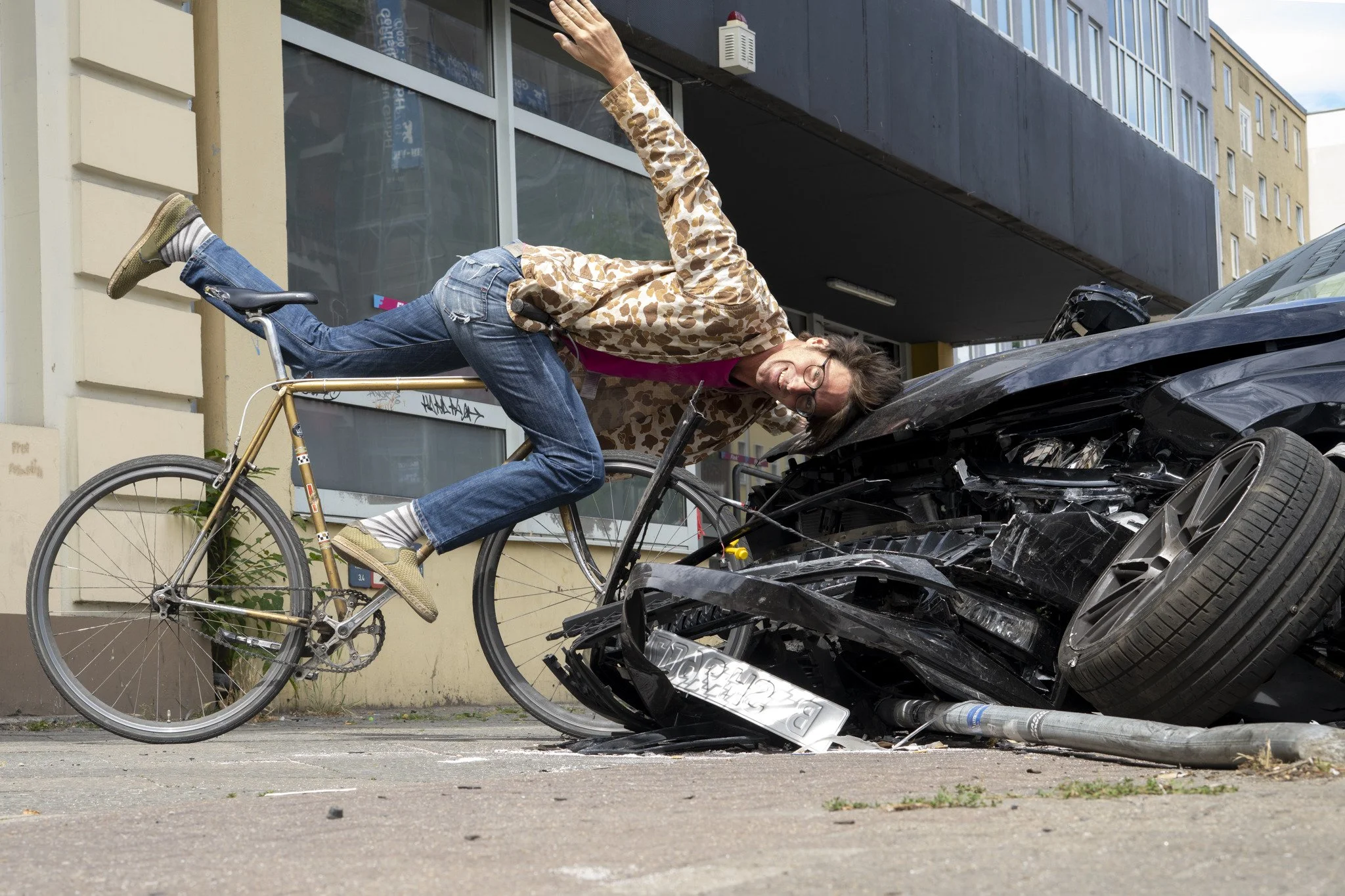
Activism Through Photography: You call yourself a bicycle activist. How does taking photos of damaged cars help promote cycling and change people's minds about cars?
"It is horrifying that we have to fight our own government to save the environment." (Ansel Adams)
Driving a car is simply the right of the strongest, a form of transportation fascism, or the fentanyl of transportation, I'd say.
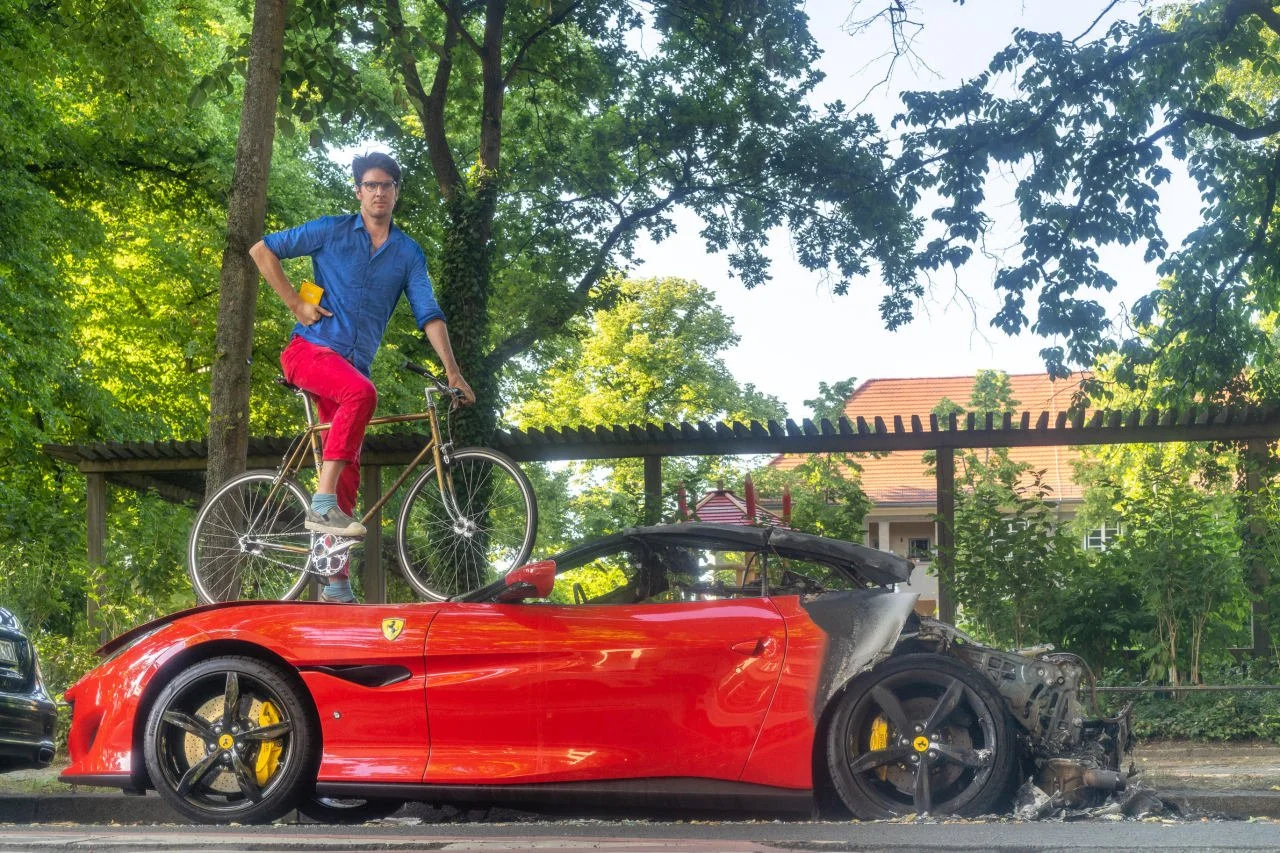
From an interview with a Swiss newspaper: "What is the victorious pose you're striking with your bike on top of the car supposed to convey?"
"There's a perception in Austria that cyclists are the bad guys, the hooligans. How can anyone say such a thing? As a cyclist, you simply want to reach your destination safely. Then I thought of big-game hunters. I wanted to use this arrogant, ostentatious, asshole-hunting pose as a stylistic device. In my pictures, I triumph over the car, which I consider a dinosaur. So I'm turning it around. Now it's the weaker road user who takes revenge for the injustice done to them in public space."
But I do classic activist work as well: standing in the cold for hours to protect trees, using my "fame" to redirect security and police attention toward me, administering various pages, participating in demonstrations and traffic victim memorials.
From the first photograph on, there was incredible positive feedback on social media that stayed consistent for years. Otherwise, I would have worried about damaging the cause.
Anyway, one has to admit we've lost (as many climate movements now acknowledge). Instead of trees, EV-SUV charging stations were built in city centers to cement individual car driving downtown, where cars really aren't needed, especially SUVs. Paris under Anne Hidalgo is the best a city can do.
It's like flying. Your brain tricks you even deeper than the love of children. It's a paradise-like state of mind, being accelerated without using any of your own body energy and without using your feet. The acceptance of this huge number of victims is horrifying.

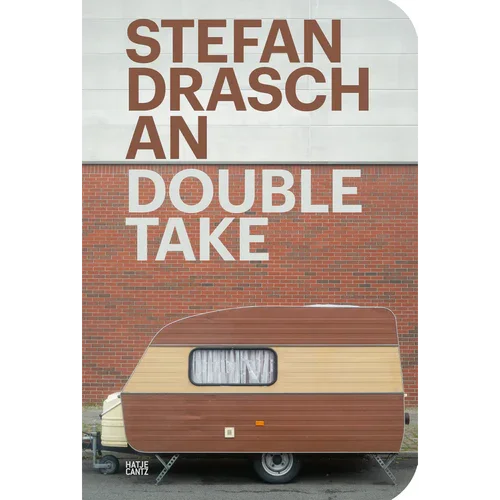
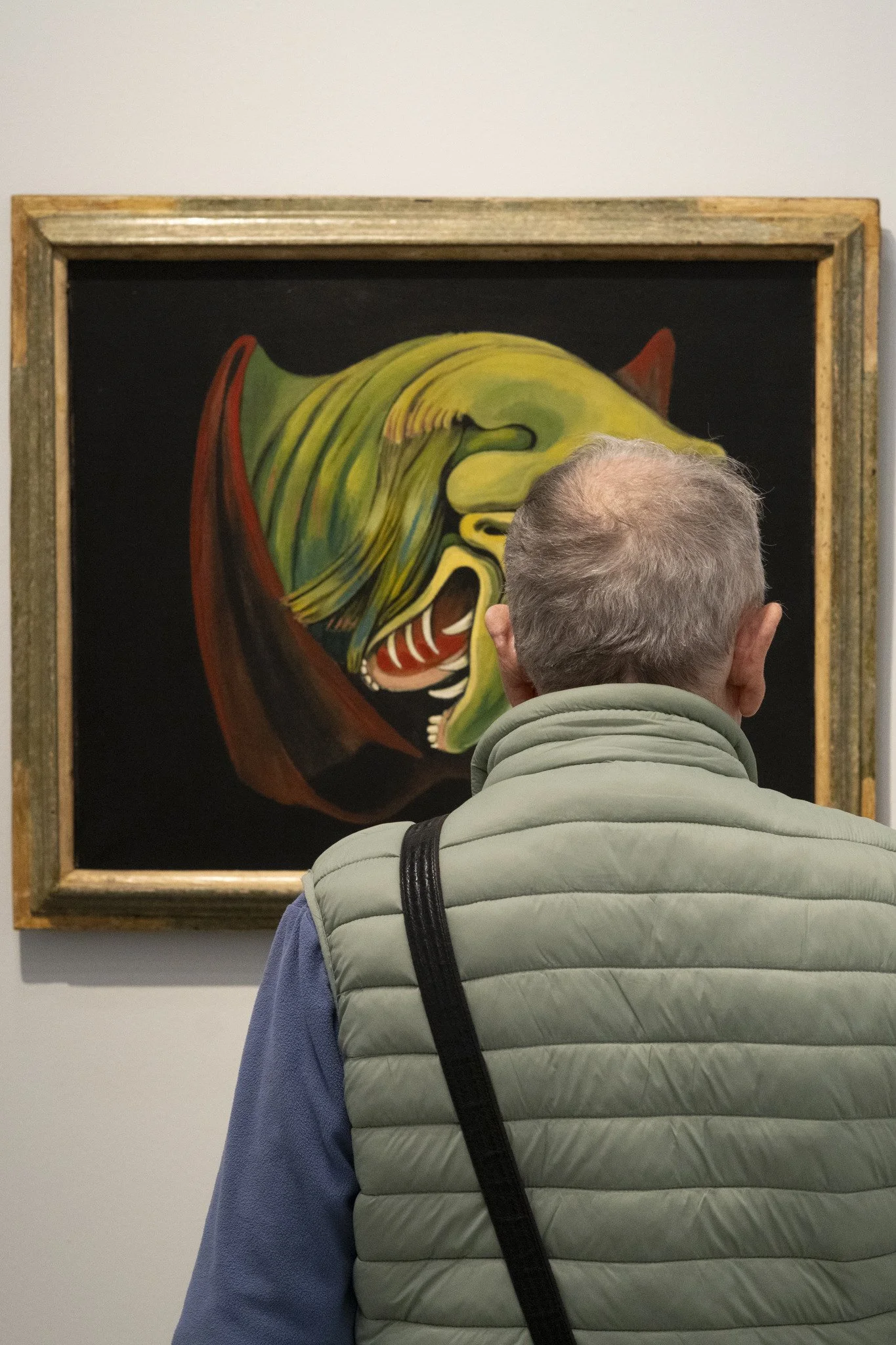
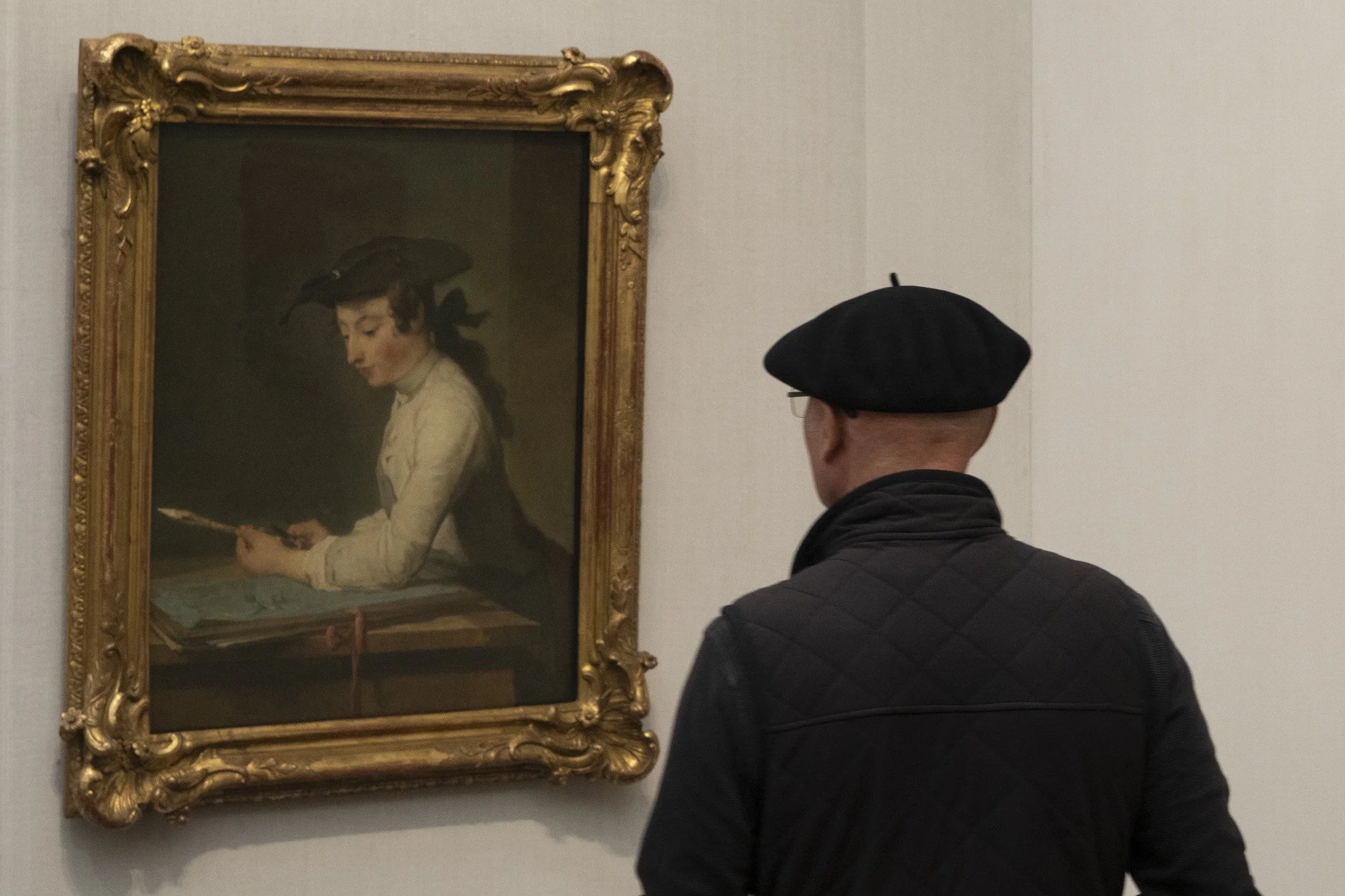

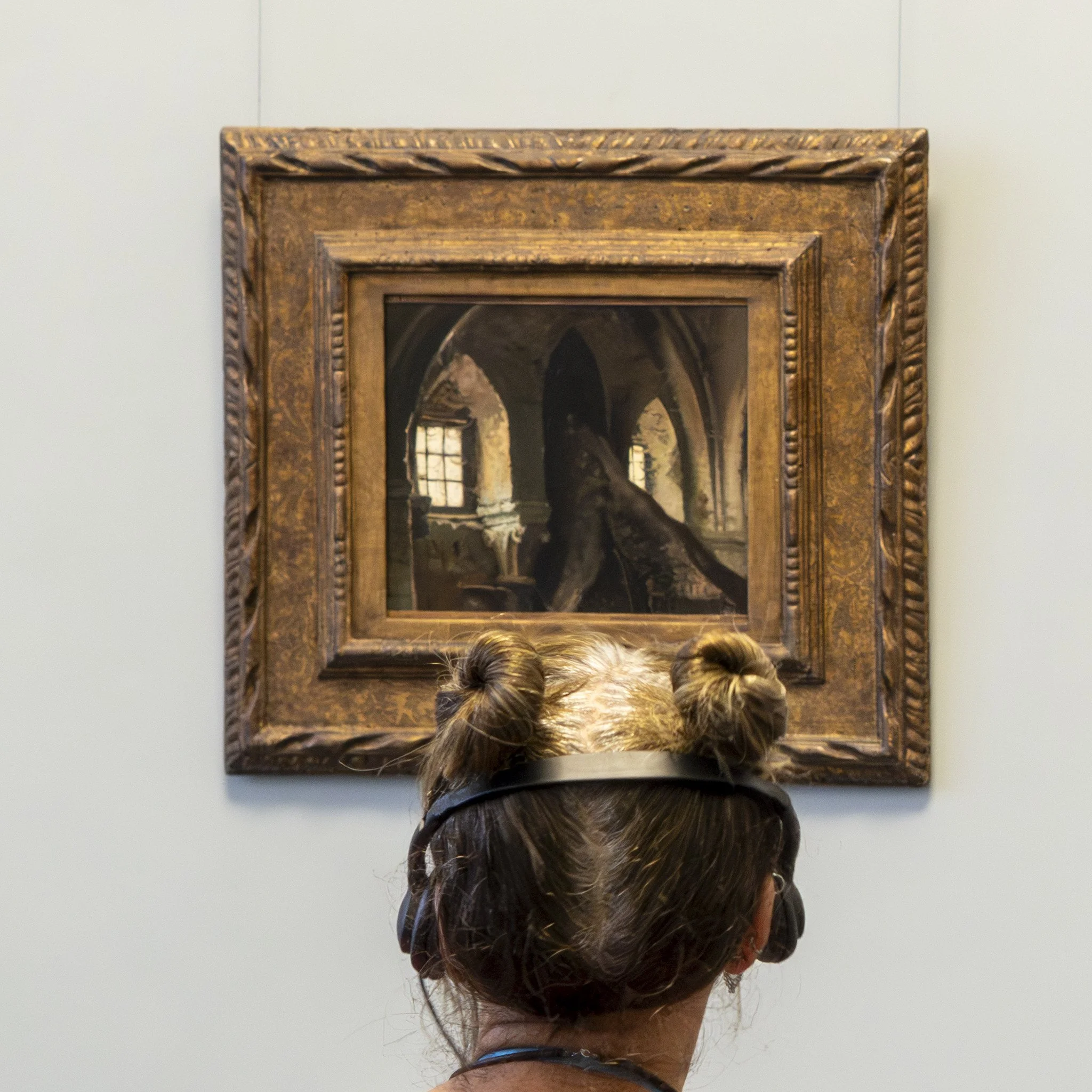
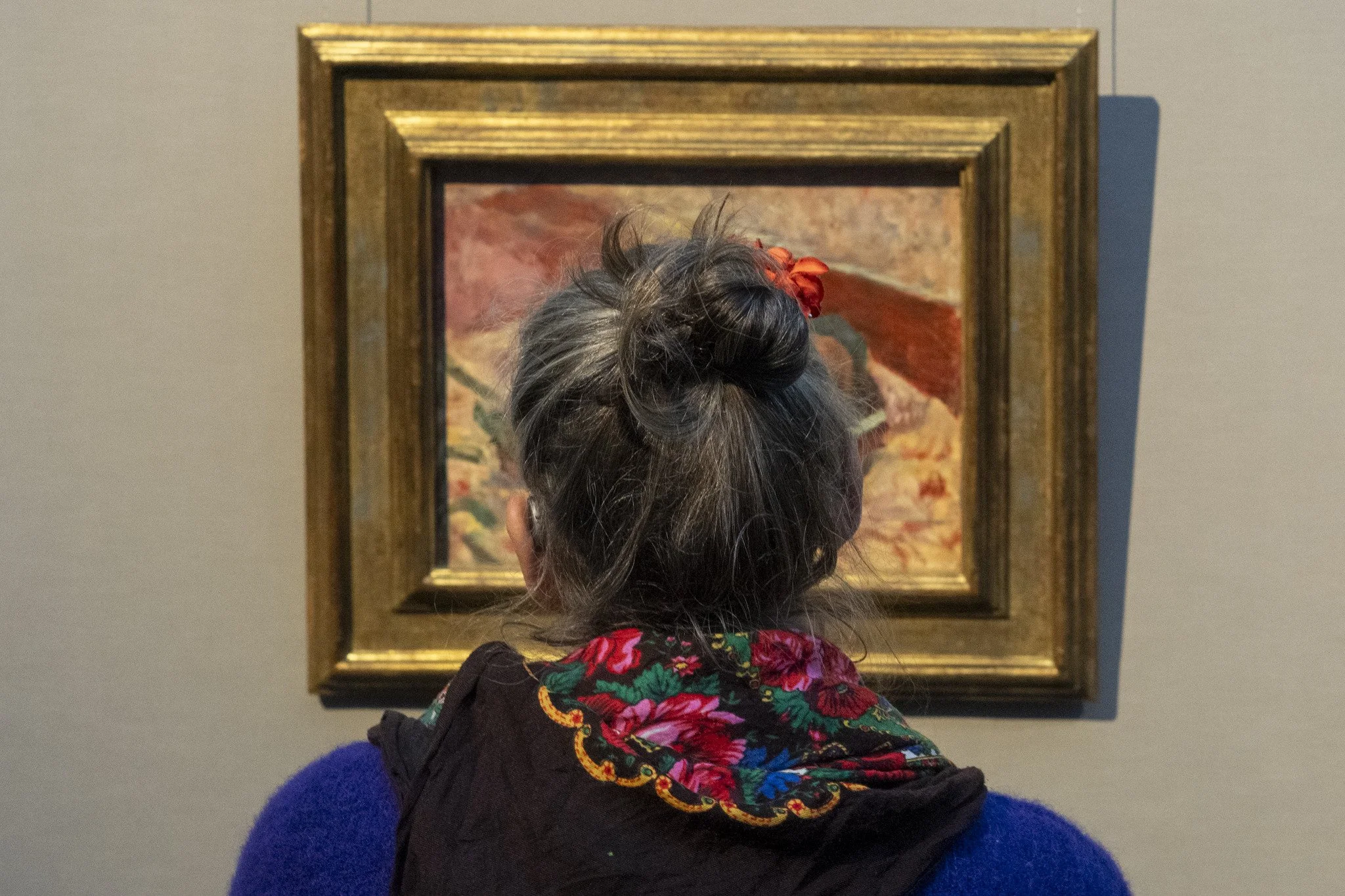
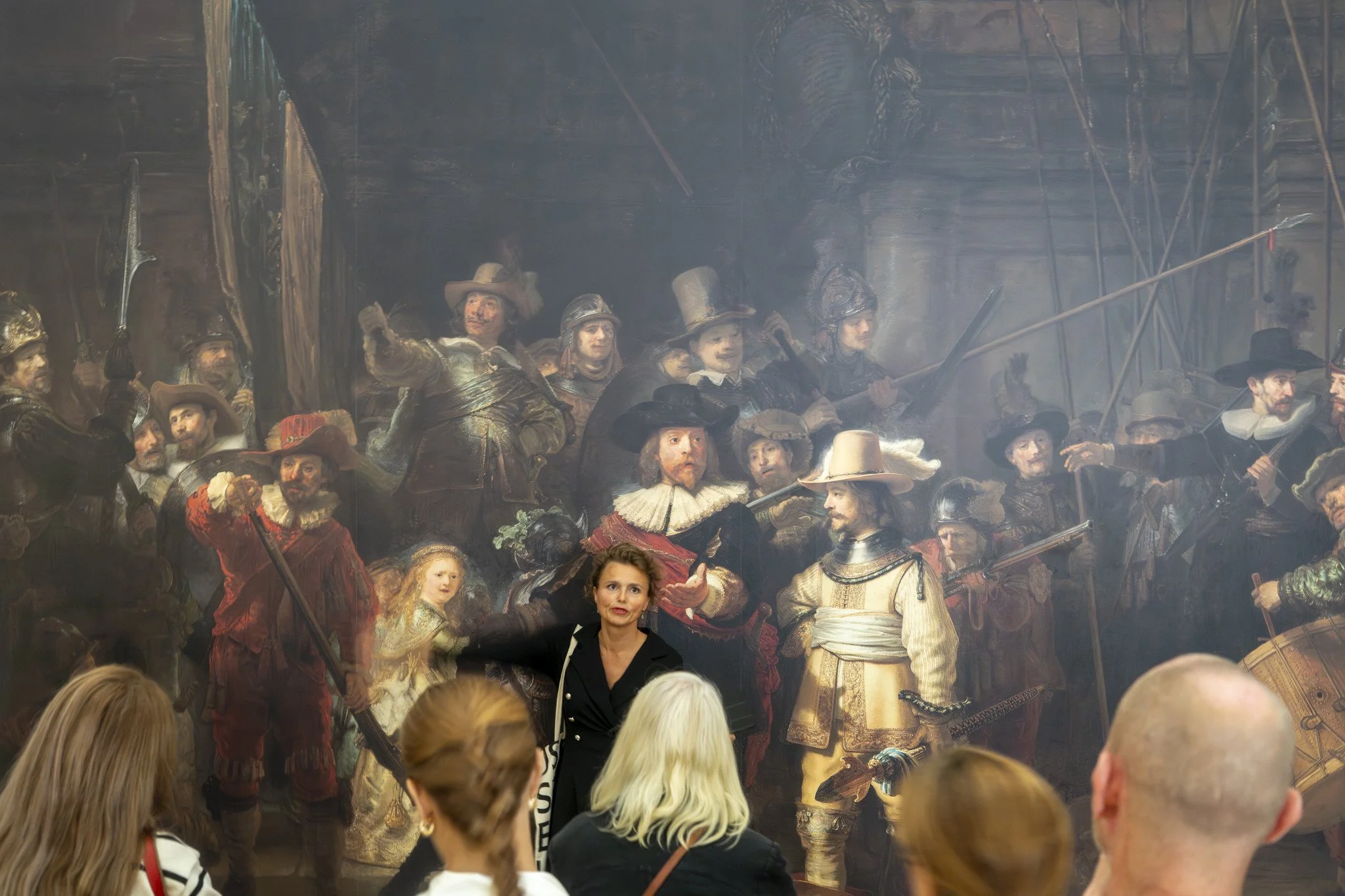
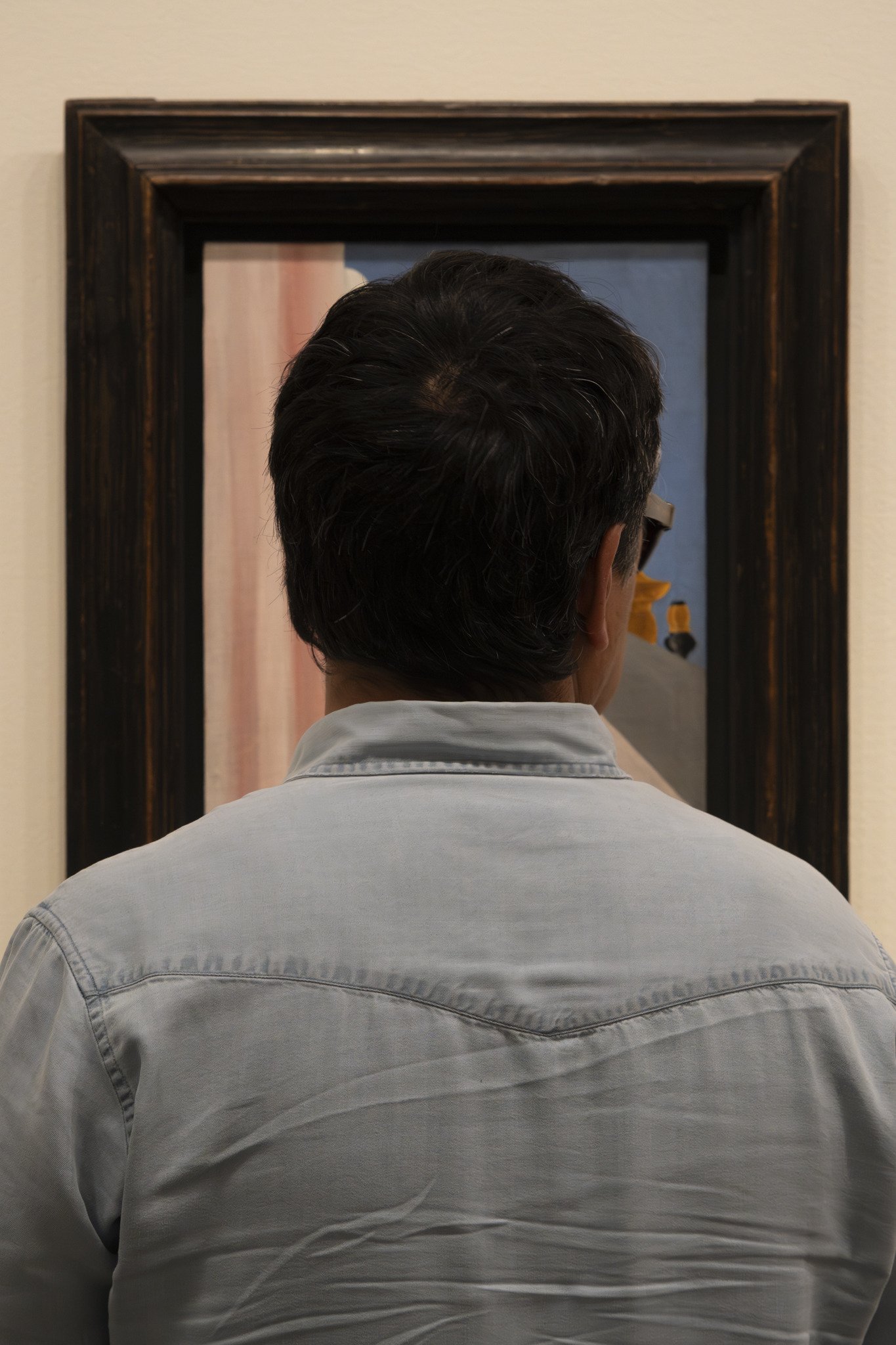
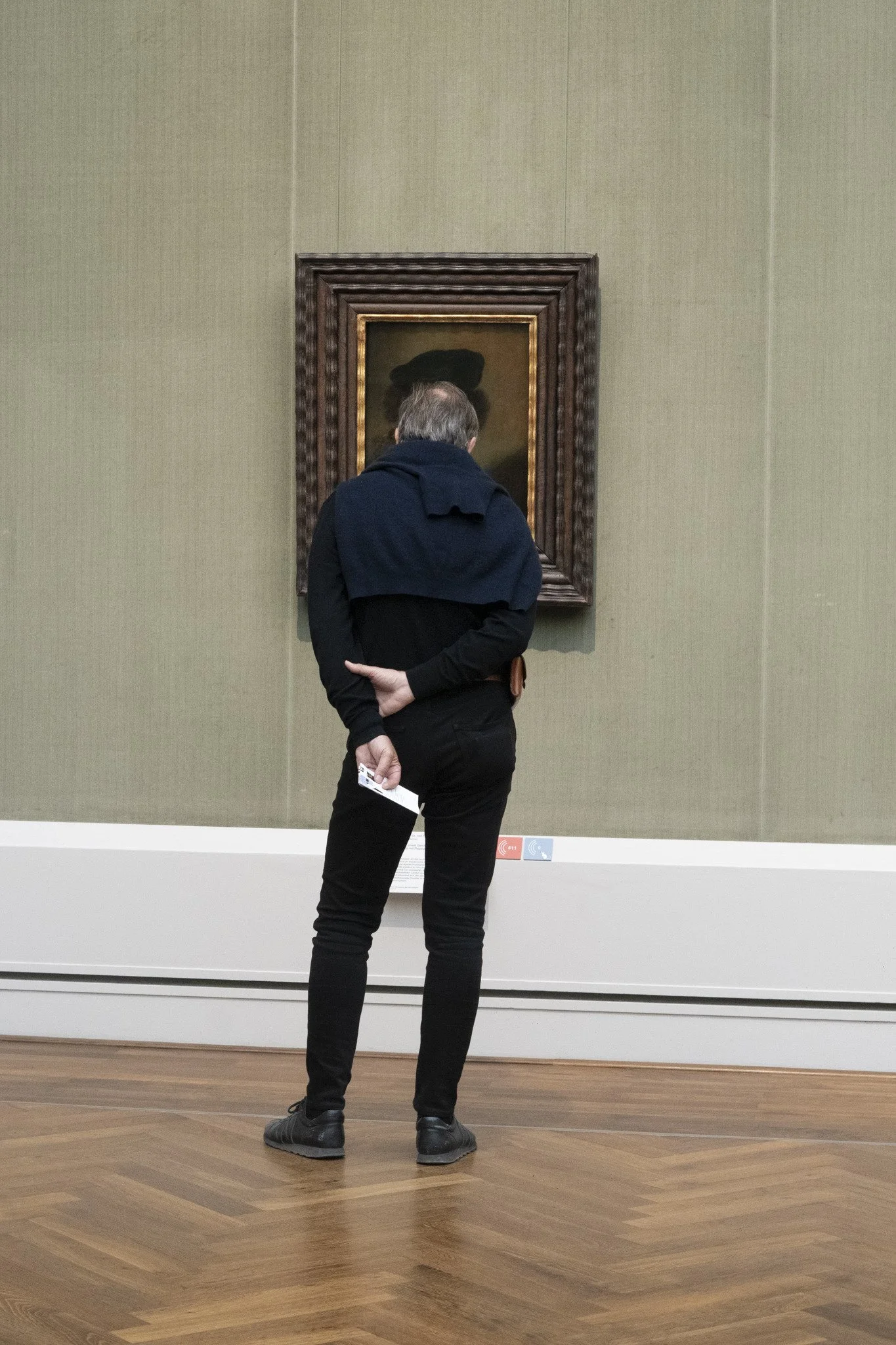
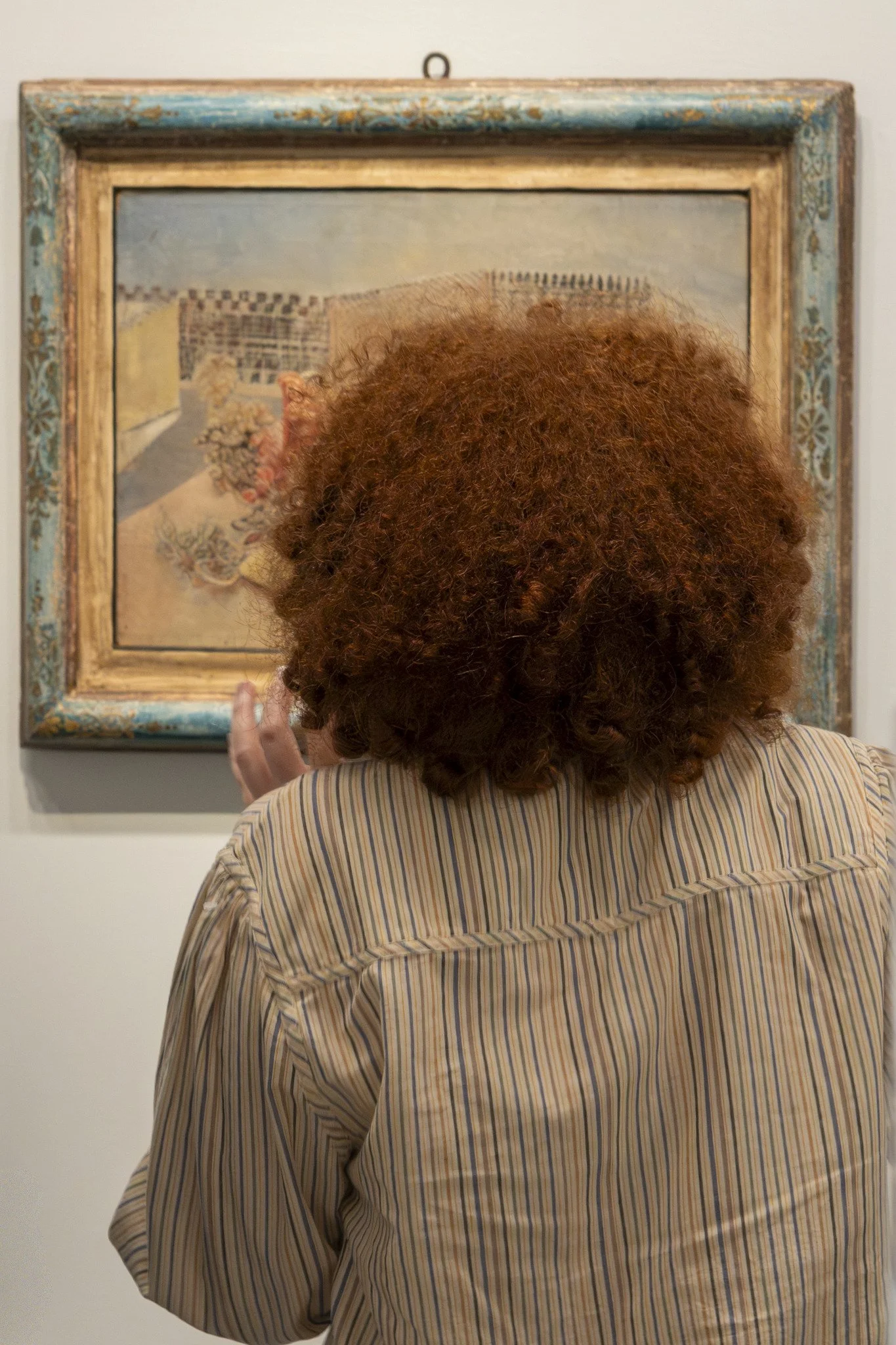
To discover more about this intriguing body of work and how you can acquire your own copy, you can find and purchase the book here. (Hatje Cantz, Amazon)
More photography books?
We'd love to read your comments below, sharing your thoughts and insights on the artist's work. Looking forward to welcoming you back for our next [book spotlight]. See you then!
Robin de Puy could no longer make this project alone. She first photographed Randy in Ely, Nevada, during a 2015 road trip and kept returning to him for more than ten years. Interviews