How Sunrise Hunts and Serendipity Created the Look of Alex Kittoe’s book
Welcome to this edition of [book spotlight]. Today, we uncover the layers of 'Setanta's Bi-Monthly series 024,' by Alex Kittoe (published by Setanta Books). We'd love to read your comments below about these insights and ideas behind the artist's work.
A book like Setanta's Bi-Monthly series 024 (024) can only emerge from years of wandering with a camera.
It comes from slow travel, from quiet mornings, and from a growing archive that kept changing as Alex Kittoe changed. Across Europe, California, Africa, and Asia, he learned to trust film, to use colour with intention, and to let his curiosity guide him more than any plan. The result is a book that shows both the patient landscapes he started with and the more instinctive moments he grew into. It is a look at how a photographer finds his voice over time.
This interview explains how that evolution shaped every part of the book.
Alex talks about film, colour, editing, and why the best images often come from paying attention to real life instead of chasing a single idea. He also shares how he selected images from more than sixty thousand photographs and how he built a sequence that still feels personal and unified. Together, these stories show what it takes to turn years of experience into one clear body of work.
The Book
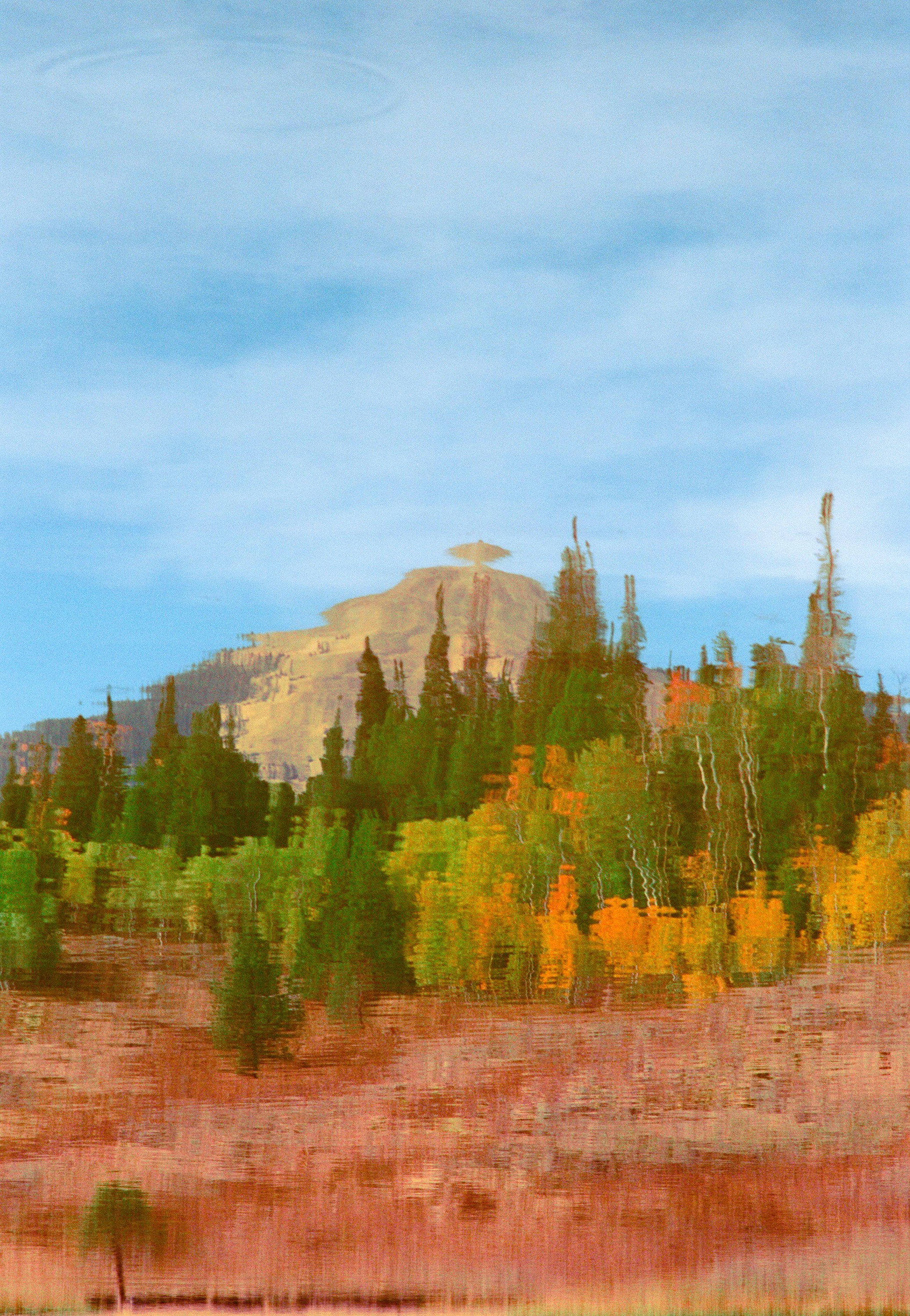
Setanta's Bi-Monthly series 024 is a collection of photographs made across several years of travel through Europe, the United States, Africa, and Asia. Instead of focusing on one project or one place, the book brings together the full range of Alex Kittoe’s work: patient landscapes, soft early light, quiet scenes of nature, and more recent moments that include people and fast, instinctive reactions. The images come from an archive of more than sixty thousand photographs and reflect a slow evolution in how Alex sees and photographs the world. The book was created in collaboration with Setanta Books as part of their Bi-Monthly series. Alex selected more than five hundred of his favourite images, which were then carefully curated into a sequence that feels unified even with its wide mix of locations and subjects. The colours, the places, and the moods shift from page to page, but the feeling stays consistent. 024 shows a photographer developing his voice through light, colour, curiosity, and years of steady practice. (Setanta Books)
Project Start: What made you decide to create your book as part of Setanta's Bi-Monthly series for new photographers?
I have always admired the way Setanta approaches photography publications and had been in touch with Keith off and on over the past year. During that time, my archive grew tremendously, not only in scale but in range. Over the past year and a half, I have photographed everything from life in Europe and the California coast to moments in Korea, Kenya, and Tanzania. I have always believed that photography is not meant to exist purely in digital form because it takes on new meaning in print.
I wanted to create a collection that felt personal and representative of my work, something that could be experienced anywhere without the need for another exhibition. After a call with Setanta, Keith mentioned they were open to working with photographers who had published before, and we both agreed this would be a great fit. From there, Martina Krosneva and I collaborated closely on the curation and details to bring the project to life.
Colour Magic: Your work is famous for using bright colours to create feelings - how do you pick which colours to use when editing your film photos?
I use colour as one of the main tools to bring my photographs to life and to connect viewers to the emotion of a place. When I am editing, I rely on colour theory to guide me, but I also trust memory. I often start by asking myself what the light truly felt like in that moment because raw photographs and film scans rarely capture the exact magic of what we experience with our own eyes.
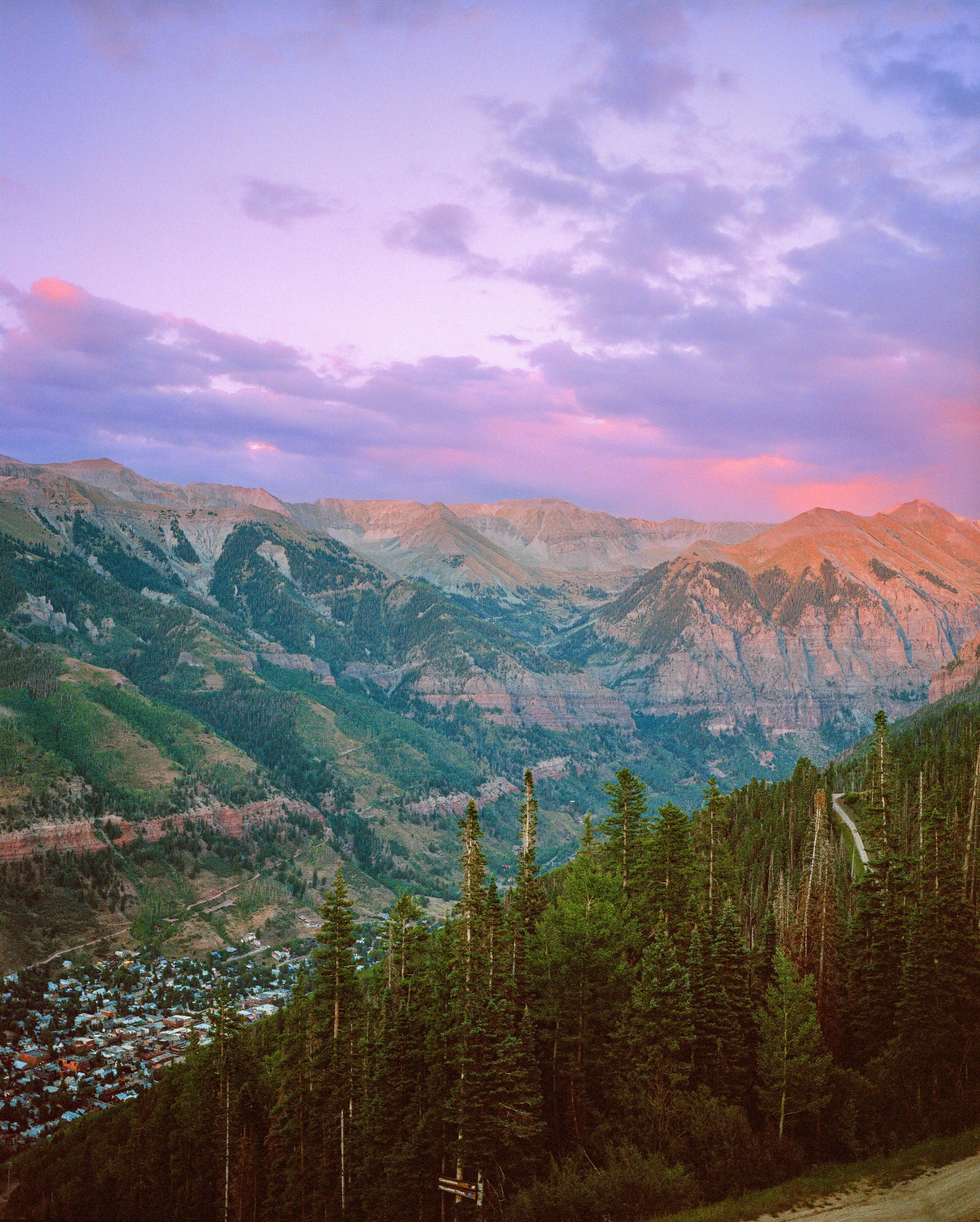
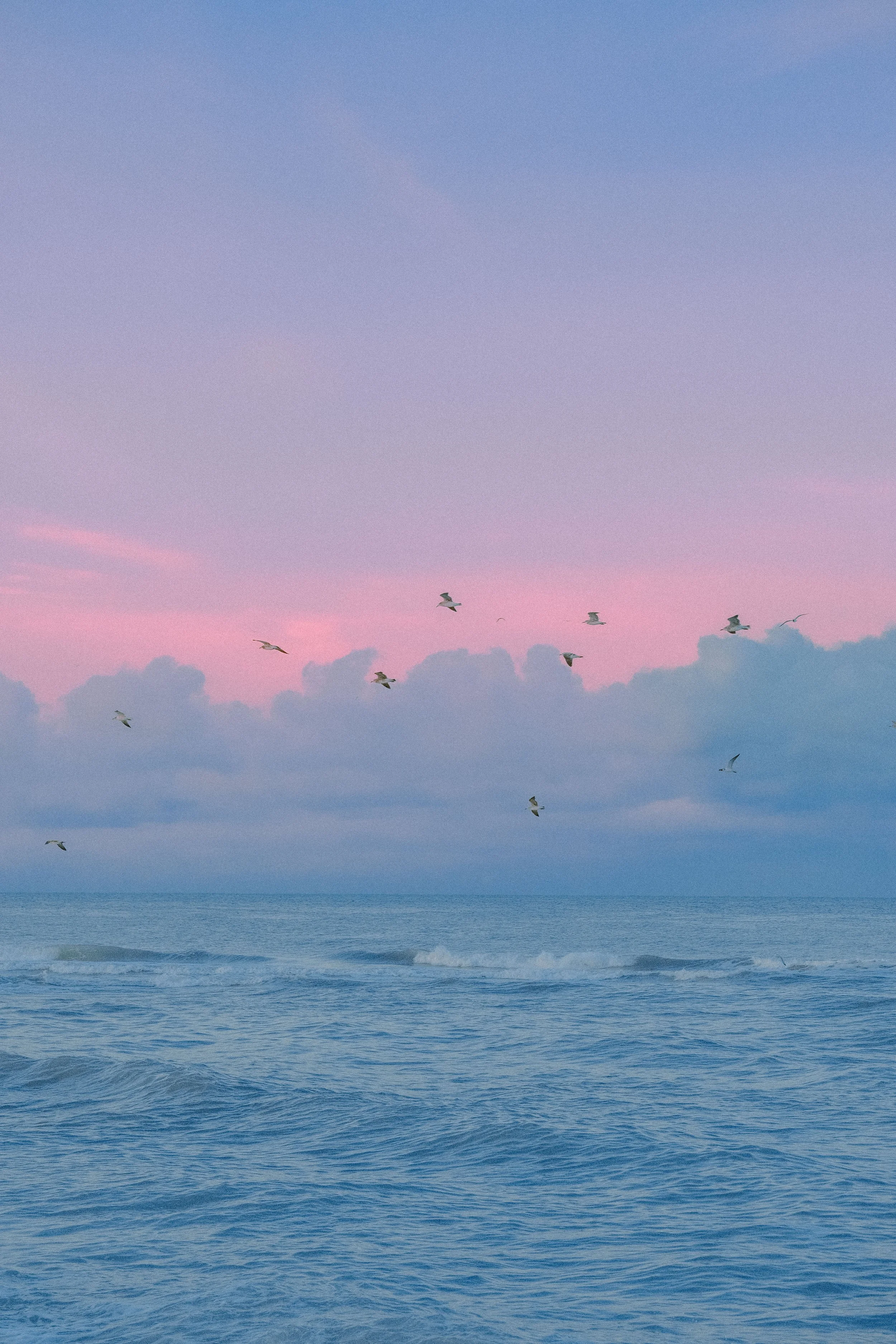
My approach sits somewhere between real and surreal, where colours are pushed just enough to evoke a dreamlike tone without losing authenticity. I want each photograph to feel like a distant memory, something familiar and comforting even to someone who has never stood in that landscape. Most of the time I work with the natural colours that were already there and lean into them very intentionally, whether that means the deep greens of a mountain range or the soft pastels of a coastal sunrise. I do not alter or replace elements in Photoshop, but in Lightroom I fine-tune the tones until the image feels the way it did when I was present.

Film vs Digital: You switched from digital to film photography in 2020 - what challenges did you face learning to shoot film for this book?
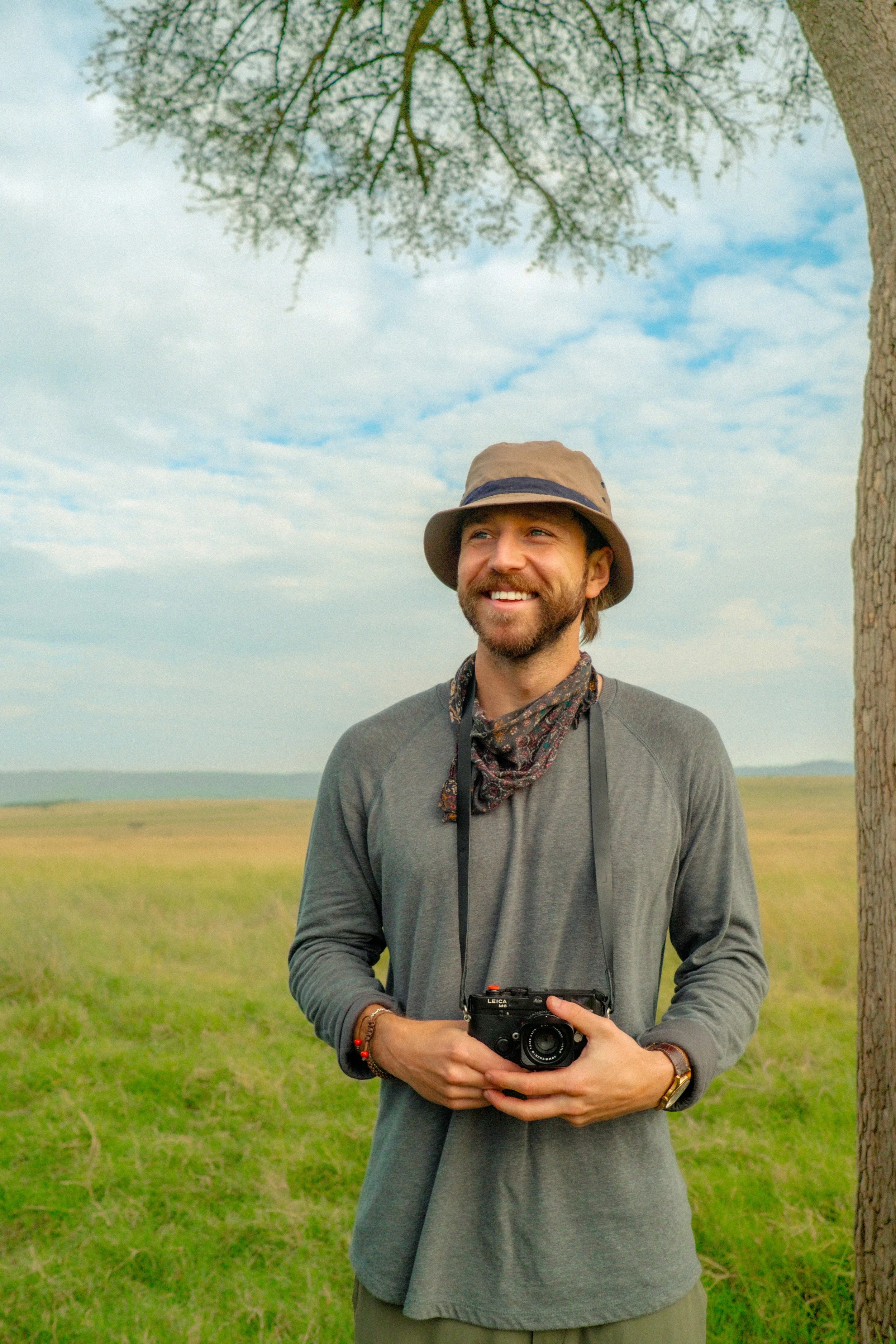
When I first started shooting in 2017, I bought a Sony A6000 with the simple goal of capturing memories. I quickly fell in love with photography and the idea of freezing real moments in time, but I struggled to find my voice. Looking back, I relied too much on the automatic capabilities of my digital camera and often used presets I found online, which held me back creatively. In 2020 I decided to set my digital camera aside and start shooting exclusively on film.
Like anyone learning film, I went through plenty of growing pains. I underexposed rolls, missed the spool and shot blanks, accidentally exposed film to light, and constantly questioned which stock to use. But shooting film forced me to slow down and truly learn the craft. I began to understand my camera settings, exposure, and light in a way that digital never demanded. Editing film scans became one of my favourite parts of the process, and the slower rhythm of film photography felt like a breath of fresh air. With a limited number of frames and the rising cost of film, I found myself pressing the shutter only when I was sure I wanted to preserve a moment.
Today I shoot both film and digital, but I approach them the same way. With patience, intention, and full manual control. Film remains my preferred medium, and I am grateful to work with the best film lab I’ve ever used, Gelatin Labs, who handle all of my development and scanning. I have learned when each format serves the moment best, but I cannot imagine ever giving up film entirely.
I noticed your work leans heavily toward vertical compositions. Is that a conscious creative choice, or does it come naturally from how you see scenes? How does shooting vertically change the way you approach a landscape?
I have always leaned toward vertical compositions for a few reasons. I like the natural layering that a vertical frame allows, especially when shooting closer subjects. It helps the composition feel less crowded and gives more depth. I also tend to favour this format when using longer lenses because it draws the viewer’s eye through the image in a way that feels more intentional.
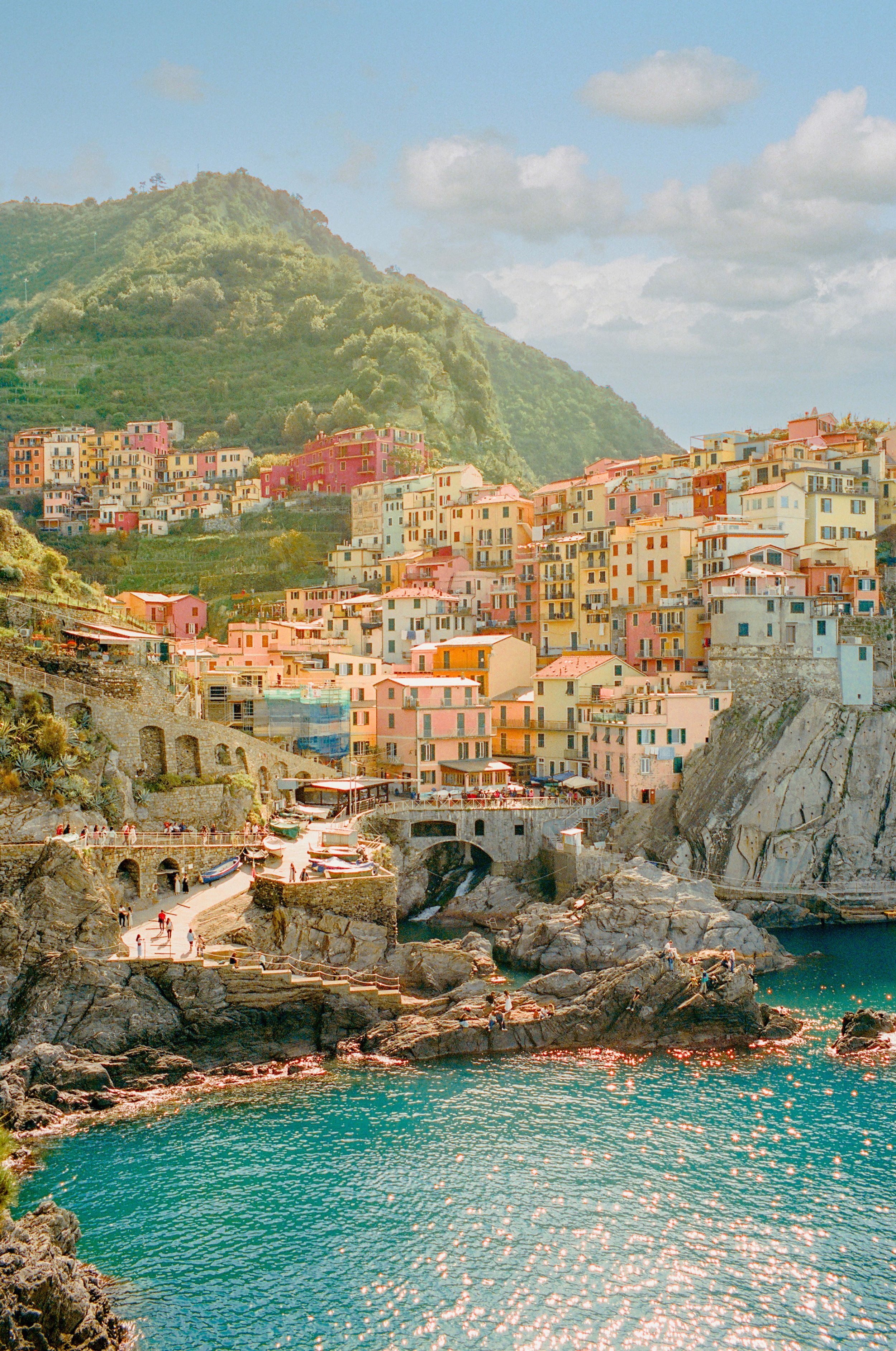

Another reason I shoot vertically is because of how I think about my prints. I enjoy displaying multiple vertical images together rather than one large horizontal piece, so sequencing and presentation are always in the back of my mind while shooting. How will these images feel next to each other? How can they connect visually?
That said, I have been shooting more horizontal frames lately, especially for wide, open landscapes where the scene naturally calls for more space. It really depends on what I want the viewer to feel, but I still find myself gravitating toward vertical compositions most of the time.
Travel Stories: The book shows photos from many places around the world - which location in the book was the hardest to photograph and why?
I wouldn’t say any specific location was the most difficult to shoot, but the images that include people were certainly the most challenging for me. For much of my career, I have focused on still landscapes. With landscapes, there is time to wait for the right light, to plan composition, and to settle into the environment. Even when conditions are unpredictable, those moments do not disappear instantly. I can be patient, deliberate, and at peace when I am shooting them.
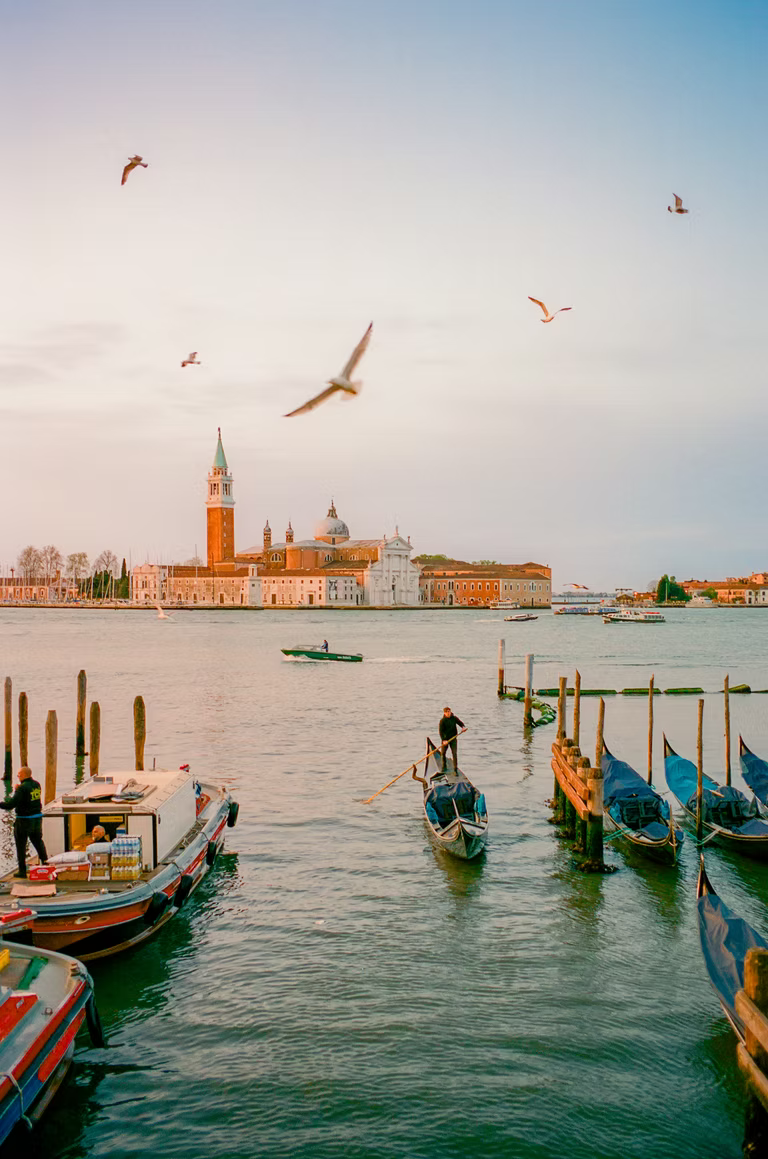
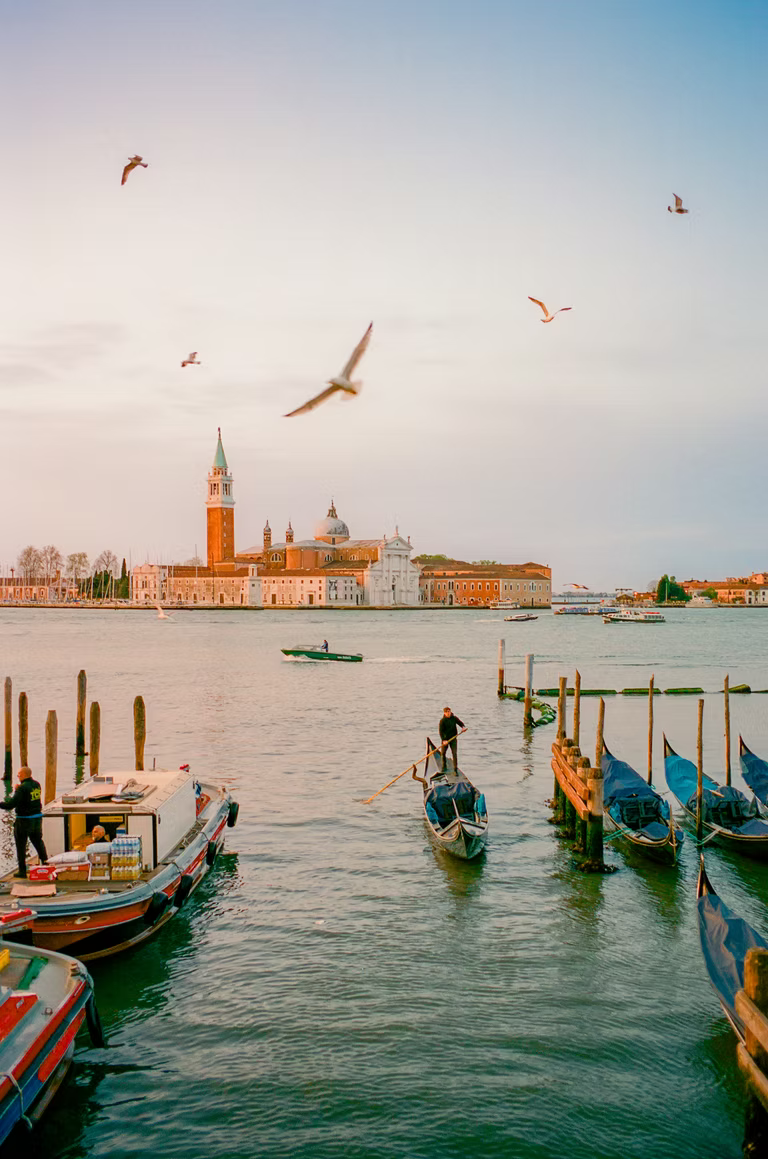
In recent years, I have been more drawn to incorporating people into my work, and that has been a learning experience. When you are photographing people, those moments pass in an instant. There is very little time to think or adjust, and you often have to shoot instinctively. That spontaneity can lead to missed frames, but it also leads to some of my favourite images. The photograph of Venice with the man in the gondola and the flock of birds is a perfect example. That scene existed for less than a second, yet it became one of my most memorable shots. Capturing those fleeting, subject-driven moments continues to be both the most difficult and the most rewarding part of my process.
Do you find yourself missing more shots now that you're chasing these fleeting human moments, or has your instinct gotten sharper?
A little bit of both. I think I have become better at putting myself in situations where I can anticipate what might happen, but that doesn’t always guarantee a great shot. Photography is built on fleeting moments, and some pass by faster than we can react. By seeking out places and scenes that genuinely interest me, I stay more present and ready to capture what unfolds, but there are still plenty of times I drive past something or notice a moment just a second too late. I try not to dwell on those missed opportunities. Instead, I remind myself that being able to witness them at all is part of what makes photography so meaningful.
Quiet Moments: You talk about capturing "spaces between solitude and connection" - can you share one photo from the book that best shows this idea?
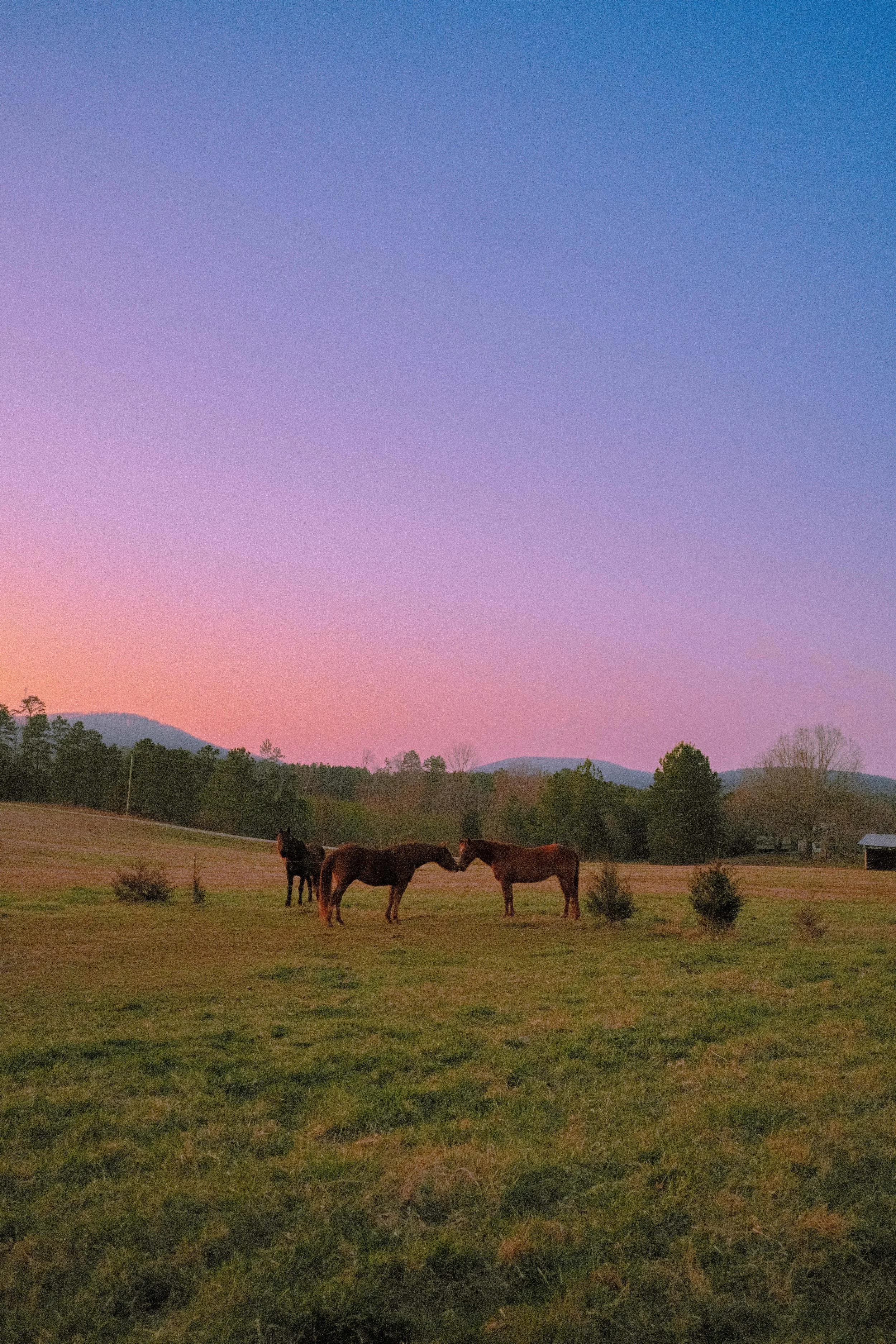
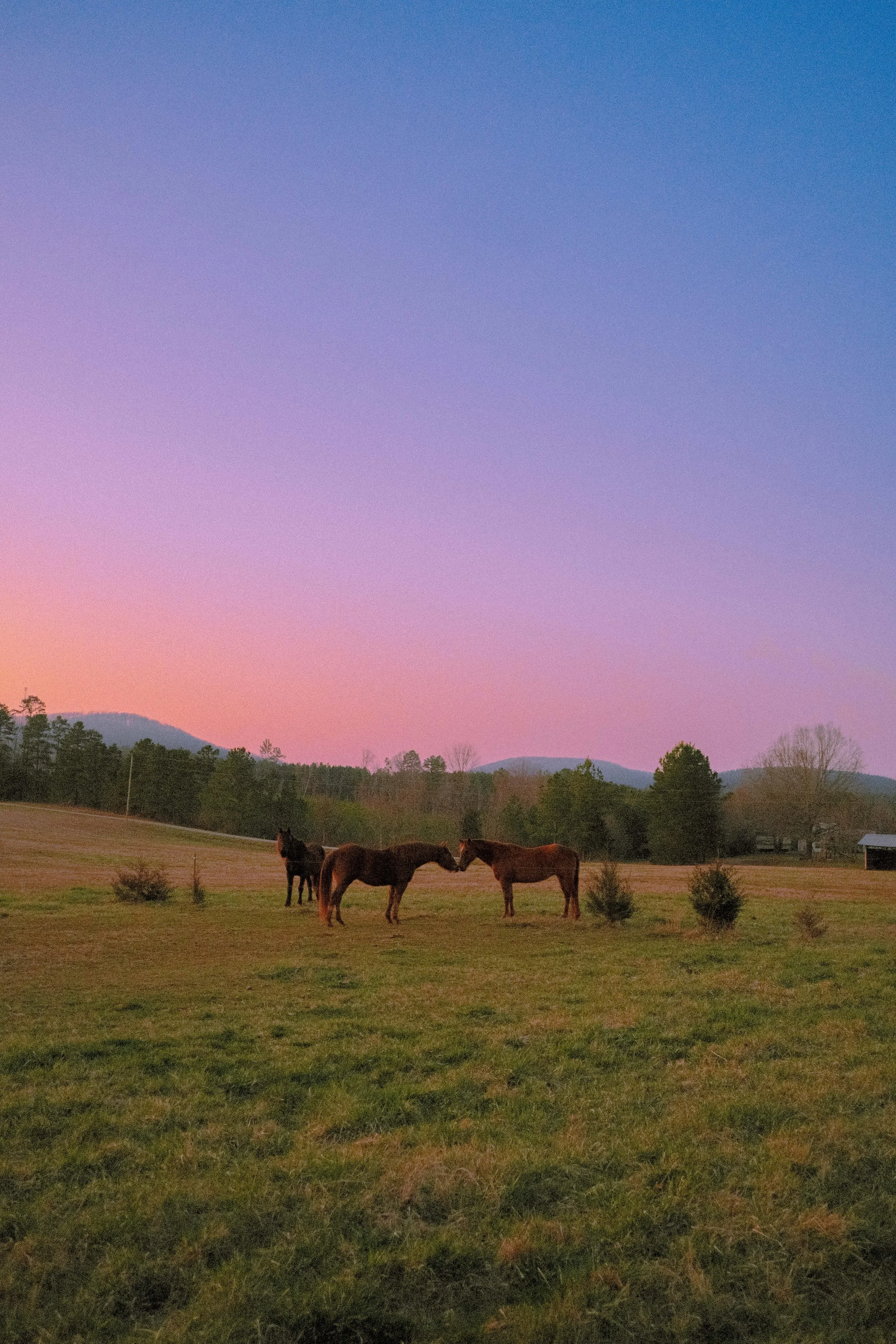
Capturing spaces between solitude and connection means a lot of different things to me, but one photograph from the book comes to mind in particular. It shows three horses at sunset in the middle of nowhere in North Carolina, with two of them sharing what feels like an intimate moment beneath a glowing sky. I was on a road trip through North and South Carolina, and the area I was staying in didn’t have much to offer, but I decided to go for a drive and see what I could find. As the sun began to set, I came across a small ranch with a handful of horses. It felt incredibly isolated, with no people or cars around and an almost eerie silence. I stood on the side of the road for a while, admiring the scene and the fading light above them. In that moment, I felt solitude and complete stillness, yet also deeply connected to my surroundings. Watching the horses interact from a distance had me in a sort of trance and left me with so many questions about the surrounding area. I stayed there in silence for half an hour, realising that there is beauty everywhere if you take the time to look for it.
Light Hunting: How do you decide the best time of day to photograph a scene, especially when you're in a new place?
This really depends on where I am, but I rarely plan my photographs in advance. I prefer to wander aimlessly through new places without researching them beforehand, so I don’t set expectations or feel disappointed if I miss a shot. It also helps me experience a place with curiosity rather than an agenda. I like to think of myself as a traveller first and a photographer second, with my main goal always being to truly experience new places. I shoot at all hours of the day, even when the weather is bad, because my intention is to live an interesting life and document it honestly. My portfolio reflects real experiences, not just perfect conditions.
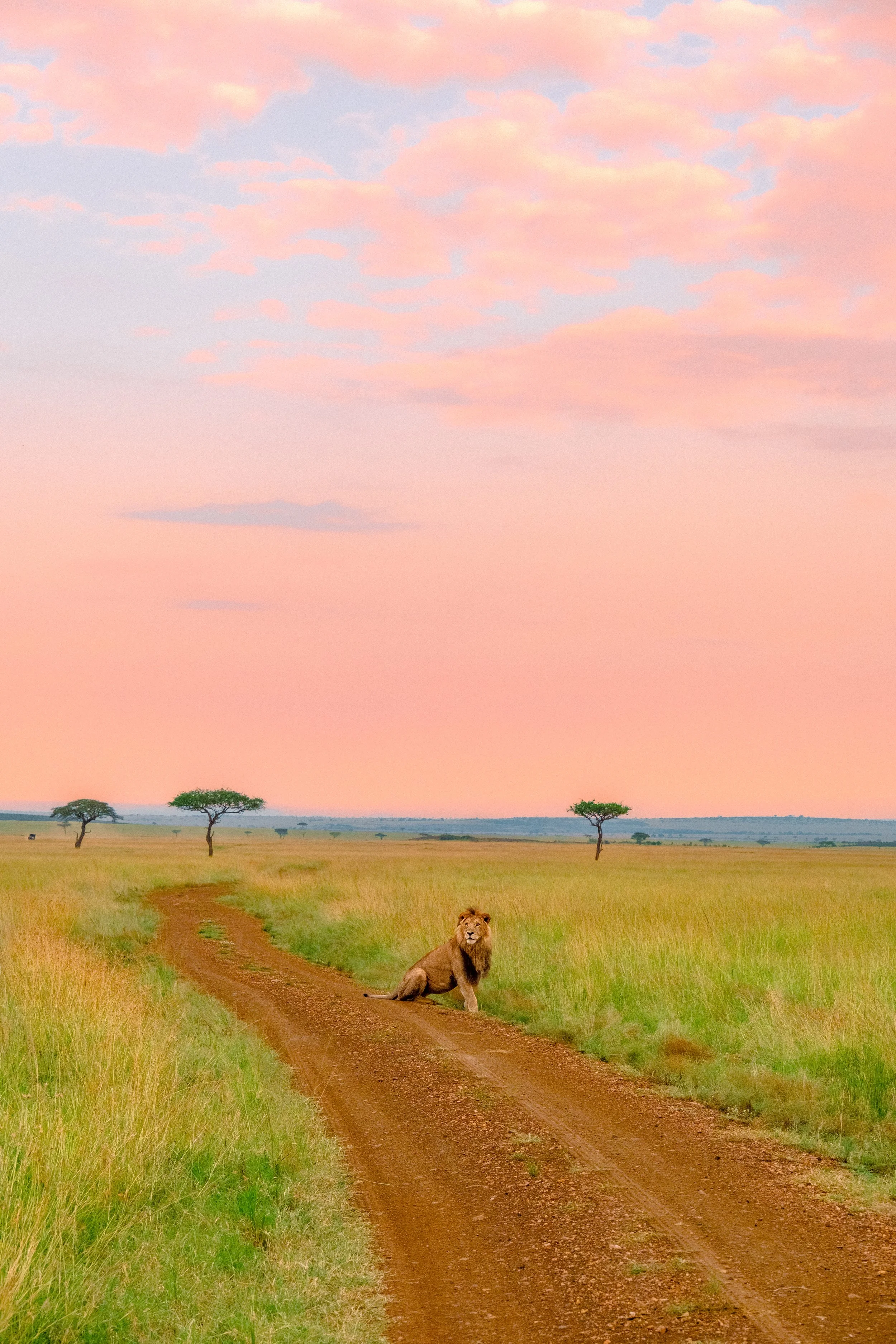
That said, I almost always wake up for sunrise when I am somewhere new. Some mornings are underwhelming while others are unforgettable, but sunrise always carries a stillness that other times of day do not. The world feels quieter then, with fewer people around, and you get to watch a place wake up. The light is soft, the birds are active, and the sky often feels alive. While some of my favourite photographs have been taken in the middle of the day under imperfect weather, many of the ones I am most proud of were made in that calm, early light.
What keeps you motivated to get up for those early shoots, especially after a disappointing one?
I have certainly been disappointed by my surroundings at sunrise as a photographer, but I am rarely disappointed by sunrise as a traveller. Sometimes waking up early leads to breathtaking scenes filled with soft colour and fascinating subjects. Other times it is cold, gloomy, or visually unremarkable. But my main motivation for getting up early is not always about creating great photos.
In popular cities like Venice or Florence, the crowds can be overwhelming. During the day, the main sights are often filled with tourists, pushy street vendors, and locals trying to navigate the chaos. At sunrise, though, the world feels completely different. Most people are still asleep, and you can experience places that are usually packed with life in complete stillness. It becomes quiet enough to hear the city itself.
When I am in nature, like the mountains of Colorado, I wake up early for the light itself and the photographic opportunities it brings. But in cities, I do it to experience solitude and to see a place stripped of distraction. One of my favourite memories is visiting the Trevi Fountain in Rome at four in the morning with my wife. We were the only people there. The streets were silent, and we could actually appreciate the beauty of the place. By six o’clock, hundreds of people had arrived, and the moment was gone. Those quiet hours remind me why I keep getting up for sunrise, even after a disappointing one
Film Choice: What film stocks did you use for this book and why did you pick them for this project?
I mainly shoot Portra 400 and Cinestill 800T, with the occasional roll of Portra 800 or Kodak Gold mixed in. For me, Portra 400 is the best film stock for landscape photography. I love the natural tones it produces, especially when it’s overexposed by one stop, and it’s by far my favourite to edit. It performs well in almost any situation, offering consistent results and fine grain that still feels organic.
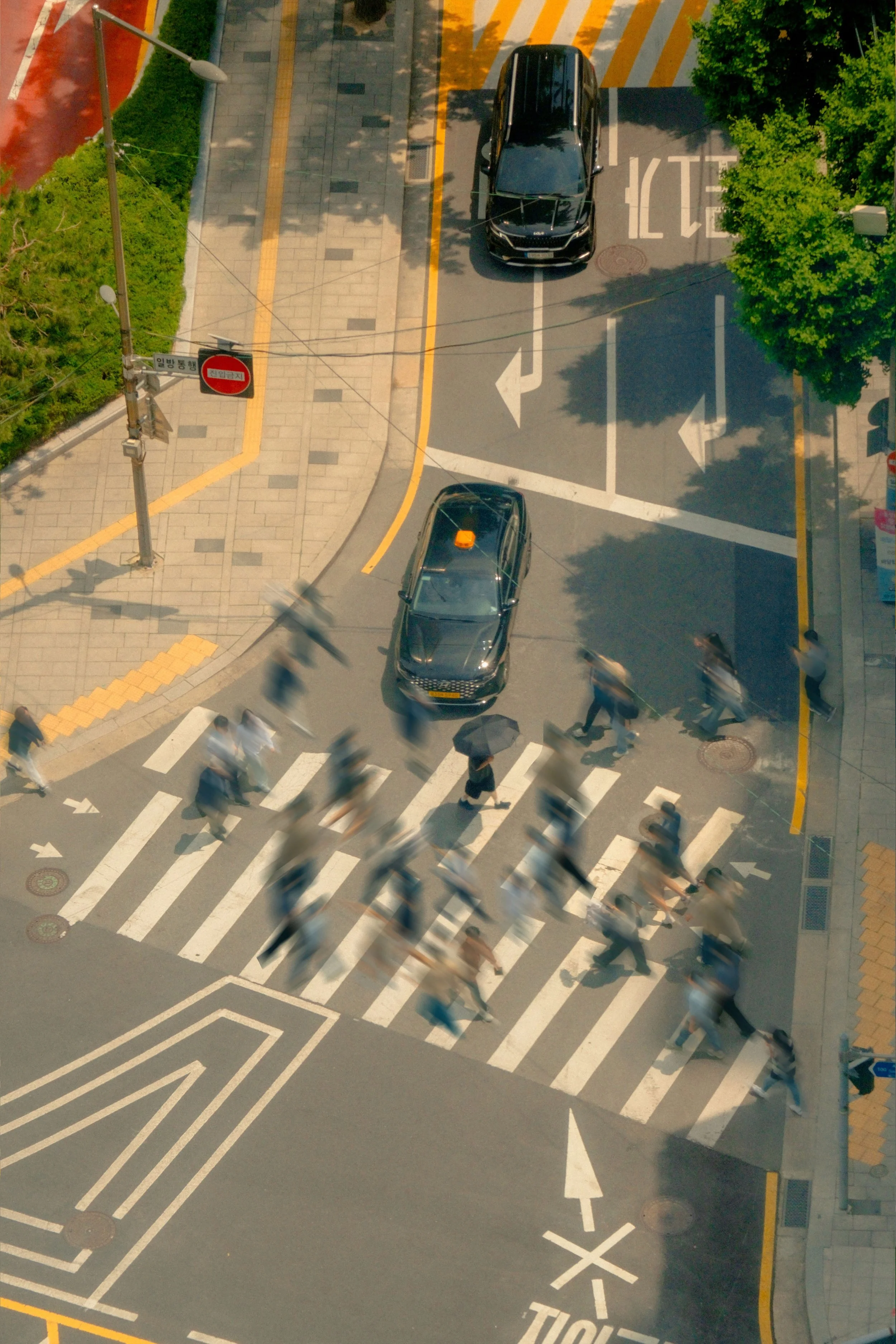
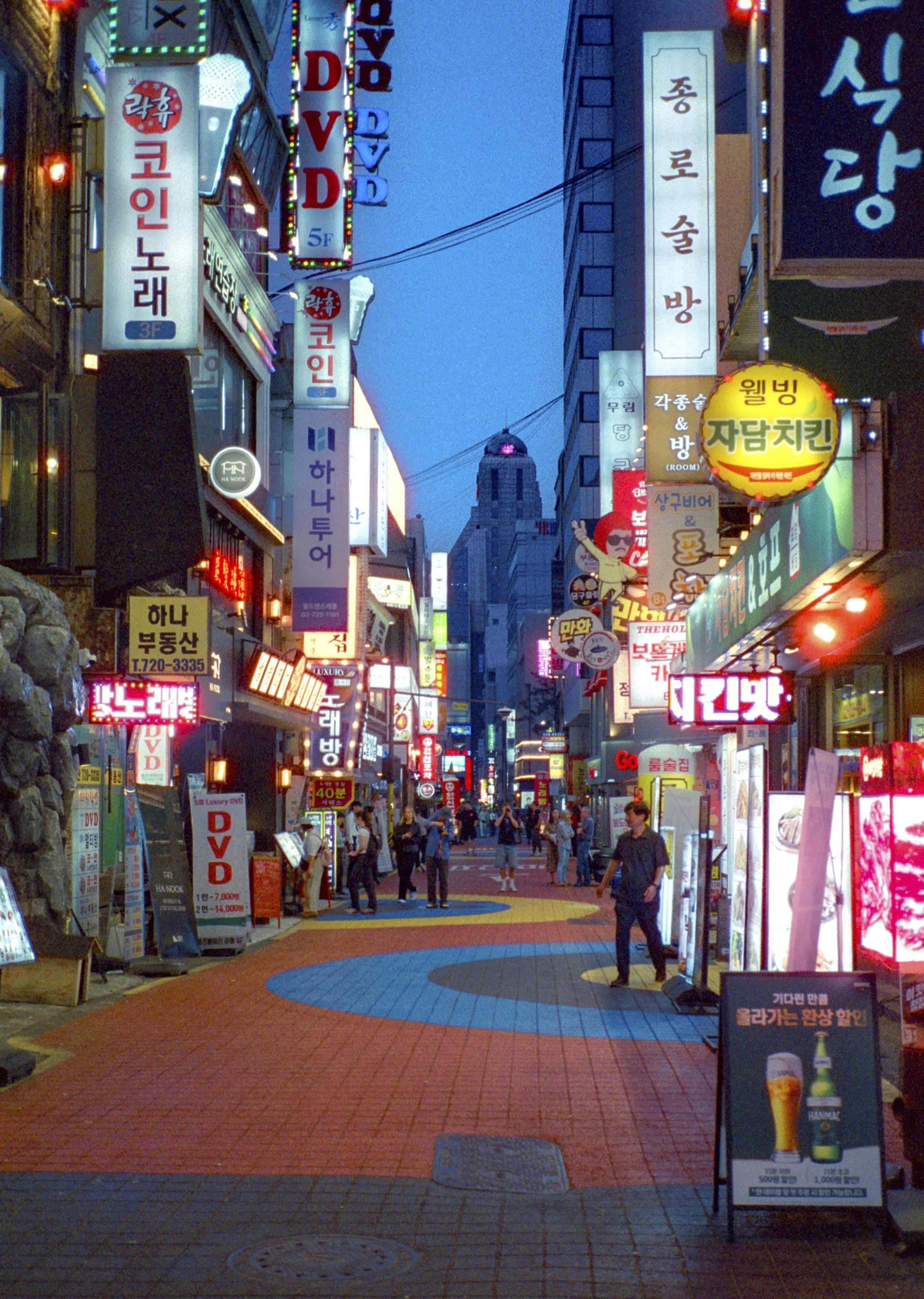
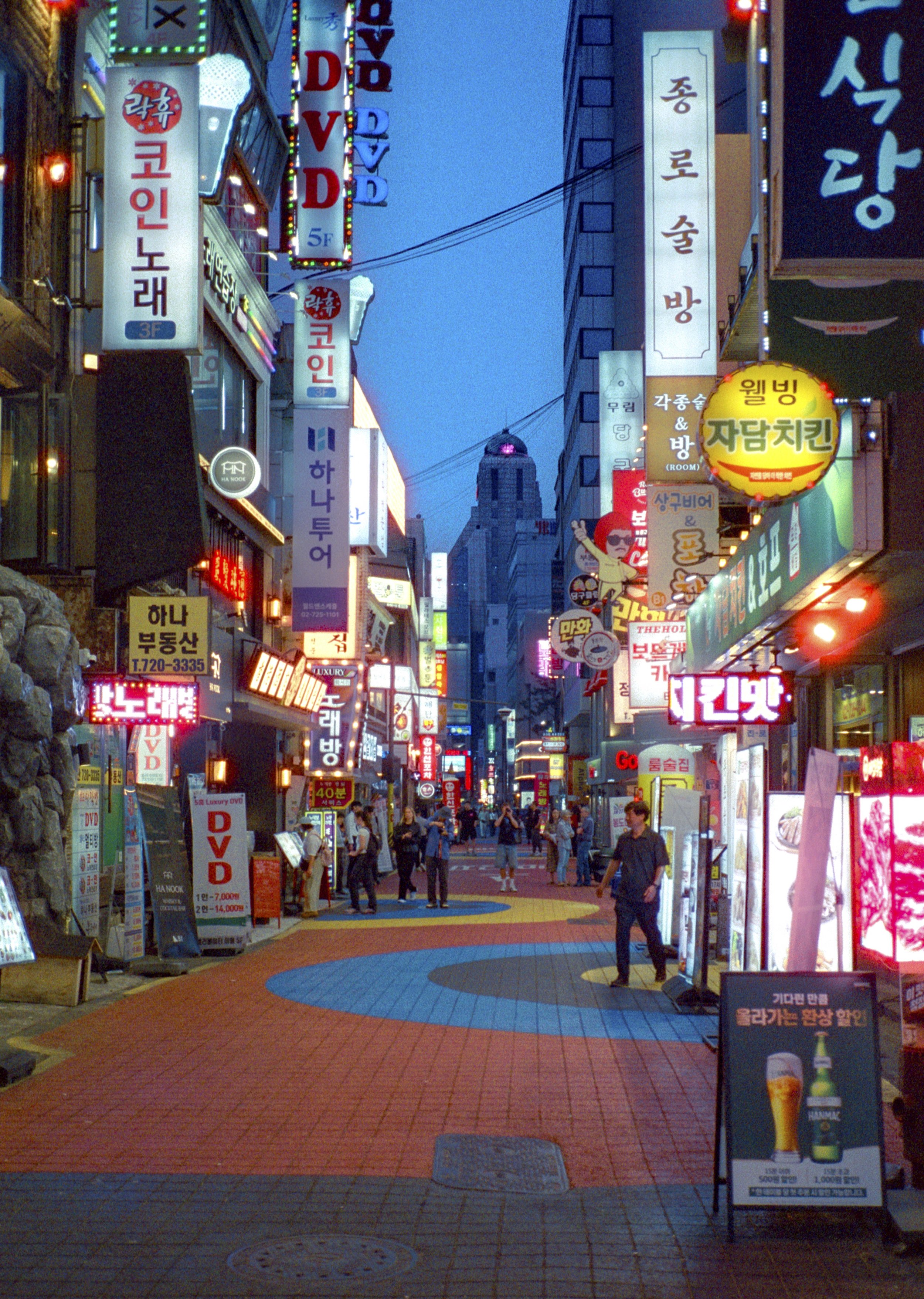
I use Cinestill 800T for sunrise, sunset, and scenes with artificial light. It creates a cinematic red halation that digital photography simply can’t replicate. Several of the sunset images in the book, as well as both photographs from Seoul, were shot on it. I’ve experimented with many different film stocks over the years, but I always find myself returning to these two because they consistently capture the colour and atmosphere I want.
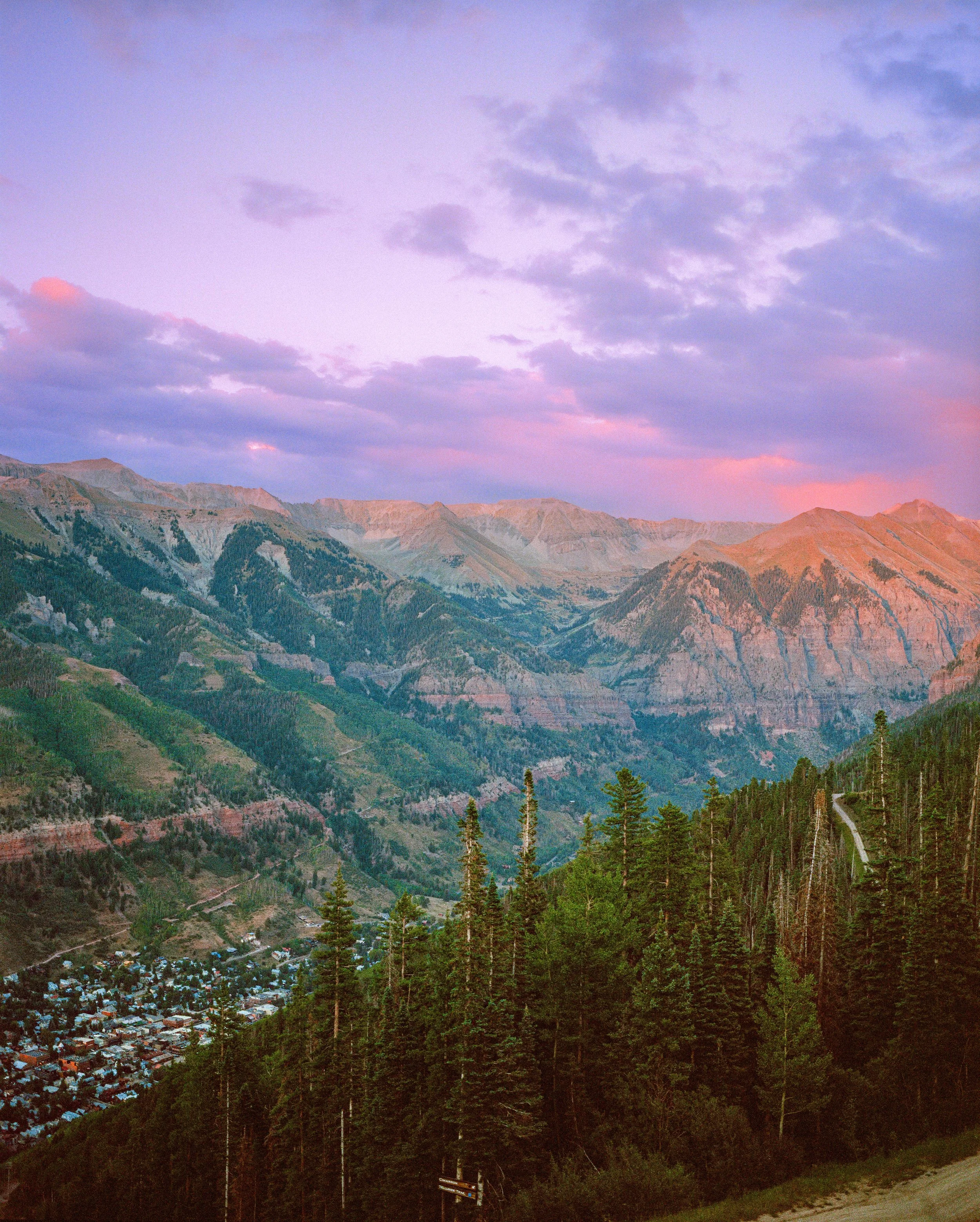
Editing Process: How many photos did you take to get the final selection for the book, and what made you choose these specific ones?
I didn’t shoot photographs specifically for this book. Instead, it came together naturally from years of personal projects and travel. My archive has grown to more than sixty thousand images at this point, although of course not all of them are shots I am proud of. Many were taken simply for the sake of memory and documentation rather than as fine art.
When I first began working with Setanta, I sent them more than five hundred of my favourite photographs from all over the world that I felt best represented me as a creative. Martina and I then worked closely to curate the final selection, choosing images that felt cohesive together while still showing the full range of my work.
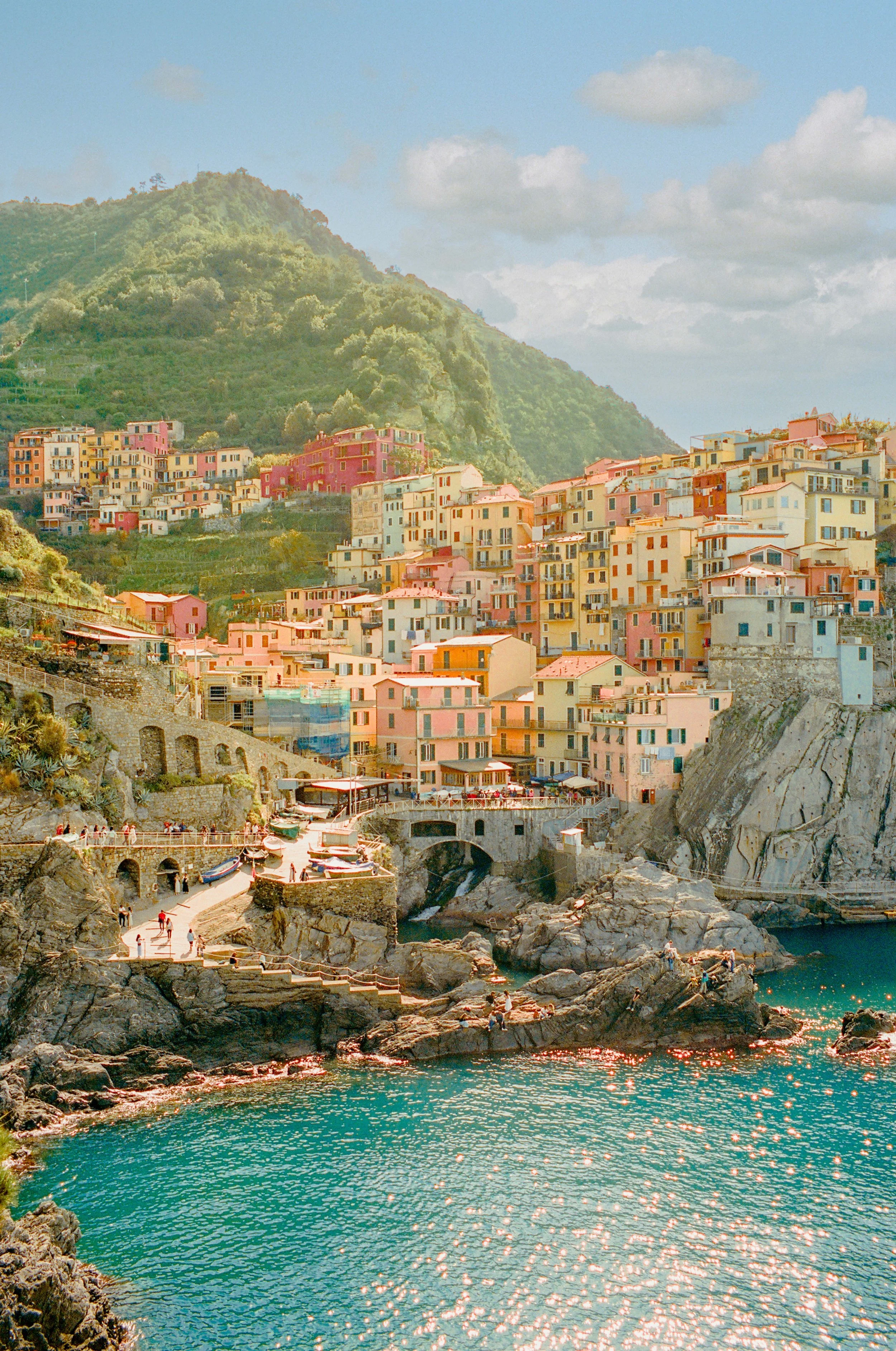
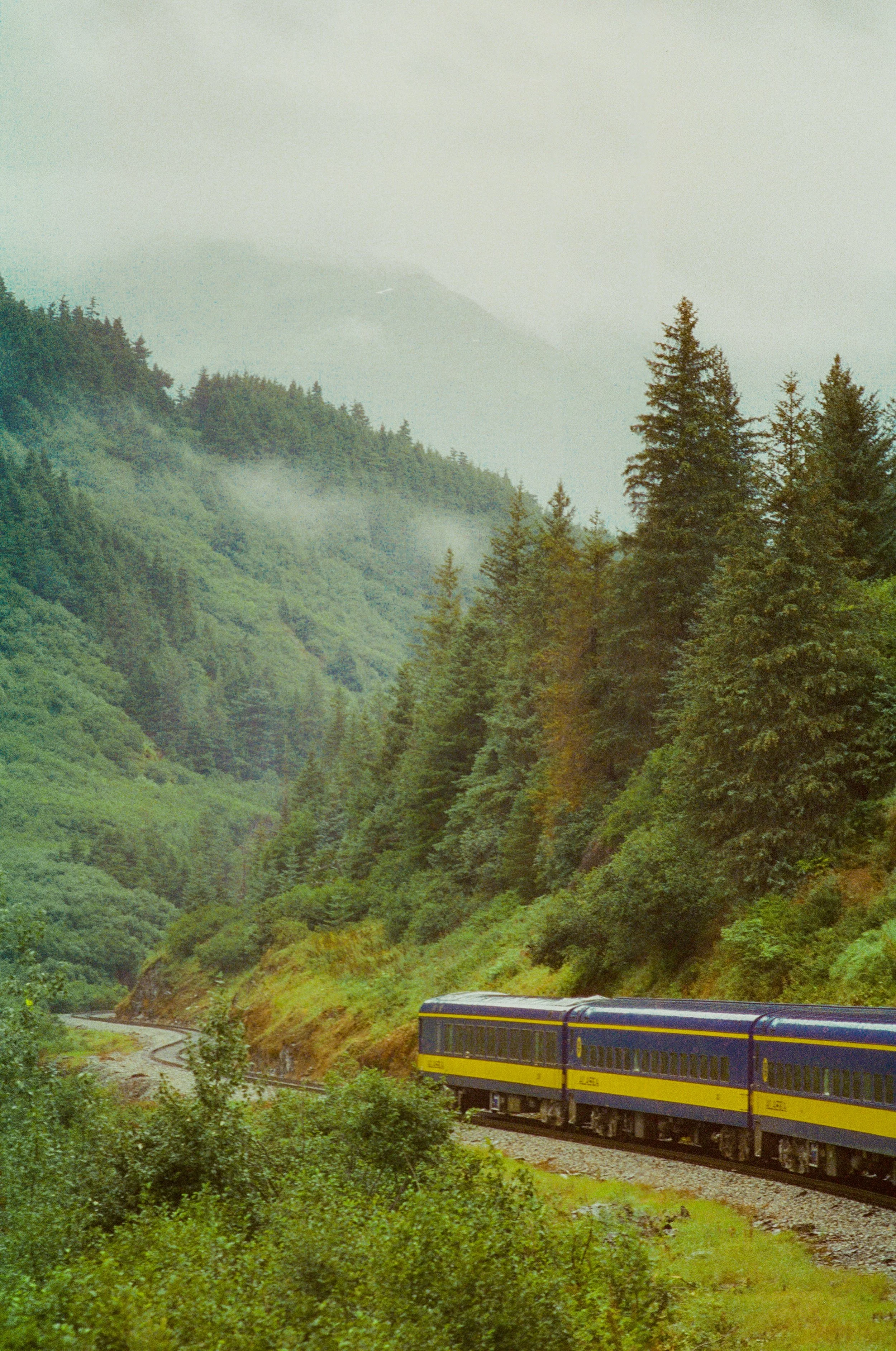
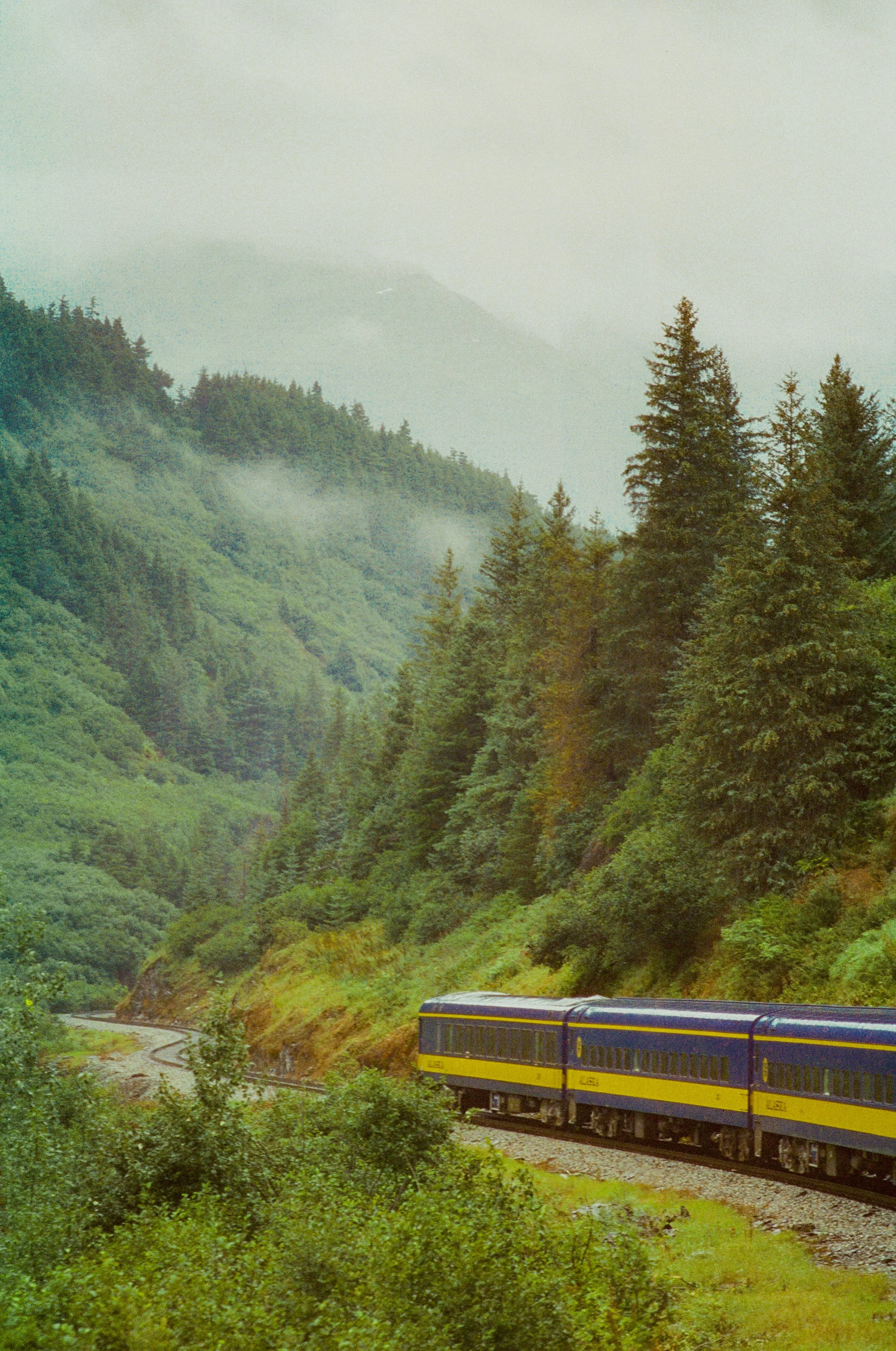
The book includes photographs from Italy, Africa, Korea, Colorado, Montana, California, Alaska, and many other places with various subjects. Despite the variety of locations and subjects, I think it flows beautifully and feels unified. That was the goal, to give a glimpse into some of my strongest work without it feeling random or disconnected.
Photography Tip: What's one simple technique from making this book that beginner film photographers can try to improve their landscape photos?
There are two main things I always tell people who ask for advice on improving their photography. The first is simple: shoot as much as possible. The more time you spend behind the camera, the faster you will understand your preferred compositions, which lenses work best for you, and how you like to expose your photographs. Those are choices you can only figure out through experience. It also helps to write down or remember your camera settings for each situation so you can look back, compare results, and understand what is working for you and what is not.
The second piece of advice is more open-ended but just as important. Every photographer should focus on learning how to edit early on in their career. It doesn’t matter whether you use Lightroom or another program, but editing skills are just as essential as the act of taking the photograph, in my opinion. Editing allows you to bring out the emotion or atmosphere you want in an image and helps you discover your unique voice in a very crowded space. It also teaches you how to create consistency and personal style, which can set your work apart from everyone else. In many ways, editing is the hardest part of photography because there are endless directions you can take a single image, but that is also what makes it so exciting.



To discover more about this intriguing body of work and how you can acquire your own copy, you can find and purchase the book here. (Setanta Books, Amazon)
More photography books?
We'd love to read your comments below, sharing your thoughts and insights on the artist's work. Looking forward to welcoming you back for our next [book spotlight]. See you then!
Robin de Puy could no longer make this project alone. She first photographed Randy in Ely, Nevada, during a 2015 road trip and kept returning to him for more than ten years. Interviews