How Claire Rosen Turned a Simple Visual Experiment Into a Call to Rethink How We Treat Animals
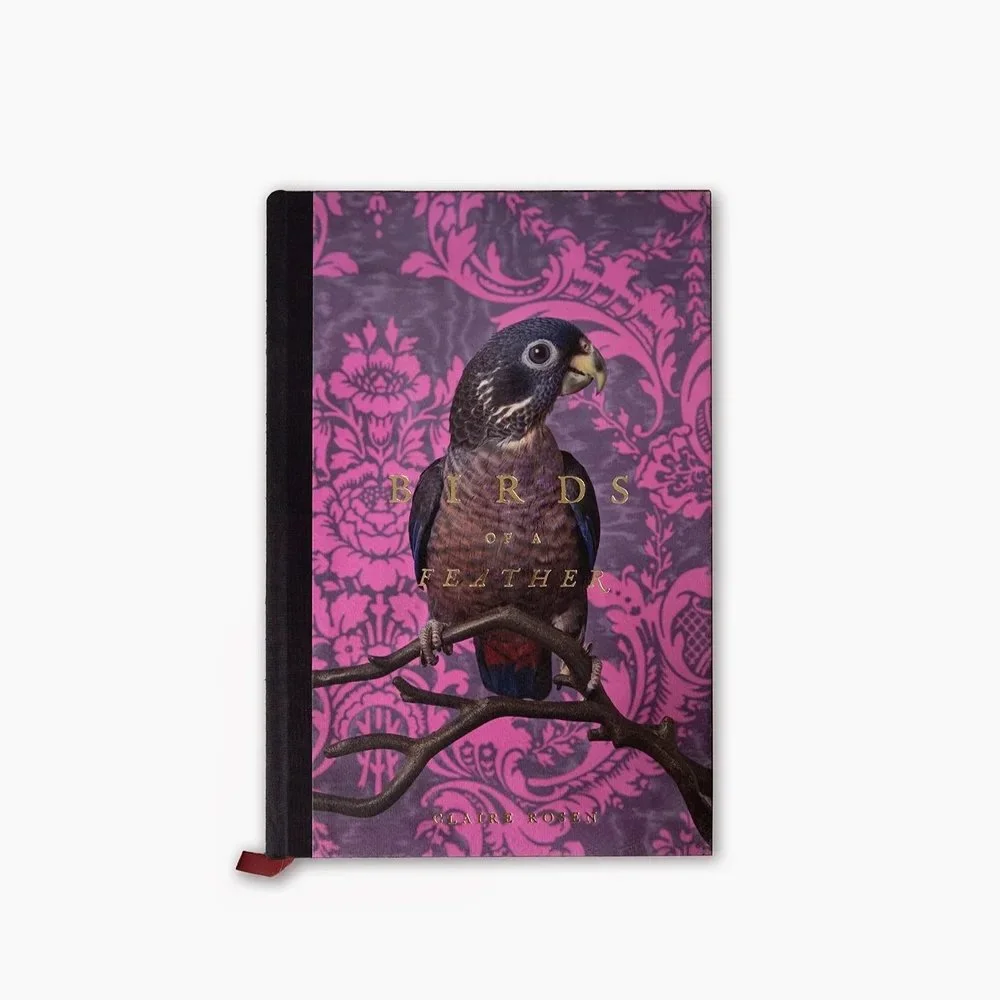
Welcome to this edition of [book spotlight]. Today, we uncover the layers of 'Birds of a Feather,' by Claire Rosen (published by Workshop Arts). We'd love to read your comments below about these insights and ideas behind the artist's work.
Can art make us treat animals with more care?
It is a simple question, but it sits at the center of Claire Rosen’s ten year project Birds of a Feather. The work began as a quiet visual experiment and slowly grew into something much larger, shaped by real research, long experience, and unexpected criticism that pushed her thinking forward. It shows how beauty can open a door, but also how art can make us look at our habits in a more honest way.
Claire Rosen never planned to create a body of work with such a strong message.
At first she only wanted to photograph birds in playful ways, but the process revealed how much these creatures depend on us and how little we understand their needs. Over more than one hundred portraits, she learned about personality, behavior, captivity, rescue work, and the emotional weight that comes with photographing living subjects. This shaped her project into a long conversation about responsibility, creativity, and the unexpected power of a portrait.
Claire Rosen’s birds reveal more than beauty.
The Book
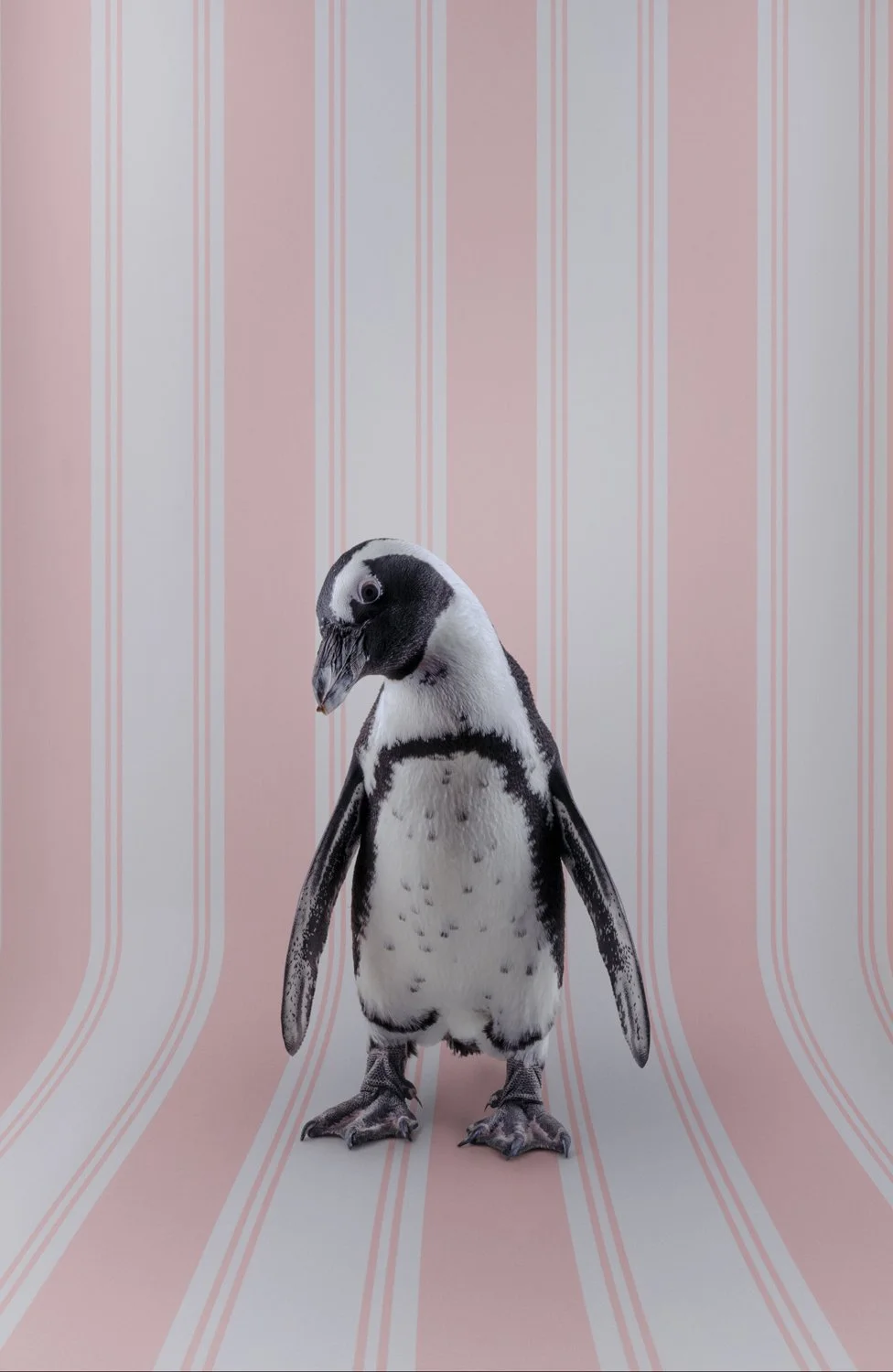
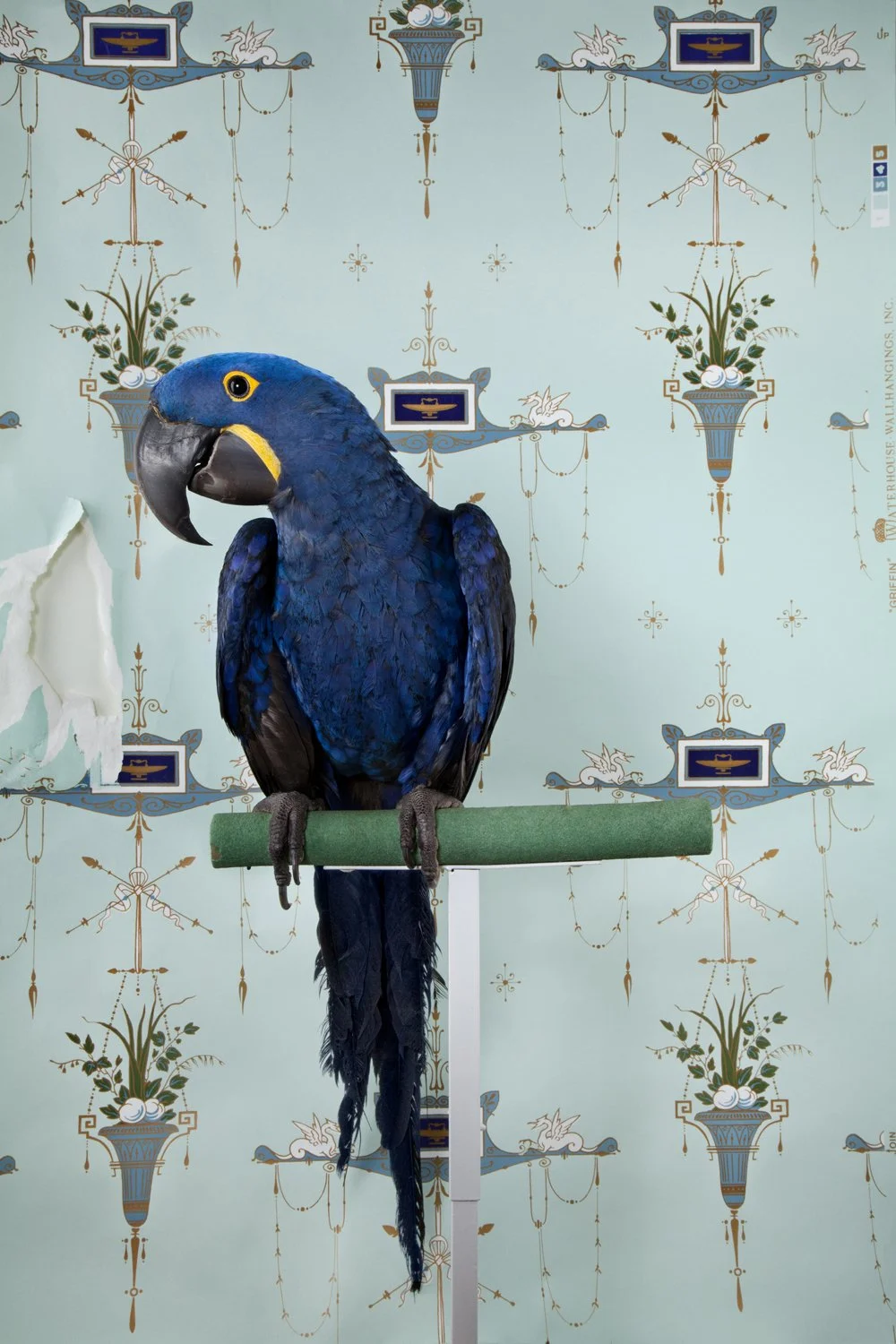
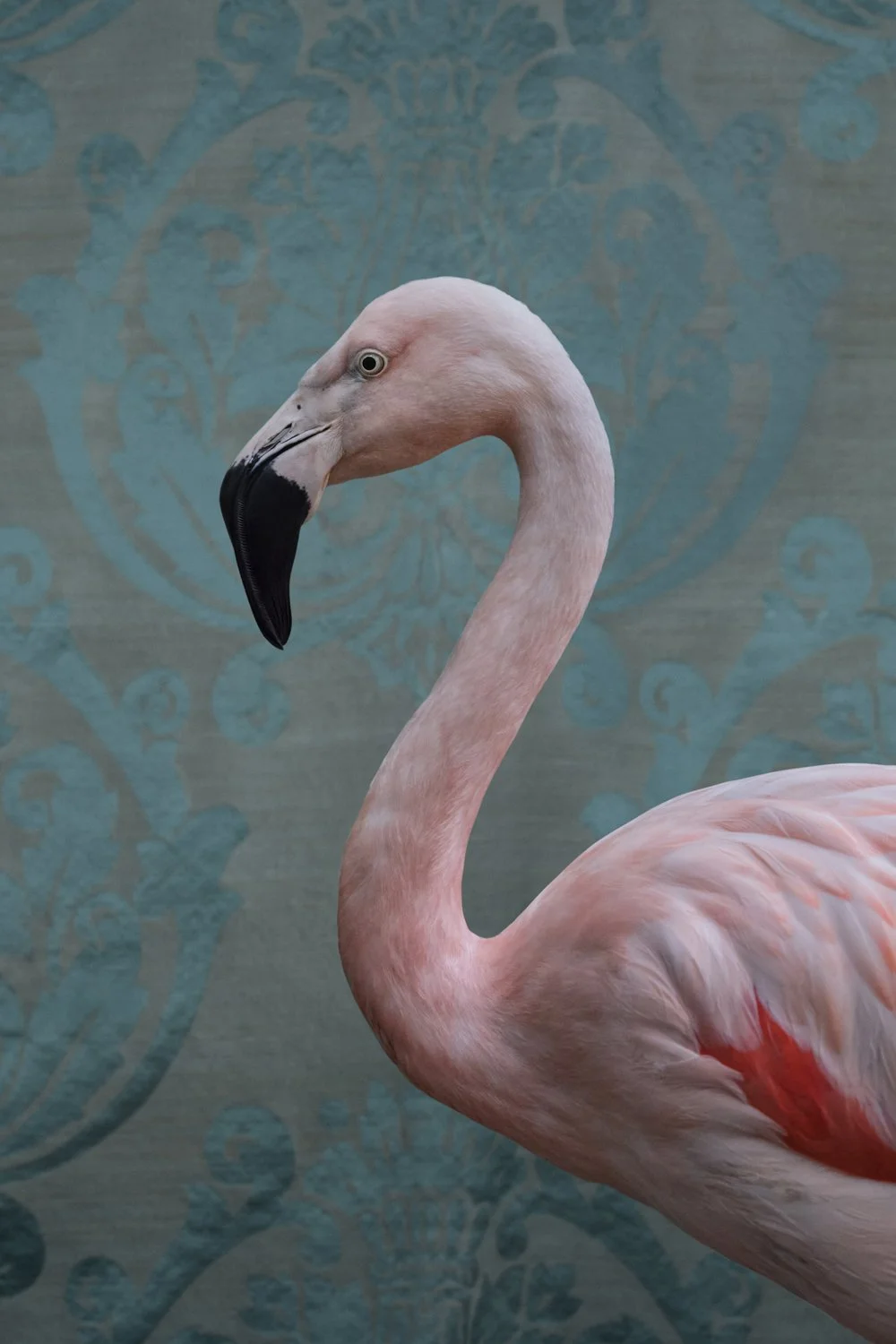
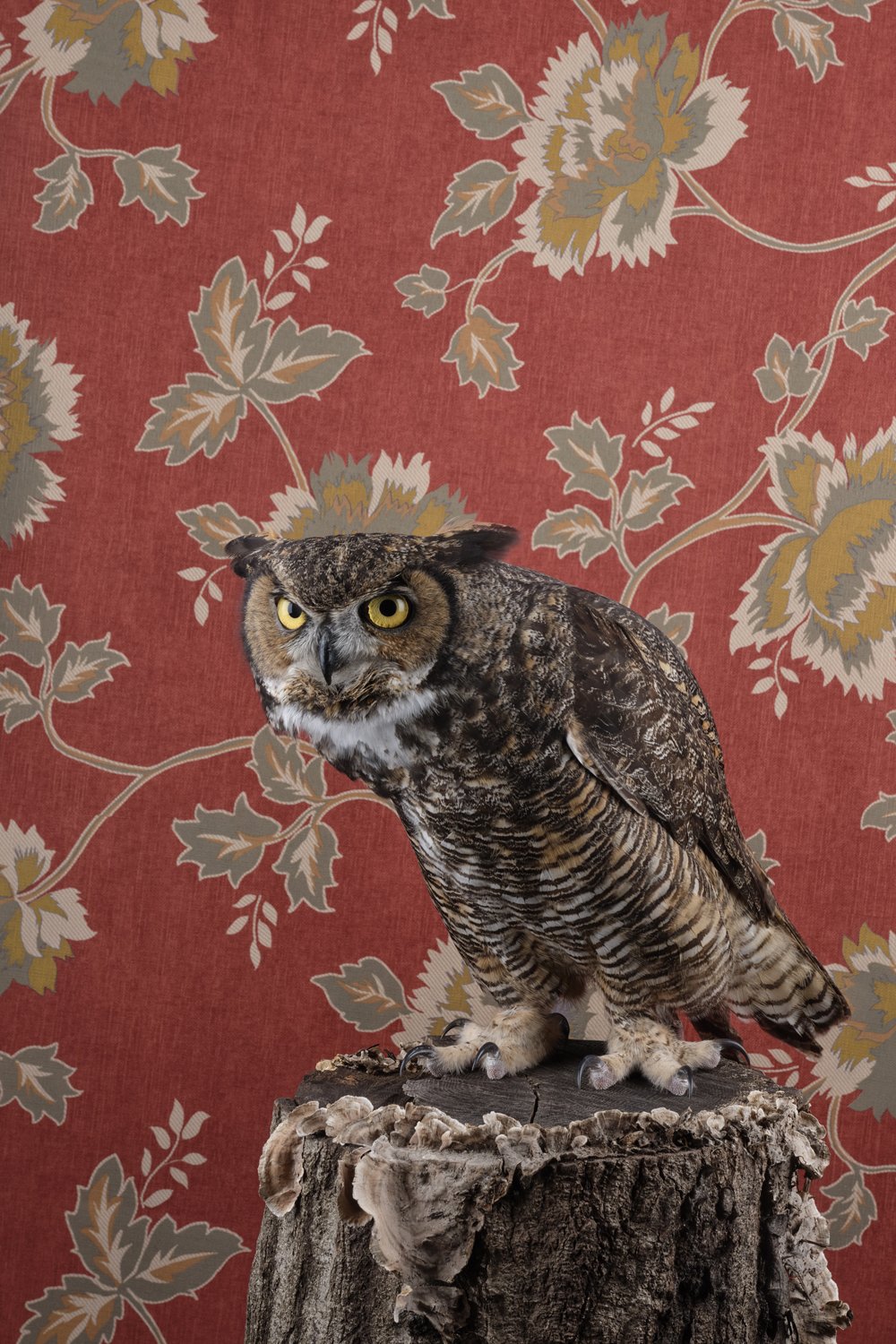
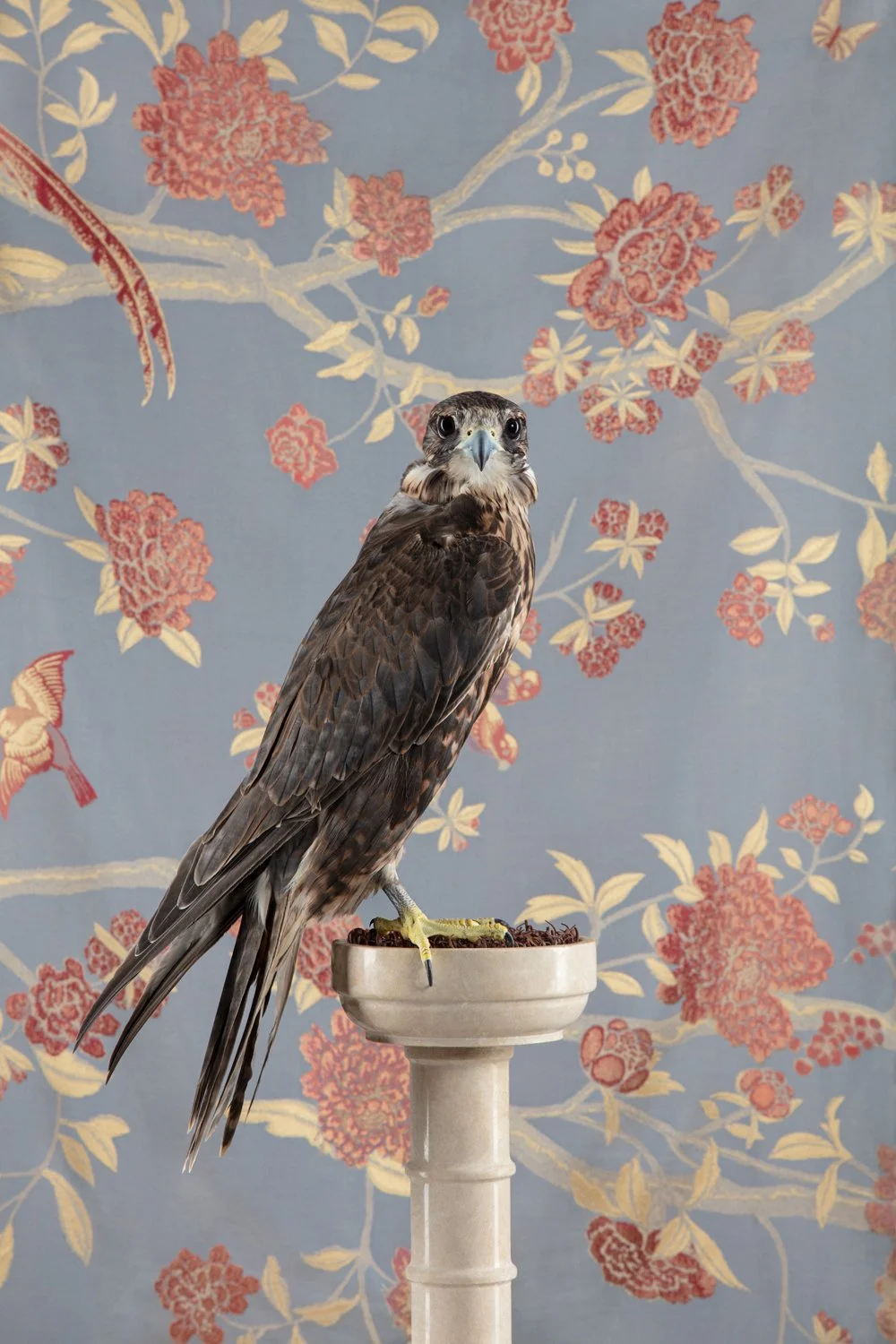
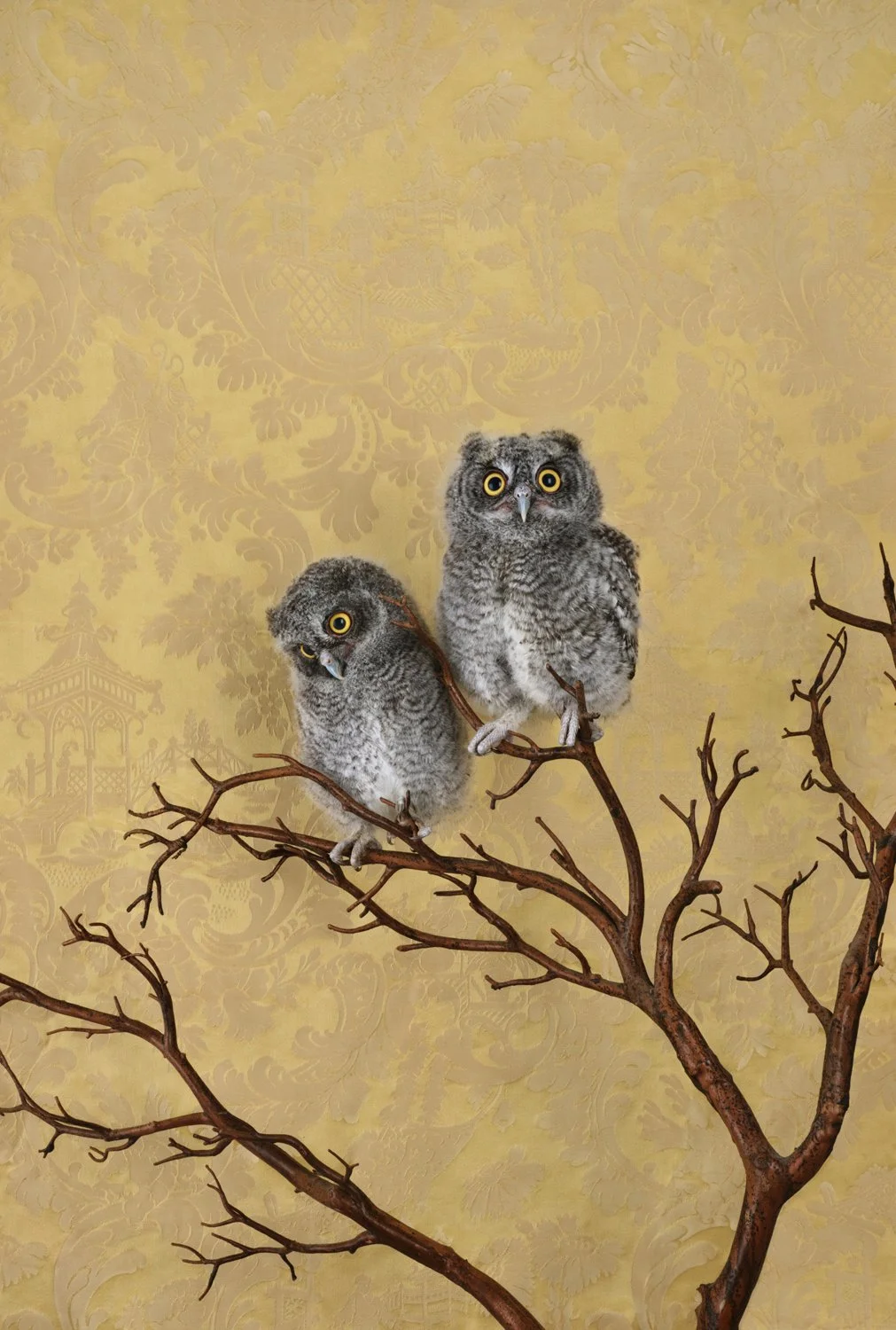
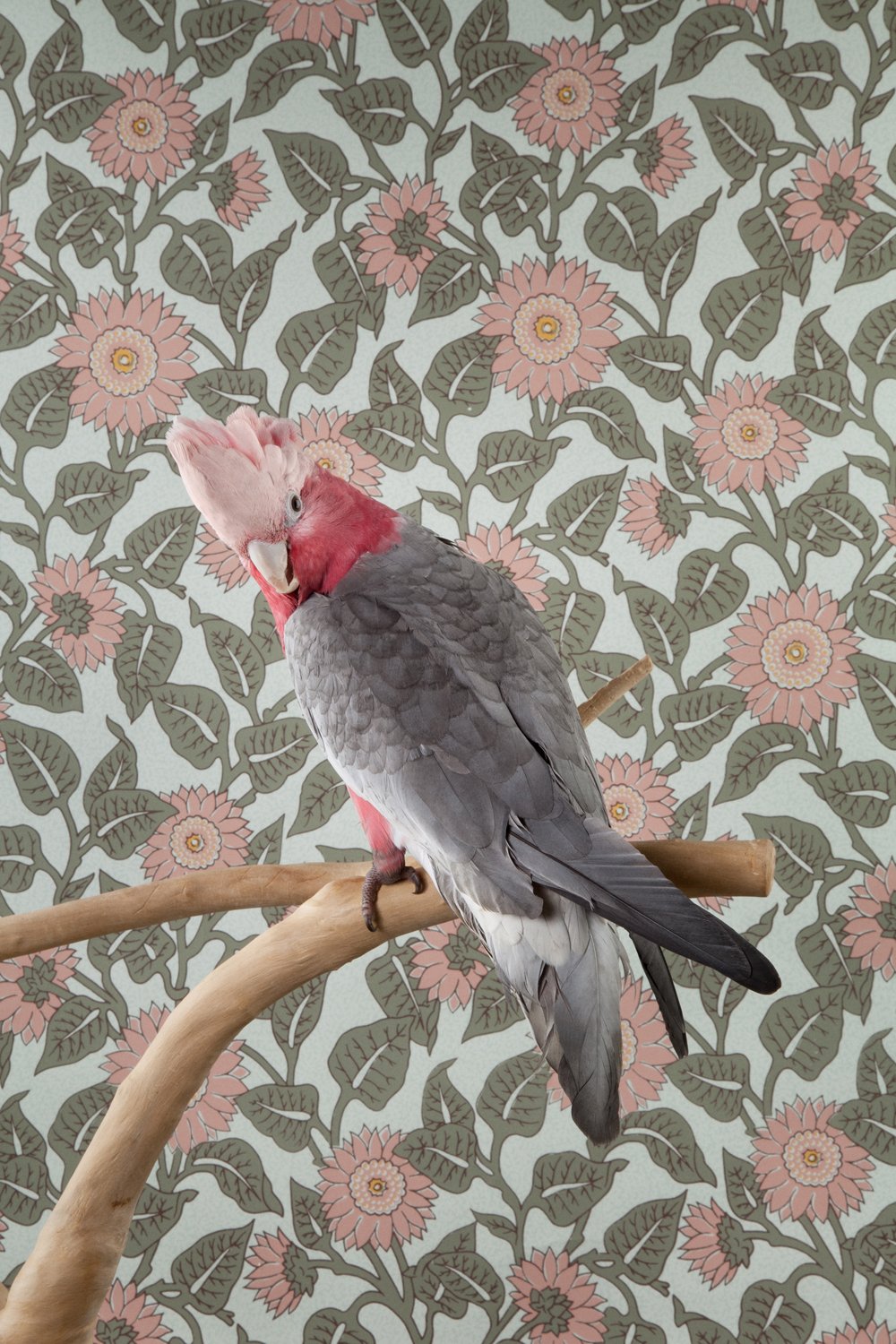
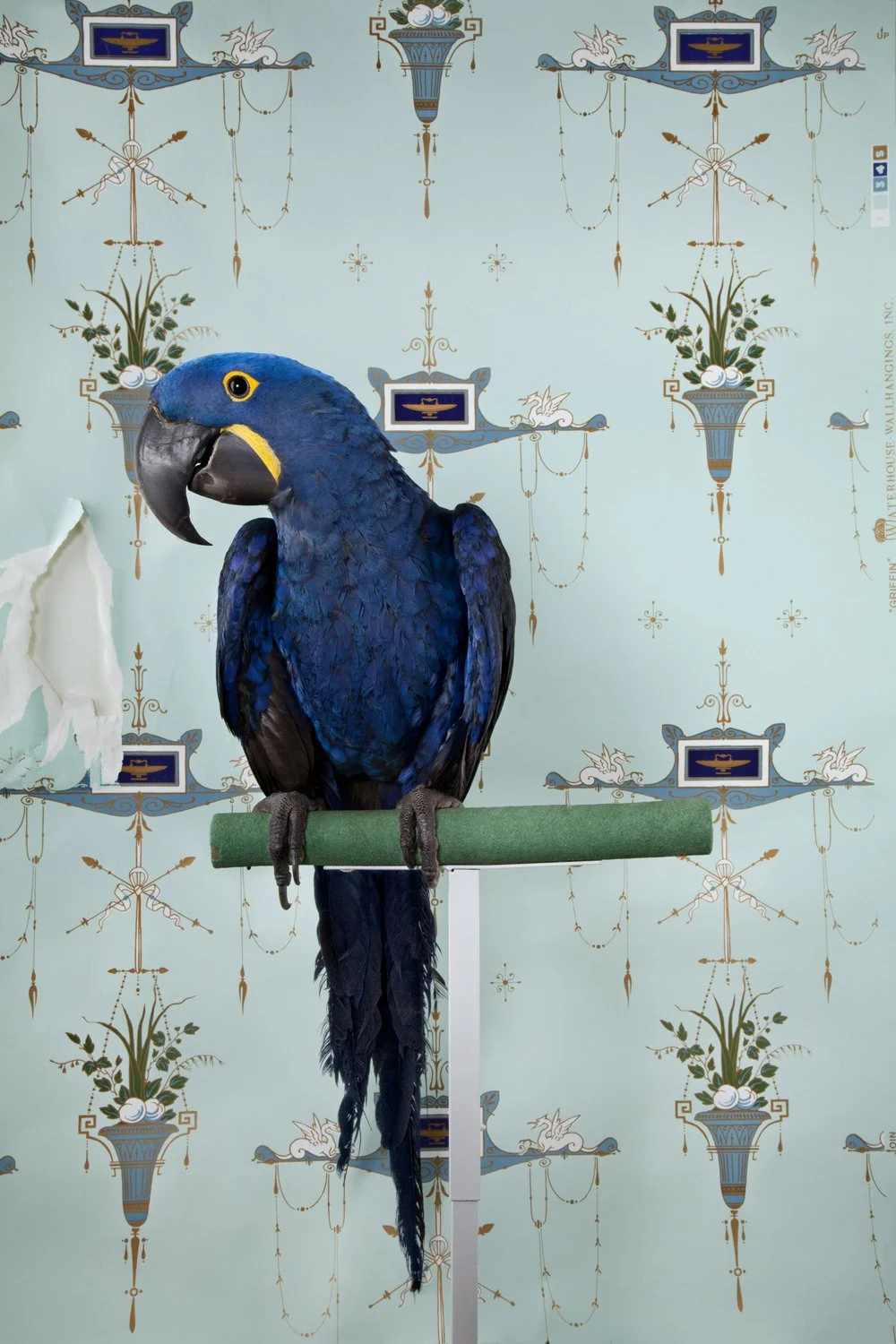
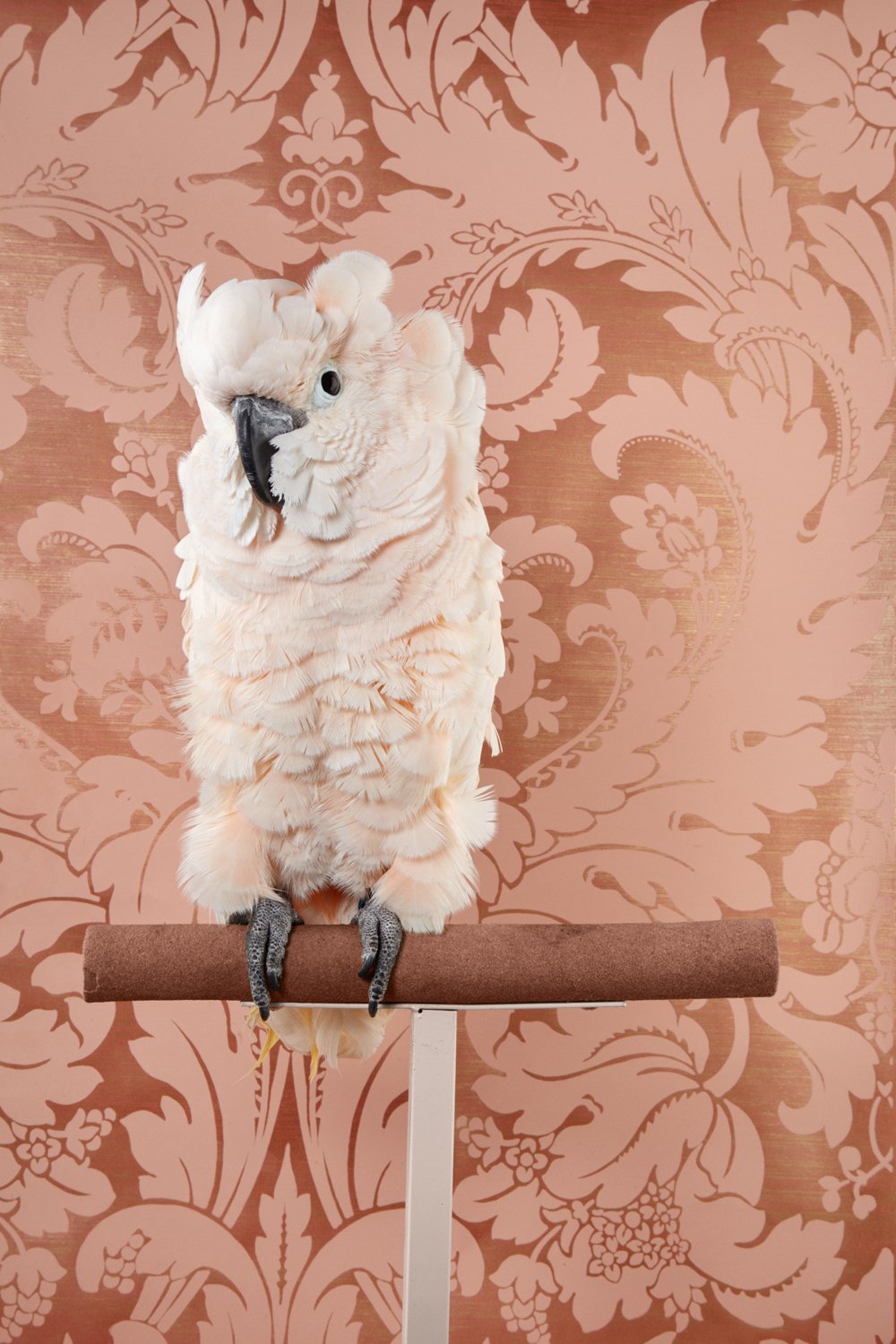
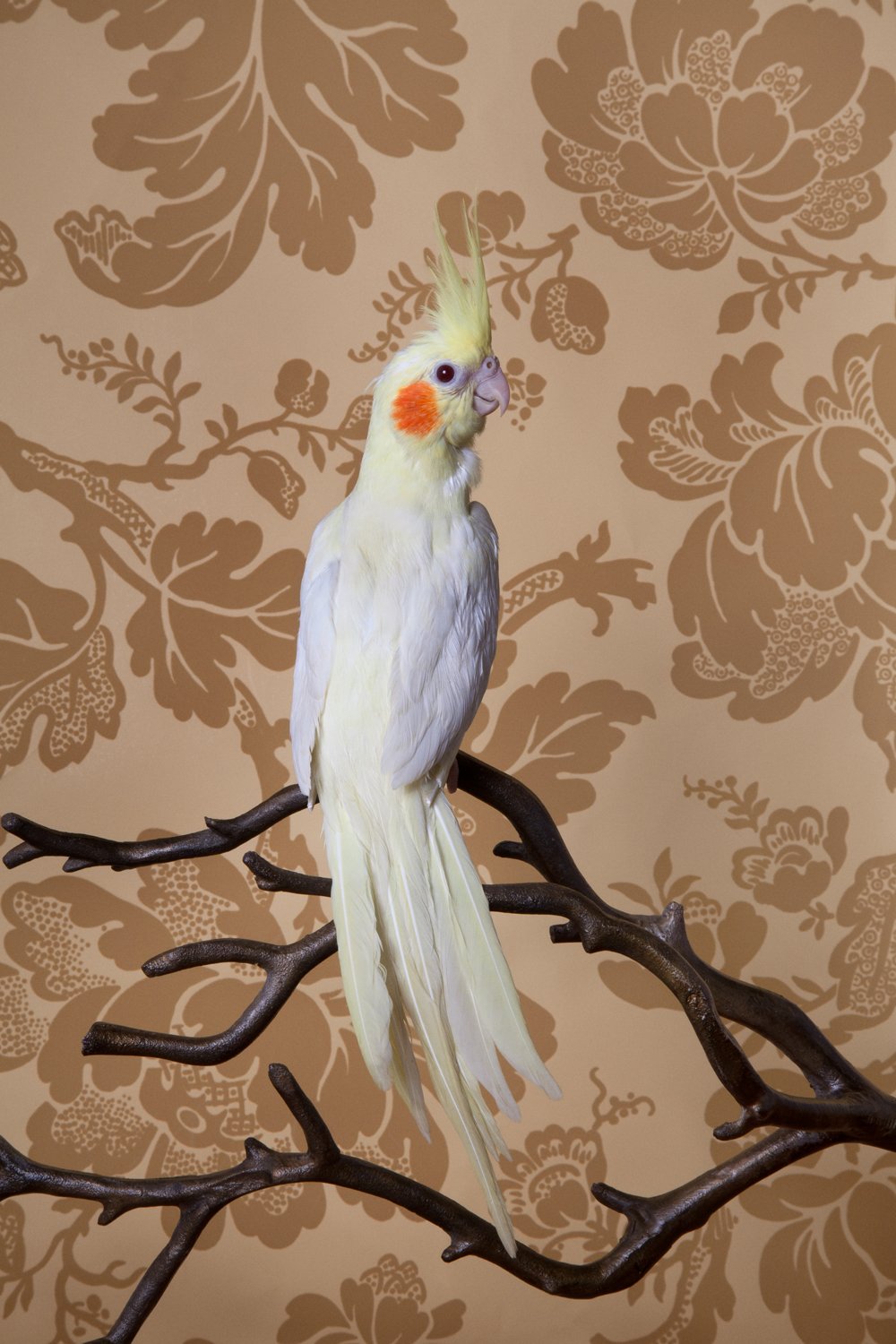
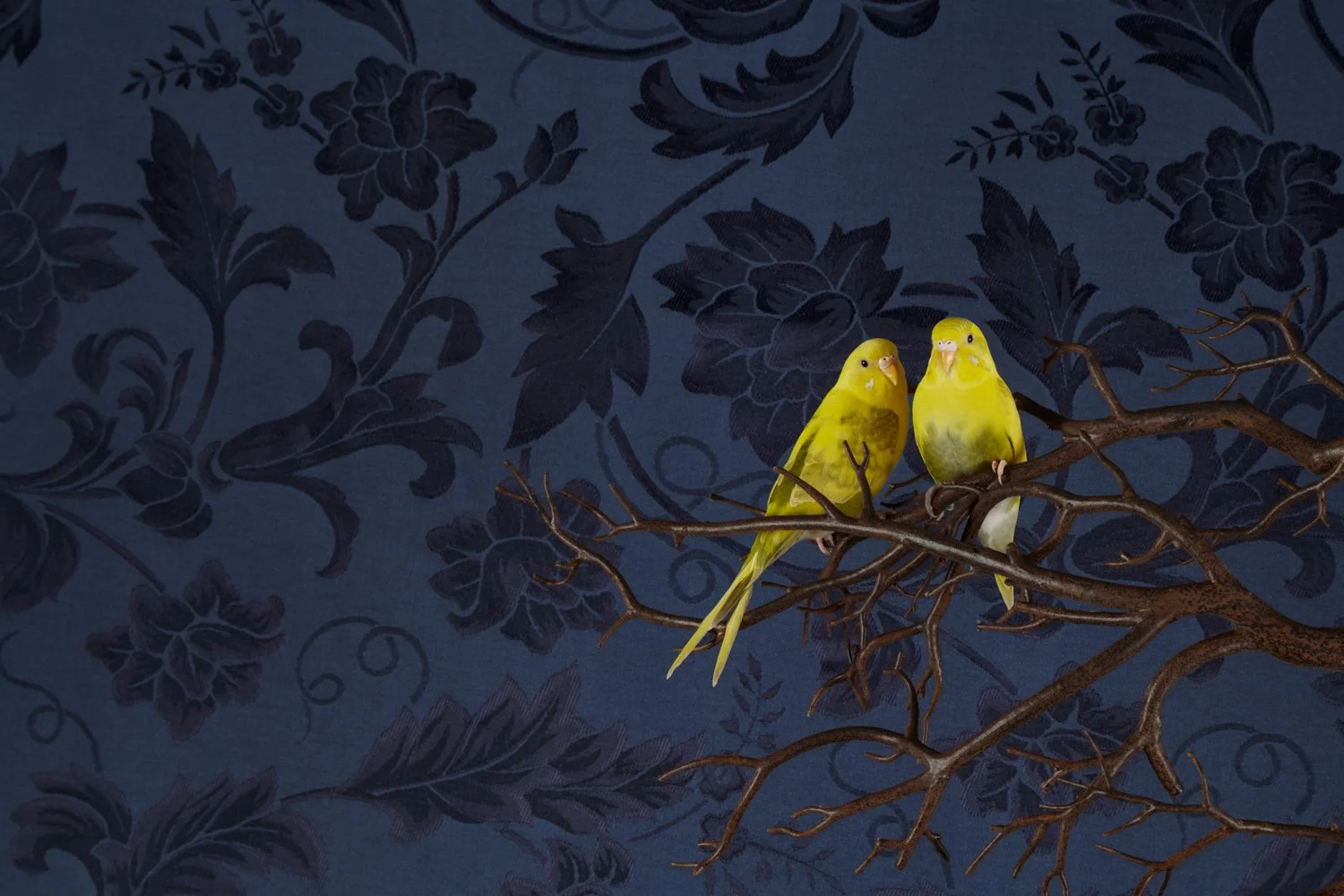
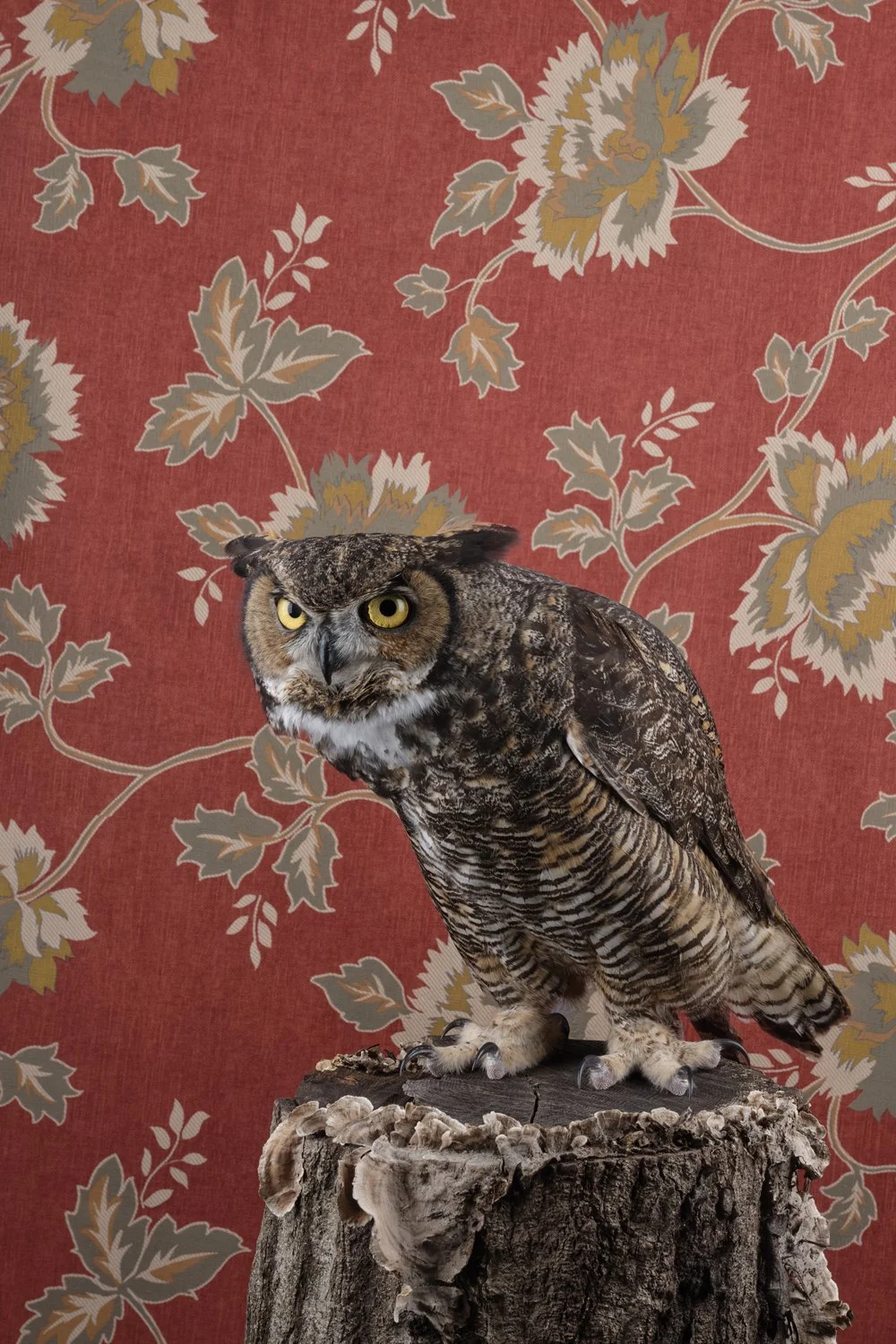
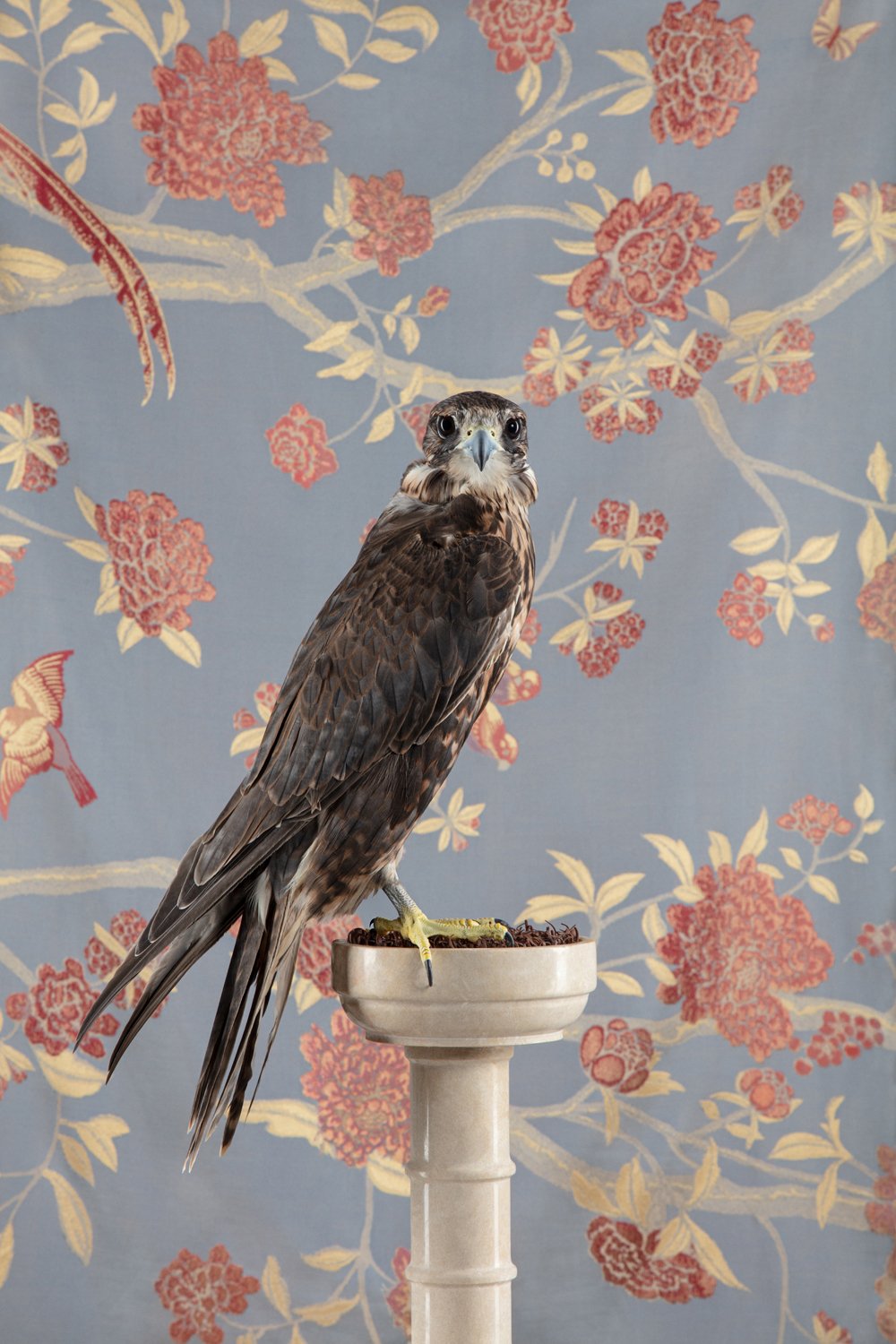
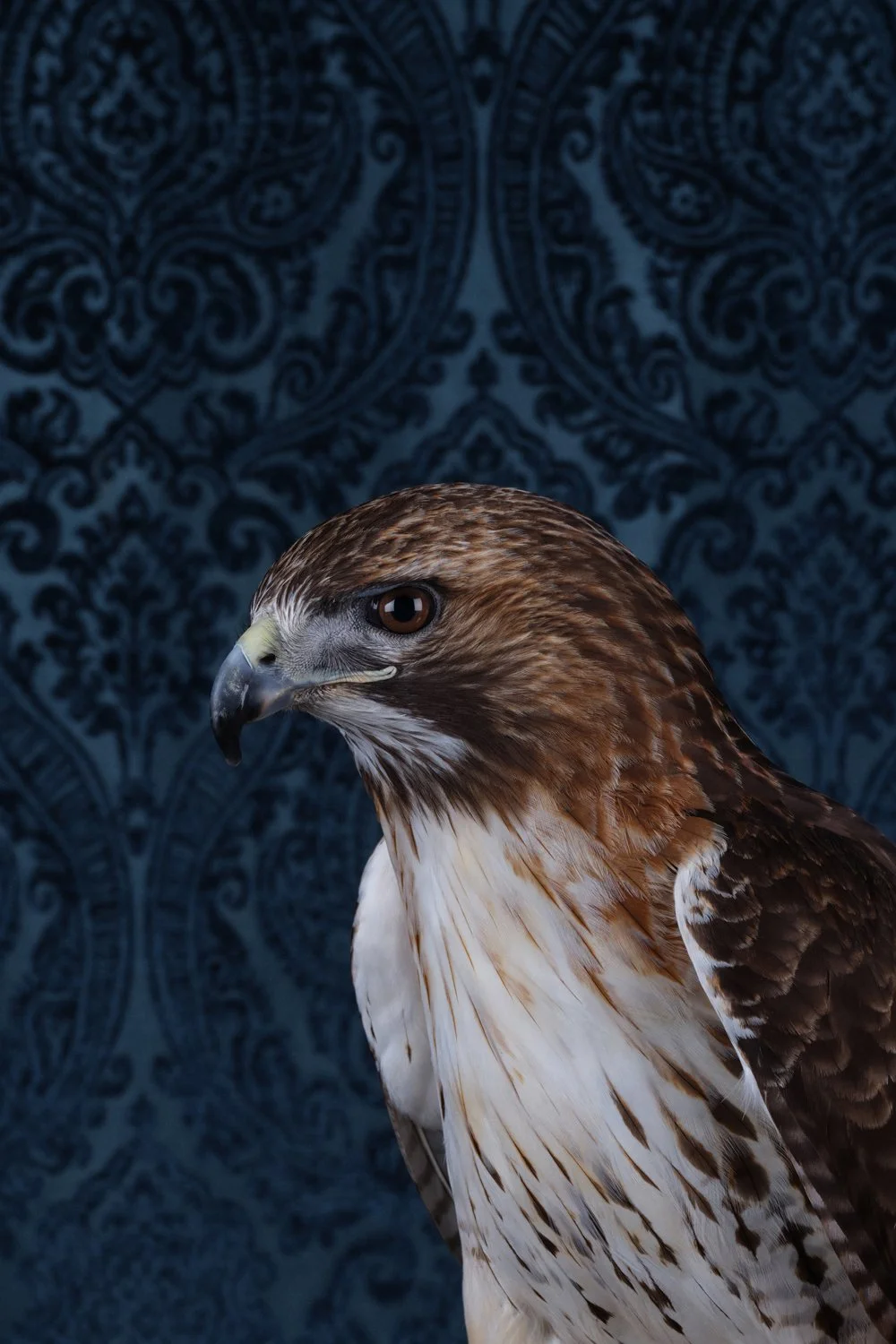
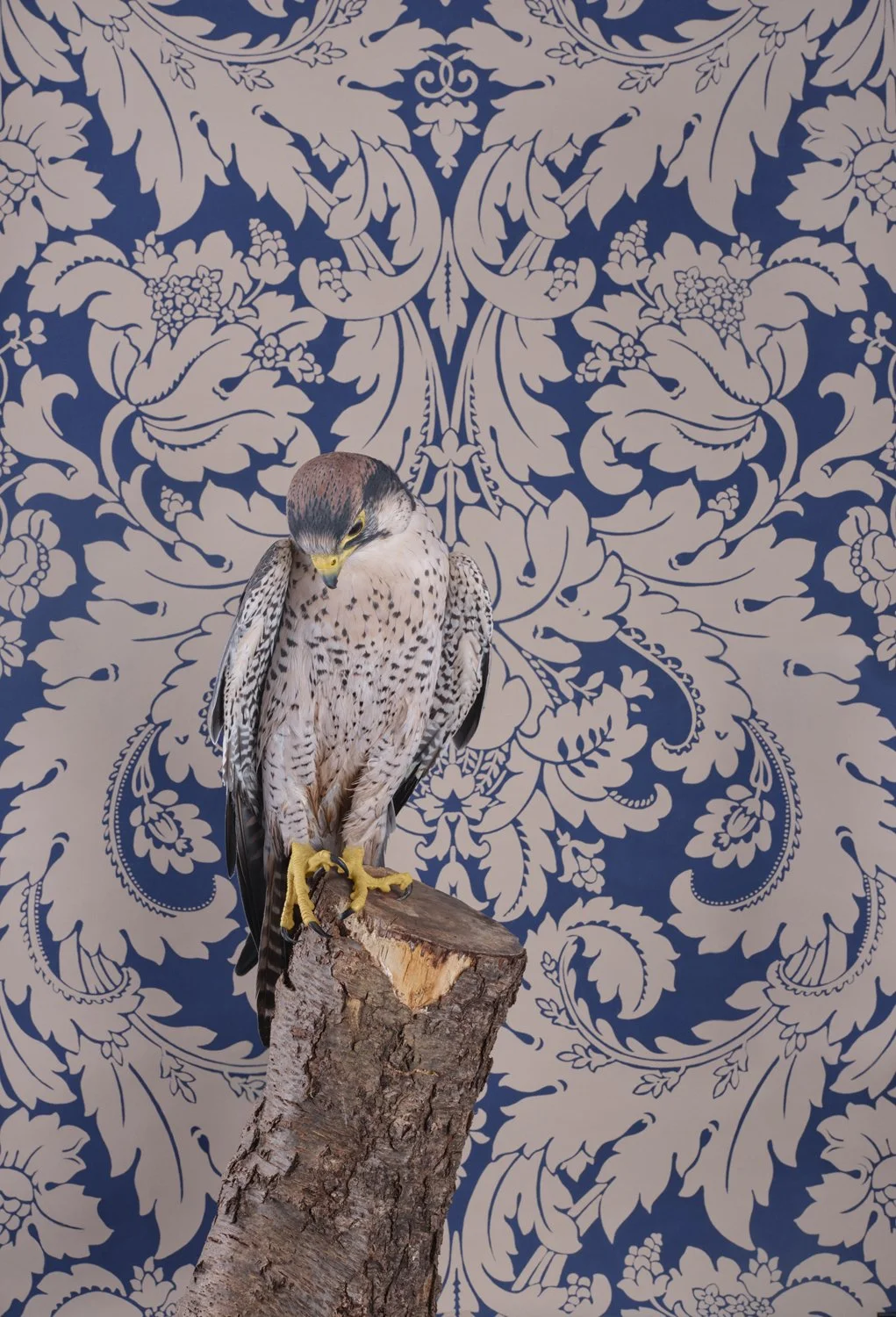
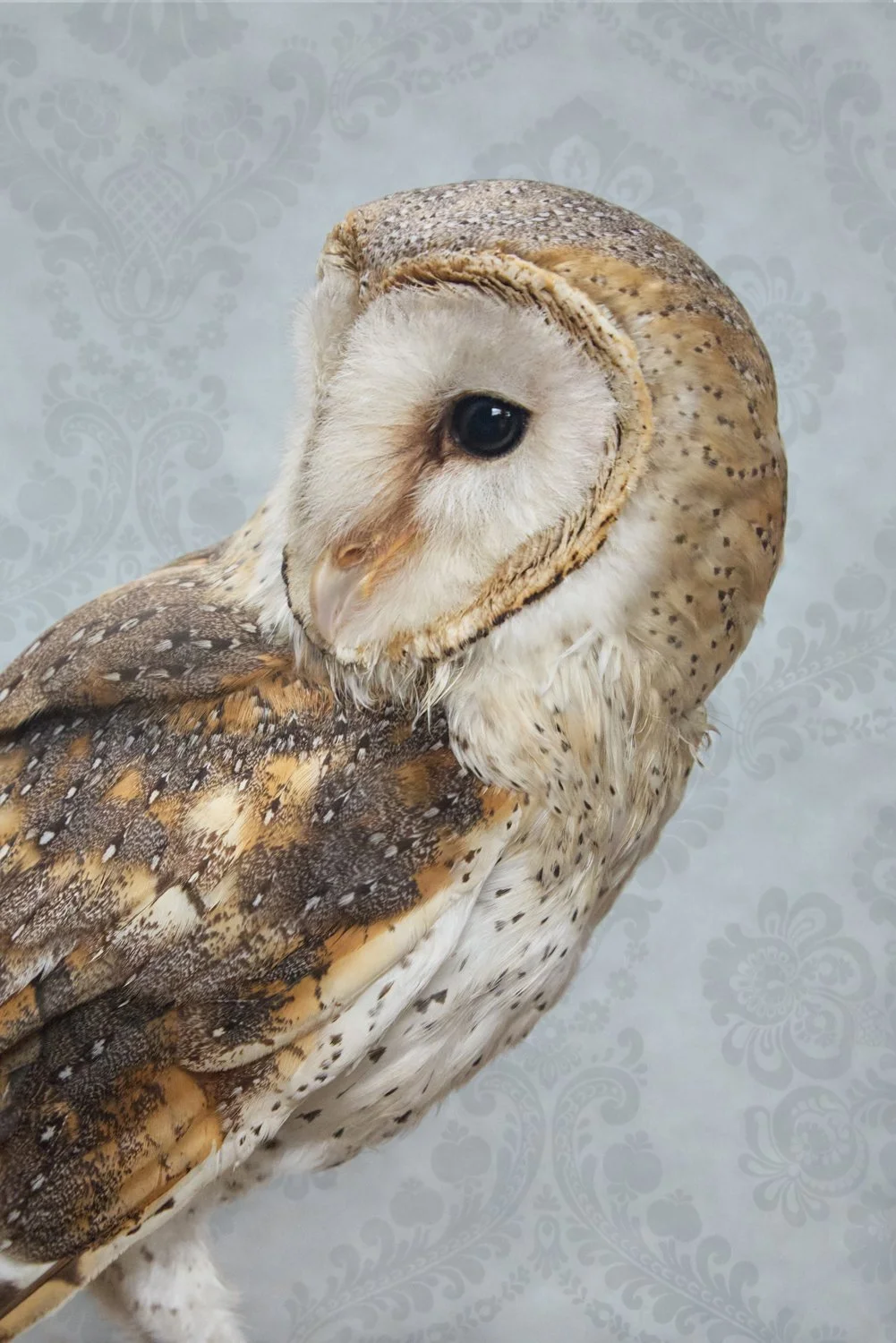
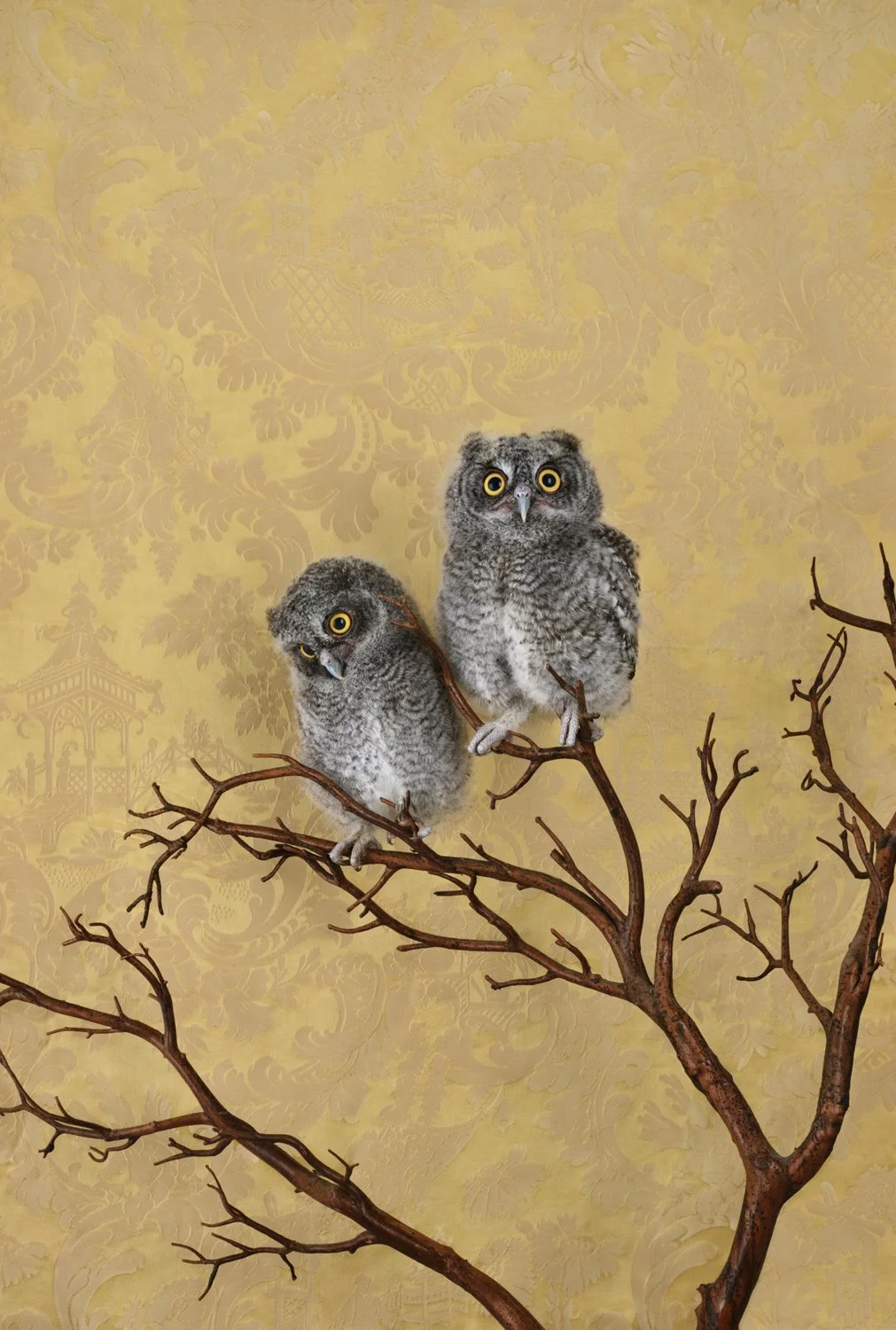
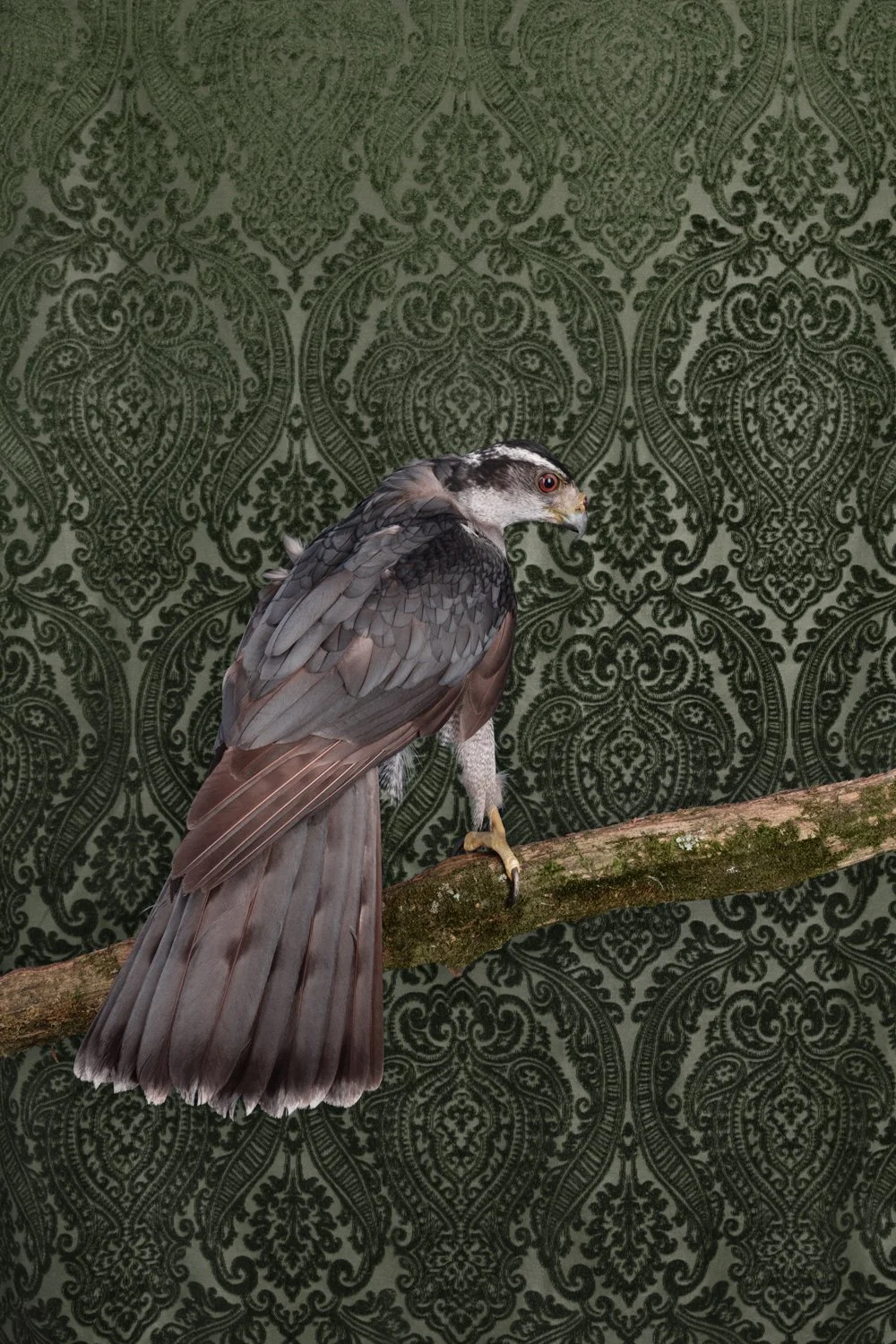
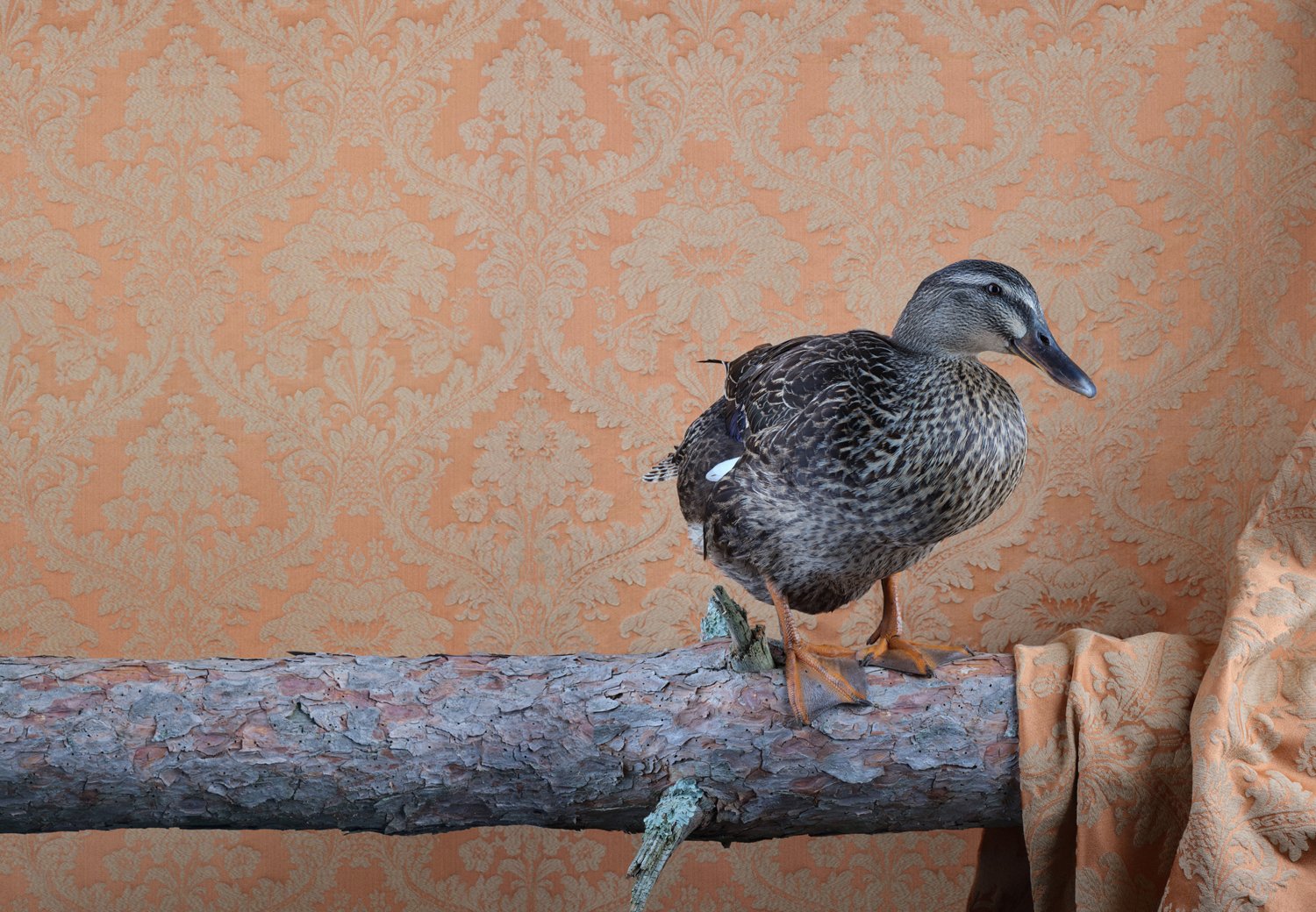
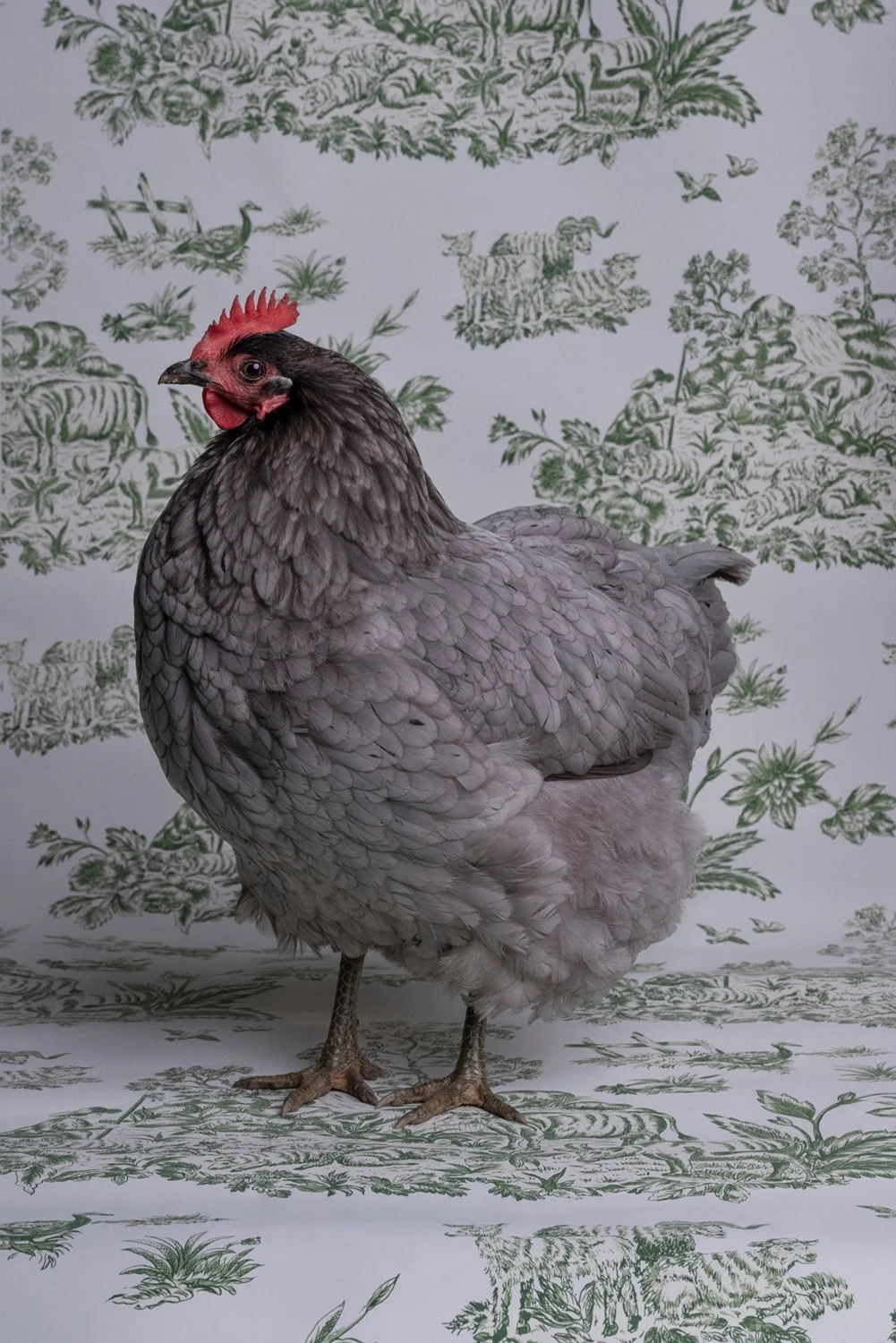
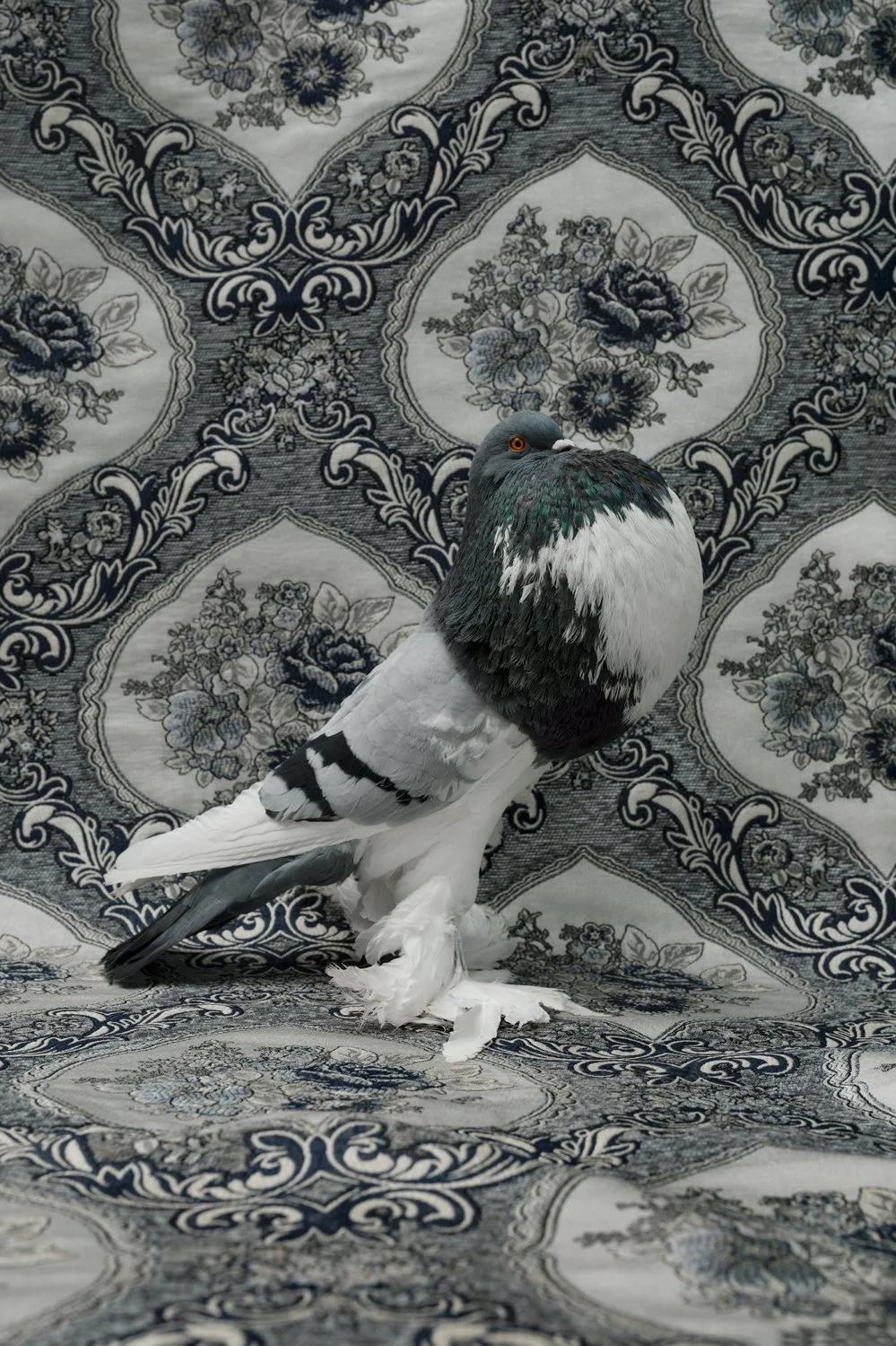
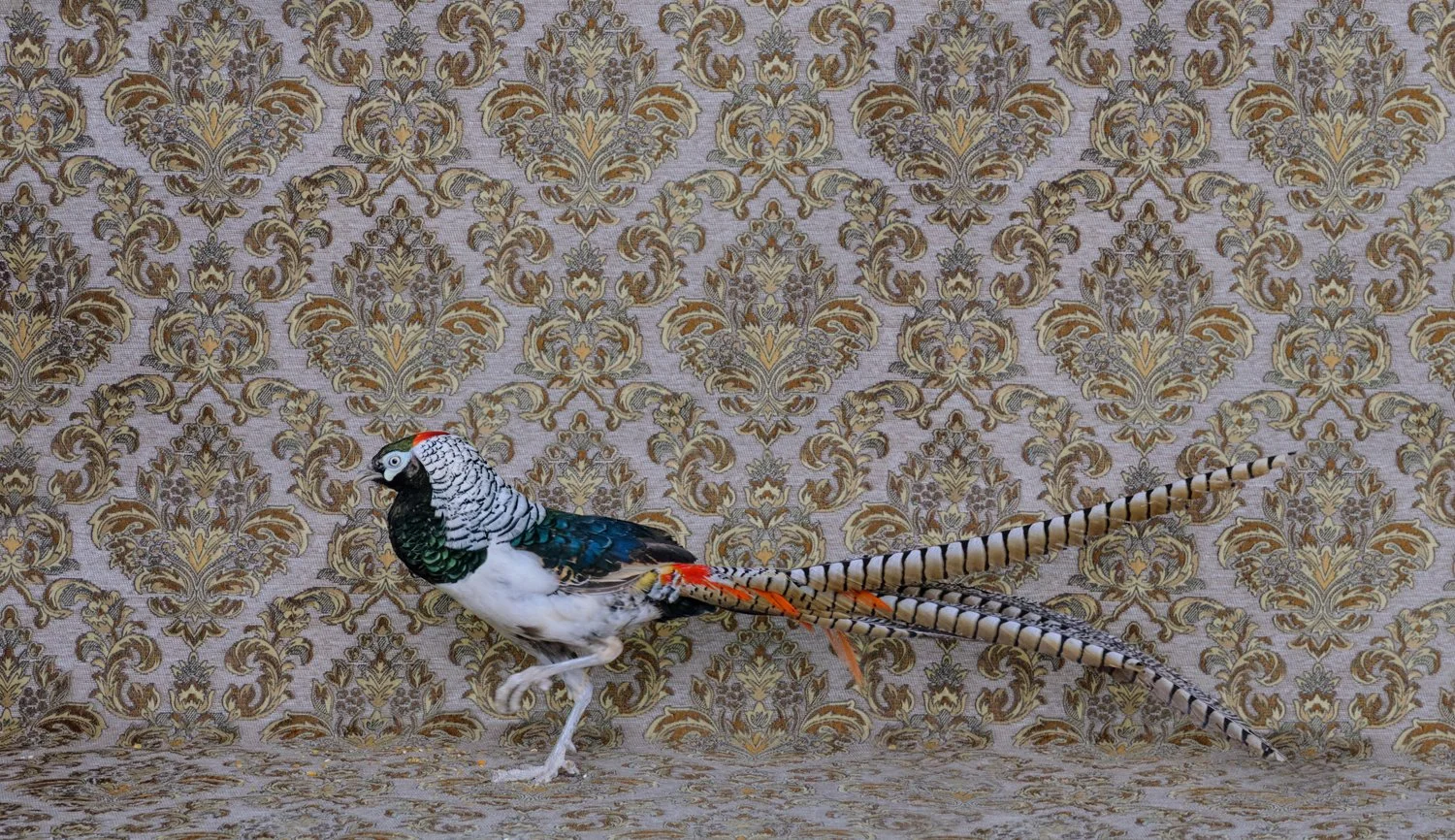
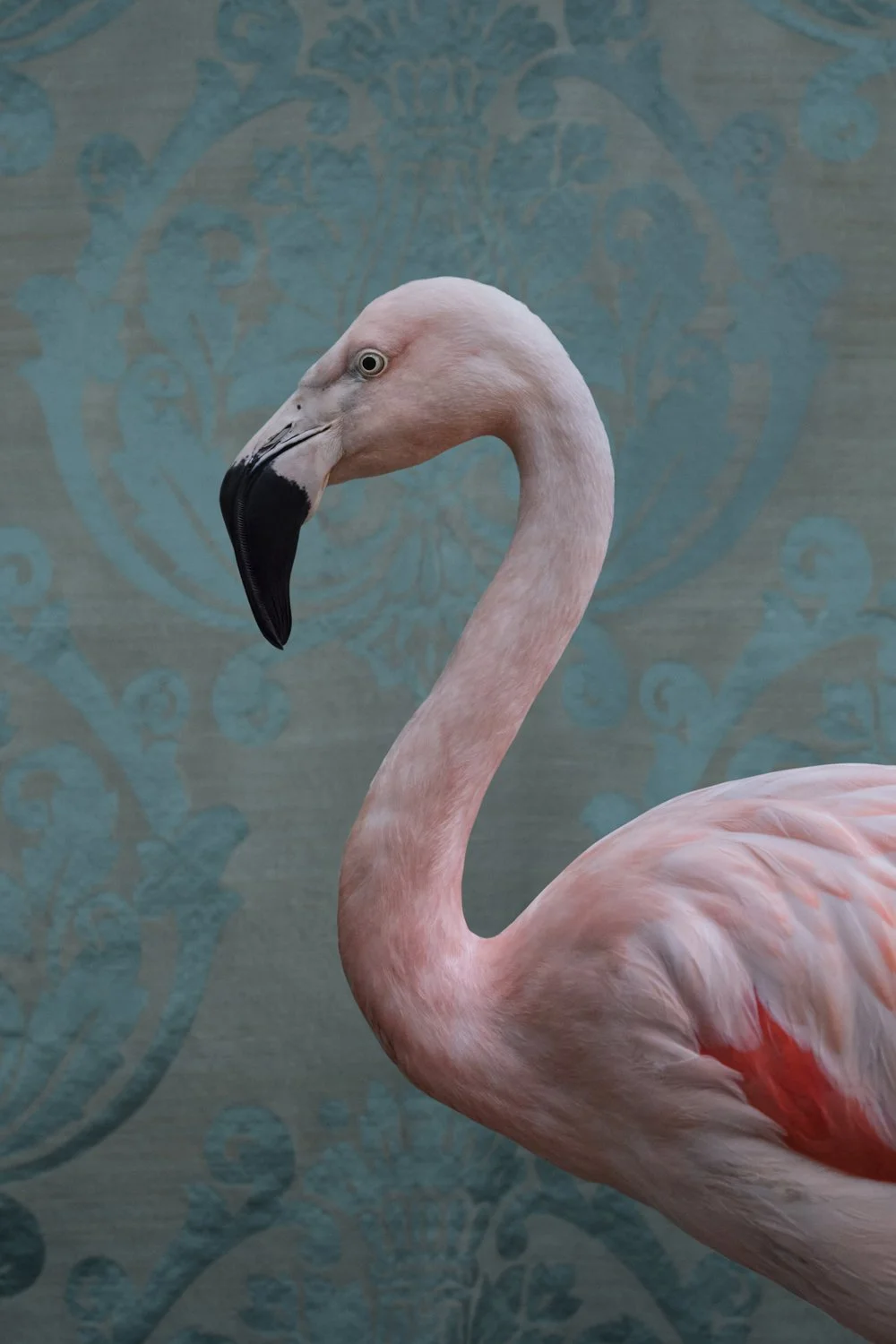
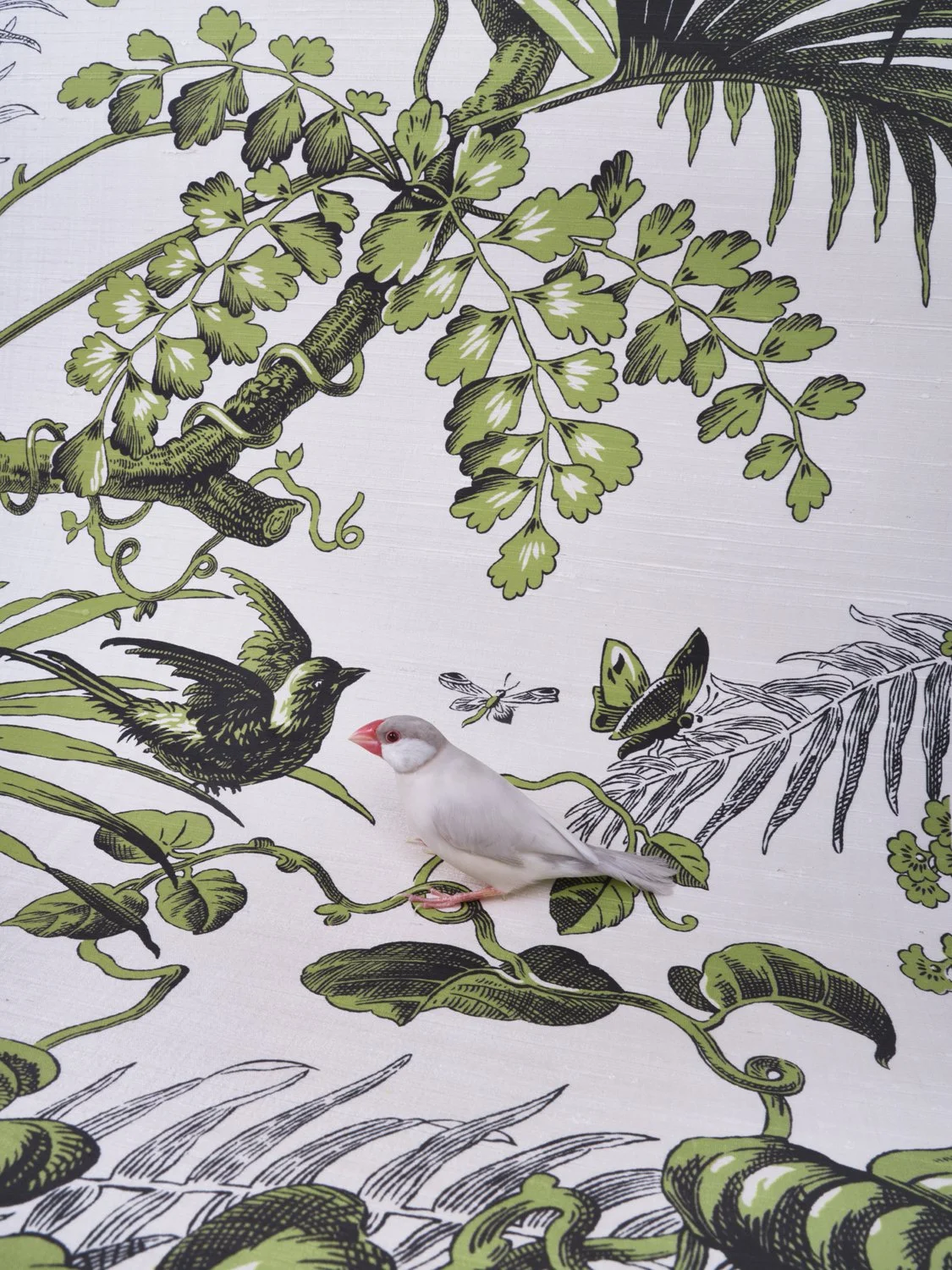
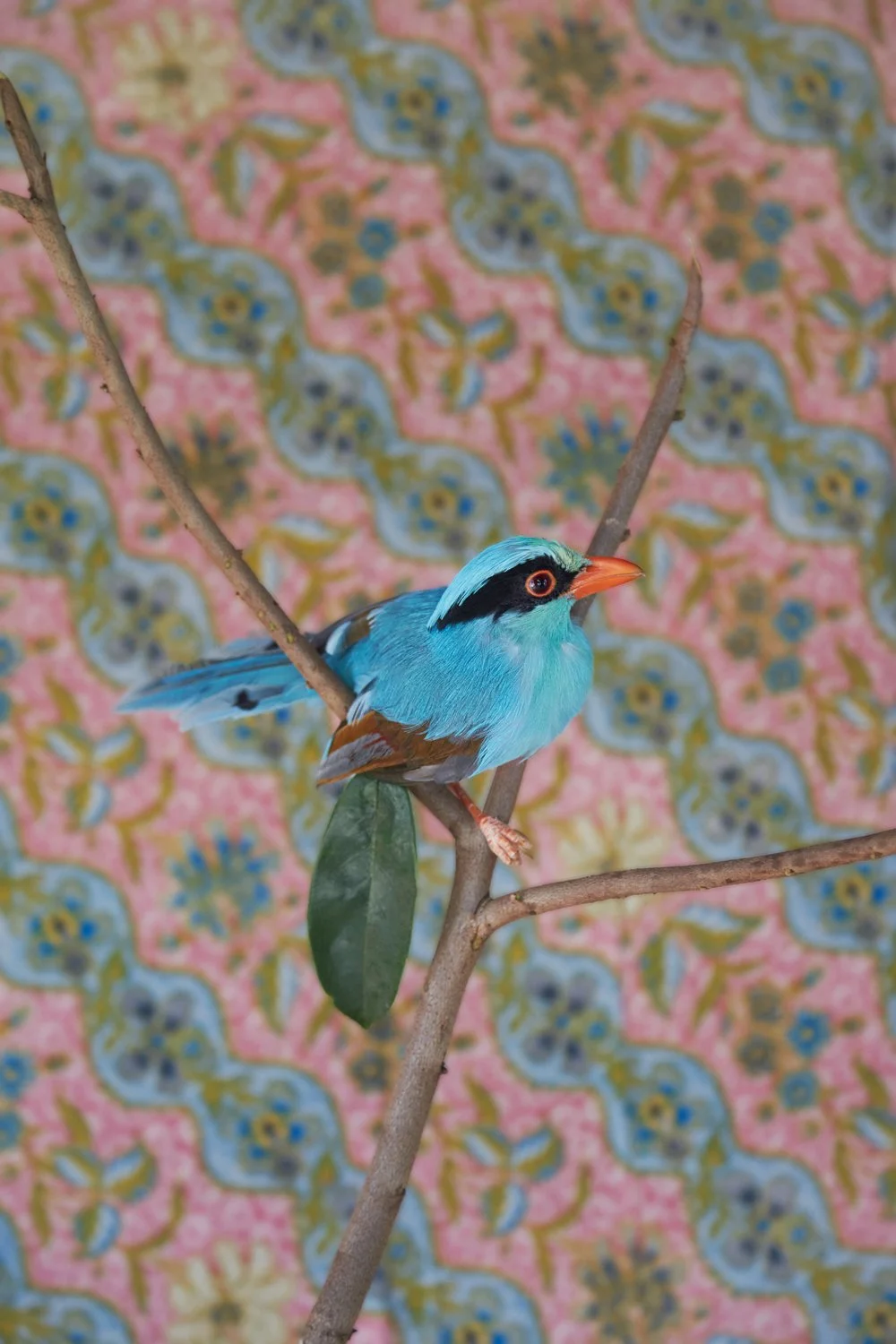
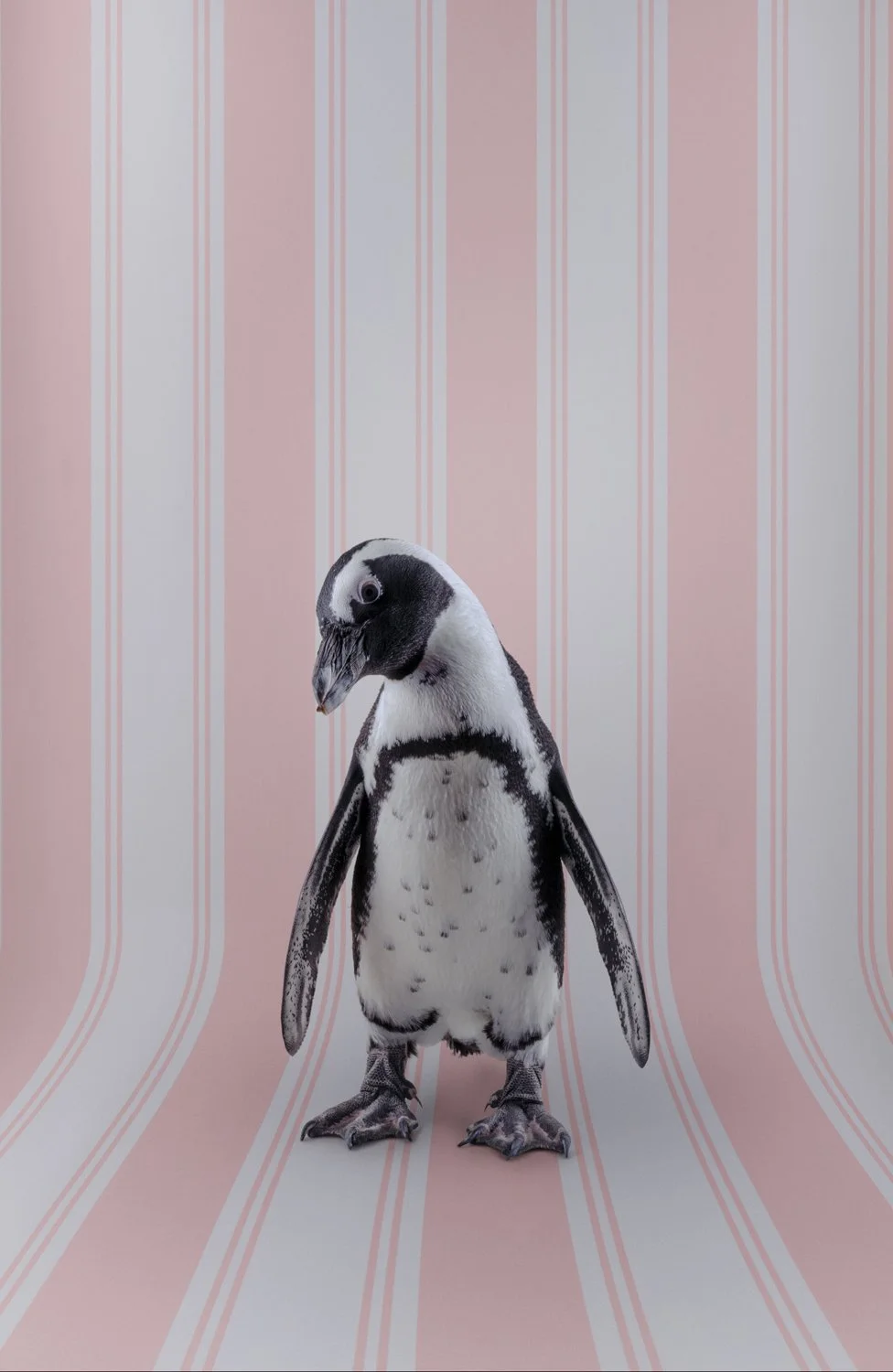
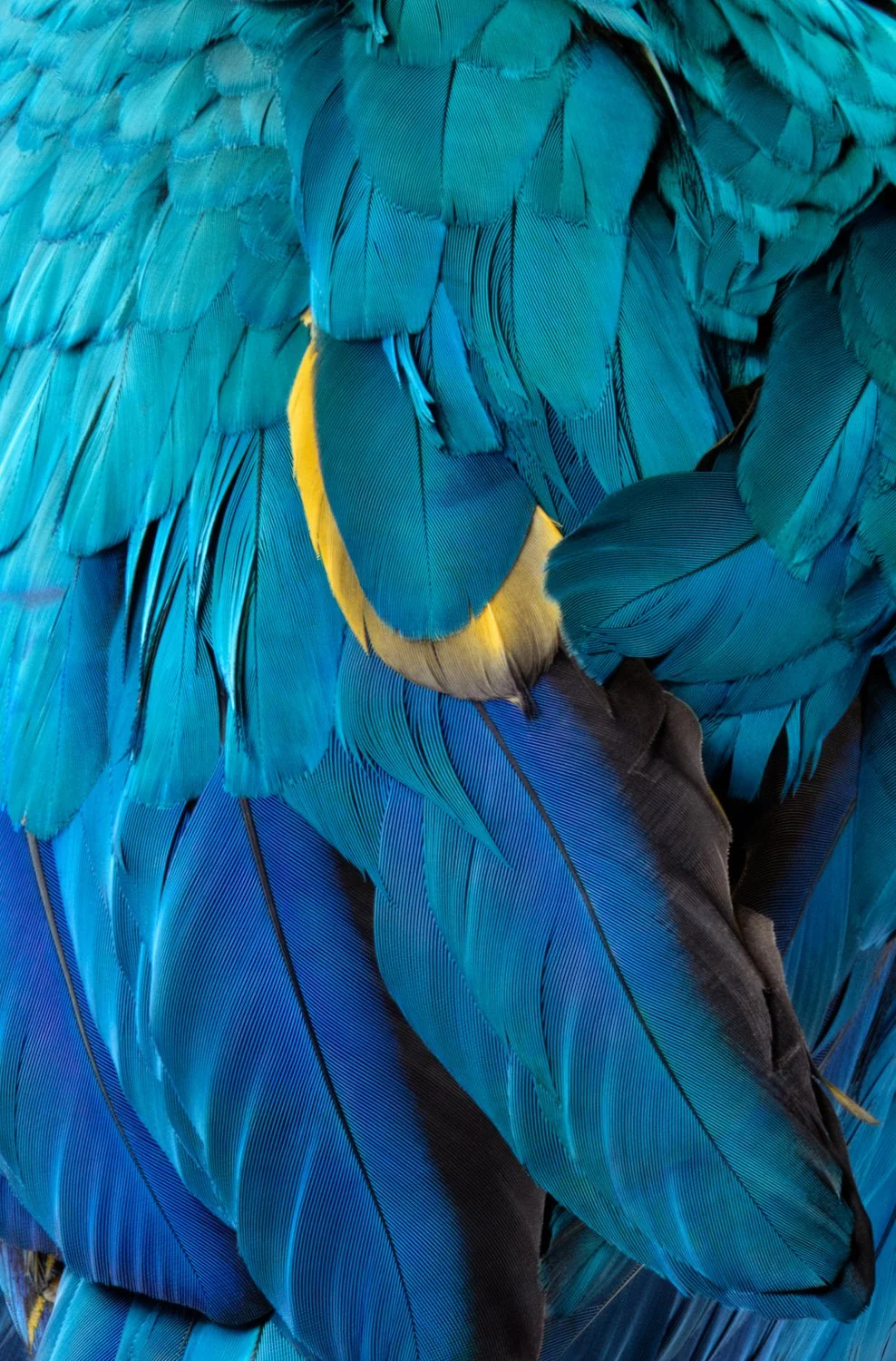
Birds of a Feather is a collection of more than one hundred bird portraits created over ten years. Each photograph pairs a live bird with a carefully chosen historical pattern, creating a mix of fine art, natural beauty and quiet humor.
What began as a simple visual study grew into a deeper reflection on how humans shape the lives of the animals we admire. The book highlights the individuality of each bird while also raising questions about care, captivity and our everyday relationship with nature.
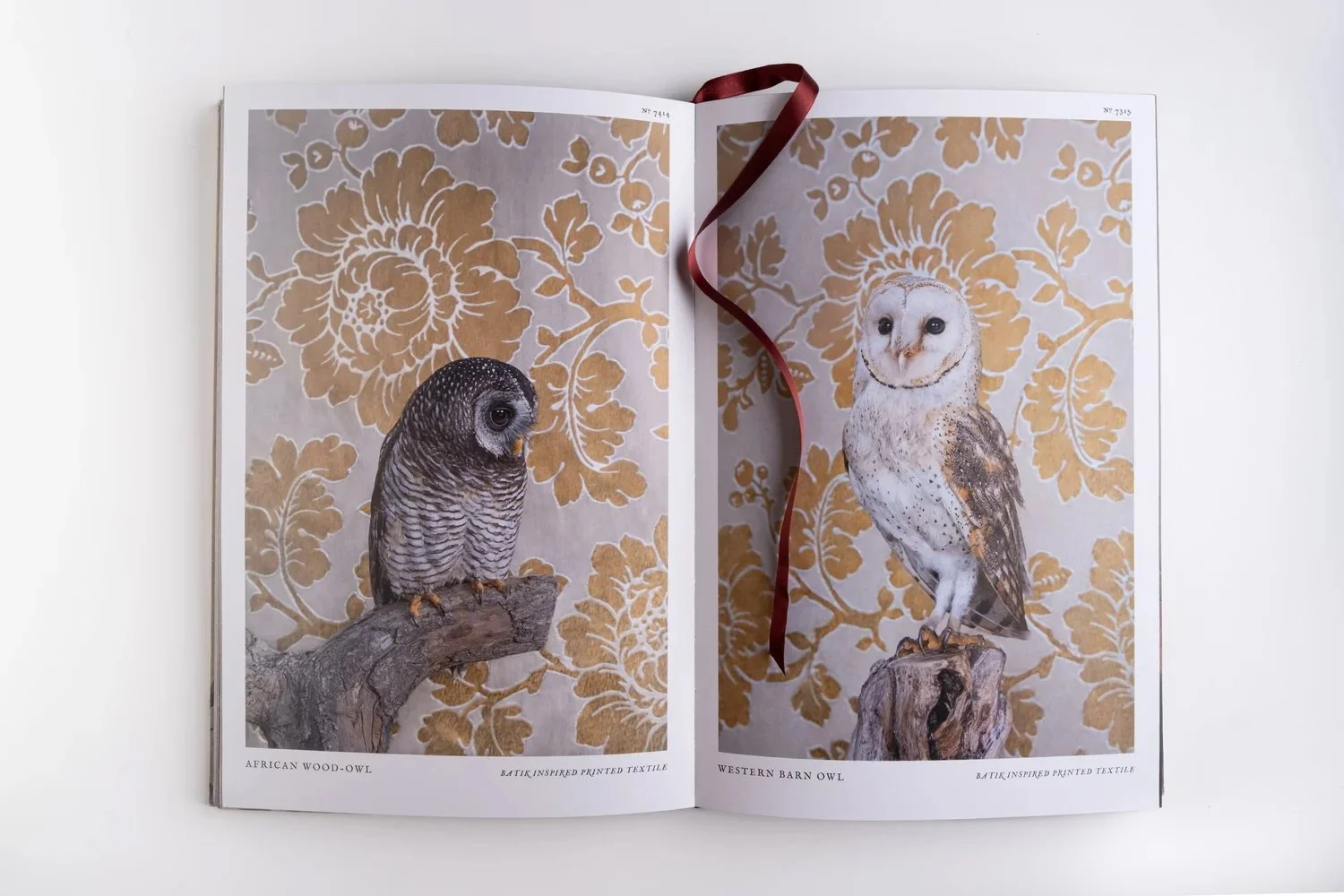
Presented as a high quality hardcover, the book includes short texts and historical quotes that give context to the project and offer a thoughtful pause between the images. (Workshop Arts, claire-rosen.com)
Martin: How did you start with photography?
Claire: I did not start until college. I took my first photography class and it instantly felt like a love affair. I had always been interested in the arts, but I was never a patient or particularly skilled illustrator, drawer, or painter. I often felt frustrated that I could not get what was in my head onto the page, and the camera gave me a tool that made that process feel much more immediate.
Looking back, I think that if I had spent more time practicing, I might have developed those drawing or painting skills, but I was impatient when I was younger. The camera offered the immediacy I wanted. And I think what truly hooked me was being in the darkroom for the first time, watching an image appear on a blank sheet of paper. It felt magical. I can still vividly remember that moment.
I've heard that when you were a child you dressed your sister in sheets and took photos in your backyard. When did this become your real work?
I never really wanted to photograph the world exactly as it was. From the beginning, I wanted to create small worlds of my own. My poor sisters were dragged to all kinds of locations and wrapped in sheets to become great goddesses or put in the pool to become mermaids. They were very good sports about it. Even then, I felt that photography was a tool for creating a world rather than documenting one, and that idea has stayed with me in my work today.
There's also an amazing story about your grandfather? He was a Hollywood photographer who took pictures of famous women with animals, but you didn't know until you were already doing the same thing.
Yes. I was doing some creative exercises with a consultant I have worked with for many years, and she encouraged me to investigate my grandparents more thoroughly. On my mother’s side, her father died when she was sixteen, so I had never known much about him. But during this exercise, her brother, my uncle, sent over a box of his work. When we opened it, my mom was with me, and we could not believe what we were seeing. There were photographs of women with animals and animals interacting with people in all kinds of ways.
I felt this surprising but very real sense of alignment. It was unexpected, and at the same time it made perfect sense when I thought about how a creative practice forms. You inherit influences without even realizing it, through the things you are around, the things you care about, and the environments that shape you. My mother was a product of him, and I am very much a product of her. In some ways it feels like I could not be making anything other than the kind of work I make now.
How did you feel when you learned this? Did it change how you think about your work?
It was emotional, and I would say it felt very validating. We can feel insecure about the work we create, and I know I sometimes felt a little silly about the things I was drawn to. Seeing that connection made me feel aligned, and it helped me feel that my work was genuinely my own.
It also felt empowering. It gave me confidence to move forward with what I was making. Now I feel far less insecurity about my process, which has really opened up my art practice. I no longer have the psychological barriers that can appear at the beginning of a project. I feel that I understand what I want to say and why I want to say it, and I see how my visual vocabulary comes from my artistic roots, my background, and the things I am naturally drawn to. It all feels aligned.
That realization has been liberating. It has changed how I approach making work and how I think about new ideas. I feel more able to let things come out without judgment or anxiety, and that helps the creative process grow in a much healthier way.
What do you mean by insecure? How did it manifest? Do you mean showing your work to other people or just talking about what you're doing?
I found a sort of universal feeling that many artists feel unsure and insecure about their work. It's a different kind of vocation, I think, than most other things. It's sort of like, I made this, this is what I care about, this is what I think is interesting, and hoping that other people will also find it interesting or think that you've made something meaningful and to be able to engage in conversation and feel understood. I think that that can be a very vulnerable place to put yourself in, especially if you're on the more sensitive side of the spectrum, which I do think a lot of artists are.
I think when you're called to reflect on the world in the way that most artists are, it's because you are more sensitive and because you are paying attention to more things and you're noticing things and you want to highlight things and you want to share in this visual way. But I think it really can come from a very deeply personal and vulnerable place. And I think it can take a lot of courage to put yourself out there and be like, you know, this is me exposed and this is what I think and this is what I care about.
I think also when you become interested in a medium, you've seen the masters of that medium. The work you fall in love with is people that are sort of at the end of their career that are producing incredible things at a very high level, very high skill. And when you're starting, you don't have that skill level to match up with your sort of expectations or tastes of what you want to produce in your mind. Waiting for those two things to reconcile can be a painful process. But I think when you stick through it, it's rewarding. I wouldn't say on the other side, because I feel like it's always evolving. The expectations I have, the mile marker keeps changing. The expectations I have for my work now are obviously very different than I had when I first started. So I do feel like the bar is always evolving. But I think I have more grace with myself now in terms of being comfortable with what I'm making and that sort of balance between pushing yourself to be better and not being too much of a perfectionist that you don't allow any work to happen at all because it's not good enough.
What was the turning point for you? Was it external validation or was it something you achieved for yourself?
I think there was a moment when my mindset around creating shifted. I began to see photography as a more permissive way of experiencing the world, something experimental and personal, something I wanted to spend my time doing for its own sake. It became less about control and more about accepting that things might fail completely. That’s not always easy, because there can be a lot of pressure for every shoot to produce a portfolio-worthy image, especially when other people are involved or when the shoot costs time and money.
But I tried to become more comfortable with the idea that if it doesn’t work, it doesn’t work, and that’s okay. Some things are learning experiences. Some pictures aren’t good on their own, but I couldn’t have made the next picture without making that one. That shift made photography feel more like a practice I was evolving and exploring. I would do the best I could with whatever I had. Sometimes the images turned out strong and powerful, and sometimes they didn’t. But every shoot mattered, every experience mattered, because photography doesn’t have built-in practice the way other art forms do.
Musicians rehearse before stepping onto a stage. Dancers practice before a performance. Sculptors make small maquettes before creating the final piece. But in photography, even test shoots often come with the expectation of producing a final image worth sharing. There’s very little room for pure practice.
Letting go of the idea that every session had to be great made a difference. I still hope the pictures will be good, but allowing myself more kindness helped, because I can be very critical of my own work and often feel that things aren’t good enough or don’t look the way I want. Maybe that’s also why I love working with animals. It’s not all up to me. There’s a kind of magic that happens, or it doesn’t, and I have to surrender some control to let that happen.
Now that you've overcome that, is there something you see in hindsight, like something maybe absurd you feared or an advice you would give yourself back then when you were starting and maybe felt insecure, that there was nothing to worry about or just a beginner's fear?
I think it starts with recognizing that just because a thought pops into your head doesn’t mean it’s true. I have a very critical internal voice. It still shows up, but now I’m more aware of it. I can tell when it’s happening, and I try to do things to counter it. I wouldn’t claim to have conquered it completely. There are still ups and downs, and I still feel disappointed at times, but I try to stay more even-keeled.
When I was younger, I imagined there would be a single moment in my career where I’d “made it,” and everything would get easier from that point forward. I thought that once I reached that point, I wouldn’t feel doubt anymore. But I don’t think that moment ever really comes. Instead, it’s more about finding satisfaction in where you are now, making work you care about, and feeling fulfilled by what you create. It’s about letting go of the need to match some idea of what you think will make you commercially viable.
Learning that was a real shift in my practice.
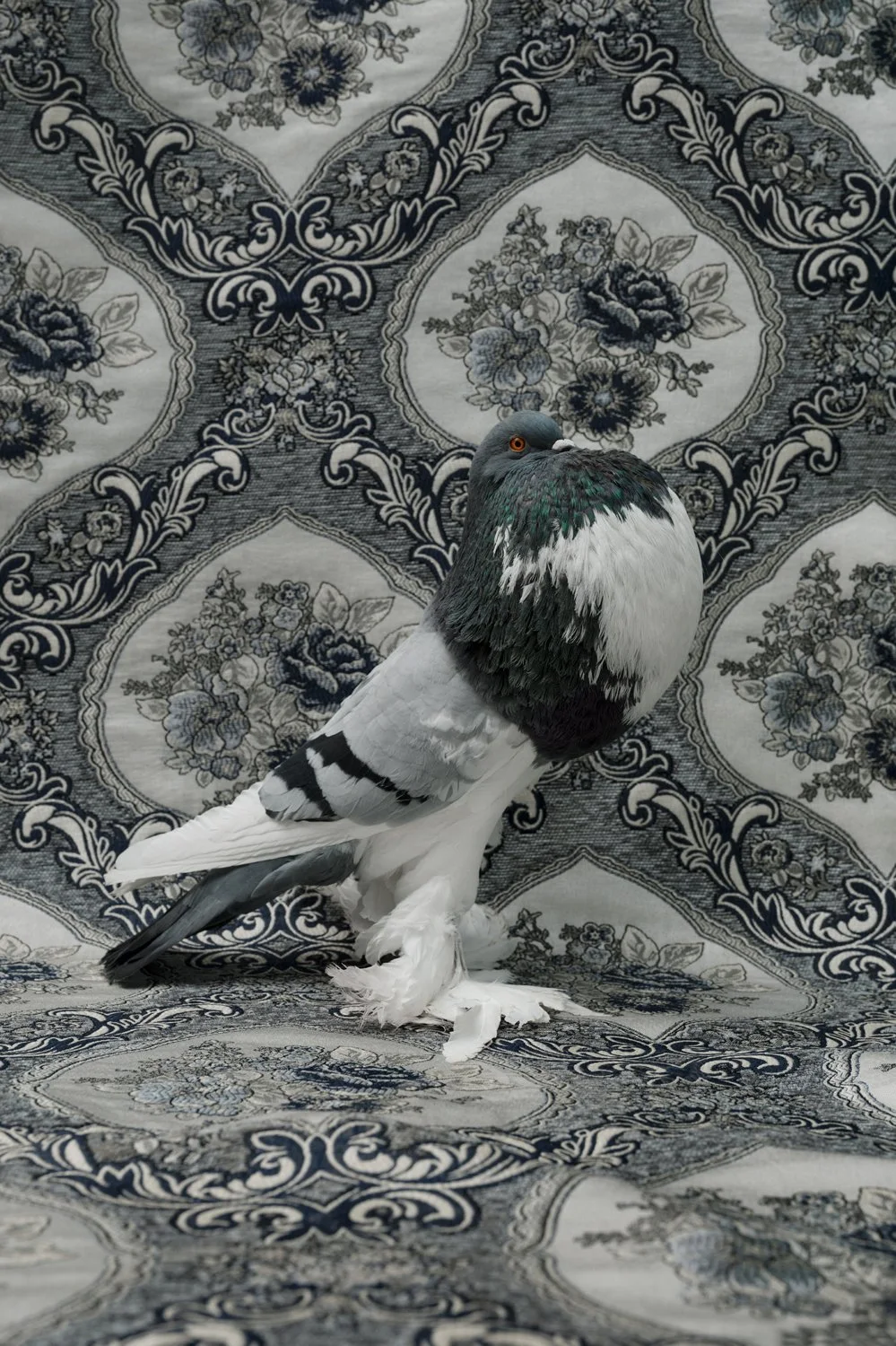
Let's talk about Birds of a Feather. You started Birds of a Feather in 2012. What gave you the idea to photograph real birds in front of old Victorian wallpaper?
I had been looking at birds for a commercial shoot and went into a pet store to meet a toucan. I remember feeling so excited walking around. I had parakeets at the time and I loved them. Their colors were incredible. My first reaction was purely aesthetic, and that stayed with me. I knew I wanted to do something with them, even though I did not yet have a clear idea.
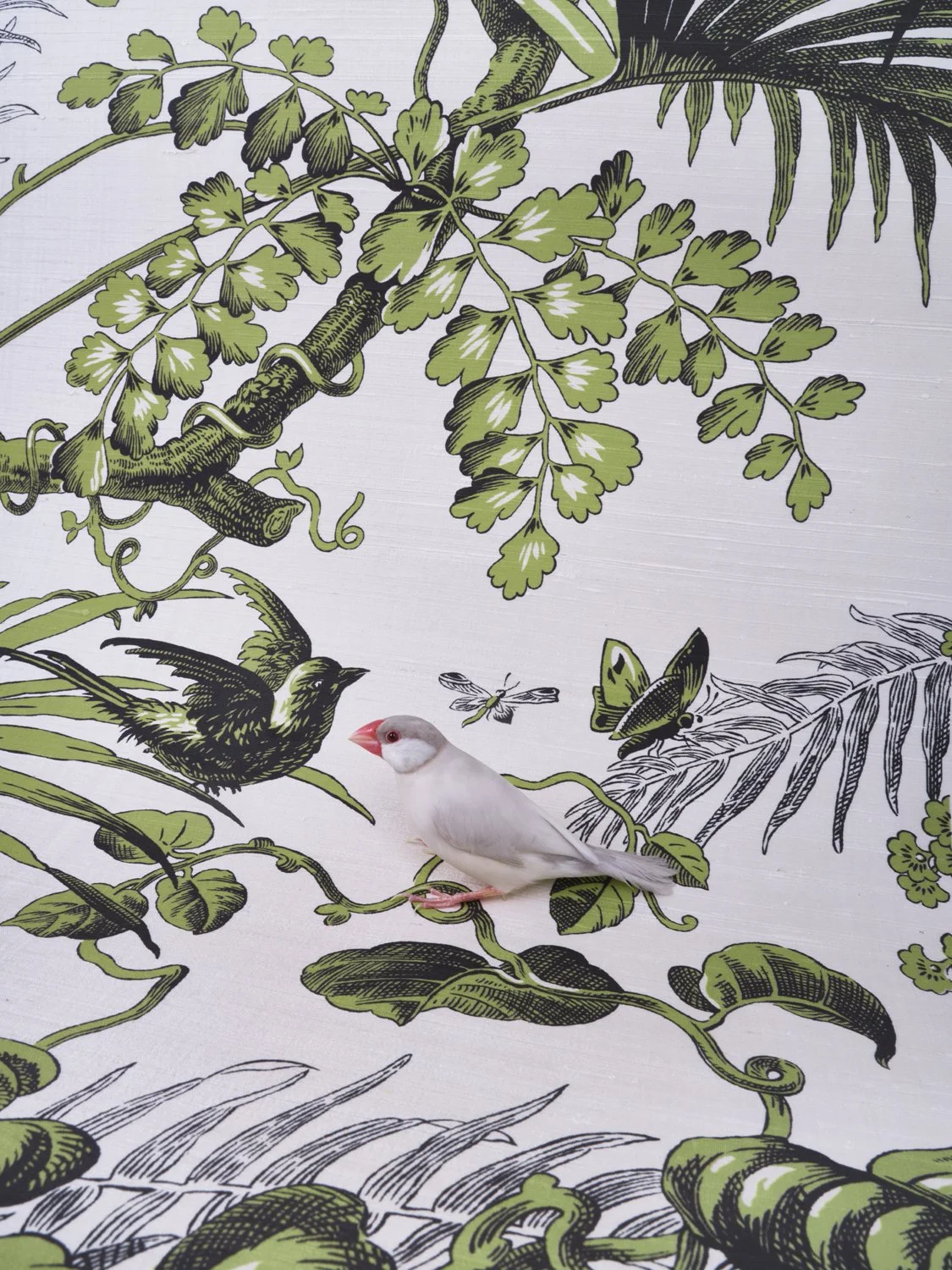
A couple of months later, I was looking at wallpaper for another project and saw a design filled with birds. It made me wonder if I could create my own version by photographing birds in front of patterned backgrounds. I had not seen anything like that before. So I did a small test with my own parakeets and was pleased with the result. Then I went back to the pet store and asked if I could photograph all their birds on white for their website in exchange for setting up a portrait studio for my project. They graciously agreed.
So I set up a portrait studio in their lobby and spent the entire day there. Beforehand, I had visited a wallpaper supplier outlet where they let me sort through a scrap pile of discontinued sample sheets. I left with around two hundred backgrounds and spent the day matching different birds with different patterns.
What struck me most, besides how beautiful the birds were, was how unique their personalities felt. Each one reacted differently to the setup, and it felt almost like a collaboration because I could not direct them. I had been photographing people before, so this was something new. And honestly, I had the best day. It felt magical being around them, and I thought, this is what I want to spend my time doing, being around these creatures.
The book says that this project changed from a simple visual study to something deeper about humans and nature. What made you think differently about it over these ten years?
Pretty early on, I submitted the parrot work to the PhotoVille festival. It ended up being publicly displayed and received a lot of very kind press. But in one of the articles, I was trolled in the comments by animal rights activists. They were furious about the pet store industry and very upset that I had photographed pet store birds instead of rescue birds. Some of the things they wrote were quite harsh.
In hindsight, though, that moment became important for me. It pushed me to think differently about my work and to start researching what these birds actually face. I learned that many people bring them home because they seem like beautiful, easy pets. But they are emotionally complex, as I had begun to notice while photographing them. Without the right environment, they can become distressed, and because they live a long time, people do not always continue caring for them. Many birds end up surrendered to shelters that are already overwhelmed.
All of this changed the meaning of the wallpaper for me. It made me think about how the patterned backgrounds could represent the manmade interiors we bring these animals into for our pleasure, simply because they look beautiful in our spaces. They looked beautiful on the wallpaper backgrounds, but those environments are not where they truly belong.
It also made me reflect on my own lifelong love of animals. I had always been drawn to them and wanted to be near them, but I realized that my perspective had been quite Victorian. I loved them because I wanted to have them around me and look at them. I was not always thinking about what was best for the animal or what the situation felt like from their point of view.
I think that experience really shifted how I think about my work in general. It showed me that my images could be decorative and beautiful, but they could also carry deeper layers for people who wanted to engage with them. It encouraged me to write artist statements that reflected what I had been learning and thinking about. It also pushed me to donate a portion of the profits to the animals represented in the pictures or to charities that advocate for or rescue them.
That shift has influenced the direction of all my work since then. It made me feel that I was allowed to follow my own interests. If I had a wild idea about spending time with birds or cheetahs, I could do it, and people would respond to the work. I did not have to limit myself to commercial projects that I thought I was supposed to be doing. It also showed me that I could share what I had learned in a way that was kinder and less confrontational than the way it was first presented to me. Because the images are beautiful, maybe they stay in people’s minds a little longer. And if someone shares the work with someone else, they might also share the stories behind the animals, which could help someone remember and think differently the next time they face a choice that affects an animal.
That is the hope. And even if people simply appreciate the beauty, I hope they can also see a kind of personhood in the portraits and connect with the animals in that way.
Let's talk about the real process. Taking photos of live birds is very hard, right? How do you make a parrot or hawk sit still for a portrait?
A lot of the time the birds are not sitting still. We have developed a setup where they feel comfortable. They are placed on a perch they are often familiar with, and we keep the set quiet and calm with very few people around. But sometimes they just want to fly around, and we let them. So I keep my shutter speed as fast as possible with the strobe lights, and we capture whatever we can.
How do you choose the patterns which match which bird for the wallpapers?
It is mostly an aesthetic decision, but it also reflects the mood of the birds. I try to match the patterns to their personalities and their plumage. In some cases, the fabric comes from the same region or country as the bird, but most of the time it is about finding a visual harmony. I look for that layered effect where the bird feels like it truly belongs within the pattern.
I felt like some of them almost blend into the pattern. Is that something you consider, the colors and how they would either pop against the background or get lost against it? Do you try different patterns during the shoot?
Definitely. I usually have several backgrounds ready, and I photograph the same bird in front of a few different ones to see which works best. I am often looking for those moments when the bird lines up perfectly with the pattern. Sometimes it looks as if they have extra feathers coming out of their head, or the shapes match up in a really striking way. It all happens in a split second. The frame right before and the frame right after are usually not aligned. So I rely a lot on luck, and I can tell immediately when the moment happens.
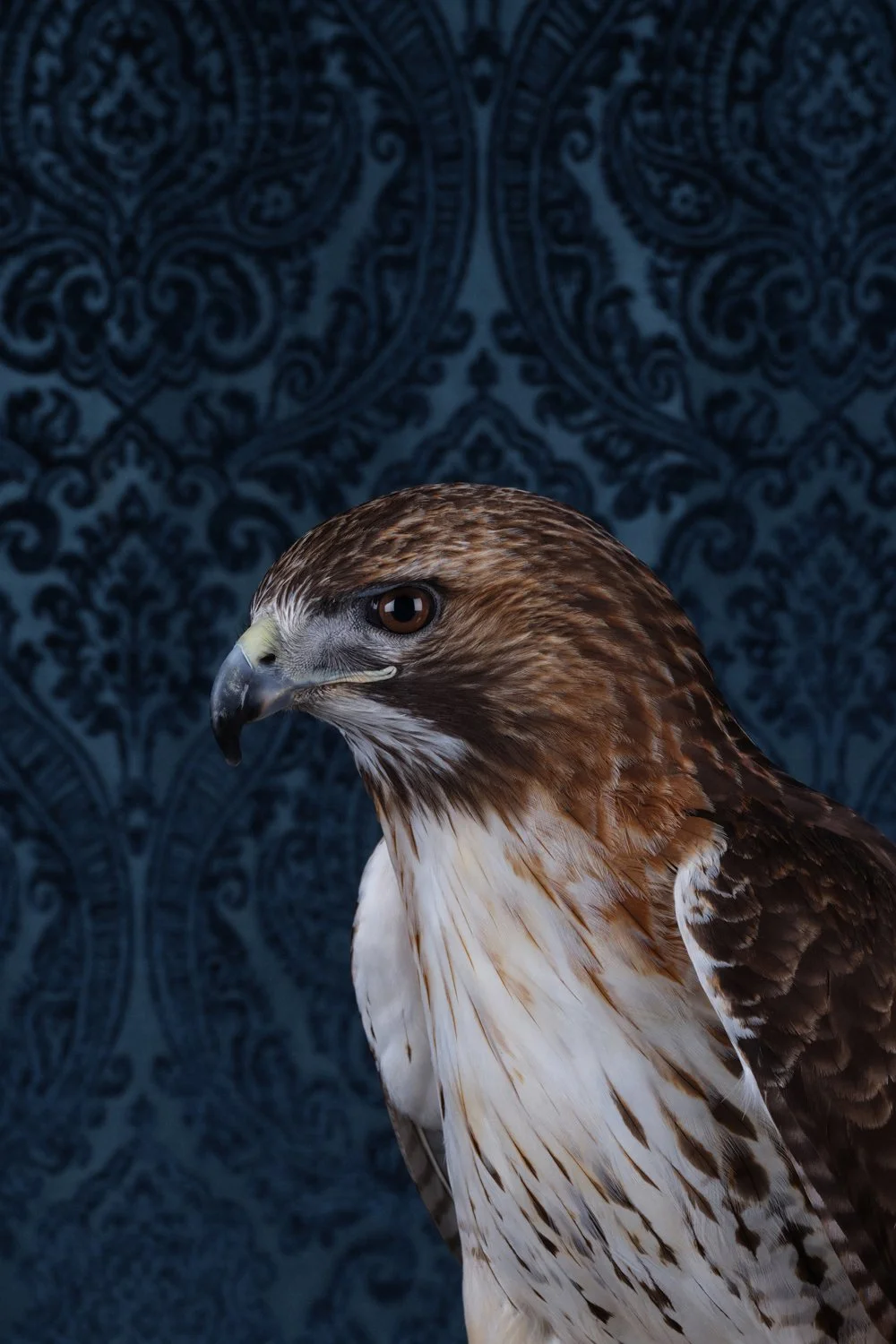
The book asks, as we admire what nature has inspired in art, what might art do for nature in return? What is your answer to that?
That is the big question, and it is the hope behind my work. Can it do enough to change anything? I am not sure. I hope so, but I really do not know.
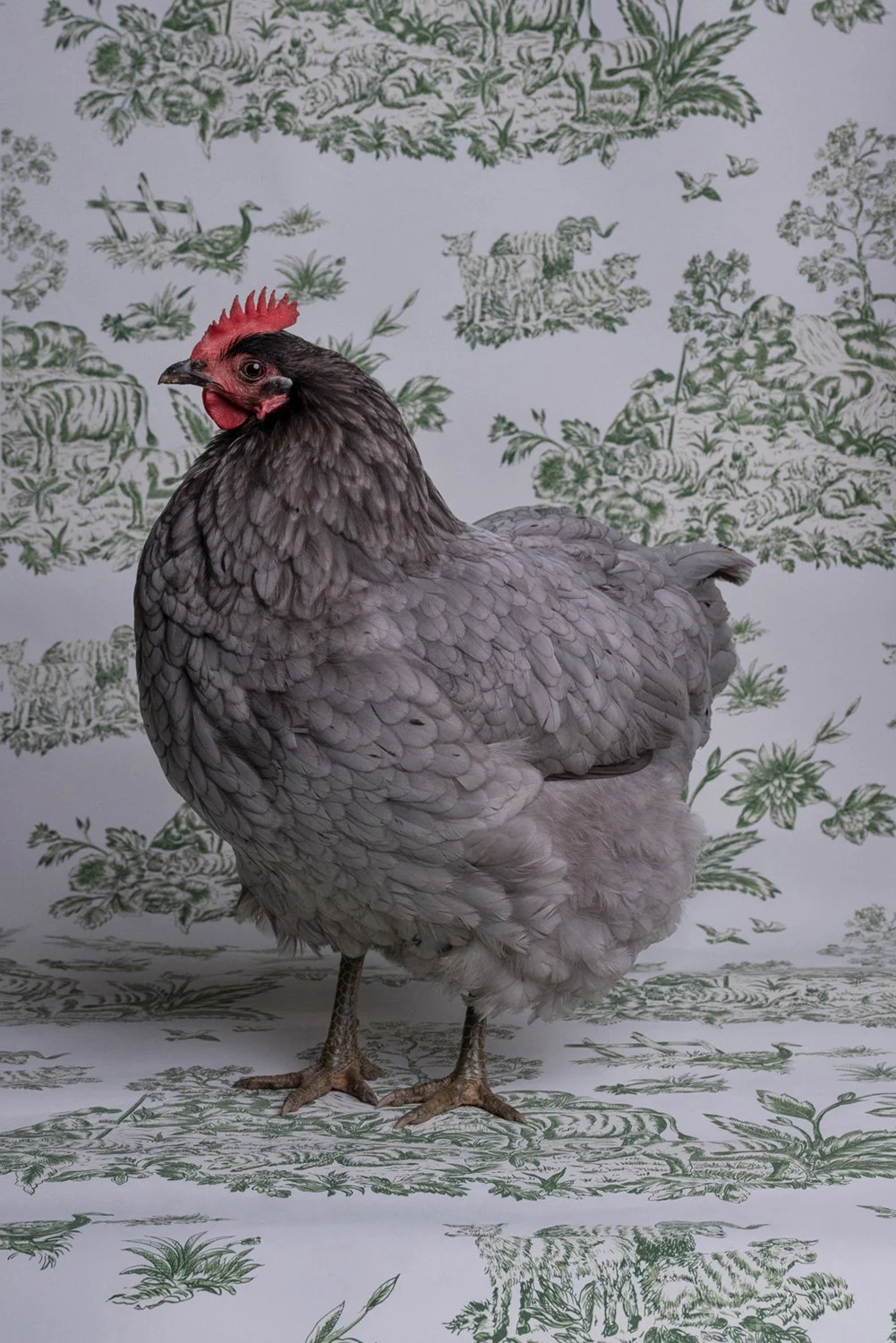
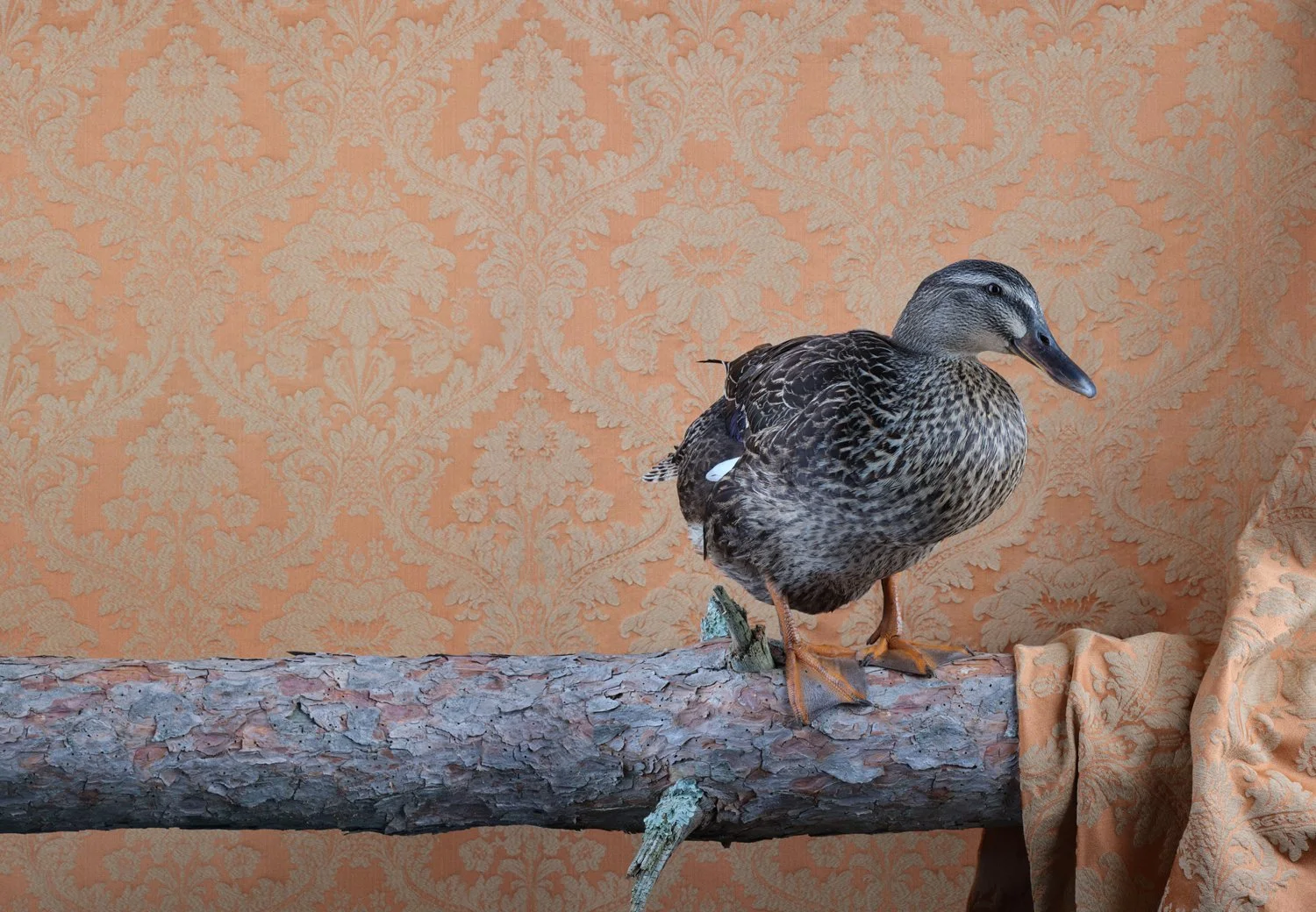
You photographed not just exotic birds, right, but also chickens and pigeons from farms. Why did you include these ordinary birds? What do they add to the story?
I think my interest is in showing that the entire animal kingdom needs a shift in how we think about them. They are sentient and lovely creatures. As the parrot work evolved, I had an exhibit in Dubai and was introduced to falcons and owls. That opened my eyes to everything they face, from being working birds to dealing with habitat loss, disrupted migrations, poisoning from pest control, and so many other issues that most people never think about in their daily lives.
I was struck by how different their personalities were, how intelligent they were, and how they tried to figure things out compared to my experience with the parrots. Then during COVID, when travel was limited, I spent time visiting neighbors who had ducks and chickens. I would always stop to say hello to them, and eventually I thought, these animals deserve portraits too. That led me to think about factory farming of eggs, chickens, and ducks. These creatures are funny and expressive, and I think most people would be shocked by how they are treated if they spent even a little time with them.
For me, all of this falls under one umbrella. Whether an animal is admired for its beauty or is something you see every day, it still deserves attention and care. They all have extraordinary qualities. Whether it is a duck, a chicken, a vulture, a parrot, or a prized falcon, they are not that different from us, and they are all worthy of care.
How did you choose which photos to include and in what order? This book has been ten years of work, right? It has, I believe, 120 photos. What was the total amount of work you picked those 120 photos from?
A lot. There were many more images than the final selection. I worked with a wonderful editor, Beth Tobner from Mercury Lab, and we spent hours going through small prints. At first we were trying to decide whether to organize the book by type of bird, by size, or by color.
Beth did an incredible job making the sequence feel lyrical so it never became stagnant. You can move through the book with a sense of flow. The choices were partly about color, but not in a literal way. It was also about how the birds related to each other. One thing I really appreciated was the pairings across the spreads where the birds seem to interact. That changes how you see them compared to looking at each image on its own. For me, that was a real success of the book.
From a practical perspective, certain images needed to fall in the center of the signature in two sections, so the sequence had some technical constraints as it evolved. We also wanted some subtle repetitions, like instances where the same patterned background appears next to each other. It took time to get it right, but I feel good about how it turned out. There was a real risk of it becoming boring, so I hope the final flow feels easy to move through.
You also used historical quotes in the book, right?
They are quotes about birds or the environment from a mix of Victorian era figures and a few contemporary ones. While I was researching the Victorian period and Audubon’s time, I fell into a rabbit hole of eco-environmental feminists who were already advocating for bird preservation back then. I had never really encountered their work before, and I thought it would be interesting to share these voices.
I also had not realized that a woman essentially invented birdwatching, which is now one of the most popular hobbies in the world. At the time, the standard method for studying birds was to shoot them, dissect them, and examine them in a lab. But several women argued that observing birds in the field, in their natural homes, offered far more insight into their behavior and did not require killing them. Field observation was something women could participate in, even though they were often barred from labs and academic spaces.
Many of these women were also suffragettes, abolitionists, and deeply involved in civic work. They were fascinating figures, so I included quotes from them. I felt their words created a pause in the flow of the photography while also expressing some of the ideas I was thinking about. Their short bios offered a chance to introduce readers to historical voices I had only recently discovered myself.
Do you have a favorite quote or favorite pairing you used in the book?
There were two quotes that I really loved. The first is by Graeme Gibson: “What is this urge to own another living creature? And why is it that we understand so well the universal symbol of the bird being set free from a cage? It is we who have made the cages and it is we who must open them.” I really connected with that. He wrote a book called The Bedside Book of Birds.
The other quote I loved is from Rosalie Edge: “Thousands of people who had within them a yearning towards nature, a deep-seated need to preserve its beauty had been in very truth asleep. I know for I was one of them.” I like that because it is honest. It is hard to be human. Most of us are trying our best. I truly believe people want to do better for the environment, but sometimes they need more education or a better understanding. And it can be complicated. Often the information comes in a very aggressive or accusatory way, which I do not think helps anyone change their behavior.
I hope to engage people in a way that allows them to see their role without feeling threatened, to imagine how things could be different, and to think about the small actions they can take. Change usually comes from many combined efforts, not a single thing. And the reality is often more complicated than it is presented. So I hope the work opens up conversations, encourages creativity, invites people to problem solve, and helps them think differently. I want it to be about trying to do better, not about telling someone they are bad because they did something wrong.
Do you own a bird or would you like to?
No, I did. I think unless I had a giant aviary, I would not choose to own a bird now. I might like to rescue birds that cannot survive on their own in nature, and I would be happy to care for them. I do genuinely love being around birds, and if they are outside living good lives, like the ducks I am hoping to get for the farm soon, I would love that. But I would not take a bird and keep it in a cage the way I did when I was younger.
Thank you so much for taking the time to share your story and insights with us, Claire. It's been wonderful learning about your work and the journey behind Birds of a Feather.
Thank you.
To discover more about this intriguing body of work and how you can acquire your own copy, you can find and purchase the book here. (Workshop Arts, claire-rosen.com)
More photography books?
We'd love to read your comments below, sharing your thoughts and insights on the artist's work. Looking forward to welcoming you back for our next [book spotlight]. See you then!
Lee Espinoza reminded Darren Vargas of his late grandfather. The photographer met the boxing coach in 2025, five years after his grandfather Esmael died. Photography Book Spotlight