How Patrick Lefèvre Turned Iceland’s Harsh Winter Into Soft, Dreamlike Photographs
Welcome to this edition of [book spotlight]. Today, we uncover the layers of 'Vetur - Frozen Landscapes of Iceland,' by Patrick Lefèvre (published by Kehrer Verlag). We'd love to read your comments below about these insights and ideas behind the artist's work.
Patrick Lefèvre transforms Iceland’s brutal cold into gentle beauty.
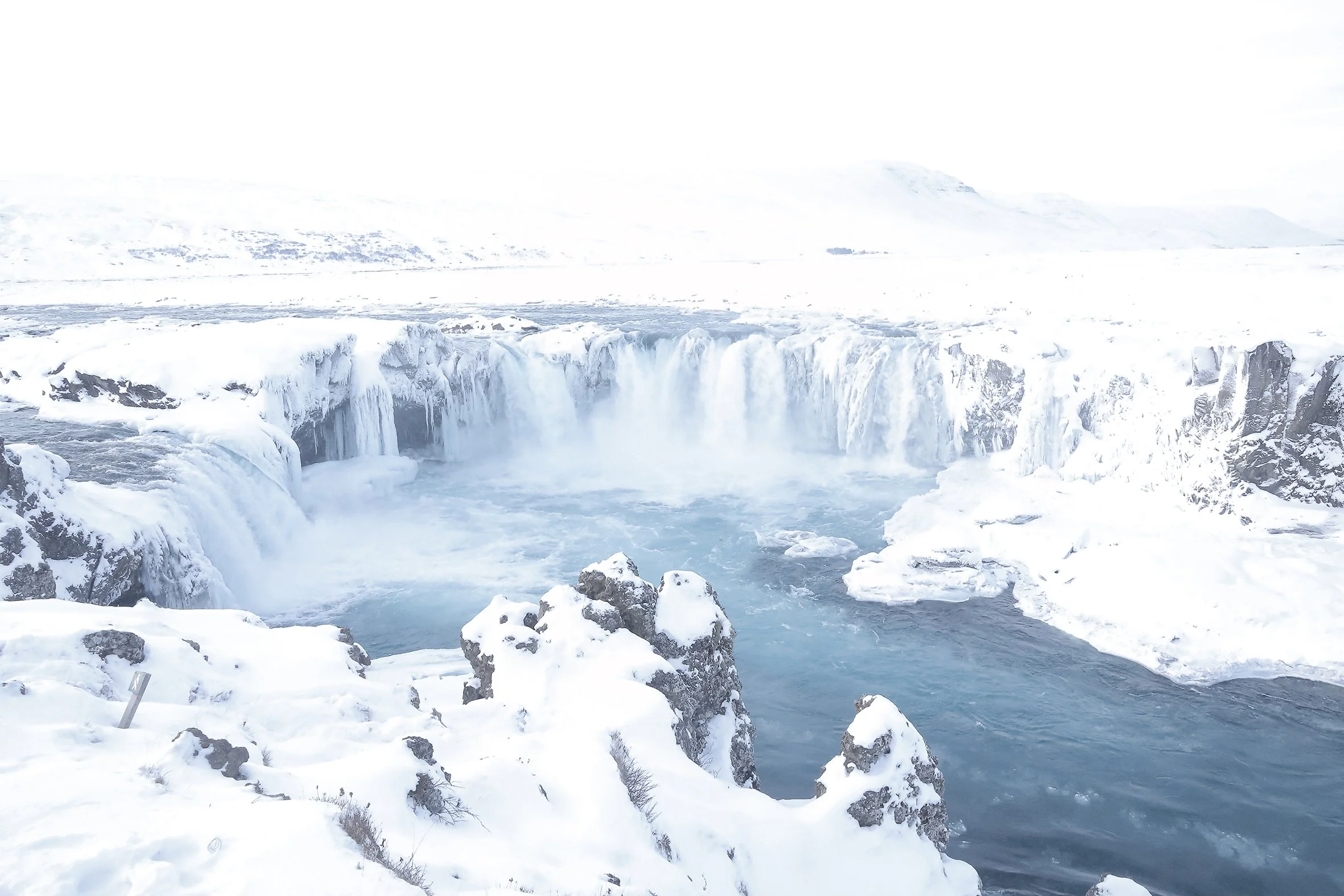
His book Vetur shows winter not as a postcard, but as a place of silence, emptiness, and strange softness. He uses light, exposure, and careful composition to create images that look almost like paintings while still keeping the real feeling of Iceland. The result is a series of photographs that make the frozen landscape feel human and contemplative.
In February 2024, Lefèvre traveled to Iceland in search of winter.
He was drawn by snow, shifting weather, and the desert-like roads connecting distant places. Working more with intuition than with plans, he photographed scenes that are minimal and emotional, often pushing the camera beyond technical “perfection” to find something softer and more personal. This project grew into Vetur, published by Kehrer Verlag.
In this interview, he explains his approach and why Iceland’s frozen silence became his subject.
About the Book
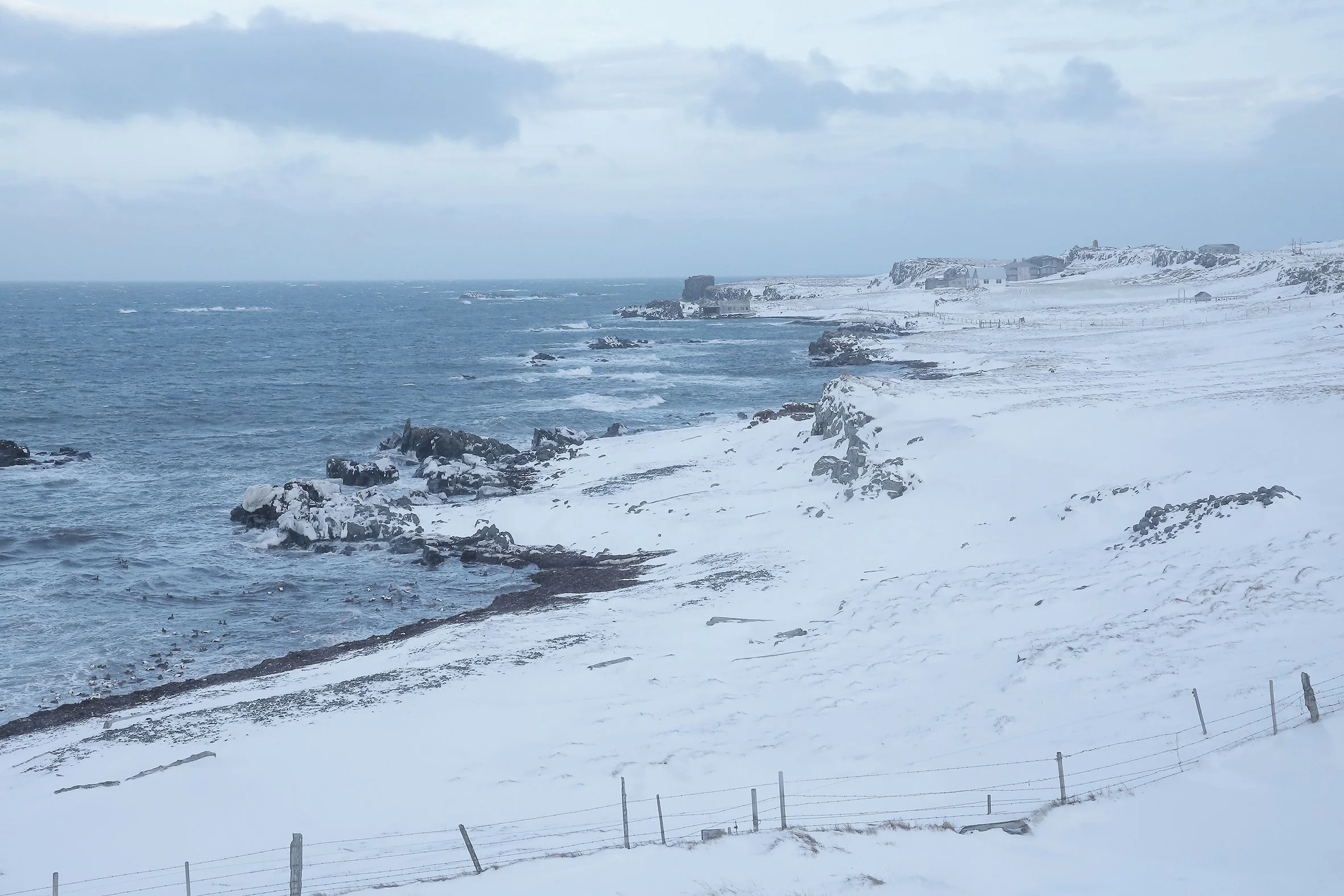
Vetur: Frozen Landscapes of Iceland captures Patrick Lefèvre's contemplative vision of Iceland's winter terrain from his February 2024 journey. "Vetur," meaning "winter" in Icelandic, reflects a season where light and weather transform vast spaces into scenes of quiet beauty or stark isolation.
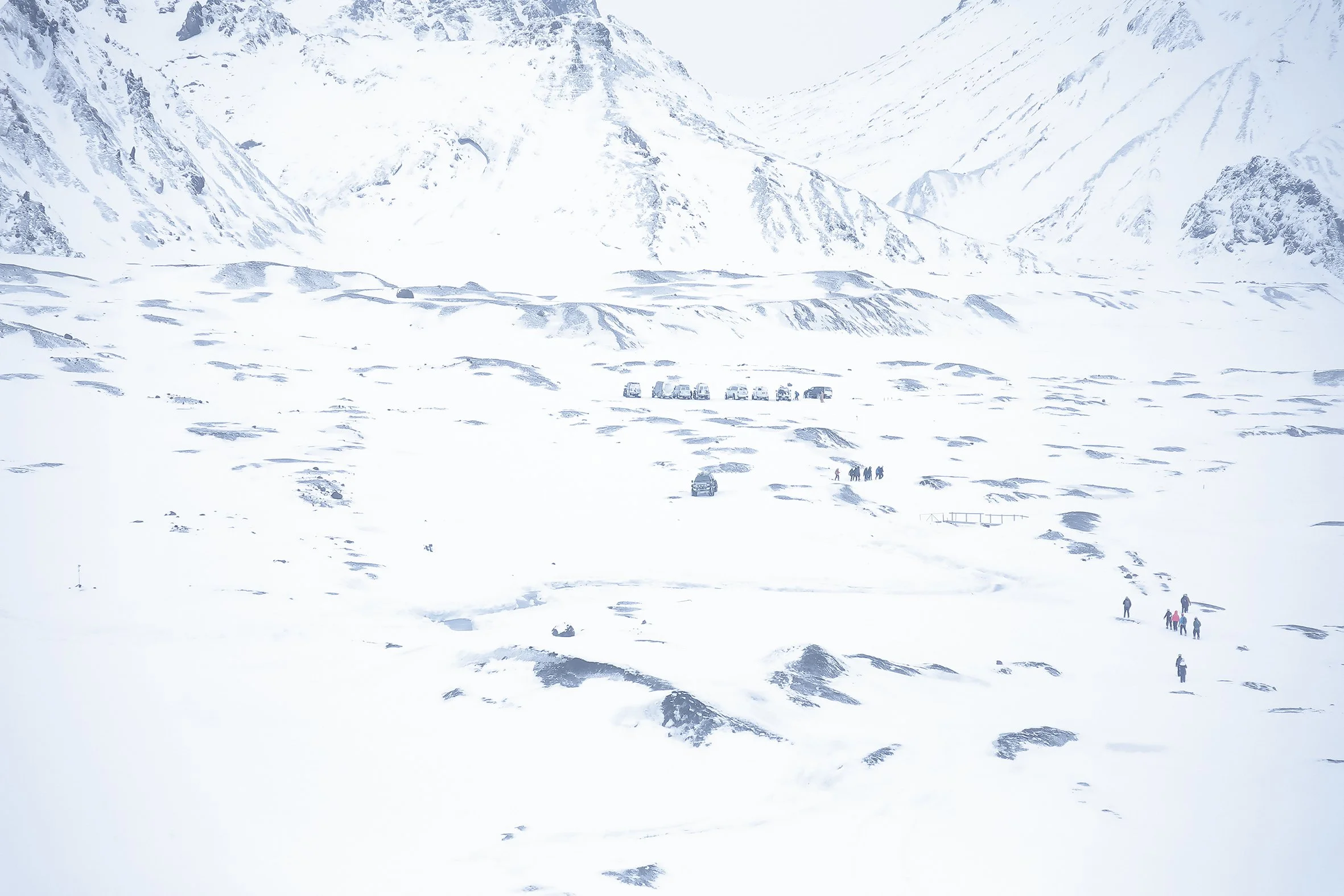
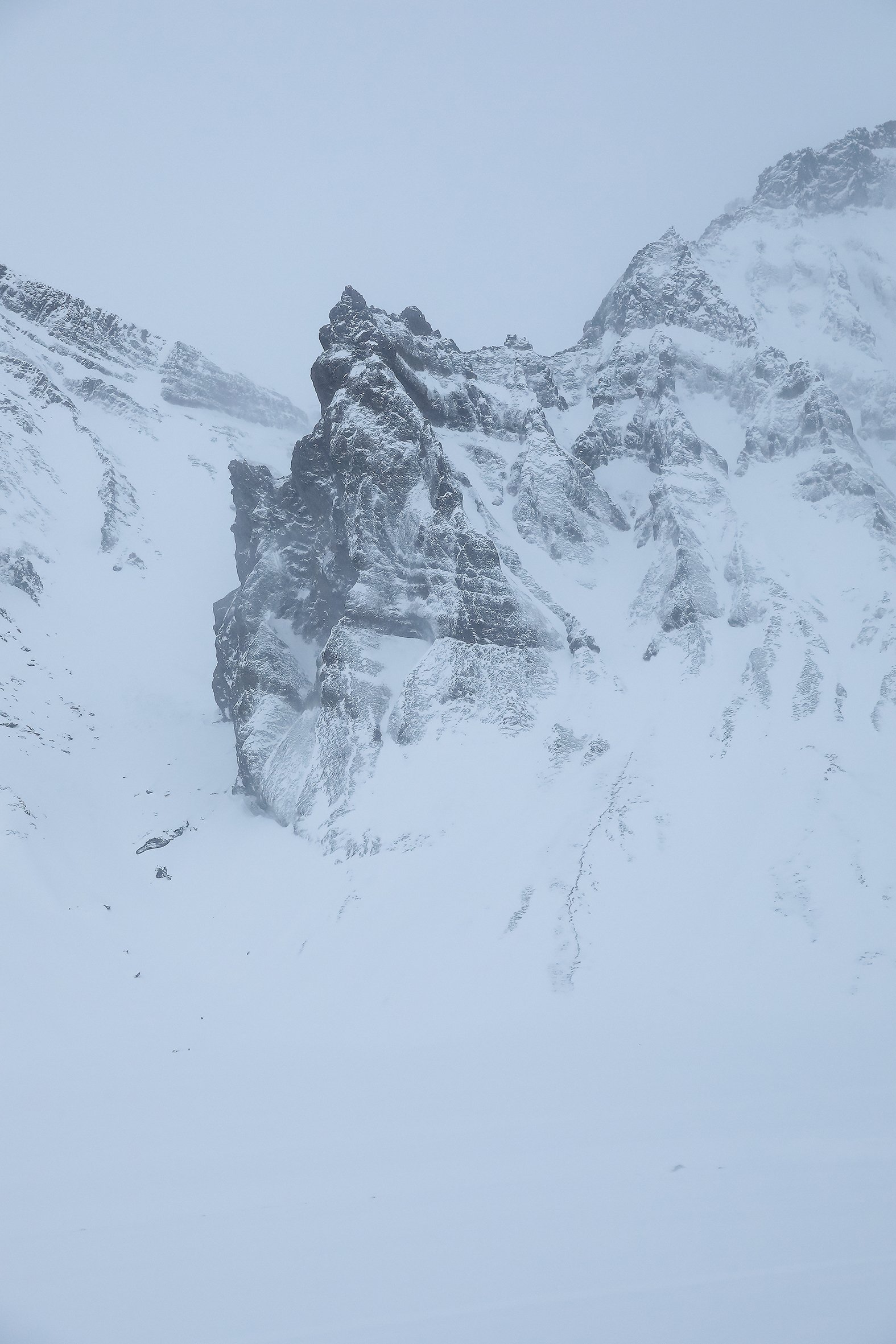
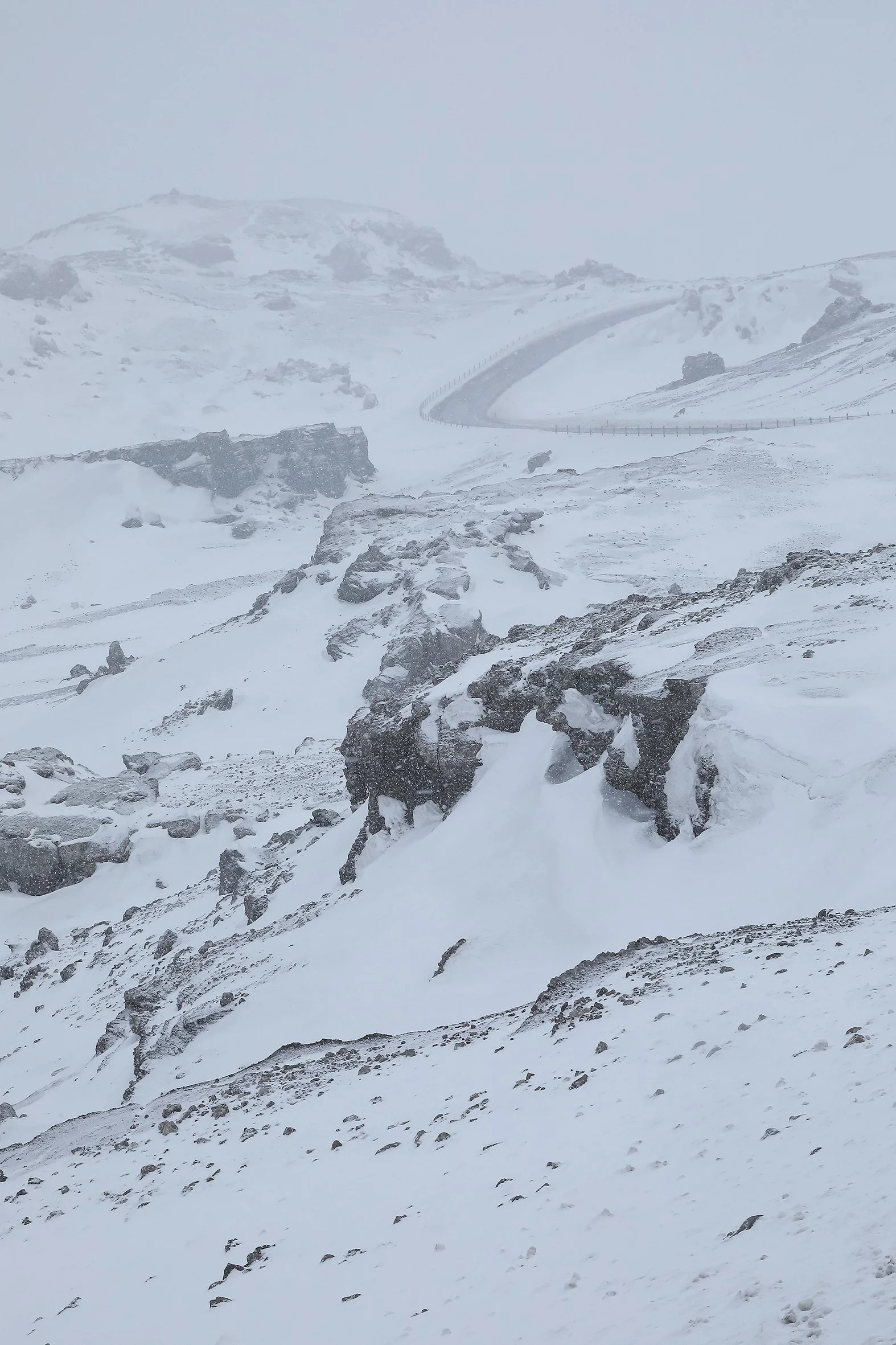
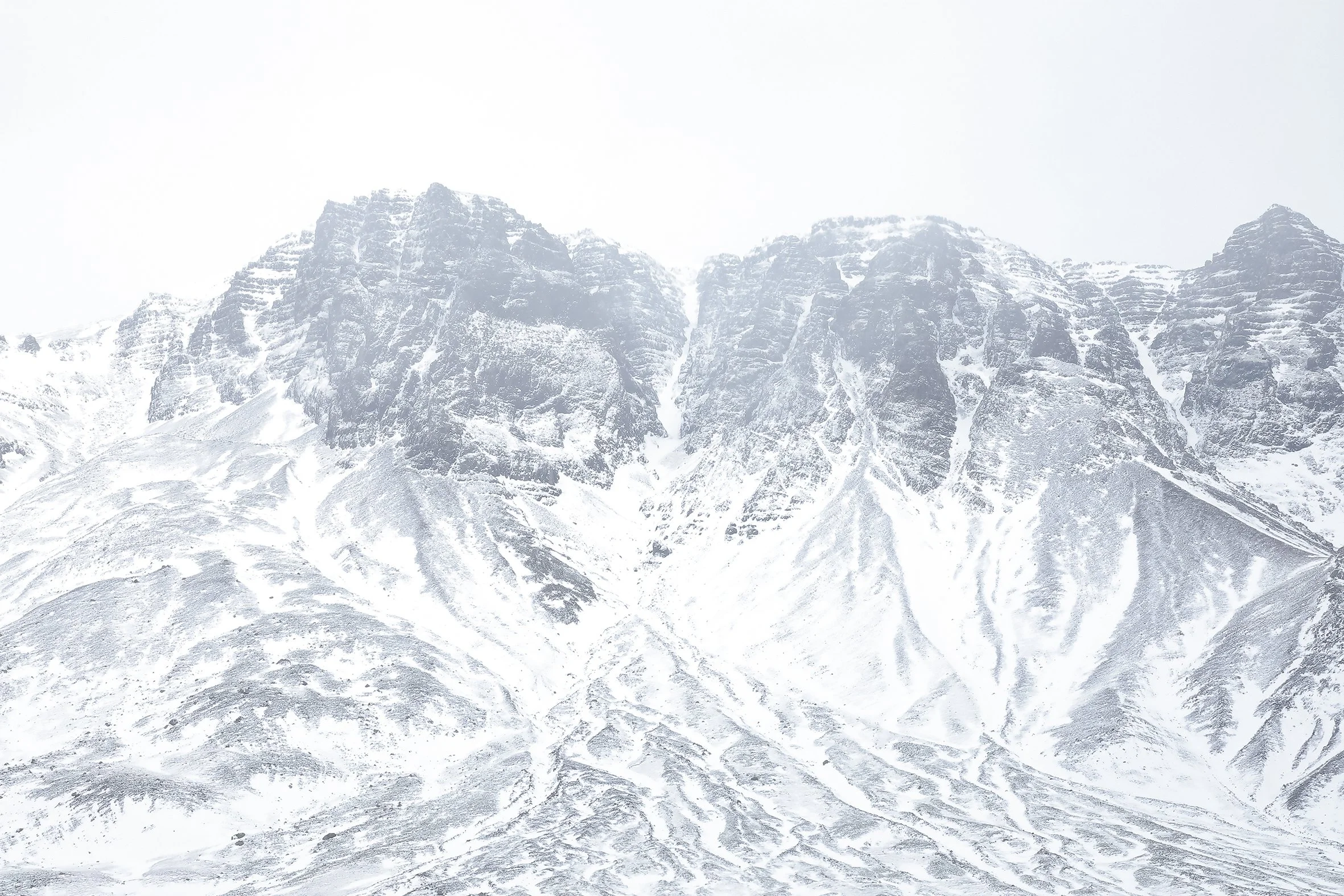
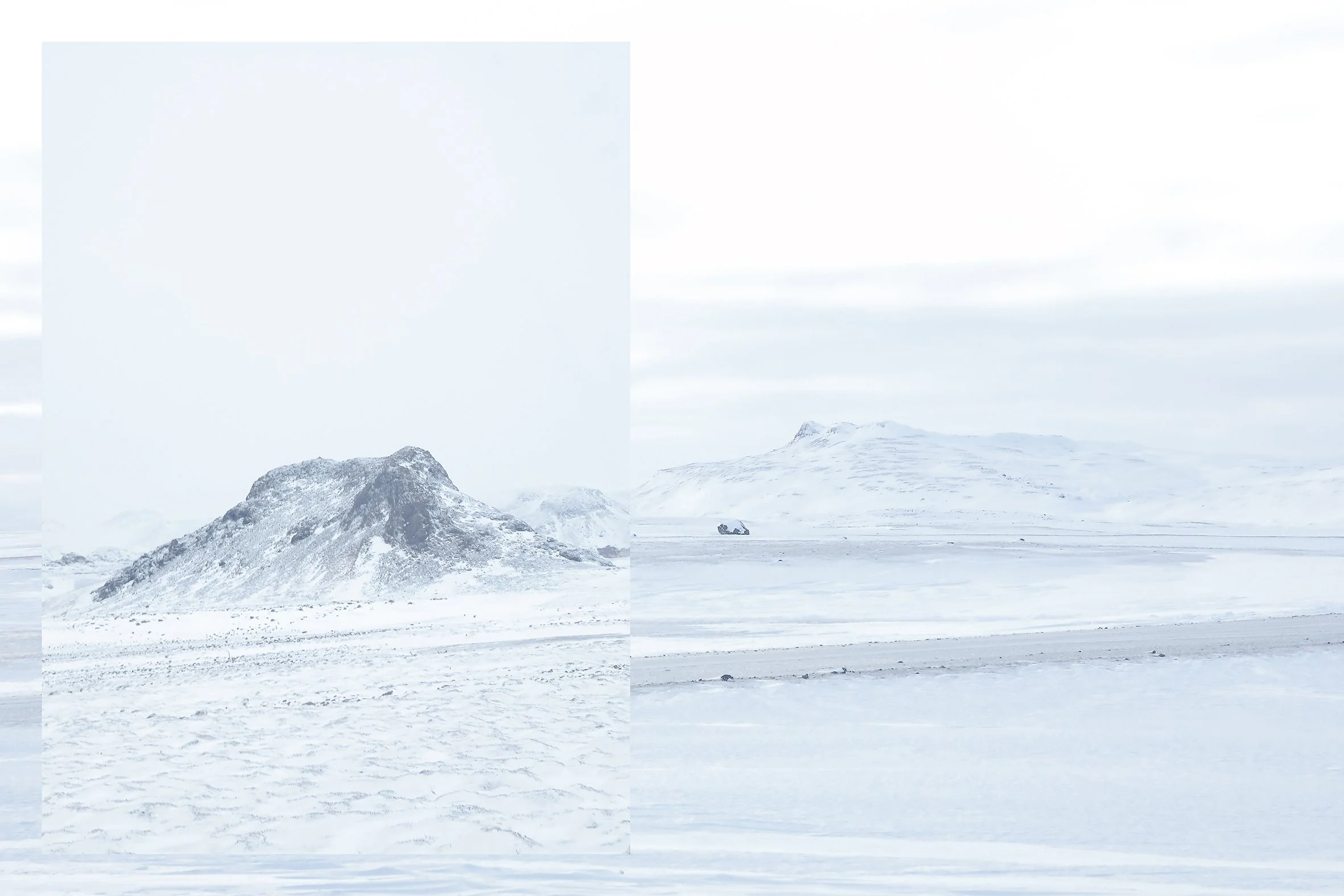
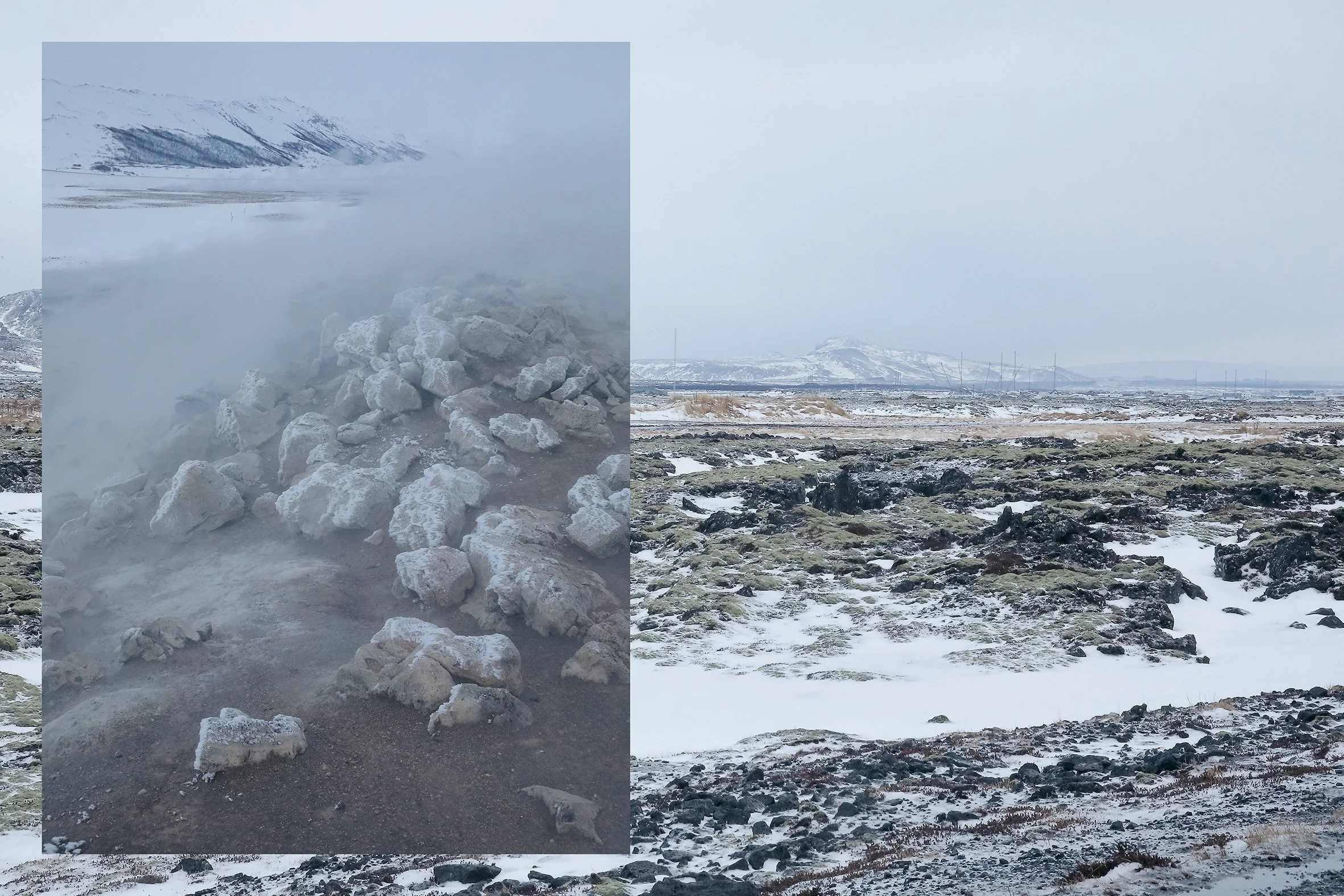
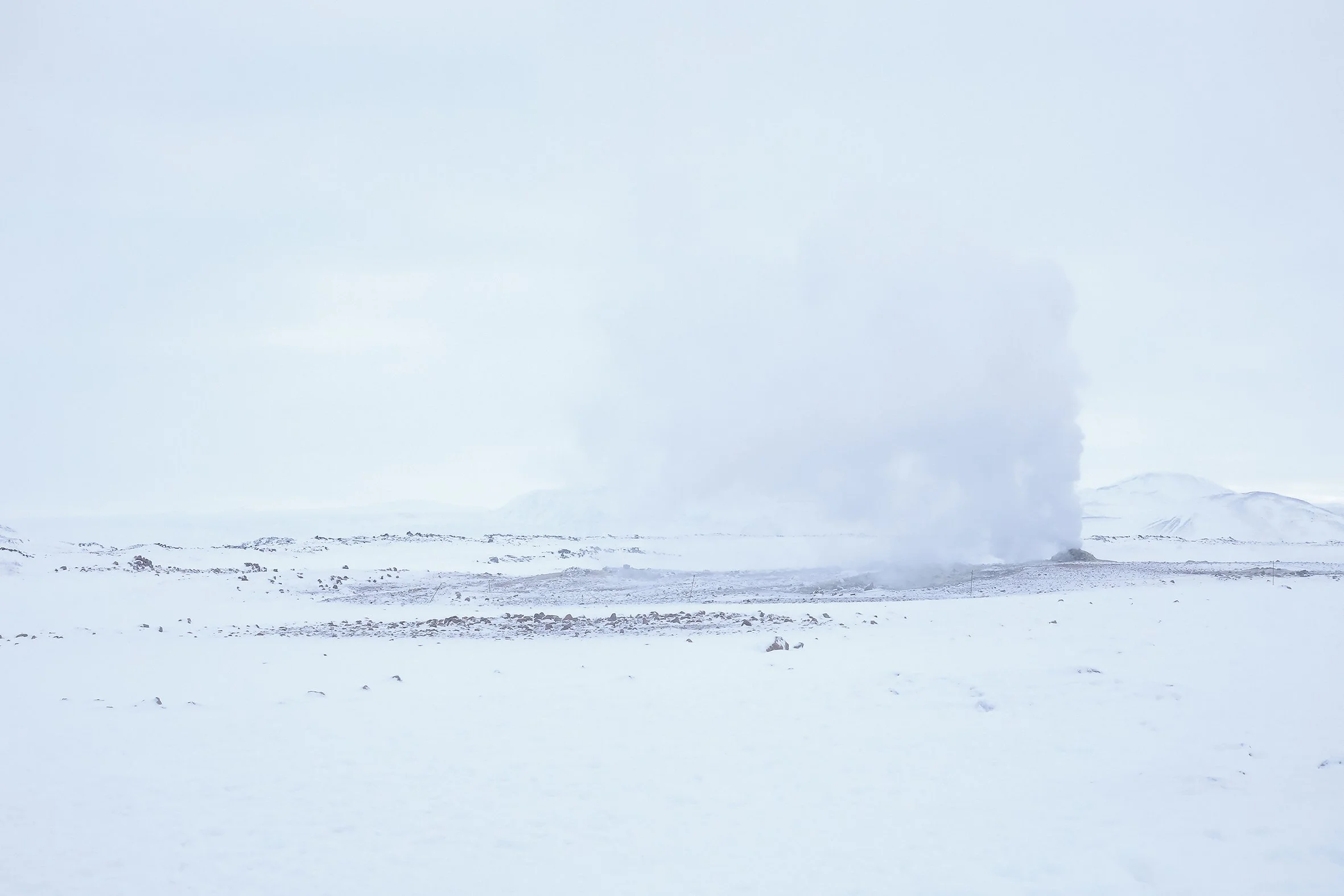
Spanning locations from Kerið crater lake to Dettifoss waterfall and the Snæfellsnes peninsula, Lefèvre avoids typical travel imagery. Instead, he reduces each landscape to essential elements: horizons blurred by fog, solitary stones against white fields, roads disappearing into light.
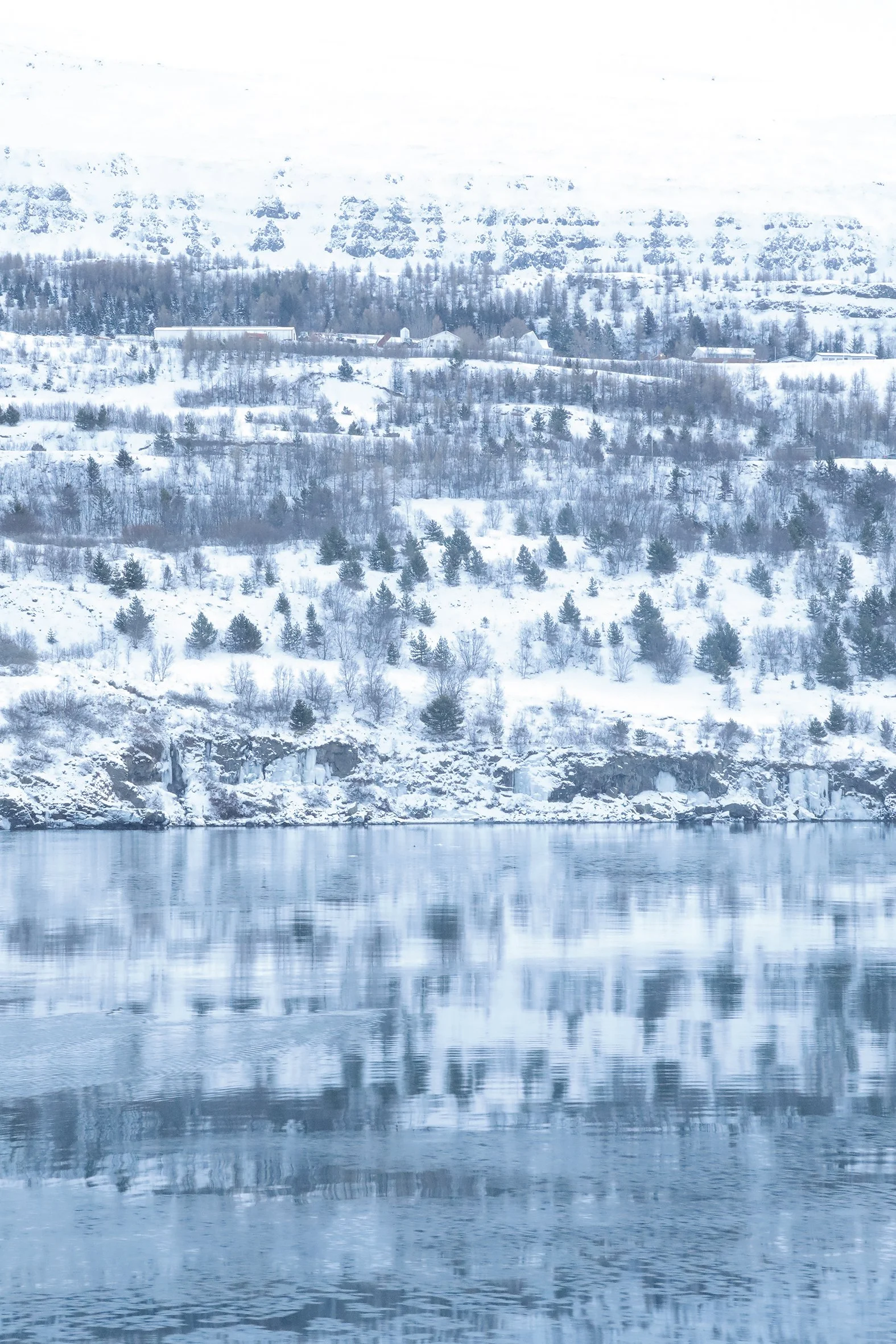
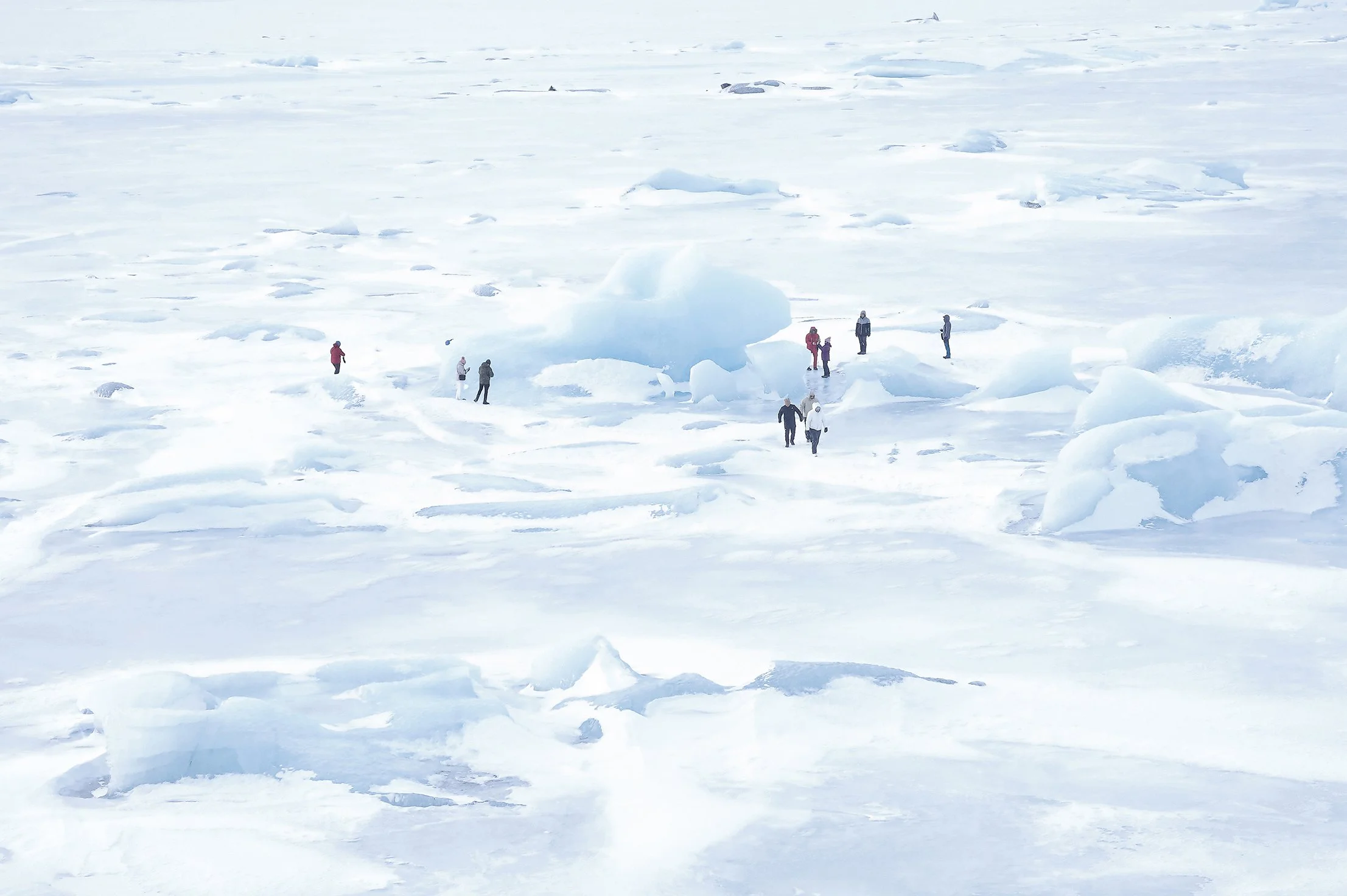
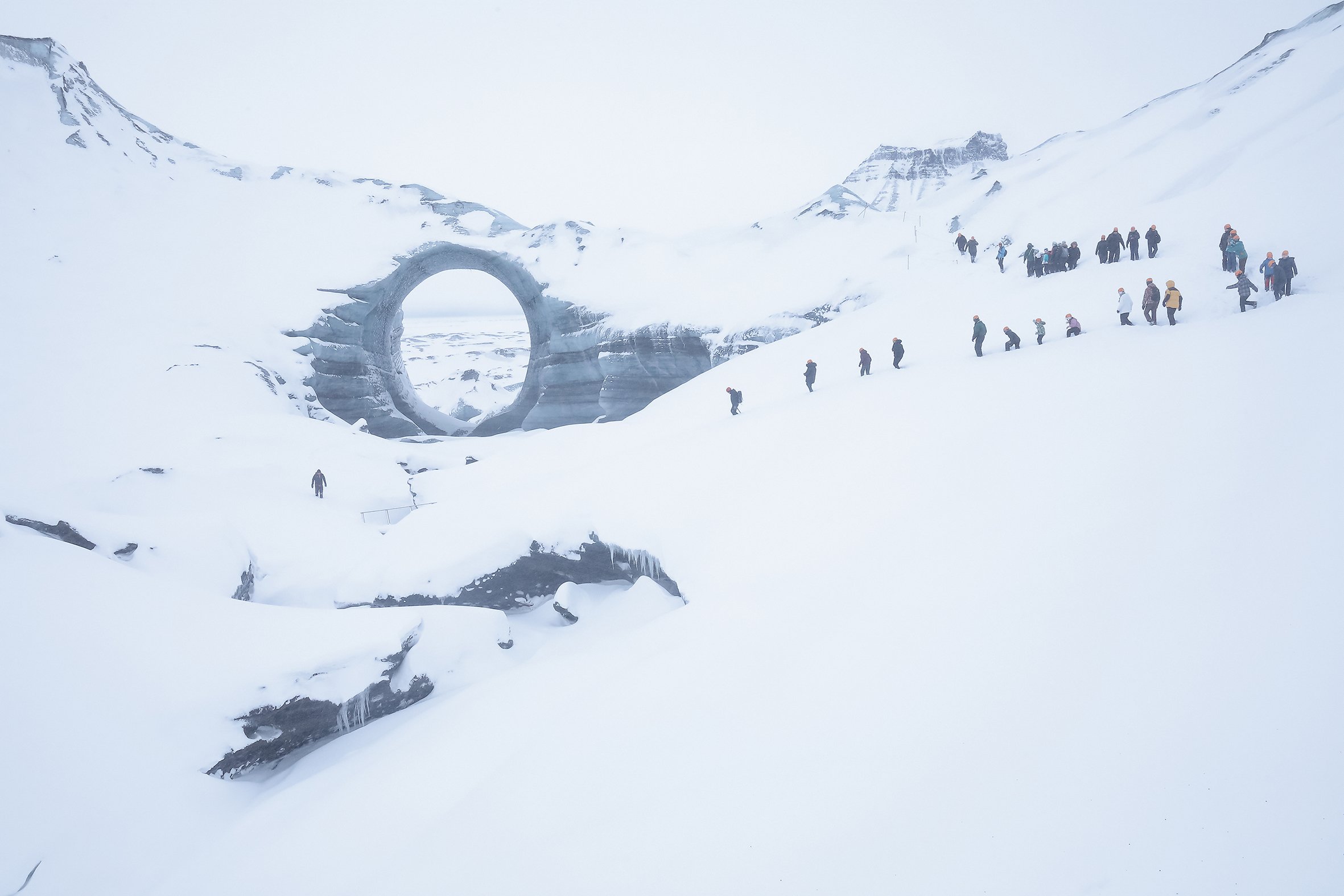
Drawing inspiration from Pictorialism, these images possess a painterly softness with restrained palettes and minimalist compositions. Each photograph functions more as meditation than documentation, creating a visual story about stillness and connection in Iceland's desert-like winter landscape, where roads become the only lifelines connecting isolated spaces. (Kehrer Verlag, Amazon)
Project Genesis: Why did you choose to visit Iceland in February 2024? How did the idea of "winter" help you plan what photos to take?
I really enjoy taking photos of snowy landscapes. I was drawn to images I had been able to see and by the variety of landscapes in Iceland.
Pictorialism Influence: How do you make your photos look soft like paintings while still showing the real cold landscape of Iceland?
It's a feeling during the shooting where I very empirically overexpose and sometimes underexpose, playing with ISOs, aperture, shutter speed, and white balance. The choice of paper also plays a key role in enhancing the pastel effect when printing.
Minimalist Approach: How do you decide what to put in your photo and what to leave out to make it simple and clean?
It's intuitive; sometimes I search by taking several photos until I find the right light and the right framing. Generally, I'm drawn to a subject, an object, or a scene, and I try to avoid it being disrupted by other elements at the edges of the frame. There are also composition rules that I apply more or less consciously.
Desert-Like Composition: You said Iceland in winter looks like a desert with only roads connecting places. How does this idea change how you take photos?
It's not an idea that changed my way of taking photos, but it's a reality and a feeling that imposed itself on me, which I believe can be found in the book with many desert landscapes punctuated from time to time by a few figures and the road that passes through.
Weather Adaptation: When the weather changes very quickly, do you plan everything first or do you just go with what happens?
I just go with what happens.
Avoiding Postcard Realism: How do you take photos that show the real feeling of a place instead of just making it look pretty like a postcard?
I don't know if I always succeed. What matters is the intention that then materializes in the choice of light, composition, and subject while avoiding being too disrupted by certain stereotypes. Light with overexposure/underexposure is often a key factor for me in creating a slight shift, even if it means losing certain information or details if it reinforces the main idea.
Contemplative Photography: How do you make photos that help people think quietly and feel peaceful when they look at them?
I don't know; it's maybe because that's what I felt when taking these images.
Photography Evolution: You have been taking photos since very young age - how has your way of finding beauty in forgotten places changed over time?
I'm 42 years old. It's certain that my photos don't correspond to those I took when I was seven years old. What's important is to be neither jaded by what we see nor crushed by references. This can lead to seeking new destinations to renew oneself, as was the case here with Iceland, but this doesn't prevent long-term work in more familiar places.
To discover more about this intriguing body of work and how you can acquire your own copy, you can find and purchase the book here. (Kehrer Verlag, Amazon)
More photography books?
We'd love to read your comments below, sharing your thoughts and insights on the artist's work. Looking forward to welcoming you back for our next [book spotlight]. See you then!
Gosbert Gottmann wanted war photographs that resisted easy reading. In Freiheit Freedom Воля, he works with images connected to the war in Ukraine and changes them through abstraction, distortion and deformation. Photography Book Spotlight