When Words Fail: Pamela Thomas-Graham Found Light In NYC's Darkest Hours
Welcome to this edition of [book spotlight]. Today, we uncover the layers of 'When Words Fail A Photographic Journey through New York City,' by Pamela Thomas-Graham (published by Kehrer Verlag). We'd love to read your comments below about these insights and ideas behind the artist's work.
Some losses are too deep for language.
When Pamela Thomas-Graham's husband died suddenly in February 2021, she discovered this truth firsthand. The Harvard-educated businesswoman had always been confident with words, but grief left her speechless. After two years of trying to process the loss, she picked up a camera for the first time. Photography became the voice she couldn't find.
Pamela had never taken a photography class before.
She enrolled in "New York at Twilight" at the International Center for Photography because she wanted something completely new. The class pushed her outside her comfort zone in every way possible. She wandered unfamiliar neighborhoods after dark, learned to work with a camera she barely understood, and shared her work with strangers. What started as a desperate attempt to fill time became a journey that saved her life.
About the Book
"When Words Fail: A Photographic Journey through New York City" is a visual memoir documenting one woman's path from devastating loss to healing through photography. Published by Kehrer Verlag in 2025, the 156-page hardcover book contains 90 twilight photographs of New York City.
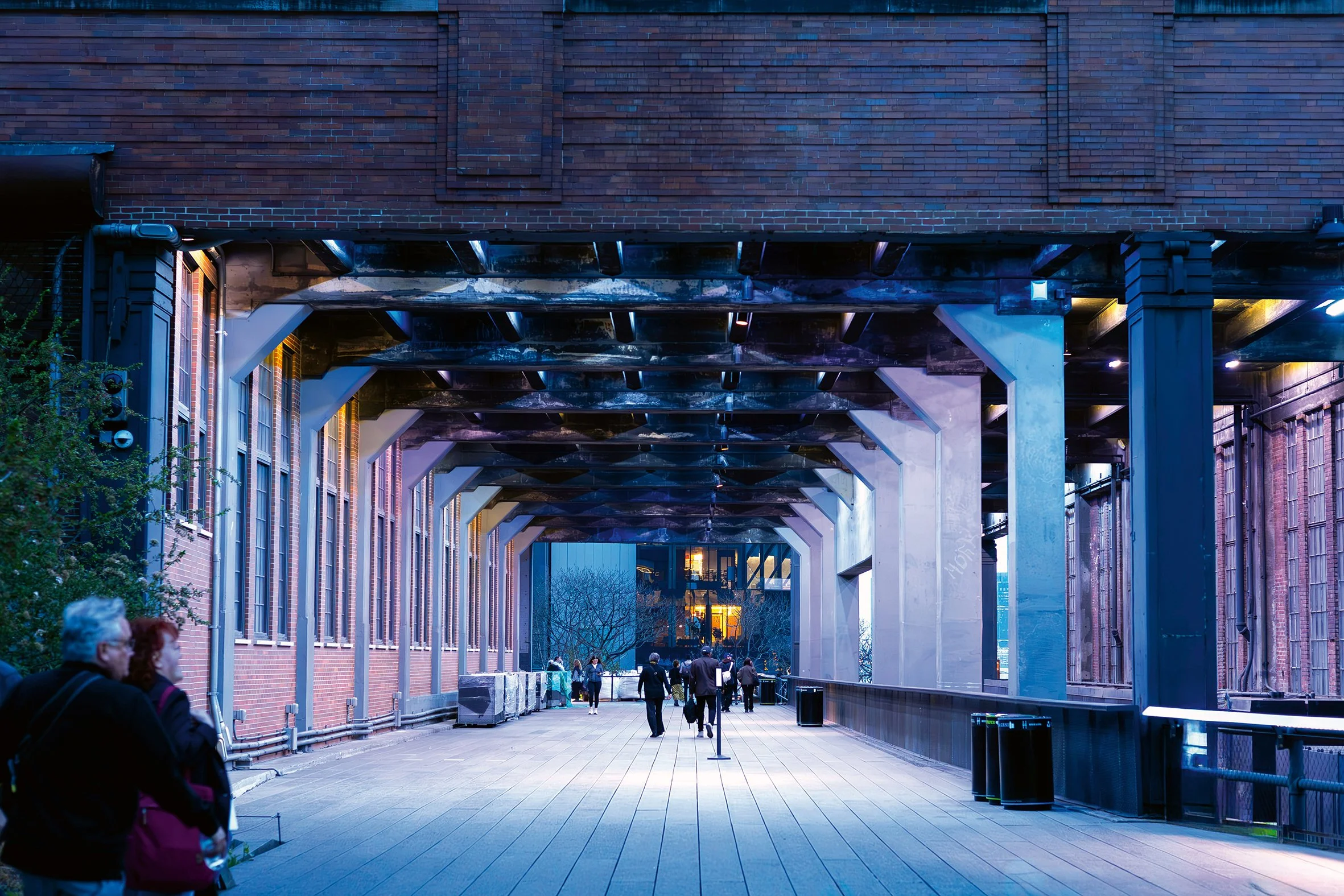
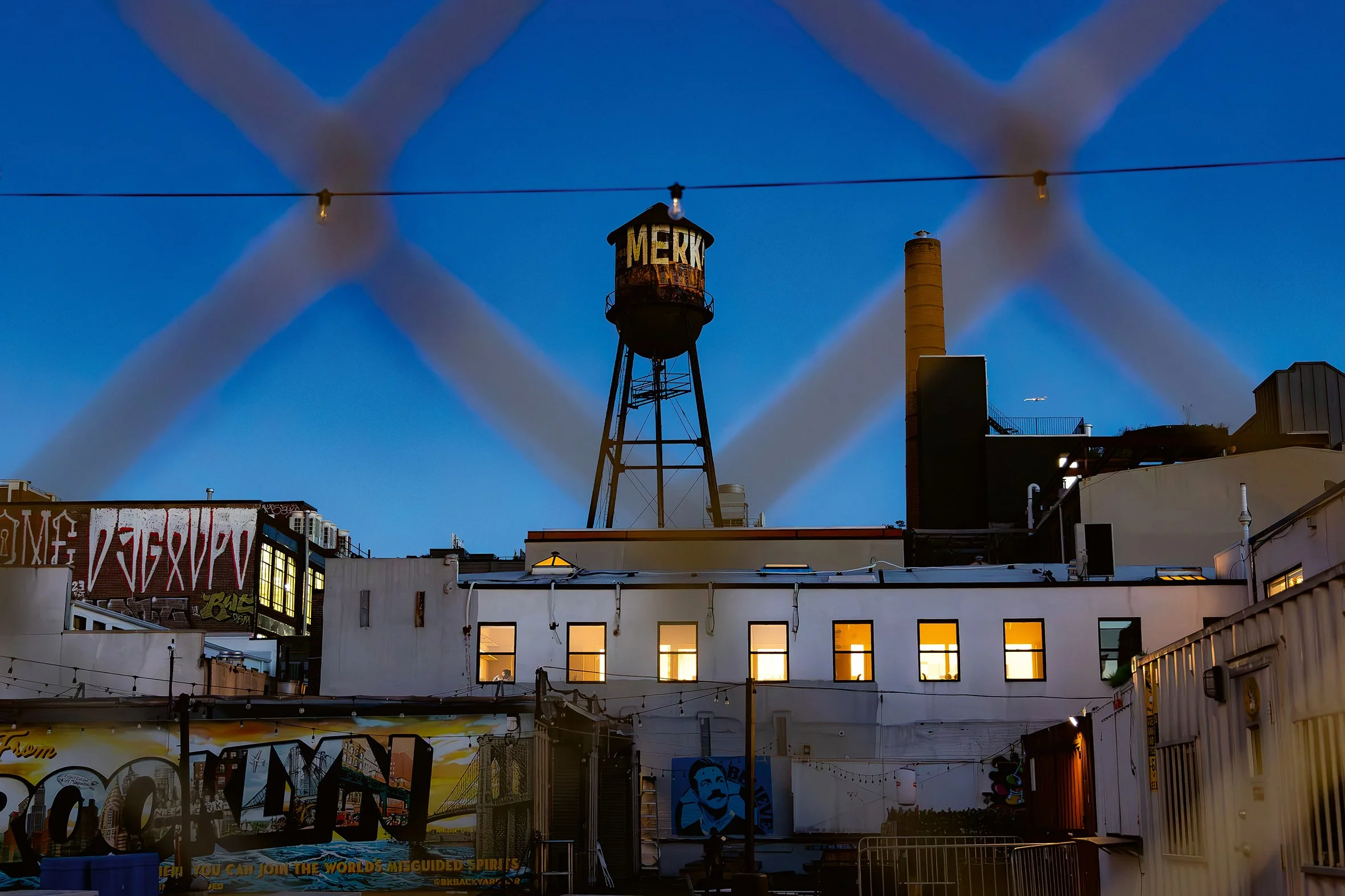
The book captures a complete transformation from grief to renewal. Early images use sharp reds and greens to show shock and dislocation. As the narrative progresses, the color palette shifts to blues and golds, ending with hopeful pinks that signal rebirth and new confidence.
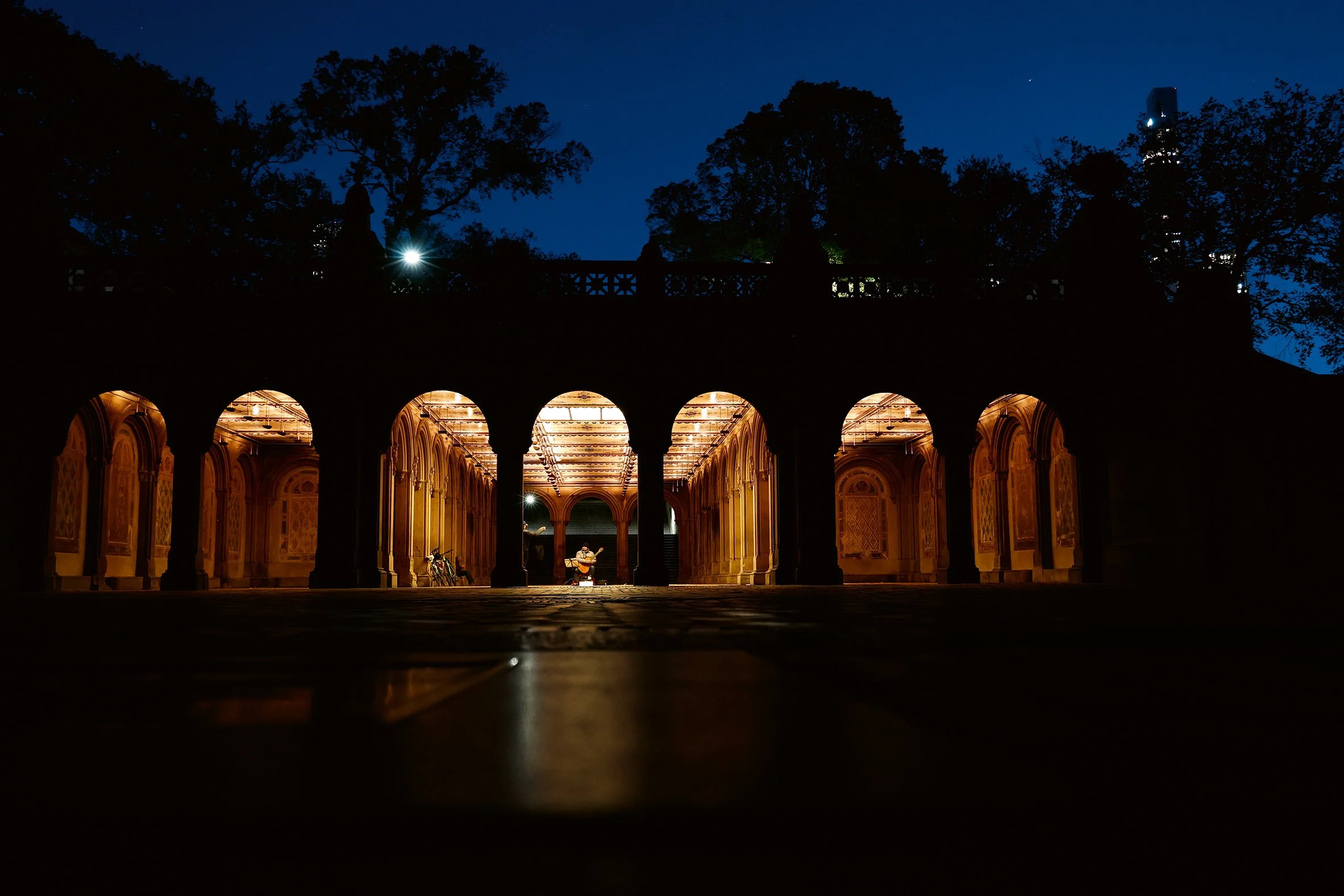
Each photograph was taken during twilight hours when natural light fades and artificial city lights illuminate the streets. The book includes essays exploring photography as memorial and the French concept of twilight as "entre chien et loup" (between dog and wolf), a liminal space where transformation becomes possible. (Kehrer Verlag, Amazon)
Overview of the project: What inspired you to turn to photography during such a profound time of loss, and how did When Words Fail come to reflect your journey through grief and healing?
After the shocking and unexpected death of my husband, Lawrence Otis Graham, in February 2021, I spent the following two years trying to process this loss and focus on the well-being of our three children.
Two years later, in the spring of 2023, I felt that it was time for me to tend to myself for a bit.
I had never taken a photography class before, and decided to do so because I wanted to experience something new that wouldn't remind me of the past. I also wanted to stretch and learn how to communicate visually, as I had always been confident about my skills as a speaker and a writer, but not at all sure that I could learn how to communicate with images alone.
Looking online, I found a class at ICP (the International Center for Photography) called "New York at Twilight." It sounded nice, and I was available when it was scheduled to meet, so I signed up.
The class was challenging in many ways. I had never spent time on the Lower East Side, and I didn't really know how to use my camera (a Canon EOS R6). I had never taken a class where presenting one's own work was a core part of the process (Economics majors don't have to do that!) It was also way outside of my comfort zone.
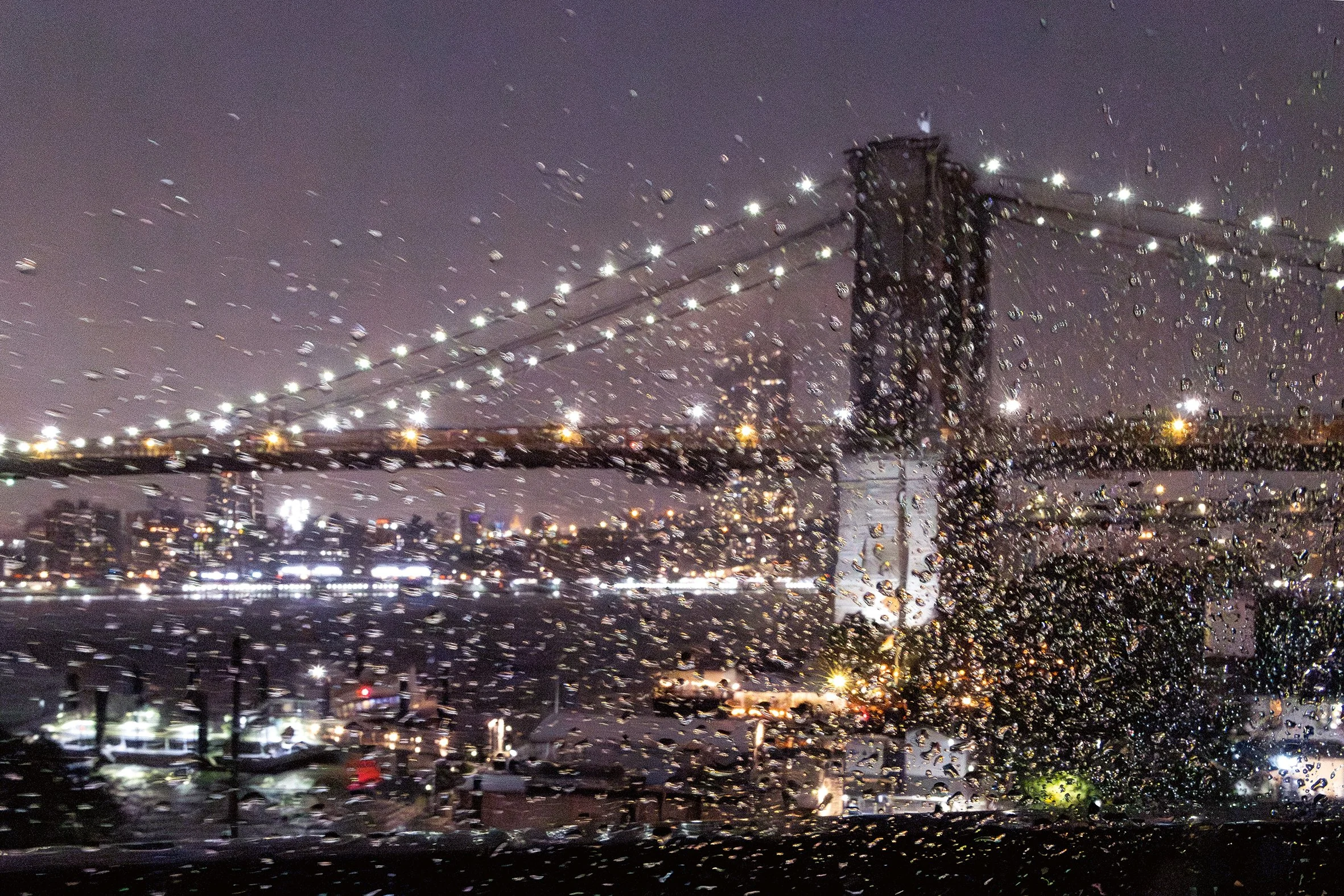
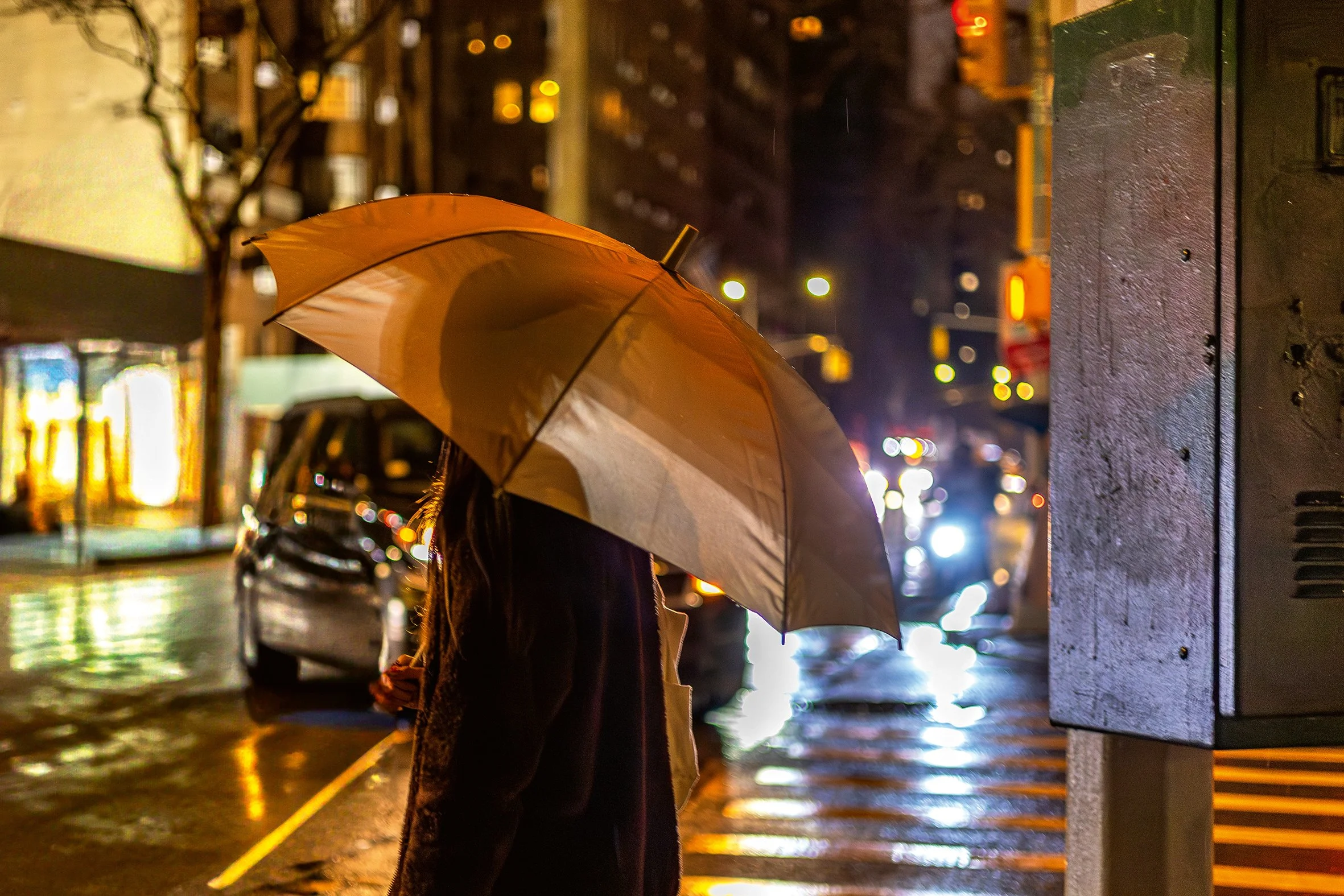
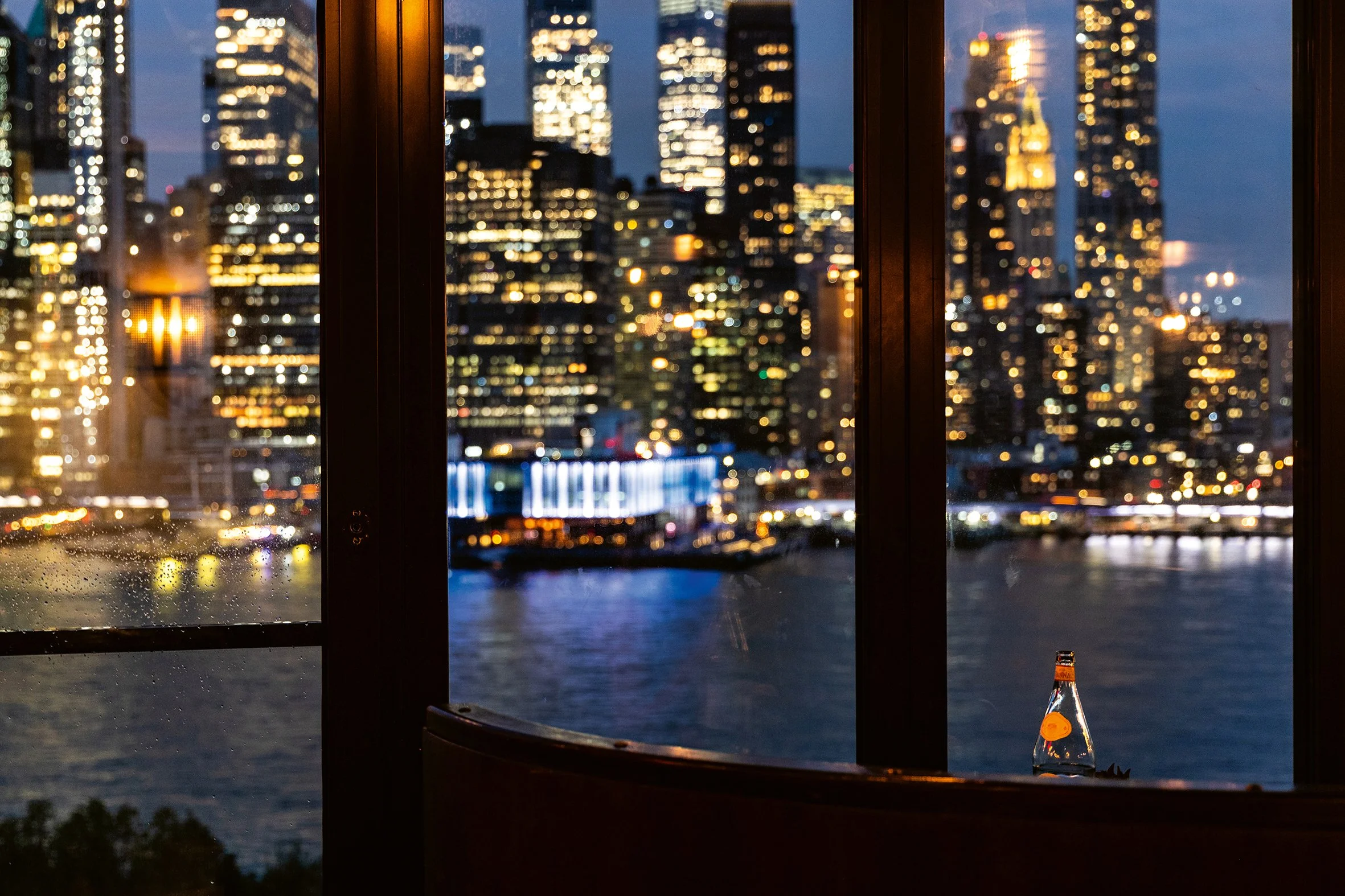
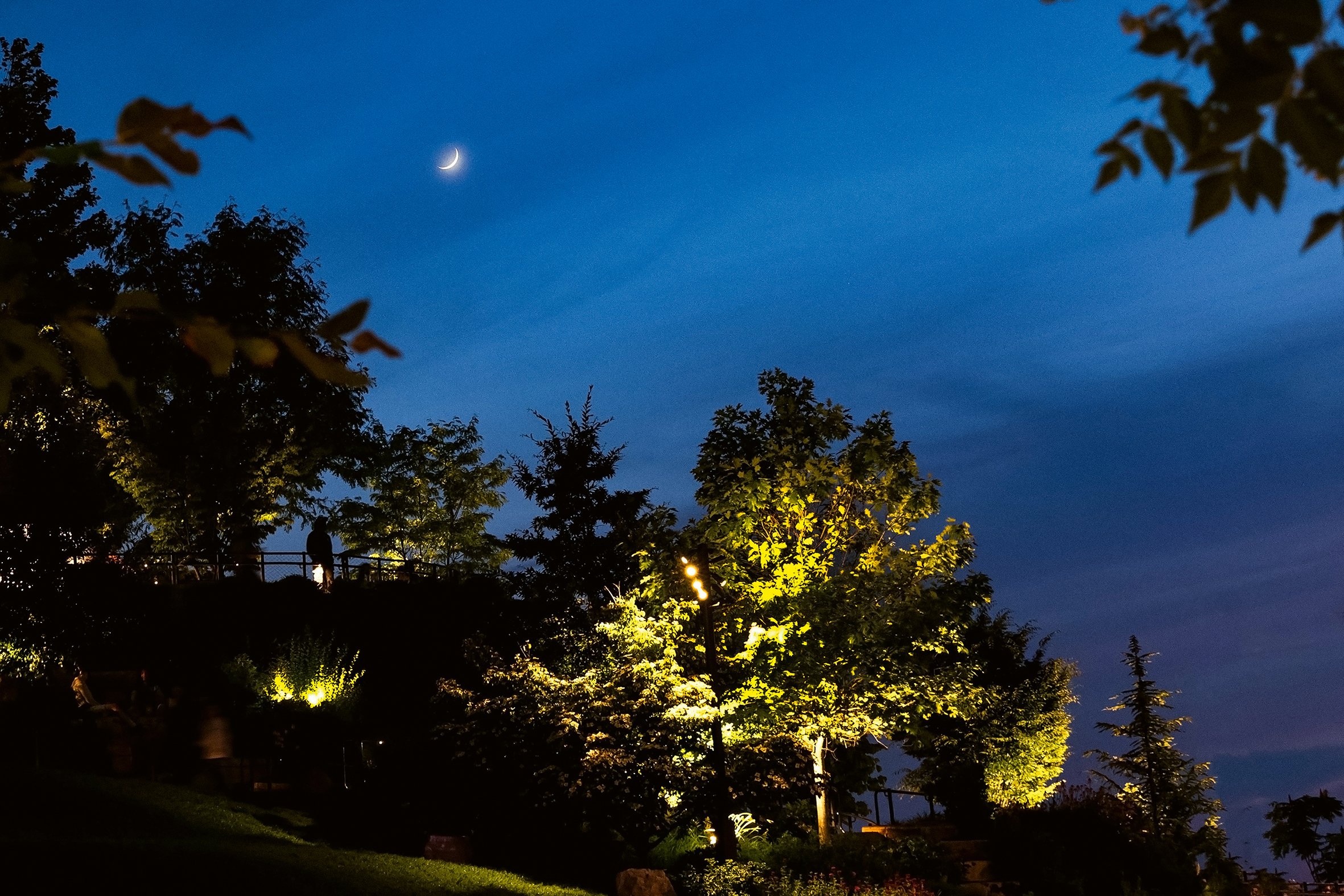
Thanks to our instructor, Lynn Saville, and my fellow students, gradually I fell in love with photographing at twilight. It's the time of day when the natural light is fading and the artificial lights of the city illuminate. It's a time of transition, when the light is constantly changing and forming interesting images and shadows. The sky is beautiful and ever-changing shades of blue: sky, sapphire, lapis, indigo, azure, cobalt and more.
Before taking the class, I used to think that I was in the twilight of my life. Meaning that the best part of it was over. This photography course, and photographing at dusk, allowed me to see that twilight is both an end and a beginning. It's a liminal state in which we ourselves can be transformed.
Artistic vision and approach: Your work captures the twilight hours in New York City. How does this liminal time of day resonate with your emotional and creative journey?
Being "in the twilight" has traditionally meant that one is nearing the end of something: a slow downhill roll - a denouement - after an important experience. After a shocking loss, we can often feel that everything we knew has come to an end, and that there is no recovery, and that we are in the twilight.
Through this process, I learned that being in the twilight is not necessarily a bad thing. It's a fluid space, and what we make of it is up to us. Poets and other writers have extolled this time of day as a moment when creative thoughts can flourish, and when we have the chance to become something better than we are.
Storytelling in photography: You describe this series as a visual memorial. How do you use light, colour, and composition to narrate your story of remembrance and renewal?
In the book, the interplay of light and darkness is a central metaphor, and the colour palette of the images changes as the mood of the narrative changes.
For example, at the beginning of the book, the colour palette is dominated by vivid blood red and acid green, a focus on sharp edges and compositions that feel a bit off-kilter. This reflects the shock and sense of dislocation that I felt.
Over time, the colour palette shifts: at first to the charcoal grey of a rainy sidewalk or street in the city, and the soft grey of fog and mist. These evoke the sadness and sorrows of loss, the loneliness and sense of despair.
Then we see more sapphire blue, warm gold, and softer images as the healing process begins to take hold.
At the end, the colour pink is more prevalent, as a sign of rejuvenation, confidence, and hopefulness.
Challenges and perseverance: As a novice photographer, what challenges did you encounter while creating this body of work, and how did you overcome them to bring your vision to life?
As a novice photographer, I had a lot to learn about the basics of photography: composition, perspective, post-production, and the like.
I also had to master my specific camera.
Mostly my challenges were addressed by having the humility to know what I didn't know, and the courage to venture out into the unknown, whether it was into new parts of the city after dark, or deep into the technical matters that make for a great photograph.
Role of the photographer: Your images transform a personal experience into a universal exploration of grief. How do you balance self-expression with creating something relatable for others?
Loss is universal, and part of the healing process is understanding that our personal grief is not a series of emotions that no one else has ever experienced before. Each of us grieves at a different pace, in a unique way. And yet sharing the specifics of our own process can provide universal insights.
That's what I tried to do: sharing the specific images that caught my eye, or framed my experience, in the hopes that these specifics would resonate with others dealing with loss or bereavement in a way that might be quite different from my own.
Connection with the city: You've described your deepening relationship with New York City. How does the cityscape become a character in your photographic story?
People who don't live in New York may imagine that in Gotham you are constantly surrounded by other people. And yet the reality is that there are many times when the city offers solitude, quiet, escape, and shelter.
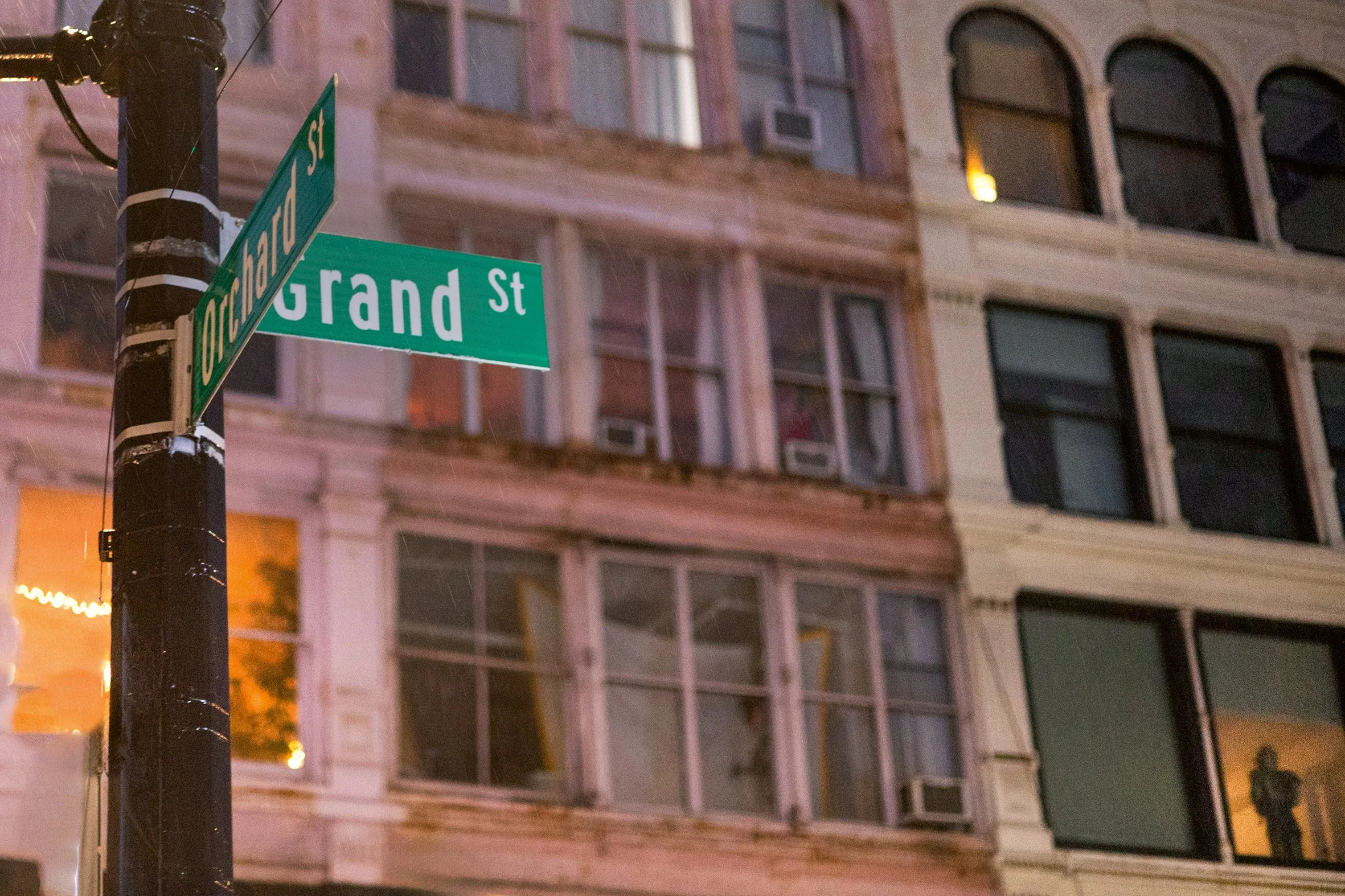
There are statues, monuments and works of art that can speak to us. Street signs, shop signs and traffic lights that may seem to have specific messages for us. Bits of paper, sidewalk ephemera, even graffiti can be ways in which New York seems to have its own perspective, point of view, and way of communicating with us.
These are all stimuli that are in addition to the ones coming from the people we pass on the streets of the city.
Technical and creative tips: Your photographs use various sources of light, streetlights, neon, candlelight, to convey emotion. What advice would you offer to photographers experimenting with light to evoke mood in their work?
Light has a temperature, and it is fascinating to see how cool light evokes a certain mood that is quite different from warm light.
Sometimes the best photo will show the light source - but often, the light source is hidden, as it is not the most important part of the composition.
As you walk, notice the sources of light above, beside and below you. Pay attention to reflections and shadows.
The weather and the time of day have a huge impact on how we experience light, as does the season of the year. I just finished taking a class on winter light, and it is fundamentally different trying to capture it than when one is shooting in the summer, for example.
Photography as a medium for healing: How has photography helped you process and navigate your grief, and what would you say to others looking to use art as a tool for healing?
There is a deep body of research about the healing power of art. The acts of writing, singing, painting, sculpting, photographing and more can allow us to express emotions that are too strong for us to process in our normal activities.
I have long found that there is inspiration and comfort in visiting museums or attending a musical or dance performance in times of challenge and loss. I remember visiting the Metropolitan Museum in the wake of 9/11 and finding solace in the galleries there.
I have never thought of myself as an "artist," and I don't think that we need to have formal training or even actual talent to tap into the healing power of creating and communicating through the visual and performing arts.



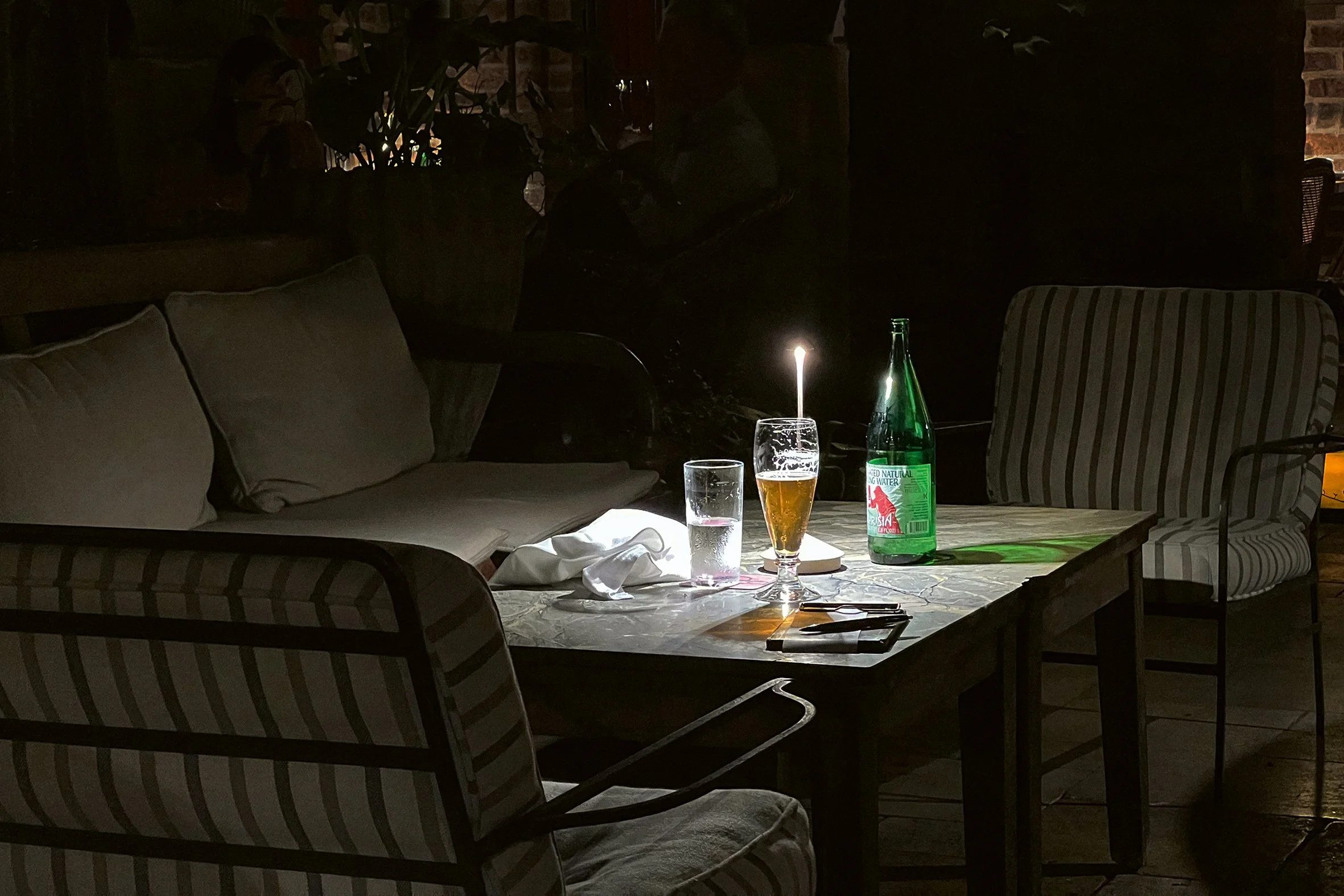
Advice for aspiring photographers: For those just beginning their photographic journey, particularly in times of personal transformation, what lessons from When Words Fail would you share to inspire their path?
Walking outdoors while photographing can be a kind of meditation, similar to the experience of walking a labyrinth. Sometimes processing difficult issues or tapping into our inner creativity can be easier when we are in a flow state.
Photography by its very nature is a process of trial and error - we all take a lot of "bad" photos on the way to taking one that we are truly proud of. Patience and persistence are essential - if I shoot intensively for three hours and get three photos I really like, that's a great outcome.
Try to shoot every day if you can, even if it's just for a few minutes. Keep your camera with you as much as possible, keep the batteries charged, and practice being observant and open to new experiences. Follow your natural curiosity and instincts - you might be surprised what you discover.
To discover more about this intriguing body of work and how you can acquire your own copy, you can find and purchase the book here. (Kehrer Verlag, Amazon)
More photography books?
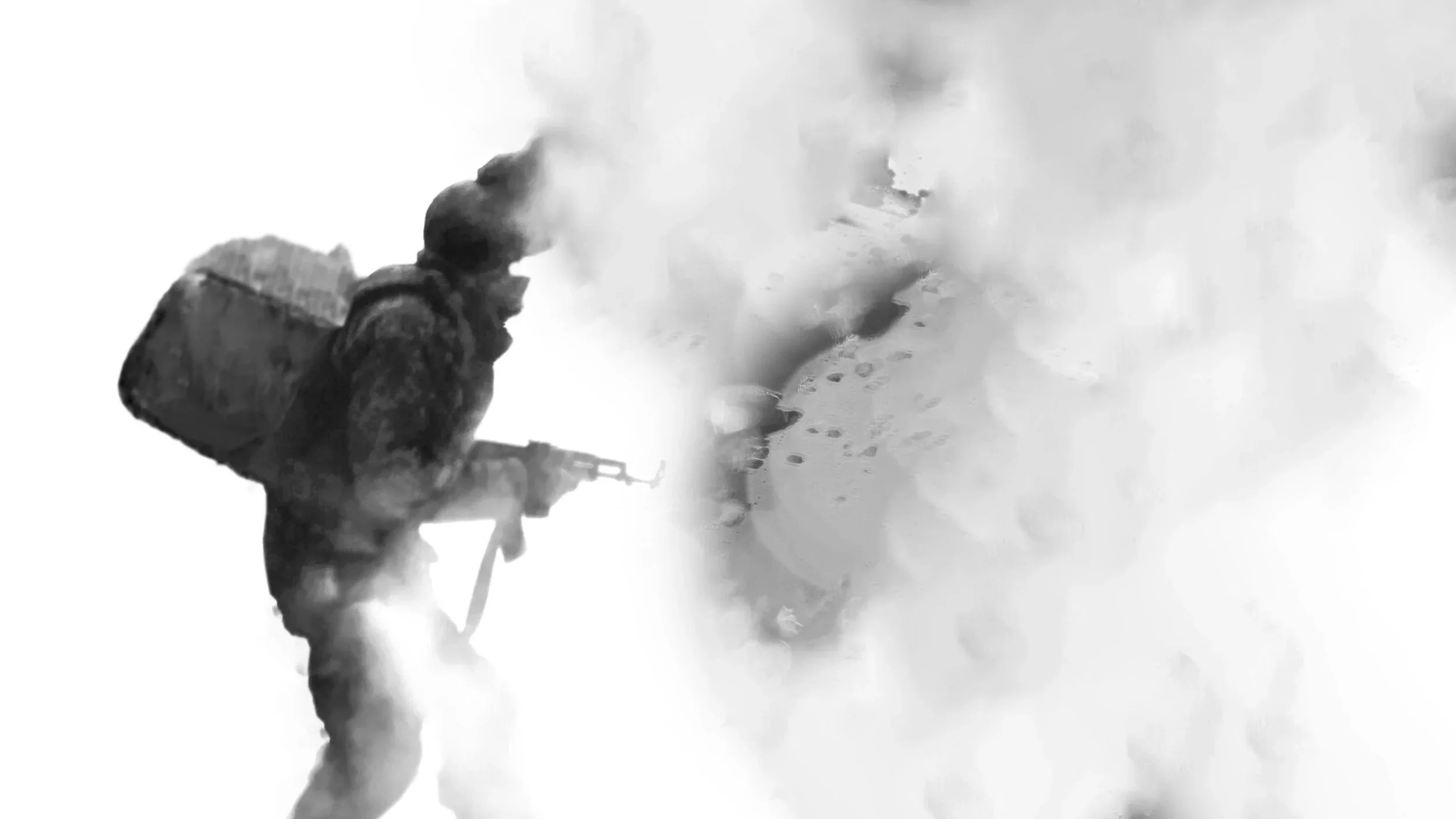
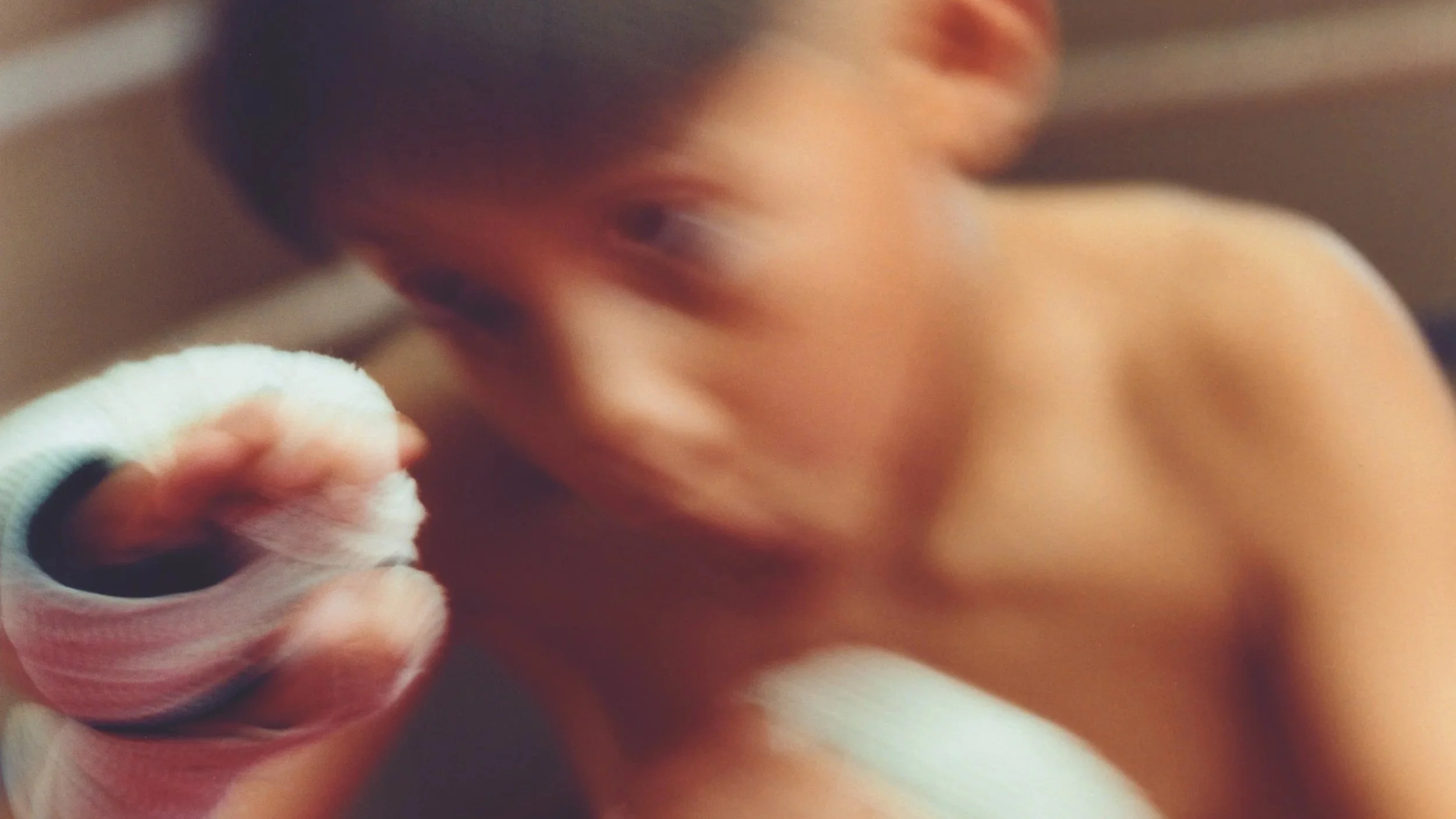
We'd love to read your comments below, sharing your thoughts and insights on the artist's work. Looking forward to welcoming you back for our next [book spotlight]. See you then!
Robin de Puy could no longer make this project alone. She first photographed Randy in Ely, Nevada, during a 2015 road trip and kept returning to him for more than ten years. Interviews