What Photographers Miss About Ordinary Life, and How Judith Black Built a Masterpiece by Staying in One Room
Welcome to this edition of [book spotlight]. Today, we uncover the layers of 'Where the Light Came in,' by Judith Black (published by STANLEY/BARKER). We'd love to read your comments below about these insights and ideas behind the artist's work.
You already have more to photograph than you think.
Many photographers search for special places, but strong images often come from the rooms we already live in. Judith Black shows how one chair and one window became enough for a complete project. Her work proves that ordinary moments can carry real depth. This interview looks at how she did it and what you can learn from it.
Photographers often forget to look close.
Judith’s story shows what happens when you stay in one place and pay attention to small changes in light and routine. She built this work while raising four children and studying, which makes her process simple and relatable. Her photographs remind us that returning to the same spot can train your eye. This interview explains how the book was formed and what this repeated approach revealed.
The Book
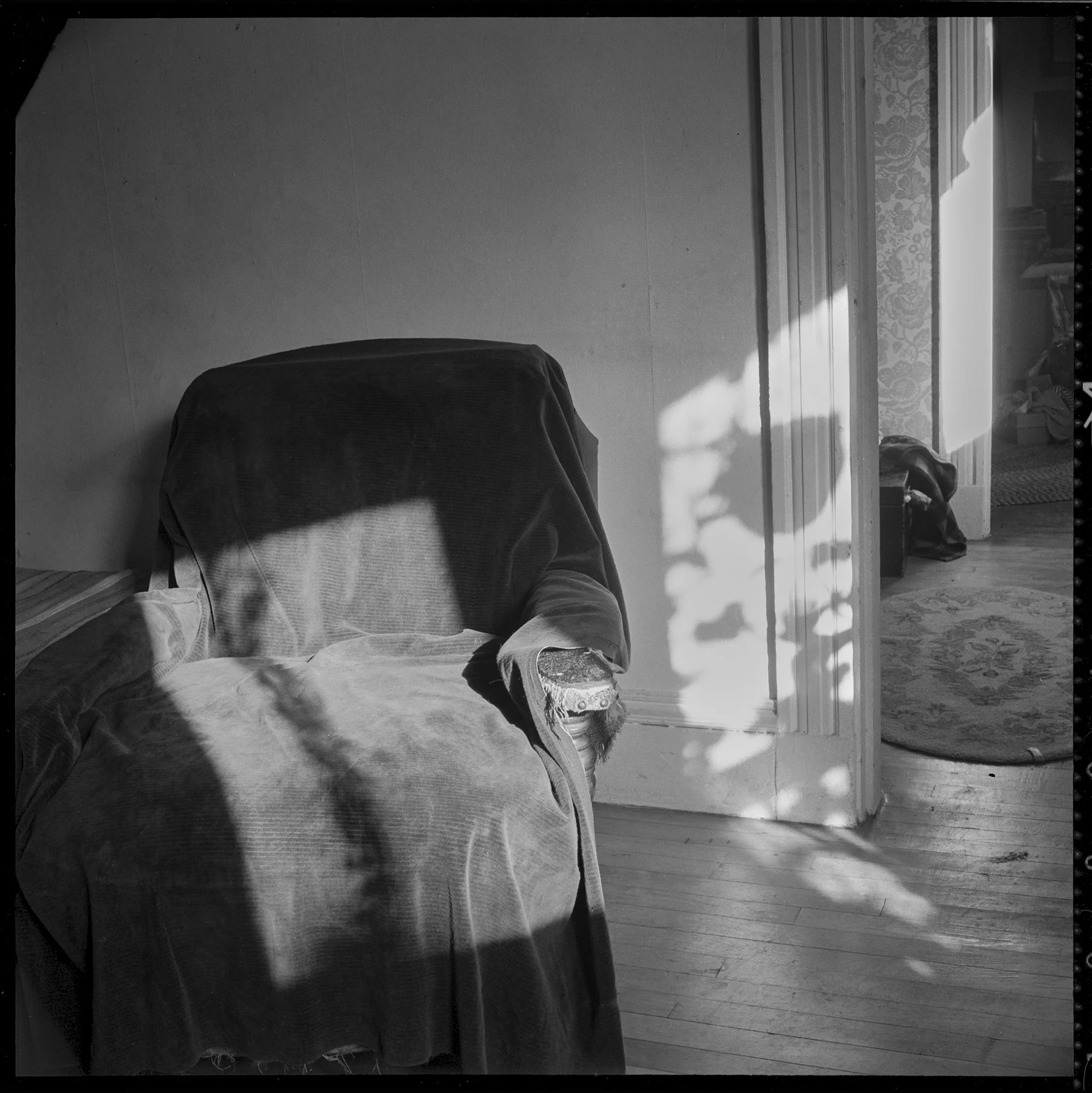
Where the Light Came In gathers every photograph Judith Black made of a single armchair in her Cambridge apartment during 1980 and 1981. The chair sat by the bay window where the morning light entered, becoming a quiet corner where her children rested, played, and grew. What began as a found piece of furniture became a way for Judith to record small daily moments while raising four young children after a divorce.
Photographed on a square-format film camera with simple natural light, these images show how one room can hold a complete story. The book reveals the intimacy of family life, the shifting light across seasons, and Judith’s own presence through self portraits. Edited by Rachel and Greg of Stanley Barker, the series turns an ordinary household object into a lasting record of change, resilience, and attention to the everyday. (STANLEY/BARKER)
Project Start: What made this worn armchair by the window become such an important part of your family's story?
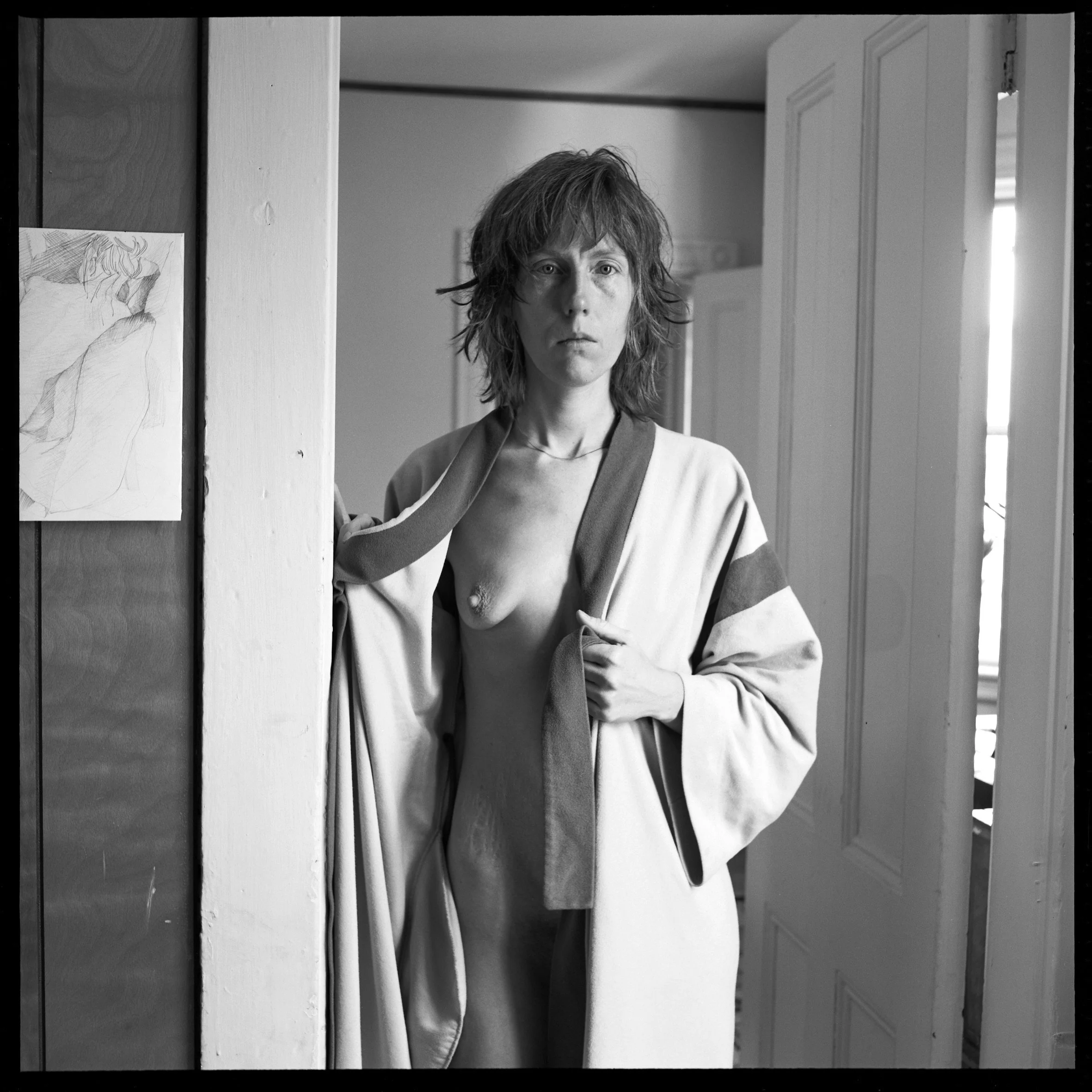
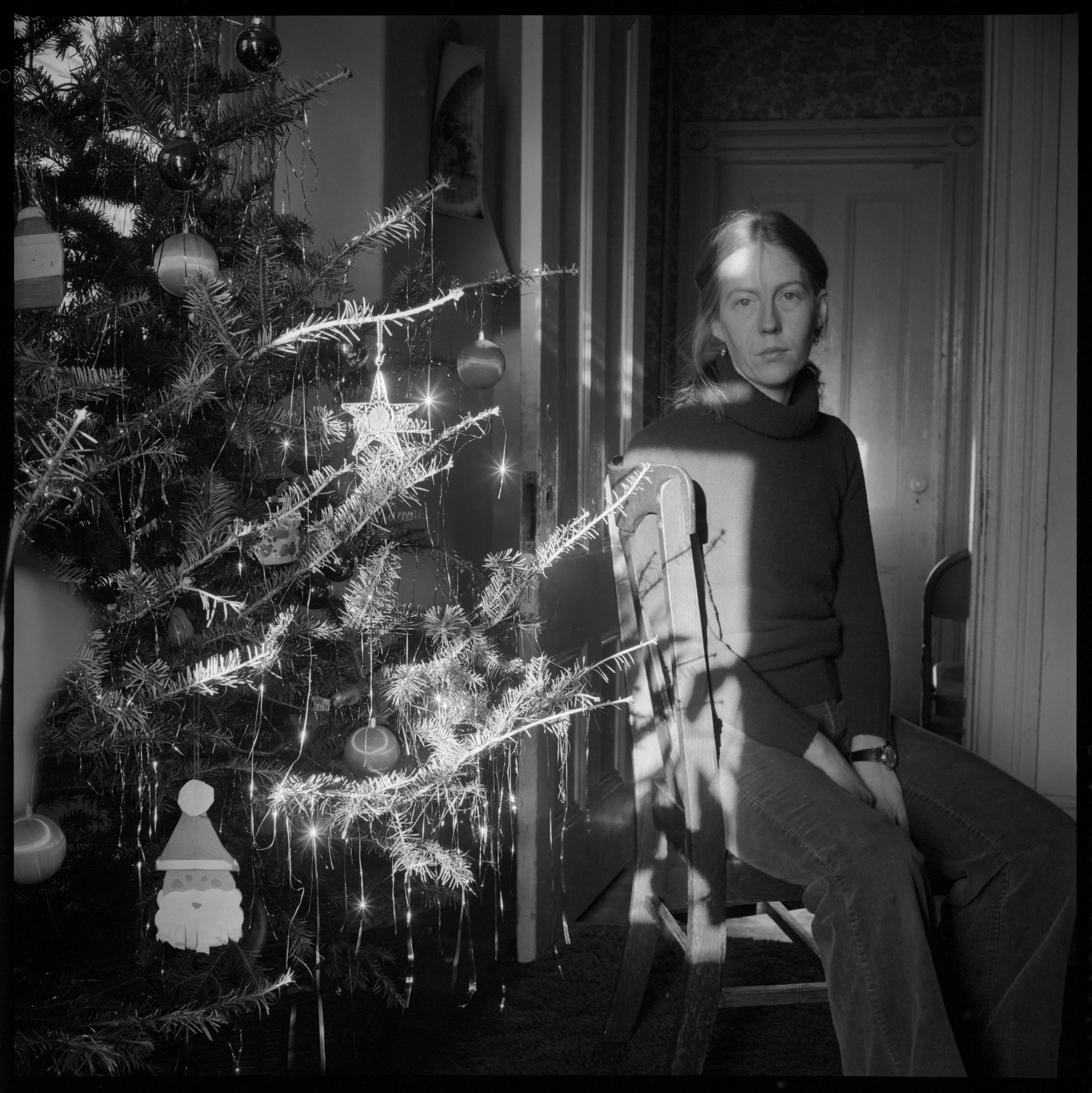
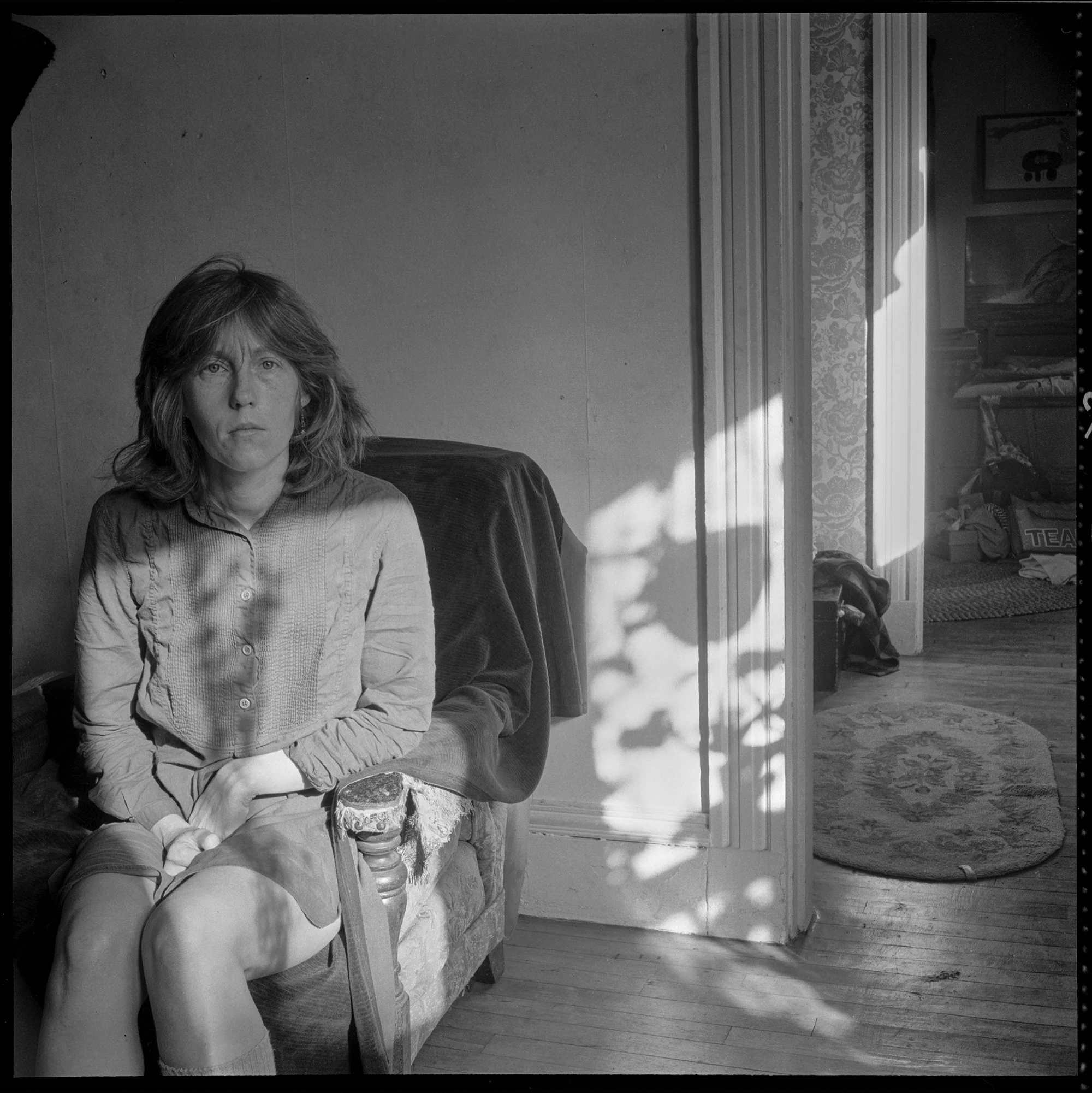
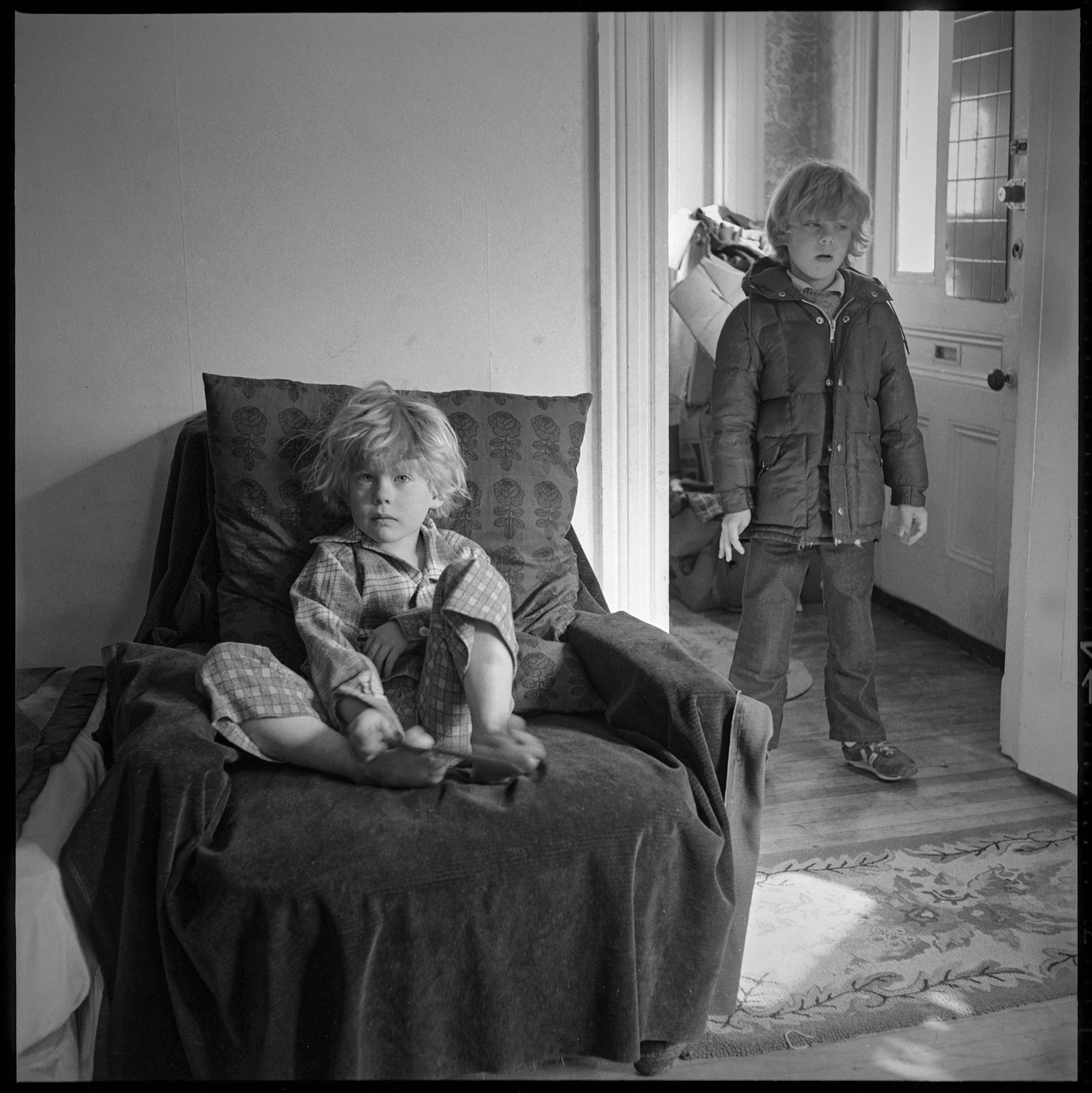
Simply put, that chair is where the morning light would come in through the bay window. It became the right spot to take photos. Some days and at certain times, I would find a few minutes before the kids left for school or went to be with their dad, and I would quickly take a few photos. After they left and I was alone in the apartment, it would be a more quiet time and I could take self-portraits.
Perhaps the chair is a stand-in for touch for me. We need touch. Infants who are not touched do not fare well. Eventually, we are not allowed the intimate touch of infancy and early childhood. I use the photos as a way of remembering and “touching” my children. Nan Goldin has remarked that her photos are her kisses to her family and friends. I agree.
Early Photography Years: These photos are from 1980-1981 when you were learning photography at MIT - what was the most important thing you discovered during that time?
Three mantras: Be honest. Keep going. Survive.
I learned to be honest with myself. I was never a journal keeper or writer, but self-portraits became my journal and therapy. Those first self-portraits were hard for me to look at. I was recently divorced, had moved from a small town to a big city and was going back to school with four young children in tow. I was in grad school and needed to take photos. It was work I had to do. I needed to find a subject I knew well and that would fit into my class and work schedule. I realised that roaming around the city would not pan out. Or that I wasn’t going to find a documentary project. Like many of the women I researched, home was the most potent source of feeling and images. Think about Julia Margaret Cameron, Imogene Cunningham, Gertrude Käsebier, Tina Barney, Sage Sohier…there is a long list of women who used their families as part of their work in many different approaches.
When I finally showed one or two of those self-portraits to others in class, I was able to put some of the sadness to rest. The previous semester, the photos I had taken were supposed to be metaphors for my depression and angst. They turned out to be way less interesting for others to look at and decipher. Confronting the pain in those portraits was the beginning of finding my voice using an image and my way into photography.
Natural Light: The window light changes so beautifully throughout these photos - how did you learn to work with the light coming through that one window?
I grew up loving to draw and paint; I had art lessons from the age of seven or so, through high school and college. I was not the best drawer, by any means, but I loved it and kept at it. Drawing trains the eye to see the light and shadow, the line, the shapes. Basic design assignments gave me the tools to make good compositions. Perhaps those skills coalesced in the camera viewfinder for me with black and white film. I realised slowly that I was better with the camera than with charcoal!
Camera and Film: What camera and film were you using for these 1980-1981 photos, and why did you choose that equipment?
I was using a Rollicord 120 film camera, mostly with b/w film, probably Kodak or Ilford, ASA of 400. I eventually used a Mamiya twin lens, too, because it had interchangeable lenses. I liked the square format and the larger negative size. The 1/15 sec. shutter speed meant we had to hold still and look at the lens.
Our apartment was sandwiched between two buildings with very small walkways between them. The light inside was very low, so the camera was usually on a tripod in the corner waiting for the right light and the right occasion. Perhaps it was the first day of school and they all had clean clothes on, or it was a birthday, or a holiday. Or simply, when the light was perfect.
Including Yourself: Many photos show you in the chair too - why was it important to photograph yourself, not just your children and Rob?
To quote Anne Tucker in her introduction to The Woman's Eye, “The degree to which being a woman may influence a photographer's work is dependent on the extent to which she uses her art to confront her existence as a woman.”
I was a mother, a photographer, and a woman. I was trying to reclaim my “self” after ten years of being a mother. It was a difficult time: divorce, a move from a small town to a big city, a single parent of four small kids, losses of many varieties. I started taking self-portraits as a way to dispel my sadness by recording it. It was my story I was learning to tell.
I felt that I could expose myself to the “public” in a way that I would not do with my children. It was my body and I could reveal what I wanted. Not so with my children. I realised that self-portraits were a more complete portrait of myself within the context of the family.
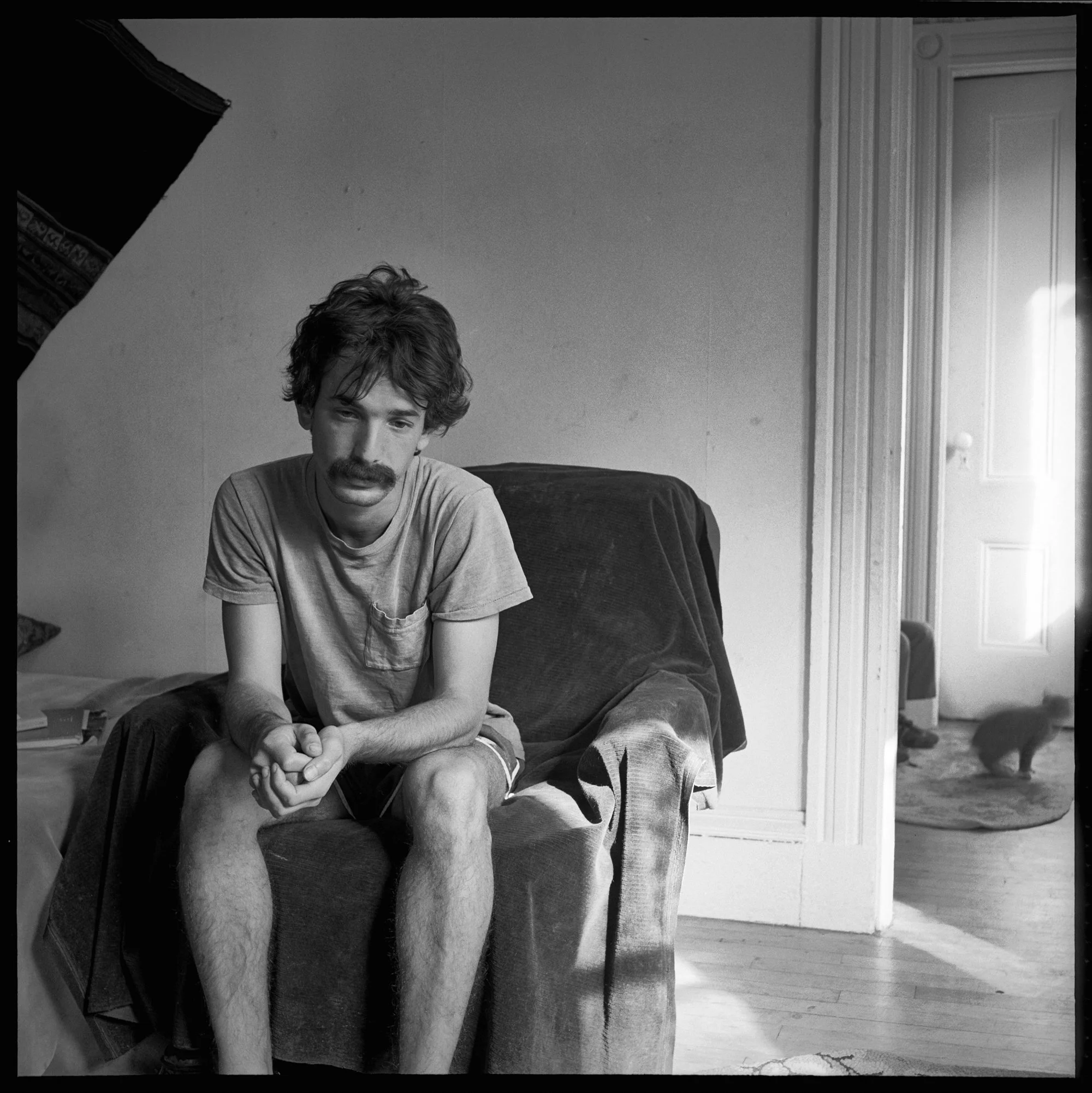
Rob's Presence: Rob appears in several intimate photos - how did photographing him help tell the story of your new family beginning again?
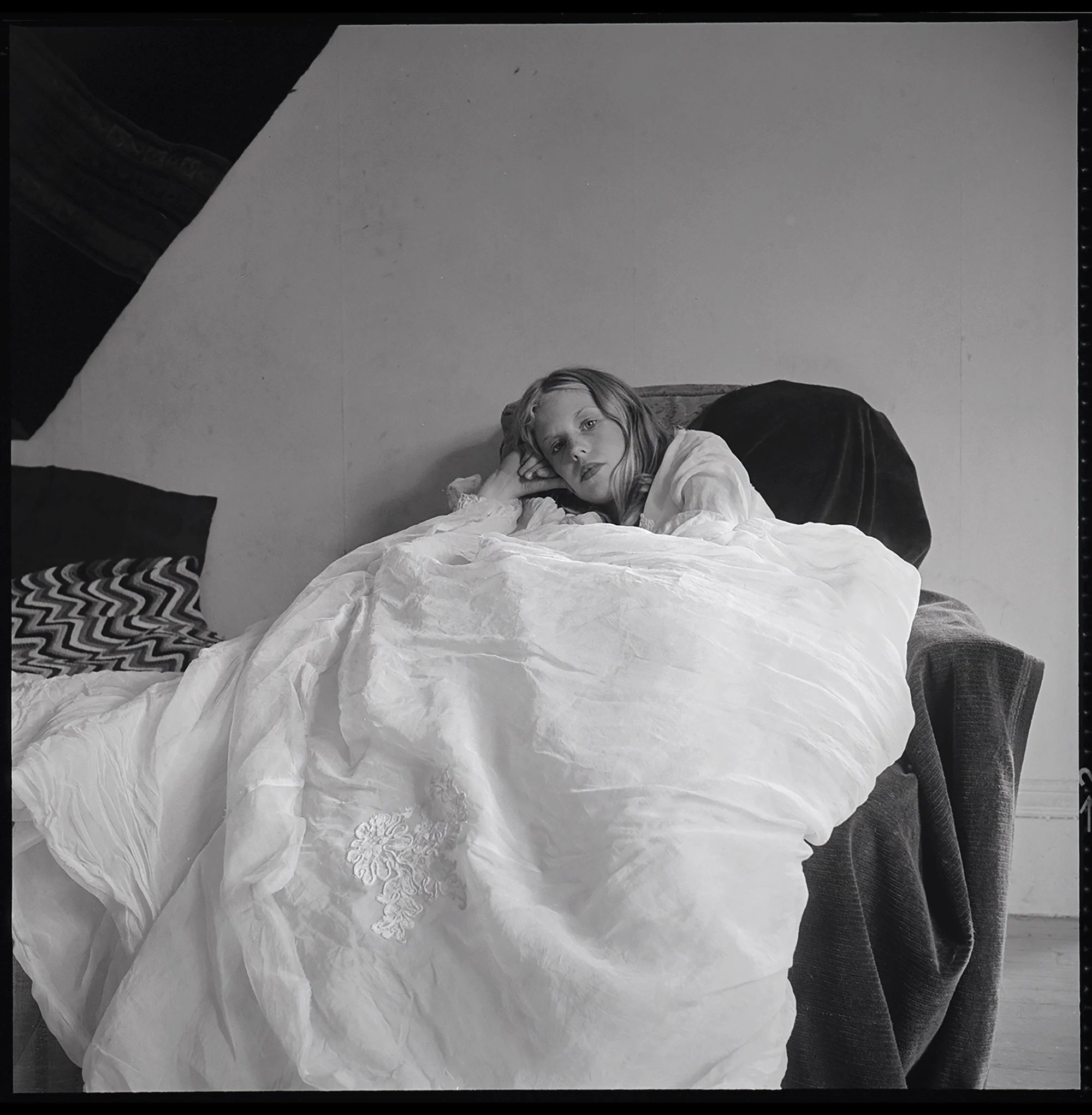
Rob had just come back from six months of travel in South America. In the most intimate photos, he appears unclothed; I appear wrapped in a long robe. Rather naively, I was reversing the dynamic of the gaze by having the lens turned on the “male muse.” That weekend, the kids were away with their father. In other photos, Rob is seen adjusting to his place in the family, and vice versa. Most families have to adjust to all sorts of problems, which is the under-story which I wanted to explore.
Same Place, Different Moments: What can photographers learn from returning to photograph the same spot (like this chair and window) many times instead of always looking for new places?
Using that one chair as the motif for this book is all Rachel and Greg’s marvellous editing. The light is always changing, the moment is never exactly the same. And when you have people involved, their expressions change by the second!
There are lots of other photos in other chairs or doorways from that timeframe. We followed the light around the apartment, even to the small space outside. I really didn’t have time to look for other people or places to do justice to their story.
Making Photos at Home: You were a busy grad student with four kids - how did you find time to make these photographs, and how did you get everyone to cooperate?
I’m not sure! We fit the picture making into the rhythm of our lives….work, school, family album rituals like birthdays and holidays. Sometimes we had good luck with the outcome. Sometimes I was able to cajole a reluctant child into sitting for a few clicks of the shutter. Sometimes, not. I am always thankful that they cooperated.
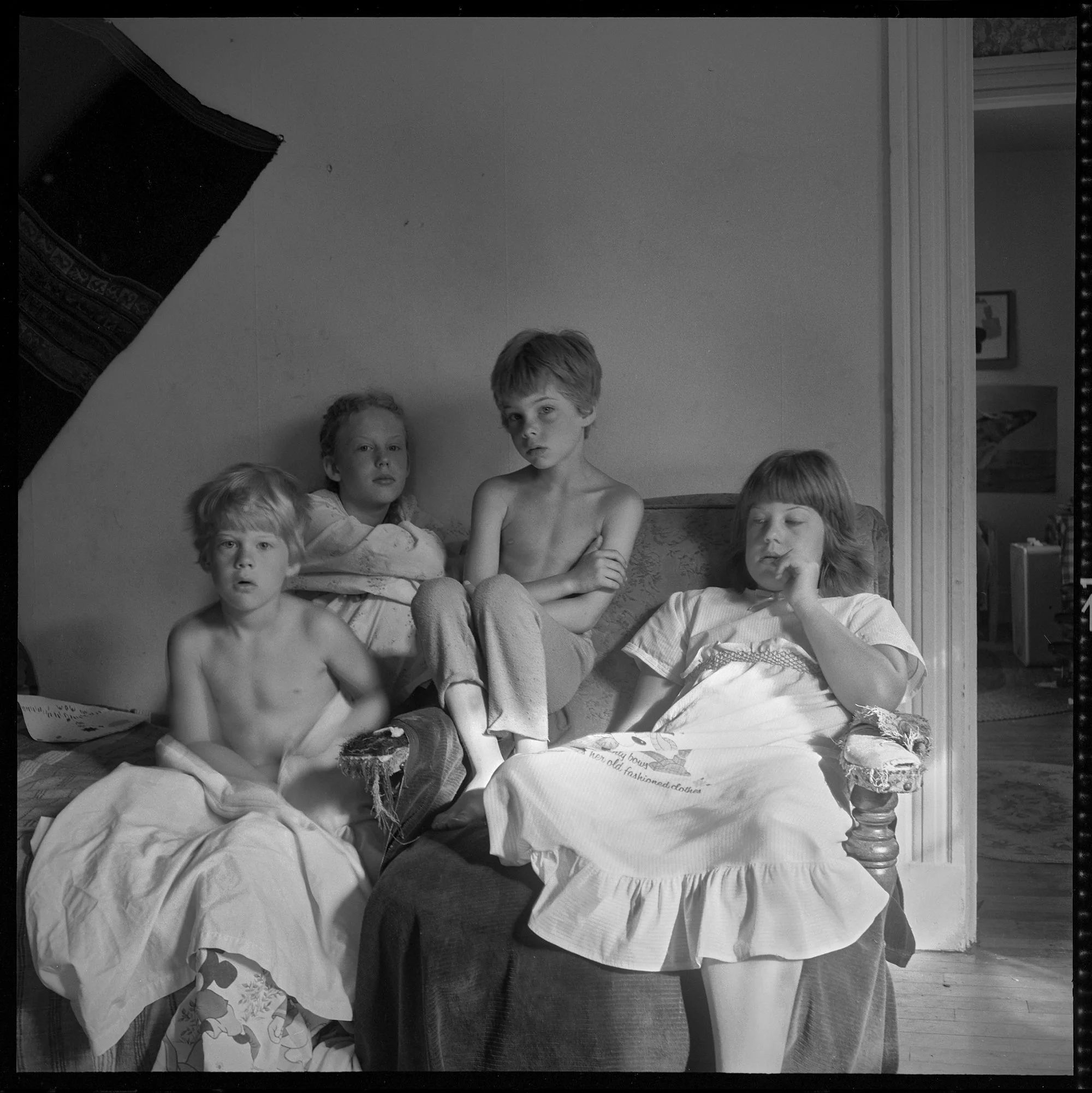
Looking Back Now: The publishers chose to make a whole book about this one chair - what does it mean to you now to see all these moments together after so many years?
I am so grateful to Rachel and Greg (Stanley Barker Books) for taking time to look at a slew of photos I sent for a different project. They recognised the motif of the chair and combined those photos into a beautiful book. Many of these photos have been in exhibits and in the other books with Stanley Barker, but editing and combining them this way is very special!
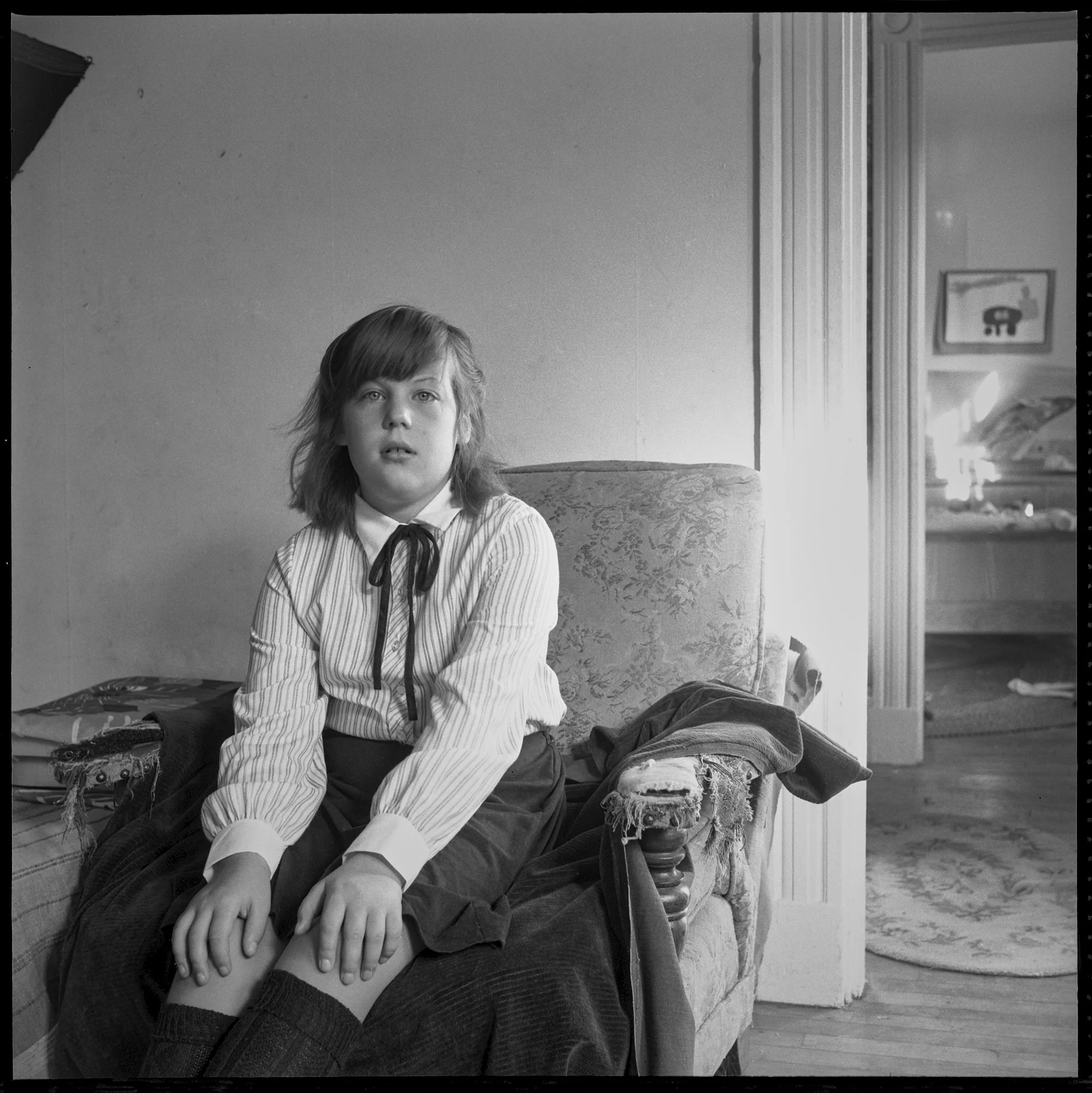
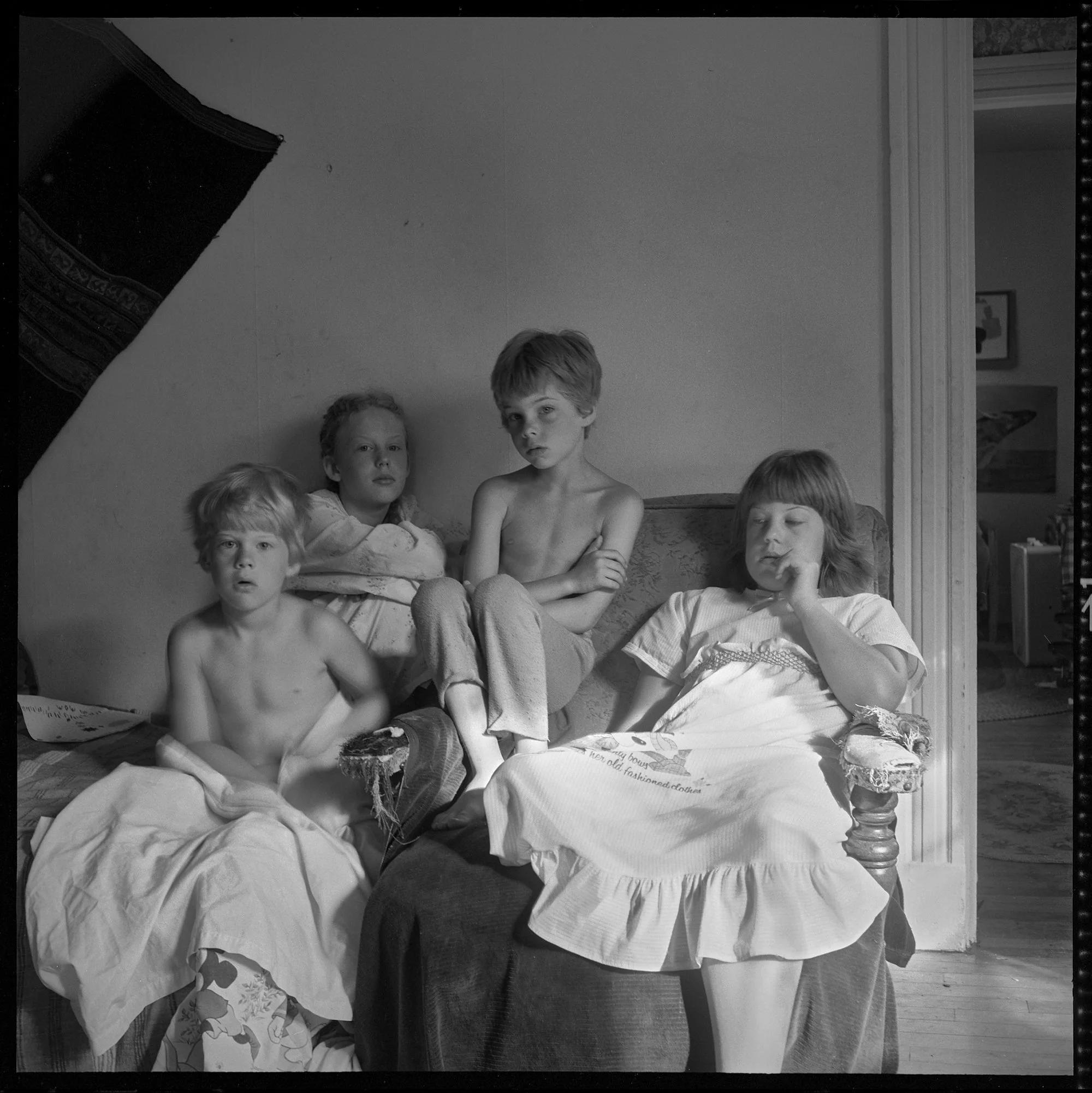
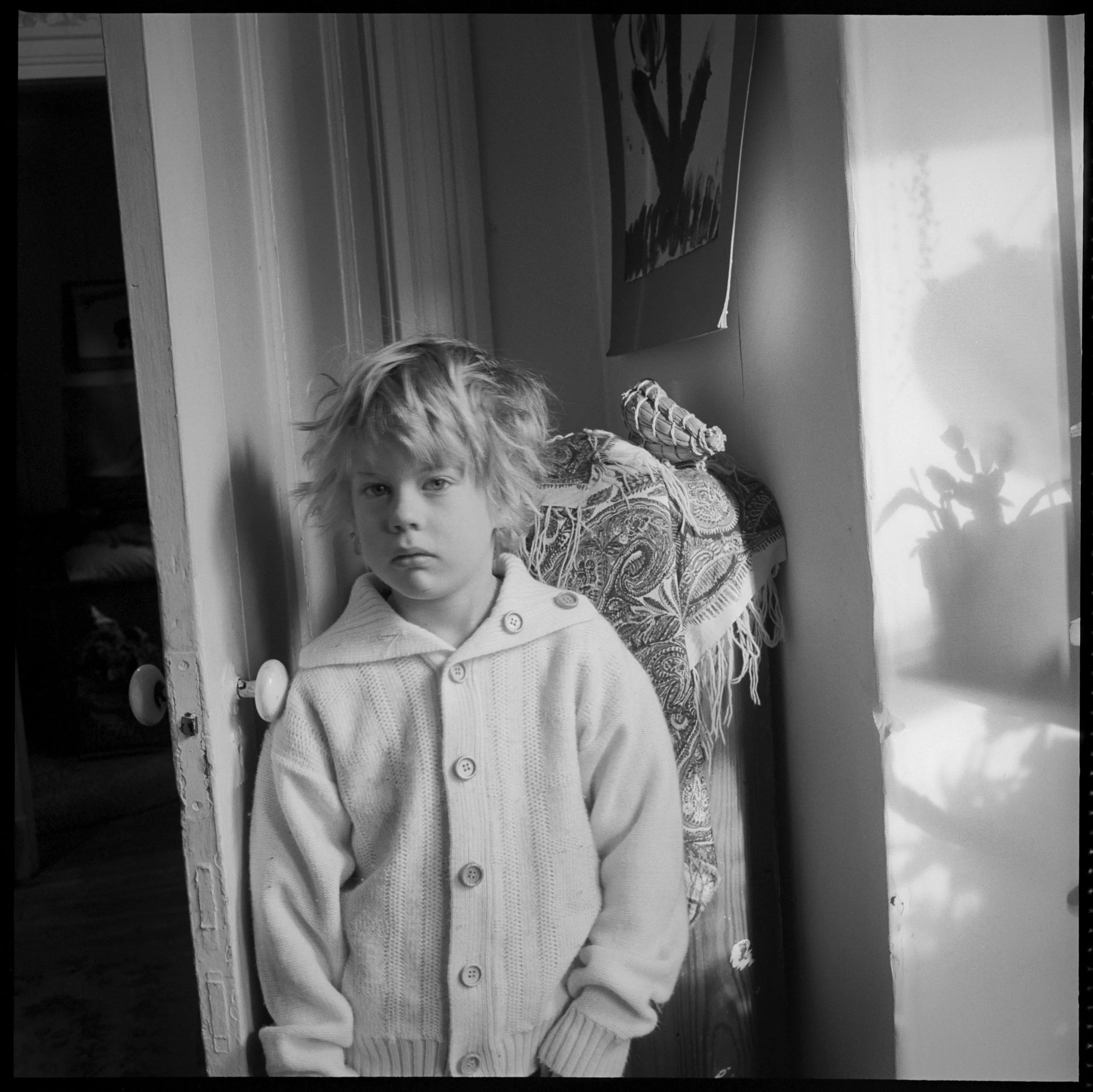
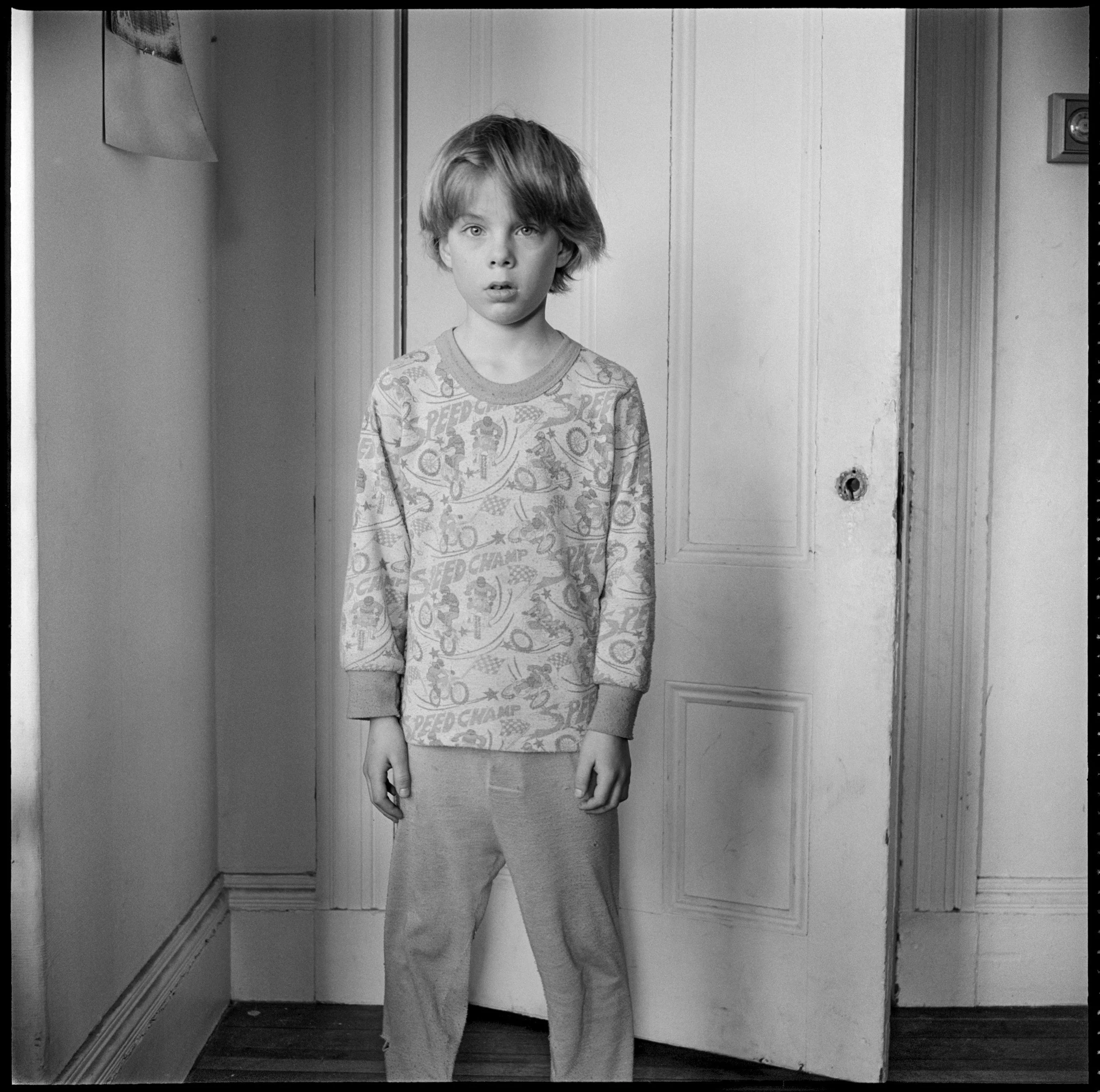
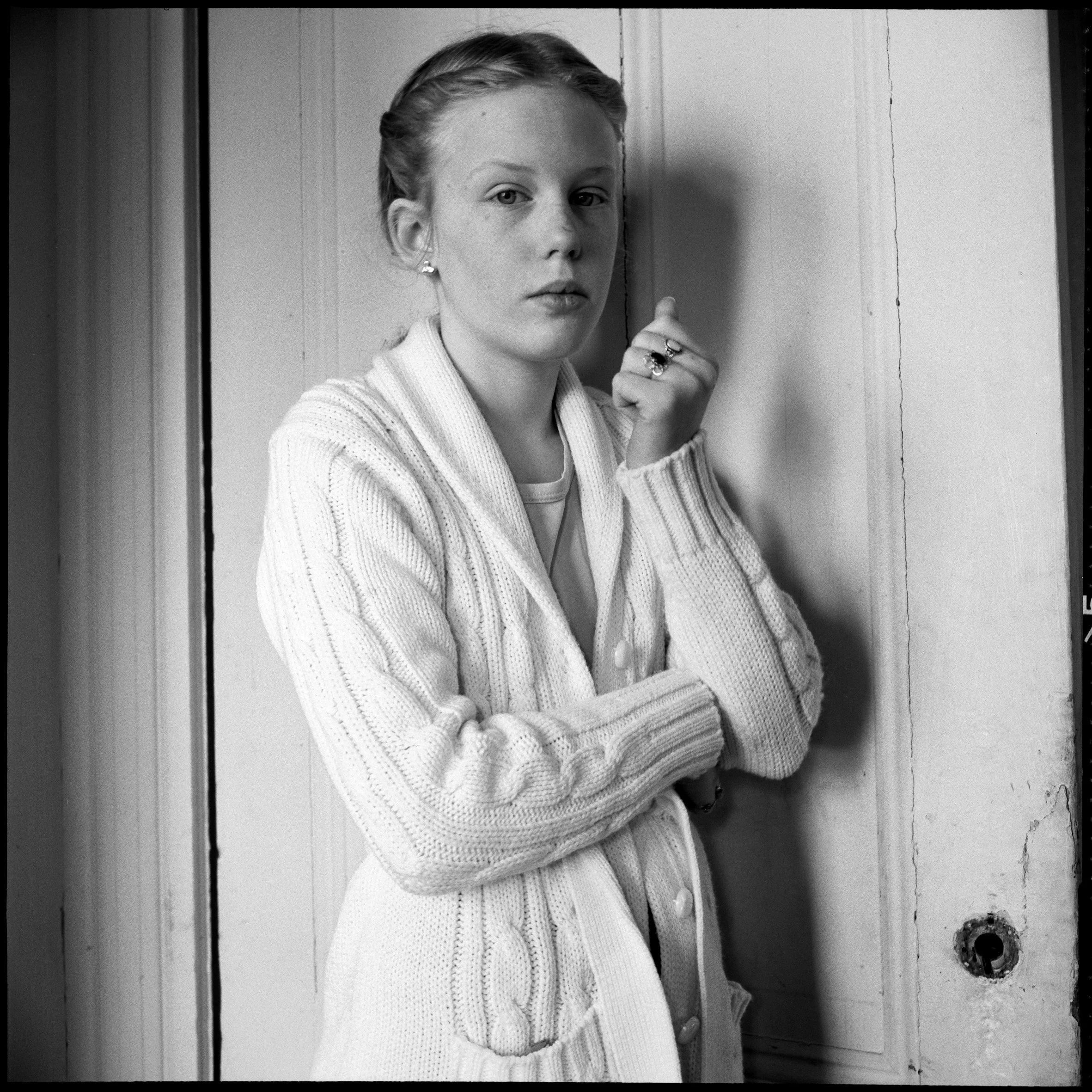
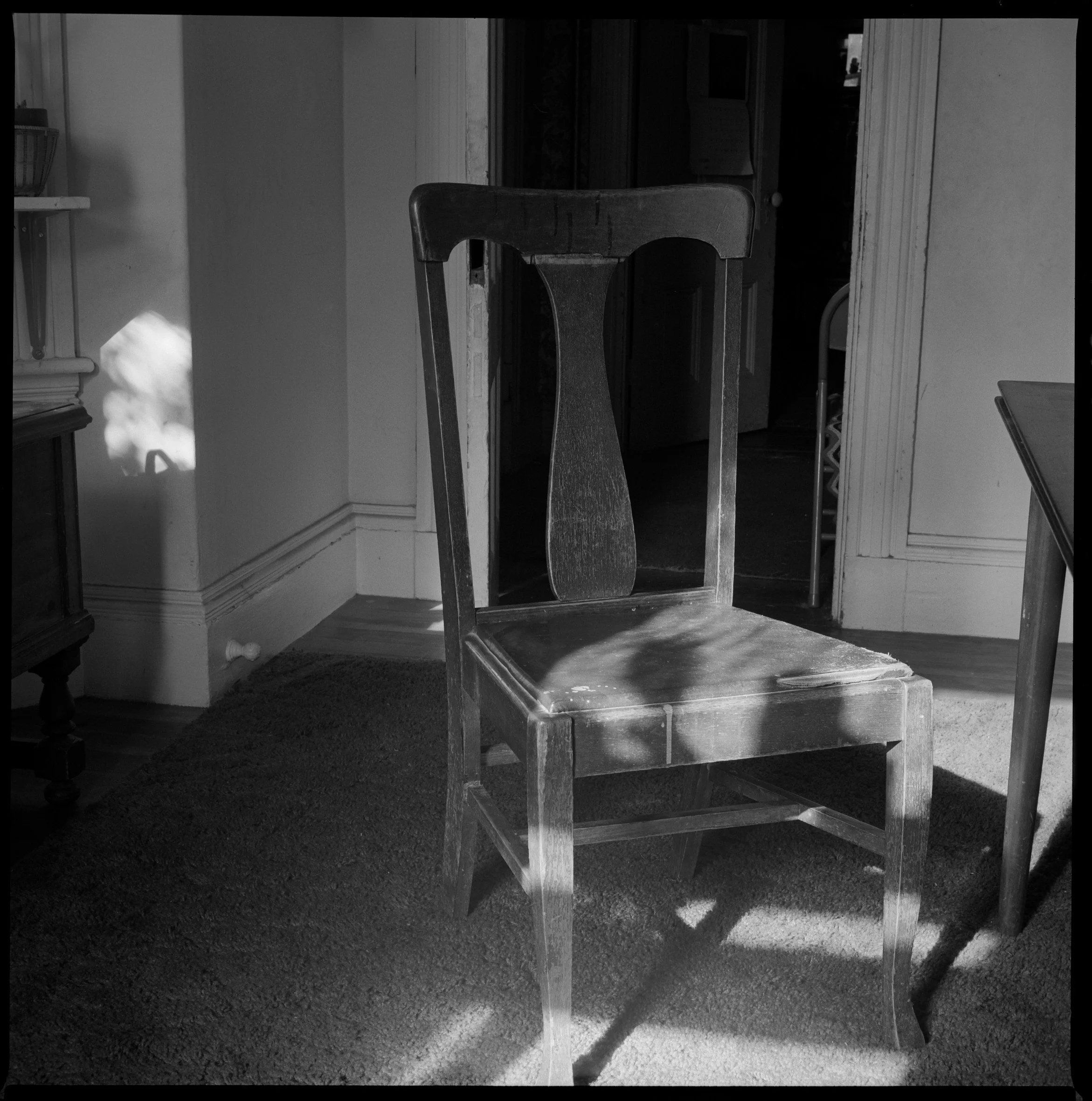
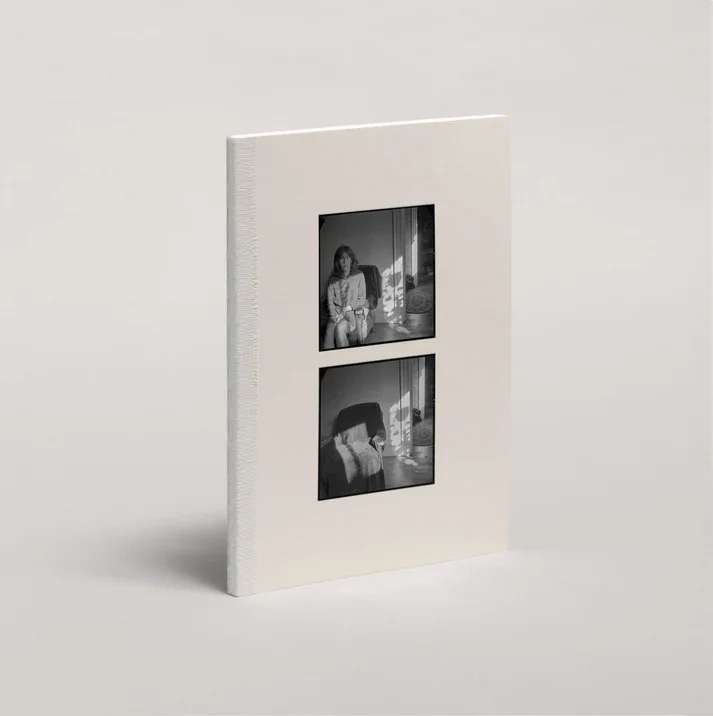
To discover more about this intriguing body of work and how you can acquire your own copy, you can find and purchase the book here. (STANLEY/BARKER)
More photography books?
We'd love to read your comments below, sharing your thoughts and insights on the artist's work. Looking forward to welcoming you back for our next [book spotlight]. See you then!
Gosbert Gottmann wanted war photographs that resisted easy reading. In Freiheit Freedom Воля, he works with images connected to the war in Ukraine and changes them through abstraction, distortion and deformation. Photography Book Spotlight