How Pedro Jarque Krebs Uses Baroque Light to Photograph Animals Like Old Masters Painted Kings
Welcome to this edition of [book spotlight]. Today, we uncover the layers of 'WildLOVE,' by Pedro Jarque Krebs (published by teNeues Verlag). We'd love to read your comments below about these insights and ideas behind the artist's work.
Light can turn a wild animal into a timeless portrait.
Pedro Jarque Krebs built his technique around this simple truth. The Peruvian photographer applies dramatic lighting methods inspired by classical portraiture and Baroque painting. His approach transforms elephants into ancient emperors and tigers into Renaissance nobility. This method has earned him over 250 international awards, including five Sony World Photography Awards.
Most wildlife photographers chase action shots and documentary moments.
Jarque Krebs waits for something different entirely. He searches for the exact angle and light condition that reveals what he calls the "soul" of an animal. His latest book WildLOVE contains portraits where each subject stares directly at the viewer with royal intensity. The technique requires patience that other photographers find impossible, sometimes waiting hours for a single frame that captures both perfect light and genuine emotion.
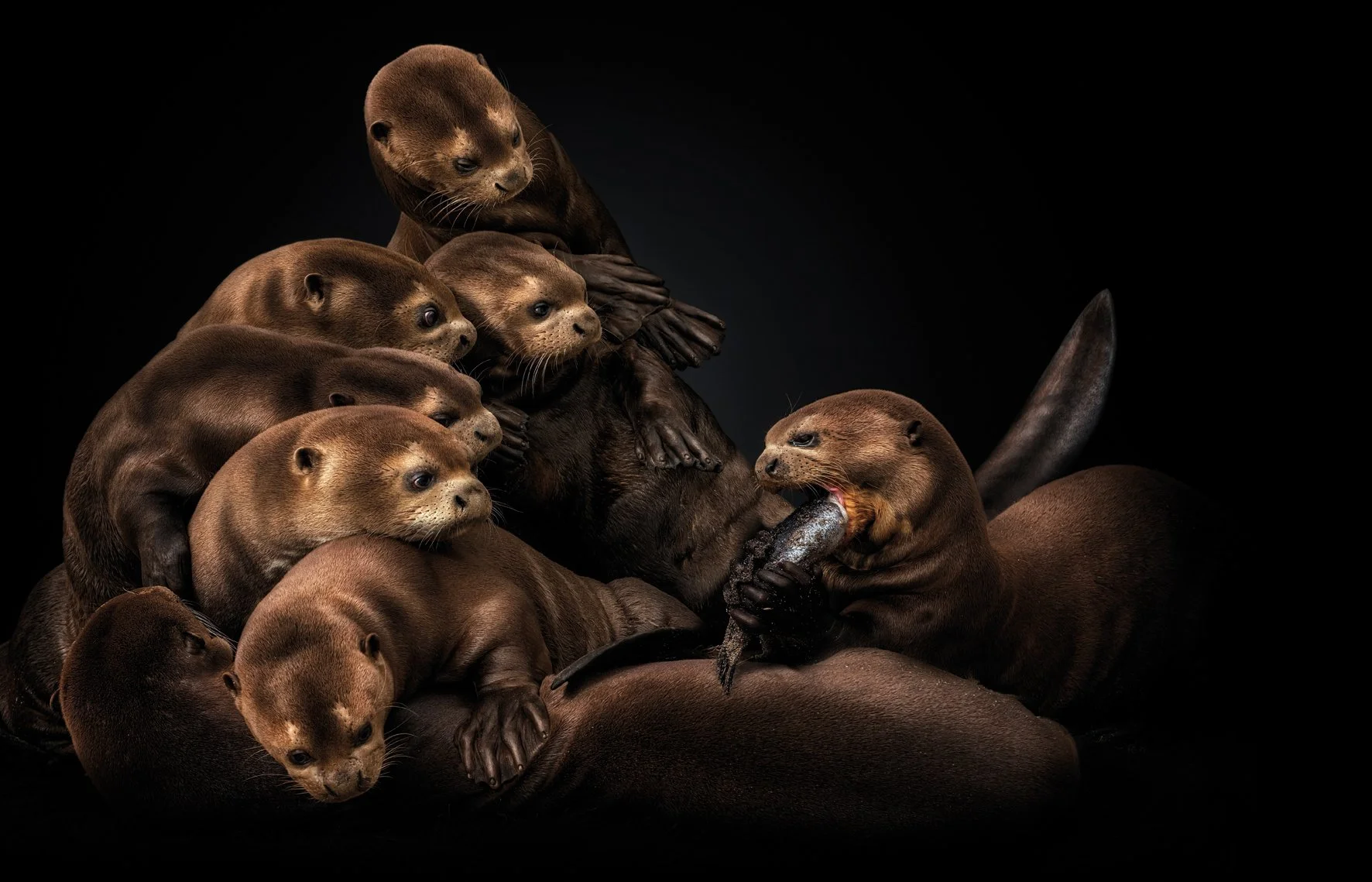
The the Book
WildLOVE, published by teNeues in 2024, represents a shift in Jarque Krebs' approach from his previous work. While his 2019 book Fragile explored animal vulnerability and extinction risk, WildLOVE takes a celebratory stance. The book contains wildlife portraits that apply classical portraiture techniques to animals, using dramatic lighting inspired by Baroque painting. Jarque Krebs describes the work as "a tribute to wildlife from a place of admiration and respect" and "a celebration of the love we can feel for animals." The book aims to provoke reflection on human-animal relationships rather than simply document wildlife. (teNeues Verlag, Amazon)
Genesis of the project: WildLOVE is a stunning collection of wildlife photography that blurs the line between portraiture and nature photography. What initially inspired you to create this book, and how did you develop its unique visual style?
My work has always been driven by something deeper than simply capturing images of animals. I don’t aim to document; I seek to provoke reflection on our relationship with them. My previous book, Fragile, explored the vulnerability of the animal world, its risk of extinction, and our responsibility in its fate. WildLOVE, on the other hand, is a tribute to wildlife from a place of admiration and respect. As its title suggests, it is a celebration of the love we can feel for animals, a connection that, in the end, reflects who we are as human beings.
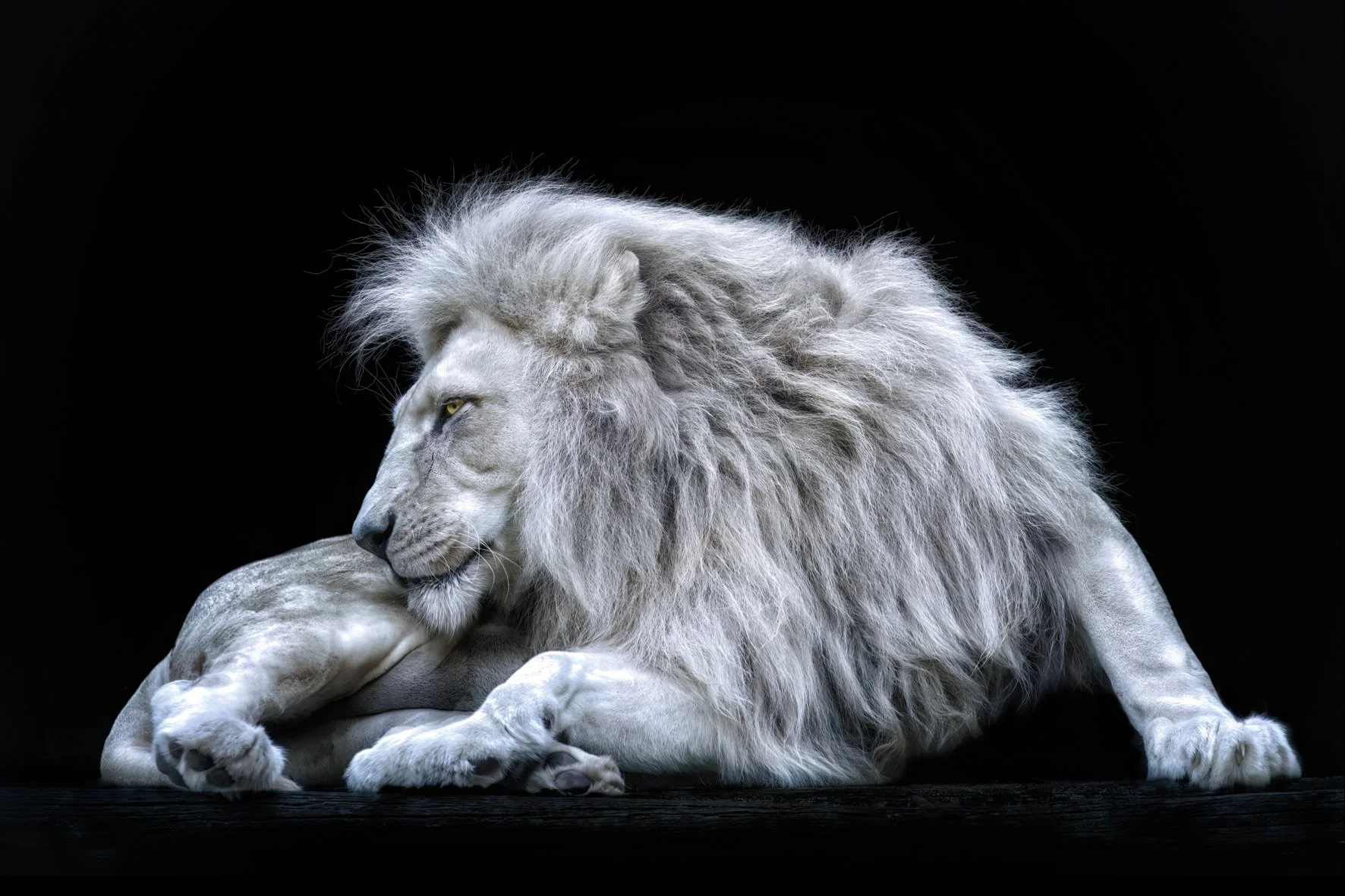
The visual style of WildLOVE developed organically. I have always been fascinated by classical portraiture and how a look, a gesture, or well-placed light can reveal the soul of a subject. With animals, the challenge is greater because we cannot direct them, but that also makes every image authentic. In nature, everything happens in a perfect balance of chaos and harmony; my job is to find those moments where beauty reveals itself in its purest form.
The human-animal connection: Your images evoke a strong sense of intimacy between the viewer and the animals, often making them appear almost human in their expressions and emotions. How do you approach capturing this sense of connection in your work?
One of the biggest misconceptions about animals is the belief that emotions are uniquely human, as if fear, tenderness, curiosity, or sadness were our own inventions. What I try to do in my portraits is to challenge this idea, to show that emotion is a universal language and that consciousness is not an exclusively human trait but a shared reality.
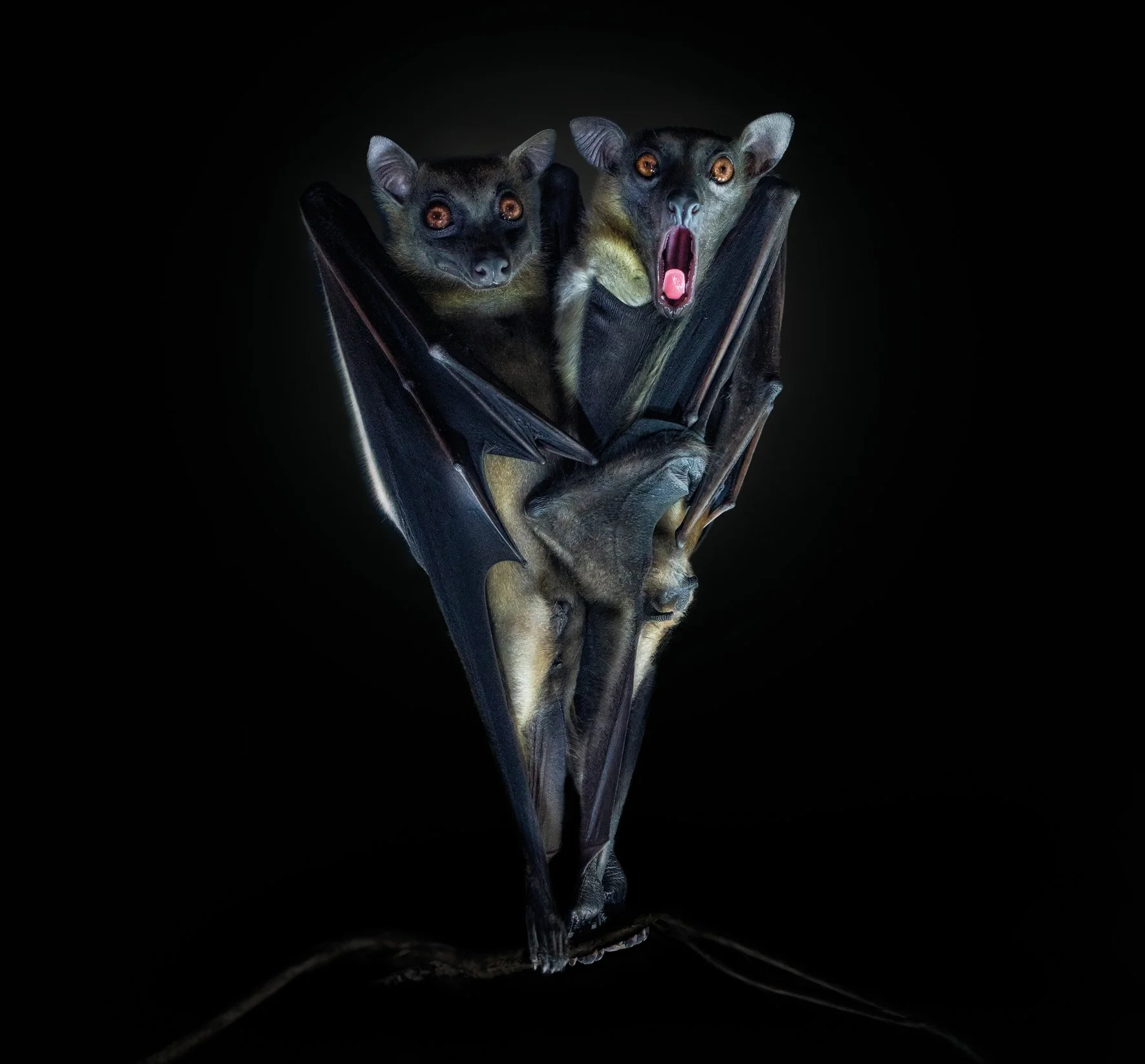
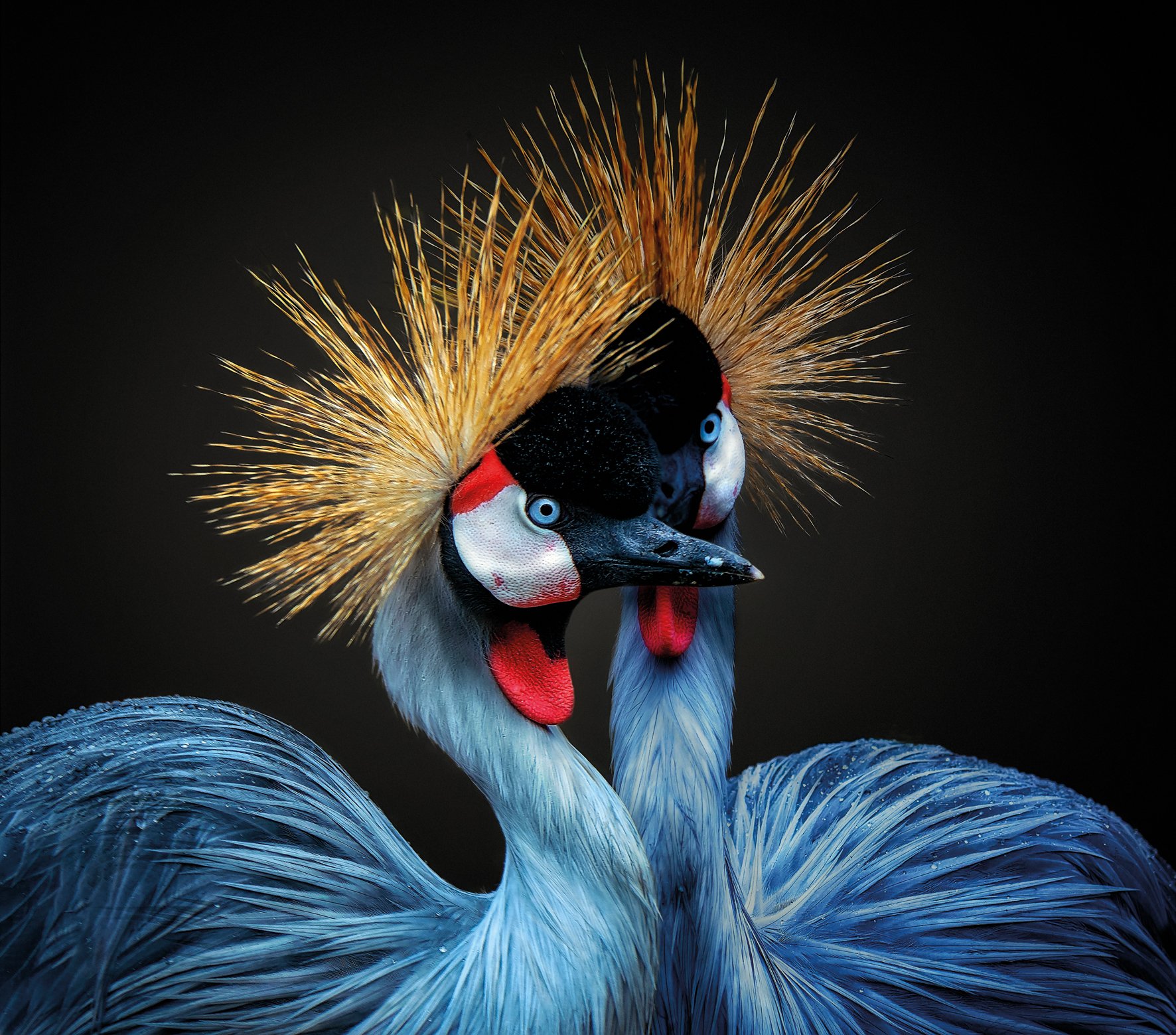
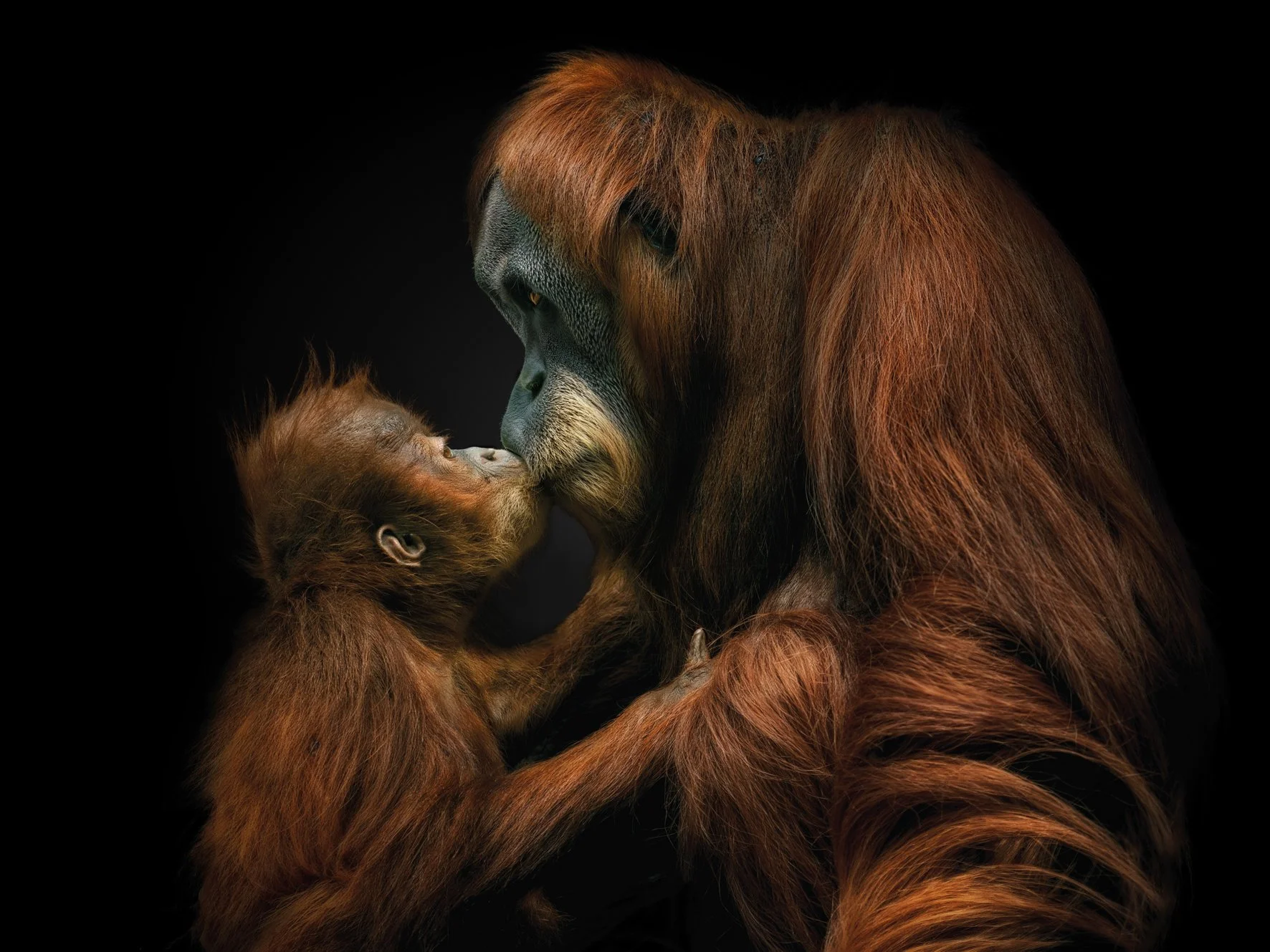
It’s not that the animals in my images appear human; rather, it’s that we humans are also animals, and this connection becomes evident when we remove the prejudices that separate us from them. I don’t try to humanise them, but rather to reveal what is already there, waiting to be seen. The gaze plays a crucial role in this. When a viewer locks eyes with an animal in one of my photographs, they stop being a simple observer and become part of a silent dialogue, a moment of mutual recognition.
Lighting and composition: One of the most striking aspects of WildLOVE is the masterful use of light and shadow, reminiscent of classical portrait painting. Can you walk us through your lighting process and how you achieve such dramatic, painterly effects?
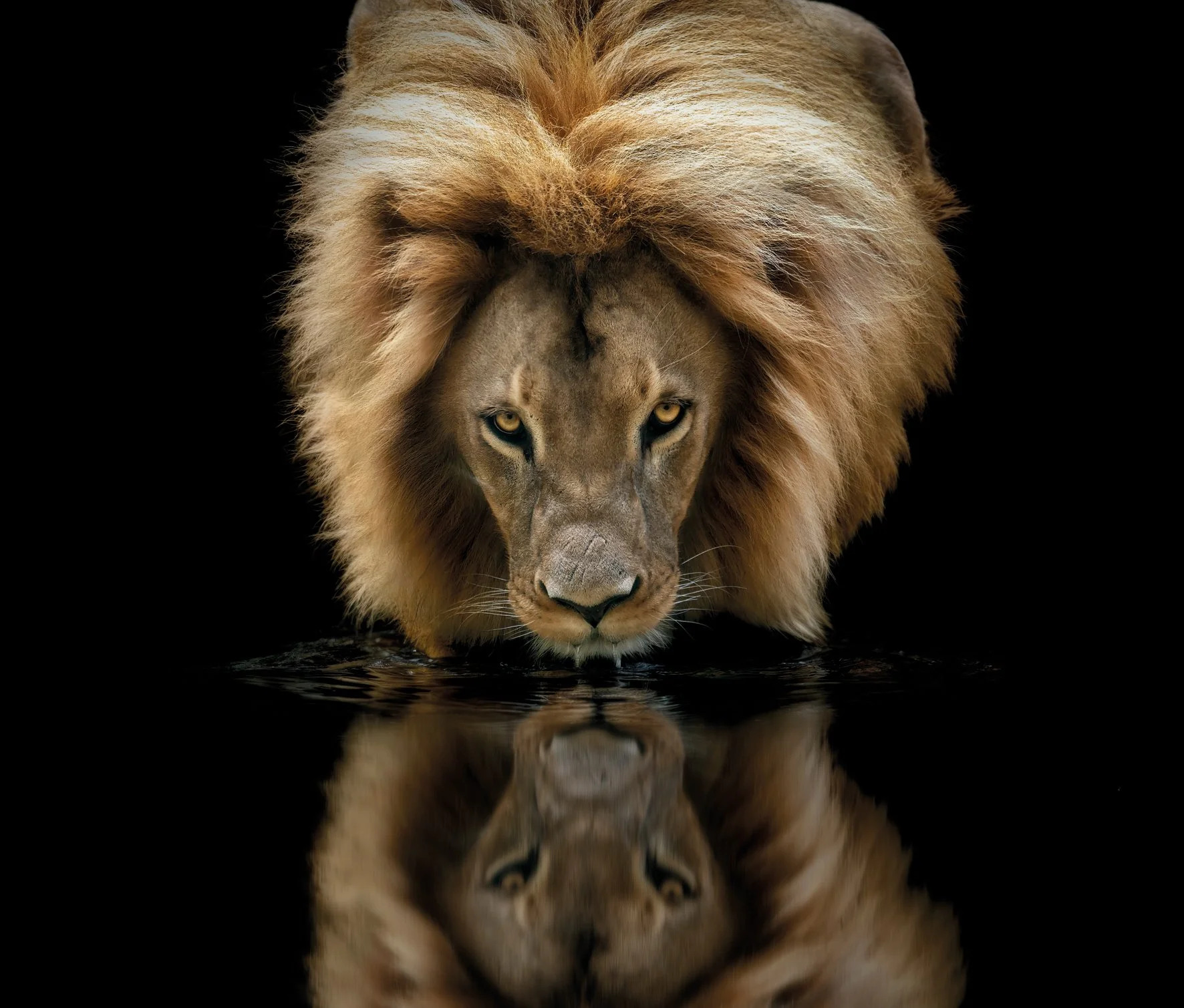
Light is not just a technical element in photography; it is a language in itself. The way you illuminate a subject defines its presence, energy, and emotional impact. I have always admired Baroque painting, where light is neither uniform nor flat but dramatic and intentional. In my photographs, I seek that same effect, a kind of illumination that does more than describe, that narrates, that suggests a story beyond the image.
Since I work with moving animals, natural light is my best ally. Outdoors, I take advantage of the soft light of sunrise or sunset, or I look for shadows that allow me to sculpt the subject’s volume without losing detail. In post-production, I enhance these contrasts to direct the viewer’s gaze and add depth to the image. In a way, each photo is an interpretation of reality rather than a simple capture of what was there.
Technical challenges in wildlife photography: Unlike studio portraiture, animals cannot be directed or posed in the same way as human subjects. What are some of the biggest challenges you face when photographing wildlife, and how do you overcome them?
Photographing animals is an exercise in humility. You can’t control them, you can’t ask them to repeat an action or look at you at the perfect moment. You learn to work with unpredictability, to wait, to accept chance as part of the process.
One of the biggest challenges is patience. Sometimes you can spend hours waiting for a single moment, and if you miss it, there is no second chance. Another challenge is the environment—lighting can change drastically, conditions can be difficult, and often the animal simply decides to ignore you. In these cases, the best trick is to surrender to the experience, let nature set the pace, and trust that the image will come when it’s meant to.
Post-production and its role in storytelling: Many of your images feature deep black backgrounds that isolate the animals and heighten their visual impact. Can you discuss your approach to post-processing and how it helps you tell the story of each subject?
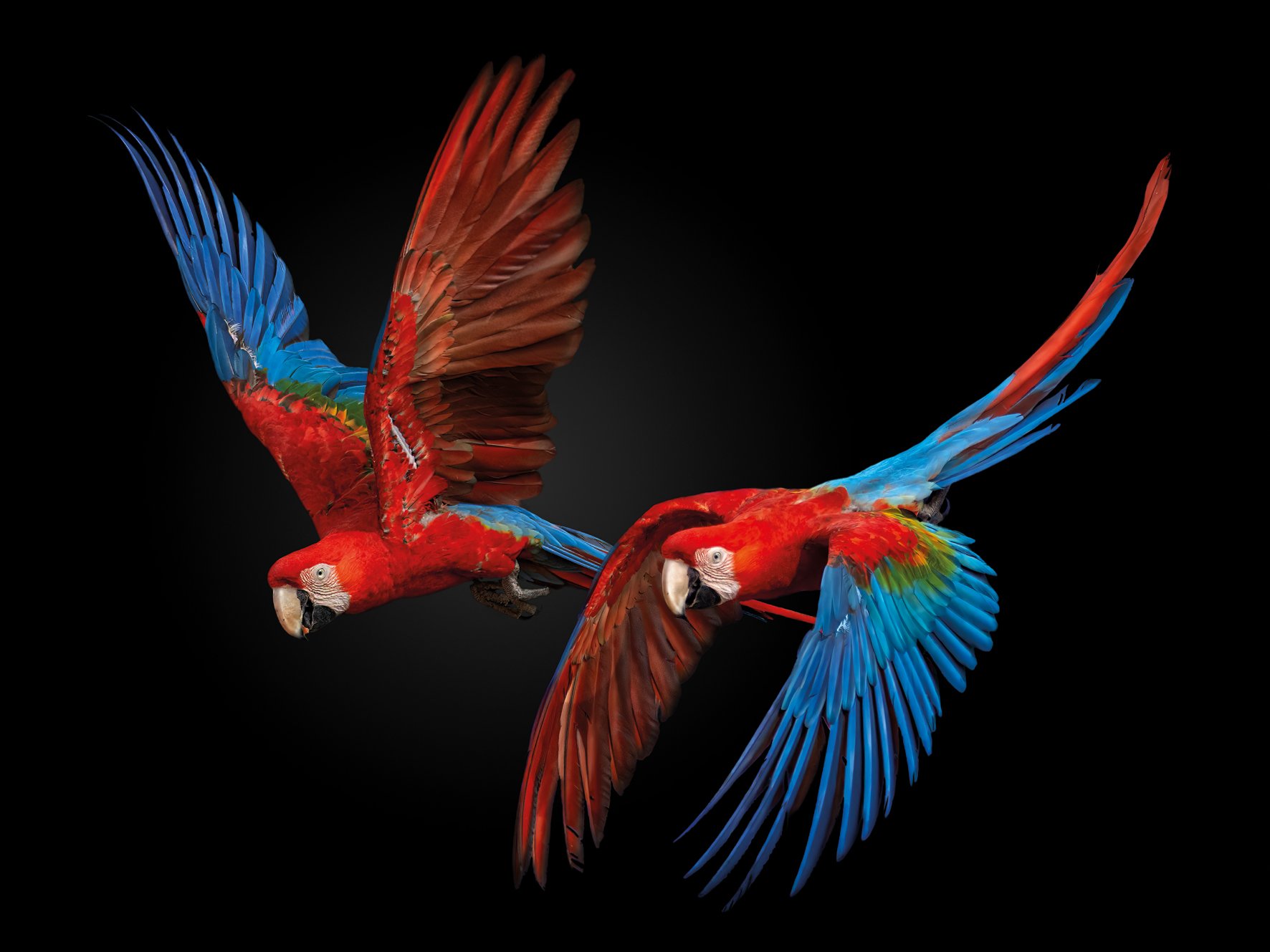
The black background is both an aesthetic and narrative choice. In Fragile, I used it to highlight the vulnerability of animals, as if they were floating in an uncertain space, at risk of disappearing. In WildLOVE, the black background acts more like a stage where each animal becomes the absolute protagonist.
Rather than modifying reality, post-production allows me to emphasise the essential. I isolate the subject, enhance textures, and refine the lighting so that every detail tells its story. It’s not about beautifying but about revealing what is already there but often goes unnoticed.
Conservation and advocacy: Your book serves not only as an artistic work but also as a statement about the fragility of the natural world. How do you see the role of photography in wildlife conservation, and what impact do you hope WildLOVE will have?
Photography is a form of resistance. In a world where nature is vanishing, every image is testimony, proof that these beings existed, that they were worth stopping to look at.
With WildLOVE, I want to remind people that it’s not enough to lament extinction and destruction; we must also celebrate what we still have. We only protect what we love, and love is born from knowledge and admiration. If this book can awaken that love in someone, then it has fulfilled its purpose.
Emotion and storytelling: Your work evokes a wide range of emotions, from awe to melancholy. How do you choose which moments to capture, and what emotions do you hope to convey through your imagery?
More than choosing a moment, the moment chooses me. I don’t seek technically perfect images but rather those that hold an authentic emotion. It can be the tenderness of a mother with her offspring, the defiant gaze of a predator, or the solitude of an isolated animal.
Photography is a mirror. If an image evokes something in the viewer, it’s because it also contains something from the photographer.
Advice for aspiring photographers: Your photography is a masterclass in patience, composition, and visual storytelling. What advice would you give to aspiring photographers who want to capture wildlife with the same level of depth and emotion?
The most important thing is learning to observe. Wildlife photography is not just about technical skills but about sensitivity. Before pressing the shutter, you need to understand the animal’s behaviour, anticipate its movements, respect its space, and accept that not every shot will be perfect.
Patience is essential. The best image rarely happens in the first few minutes. Many times, it takes hours with a subject for the moment truly worth capturing to unfold.
And finally, find your own voice. Technique can be learned, but vision is unique to each photographer. It’s not just about taking beautiful pictures but about telling a story, about transmitting a personal vision of the natural world.
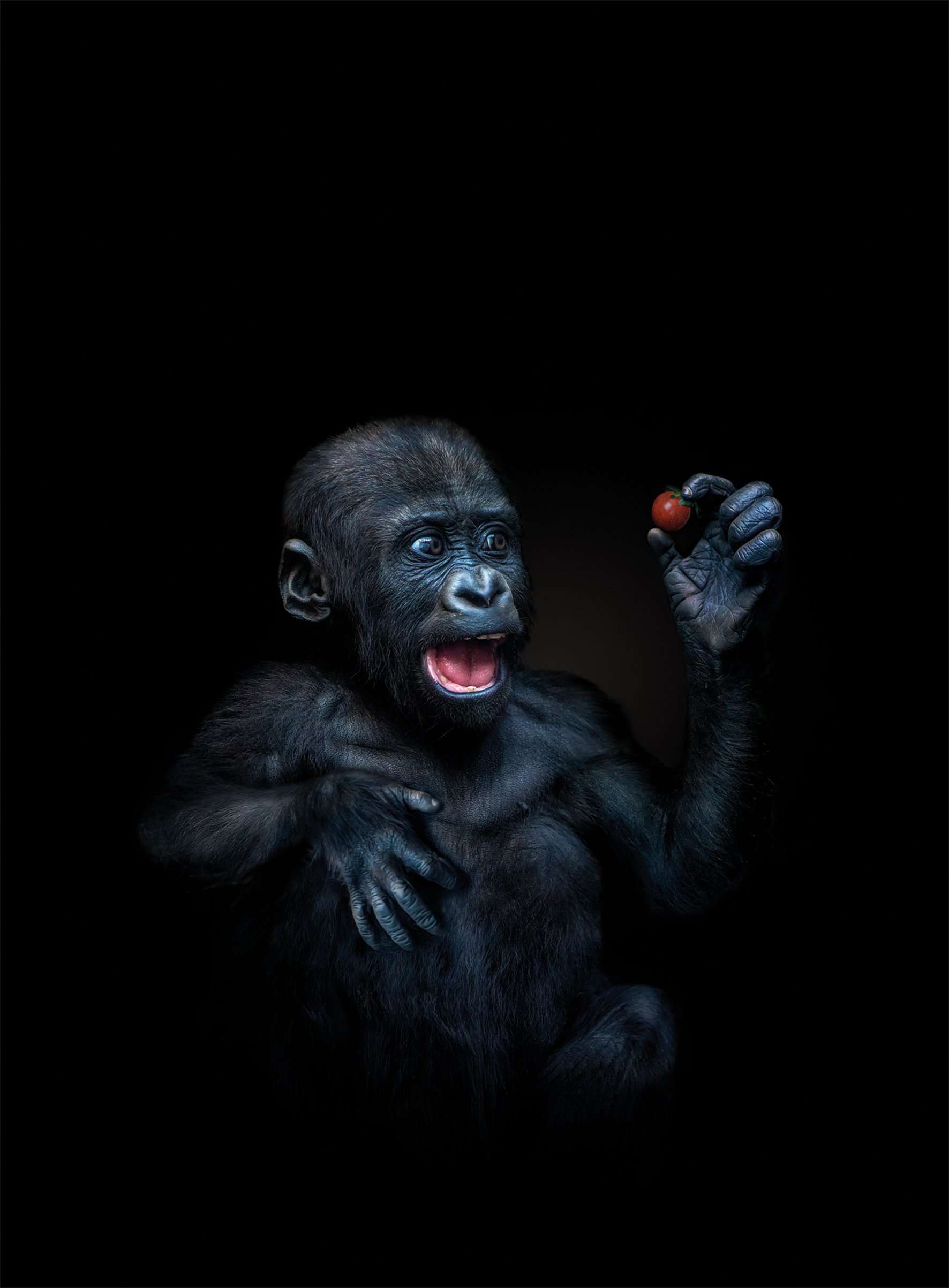

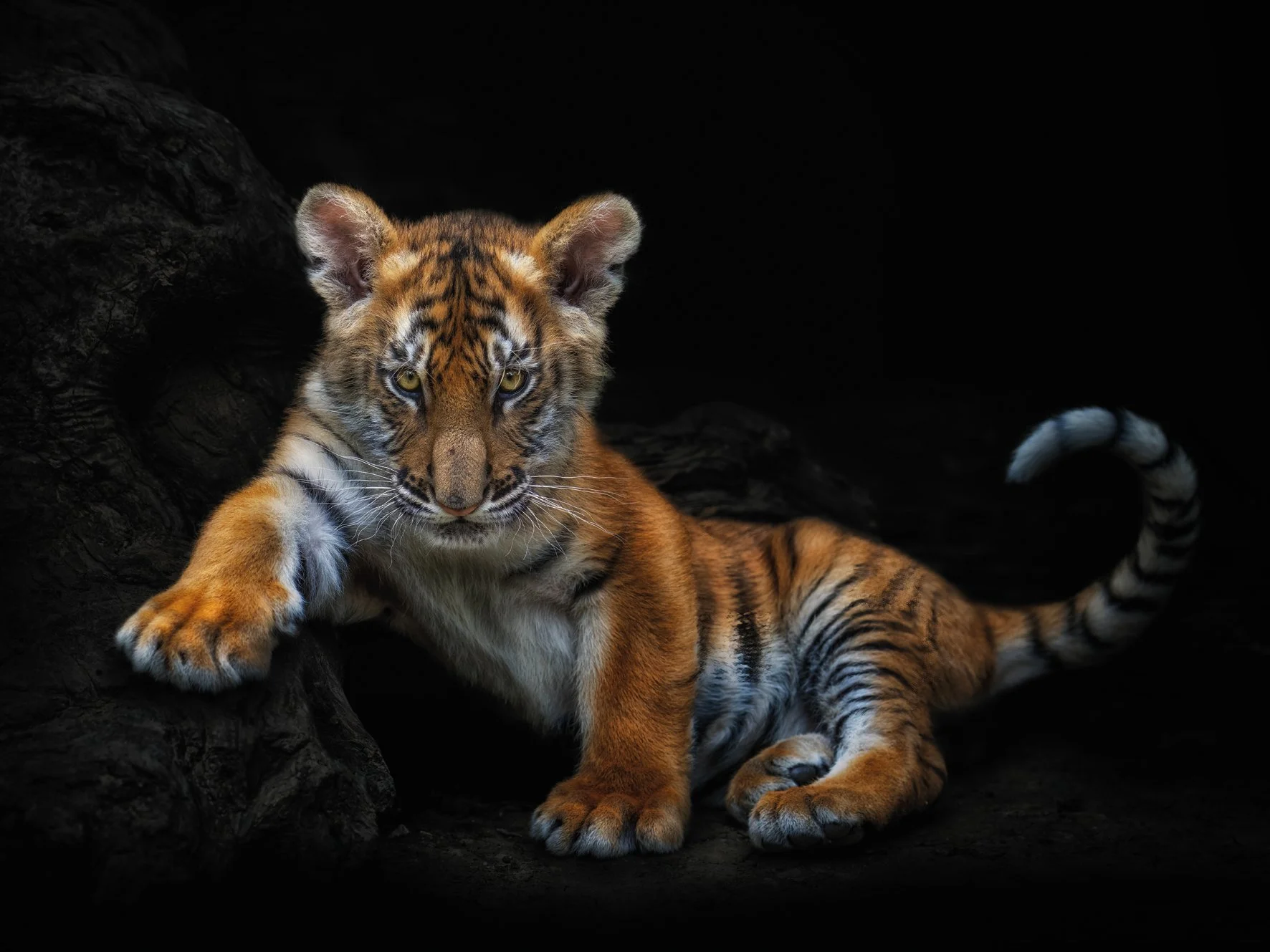
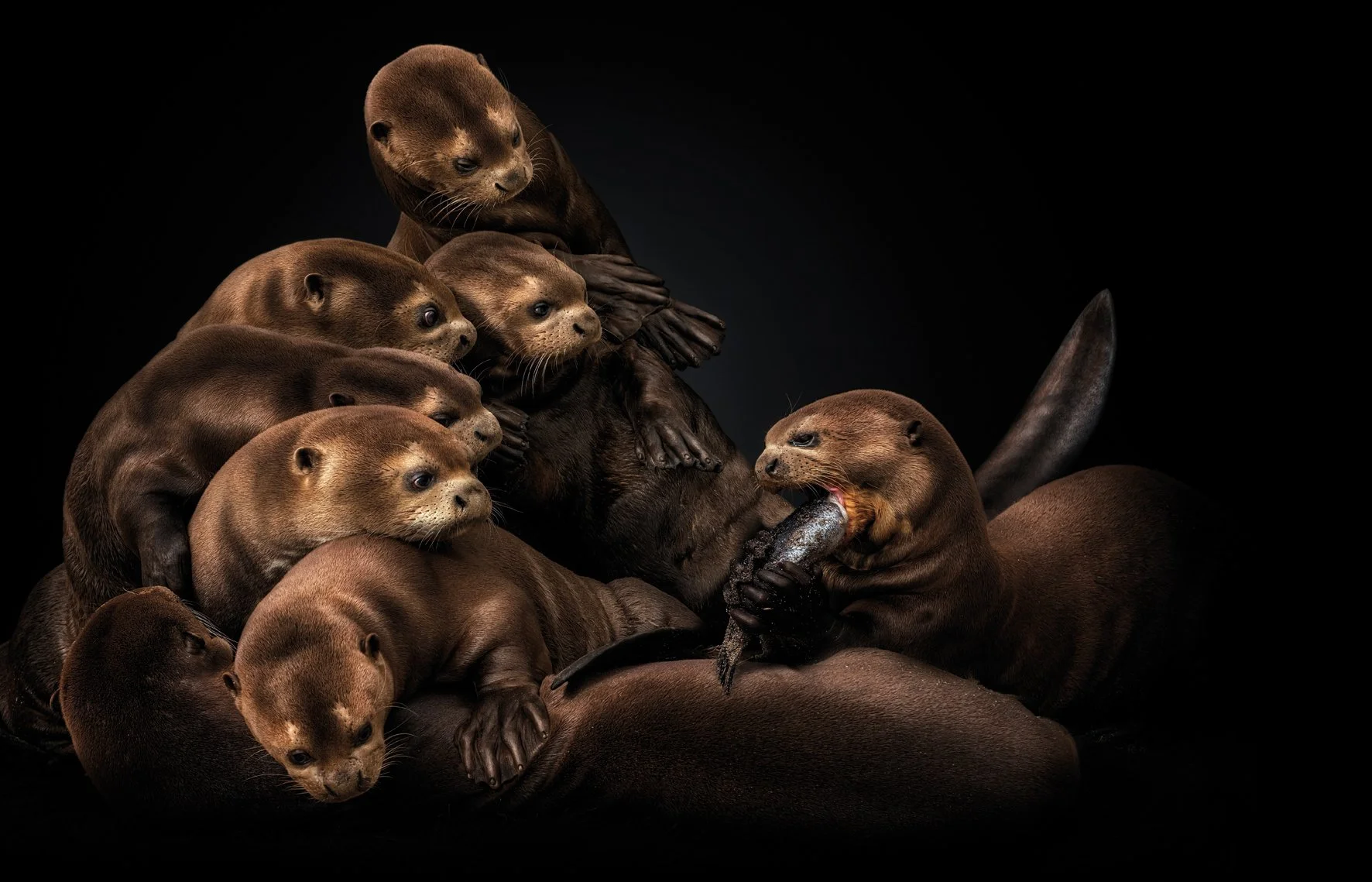
The evolution of your style: Over the years, your work has gained international recognition and evolved significantly. Looking ahead, how do you see your photographic style developing, and what new projects are you excited about?
Style is the result of all our experiences. It’s not something you consciously plan; it emerges naturally. If my style evolves, it will do so unconsciously, shaped by new experiences, new observations, and the way my perspective on the world continues to change.
That said, what I can plan are my next projects. I’m interested in continuing to photograph rare and lesser-known species. One of my next goals is to travel to the Amazon rainforest, an ecosystem where life manifests with overwhelming intensity.
Photography is a journey with no fixed destination. I don’t know exactly how my work will change, but I know I will keep exploring, searching for images that make us question our relationship with nature, and ultimately, with ourselves.
To discover more about this intriguing body of work and how you can acquire your own copy, you can find and purchase the book here. (teNeues Verlag, Amazon)
More photography books?
We'd love to read your comments below, sharing your thoughts and insights on the artist's work. Looking forward to welcoming you back for our next [book spotlight]. See you then!
Wesley Verhoeve photographs first and finds the story later. His Notice books began with learning to slow down during lockdown in Vancouver. Photography Book Spotlight