AT A GLANCE
- Known for
- Marilyn Monroe at work, Malcolm X, the Harlem fashion shows of 1950, and long stories about women around the world
- Works in
- Photo stories for magazines, in black and white and in colour; books with her own texts
- Camera
- A forty dollar Rolleicord for her first big story in Harlem
- Agency
- Magnum Photos: associated from 1951, full member from 1957
- Awards
- National Book Award for In China (1980) · ASMP Lifetime Achievement Award (1980) · ICP Master Photographer (1995) · OBE (2003)
- Start with
- Eve Arnold's People (Thames & Hudson, 2009)
- Links
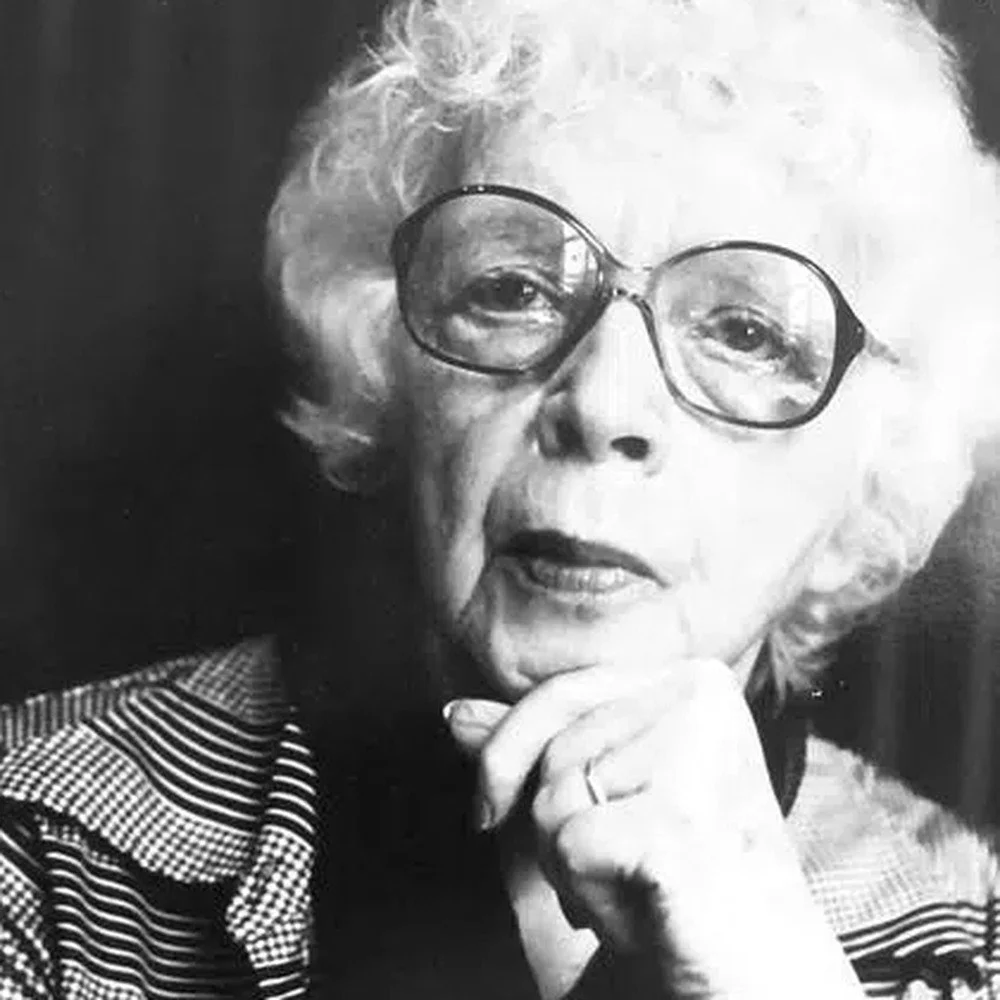
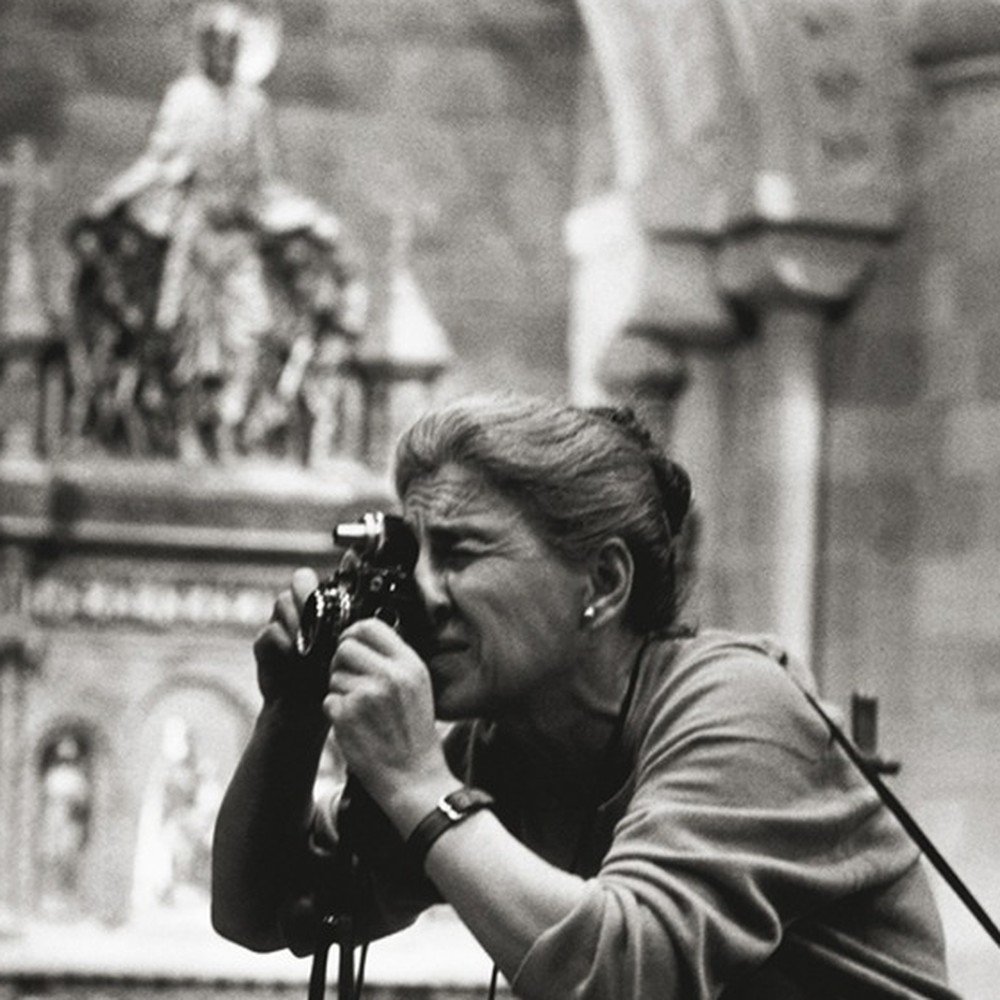
Eve Arnold (1912–2012) was an American photojournalist and one of the first women in Magnum Photos. She began to photograph seriously only in her mid-thirties. Still, she photographed Marilyn Monroe, Malcolm X, Joan Crawford and the Queen, and also migrant workers, mothers and newborn babies. She worked slowly and close to people, and she gained their trust. In 1962 she moved to England, and she lived in London for the rest of her life. Her first book came out when she was 64. Eleven more followed.
The story
On her first evening in Alexei Brodovitch's class at the New School in New York, Eve Arnold did not plan to show anything. She had brought an envelope of her best camera club pictures, but one look at the room told her she was no match for the others. Many of them were professionals who hoped for work from Brodovitch, the art director of Harper's Bazaar. Then a friend next to her grabbed the envelope and waved it at the teacher. Brodovitch held up picture after picture. “The group was brutal. I felt flayed alive,” she wrote later. And yet: “I learned more that night about the meaning of a photograph than I have learned from anyone since. It was my true start.”
She had come a long way to that room. She was born in Philadelphia in 1912, one of nine children of Russian Jewish immigrants. Her father was a socialist and an educated man. When she was sixteen, he read the Song of Songs with her in Hebrew. She wanted to study medicine and went to night school. But a friend gave her a camera, and their bible became the Kodak manual. In New York she told people she was a photographer, which was not true. The lie got her a job at a photo-finishing plant with 1,500 workers. Within a year she was running the plant. Later she married, had a son, and stayed at home. Her husband kept telling her to go back to her camera.
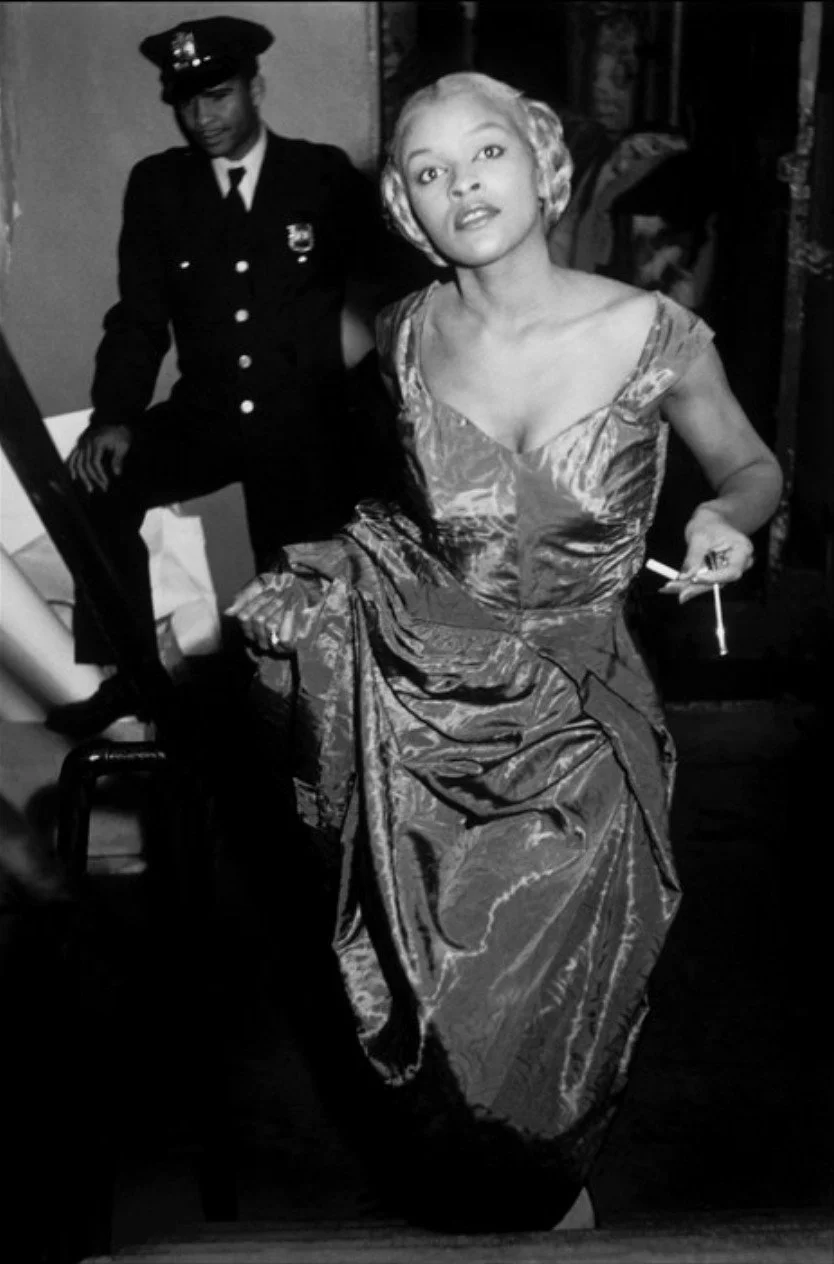
So she did. For her next class assignment she went to Harlem, to a fashion show in the Abyssinian Church. Local designers showed their clothes on Black models, at a time when the big fashion magazines ignored them. Arnold had only a forty dollar Rolleicord and no lights. She followed the models backstage, which nobody did then. “I was not aware that you didn’t follow them,” she said. Many pictures show Charlotte Stribling, a model known as “Fabulous”. Brodovitch liked the work so much that he told Arnold to keep going back. She spent the next year in Harlem's church halls, bars and restaurants.
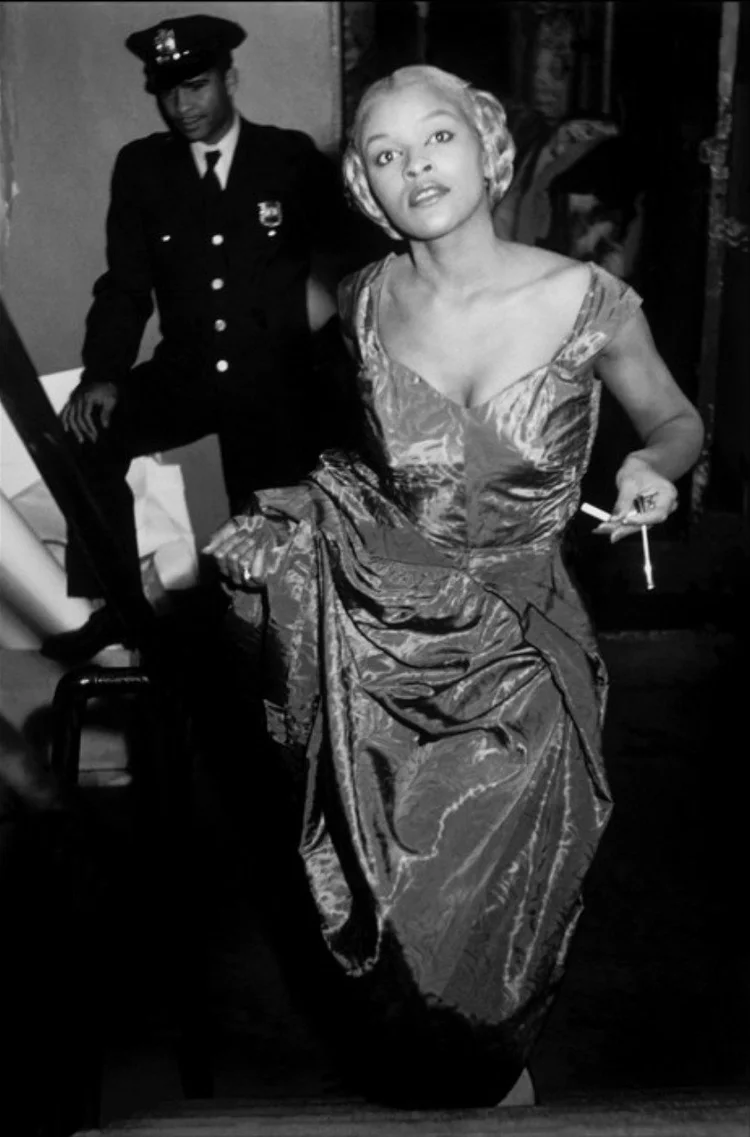
No American magazine wanted the story. Picture Post in London printed it, but with a text she felt was wrong about the project. From then on she wanted a say in how her pictures were published, and she often wrote the words herself. The Harlem pictures also opened a door. Henri Cartier-Bresson noticed them, and in 1951 Magnum, the new photographers' cooperative, took her on in its New York office. She became a full member in 1957.
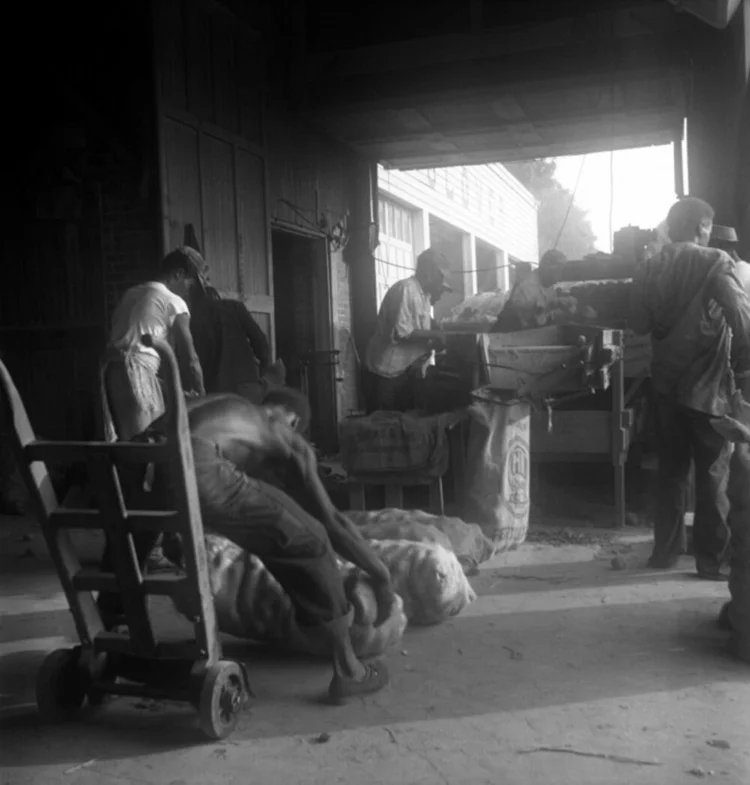
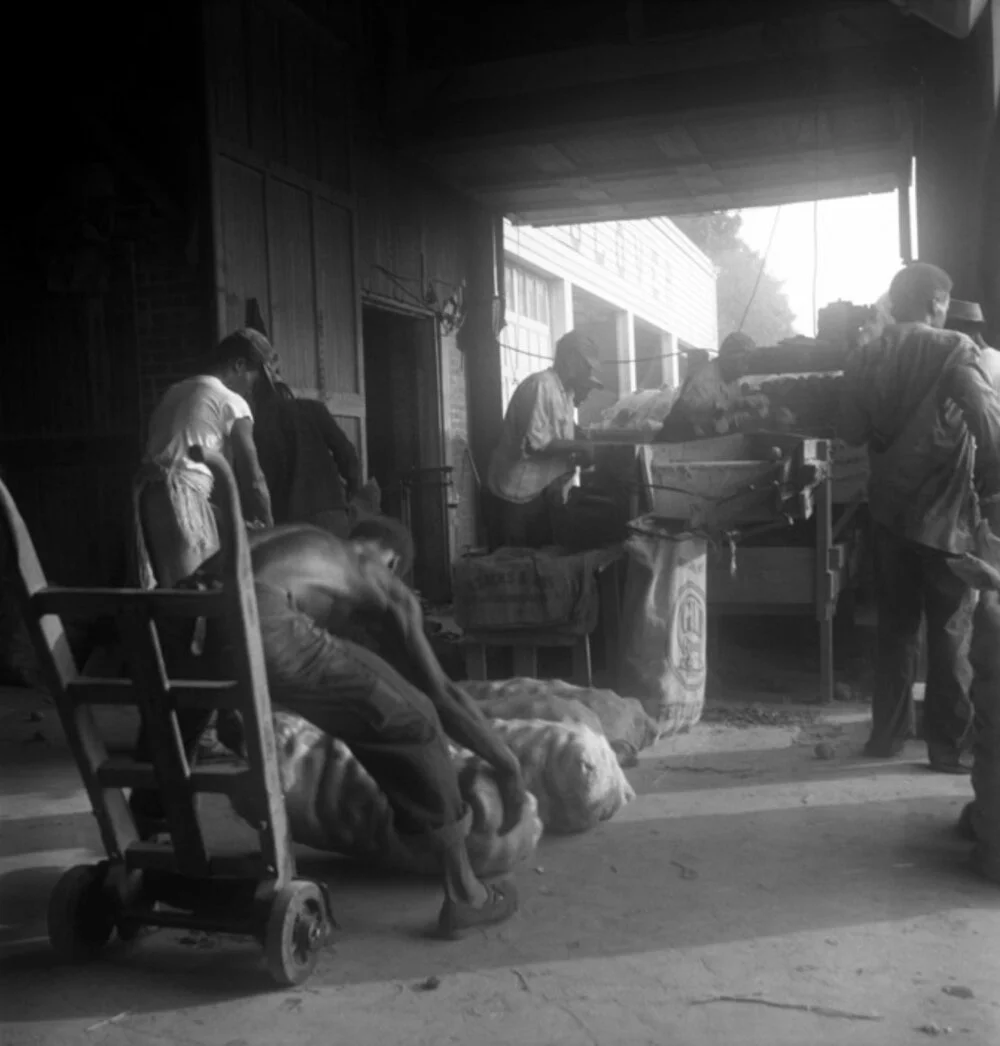
When Robert Capa first saw her work, he said it fell between Marlene Dietrich's legs and the bitter lives of migrant potato pickers. Arnold thought he was close to the truth. She had grown up poor in the Depression, so she understood the workers who followed the potato harvest north along the East Coast. In 1951 she photographed them on Long Island, where she lived.
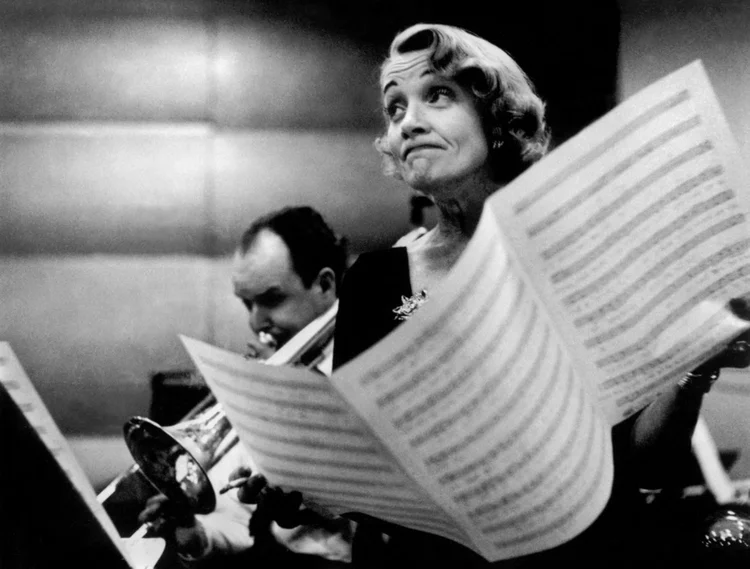
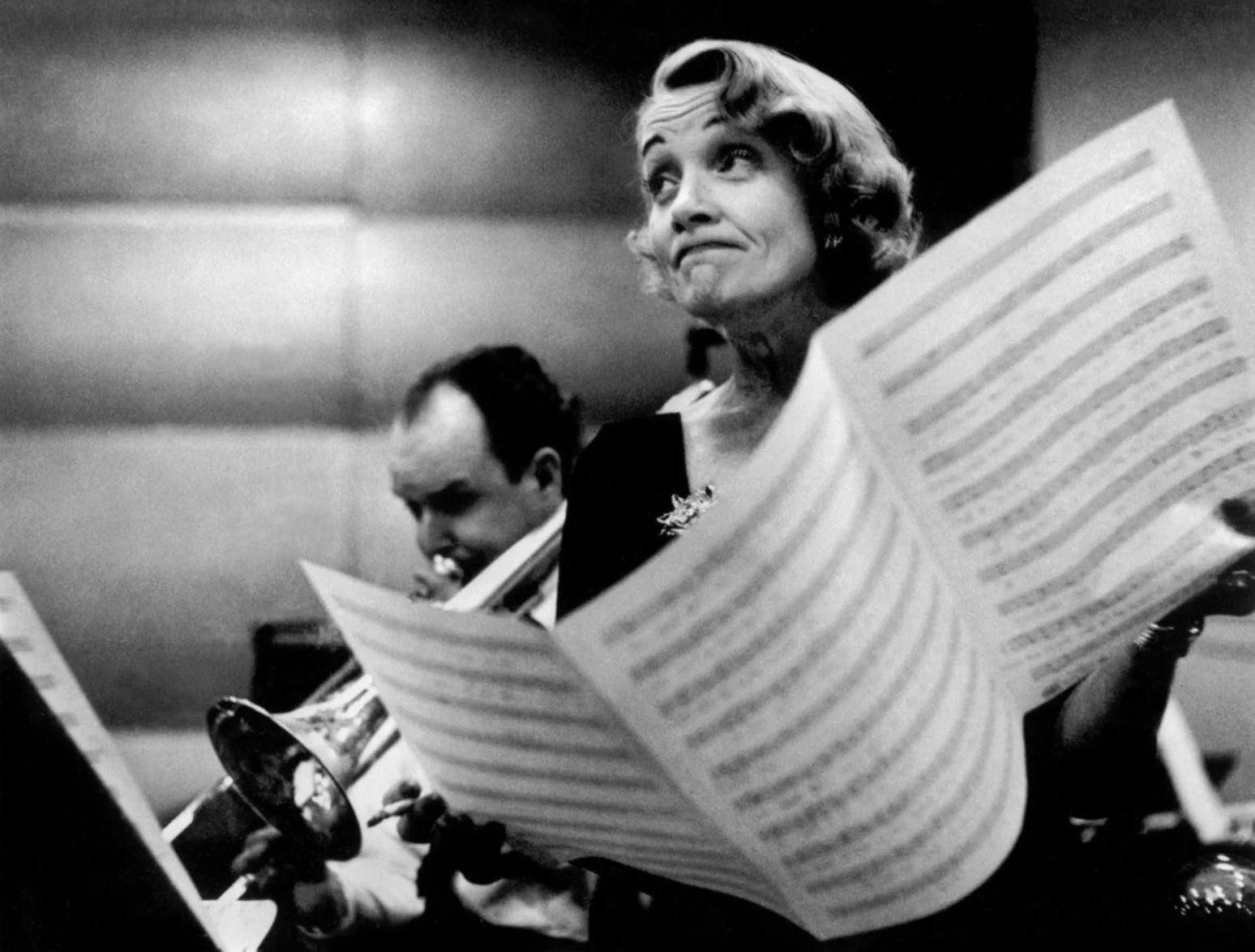
Dietrich came next. In November 1952 the star recorded her wartime songs for Columbia Records in New York. On the advice of Dietrich's astrologer, work could only begin at midnight. Arnold did not want the usual Hollywood picture, lit and retouched until every line was gone. She wanted “the working woman, the unretouched woman.”
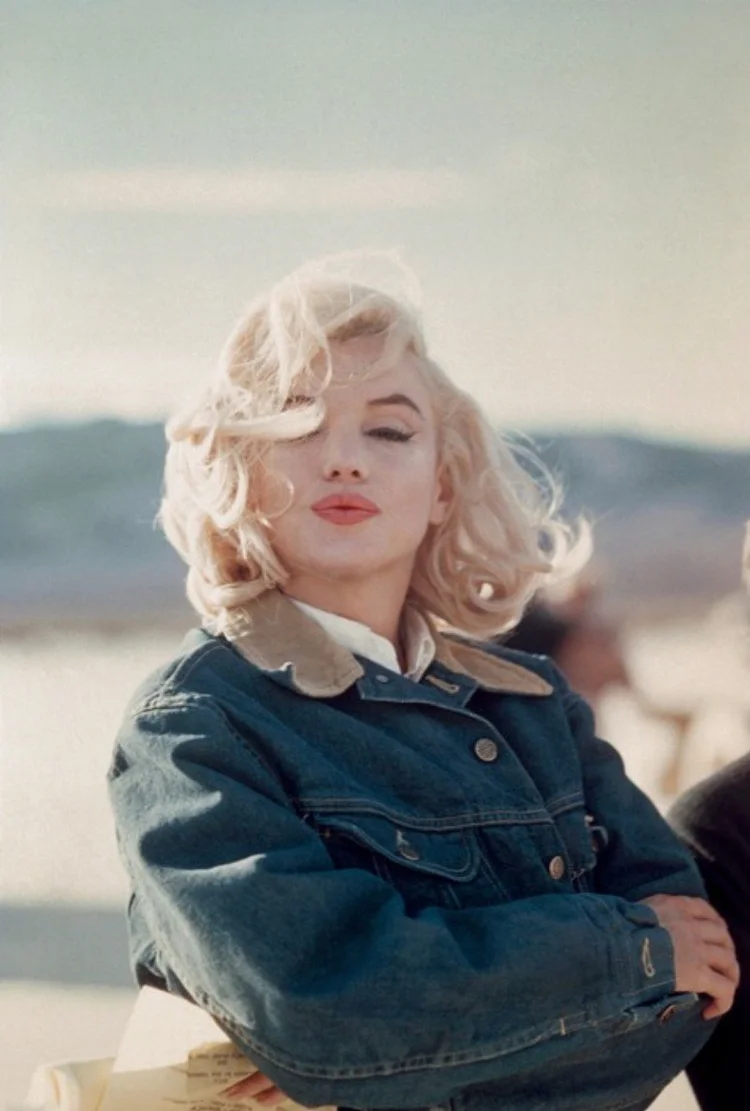
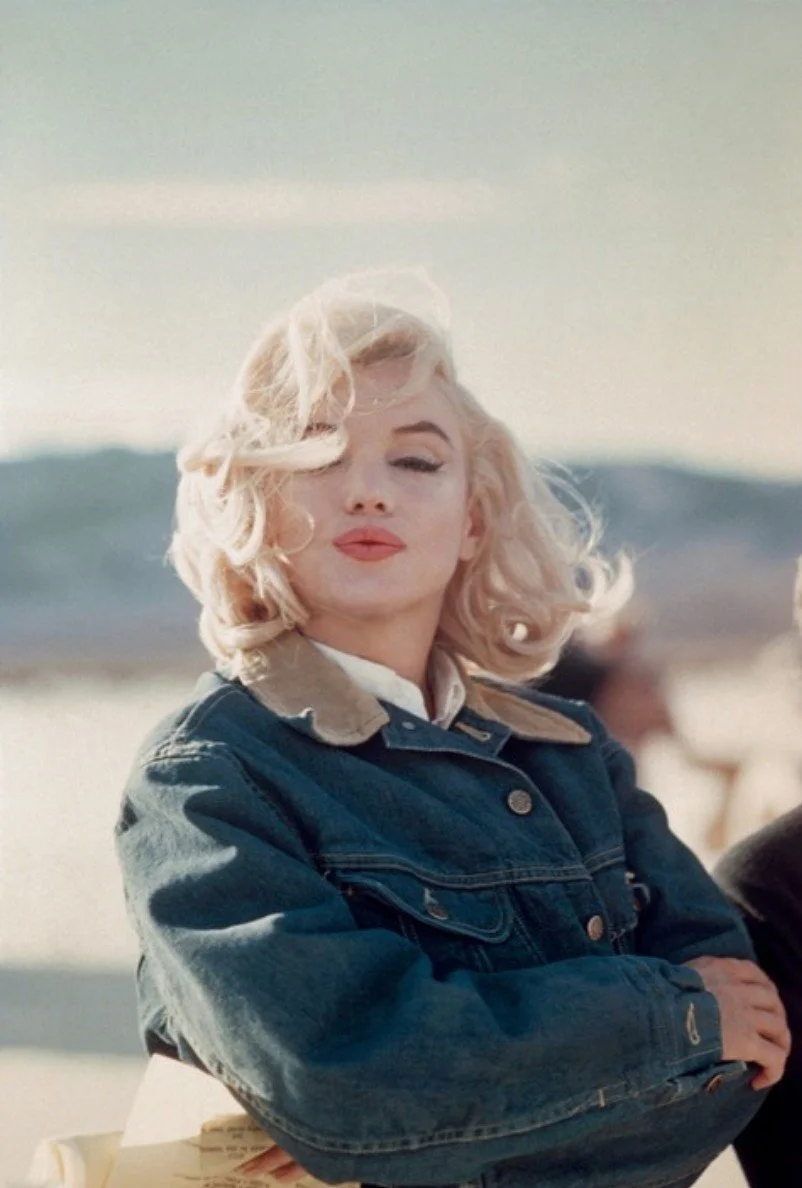
A few years later, at a party in Hollywood, she met a young Marilyn Monroe. Monroe had seen the Dietrich pictures. “If you could do that with her, just imagine what you could do with me,” she said. Arnold photographed her many times over about ten years. In 1960 she followed the filming of The Misfits in the Nevada desert. They had not worked together for four years. Monroe, Arnold wrote, “looked into my eyes for a long moment to make sure she could still trust me.”
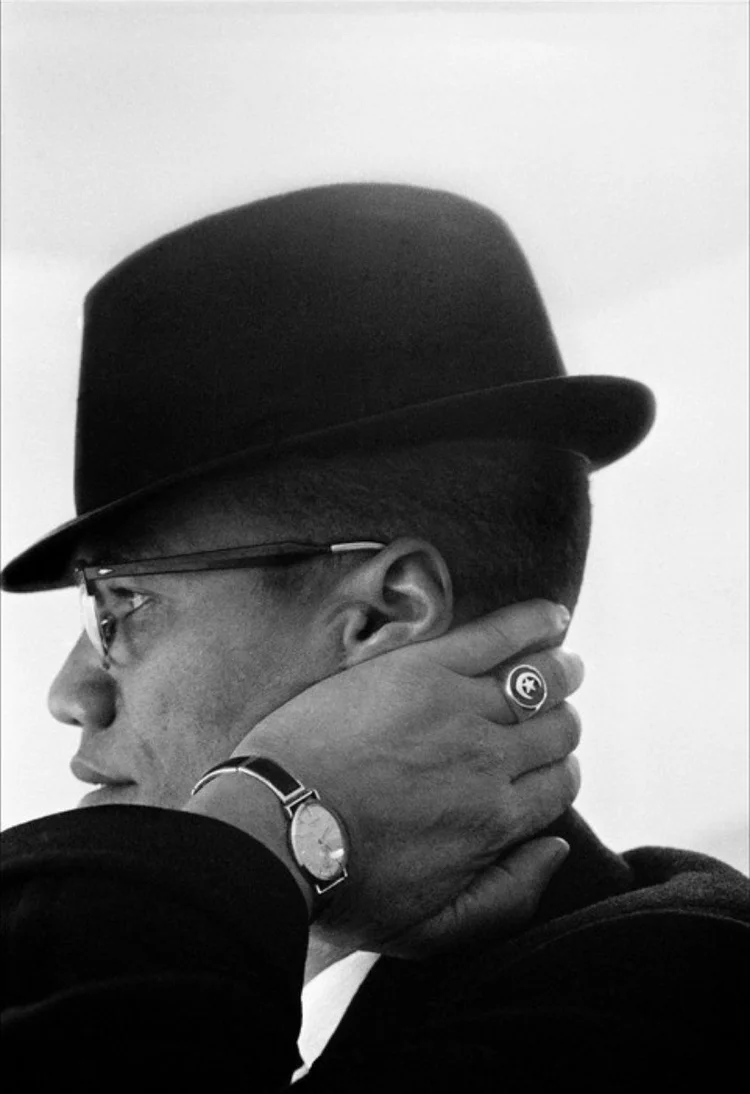
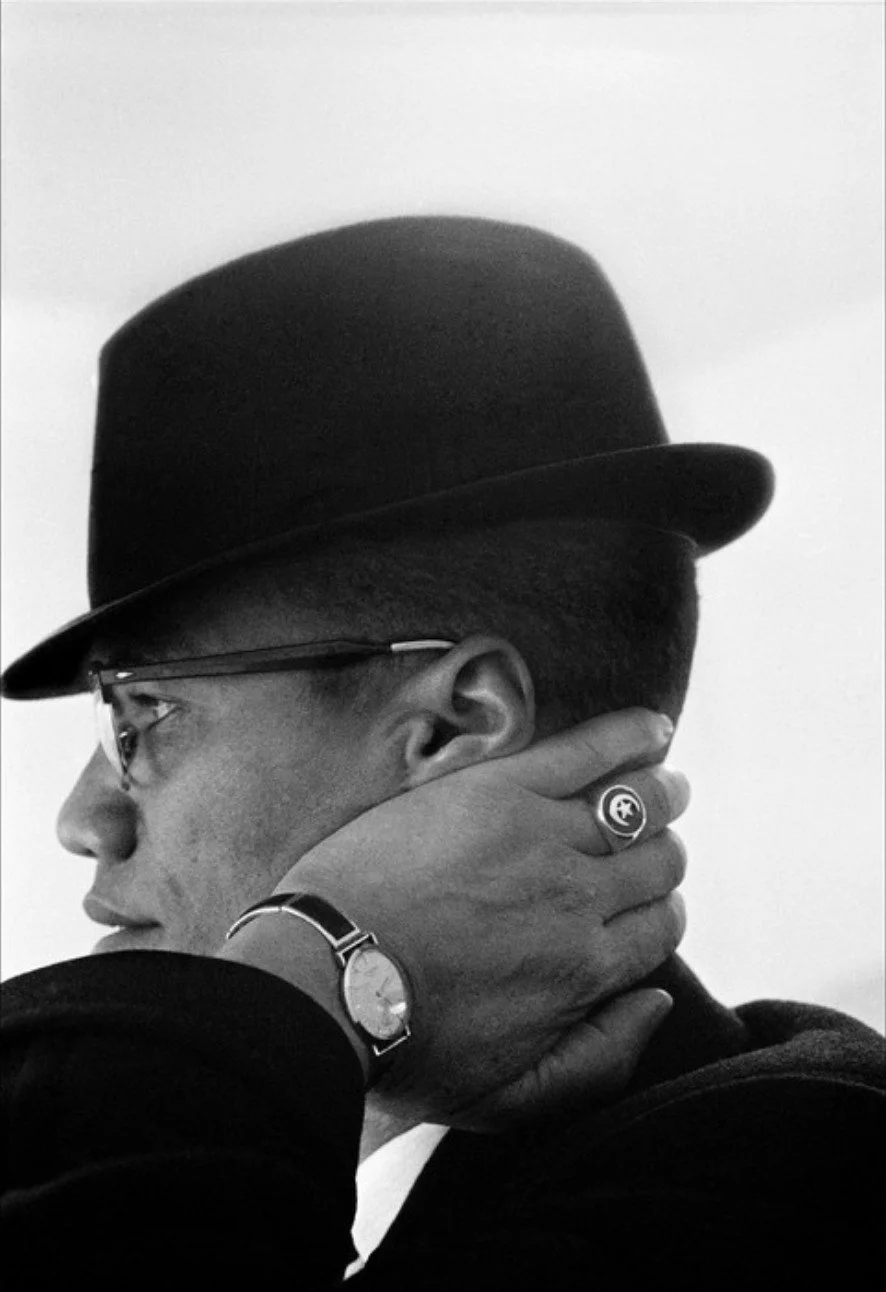
For Life magazine she took on a harder job: Malcolm X and the Black Muslims. “Photographing movie stars was child’s play compared to the problems to be hurdled,” she wrote. She followed Malcolm X from Washington to New York and Chicago. Slowly he began to suggest situations for her to photograph. Years later, a group show about him at the International Center of Photography in New York opened with her profile of him, smart in a hat, gold watch and ring. A group of young Black photographers came up to her. “Thank you,” they said, “for making him look like a dude.”
In 1962 Arnold moved to England so that her son could go to school there. She stayed in London for the rest of her life. She travelled to Russia, Afghanistan, Mongolia and China, often for the Sunday Times Magazine. Her first book, The Unretouched Woman, came out in 1976, when she was 64. Eve Arnold died in London on 4 January 2012, at the age of 99. Her best known words sum up how she worked: “If a photographer cares about the people before the lens and is compassionate, much is given. It is the photographer, not the camera, that is the instrument.”
The work
Arnold's great skill was to fade into the background. She learned it early, backstage in Harlem, and she used it all her life, with film stars and with strangers. She worked in available light, even in dark rooms, and then spent hours pushing the film in the darkroom. But she did not see herself as a hidden observer. “I always believe when you’re photographing somebody it’s generally a collaboration,” she said.
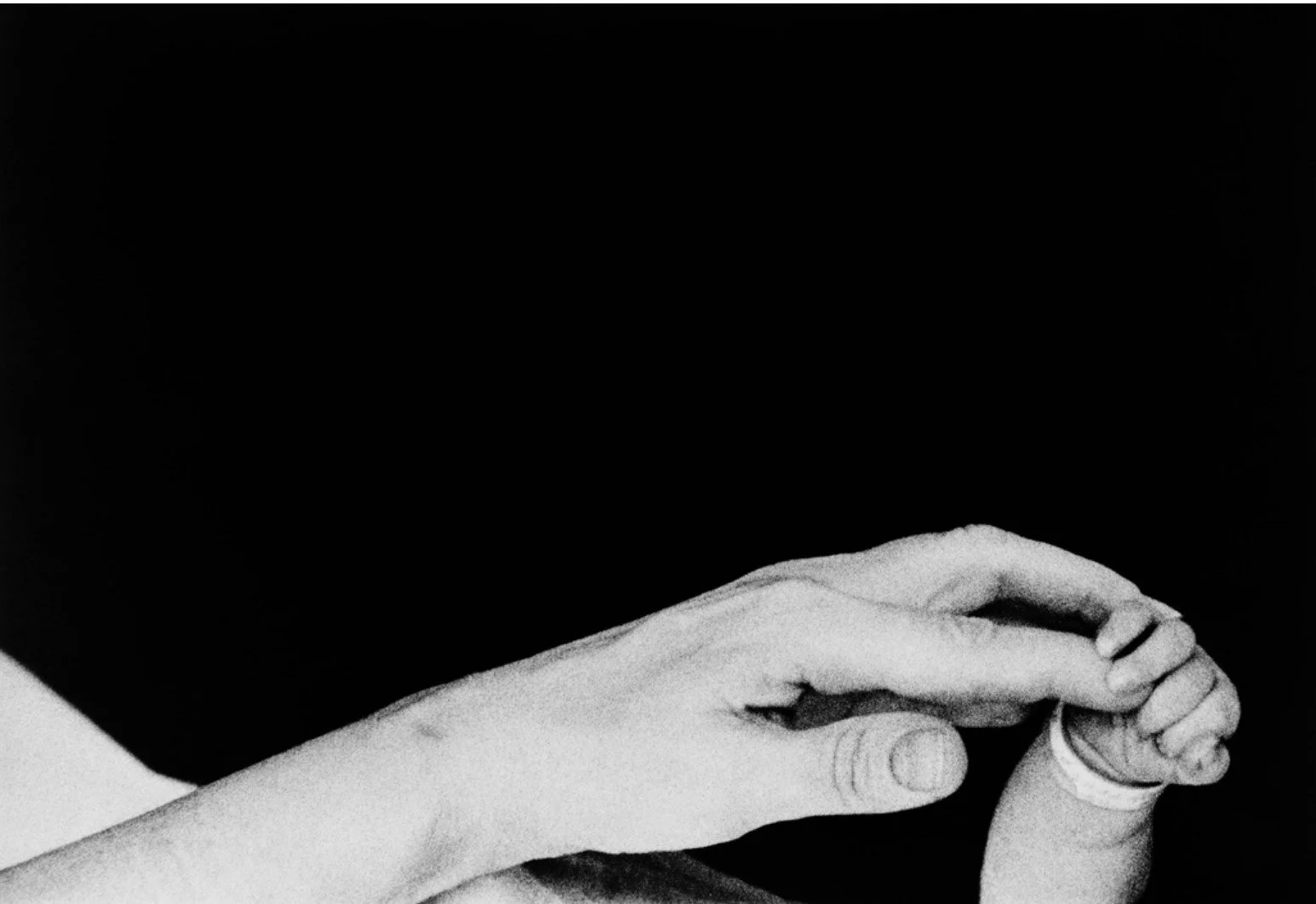
Women were at the centre of her work. For The Unretouched Woman she photographed and talked to women for twenty-five years: a potato picker on Long Island and the Queen of England, women in harems in Abu Dhabi and in bars in Cuba, a divorce court in Moscow, and protest marches of Black women in Virginia. She explained her themes simply: “I have been poor and I wanted to document poverty; I had lost a child and I was obsessed with birth.” One of her best known pictures is A baby's first five minutes. Mother holds her child's hand (1959), made in a hospital in Port Jefferson, Long Island.
She also took on hard political stories: the McCarthy hearings in Washington, the civil rights movement, apartheid in South Africa. Her Magnum colleague Elliott Erwitt said that her fame for celebrity pictures does not do her justice: “She did tough things.” Later she photographed China while it was still closed to most of the world. Her book In China won the National Book Award in 1980, and the same work became her first big solo show, at the Brooklyn Museum. She published twelve books in all, most of them with her own texts.
- 1912Born in Philadelphia to Russian Jewish immigrant parents
- 1948Studies photography with Alexei Brodovitch at the New School in New York
- 1950Photographs the fashion shows in Harlem, her first big story
- 1951Starts working with Magnum Photos; becomes a full member in 1957
- 1960Photographs Marilyn Monroe on the set of The Misfits in Nevada
- 1962Moves to England, where she lives for the rest of her life
- 1976Publishes her first book, The Unretouched Woman, at 64
- 1980In China wins the National Book Award; solo show at the Brooklyn Museum
- 2012Dies in London
Lessons
Show your work, even when it hurts. Arnold did not want to show her pictures in Brodovitch's class. The hard criticism that night became, in her words, her true start.
Care about the people in front of you. She believed trust mattered more than technique. Monroe, Malcolm X and many unknown people let her stay close because she was careful with them.
Take charge of your words. After Picture Post printed her Harlem story with a text she did not like, she took part in how her work was published and often wrote the texts herself.
Try this: find a small event near you: a rehearsal, a club match, a market setting up. Ask if you may stay behind the scenes. Use no flash. Photograph what happens before and after the main moment, not the moment itself. Then write a short caption for each of your three best frames.
Gear
Arnold rarely talked about equipment. The sources mention one camera by name.
Rolleicord: a forty dollar Rolleicord was her only camera for the Harlem fashion shows in 1950. She used no extra lights and pushed the film in development to get her prints.
Books
Eve Arnold's People (Thames & Hudson, 2009). Edited by Brigitte Lardinois, with introductions by Anjelica Huston and Isabella Rossellini and recollections from Elliott Erwitt, Jon Snow and others. It surveys her whole career through her portraits of famous and unknown people, and includes photo stories such as Malcolm X and the Black Muslims and In China. It also lists all her assignments for the first time. A good first book for anyone new to her.
The Unretouched Woman (Alfred A. Knopf, 1976). Her first book, published when she was 64. Arnold wrote the text herself. It brings together twenty-five years of pictures of women, from migrant workers to film stars and the Queen, with her own stories about her life and her start in photography. For readers interested in women's lives and in honest portraiture.
In Retrospect (Alfred A. Knopf, 1995). A look back at her career in her own words, with her accounts of working with Malcolm X and with Marilyn Monroe on The Misfits. It won the Kraszna-Krausz Book Award in 1996, and the exhibition of the same name travelled to sixteen venues, among them the Barbican in London. For readers who want the stories behind the pictures.
In her words
“If a photographer cares about the people before the lens and is compassionate, much is given. It is the photographer, not the camera, that is the instrument.”
“I learned more that night about the meaning of a photograph than I have learned from anyone since. It was my true start.”
“I have been poor and I wanted to document poverty; I had lost a child and I was obsessed with birth; I was interested in politics and I wanted to know how it affected our lives; I am a woman and I wanted to know about women.”
“I always believe when you’re photographing somebody it’s generally a collaboration.”
“If you are careful with people, they will offer you part of themselves. This is the big secret.”