Can You Still Say Something New About the Golden Gate Bridge? Arthur Drooker Gave Himself 3 Rules and 36 Photos to Find Out
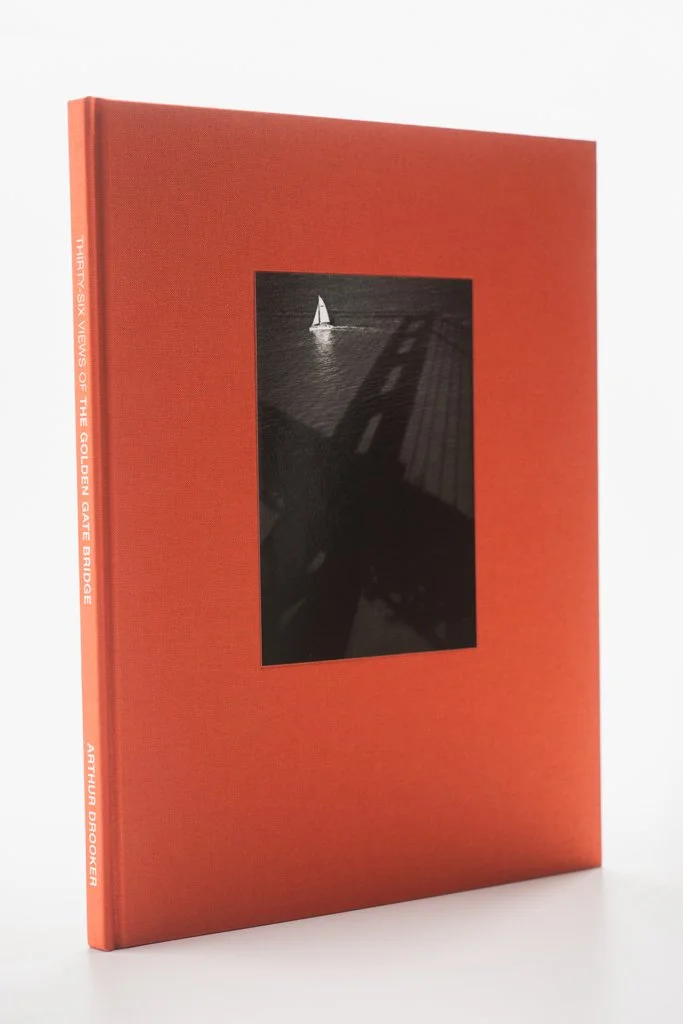
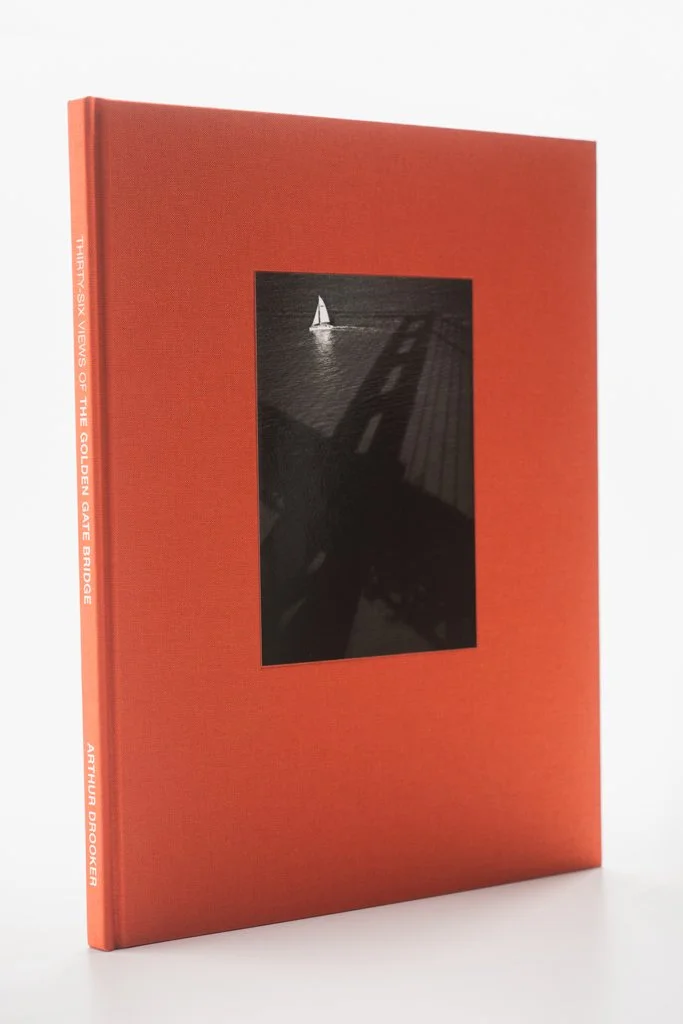
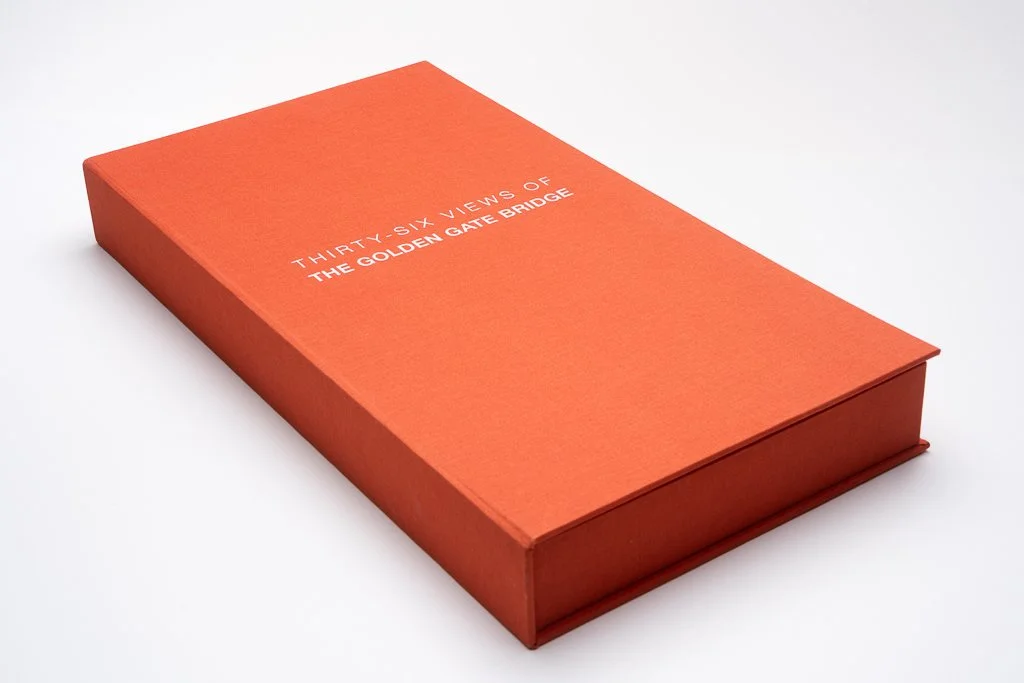
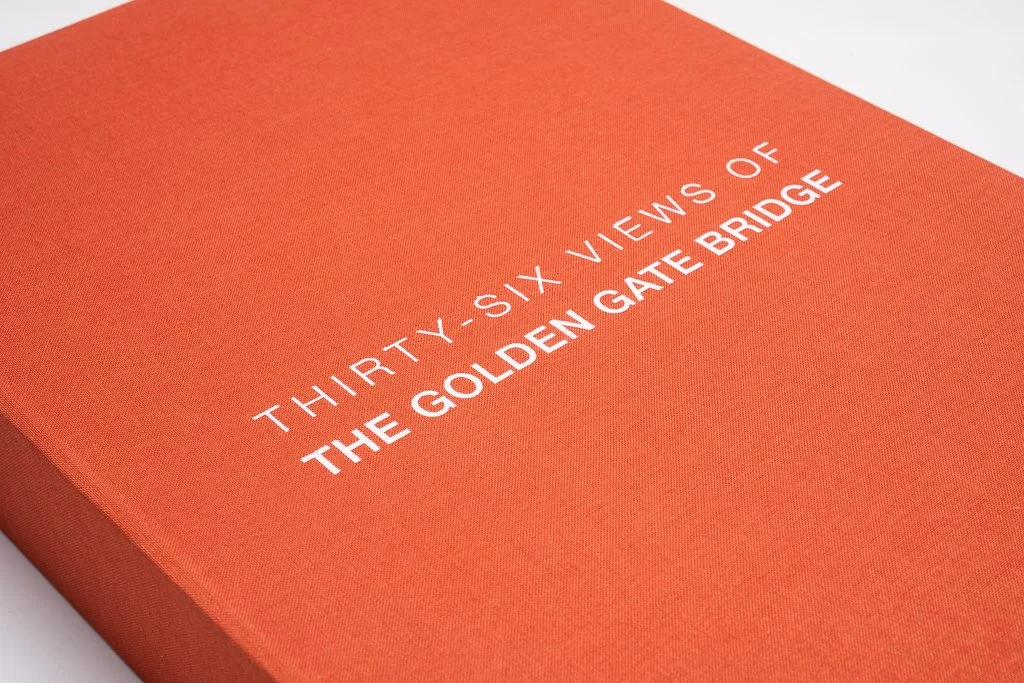
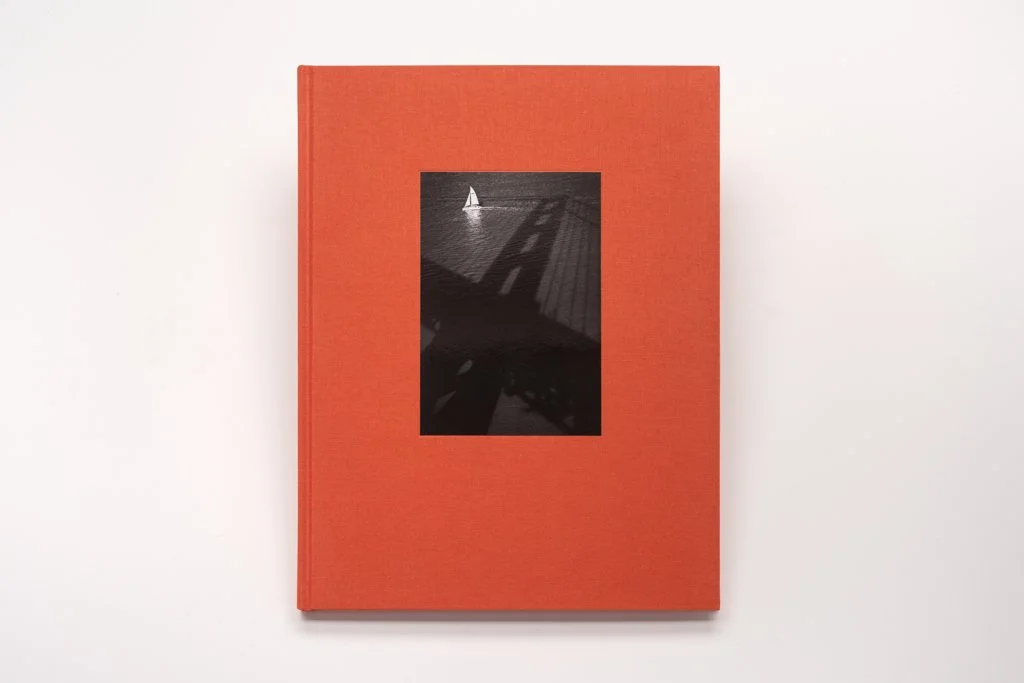
Welcome to this edition of [book spotlight]. Today, we uncover the layers of 'Thirty-Six Views of the Golden Gate Bridge,' by Arthur Drooker (self-publishing). We'd love to read your comments below about these insights and ideas behind the artist's work.
Can a famous landmark still surprise a photographer?
Arthur Drooker asked this question while crossing the Golden Gate Bridge in 2022.
He lives nearby and had seen the bridge countless times, like everyone else.
Instead of ignoring the question, he decided to test it seriously.
He set himself a clear challenge to photograph the most photographed bridge in the world in a new way.
To do this, he limited himself to three strict rules and thirty-six photographs.
No postcard views, no color, and no obvious angles were allowed.
The structure was inspired by Hokusai’s Thirty-Six Views of Mount Fuji, which gave the project both direction and an ending. Over two years, the project slowly revealed how repetition can numb vision and how discipline can restore it.
The Book
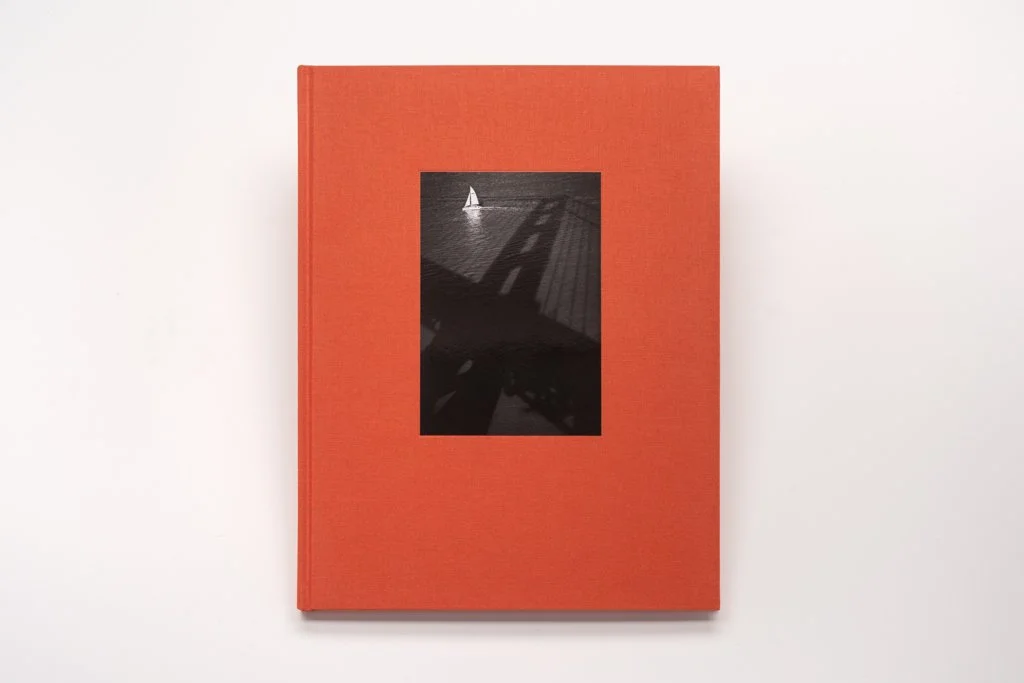
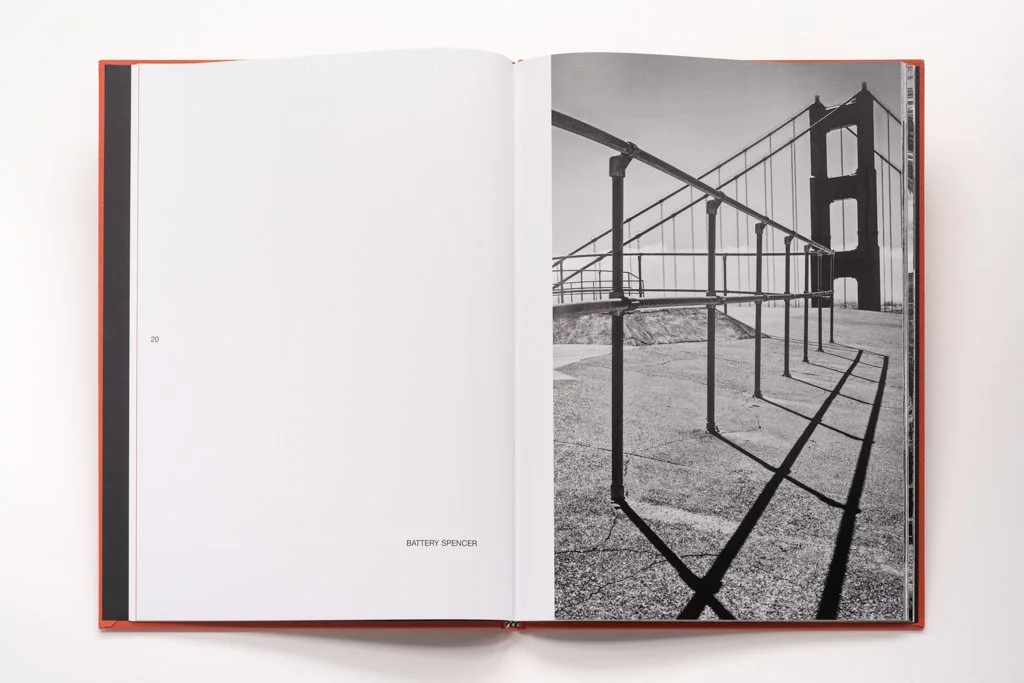
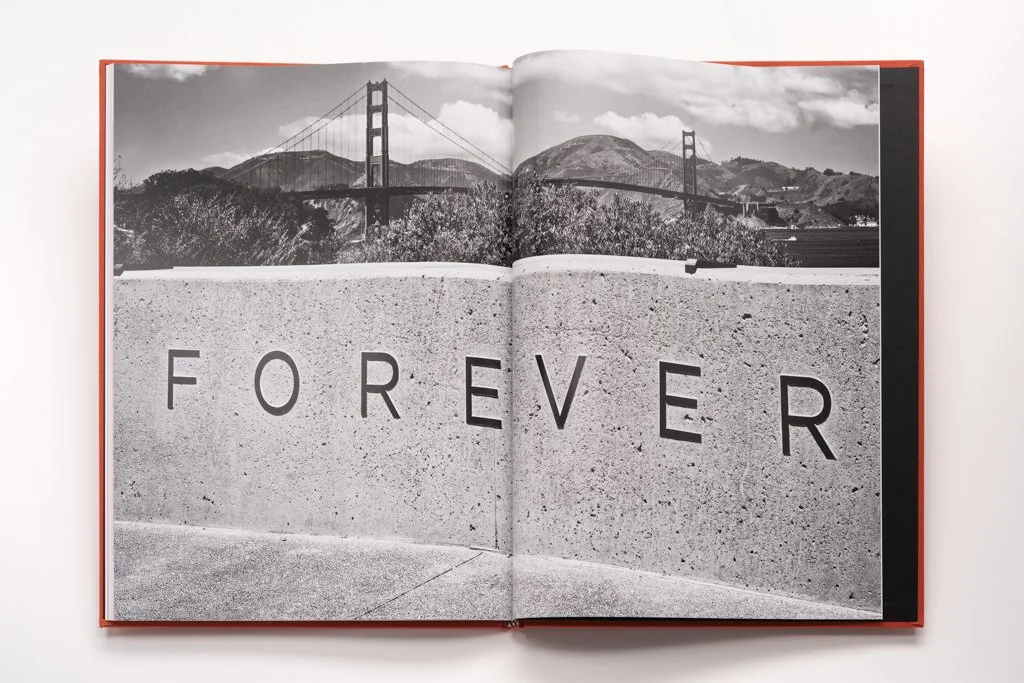
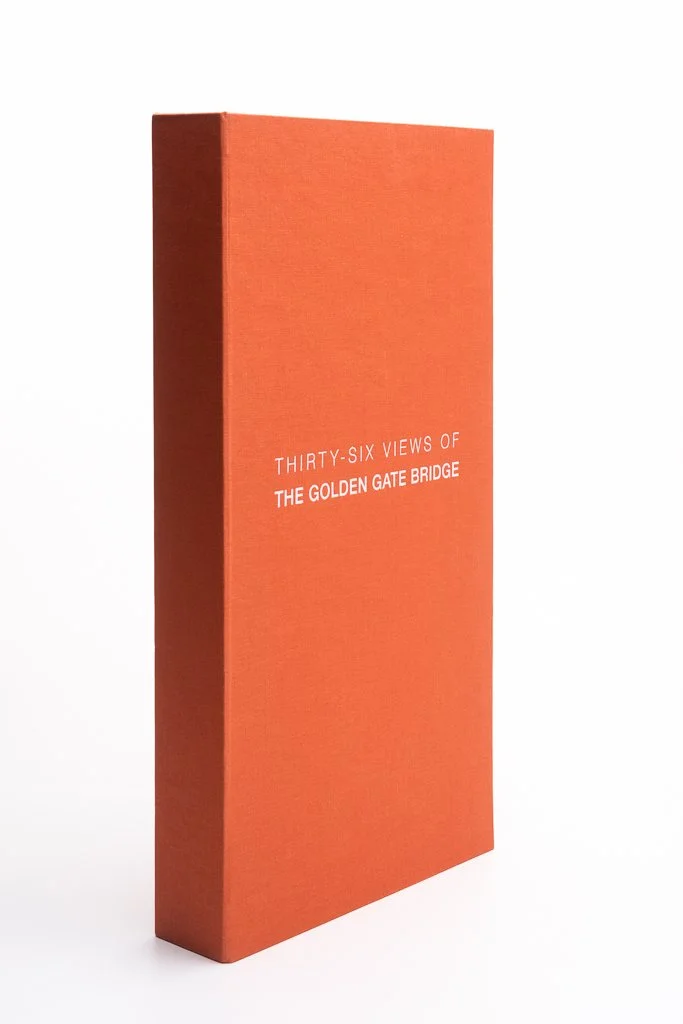
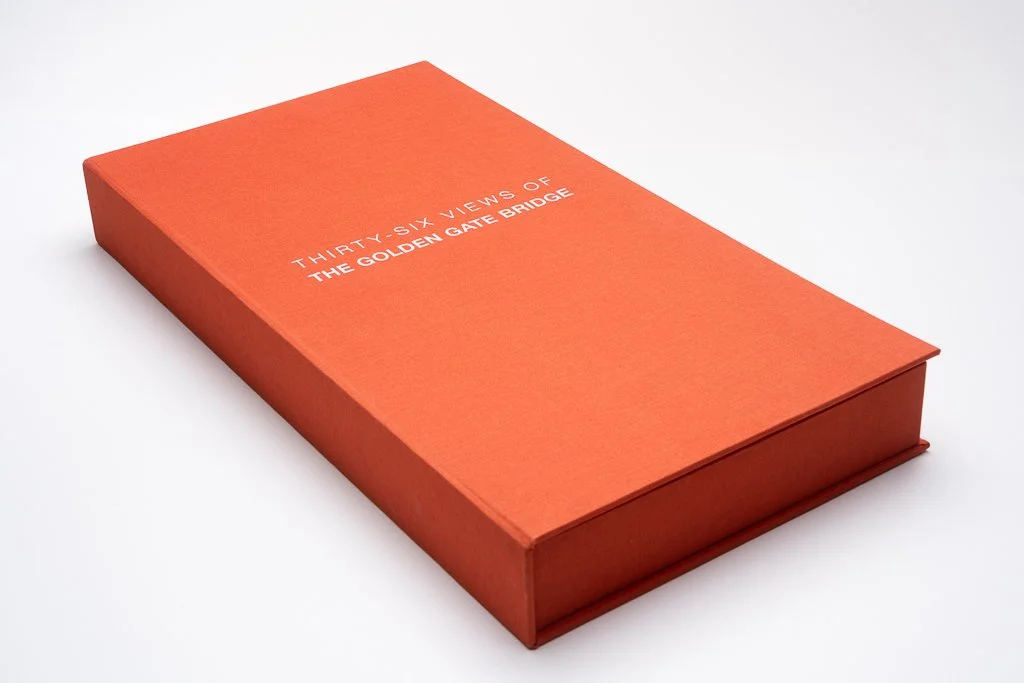
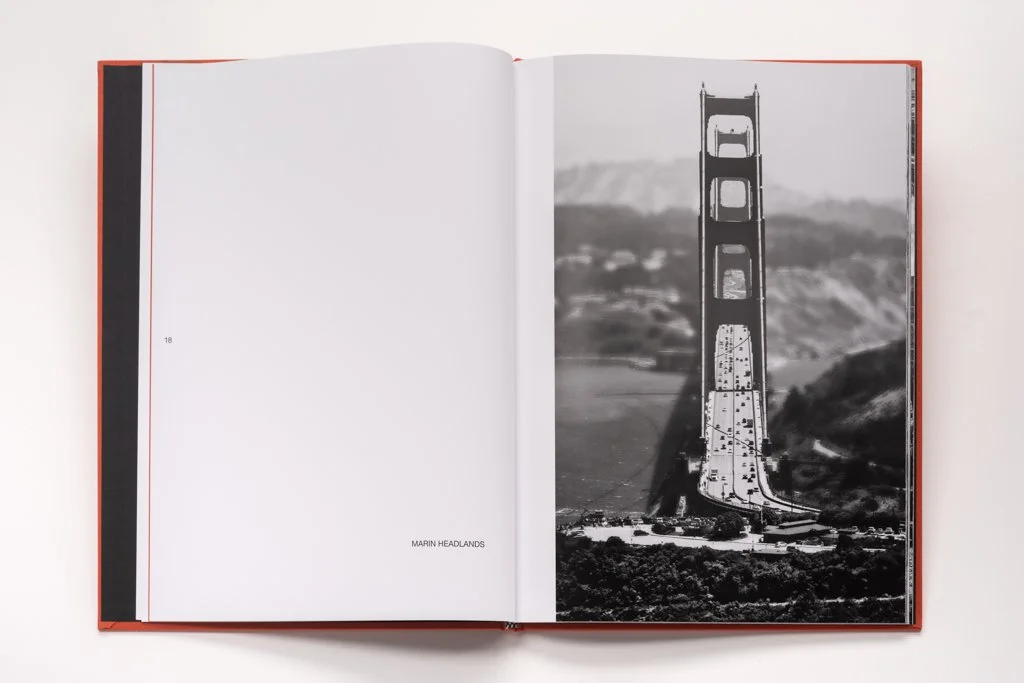
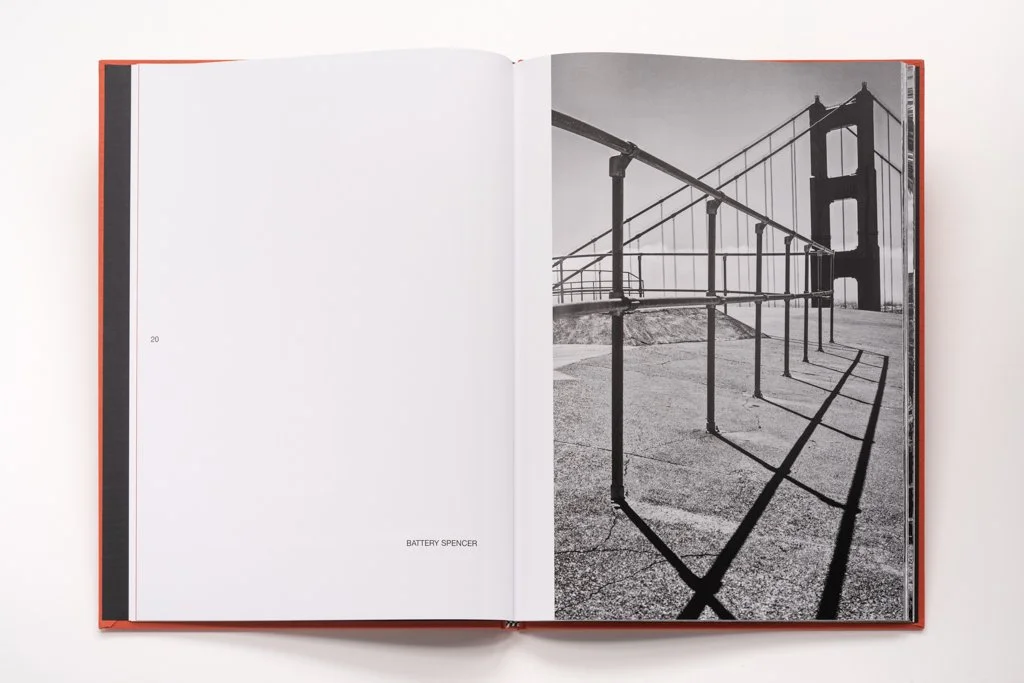
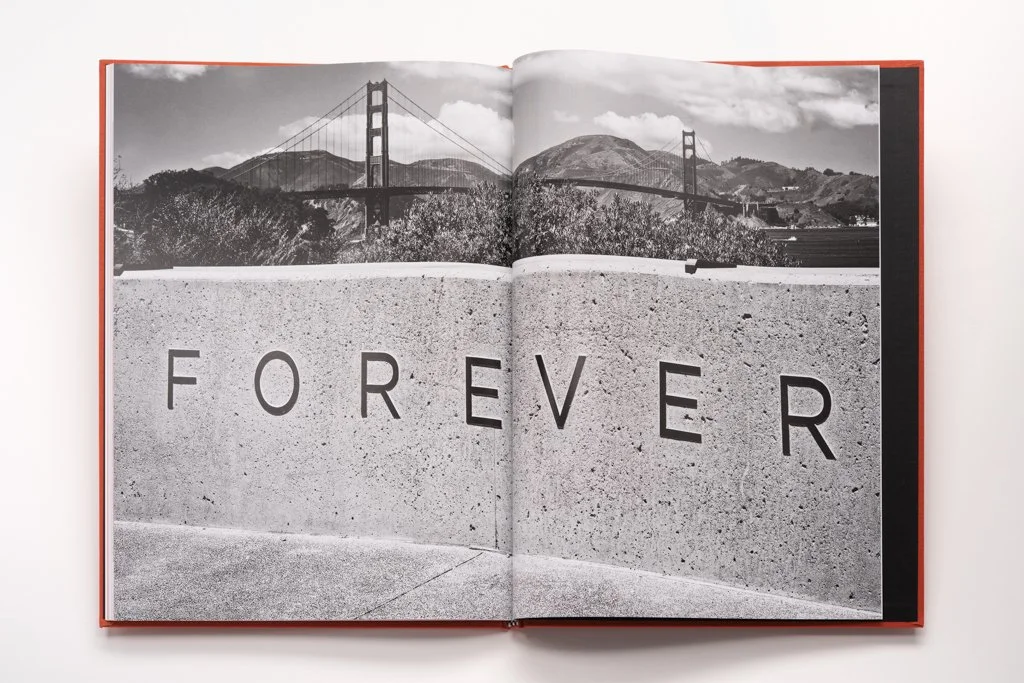
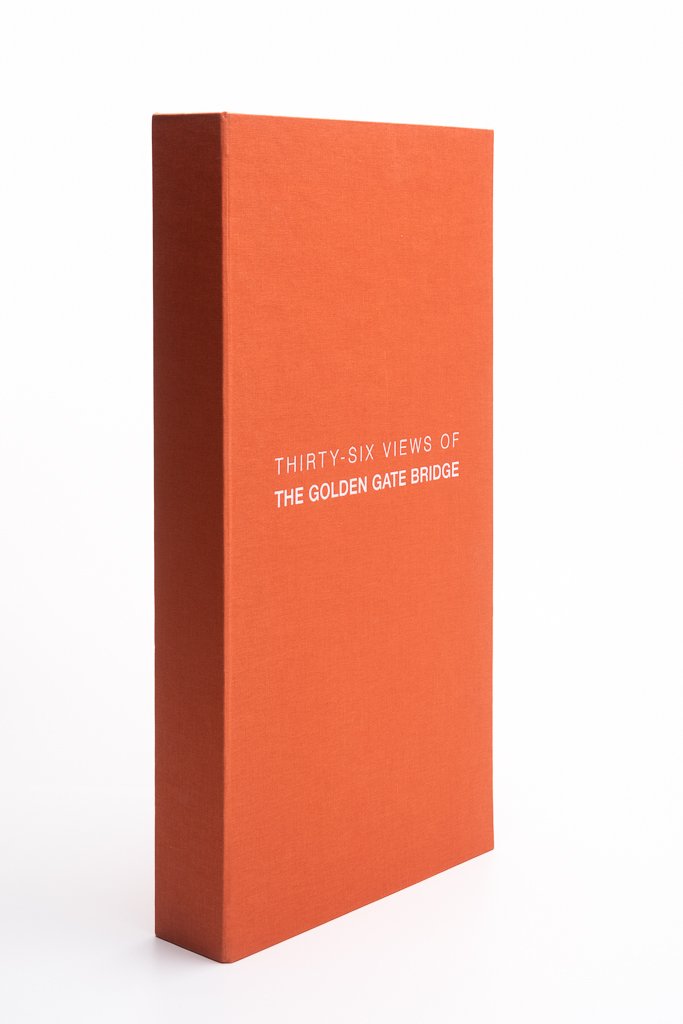
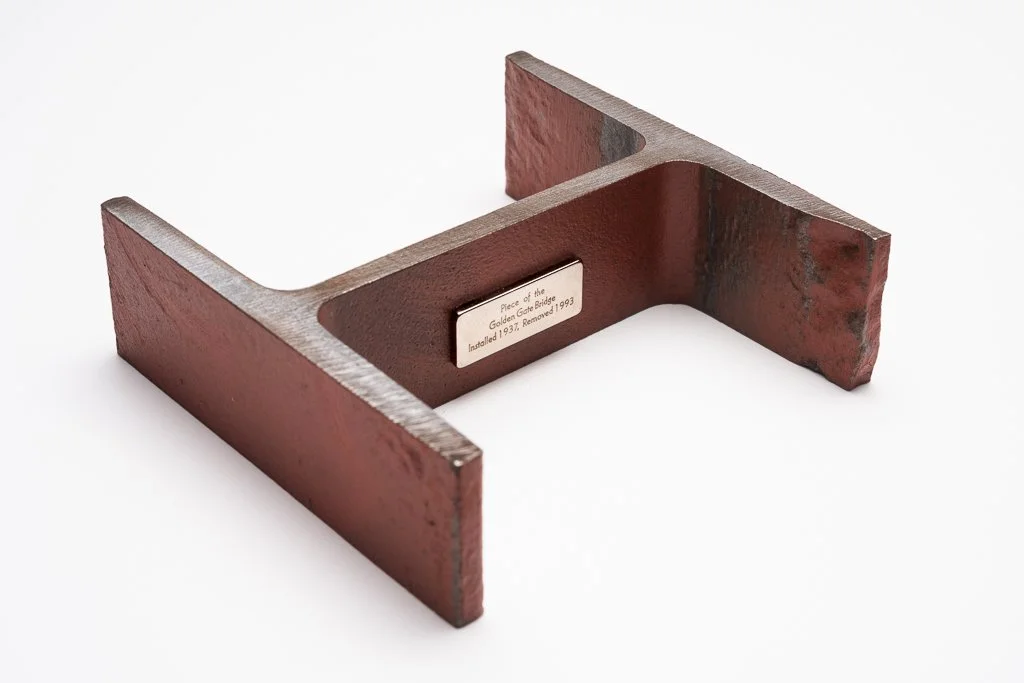
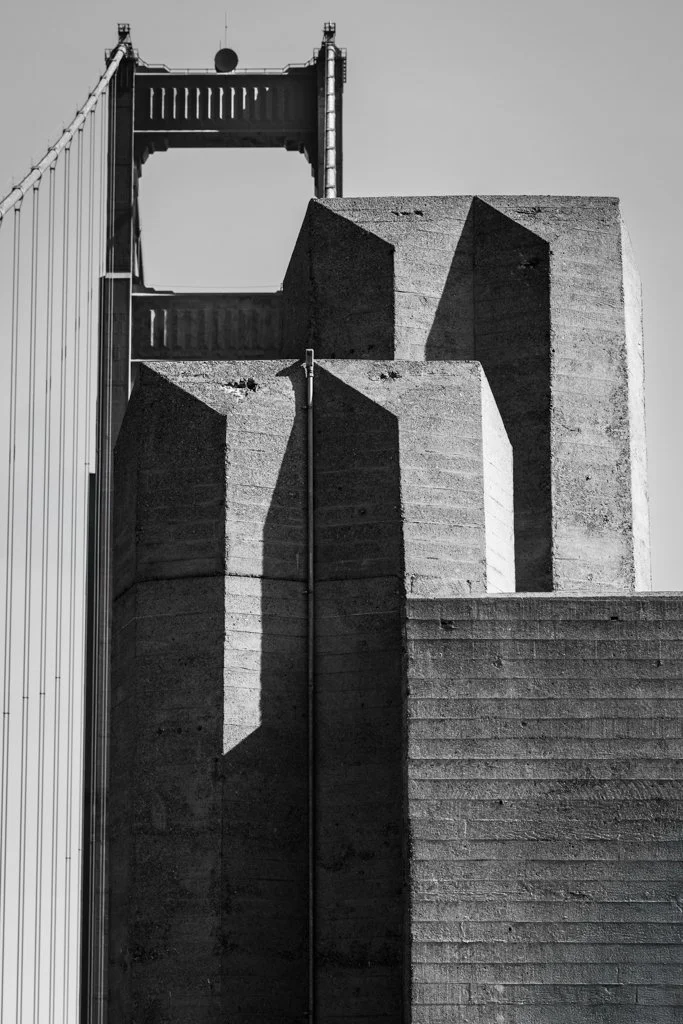
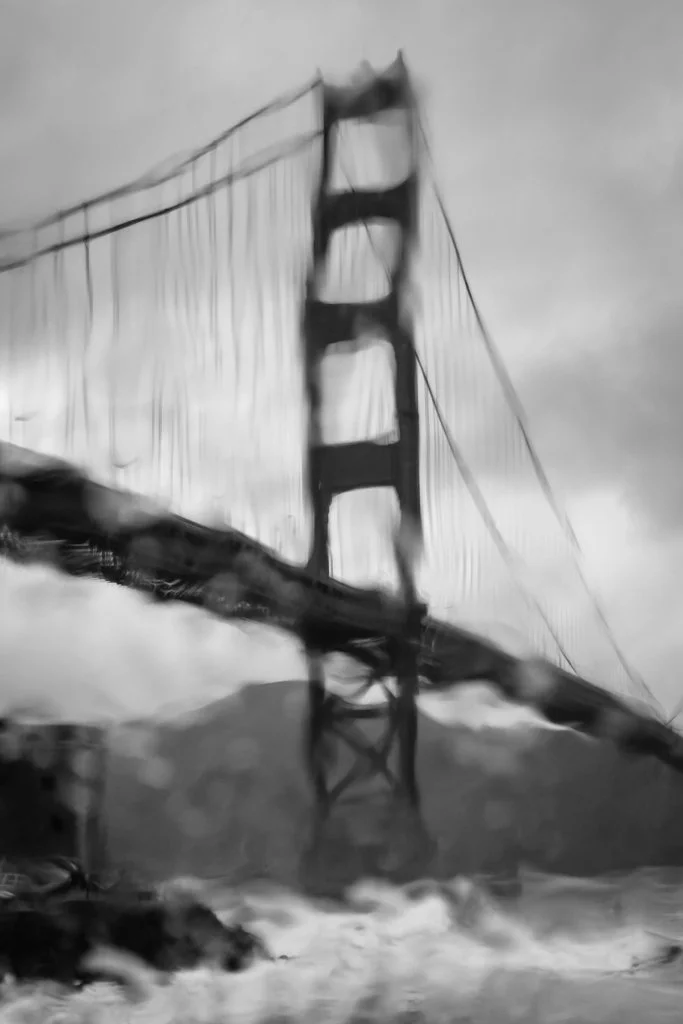
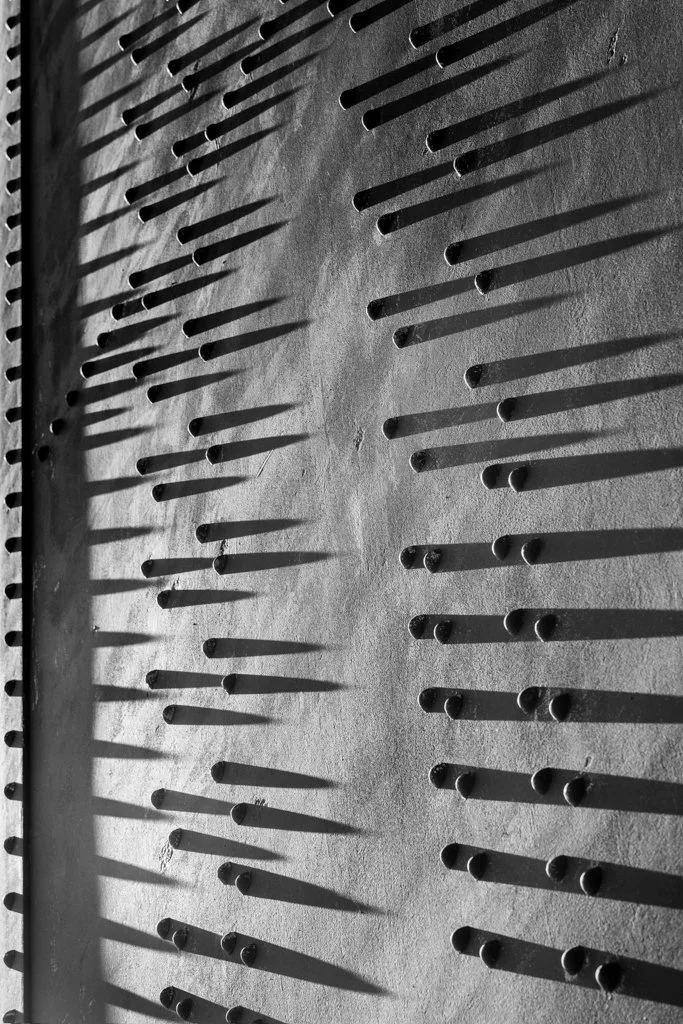
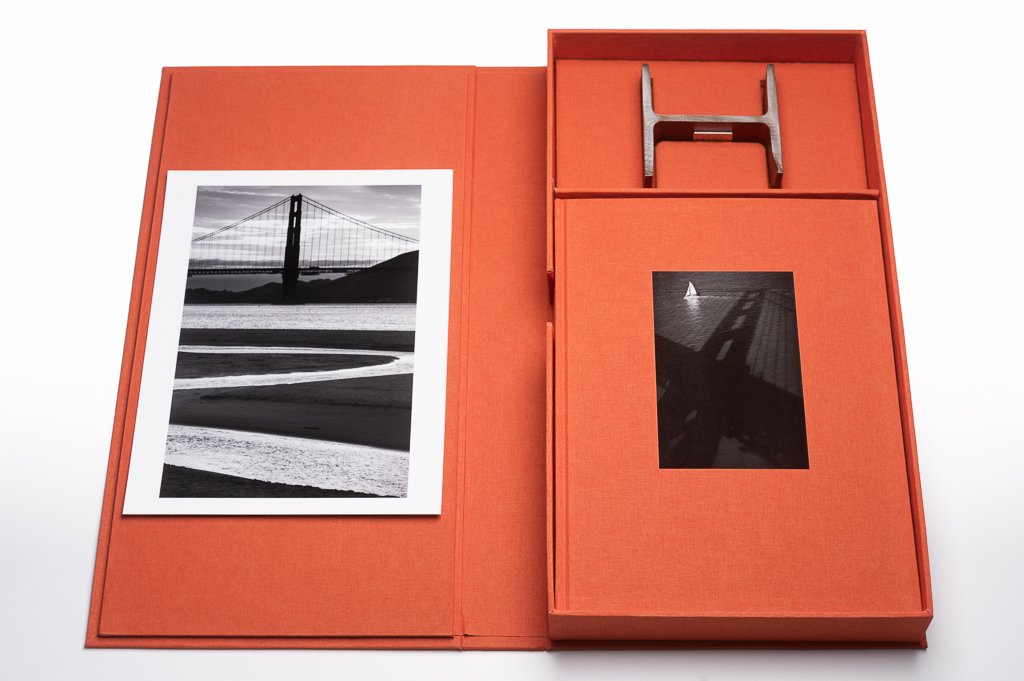
Thirty-Six Views of the Golden Gate Bridge is a self-published photobook by Arthur Drooker that takes on one of the most photographed landmarks in the world with deliberate restraint. Inspired by Hokusai’s Thirty-Six Views of Mount Fuji, Drooker set himself clear limits: no postcard views, no color, and no obvious angles. Working in black and white, he focused on line, structure, weather, and unexpected vantage points to strip the bridge of familiarity.
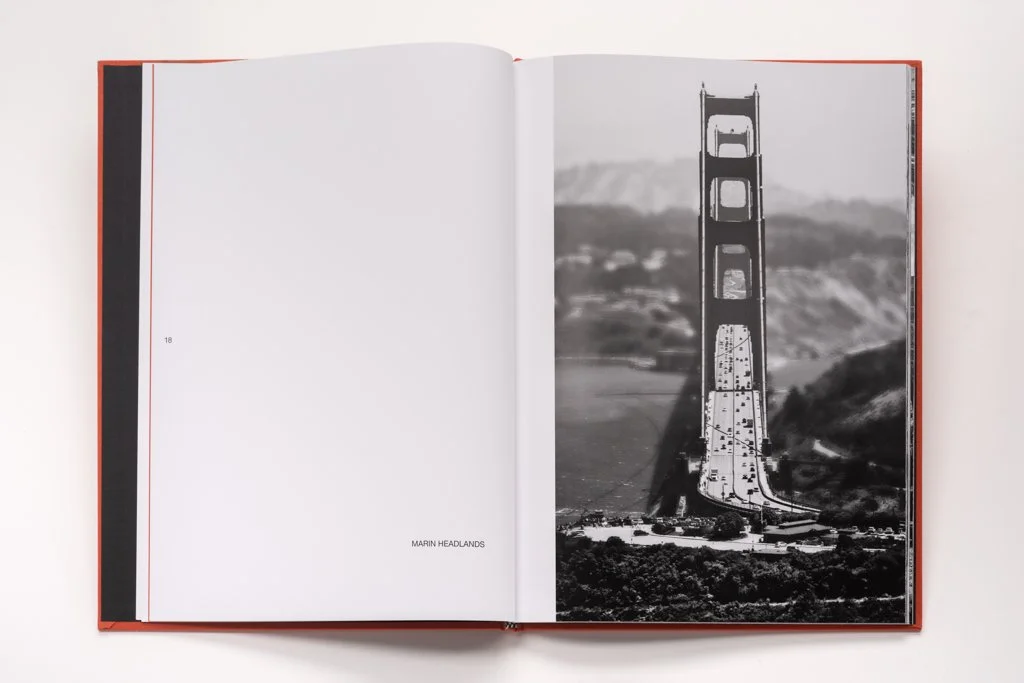
Photographed over the course of two years, the book presents 36 carefully edited images chosen from a much larger body of work. Rather than offering a greatest-hits collection, the sequence builds a quiet visual narrative, moving through fog, shadow, detail, and distance. The result is not a celebration of the bridge’s fame, but a disciplined study of how sustained attention and clear rules can make even the most overexposed subject feel new again. (Website)

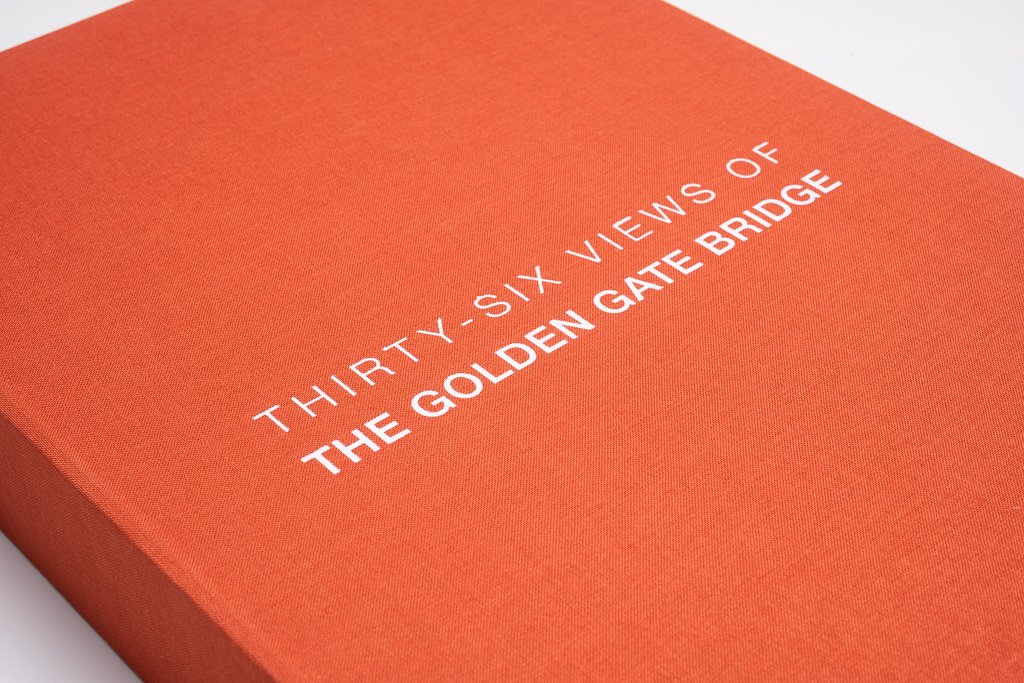
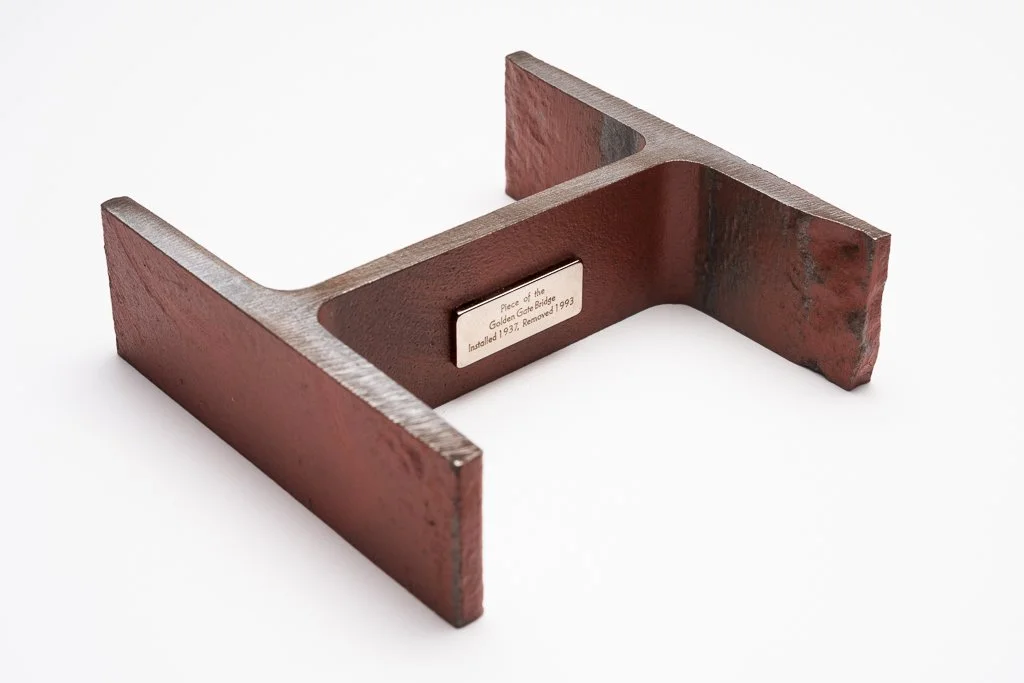
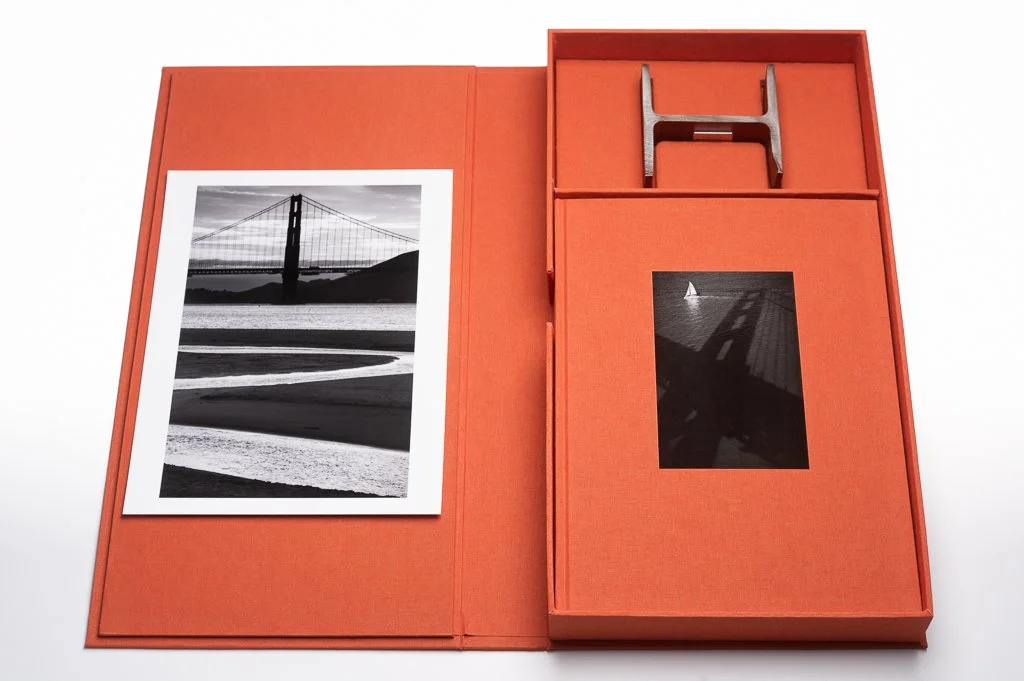
Project Start: What made you decide to photograph the world's most photographed bridge and why did you choose Hokusai's art as your guide?
My decision to photograph the Golden Gate Bridge came about spontaneously. I live in Marin County, just over the bridge from San Francisco. One day in 2022, while crossing it, I asked myself, "Is it possible to see the bridge anew?" Right then, I decided to do just that. It was a self-imposed challenge: make photographs of the bridge I hadn't seen before.
I chose Hokusai's Thirty-Six Views of Mt. Fuji as a guide for two reasons:
1) His woodblock series showed how to see a familiar landmark from different perspectives, in different kinds of weather, and at different times of year. It was a visual tradition I wanted to follow, and
2) organisationally, thirty-six views gave me an ending to work towards. Without it, this project could have easily gone on forever. In fact, there's a photographer in San Francisco right now who's been working on his own Golden Gate Bridge photo series for the past seven years with no end in sight. I didn't want that to happen to me. Having thirty-six views as a guide imposed a sense of discipline. This didn't mean I would stop photographing after making the first thirty-six photos. Hardly. But at least I went in knowing there would be a definite end.
Breaking Rules: You created three rules for this project, no postcard shots, only black and white, and unusual angles. Which rule was the hardest to follow and why?
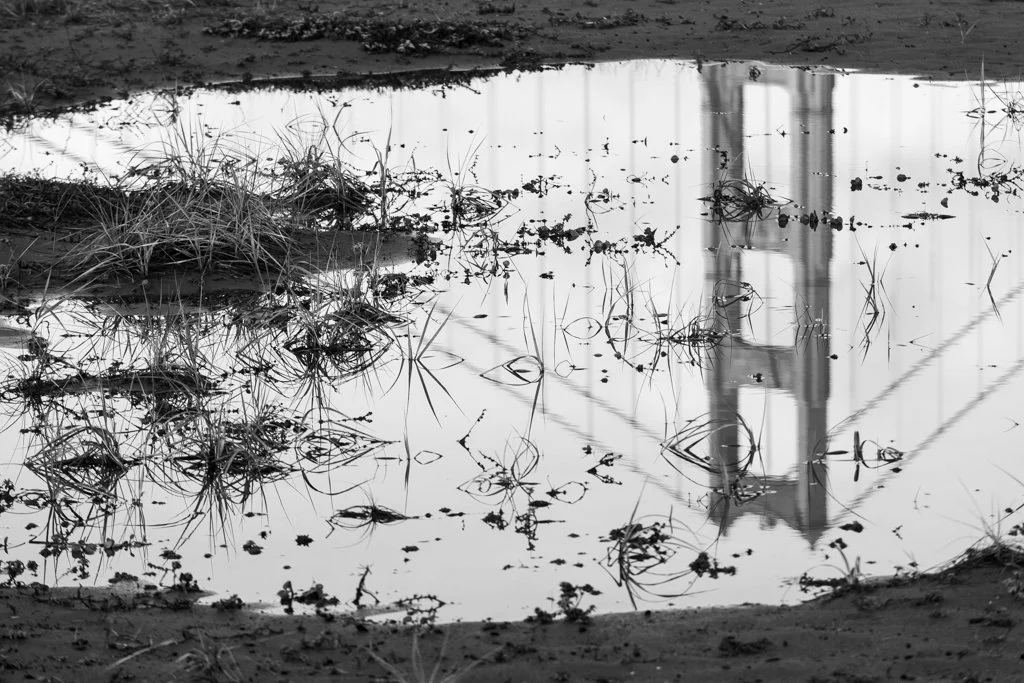
Undoubtedly, the hardest rule to follow was finding unusual angles from which to photograph. Given that the Golden Gate is the most photographed bridge in the world, one has to search high and low, over and under, for unusual angles that still make good photographs. The angle couldn't be unusual for its own sake. It had to serve a purpose. For example, I photographed the bridge from under a dilapidated dock, and the contrast between the rotting wood of the dock and the still gleaming steel of the bridge resonates with history and emotion. I was always looking for visual tension or harmony in these unusual angles.
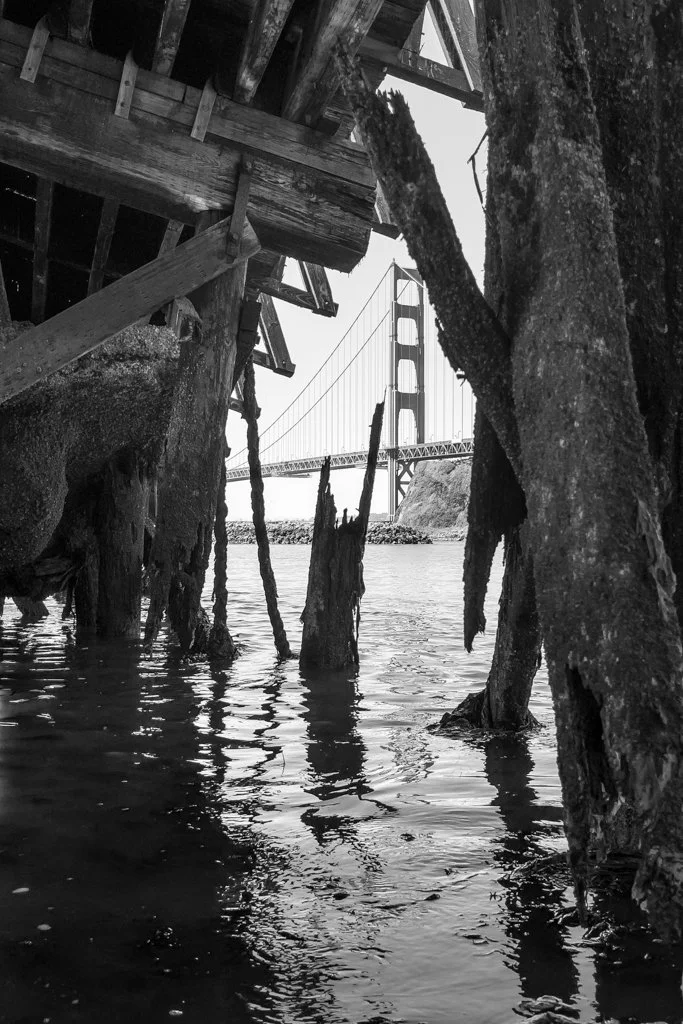
That shot from under the dilapidated dock where rotting wood contrasts with the bridge's steel. Can you walk me through what you saw that day and how you knew this would work?
I made that photo at the Presidio Yacht Club on the Marin side of the bridge. Before I went there to photograph, I assumed I would shoot the bridge through the masts of boats. But the morning I was there, the tide was unusually low, which opened up a wider space to explore, including underneath this dilapidated dock. At that moment, I knew there was the potential for a more interesting shot than one of the bridge through masts. And sure enough, there was! Because of the low tide, I was able to walk under this old dock. The rotting wood underneath it created a jagged portal through which to view the bridge. The contrast between the rotting wood and the gleaming steel of the bridge was very dramatic, as was the cool, dark underside of the dock and the warm, sunny exterior outside it. The shot made itself!
Finding New Views: How did you find places to photograph that even locals haven't seen before?
First, I looked online and in photo books to see what had been done and resolved not to photograph from those angles. Then, I explored the bridge itself and areas on both sides of it that I thought might yield good angles from which to photograph. Some days I came up with nothing. On other days, angles I had previsualised worked as planned. There were days a previsualised angle didn't work at all, but an unexpected angle nearby turned out to be a wonderful surprise. There were still other days I had no expectations at all and explored freely in the fullest sense. Even if I came up with nothing, that was okay. I just loved being around the bridge because it endures as a symbol of possibility. You can feel that when you're around it.
Black and White Choice: Why did you remove the bridge's famous orange colour from your photos, and how does black and white help people see the bridge differently?
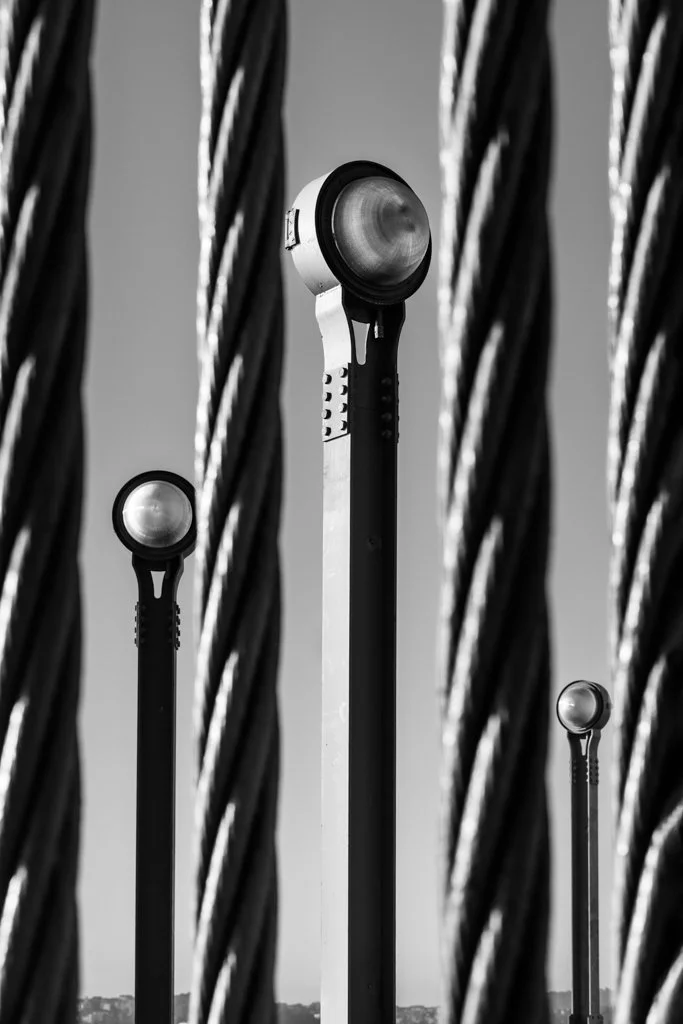
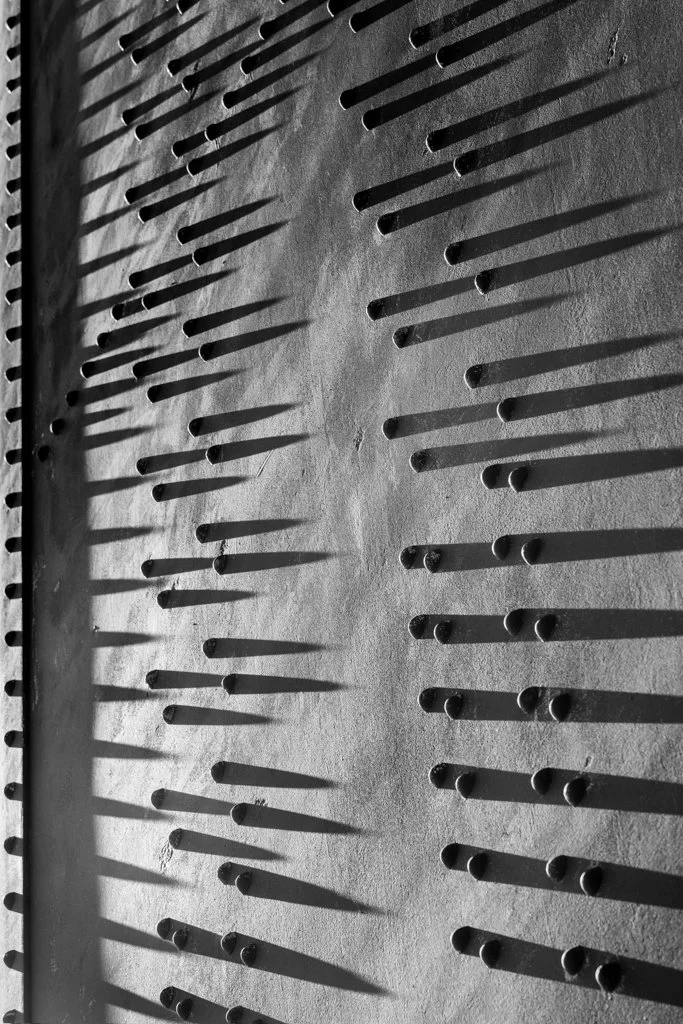
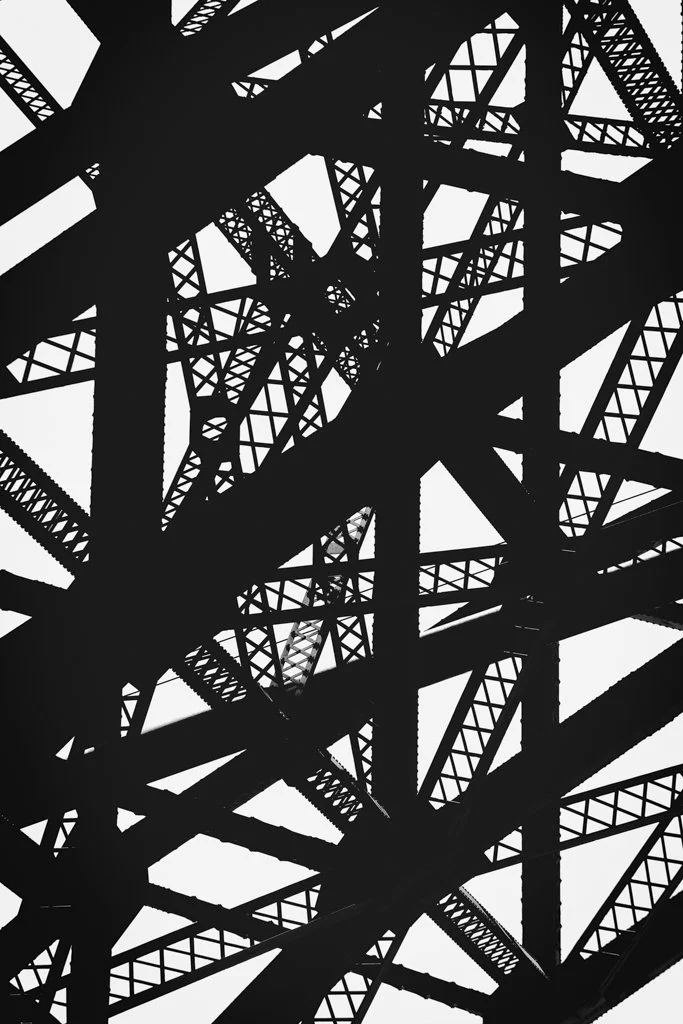
Photographing the bridge in black and white was probably the boldest choice I made. The bridge's orange colour is such an instant identifier that choosing not to photograph in colour seems almost blasphemous. But that's precisely one of the two reasons I chose to make black and white photographs. We're so used to seeing colour photos of the Golden Gate Bridge that a visual numbness has set in. By "visual numbness" I mean the repetition of seeing the same thing in the same way blinds us to seeing the thing deeply, if at all. Making black and white photos of the bridge forces the viewer to take a new and deeper look at the bridge without the distraction of colour. The other reason I chose to photograph in black and white is that black and white reduces a subject to its essence by drawing attention to line, form, shape, shadow, and structure. It's why a lot of the best architectural photography is in black and white. The bridge is architecture.
Two Years of Work: You photographed the bridge for two years. How did you keep seeing it in fresh ways instead of getting bored?
I photographed the bridge over the course of two years. That doesn't mean I photographed it every day for two years. And that's a crucial difference. I would take deliberate breaks, lasting a few days, sometimes weeks at a time, from photographing the bridge to give my eyes a rest from seeing it intensively. These breaks allowed me to come back and see the bridge fresh again. These breaks also helped me sustain passion for the project and to assess where I was with the series.
How did you know when it was the right moment to come back to the bridge?
Sometimes knowing when to resume photography comes down to a feeling. It's like returning from a vacation, tanned, rested, and ready to go! Other times, as in the case of the Golden Gate Bridge series, even though I took breaks from photographing, I was still around the bridge, either driving across it or hiking both sides of it, so if something caught my eye a dramatic shadow at a particular time of day or an unusual angle seen in passing I would make a mental note of it and check it out later. But not much later!
Choosing 36 Photos: You picked only 36 photos from about 100 good ones. How did you decide which photos to keep and which ones to leave out?
Even though I love the editing process, it can be excruciating. Inevitably, one must kill a darling or two. But it's part of the process of creating a lean, mean sequence of images that takes the viewer on a visual journey. Todd Hido has famously said, "All killer, no filler." I agree!
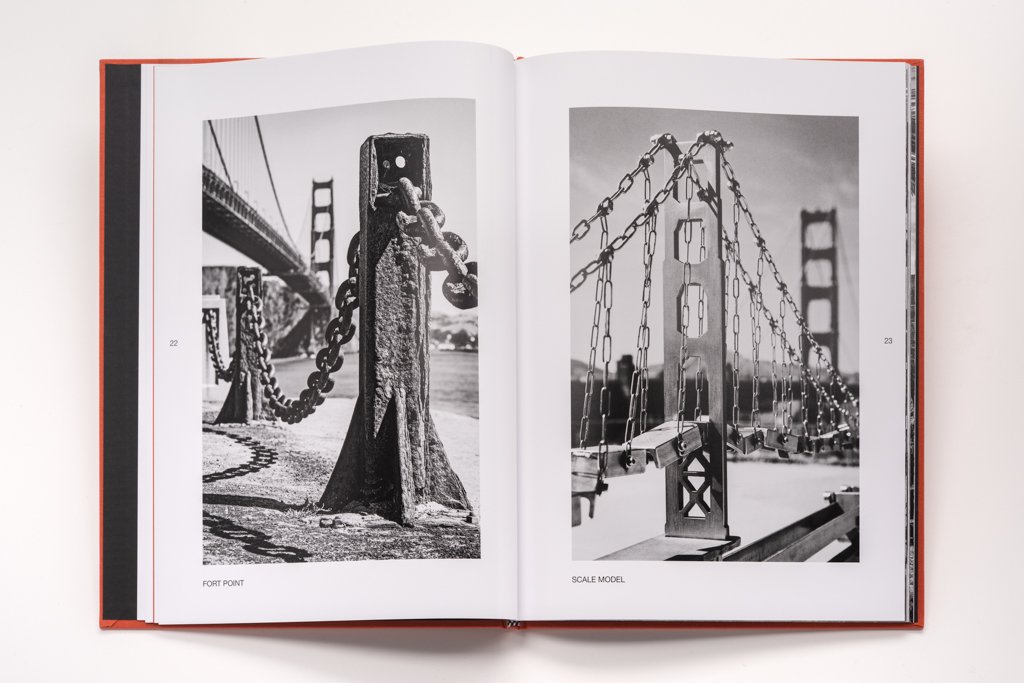
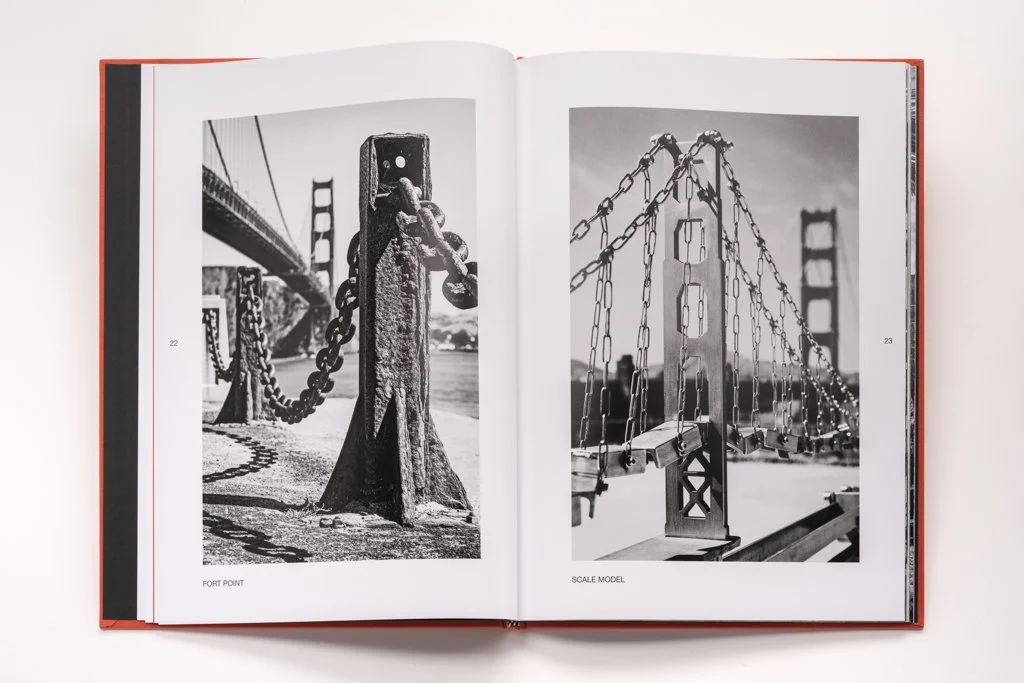
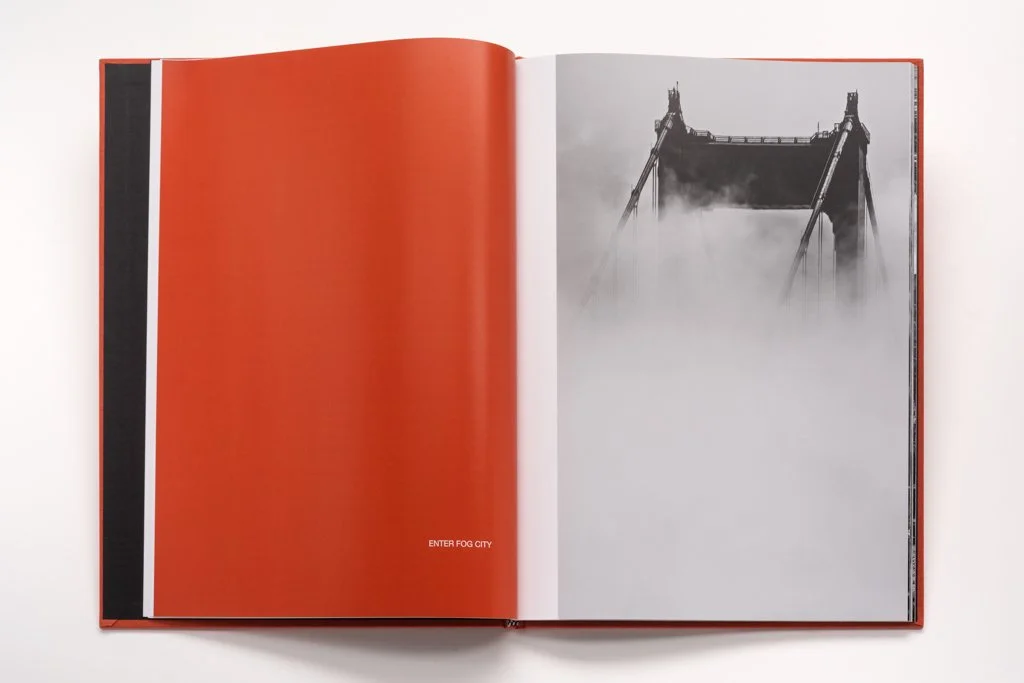
Going into the editing process, I knew right off that I wanted to show the bridge, as Hokusai did with Mt. Fuji, from different perspectives, in different seasons, and in all kinds of weather. This didn't mean I followed Hokusai slavishly, but I was certainly mindful of what he did. It wasn't enough to select thirty-six "greatest hits" and be done with it. Each image had to work on its own and also work with the image before it and after it to advance the visual narrative. I bookended the sequence with two photographs of the bridge in fog, which gave a sense of coming full circle. Within that, I endeavoured to create visual connections between images. For example, I placed an image of old rusty chains at Fort Point, echoing the suspension cables of the bridge, beside an image of a scale model of the bridge. In doing so, it feels like the chains in the scale model pick up where the rusty chains leave off. These two distinctly different images make a wonderful, unexpected connection. As much as possible, that's the kind of thing I was looking to do in the editing process.
That's fascinating about the rusty chains echoing the suspension cables, I'm curious how you discovered these visual connections? Were you actively looking for them during editing, or did they reveal themselves?
These visual connections can happen at any time. Certainly during the editing process when I'm playing around with sequencing. During this phase, I juxtapose photos, looking for visual elements that connect them. Other times, these connections occur while I'm out photographing, especially after I've been working on a series for a while and have amassed several photos. I might see something new that can connect with something I already have.
Fighting Visual Numbness: What tips can you share for photographers who want to make people truly look at familiar subjects?
- Go online and/or look at photo books to see what's been done before with familiar subjects and resolve not to repeat those shots.
- Knowing something about the history of the subject will deepen how you photograph it.
- Often, it's the subject in juxtaposition or in tension with something else nearby that makes for a good photo and helps the viewer see that familiar subject differently.
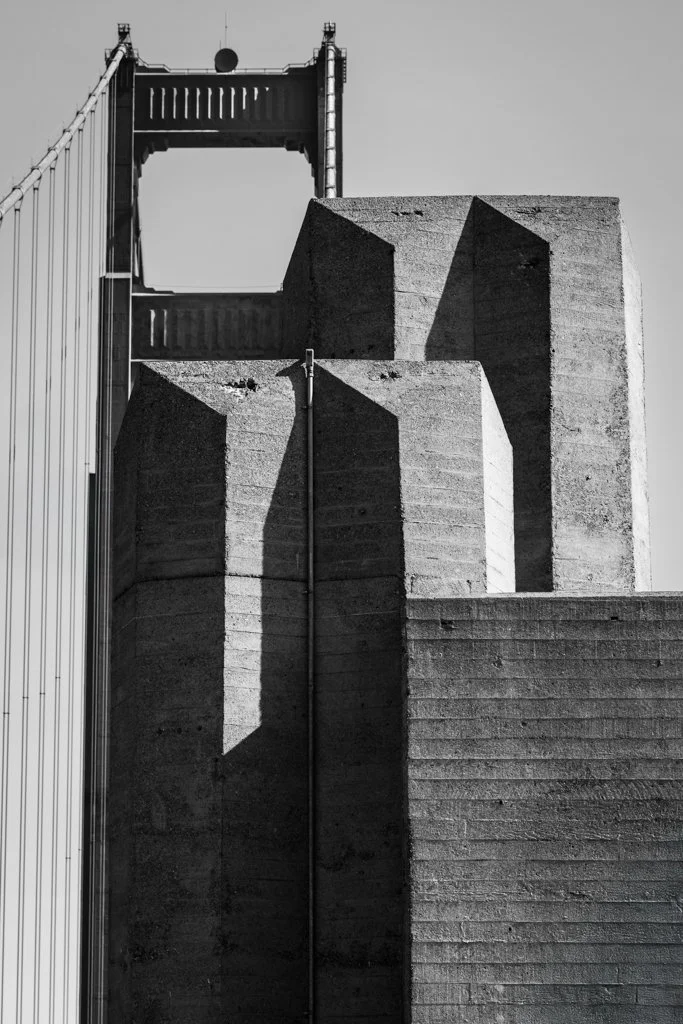
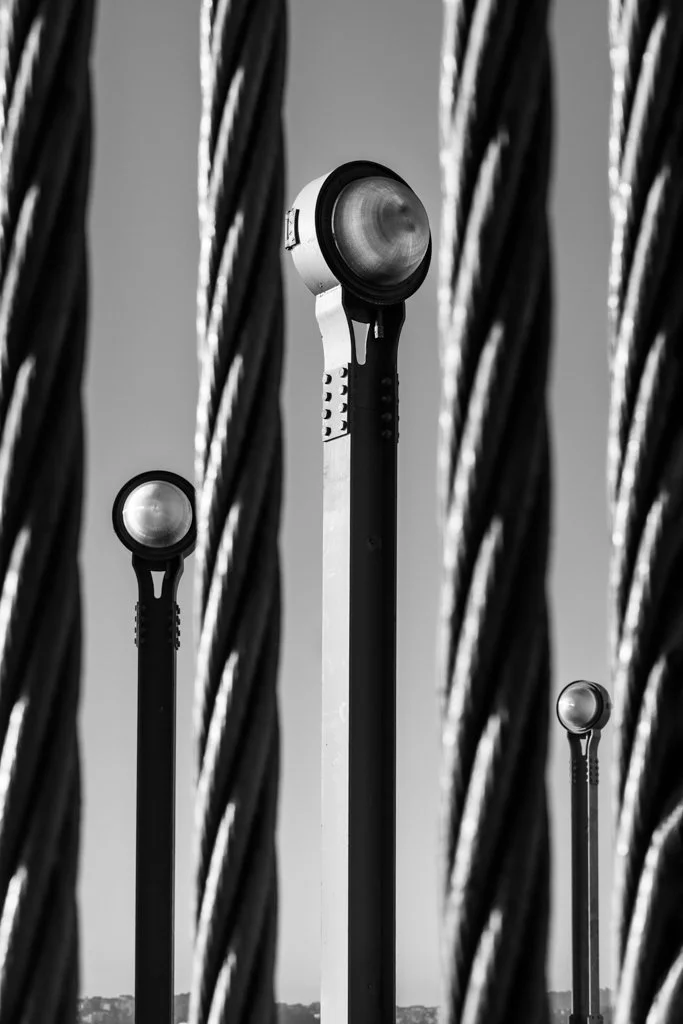
- Don't feel the need to shoot the familiar subject in its entirety in every photo. Vary it. Often, it's a detail or a section of it that makes for a memorable angle.
- If you're especially ambitious, think in terms of creating a long-term series (or even a book) of photos showing a variety of angles, taken near and far, at different times, so that you can arrange them in a sequence that tells a new visual story about a familiar subject.
Project Dialogue: You said the project "started talking back" to you and told you what it needed. Can you explain what you mean and how photographers can listen to their projects?
With every photo book I've done, I've always started with a preconceived notion of what the project is and how it should go. And invariably, once I'm immersed in the project, that preconceived notion changes in some way(s). I've learned it's all part of the creative process, and I'm okay with it. It's akin to the military axiom: go into battle with a plan but be prepared to change it once the first shot is fired. With me, potential changes start emerging once I'm around ten photos into a series. At that point, I have enough images to play around with sequencing and assess what I have. This allows me to see what is and isn't working and make adjustments accordingly. I've become so used to working this way that I look forward to it every time. It shows me I'm in the flow, and the series is evolving. I encourage my fellow photographers to be flexible enough to adjust as necessary and not feel obligated to adhere to a preconceived notion just because. Projects evolve and become what they're supposed to be if you let them.
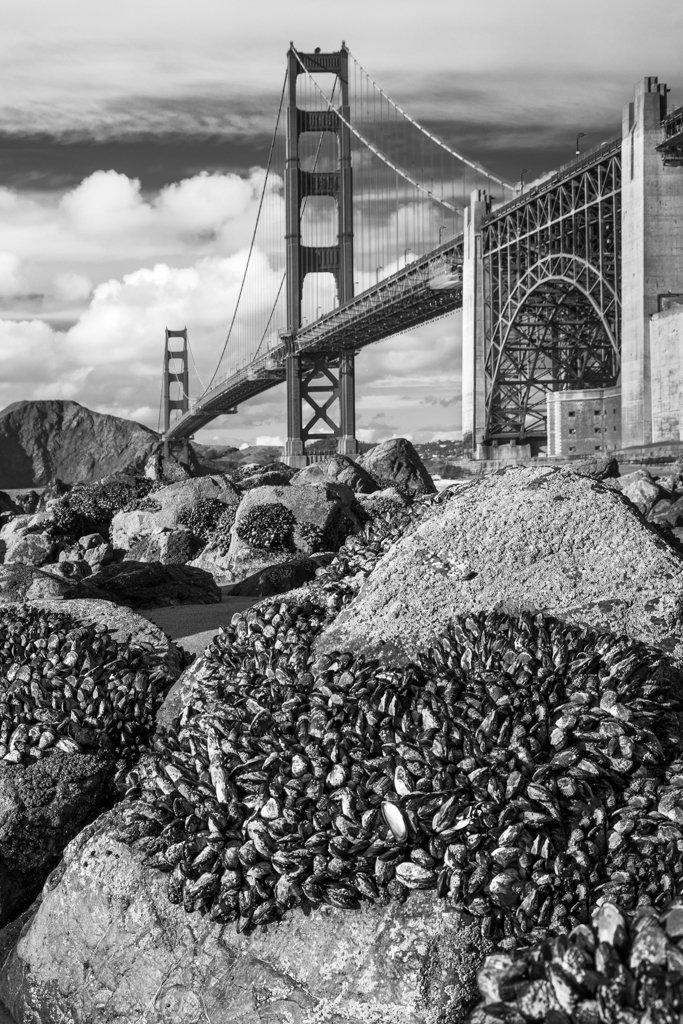
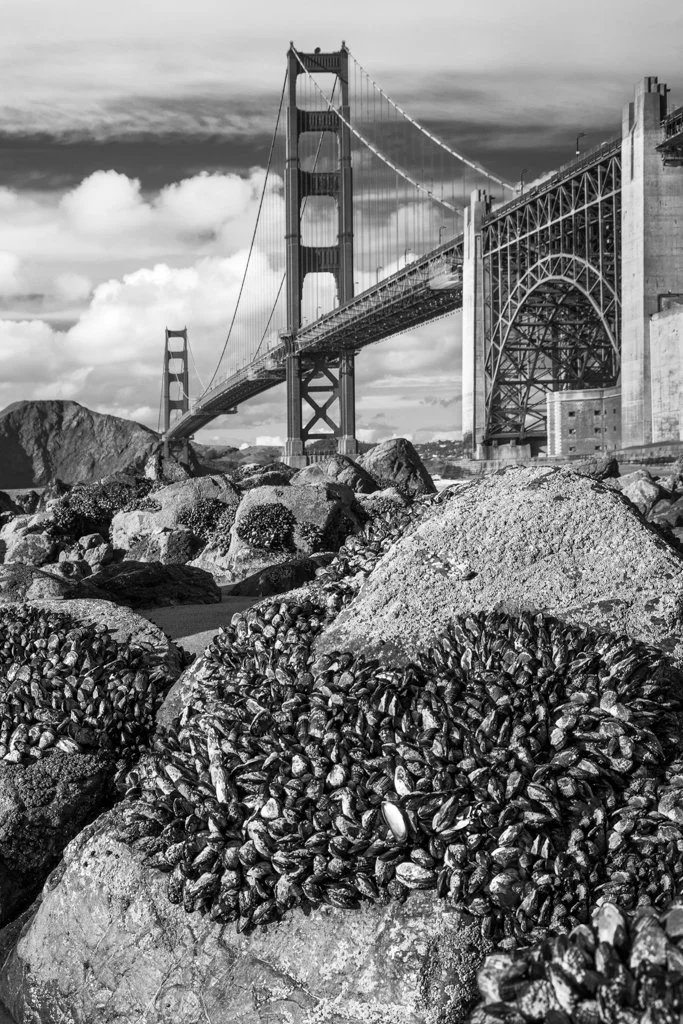
What was the most challenging angle to photograph from?
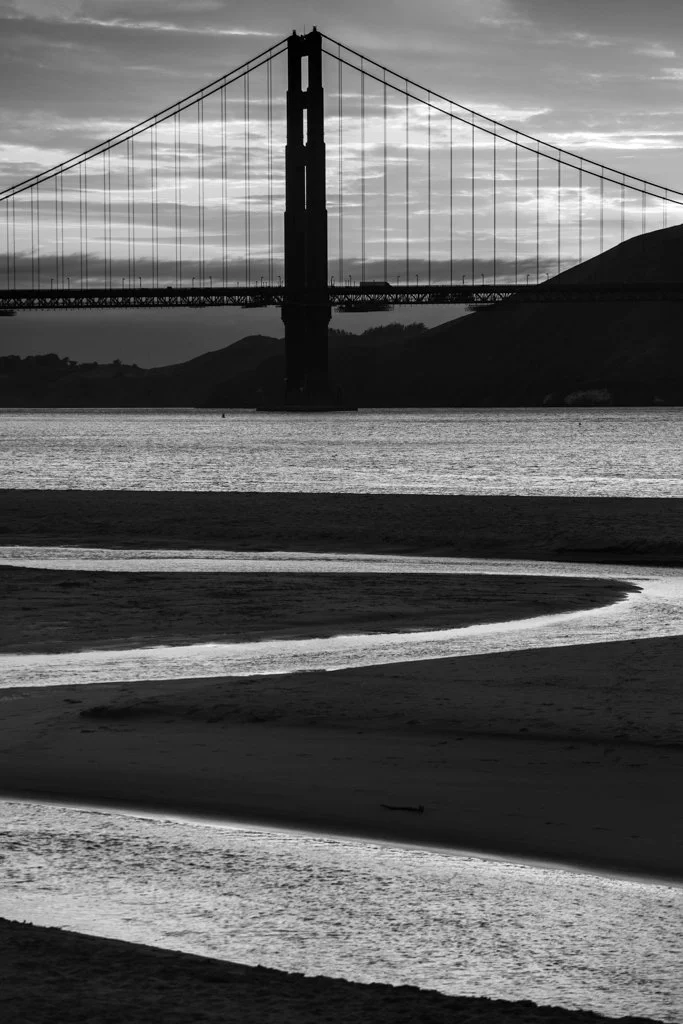
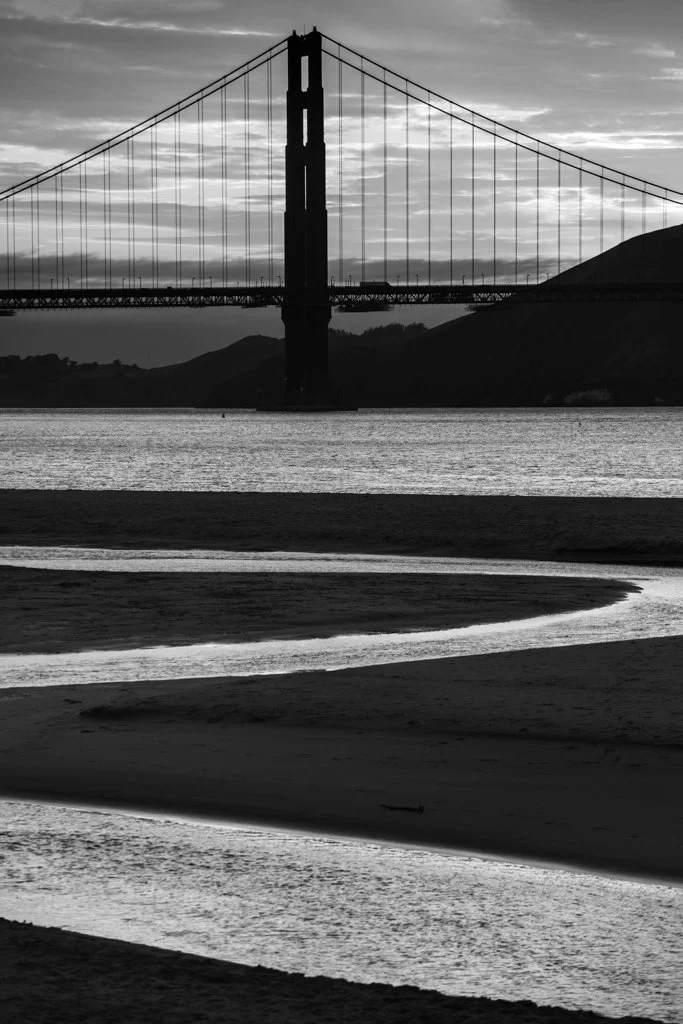
Without a doubt, the most challenging angle to photograph from was the view from Marshall's Beach (image above). It required the alignment of three critical factors: the weather, the tide, and the light. First, the weather. Since I was photographing in black and white, I had to make sure that there were clouds behind the bridge towers so they would stand out against the sky. In black and white, a clear sky is a shade of grey and so are the bridge towers. Clouds allow for separation between them. I frequently viewed the live cam from the bridge toll plaza, which faces north (the direction I'd be shooting toward) to see if there were decent clouds behind the bridge towers. Next, the tide. To make sure the tide was low enough to get the shot I had in mind, I frequently consulted tide charts. And lastly, the light. Marshall's Beach is located on the west side of the bridge, the side facing the Pacific Ocean, which meant that I needed to shoot in the afternoon to get the best light on that side of the bridge. So, in short, I needed clouds to the north on a sunny day at low tide in the afternoon. Many days, everything lined up but by the time I drove across the bridge, parked my car, and hiked down to Marshall's Beach, the wind might have swept the clouds away, or the tide was creeping up, or the sun disappeared despite the forecast. After several attempts (I lost count!), everything aligned one day, and I was finally able to make the photograph. Patience and persistence rewarded me.
More photography books?
We'd love to read your comments below, sharing your thoughts and insights on the artist's work. Looking forward to welcoming you back for our next [book spotlight]. See you then!
Gosbert Gottmann wanted war photographs that resisted easy reading. In Freiheit Freedom Воля, he works with images connected to the war in Ukraine and changes them through abstraction, distortion and deformation. Photography Book Spotlight