What Happens When You Photograph the Same Strangers Every Morning for Nearly a Decade? Peter Funch Explains
Welcome to this edition of [book spotlight]. Today, we uncover the layers of 'Tomorrow and Tomorrow and Tomorrow,' by Peter Funch (published by At Last Books). We'd love to read your comments below about these insights and ideas behind the artist's work.
Peter Funch photographed the same strangers every morning for years.
He stood on the same New York street corner and watched people repeat their daily routines. The work grew slowly, over nearly a decade, without chasing moments or dramatic events. Instead, it focused on habits, gestures, and small changes that appear only through time.
The interview looks closely at how this way of working shaped Peter Funch’s thinking.
He explains why repetition became more important than the single strong image. Drawing from projects like 42nd and Vanderbilt and Babel Tales, he talks about editing, failure, and unfinished ideas. The conversation also touches on privacy, observation, and the thin line between watching and caring.
The Book
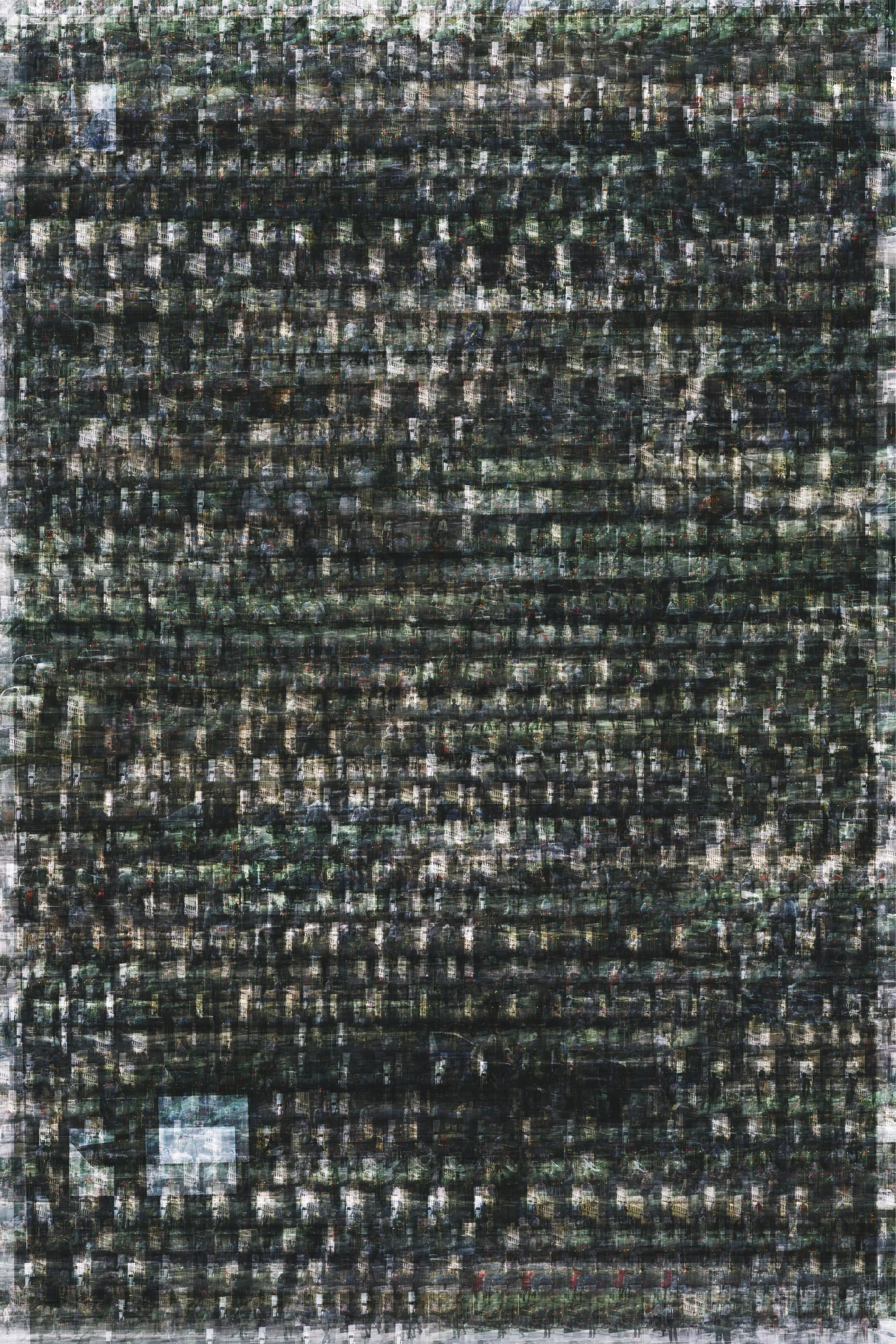
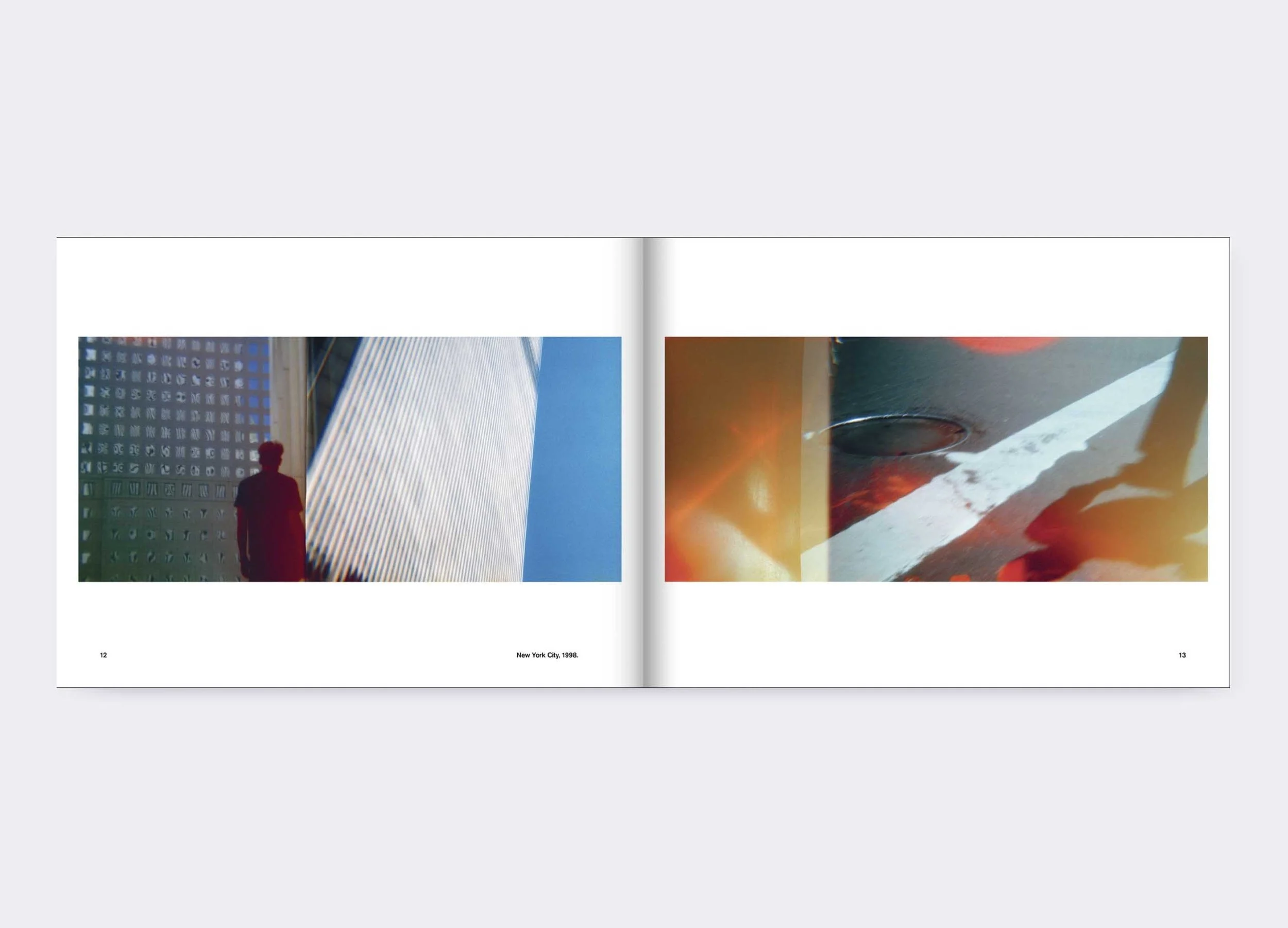
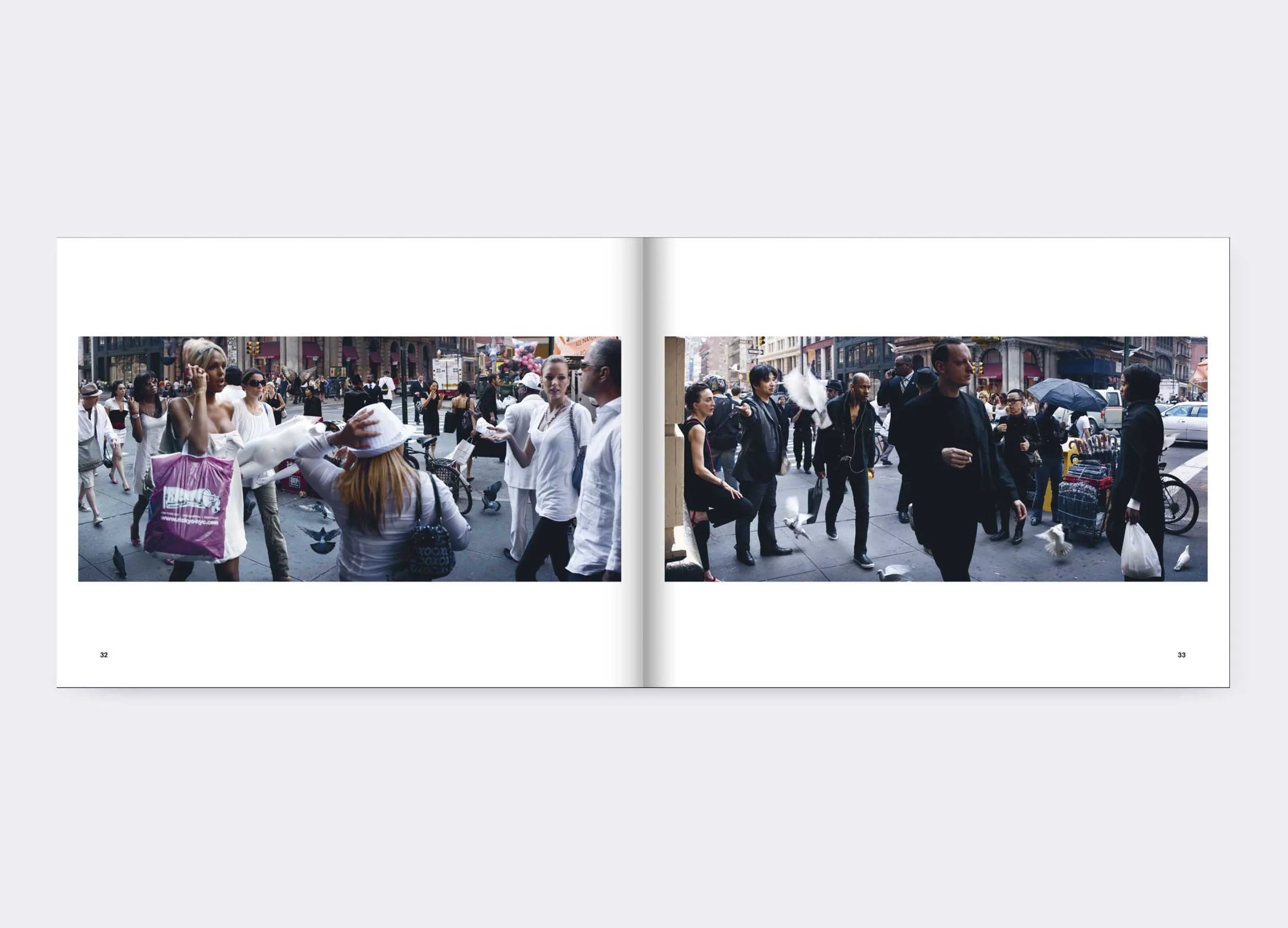
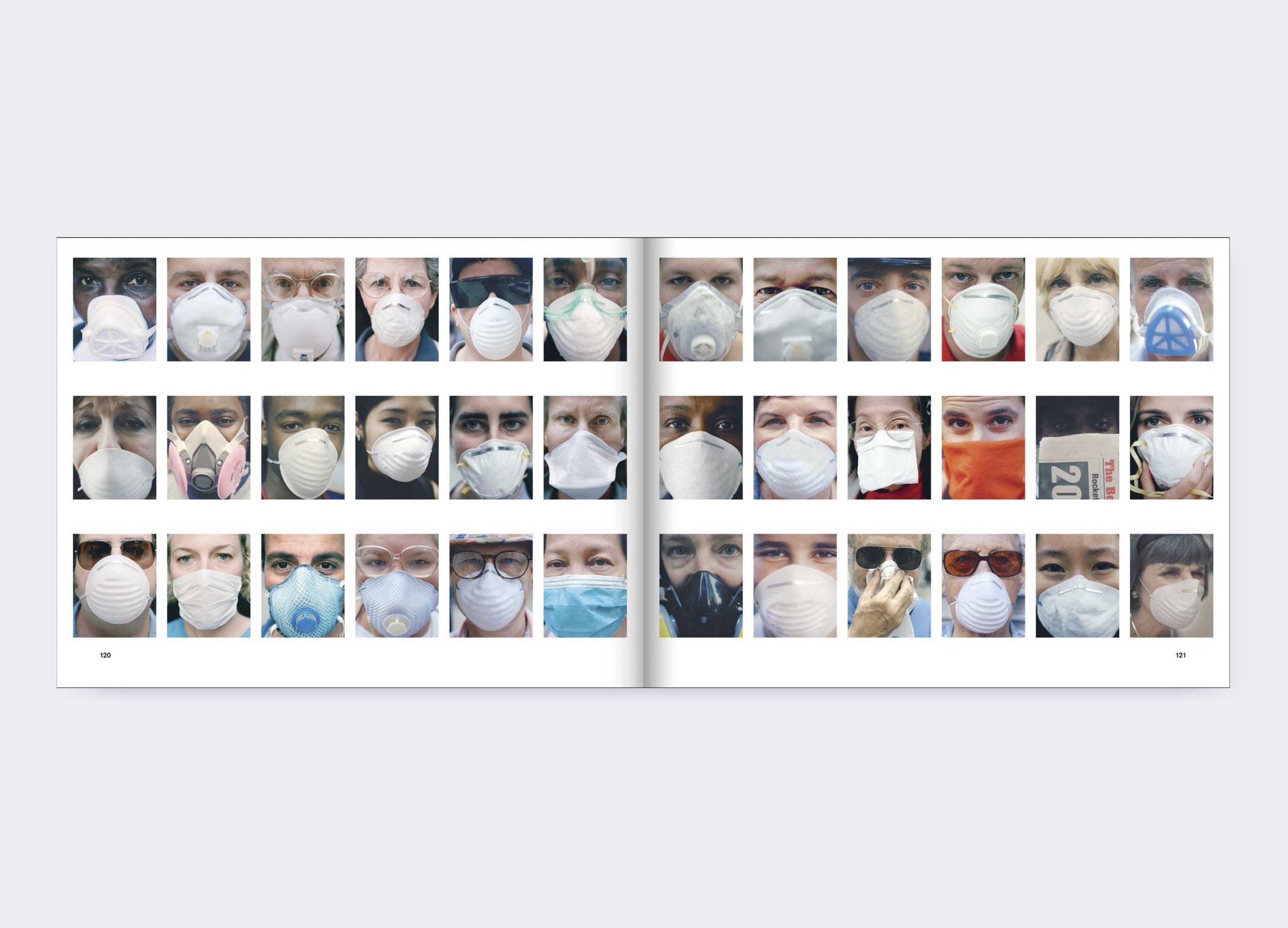
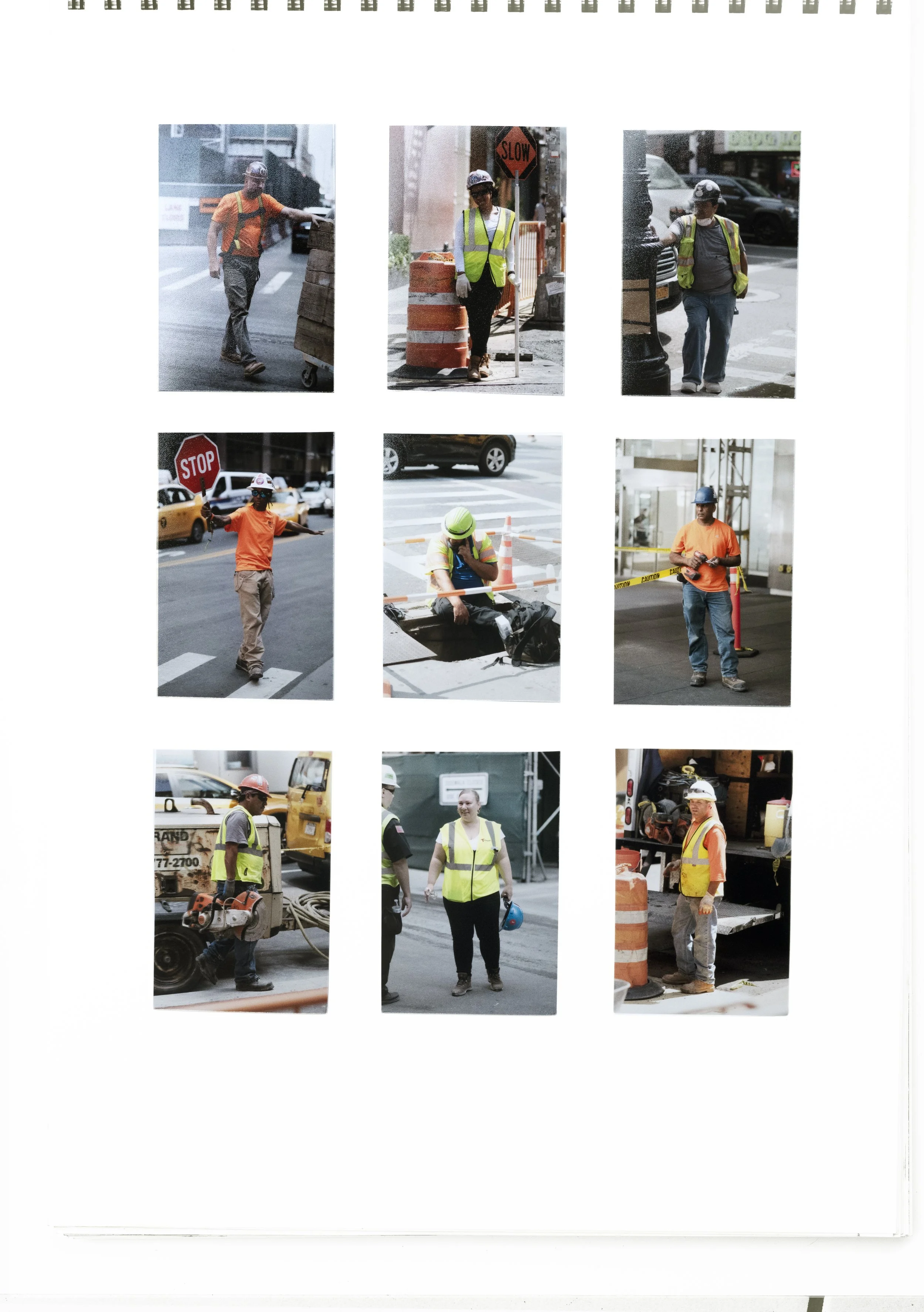
Tomorrow and Tomorrow and Tomorrow collects Peter Funch’s two most important photographic series into one volume for the first time. It brings together Babel Tales and 42nd and Vanderbilt, showing both the layered, collective moments of city life and the quiet rhythms of individual routines.
Across 256 pages, the book presents years of observation that look spontaneous but are the result of meticulous practice. Funch’s images reveal patterns in everyday life that most people miss, and they raise questions about how we live in public space and see one another.
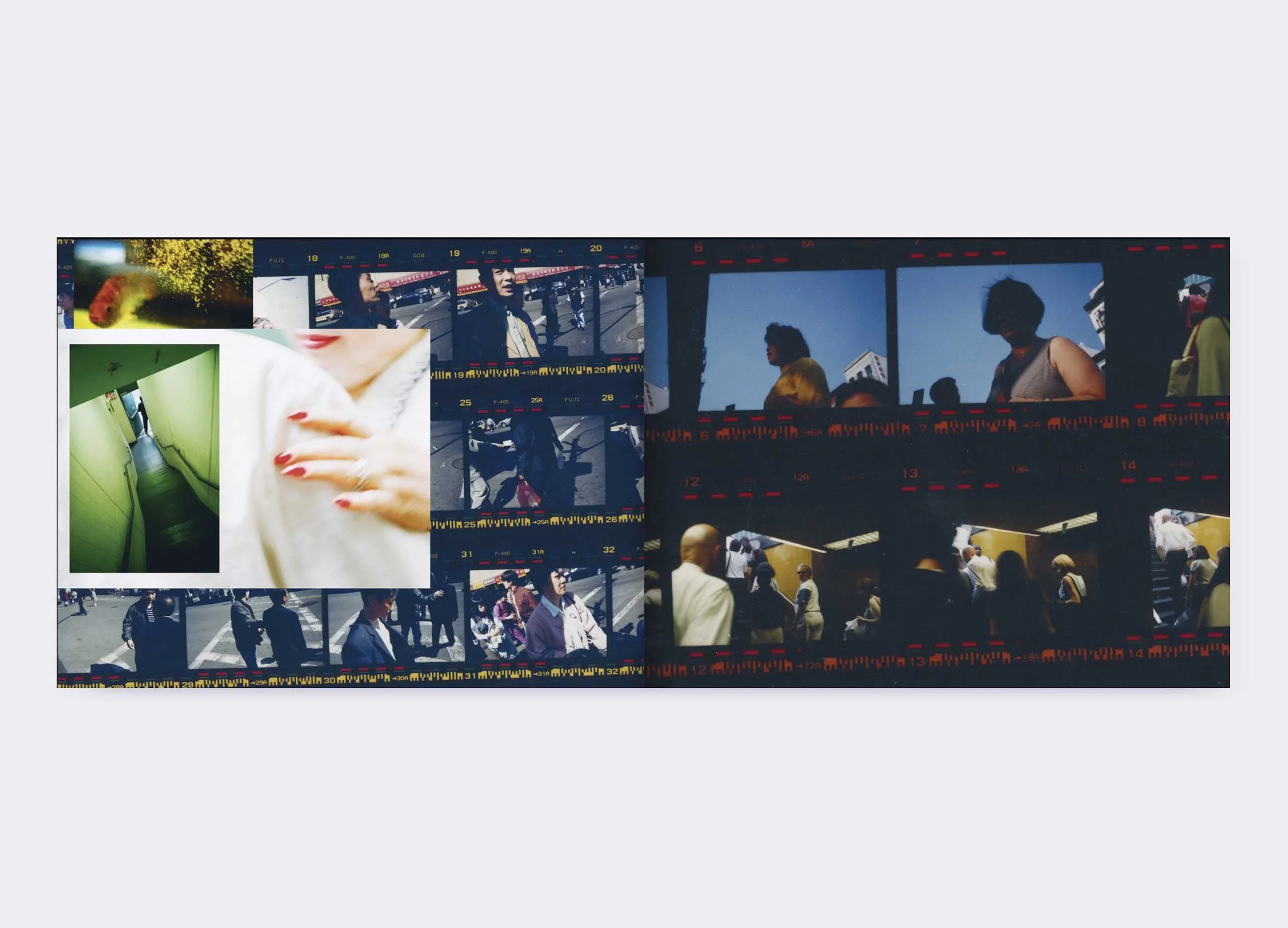
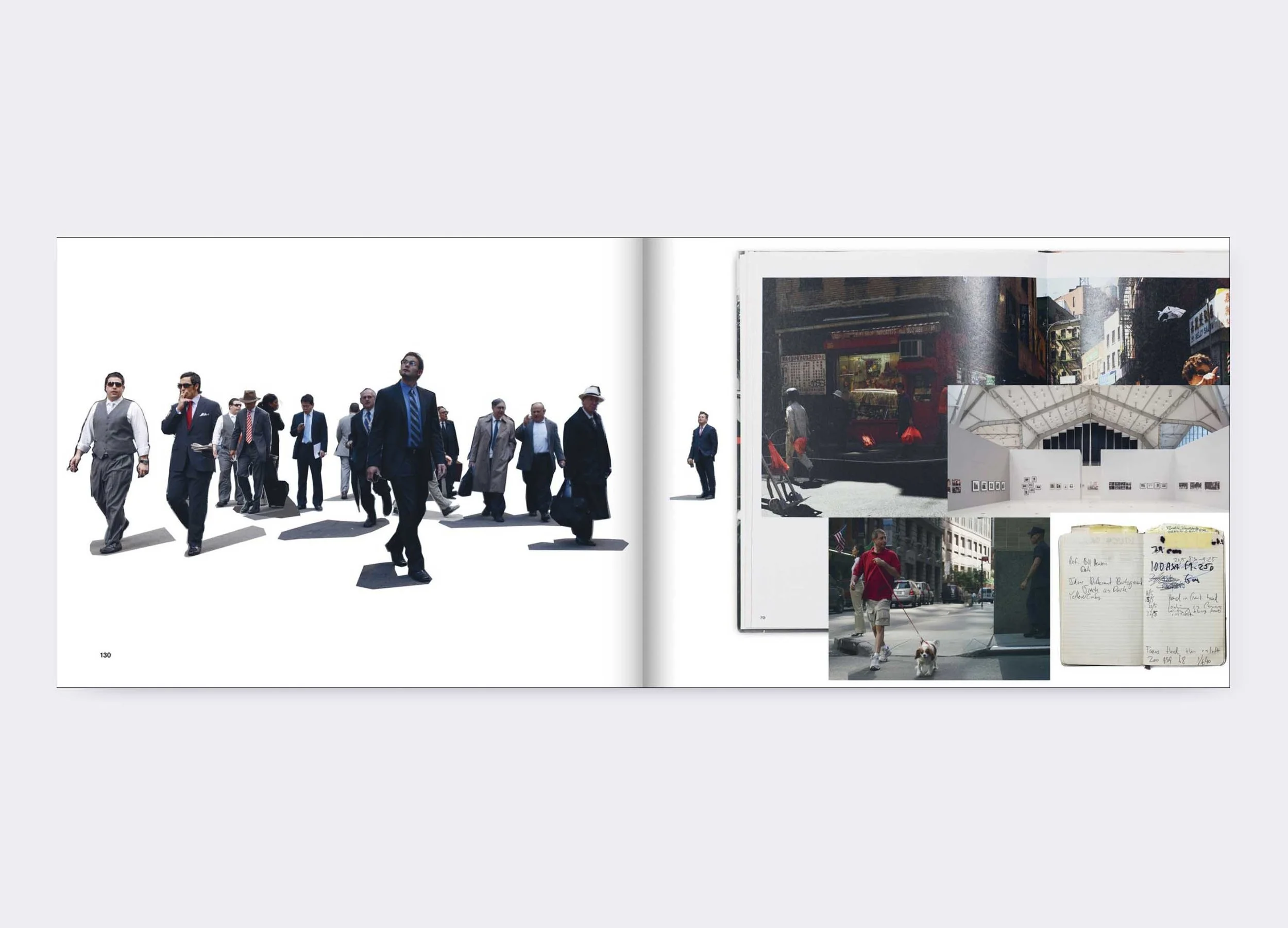
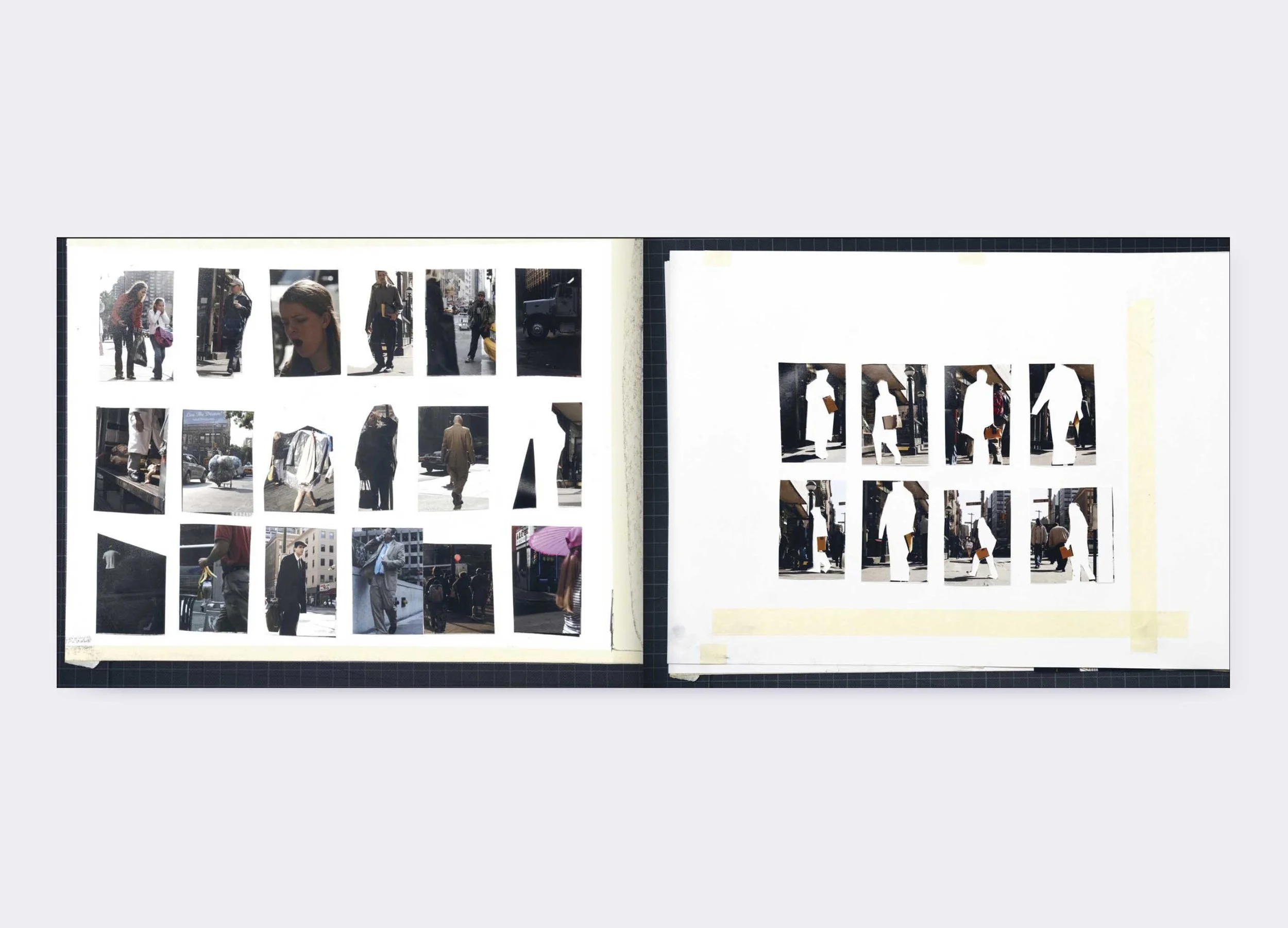
The publication also includes archival material such as notes and collages, giving insight into Funch’s creative process and how the work came together. With texts by writers and critics including Douglas Coupland and Paul Auster, this book is for anyone interested in how time, repetition, and human behaviour shape photographic meaning. (At Last Books, Amazon)
Project Beginning: What made you decide to put Babel Tales and 42nd and Vanderbilt together in one book after working on them separately for so many years?
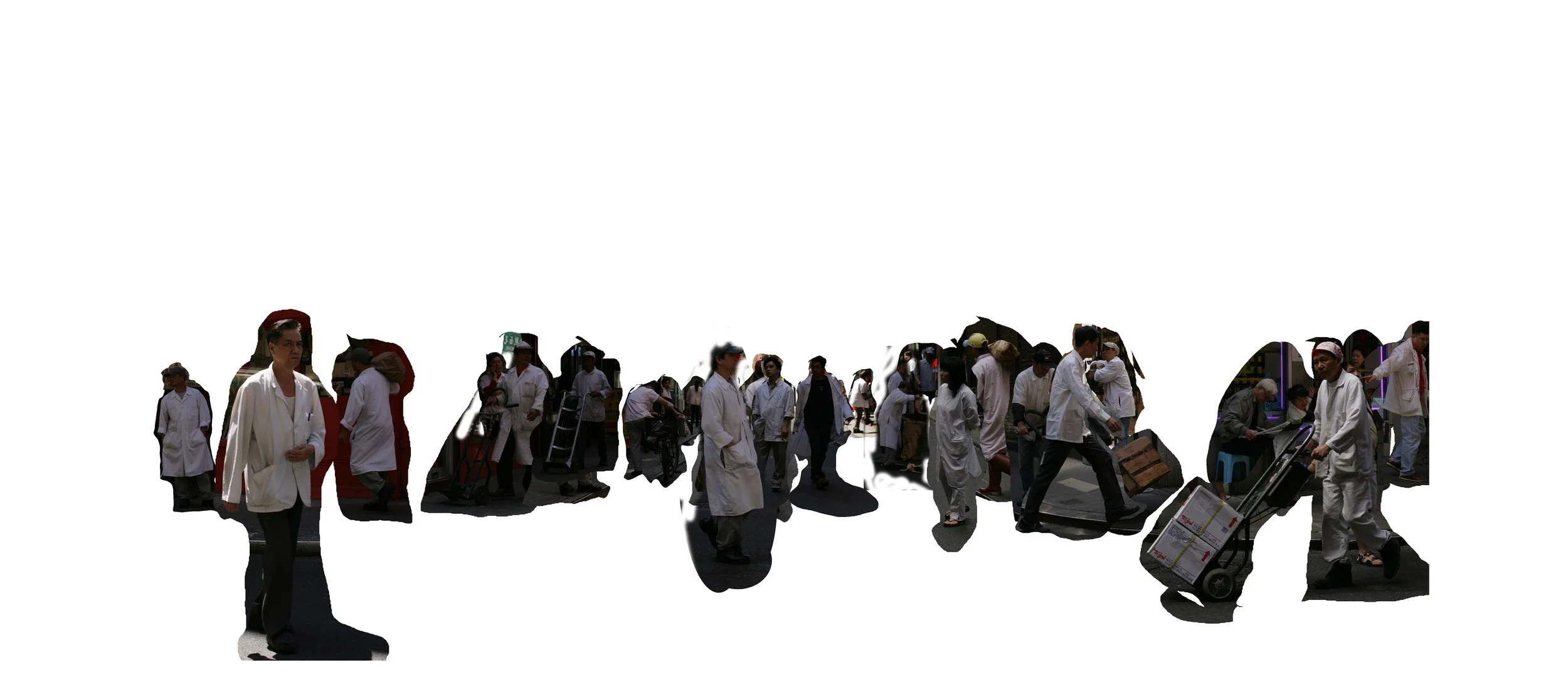
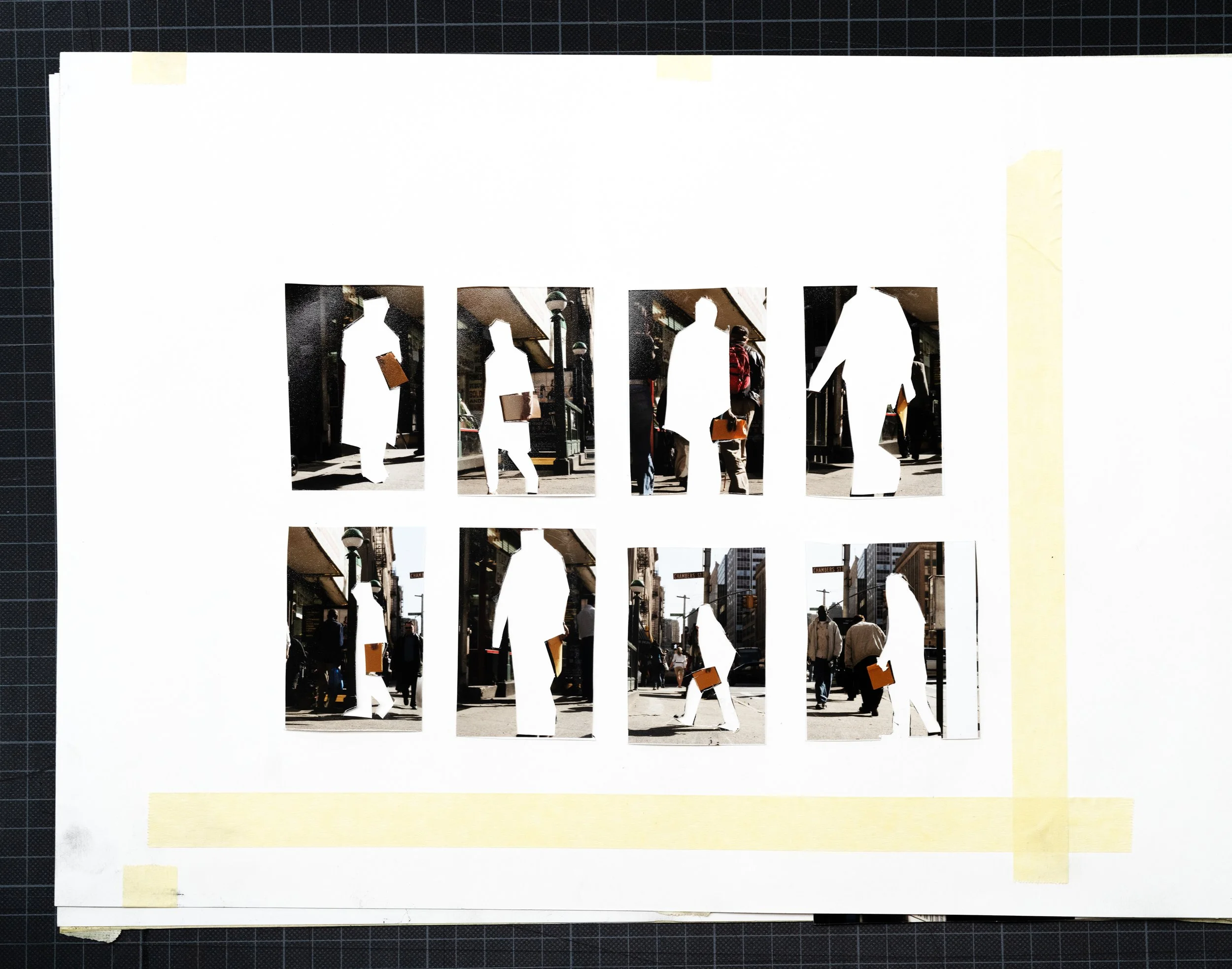
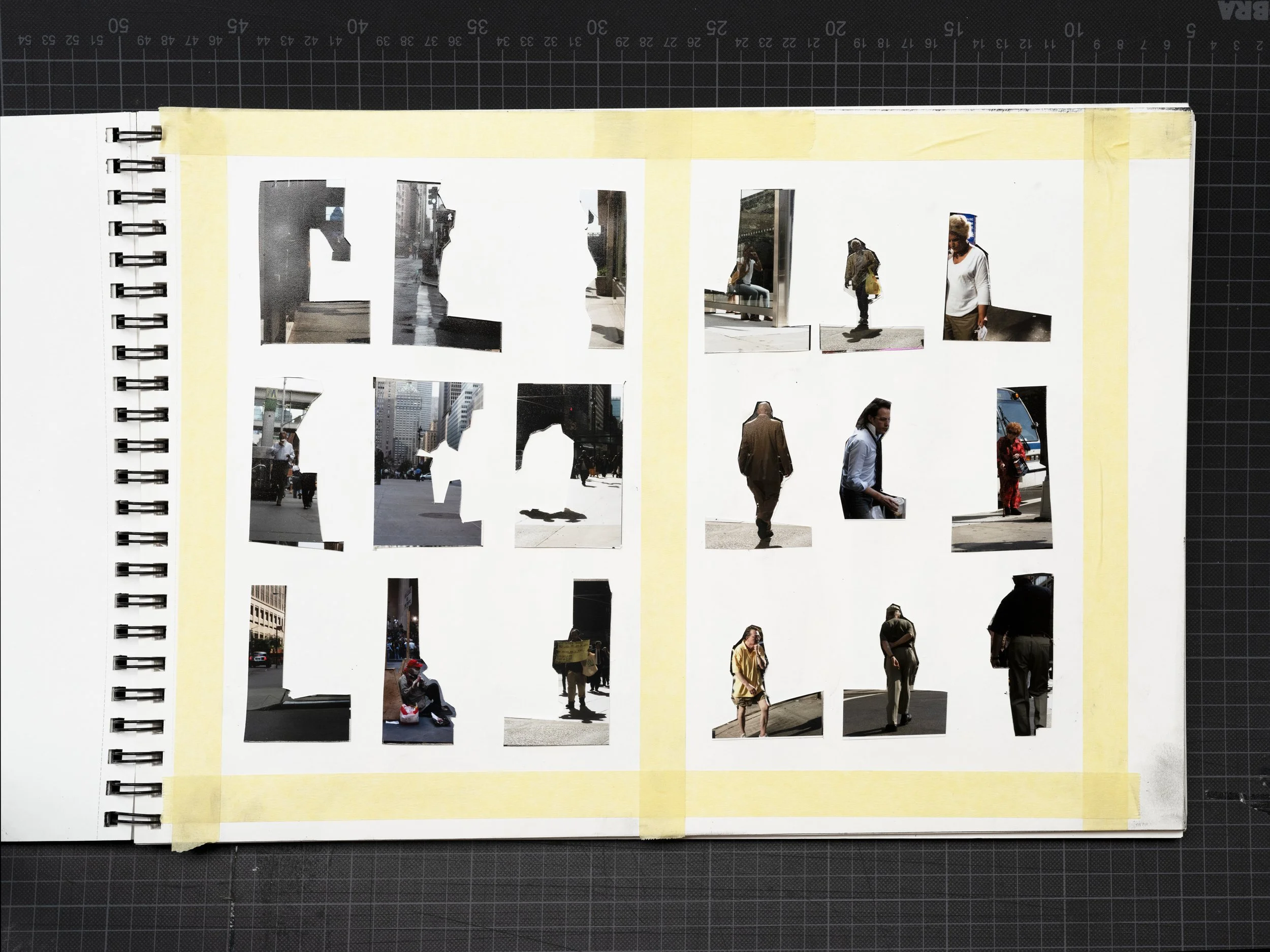
TTT is a collection of works I have done in NYC over the last 25 years. The two projects have previously been published before, but I wanted to show them together and add a third chapter with all the projects that never fully took shape, ideas, failures, dead ends, and the early seeds of later work that brought me somewhere else.
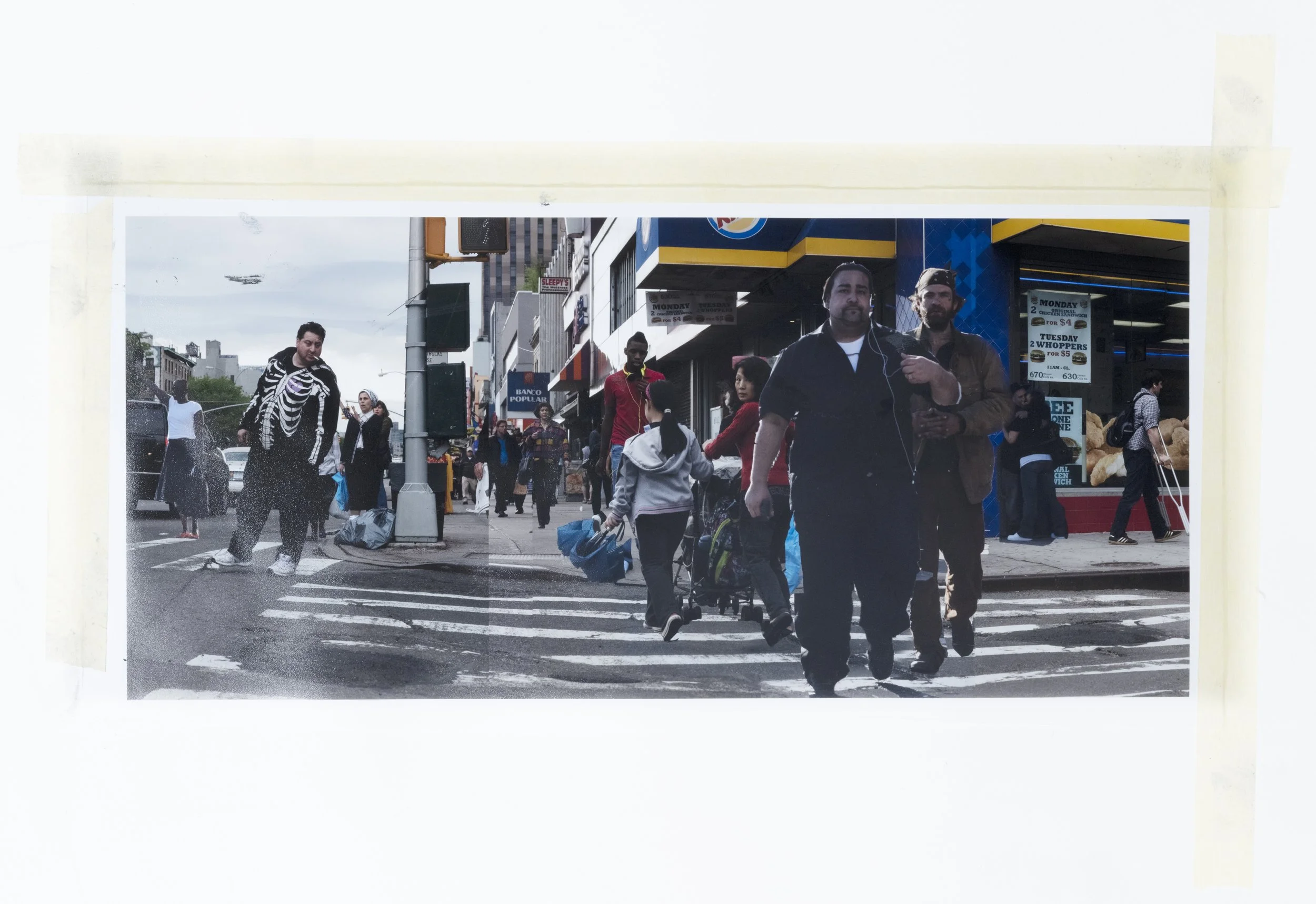
The goal was to let the whole body of work expand, to give it room to breathe in a new way. A big part of the conversation around the book was how do we bring something new to these projects, something you haven’t already seen in the first two publications? Putting them together, and opening up the space around them with this third chapter, allowed the work to evolve in a different way.
A significant part of shaping TTT involved working with analogue methods, such as collages, cutouts, and hand-altered images. These processes share something with digital retouching but operate differently. I have always been drawn to working by hand, to the tactile uncertainties and small accidents that allow the images to live in a more organic, physical manner. Also, the elements of abstraction have always fascinated me. Isn't that normal as a photographer?
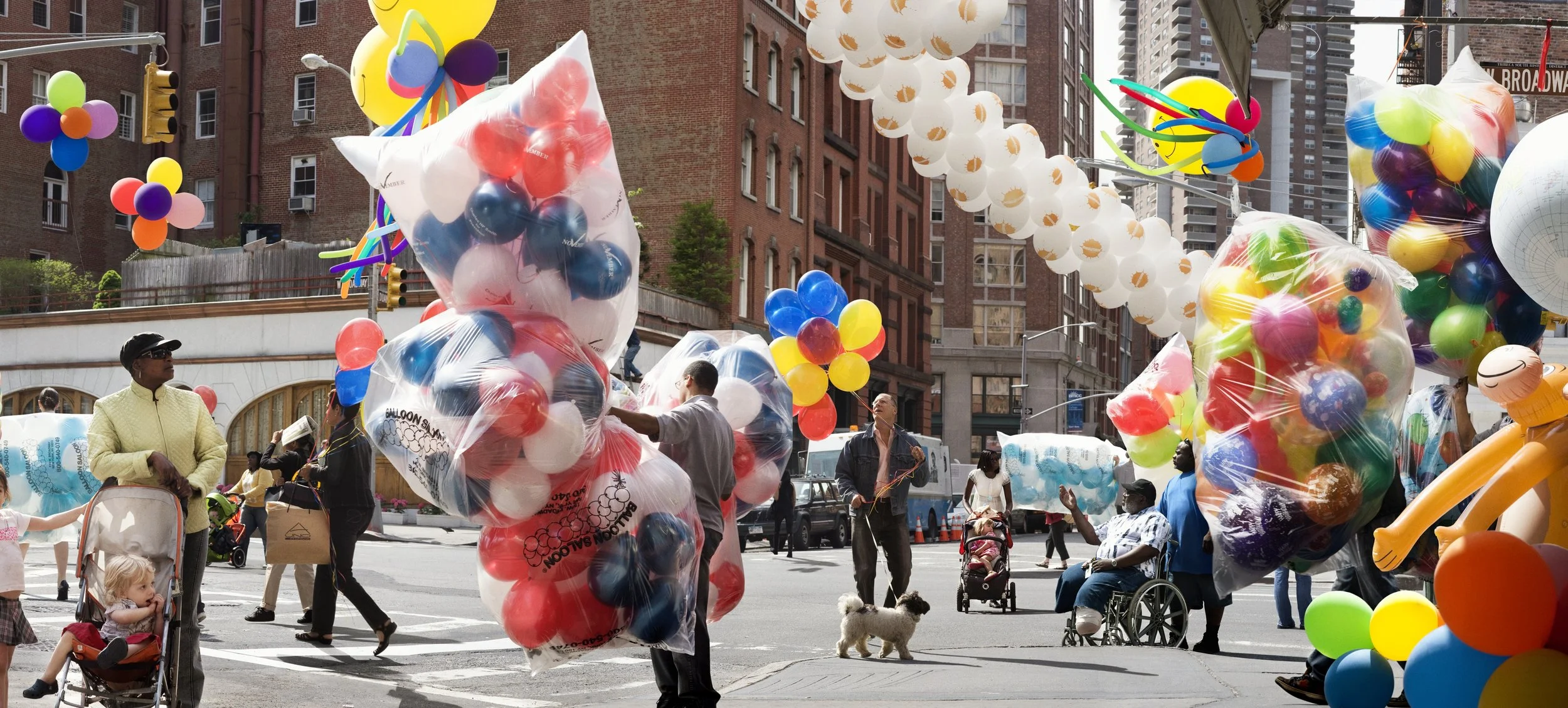
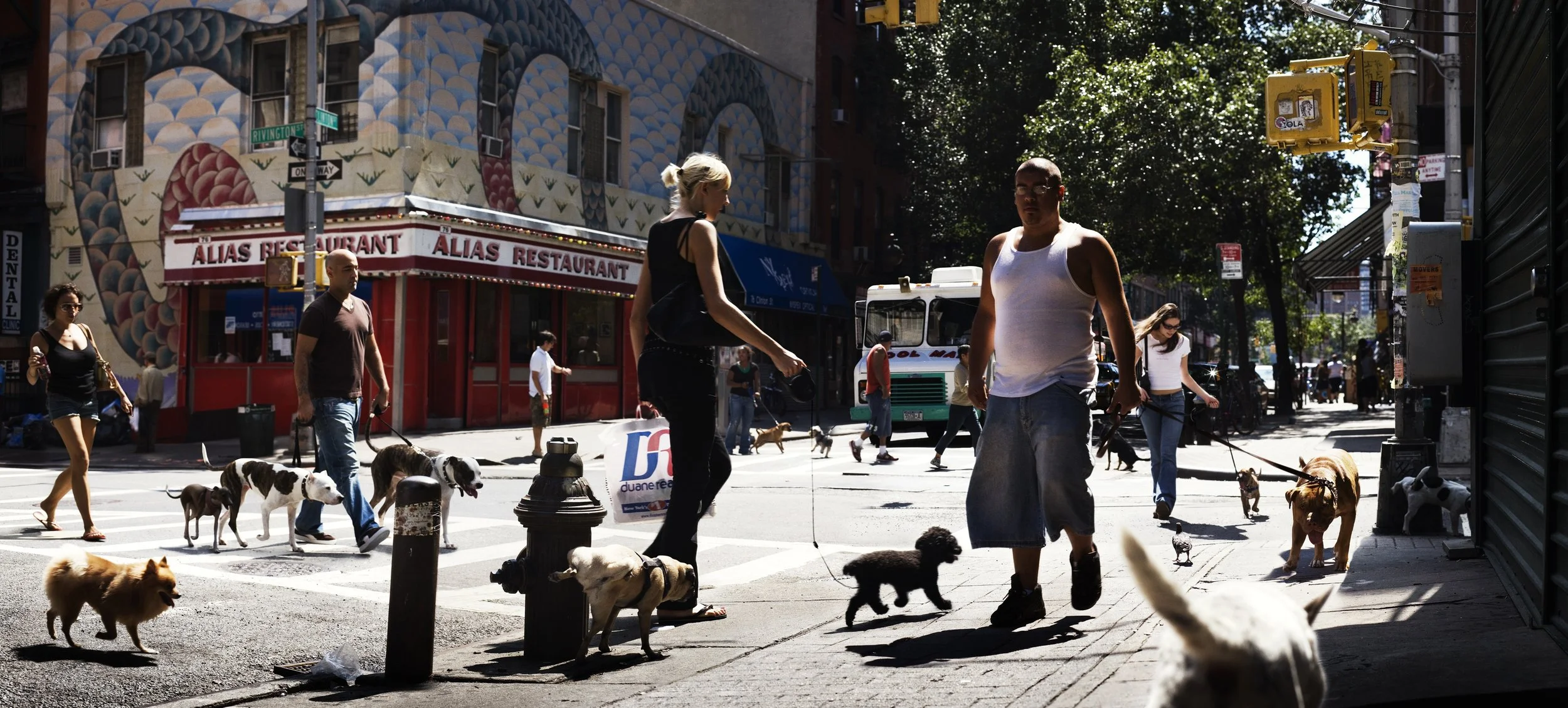
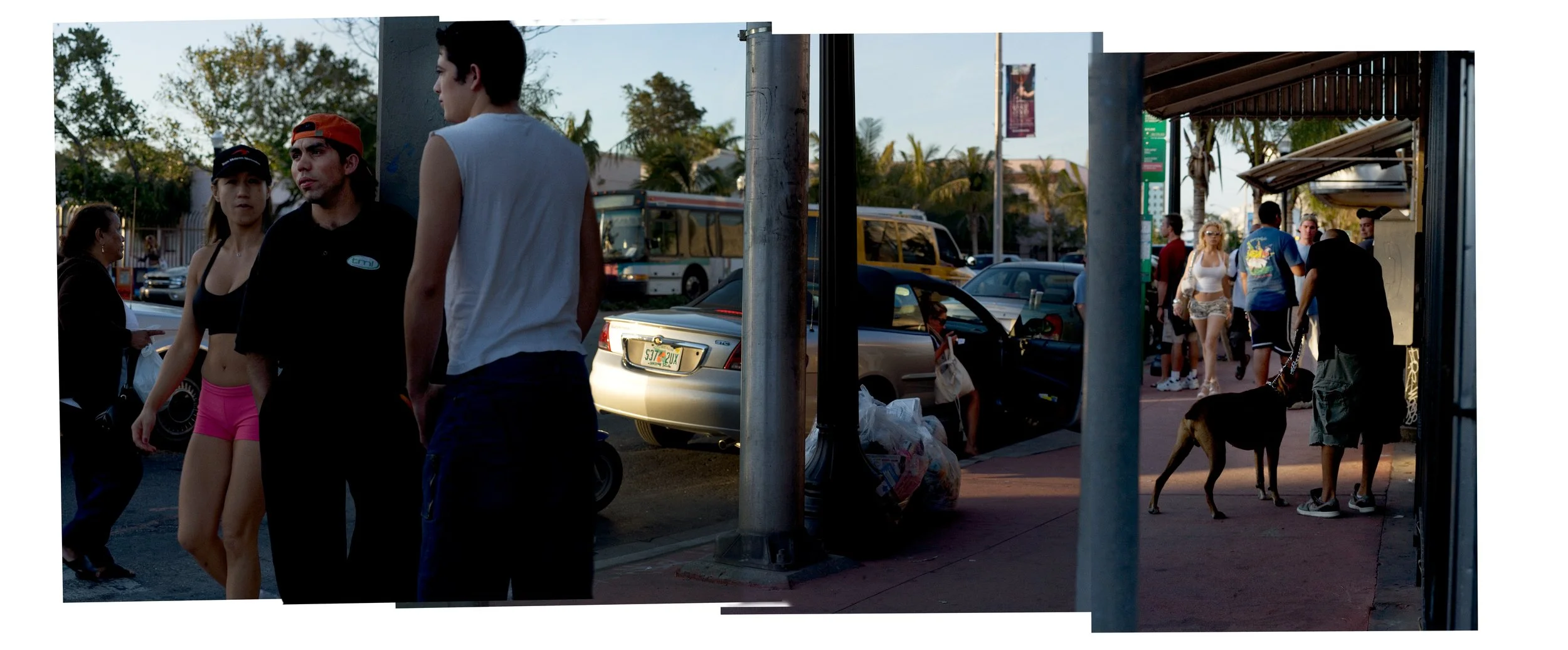
Together, the two series explore a powerful visual relationship between the individual and the collective. Babel Tales portrays the collective moments and layers of narratives, while 42nd and Vanderbilt focuses on the individual. I think it creates an interesting tension between the individual and the collective, the self and society, and power dynamics and surveillance.
Patience and Time: You stood at the same corner for nine years taking photos - how did you stay interested and keep finding new things to photograph?
For me, it’s about the journey and the process. I never begin with a fully formulated idea, and that keeps me open to surprises, shifts, and developments as the work evolves. Naturally, that means I continue to discover new things tophotograph.
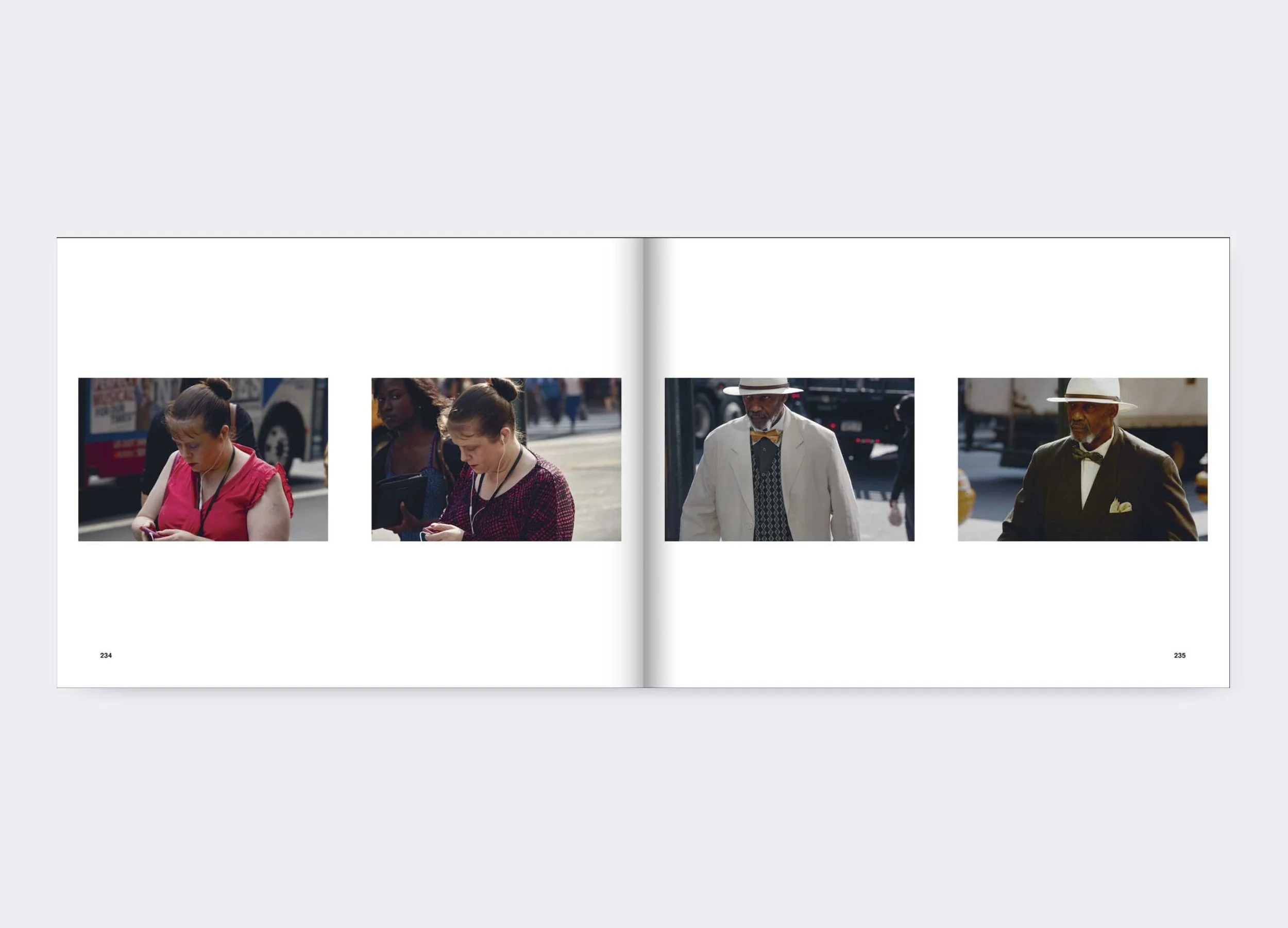
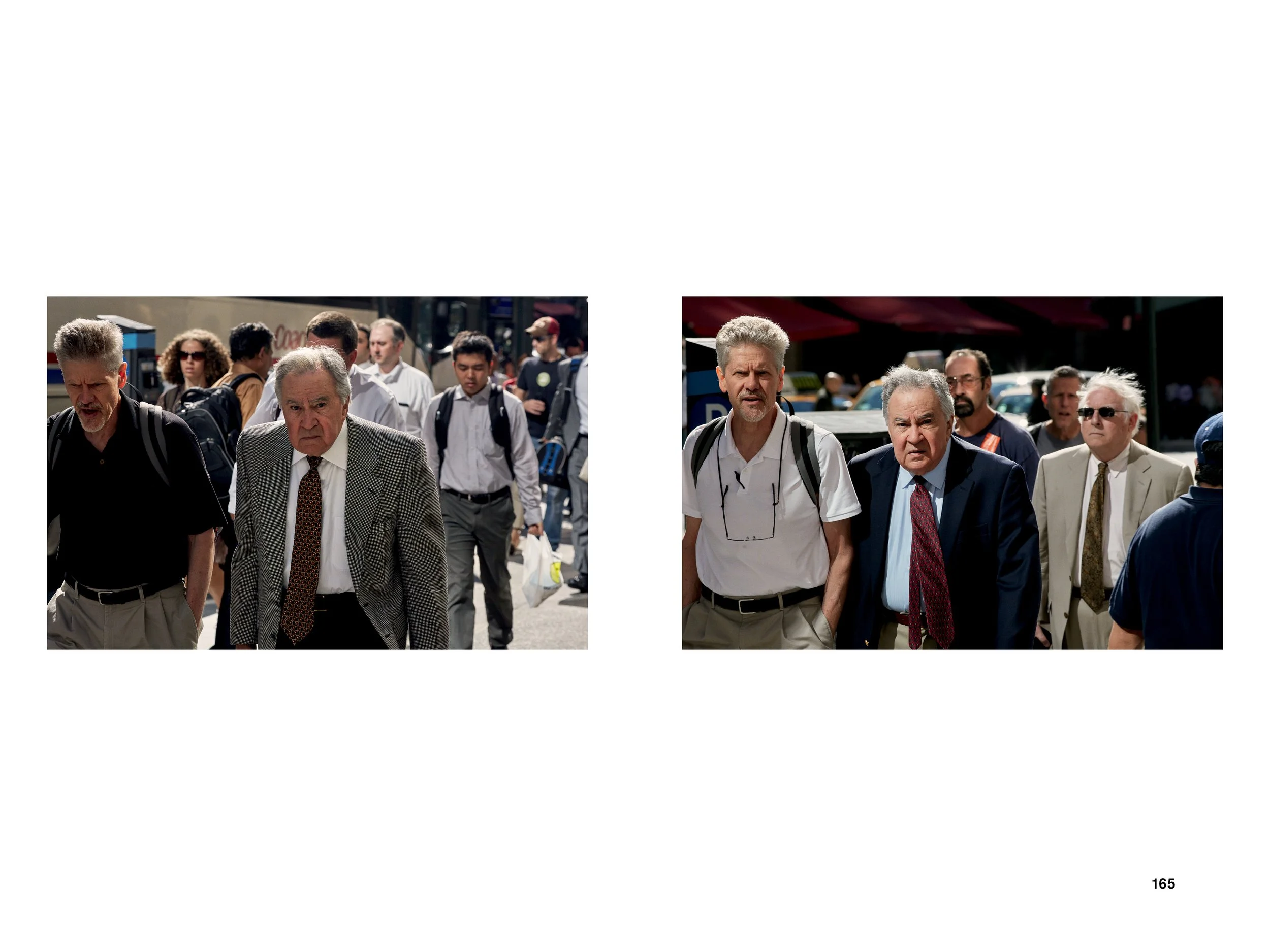
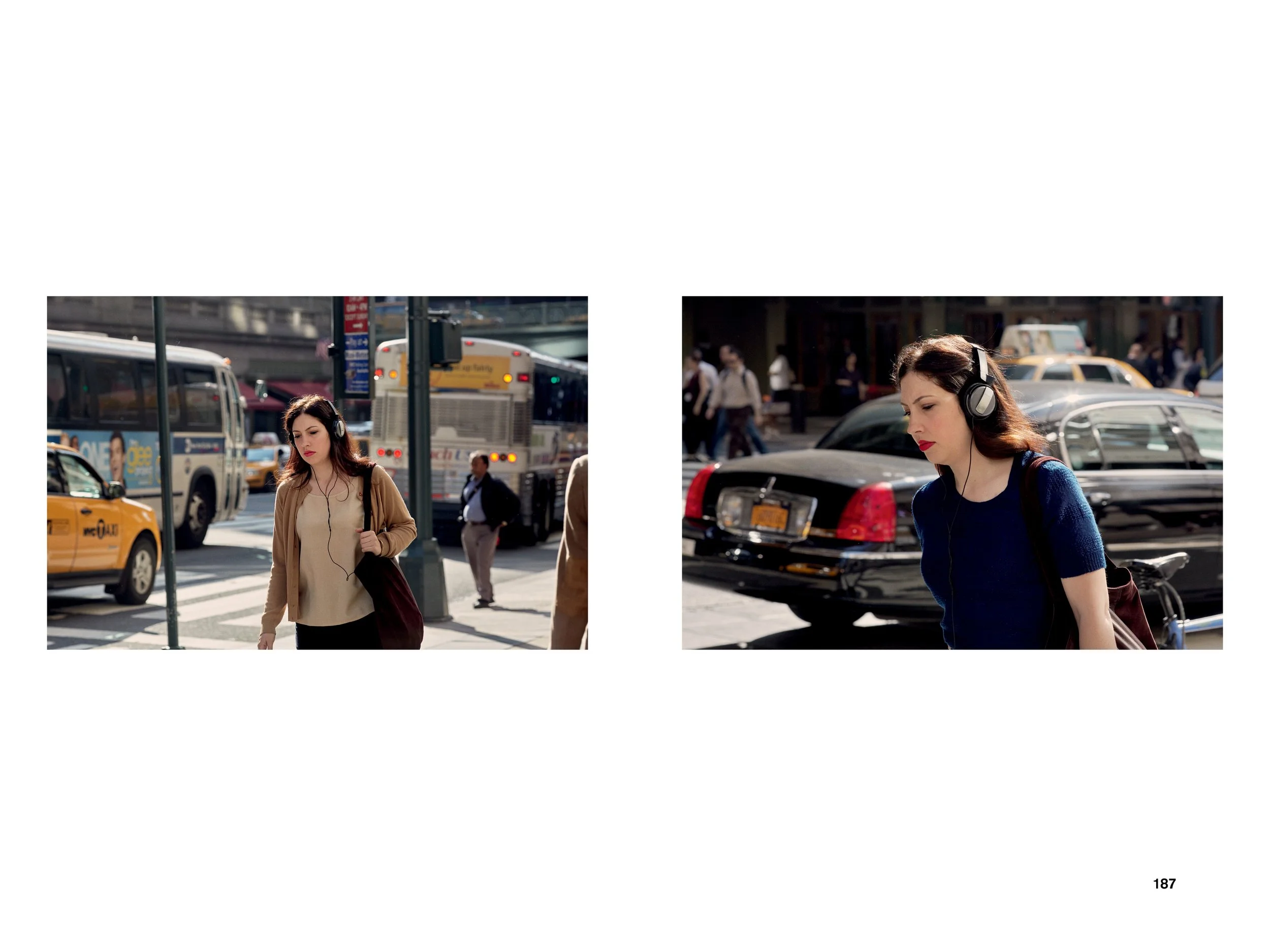
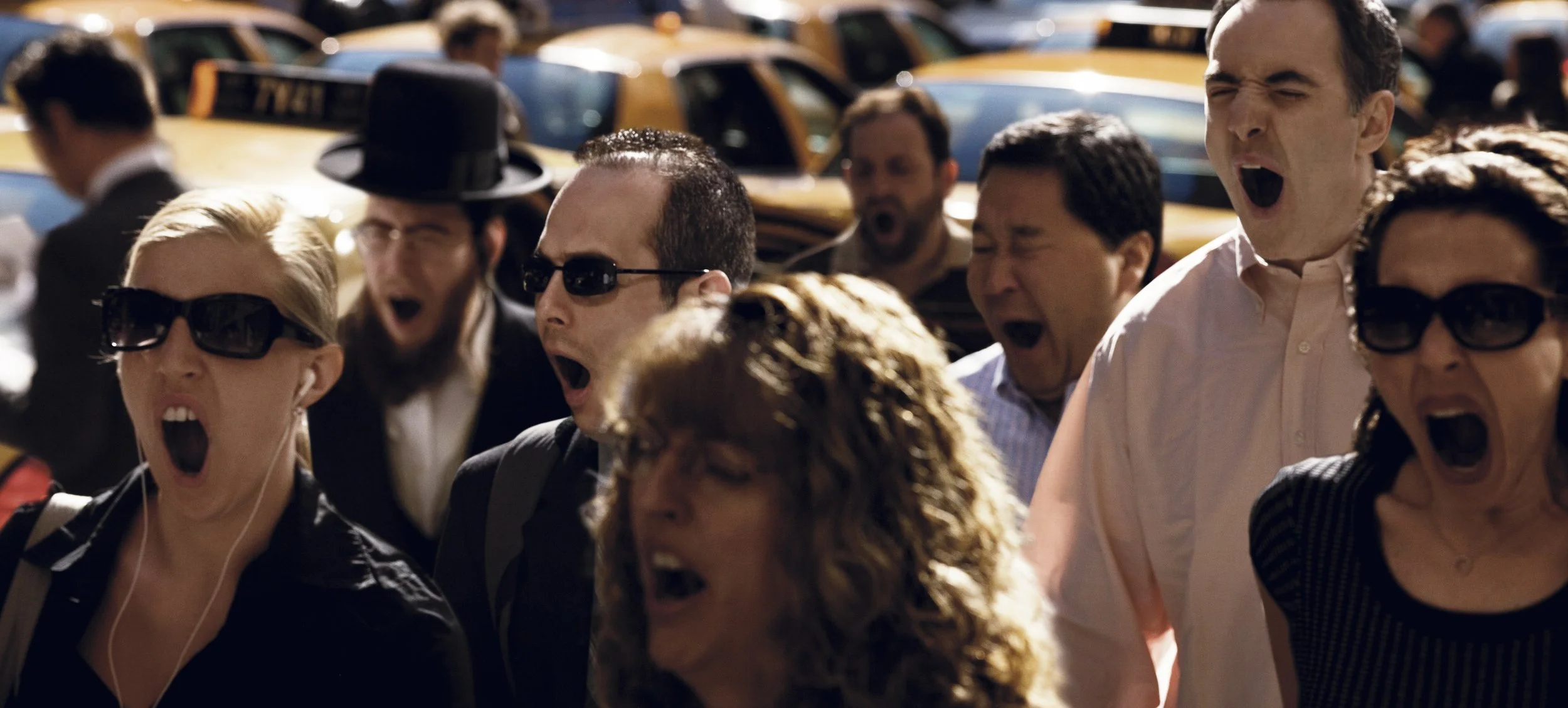
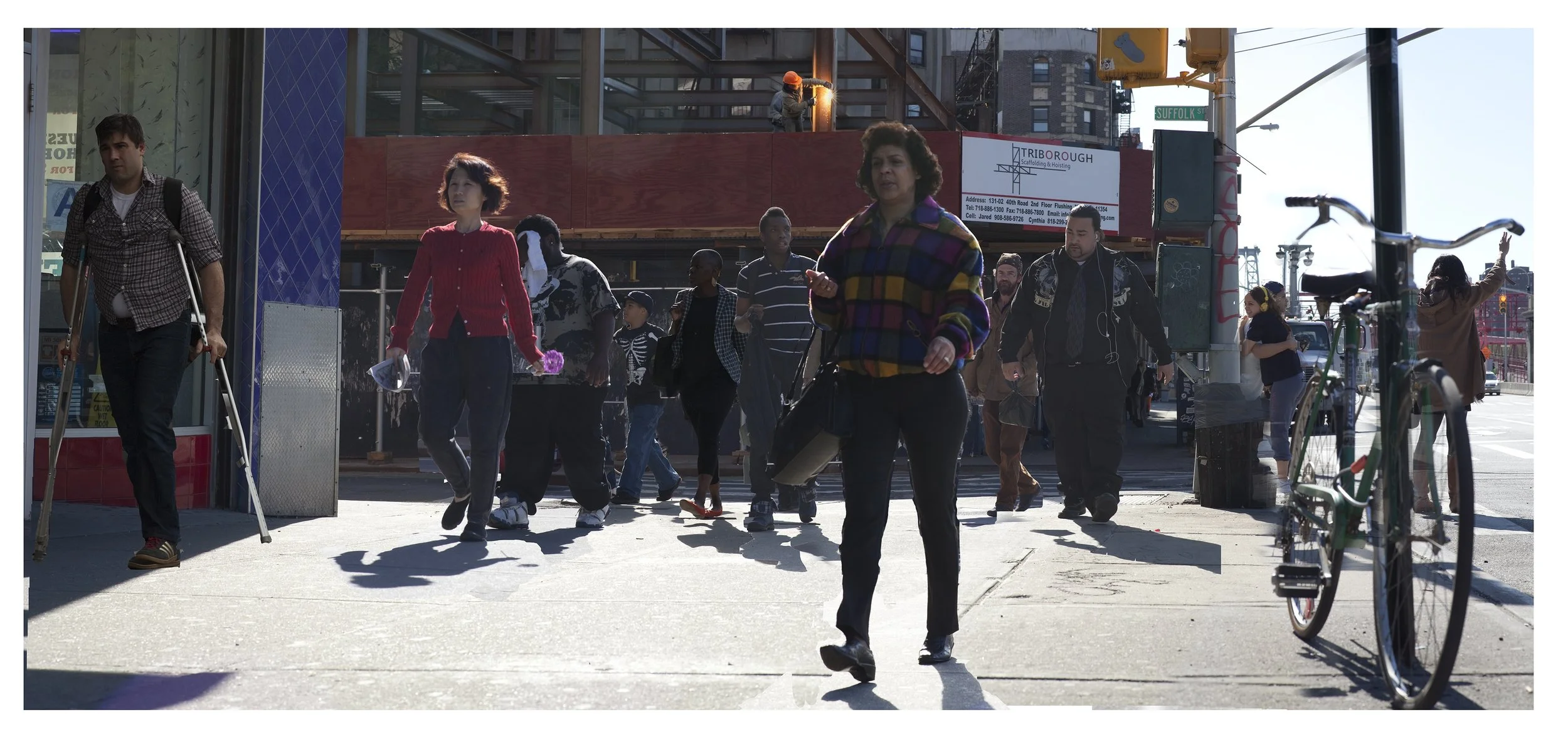
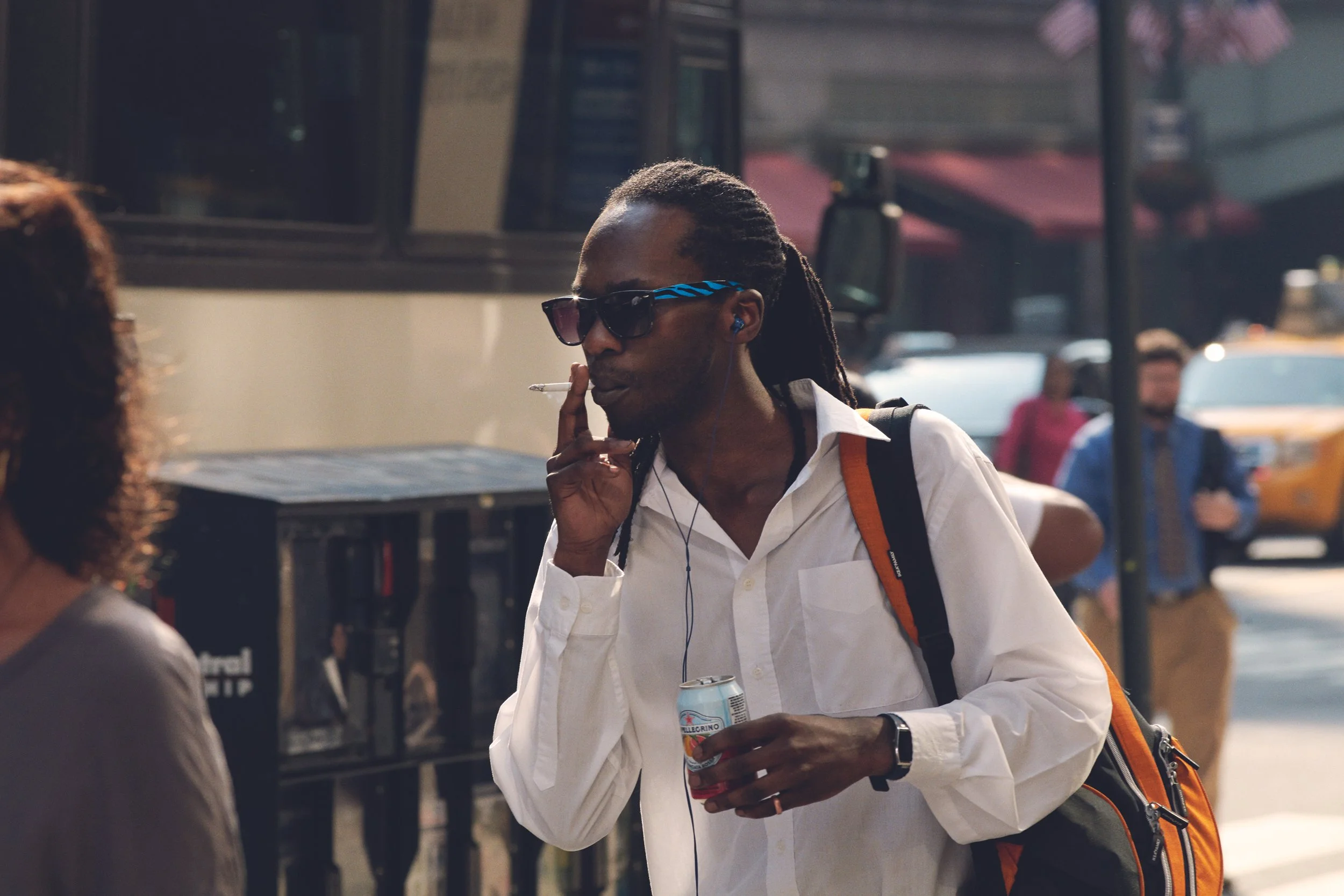
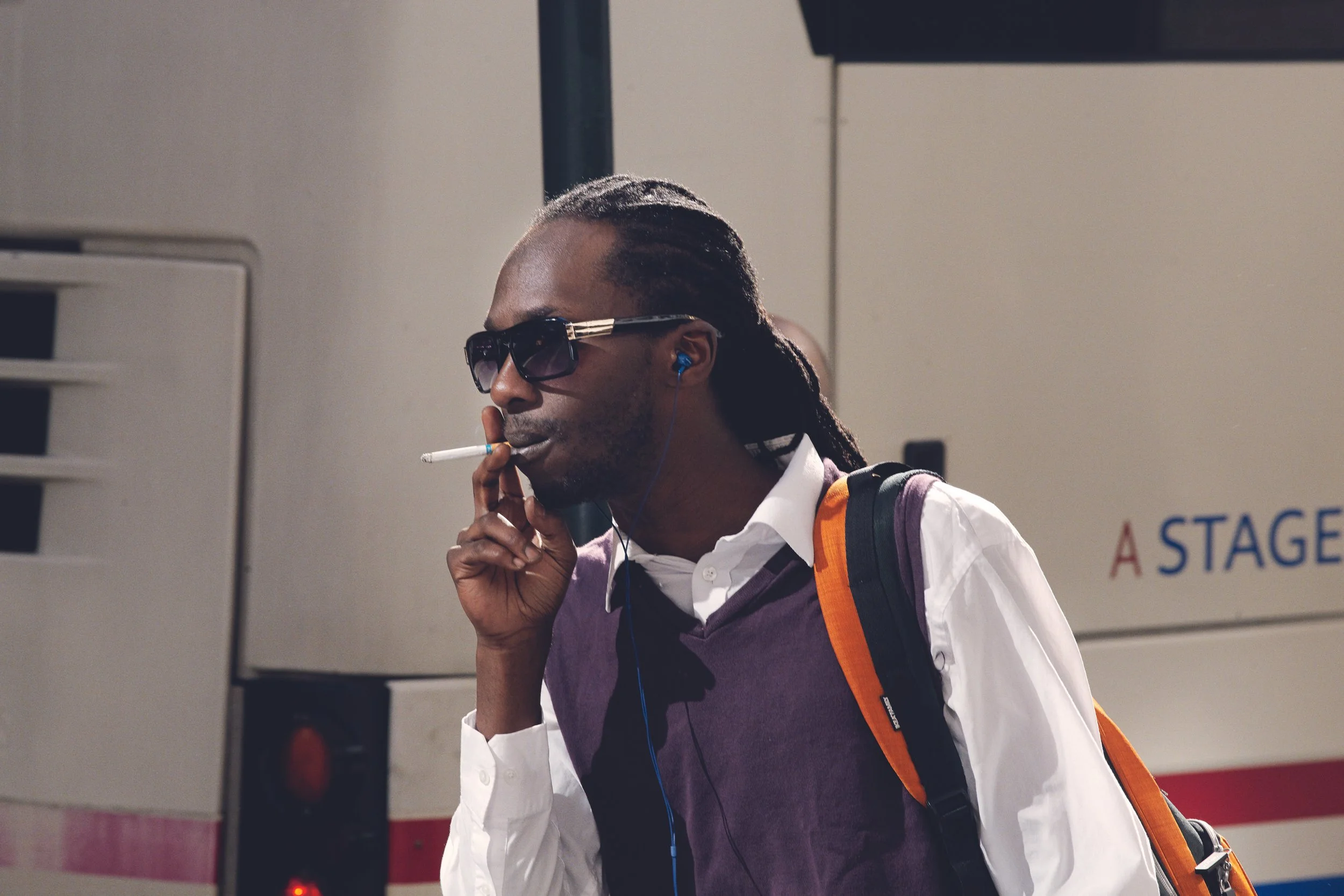
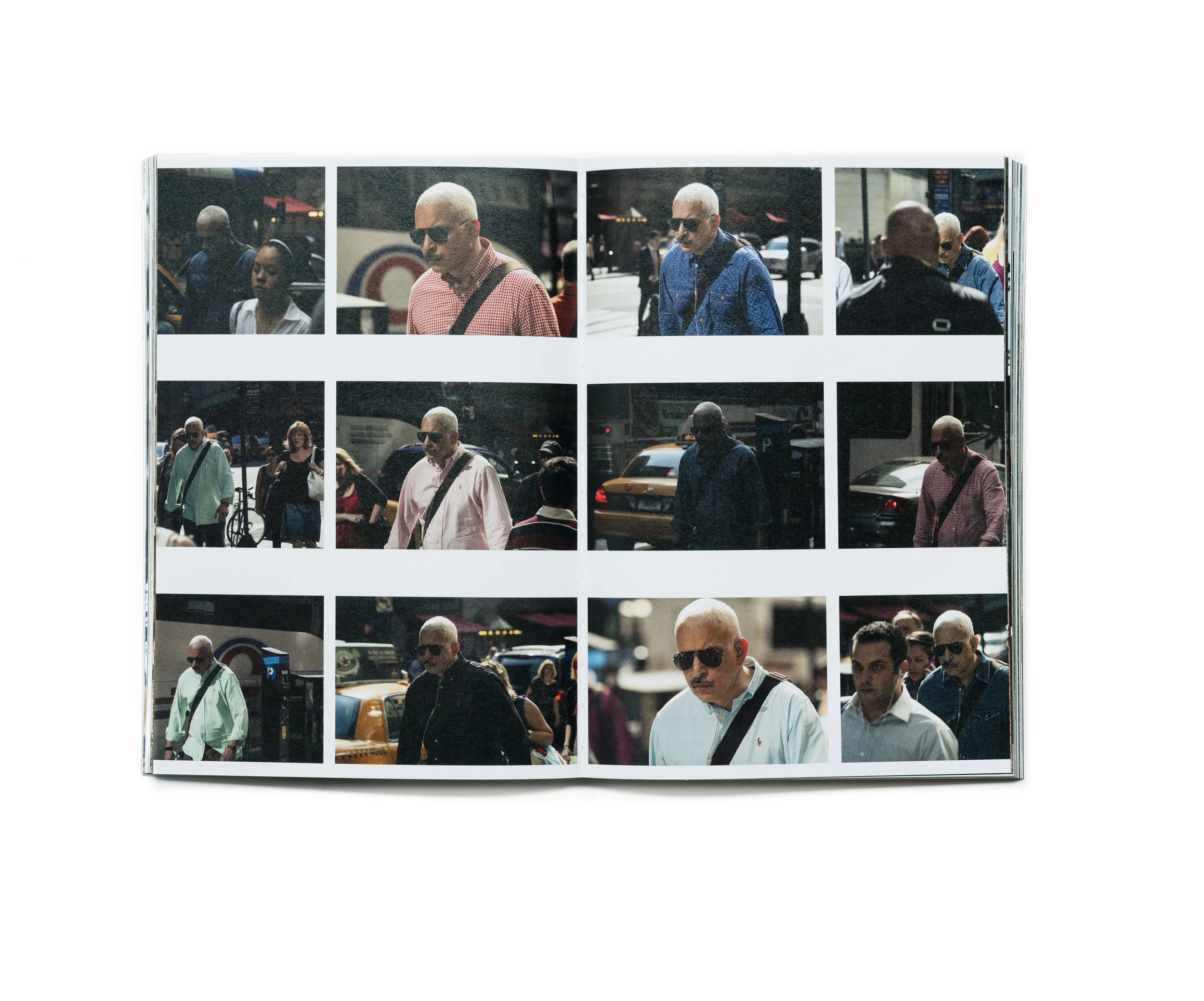
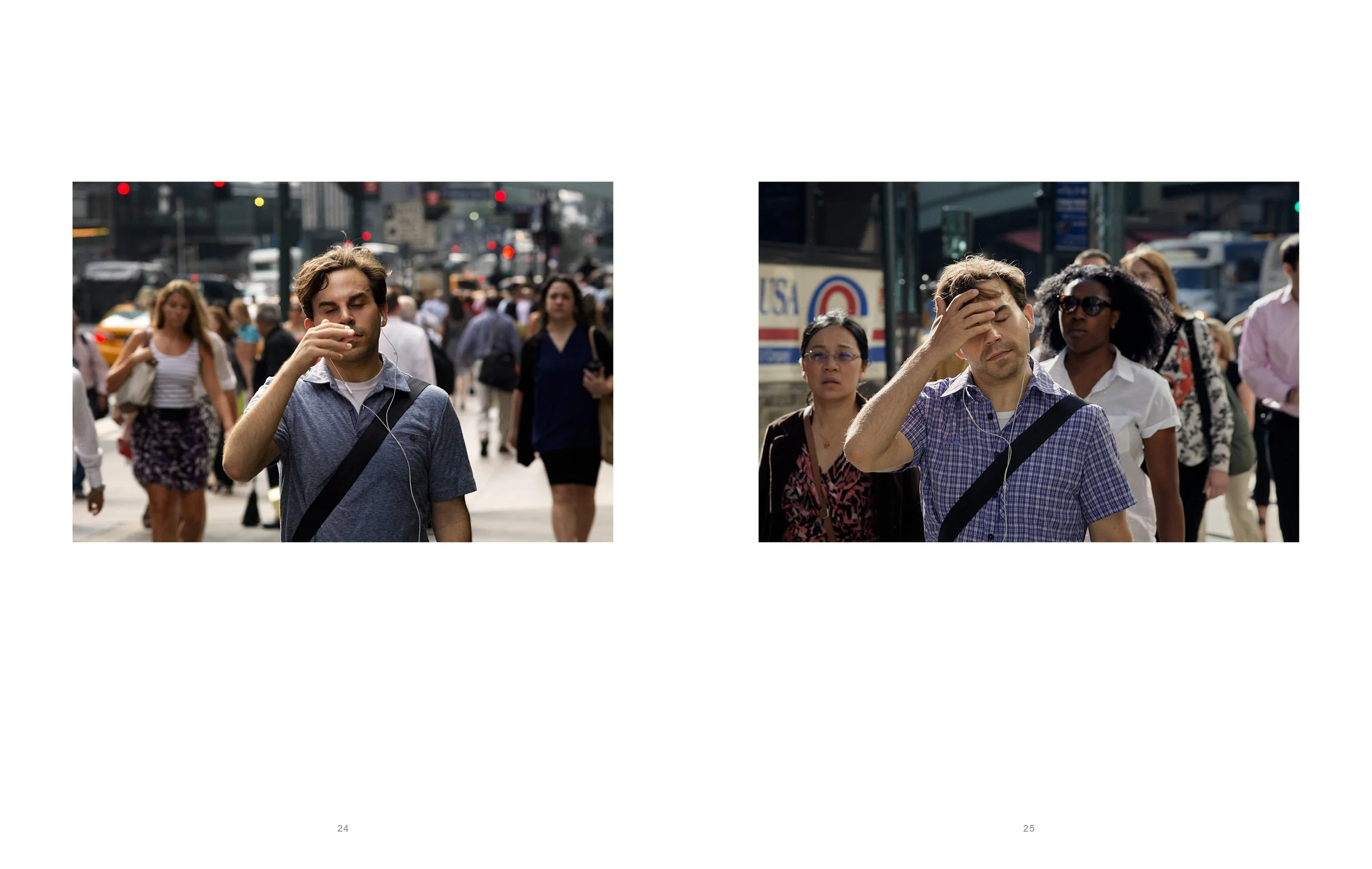
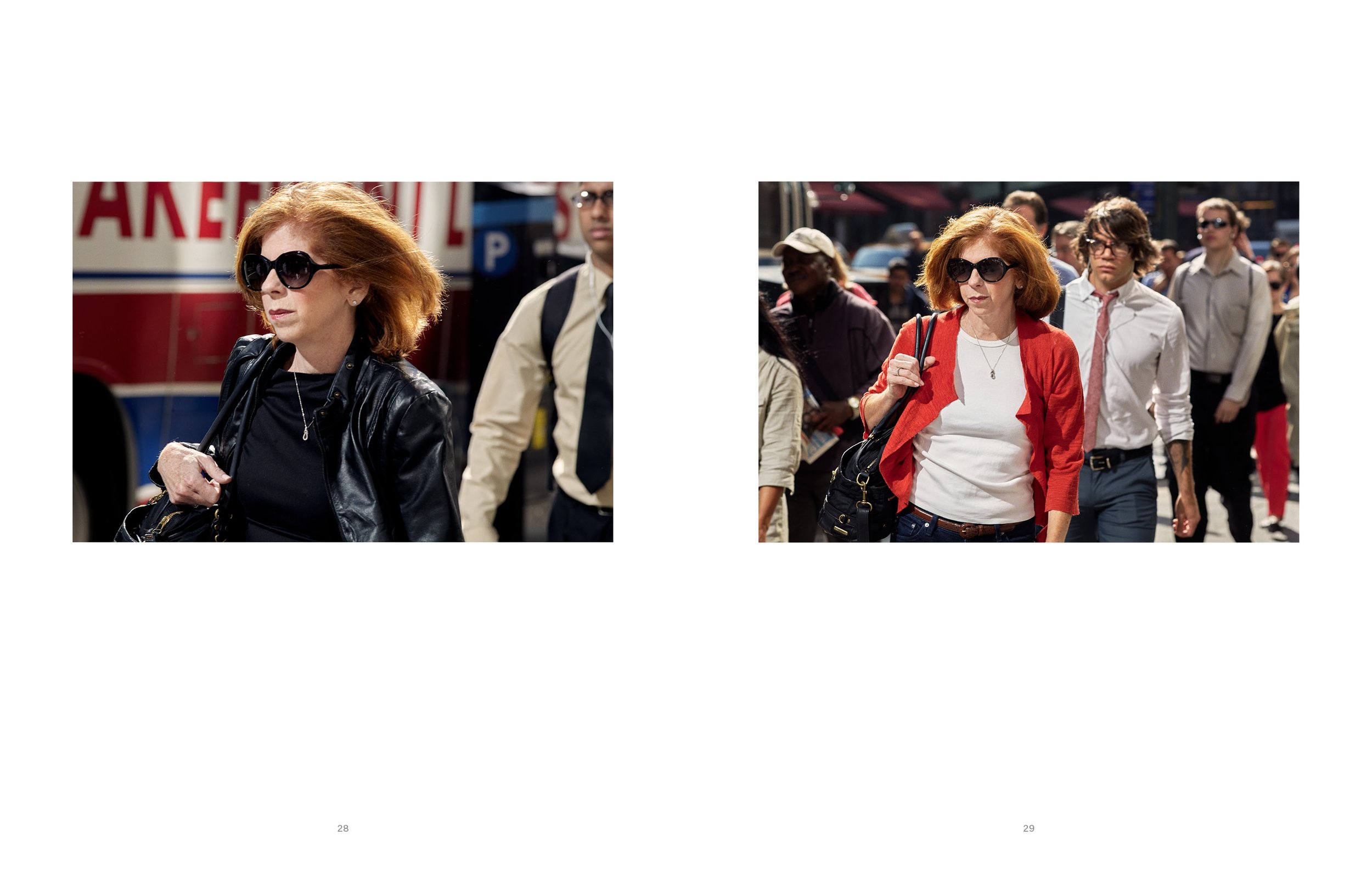
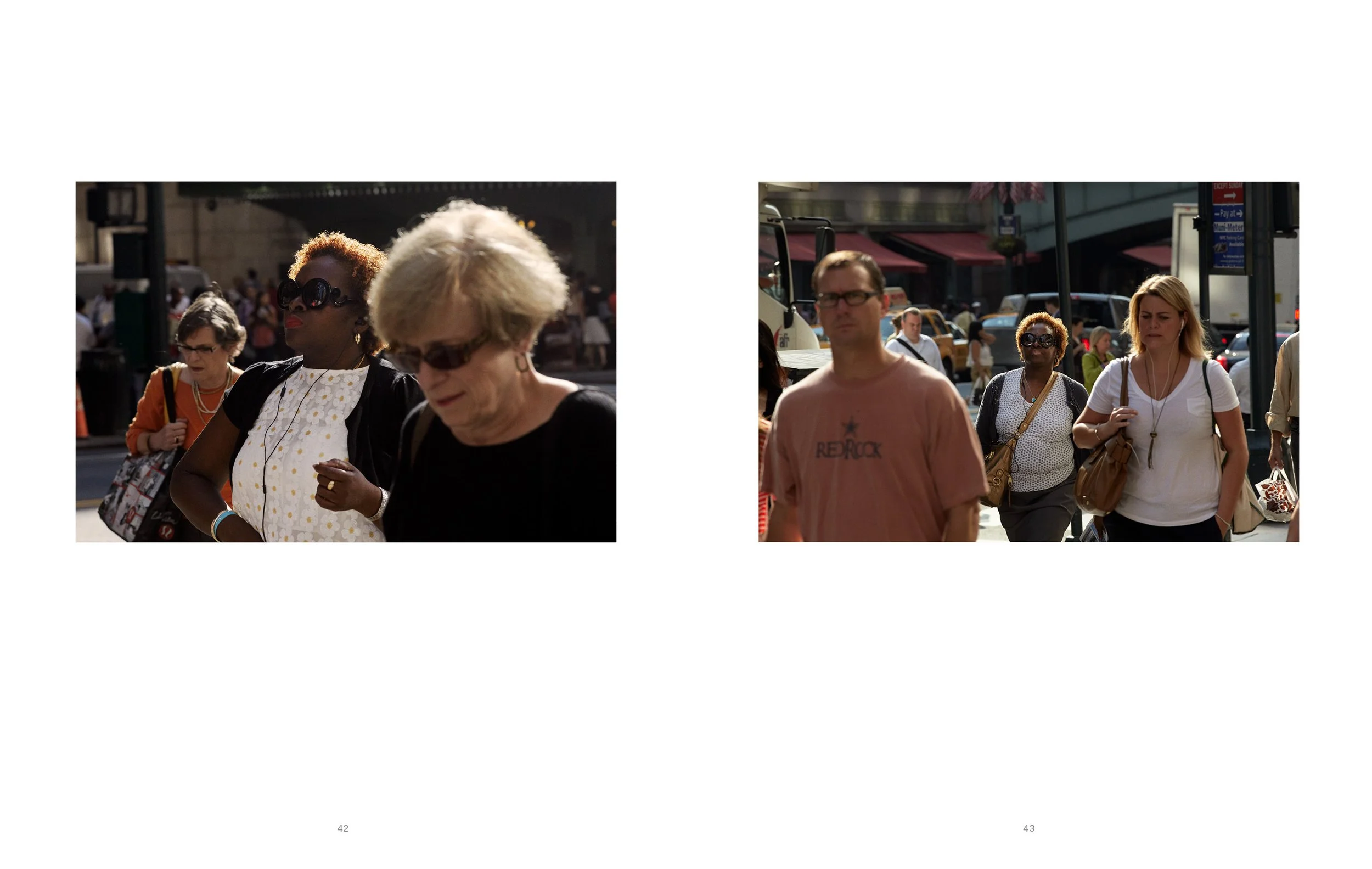
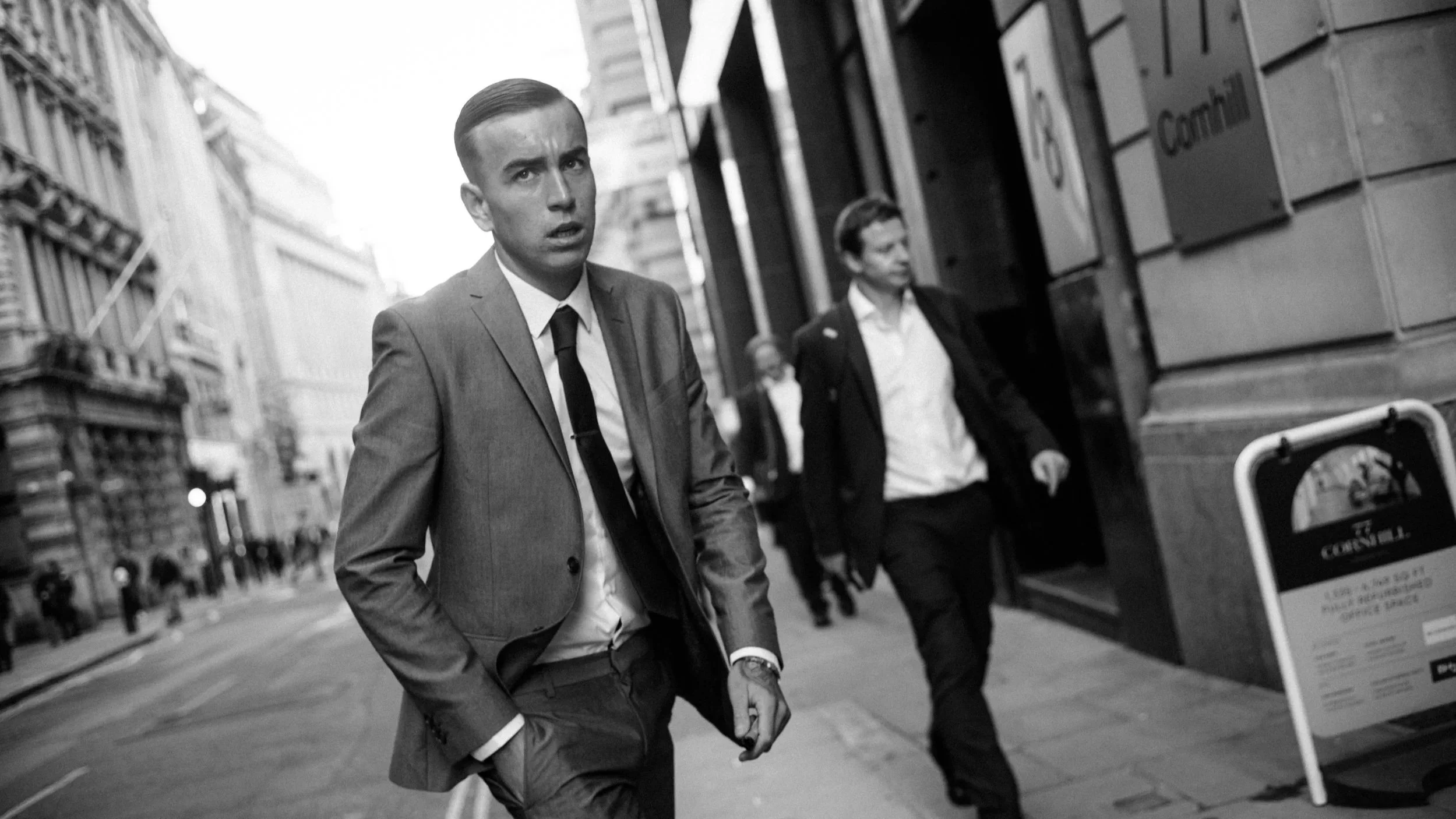
With 42nd and Vanderbilt, the work took place on and off over nine years. It began with the idea of creating “libraries of strangers,” but over time I realised the real story existed in the space between two images, the diptychs. Two photographs of the same person that appear seconds apart, even though they might be taken days, months, or even years apart. That gap became the narrative. It turned into a kind of meditation on people’s behaviour in an ambiguous public space.
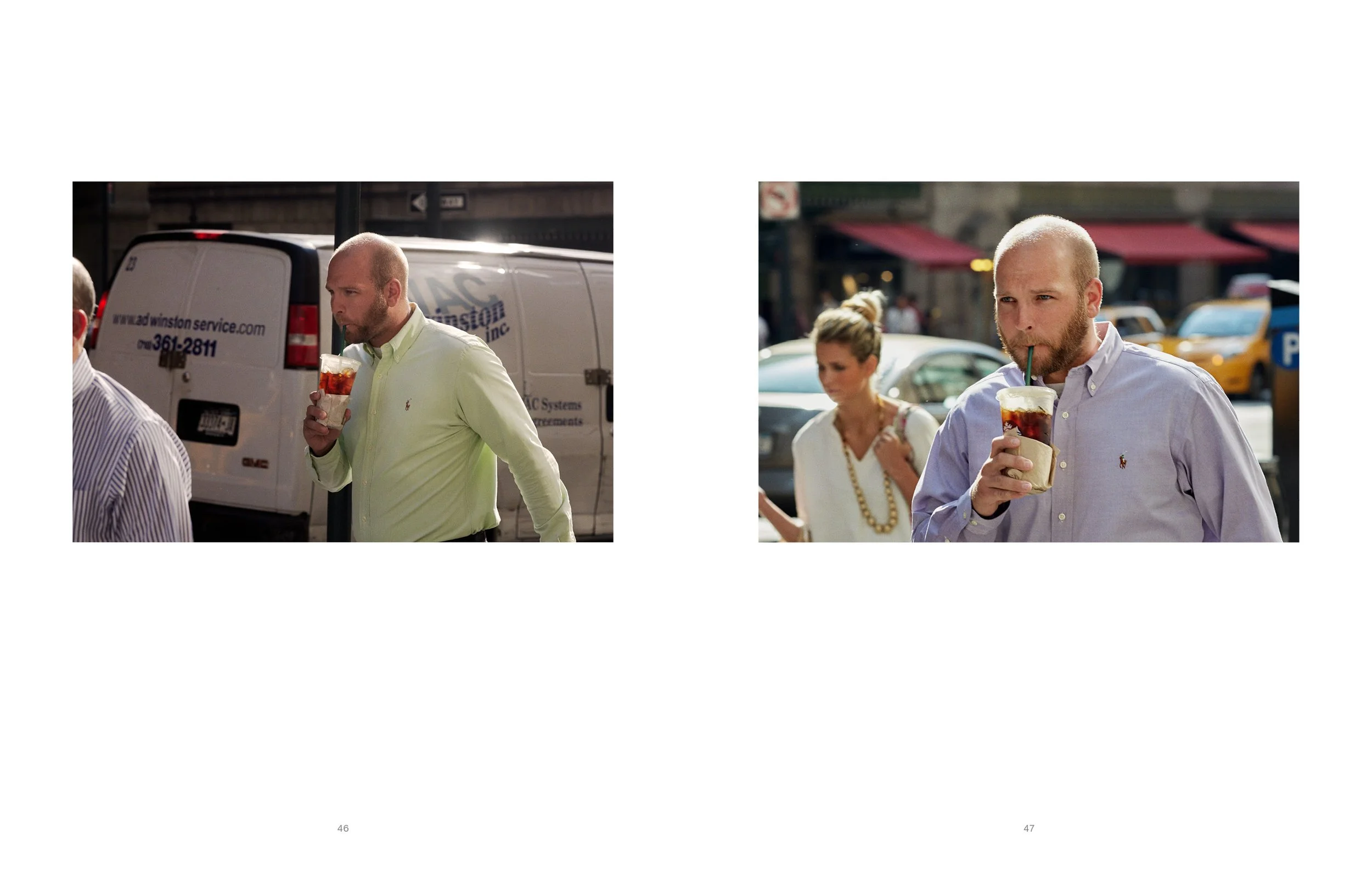
What kept me interested was seeing how repetition reveals something deeper. The gestures, routines, and tiny habits people carry through their commute became as important as the individuals themselves. Rituals, whether positive or negative, became the heart of the project. That realisation came late in the process, one night in 2015. Once it clicked, the editing moved quickly, almost like cutting motion rather than still photographs.
Spotting Patterns: How did you learn to recognise the same people coming back every day in the huge crowds of New York?
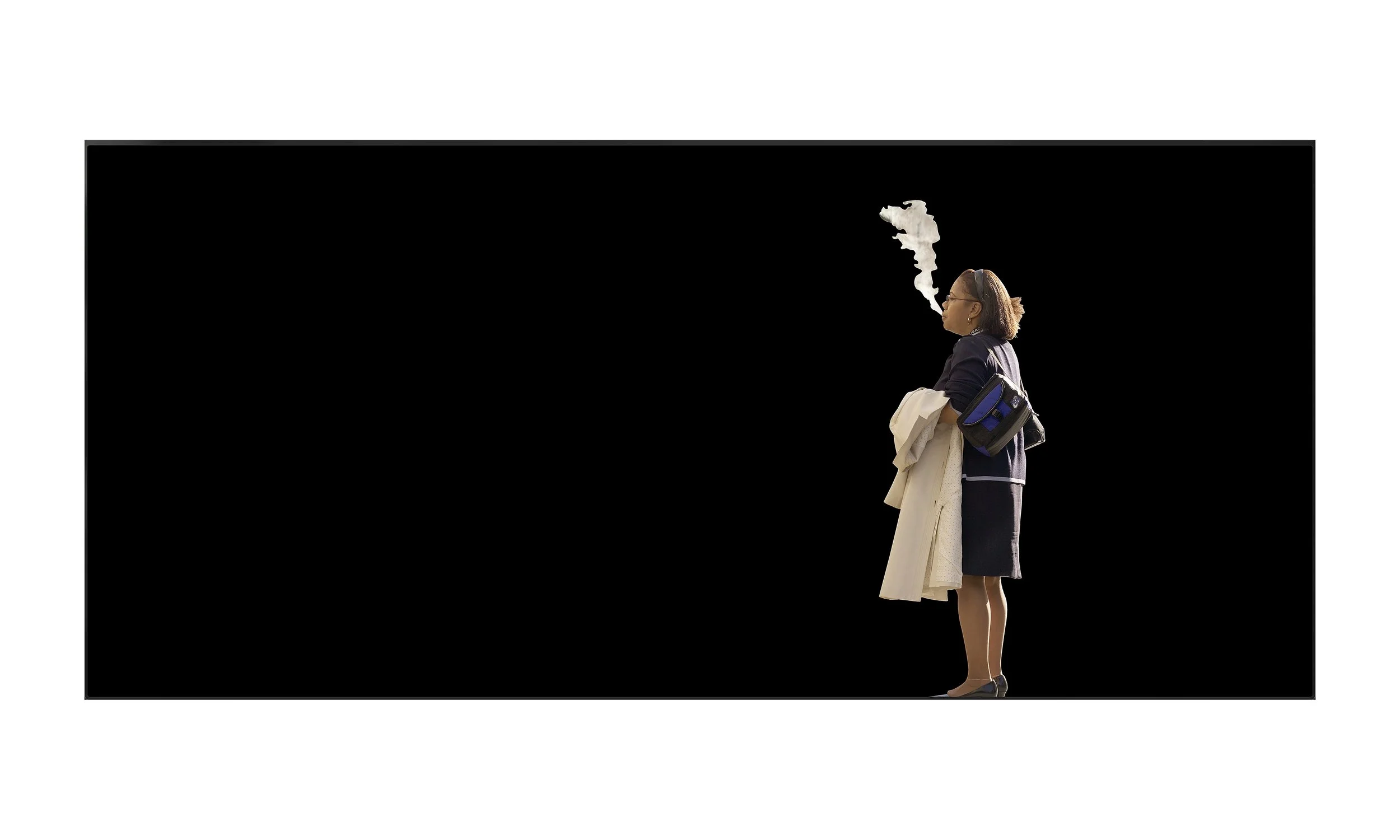
I think it was fairly simple, but also deeply layered. I started to recognise people by memory, their characteristics, and the repetition in their faces and gestures. But it wasn’t only memory. It was also pattern recognition in their individual morning rituals, which were unique to each person. Some listened to music on their iPods, some smoked a cigarette, and others drank a cup of coffee. One by one they became more and more familiar.
Technical Process: What camera and lens did you use for the 42nd and Vanderbilt project, and why did you choose them?
Most of the images were made with a Canon 5D paired with a 200mm lens for 42nd & Vanderbilt and an 85mm lens for Babel Tales. I switched to Nikon at some point, but the idea remained the same. I wanted a long lens and a small, fast camera so I could follow people as they moved and capture several frames quickly.
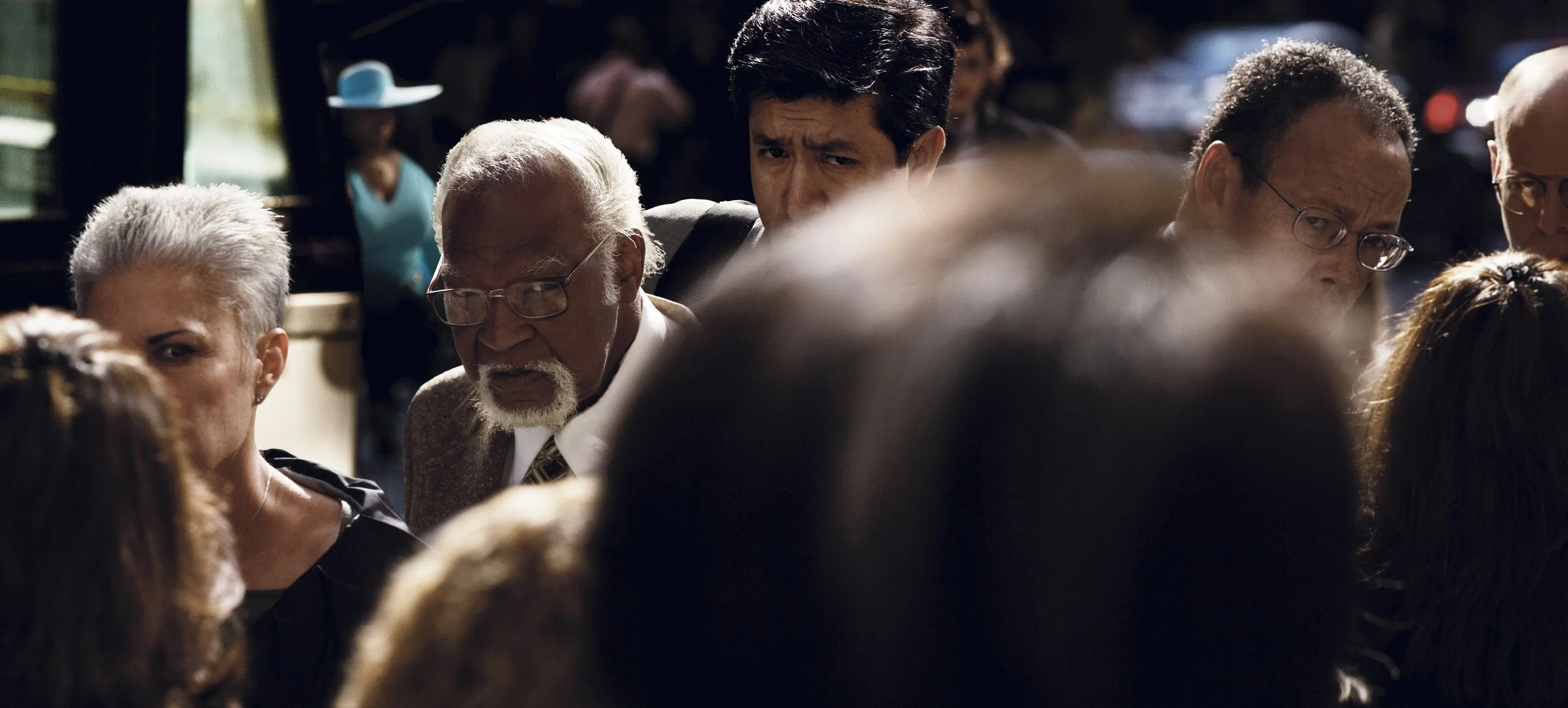
The goal was to zoom in as much as possible to get close to the human face. That’s how I can tell the best possible story: by isolating the individual and only hinting at the background. There’s something fascinating about being able to zoom in so tightly and still tell a story that reflects something much larger, something connected to many people.
Building the Image: In Babel Tales, you combine photos from different times into one picture - can you explain how you choose which people go together?
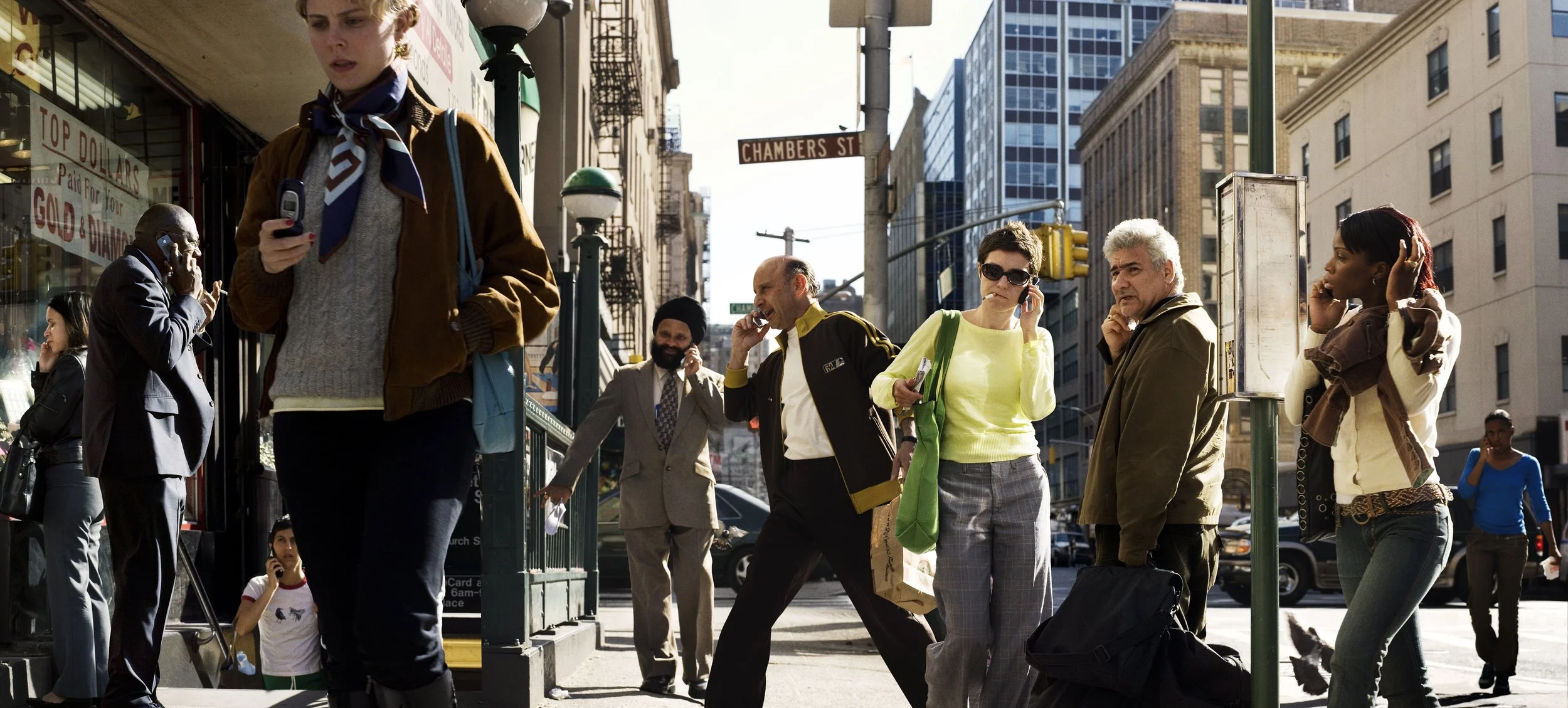
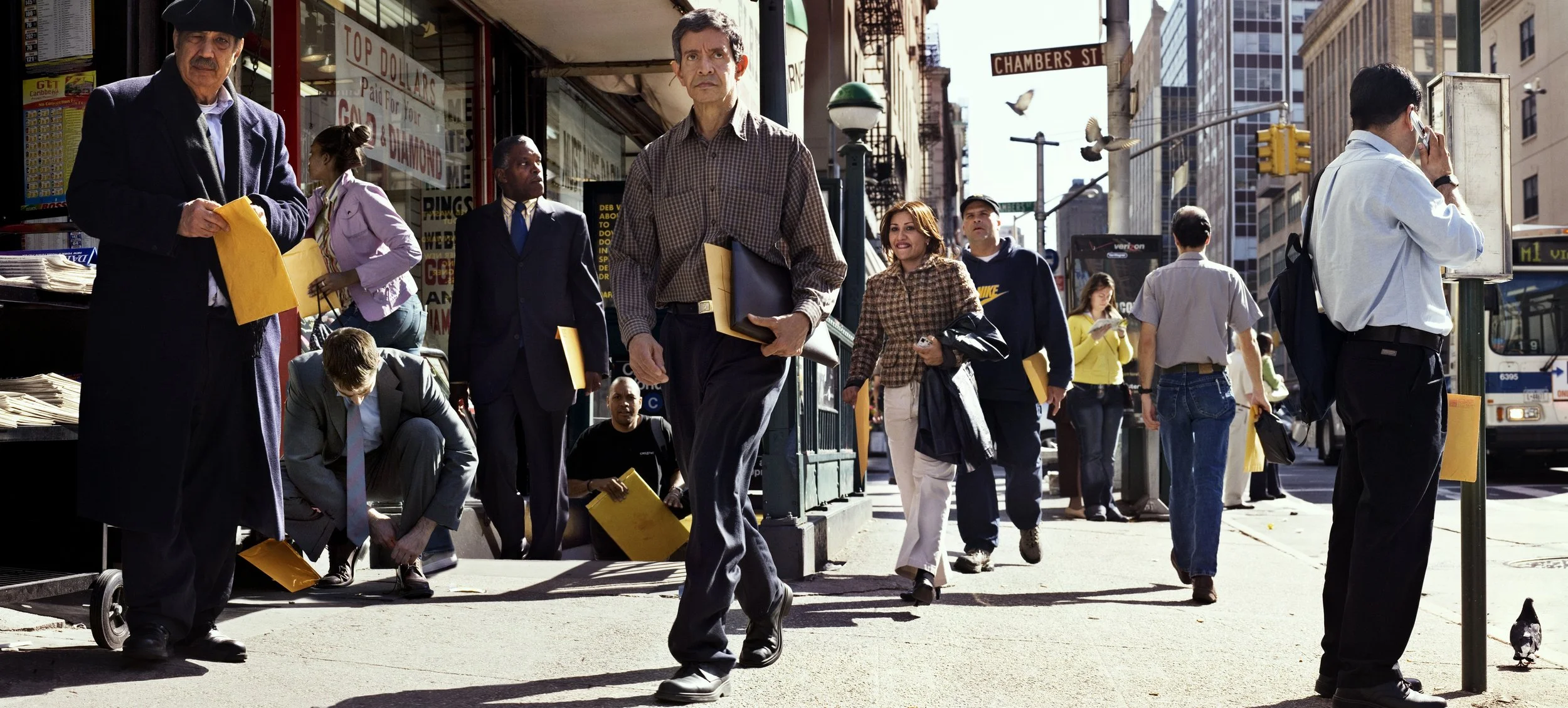
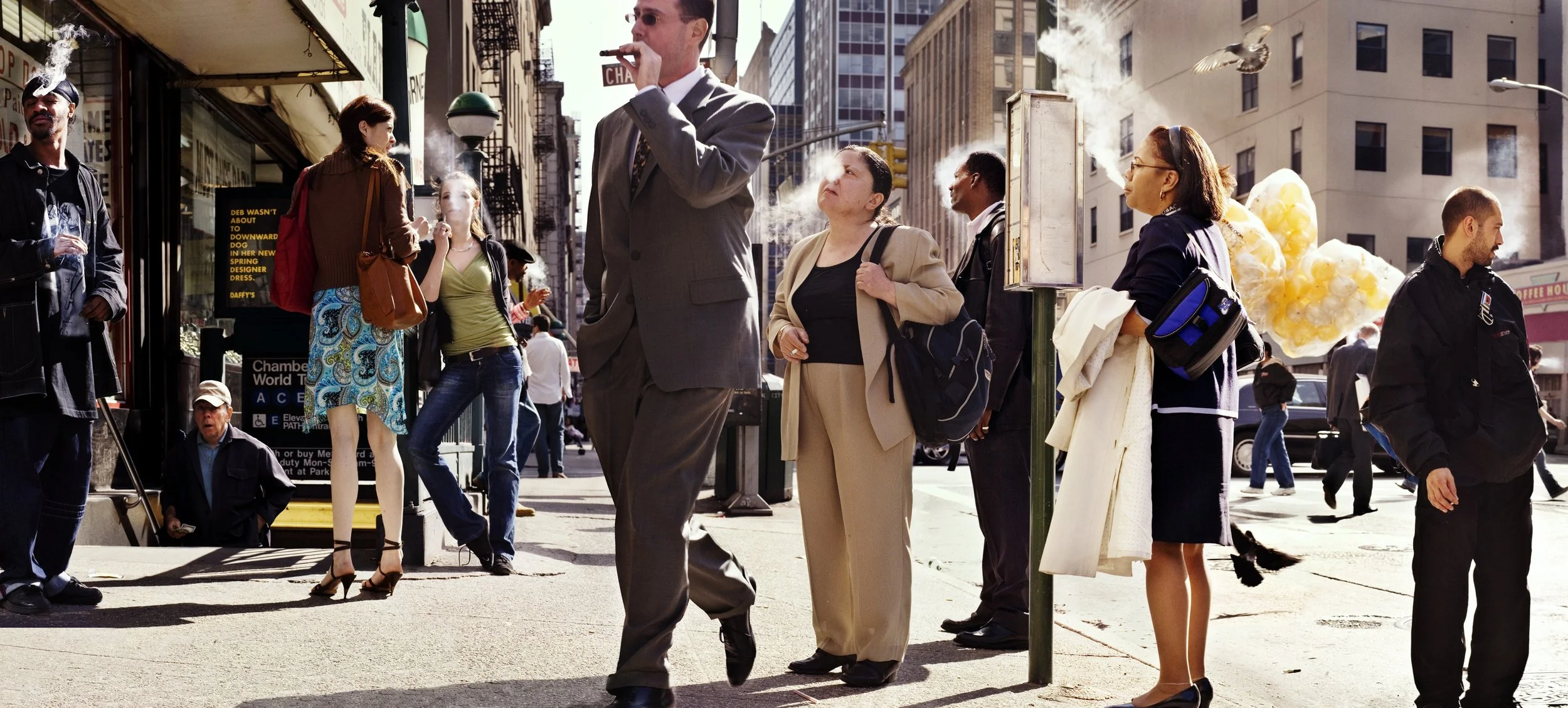
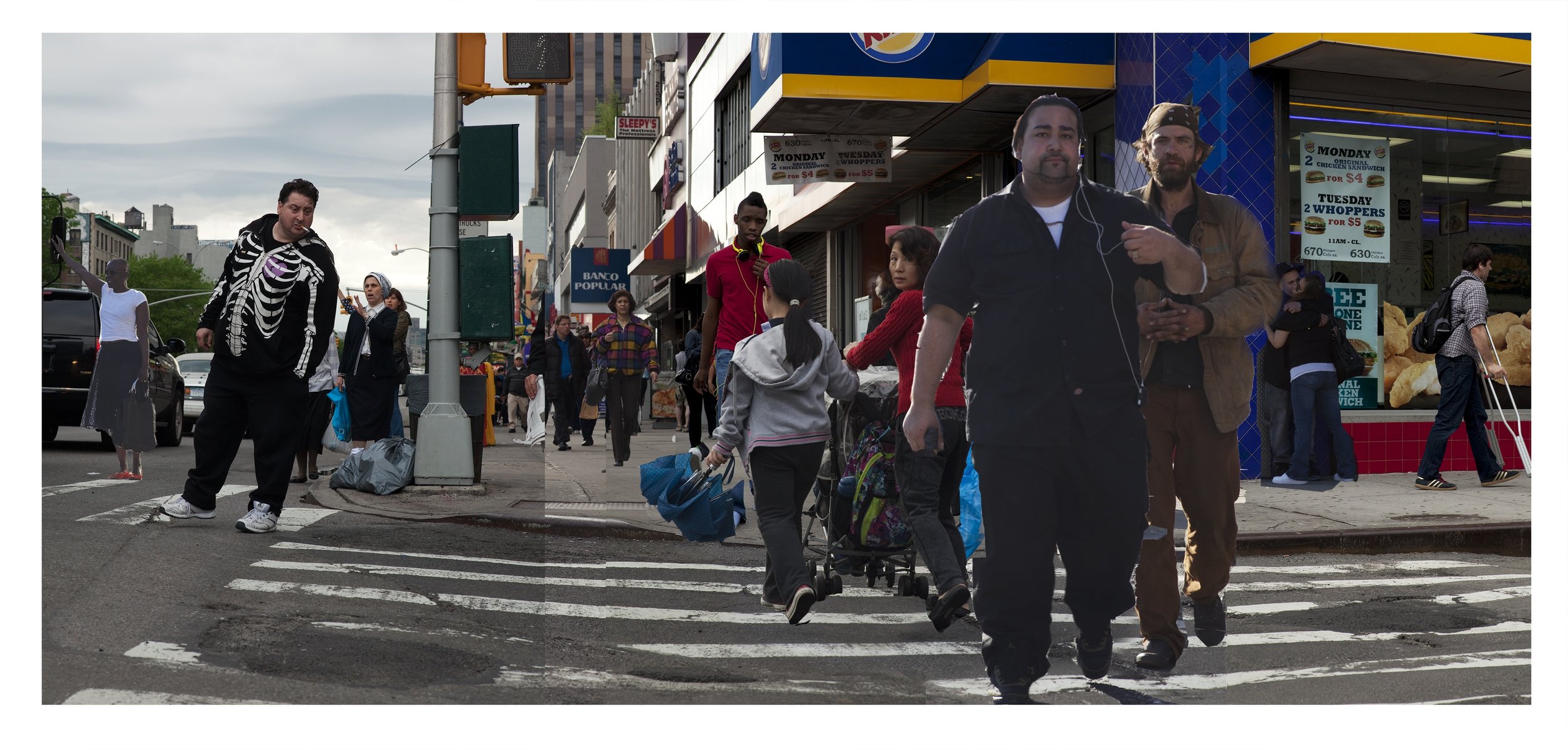
Initially, I was drawn to creating images that contained not just one moment but several, photographing New York in a way that became more of a social study than a simple slice of life. I wanted the work to feel ritual-based, similar to what I’ve read in Paul Auster’s stories. When I first began, I was living on the corner of Chambers and Church in Tribeca. Nearby, there was a bus stop, a deli, and a corner that, when looking south, became especially cinematic in the afternoon light.
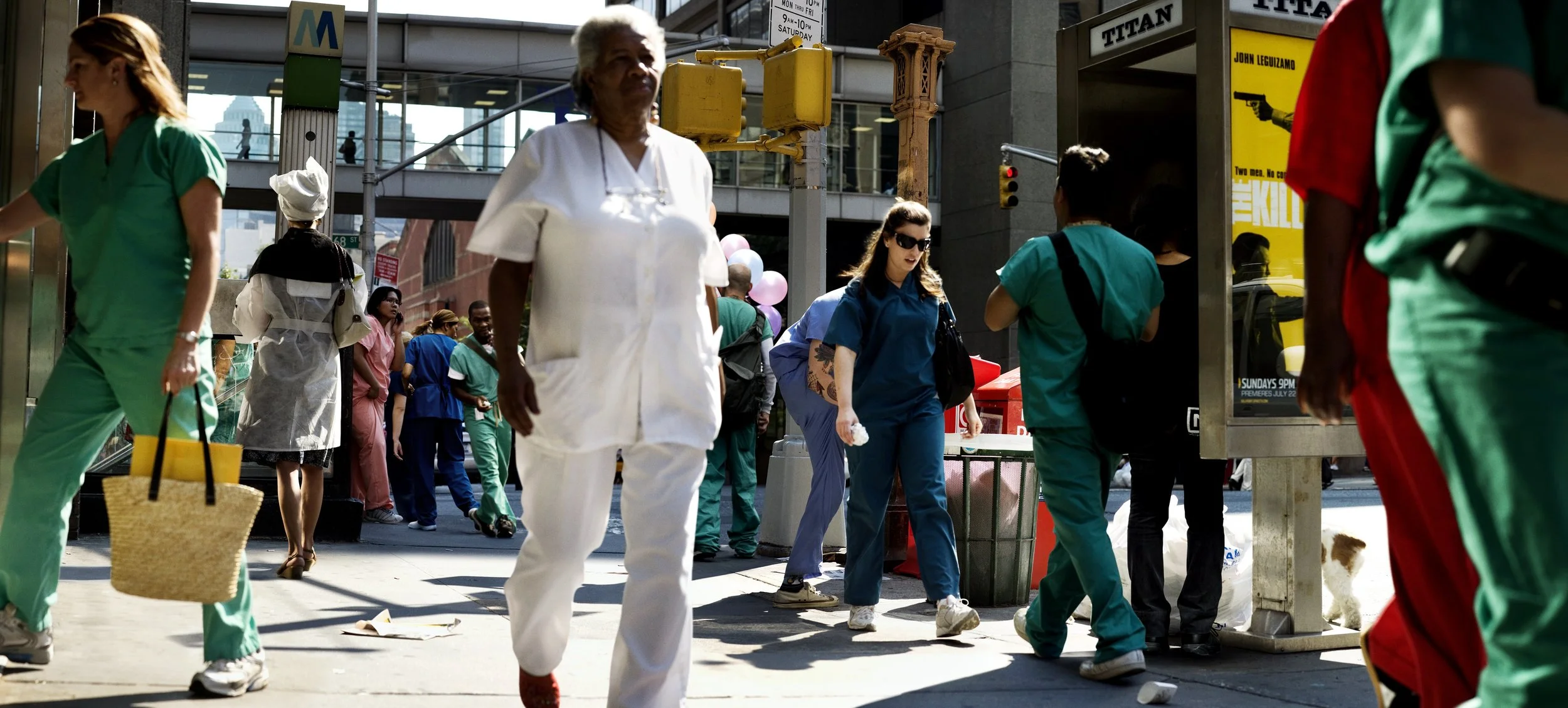
Every day, I returned to the same spot at the same time, placing my camera and tripod in the exact position and photographing the people passing by. While watching people wait, smoke, talk, and walk, I began to wonder what it might look like if I created an image composed only of people who smoked. So I started photographing people smoking. From there, I continued exploring other concepts in a similar way. I photographed in a documentary style and later composed the images on the computer.
A more gimmicky example from Babel Tales is Hommage an Ellis, photographed during the Financial Crisis and Halloween. The final image became a mix of stock-exchange workers in turmoil, demonstrators surrounding them, and the theatrical atmosphere of Halloween, with someone dressed as Patrick Bateman standing in the middle. Most of the other works, however, have subtler narratives.
Editing Challenge: Looking through thousands of photos from the same street corner - what's your method for picking the best ones?
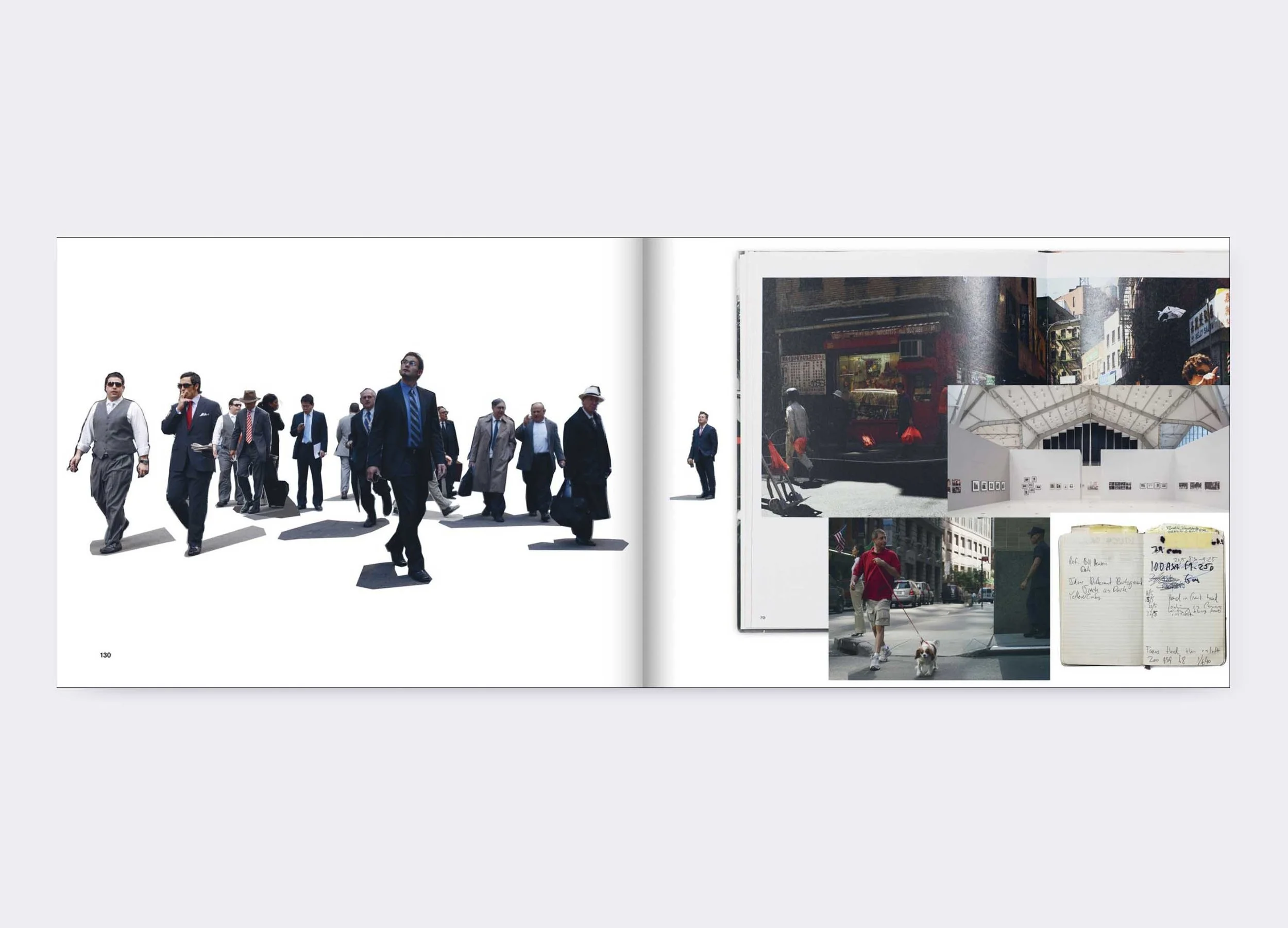
For 42nd and Vanderbilt, my method for selecting the strongest images focused on gestures, movement, clothing, and even small details like how much of their coffee people had drunk. I began by pairing two images of the same person, creating diptychs. I was most interested in pairs that were strikingly similar, which helped illustrate how humans form rituals and habits. Some diptychs even featured a “protagonist behind a protagonist,” emphasising layered narratives within everyday life.
The goal was to highlight these routines and show what they looked like for each individual. I spent about 14 days editing the book and preparing a PDF to send to a few publishers. Paul (TBW books) responded immediately, fascinated by the project. Shortly after, we set up a meeting and decided to move forward with the book. From there, the process became a synthesis, a one-line explanation of the work’s intent and structure.
Street vs. Constructed: Babel Tales uses digital editing while 42nd and Vanderbilt doesn't - why did you choose different approaches for each project?
For 42nd and Vanderbilt, I think I was a little bit inspired by ‘The Imperfect Atlas’, where you compare images, like a postcard and an image I create. That is where the story exists and the imagination of what’s happening between them. So for the people on the streets, I wondered what if it’s just two images of the same person. They look like they’re seconds apart, but they could be days, weeks, months, or even years in between. The repetition of gestures, routines, and small habits becomes the narrative. It wasn’t about manipulating the scene; it was about observing these patterns in real time at the same corner every morning. The story comes from the comparison, not the edit. With Babel Tales, the approach was different. Some people were shocked by the series, and one of photography’s great vulnerabilities, its supposed relationship to truth, was exposed and amplified by the reactions. I just see it as a different way of documentary and storytelling. I take pictures over a long period of time instead of taking one shot in a 1/125sec. And of course, it creates a different way of storytelling. It became more relevant to lean into the conceptual part and formulate how it was done, and about what happens in front of the lens and behind the camera. Babel Tales was definitely an eye-opener for many people. Somehow, the series was hard to define, although you understood how it was put together. It was always a fascination to me that my works were hard to define. The scepticism of the mix between reality and fiction was later appreciated, and Babel Tales became more of an approach. Photography has been going through waves of transitions, and the unedited photo is manifesting itself again.
By editing the images in this fiction-like way, the work began to resemble a kind of ballet or theatre, where the figures seemed choreographed and the whole scene staged. These dogmas, placing people into a setting with others, creating a space that never actually existed at the same moment, turned into a mix of anthropological study, poetry, and a kind of pictorial symphony. The pictures are grounded in reality yet appear almost fictional. It felt like a way of expanding how documentary photography can be understood, and I became curious about how such a project could be presented.
Working Alone: Did people notice you photographing them every morning, and how did you handle being watched while watching others?
Most people didn’t notice me photographing them. I stood there every morning, watching people as they waited, walked, talked, and smoked, and they were so absorbed in their own routines that they rarely looked back. Sometimes someone did notice me, like a woman in red who looked straight at the camera, almost questioning me: “What are you up to?”
I was simply observing, being a voyeur in that sense, present with people but almost invisible myself. I enjoyed just watching. It became part of the project: the act of looking at others while remaining unseen.
Since then, people I’ve photographed have reached out, and it has led to some pleasant and memorable conversations about that time on the street. From
Babel Tales, there was a man who walked the same route to work for 15 years, always carrying a muffin and a coffee. A family member saw him in my photo in the book and bought a print as a gift to celebrate his new life in retirement.
There’s also a funny story from a book fair in New York. Someone showed me a photo on his phone of one of the men from the work and said, “I just went on holiday with him.” Seeing someone move from the street, dressed formally, to relaxing by a pool, I found it quite funny.
There have been other kinds and humorous stories from people involved in the series writing to me. I can only say thank you for being an involuntary part of this project. I received nothing but positive feedback from the people portrayed.
Philosophy of Seeing: The book talks about surveillance and privacy - what do you want photographers to think about when taking pictures of strangers?
Observation can easily become a kind of surveillance, but it can also become something very humanistic, that reflects empathy, routine, and the private worlds people carry through public space. When discussions around my work turn to surveillance and privacy, what I hope photographers consider is the intention behind the act of looking.
Some have described 42nd and Vanderbilt as a gentle kind of surveillance, but for me the project was more about privacy, empathy, and observation, held by a strict ritual. I wanted the work to feel tightly focused on routine, that narrow window of time each morning when people reveal small truths about themselves.
In the early 2010s, as conversations about metadata and digital tracking intensified, I became more aware of how observation could become detached and algorithmic. My intention, however, was to maintain a humane perspective, to look at people with empathy, to observe them in a way that felt poetic rather than analytical.
In 42nd and Vanderbilt, people appear in the same clothes and some may interpret that as something depressing. But in reality, how many outfits is anyone expected to have? Most of civilisation is built on routine, on familiar gestures and repeated choices. What interests me is not the sameness itself, but the vulnerability that emerges when these patterns are seen with empathy rather than judgement.
To discover more about this intriguing body of work and how you can acquire your own copy, you can find and purchase the book here. (At Last Books, Amazon)
More photography books?
We'd love to read your comments below, sharing your thoughts and insights on the artist's work. Looking forward to welcoming you back for our next [book spotlight]. See you then!
Gosbert Gottmann wanted war photographs that resisted easy reading. In Freiheit Freedom Воля, he works with images connected to the war in Ukraine and changes them through abstraction, distortion and deformation. Photography Book Spotlight