Two Bodies, One Home: How Pixy Liao Reinvented Domestic Space Through Living Furniture
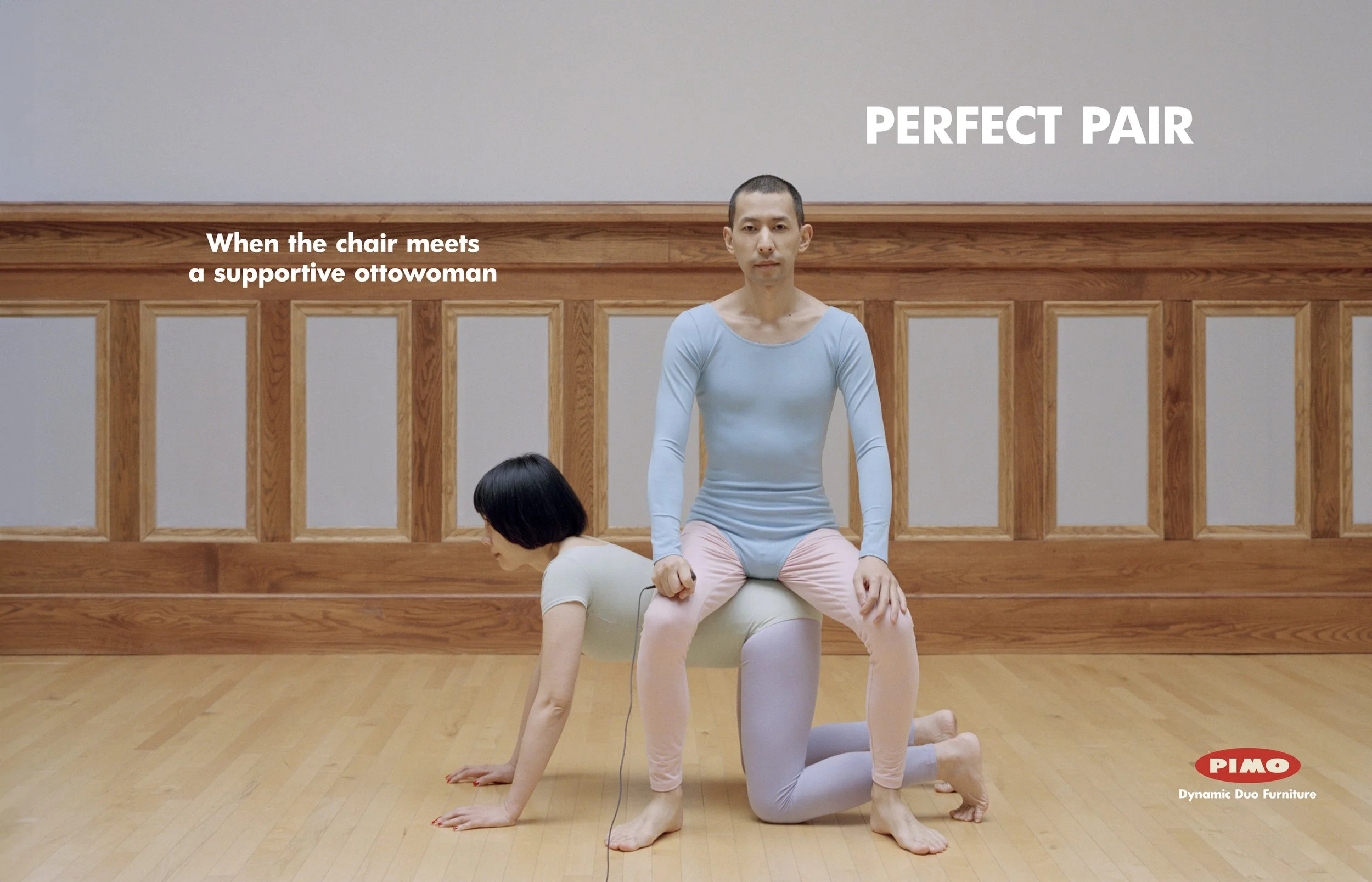
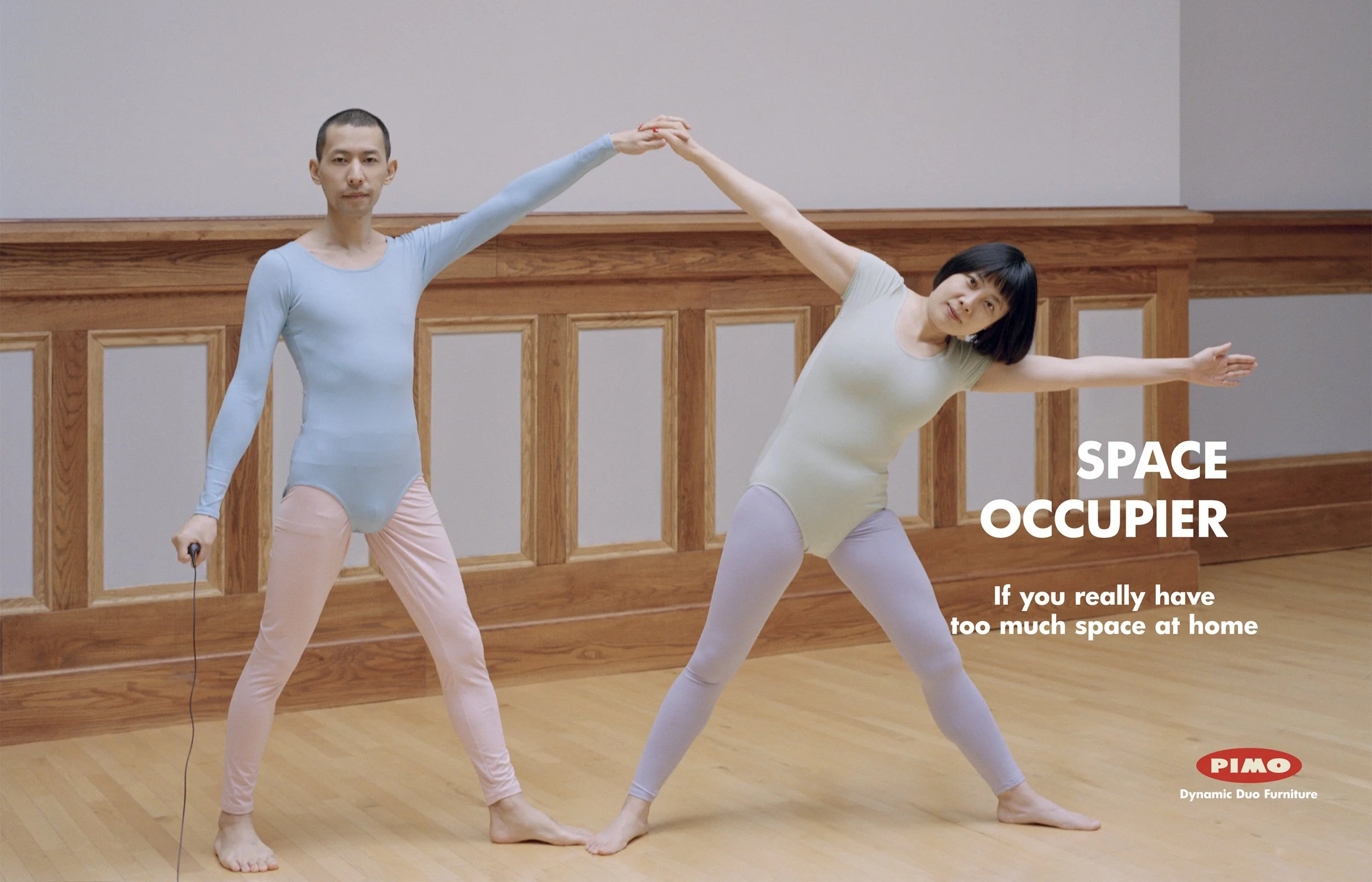
What happens when a couple becomes the furniture?
This project starts with a simple idea: two people using their own bodies to form chairs, tables, and othe familiar objects. It grows into a playful but serious study of how relationships shape the spaces we share, and how the home can become a place for creative experiments. Built during lockdown, it shows how limited space can push new ideas. The result is a series that mixes humor, design, and performance in a very direct way.
This is also a story about what relationships look like when they become daily work.
Pixy Liao and Moro use their bodies as tools to explore balance, support, and cooperation inside a home. The project feels like a mix of art, design, and everyday life, and it connects to years of work they have made together. It turns couple dynamics into something you can see, not just feel.
The Project
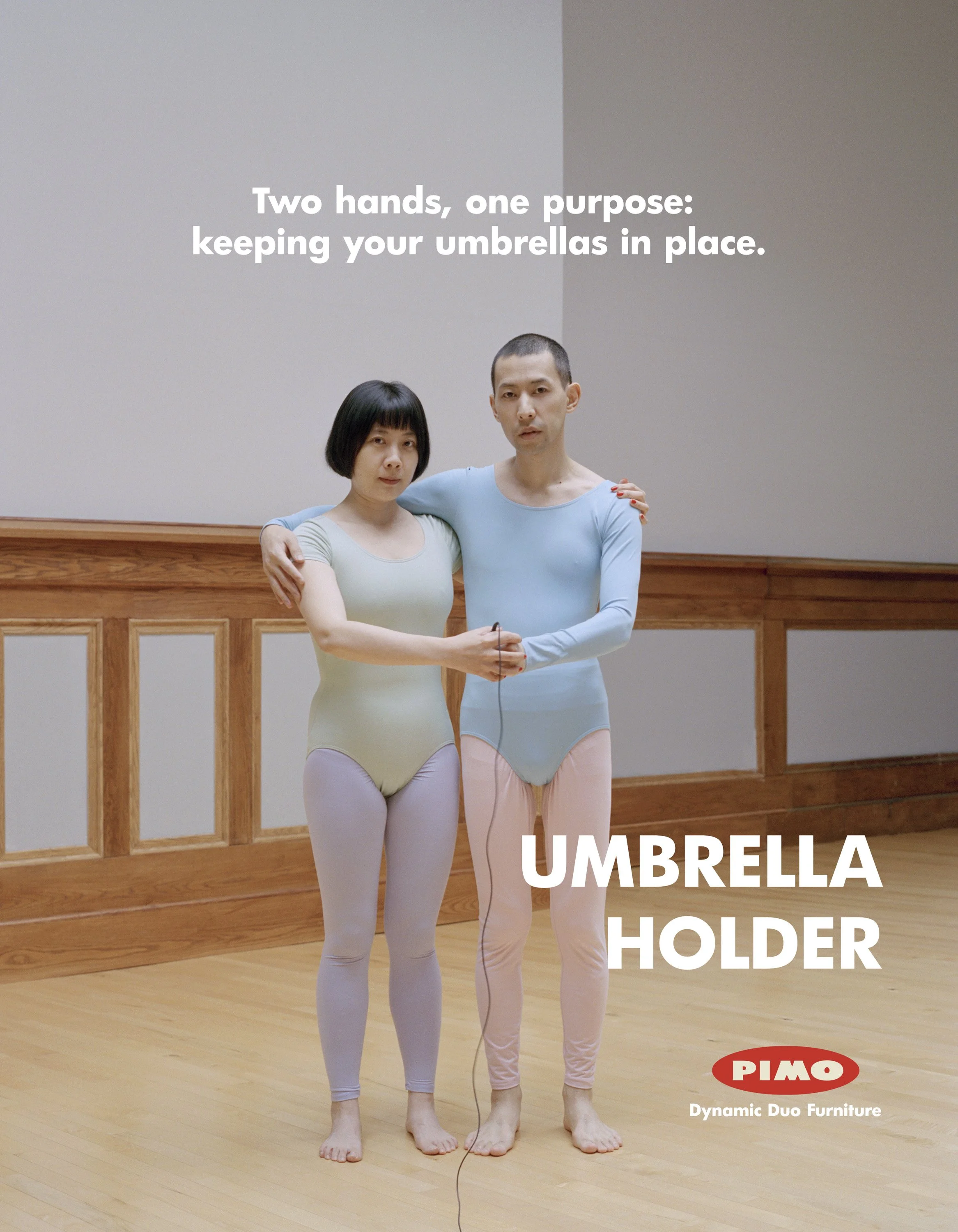
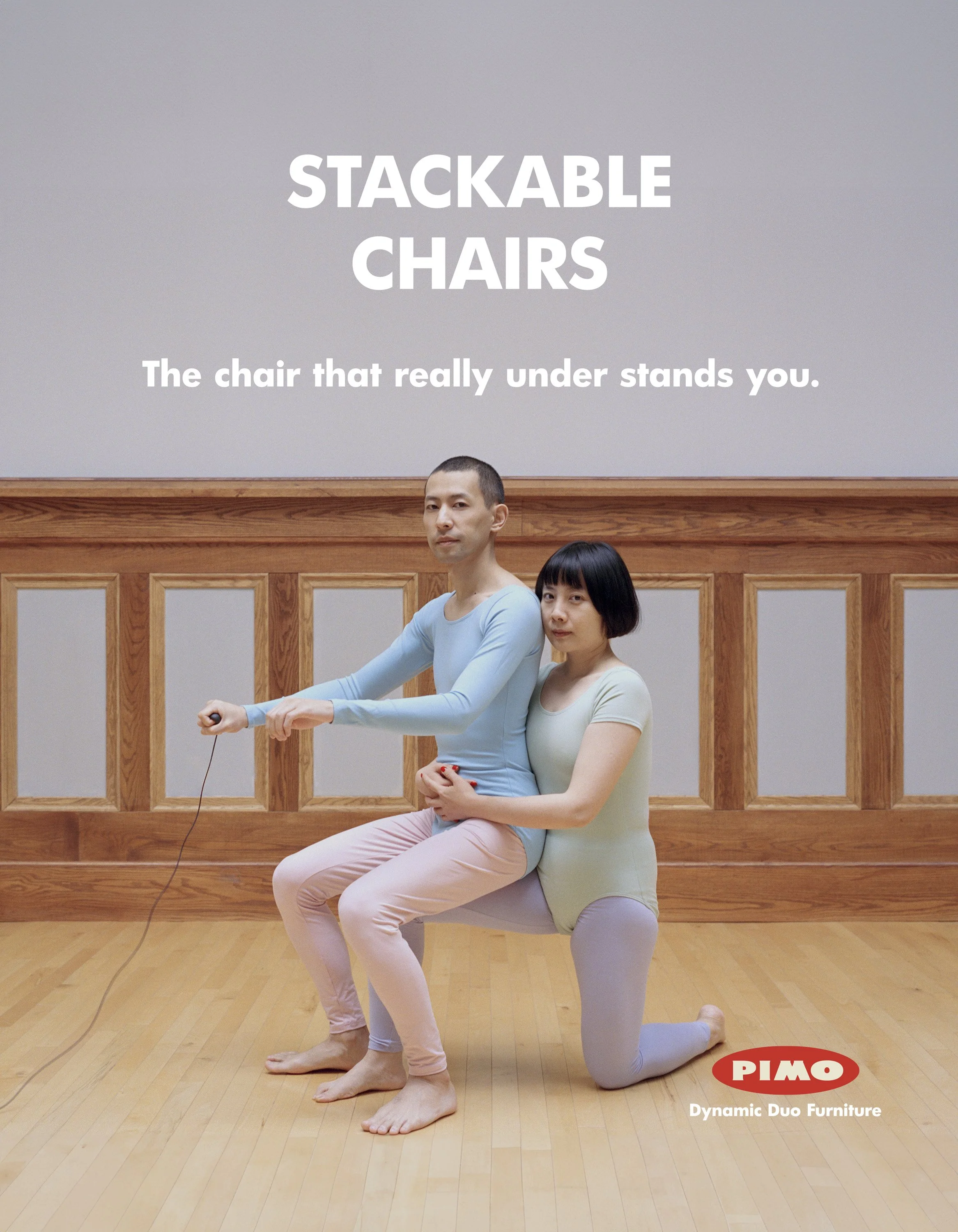
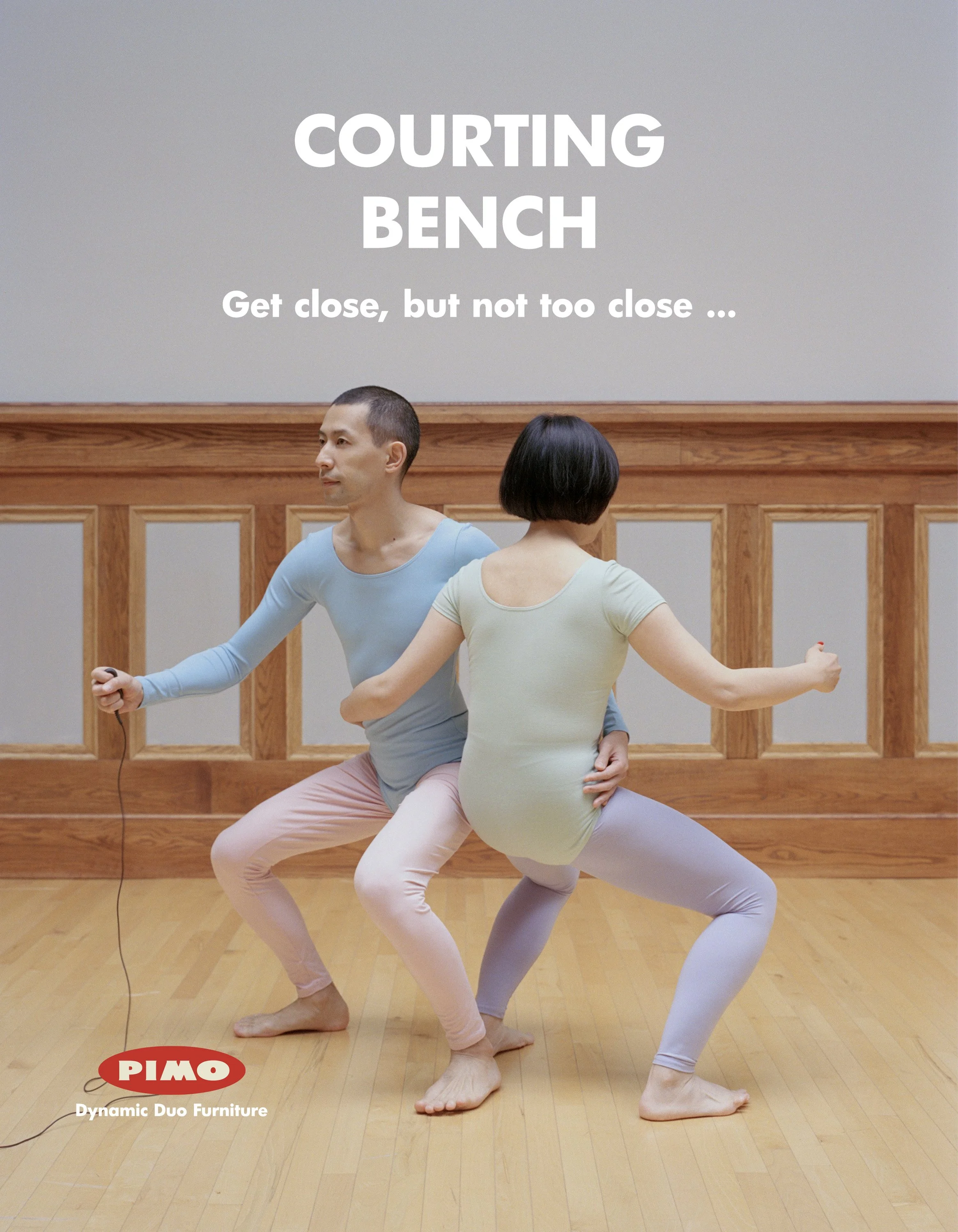
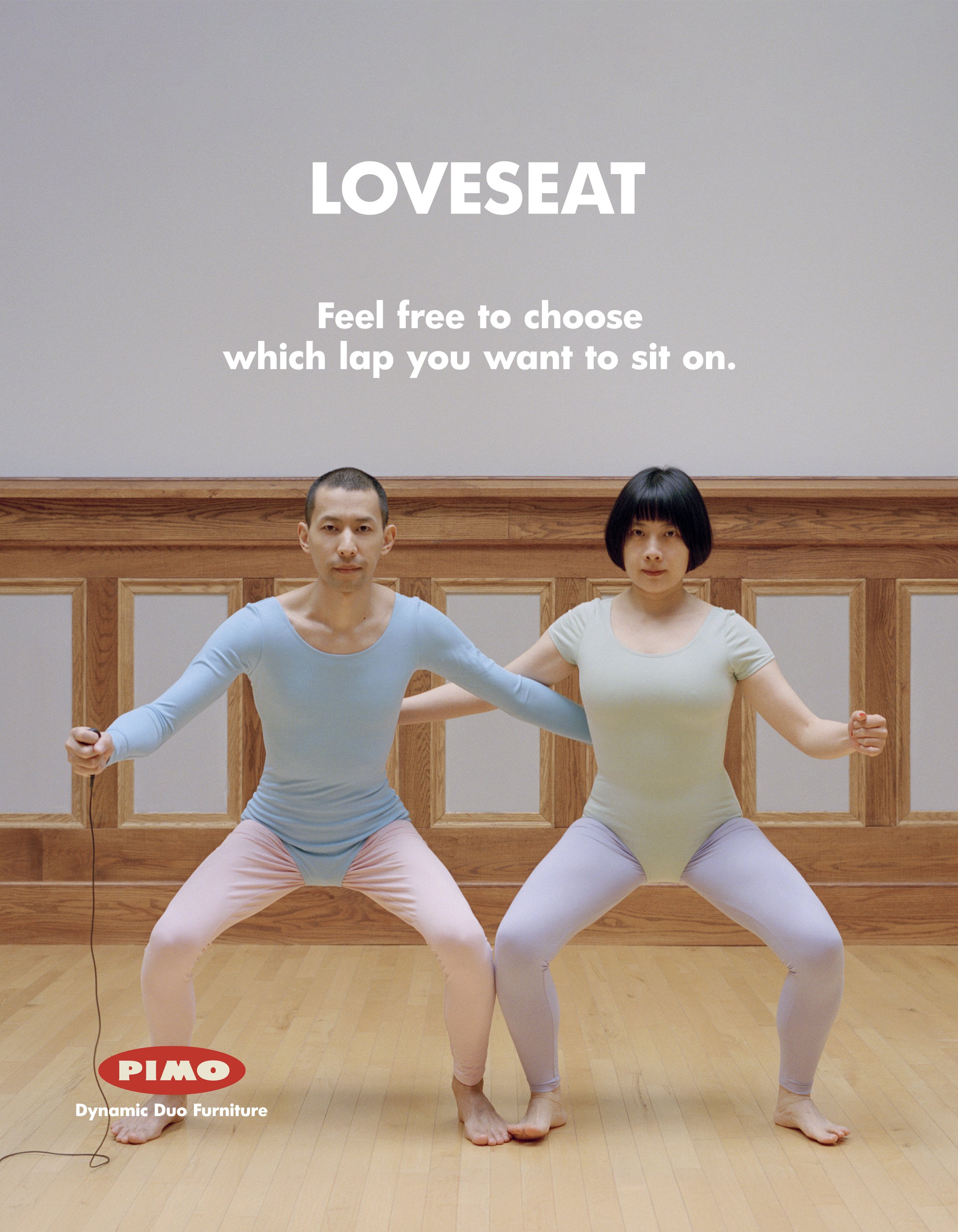
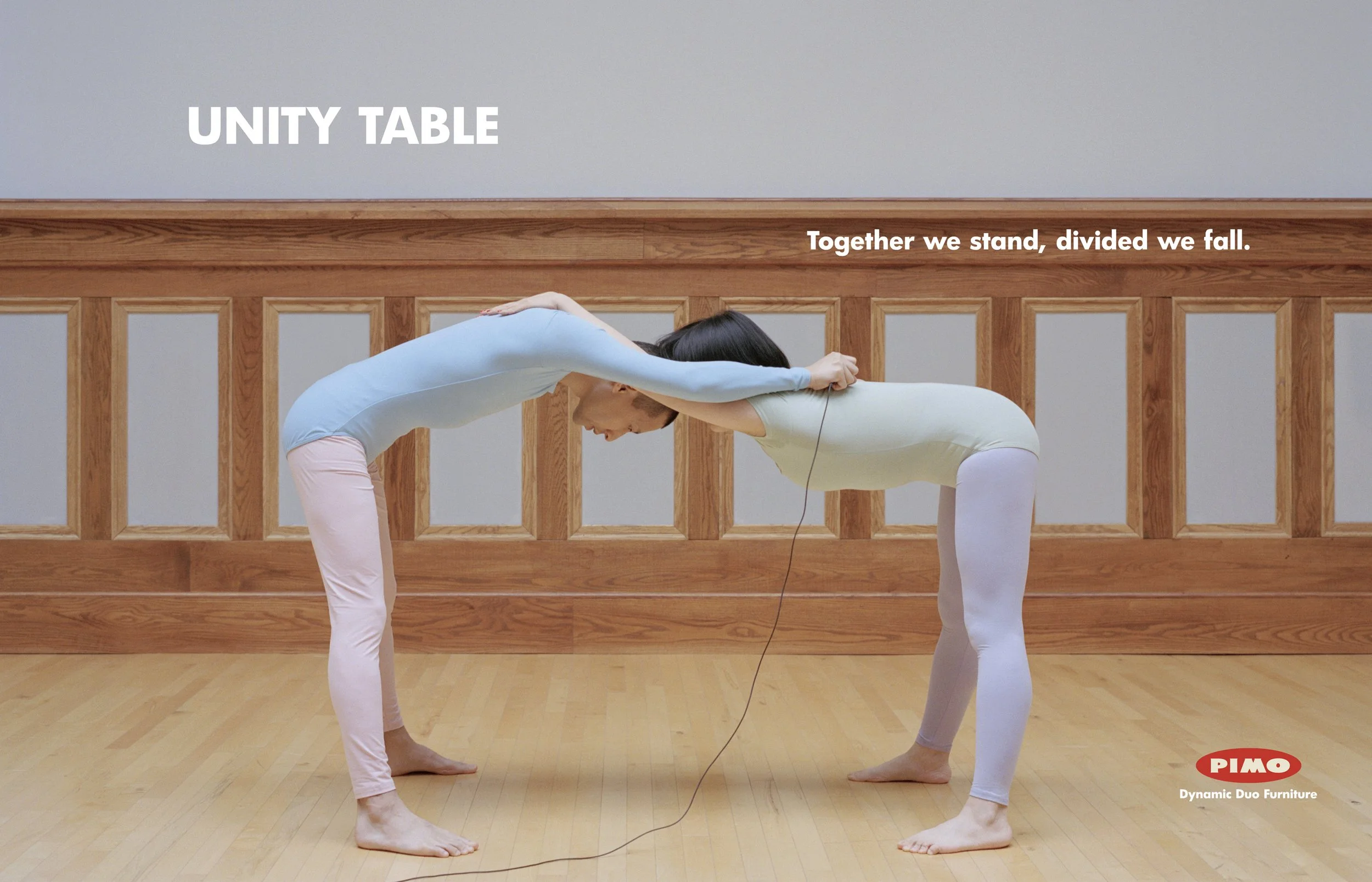
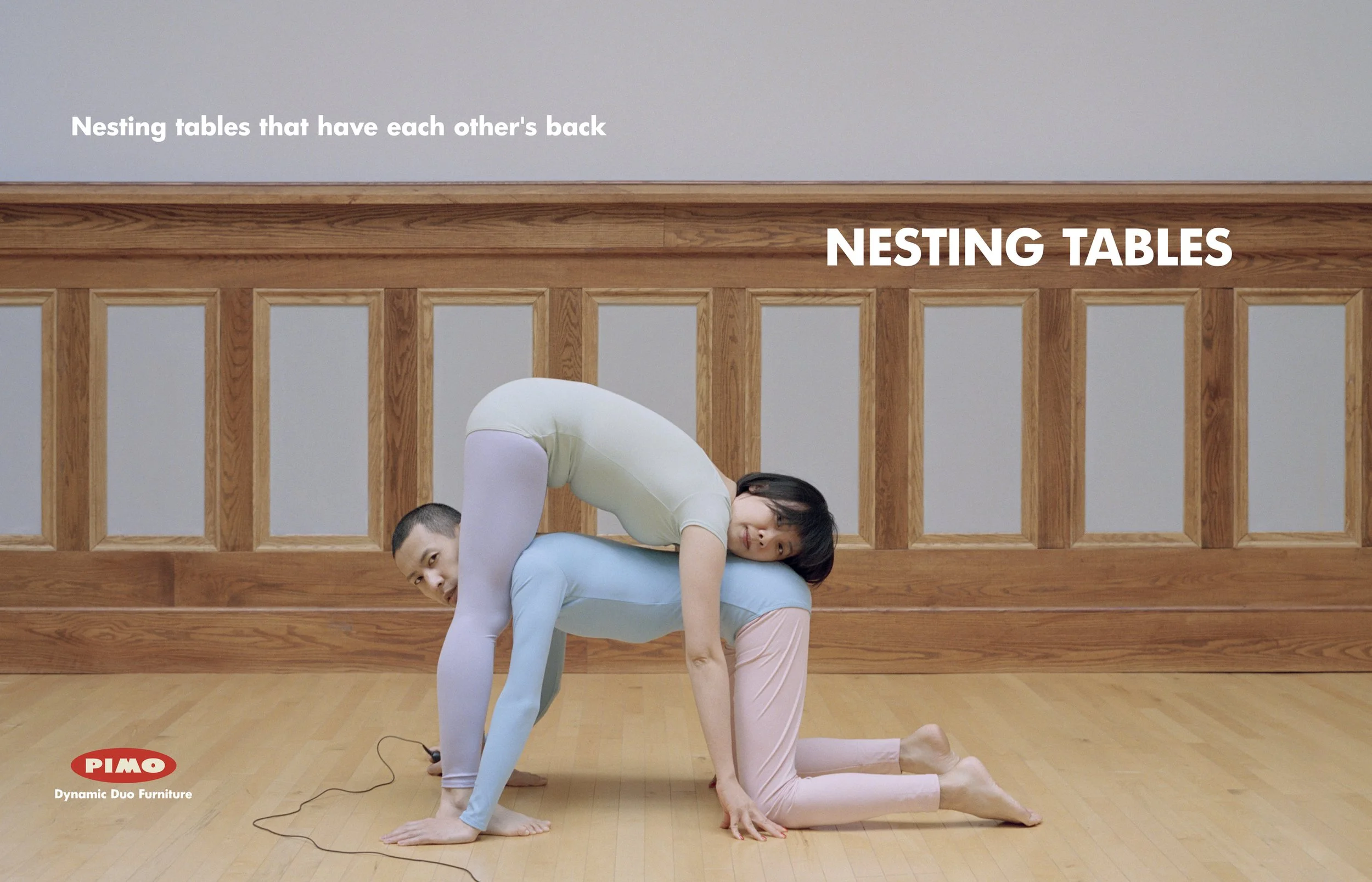
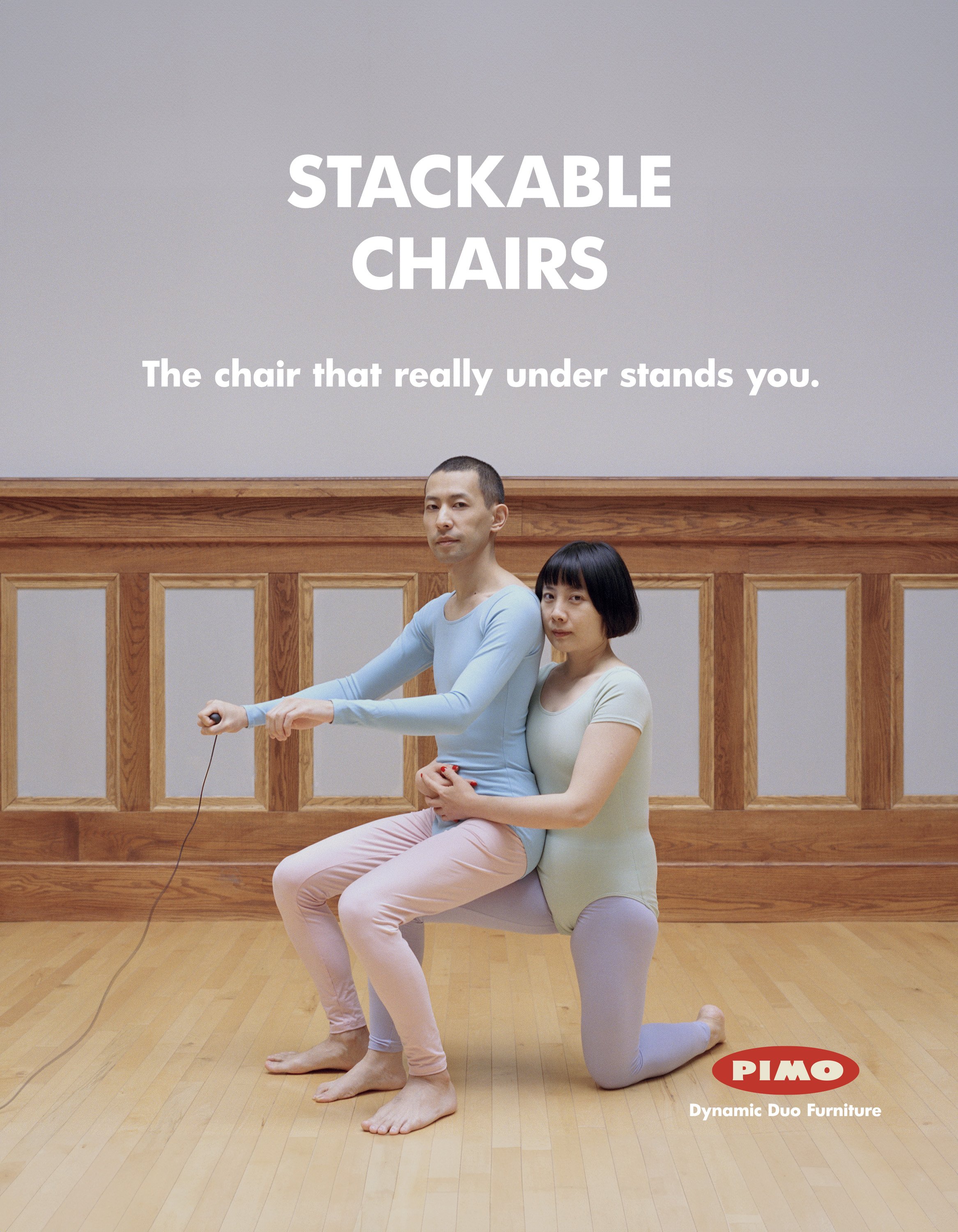
Dynamic Duo Furniture turns domestic life into design, and love into a kind of furniture experiment. In this series, Moro and I become chairs, tables, and other “functional” home objects, testing how two people can literally hold a space together. The project was born out of lockdown, from a desire to fully inhabit and reinvent our shared domestic space. The project plays with the language of advertising and the absurdity of everyday intimacy, turning coupledom into both product and performance. It’s part humour, part critique, a way to reimagine what relationships, and the spaces they occupy, can look like. (PixyLiao.com)
Project Overview: What is "Dynamic Duo Furniture" and how does it connect to your relationship photography work?
“Dynamic Duo Furniture” explores how two people can become functional or nonfunctional pieces of furniture within a home. It’s a conceptual project combining photography and graphic design, first presented in ArtReview Asia as a series of fake furniture advertisements. The work continues my ongoing use of photography and the body as my primary medium. Like my previous projects, it’s a collaboration between Moro and me, a continuation of our creative partnership and exploration of intimacy through shared performance.
Body as Object: Your past work turns Moro into objects like bags - how does making furniture change this idea?
In Experimental Relationship and the works you mentioned that turn Moro into a bag, I looked at intimacy from a female perspective, how power, desire, and play shift within a couple. Dynamic Duo Furniture moves beyond that personal lens into something more neutral and spatial. It’s less about emotional dynamics and more about how two people share space, how they literally “fit” into a home together. It’s about bodies as architecture, sometimes functional, sometimes just there, amusingly occupying space.
Collaboration Process: Do you still control the camera while Moro builds, or did you switch roles for this furniture project?
For this project, I controlled the camera because it was more about visualising the concept, almost like designing furniture. I created sketches for each pose before we shot. Unlike Experimental Relationship, which relies on emotional exchange and improvisation, this project is more structured. We’re both simply components of the idea, props, or maybe prototypes, standing in for the many ways two people hold each other up.
Technical Challenge: What was harder - learning to make furniture or finding ways to photograph it as art?
This project was actually easier to photograph than our usual work. It didn’t require as much emotional engagement, only some physical endurance to hold the poses. The real challenge came later: naming each “product” and writing slogans that sound like they belong in a real furniture ad, but also reveal the humour and fragility behind the idea. It’s like designing an IKEA catalogue for relationships.
Photography Method: Do you document the furniture-making process or just the final pieces?
I only take photos of the final pieces. But for this project, I did record videos of us creating the images, something I don’t usually do. The videos can be used as instruction manuals, similar to IKEA guides, illustrating how to “assemble” the furniture.
Space and Display: How do you light and compose furniture photos compared to your body portraits?
I shot the series in a large, empty hall during my Light Work residency. The space became a kind of showroom. In contrast to my relationship projects that are typically taken in intimate, personal domestic spaces, this neutral environment offered a sense of display and clarity.
Body Limits: What furniture pieces were impossible to create with just two human bodies?
We can make almost any kind of furniture I designed, but never perfectly. Our flexibility and strength naturally limit how complex or precise the “furniture” can be. Sometimes I imagine designs that are more horizontal or symmetrical, but physically we can’t achieve them exactly as sketched. That imperfection, the human limitation, becomes part of the work’s charm. It’s a reminder that these objects are made of living bodies.
More photography books and interviews?
We'd love to read your comments below, sharing your thoughts and insights on the artist's work. Looking forward to welcoming you back for our next [book spotlight]. See you then!
Robin de Puy could no longer make this project alone. She first photographed Randy in Ely, Nevada, during a 2015 road trip and kept returning to him for more than ten years. Interviews