Welcome to this edition of About Photography interviews. Today, we talk with Michael Sargeant about ‘Fact/Fiction,’ the Magnum Square Print Sale (presented by Magnum Photos), open Oct 26 to Nov 1. We'd love to read your comments below.
Magnum Photos is selling photographs that make you ask what is real.
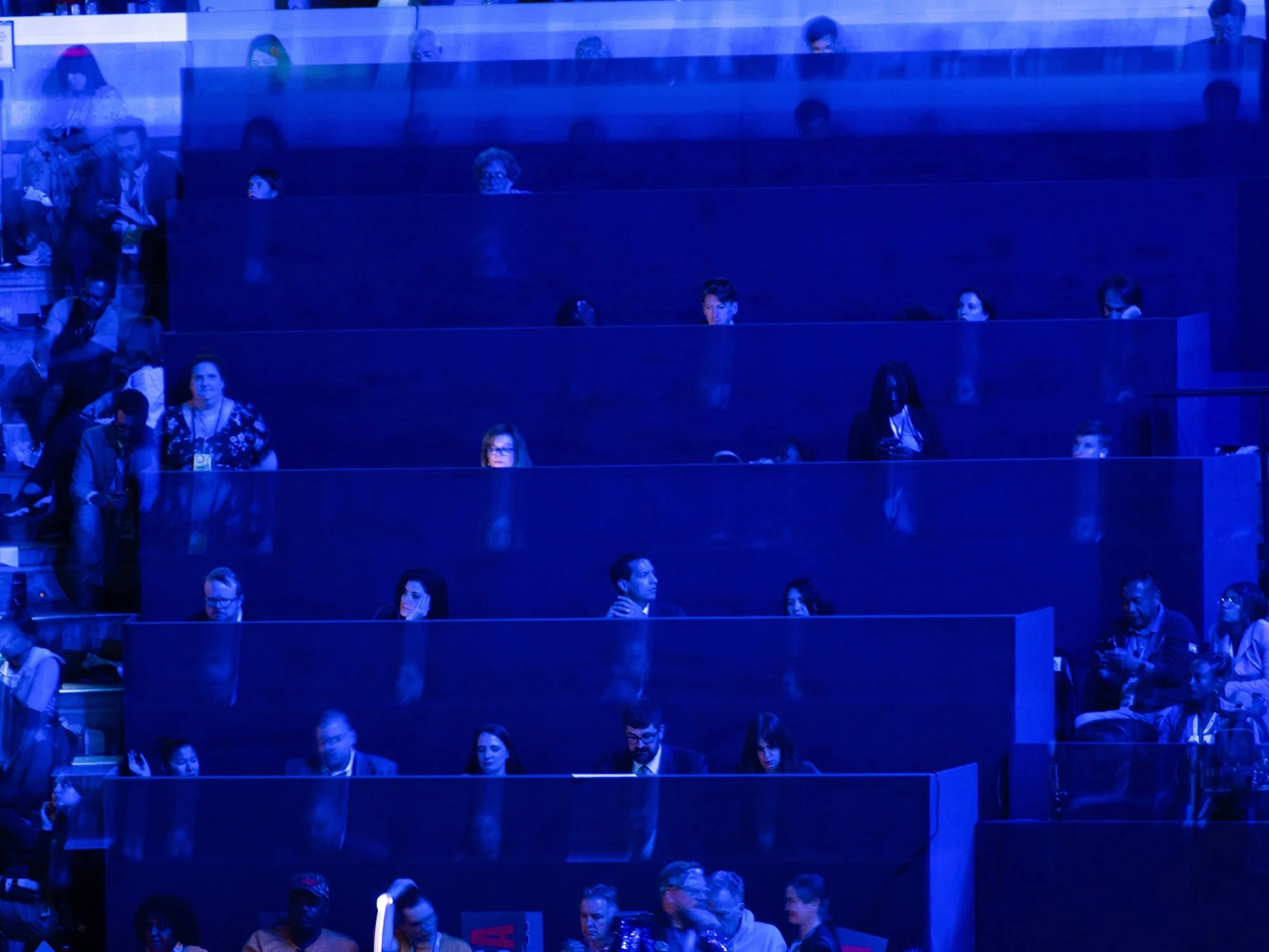
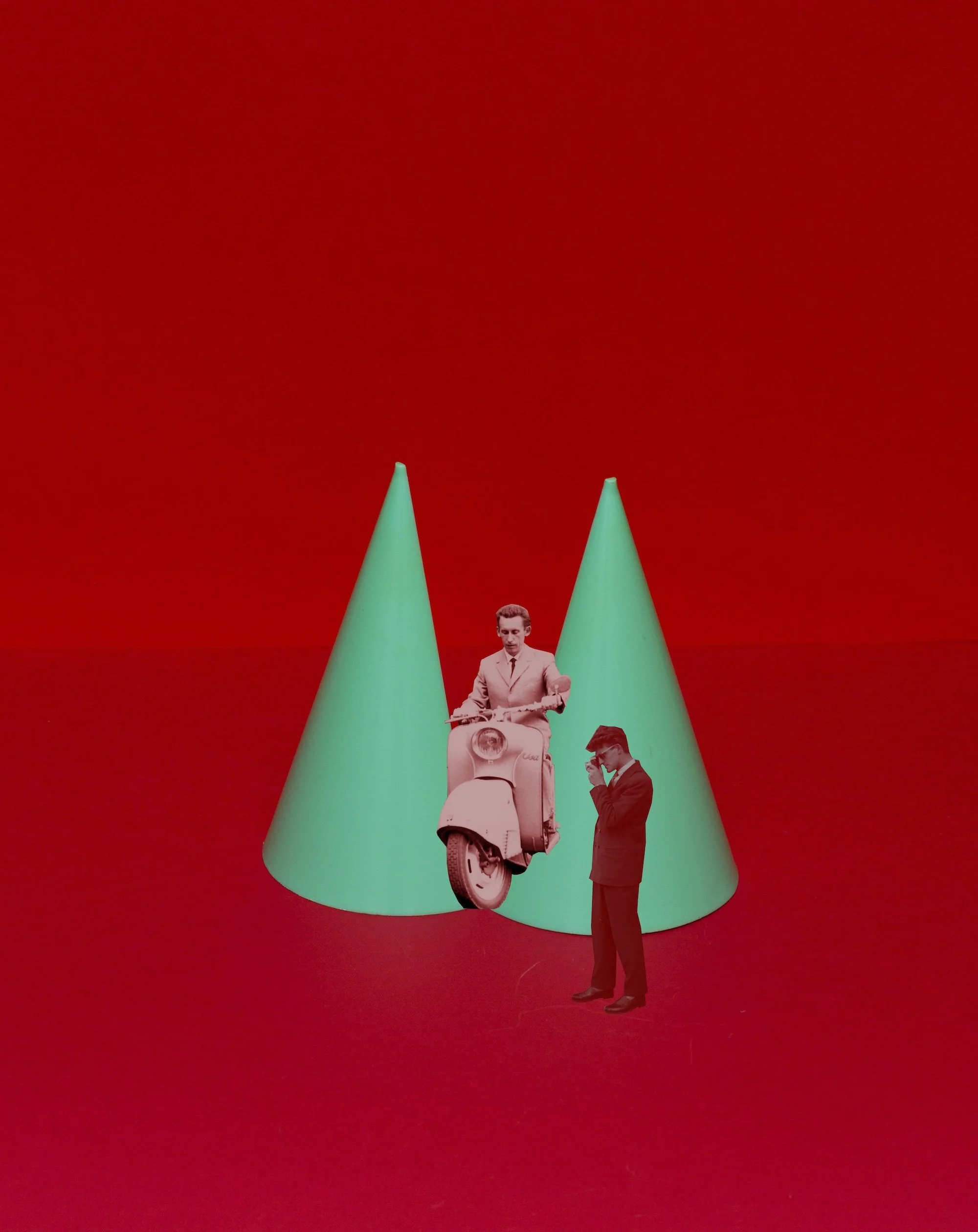
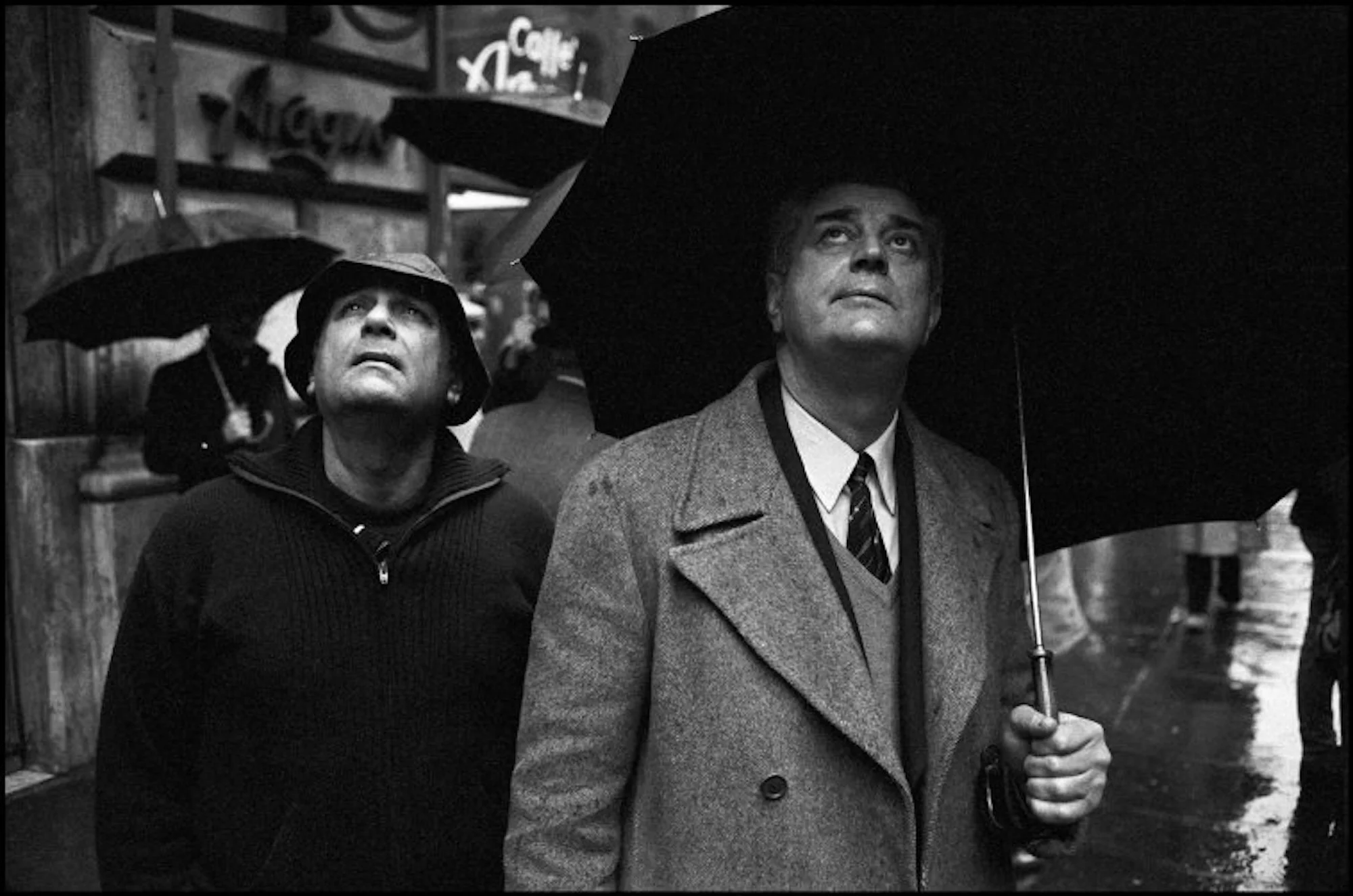
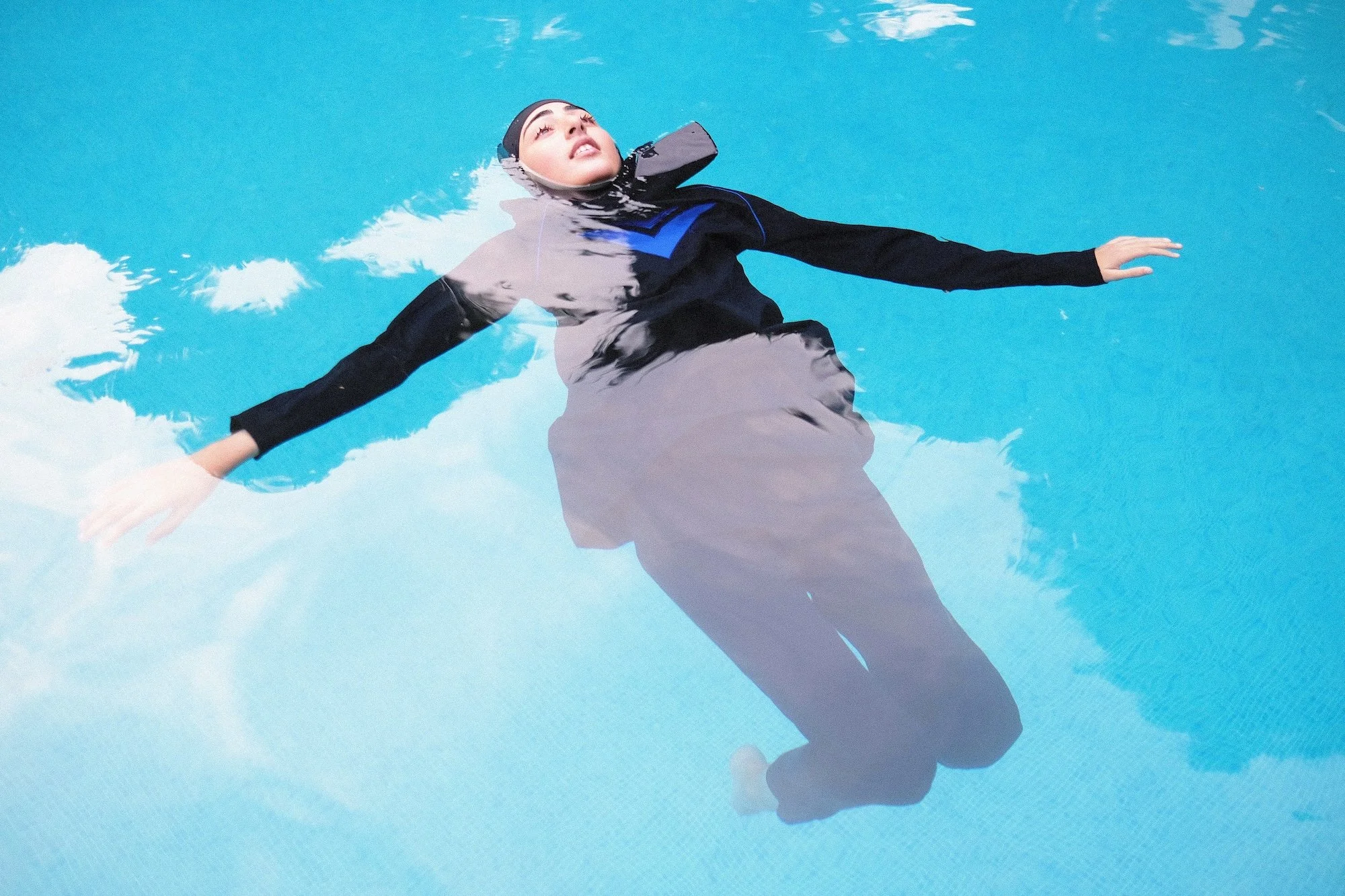
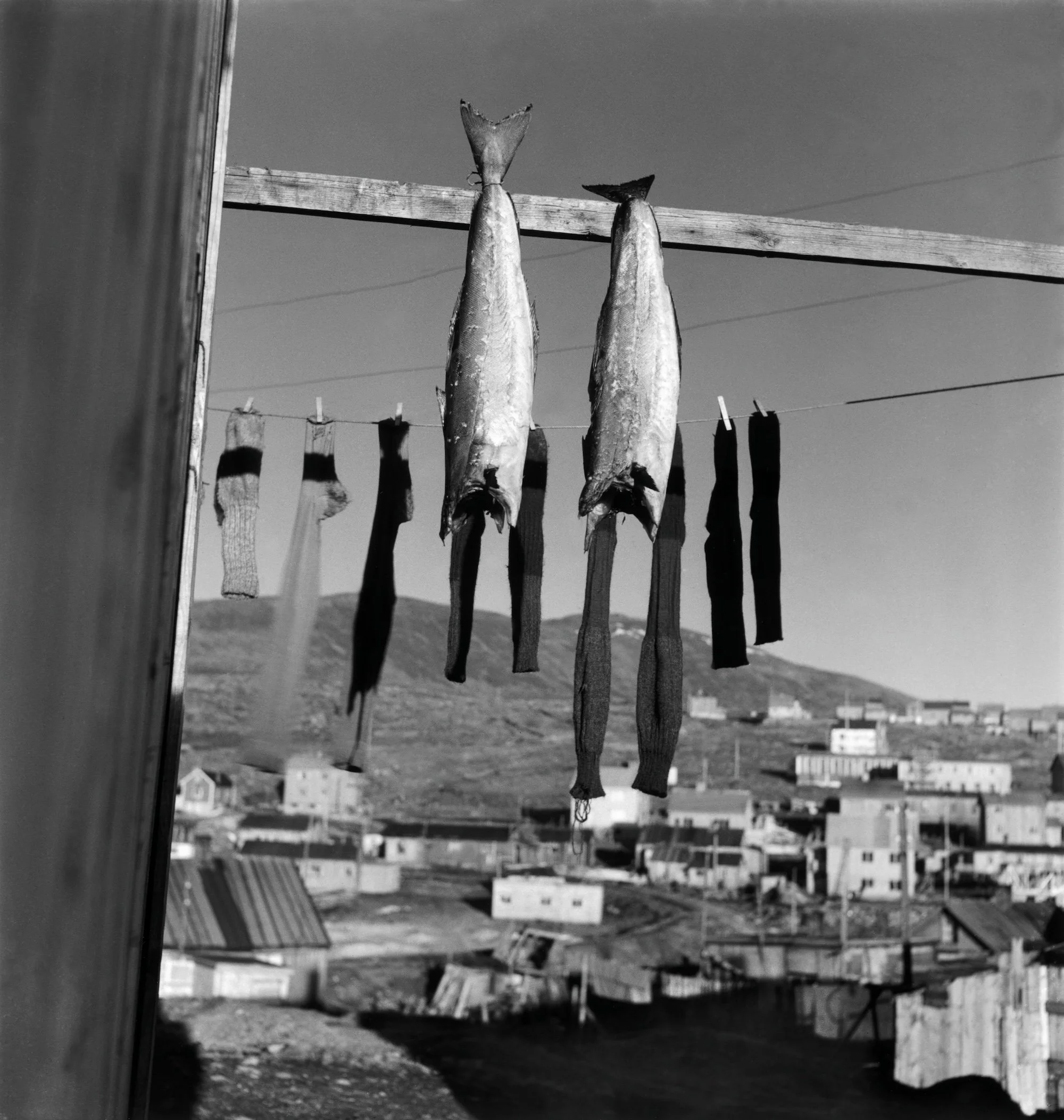
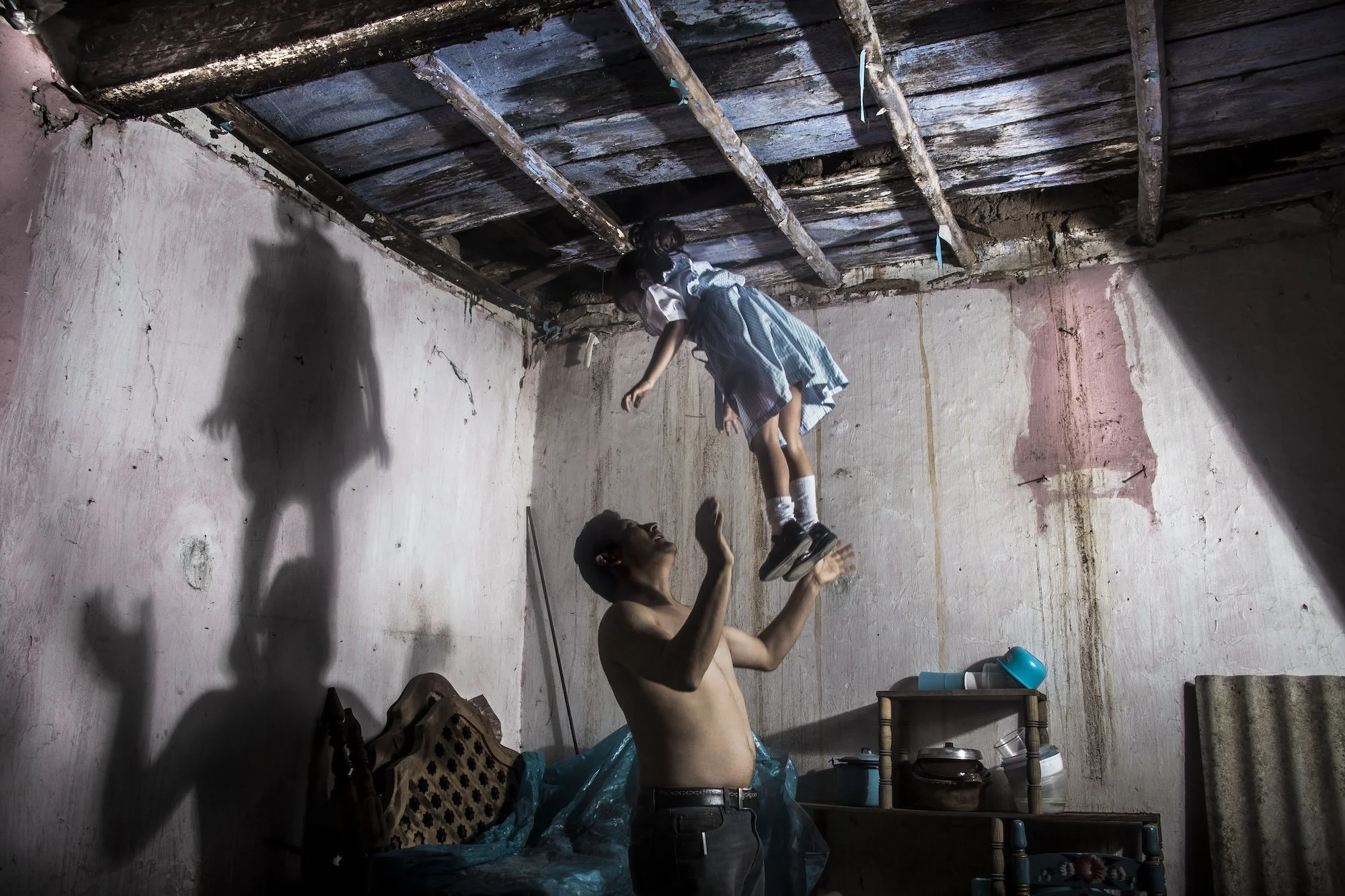
Fact/Fiction is the new Magnum Square Print Sale. It brings together over 70 small prints by photographers such as Martin Parr, Chris Killip, Bruce Davidson and Susan Meiselas. Some are straight documents of history, some were carefully staged, and some only look strange because of a coincidence in the frame. Each 6x6" print is signed by the photographer or stamped by the estate and is on sale for one week only.
Michael Sargeant helped bring the selection together.
He is Global Director, Digital Projects & eCommerce at Magnum Photos. Photographers, estates and the Magnum team searched the archives for images that had not appeared in the ten-year history of the sale. Every final choice was signed off by the photographer or the estate. The result places Jonas Bendiksen’s project about fake news and manipulated images beside real night streets in Seoul photographed by Patrick Zachmann.
In the interview, Sargeant explains where a sale theme comes from, how a new context can change the way we read an older photograph, and when a caption helps the viewer without explaining the mystery away. For photographers, it shows how an editor goes back into an archive and finds new reasons to look at old pictures.
The Sale
Fact/Fiction
Magnum Photos · October 26 to November 1, 2026 · from $110 / £110 / €120
Fact/Fiction, the new Magnum Photos Square Print Sale, runs online from Monday, October 26, 9:00 a.m. EDT to Sunday, November 1, 11:59 p.m. EDT. Magnum photographers and estates present images about the line between reality and the imagination, from uncanny coincidences to carefully constructed narratives.
The sale offers work by Martin Parr, Chris Killip, Bruce Davidson, Susan Meiselas and many more. Over 70 museum-quality 6x6" prints are available for one week, with prices starting at $110 / £110 / €120. Each print is signed by the photographer or stamped by the estate. Unlike a typical limited edition, the prints are limited by time, not by quantity, and will never be available in this format again.
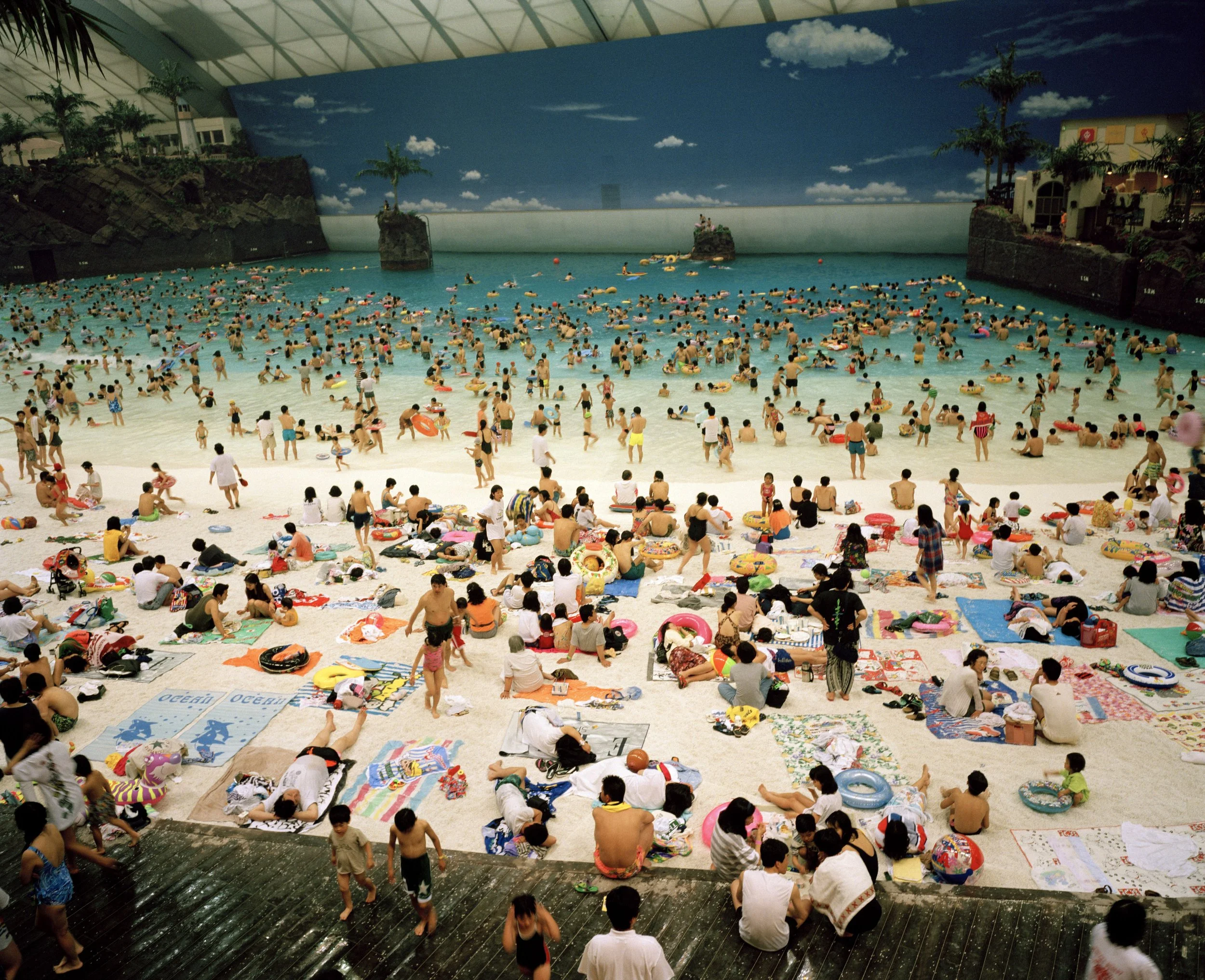
Building the Theme: Fact/Fiction brings together documentary photographs, constructed images, uncanny coincidences, and photographs that become ambiguous through context. How did the theme originate, and what did a photograph need to contain for you to feel that it belonged in this particular selection?
A sale theme can really come from anywhere. Sometimes we’re responding to what is happening ‘out there’; other times, it’s simply about establishing a creative focus for the curation. When you’re dealing with such a vast archive, you really can go anywhere with it, so we find it helps to narrow that scope through some kind of theme or concept, even if that concept is deliberately broad.
For this sale in particular, we wanted to play with the idea of ‘documentary’ and what that means within the context of Magnum, because the archive represents such a wide range of approaches to photography. There is also the state of the industry, and visual communication more broadly, today: what is real, and what isn’t? While we aren’t addressing AI specifically, it’s impossible to ignore the impact it is having on photography and photojournalism. AI-generated images and videos are becoming increasingly convincing, and that inevitably changes the way we think about photographic truth. We are living through very strange times.
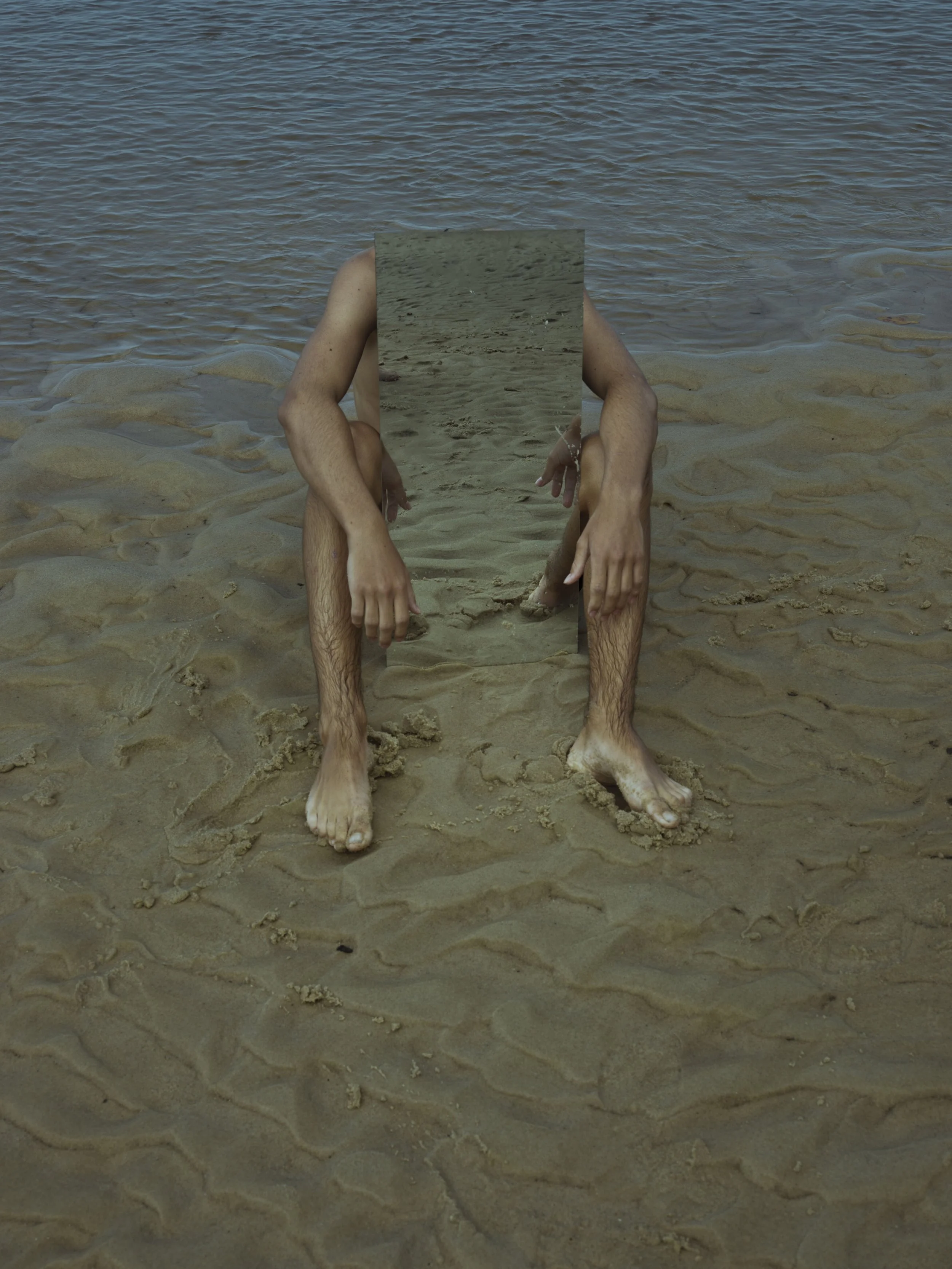
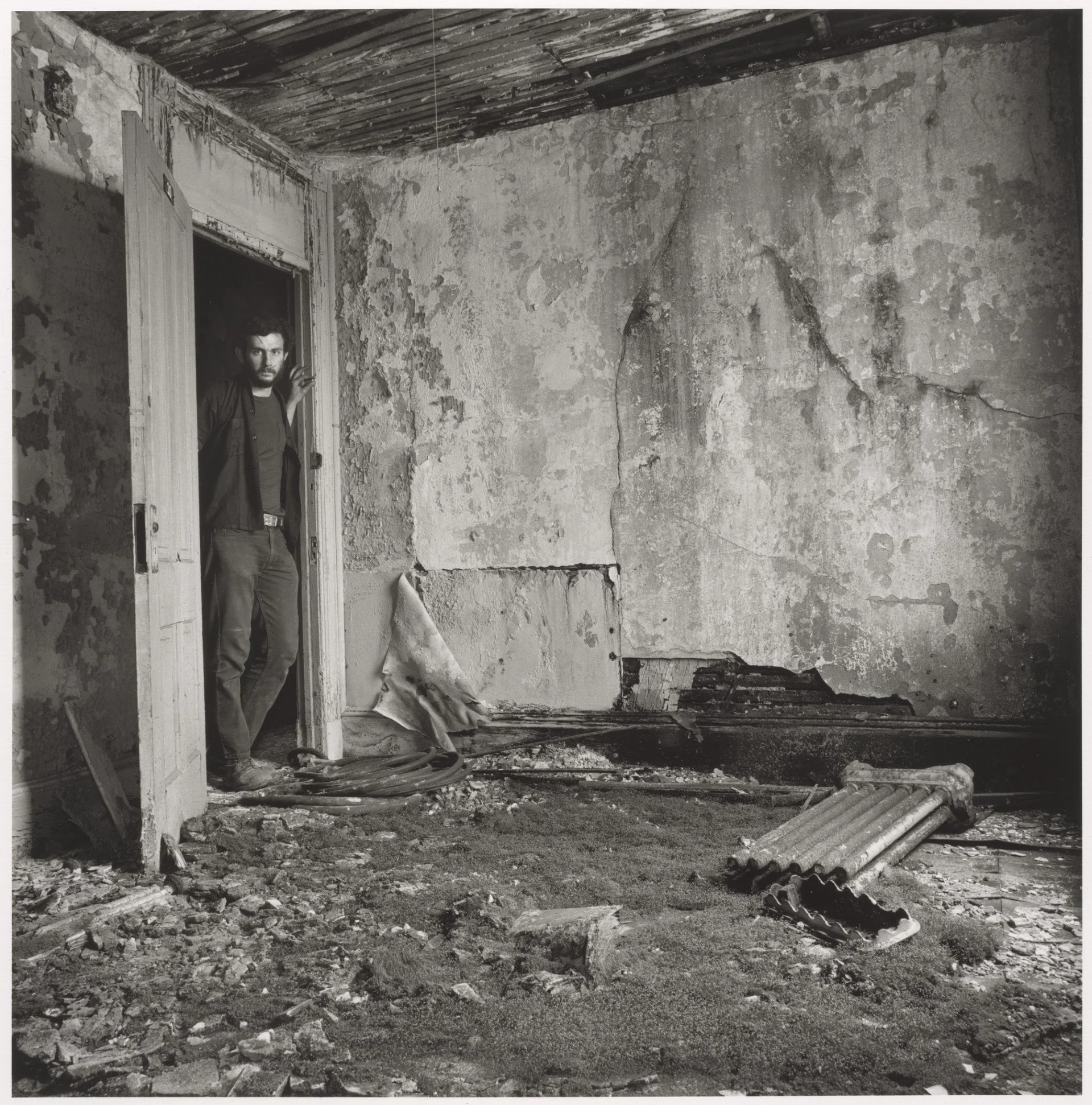
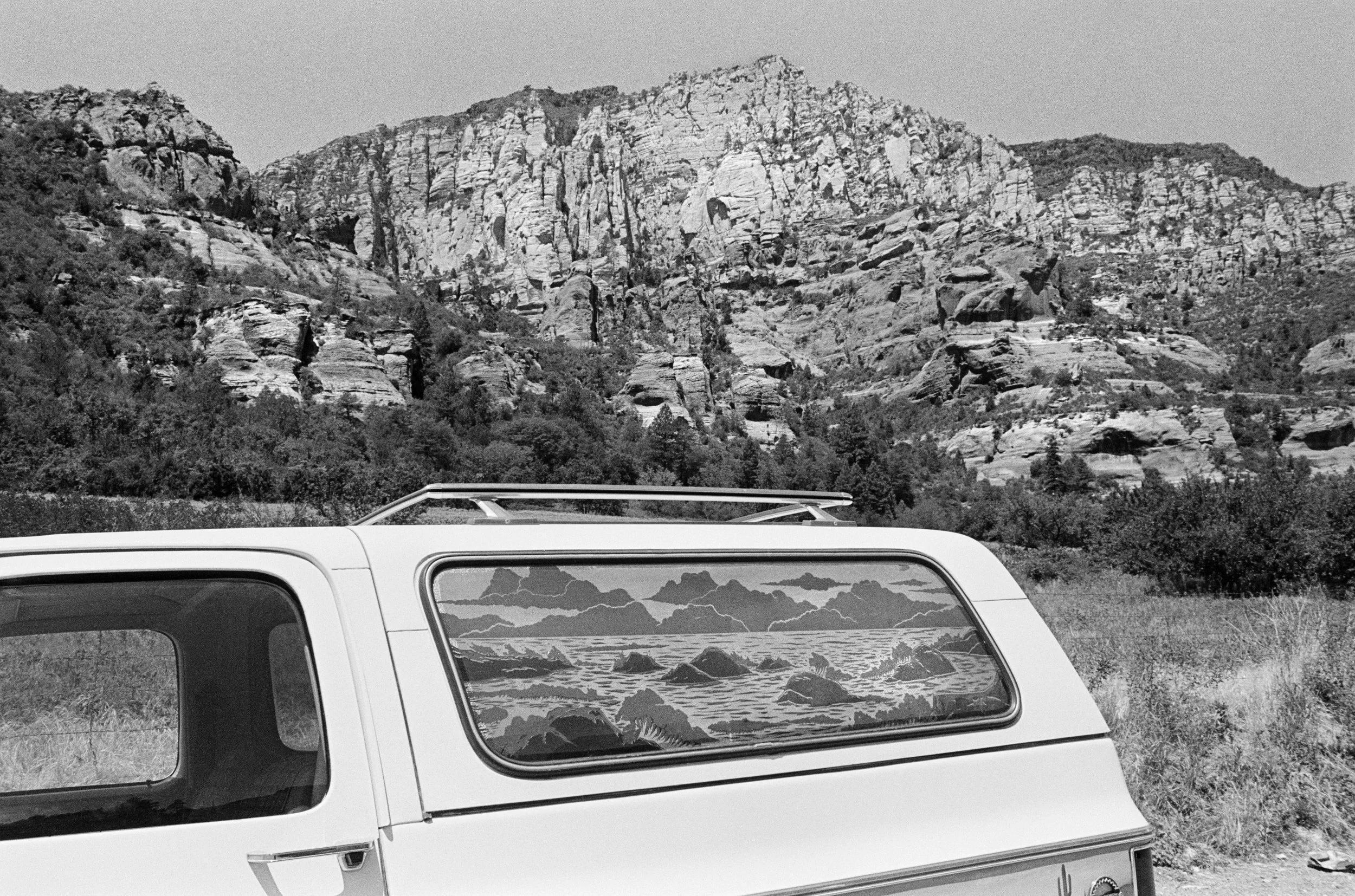
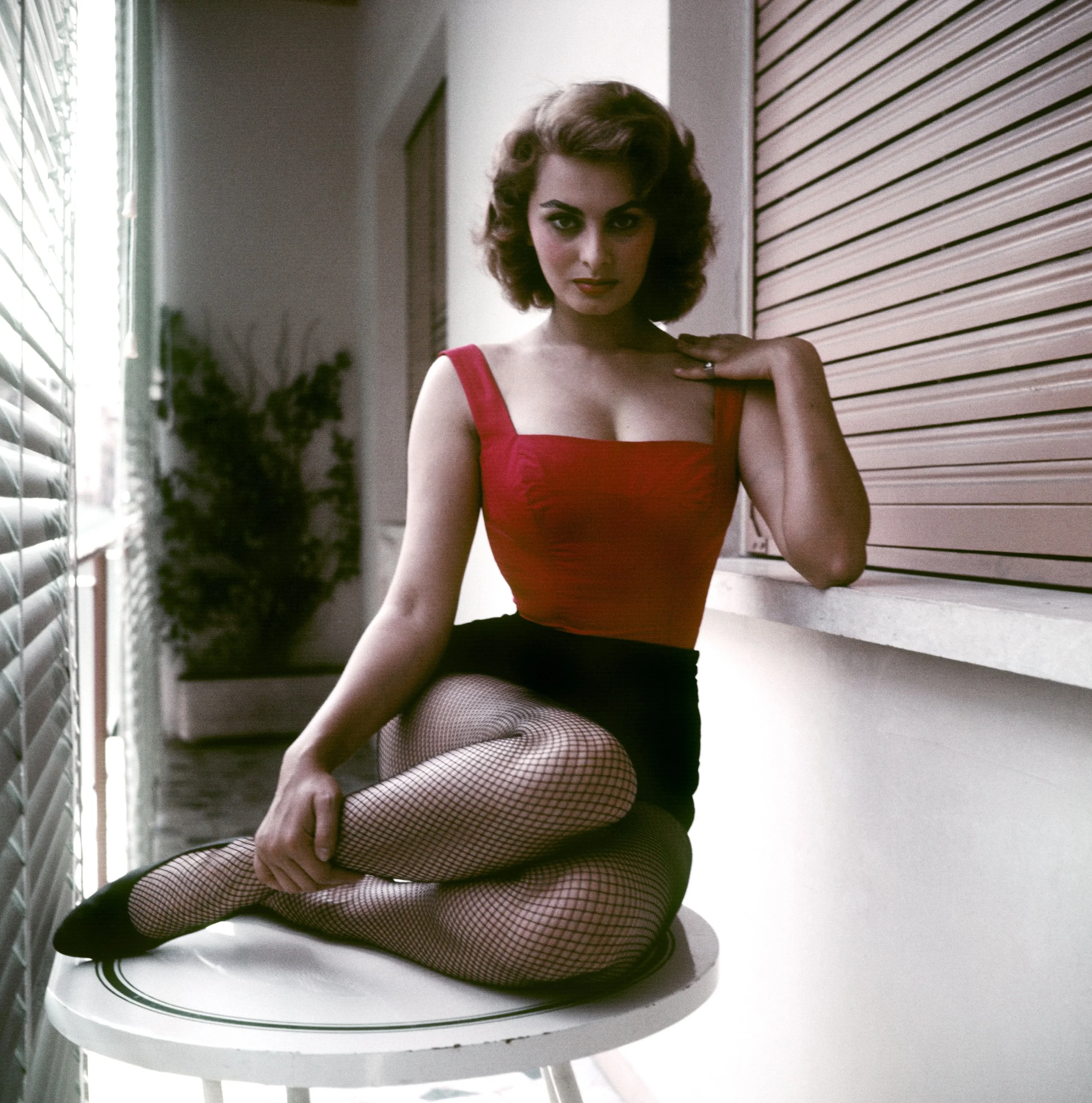
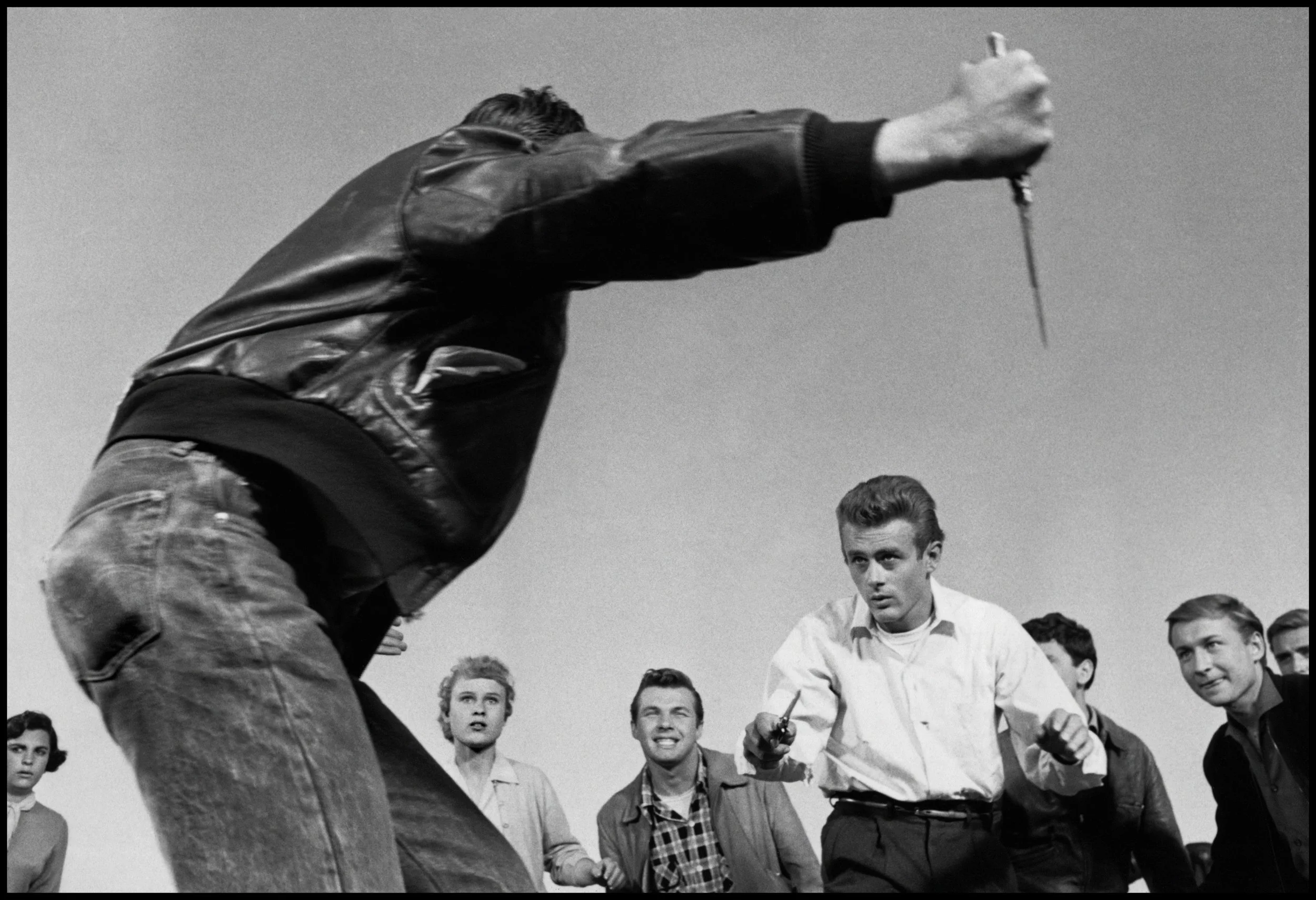
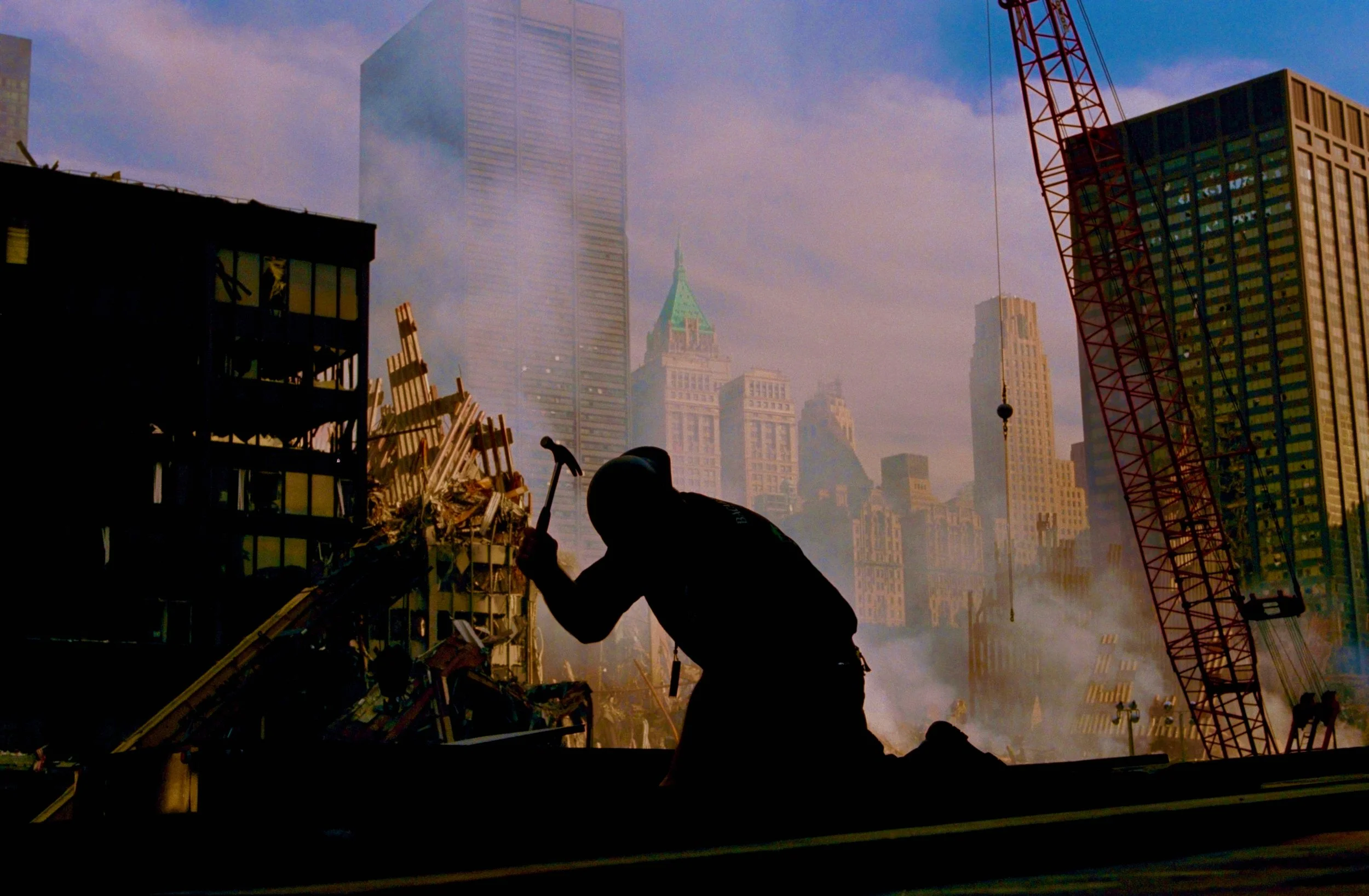
In terms of finding images that fit the theme, we looked for the cinematic and the staged, alongside very factual documents of history, as well as images that become stranger or more ambiguous when separated from their original context. We then brought those different approaches together to see how they interacted with one another.
And there is, of course, another consideration: this is ultimately a sale. We want people to connect with these photographs enough to want to own them. So alongside the conceptual fit, we’re also looking for images that work as prints: images that are beautiful, historically significant or arresting enough that someone might want to live with them.
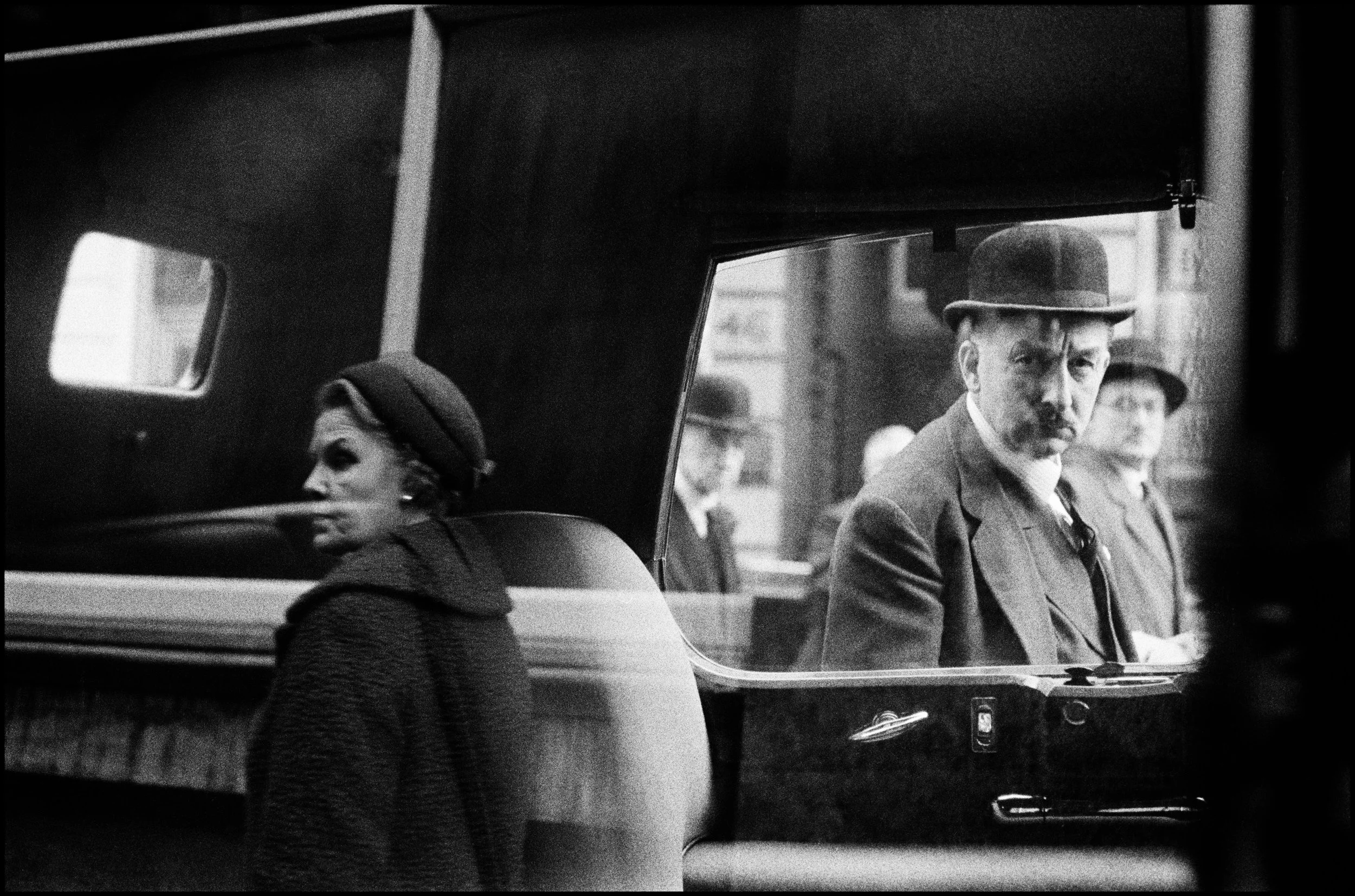
Finding Photographs in the Archive: Magnum’s photographers and estates have enormous archives, much of which was originally made for purposes unrelated to Fact/Fiction. When building a thematic sale like this, how does the selection actually happen? Are photographers proposing images, is the Magnum team searching the archive, or does the final selection emerge through a combination of both?
It is a combination of both, our photographers and estates along with the Magnum team look through their images and propose an initial selection which relates to the theme and which haven’t yet been featured in the Square Print Sale’s ten year history. All of the images which end up in the final curation have been signed off by the photographer or estate themselves.
One Photograph From Archive to Sale: Could you take one photograph from Fact/Fiction and reconstruct how it reached the final selection, from the moment someone first proposed or discovered it to the decision to include it? Was there anything about that photograph that became visible only after you placed it within this new theme?
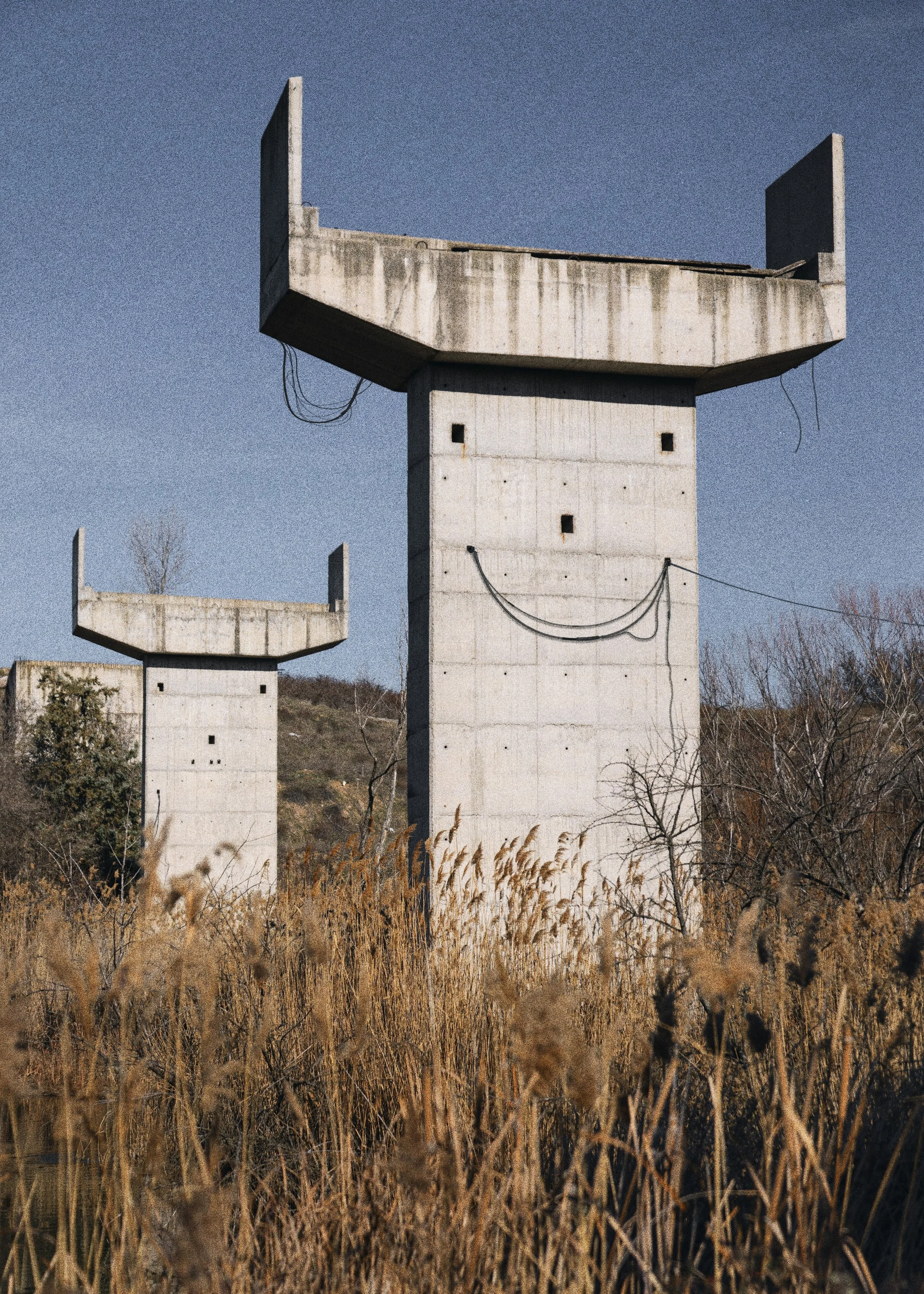
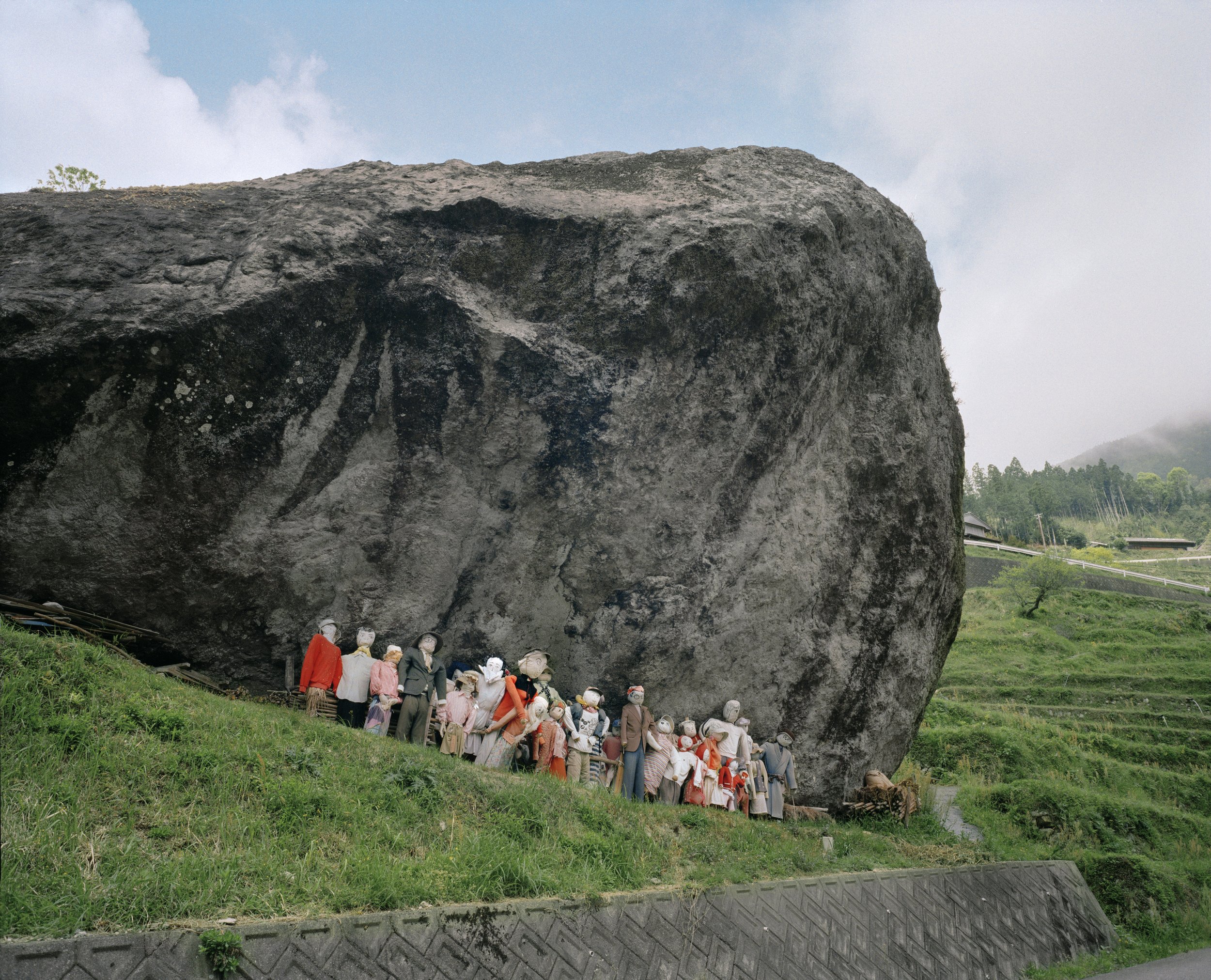
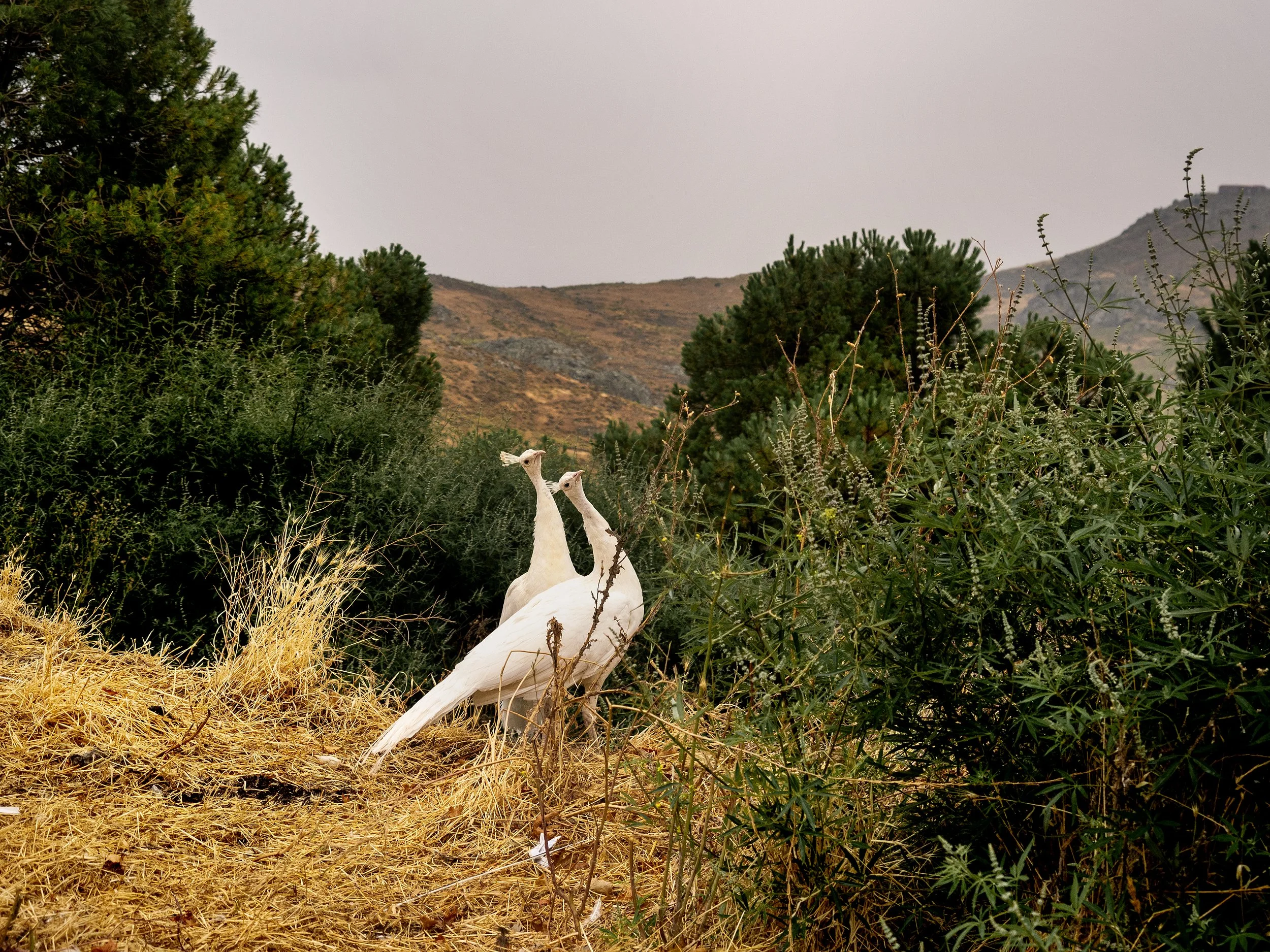
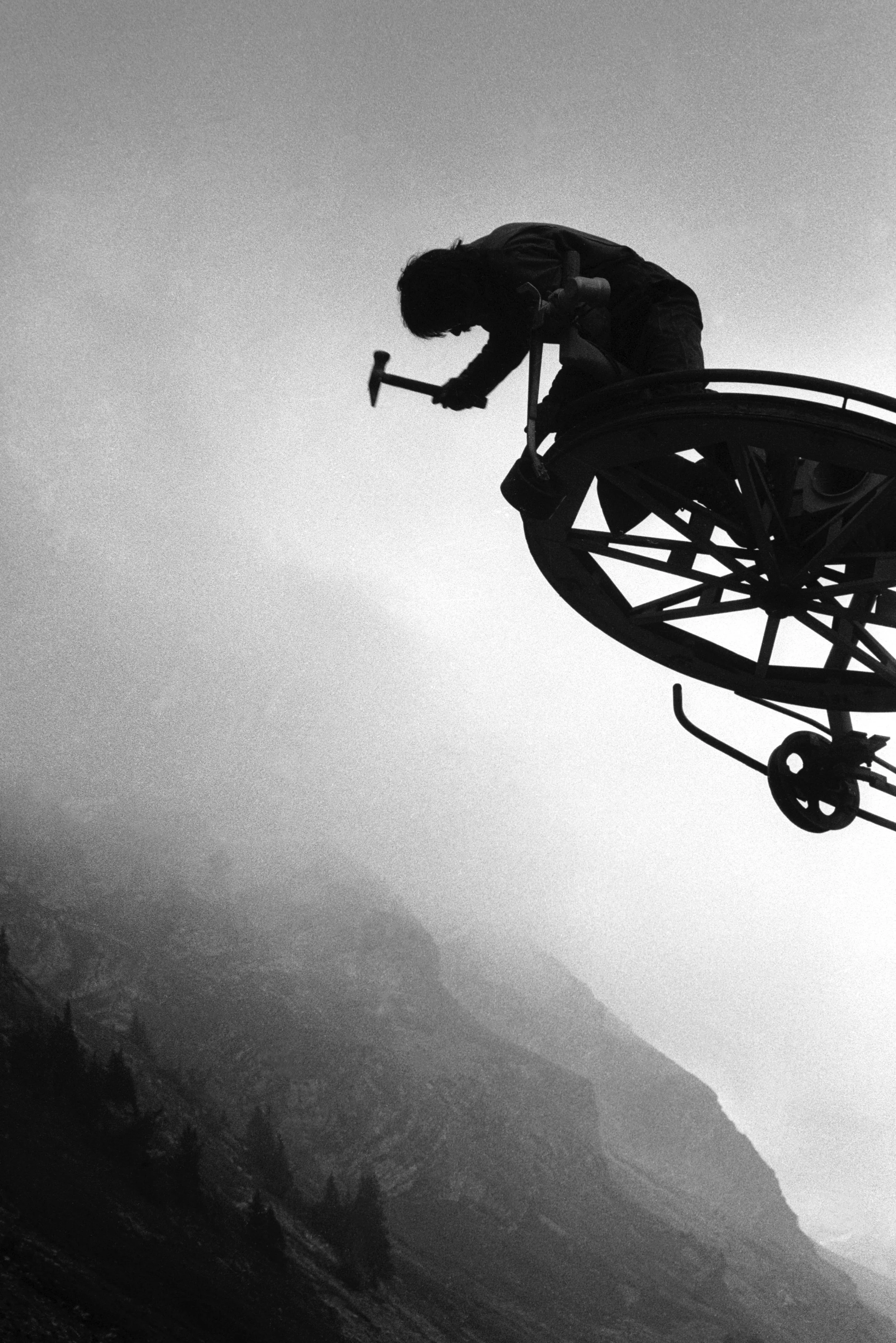
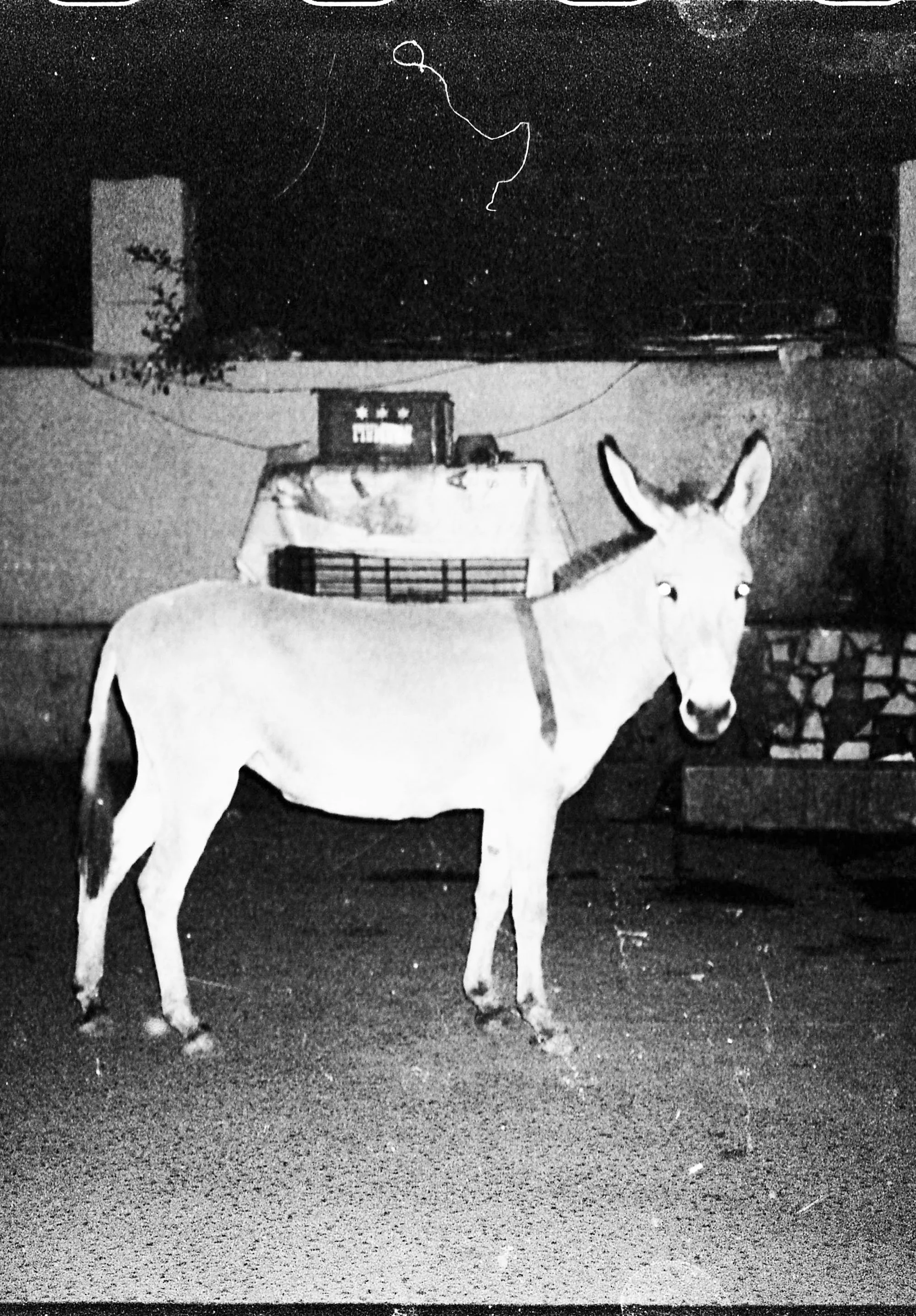
I think some works, or particular series, fell very naturally into the theme. Take Jonas Bendiksen’s contribution, which comes from his series The Book of Veles. The whole project is concerned with ideas of ‘truth’: media manipulation, internet bots, fake news and, indeed, fabricated images. When Jonas first presented the work, he famously fooled much of the photojournalistic community into believing what they were seeing was real, when they had layers upon layers of manipulation. So that was a very natural fit for the sale, and the image was suggested by Jonas himself.
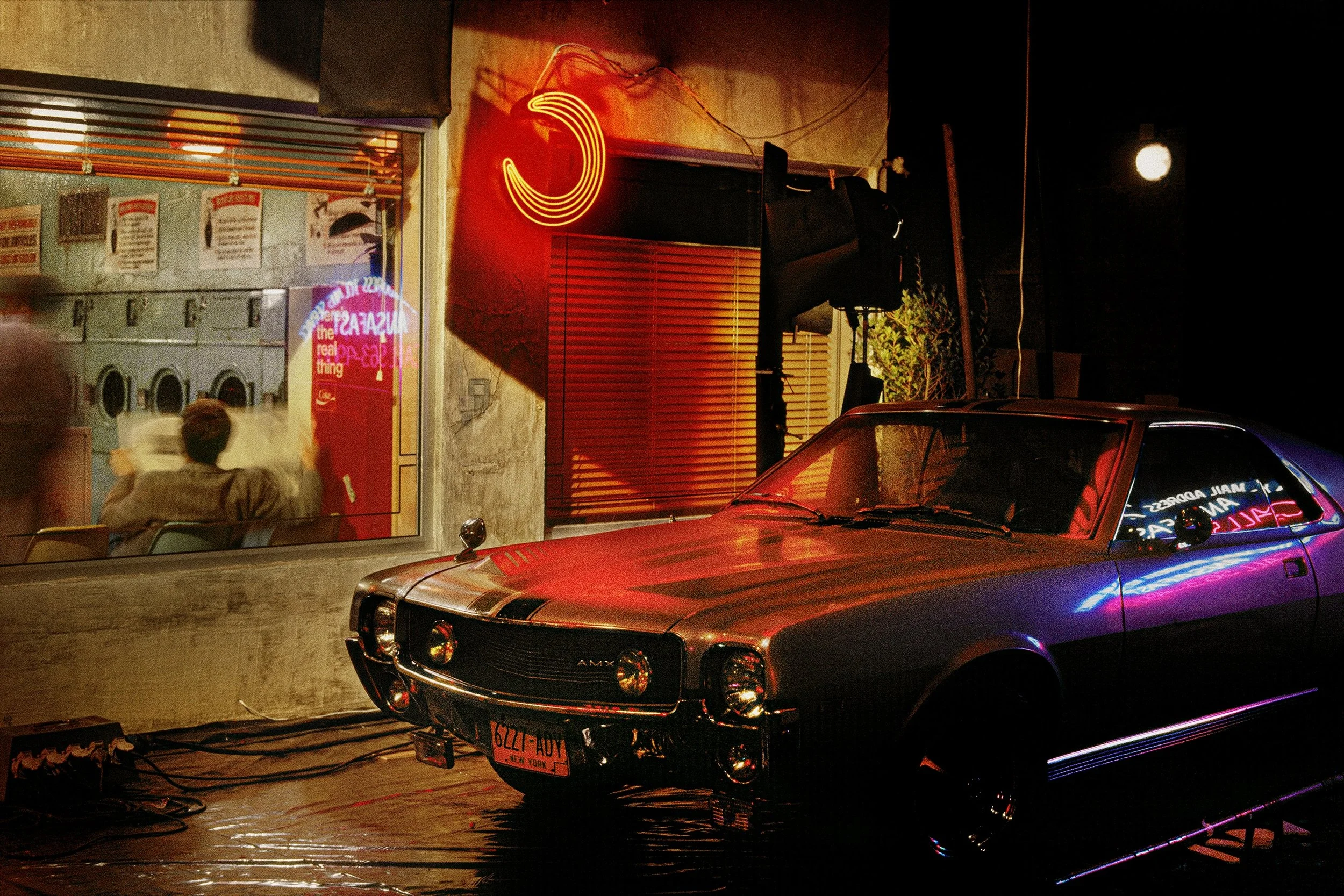
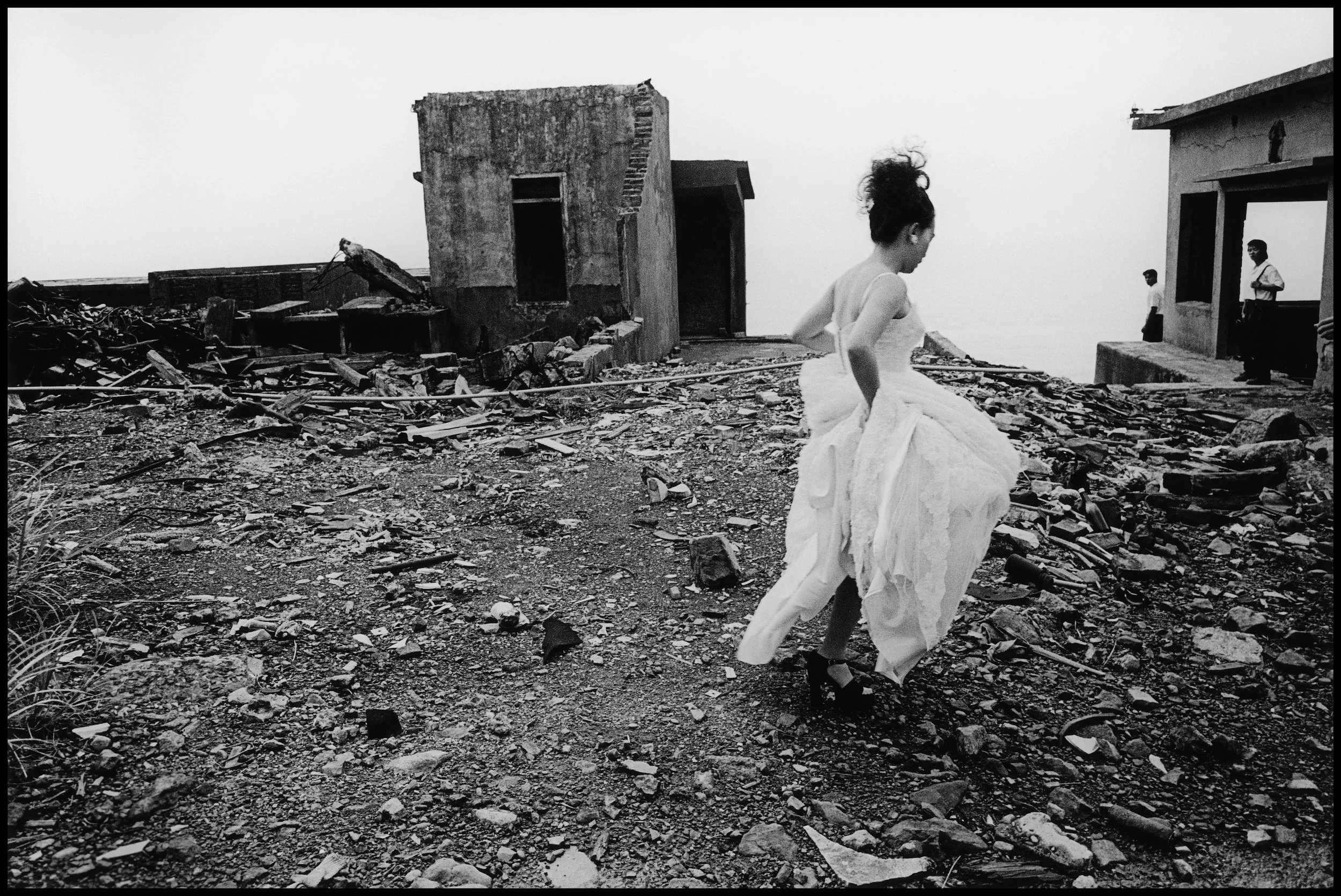
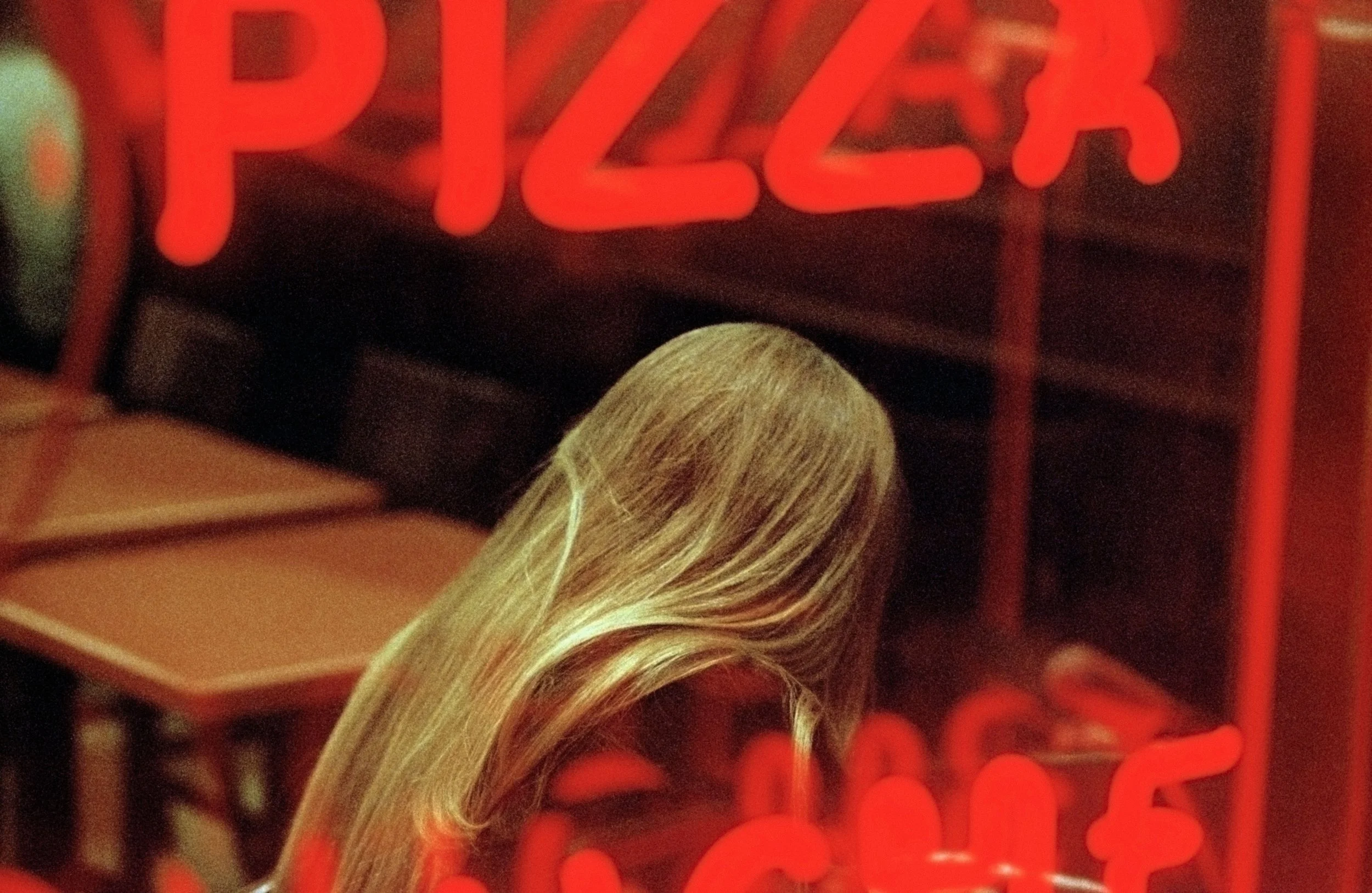
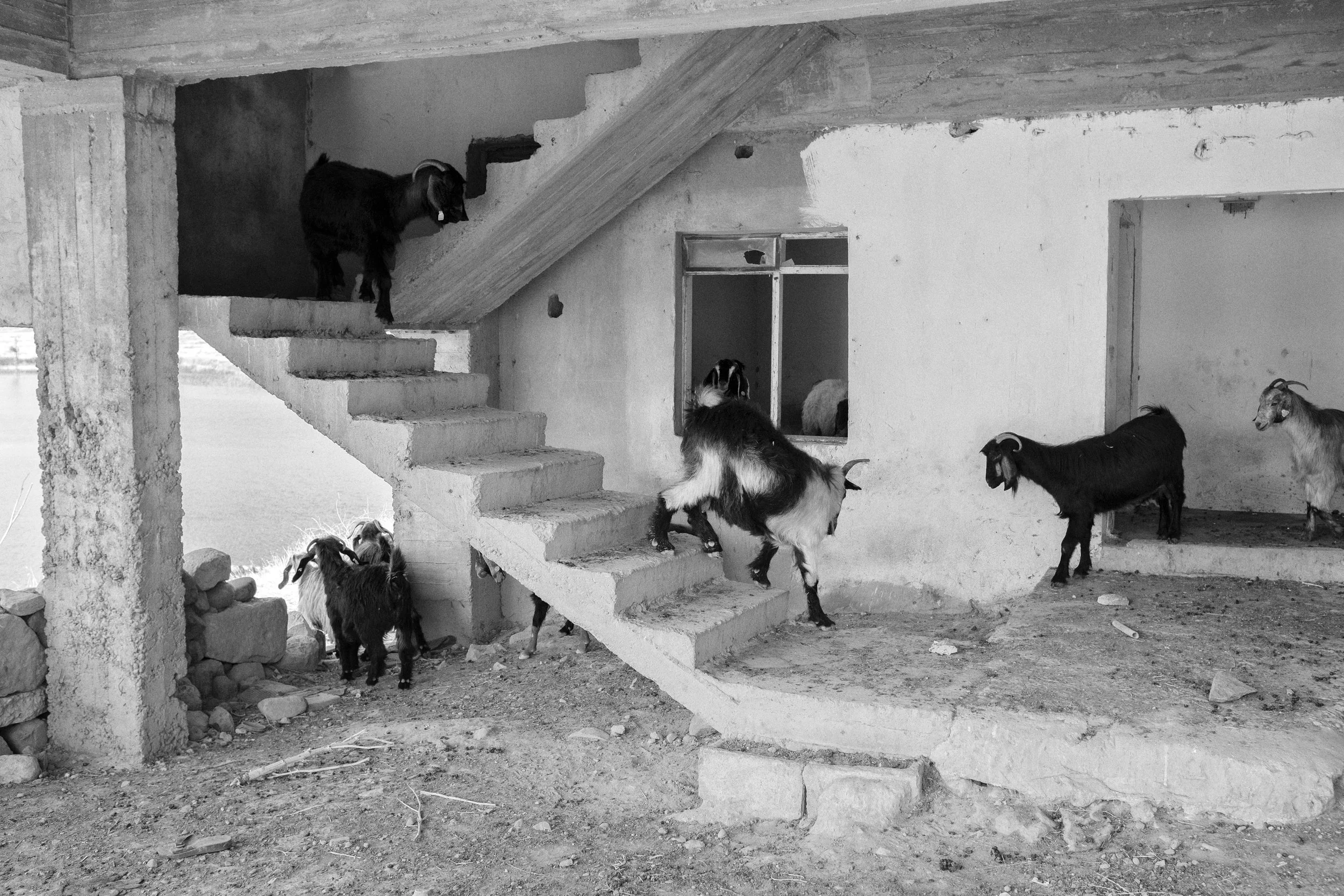
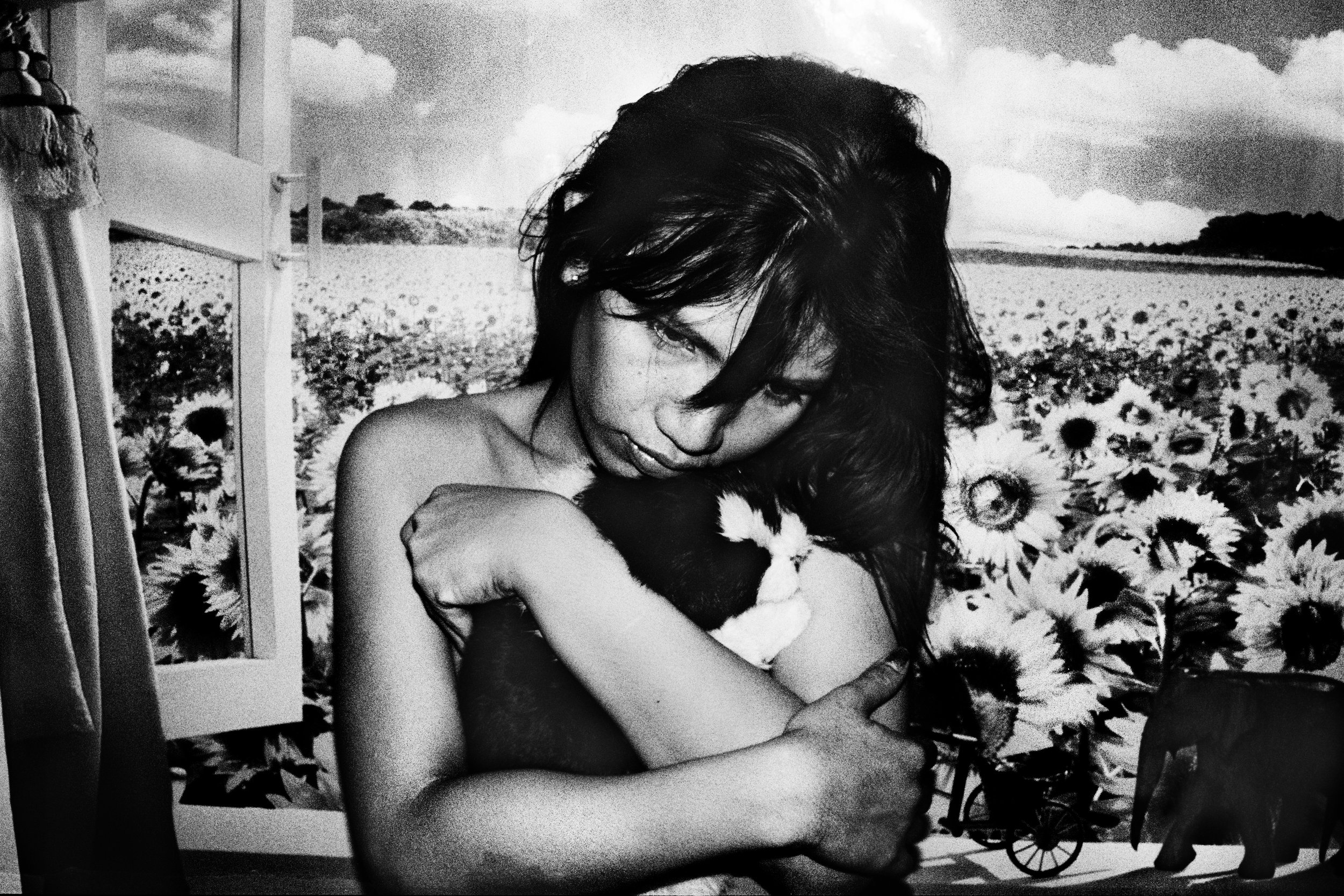
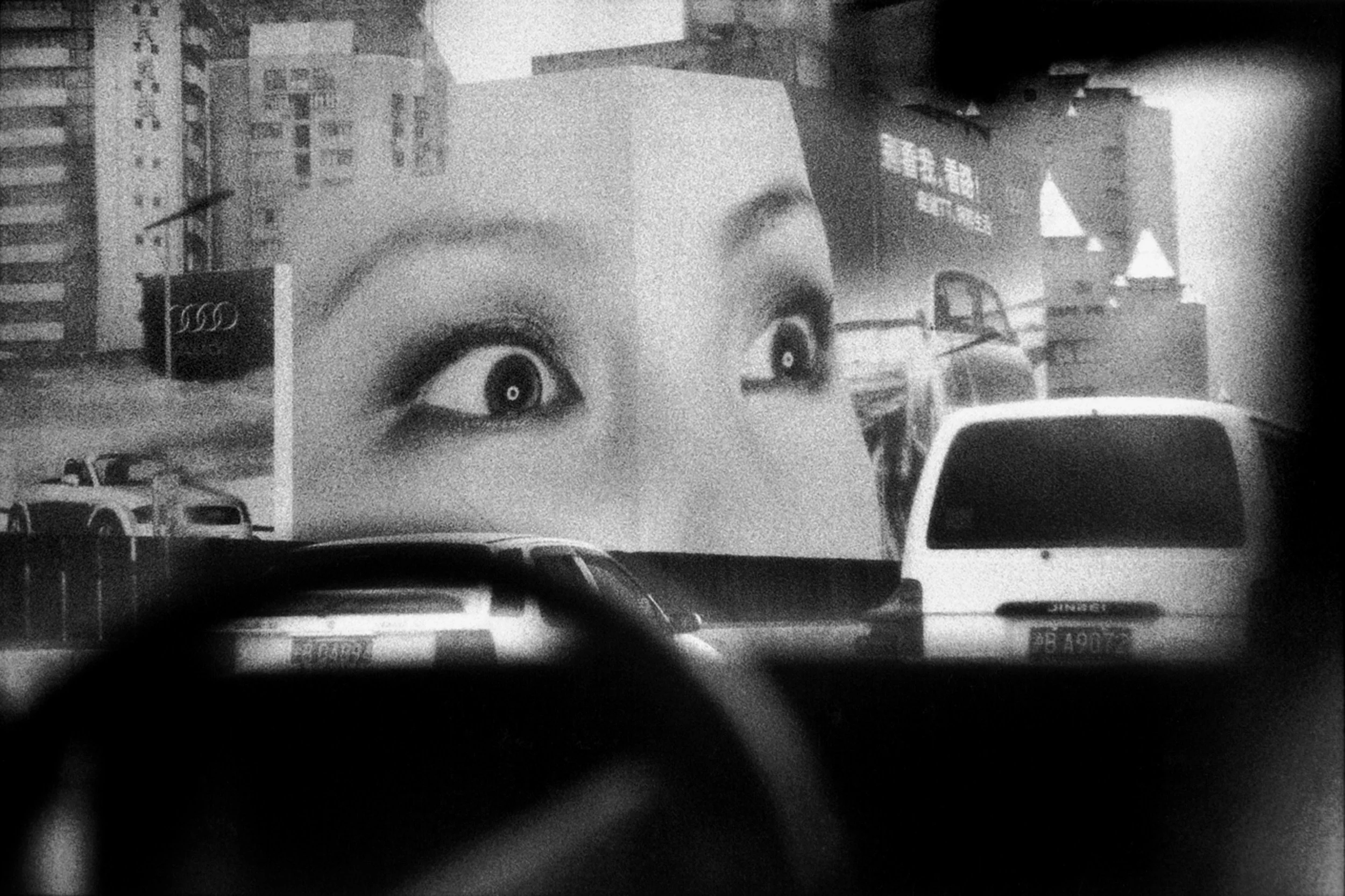
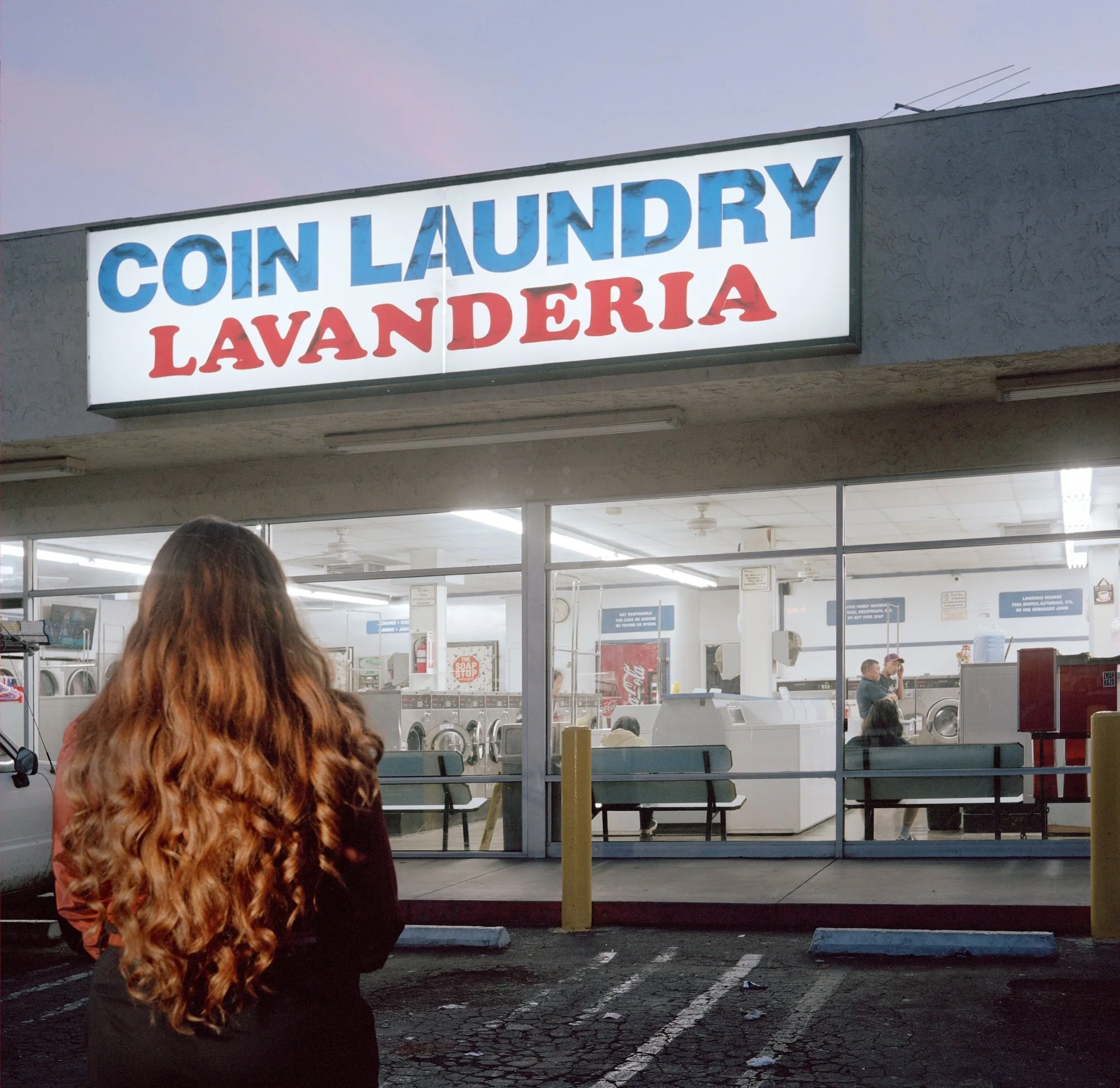
But then you have photographs by Patrick Zachmann or Harry Gruyaert that aren’t explicitly about those ideas at all. Instead, they present the real world in a way that feels cinematic or almost otherworldly. Zachmann’s image, for example, feels like it could be a still from Blade Runner. Placing those works within Fact/Fiction changes the way you read them slightly: you start to question what is happening in the frame, or why something entirely real can feel so constructed or unreal.
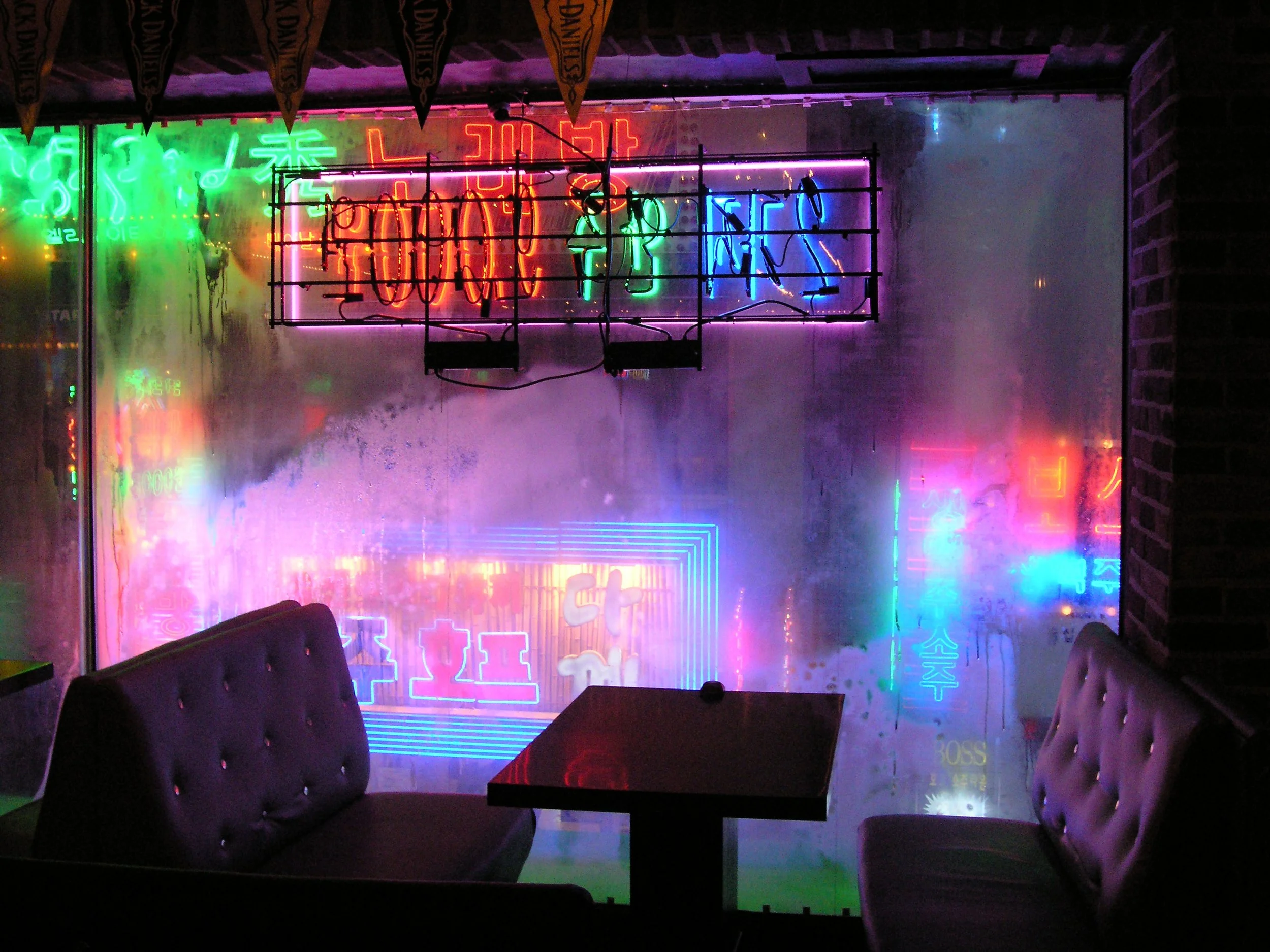
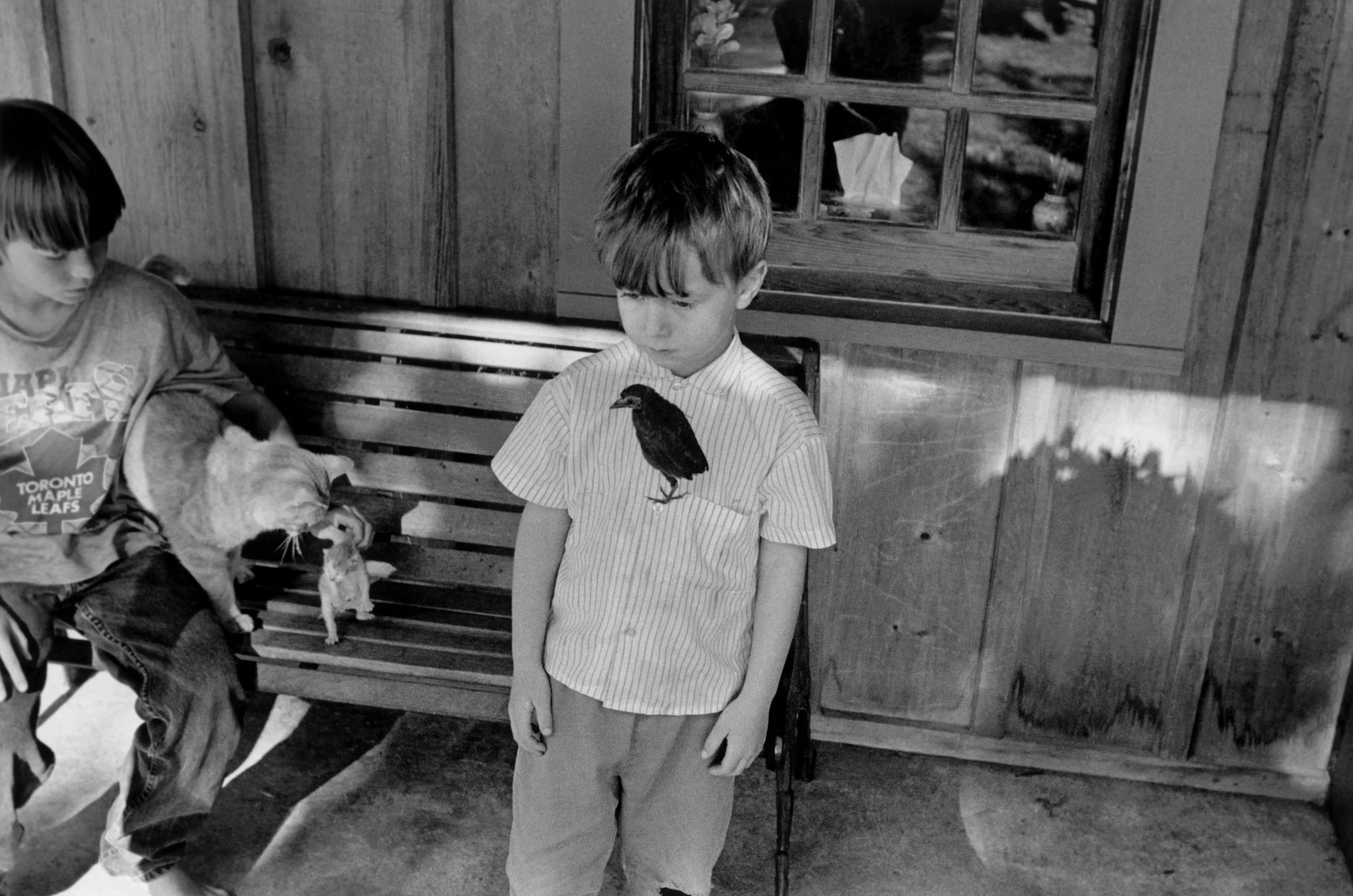
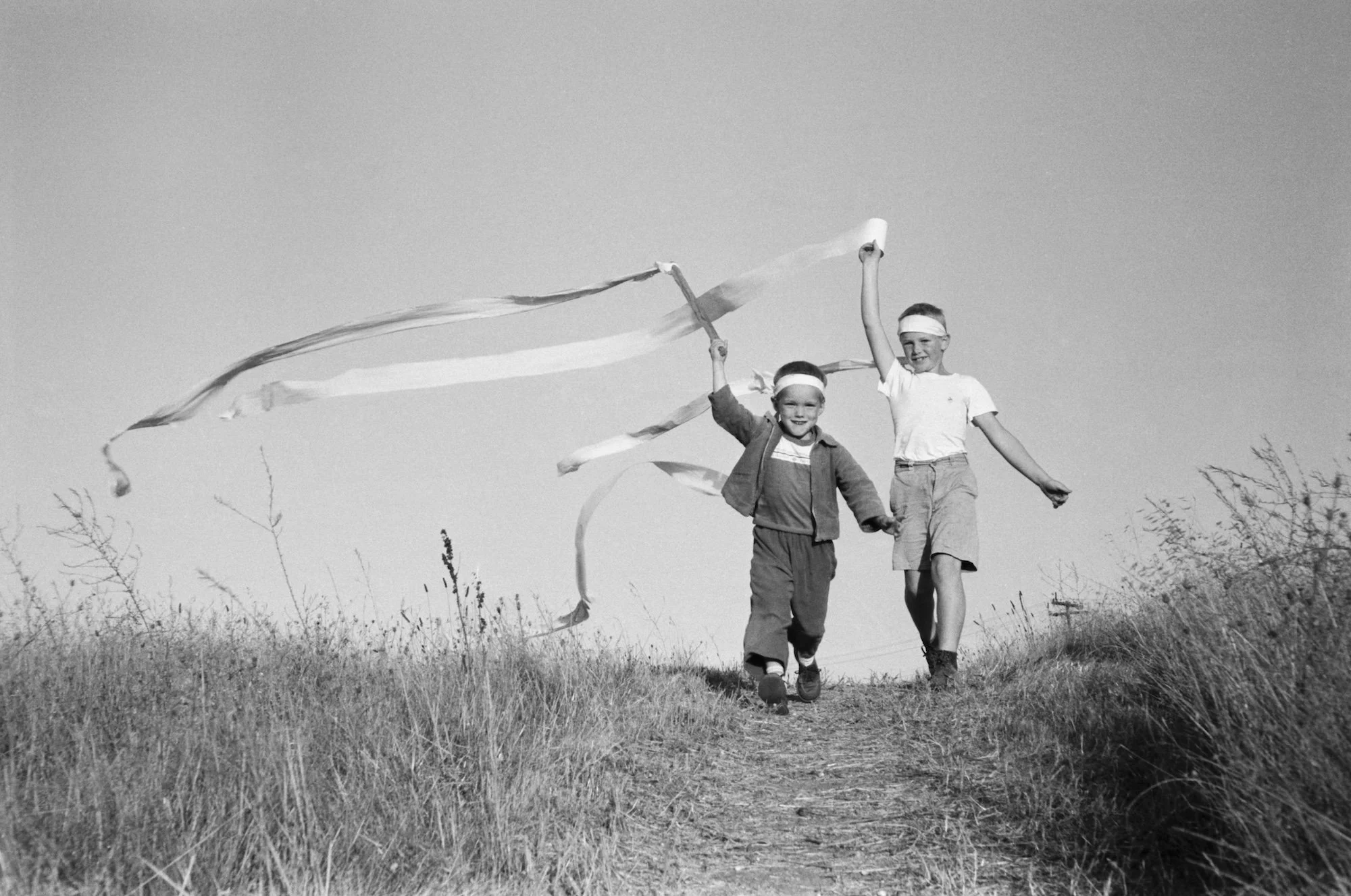
That contrast became quite important to the selection. Not every photograph needed to be ‘about’ truth or fiction; some simply needed to make that boundary feel uncertain. Others do the opposite, presenting the world very directly, ‘as is’. That straightforward documentary quality becomes part of the conversation too, especially when those images are placed alongside works that are staged, manipulated or simply appear unreal.
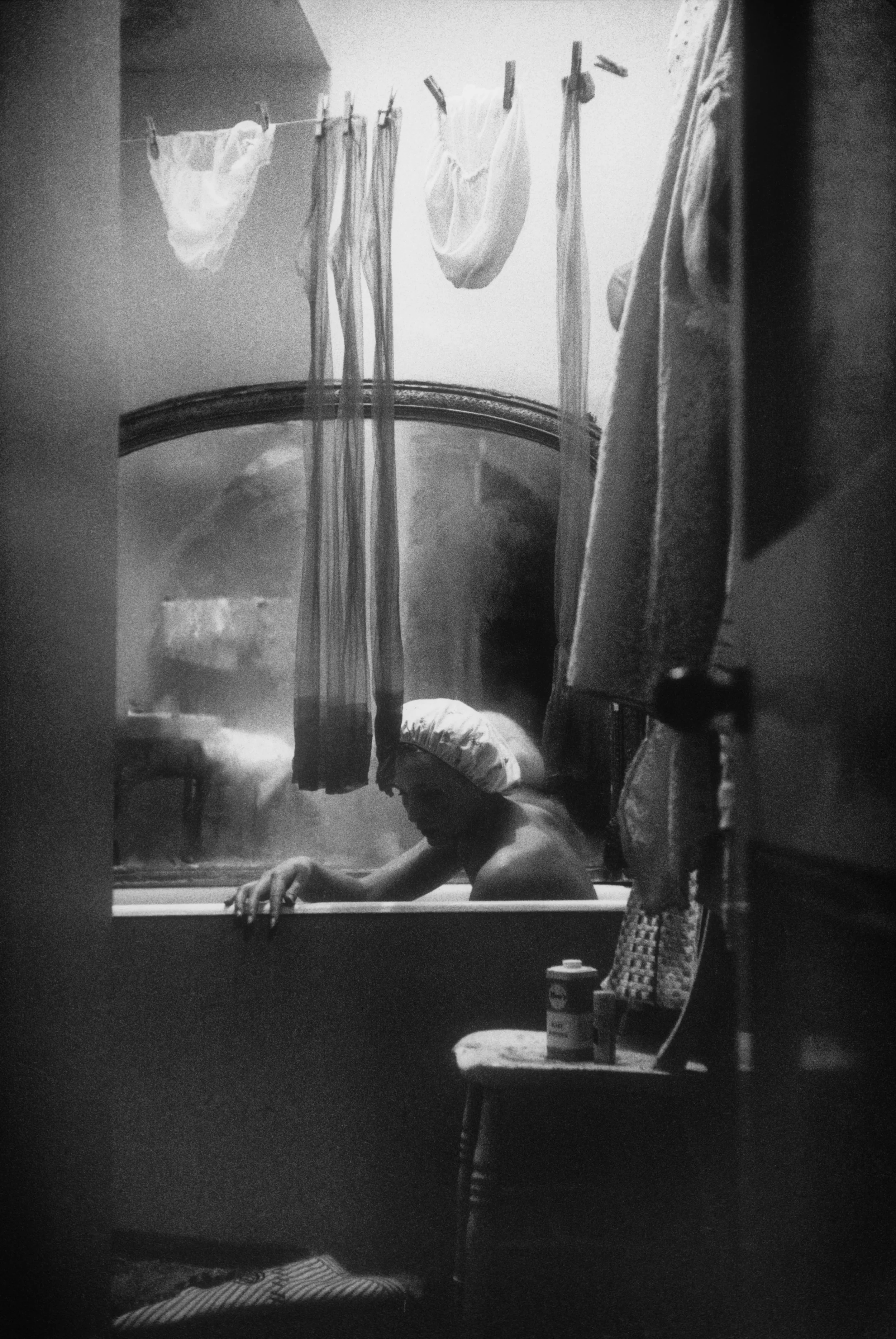
When Context Changes the Photograph: Eve Arnold’s photograph was originally made for the Sunday Times story Women Without Men, while Fact/Fiction asks viewers to reconsider the relationship between what the photograph shows and the narrative placed around it. When you give an older photograph a new theme, text, and neighboring images, how do you distinguish revealing another possibility already present in the photograph from imposing a story that was never really there?
I suppose that is one of the particular qualities of visual art, and photography especially: an image can shift when it is taken out of its original context or presented within a new one. In the case of Arnold’s photograph, it is also simply a beautiful and sensitive image, but one that naturally invites narrative. Looking at it in isolation, you can’t help but wonder who this person is, what her story has been, or what might happen beyond the frame.
For me, the distinction is in not trying to overwrite the original meaning of the photograph. The context of Fact/Fiction isn’t there to tell the viewer that the image means something entirely different; it is there to draw attention to questions and ambiguities that were already present within it.
In the text provided alongside the image for the sale, which is also included with the print, Michael Arnold puts this particularly well: “The photograph is documentary, yet the title creates its own narrative. Who were ‘women without men,’ and what did that description actually tell us about their lives? Arnold’s intimate photograph seems to resist the simplicity of the label. The facts are visible, but the story imposed upon them is more ambiguous. In that gap between lived reality and the narratives constructed around it lies photography’s uneasy relationship with fact and fiction.”
I think that gap is really the key. A new theme or neighbouring image can change the way we encounter a photograph, but ideally it should open up another possibility within the work rather than impose something that was never there.
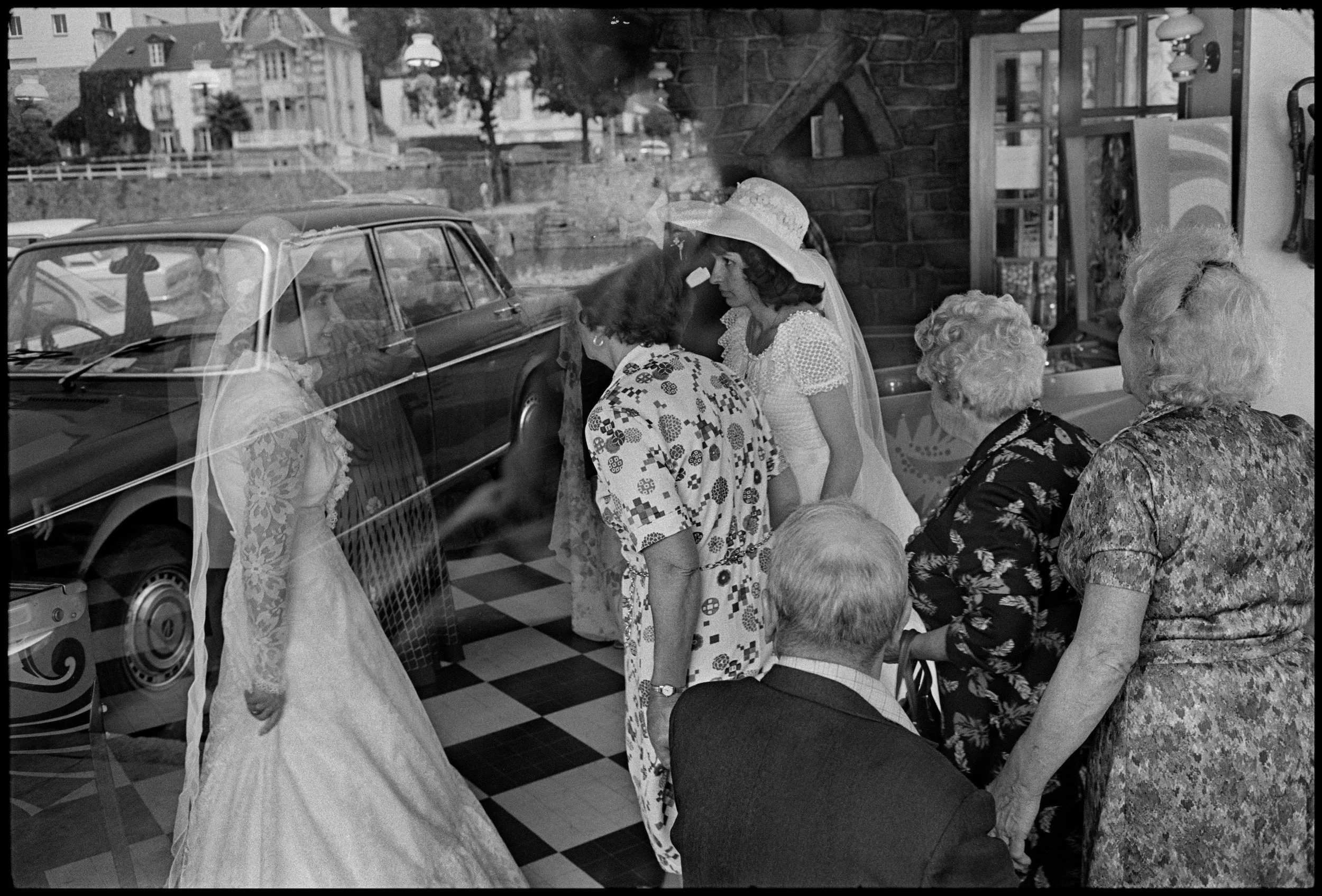
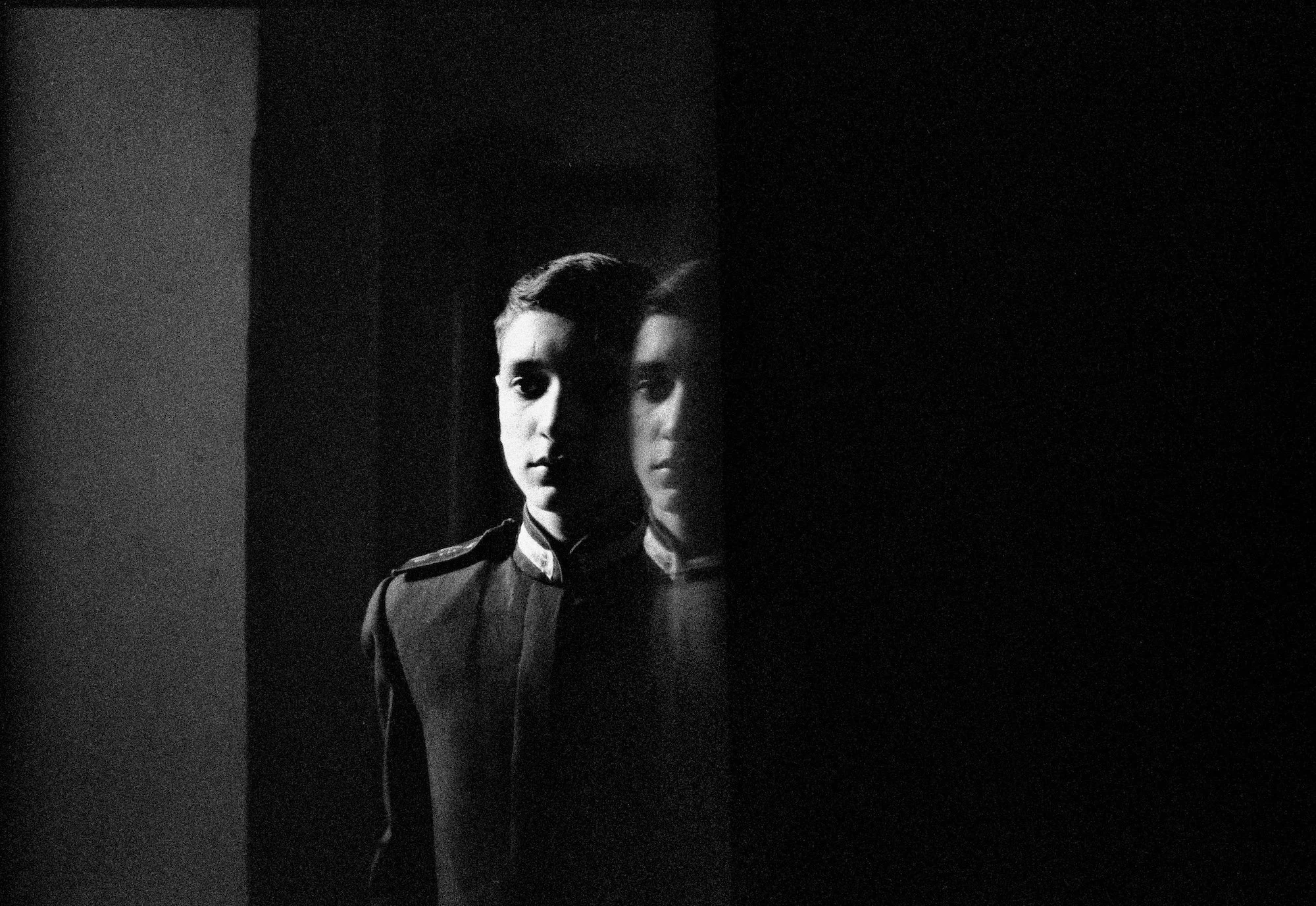
When to Explain the Mystery: Guy Le Querrec has said that when he made his photograph of the wedding procession, he did not initially realize that what appears to be a reflection of one bride is actually two different brides. A caption can immediately resolve that ambiguity. How do you decide when contextual information deepens a photograph and when explaining what happened removes something valuable from the viewer’s experience?
With any sale, captions can play an important role in either deepening or changing your understanding of an image. The balance is in giving enough context without explaining everything away. The captions are supplied by the photographers or estates themselves, and we invite them to provide more detail where useful. Sometimes that reveals something you simply couldn’t know from looking at the image alone, as with René Burri describing how he combined two consecutive frames, or Guy Le Querrec explaining the apparent ‘reflection’ in his photograph. For us, that context doesn’t necessarily remove the ambiguity. It can simply give the viewer another way into the photograph.
How Far Can a Theme Stretch? The sale places very different kinds of photographs under the same Fact/Fiction idea, from documentary observations to images that feel surreal or cinematic. How do you know when a theme is revealing a meaningful connection between otherwise unrelated photographs and when it has become broad enough that almost any photograph could be made to fit?
I’ll be honest, this is a challenge each time. As I mentioned before, the themes really provide direction within a vast archive, rather than acting as a rigid set of rules.
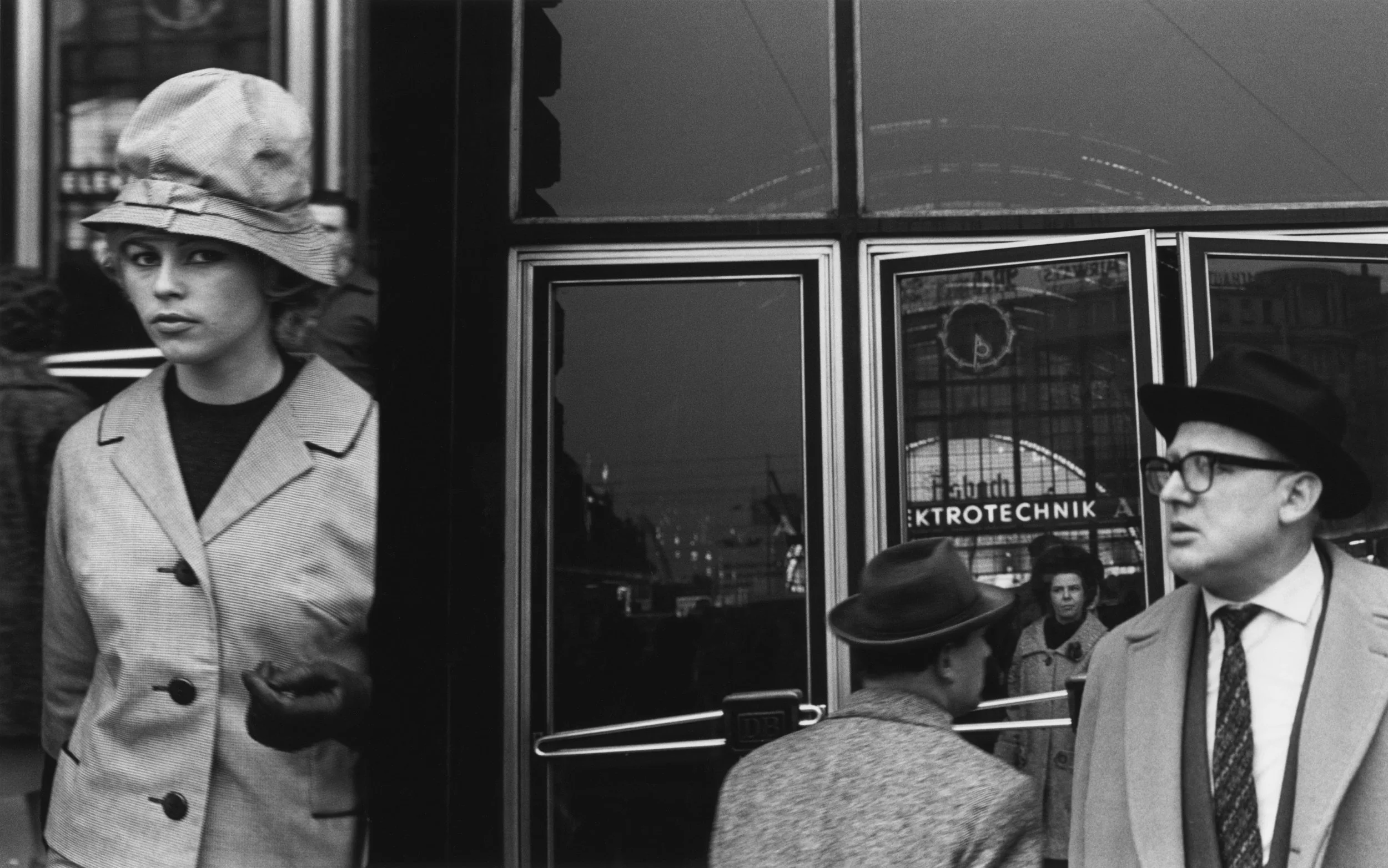
There is always a point where a theme can become so broad that almost anything could be made to fit, so we try to keep asking whether an image genuinely adds something to the conversation, and is something the audience would want to see. But equally, sometimes an image can sit slightly outside the theme and still earn its place because it is iconic, creates contrast, or simply works well within the wider selection.
Ultimately, the theme is there to guide the curation, not restrict it.
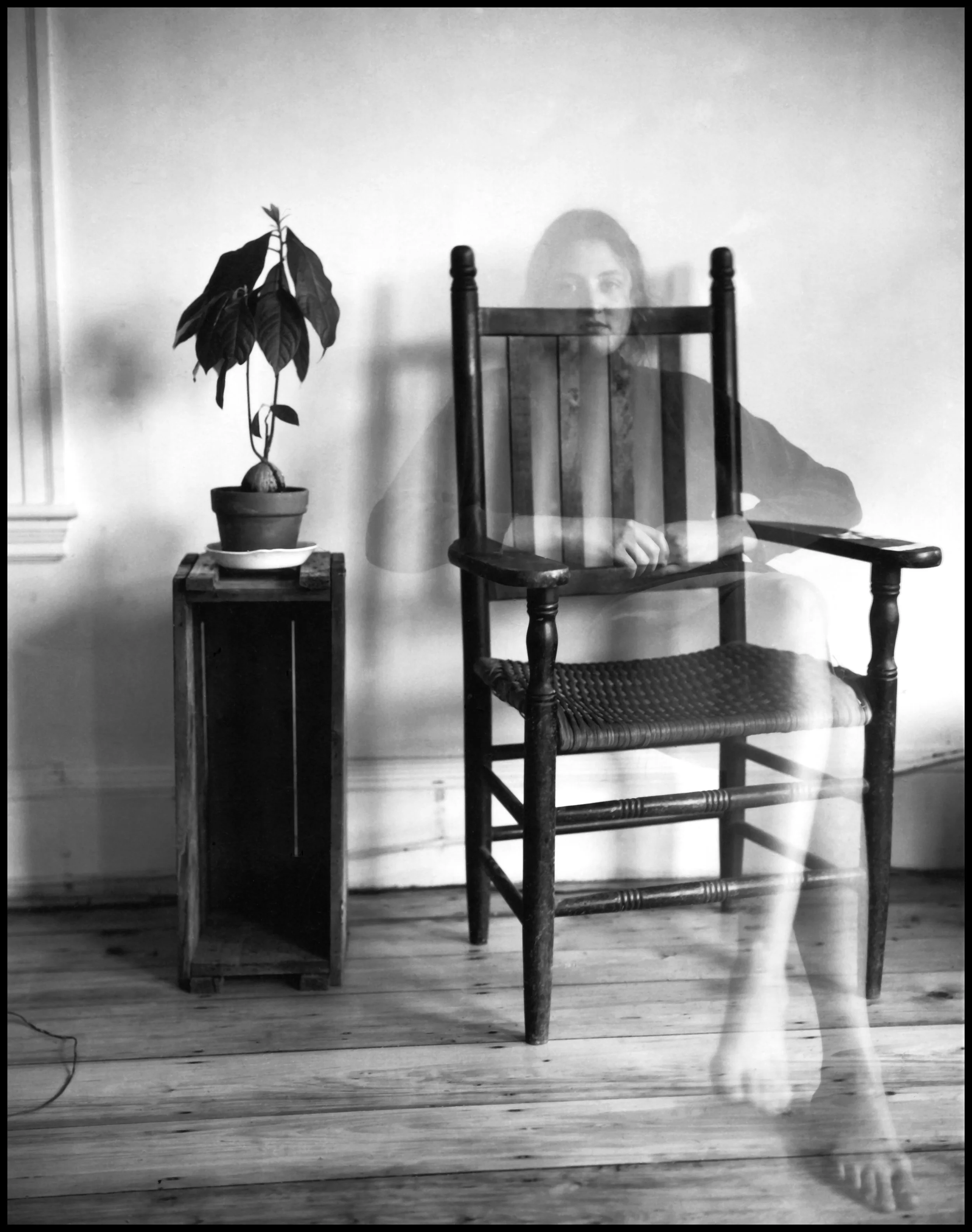
The Photograph That Didn’t Make It: Was there a photograph you or the team particularly wanted in Fact/Fiction but eventually removed because it did not work within the final selection? What was missing, or what did it do to the larger group that made you leave it out?
Of course, often. We might identify an image we love, but the photographer or estate wants to go in a different direction, and sometimes the reverse is true.
We look at each image against a wide set of considerations, including the long history of the Square Print Sale. It has been running for more than a decade now, and we can’t use the same image twice, so there is an increasingly substantial archive of previous selections to consider.
Sometimes an image feels perfect for the theme, but for one reason or another it simply isn’t the right choice for that particular sale.
Editorial Value Versus Commercial Value: The Square Print Sale is simultaneously a curated photographic statement and a commercial project. What happens when the photograph that best serves the theme is not necessarily the one you expect people to buy? Have you ever had to choose between what strengthens the edit and what appears likely to perform commercially?
All of the images in the sale are ultimately chosen or agreed upon by the participating photographers and estates, but within that we try to build a broad and balanced selection: colour and black-and-white, classic and contemporary, familiar names alongside newer voices.
There is always a commercial consideration, of course, but we don’t simply choose the images we think will sell the most. Some people return to the sale year after year to collect a particular photographer, while others respond to a single image they have never seen before. That makes it quite difficult to predict what will perform anyway.
What a New Context Can Reveal: The Square Print Sale has developed over more than a decade into a recurring collaboration between Magnum photographers, staff, estates, and partners. Have these thematic selections ever changed the way Magnum, a photographer, or an estate understood an older photograph? Can returning to an archive for a completely new reason reveal that a photograph was about more than anyone thought when it was originally made?
I think in many ways, yes. There is such a vast amount of quality work within the Magnum archive, and sometimes it is the work that a photographer may have discounted, or that didn’t feel especially relevant at the time, that can really resonate with an audience years later. That can be a pleasant surprise for everyone involved, and sometimes it just takes a new reason to go back and explore.
That is one of the great things about a well-maintained and organised archive: you can return to it for an entirely different reason and suddenly see a photograph in a new way, or recognise a relevance that perhaps wasn’t obvious when it was first made. It is an extraordinary resource.
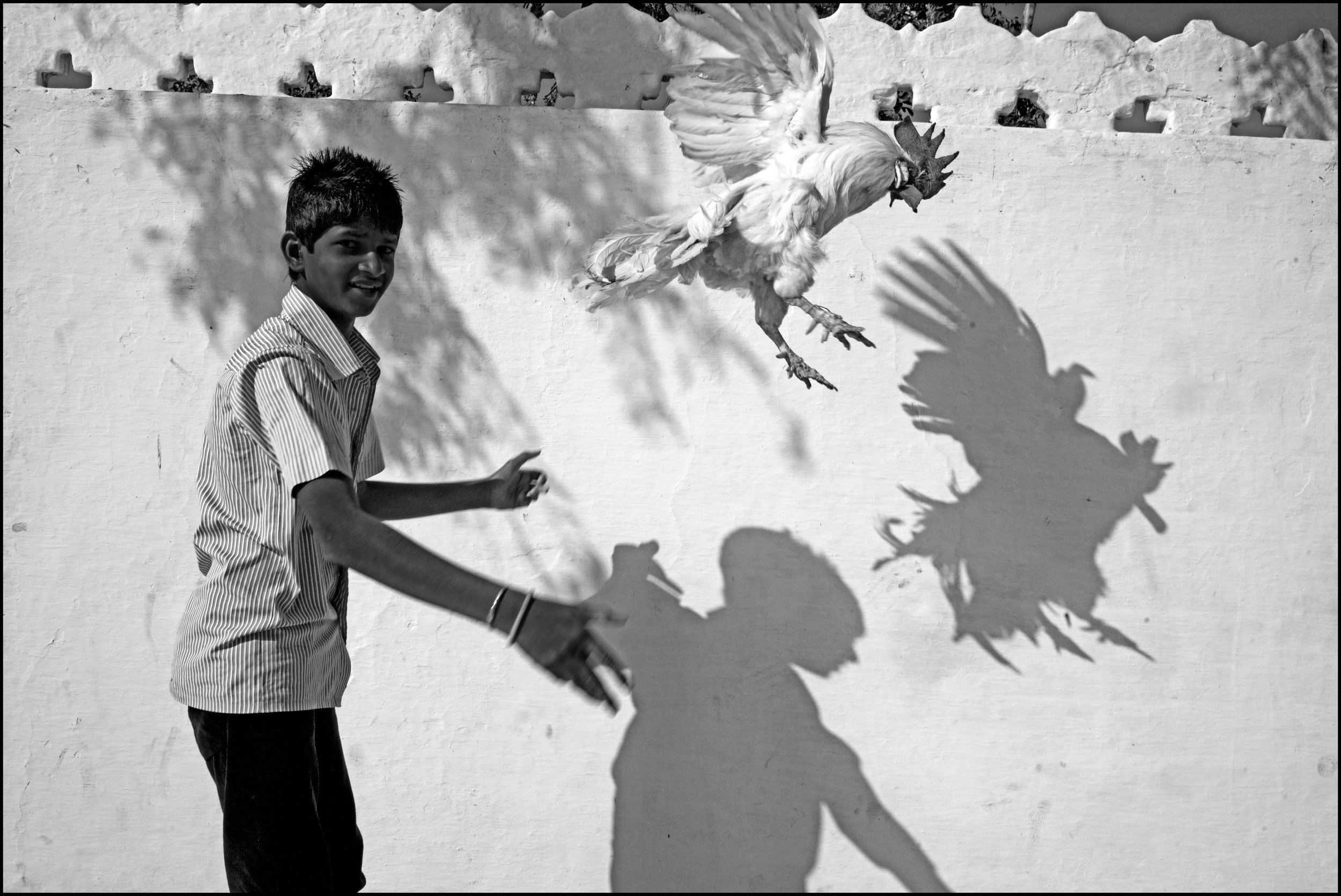
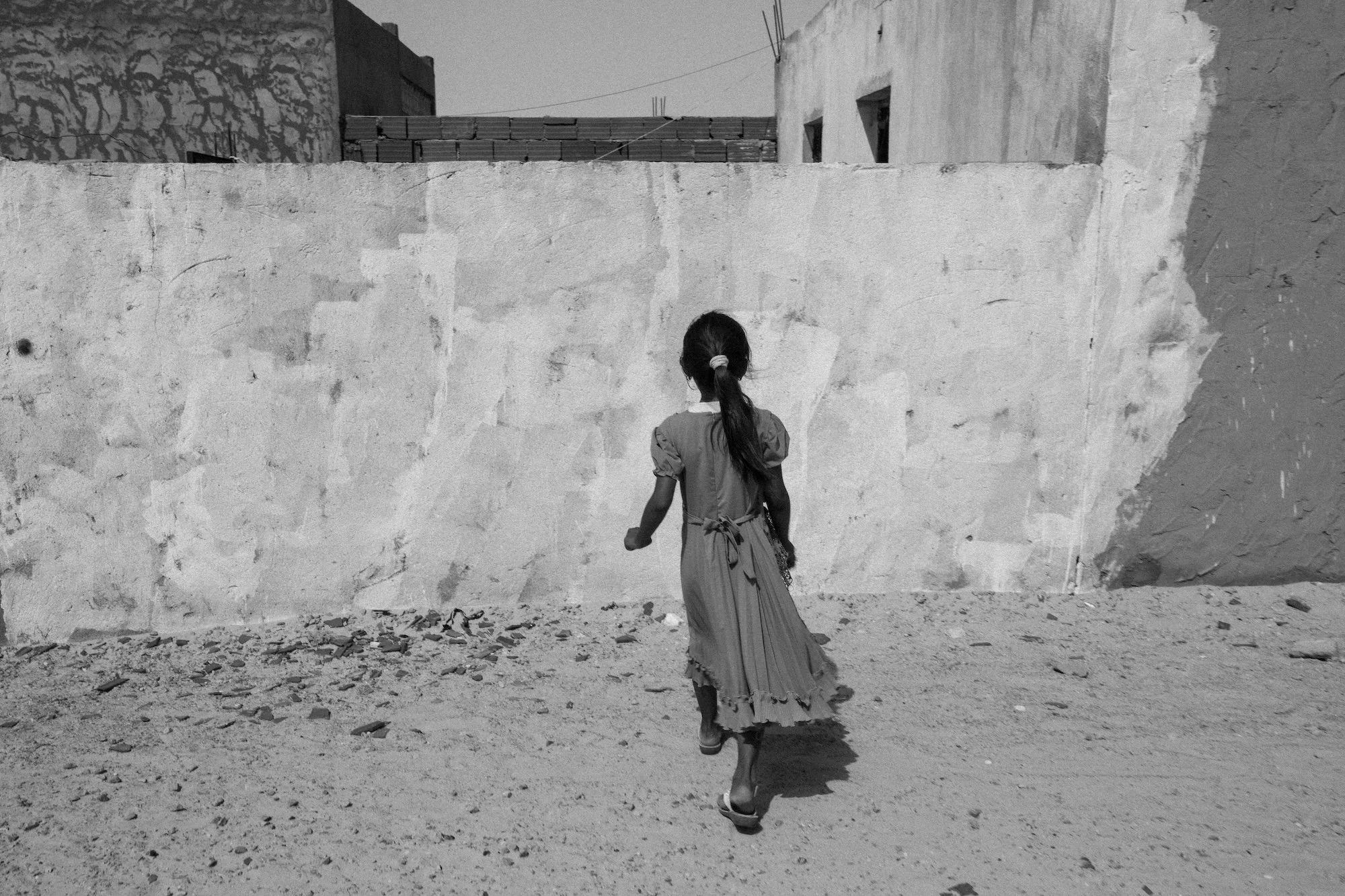
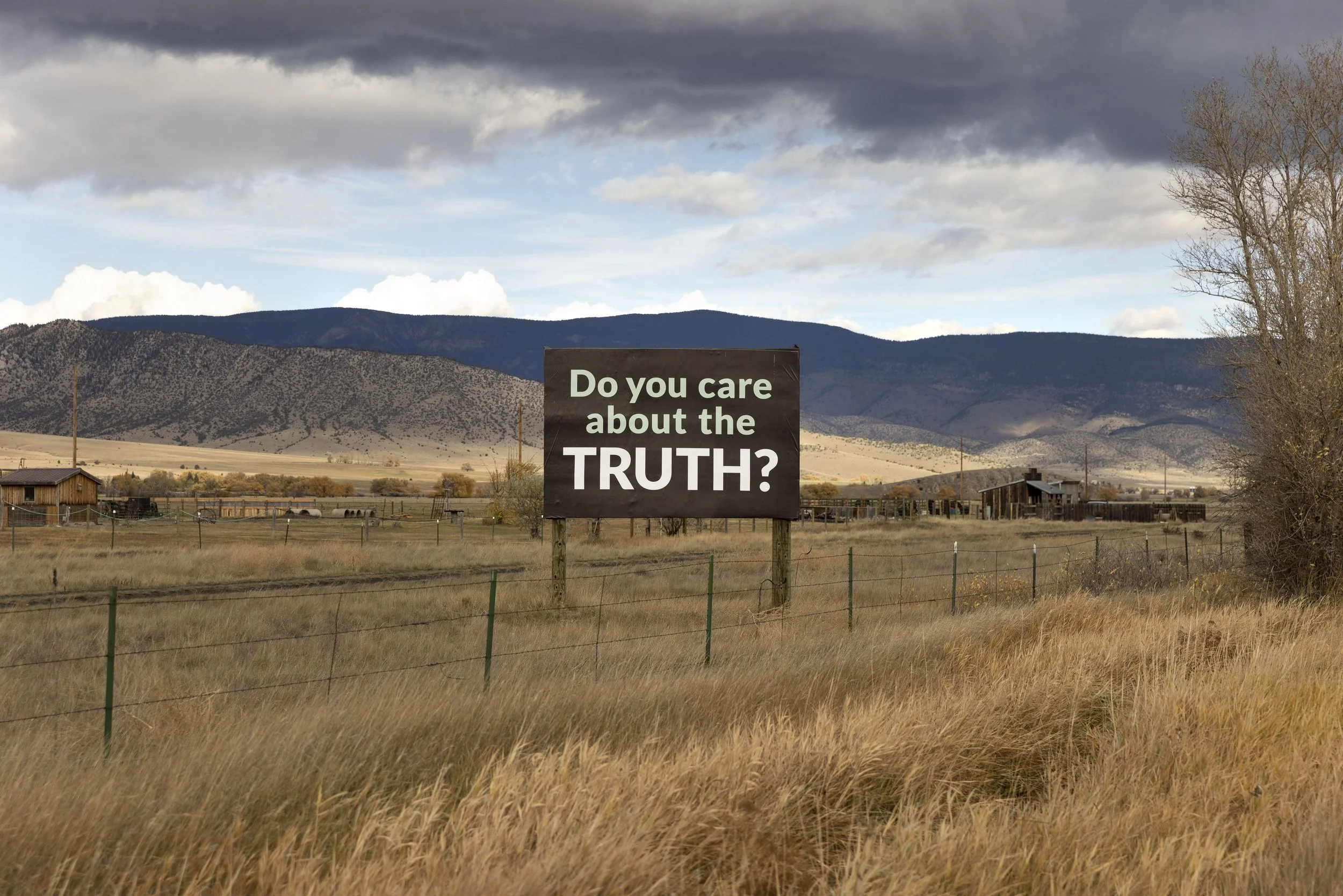
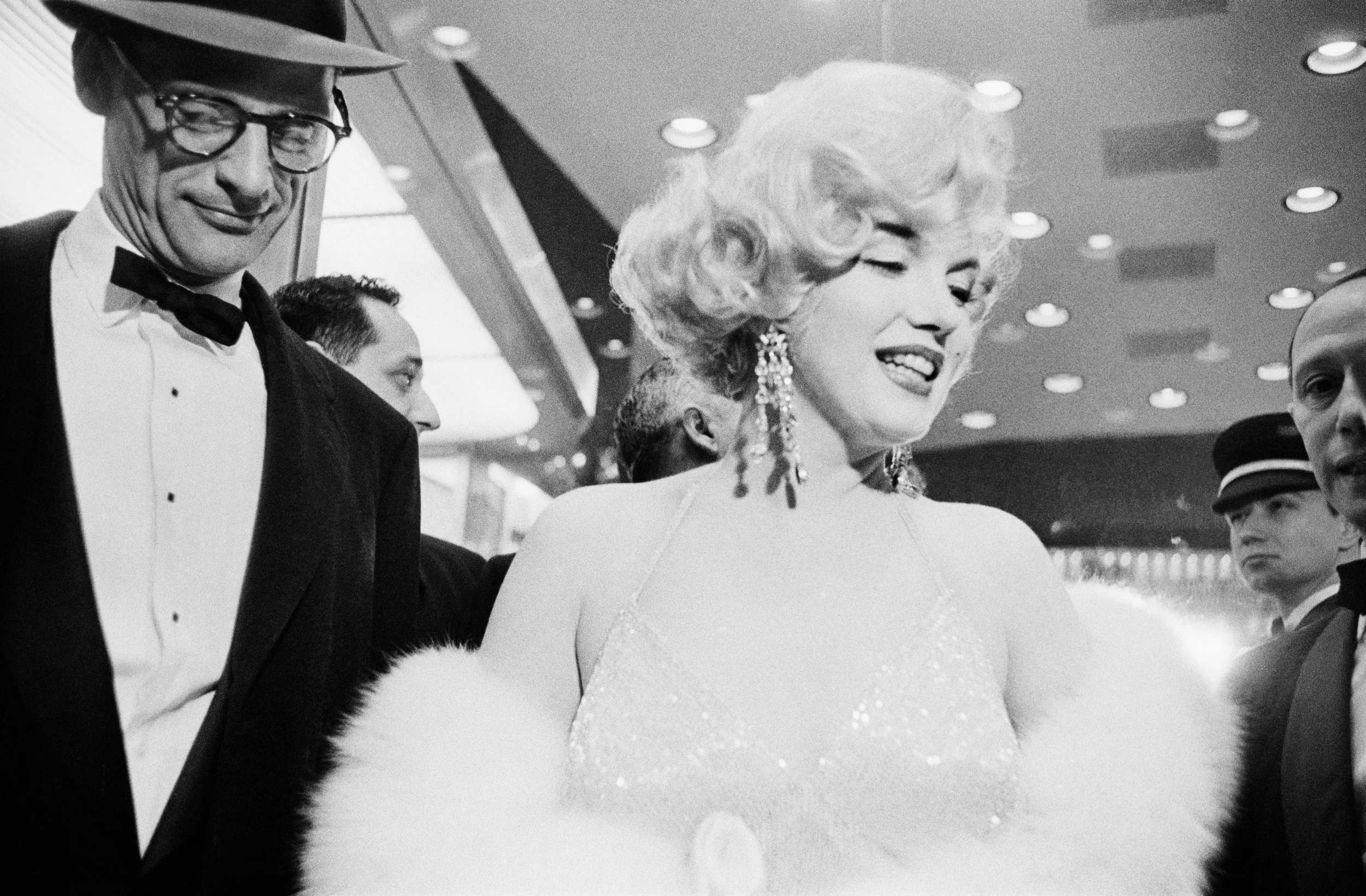
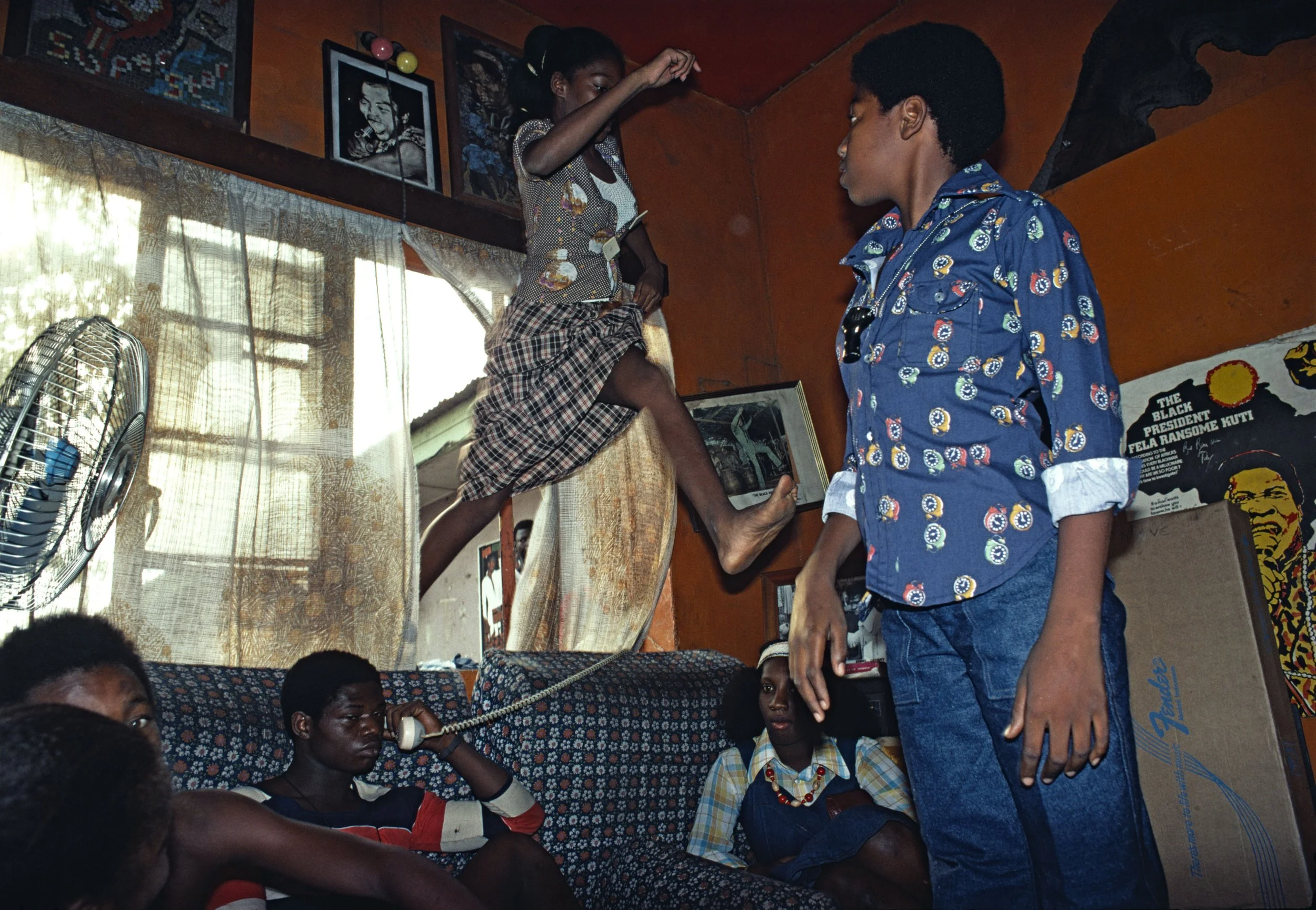
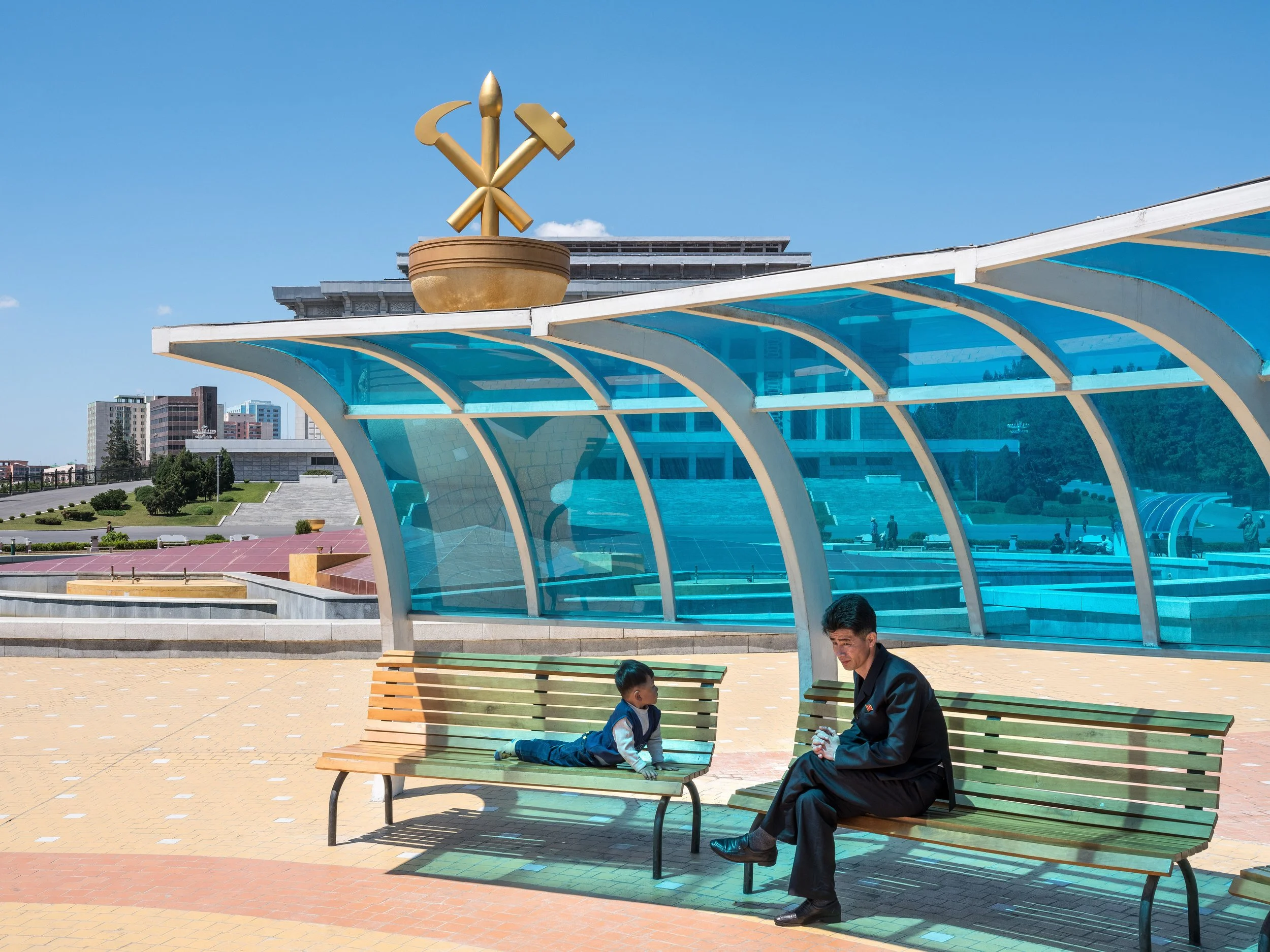
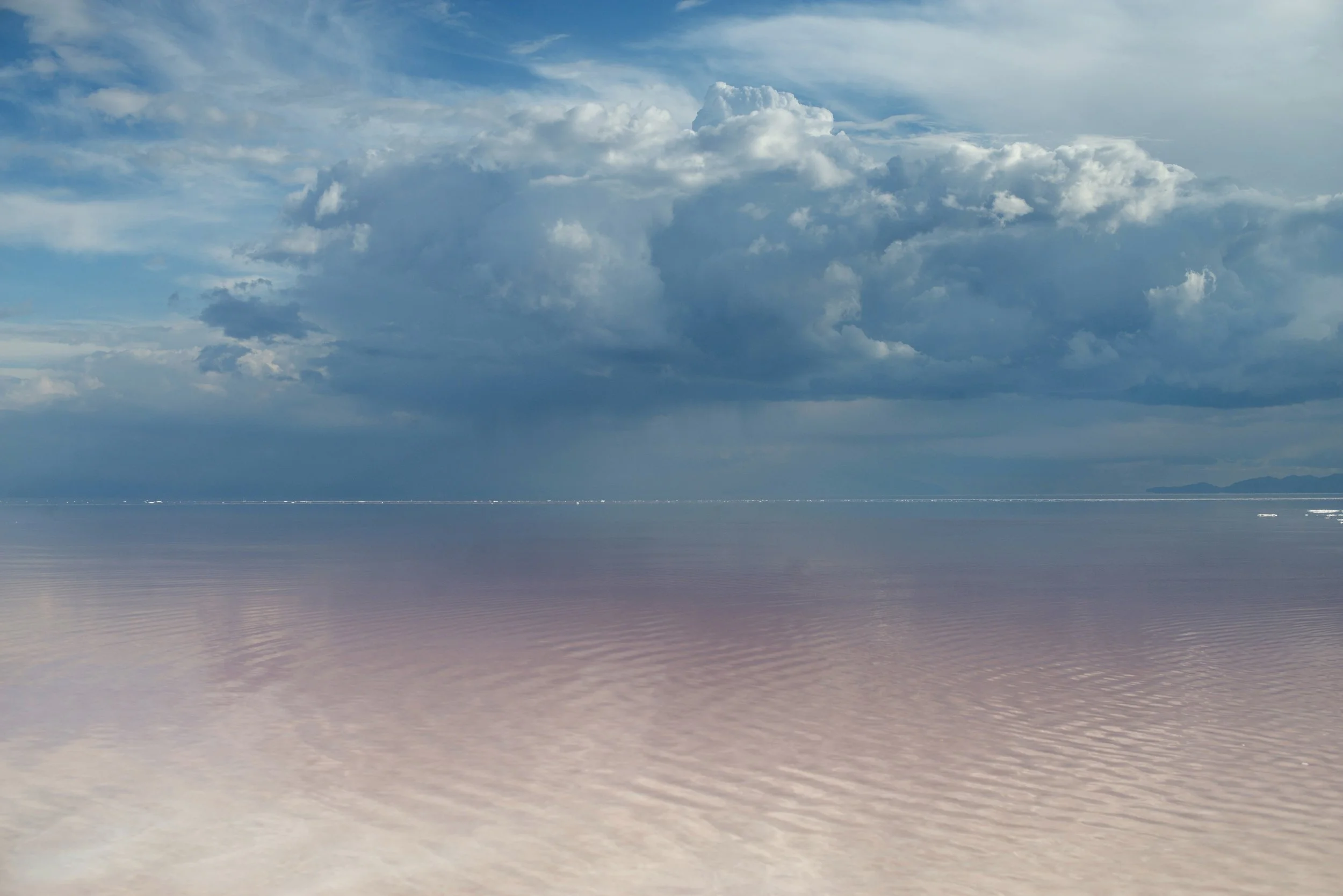
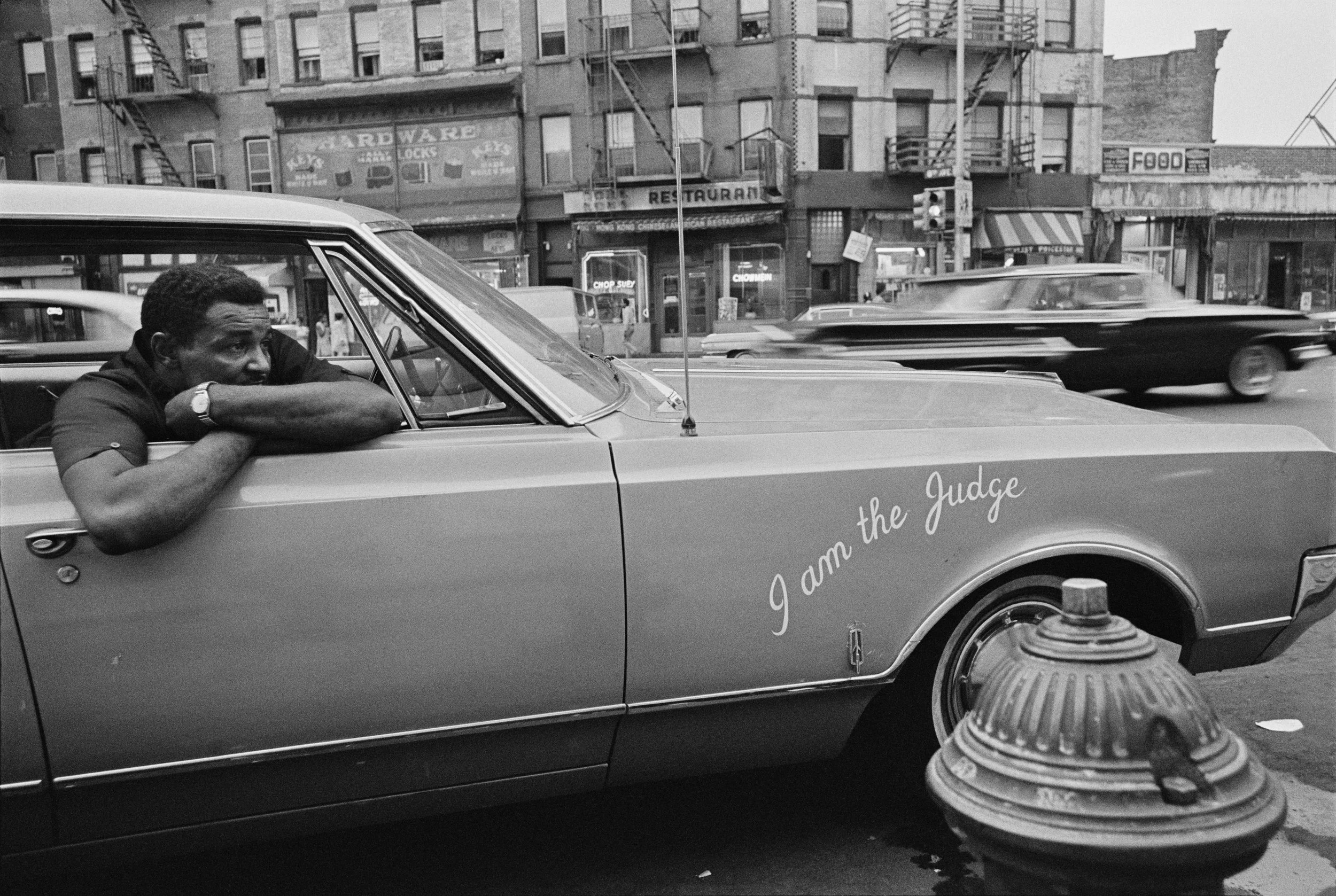
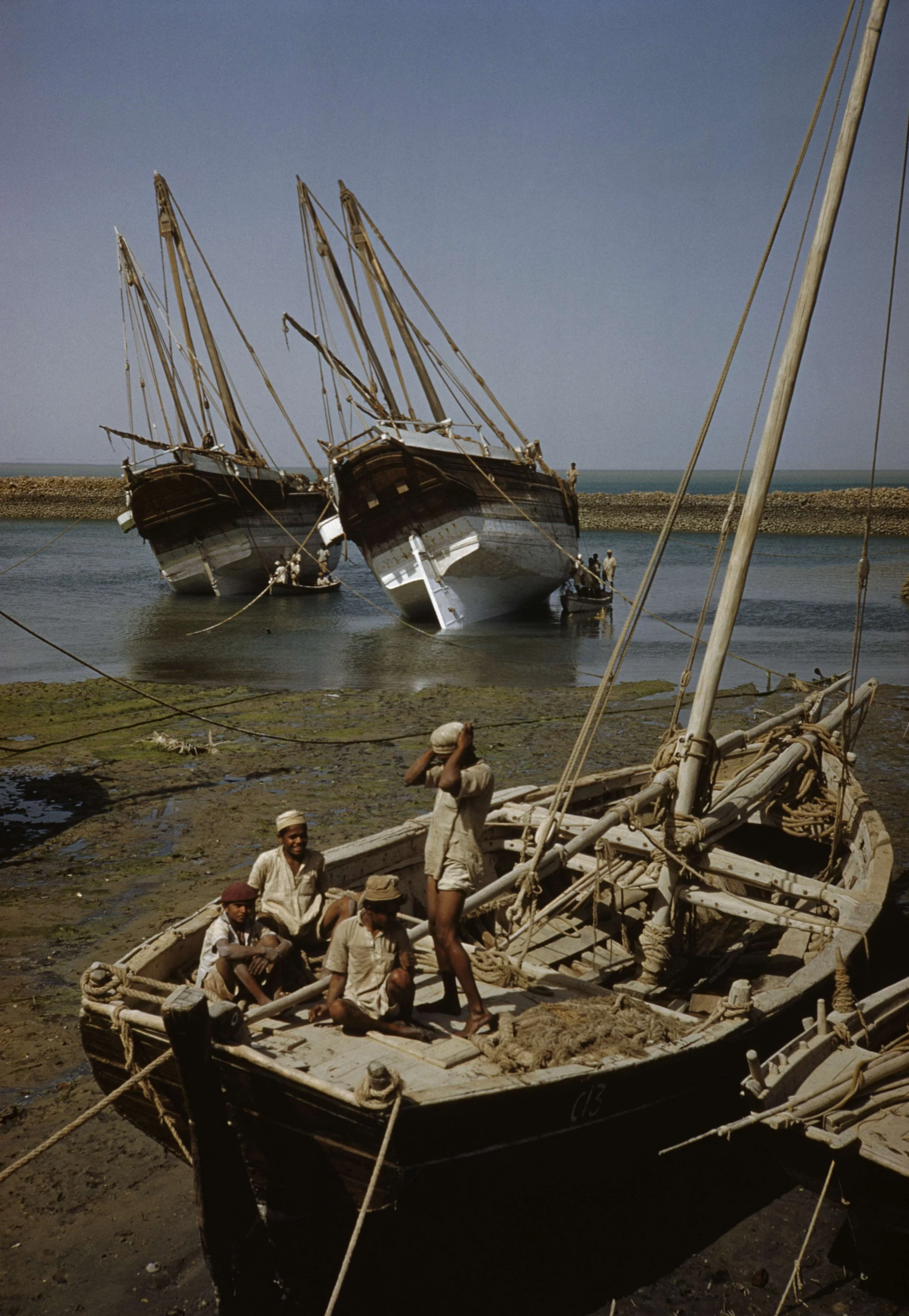
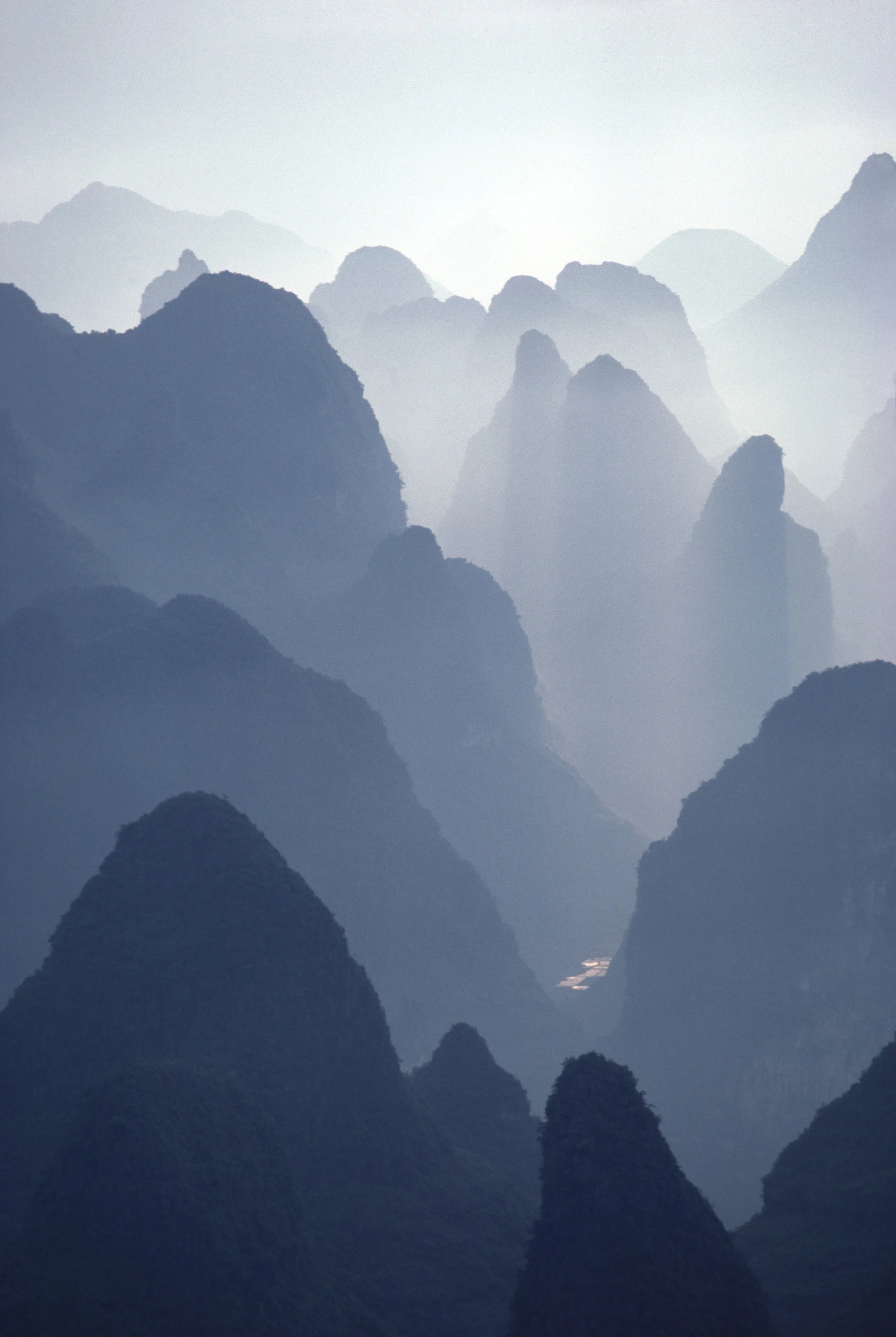
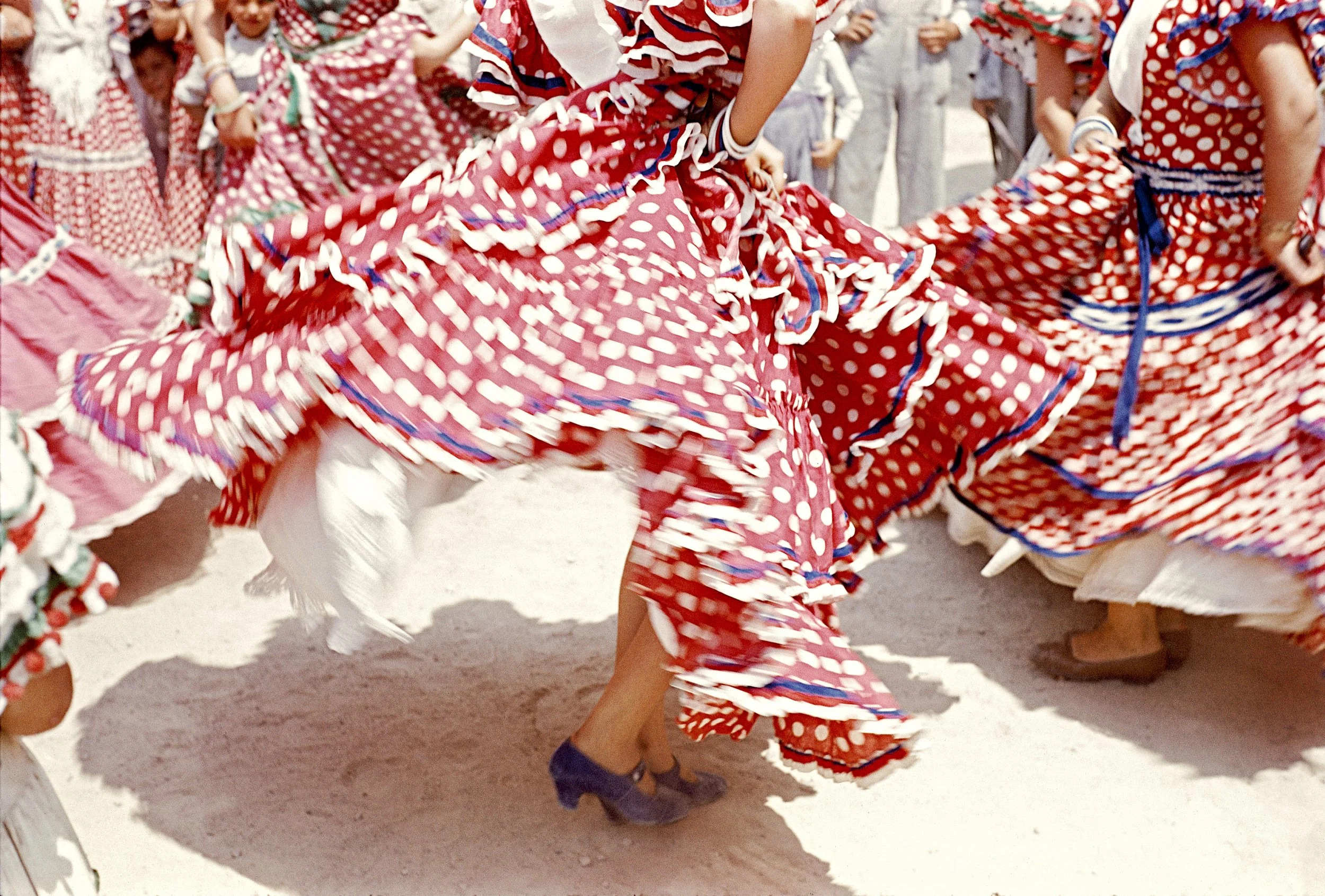
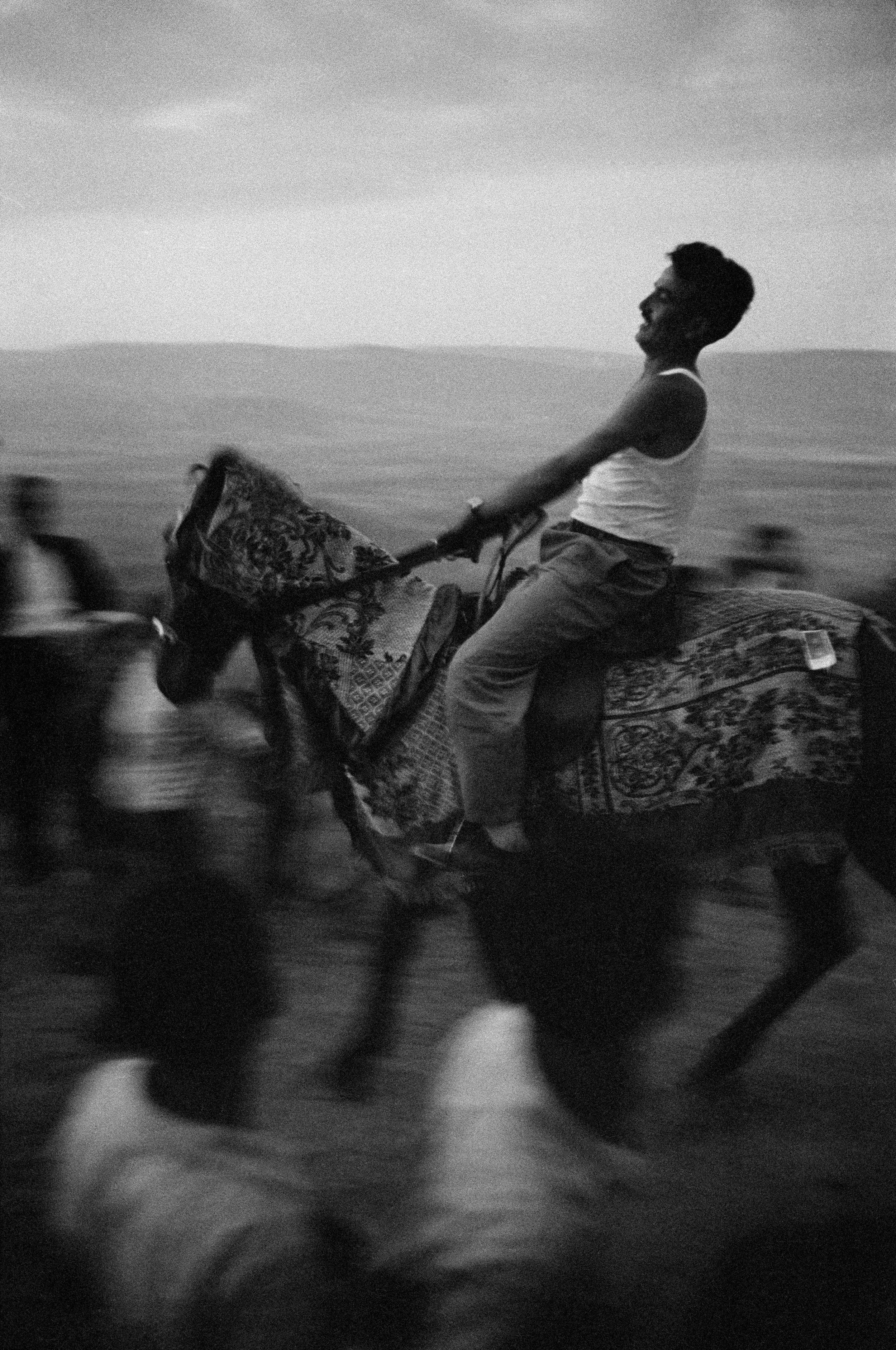
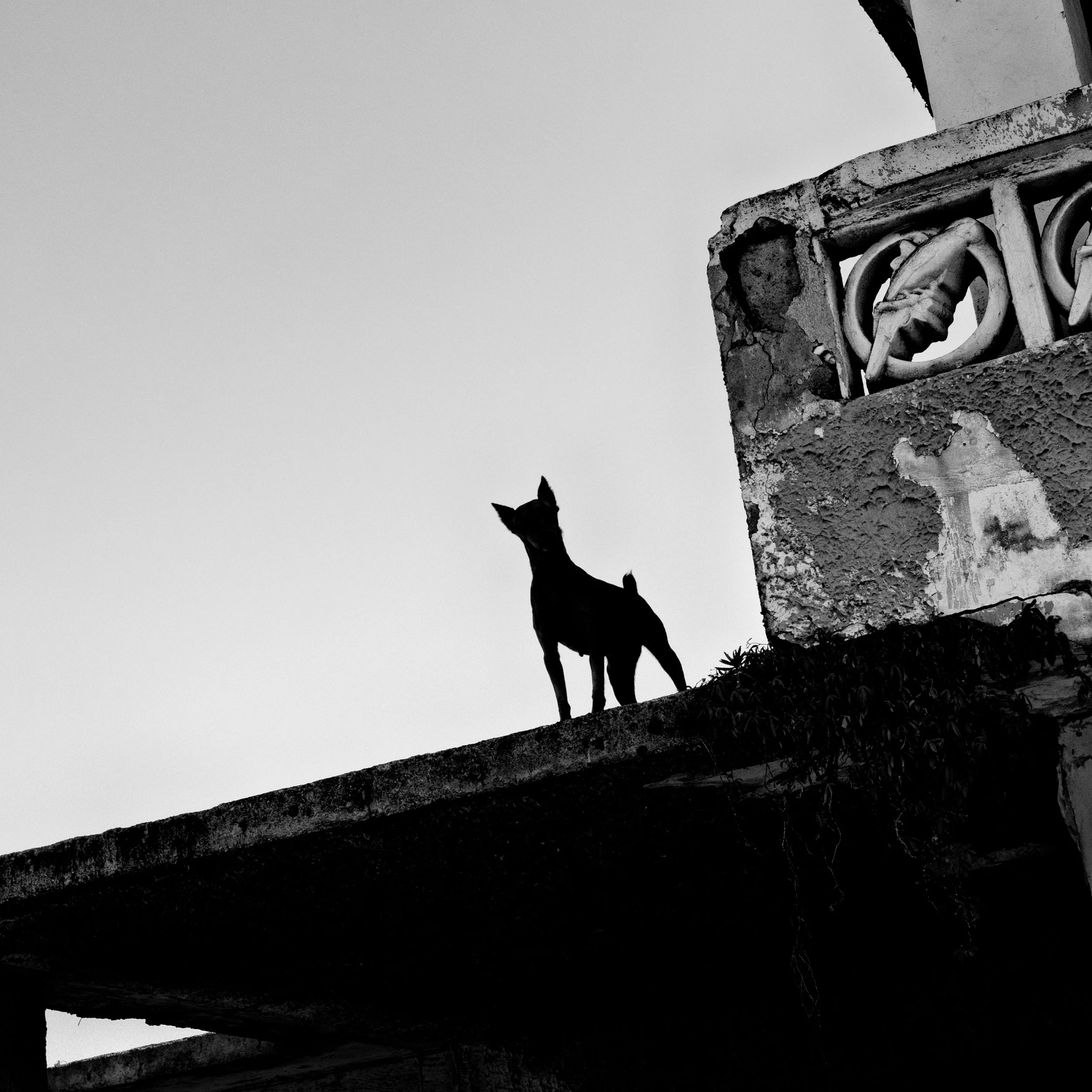
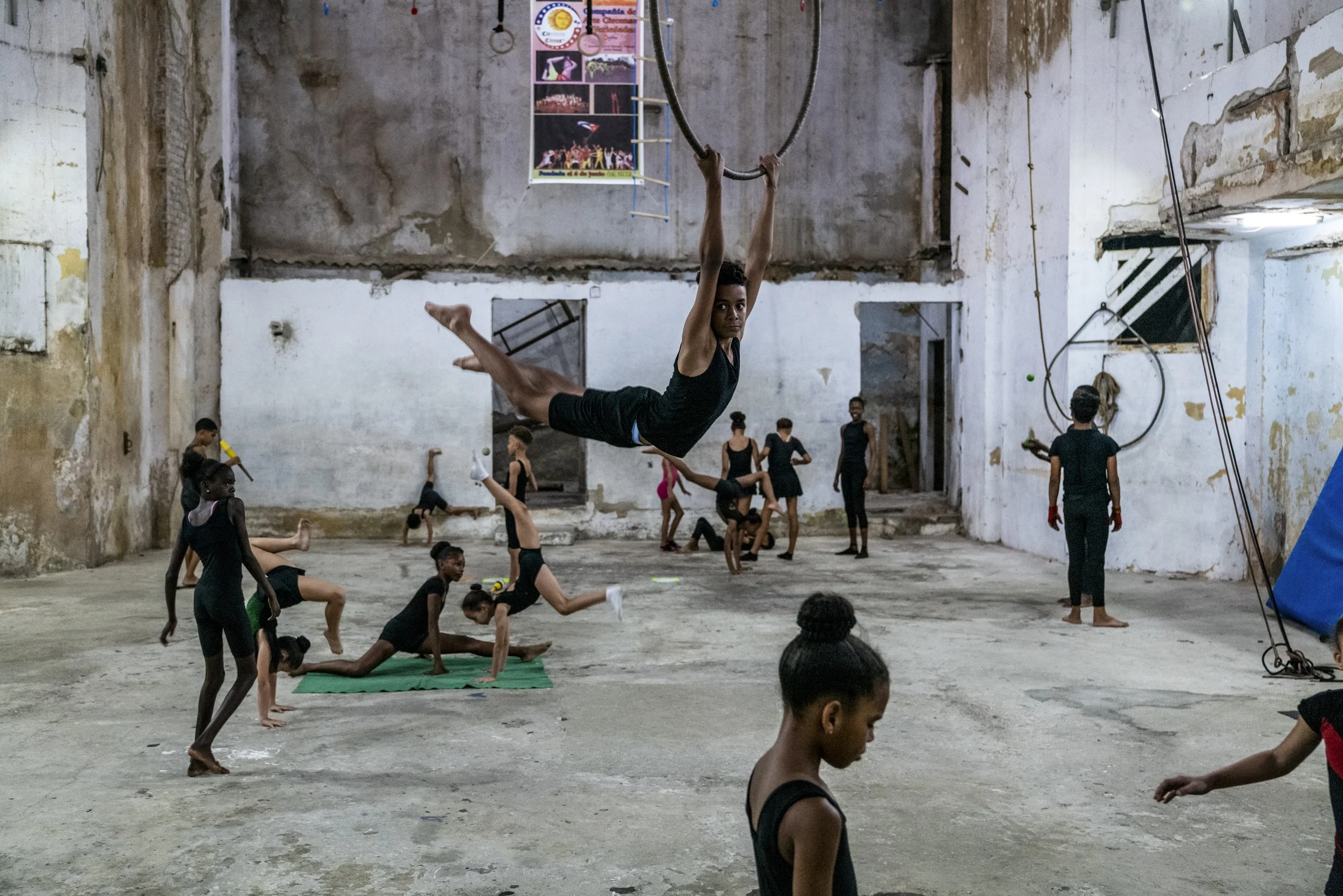

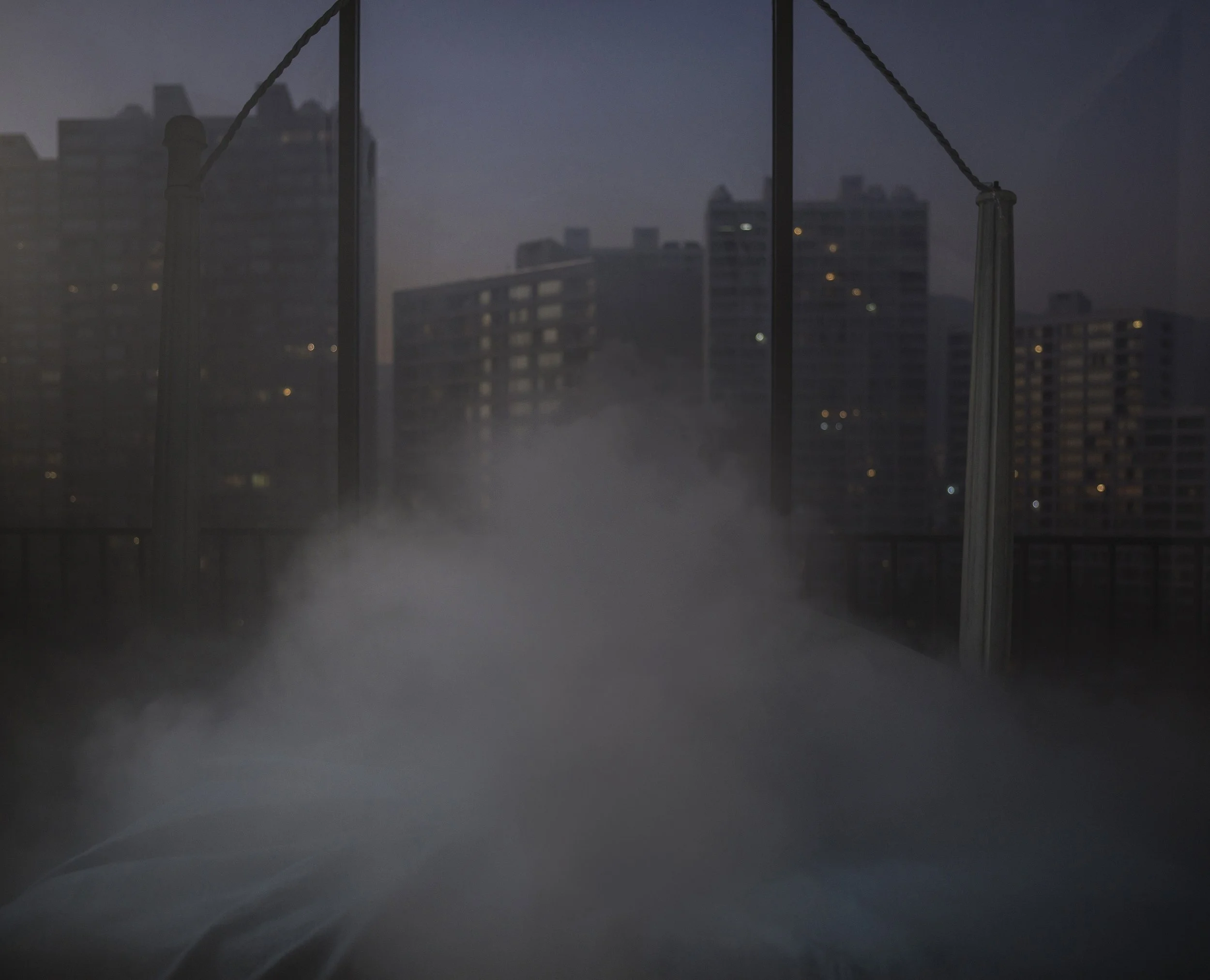
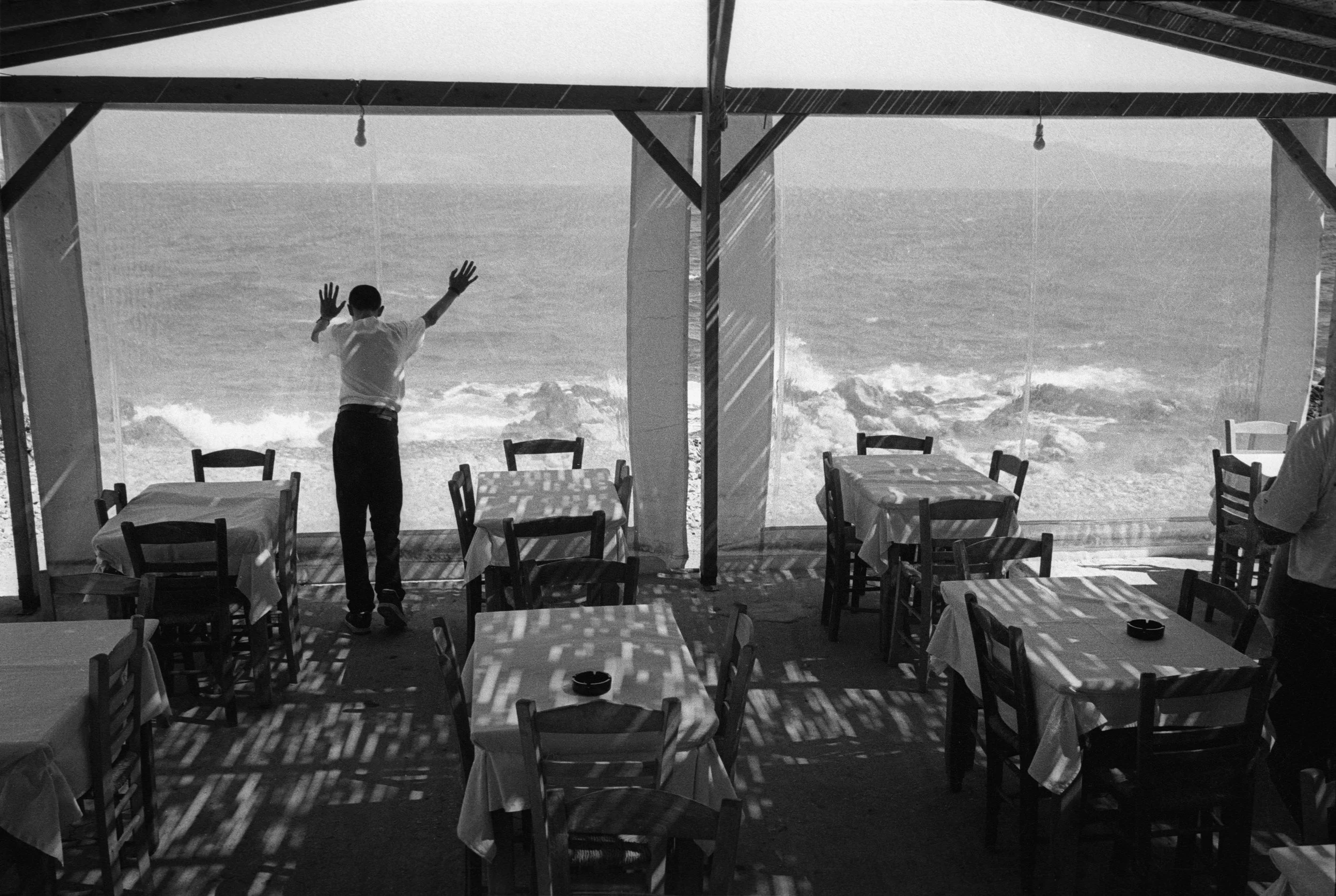
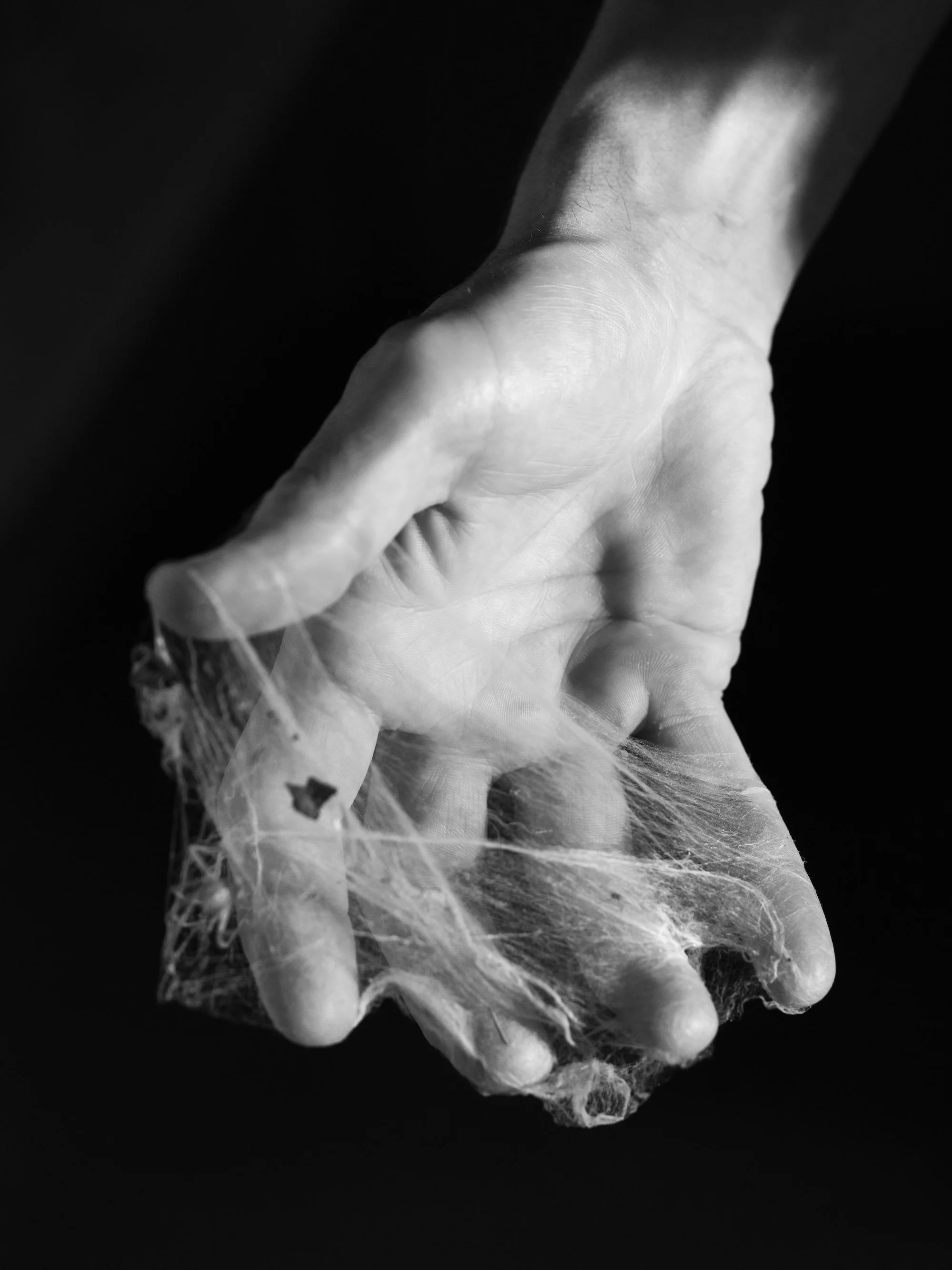
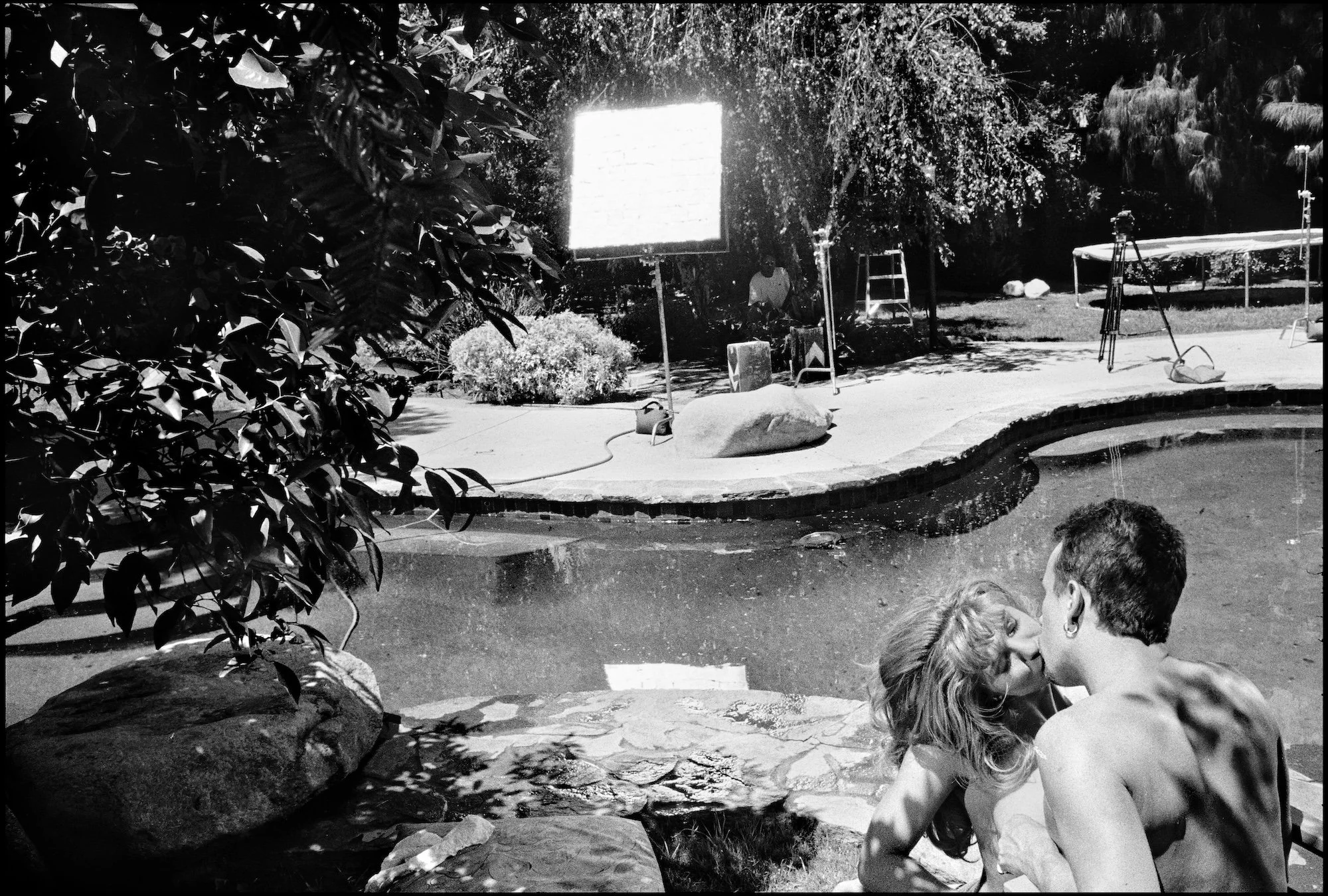
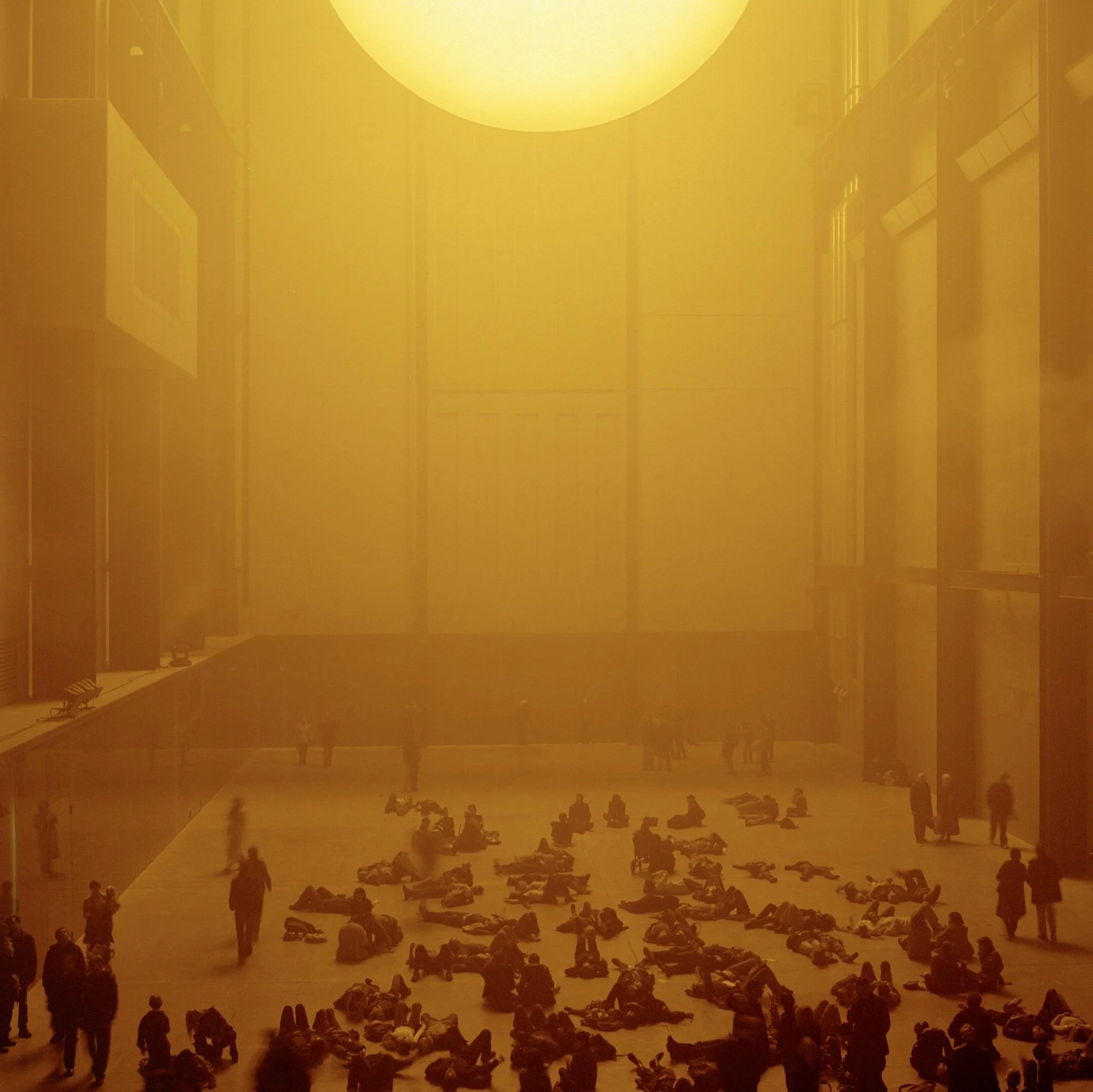

Fact/Fiction runs from October 26 to November 1, 2026 on the Magnum Photos Shop.
About the interviewee
Michael Sargeant
Magnum Photos · Digital Projects & eCommerce
Michael Sargeant is Global Director, Digital Projects & eCommerce at Magnum Photos. The Square Print Sale takes place on the Magnum Photos Shop, and for Fact/Fiction he worked with Magnum photographers, estates and the Magnum team on a selection of over 70 prints. In the sale’s press release, he looks back to the start of the medium: “Since Nicéphore Niépce made the first permanent photograph 200 years ago, the ways we use photography have morphed, evolved and shifted, and so too has the way we interpret photographs.”
About the agency
Magnum Photos
Paris · London · New York · Since 1947
Magnum Photos is a cooperative of independent photographers, founded in 1947. Its members document world events, people, places, daily life and culture, and the agency has offices in Paris, London and New York. Twice a year, Magnum photographers and estates offer small signed or estate-stamped prints in the online Square Print Sale.
