No Project, No Plan, No Safety Net: How Reuben Radding Built Heavenly Arms by Trusting Instinct Over Concepts
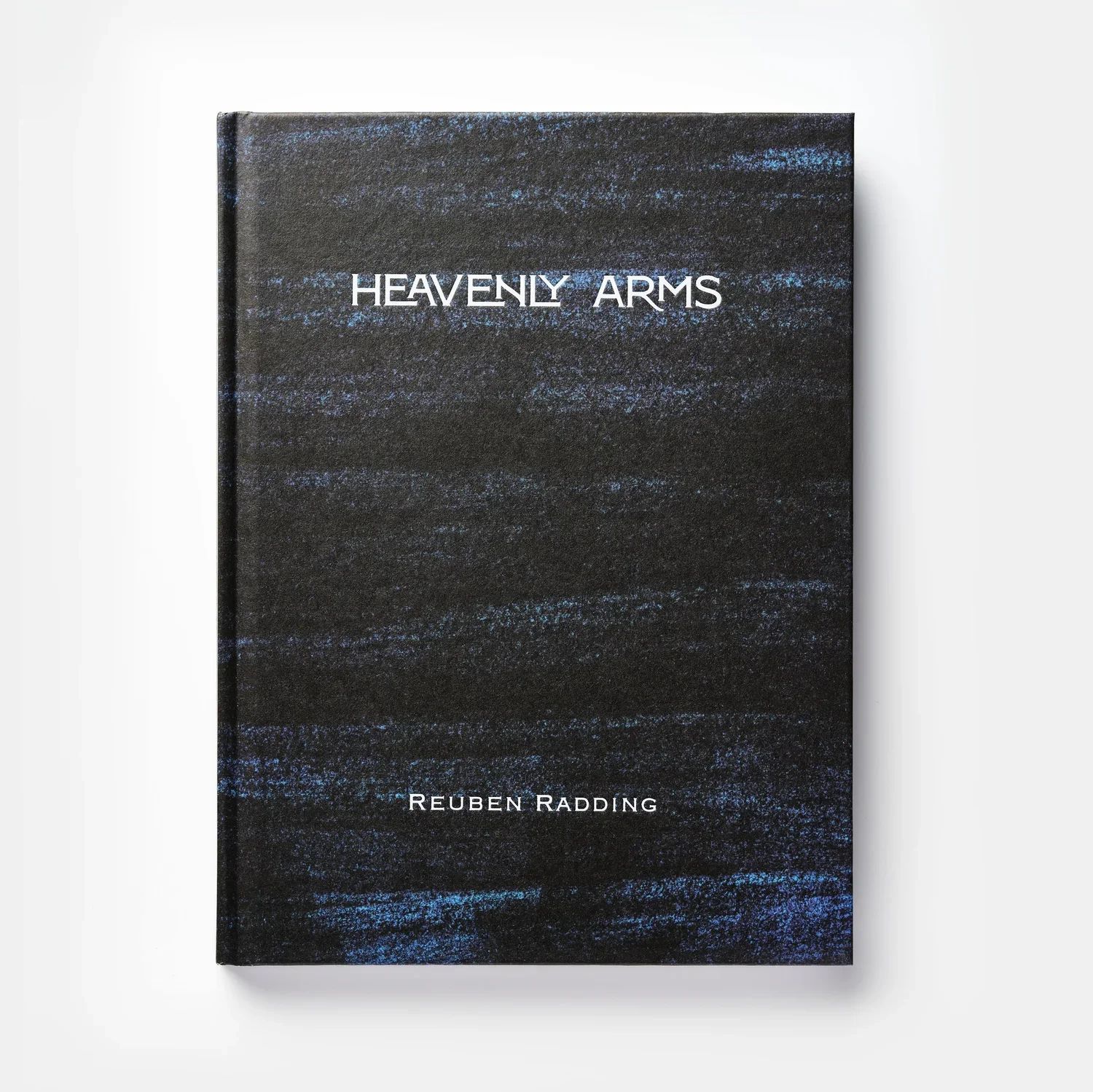
Welcome to this edition of [book spotlight]. Today, we uncover the layers of 'Heavenly Arms,' by Reuben Radding (published by Red Hook Editions). We'd love to read your comments below about these insights and ideas behind the artist's work.
I used to think serious photographers needed projects.
I thought a project was proof that the work mattered. Without a clear theme, a title, or a plan, the photographs felt unfinished. That idea is common in schools, workshops, and grant applications. This interview questions that belief from the inside.
Reuben Radding never worked that way.
For more than 10 years, he photographed without a project or concept.He carried a camera every day and let situations shape the work.Only later did those images become the book Heavenly Arms. This conversation shows how instinct, patience, and time can replace planning.
The Book
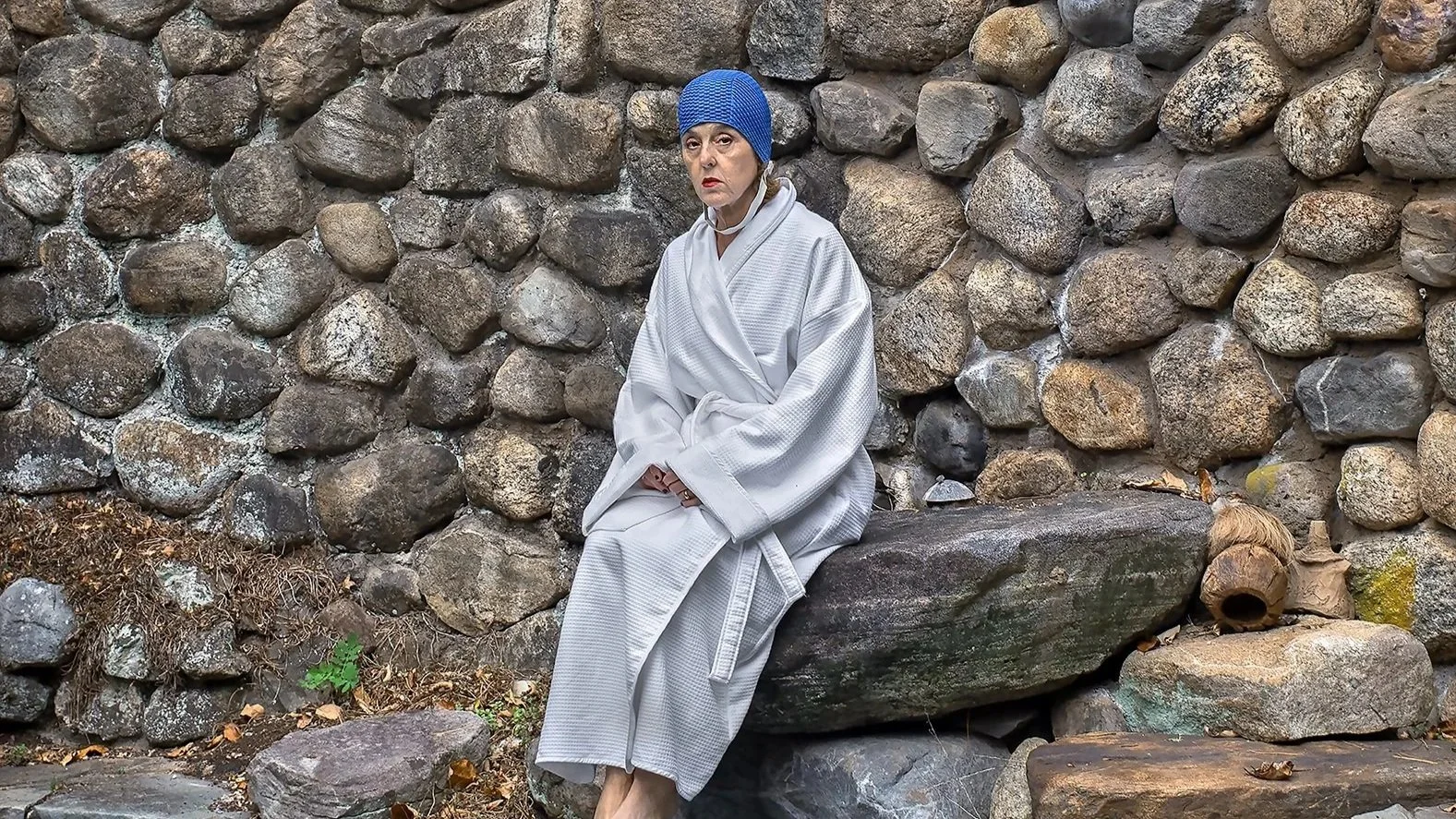
Heavenly Arms by Reuben Radding, published by Red Hook Editions, brings together photographs made over more than 10 years of constant walking and looking.
The book does not follow a single place, event, or defined project. Instead, it moves through many situations and moments, often unexpected, often unresolved. The images focus on people and their relationships to each other, to public space, and to moments of connection or distance.
Edited over the course of a year, Heavenly Arms is shaped by instinct rather than concept. The sequencing allows meaning to emerge slowly, creating a world that feels cohesive without explaining itself, and showing how long-term, intuitive work can find its own form. (Red Hook Editions, Amazon)
You played music for 20 years before you started taking photos. What finally made you pick up the camera?
When I started photographing seriously, it wasn't actually that serious at first. I was looking for a hobby, which I'd never really had because the things I do for fun usually become obsessions. They turn into something I want to do all the time, and then they become my vocation. Music had started as a passion, but it became my career. There wasn't anything I did just for fun. I thought it would be nice to have something creative without the same pressure, without it being a career or something I felt I needed to be really great at.
I'd always liked photography. I had a brief flirtation with it in my twenties, but I hadn't stayed with it. At the same time, my music career involved extensive traveling and playing in other countries. When you're living that life, you go to these places not knowing whether you'll ever return. You have these amazing experiences, and I realized I was coming home with no souvenirs. I didn't have any record of my years of music activity and traveling.
I thought I'd better get a camera. This was before cell phones had viable cameras, so I needed an actual camera. At first, it was just something to play around with and document the places I was going and the people I was meeting. But very quickly it turned into a complete obsession and took over my life.
You also mentioned that with music you felt like you were always waiting for rehearsals, shows, actual play time. How did photography fix that?
Photography gave me a sense of freedom. I realized I could take a picture anytime, anywhere, without waiting for anybody. It took me a while to understand that was part of my enjoyment. At first, I was just doing it. Then some years in, I had the realization that waiting had always bothered me about the music life. I needed other people and had to wait for them, wait for the right opportunities, deal with all the logistical hassles. Then there'd be those 45 to 90 minutes a night where I got to really be alive and do the thing I was dreaming of doing.
It's such a psychological and emotional thing. The truth is, with photography I don't have to be taking pictures 24 hours a day, but just the fact that I could makes me feel liberated.
What does your normal day look like now? How much of your day involves photography?
Pretty much all day, though it depends. Some days involve more shooting, other days more activities related to my practice. I make sure to take pictures at least some every day, and some days it's all I do. As my career has grown, there are always other responsibilities like interviews, work towards exhibitions, things I publish. Teaching is part of the practice now too.
What's really helpful is that since I had that realization about not wanting to wait and wanting to always be involved in my practice, I've maintained a certain perspective. This was all a response to a problem I'd had since childhood. When I was really young, I read about artists and their lives and got the mistaken idea that artists' lives were 24/7, that they didn't have boring responsibilities and stupid requirements, that they were just doing what they wanted all the time.
I internalized that idea almost on a biological level. As a grownup and musician, I felt like I wasn't living the life I'd dreamed of, even though I was a professional musician for much of that time. When my photography life started to become busy and complicated, I tried to keep the perspective that all these things I do related to photography are part of the same practice. My teaching feels like part of my practice. Doing interviews like this is part of my practice. The work towards exhibitions and publications is all part of the same exciting experience.
You've also said that photography made you a more patient person and a better friend. How does carrying a camera change the way you live your daily life?
I don't know how much it has to do with carrying the camera, but the camera is the excuse for being out in the world all the time and encountering things I wouldn't otherwise seek out. That includes when a friend wants to go to some event I wouldn't have thought would interest me. I'm much more agreeable now about going because I think there might be a picture there for me. Sometimes there is, sometimes there isn't, but I feel much more willing to put myself in all kinds of situations because there's always the possibility of pictures.
Sometimes that happens even in situations where I feel sure there probably won't be anything that interests me. It never fails. Just about when I'm getting really bored, something will happen that's completely unexpected. It's increased my faith in the possibility of finding enjoyment, whether I have a preconception against it or not. I don't necessarily feel more patient, but I agree to be more patient.
So you don't really separate photo time from regular life anymore. What does that actually mean? Do you carry your camera everywhere, 24/7?
Everywhere, yeah. That's a huge part of it. I realized early on that pictures didn't only happen when you decided you were working. The kinds of pictures I'm interested in often happen when you're not really looking for them. After a few years, I realized I needed to be ready all the time.
At first that meant having the camera with me. That turned into having the camera out where I could use it. That evolved into having it on or ready to fire all the time. I'm always ready. Friends laugh at me because if we're out at a restaurant and I go to the restroom, I bring the camera with me.
So you have the camera on you even in your apartment, or do you grab it with your keys and wallet when you leave?
No, I don't hang it around my neck while walking around the apartment, but it's never very far from my hand. I have two cameras right here on my desk. I'm never far from a camera.
Most photographers have projects. They're documenting a neighborhood or exploring loneliness. You don't. Why is that?
One could just as easily ask why they do. In my case, once I started feeling like I was doing something serious with photography, I found that's what everyone expected. You're supposed to have a project or multiple projects, and you're supposed to know what they're about while doing them.
Every time I tried, a couple of problems came up. Any idea I had seemed to already be done by someone, and done really well. I wanted to be unique. I wanted my own voice and my own things to say. But when you say the word "project," everything that came to me as a suitable project, even projects that felt close to my soul, just seemed stupid. They didn't give me the platform to do what I was starting to see I was best at with photography.
The things I was seeing reflected back in the pictures that gave me hope didn't conform to these thematic concepts or conceptual ideas. When I tried to adhere to them to fit people's expectations, it made me less unique and took all the fun out of it. I brushed up against the idea of projects several times and backed off. Even a couple of my teachers were adamant about the importance of projects.
But what many people don't tell you is that how you find that project, or how it finds you, doesn't have to be an active decision. It doesn't have to be something you think up and then execute. You really can just explore your world, or whatever world you want, with the camera, then see what comes out of that and understand your relationship to it in a way that can produce projects.
I was still struggling with this up until early in my graduate school studies, I think in 2017. I had become friendly with the great photographer Larry Fink, and I went to his farm in Pennsylvania with a stack of prints. I was showing him things I was working on and he gave me suggestions. He said, "But what's your biggest problem? What do you need help with?" I said, "Well, I don't have a project. Everyone says you have to have a project. It seems beneficial because it's easier to sell people on what you're doing. If you're applying for a grant, it's much easier when you can say, 'This is what I'm working on.' I don't have that." He looked at me like I was insane. He said, "Project? You don't need a project. You might be doing a project right now and you don't even know it." That struck me. It rang true that might be exactly my situation. It made me look at my work differently and understand that I didn't have to know what I was working on in order to do it well.
In the meantime, there was a feeling growing in me. This feeling felt like it was the point of what I was doing, or at least the central point, and that the realization of it was going to involve some sort of presentation, whether a book or something else, that took pictures from many different, very disparate situations, whether on the street, at events, or elsewhere. There would be a way to put those things together that would synthesize a whole world that I felt was really coming from that feeling, from the heart of my desire I'd been working from. That ended up being my project. That's what you see in my book, Heavenly Arms.
When you're out with your camera walking, what are you looking for? Or is "looking for" the wrong way to think about it?
In a way, it feels like I'm looking for something, but I don't know what it is. I kind of prefer it that way. If I know what I'm looking for, then much of the day is very disappointing because the kinds of things I really respond to, you can't predict or design. That's what I've always been most interested in photographing: things that are much more interesting than anything I would think up.
That's probably clear from what I said about projects. My ideas from my head aren't really very interesting, but there's an incredible amount of interesting stuff in the world that I can recognize and be surprised by and excited by. Because I approach them without much consciousness or premeditation, it's just like as a musician, I was primarily an improviser. With the camera, I'm the same way. That means I'm not only instigating, I'm also responding and sort of collaborating with the world. That brings up subject matter that's way more interesting than anything I would think up or think to chase.
Lately, in certain situations, I'm very intentionally trying not to take certain kinds of pictures because they're too obvious to me. For instance, if I go to a protest now, I'm not interested in taking the picture that describes the context of the event and what was happening or what it was about. I'm more interested in using the energy and gravity of the situation to find new things to say or new questions to ask with the picture.
You also take a lot of photos without looking through the camera, just holding it up and shooting. How did you start doing that? What does it give you?
It actually began because when I first started taking pictures on the street, people weren't afraid of the camera. They would pose as soon as they saw the camera go up to my face. They'd start throwing up peace signs and smiling. It really upset me because even though I didn't know much about what I was doing yet, I knew that wasn't what I was interested in. I wanted to take pictures of what I had seen. At first, shooting without looking through the viewfinder was a way to get the picture in before people started reacting to me.
Later, as people became more distrustful of photography, that technique really came in handy because very often I can take pictures in situations where people don't even realize it. My stealthiness has been a real help.
But then later I started questioning all that and thought maybe I should be looking through the viewfinder more, get a little more control. The downside of not looking through the viewfinder is that it becomes hard sometimes to evolve. If you've been shooting through the viewfinder, you have a sense of how you were operating and what you were going for. Then when the result doesn't feel adequate, you can think about how to adjust. Without looking through the viewfinder, that's much harder to work with because I don't know how I would have adjusted that shot. I don't know where exactly the camera was. I can't say.
In a way, that felt like maybe there's a drawback, but when I started trying to look through the viewfinder again, I found that I didn't like the pictures as much. There was something about not using the viewfinder that let me be more free and find really different kinds of angles and proximities, things I probably wouldn't try if I was looking through the viewfinder. Some of those things create failure and some create real major benefits, but I feel like the benefits are something I don't know how else to find. I still cling to that methodology. I probably look through the viewfinder 10 or 15 percent of the time.
Is evolution important for you? Are you constantly thinking about how to take better photos, or did you arrive at "I'm taking photos like this and that's what I'm doing"?
For me, having been an artist long before I took up photography, that was already my value system. My values were that I had studied my heroes and all of them had never stopped evolving. Whether it was a rock band, individual jazz musician, or classical composer, they were constantly trying to find the next step, the next way to grow and go deeper in what they were making.
That was already in me as a priority or value system before I even started taking photography seriously. That's still with me all the time. It's ingrained like an instinct. If I feel like I'm not growing, then I'm really unhappy. If I feel like I'm growing and the work is growing, then I'm happy. Even if the pictures aren't that great, if I feel like they're pointing the way towards something where I'm going to grow, then it's really all fine with me. But it's more important to me than anything.
I was thinking about this because I often see in photography that people find something and then hold on to it. Many photography masters arrived at their style and then produced their best photos in that style. Many people try to stick to what maybe gets them some traction on social media. Do you think about it? Does it affect you when you post something and see that certain kinds of photos get more interaction, people like something more or less?
It's hard not to have a feeling or reaction in some way. I'm a human being with an ego. If people give me strokes for something, I notice it. If they turn up their nose at something I'm hoping to be proud of, it gives me a negative feeling. But as time goes on, I get better at understanding my own work and what I'm after so that it doesn't really change what I do, even if it affects my feelings. In the sense of being influenced, I would say no, I'm not. Am I affected by it? Yeah, maybe a bit.
As one becomes publicly known in an art form like this, there's all this opportunity for praise and criticism. After a while you start to feel like it's all kind of the same thing. It's ultimately just a bunch of noise. I'm not saying that to be ungrateful to those who've praised what I do, but the fact is it doesn't make it any different the next day when I'm feeling the need to make work.
The real thing driving me is that feeling of, it's another day and I need more pictures, and I don't know how I'm going to get them. I need to make myself feel like they're better than the ones I did before, or at least taking me to a new place where my work is going. That whole aspect of the ego, your ego wants to be safe. If you find something that seems to get a lot of approval, it's very easy to just do more of that if you can. That's very easy, and I've never been attracted to the easy way in anything, apparently.
That's never really offered me much. I didn't really experience much praise until relatively recently with photography. It's very pleasant, but ultimately my own drives and my own estimation of things are still what I have to be up against and satisfy. That's about a value system. My value system, as we've already said, is about growth and evolution, and other people's praise doesn't really make that any easier.
Let me ask you about your book Heavenly Arms. It took you a year to edit from 10 years of photos. Can you tell me more about it and about the editing process?
I'm really happy with the book. I feel like it really illustrates what I've talked about: having work that was made intuitively from many disparate situations without any conscious theme or unifying factor like a quote unquote subject, but that still has a lot to say. In fact, maybe it has something more complex to say than if I had chased some very specific concept.
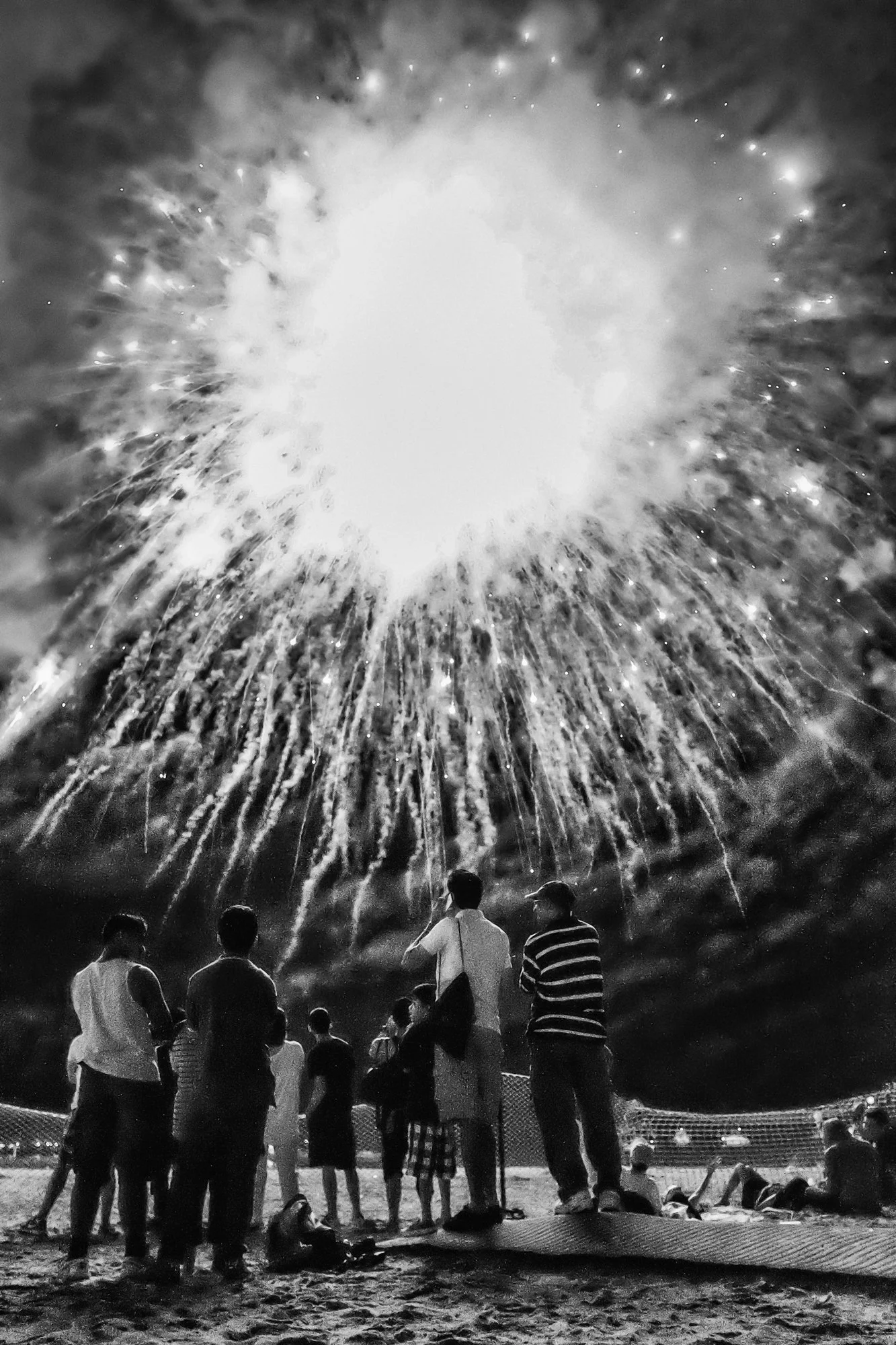
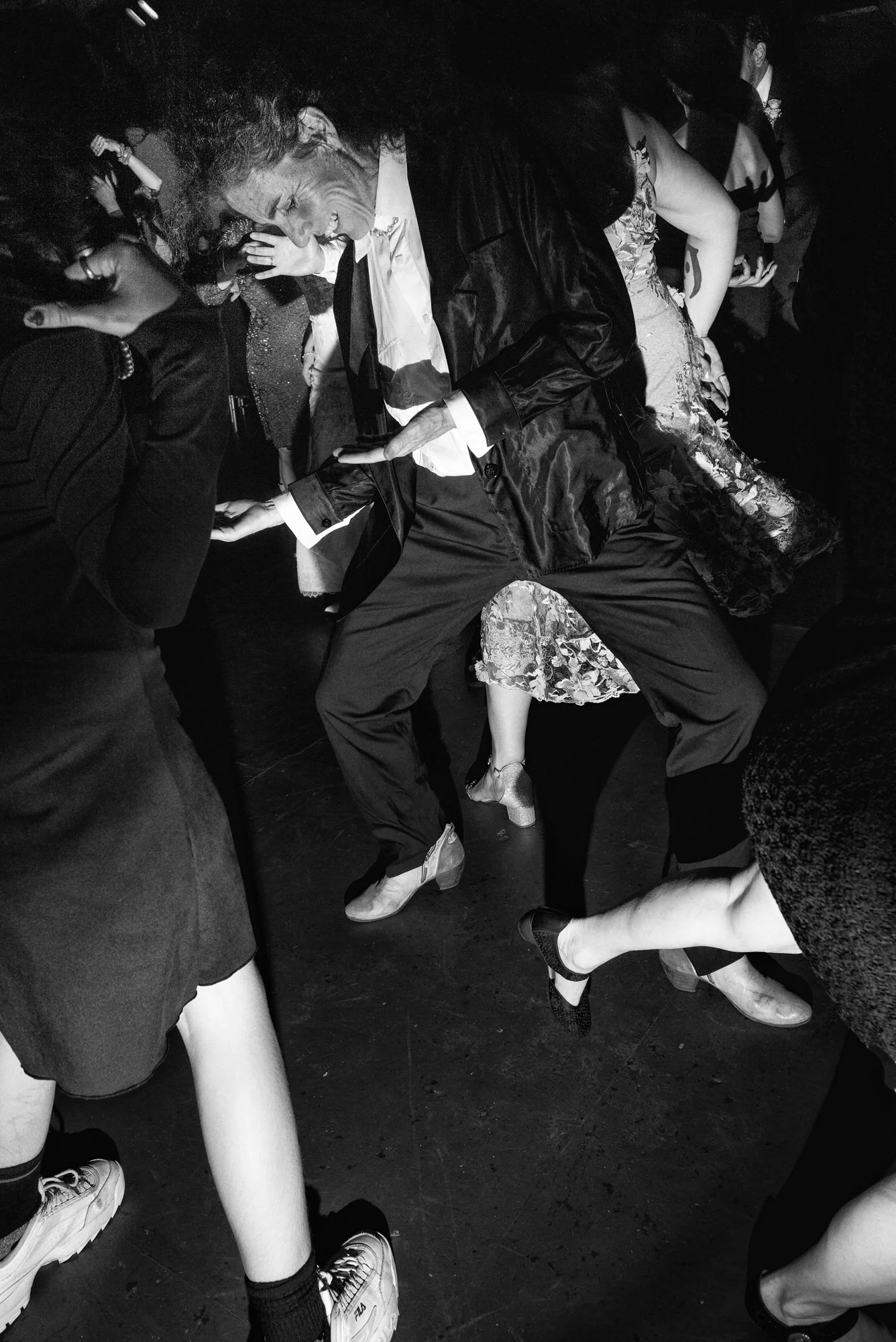
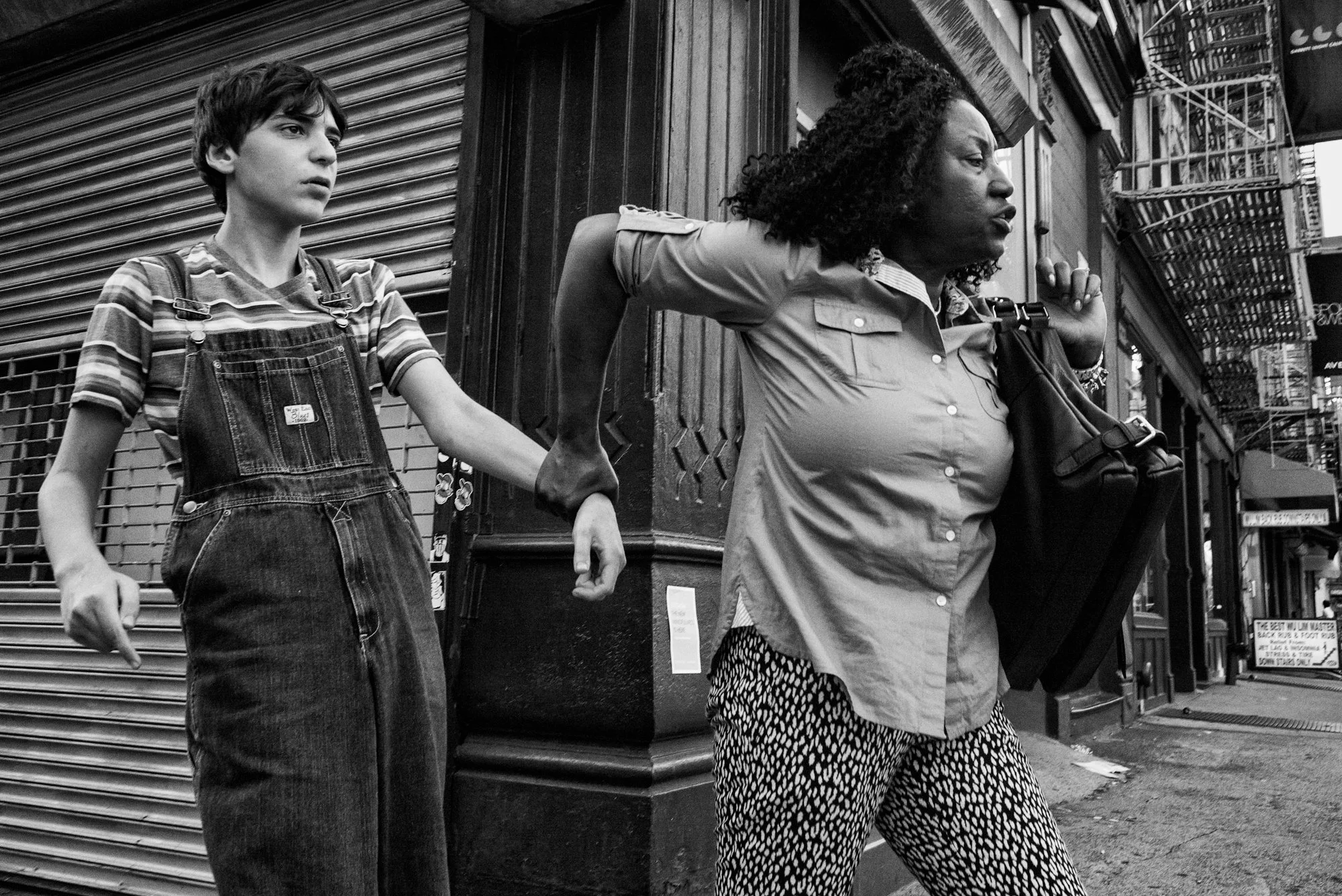
For me, the book is largely about human interdependence and the way we seek human interconnectivity, the way we reject it, the way we long for it, and the ways we live without it. Every way that one could be oriented to human interconnection is, in some ways, represented or hinted at in there. It's an important aspect of doing this kind of work. For me, my interest is people. I'm not so interested in landscapes and things like that.
During that whole 10 year period, I was mostly chasing pictures of people. I think if I'd had that topic in my head from the beginning as a conscious thing, I would have made different pictures and worse ones. Instead, I feel like I really did discover something rich.
In the book I mentioned that many years before I was a photographer, I read this piece of writing by Jack Kerouac, "Belief and Technique for Modern Prose." There was one of those ideas: something you feel will find its own form. That made complete sense to me on a cellular level as a 17 or 18 year old. I already totally understood what he meant, that from that instinctual place, the improviser's place, things could manifest that would find their own format or justification or organization that would make total sense. Rather than creating a form and then putting content into it, the idea is to have content come along that suggests forms, and then it can be fixed into those forms.
I felt like that was what I was looking for. Some people, I think, start with an idea of the object they want to make and then they make the stuff it will take to fill out that form. I can't work that way. For whatever reason, I also feel like my way is very justified because to me there's something very organic about these kinds of alternative forms that come out of extemporaneous generating of work.
To get back to the editing part. I had this 10 year stretch of photos where it felt like I was doing many different things, but there was this central idea, this central thing that I felt like I was chasing that you couldn't quite put into words. Because you can't put it into words and because it wasn't so predefined, that means it could objectively be shaped a hundred different ways. That makes the process very difficult because as I'm editing, as I'm choosing photographs to put into this, there's nothing to determine, for instance, how many pages should this be? How many pictures should there be? What should the pictures be of? Should there be some restriction or specific focus within the set of pictures? What is it about? All these things became brand new questions, even though I'd been living with some of them already.
At first it was really confusing and painful because I had a lot of pictures I was proud of, more than ended up in the book, but I needed to play around with them a lot to start to get a sense of what this thing was. Because until you know what the thing is that you're making, it's very hard to know what to include and exclude and how to refine it.
It began with me sitting down with my friend Matt Stuart for a couple of days, going through pictures and putting together a beginning edit. I felt pretty good about it until I sat down by myself and tried to put the photos into a sequence. That attempt at sequencing just revealed everything that was wrong with that edit. It showed that there was a real emphasis on certain kinds of things and certain kinds of subject matter and not others. It had various problems.
The way I assessed that problem was that that feeling I mentioned before that I was working with that whole 10 years was a sense of myself, a sense of what my practice was and what my interests really were or weren't. It actually became very easy to understand that something was wrong. I just didn't necessarily know how to fix it for a while.
It was a period of about six months where I just kept trying different sets of photos, different orders of them, bigger buckets of photos, smaller ones, all these experiments to try to understand what this thing was supposed to be. At about the end of that year, that would have been 2023, I felt like I was getting close, but I was still confused at the same time. It was better, but it wasn't there.
Then I had this little Zoom meeting with a few photographer friends of mine. We all live in different cities, but all of us at one time or another studied with the photographer Jeff Jacobson. We took workshops with him and hung out with him and became friends with him. Jeff was a really special guy, a really special photographer and an incredible editor. Any of us who spent time with Jeff really share a language in talking about pictures and about what pictures can do.
I met with them on Zoom and told them about my situation and they said, "You've got to show us the pictures." So I showed them the whole edit I had at that moment, which I think was about 85 pictures. They just saw right through what I was doing and told me exactly how to change my focus and fix it. They were completely right and I knew it right away.
They pointed out that the stuff of mine that seemed to really answer the call of what I had been working towards were the pictures that really emphasized unanswered questions or contained a sort of surrealistic kind of content. I kind of redid the whole thing from that perspective and then it was really close. It was really, really close to being right. There were definitely some sequence problems at that point, but I was getting a handle on it.
Then I showed it to a couple other friends and colleagues who I trust really deeply, that version of it. They helped me refine the last few things that really needed to get fixed. The last point in the process was really the design process. The design of a book has a big effect on how the reader or viewer is going to receive the experience.
Working with my designer, Alex, really took things to the next level for me. It made me really see that the edit was correct and the sequence was pretty right. Then it was just a matter of making the object really feel like it was organically connected to what I was saying and making with those pictures.
There were so many temptations along the way to take the easy way out. There were times where I got really frustrated working on that edit and sequence because it was so hard. I'm usually pretty good at editing myself and I feel very practiced with making sequences. I felt like I knew what I was doing. I thought it would take a couple months. Six months into it when I was really suffering, I felt all these temptations like, if the book was intended to just be a book about New York, it would have made it so easy. I would have understood exactly what to do. Or if I had wanted to make it a book that was specifically intended to be street photography with a capital S, I felt like that would have been way easier for me to understand how to make it.
But those things didn't feel like what I had been working for all those years. There was something else I wanted to say, something else that would be more poetic and not so tied to a documentary kind of framing. There was a way to make things from that kind of work that would be what I consider finished works, the same way I think about a piece of literature or a great record I love, where I enter it and find I'm in a new world. I'm not in a New York world. I'm not in a genre world. I'm in the world of this particular work. That was absolutely what I had to commit to and recommit to over and over to not take the easy way out.
Many photographers say that making the photo book is the most important part. That if you just take the pictures and don't print them or don't make the book and don't make an exhibition, it's not the full circle. How do you feel about making photo books now that you've made one?
On the one hand, I don't feel like my point of view has changed at all. My point of view is that all the parts are important. There isn't one part I could say is the most important. But what I do say is that I remember towards the end of my time in graduate school, my advisor, who was a painter named Pete Hocking, said it was important that the work go into the world and that there was a sort of dialogue that would happen between the work and the world and then back to me that was important. I believed him and I always intended for the work to be in the world, but I got a sort of renewed sense of the importance in that conversation with him.
I do believe in that. The other thing that's important about making a book besides putting that into the world is that I feel like it's important to make finished works. I feel like that was always an important part of the other art I was involved in. It's part of the evolution of an artist. It's hard to keep evolving when there aren't landmarks along the way. There are many ways to make those. It wouldn't have to be a book. Other kinds of presentations, zines, exhibitions, I think are completely legitimate for that.
But the thing that's nice about a book is that it really does feel like something you can call finished. Even exhibitions, I always feel like there's always a way you could say, "Well, if we do this again, we could move these pictures around a little or use a different one." Whereas a book really feels so final to me. It feels so permanent and it's the kind of object that will get passed around or resold to other people. It has this life beyond its simple exchange from author to public, and I really appreciate that part of it too.
Before I made this book, more experienced authors told me it’d change my perspective and be amazing. I dismissed their advice, but then I remembered my experience on press for Heavenly Arms at Faenza, Italy. As we finished printing, I felt an overwhelming urge to do it again.
I had been a little ambivalent about books up to that point. There's a part of me that sees them as kind of an outdated concept in this day and age with technology and so on. It doesn't necessarily make sense that photographers still want to do books. But then I did one and immediately felt like, yeah, I like books. I want to do more of them.
When you spend hours walking around, sometimes bored, sometimes nothing happens, what tricks do you use to keep yourself going?
Different ones all the time. I think the main thing on a day that doesn't feel like I'm finding much is to try to detach from the whole idea of it being about photos, to really experience what I'm doing as more of a spiritual practice than an art practice. Then it gets easier because my purpose, which is really what helps you through anything, is a sense of purpose. When my purpose is attached to an outcome like a product, or in my case a photograph or photographs, then it's very hard to feel hopeful in a lot of situations. But if my purpose becomes more spiritual about my relationship to people and the city and life itself, then I can find greater patience and reward in the whole thing.
Sometimes, even small things or external factors can help. Walking with a friend or colleague provides real relief. Instead of listening to my negative thoughts, I’m distracted by being with someone else, even if we’re not talking. The presence of another person, even if silent, snaps me out of my negativity and allows me to continue.
However, I don’t do that often because the kind of pictures I tend to take are hard to do with a friend or a group. I’m most often alone. Sometimes it’s challenging, and I play little tricks on myself. For example, I’ll say, ”I really want to go home,” even though I haven’t been out that long. It’s okay if I do, but I have to walk to this subway station that’s really out of my way.
I’ll make little games for myself like that. Then usually, when I’m halfway to that station, stuff has started to appear before me, and I forget that I was tired. Anything to distract myself from my negative thoughts works.
Thank you very much for your time and for sharing your story.
Thank you.
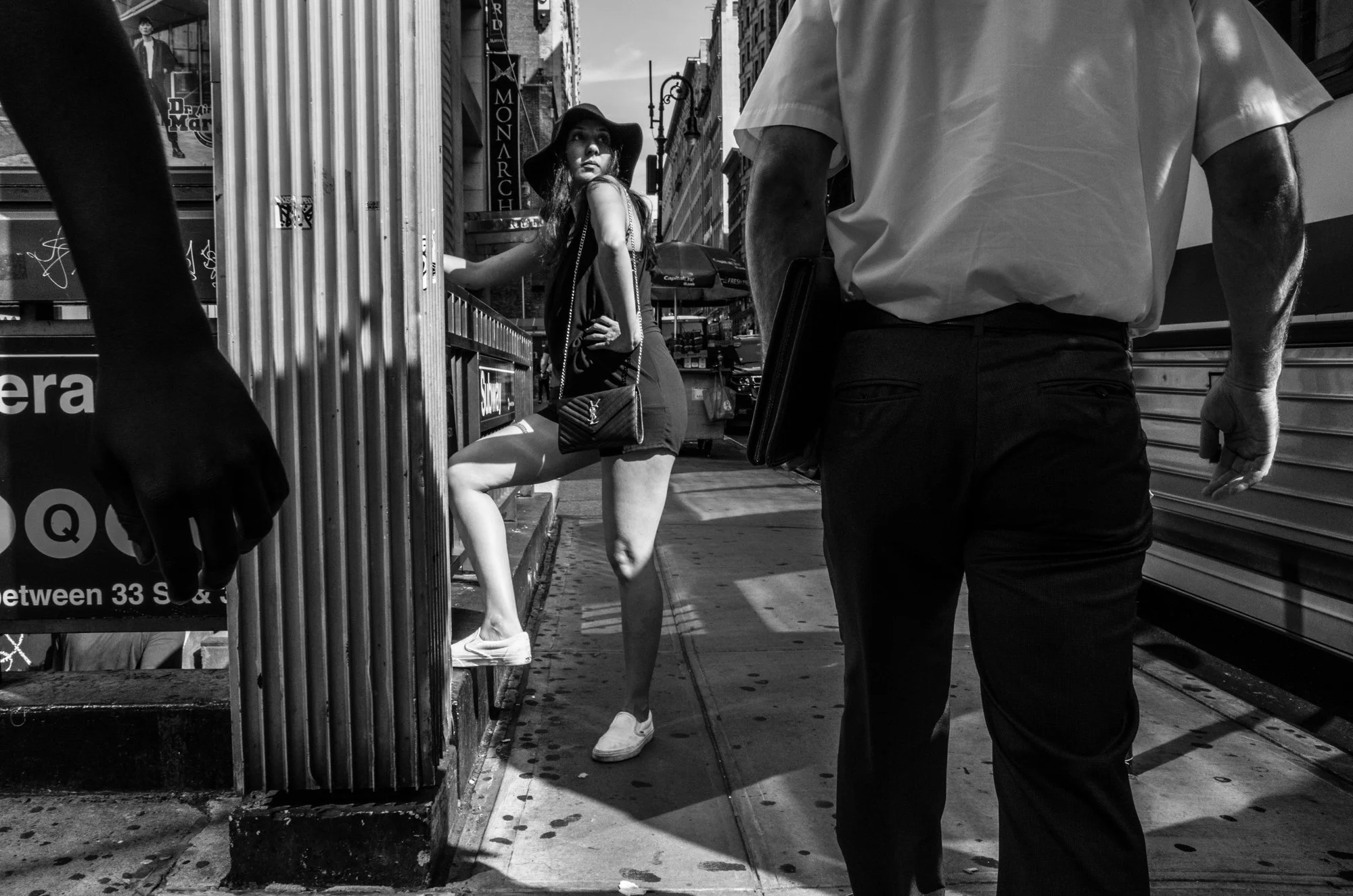
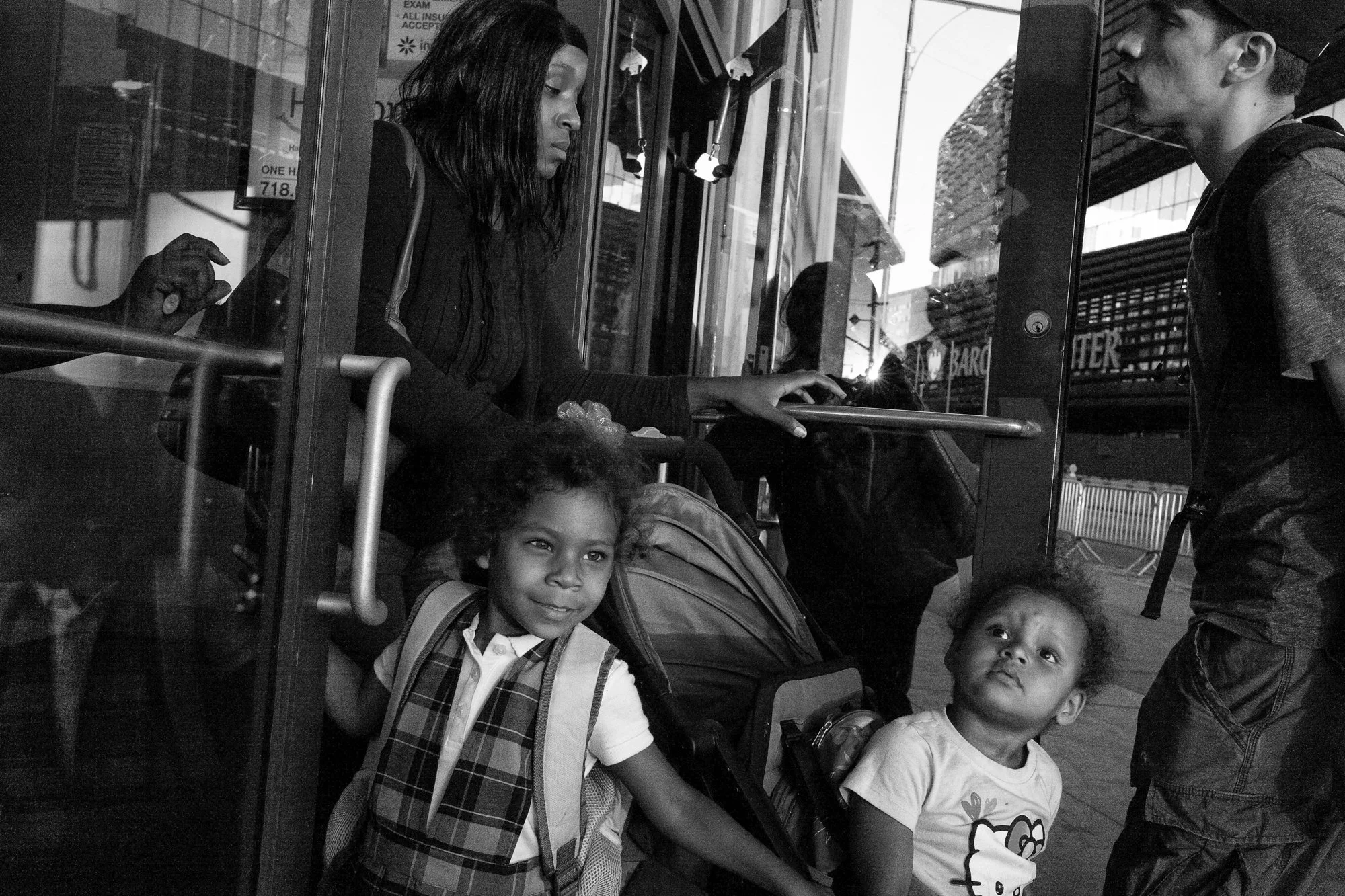
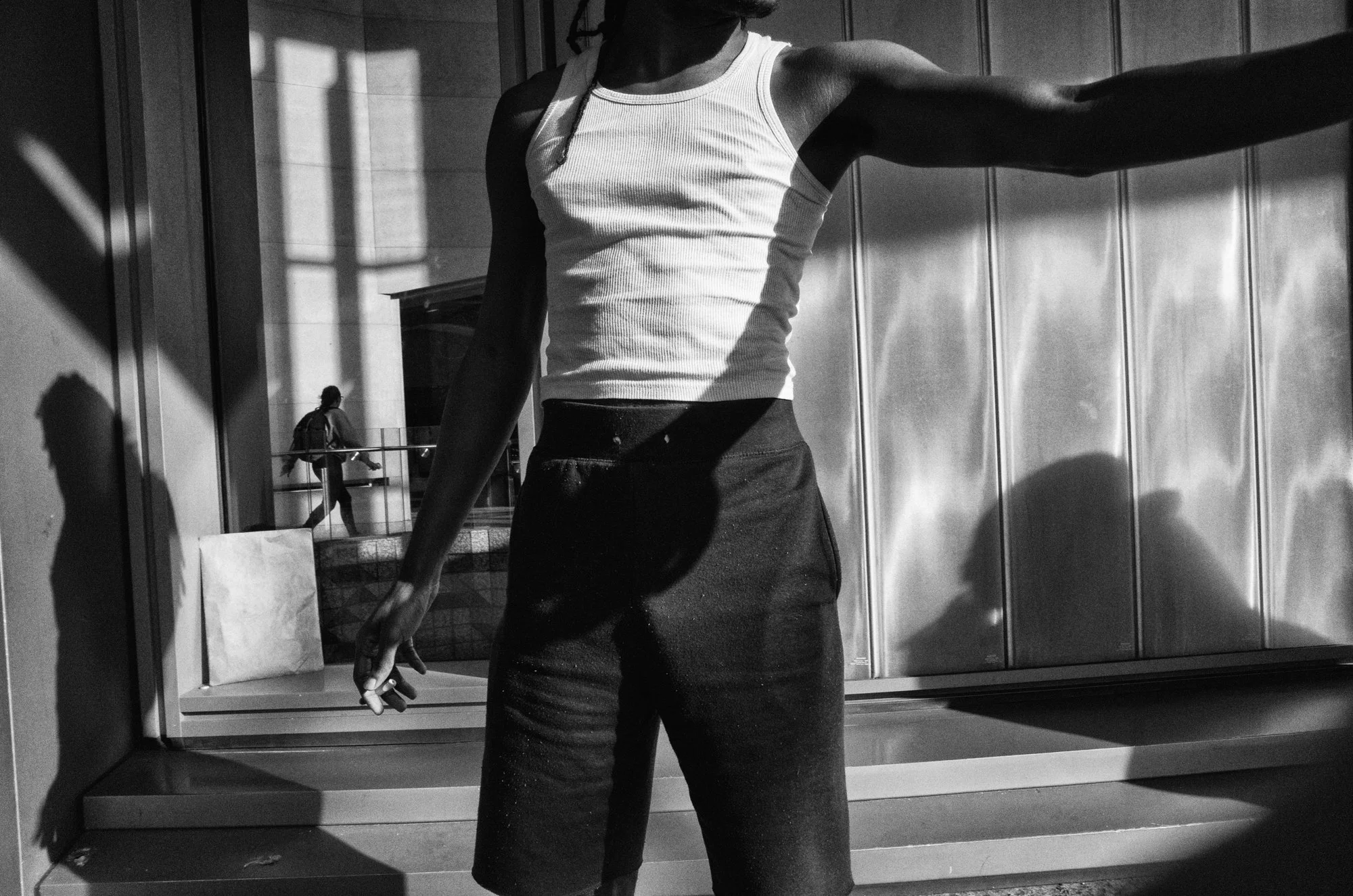
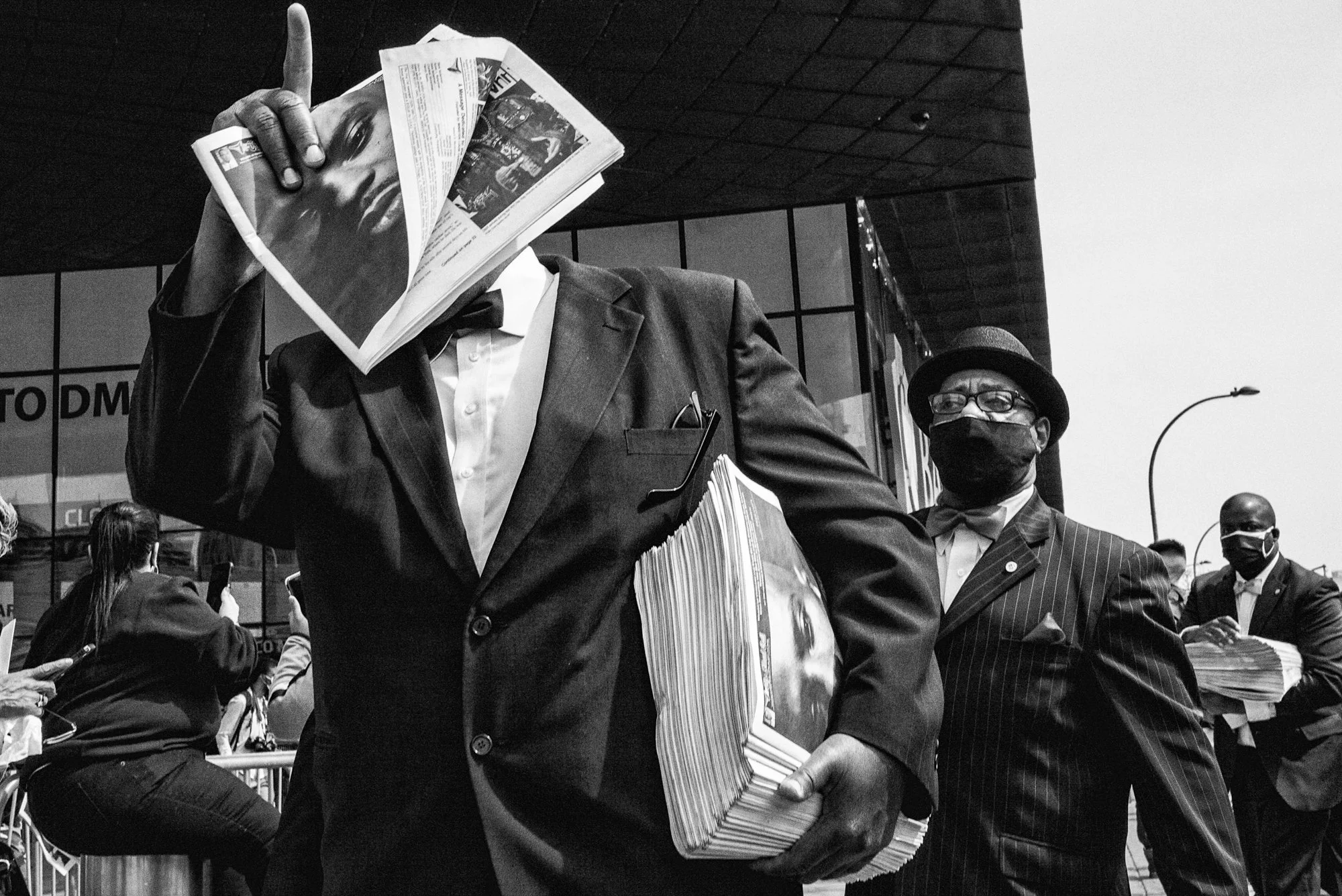
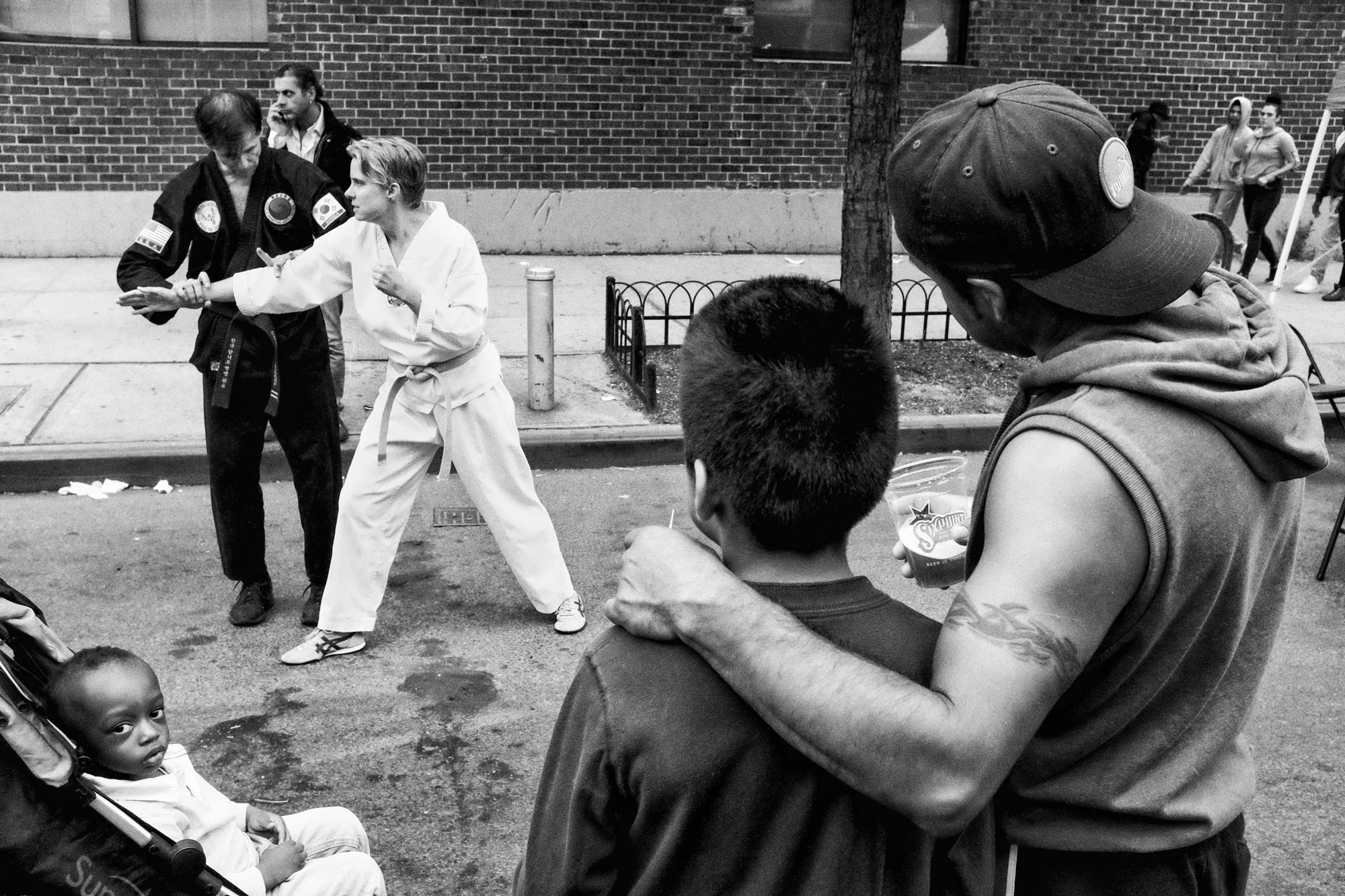
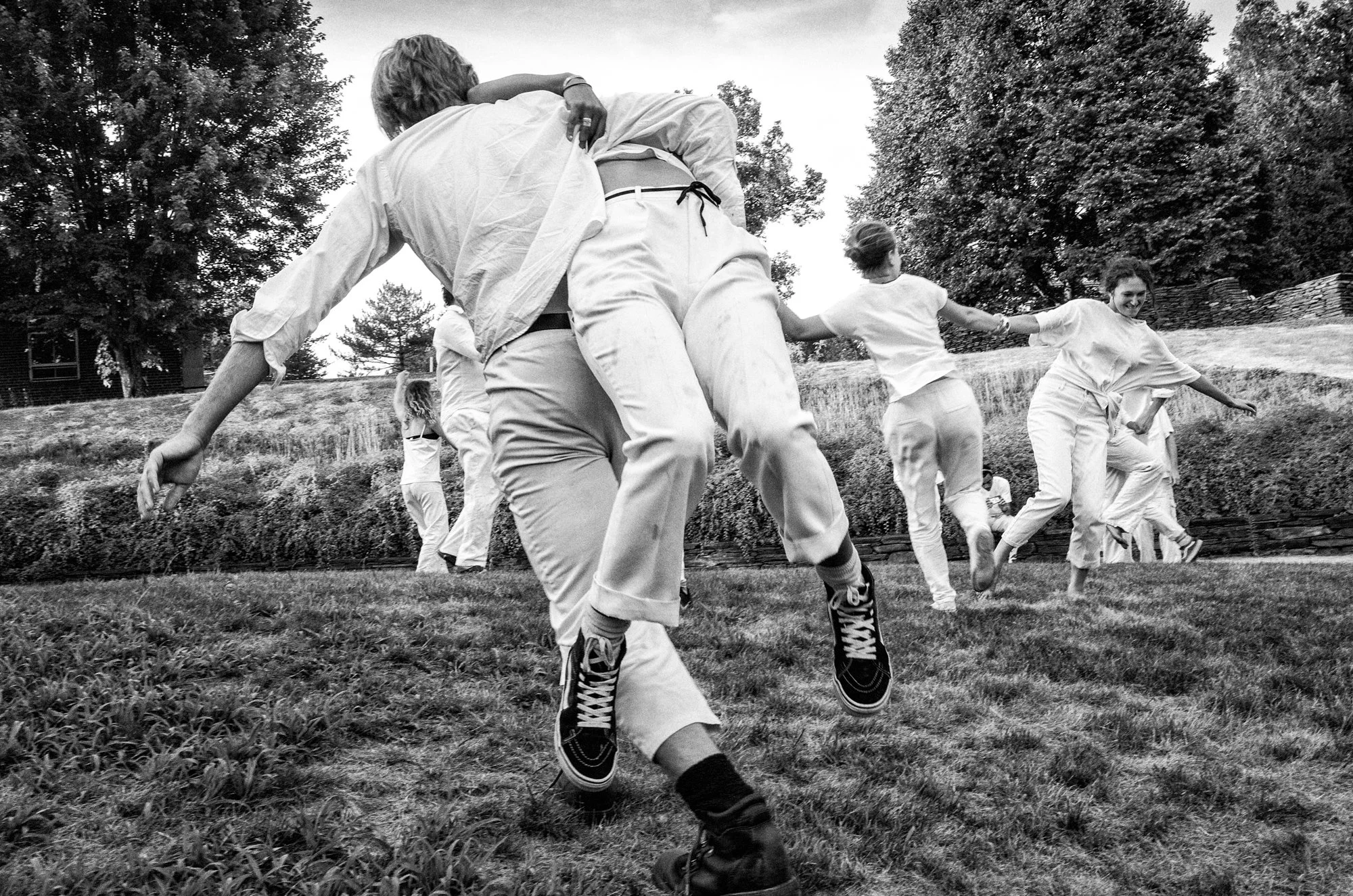
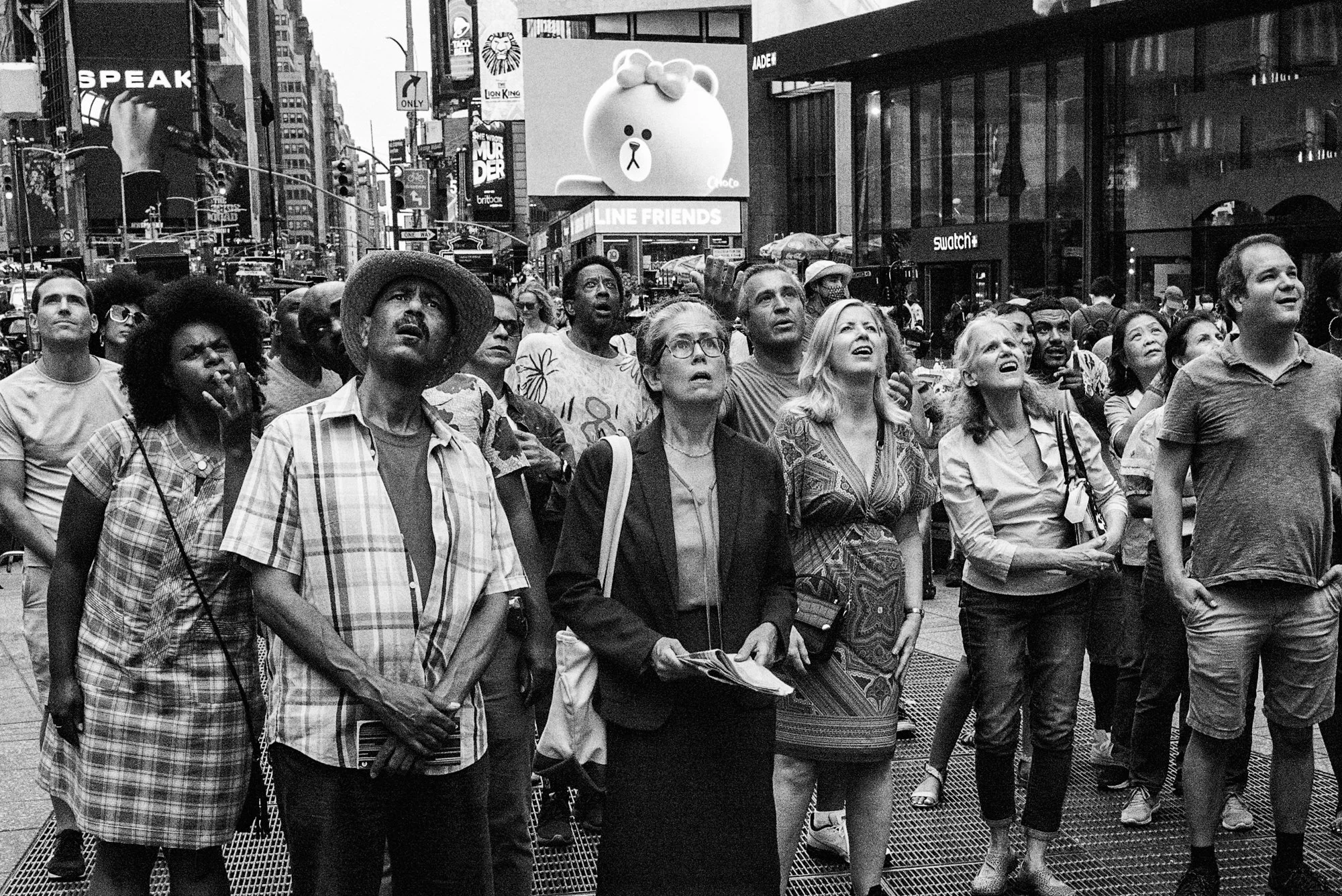
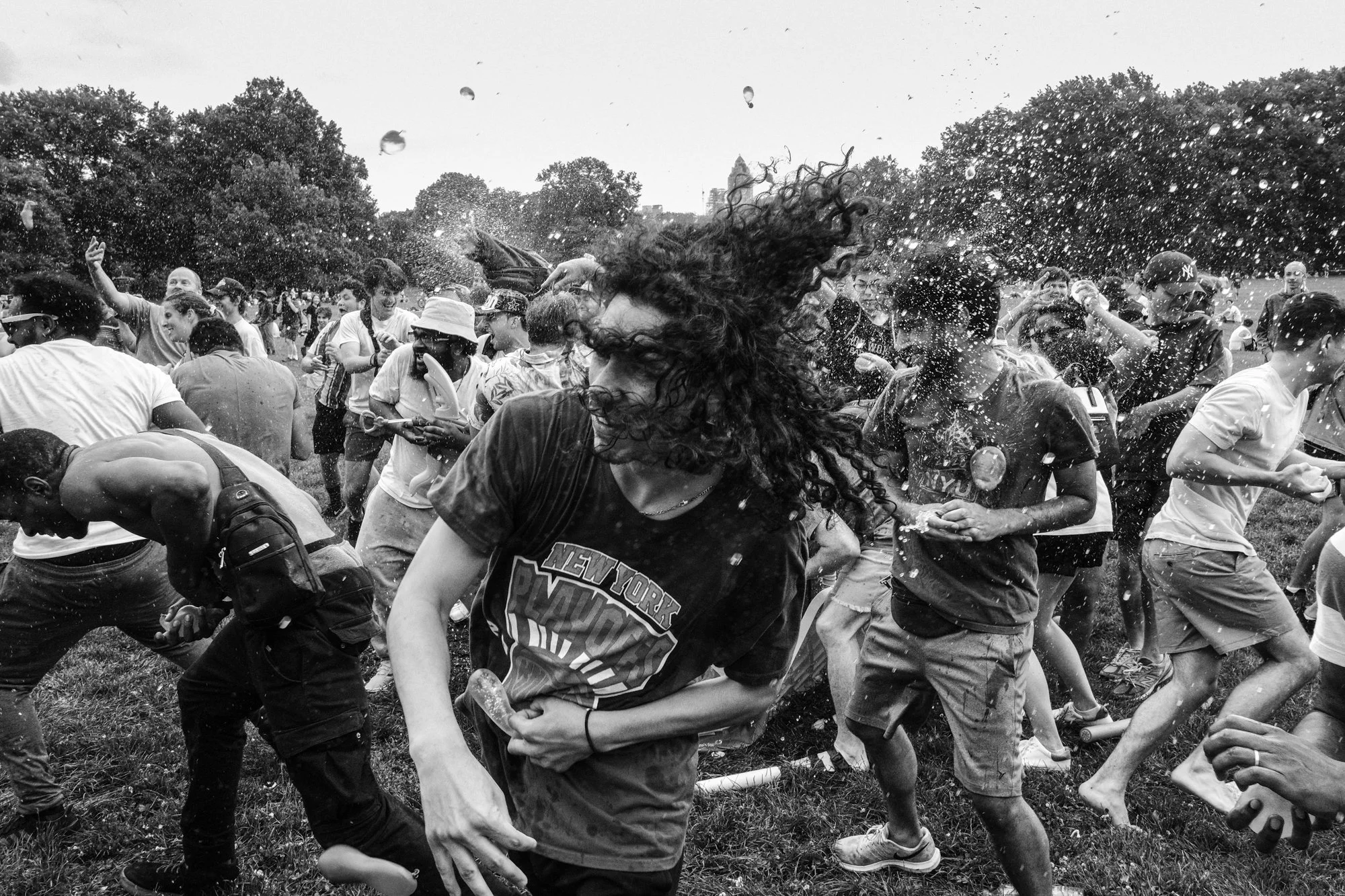
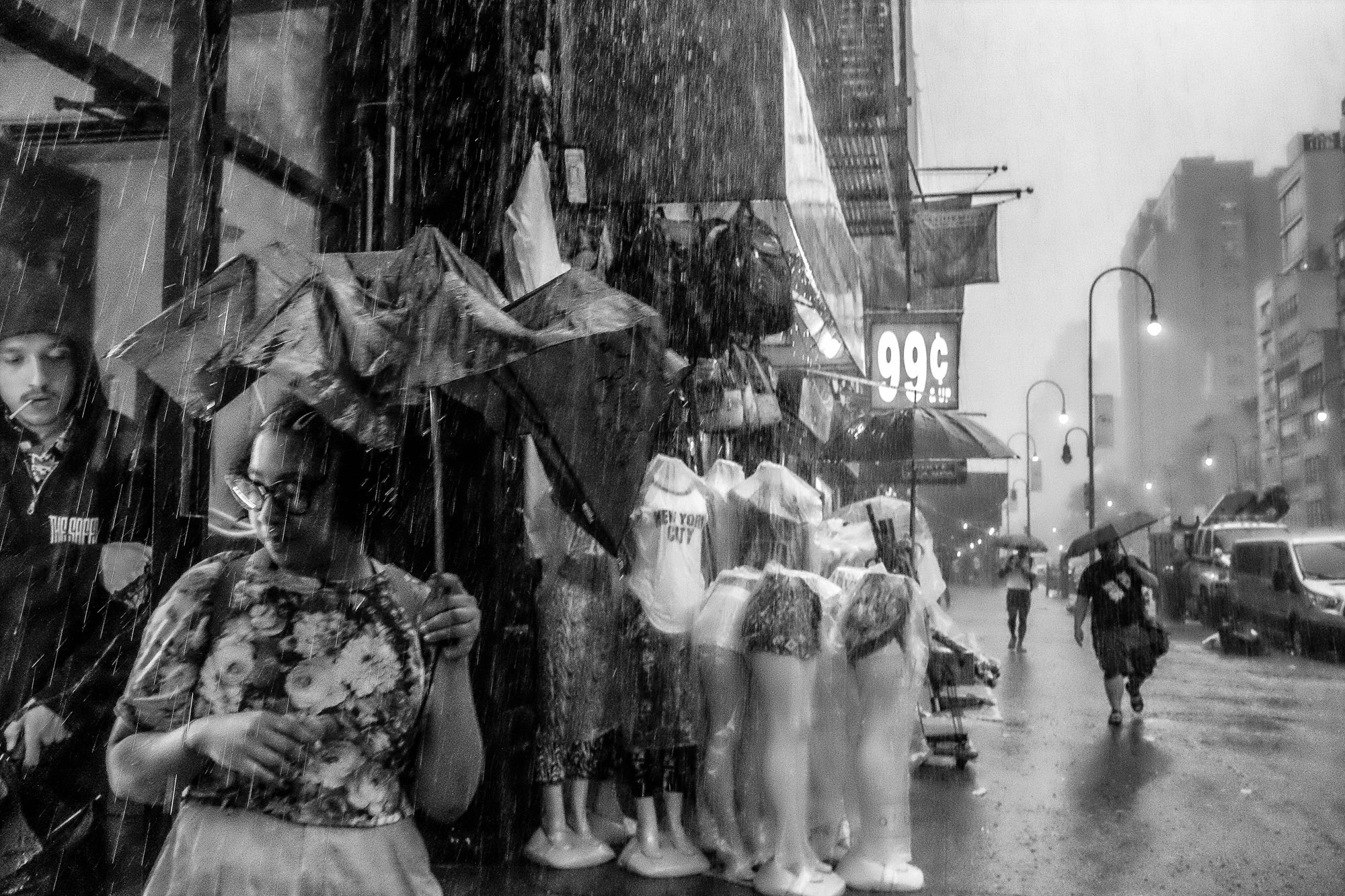
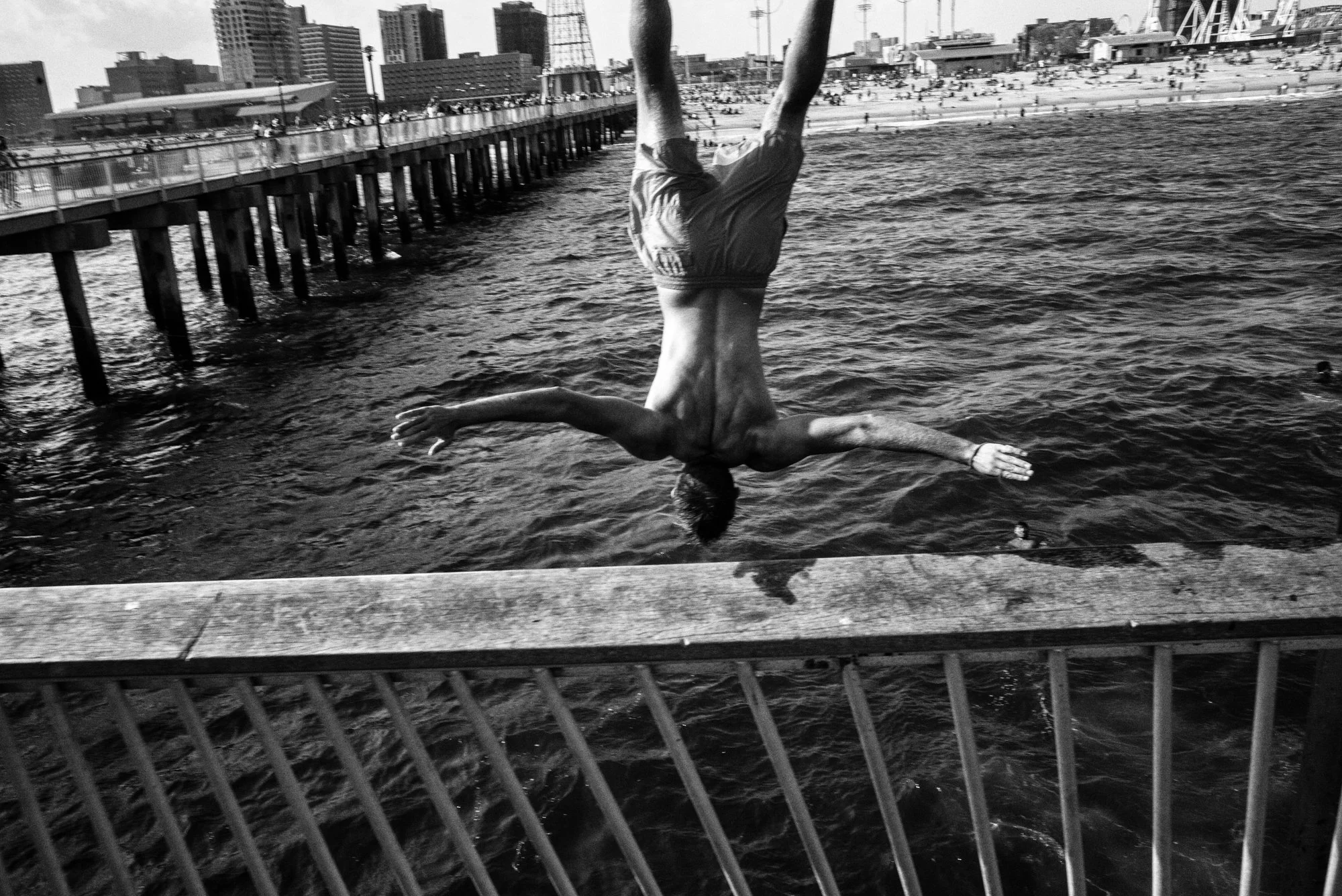
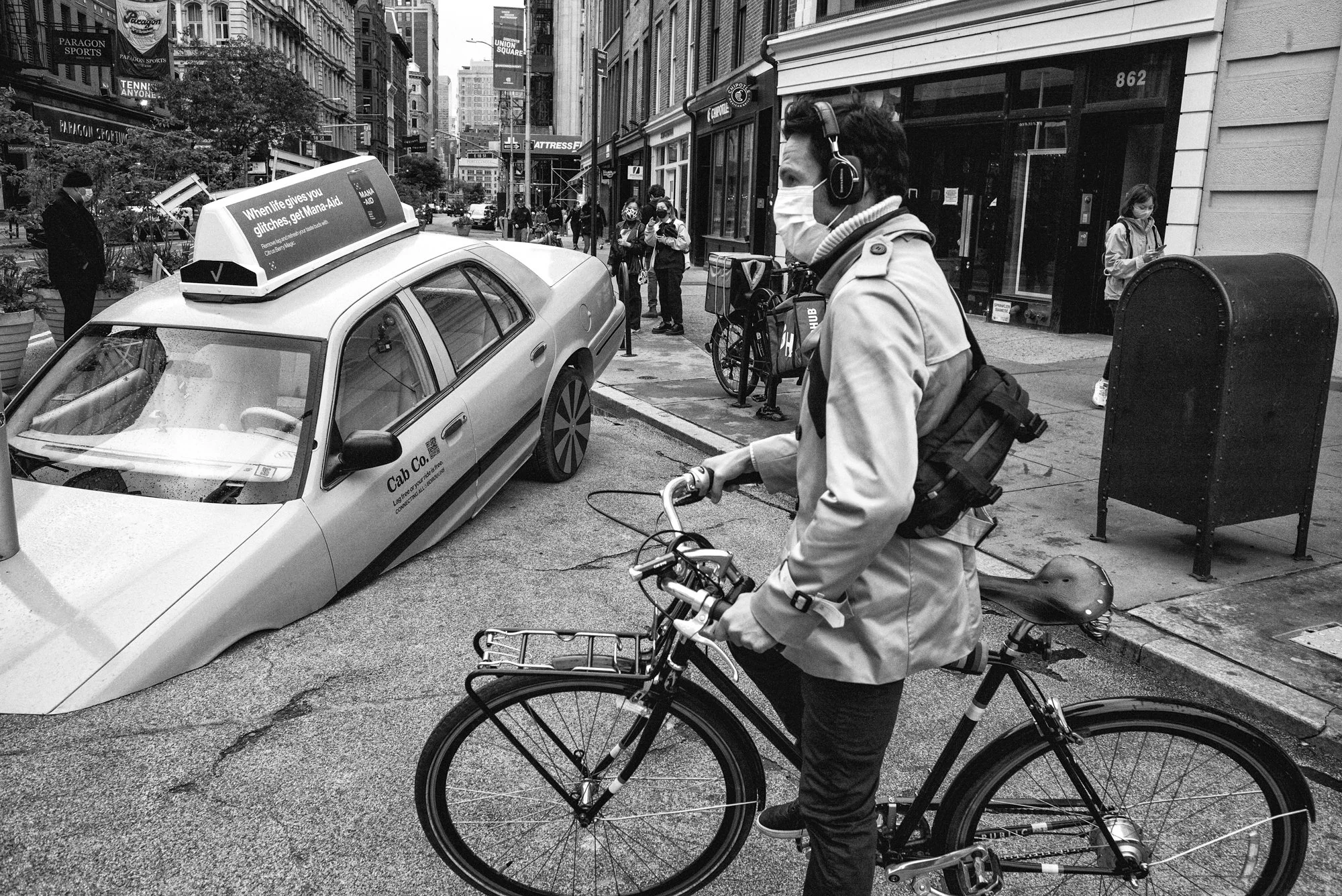
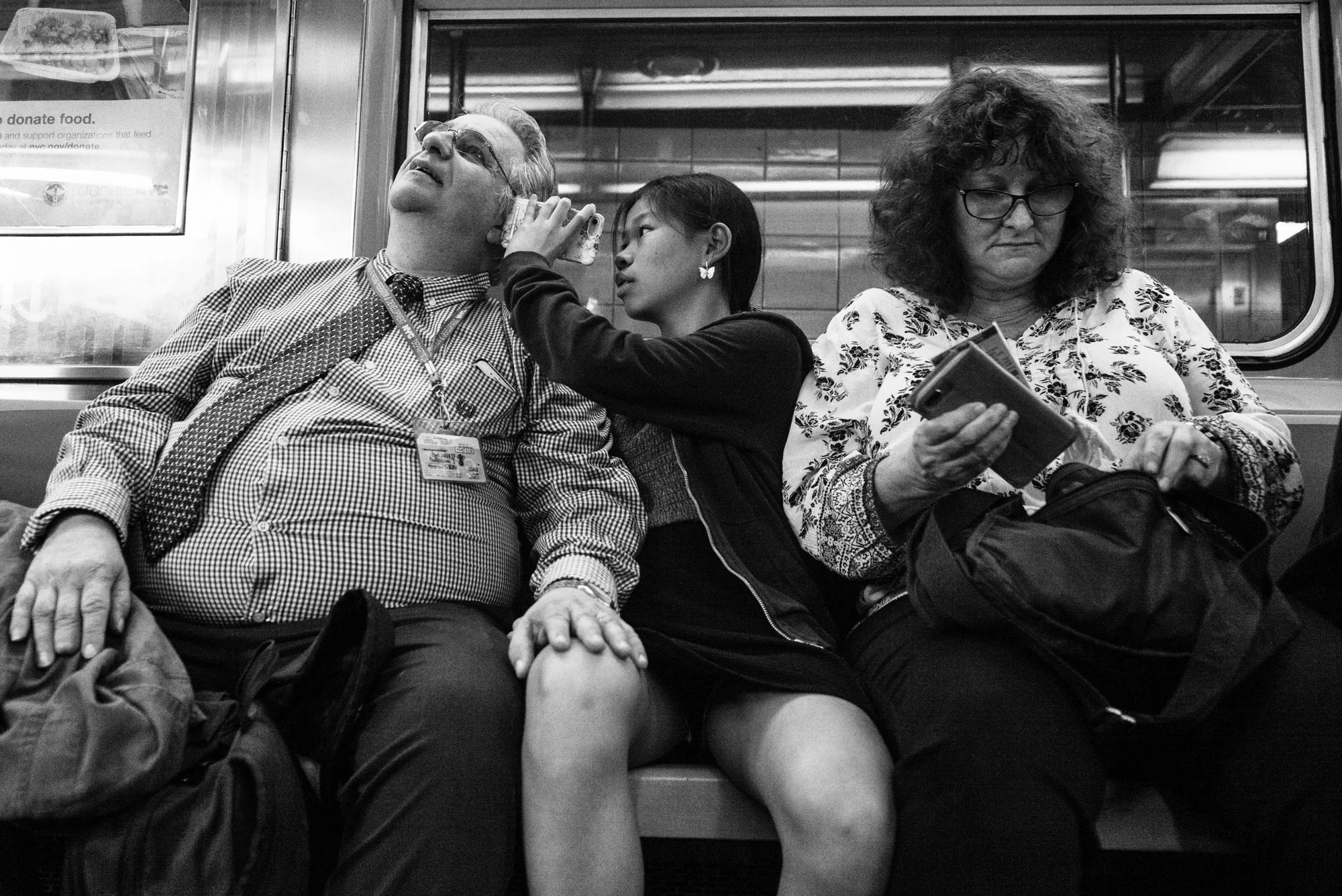
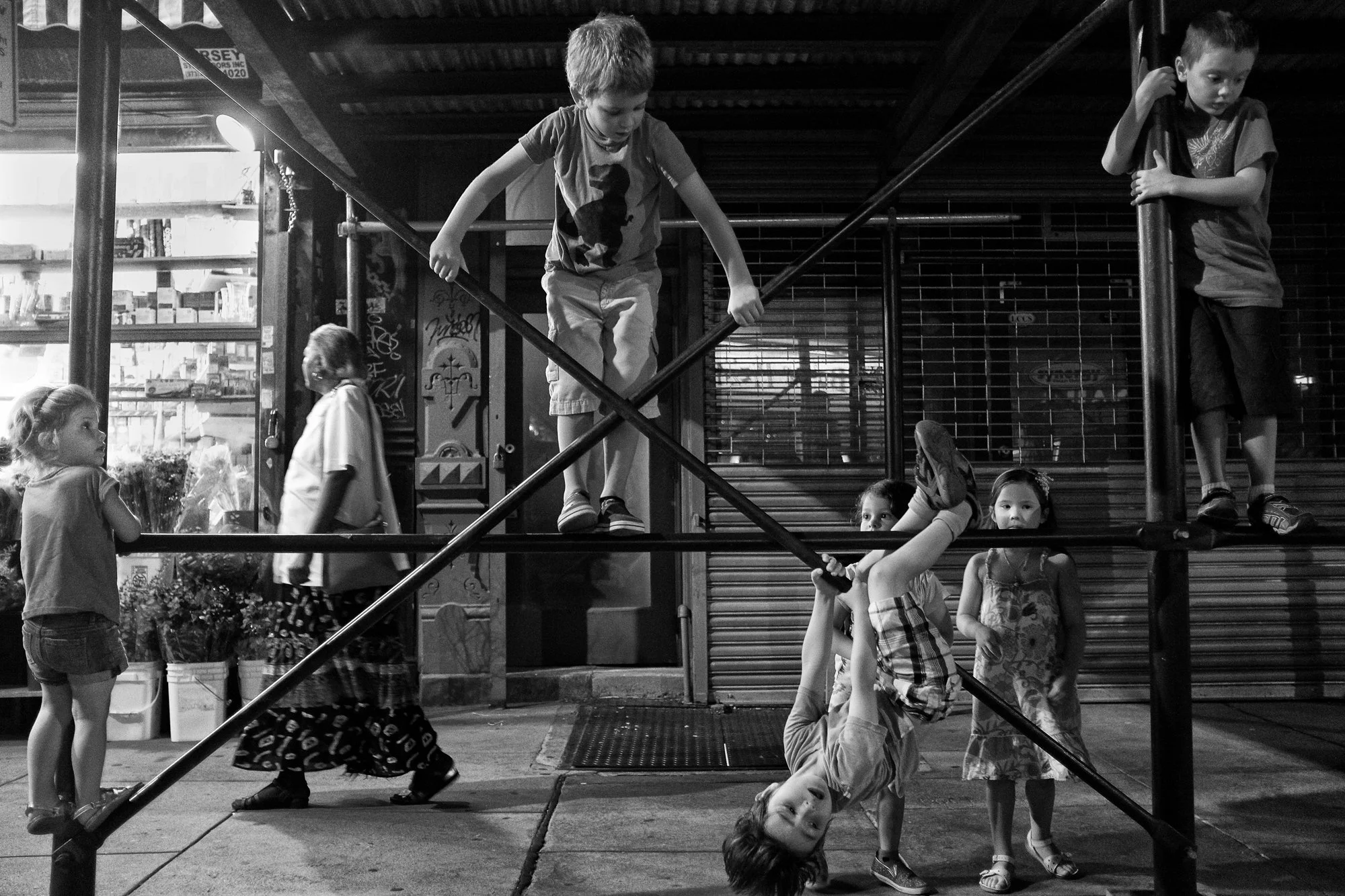
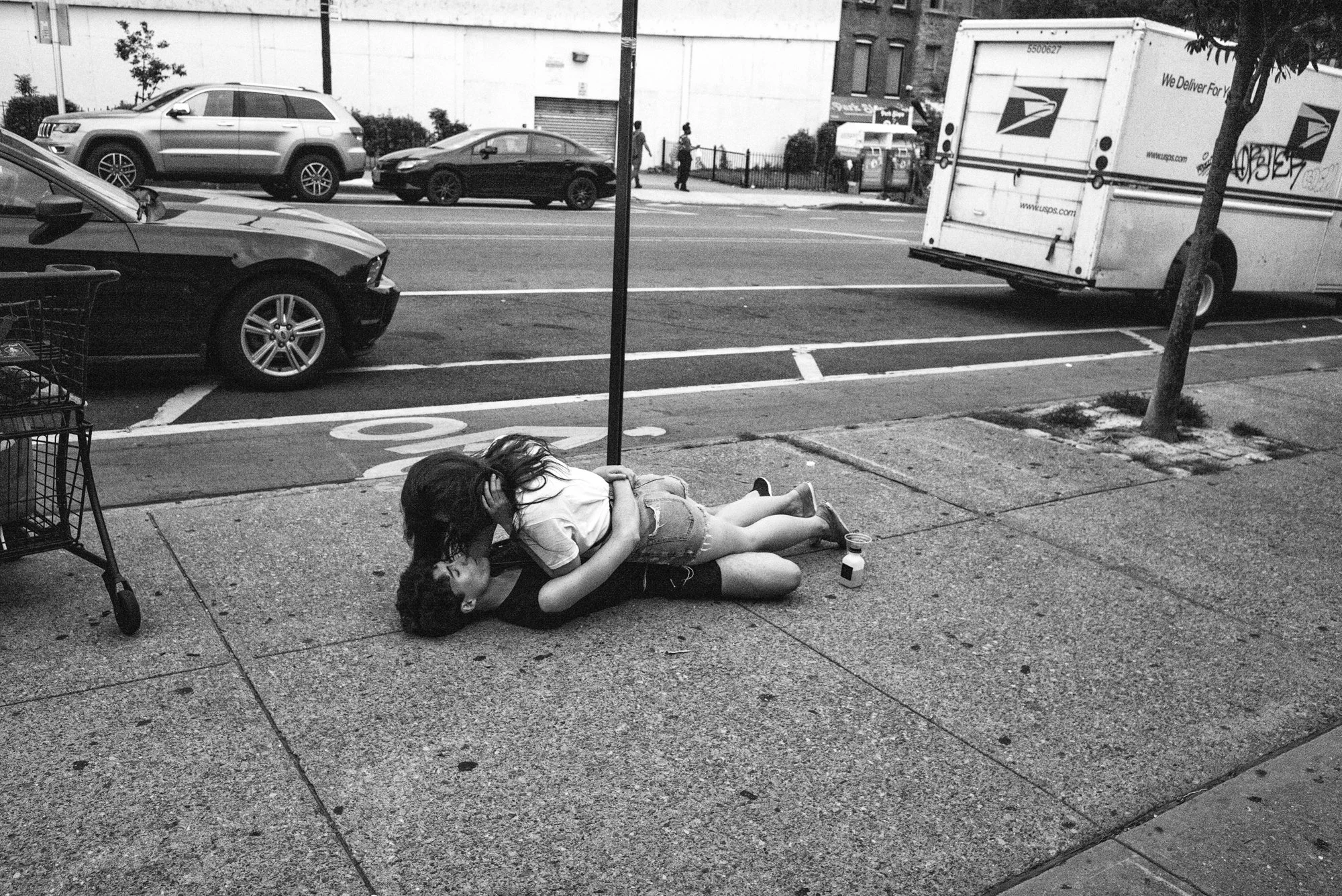
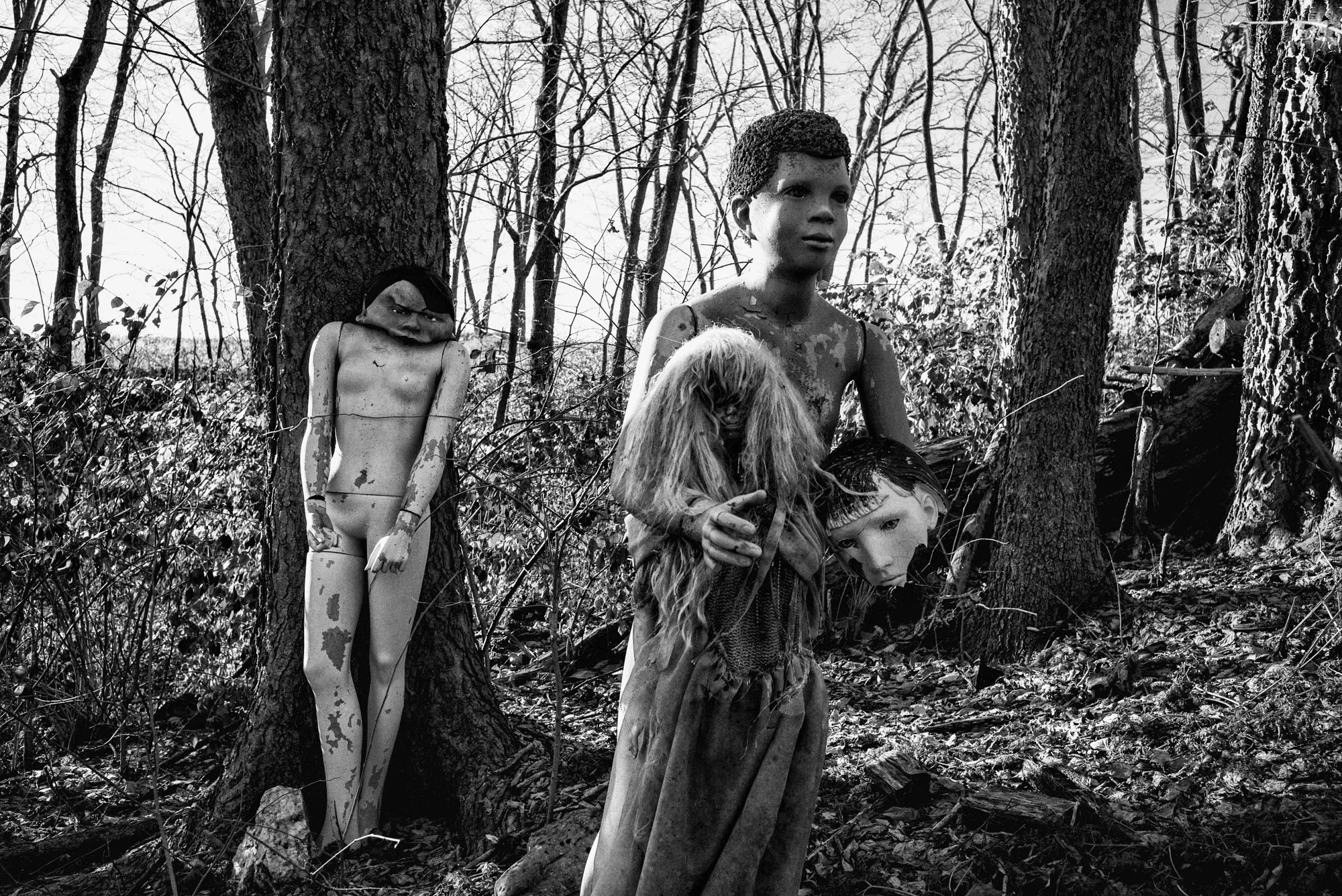
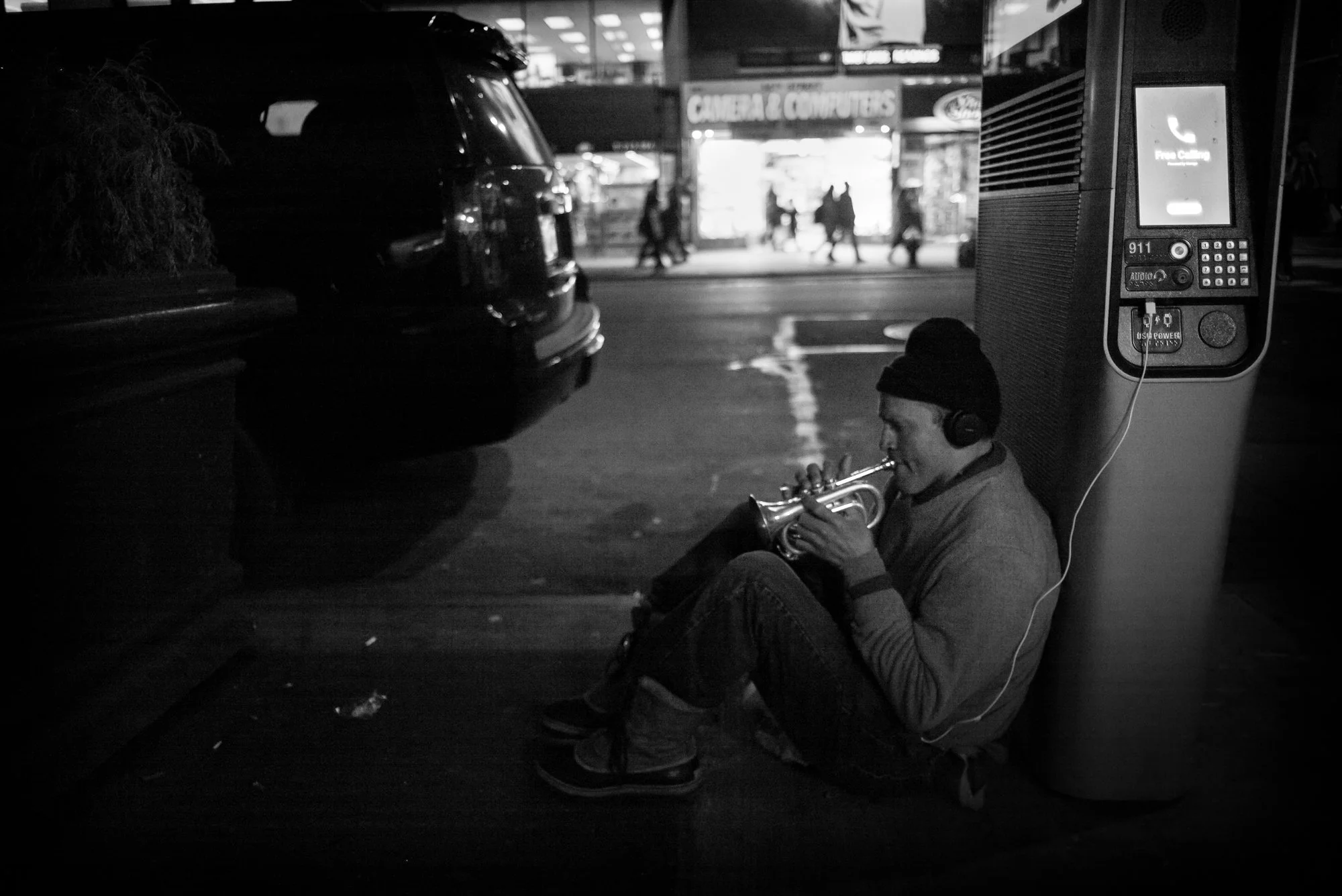
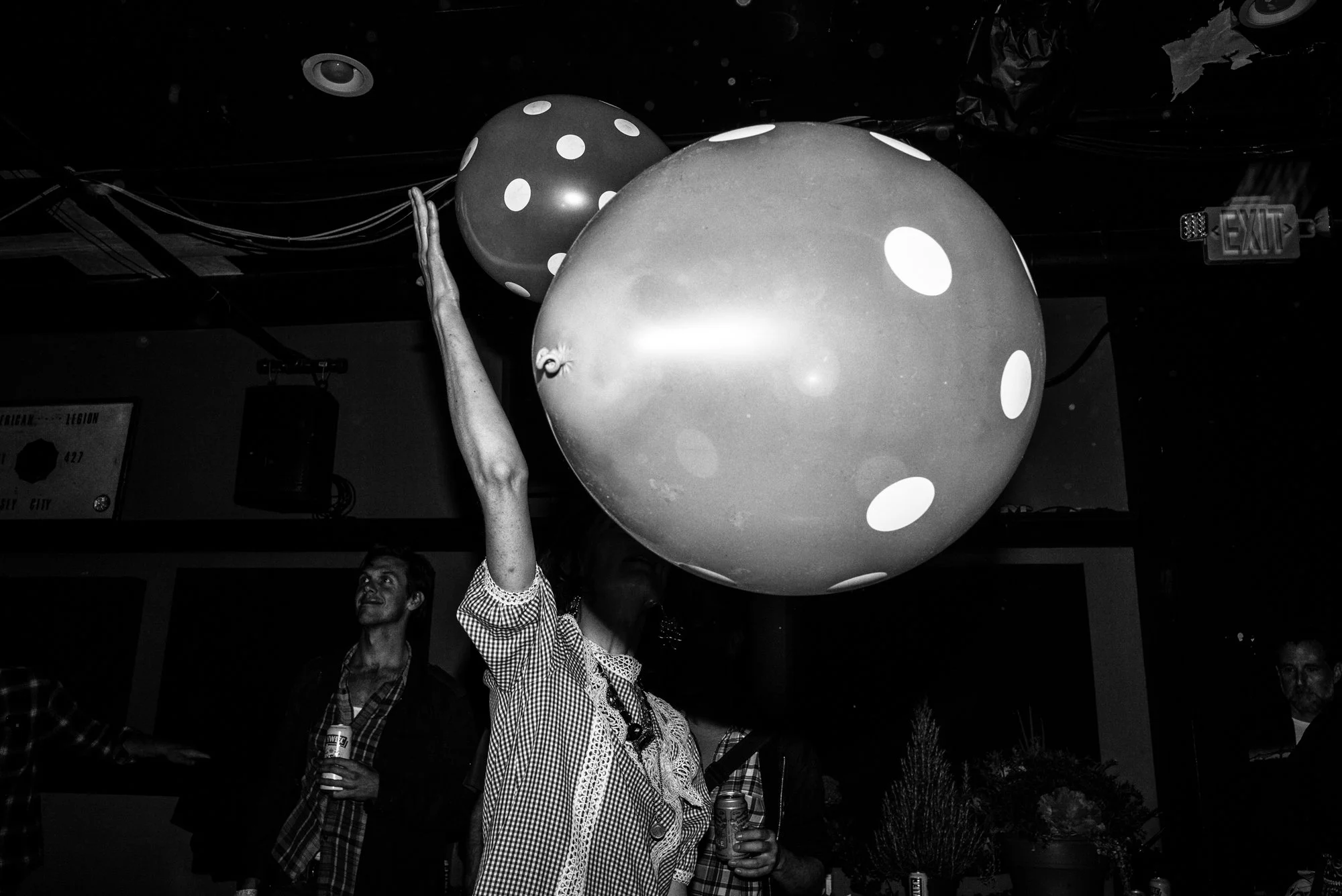
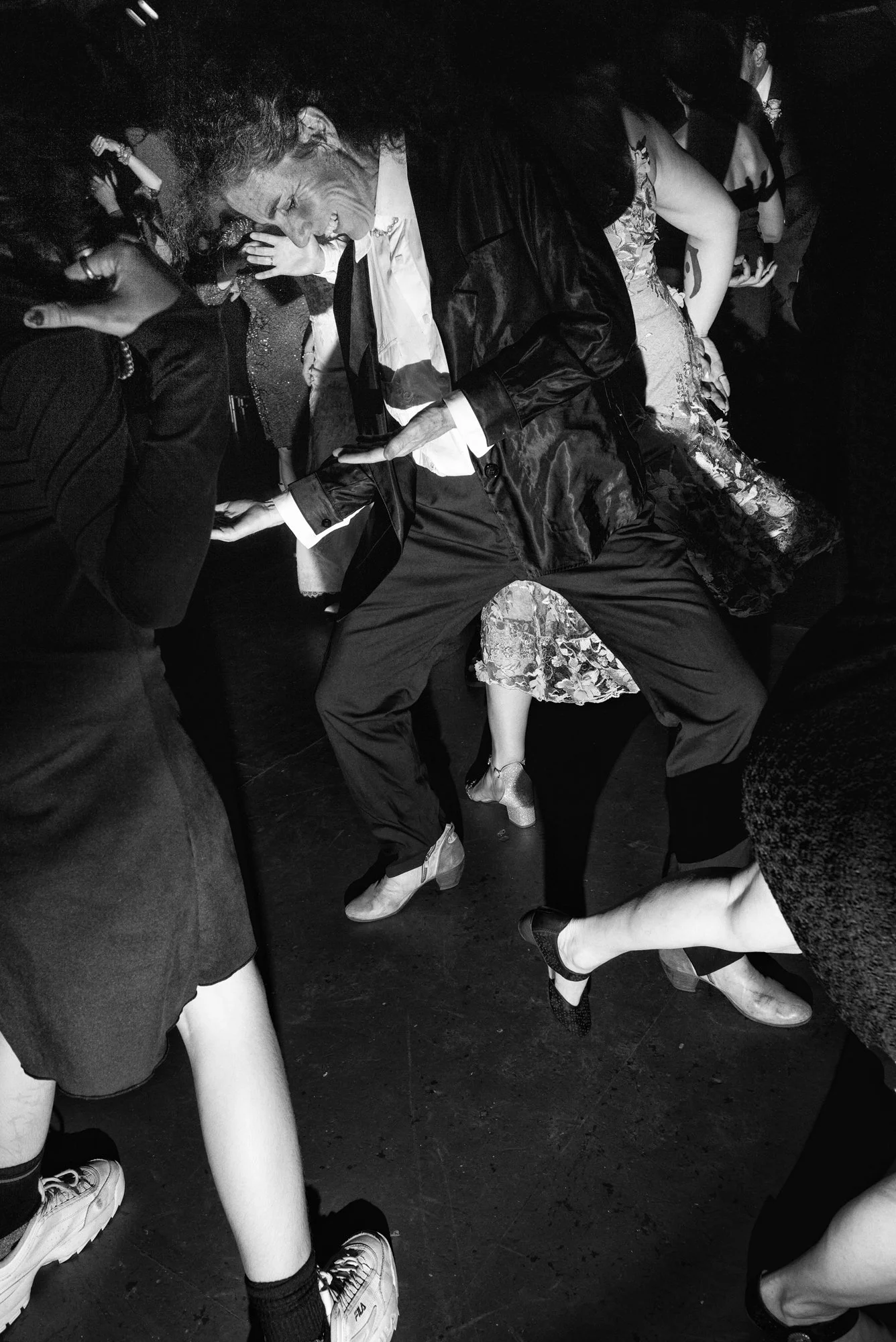
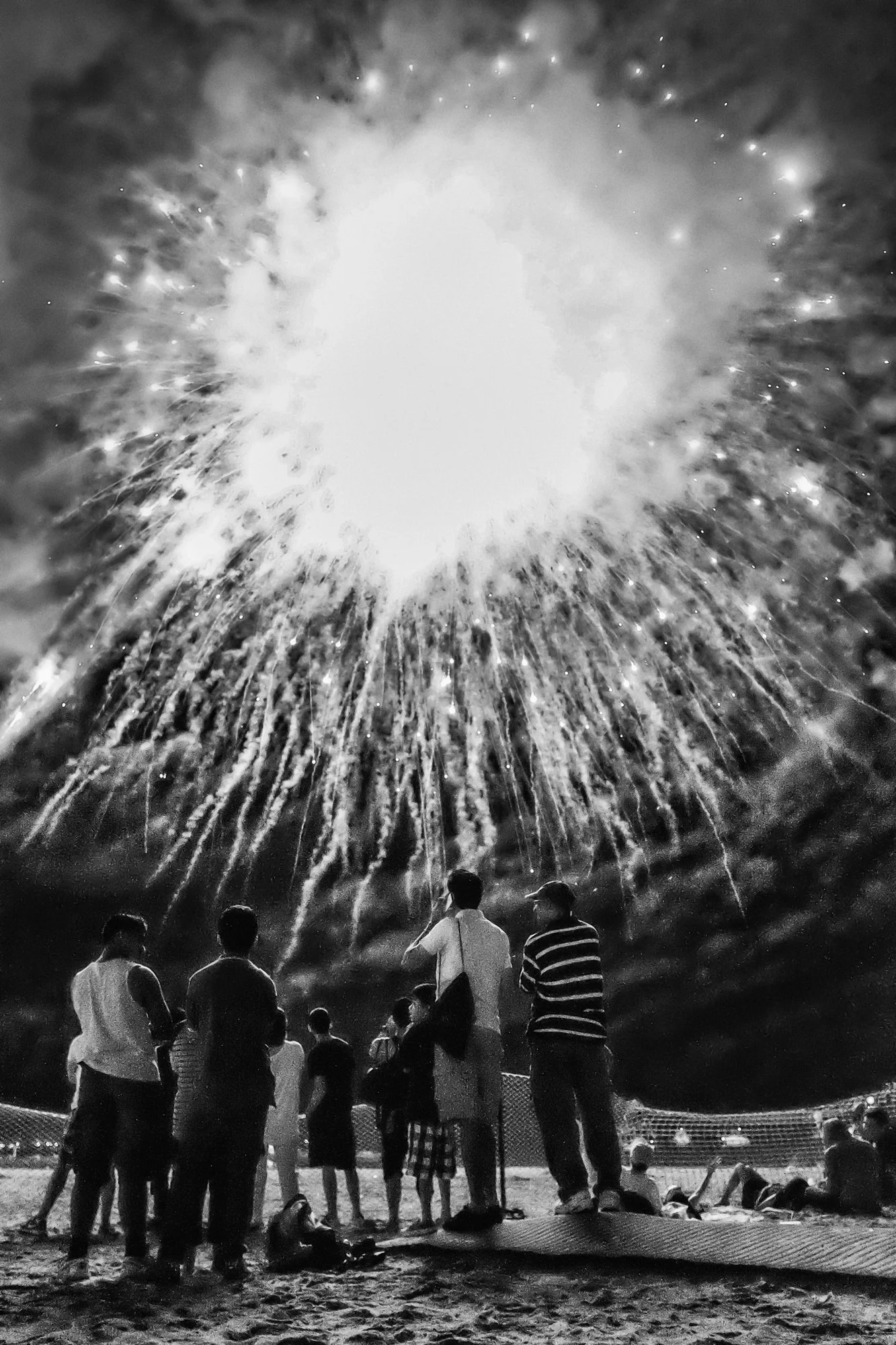
To discover more about this intriguing body of work and how you can acquire your own copy, you can find and purchase the book here. (Red Hook Editions, Amazon)
More photography books?
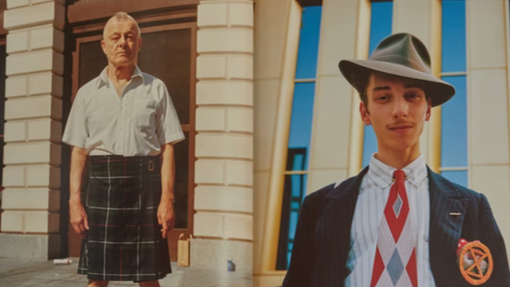
We'd love to read your comments below, sharing your thoughts and insights on the artist's work. Looking forward to welcoming you back for our next [book spotlight]. See you then!
Ian Bates found his wildfire story after the fire. In 2014, he saw his first wildfire while visiting a friend in Eastern Washington. Photography Book Spotlight