Frederik Rüegger’s I Am a Stranger in This Country Reveals the Last Refuge of Traveller Traditions
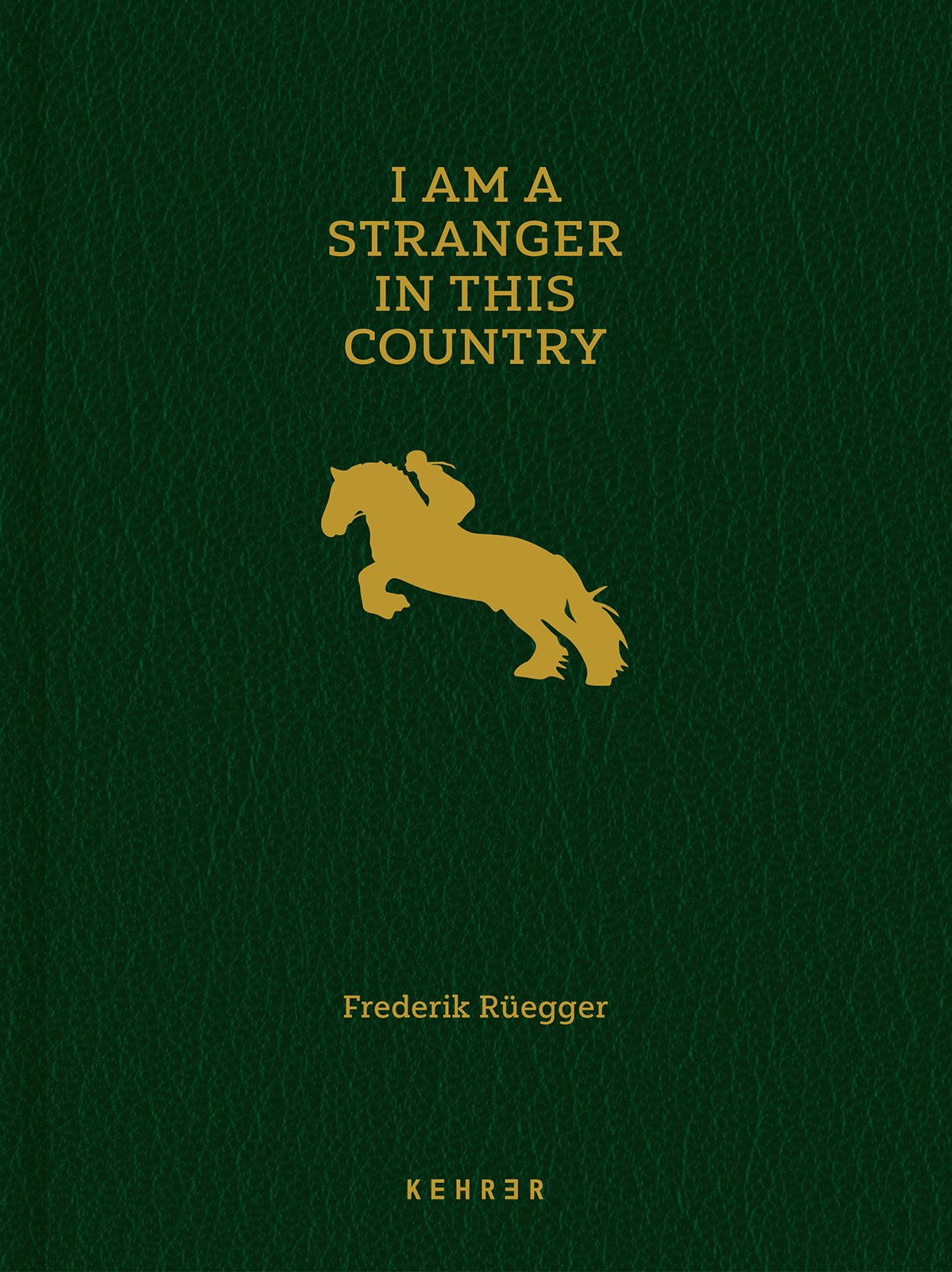
Welcome to this edition of [book spotlight]. Today, we uncover the layers of 'I Am a Stranger in This Country,' by Frederik Rüegger (published by Kehrer Verlag). We'd love to read your comments below about these insights and ideas behind the artist's work.
Traveller traditions survive in horse fairs, and Frederik Rüegger documented them.
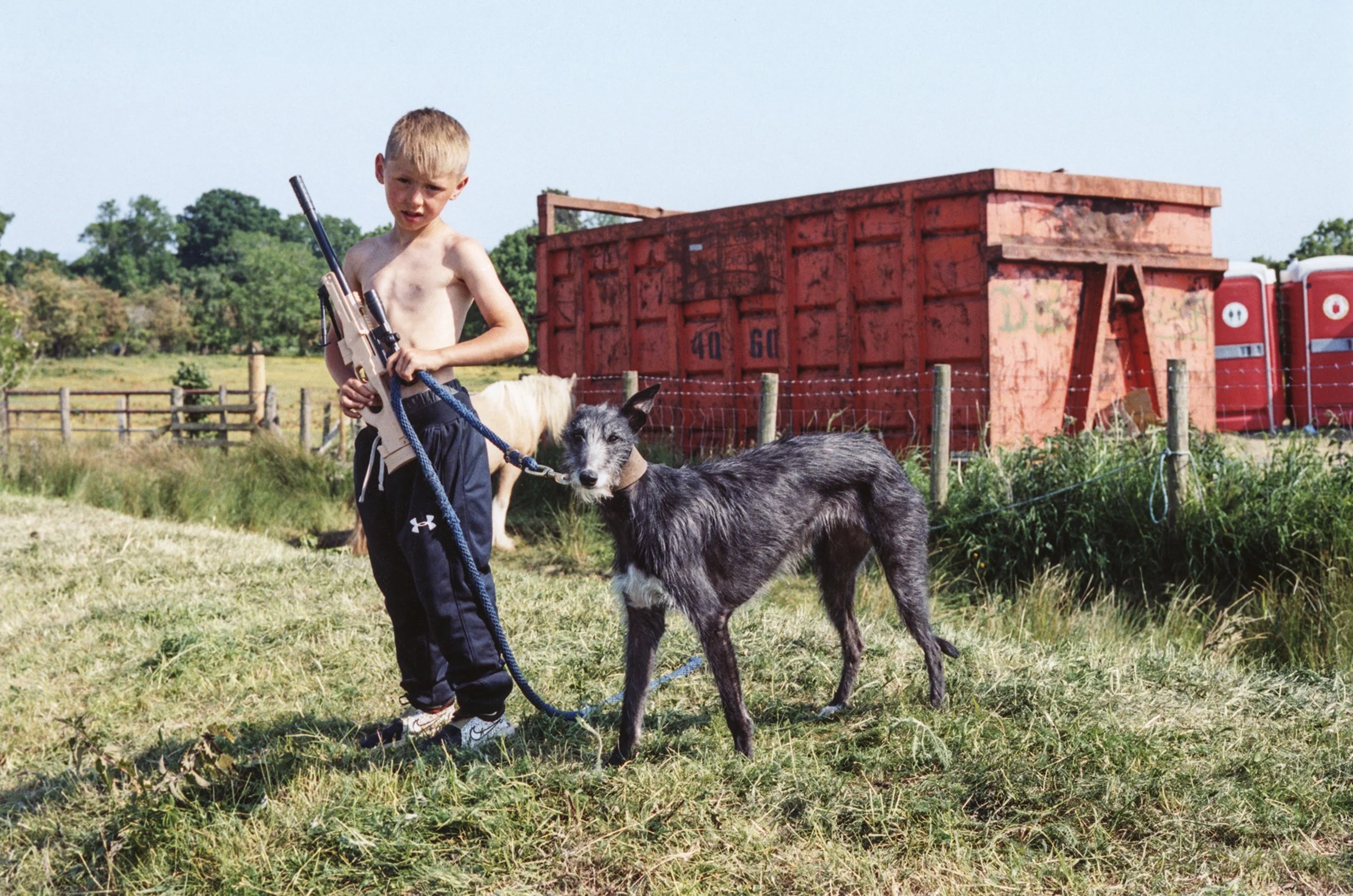
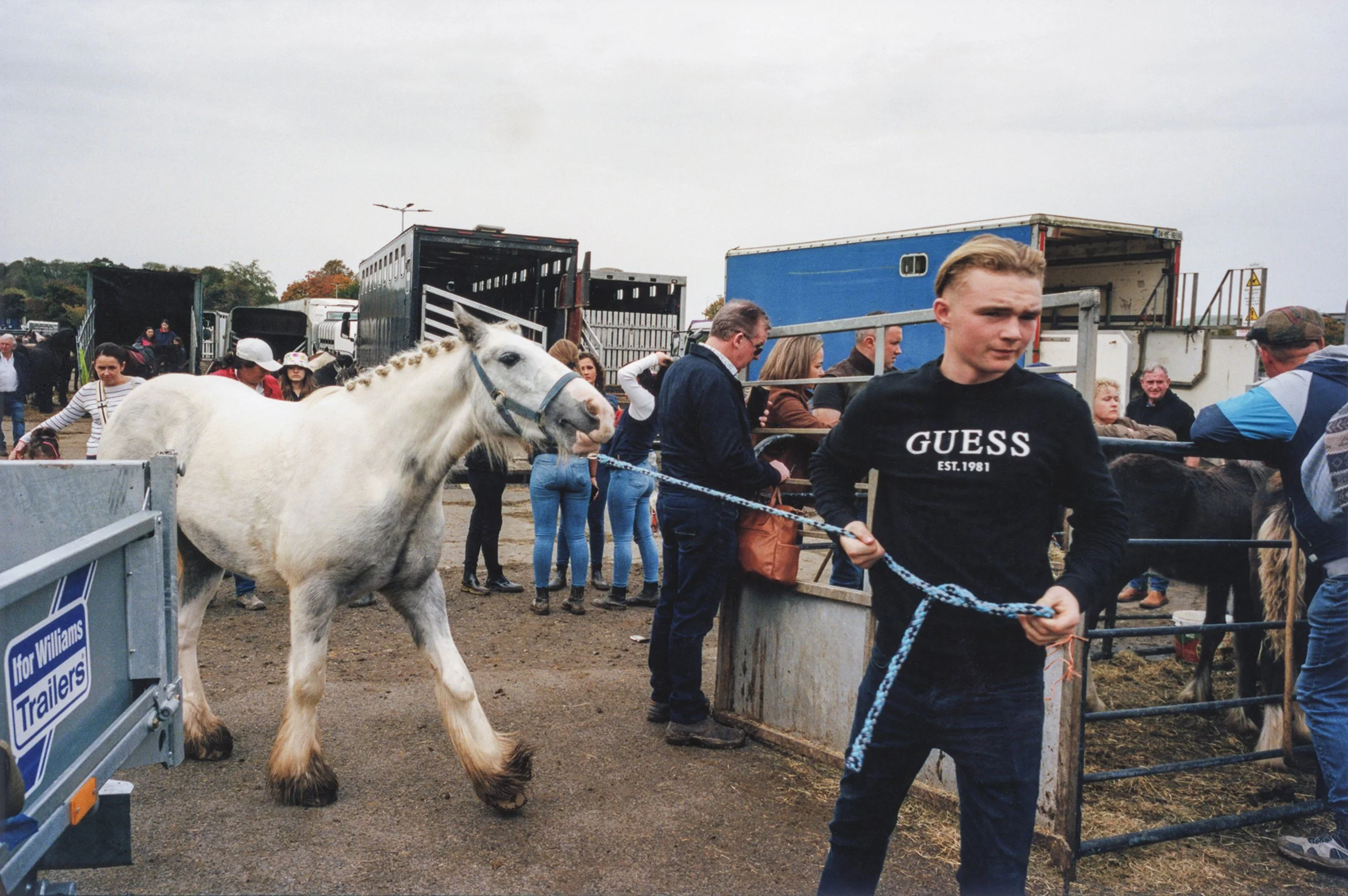
These events are the last places where Europe's nomadic communities can live without restrictions. For two years, the German photographer visited traditional horse fairs across Britain and Ireland, capturing families who face increasing pressure from modern society. His book "I Am a Stranger in This Country" shows a culture that most people never see.
Boxing champion Tyson Fury calls himself "The Gypsy King" for good reason.
Fury belongs to the Traveller community, where boxing and bare-knuckle fighting have deep roots. Rüegger became curious about this connection and started researching where Travellers could still practice their old ways. Horse fairs turned out to be their final refuges.
The photographs reveal what happens when ancient traditions meet modern photography.
About the Book
"I Am a Stranger in This Country" documents Europe's Traveller communities through their most sacred tradition: horse fairs. Published by Kehrer Verlag, the book presents two years of photography from traditional fairs across Britain and Ireland. Rüegger spent weeks at events like Appleby Horse Fair, where families gather to trade horses, arrange marriages, and maintain cultural connections that stretch back centuries. The title comes from the constant displacement these communities face as governments restrict their nomadic lifestyle.
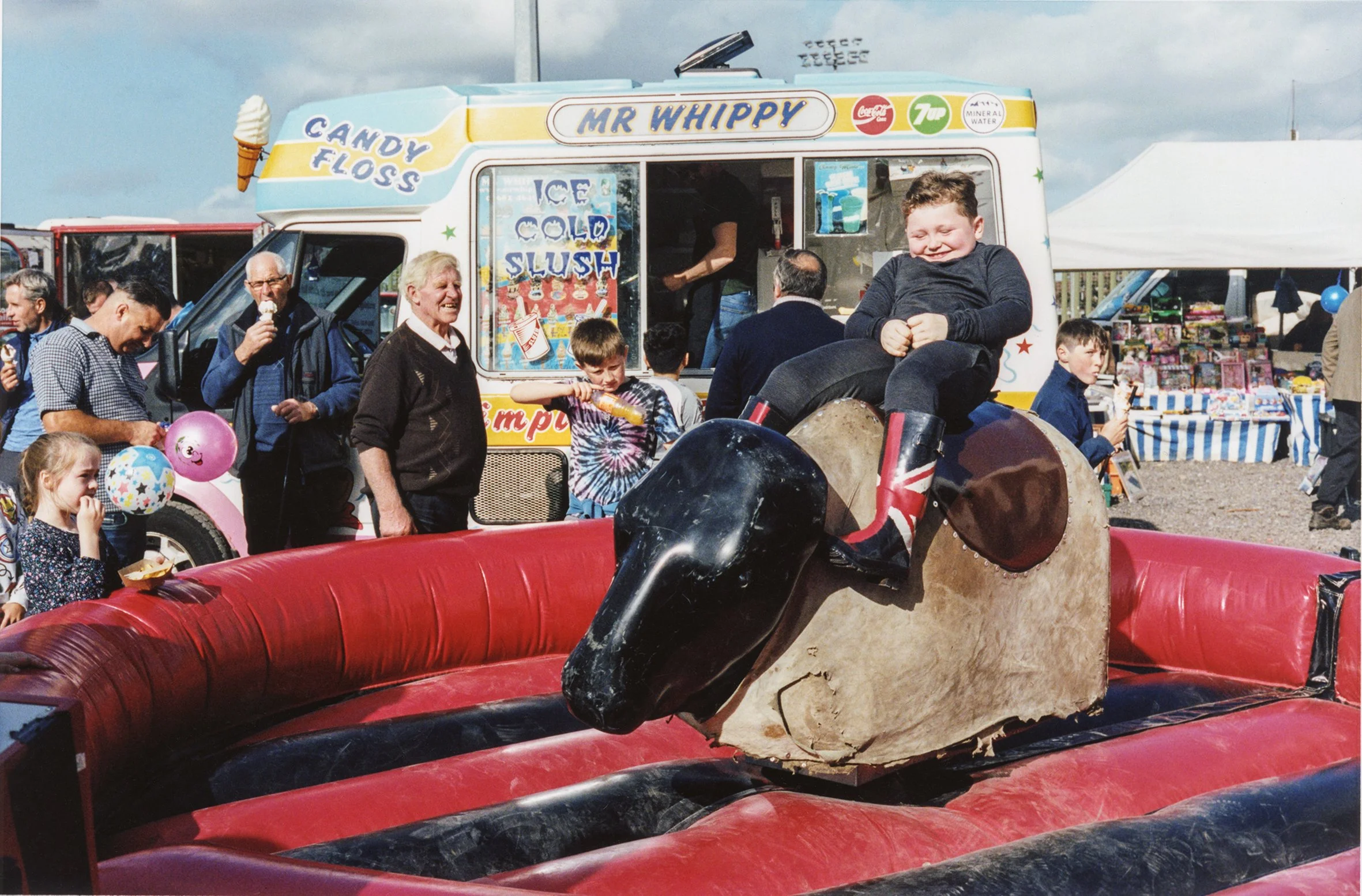
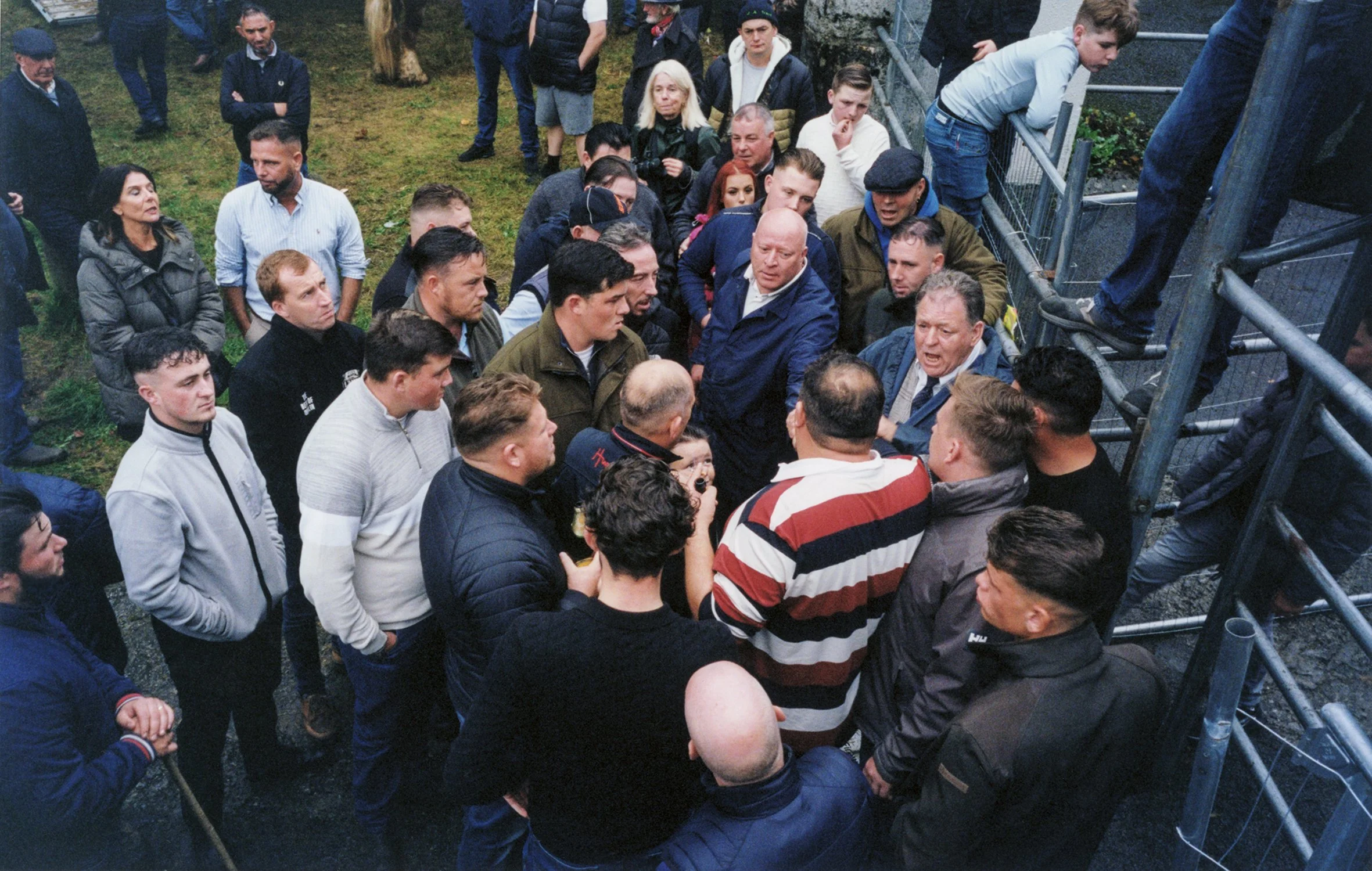
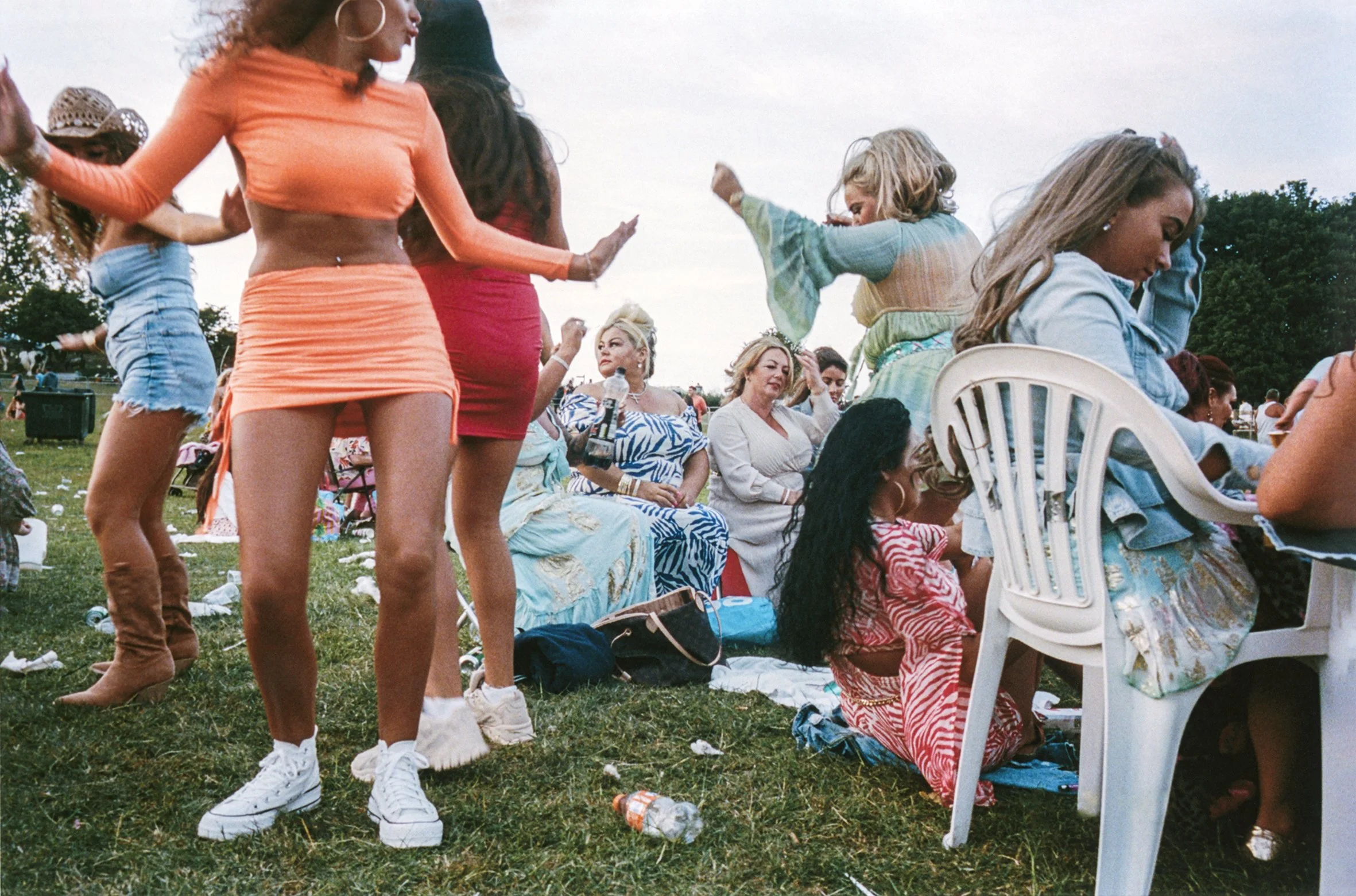
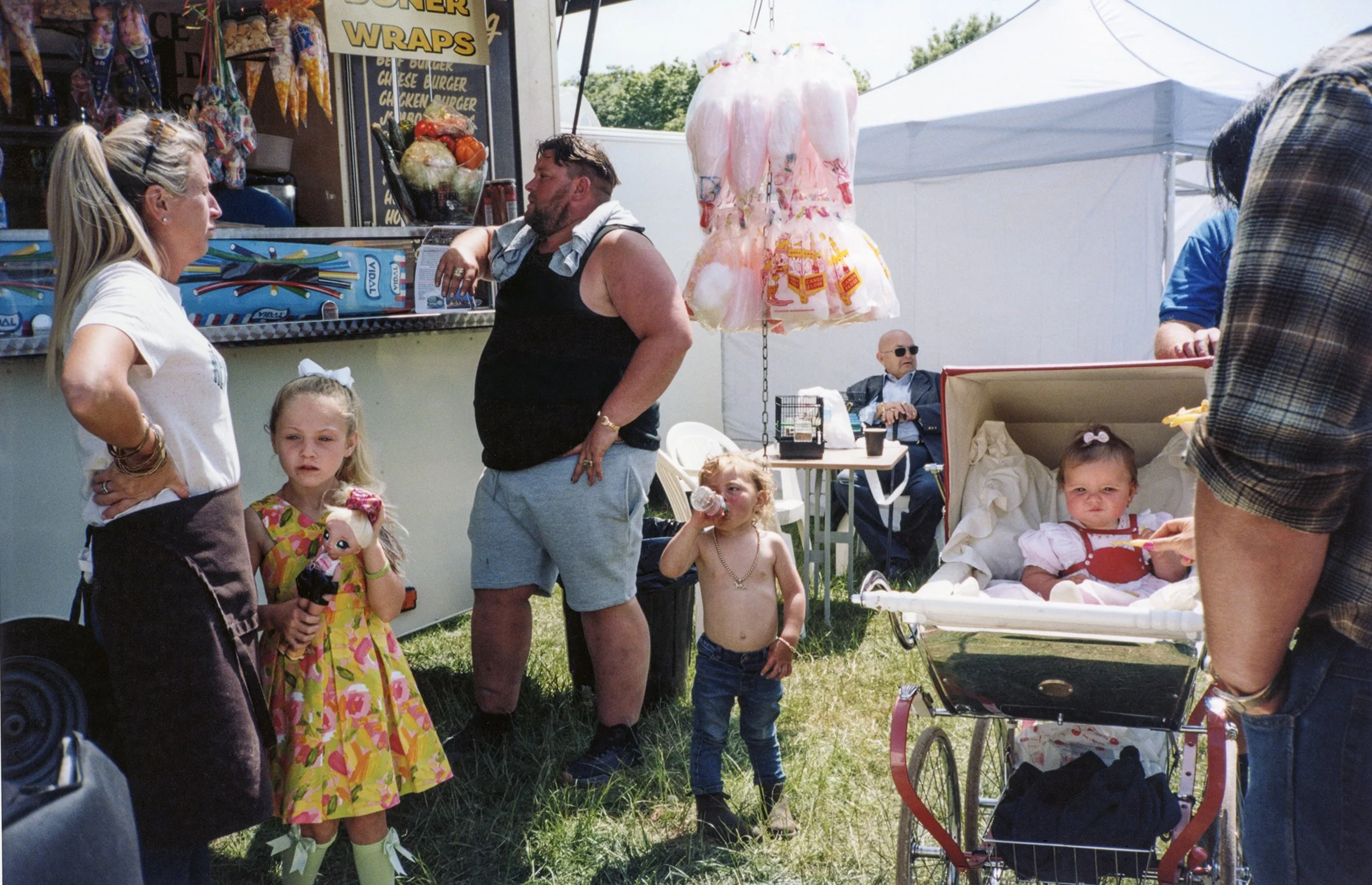
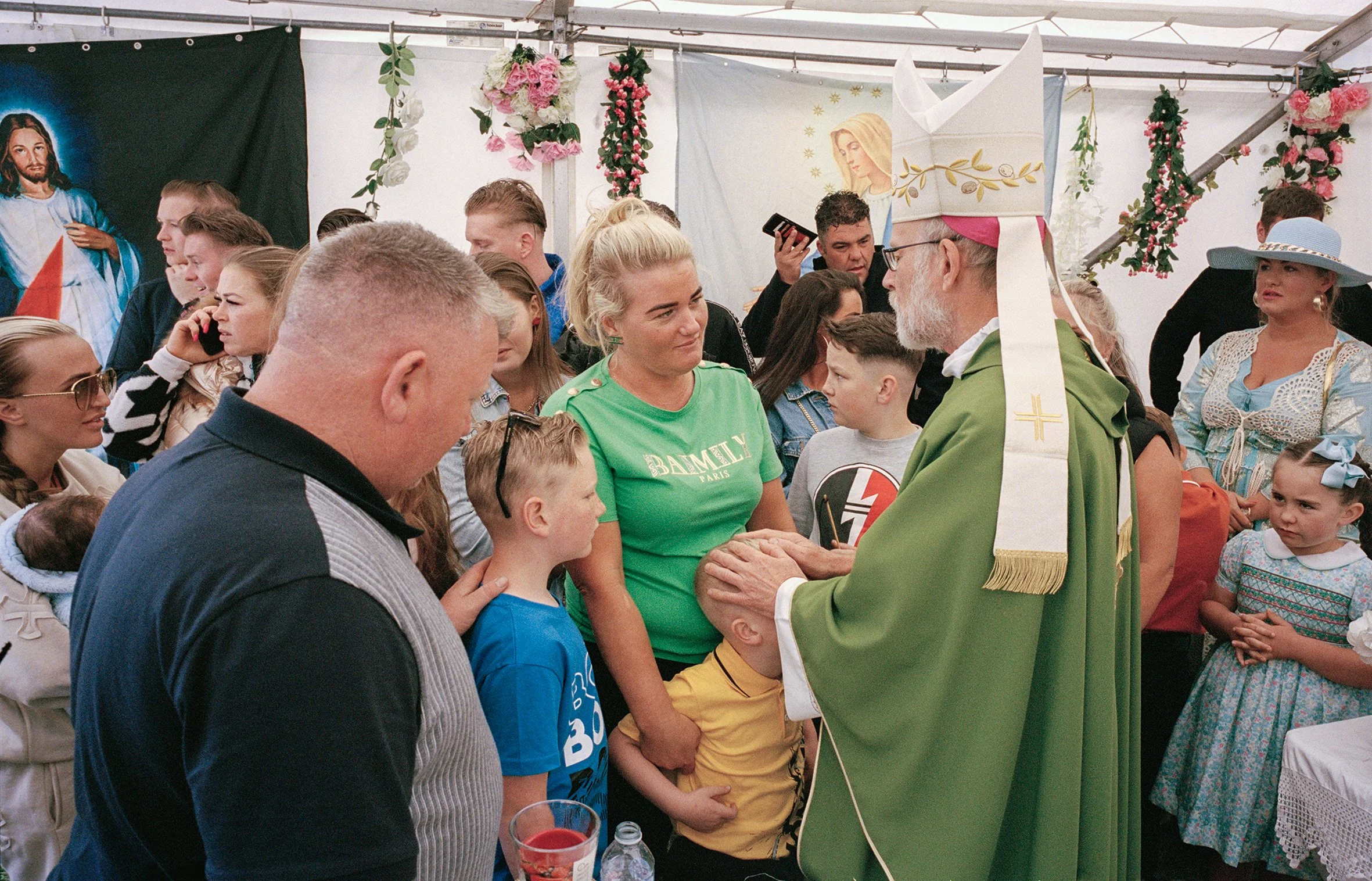
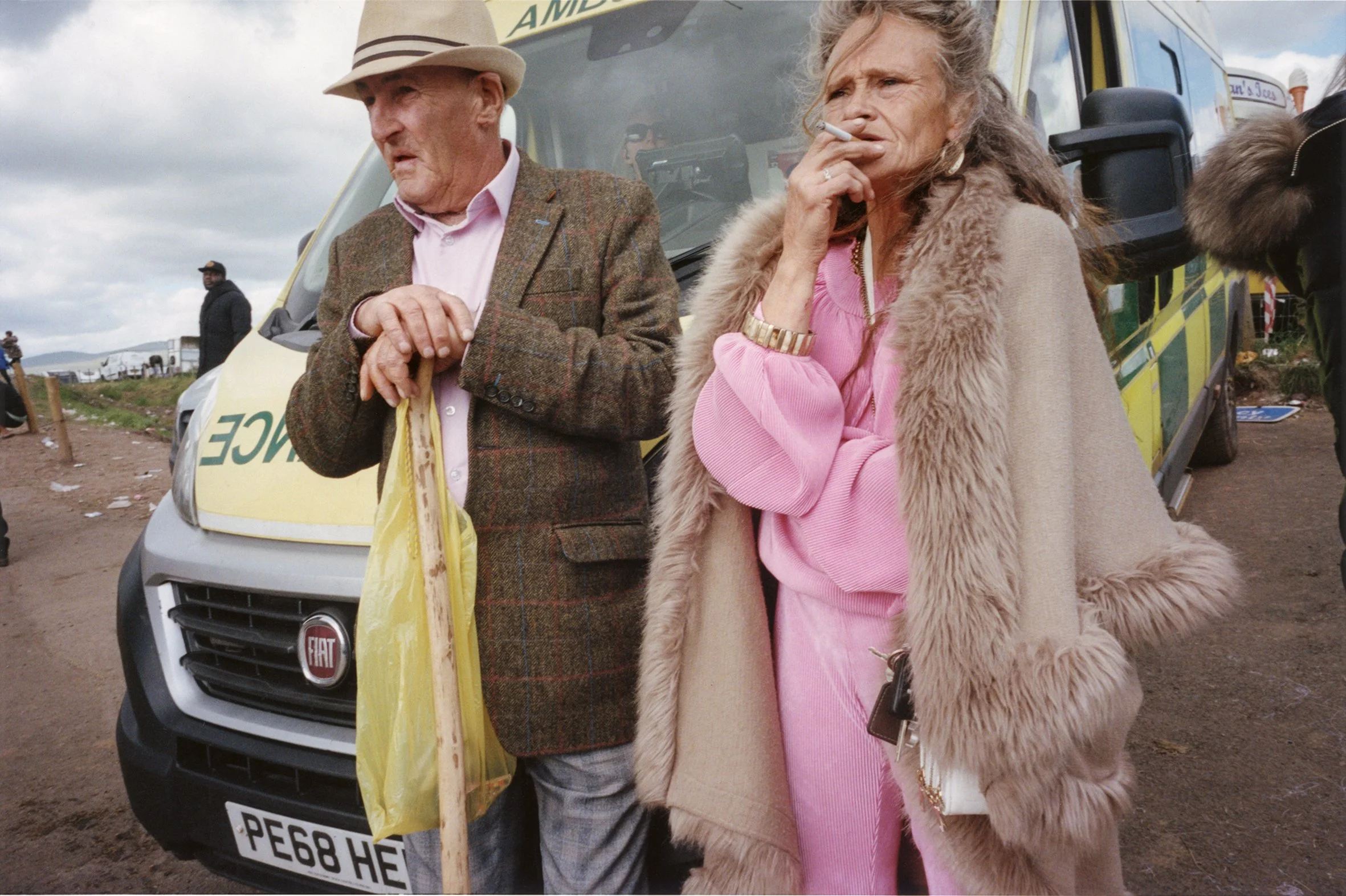
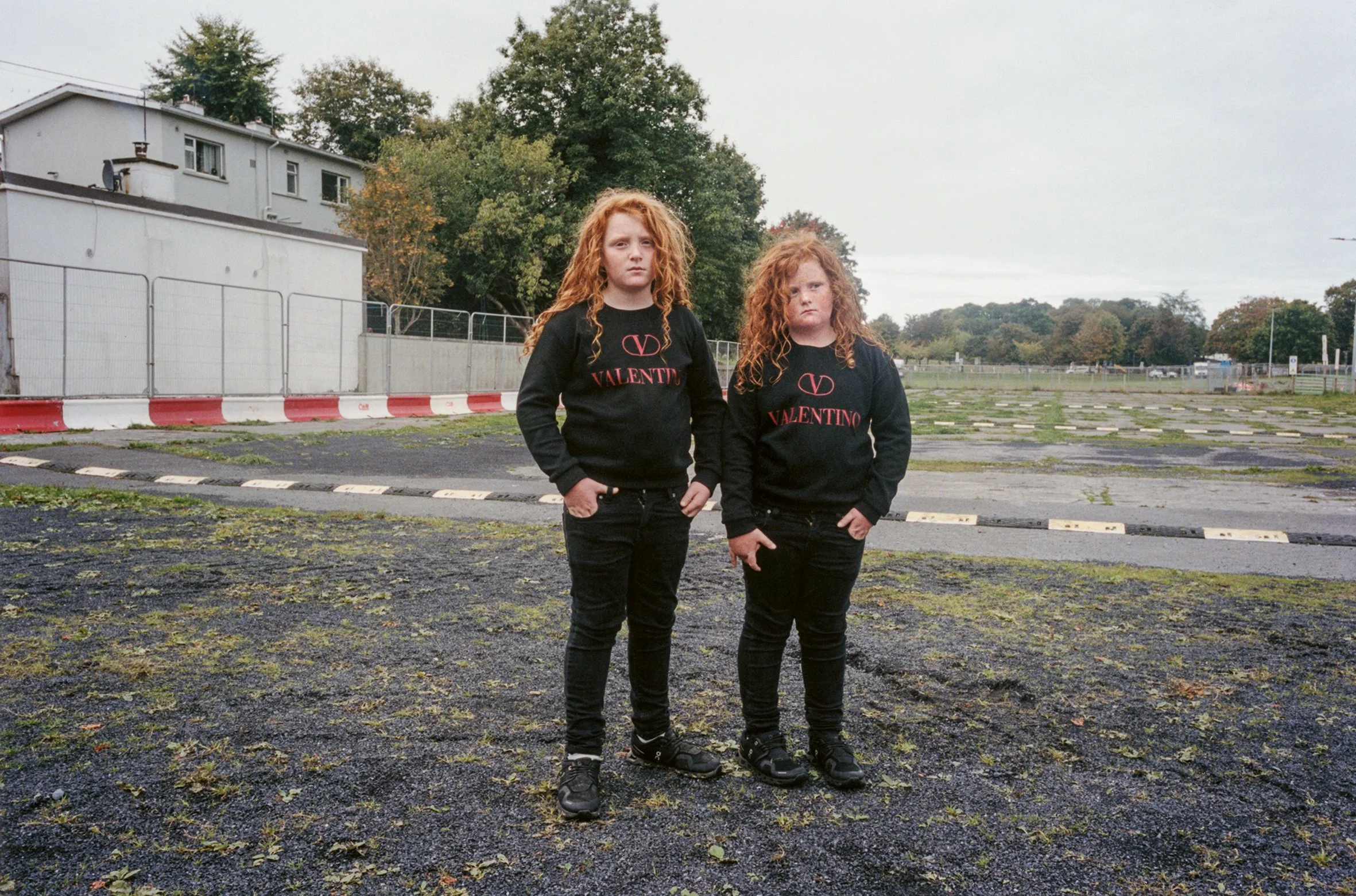
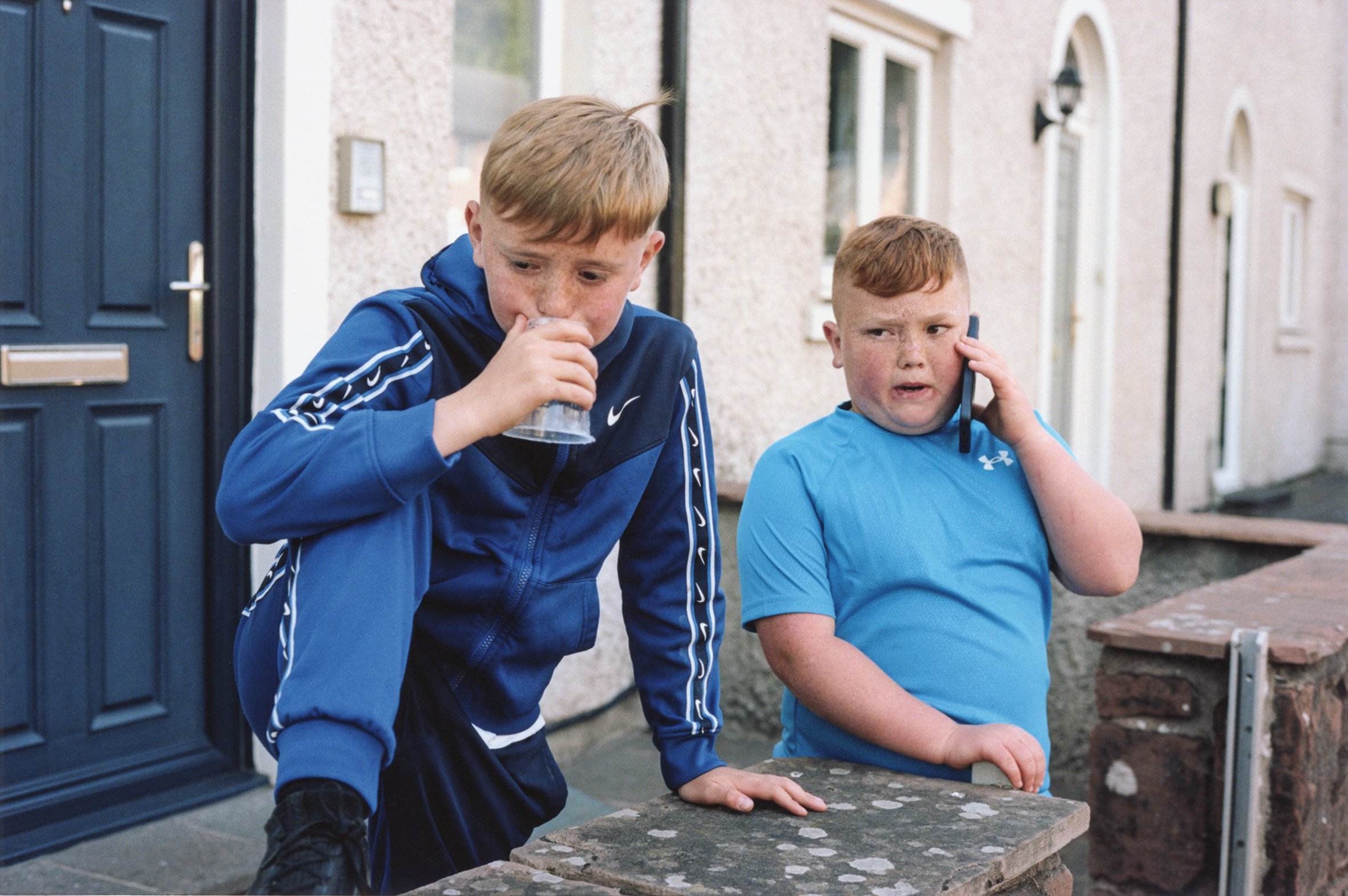
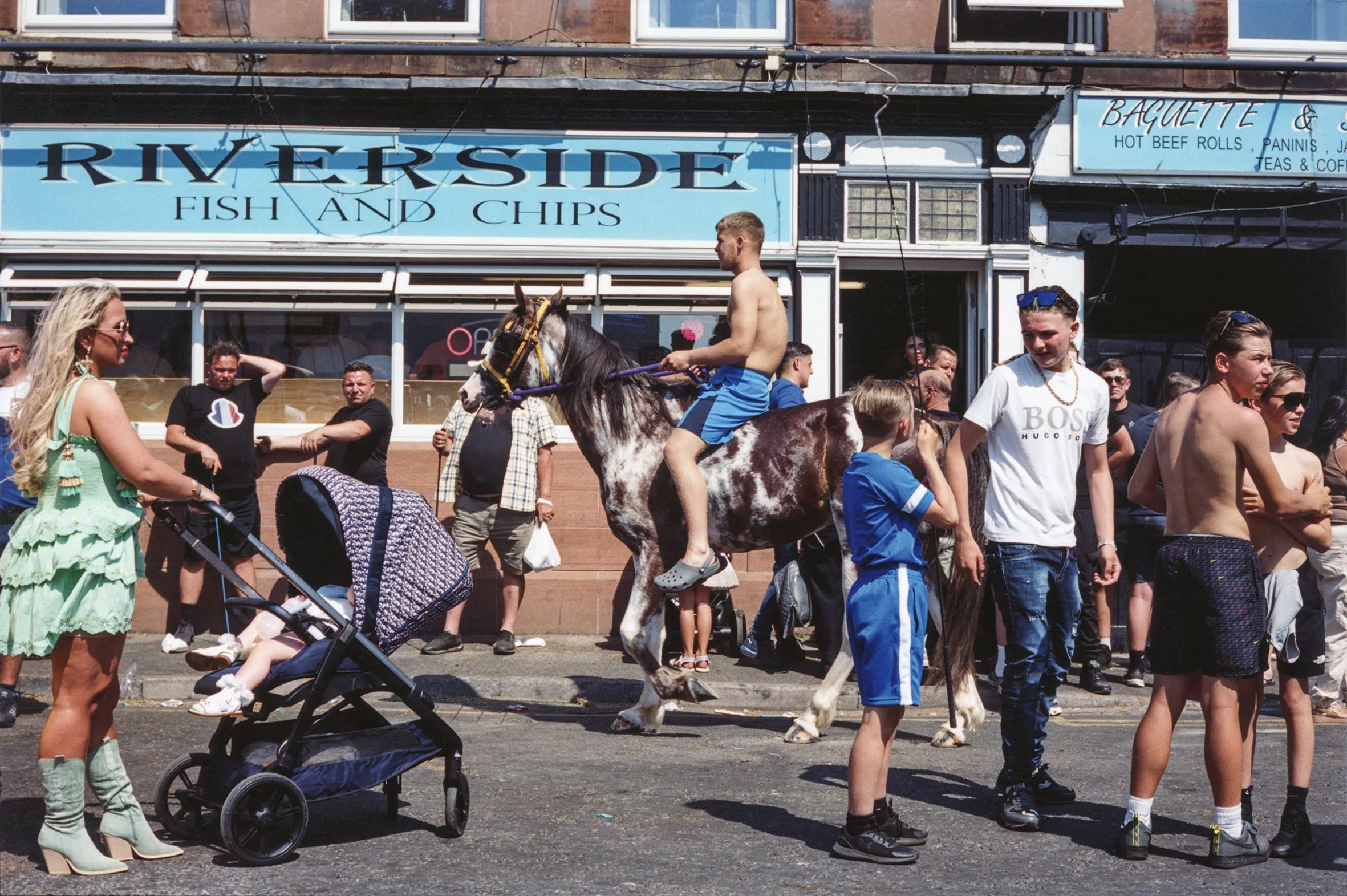
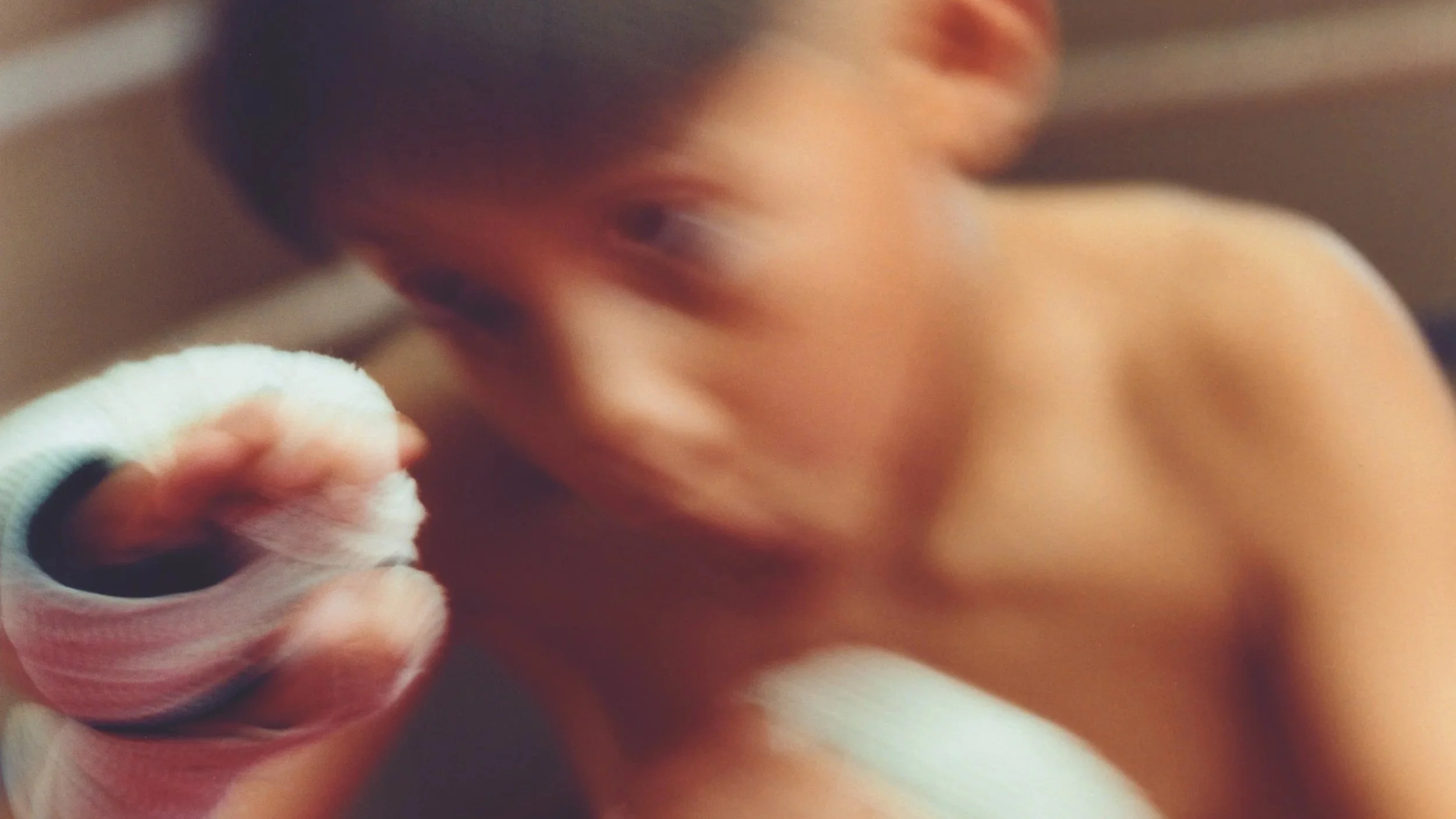
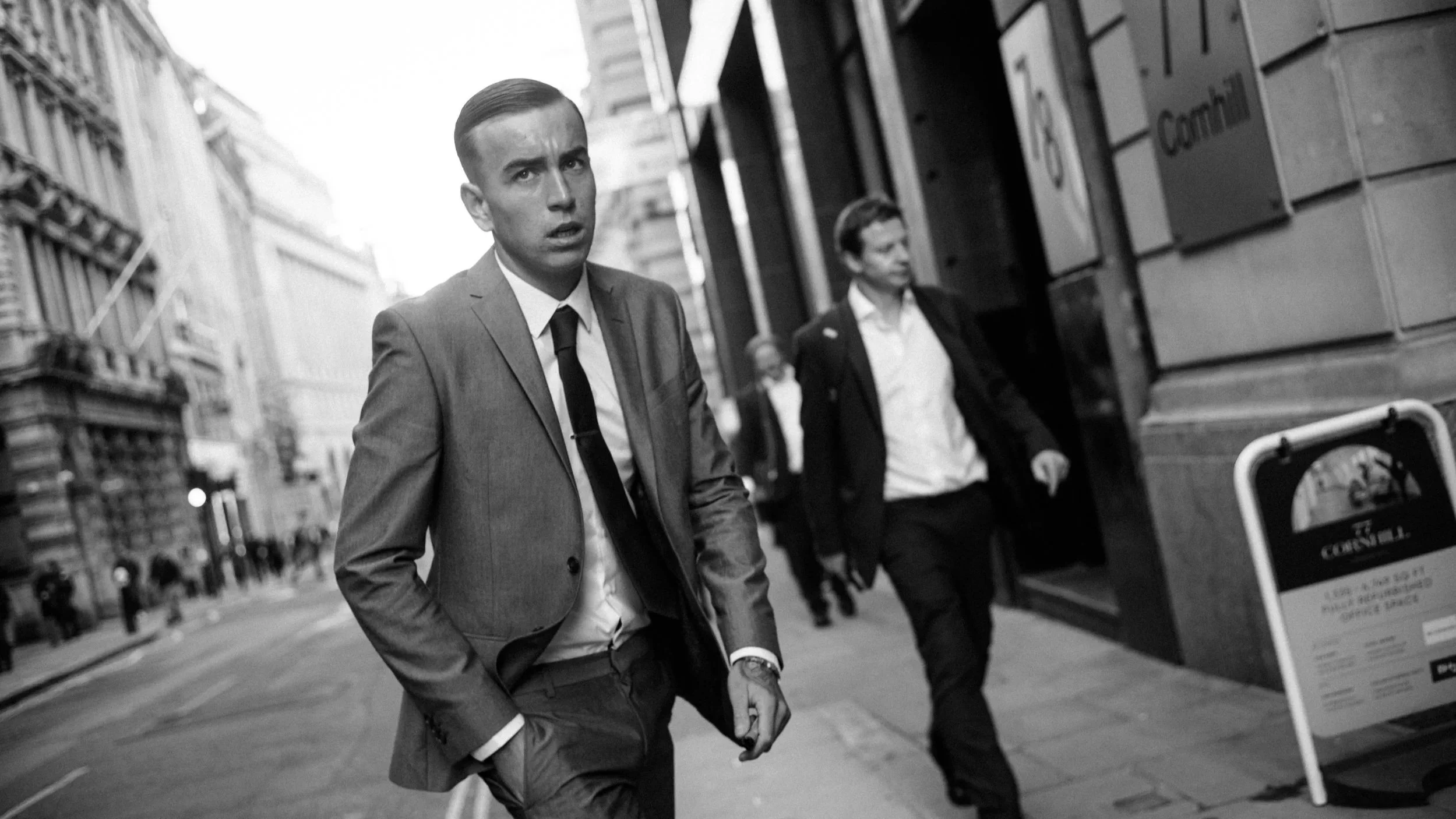
The photographs show daily life that outsiders rarely witness. Children learn to handle horses before they can properly walk. Families live in caravans and trailers, moving from fair to fair throughout the year. Men engage in bare-knuckle boxing matches that settle disputes and establish respect. Women maintain complex social networks that keep scattered families connected across countries. Rüegger captured these moments without staging or manipulation, using his Leica M6 and Contax G2 to document authentic interactions.
This work gains urgency from political changes threatening Traveller culture. Post-Brexit policies make cross-border movement harder for families who have traveled freely for generations. Local authorities increasingly ban traditional camping spots and restrict access to historic fair grounds. The book preserves traditions that may disappear within the next decade. Rüegger continues visiting these families even after publication, maintaining relationships that extend beyond his photography project. (Kehrer Verlag)
Project Origins and Inspiration: How did Tyson Fury's declaration as "The Gypsy King" transform into a two-year documentary project about Traveller communities?
Boxing has always played an important role in my life. I have been actively practising martial arts for many years and have a strong interest in its cultural significance. Through heavyweight world champion Tyson Fury, “The Gypsy King,” I first became aware of the Traveller community. Boxing, as well as “bare-knuckle fighting,” has a long-standing tradition within the community. As I began my research, I found myself wondering and focusing more on where the last places or scenarios might be in which Travellers could freely live out their traditions, as their way of life has increasingly come under restrictions from all sides. This search led me to the traditional horse fairs. The next morning, I booked a ticket and visited the Appleby Horse Fair. From there, everything took its natural course, and I realised that these events are the last traditional refuges of the Travellers. That’s why I decided to focus my photography exclusively on these fairs.
Invisible Photography Technique: What specific techniques do you use to remain "invisible" and capture natural moments with marginalised communities?
I am almost two metres tall, which makes it impossible for me to be invisible. But I’m not trying to be invisible anyway, I see that as a cowardly approach to such a powerful medium. I am simply present, fully aware of my actions. I don’t always ask for permission before taking photographs, because I believe it changes the entire situation and introduces a form of manipulation that I want to avoid. That doesn’t mean I’m trying to disappear into the background. In fact, a lot of the time the families knew I was around taking photos, just not when, so the images can naturally give the impression that I was invisible, similar to Anders Petersen. And it has nothing to do with working with marginalised communities, that is simply my general way of working. In fact, when working with these communities, it becomes even more important to be present and aware.
How do you balance your physical presence with the need to capture authentic moments when families knew you were around but not exactly when you were photographing?
I think my physical presence in terms of my height doesn’t really matter anymore when people know me and are aware of my presence. You become part of the moment naturally and whenever I thought that something interesting appeared in front of my eyes I’d look through my viewfinder and eventually take a photo. I had my camera on me all the time.
Cultural Sensitivity and Ethics: How do you navigate the ethical challenges of documenting a stigmatised community as an outsider?
I believe in respect, honesty, and good intentions, and that applies to everyone, not just minorities. I was always transparent about my projects with the families, and I always shared photos after my trips so they were kept up to date. It is important to recognise your position as an outsider and to respect that. As a photographer, you carry a great responsibility that you need to live up to. I believe it requires empathy and a fundamental understanding of people and culture in order to decide what is ethically correct and what is not. I feel that the images carry a respectful sensitivity while still pointing to the problems and challenges the Travellers face in their everyday lives. I believe that beautifying too many images or situations would have been a betrayal of the Travellers. I see it as my responsibility to create the most realistic representation possible of what I saw and experienced.
Formal Photographic Approach: Can you explain your "formal informality" technique and how you use frame edges to mirror the chaotic nature of horse fairs?
Classical portraits have no place in this work for me. A photograph is always just a fragment of a larger reality. I have always tried to capture as much of the situation as possible through composition. In many of the images, one can find small individual actions happening simultaneously. I believe the longer it takes to understand a photograph, the better it is. I don’t like images to be classically centred, that feels boring to me. I prefer busy frame edges, even if it sometimes means people or objects are cut in half. For me, this creates a certain dynamic that reflects the hectic atmosphere and bustle of the horse fairs very well. The few portraits I did take are, for me, complex enough to resonate with me.
How do you distinguish between dynamic composition that serves the story and fragmentation that might diminish the dignity of the people you're photographing?
Not every photo I take finds its way into a book or the final edit of a project. In fact, it’s usually the opposite: from a trip that lasts several days or weeks, I might end up selecting only one or two images. My entire body of work goes through a thorough evaluation process, and if I ever feel that a photograph could compromise the dignity of the people depicted, I will certainly not include it.
Access and Integration: What was your process for gaining acceptance at these horse fairs and transitioning from outsider to welcomed photographer?
What you put out into the world is what comes back. I firmly believe that if you approach people with respect, consideration, honesty, and good intentions, you receive the same in return. It was neither harder nor easier than encounters with any other stranger I have met before. Building trust simply takes time. Often, I didn’t start taking out my camera until days had passed. I wasn’t a welcomed photographer but a welcomed friend that took photos. Travellers are often stigmatised or portrayed as aggressive, closed-off, or unfriendly. I experienced none of that, in fact, quite the opposite. I was welcomed and accepted.
Technical Execution in Chaos: What specific gear choices and camera settings do you use to capture sharp images in the unpredictable environment of horse fairs?
I mainly used my Leica M6 and a Contax G2.
The Waiting Game: How do you maintain patience during the "99% waiting" periods and recognise when the perfect moment arrives?
You need to bring a lot of time and patience. Most of the time is spent waiting. Then comes the anticipation, that is, imagining what might happen next. Finally, you should be able to operate your equipment instinctively and in each and every scenario. It’s no use being patient and able to anticipate if, at the right moment, you still have to adjust aperture or shutter speed. To this day, I prefer to work with analogue photography. The fewer things that are adjustable, the better.
Blending Fashion and Documentary Aesthetics: How do you consciously merge your fashion photography background with documentary storytelling?
I was a documentary photographer long before I shot my first fashion story, so it’s actually the other way around. I try to find meaning and depth in fashion, an industry driven by fast consumption, by applying my documentary approach.
Future of the Project: Given increasing political pressures against Traveller communities post-Brexit, how has documenting this potentially disappearing way of life changed your view of the photographer's role?
As a documentary photographer, my work revolves around the profound and complex diversity of human culture. Each of my photographs is part of a larger narrative that captures and conveys the essence of communities, traditions, and the subtle interplay between history and modernity. My camera serves as both a tool and a witness. Each of my projects engages me emotionally as well as intellectually. First and foremost, I am a human being, like anyone else. In long-term projects, you develop personal relationships and friendships with people. Goodbyes are painful, and reunions bring joy. In every one of my projects, I leave a part of myself. These relationships extend far beyond the projects themselves. I see it as a great privilege to be able to meet new people and cultures through photography. It teaches me a lot and helps me grow as a person. Even after the publication of my book, I will continue to visit the Traveller families, with or without my camera.

How do these deep personal connections influence your editorial decisions about which images to include or exclude from the final body of work?
It is a thought process that every photographer probably knows. Like I said, photography comes with a big responsibility. Once you share something with the world, you need to fully stand by it and be able to defend it. I chose with my heart, mostly aiming to capture an intimate and authentic portrayal of the lives of the traveller communities. My goal is to highlight their rich cultural heritage, unique lifestyle, and the challenges they face. Through my photographs, I hope to shed light on the social importance of these communities and help foster an understanding and empathy among my audience. Photography is neither the end nor the solution, but merely an invitation to look more closely, listen more attentively, and engage more deeply with the world around us.
To discover more about this intriguing body of work and how you can acquire your own copy, you can find and purchase the book here. (Kehrer Verlag)
More photography books?
We'd love to read your comments below, sharing your thoughts and insights on the artist's work. Looking forward to welcoming you back for our next [book spotlight]. See you then!
Gosbert Gottmann wanted war photographs that resisted easy reading. In Freiheit Freedom Воля, he works with images connected to the war in Ukraine and changes them through abstraction, distortion and deformation. Photography Book Spotlight