How Steve McCoy Turned “Bad Family Photos” Into An Art Project That Still Makes People Laugh
(This is the story behind the photograph, a glimpse into the moment, the process, and the vision that brought it to life.)
When Bad Pictures Make Great Stories.
Steve McCoy started photographing his family in ordinary, sometimes funny situations. He called them “bad family photos,” (Personal Space) because the pictures were not perfect and not posed. But that was the point. The photos captured mistakes, awkward moments, and accidents that felt real. And those pictures became a project that still makes people laugh today.
What looks like a mistake can turn into art.
McCoy used simple 35mm film and a flash to catch what was happening at home. His father falling asleep, a pet doing something strange, a family member caught in a silly pose. Instead of hiding these moments, he showed them. Over time, people started to see the humor and honesty inside the pictures. And that is why his so-called “bad photos” are remembered more than many “good” ones.
In the early 1980s, Steve McCoy wandered through his familiar rooms with a camera in hand. The ordinary life of his family became his subject: casual moments, small quirks, and domestic routines. Over several years, McCoy would explore these spaces, looking for the humor and subtle surprises that everyday life offered. He was not chasing grand events or posed portraits; he was looking for the extraordinary hidden in the ordinary.
“Well, (this picture) was part of that series where I was photographing a lot of the events that happened just naturally within the safe space of my home. And I was using 35mm and flash on camera. I’d be sort of, obviously all the time looking around for things that were happening,” McCoy recalled.
A simple family scene transformed by unexpected details. In the frame, his father’s bald head dominated the composition. Yet in the corners of the image, smaller stories unfolded, a knot in his mother’s tights to hold her foot in place, a pint of beer balanced casually on a magazine cover. The image was structured but playful, shaped by McCoy’s careful eye for composition. “So she tied the tights to keep her foot in. But there’s also things like, you know, my dad’s pint of beer, for instance, on the magazine cover. It’s a photograph that perhaps is unusual in its composition. The fact that this kind of egg shape just dominates the whole rectangle of the frame. It is,” he explained.
When he showed the photograph to his father, the response was exactly what McCoy had hoped for. “He liked it, he really liked it, he thought it was funny, humorous, you know,” McCoy said. There was no special occasion behind the image; it was the spontaneous rhythm of daily life captured with an attentive eye.
The technique was simple, yet deliberate. McCoy worked handheld, with a flash on the camera, constantly observing and reacting to the scene. The project was as much about composition as it was about documenting life. “Virtually all those photographs in personal space, all handheld. I think it was kind of in one sense, apart from the subject, it was really kind of investigating composition, ways of structuring a photograph,” he said. He examined depth, surface, and visual surprises, turning family mishaps into artistic opportunity. Faces were sometimes obscured by fingers or soap bubbles, small mistakes that added spontaneity and humor to the images.
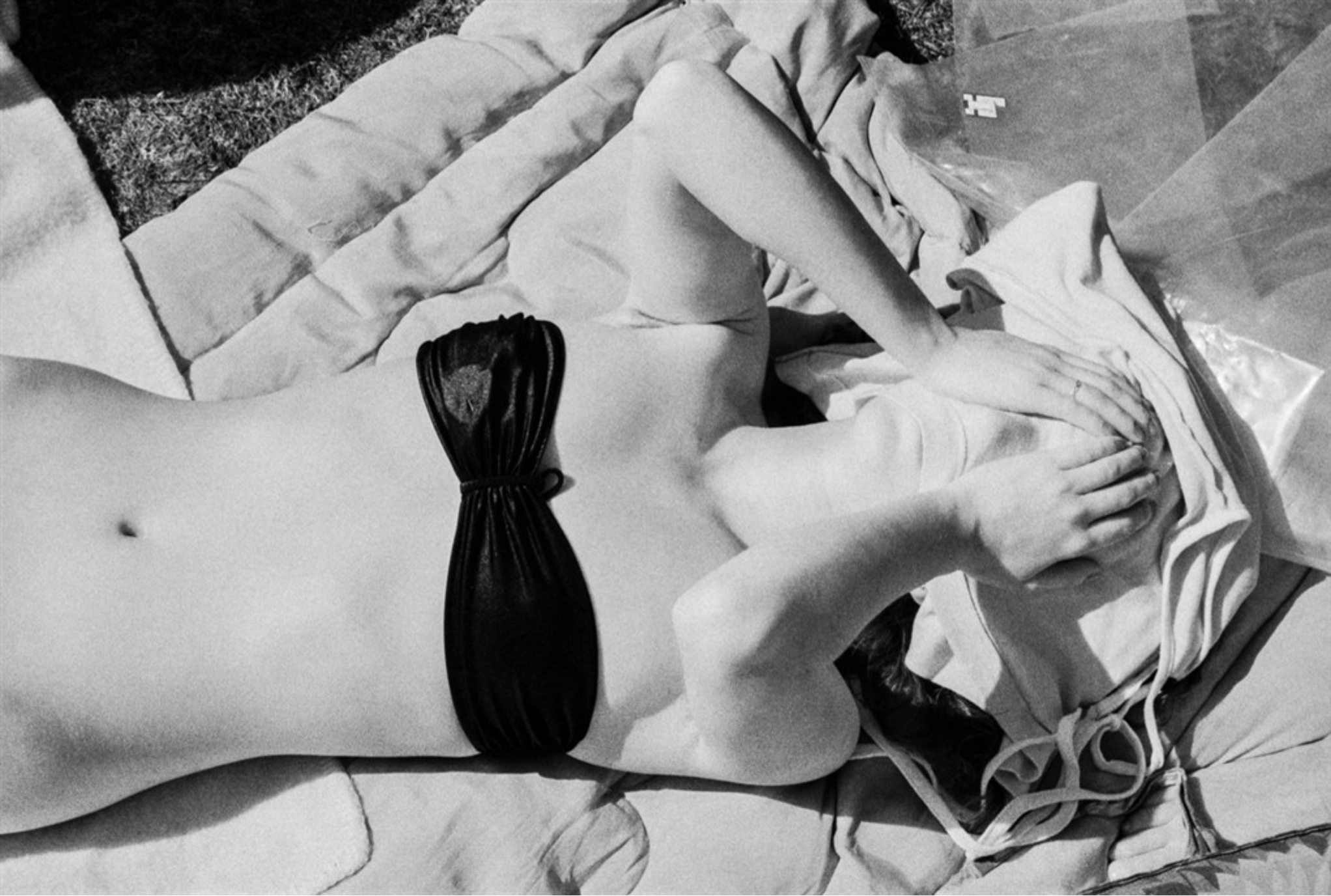
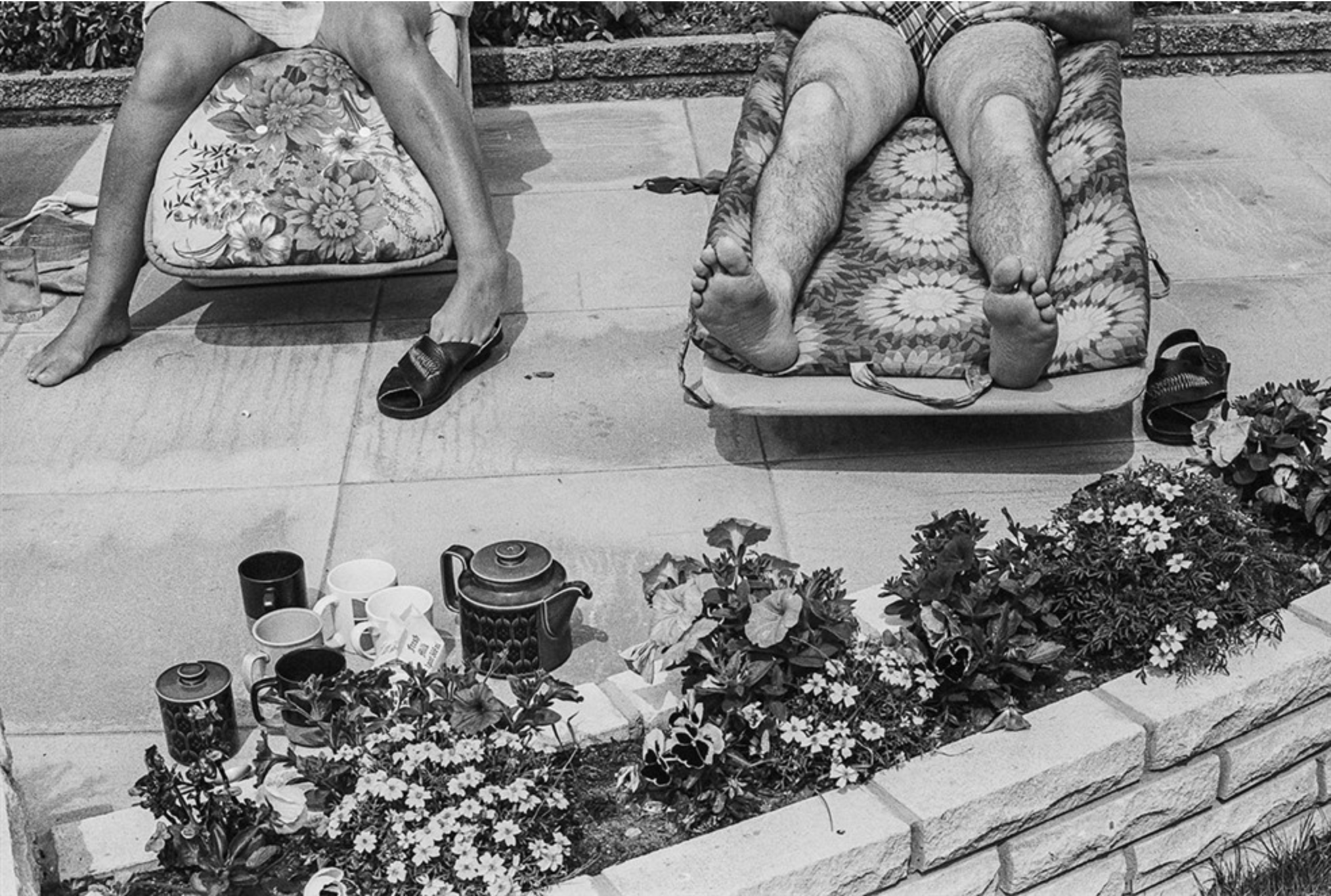
How did his family reacted? “I think just they were used to me. They just thought I was an oddball anyway, so the fact I was using the camera a lot, they just ignored it, ignored me and ignored the camera and flash really. They kind of wondered what I was doing. I kind of explained, the idea. After that, they just ignored me.”
The project developed slowly, over years of casual observation and structured improvisation. McCoy moved from anonymous, composition-driven images to photographs more focused on the people themselves, especially his children. He continued to value humor and the unexpected moment above all else. “Yeah, I mean, it’s funny. Because humour was the important part of that project. You know, they’re meant to be humorous.”
In McCoy’s hands, family photography became an exploration of presence and perspective. He deliberately avoided the traditional posed portrait, encouraging spontaneity, collaboration, and the occasional mistake to create images that felt alive. “Yeah, I always deliberately made things go wrong so they wouldn’t ask me again,” he laughed.
Looking back, McCoy reflected on what connected these images beyond their humor and composition. The work was about proximity, about being close to people, close to places, and finding the intimate rhythms in everyday life.
Sometimes the best project begins when the first idea fails. You arrive with a plan, but what you find does not fit it. Story Behind The Photograph