The Photographer Who Turns Accidents Into Art: Michael Turek on Blended Exposures and Contrails
Michael Turek turns photographic accidents into unforgettable art.
By day, he shoots assignments for major publications like the New York Times. His documentary and portrait work is straightforward, literal, and professional. But on his own time, Turek experiments with techniques that most photographers would call broken. These personal projects have landed his work in MoMA's permanent collection.
This technique sounds simple but can take years to complete.
Michael shoots 36 frames with half the lens covered by tape. Then, he rewinds the film carefully and shoots the same roll again with the tape on the other side. The result is two different moments from his journey blended together in ways his conscious mind never planned. Turek brings this camera alongside his professional equipment on assignments.
Michael shows us a way of seeing how photography can be playful and serious at the same time. This interview explores the ideas, experiments, and stories behind his work.
When did you first pick up a camera? What made you want to take pictures?
I was eight years old when I received my first camera. My parents would let me open one present on Christmas Eve, and the one I chose that year was from my aunt and uncle, who were typically providers of excellent presents. I must admit, when I first opened the present only to discover a small 35mm point and shoot camera, I was a little disappointed as I had no interest in cameras or photography, and it didn’t seem like much of a toy. It basically sat dormant for the following six months until my summer holidays, when I went over to the UK to visit my aunt, uncle and the rest of my family. That was a place where I spent a huge amount of time growing up.
I was in love with that landscape in the north of England, the Yorkshire moors and dales. This was the first place I began taking photos. At the time, in my nine-year-old mind, I really thought that if I took a picture of these landscapes where I was running around and playing, then afterwards, looking at the prints once I returned home in September, I could teleport myself back to those hills and valleys. Of course, my magic prints always failed, and I never did manage to teleport across the Atlantic in an instant.
I felt that my photos weren’t good enough. But perhaps if I could improve, if I could capture those scenes in a more realistic way, I’d be able to teleport. And to some degree, I still think that’s almost possible if I were able to recreate all the sensory experiences; how the wind felt on my skin, how the air smelled. If I could juggle in my mind all five senses, I would in effect be transporting myself back to anywhere I took a picture. So this original frustration with photography was also the attraction. I always felt so close to having a magic teleportation device.
Even now, this aspect of memory and holding on and trying to pin down a moment in time is what draws me to photography. The images I made in England looked so much like reality, but in fact they are were so very far away from it. It’s a very whimsical landscape, very playful. It’s still my favorite place anywhere, and it’s the genesis of my work.
Iraq 20 Years Later
Was this your "wow, this is special" moment with photography, or was there something else in your life that made you fully commit?
I mean, I've got to say, from a very young age, that's really what it was. I really felt very excited by trying to put my world in the viewfinder’s rectangle: a landscape, a still life, a portrait. Trying to determine what elements in the scene are the most essential. Trying to strip down everything that is extraneous and to make a harmonious composition inside of the rectangle. Space and lines and balance. It’s also fun, it’s like a game or a challenge.
I was also very fortunate. I had teachers in high school, particularly one photo teacher, Kim Basinger, who really supported me through those years when I was beginning to think about university. She was my photo teacher for three years, and she was the one who said, “You know, you can go to university for this. This could be a profession.” More than just motivation, she gave me the permission to even think that photography was something I could do.
Namibia
How did you progress from being a beginner to working for big newspapers like the New York Times?
I’ll take it all the way back. I studied at Rochester Institute of Technology where I majored in photography and graduated in 2004. Then I moved down to New York City with a bunch of other classmates. Right away we all began assisting other photographers and getting a toehold inside the industry. After about two or three years assisting - which was terrific, learning a lot about different types of photography – I struck out on my own, showing editors personal work and being commissioned on assignments. At first, I was doing fashion, architecture, portraits, all sorts of different stuff, any work that was coming my way. I was beginning to learn what I really enjoyed and what I didn’t enjoy.
I found out that I struggled in the studio. I struggled with walking into a white room and having to build a scene from scratch. Periodically, I would return to Yorkshire to photograph, and I realized there the type of work I felt most engaged with, was that in which I worked subtractive. Whereas in the studio, it’s an additive process. Putting together elements to make a photo. Instead, when I was outside, or in the field if you will, it’s more about stripping away. You have 360 degrees around you in which you can point the camera. But you say “no” more than you say “yes” deciding what goes into the frame. It’s just a different type of creativity, a different way of working.
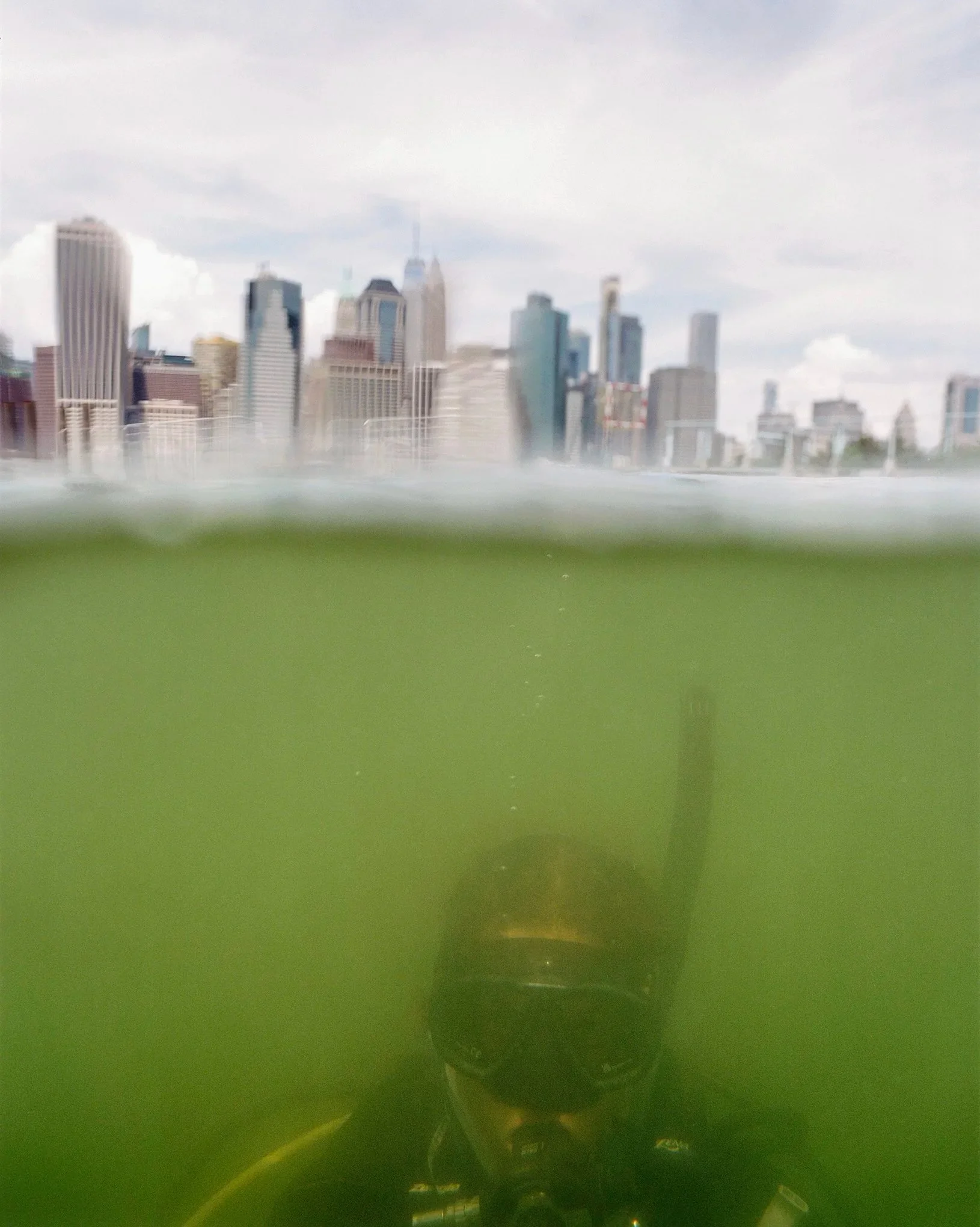
It’s a long way of saying that I was beginning to understand what type of work I was good at. Less contrived studio and fashion work and more documentary journalism. Sure, there were often stories where things like architecture was involved, or still life, but the nucleus of any story was always about people, often environmental portraiture, and that was the work I responded to most. I began doing more and more assignments that were often travel in nature. I hesitate to use that word because, I, as a photographer needed to travel to a place where the subject or organization was doing something of interest, but for the subjects themselves, it had nothing to do with travel. That’s just where they lived or worked.
Another aspect with this type of work is that it’s often done in conjunction with writers. I think a huge stepping stone in my own career path has been understanding that collaboration with writers has been essential because stories are developed this way. The work, both the photography and the writing, is enhanced by having two different perspectives. Having another person alongside to bounce ideas off, to respond together, someone who is also engaged in the act of reporting and observation – it has helped me to make my work more thoughtful. I do a lot of work with Sophy Roberts, she’s been a major collaborator on some of my most important work.
I'd like to know more about your blended exposures project. How did you come up with this idea?
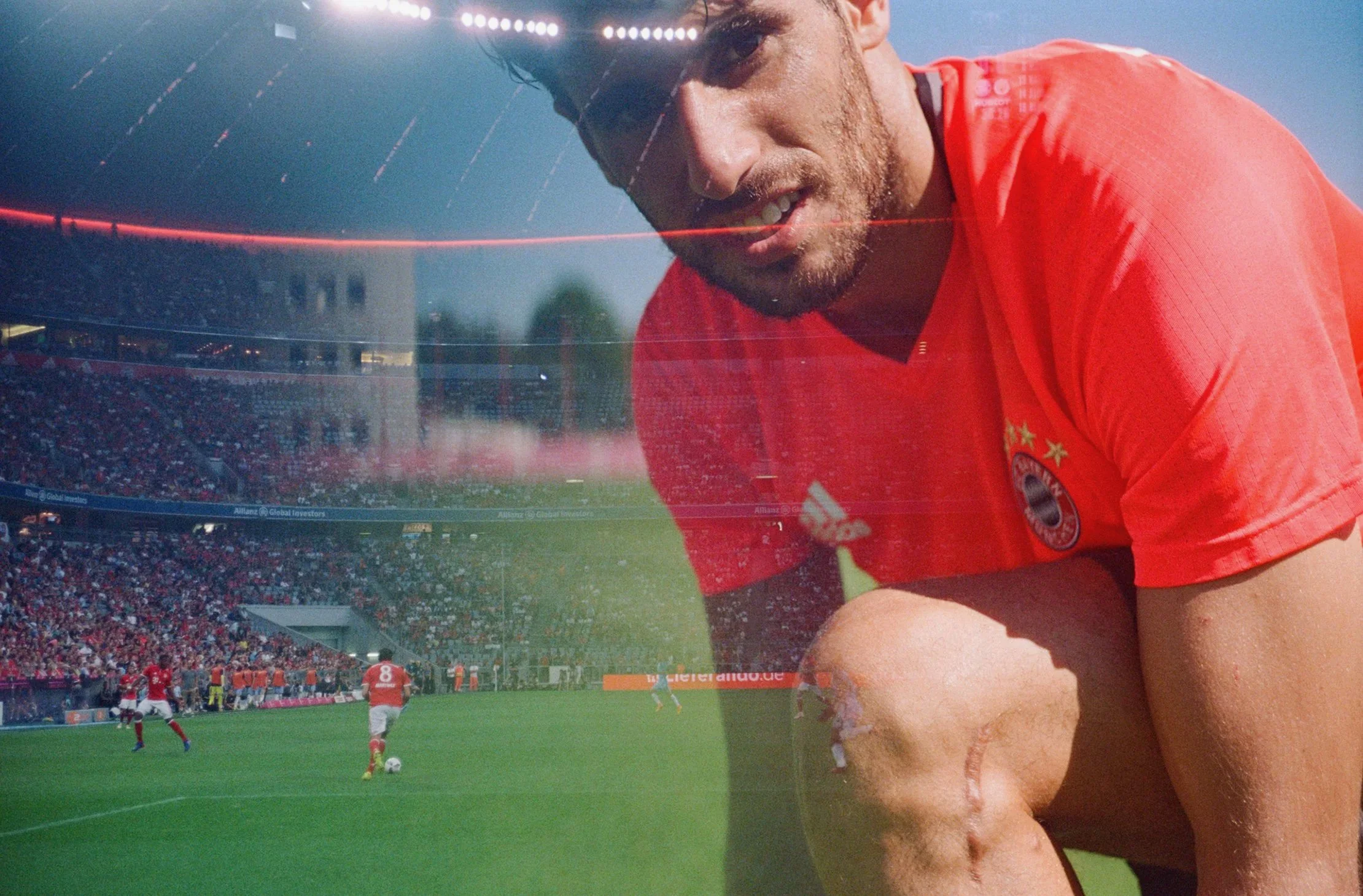
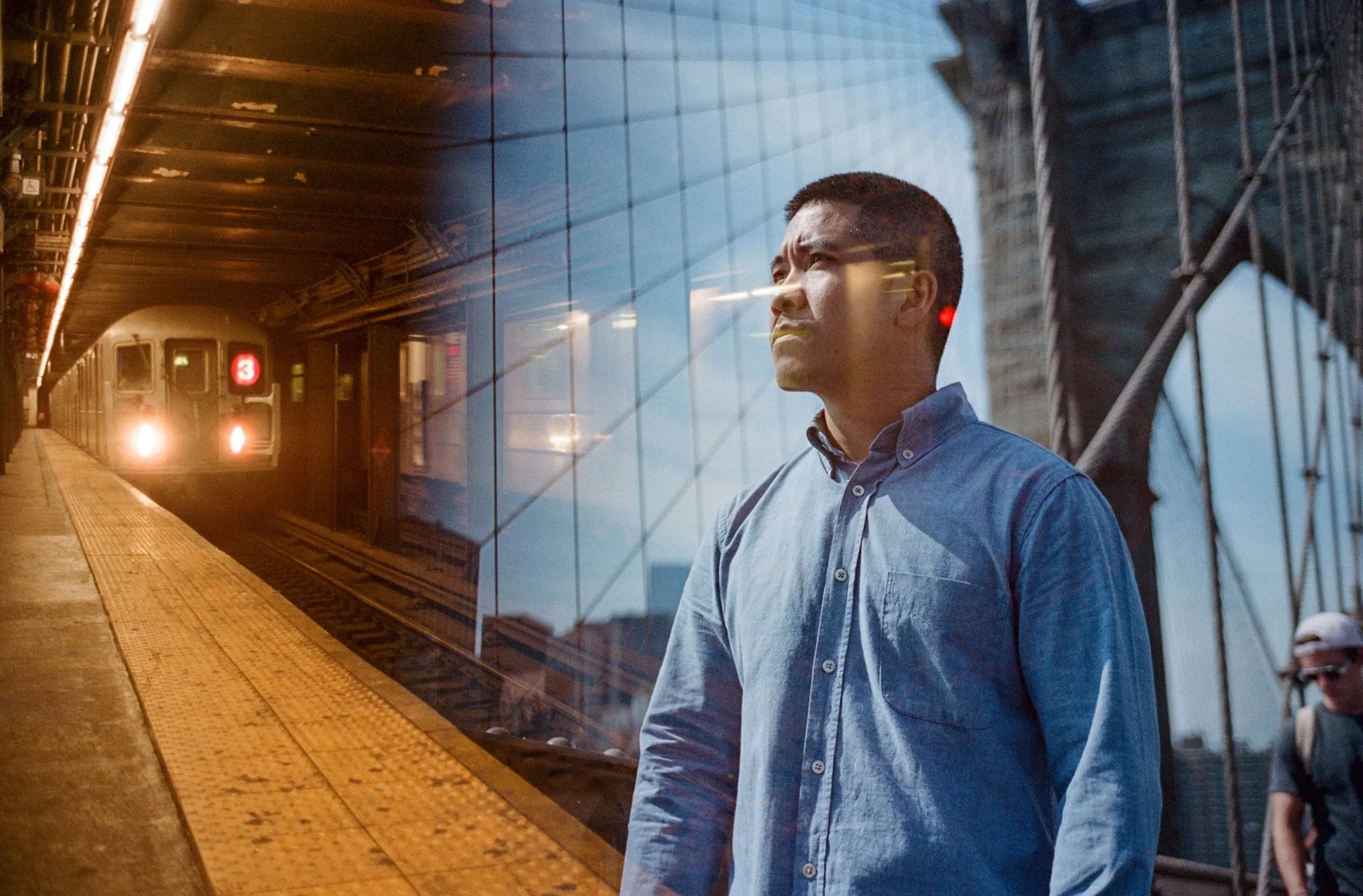
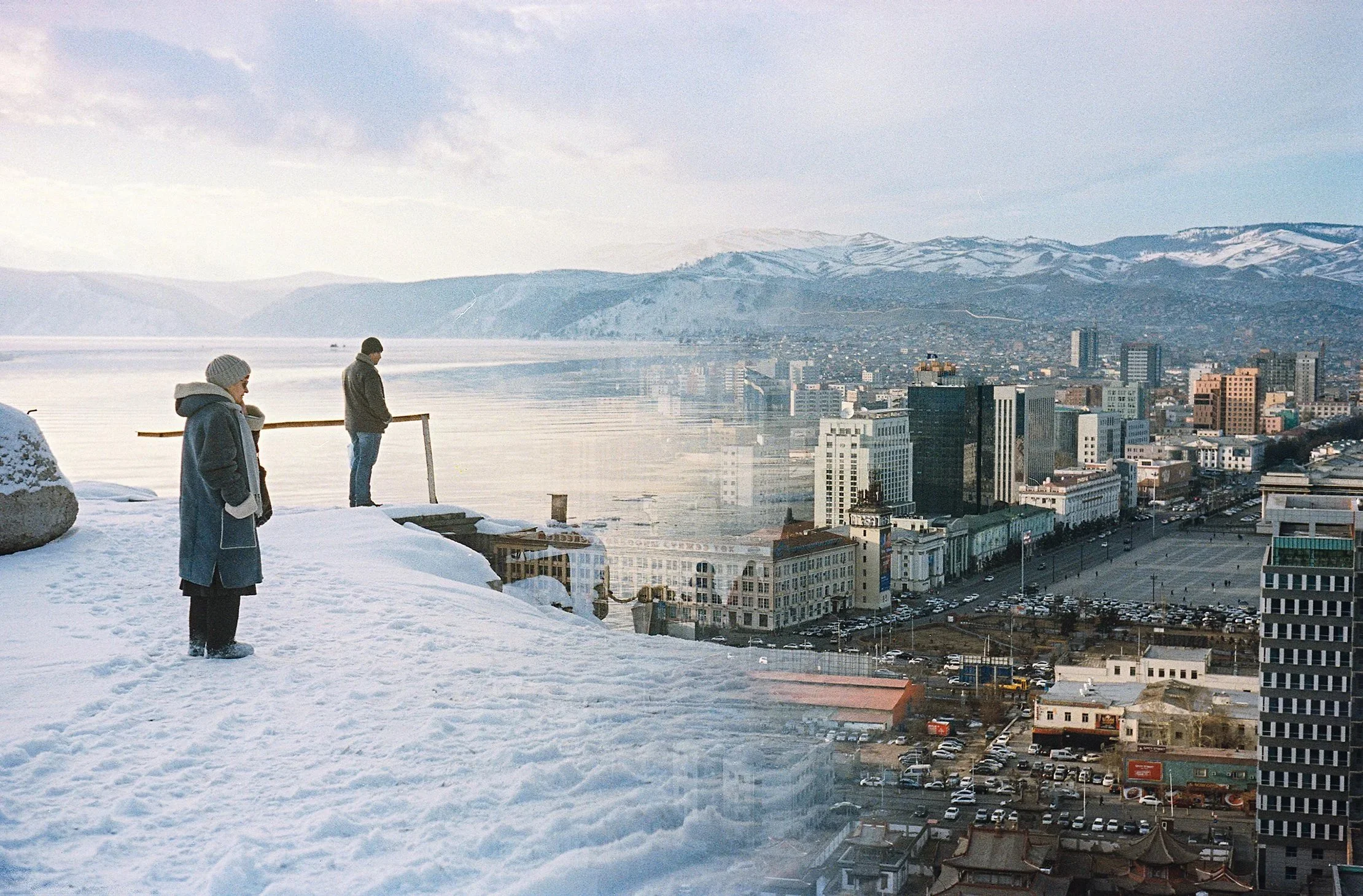
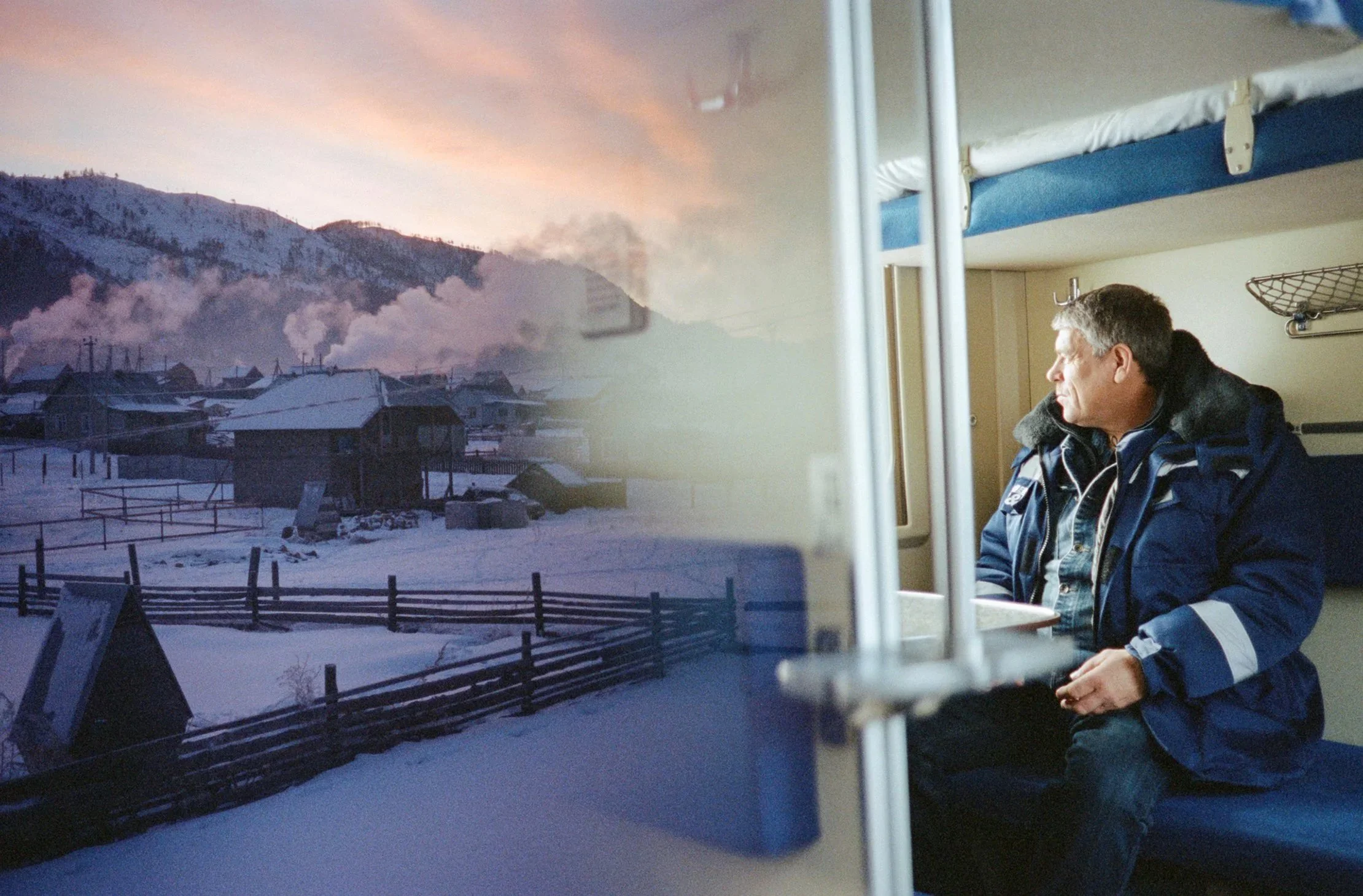
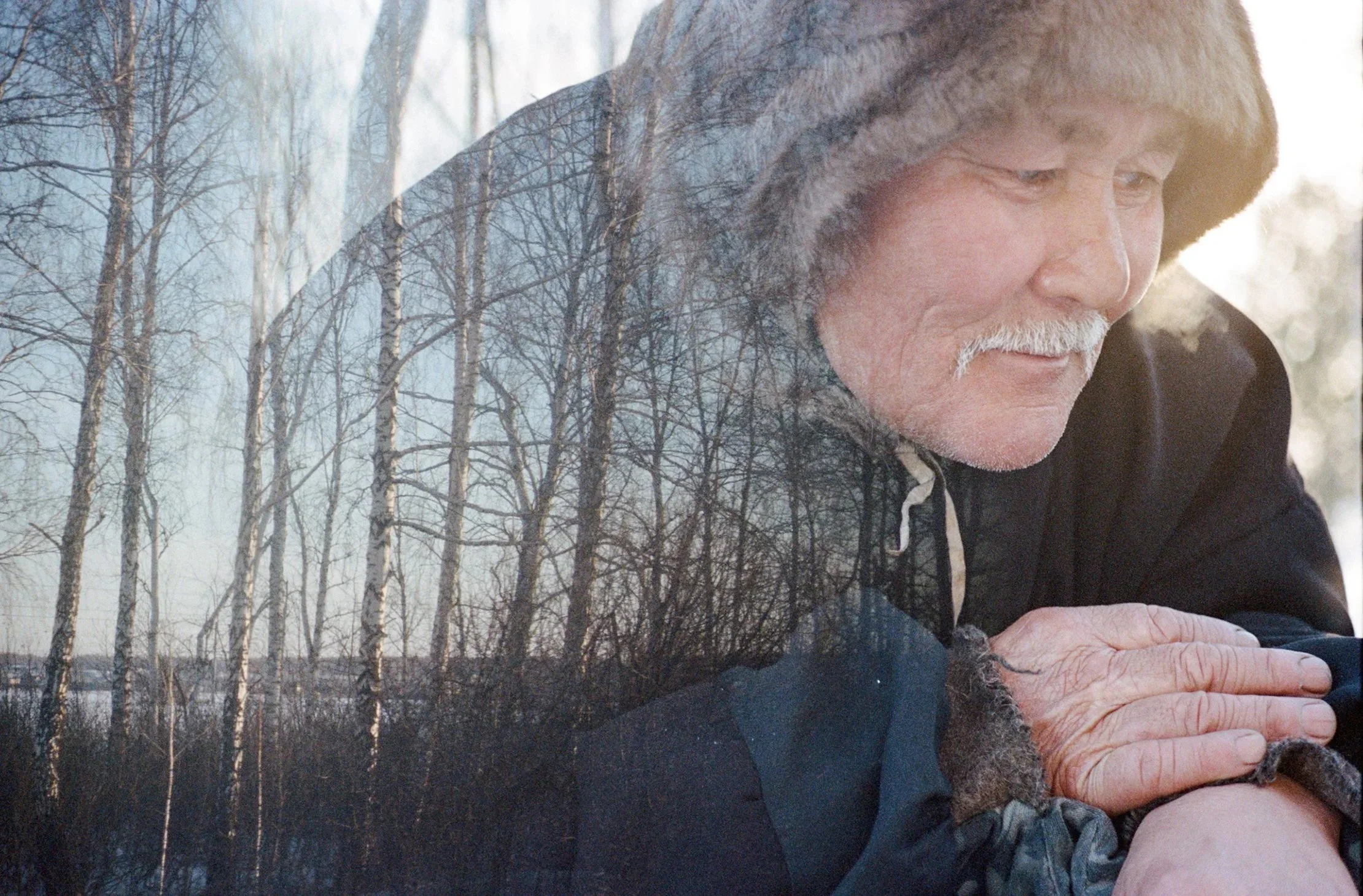
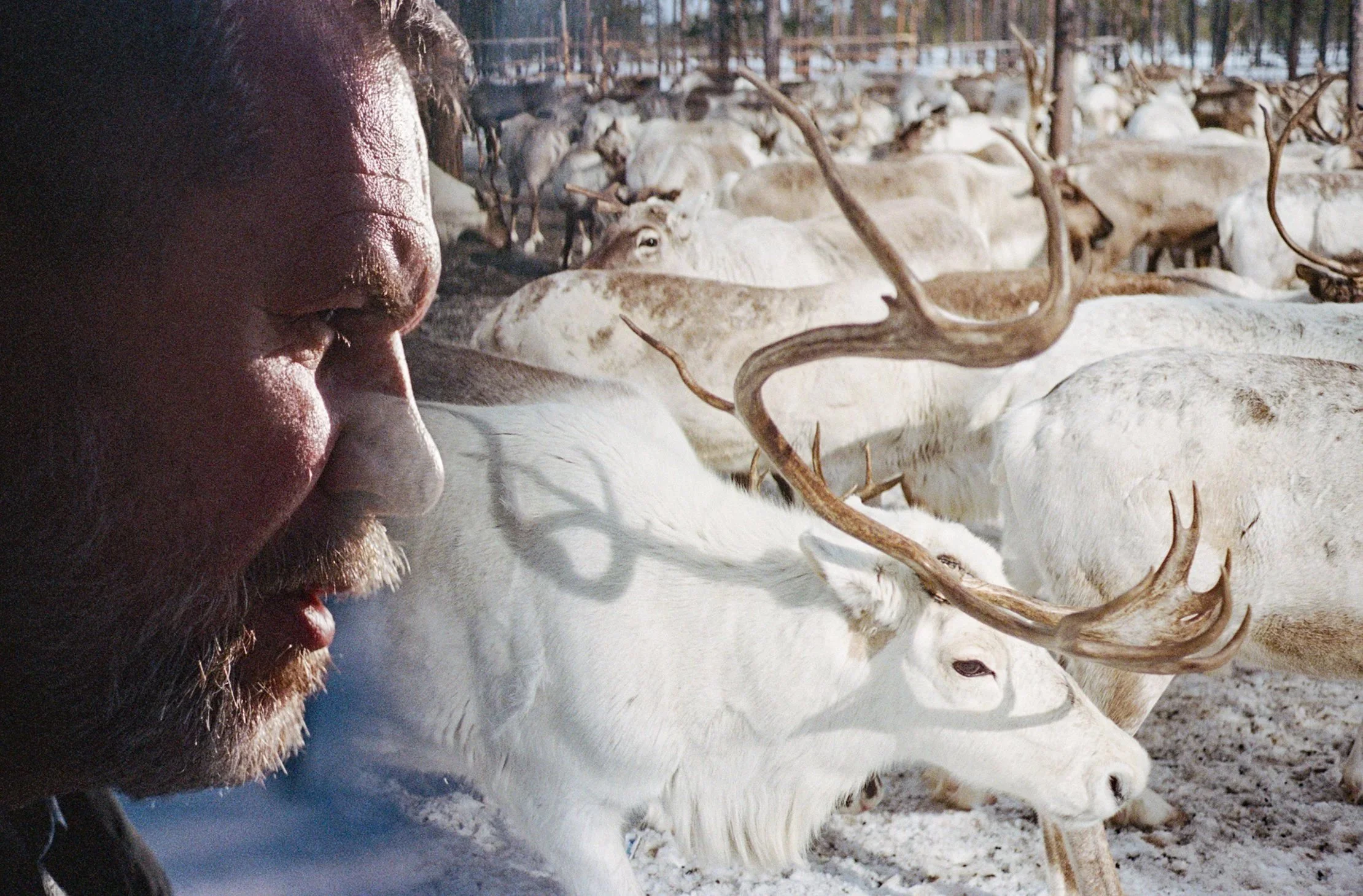
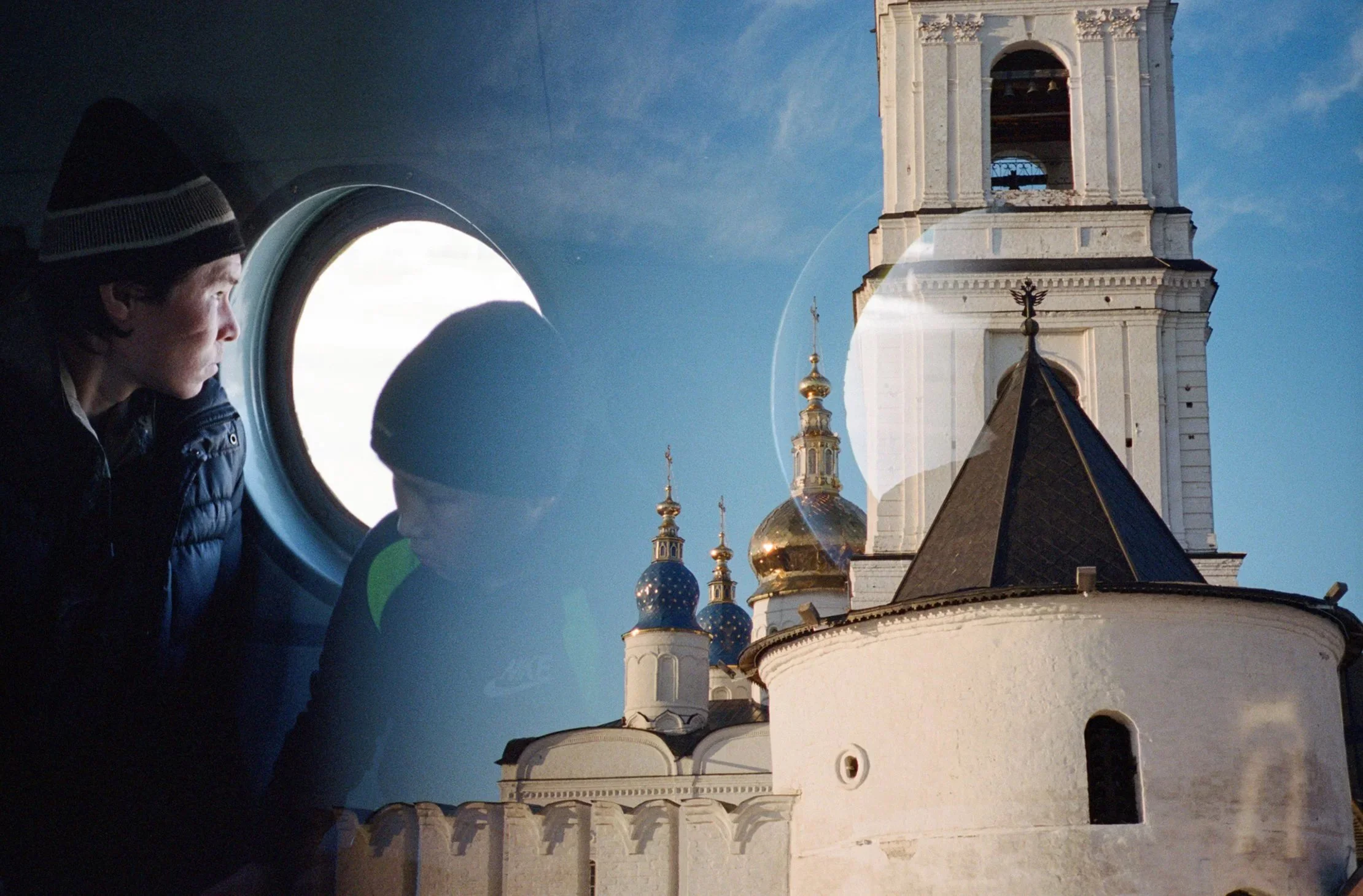
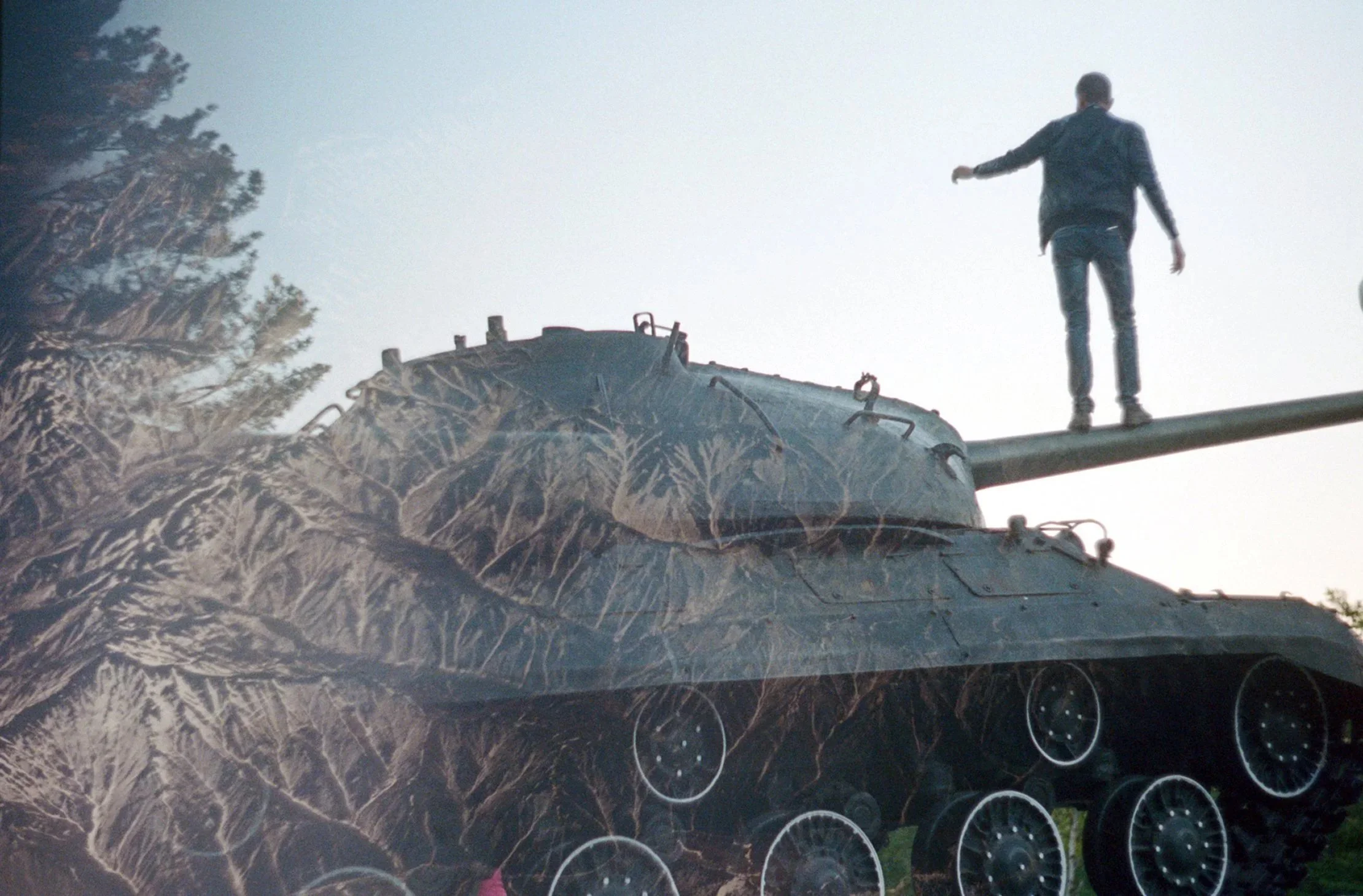
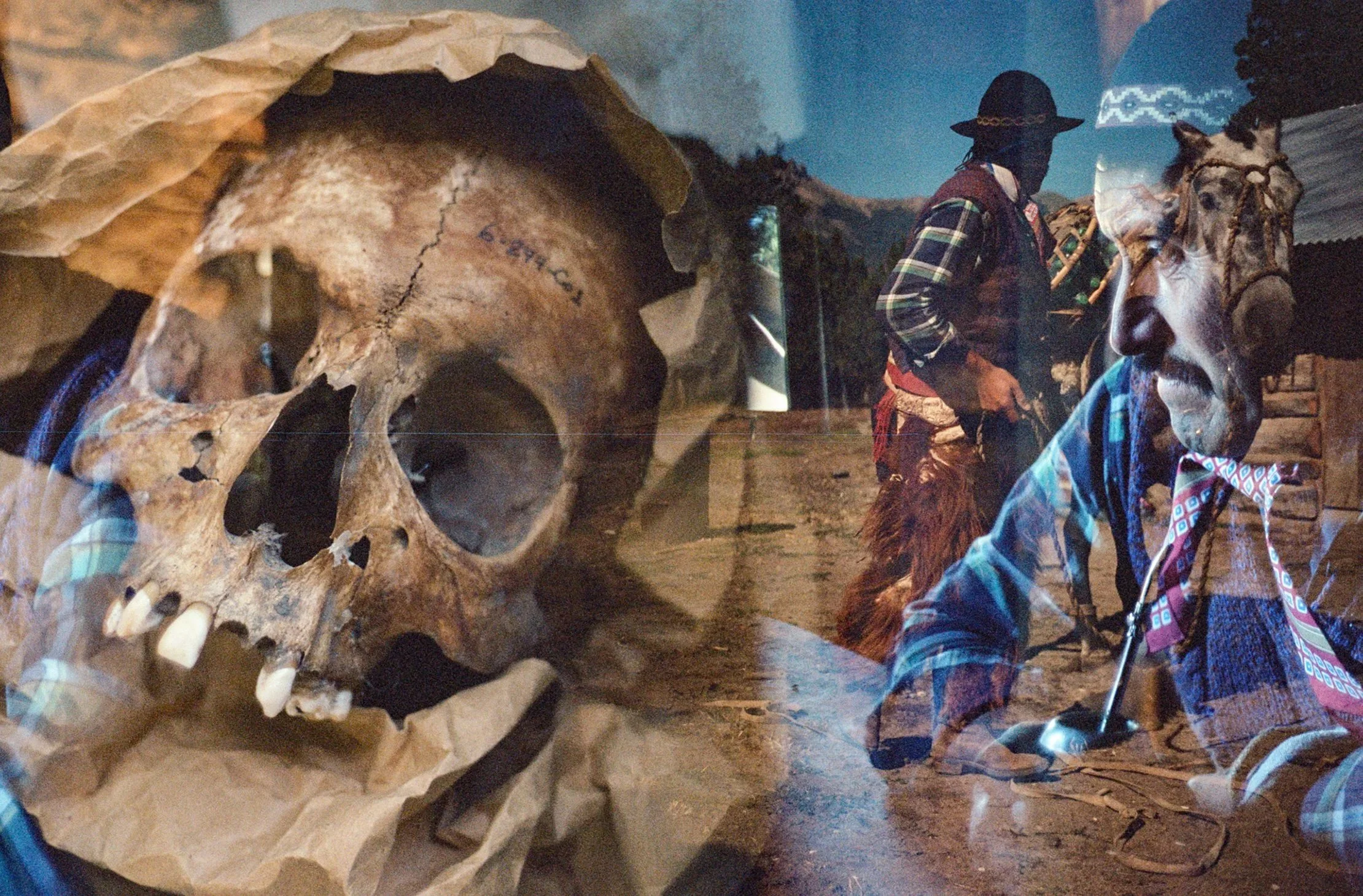
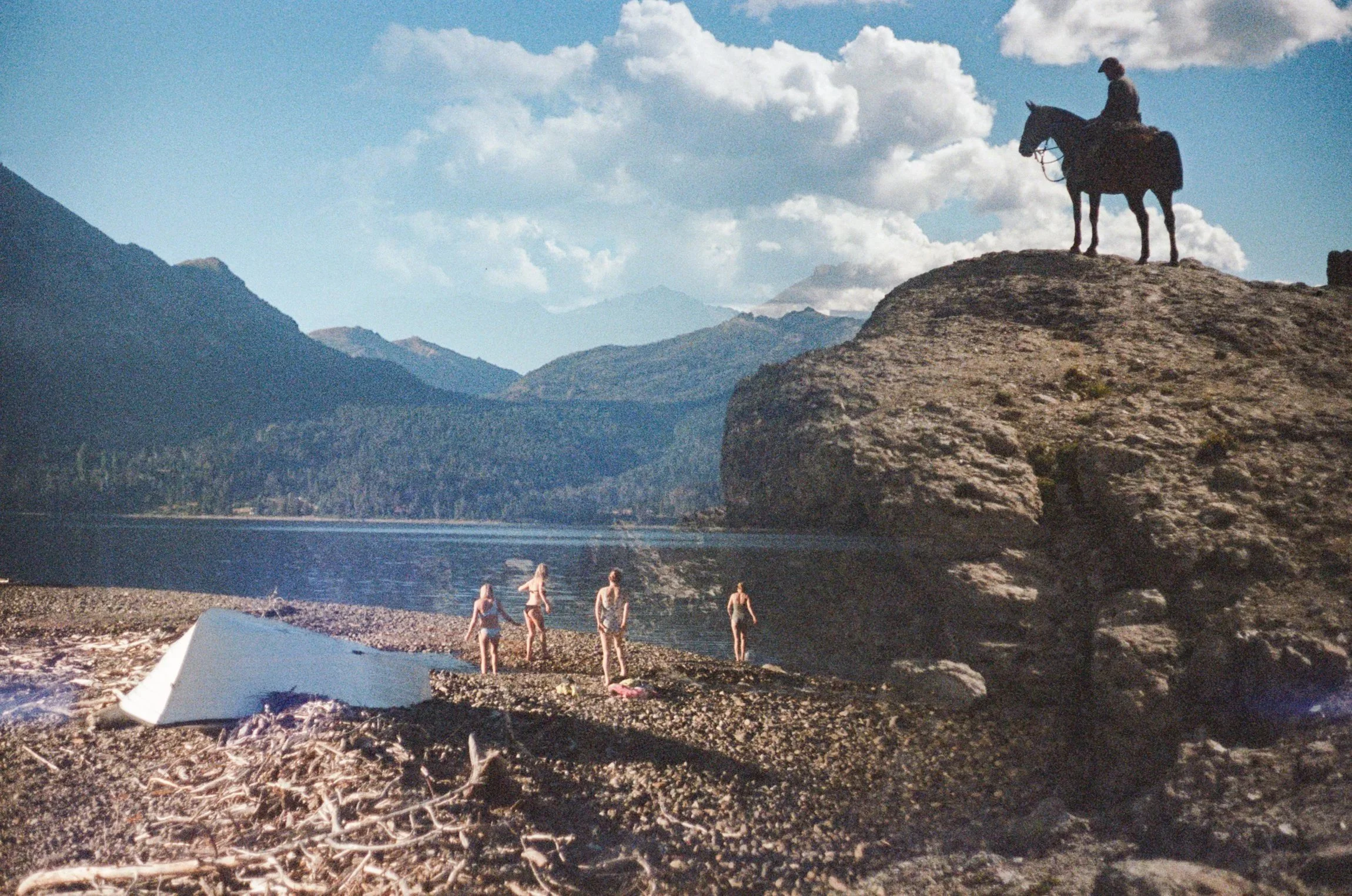
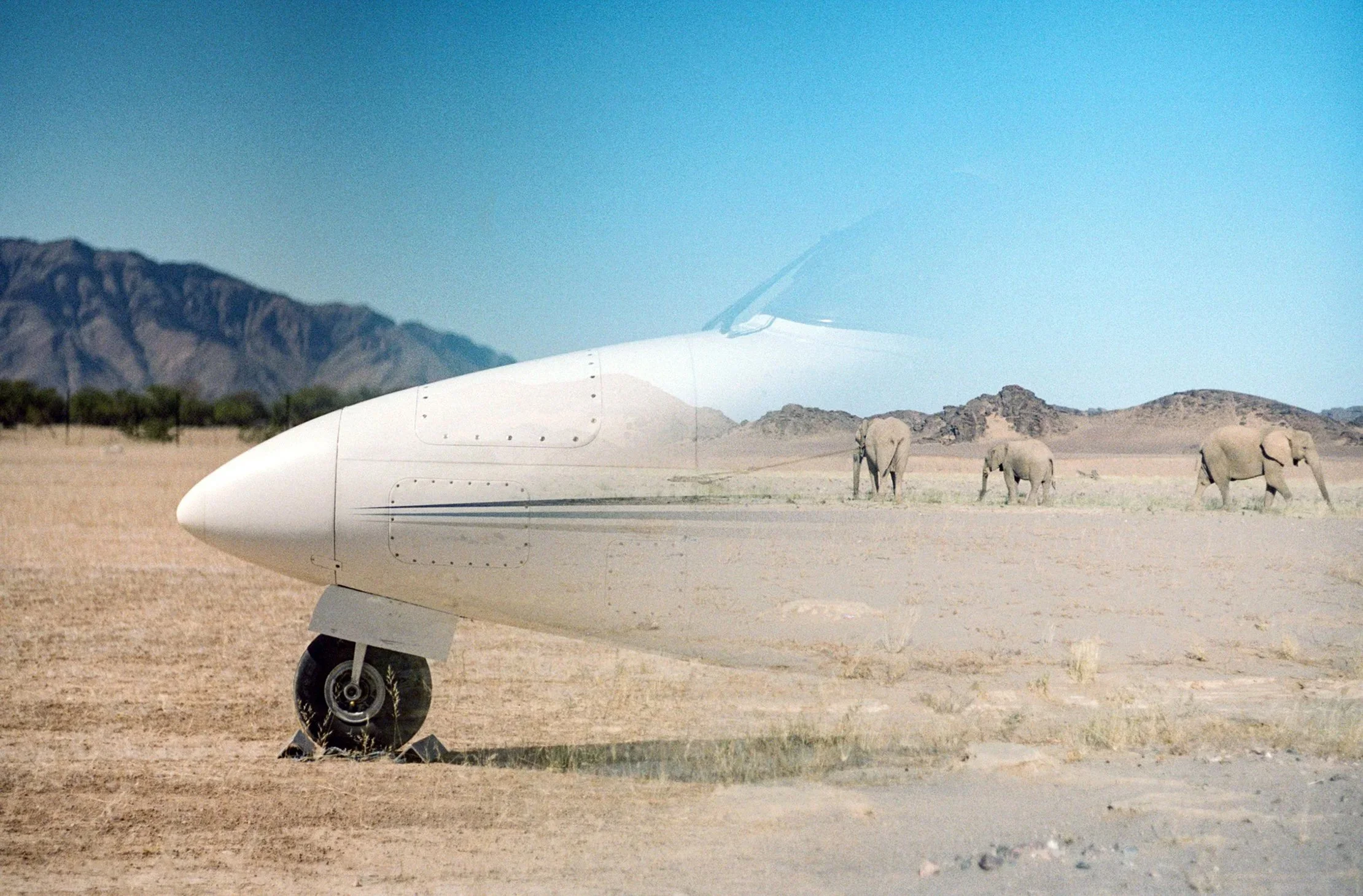
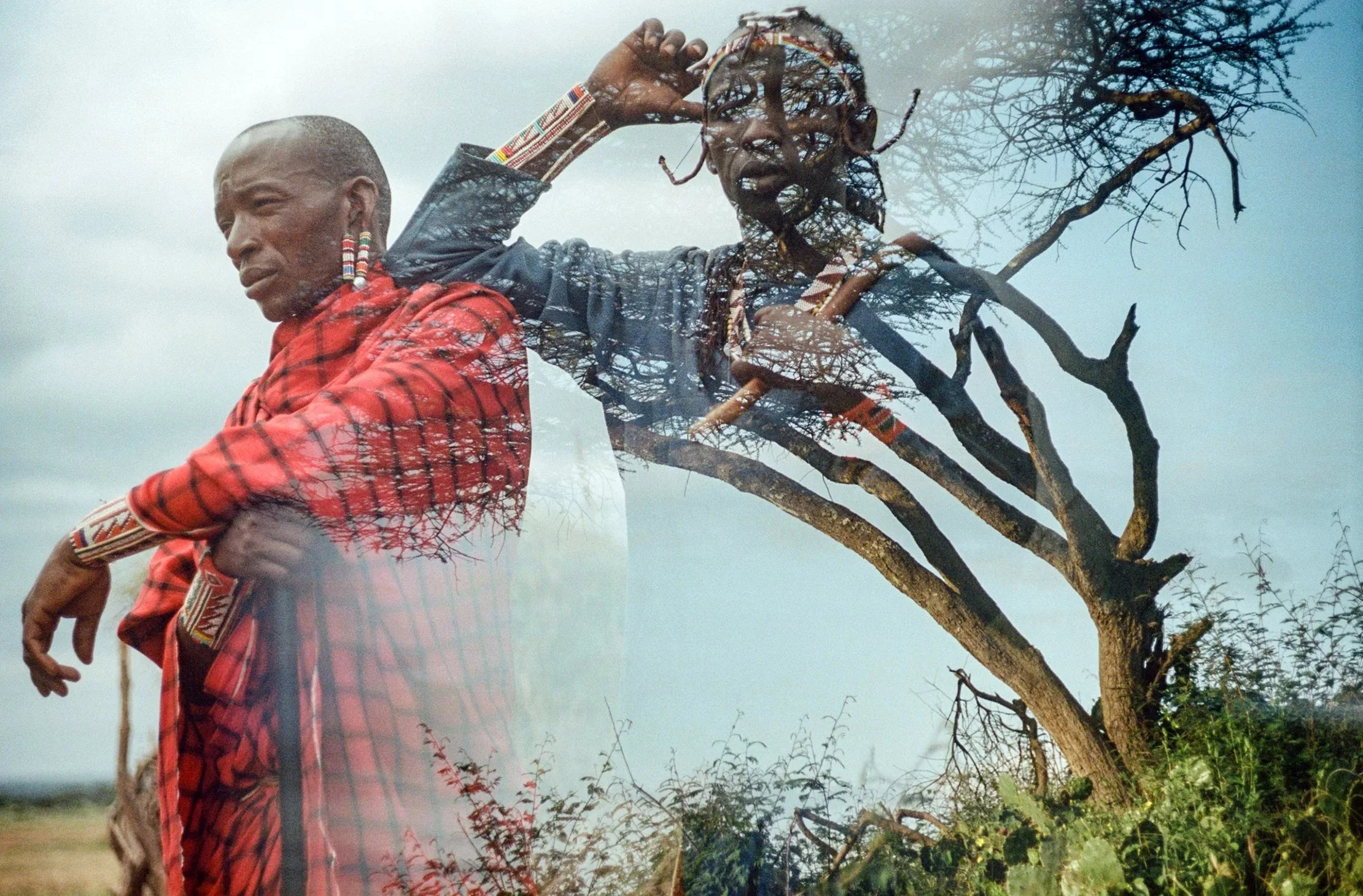
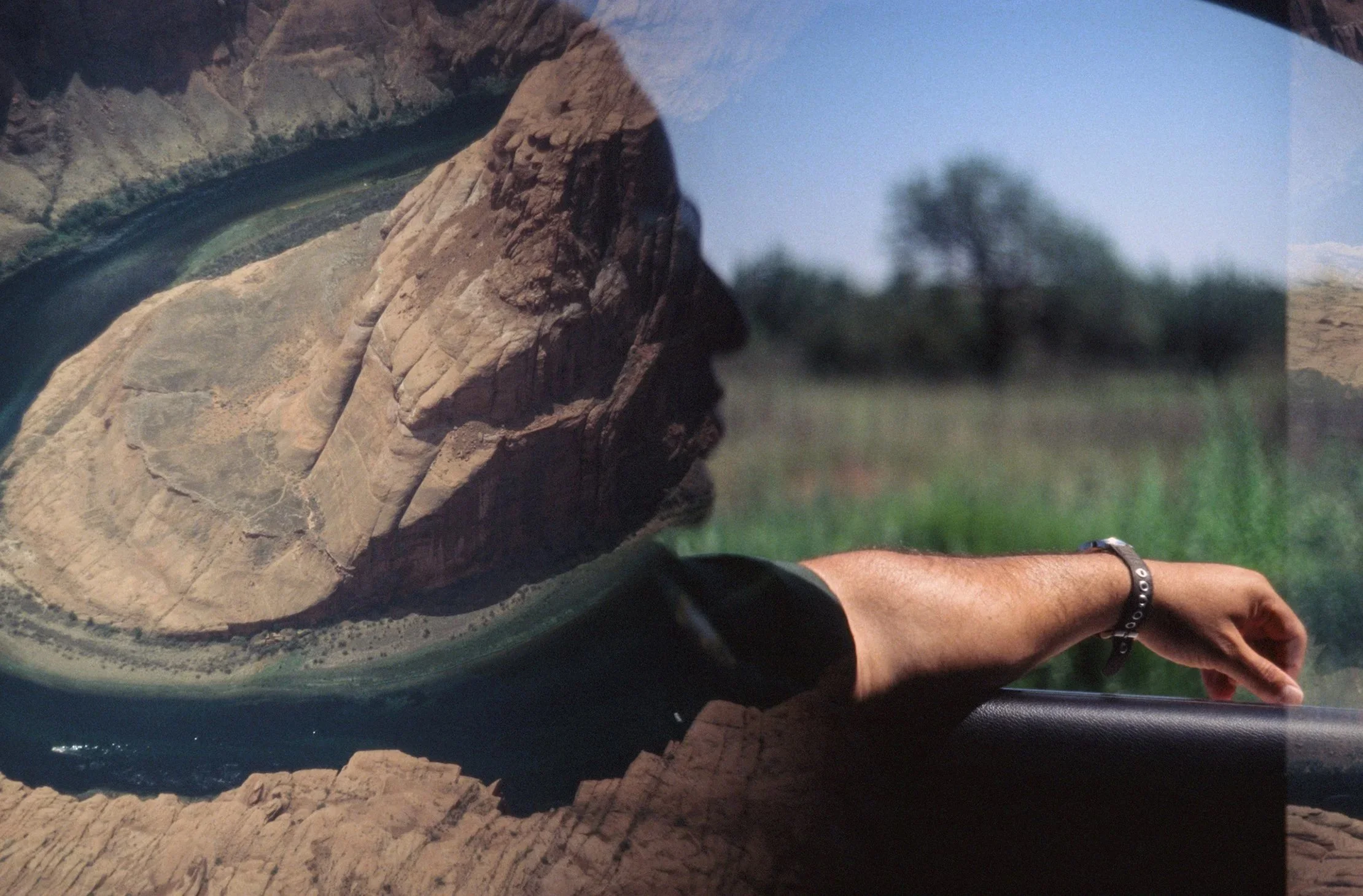
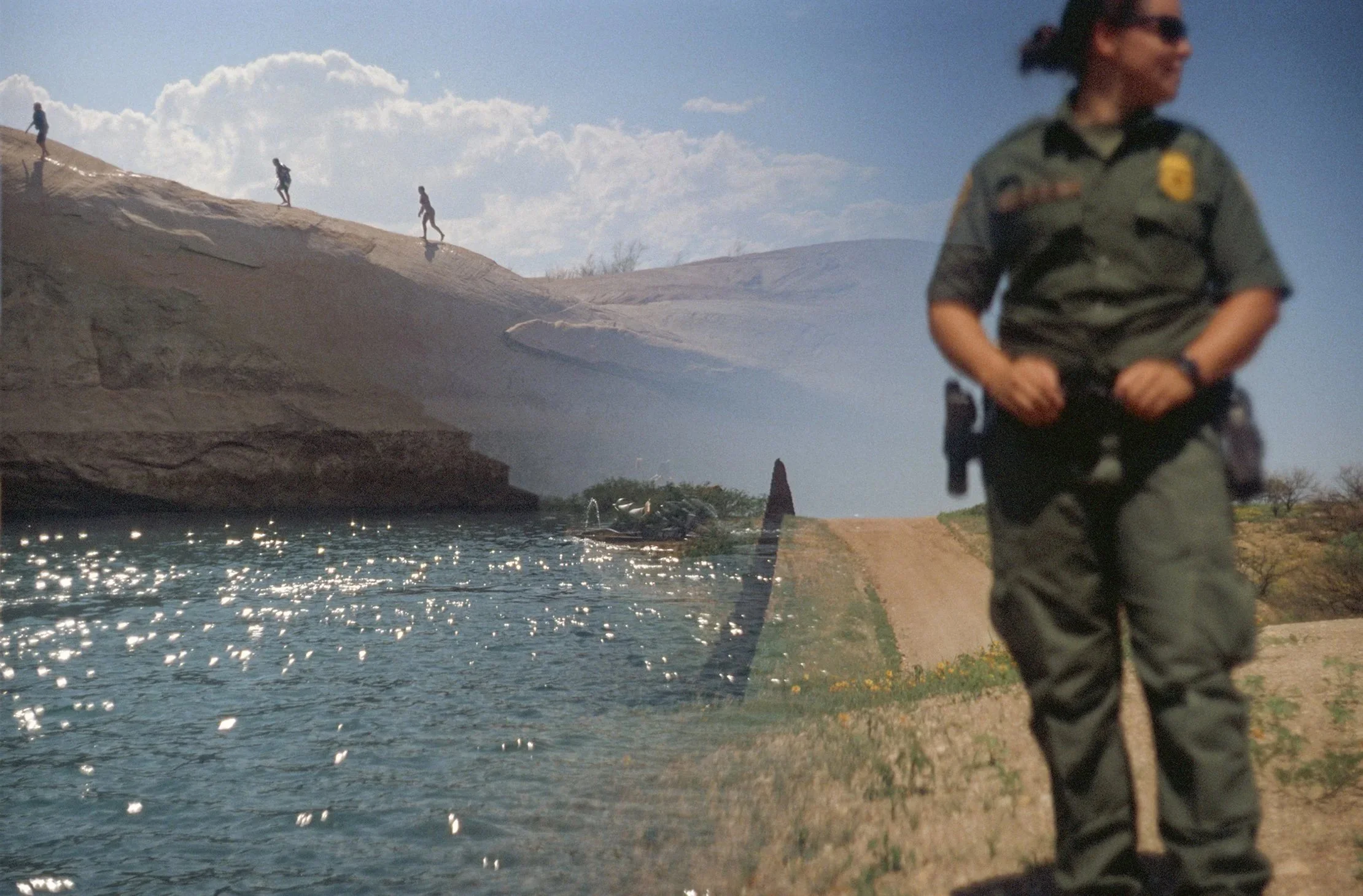
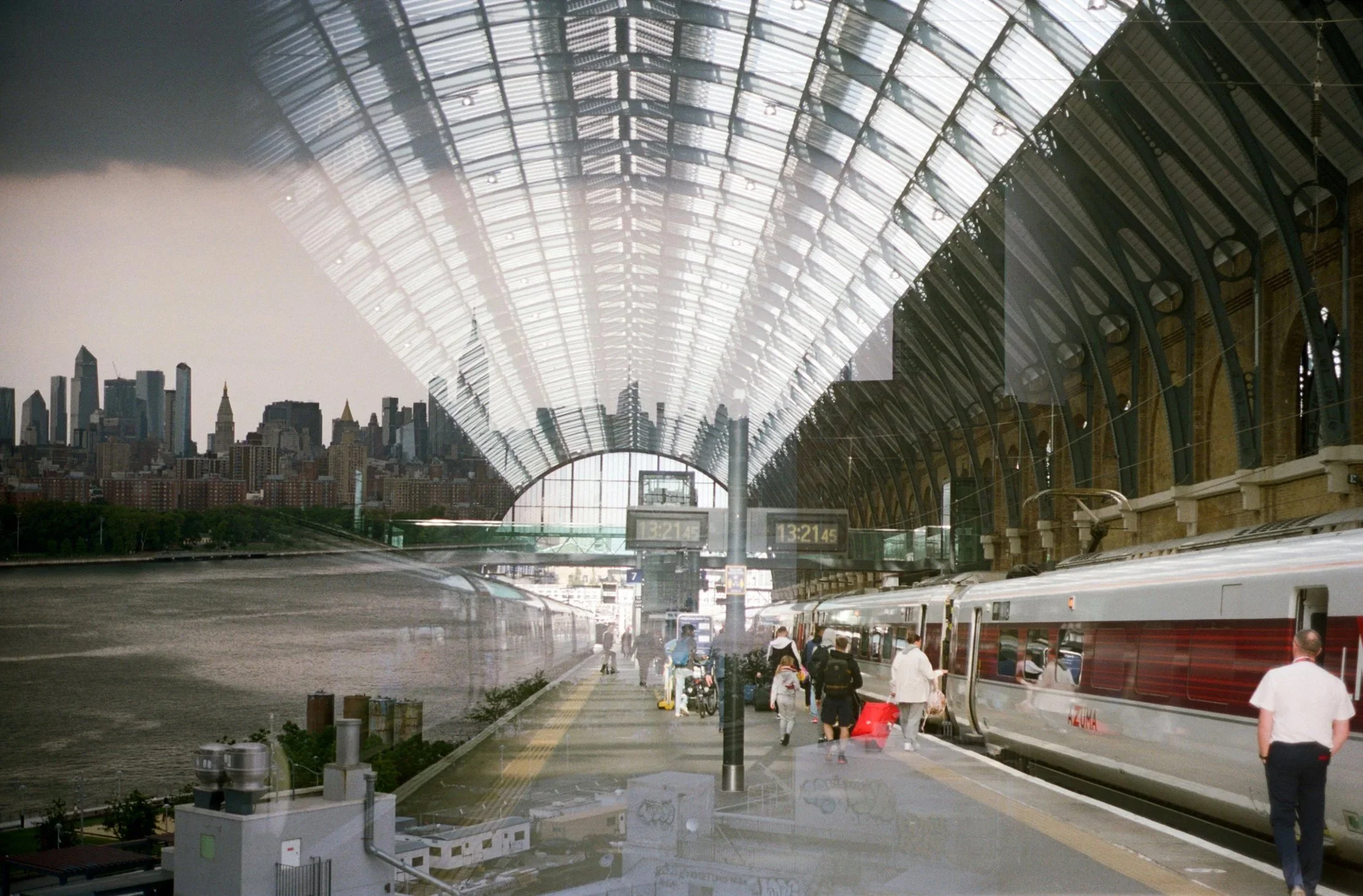
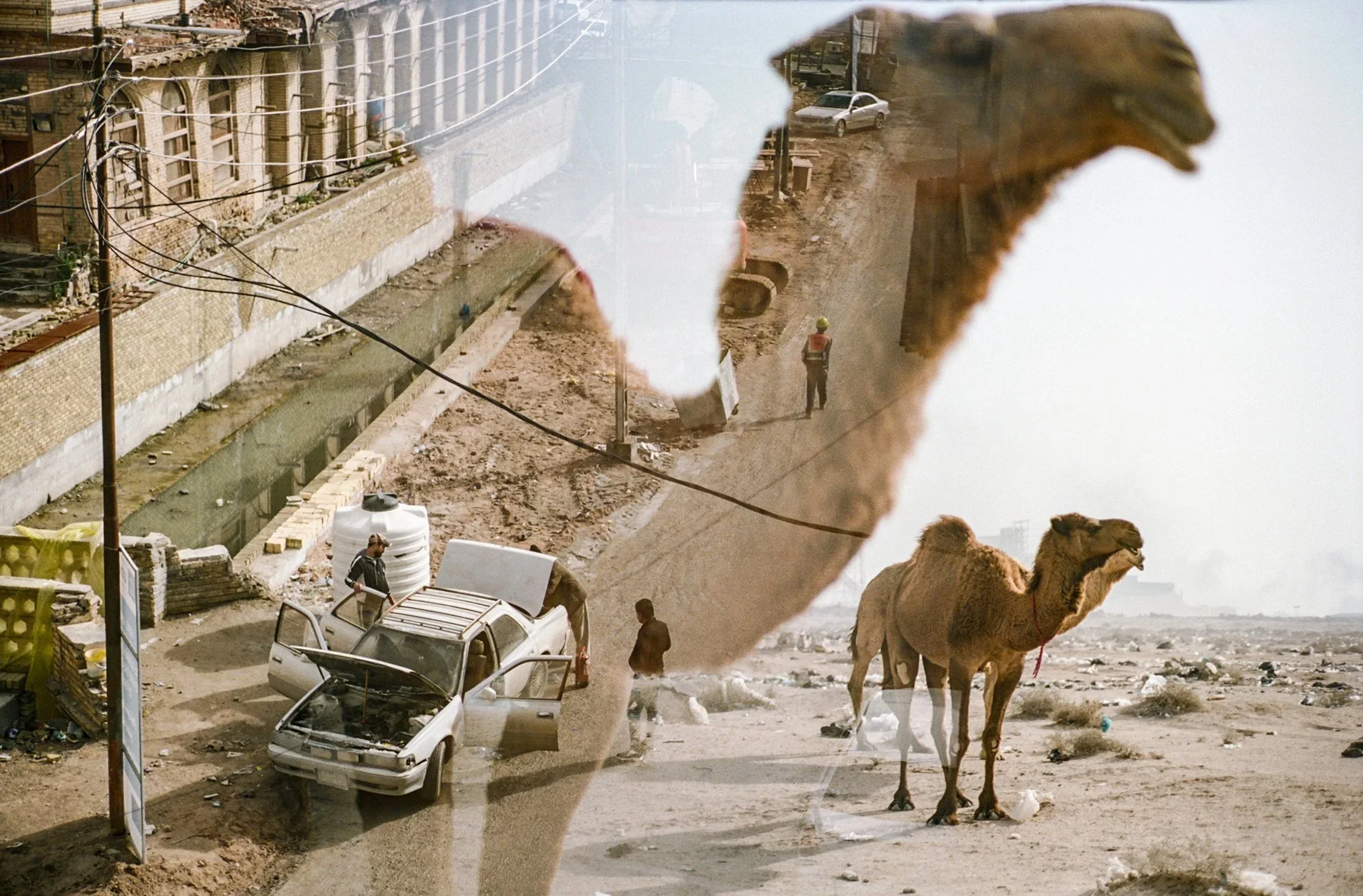
To be clear, it’s all done on film, in camera. The idea occurred by mistake. I was testing a newly acquired Leica M3, making sure everything worked. It was built in 1956, so things could be a little off, and sure enough I found the shutter curtain wasn’t opening fully, resulting in half exposed frames. However, I thought these mistaken half-frame images could be kind of interesting if I could somehow control them. I had the shutter curtain repaired, but to replicate the effect, I simply put a piece of tape halfway across the lens. This masks one half of each frame, so I shoot an entire roll, then rewind it, careful not to wind the film leader all the way back into the cassette. Then I reload the film to start at the exact same place, linked up on the exact same sprocket holes as I started the first time. I switch the tape on the lens to the other side and now on the second pass I’m exposing the previously masked area of each frame. This is how a mistake inspired me to create something out of a technical failure of a very old camera.
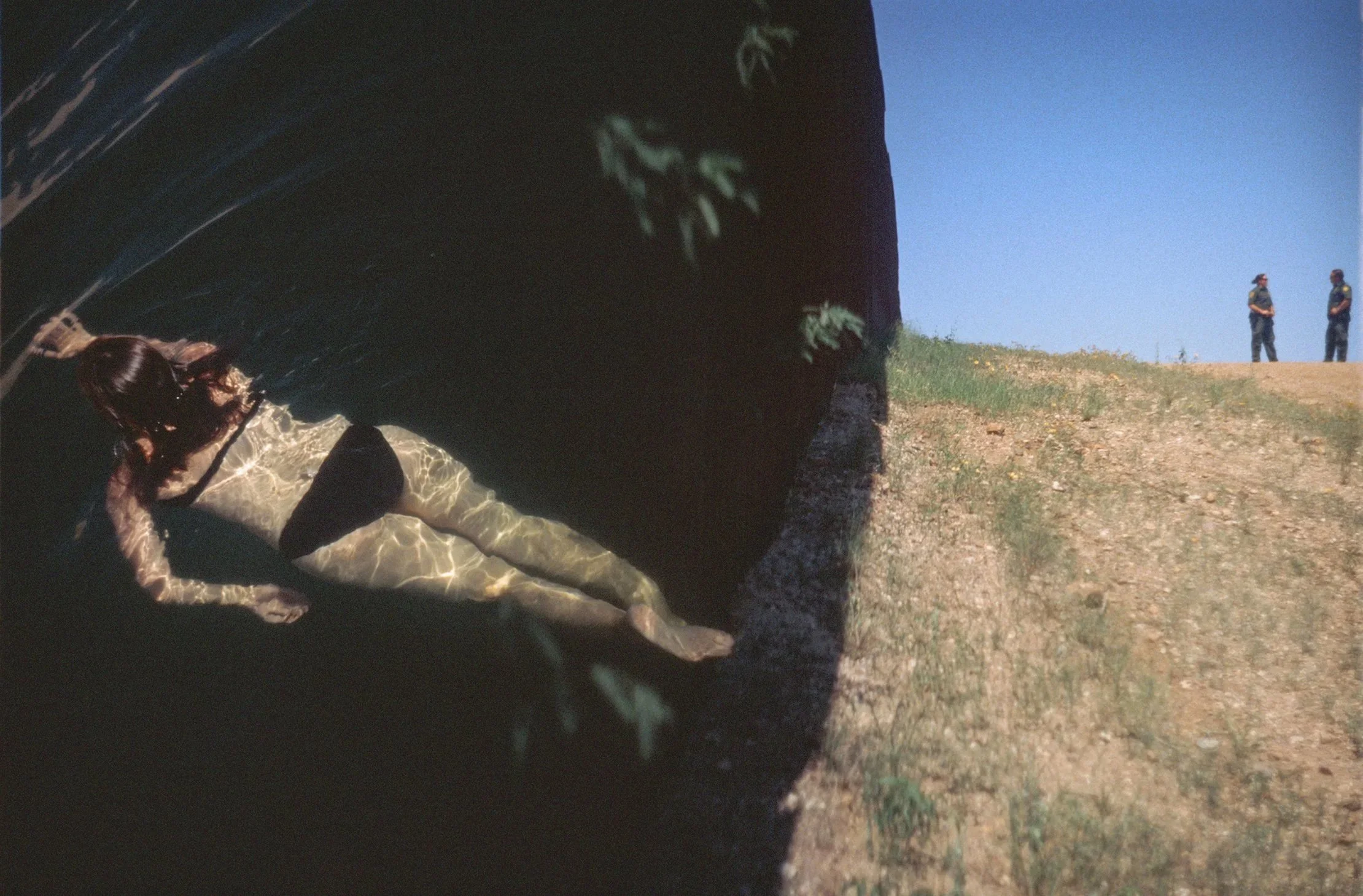
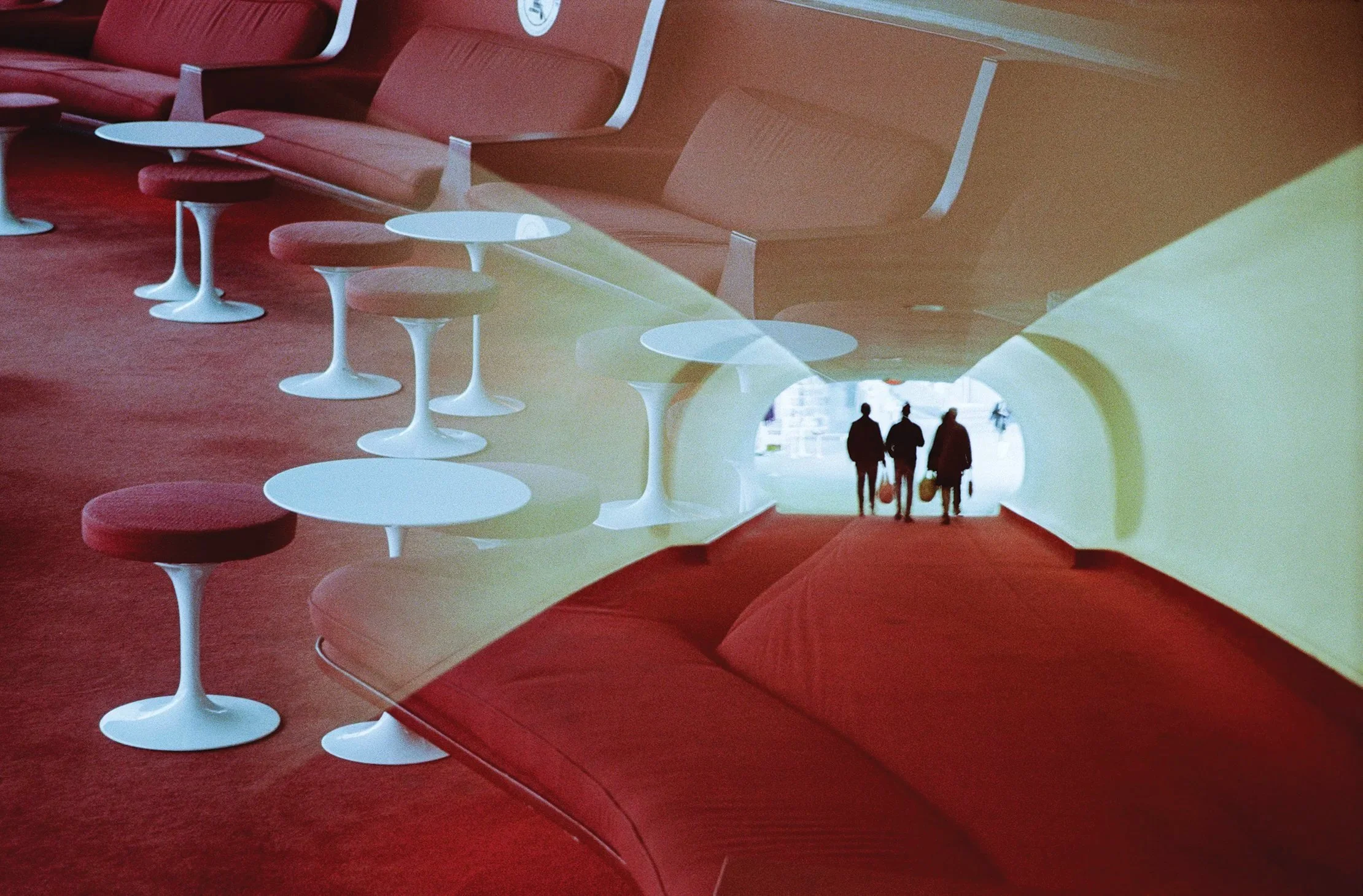
The result is a blended exposure, and I'm very conscious to call it a blended exposure rather than a double exposure. Unlike an orthodox double exposure which superimposes two sequential images overtop of one another, my blended exposures method is really made up of three parts; clear images on the sides, and then an overlapping section in the middle third where the two shots blend. It’s almost like a diptych melting together in the center with this magical area were the two scenes combine.
Now you can do this in an hour. You can shoot both sides as quickly as you want. For me though, I take much longer to shoot through a roll. Typically, on an assignment lasting a week or 10 days, I’d keep the Leica M3 in my bag, and just remember to bring it out when nothing else was happening, when I wasn’t shooting with my normal camera, when things were slow. A roll of film with 36 exposures becomes 72, and that can easily take a whole week to go through. Yet that’s also part of the magic, and another big difference from double exposures. I’m combining disparate scenes that are separated by time and space. So if I started the assignment on Monday, I probably wouldn’t be on the second pass until, say, Thursday, in a completely different place with different subjects. The combined scenes wouldn’t necessarily make logical sense, but according to the pathway of the assignment, the combined images tell both ends of the journey in one frame. I found that these blended exposures seemed to illustrate the way memory works. When I try to recall yesterday, or last week, or a trip or anything, all those scenes don’t appear in my mind in perfect chronological order. Instead, all those memories are muddled up together, springing up in a non-linear way, and that what this technique replicates.
And because it’s not done consciously, because it’s not done afterwards on Photoshop, I don’t make explicit choices to combine this scene and that scene, it’s all left to chance. This is quite different from the rest of my work which is quite literal and realistic. I don’t have a lot of abstraction in my work. But by using this method of blending exposures, I can sort of accidentally make images that are much more abstract and playful than I would otherwise make.
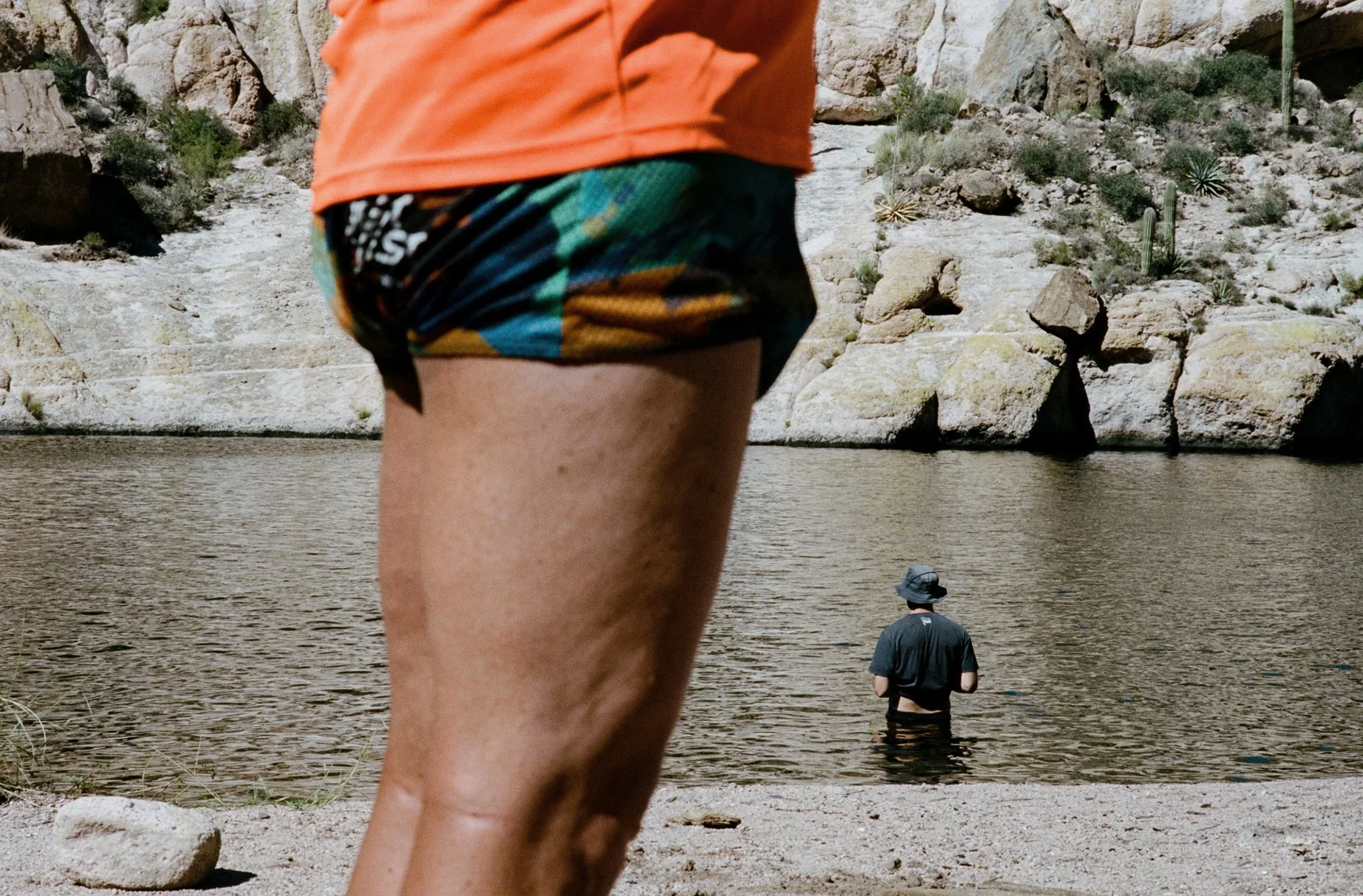
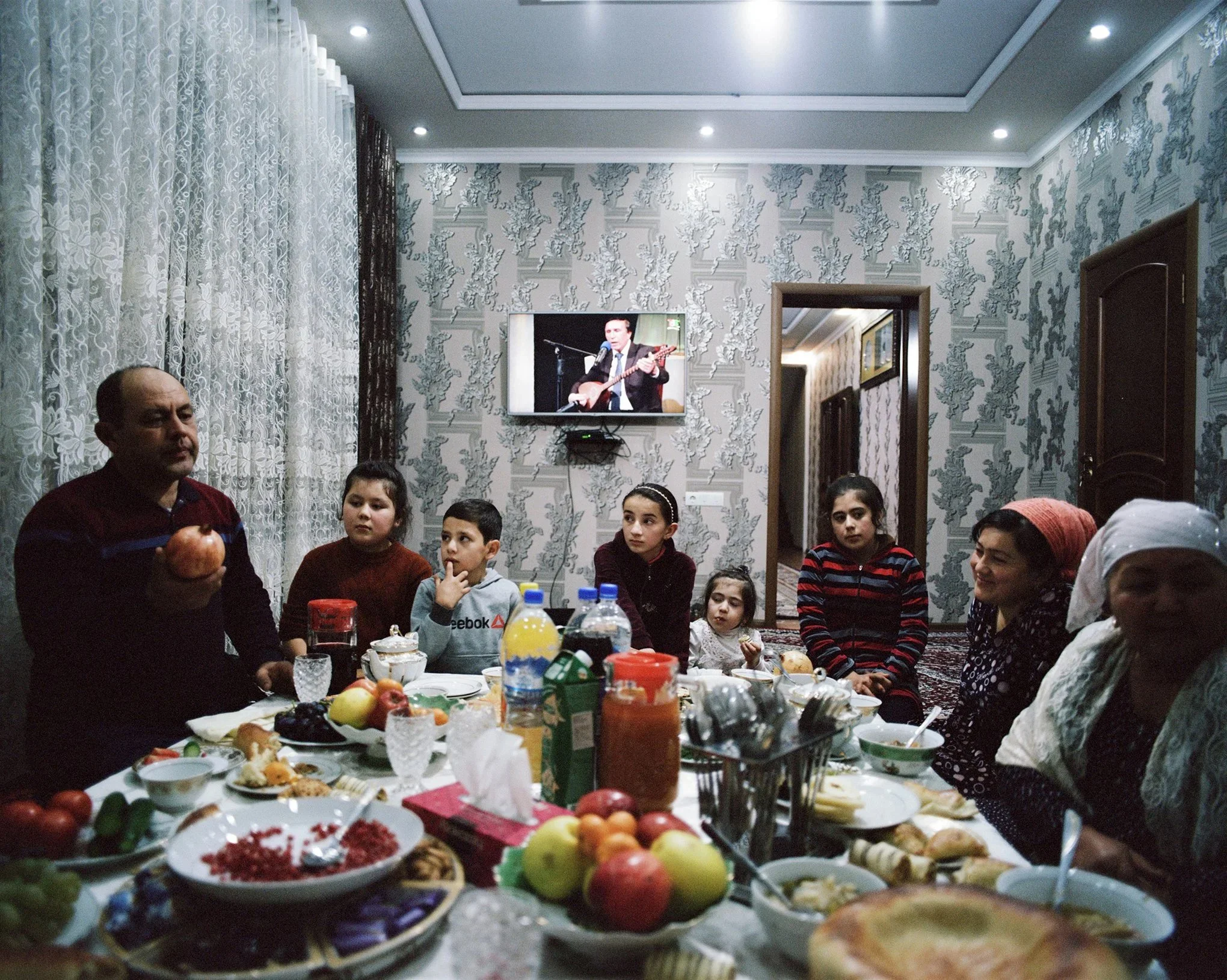
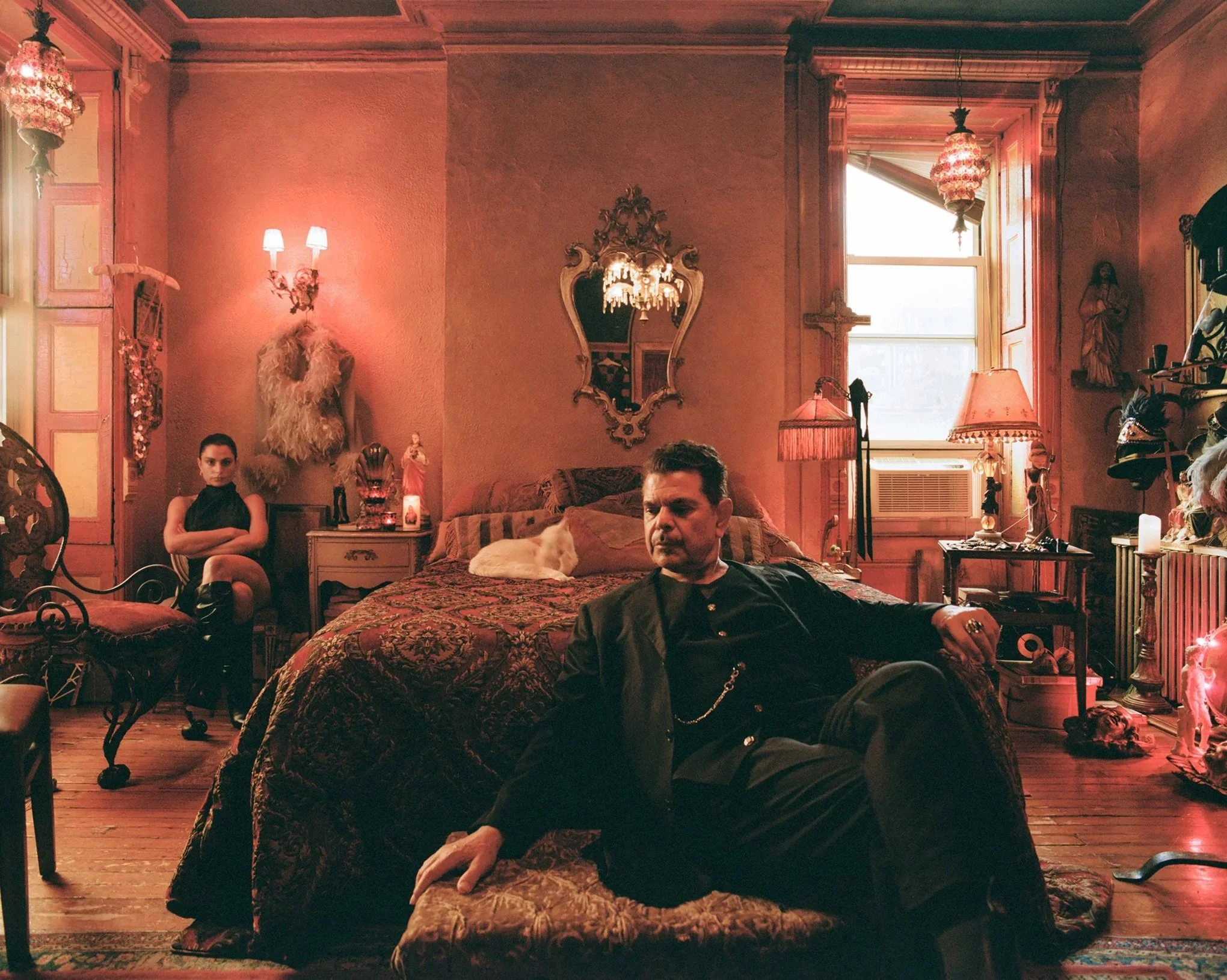
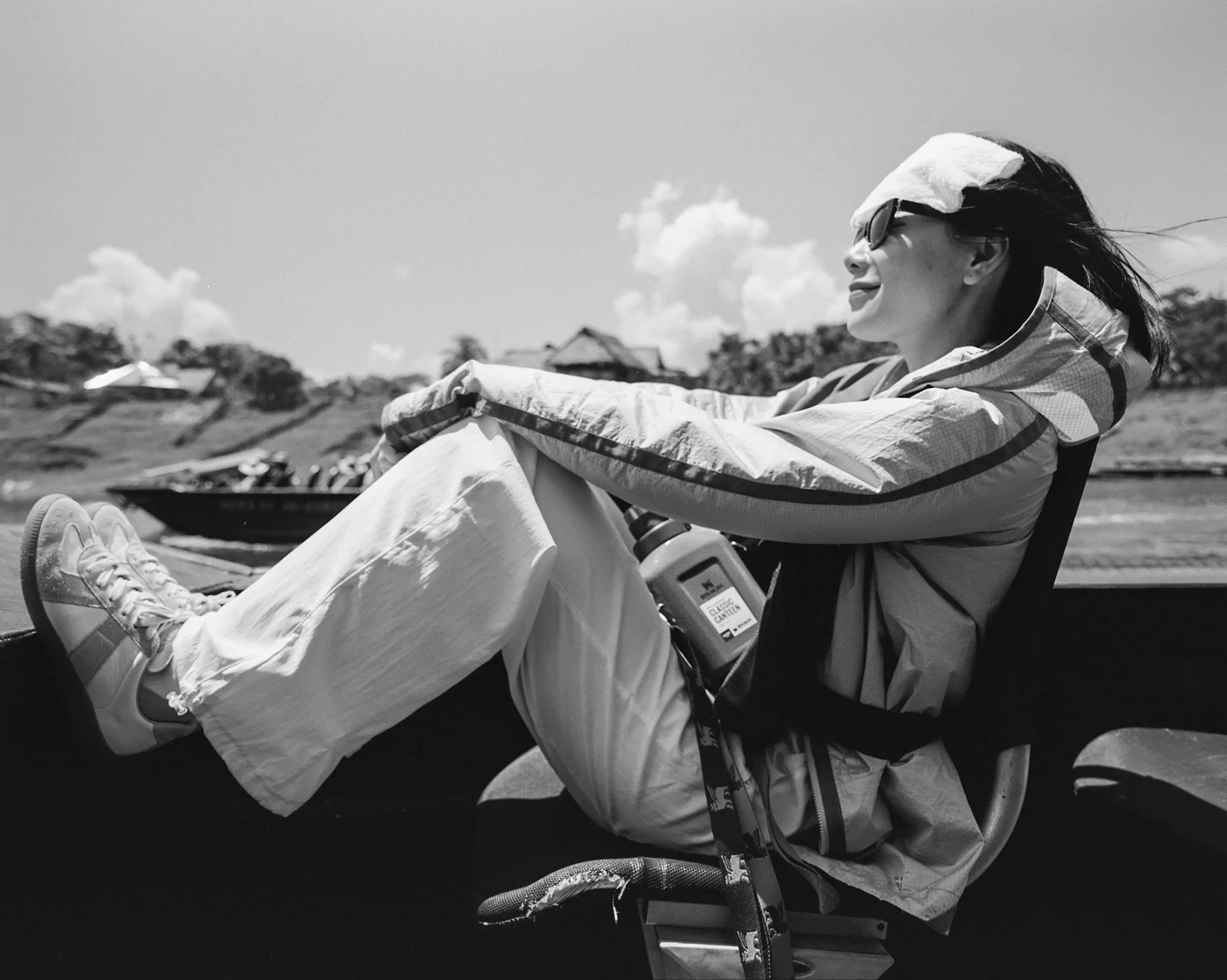
Everyone asks, “do you do this on Photoshop?” No! I suppose, of course you could, sure, but that would take so much time. Think of all the choices you’d need to make! Which images to combine? There would be endless possibilities. The key to my process is that it eradicates choice. And there can be a lot of failures. Many times the two images don’t blend well, they don’t work. But as a way of insurance, I will often take two or three shots of a scene with slight variations. This way, whatever I’m shooting on the second pass has a better chance of blending well with something.
How do you know if the blended photo is good or if it's just messy? Because this technique, I can imagine, could go wrong. What is your fail ratio?
At this stage I've gotten pretty good at it and I have certain tricks. For example, it's very helpful to keep the horizon in the center of all the frames. Otherwise if the horizon line is low on one frame, and then on the second pass the horizon is in the top third, they won’t blend.
Also, this technique is really only possible with a Leica, or at least with a rangefinder. It’s nearly impossible to do it with an SLR because the lens mask makes focusing very difficult. It’s also necessary to shoot wide open so the line of the mask is softened instead of being sharp. You also need dark ND filters, so again, with an SLR it’s even harder to see anything through the ND filter.
What makes a blended frame photo special to you? Is it because of the memory we discussed, or is it simply because it's so personal to the project?
A lot of it has to do with the lack of control and the surprise. Because so much of my work is very considered and a bit formal, this process allows me to be spontaneous and random without actually changing who I am, or how I take photos. I love how you can really stretch time with these blended exposures. I have right now a partially shot roll of film in my freezer from a project I began in the summer of 2020. I’m still just on the first side of the roll, and I’m not quite sure when I’ll continue with the project. Perhaps later this year. It will be amazing to make images that span so much time.

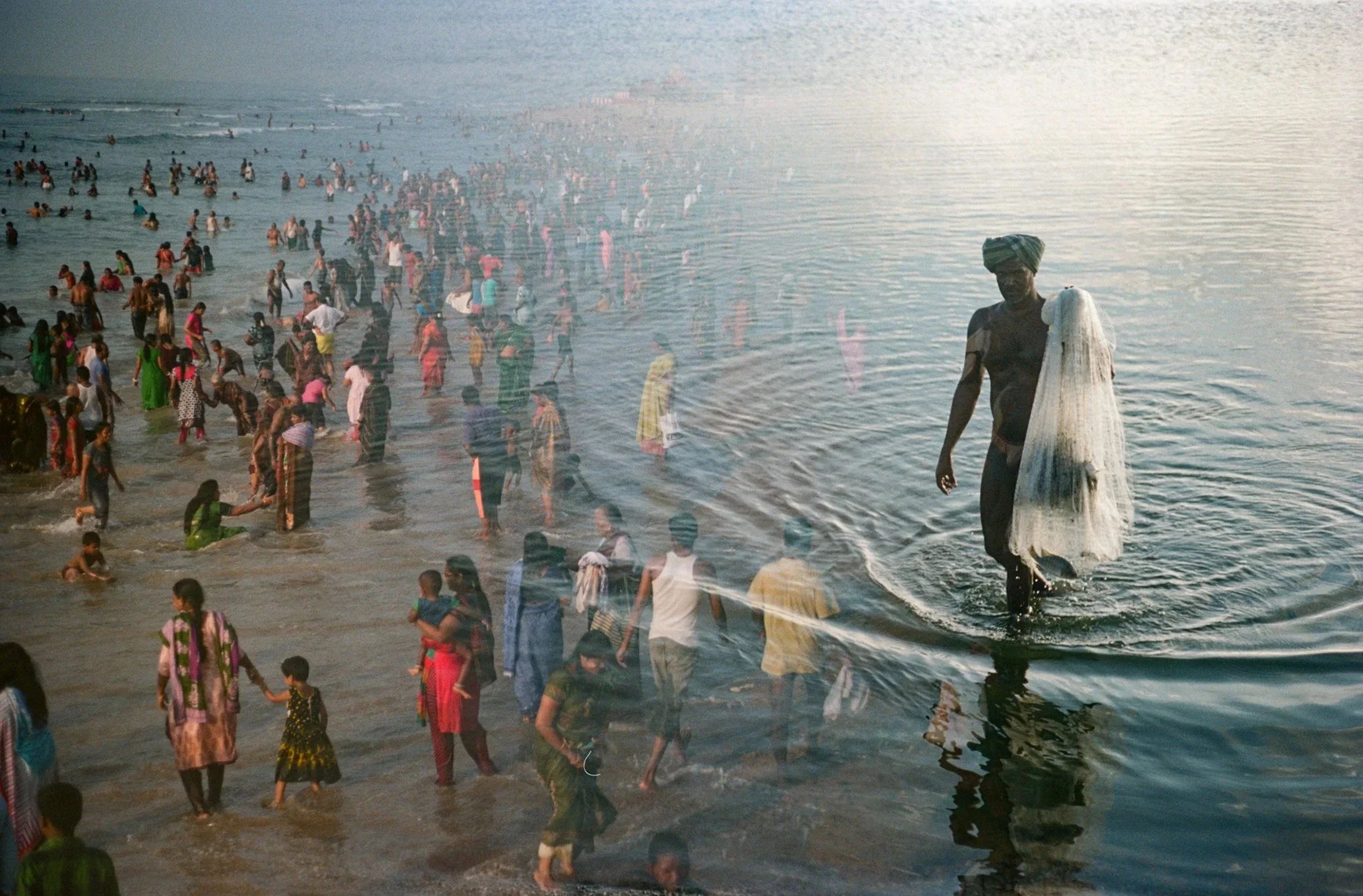
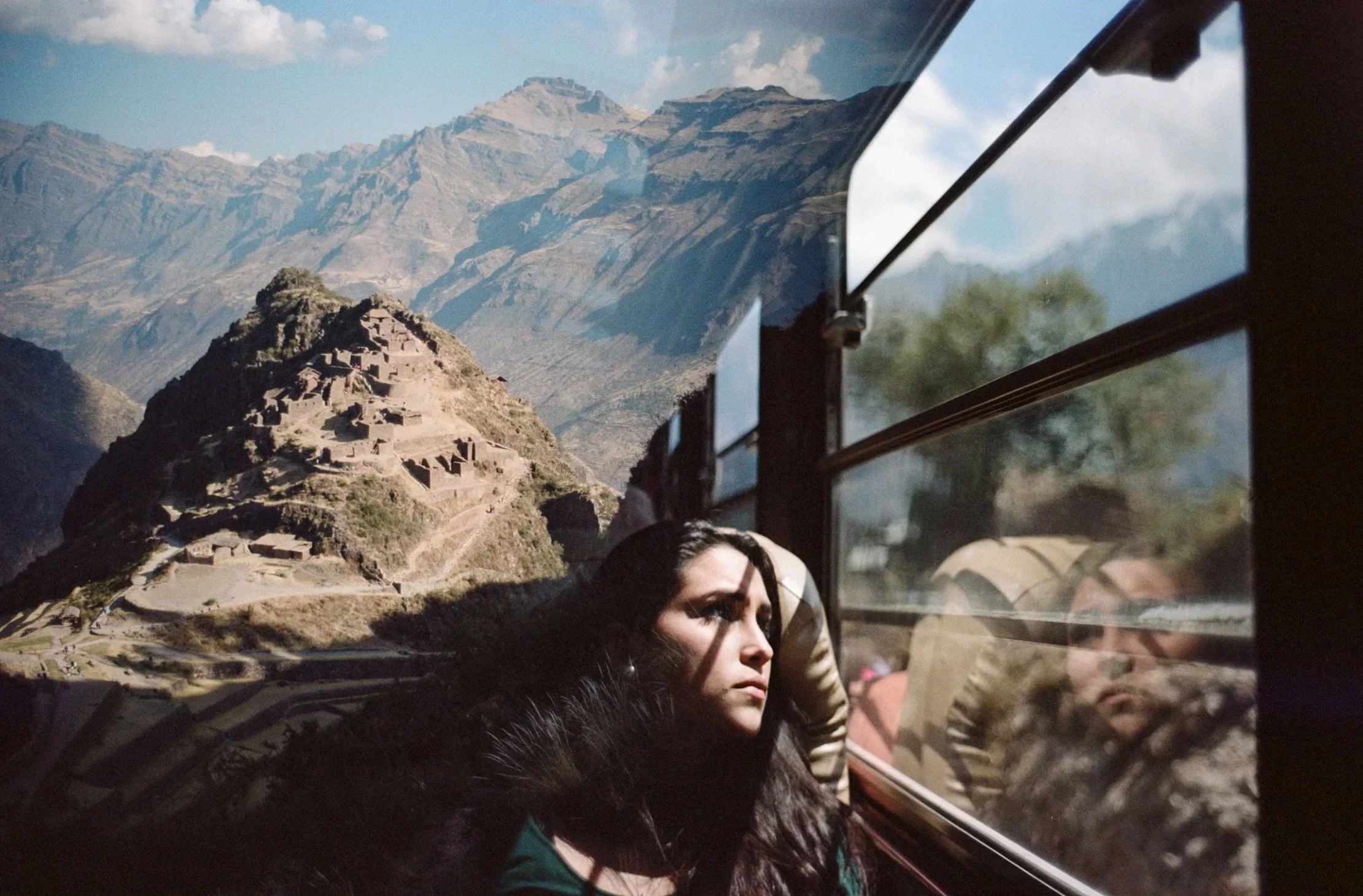
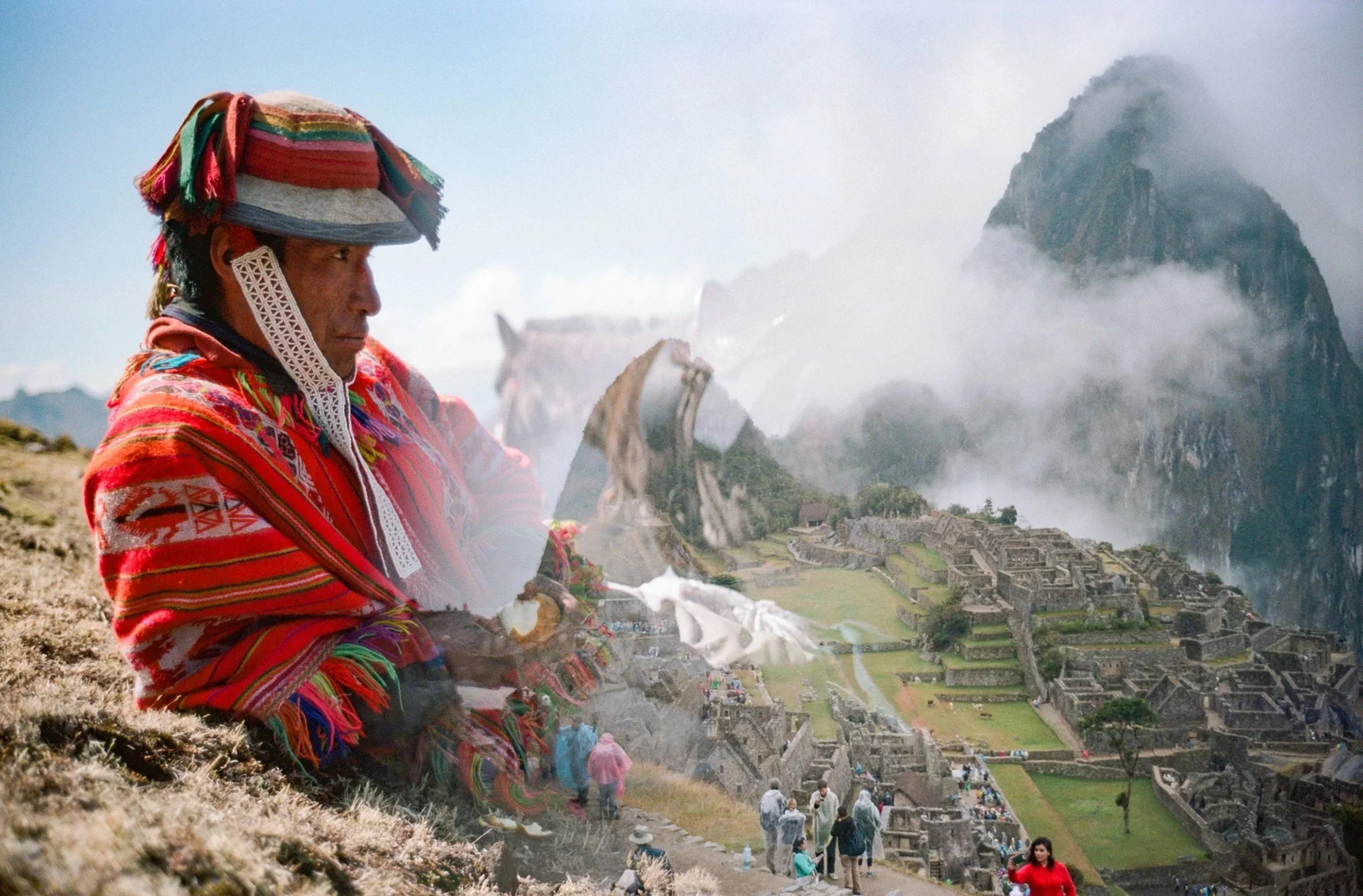

Let's talk about your Contrail project. Can you tell me more about it?
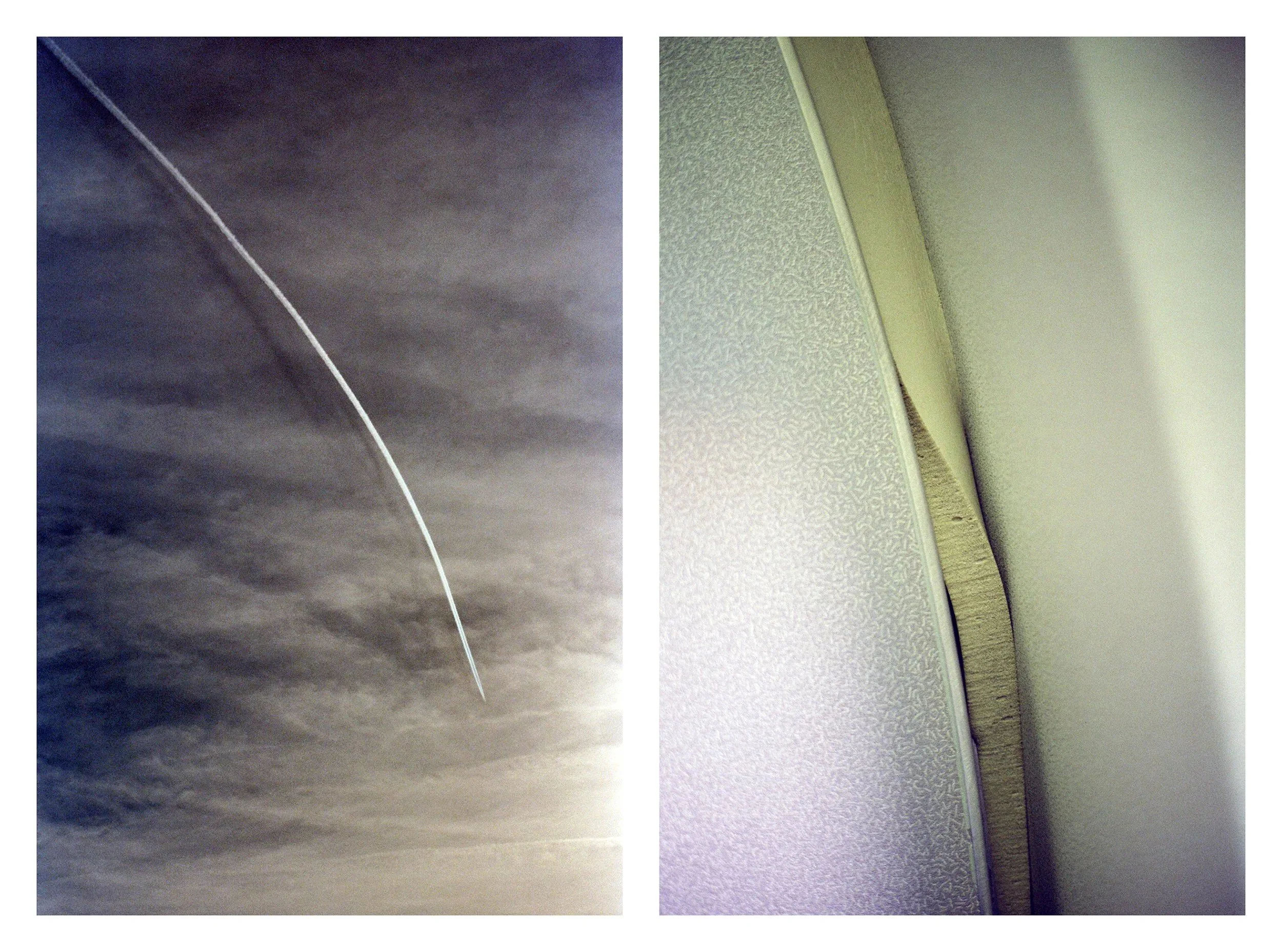
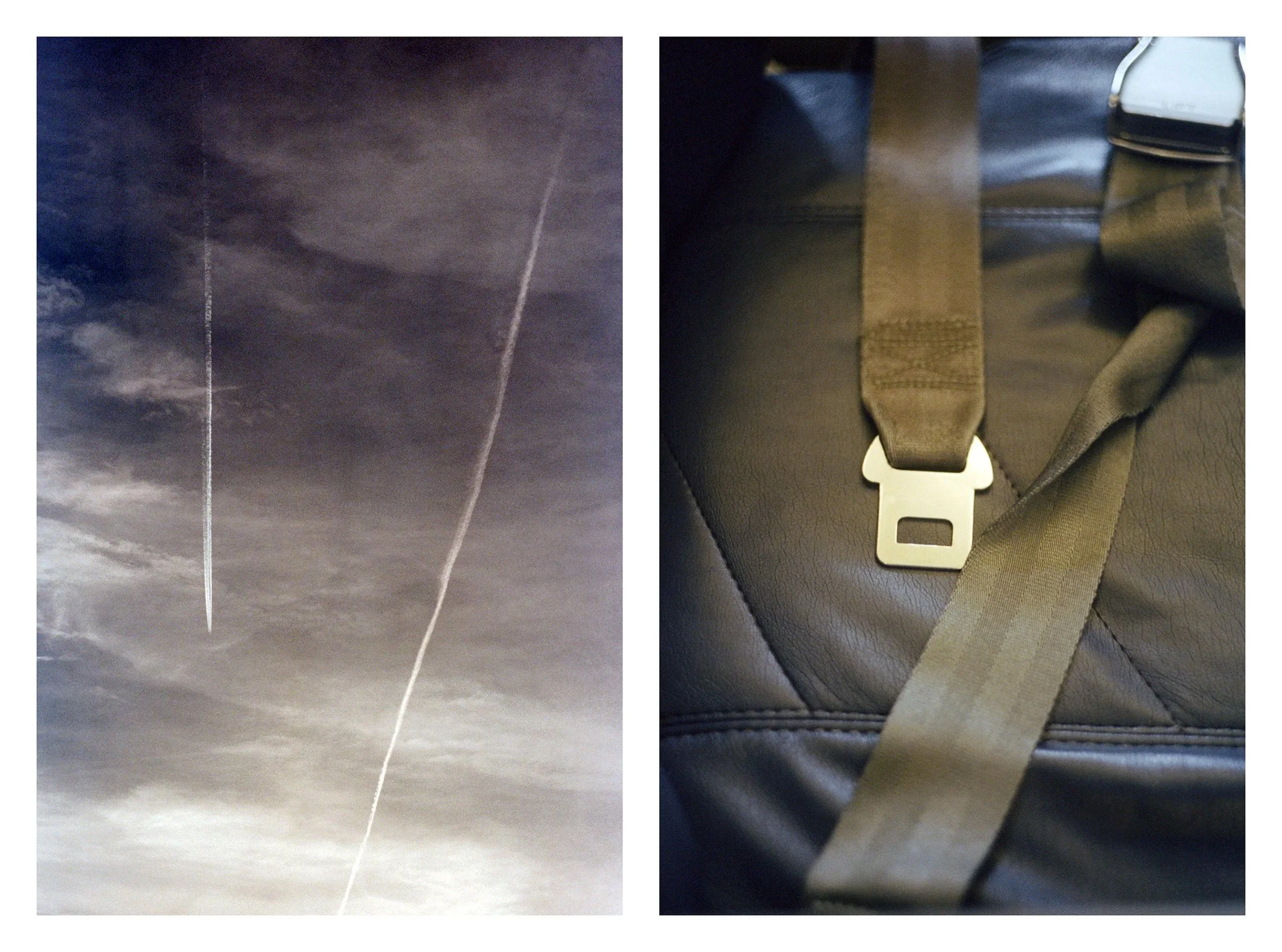
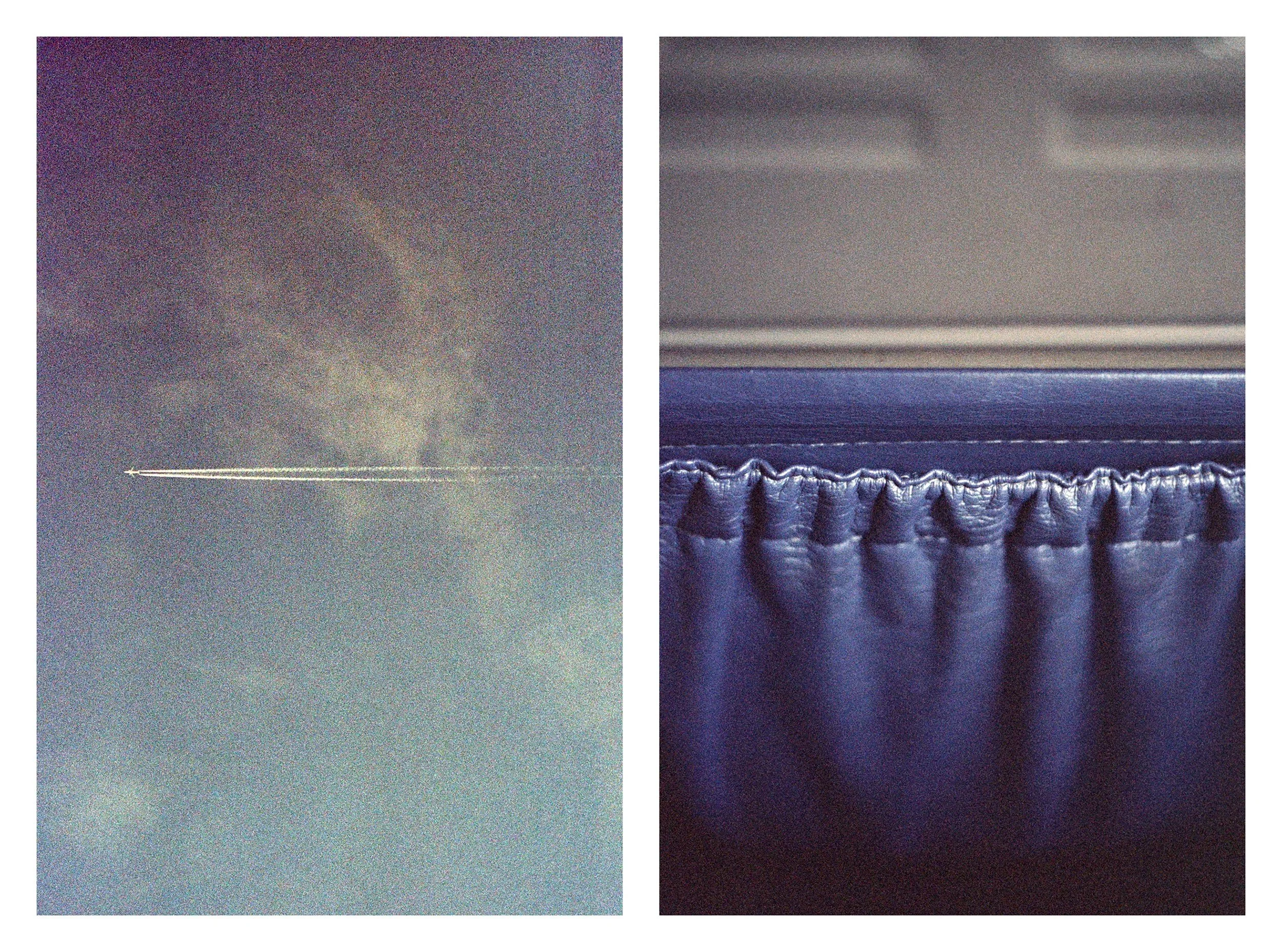
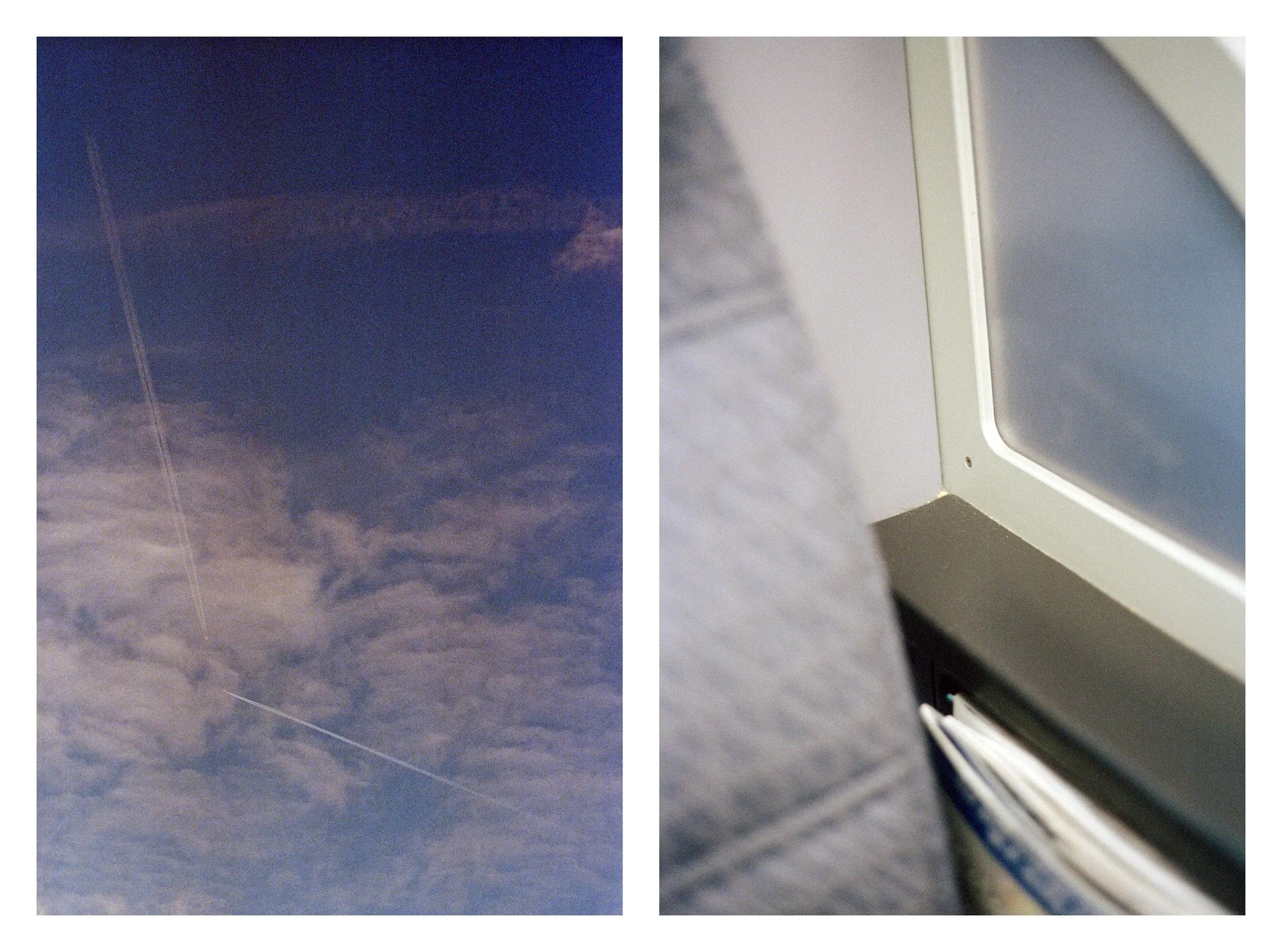
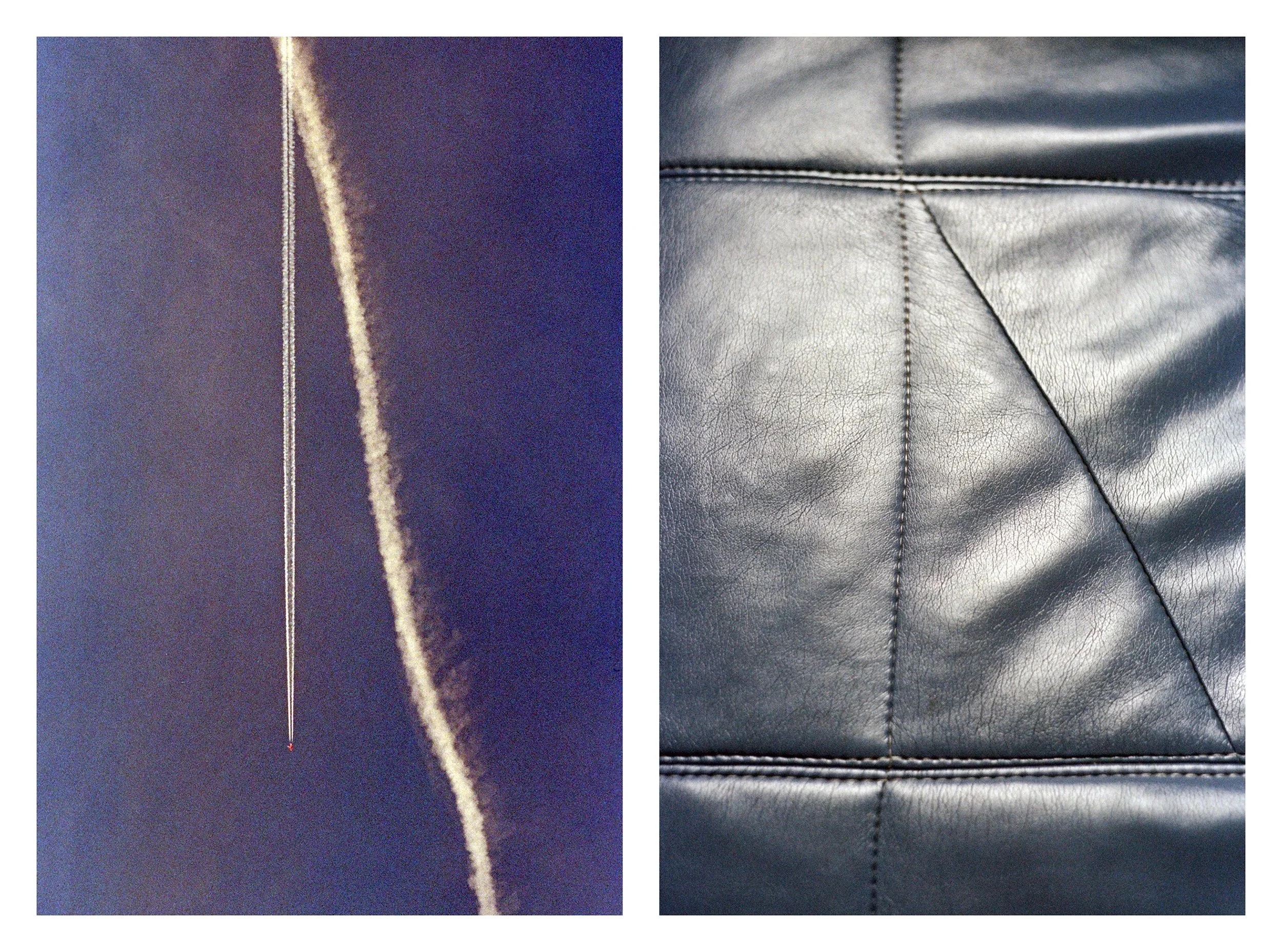
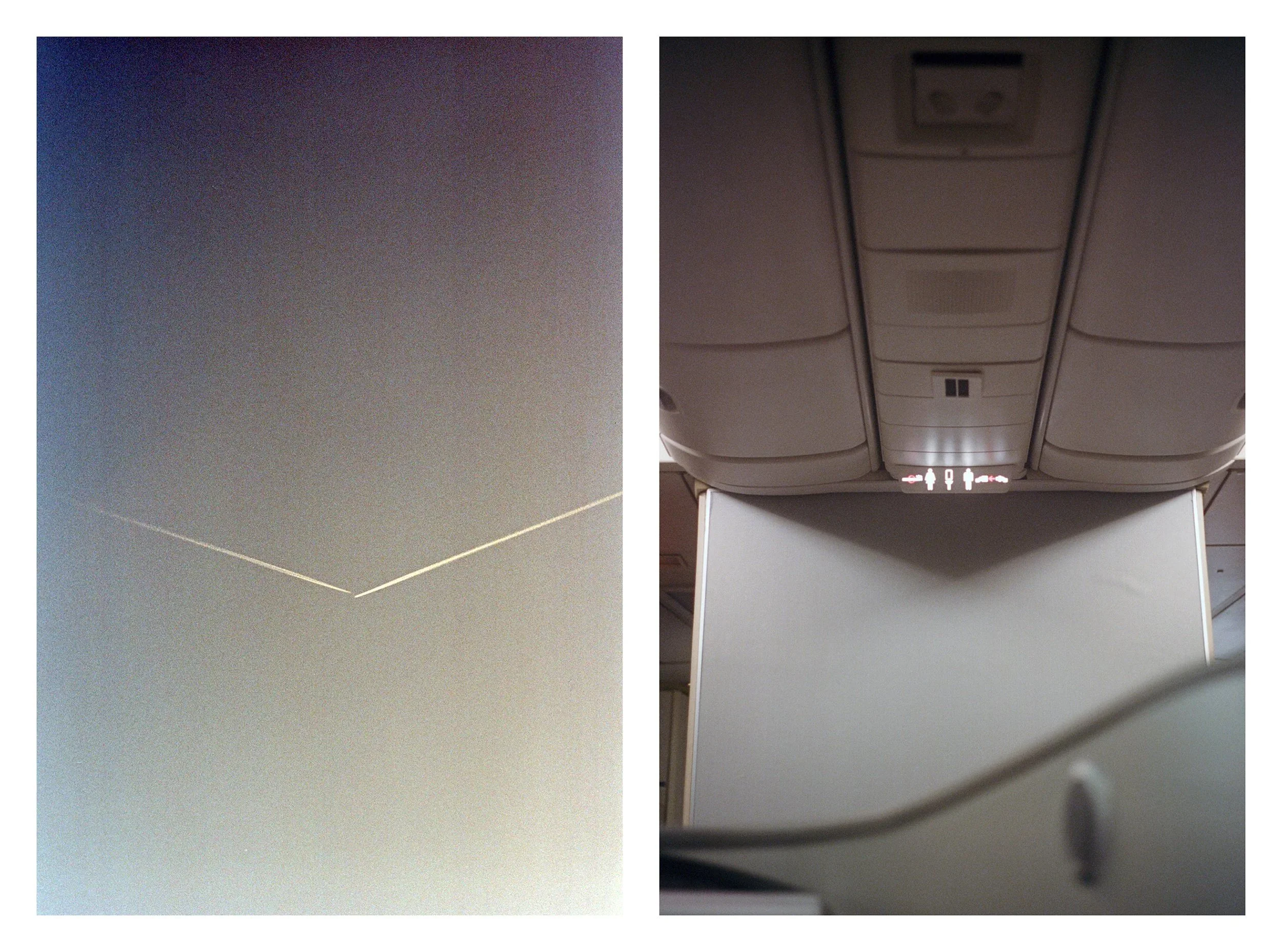
The Contrail project is another very long-term project, and it’s also very different from my typical documentary work. It’s probably the biggest feather in my cap, in that the book has been included in the MoMA Archive and Library. And it’s a little similar to my blended exposures, as it’s all about diptychs and pairings.
I first started on this work without having a clear idea of what it was going to be, I was just playing around. Twenty-four years ago, I was in college, and I had a part-time job parking cars at a restaurant. I’d be sitting in that parking lot outside for hours, nothing to do, but I had my camera with me, so I was always taking pictures of whatever. Oftentimes I would see these amazing contrails making patterns in the evening sky, so I would take a picture.
Then sometime afterwards, towards the end of the school term, I was putting together a portfolio and I paired prints of contrails with a detail shot from inside of an aircraft cabin. I liked how the pair looked together, and had the beginning of concept; the same thing seen from two different vantage points, inside and outside, far away and up close, rhyming patterns of lines and shapes.
So then I started to shoot more, always looking up at the sky to see if anything interesting was happening, as well as anytime I was on a plane, looking for new details. After a number of years compiling these two types of work I really began to have a proper series of diptychs. I still continue to work on the project. It’s like fishing, it’s fun. Running out to grocery store, or an early morning flight, there’s always a chance I’ll notice a new pattern and make a new pair.
Having worked on this project for so long, it’s interesting to see how things have changed. The cabin interiors of aircraft have changed. Upgraded, new materials, there are no longer any cigarette disposals. And Yorkshire is great for amazing contrails, another reason it’s my favorite place. The conditions of the atmosphere there with high humidity and all the transatlantic air traffic, there’s always a good chance for fun patterns in the sky to appear.
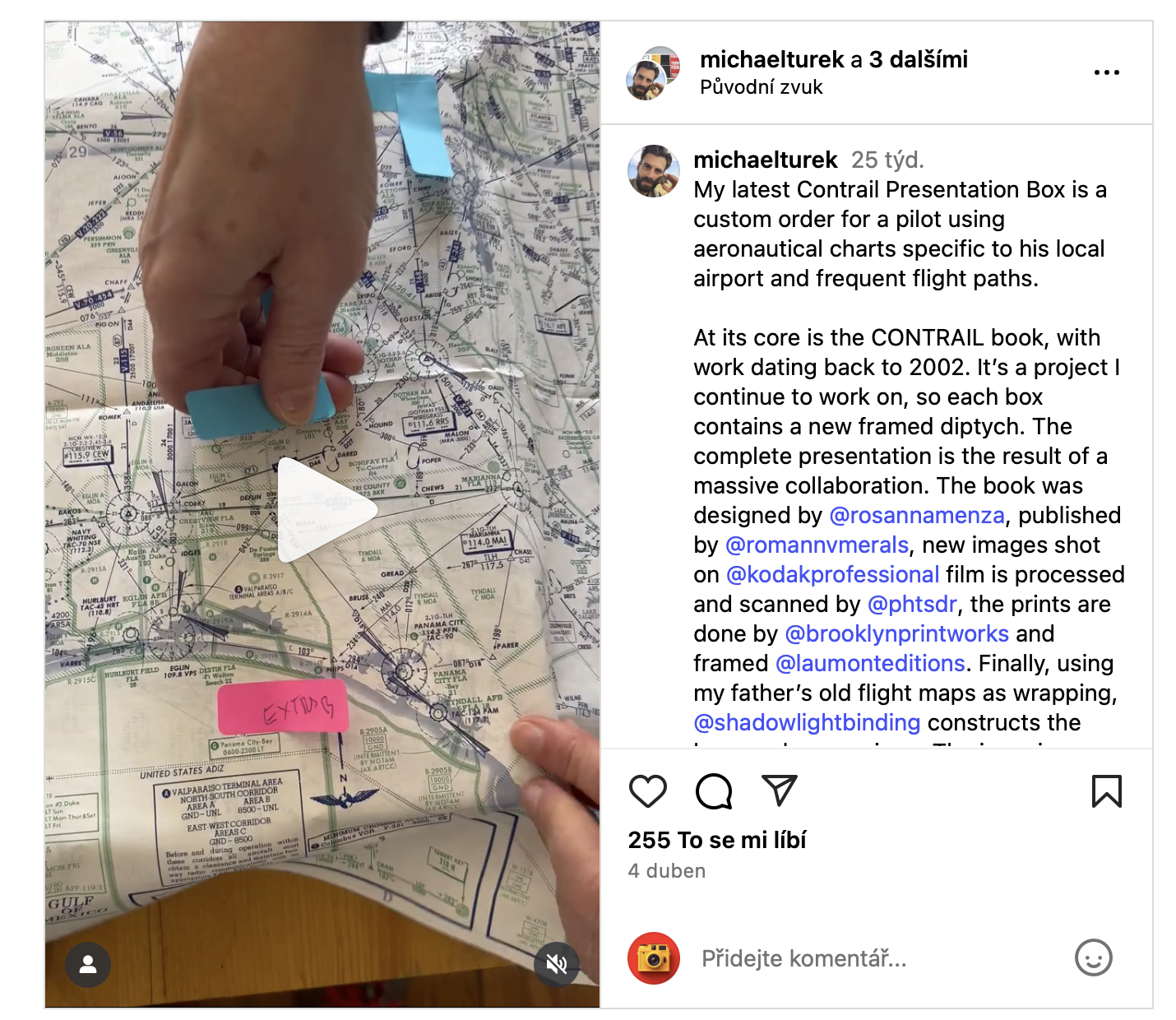
The project has also evolved a little. I’ve been focused on printing and framing new pairs that are not in the original book. And with the help of Stefania Giabardo, a book binder here in Brooklyn, we’ve created these presentation boxes that contain a copy of the book and a framed diptych. The boxes are a magnetized clam shell, wrapped with the old aeronautical charts that belonged to my father who was in fact a commercial pilot. Frankly, these maps are the most beautiful element of the entire project because the look like some alien hieroglyphic runes. (Instagram) They’re incredible.
What do you want people to feel when they see a tiny plane next to a plane seat, for example?
It's funny, often on a plane I'm that guy who just sits by the window and won’t close the shade because I’m just staring out the window the entire flight. The view is too good to miss! Think of it, humanity has waited how many millions of years to be able to fly and to see the earth from that height? How lucky are we! And how crazy air travel is, flying at 500 miles an hour. How commonplace it’s become, it’s nuts. It is truly magic.
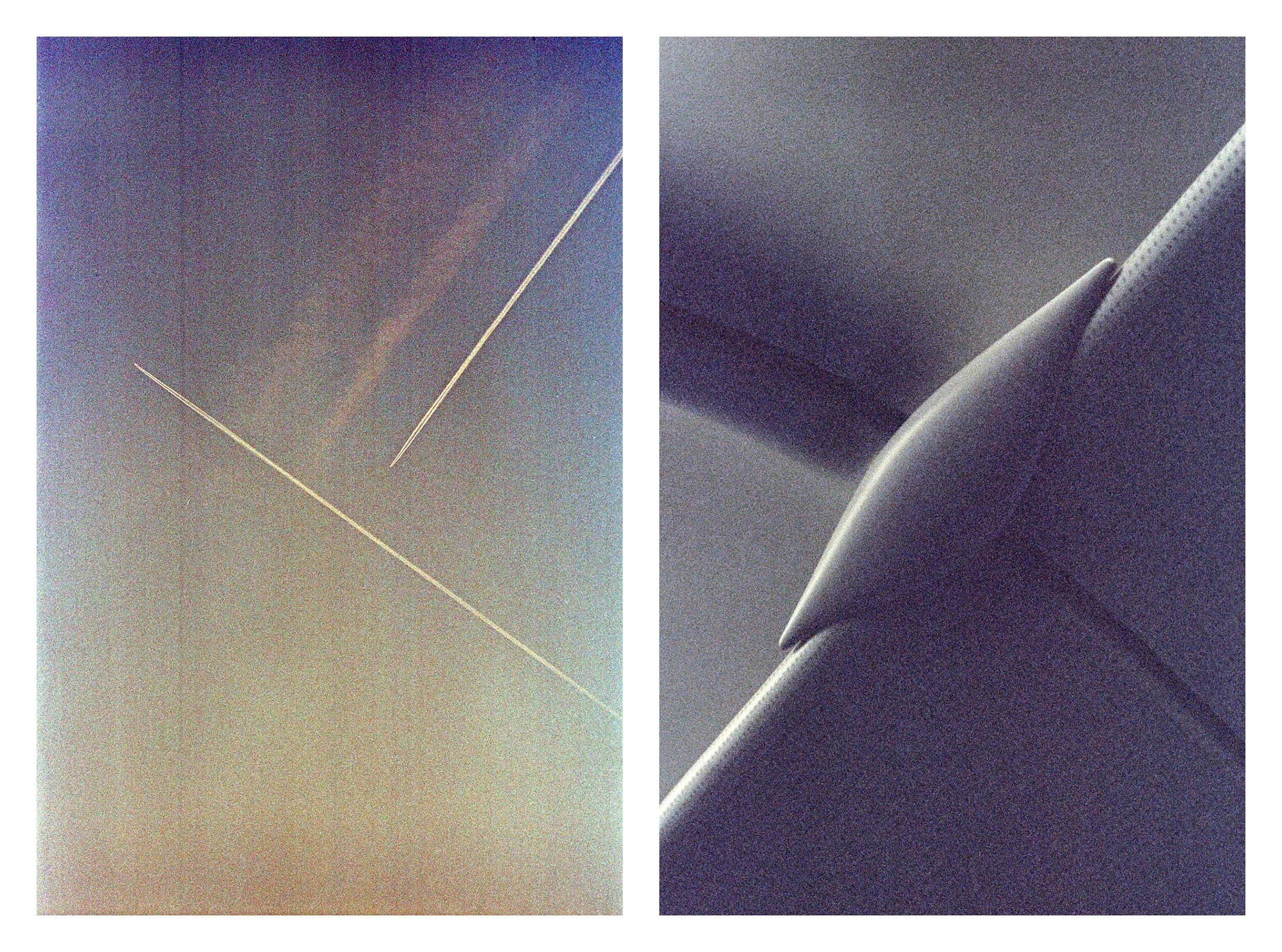
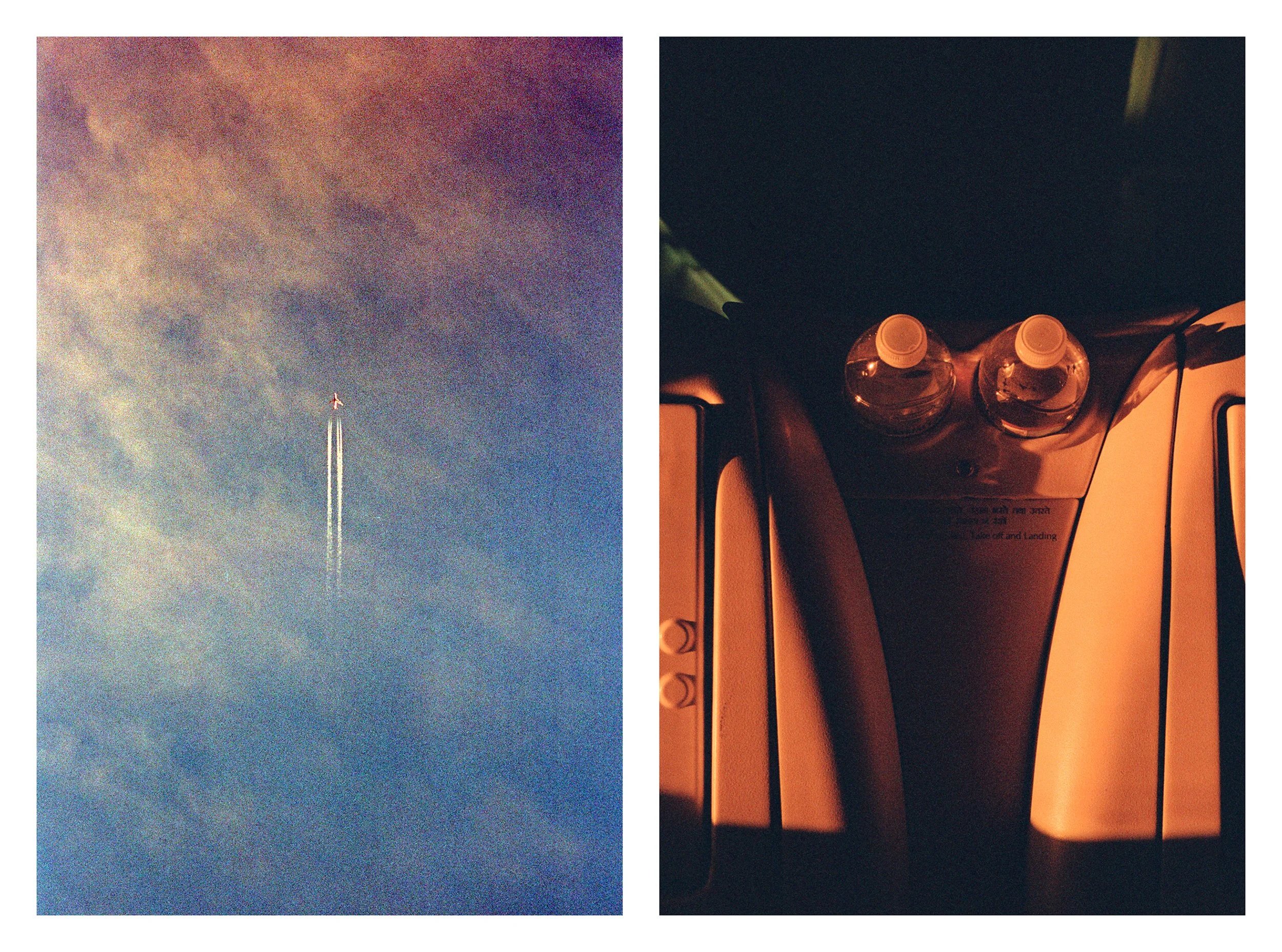
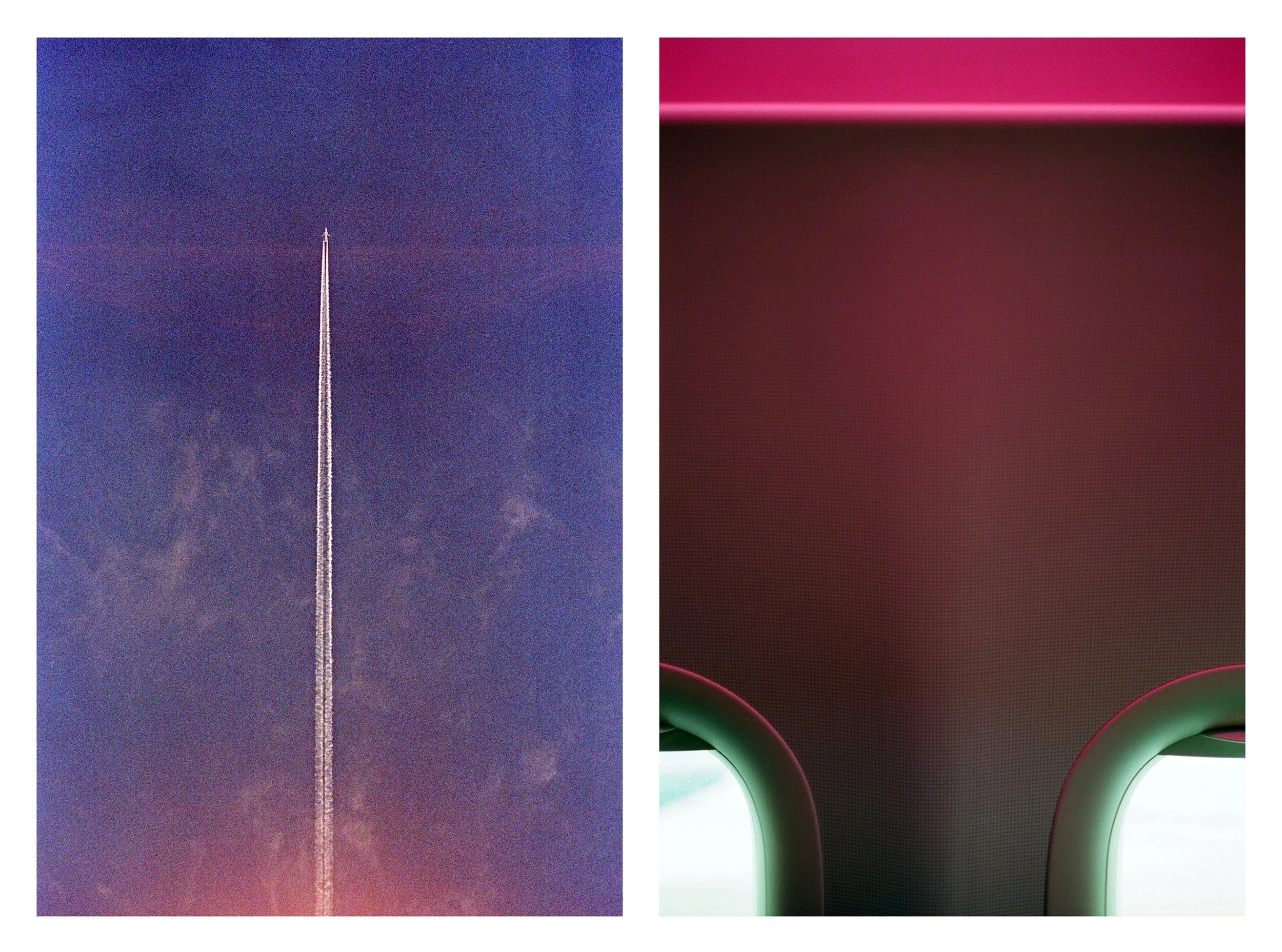
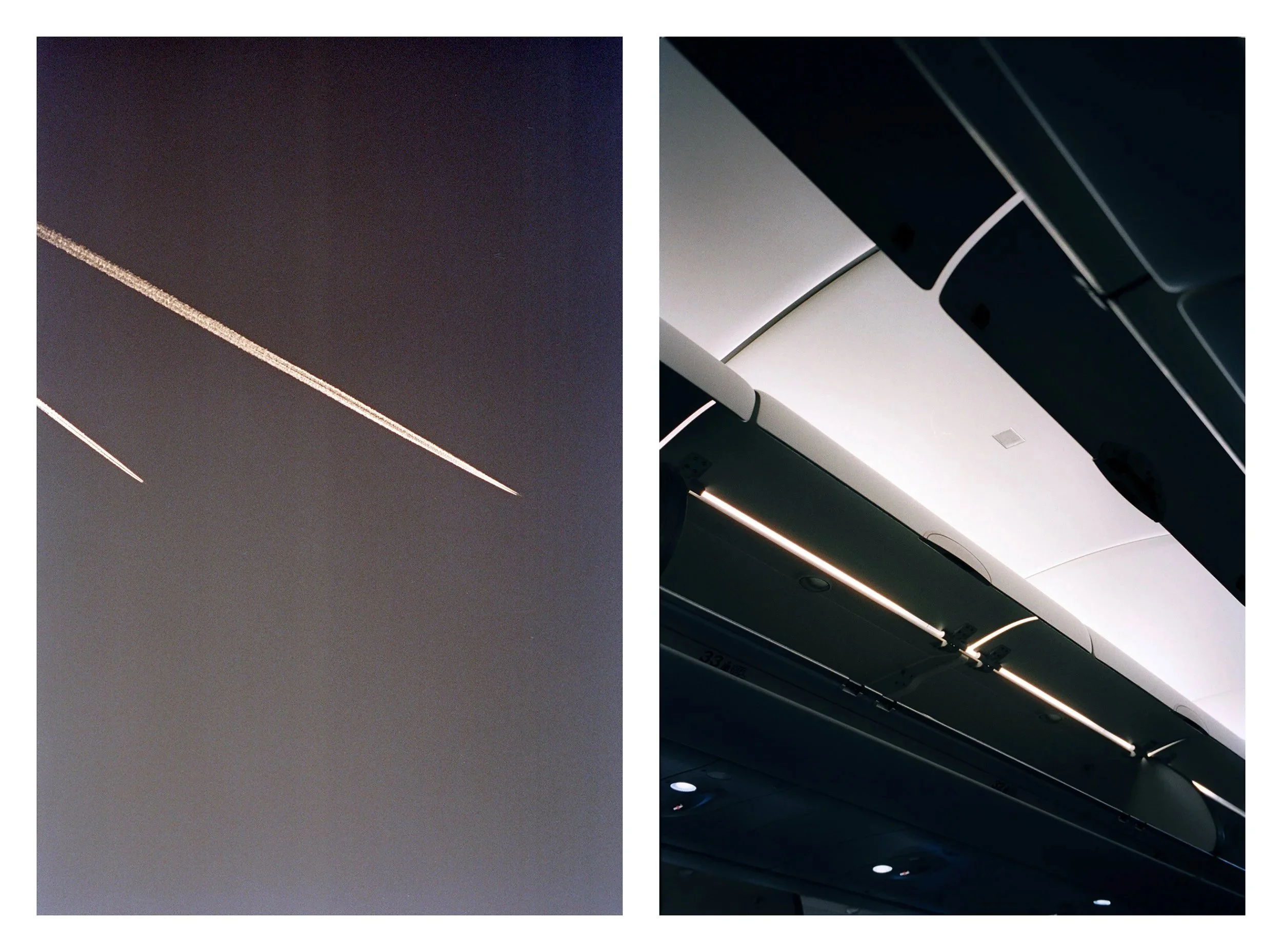
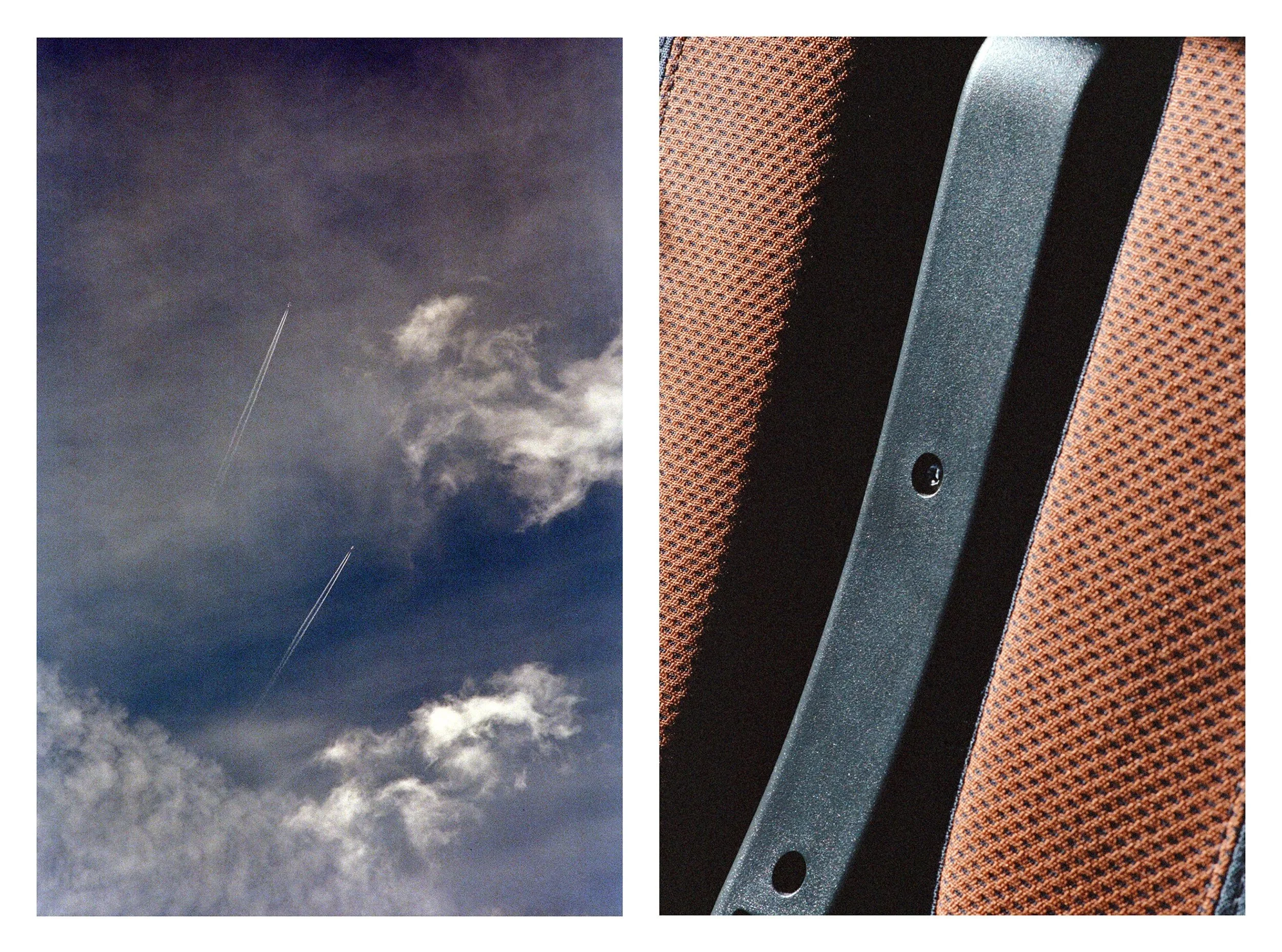
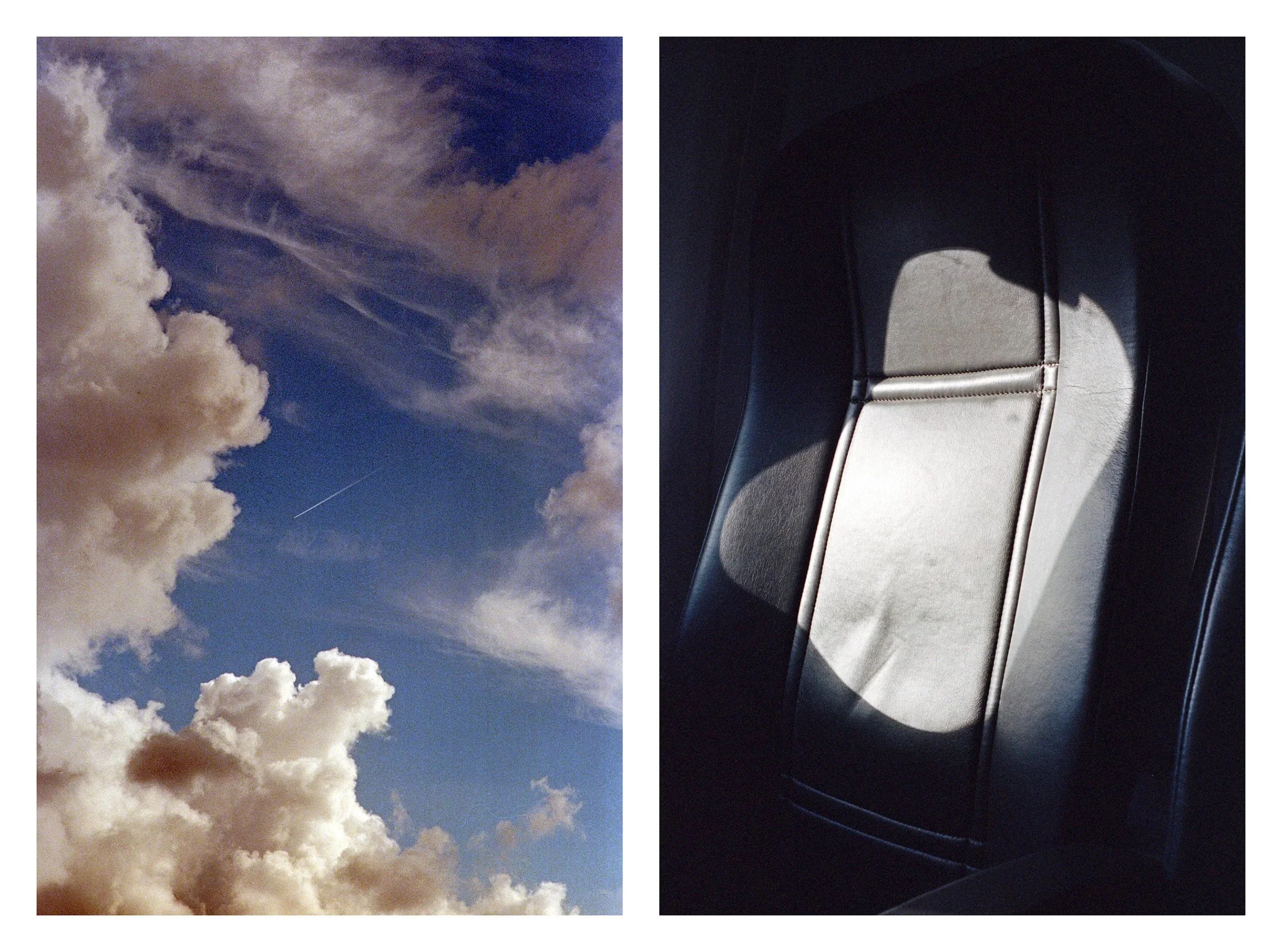
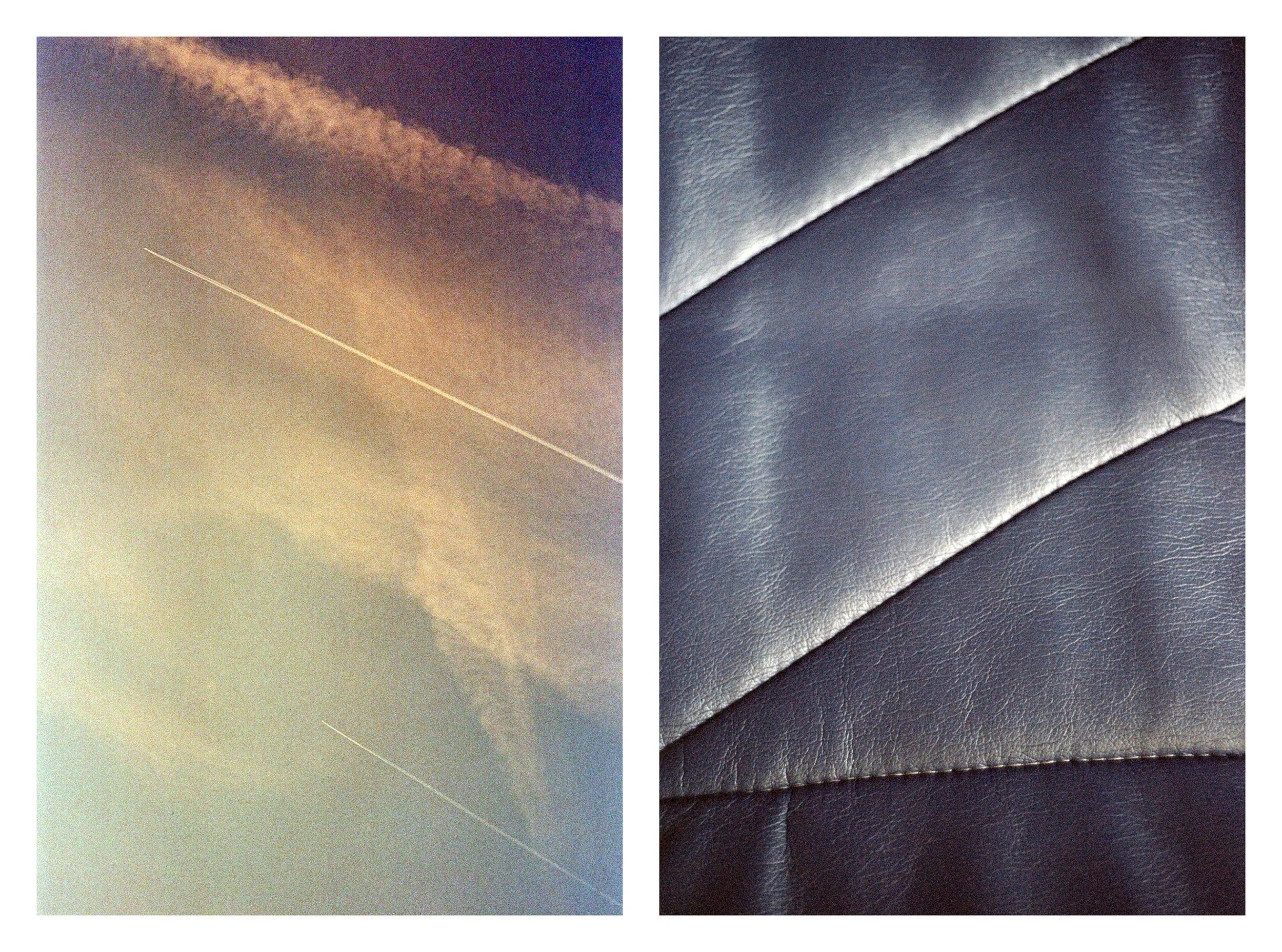
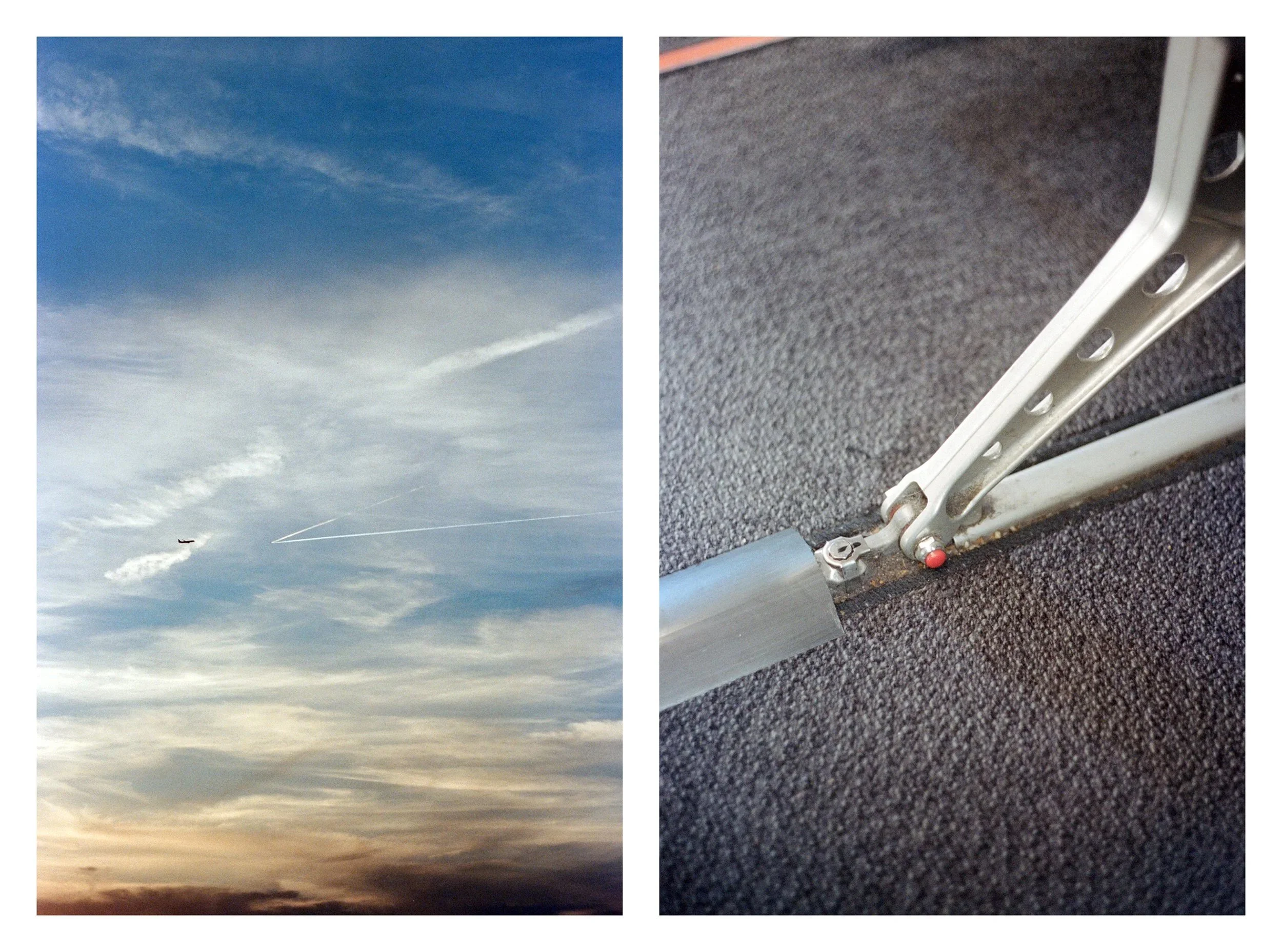
I often think of that quote about photography being the act of pointing. I think Susan Sontag wrote that. I agree. And there’s really nothing new to photograph, but I still love making photos because something might appear or feel new to me. It’s all just being able to say to your friend, or whomever your sharing your work with, “Hey, look at that. That’s cool. That’s interesting looking.” It’s simple. It’s just the act of noticing. Doesn’t have to mean anything more than that. It’s just having a sensation of heightened awareness to share. Even if no one sees your photos, it’s just acknowledging for yourself. Always bring the camera with you. Out walking the dog, running errands. Even if you don’t take a photo, just having the camera around your neck or in your bag just in case. It makes you notice the way light through a tree falls across the pavement, or noticing that the colors of the leaves are beginning shift and look a little more muted than a few weeks ago. Do you need to take a photo of these things? Maybe not, but by even just thinking about taking a photo, you’re turning up the dial on your eyes and your brain notices.
I mean, this gets really earthy crunchy, but we’re alive for a very short period, and I’m just trying to suck in as much of that experience as I can.
Martin: Awesome, thank you very much for your time
Michael: Thank you Martin.
More photography books and interviews?
We'd love to read your comments below, sharing your thoughts and insights on the artist's work. Looking forward to welcoming you back for our next [book spotlight]. See you then!
Color entered Janelle Lynch’s photographs through painting. In Another Way of Looking at Love, she photographed plants and trees on her property in the Catskills. Photography Book Spotlight