Inside the Imagined Kyoto Yasuhiro Ogawa Spent 10 Years Photographing
Welcome to this edition of [book spotlight]. Today, we uncover the layers of 'Lost in Kyoto,' by Yasuhiro Ogawa (published by Photo Editions). We'd love to read your comments below about these insights and ideas behind the artist's work.
What if Kyoto is most powerful when imagined, not seen?
This idea helps explain why Yasuhiro Ogawa spent ten years returning to the same streets again and again.
He was not looking for the perfect postcard but for a Kyoto that matched the feeling inside his mind. That is why his book Lost in Kyoto shows a city that feels calm, personal, and almost dreamlike even when the world around it is busy.
Most people know Kyoto from famous temples and crowded lanes.
Ogawa wanted something different and spent years walking in rain, snow, and darkness to find it.
His method is simple and also unusual because he uses slow walking, strange weather, and even a handmade camera to give the city a new character. By understanding how he works, you can think about your own way of photographing historic places in a more personal way.
This is a story about seeing Kyoto differently.
The Book
Lost in Kyoto is the result of ten years of wandering, waiting, and returning. In this book, Yasuhiro Ogawa does not try to show the Kyoto everyone knows. Instead, he follows the city like a quiet dream, letting rain, mist, and fading daylight guide him into hidden corners. The familiar temples, streets, and seasons shift into something softer and more personal, shaped by mood rather than accuracy.
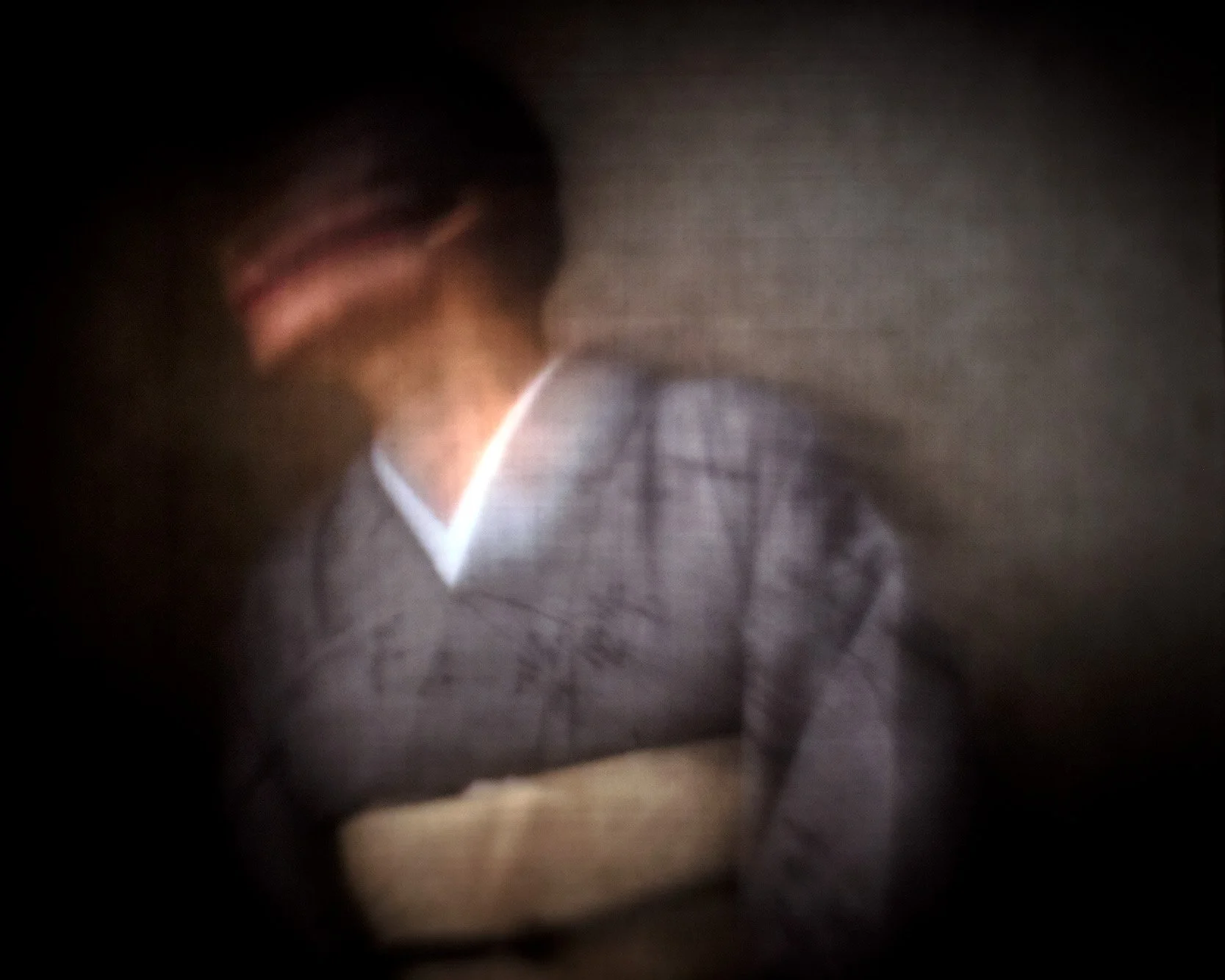
Some images were made with a handmade Haruhisa Camera, which leaves scratches and gentle blur across the frame, giving the photographs a feeling of age and memory. Others come from long walks on cold mornings or from evenings when colors deepen just before night arrives. Together, the pictures create a Kyoto that feels alive, private, and slightly unreal, as if the city itself is remembering its own past. Lost in Kyoto becomes less a record of a place and more a quiet journey into how a city can be felt. (Photo Editions)
Project Start: You spent ten years visiting Kyoto before making this book - what made you finally decide to turn your visits into a photography project?
My first visit to Kyoto with a camera in hand was in September 2014. I had travelled to Kyoto for the printing of my photo book and had never before considered Kyoto as a subject for photography. However, feeling it would be a shame to go all the way to Kyoto without exploring, I made a half-day trip to Kurama Temple, located north of the city. I took some very interesting photographs there, so I decided to return in November when the autumn colours were at their peak, and that is exactly what I did. The Japonesque beauty, such as the Buddhist temple amid the vivid autumn colours, was something I had never photographed before, and I became utterly captivated. I thought I might want to make a book of them someday, but I never imagined back then that it would take ten years.
Colour Focus: You say Kyoto is about colour for you - how do you capture the "deep, rich and vibrant" colours you see without making photos look too bright or fake?
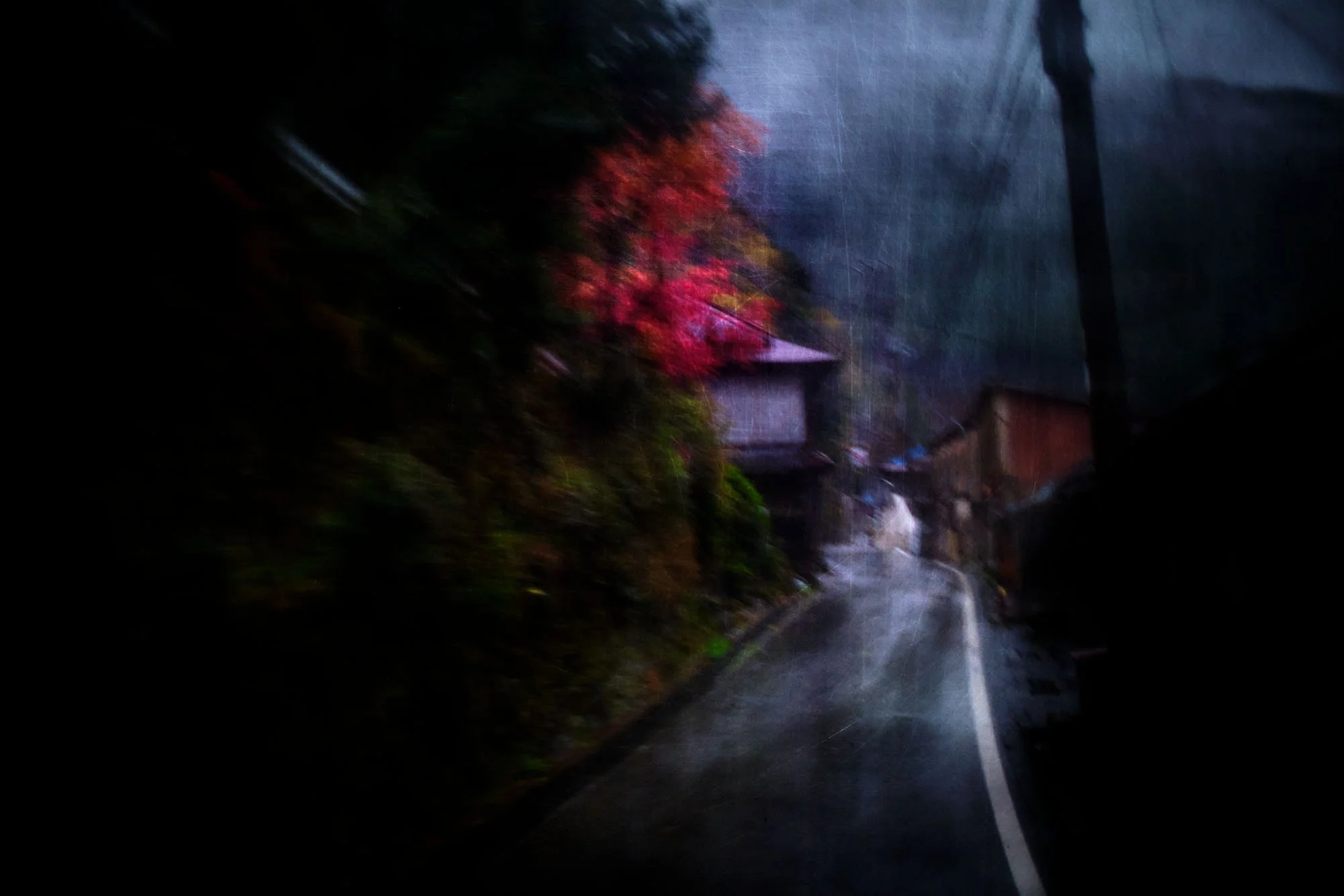
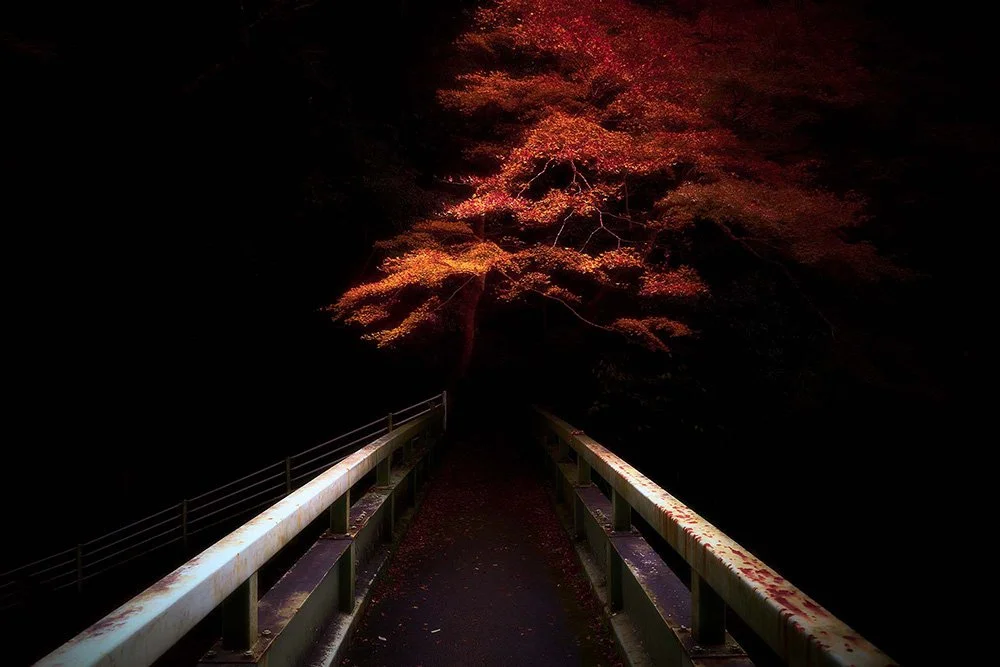
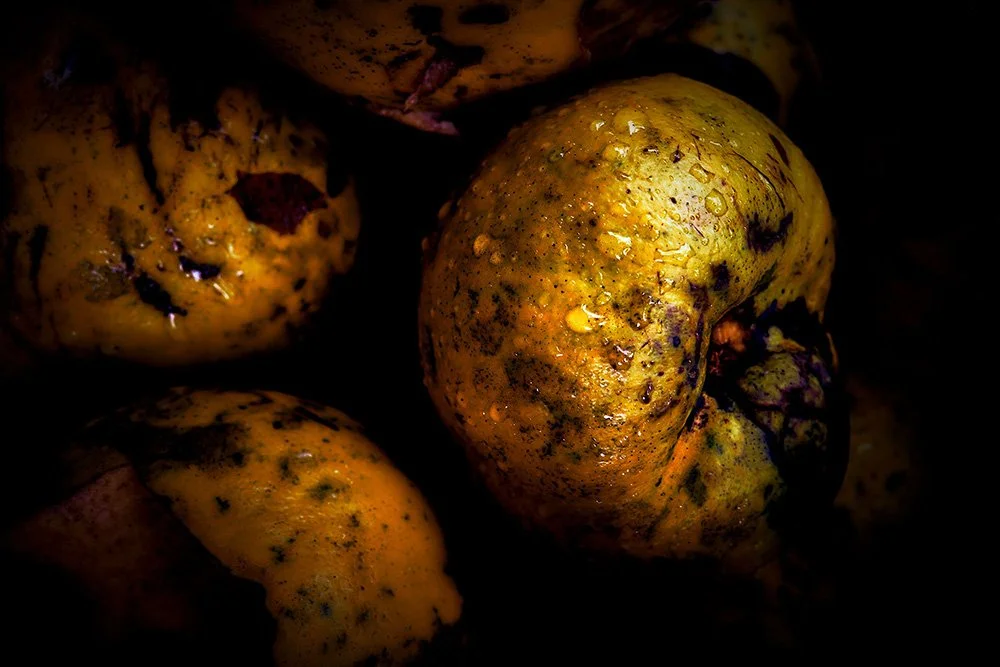
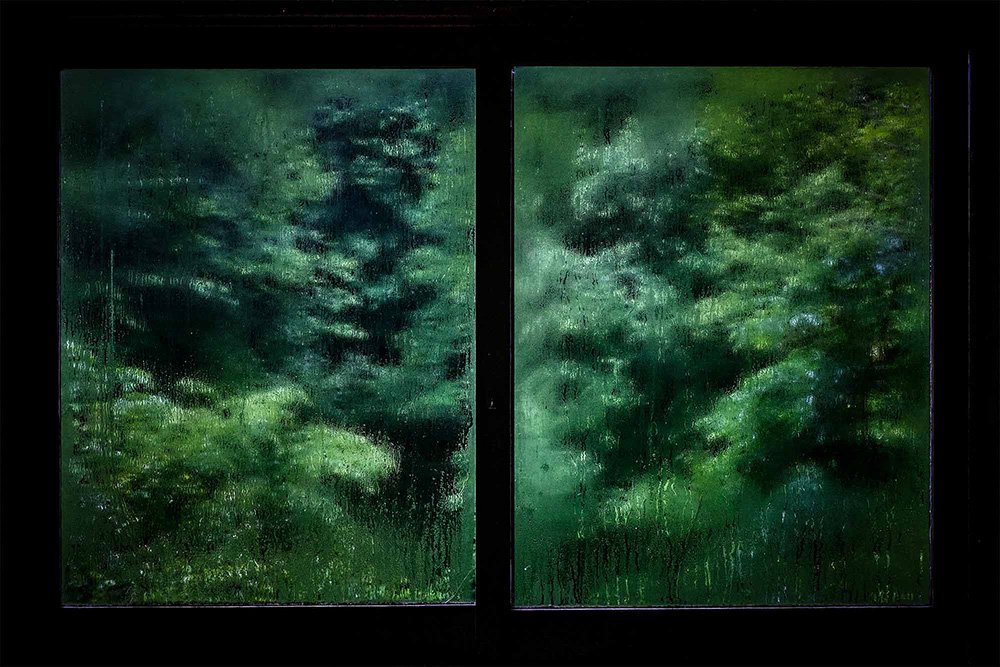
First and foremost, I must state that I have no interest in documentaries. The Kyoto I photograph is, strictly speaking, the Kyoto of my own fairy tales. There are no overly vivid colours there, nor do tourists appear. When planning trips to Kyoto, I deliberately choose days with inclement weather. I believe colours possess greater depth in the rain than on sunny days.
You say you deliberately choose rainy days for deeper colours. But practically speaking, how do you plan that when travelling from Tokyo - do you watch weather forecasts obsessively, or do you just book trips and hope for rain?
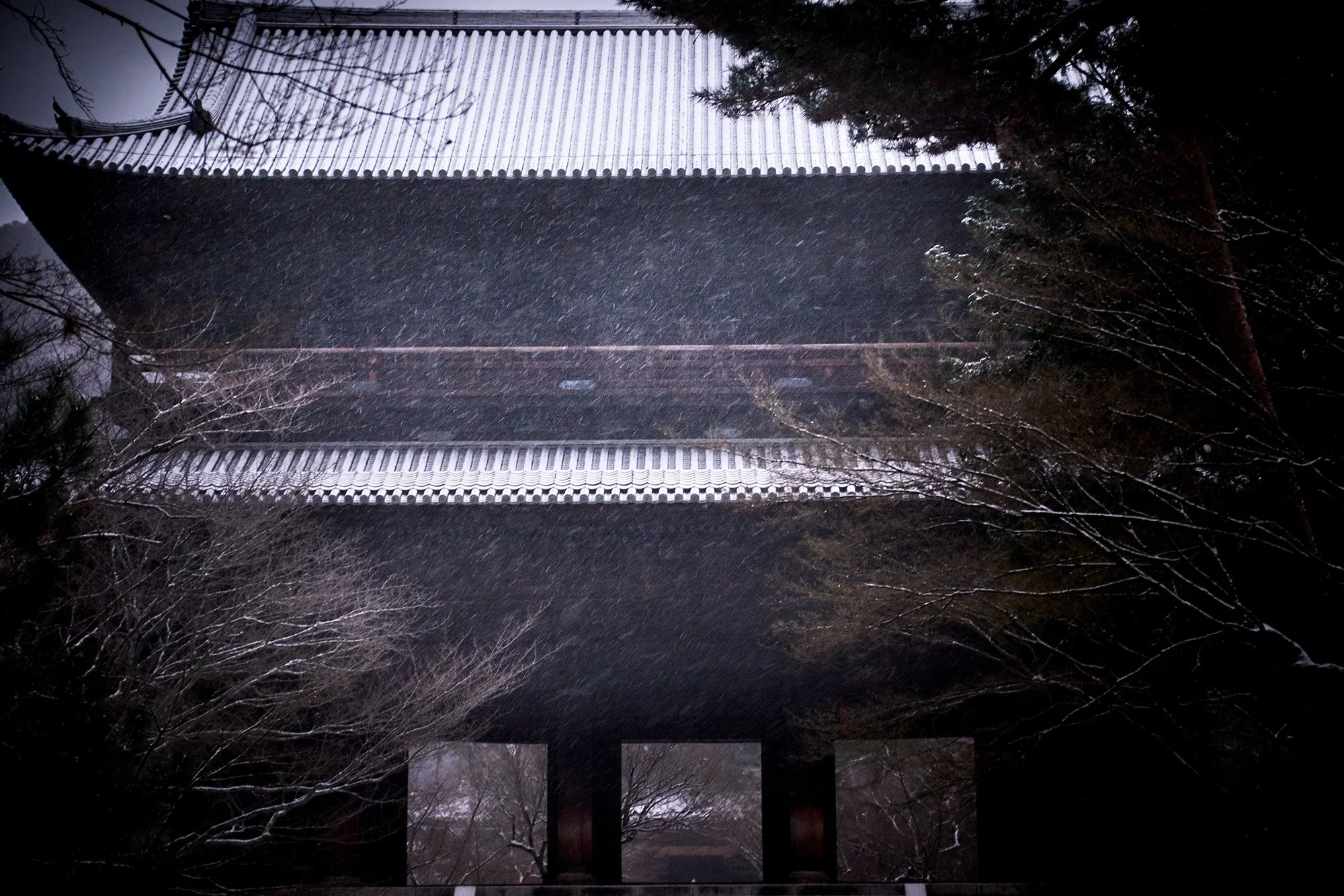
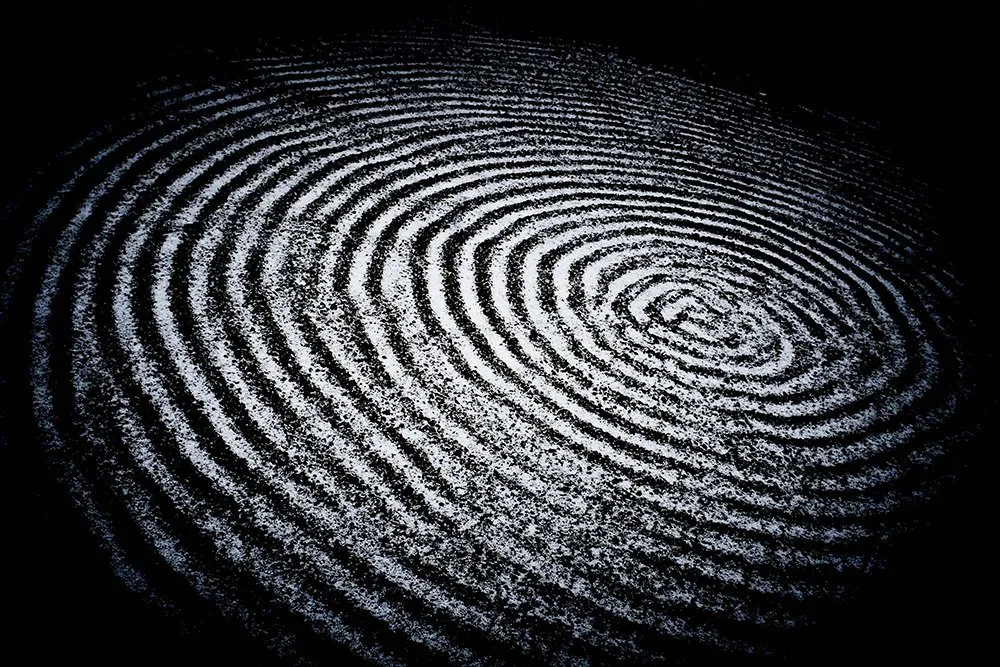
This applies to both. However, if the weather forecast indicates persistent bad weather, I won't hesitate to set off on my journey. I wanted photographs of snow, but Kyoto hasn't seen much snow in recent years. Was it the winter of 2018? I was at home in Tokyo, checking the weather forecast, and saw a prediction that snow might fall in Kyoto the following day. As I had the next day free, I took the Shinkansen that evening, stayed at a hotel in Kyoto, and waited for the next morning. The forecast proved spot on, and though it only lasted the morning, it snowed for me. The photograph I took of Nanzen-ji temple at that time is included in the book.
Avoiding Tourists: How do you find quiet moments in Kyoto when so many tourists visit the famous temples and streets?
As I mentioned in the previous question, this work depicts my imagined Kyoto. Moreover, I photographed Kyoto before the pandemic. Back then, there weren't nearly as many tourists as there are now. I often went out during the pandemic itself, and it was absolutely brilliant. There were no tourists whatsoever, and hotel rates were incredibly cheap!
History as a Living Thing: You describe Kyoto's history as a "living creature" with a pulse - what camera settings or techniques help you show this feeling in your images?
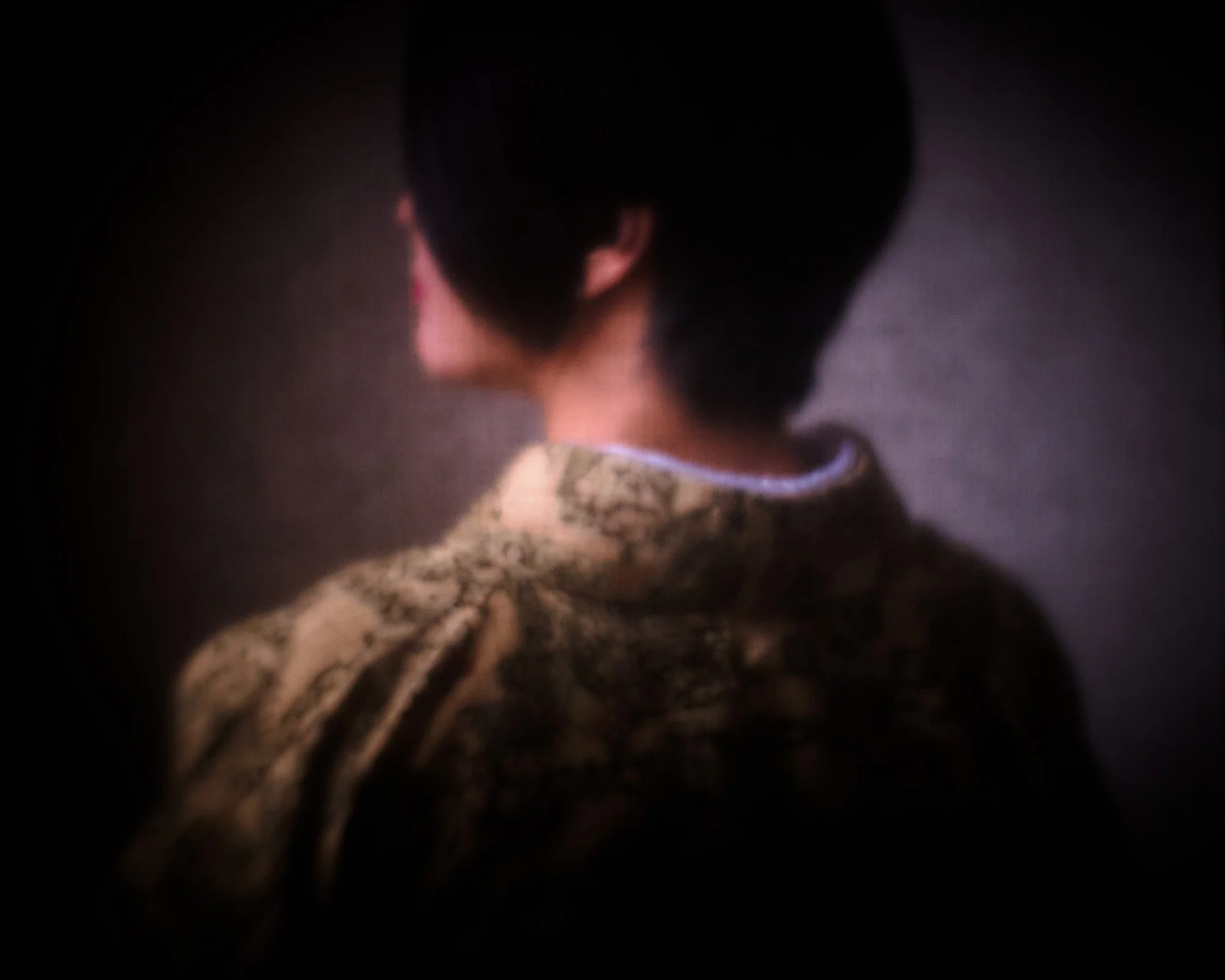
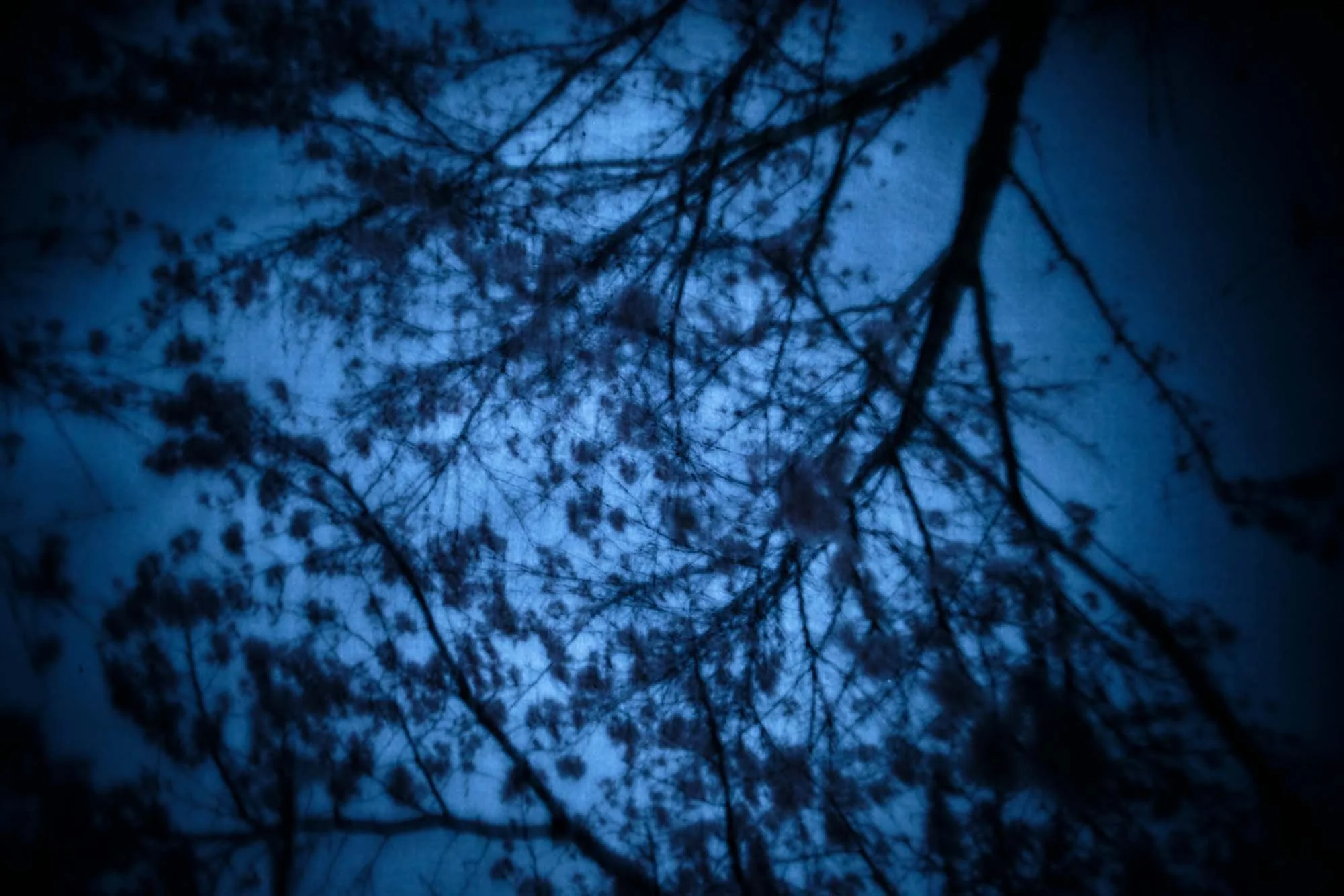
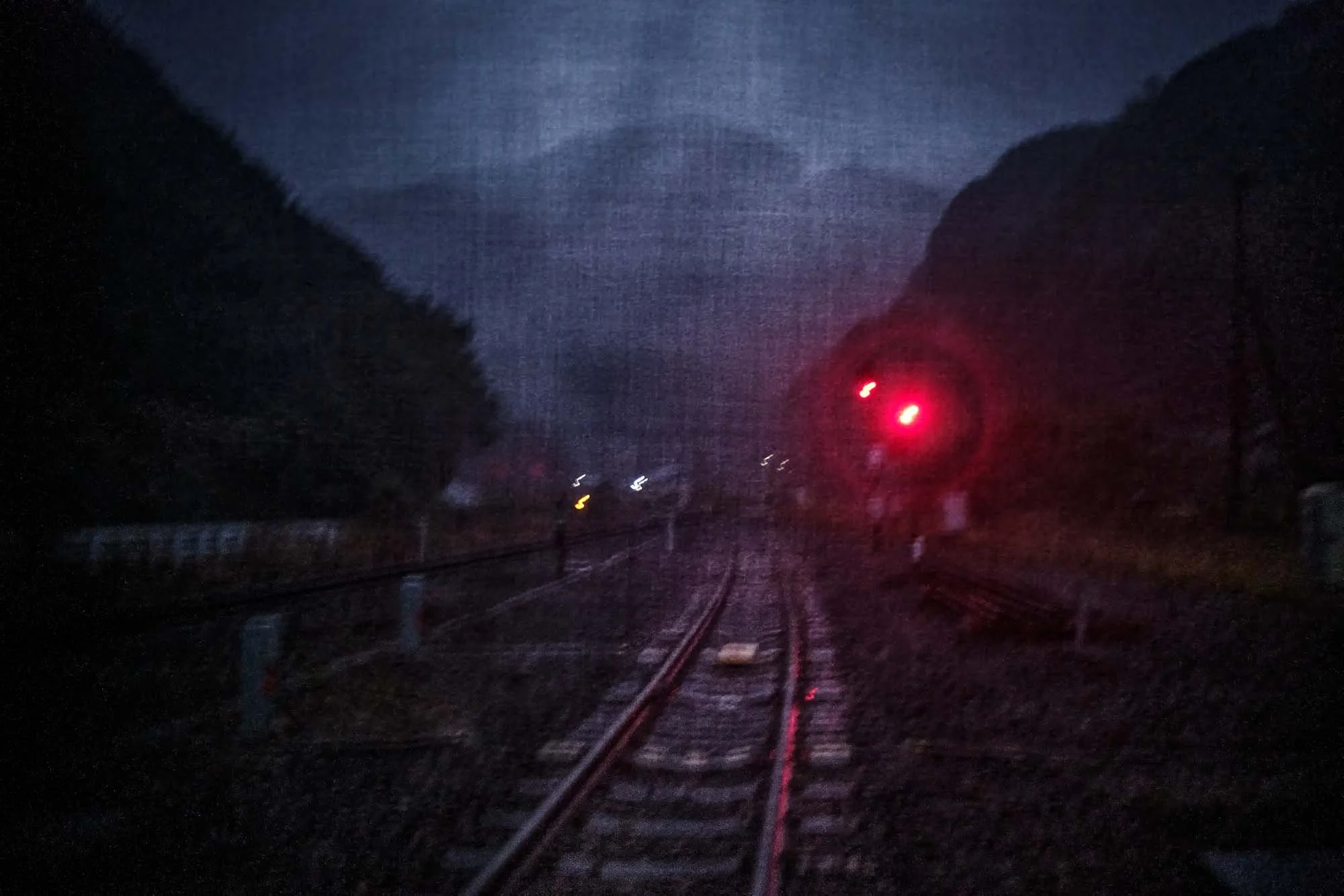
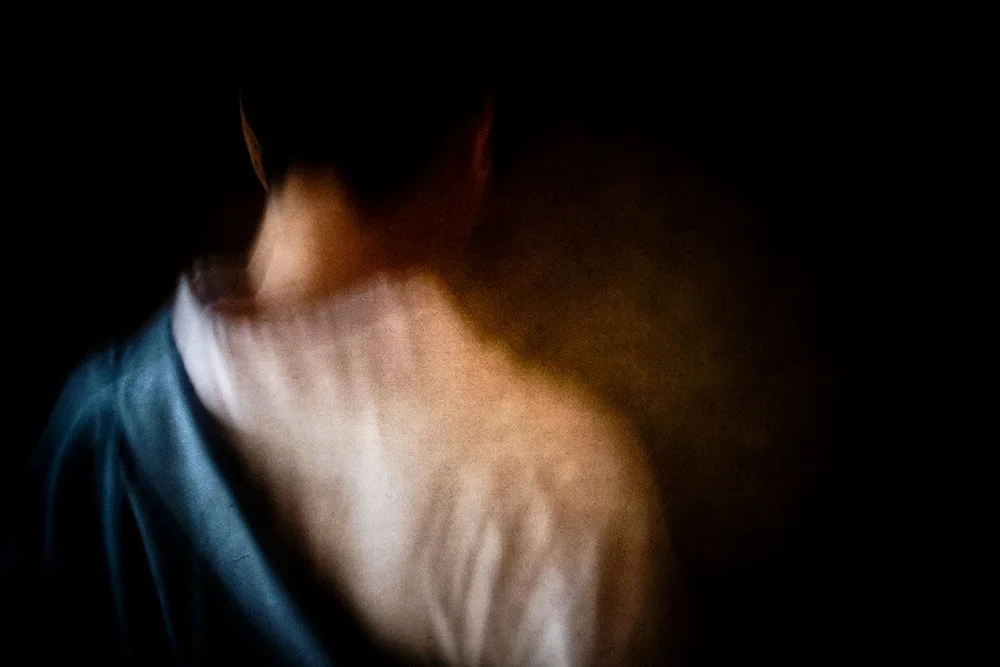
For the first six years after commencing this project, I did not experiment with any particular photographic techniques. However, starting in 2021, I began using a handmade camera called the Haruhisa Camera, a camera made by Mr. Haruhisa, and more than a dozen photographs taken with it are included in my latest book, “Lost in Kyoto.” As you can see from the attached photographs, there are scratches on the surface of the images. This is a characteristic of this camera. This camera requires a slow shutter speed, resulting in blurred photographs, which I believe contributes to creating a special atmosphere.
You mentioned using the Haruhisa Camera starting in 2021. What made you feel that after six years of shooting Kyoto, you needed to change your approach? Was there something missing in those earlier images?
When I create a photobook, it takes me a long time. For instance, my first photobook, "Slowly Down the River", took seven years, and the next one, "Shimagatari," took ten. It's not that I set out to take a long time from the start. But from experience, I find that taking a long time allows my perspective to gradually shift. I suppose I could say my perspective changed roughly every three years. Regarding this book, I began shooting in 2014, but the idea to make it into a book only came to me around 2018. Until then, I had only photographed daytime scenes, but around 2018, I started shooting night-time photographs. Then, around 2021, I developed a desire to photograph women wearing kimonos. However, photographs of women wearing kimonos are quite common. It was then that I encountered Haruhisa Camera and the results were rather unique. I believe this has given the photobook greater depth. When I felt the content had sufficient substance, I knew I had taken enough photographs to make a book. This time, that journey took ten years.
Changing Seasons: Since Kyoto's colours change with seasons and ageing buildings, did you shoot in specific seasons or return many times throughout the year?
Late autumn is the season I often visit Kyoto, and you know why: the colours of the autumn leaves are at their peak, and if it rains, the atmosphere in the old temples is extraordinarily beautiful. After shooting for a couple of years, I realised I should have more photos of different seasons; however, autumn is my favourite season, and I believe it’s the best season for Kyoto itself.
Ancient Poetry: The 800-year-old poem about the flowing river inspired your work - how does this idea of "nothing stays the same" affect how you compose your photos?
A single photograph is a still image capturing a moment, but when two or three images are combined, they evoke complex emotions in the viewer. Therefore, the sequence when arranging photographs is extremely important. However, a sequence that imposes a single perspective on the viewer is undesirable. When assembling photographs, I believe it would be ideal to create sequences that stir diverse emotions in the viewer, much like Tarkovsky's films. Through this approach, I believe photographs can convey the idea that “nothing stays the same”.
Showing Emotion: You mention wanting to capture the "body heat of history" and people's feelings from 1,200 years - what makes a photo feel emotional versus just being a pretty picture?
From my experience so far, I can say that emotional photographs are not ones I deliberately set out to take. What I found most intriguing when I first started photography was that I never remembered the moment I took my favourite pictures. Conversely, photographs I was excited about at the time when shooting, thinking “this will be the best shot ever!”, often turned out to be rather dull once developed. Over thirty years have passed since I began photography, yet the fact that I cannot intentionally take emotional photographs remains unchanged to this day.
So when you're walking through Kyoto with your camera, are you in some kind of meditative state, or is it more instinctive - like your hands work independently from your conscious mind?
Both. When taking photographs, I always walk for long stretches. After walking for a long time, my consciousness sometimes drifts away from me, and I feel as though I'm dreaming. The photographs taken during such moments often prove interesting later on.
I know little about Zen, but I sometimes wonder if my approach to photography might resemble that of those who practice it. To detach from self-consciousness and achieve a state of selflessness, that is my ideal when taking photographs.
Learning for Photographers: What's one practical tip you learned from this 10-year project that other photographers could use when shooting historic cities?
Well, my tip is not to get too caught up in a vision that is familiar to everyone. As I mentioned in my earlier answer, the Kyoto I envision is far removed from the actual Kyoto. I mean, you can create your own version of Kyoto or any historical city with your vision and style. If there are a hundred photographers, there should be a hundred different Kyotos, that's part of the appeal of visual art.
To discover more about this intriguing body of work and how you can acquire your own copy, you can find and purchase the book here. (Photo Editions, Amazon)
More photography books?
We'd love to read your comments below, sharing your thoughts and insights on the artist's work. Looking forward to welcoming you back for our next [book spotlight]. See you then!
Gosbert Gottmann wanted war photographs that resisted easy reading. In Freiheit Freedom Воля, he works with images connected to the war in Ukraine and changes them through abstraction, distortion and deformation. Photography Book Spotlight