How Christophe Jacrot Turns Brutal Snowstorms Into Art in Winterland
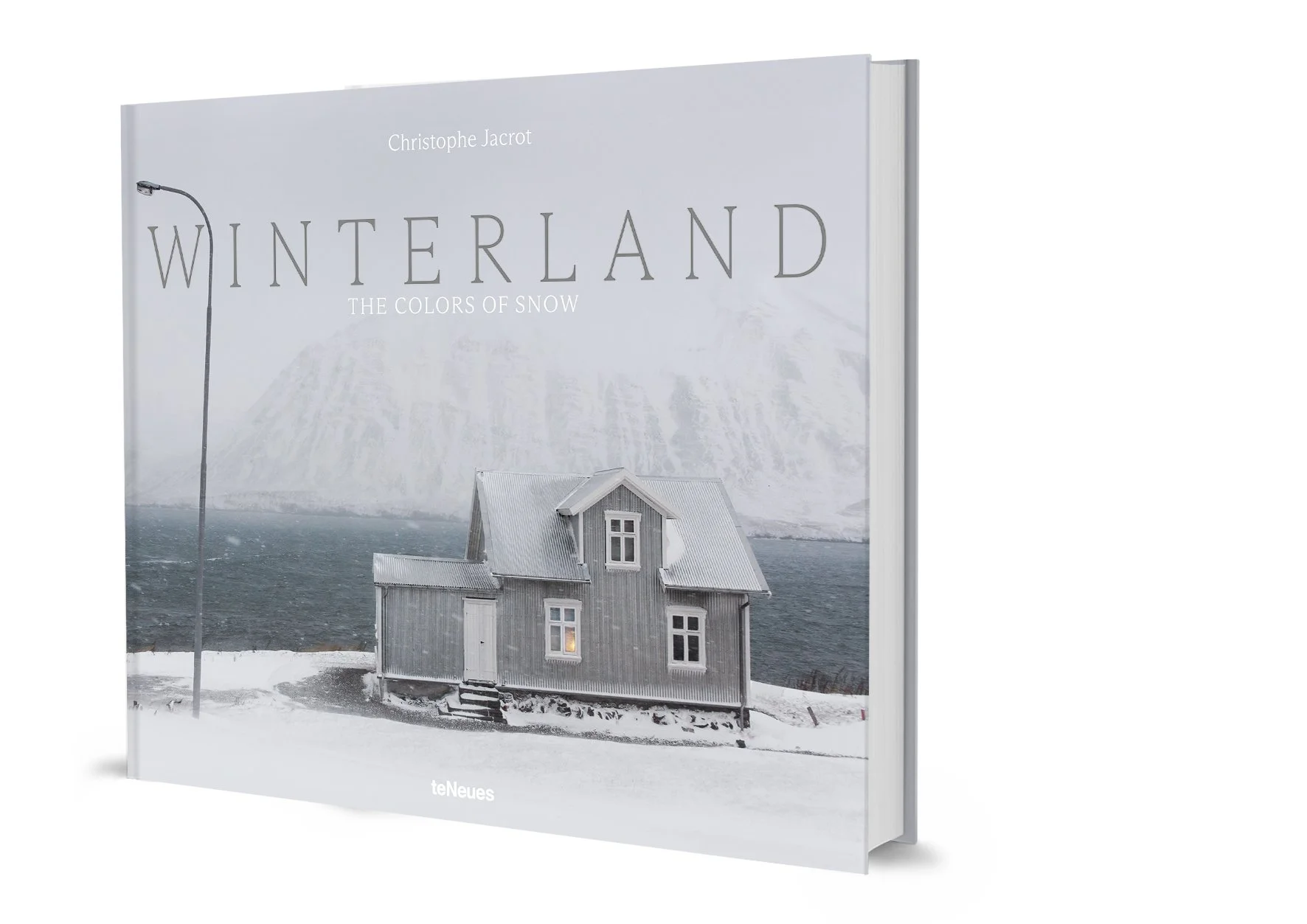
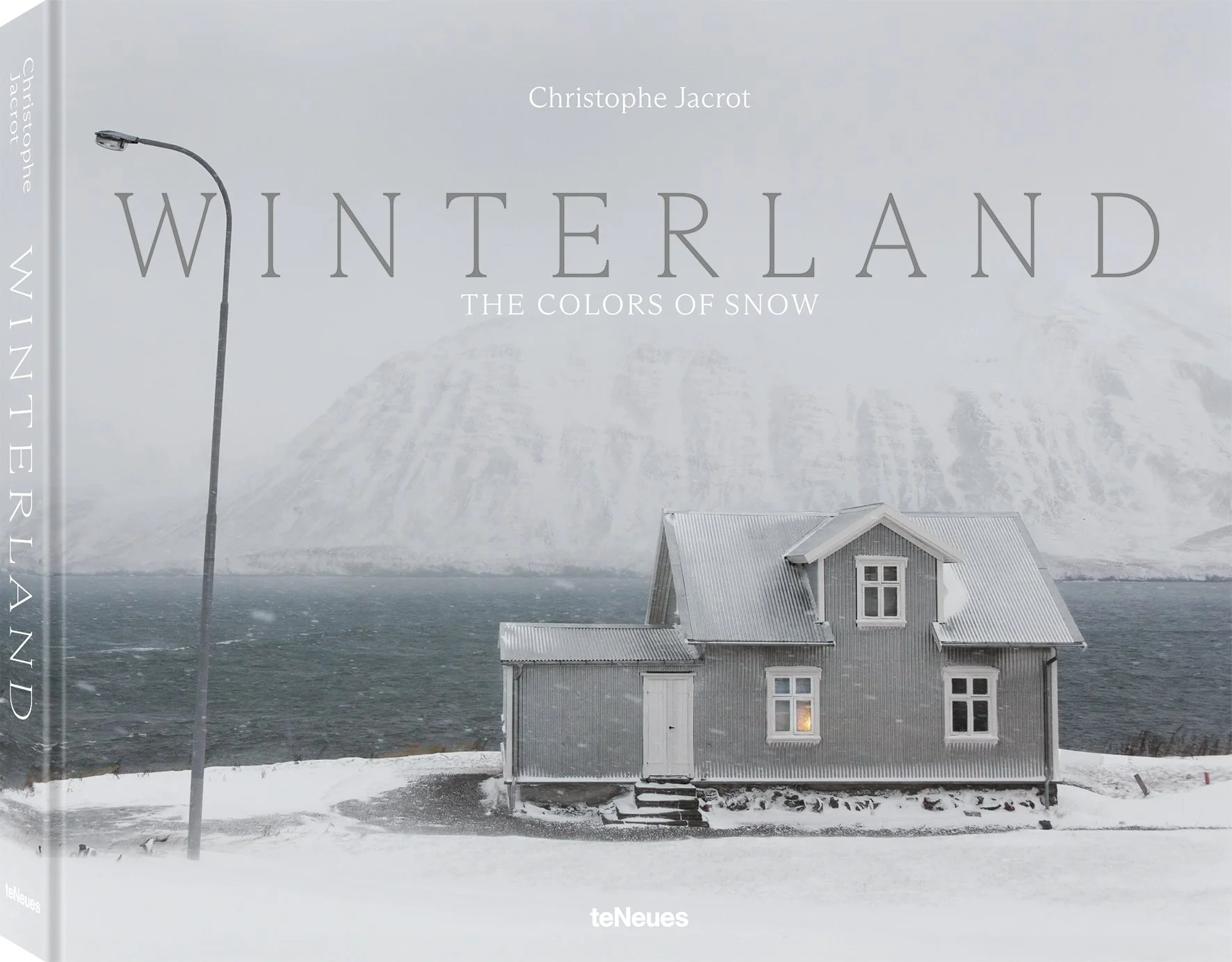
Welcome to this edition of [book spotlight]. Today, we uncover the layers of 'Winterland - The Colors of Snow,' by Christophe Jacrot (published by teNeues Verlag). We'd love to read your comments below about these insights and ideas behind the artist's work.
Most photographers avoid bad weather. Christophe Jacrot chases it.
His new book Winterland is about the kind of beauty most people try to escape. He goes out when others stay home, looking for color and light in snow, rain, and fog. His photos show how a storm can transform ordinary places into something quiet and full of emotion. What begins as a cold landscape becomes a story about patience and the search for peace in chaos.
The result is not just about weather but about how we see the world.
Winterland collects images made in Iceland, Japan, and across Europe, where Jacrot has spent years waiting for the right moment to press the shutter. His calm persistence and sense for atmosphere turn bad weather into poetry. This is a book for anyone who believes beauty can exist even in the hardest conditions. It promises to make you look at winter differently.
Can snowstorms be beautiful or even tender?
The Book
Winterland – The Colors of Snow is Christophe Jacrot’s latest project, published by teNeues, and it continues his long-standing fascination with weather as both subject and metaphor. Known for turning rain, fog, and storms into something quietly cinematic, Jacrot now dedicates an entire body of work to winter, a season he has been photographing for years across Iceland, Japan, France, and Northern Europe.
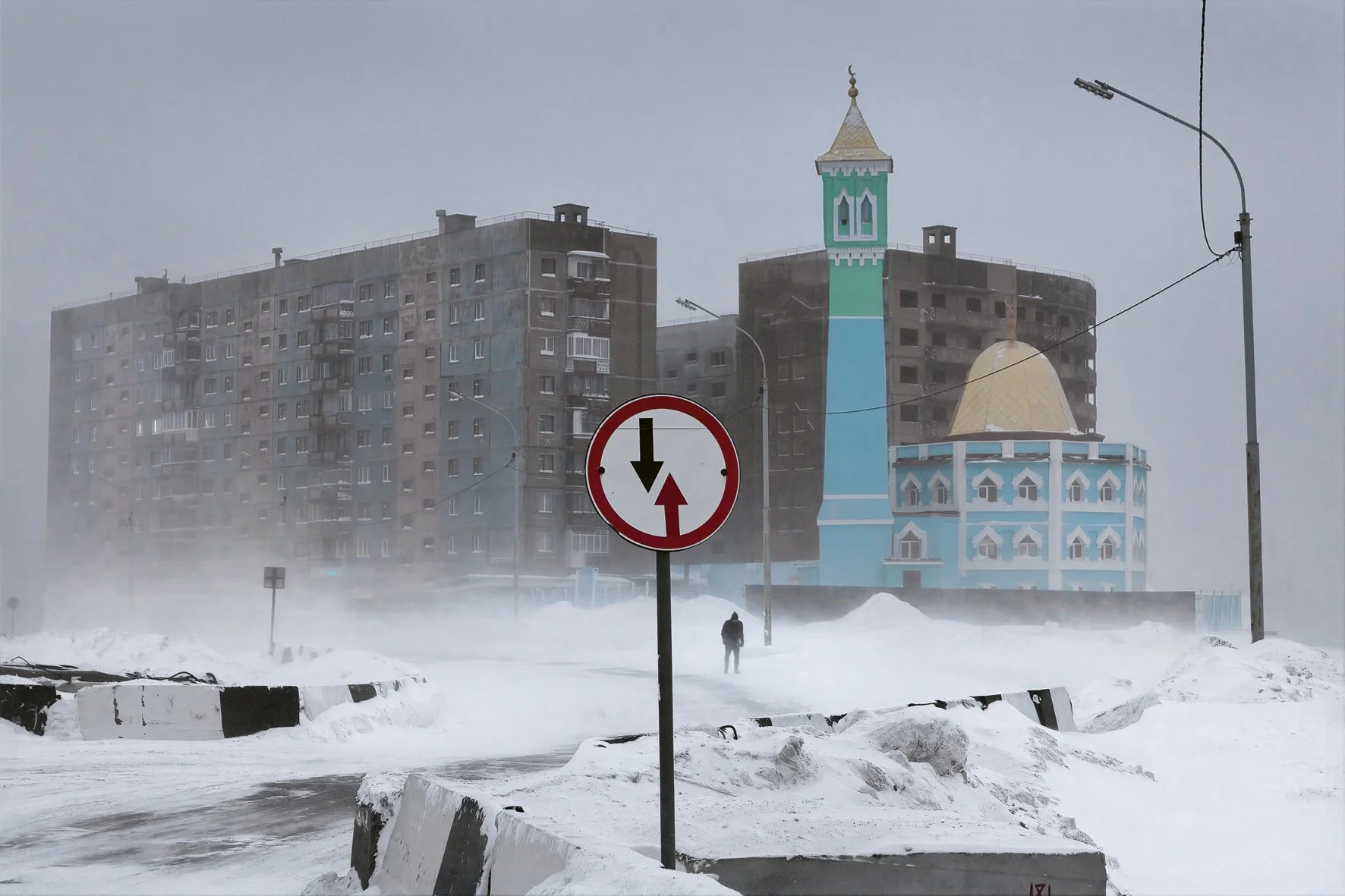
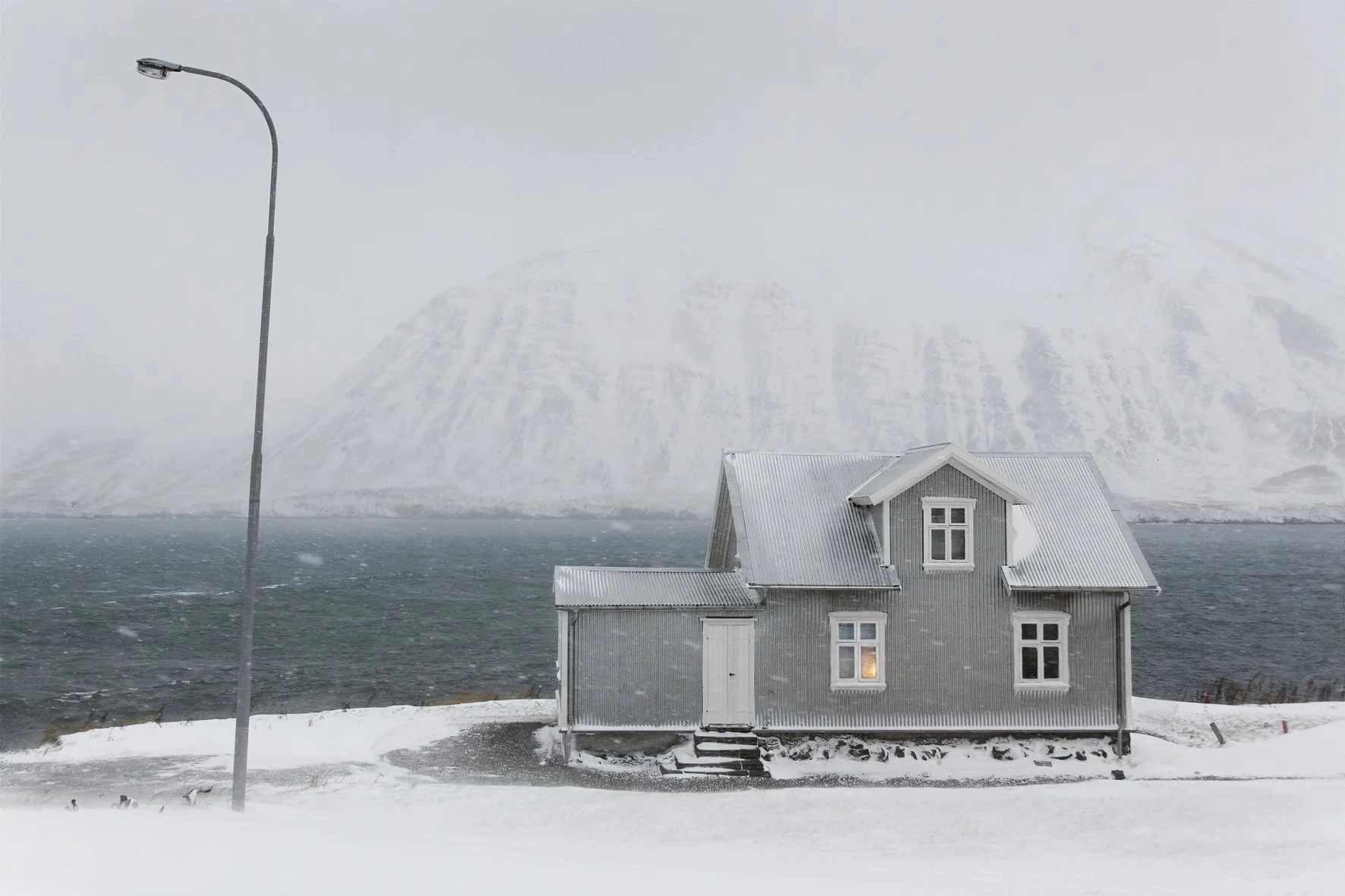
The book gathers images made between 2024 and 2025, extending the visual language he first developed in earlier titles like SNJÓR, Neiges, and Lost in the Beauty of Bad Weather. Yet Winterland feels more intimate and contemplative. It captures moments when the world seems frozen in time: a faint figure crossing a white street, a train vanishing into fog, or a small house surrounded by endless snow. Each image reflects Jacrot’s instinctive approach, waiting patiently in the cold, chasing subtle light, and seeing color where others might see only grey.
Spanning 176 pages, Winterland is printed on premium matte paper that emphasizes the quiet tonality of Jacrot’s work. The design is simple, letting the photographs breathe, and the sequencing creates a rhythm that moves from isolation to wonder. (teNeues Verlag, Amazon)
Project Start: What made you want to create Winterland after your earlier snow books like SNJÓR and Neiges?
This book is a commitment from Teneus. Our previous book “Lost in the Beauty of Bad Weather" was successful. This book was a mix of rainy photos and winter photos. The two books have completely different images. (Except one!) Winterland includes photos taken in 2024 and 2025.
Finding Spots: How do you pick which winter places to photograph - do you follow weather reports or just go exploring?
I would say both! I have favourite places, and when I decide to go there, I do keep an eye on the weather. For instance, I’ve been to Iceland eight times, each time, I set off according to the weather forecast, concentrating on one particular area. (North, east, south, west, etc.)
When it’s a long trip, like Japan, I stay for three weeks. Hokkaido is a very snowy place. If a real snowstorm is coming to a place I’m interested in, I rush there. I can't be everywhere at the same time.
What keeps pulling you back there specifically, and have you noticed the winter conditions changing over all those visits?
Yes and no. When it snows, it truly snows, but I would set out on a winter forecast and, year after year, I noticed that rain was becoming more and more frequent.
Camera Protection: What tricks do you use to keep your camera safe when shooting in heavy snow and freezing cold?
It's very easy. I have a sort of bag around the caméra, brought one a few years ago. The real challenge is the thermal shock. You have to manage the transitions carefully to avoid sudden fogging, it can even reach inside the lens! That’s true in winter as well as in tropical countries.
Could you explain the consequences of this error, for example, have you ever caused a shoot to be ruined as a result?
When I first discovered the phenomenon! In Hong Kong, my lens completely fogged up! I had to wait an hour for it to dry. I missed so many shots, early morning, heavy rain, and the light was just sublime. After that, I would turn off the air conditioning in my room to let it warm up and avoid any sudden temperature shock. In winter it’s the opposite, stepping suddenly into a warm, humid place can also be disastrous! You have to confine the camera in a large bag and enter very slowly.
Shutter Speed: You've said you use 1/500 for frozen snowflakes and 1/100 for motion - how do you decide which look you want in the moment?
I always try to shoot at a minimum of 1/200, but sometimes it’s difficult because of the lack of light. I do my best. Sometimes I also choose to capture the movement of the snow, so I go for a slower shutter speed.
Colour in White: Your winter photos have amazing colours even though everything is covered in snow. How do you make those colours pop?
Always in colour! BUT I also like to come close to black and white, with shades of brown, for instance. Above all, I try to control my colour palette through my choices and the light.
Waiting Game: Do you wait hours in the cold for the perfect moment, or do you walk around looking for scenes?
Both, definitely both. But most of the time, I set my frame and wait. Of course, I choose a place where there’s a certain recurrence of small events.
Light Problems: Winter light can be tricky, it's often flat and grey. What do you do to make your photos interesting in these conditions?
No, actually, during a storm the lights are very subtle and beautiful, it’s just that people don’t pay attention.
Staying Warm: What clothing layers work best for long winter shoots so you can keep taking photos without freezing?
The question is not the cold, it’s inadequate gear. However, the real enemy is the strong wind.


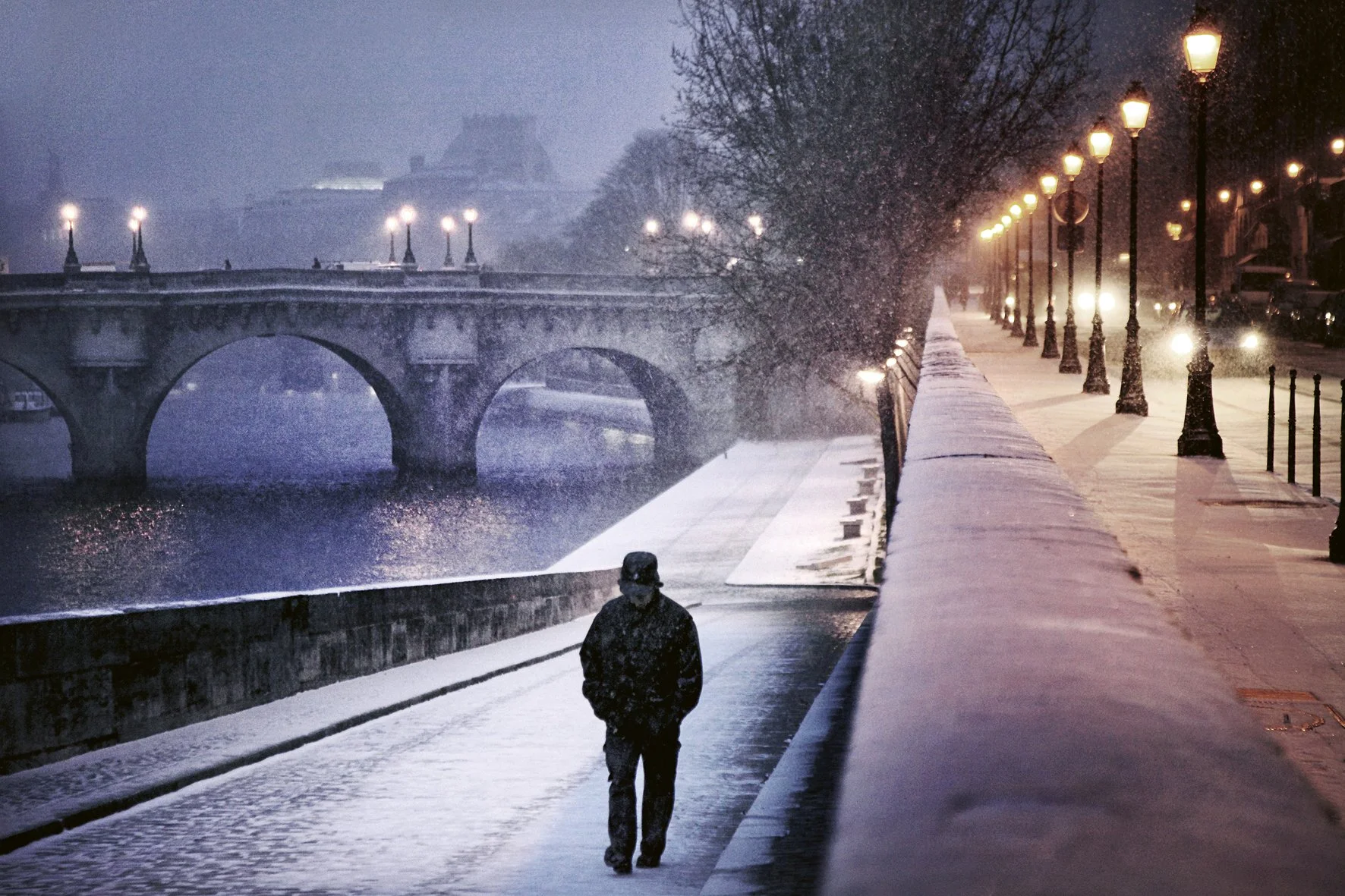

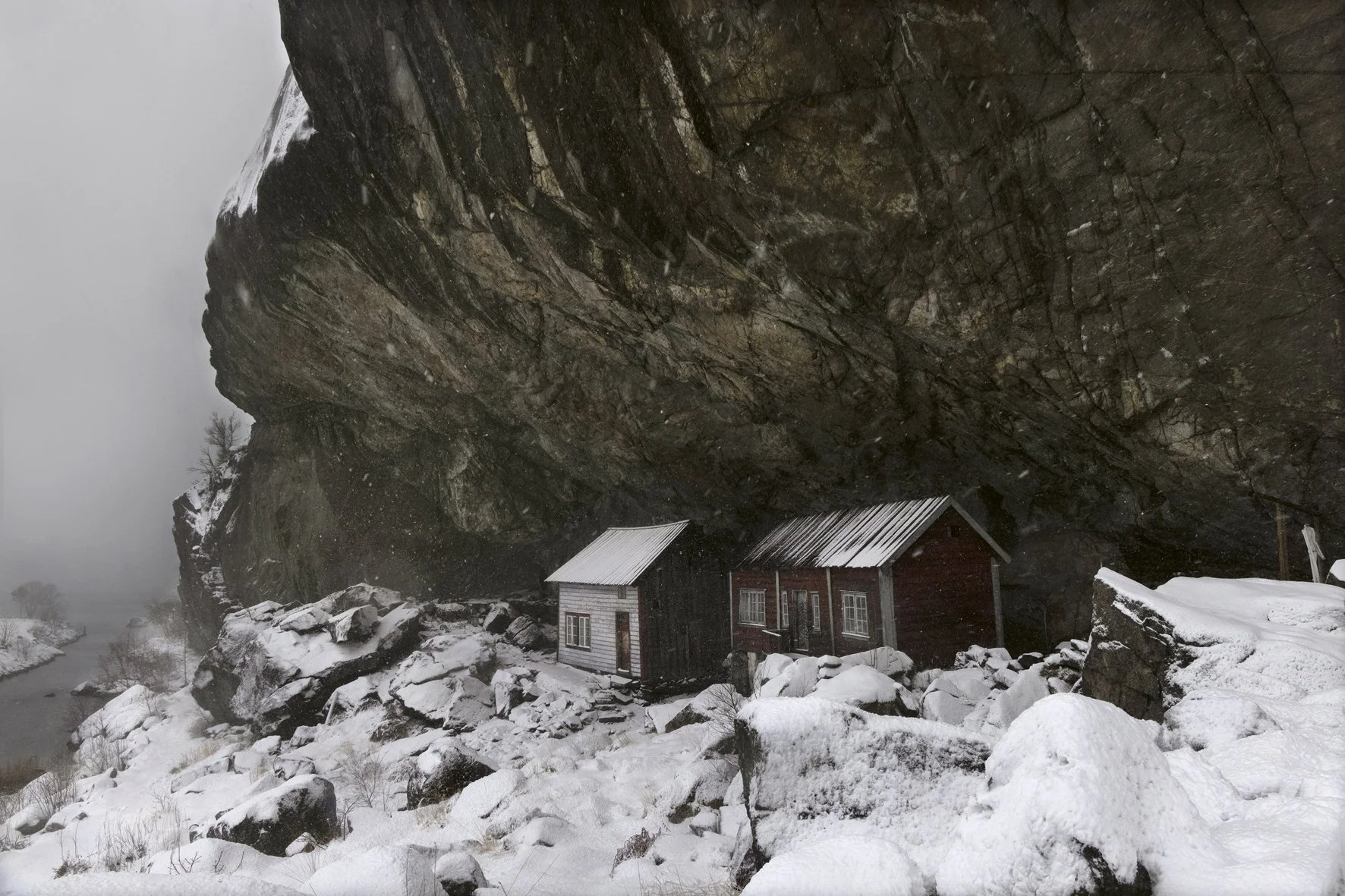
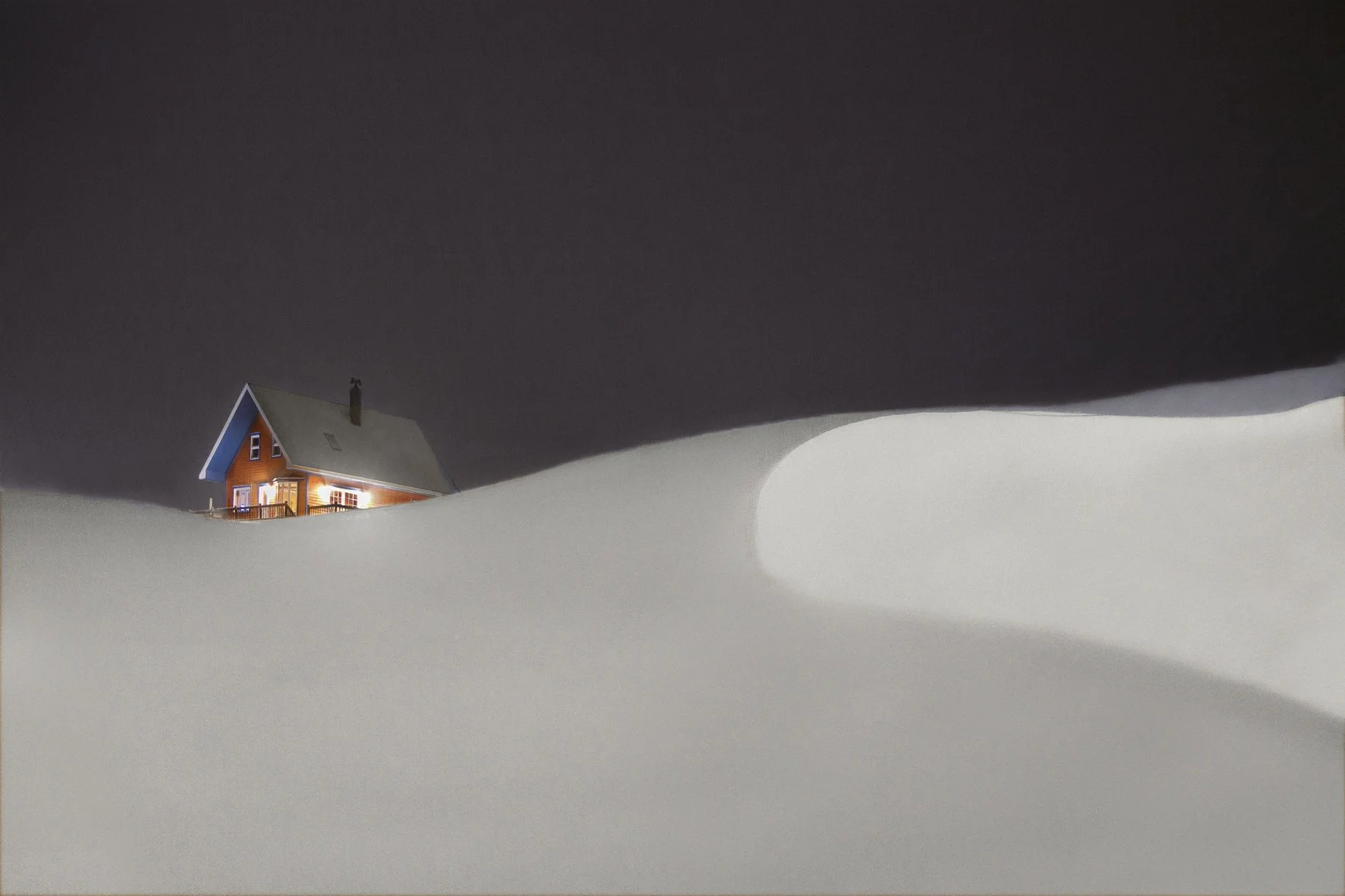
Mood and Feeling: Winterland shows both the beauty and harshness of winter. How do you capture both feelings in one photograph?
I don't know, I work purely by instinct. But I do a lot of spotting (checking out the place before leaving) and focus intensely when I’m on site.
To discover more about this intriguing body of work and how you can acquire your own copy, you can find and purchase the book here. (teNeues Verlag, Amazon)
More photography books?
We'd love to read your comments below, sharing your thoughts and insights on the artist's work. Looking forward to welcoming you back for our next [book spotlight]. See you then!
Ian Bates found his wildfire story after the fire. In 2014, he saw his first wildfire while visiting a friend in Eastern Washington. Photography Book Spotlight