How Ragnar Axelsson Turns Storms, Ice, and Silence Into Photographs That Feel Eternal
Welcome to this edition of [book spotlight]. Today, we uncover the layers of 'Behind Mountains and Arctic Heroes,' by Ragnar Axelsson (published by Kehrer Verlag). We'd love to read your comments below about these insights and ideas behind the artist's work.
Ragnar Axelsson has spent his life chasing the Arctic before it disappears.
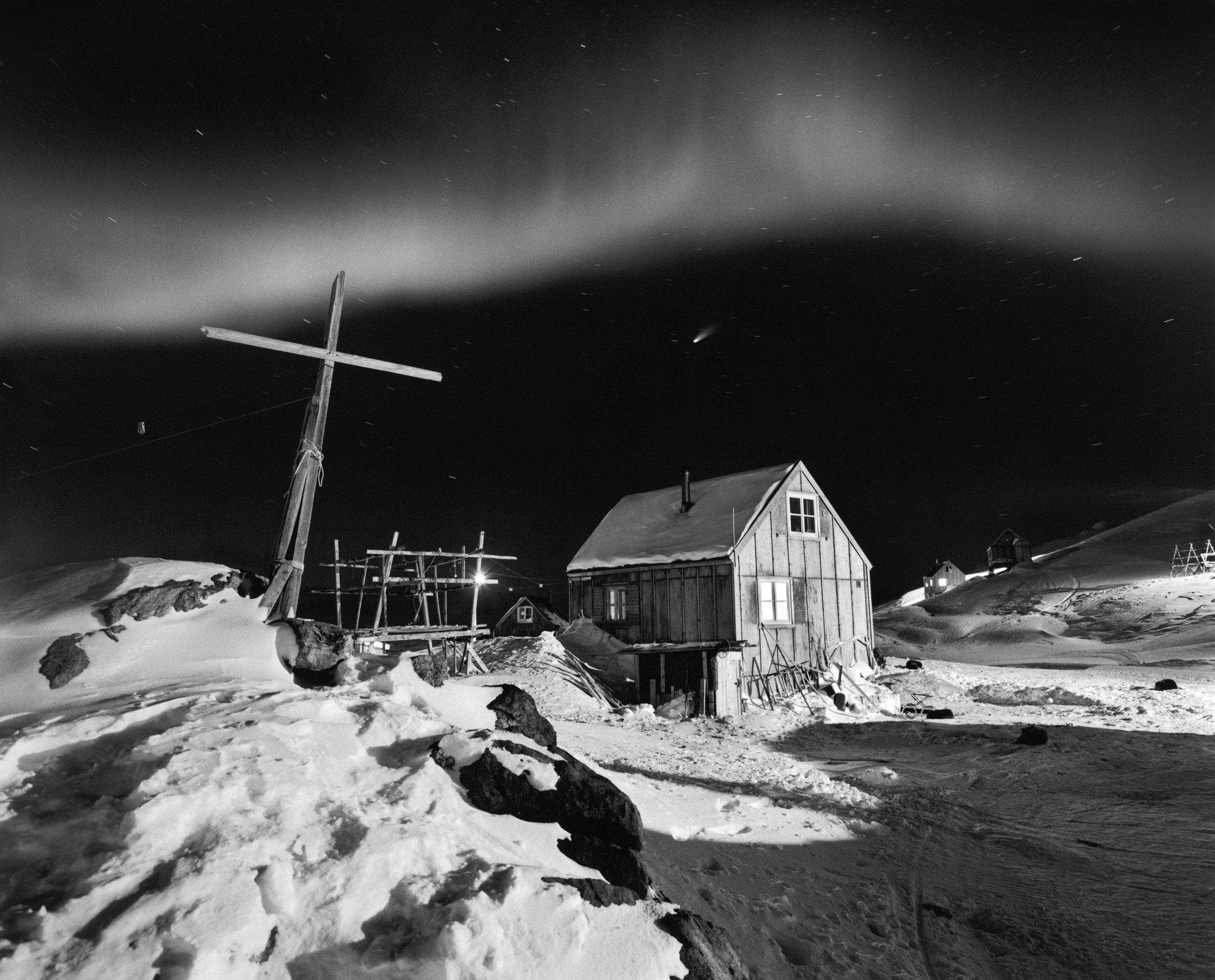
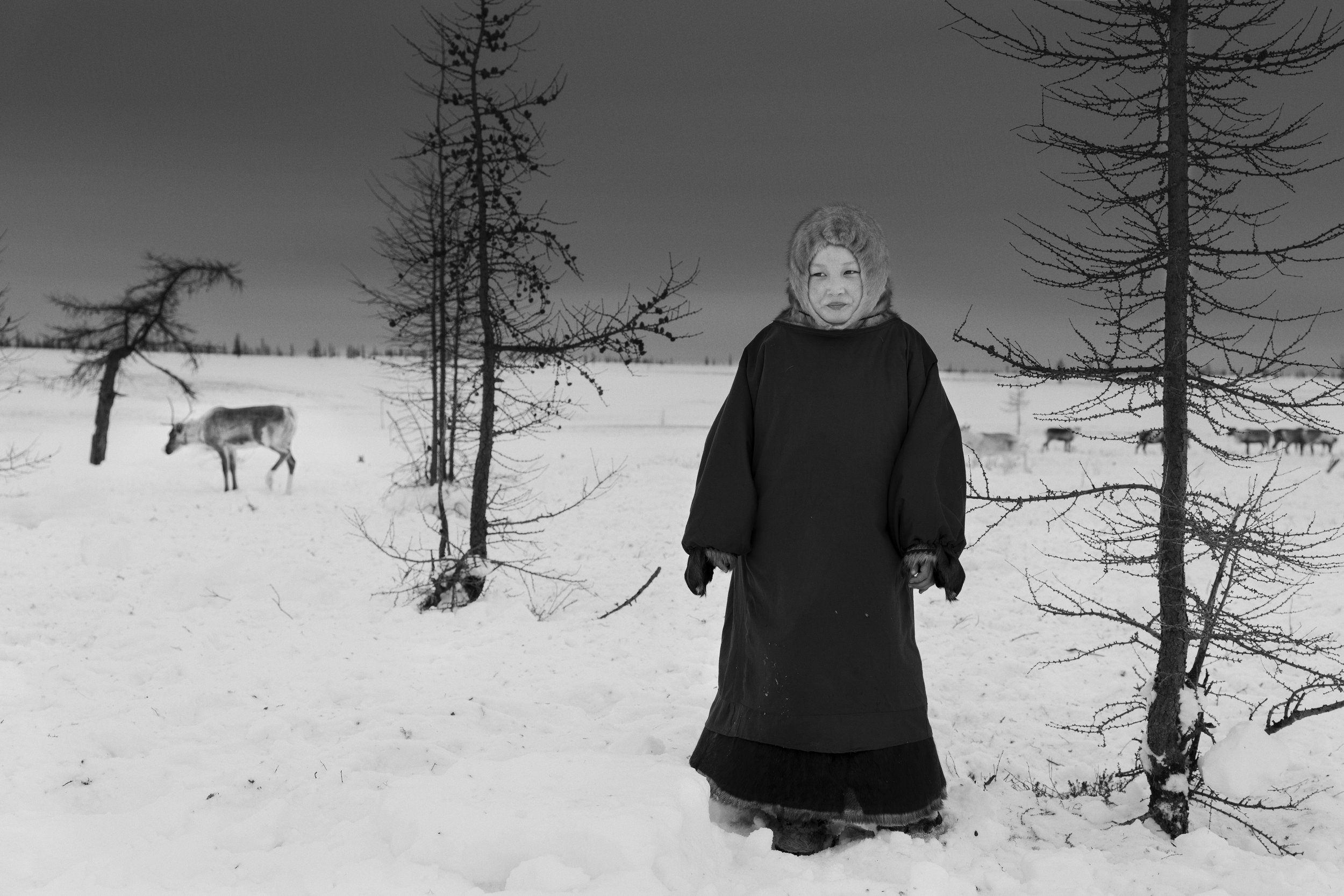
For 45 years, this Icelandic photographer has traveled to places most people will never see. He documents hunting communities in Greenland where temperatures drop to minus 48 degrees (celsius) and sea ice cracks under your feet. His black and white photographs show a world that scientists say will be gone in 150 years. This is not just photography - this is saving memory before it melts away.
The work nearly killed him multiple times.
Ragnar lost feeling in his hands during one shoot and still suffers pain today. He has run across breaking sea ice with hunters, survived storms that destroy houses, and lived in villages so remote it takes 800 kilometers to reach the next settlement. His camera broke from extreme cold just as he captured his most important shot. But he keeps going back because someone needs to show what we are losing.
About Behind Mountains
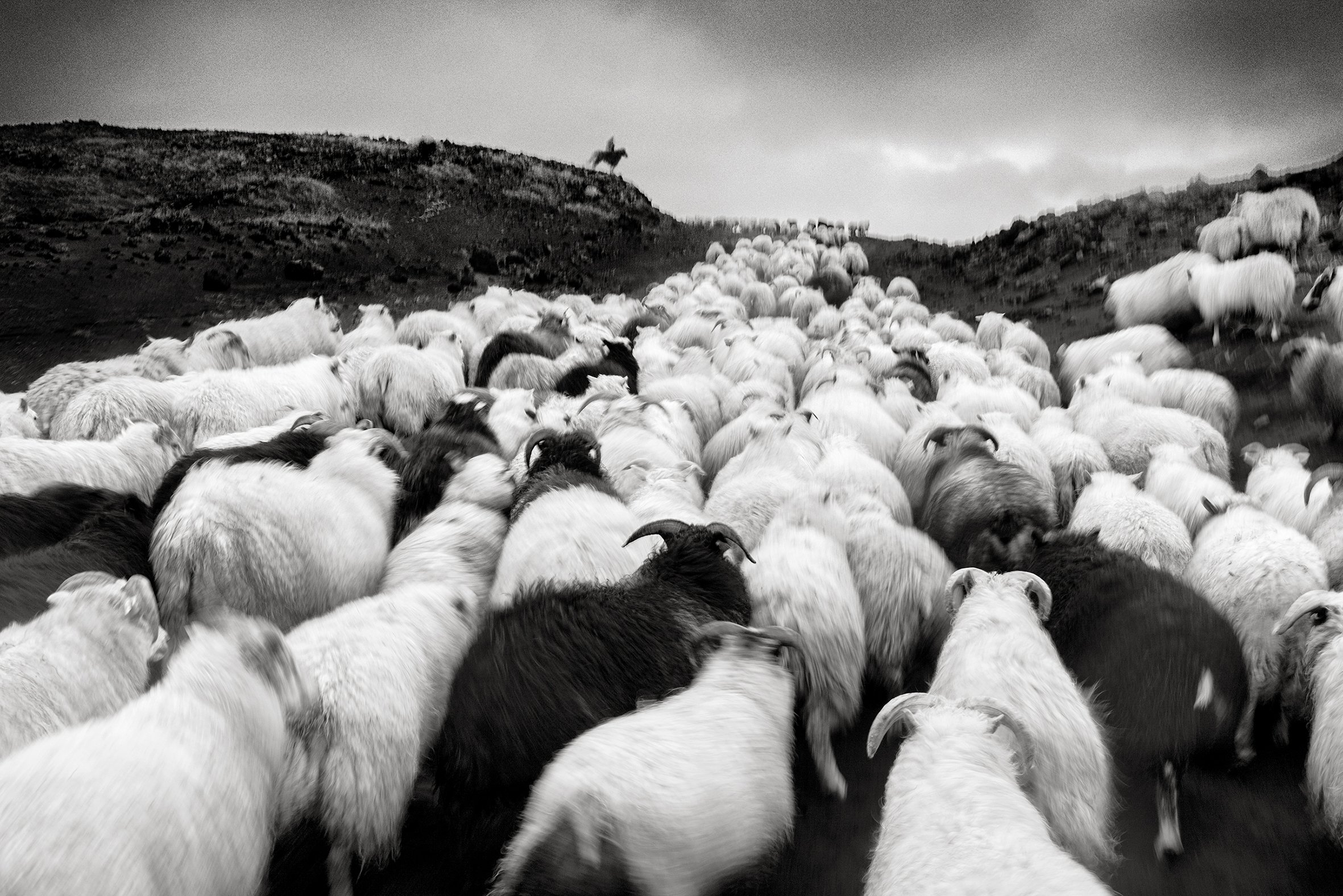
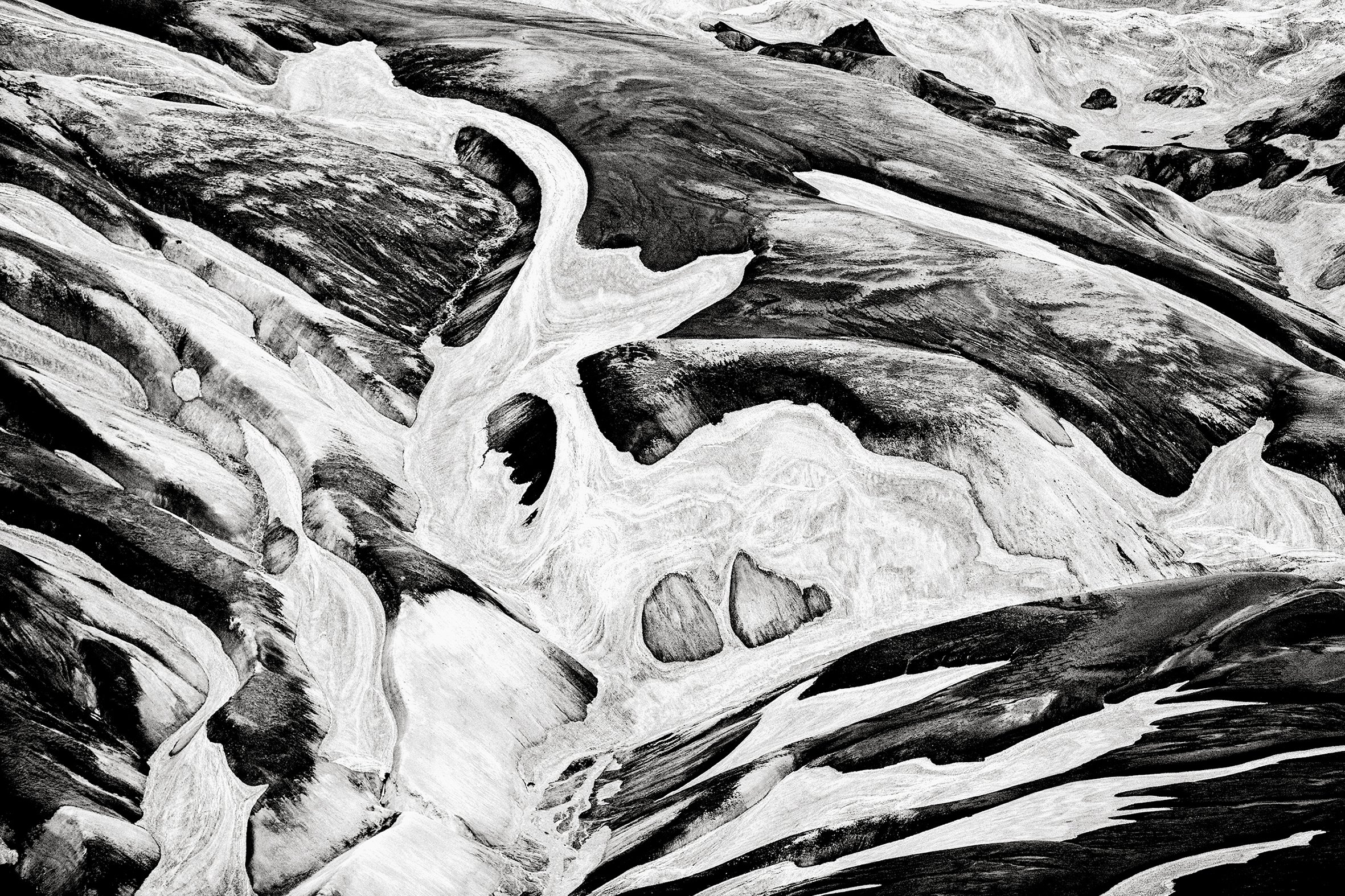
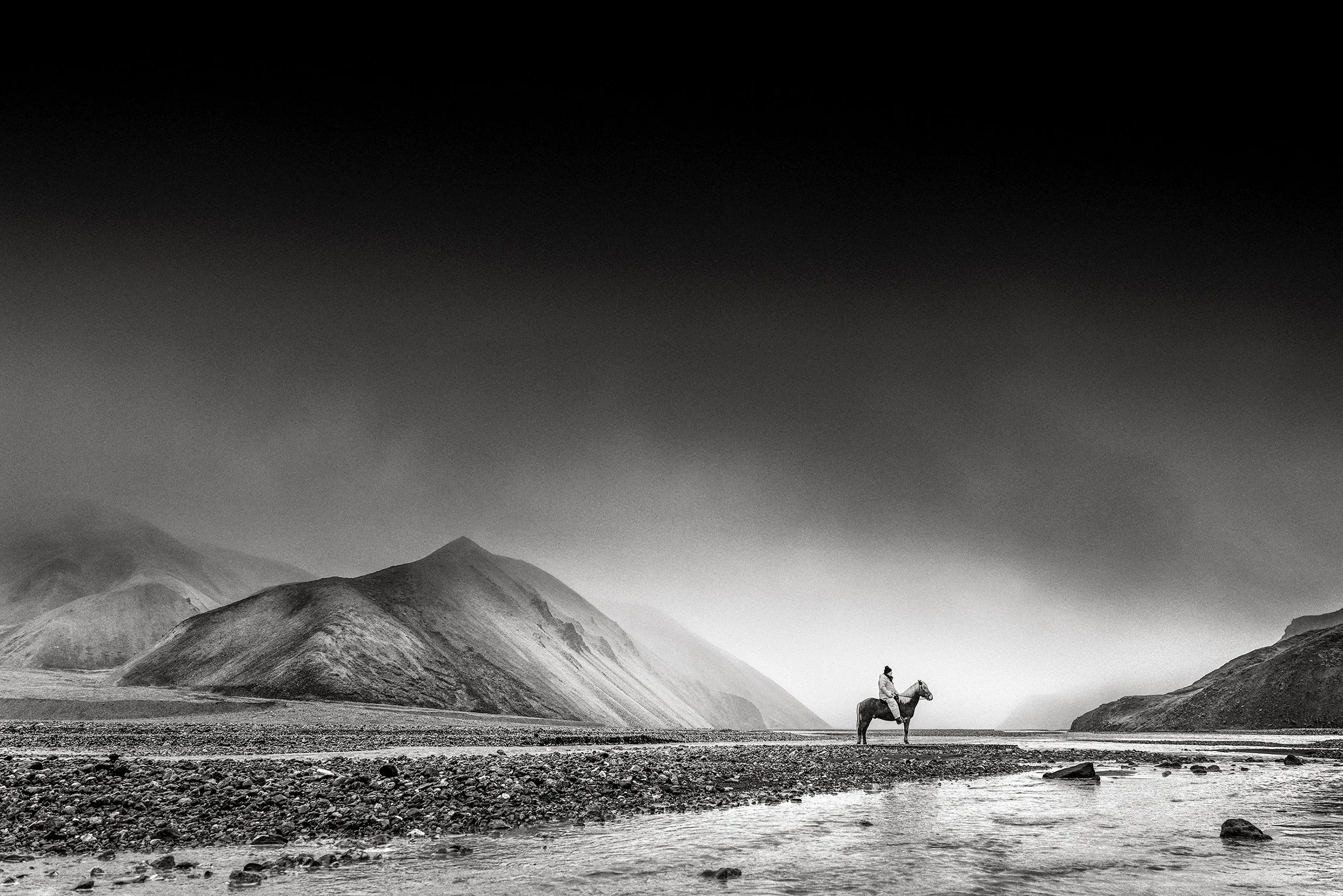
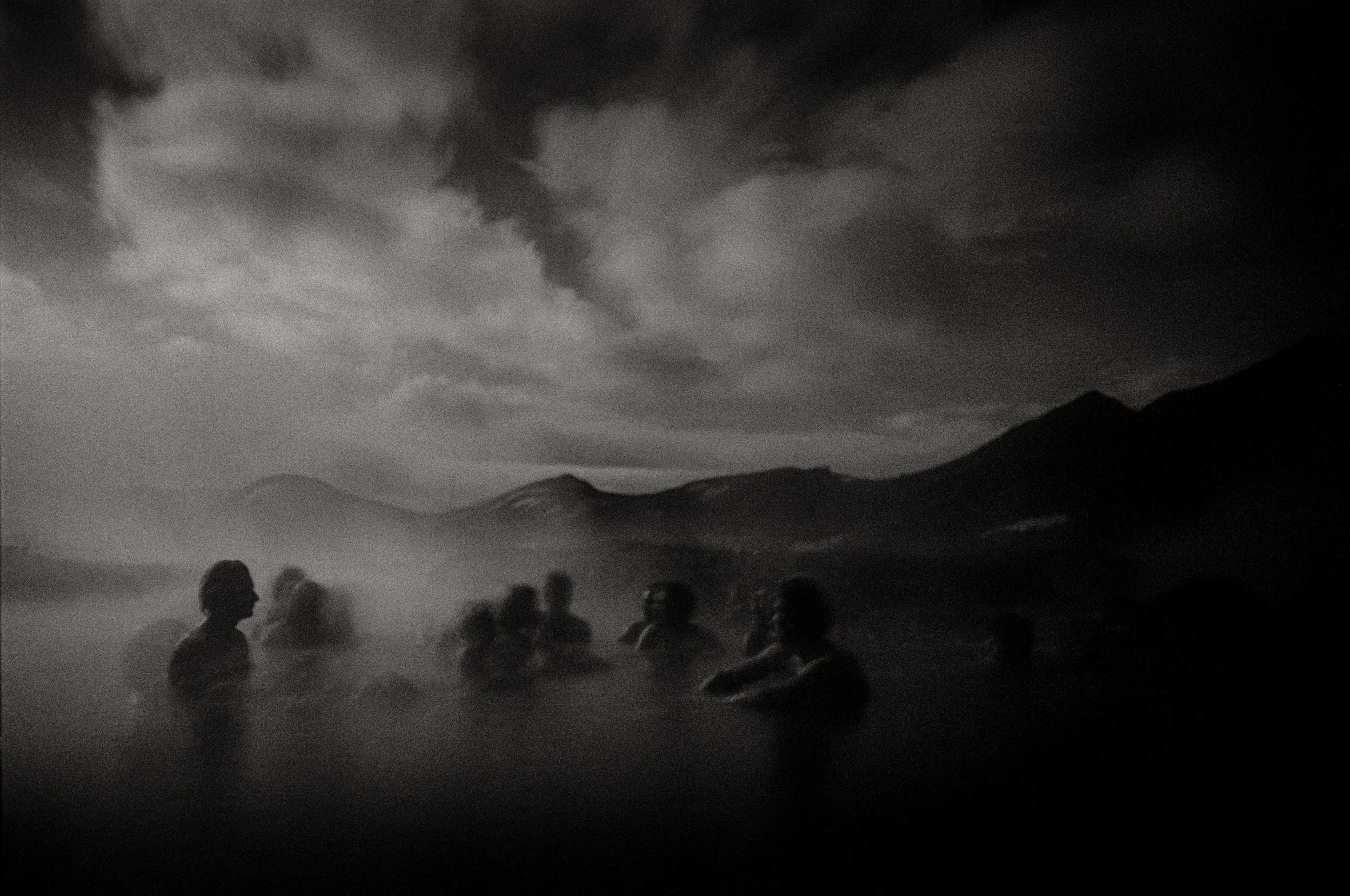
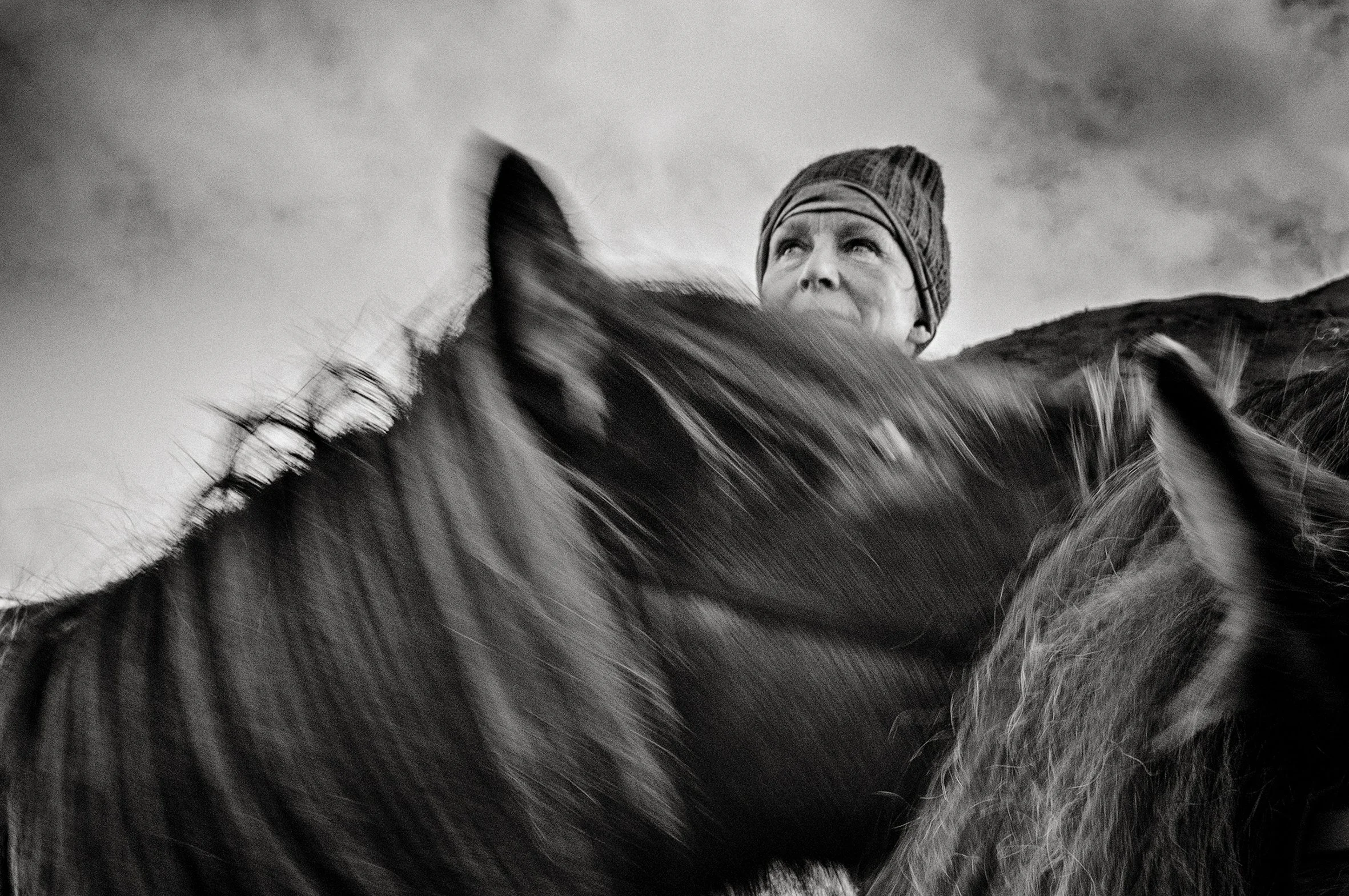
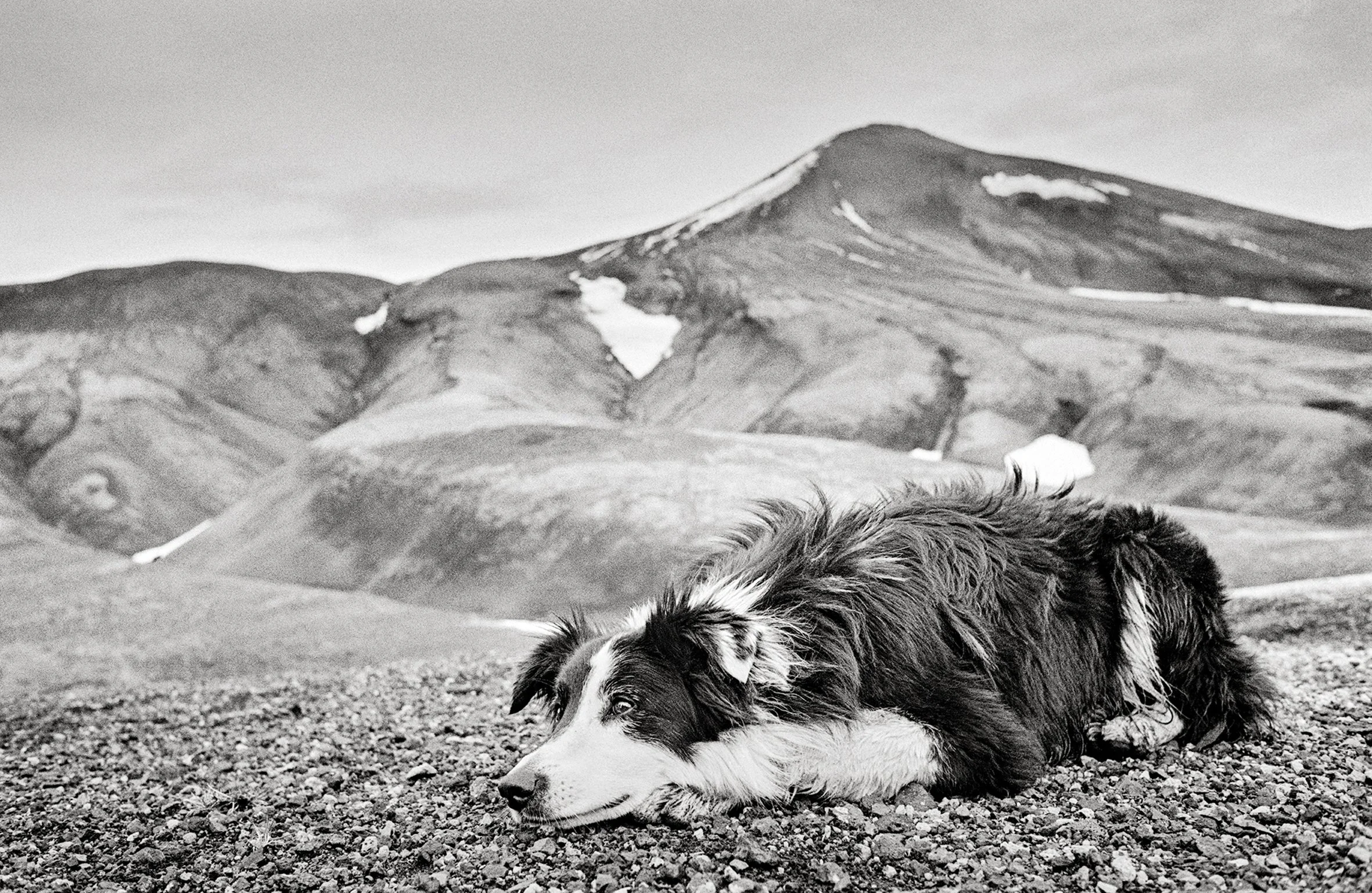
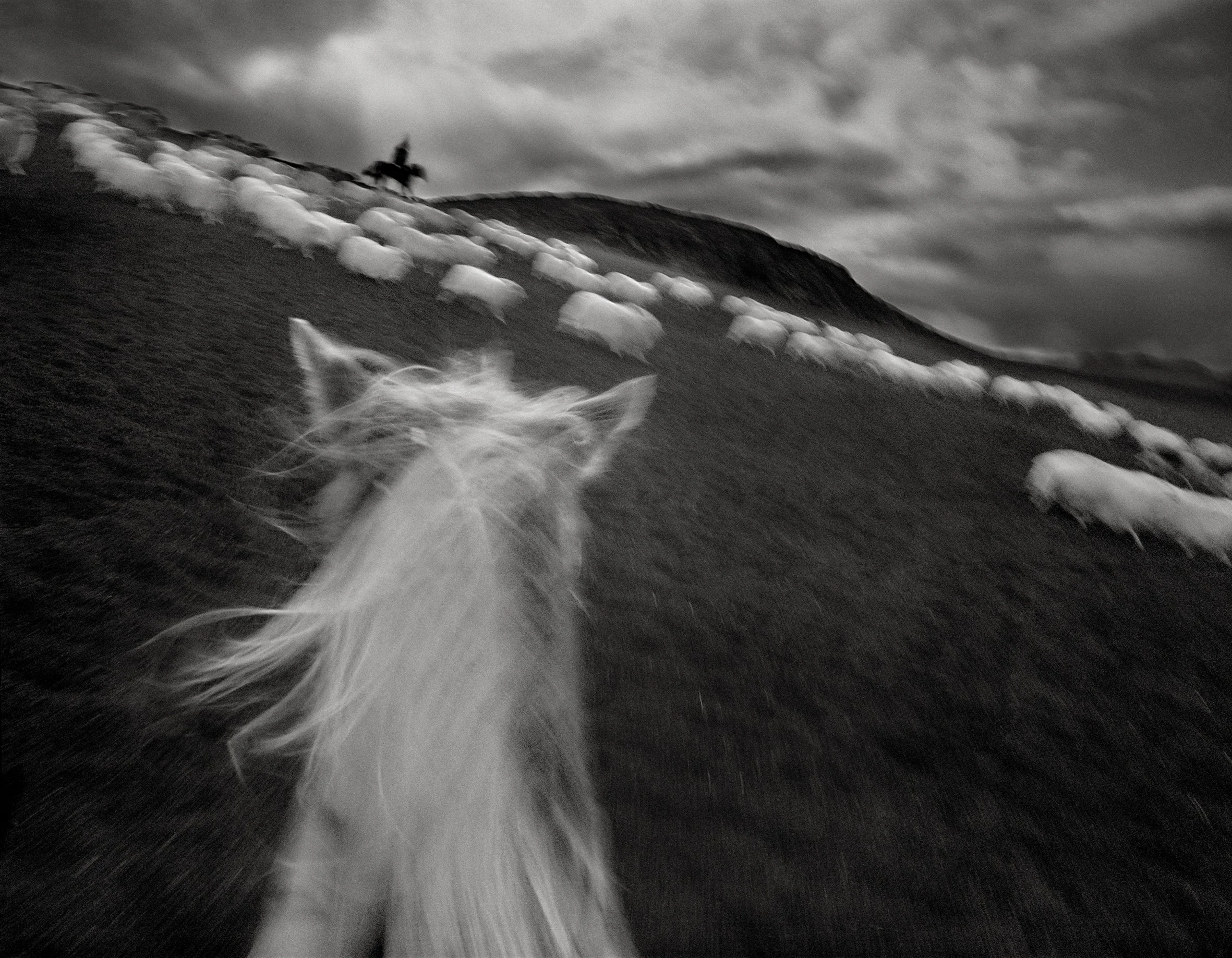
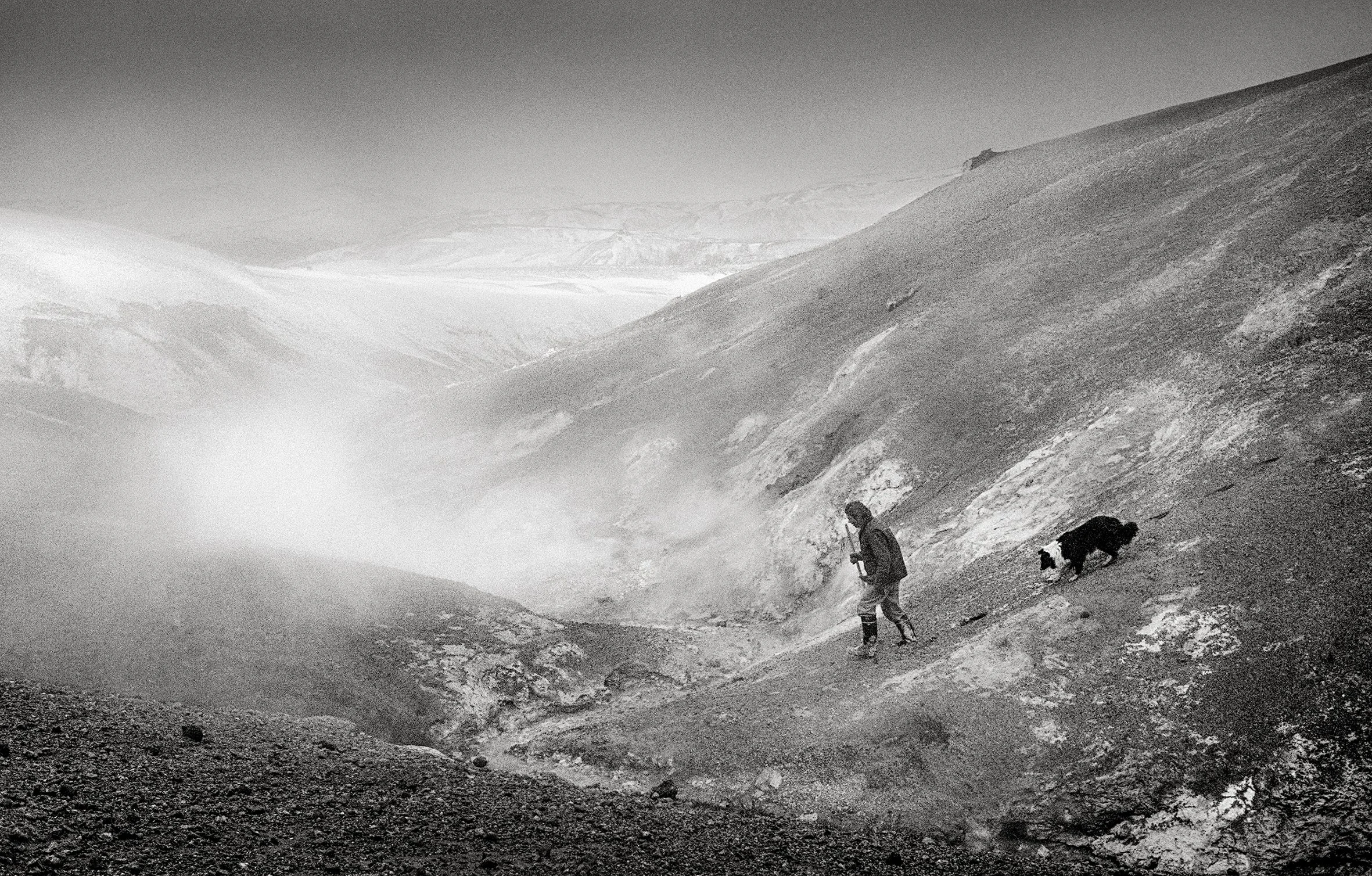
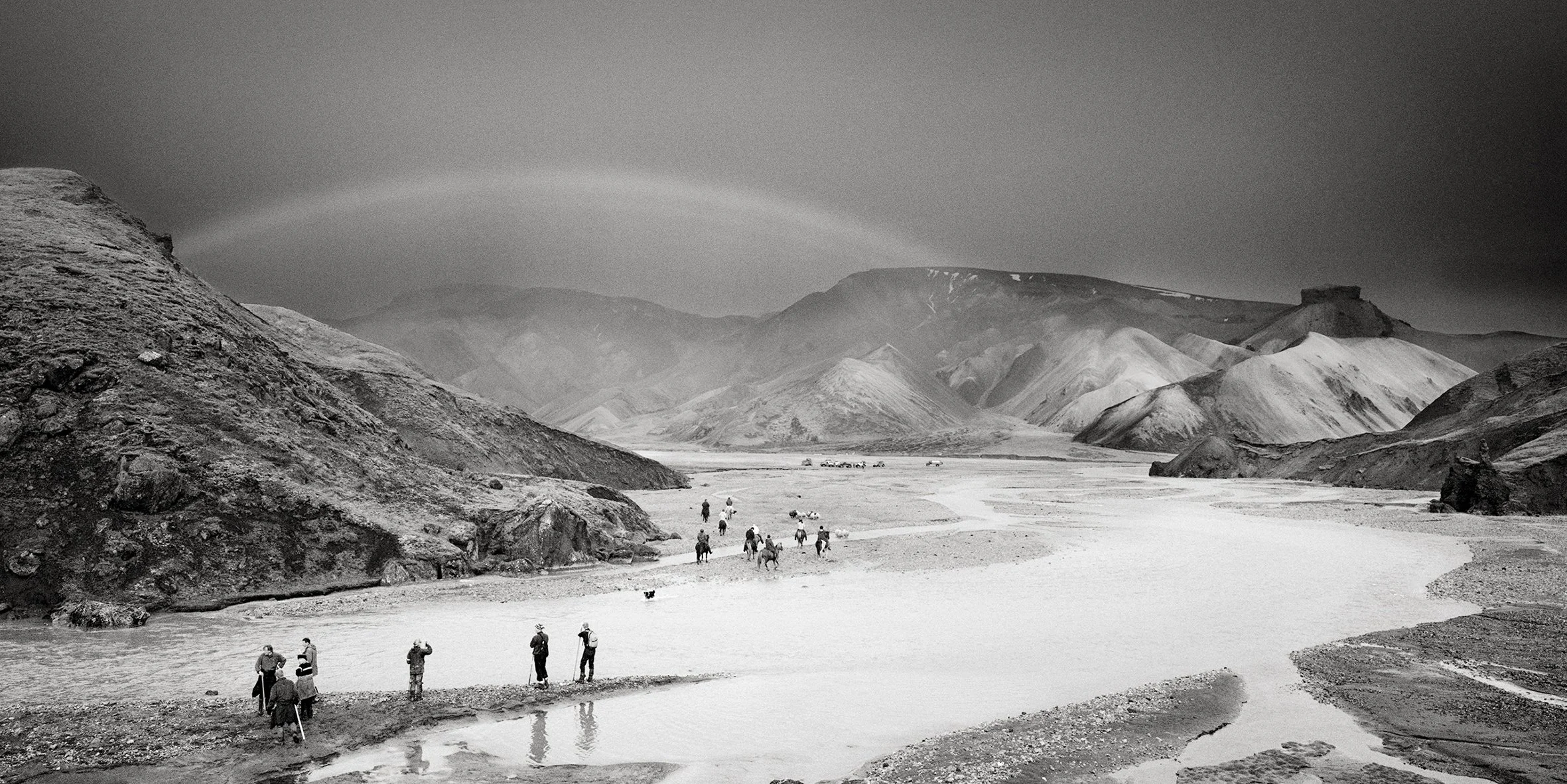
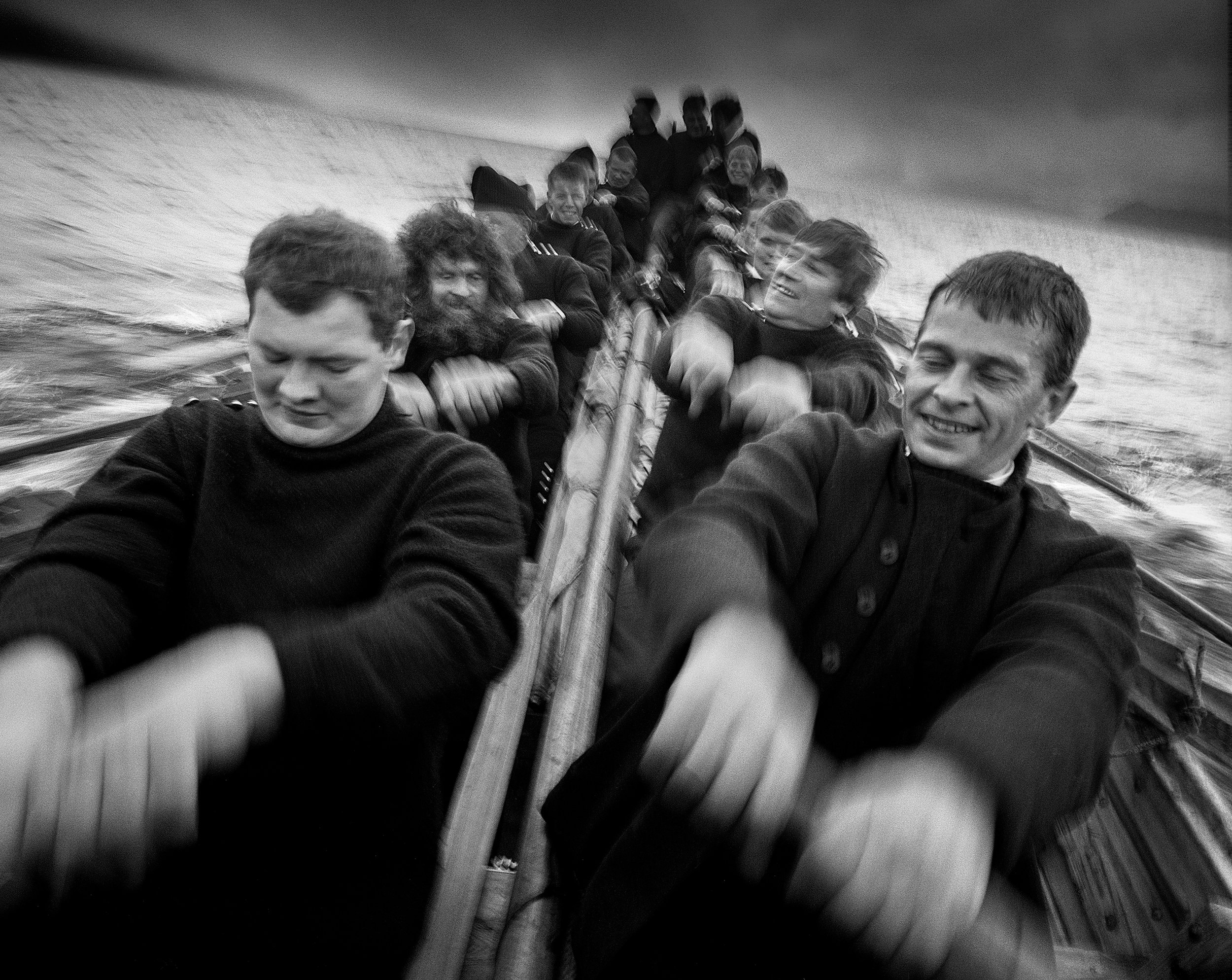
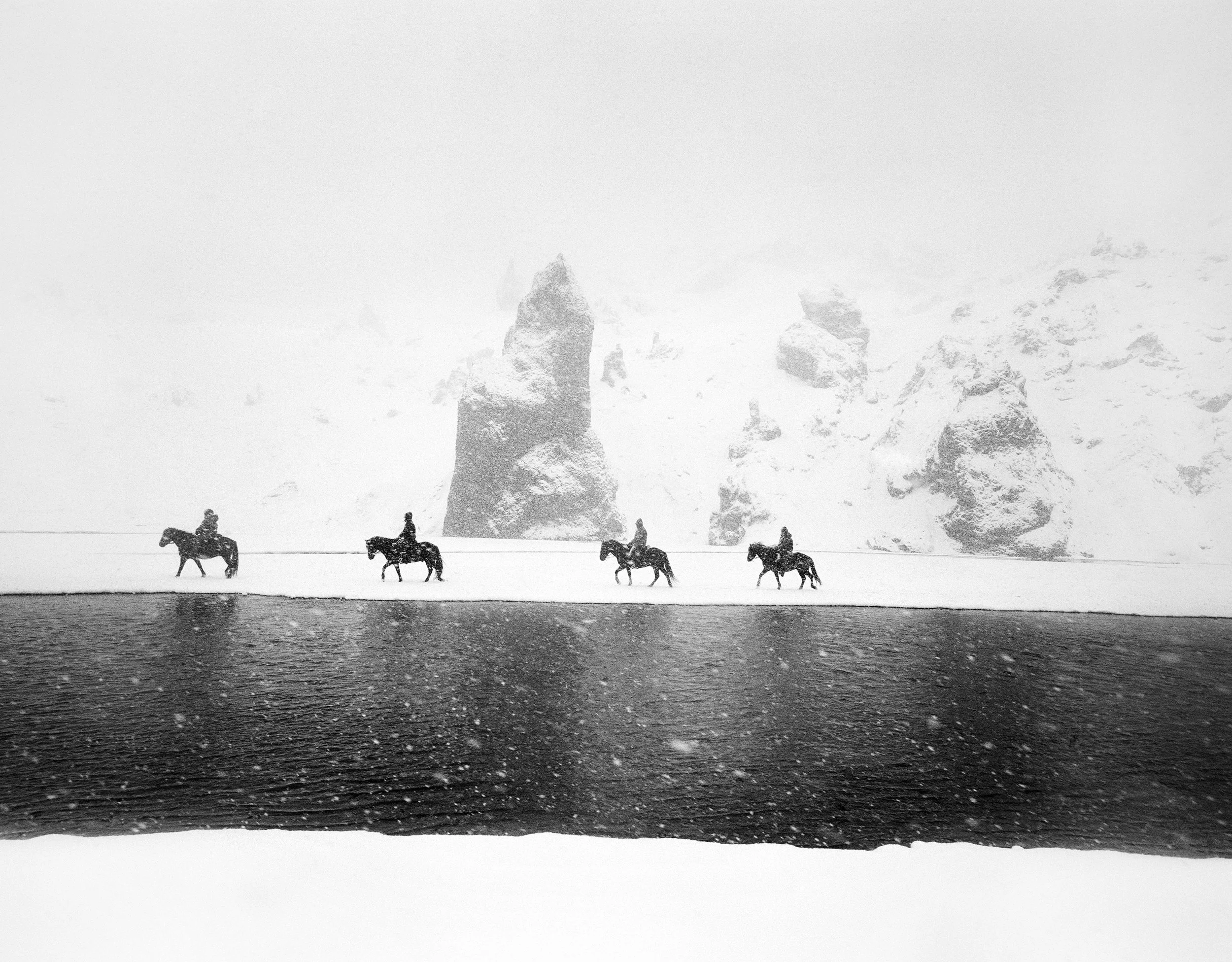
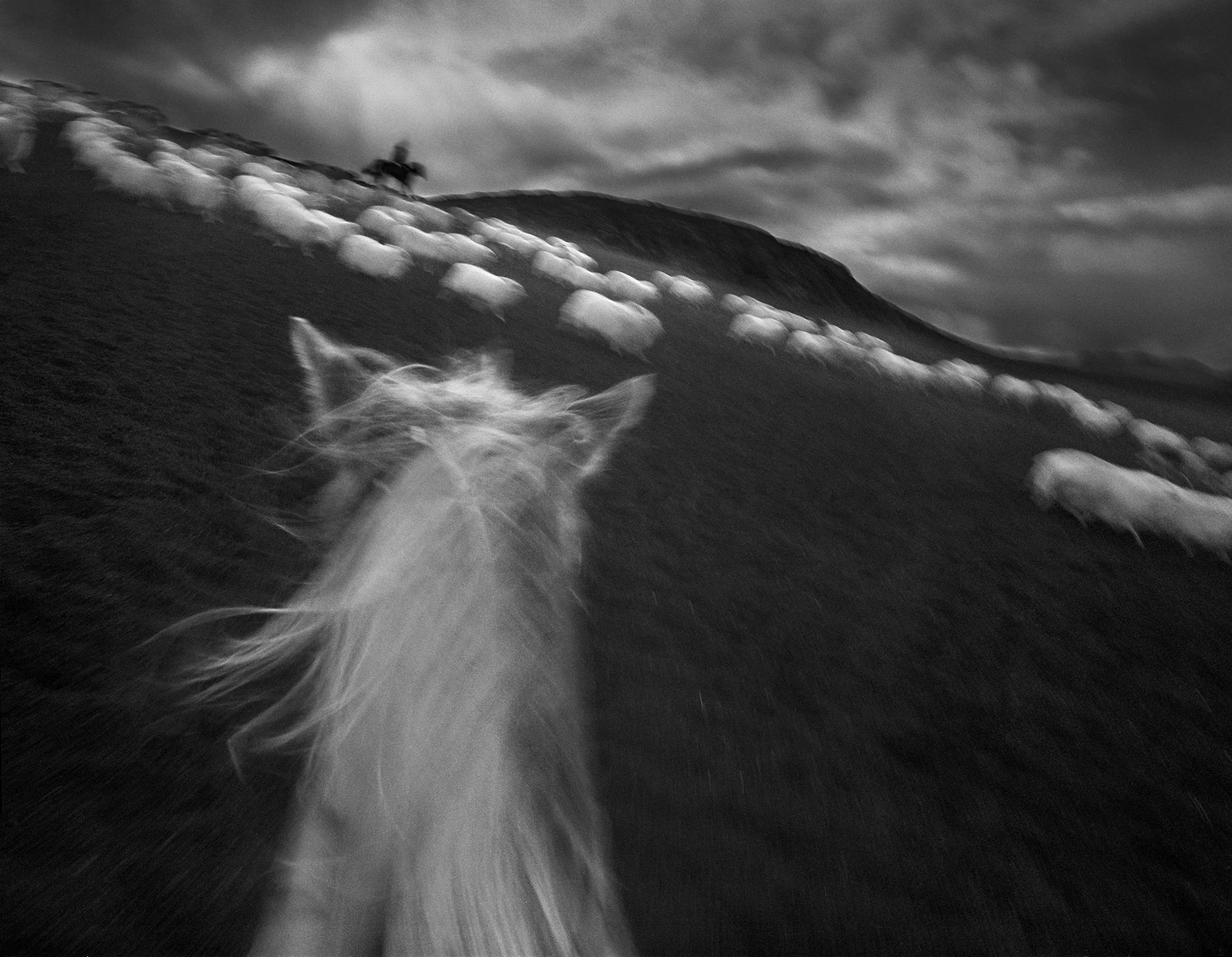
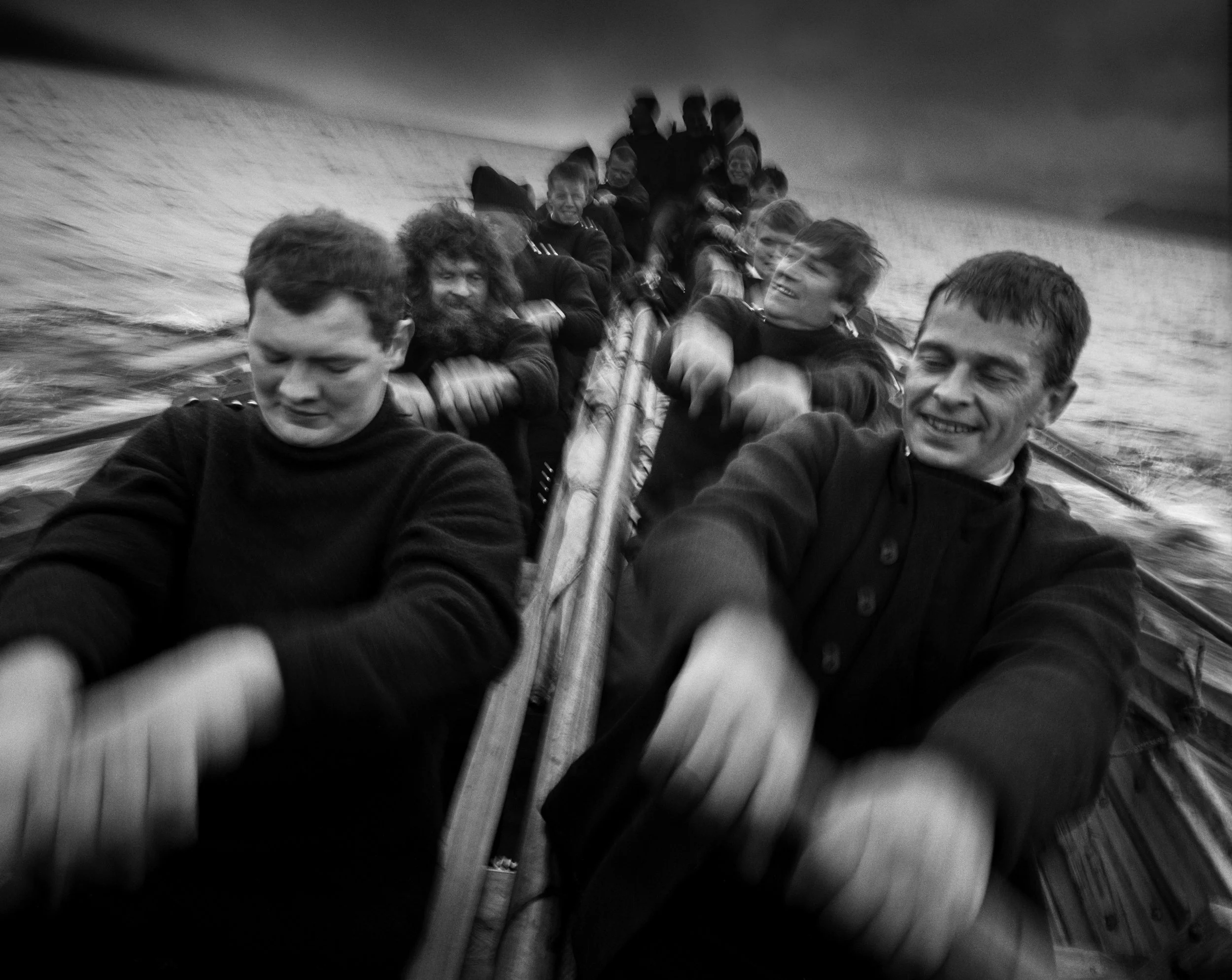
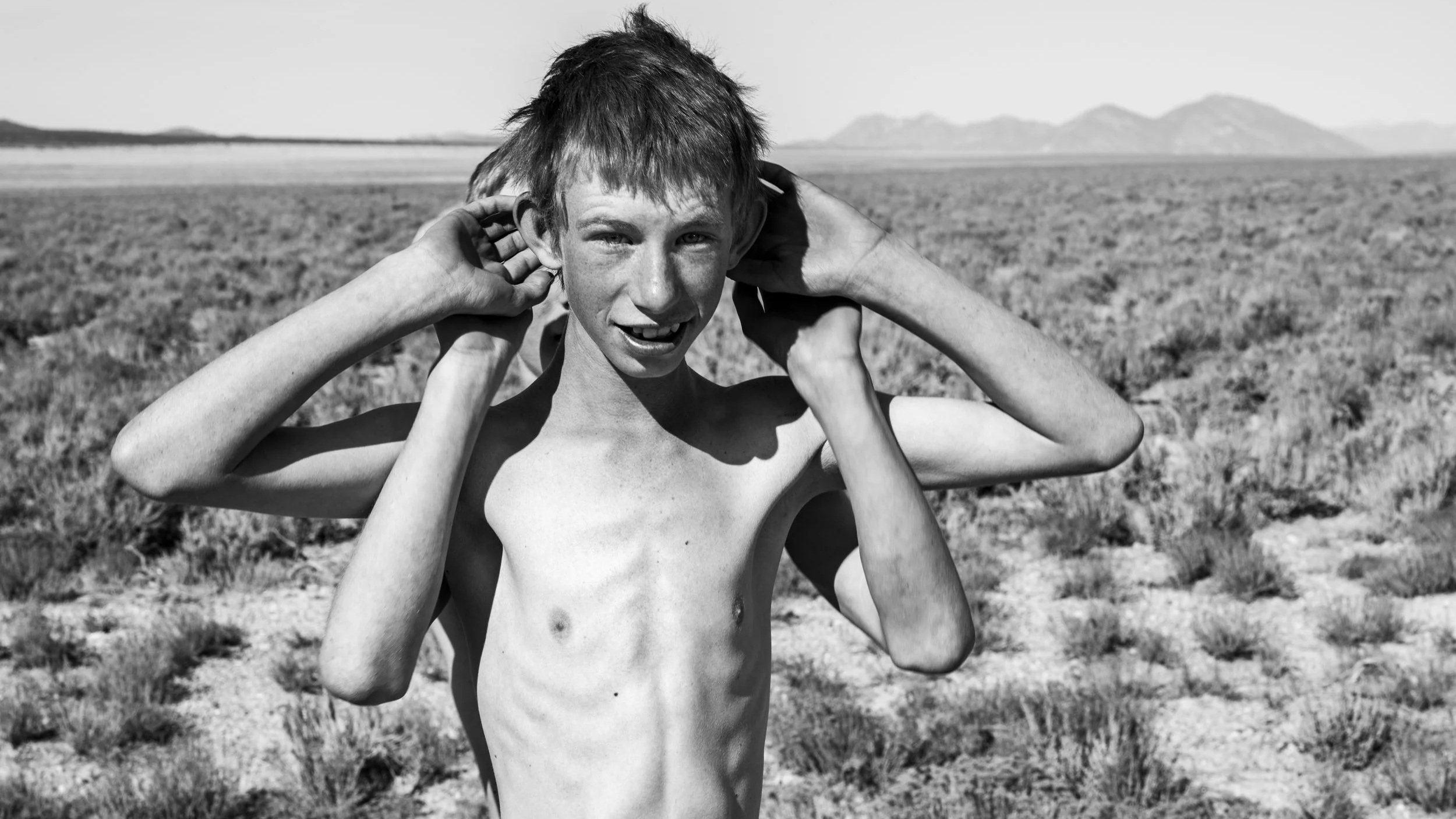
Behind Mountains documents Iceland's ancient sheep roundup tradition through the lens of award-winning photographer Ragnar Axelsson. For 30 years, Axelsson has observed farmers in the remote highland region of Landmannaafréttur as they gather their flocks from summer pastures in a centuries-old ritual unchanged by time.
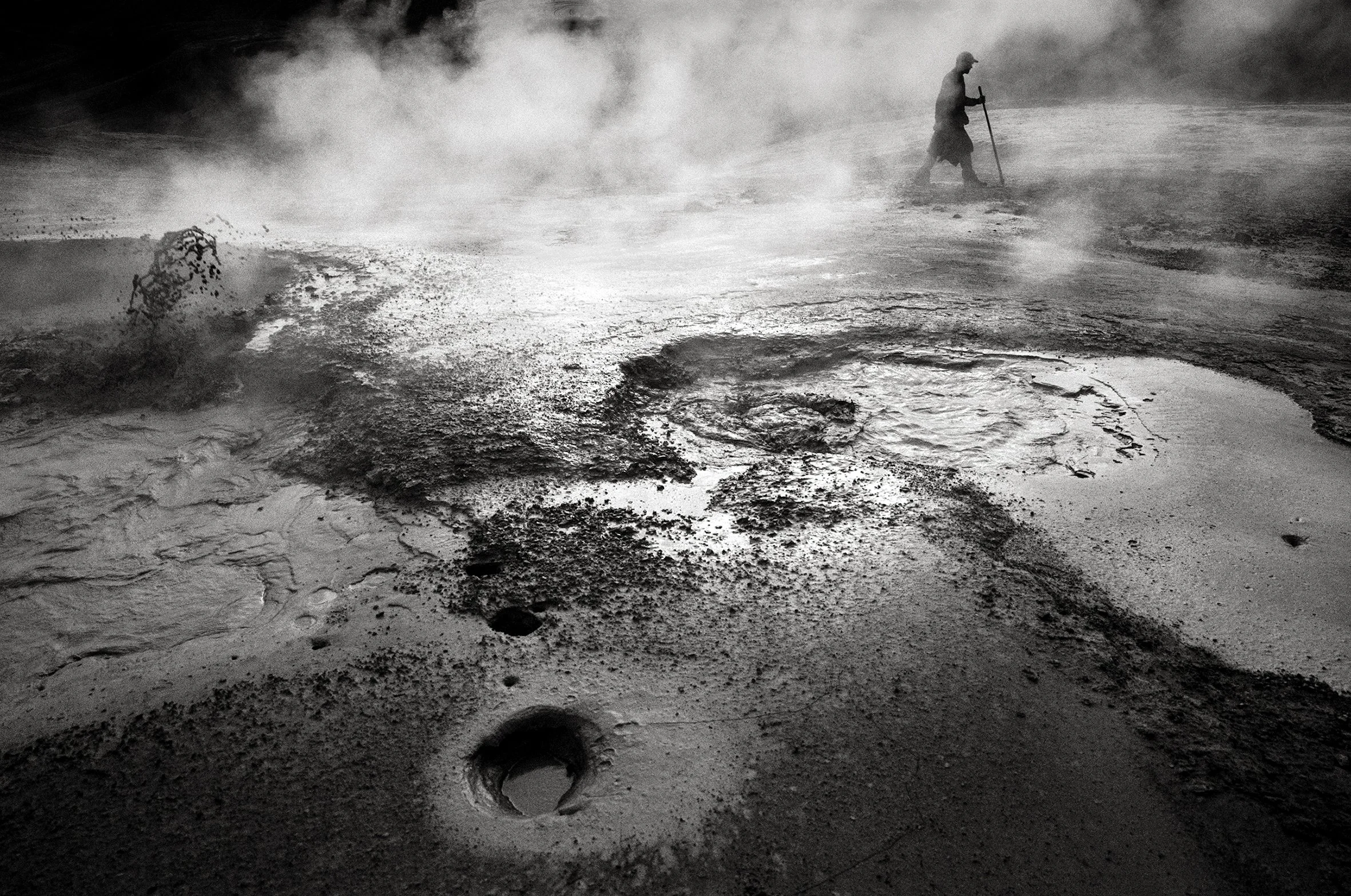
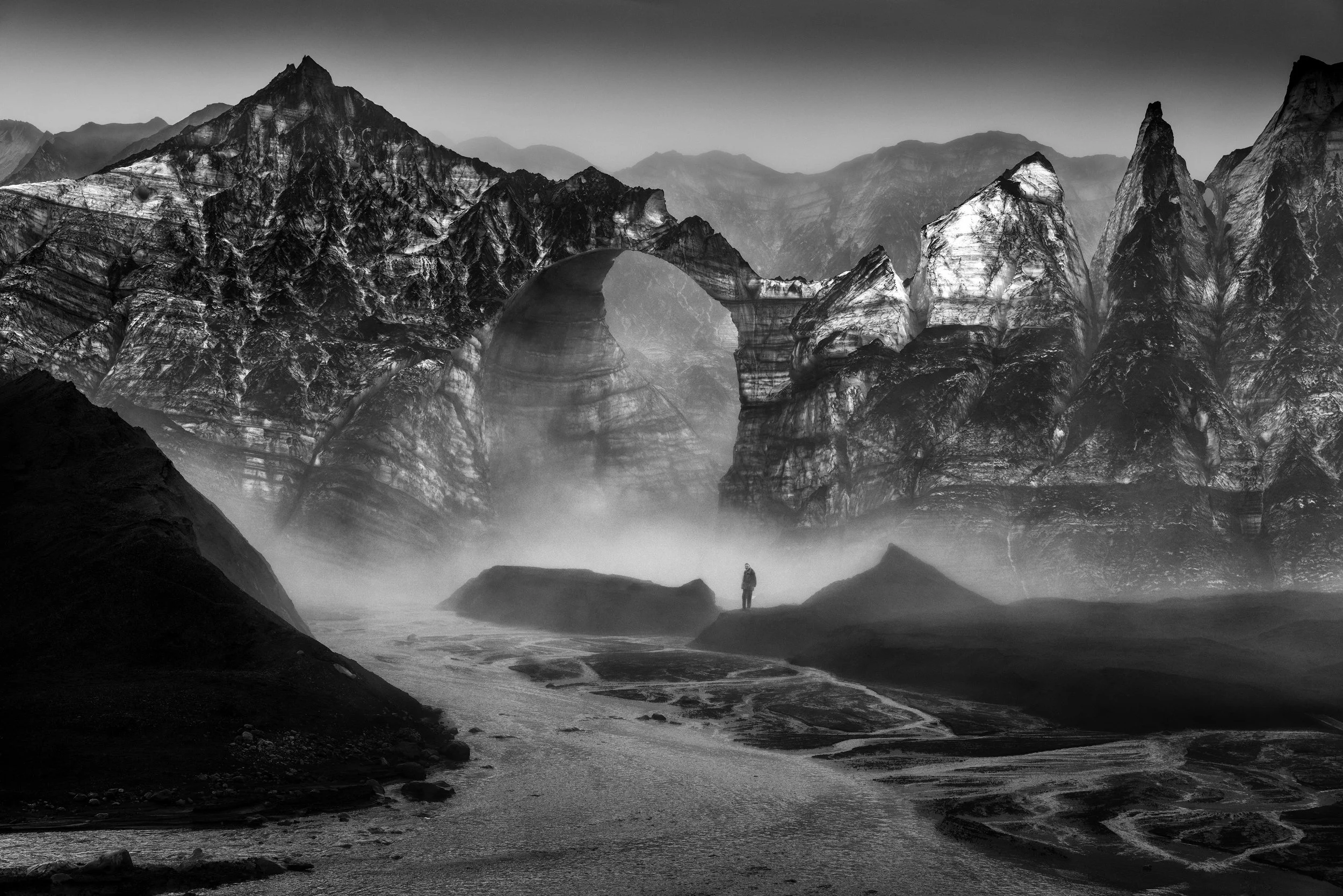
Set in one of Iceland's most dramatic and challenging terrains, the book captures the annual autumn roundup where farmers navigate volcanic landscapes, obsidian fields, and extreme weather on horseback and foot. The region sits between volcano Hekla and glacial area Jökulheimar, along the active rift between North American and Eurasian tectonic plates.
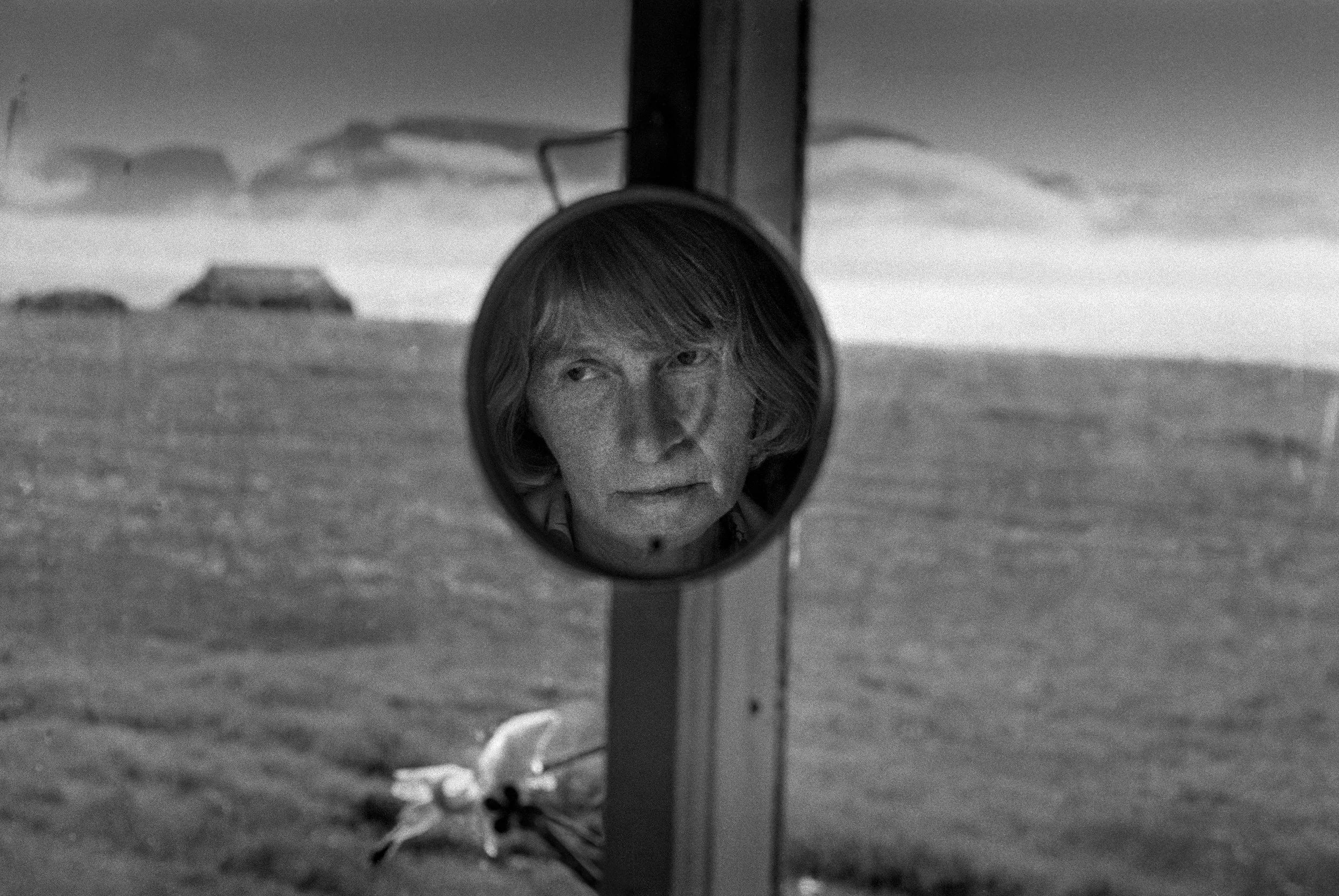
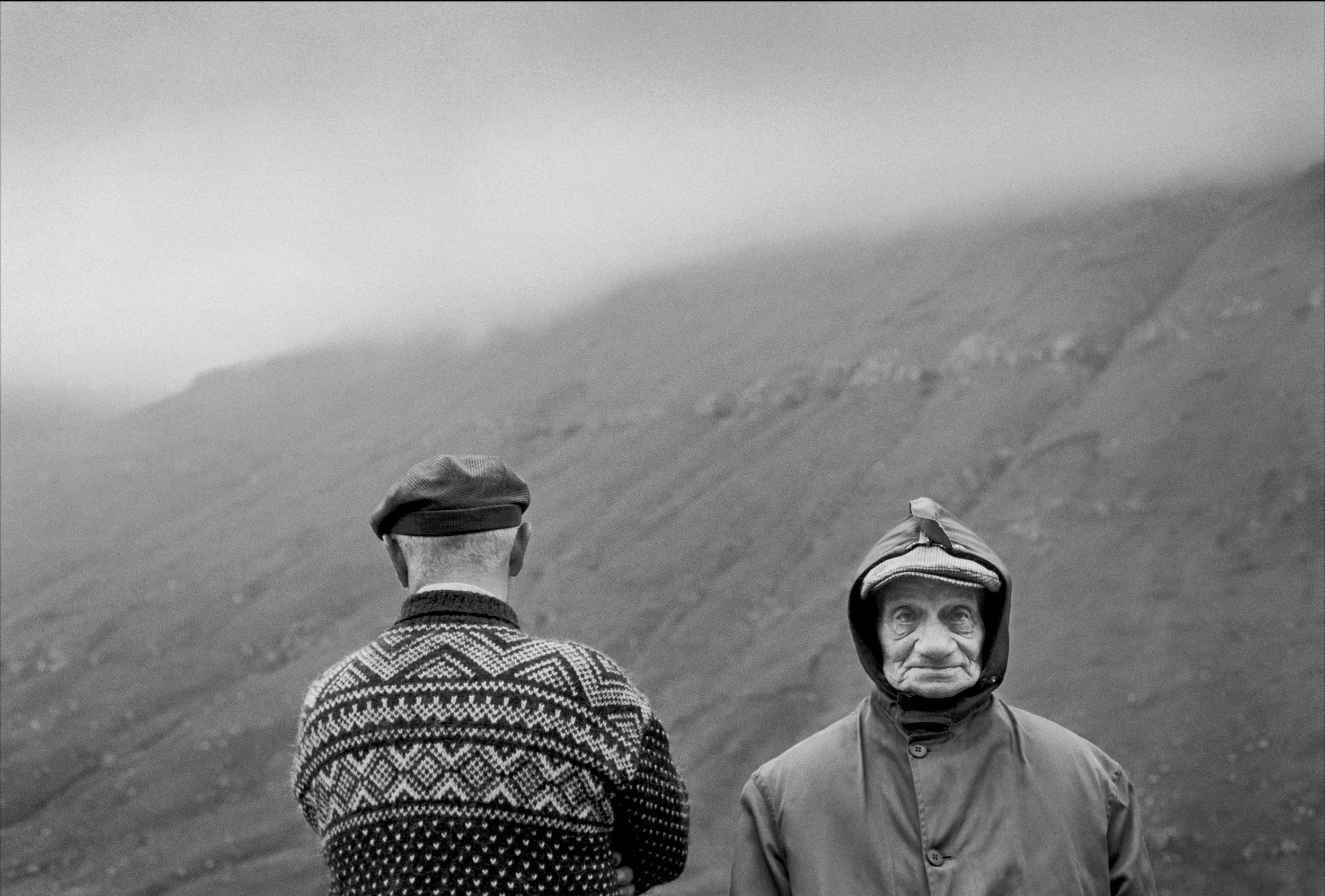
Through powerful black-and-white photographs, Axelsson documents the delicate balance between humans, animals, and the rugged highland environment. His images reveal both the physical demands of mountain herding and the specific knowledge passed down through generations that emphasizes community, organization, and endurance.
The book raises questions about the future of these traditional practices as culture, technology, and the environment itself continue to change. As Axelsson's mountain guide Þórður Guðnason observes: "no matter what happens, the mountains will remain in their place." (Kehrer Verlag, Amazon)
About Arctic Heroes
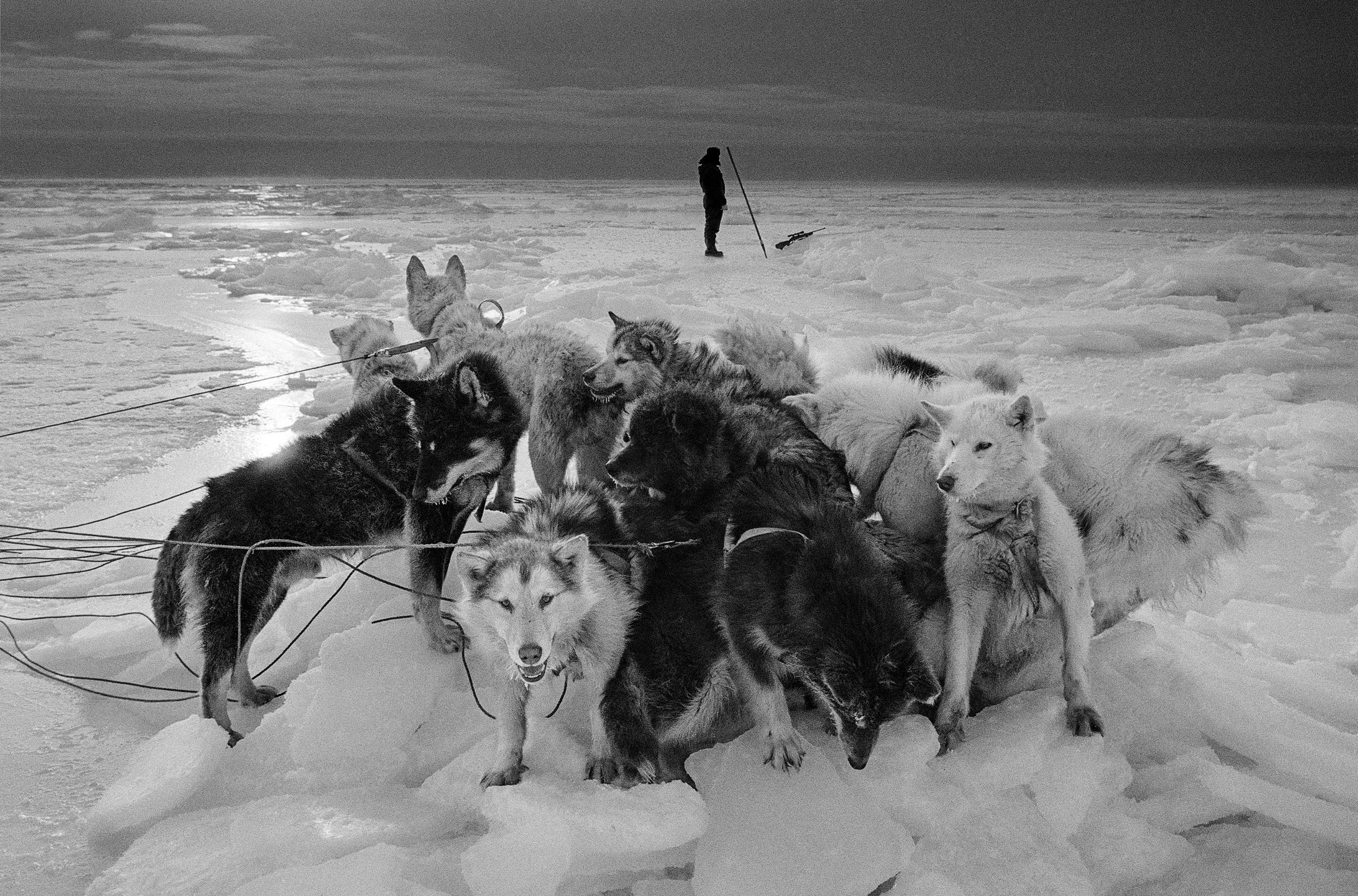
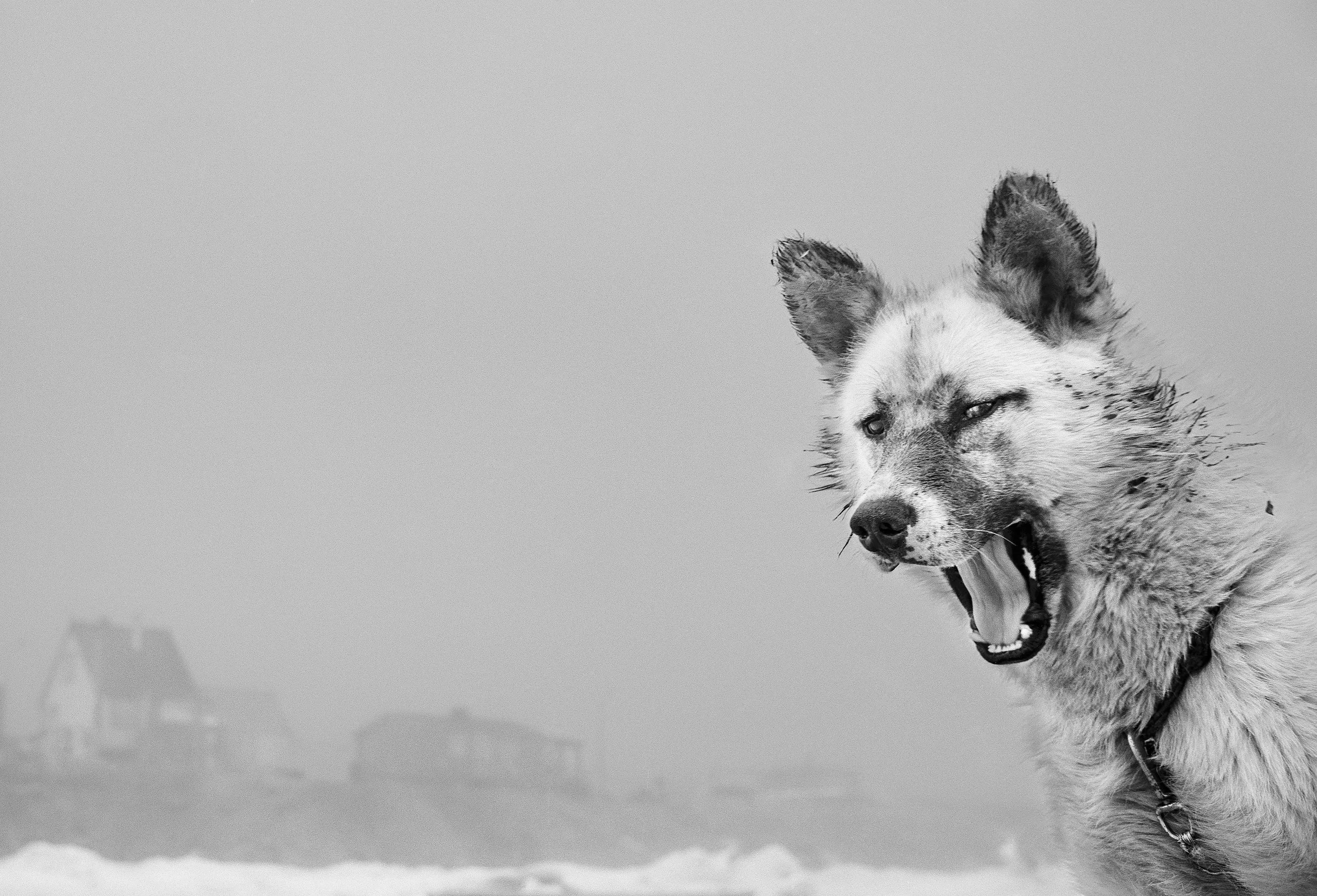
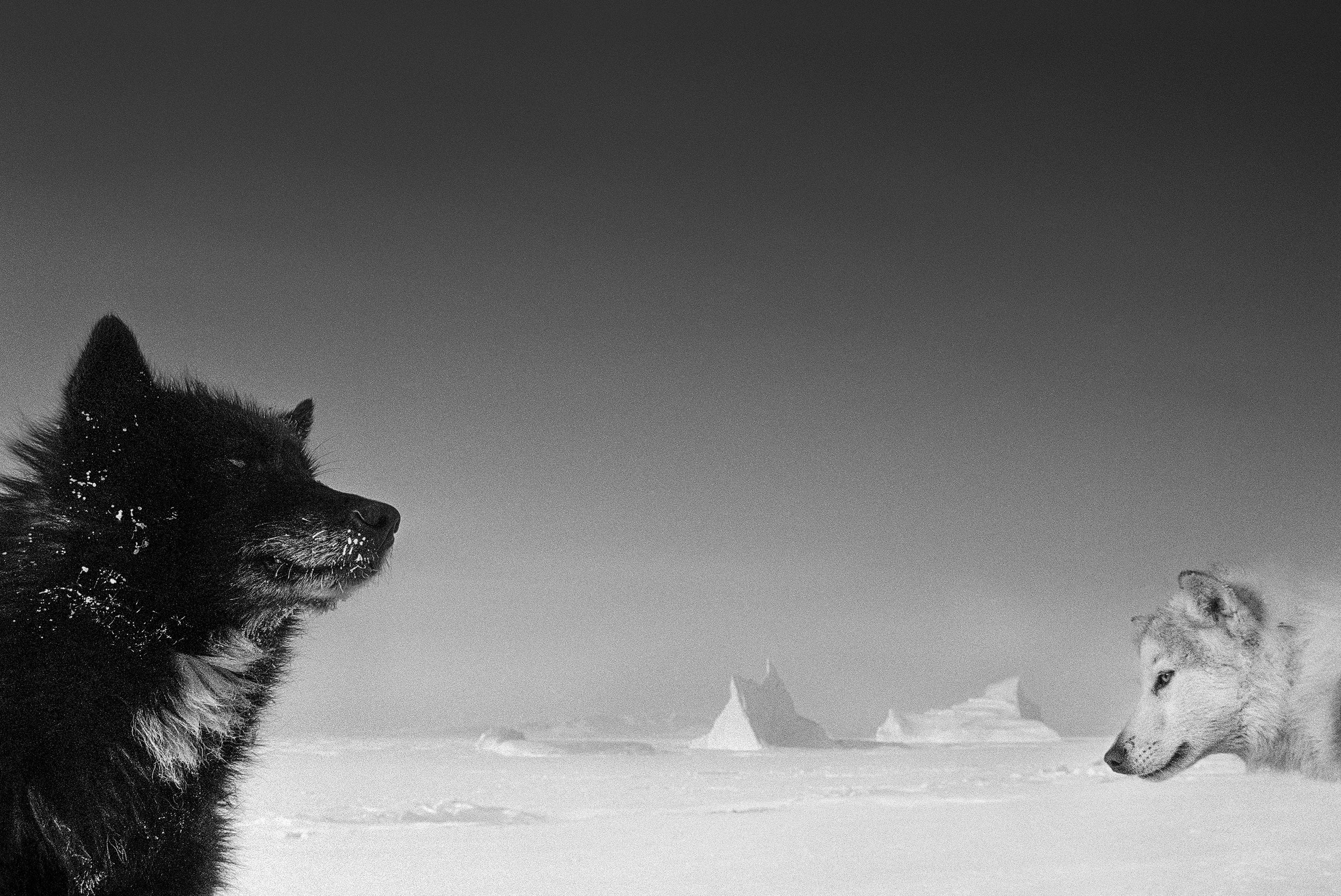
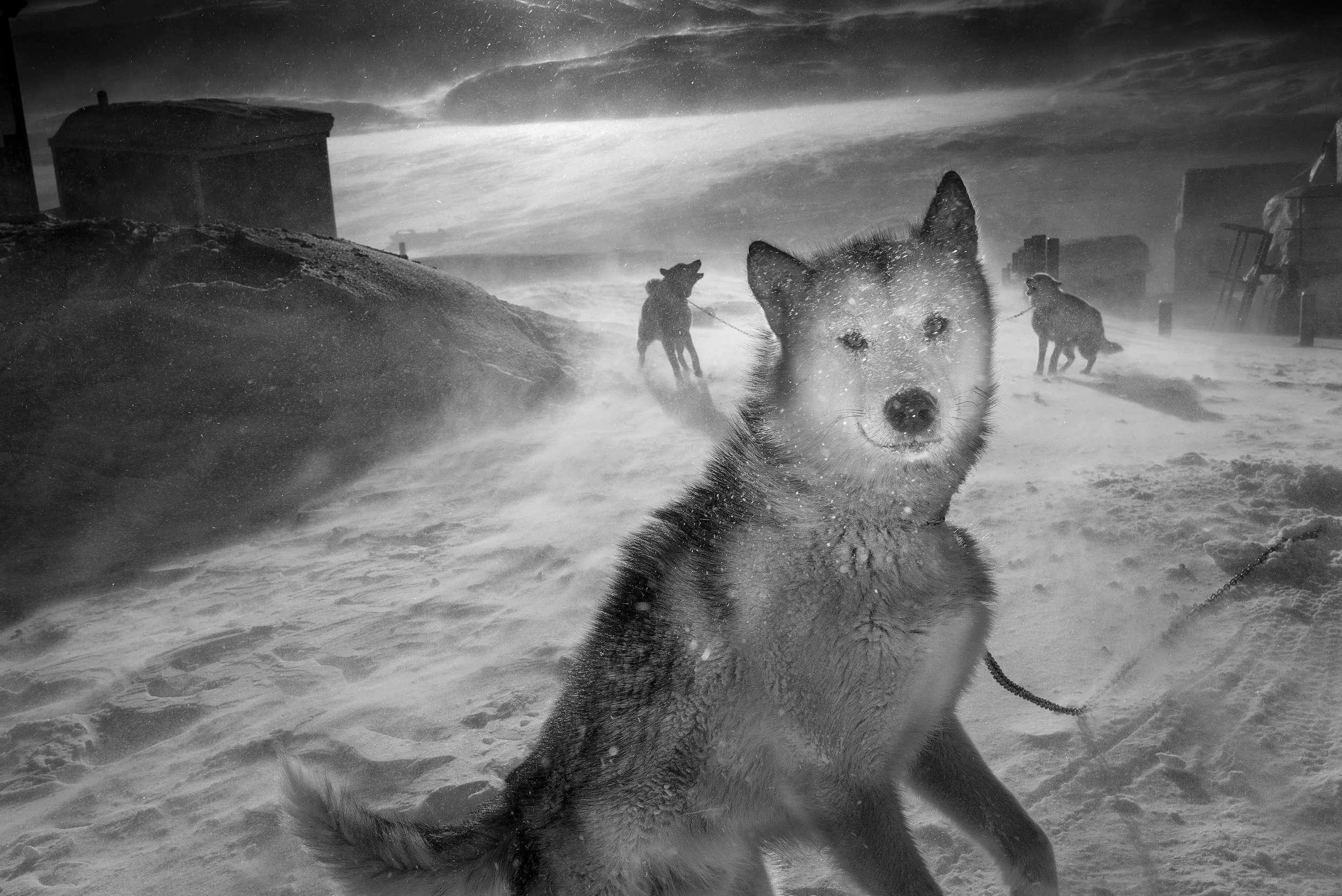
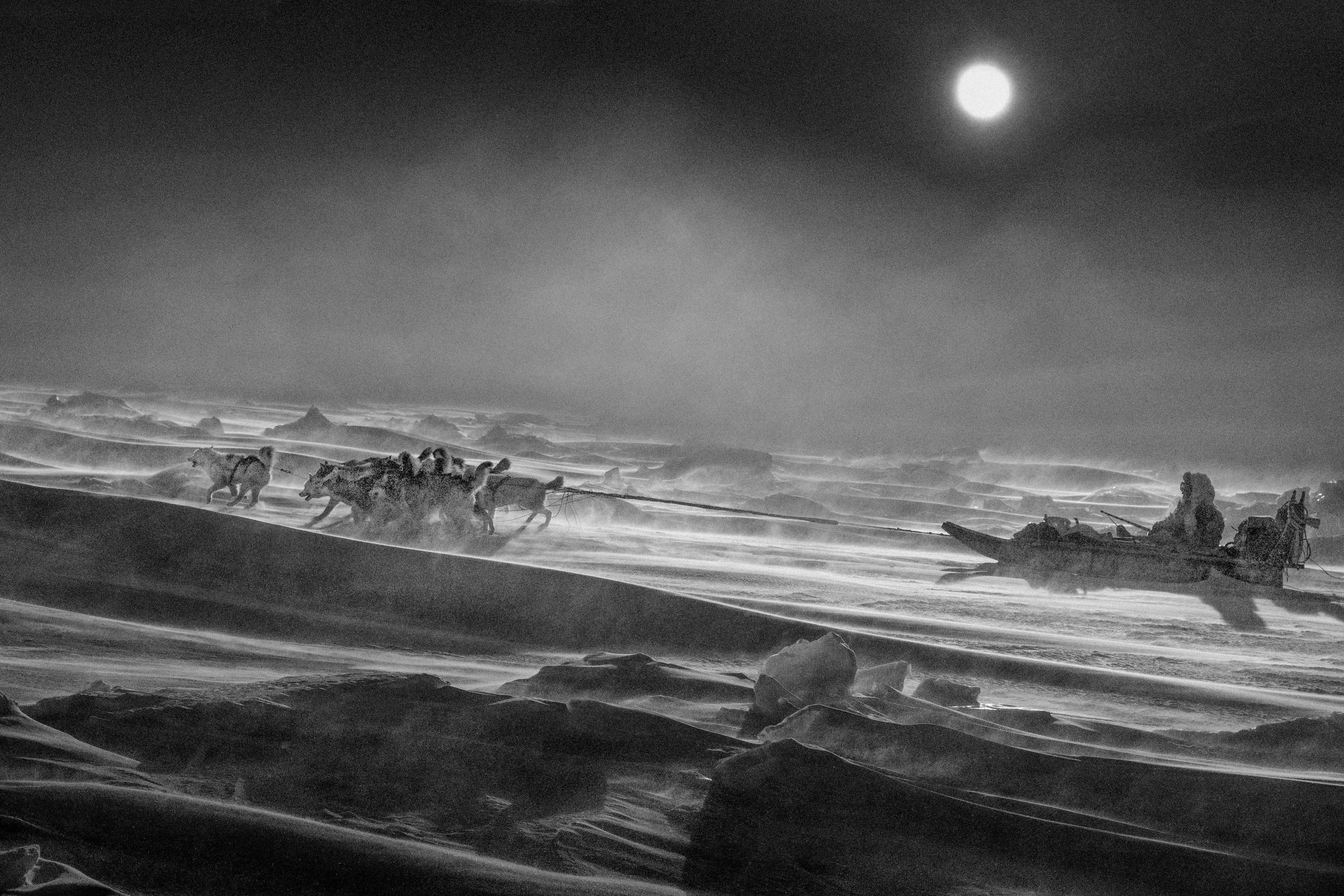
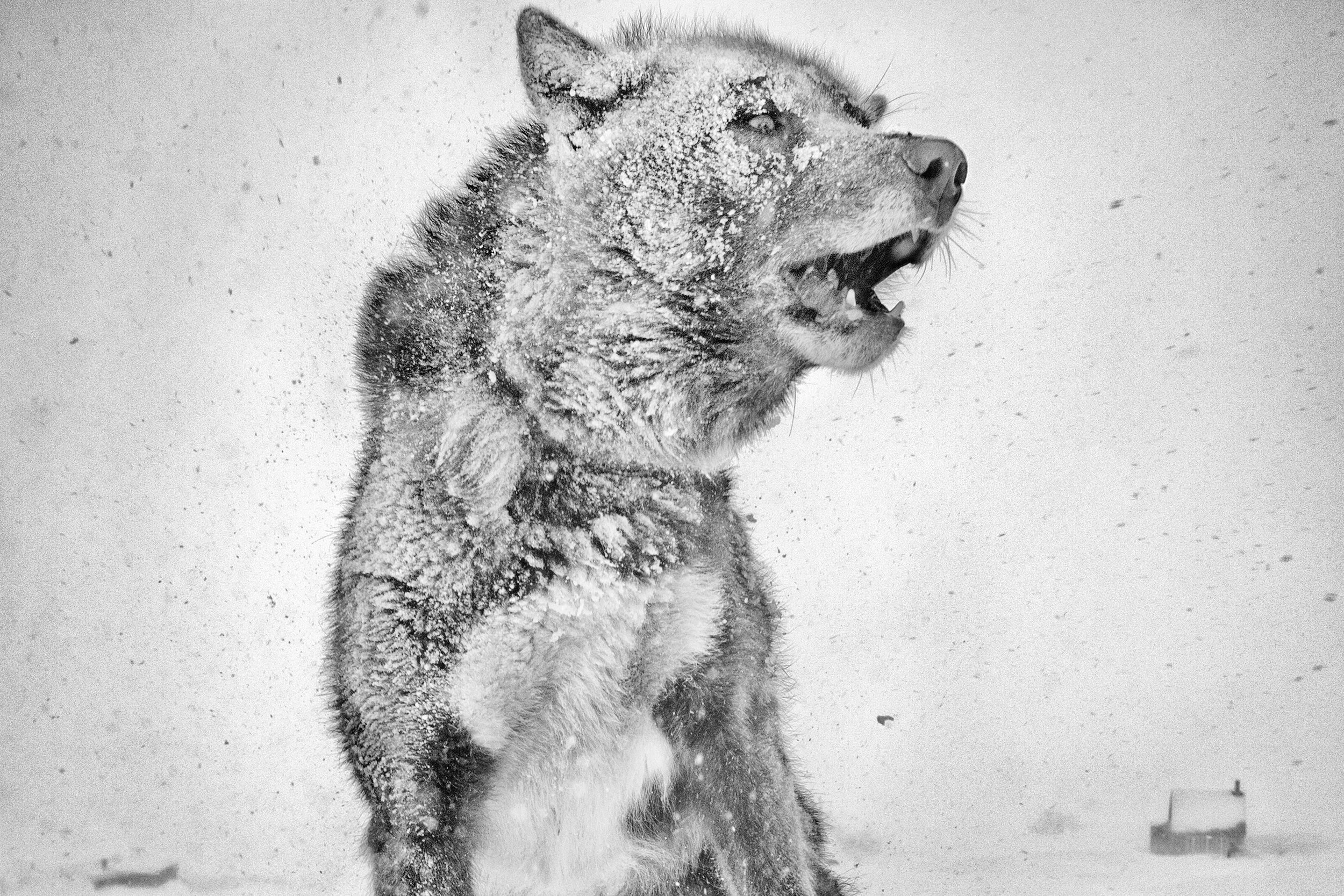
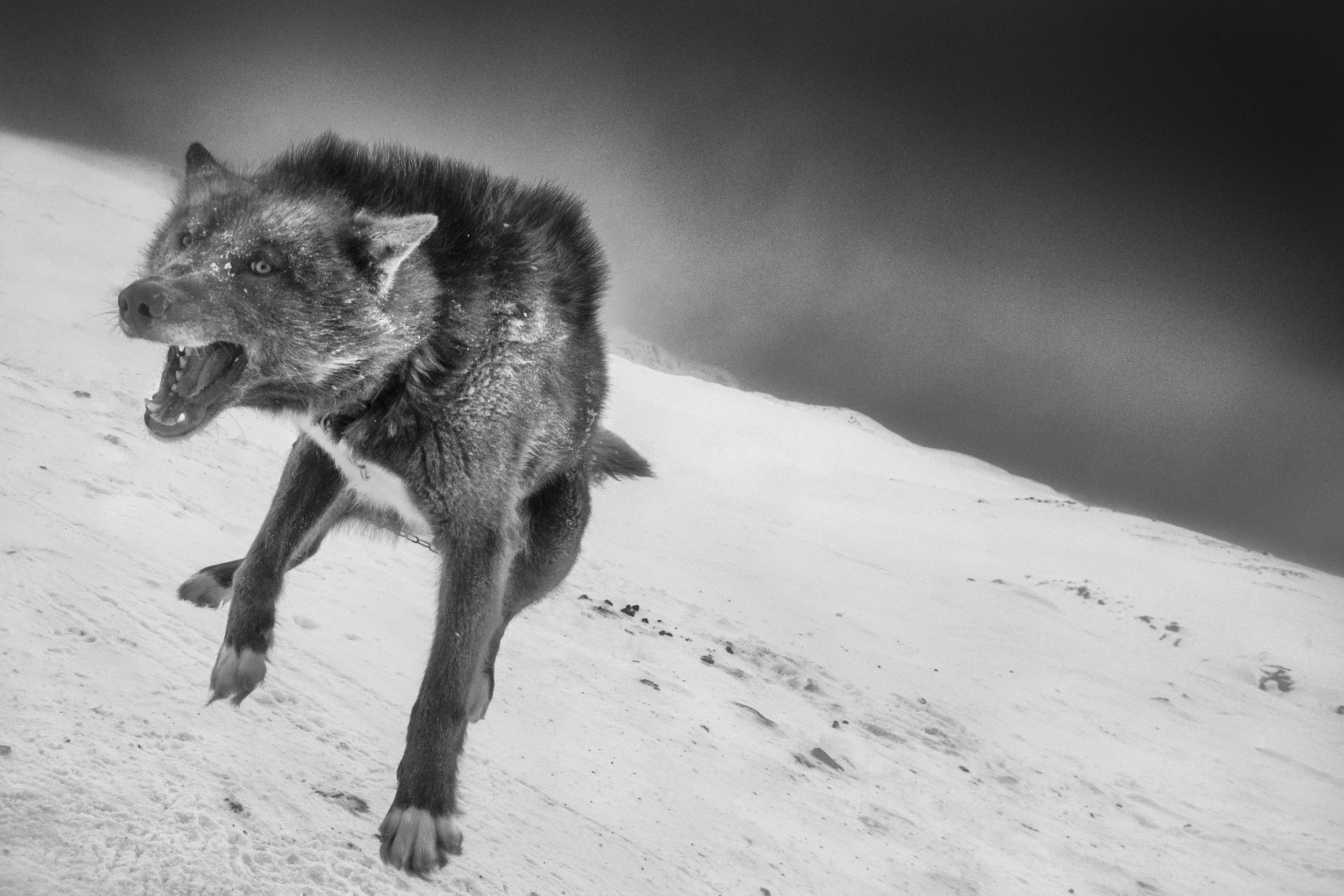
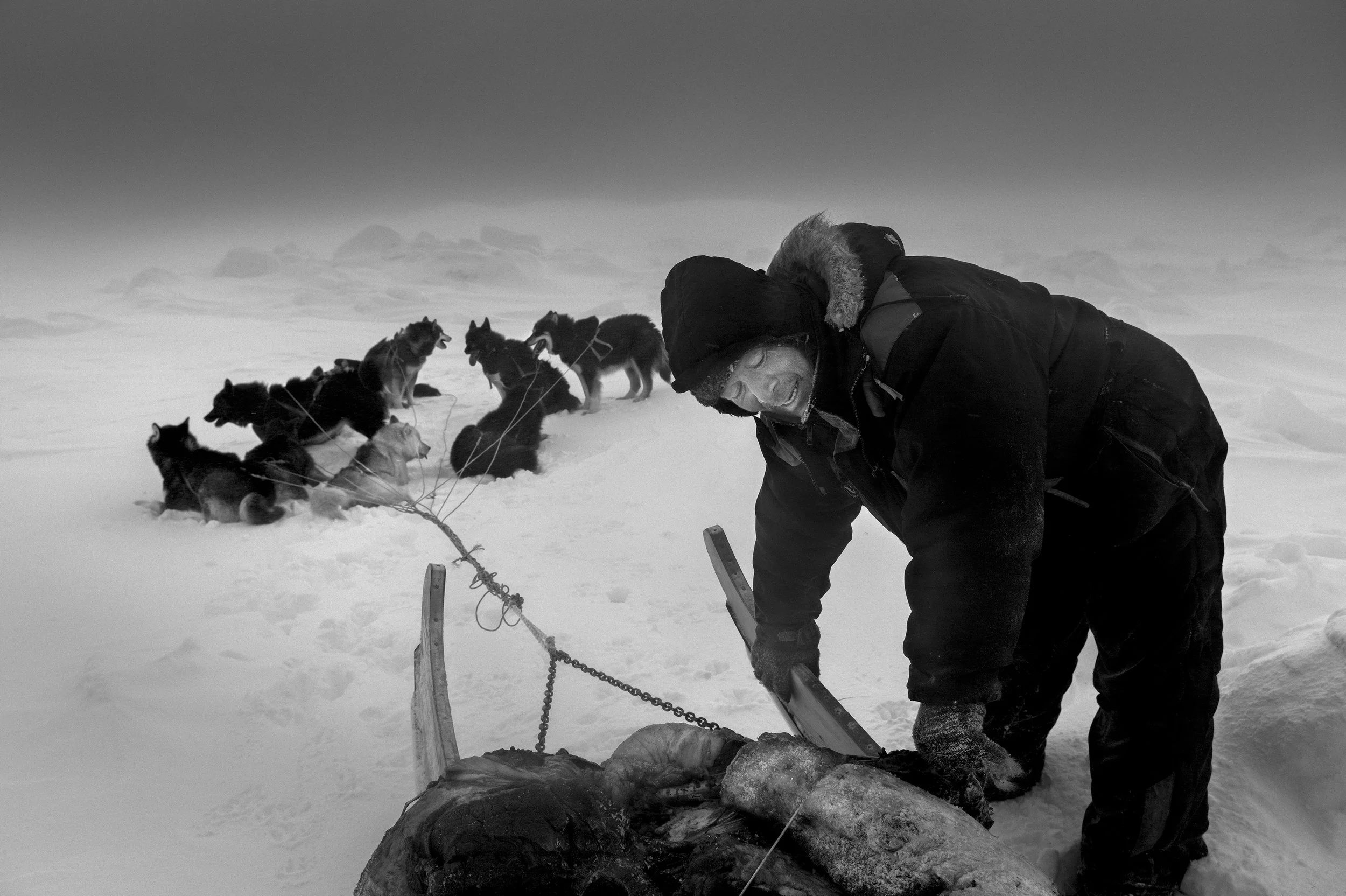
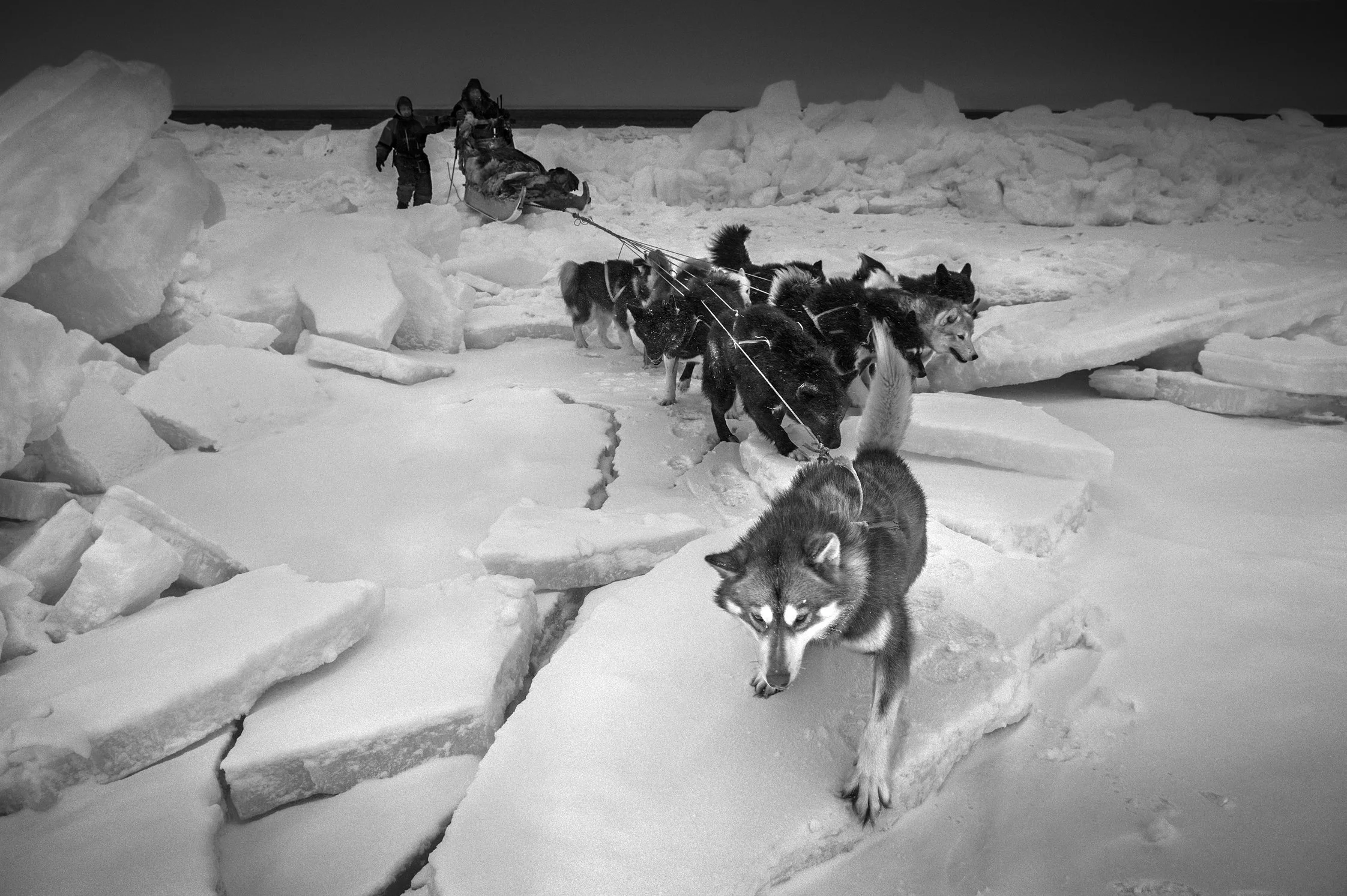
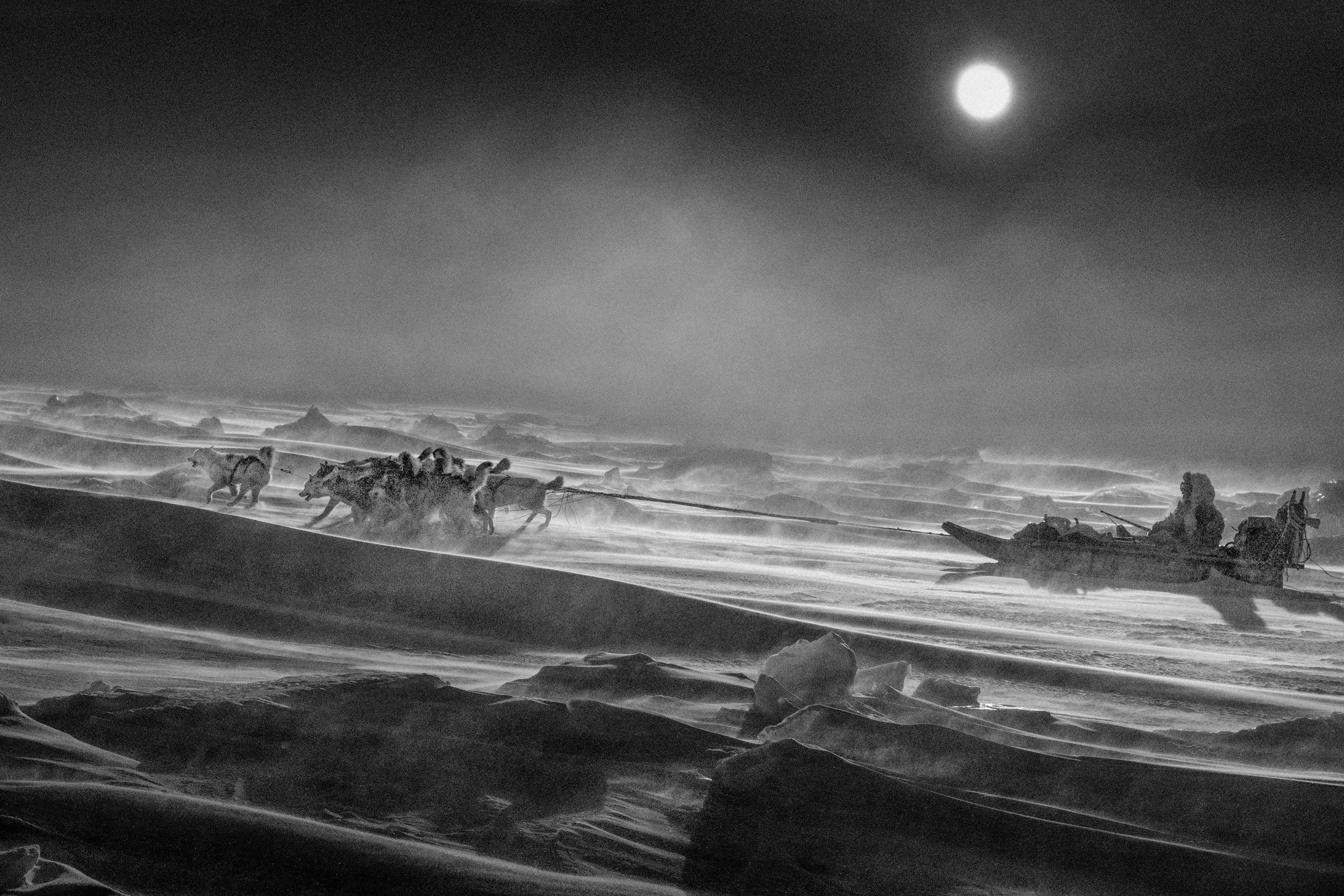
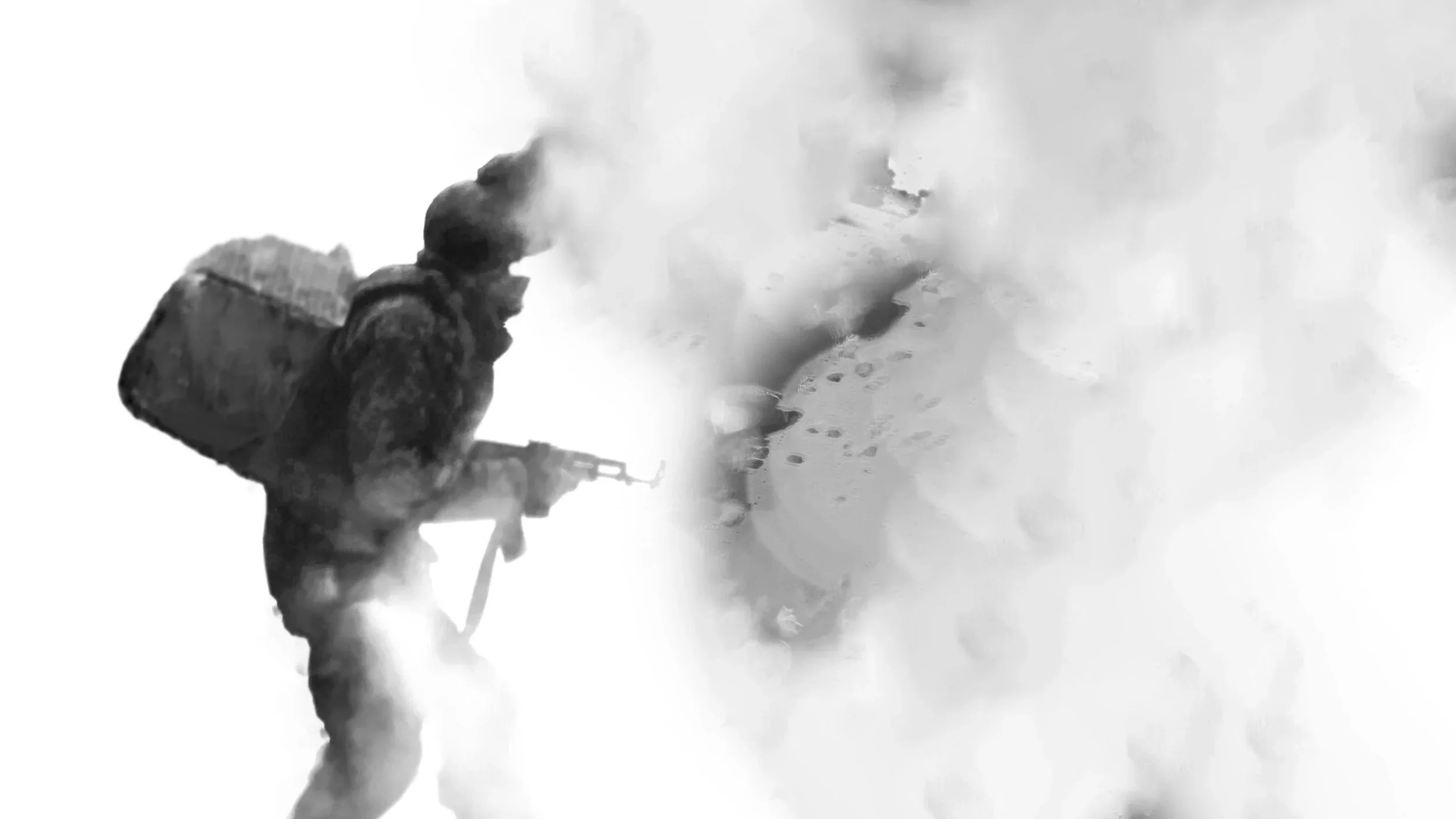
Arctic Heroes: A Tribute to the Sled Dogs of Greenland documents the disappearing world of Greenlandic sled dogs and their hunters through 150 black-and-white photographs taken between 1986 and 2020. The book captures a 4,000-year-old way of life being disrupted by climate change and modernization.
The Greenland dog population has declined dramatically from about 30,000 in 2009 to approximately 12,000 in 2019, as melting ice sheets force hunters to abandon traditional practices. These dogs, essential to Inuit settlement and survival for millennia, now face extinction as their world literally melts away.
Through hunters' personal stories retold by Axelsson, the book reveals the deep bonds between dogs and their masters - creatures who fought for survival together in some of the most extreme conditions on Earth. As one elderly Greenlandic woman told Axelsson: "There would be no Inuit without the Greenlandic dog. It has kept us alive for 4000 years."
The project began 15 years ago when photographer Mary Ellen Mark and Axelsson's wife Björk Hreiðarsdóttir suggested he focus on Greenland's dogs. What started as a simple idea became "a calling" as Axelsson recognized the urgent need to document these Arctic heroes before they disappear entirely.
Arctic Heroes was shortlisted for the Leica Oskar Barnack Award 2020 and represents decades of travel to remote Greenlandic villages, where Axelsson patiently collected stories from hunters reluctant to share their experiences with outsiders. The book features essays by Axelsson and design by Einar Geir Ingvarsson, published by Kehrer Verlag in 2020. (Kehrer Verlag, Amazon)
Martin: Could you share with me how you first discovered photography?
Ragnar: It actually started with my father, who was an amateur photographer. He took a lot of pictures, and I would watch him in the darkroom. He also bought many magazines like Life and Stern, and I would look through them, captivated by the work of great photographers of that time. I remember being drawn to the photographs of Eugene Smith, though I didn’t know who he was back then. My interest sparked when I was probably eight or nine years old.
It also came from the art books my father bought. I realised early on that I couldn't paint, so I turned to the camera to express myself.
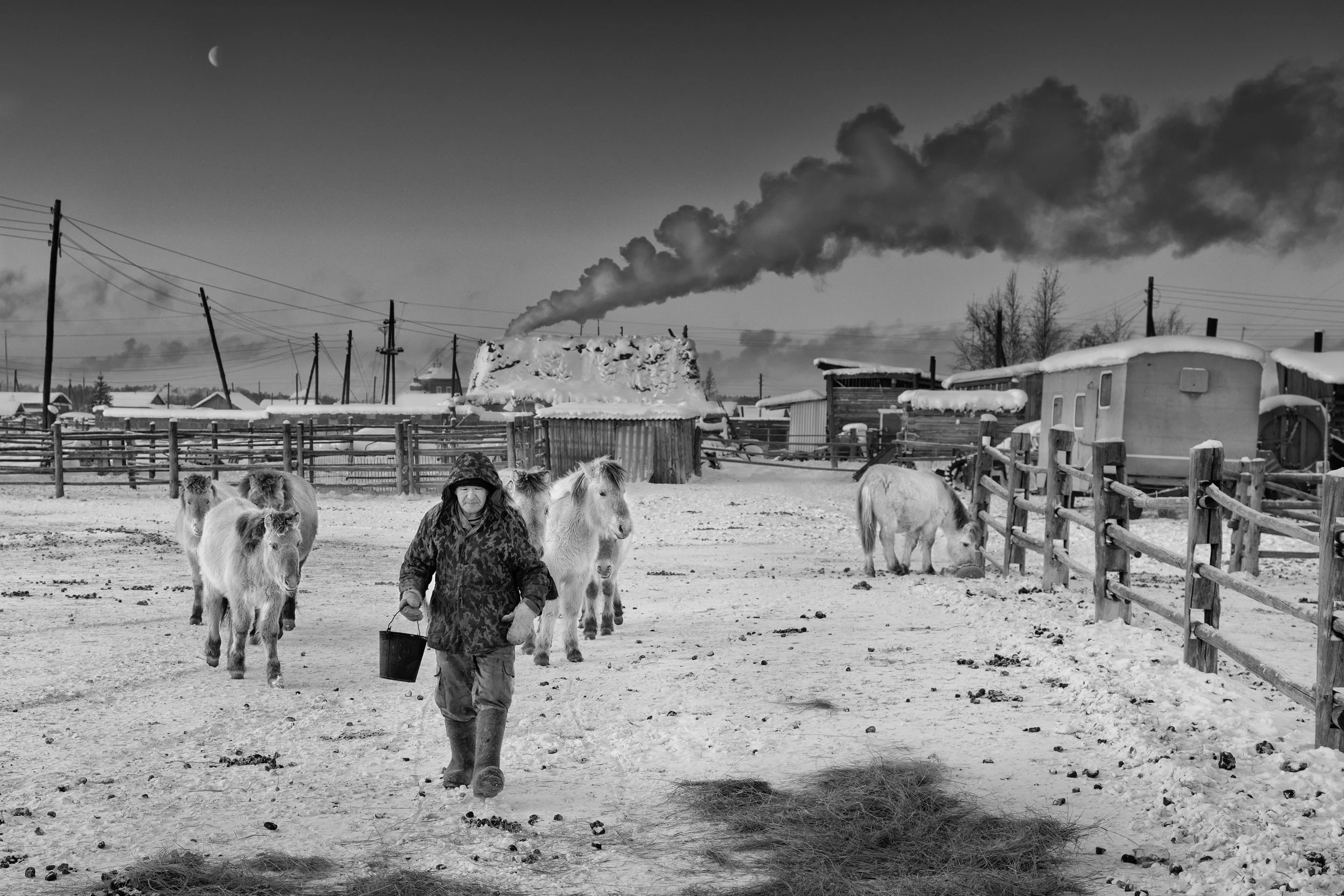
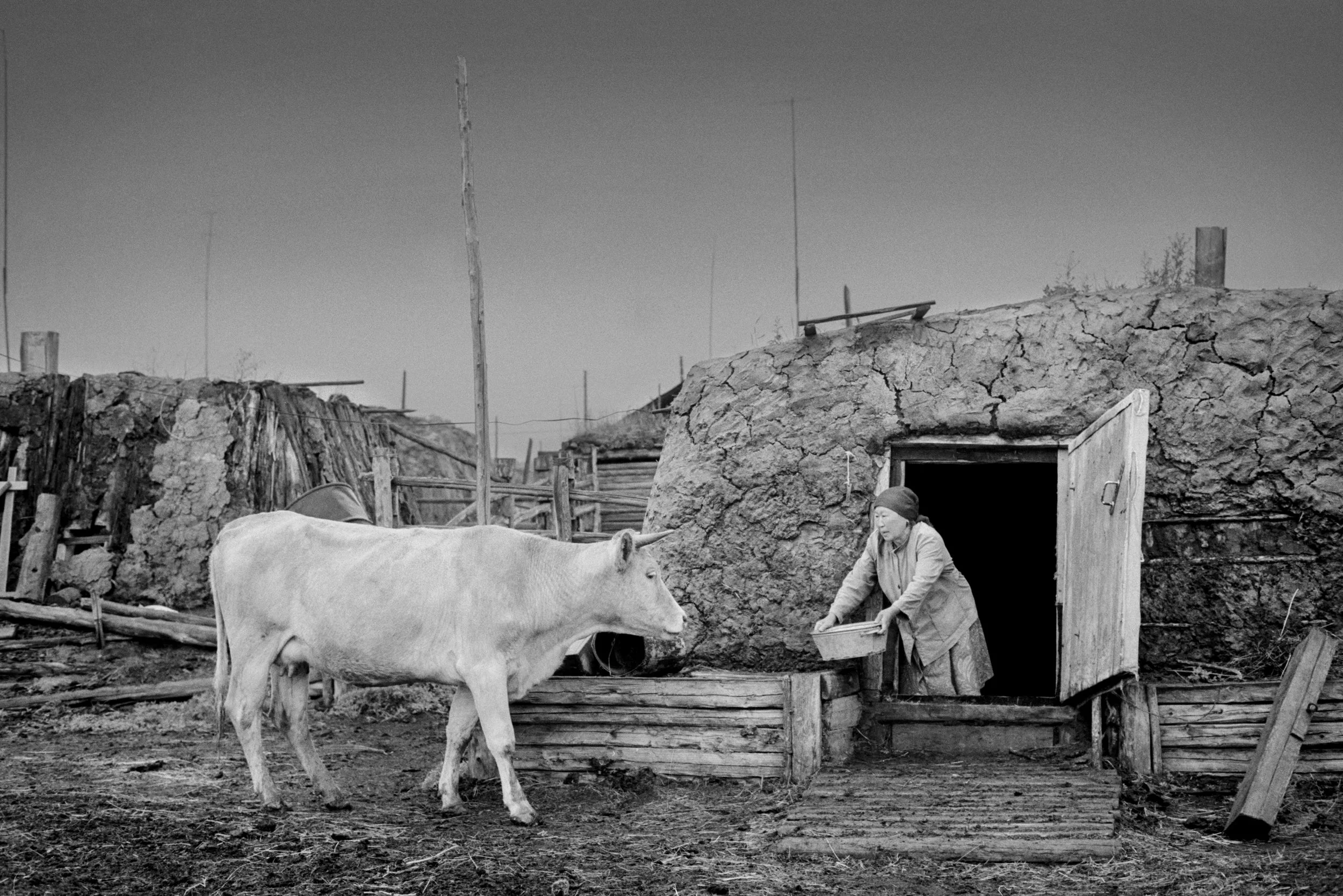
What sparked your long-term connection with Iceland and its communities?
My interest really began with those magazines my father bought. They were hard to get at the time; we had to have them shipped, which took a month or two. But he was very passionate about them.
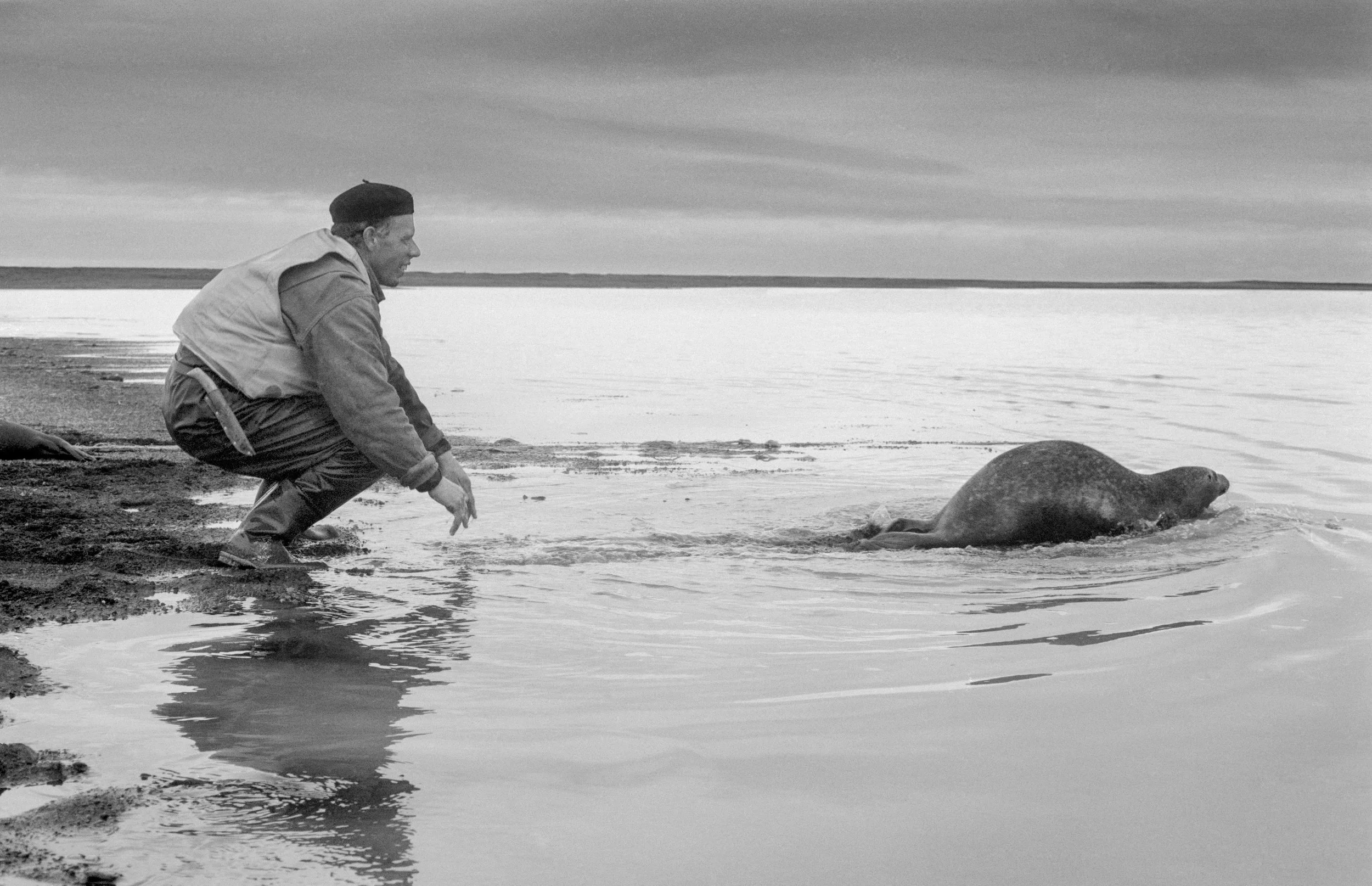
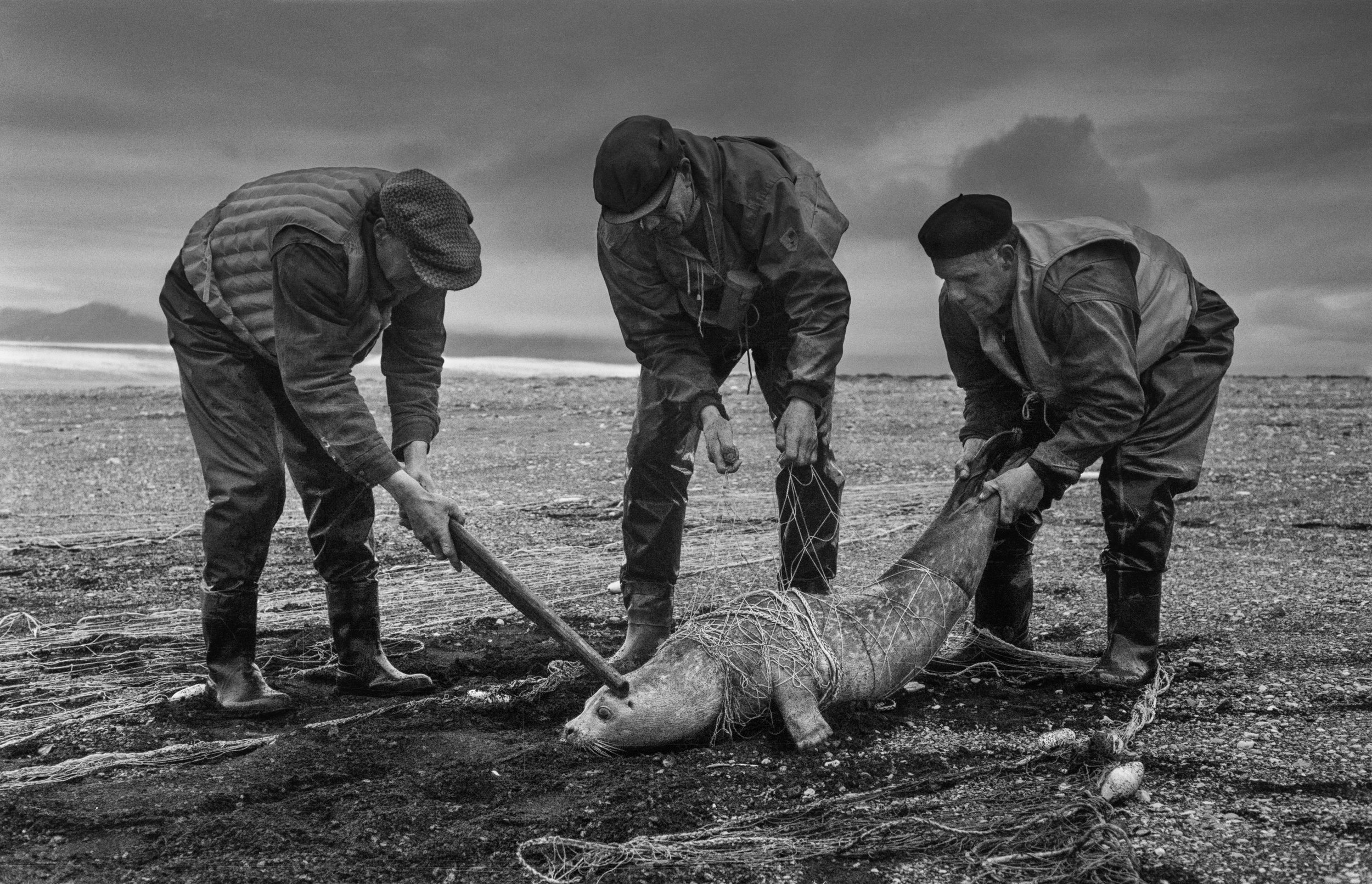
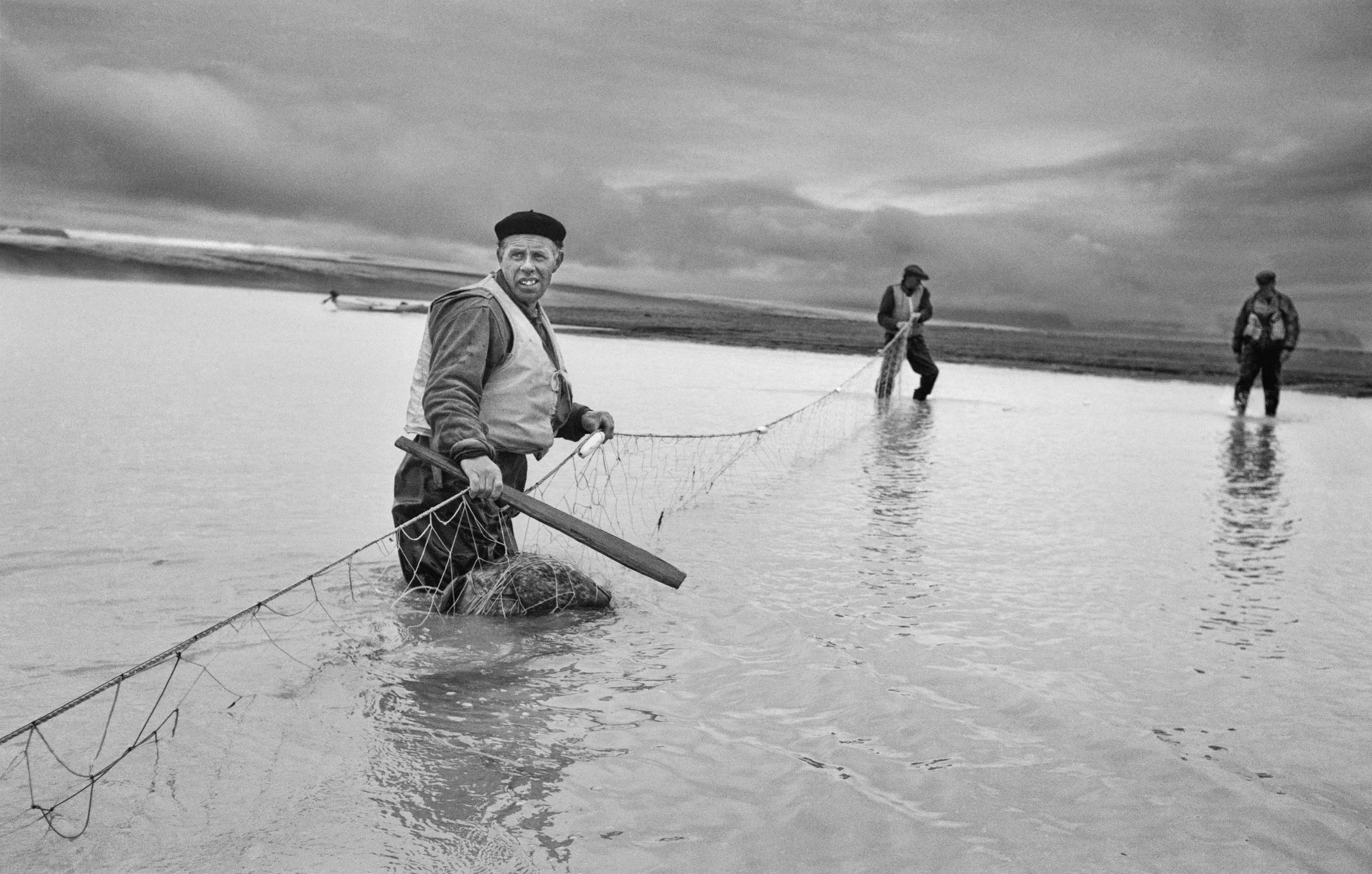
I spent eight summers on a farm while growing up. I started photographing the people there because there were no bridges to cross the glacier rivers, so I had to be flown in by aircraft. That’s when I first saw the glaciers; I was seven years old. The family I stayed with were two sisters and five brothers. They were all, in a way, self-taught scientists, mastering the glaciers.
Early on, I noticed the glaciers shrinking. That fascinated me, and I became interested in photographing both the glaciers and life around them. The family did many things, like seal hunting in the rivers, which was the main income for the farmers. I began thinking ahead, wondering what things would be like in 50 or 100 years. So I started documenting it, taking pictures.
I had promised them not to show the photos until they were gone, and I kept that promise. When I printed the pictures not many years ago, I realised some of them were quite good, especially considering they were taken by a ten-year-old kid.
Do you still have some of them you have not shown already?
Yes, I do. Those pictures are not widely spread, but I have them. When I printed them, I thought, "Wow, that’s really good. I should have stopped at the top."
And why did they make you promise not to show them until they were gone?
They felt that people might attack them for hunting seals. But hunting seals was their main source of income, selling skins for fur coats and such. That’s over now; it’s nothing like that anymore here in Iceland.
I continued reading about the Arctic, very interested since I was a kid. Reading books about Arctic explorers shaped what I wanted to do. It took me further, leading me to travel to the Arctic for more than 40 years since I started. Some people read books about the Arctic, I feel a bit like walking through the pages in that book, documenting life and its changes, which I believe is very important in photography. Photographs can open people’s eyes to things, and that’s what I’ve been trying to do.
We even created our own publishing company here in Iceland, three friends and we founded it to publish books. I believe it’s very important because the Arctic will be a significant issue in the coming years. As you can see now, there are eight Arctic countries, and Europe is in conflict with one of them. They need to talk, to be friends, to come together; otherwise, it will lead to huge problems.
Yeah, it's quite ironic, isn't it? They didn't want you to show it, so it's not like it was cancelled. And now, this culture of seal hunting is slowly disappearing, right?
Well, that culture totally changed overnight in Iceland when seal hunting stopped. In Greenland, they still hunt seals, and in the Arctic countries, especially in the small villages, it's different. We're working on a project about all eight Arctic countries, a journey through each of them. It's about people living in their harsh environments. It’s a very tough environment, living in such cold conditions, where temperatures can drop to minus 50 degrees.
When I travelled through all those countries and spoke to the people, I noticed that all of them asked about each other. They wanted to be friends. That’s the remarkable thing: all of them are curious about life in the other countries. There are eight Arctic countries, and while they are quite different from one another, they share many commonalities.
We hope that maybe in two or three years, the book will be published. It’s a challenging journey, actually, difficult, but it's been ongoing for many years now.
Did you make friends during this journey?
Yes, a lot. I stay in contact with many of them, checking in to see how things are. I send them small messages, just little notes.
Do you send them pictures?
Yes, I do.
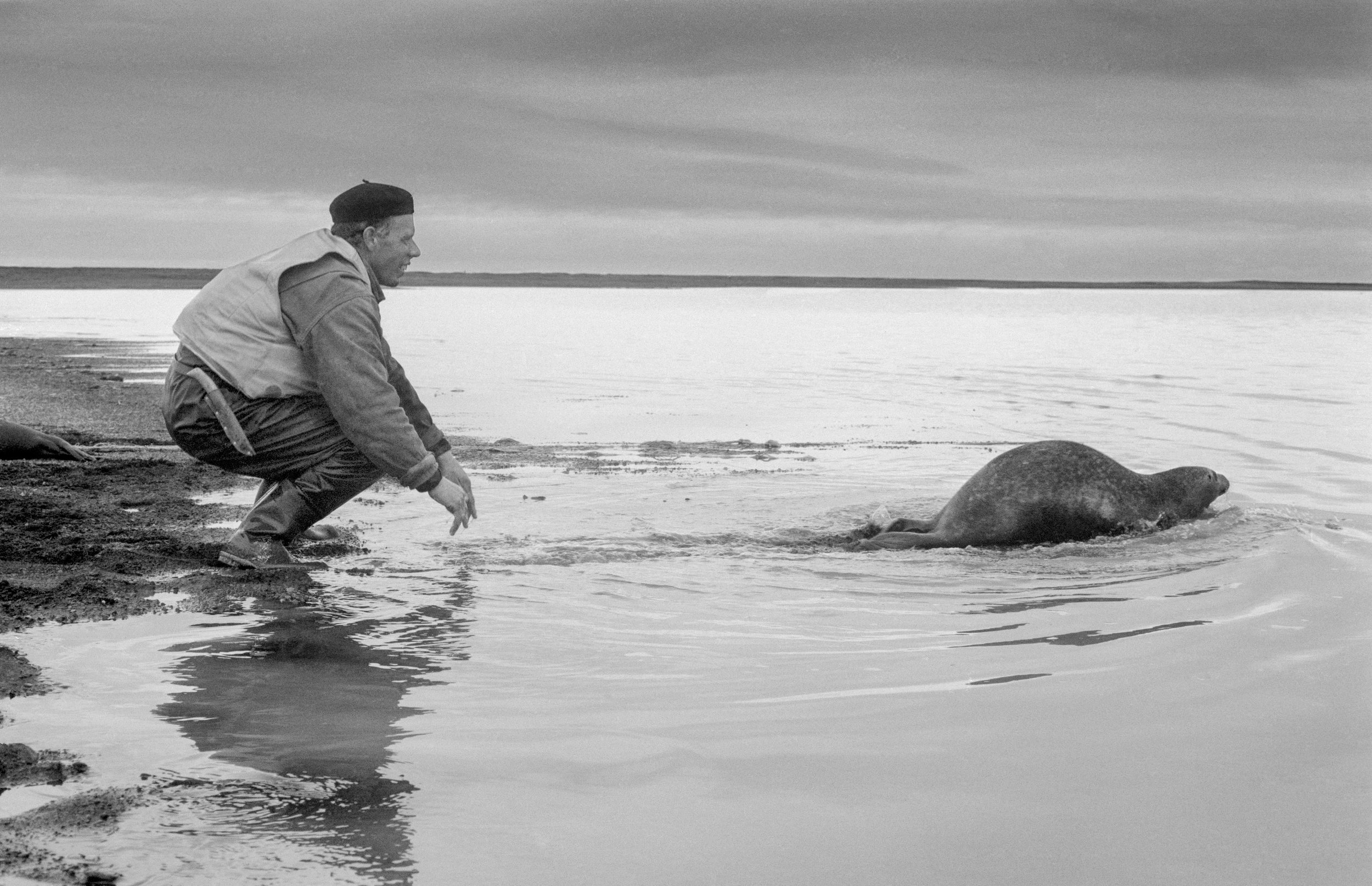
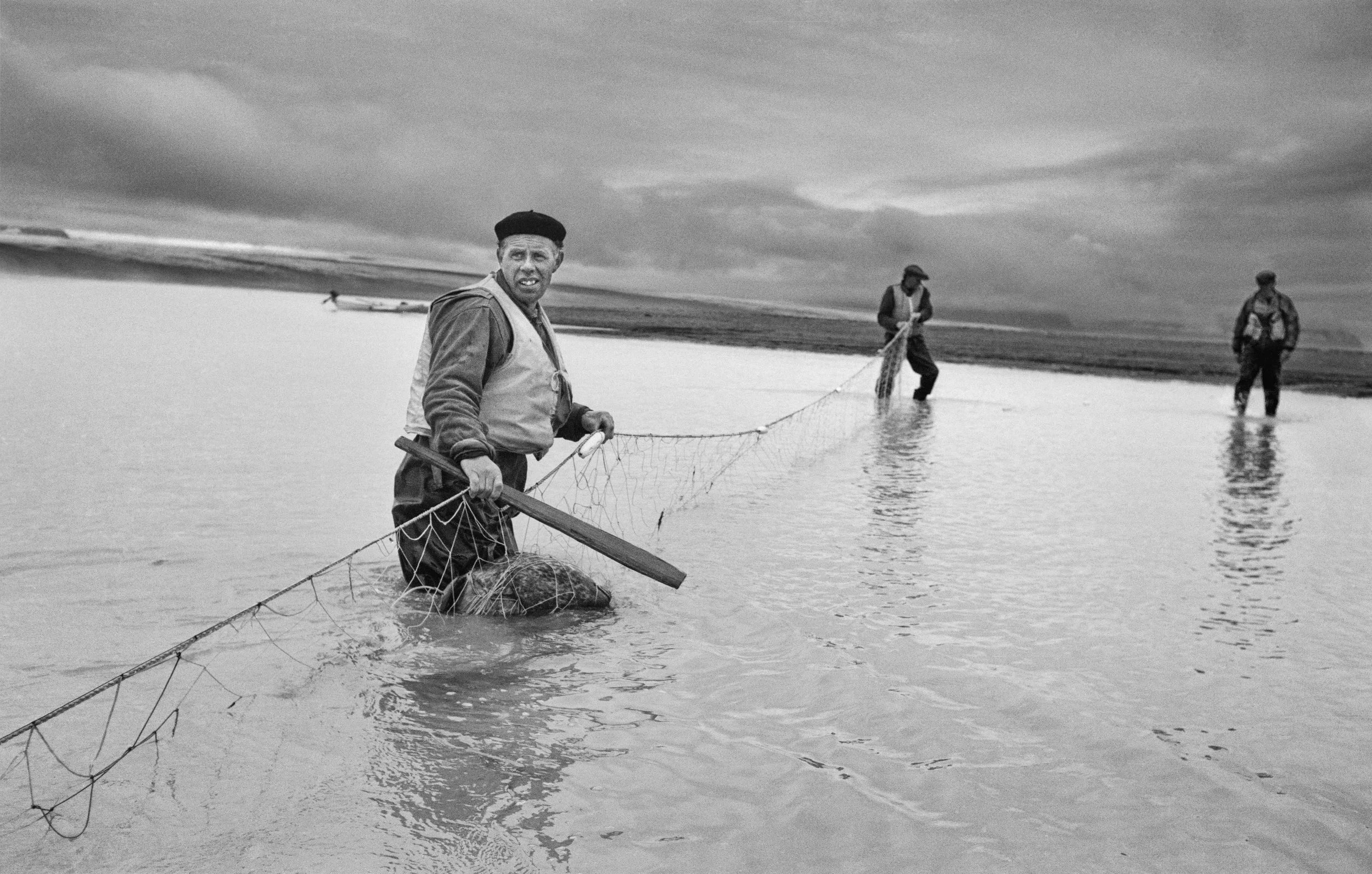
You’ve been photographing for over 45 years. How has it evolved over the decades?
I was a newspaper photographer for 44 years (Morgunblaðið) but eventually quit to focus on things that felt more important. Back then, working for the newspaper was fun; every day was different, and it was exciting to go to work. But over time, things changed.
I felt the need to document things that matter to the world, like life in the Arctic. When I first started travelling to places like Greenland, Tule, and Qaanaaq, photographers were rare. It was like stumbling into a diamond mine; everything you saw was a picture, like stepping back 100 years in time.
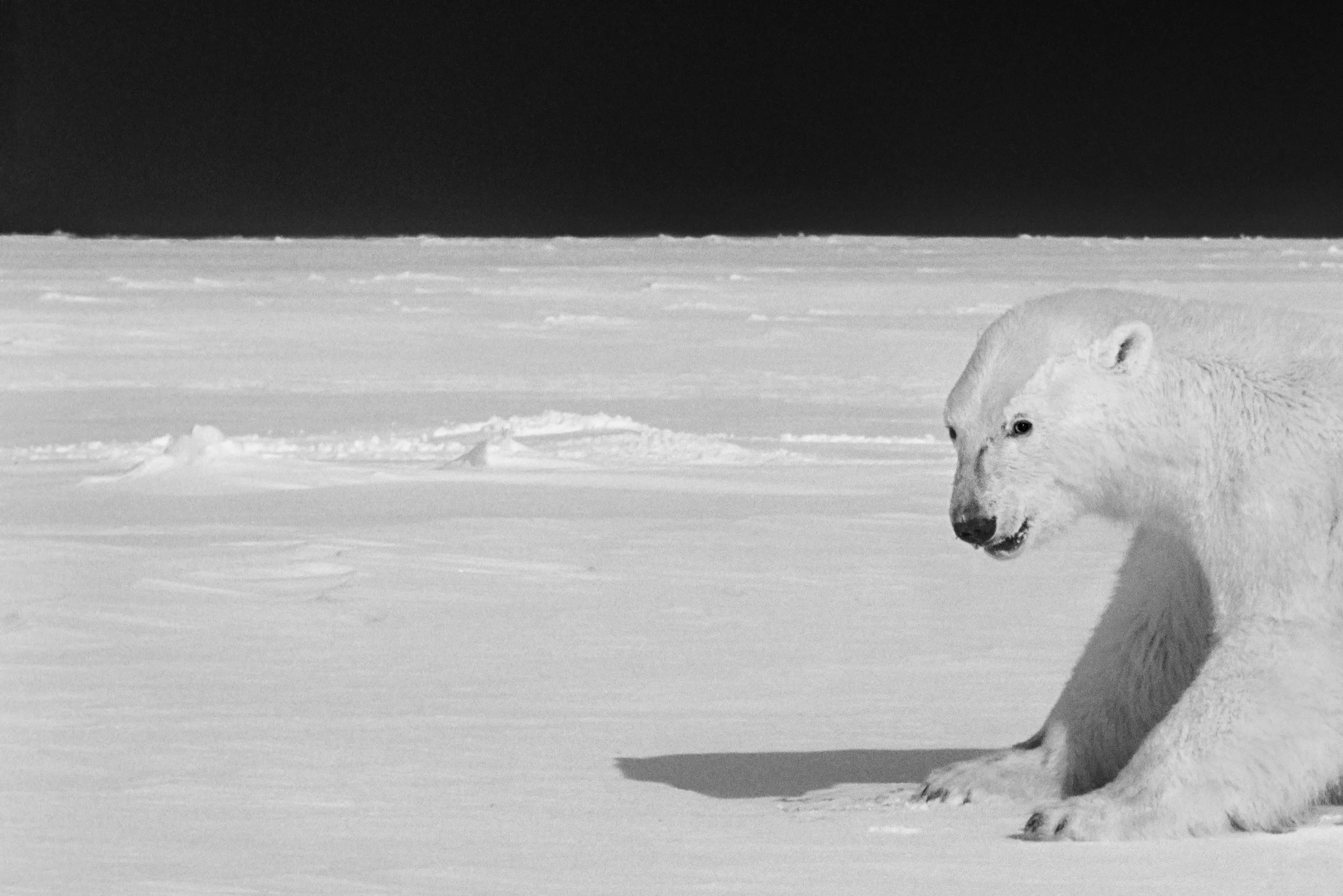
Now, it’s changing. The communities are shrinking. I remember meeting a great hunter from Ittoqqortoormiit on the east coast of Greenland. When I first arrived 34 years ago, me and that hunter became good friends, his name is Hjelmer. He’s shared stories about his life, and now he's nearing the end of his hunting days. He’s around 70 years old, and though he's in pain, he’s one of the greatest hunters I’ve known. He’s caught more than 326 polar bears in his lifetime. Nowadays, there’s a quota of 35 Polar Bears, It might possible fade away, reducing to around 10 bears a year.
When I first arrived, there were 60 hunters in three villages. Now, there are just 10. The three small villages along that east coast had around 650 people, the most isolated settlements in the world; it’s 800 kilometres to the next village in Northeast Greenland. Now, only 325 people remain. Two of the villages, Cape Hope and Cape Tobin, are abandoned. In total, there are 14 abandoned small villages in Greenland. These disappearing communities are important to document.
This winter, a book is coming out about these places. Scoresbysund is the most magical place I’ve ever been too. Sailing into the fjords, surrounded by huge icebergs, you feel something indescribable. That’s what we’re trying to capture in the book and in the stories. We’re also making a film about it, which will complement the book. I believe this is a story worth telling, about how life is changing.
Photography plays a crucial role in storytelling. There are so many great photographers, such as Eugene Smith, James Nachtwey, Mary Ellen Mark, Ernst Haas, Don McCullen, Sergey Larain, and more. Martin Parr, with his humorous images, is each a great storyteller. I work in black and white, having spent probably 15 to 20 thousand hours in the darkroom. I want to see the images in black and white, to create a specific atmosphere.
I even travelled to New York just for a day to see Eugene Smith’s prints at the International Center of Photography. My wife thought I was in the mountains in Iceland; she didn’t really want me to go, but I went and came back the next morning. It was worth it, seeing how he printed his photos, witnessing the mastery firsthand when I was very young. It was truly inspiring.
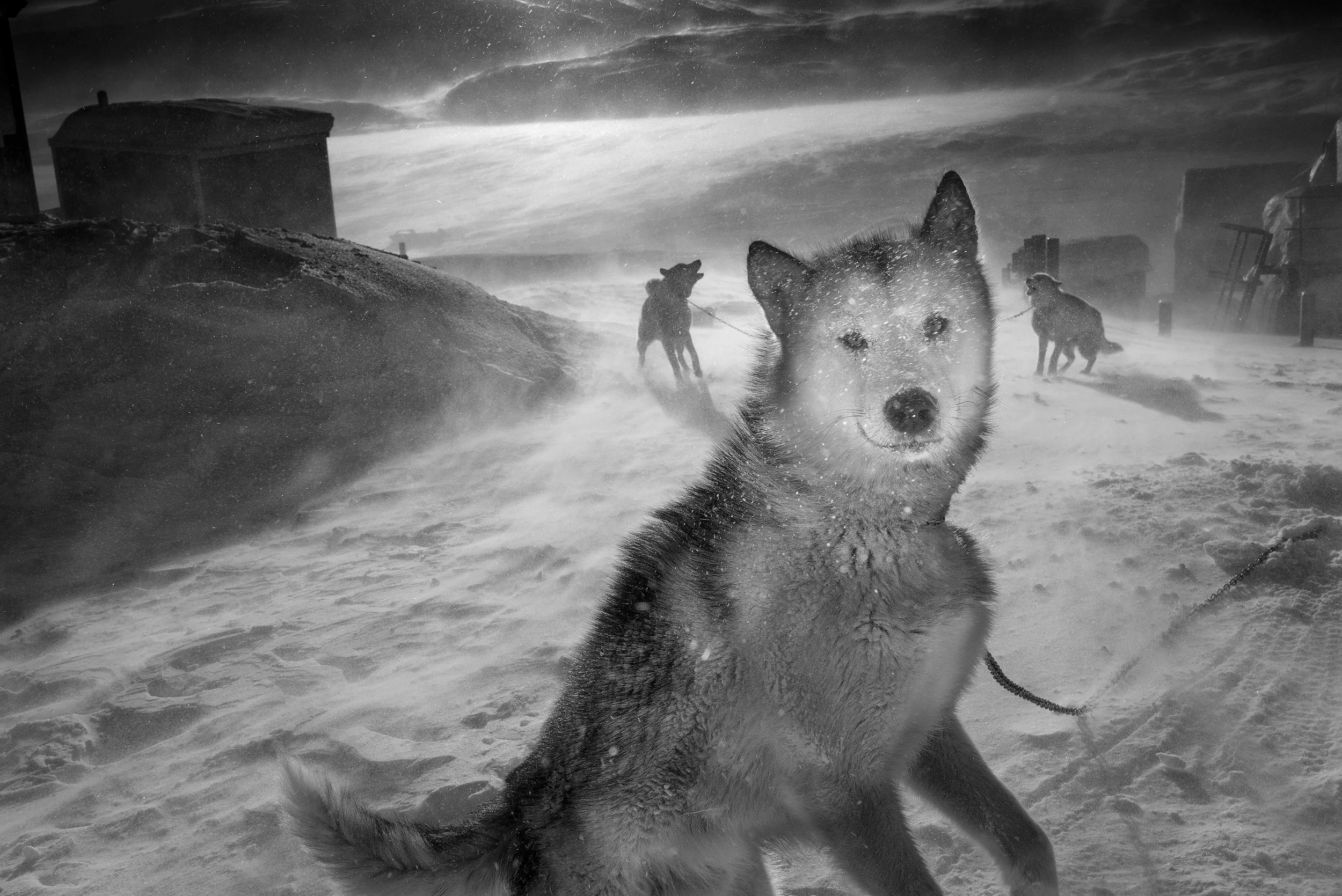
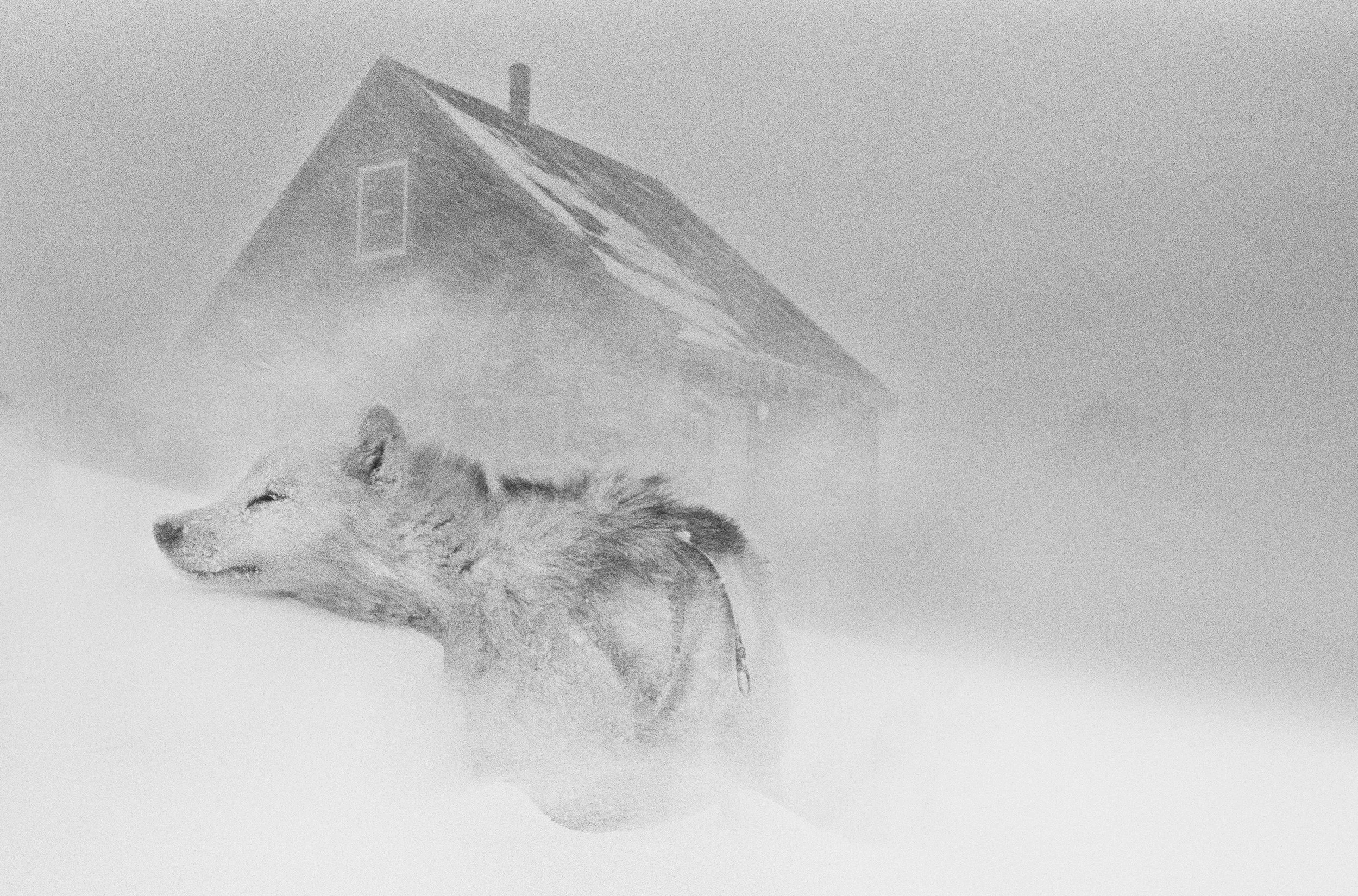
Eugene Smith captured thousands of images on a single subject. He had large projects, like exhibitions that can’t contain all his photos due to their sheer number. Why do you think black and white is better suited for the Arctic than colour?
Sometimes I say there is no colour, only white and blue. But really, I like it that way. It leaves something behind for the imagination. It’s more powerful to me. All the greatest photographs that catch my attention are mostly black and white. Of course, there are great colour photographers doing incredible work.
My mentor in photography, who was also my teacher at the time, was Mary Ellen Mark. We became very good friends. She came here every summer for years.
She encouraged me to keep pursuing black and white photography. I’m very stubborn about that. When people say I should shoot in colour, I insist on black and white. If you compare a colour photograph from Greenland to a black and white one, to me, the black and white image is always much stronger.
What sets her apart is her involvement in various topics and projects, all of which are exceptional. Unlike having a single signature style, each of her diverse projects is remarkable. So, I’m curious, how do you maintain your creative and emotional connection to a subject that remains largely unchanged when you revisit the same places year after year?
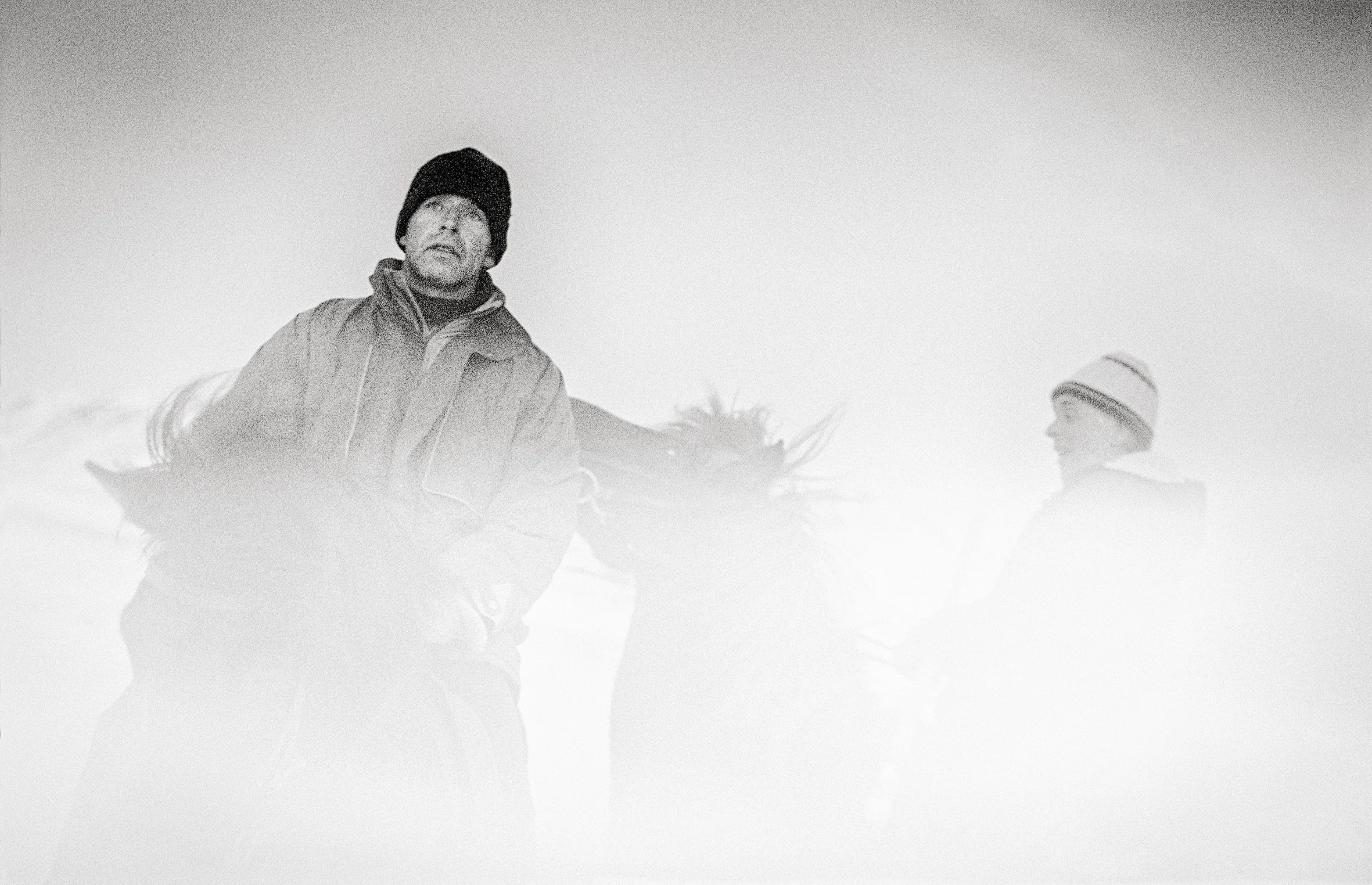
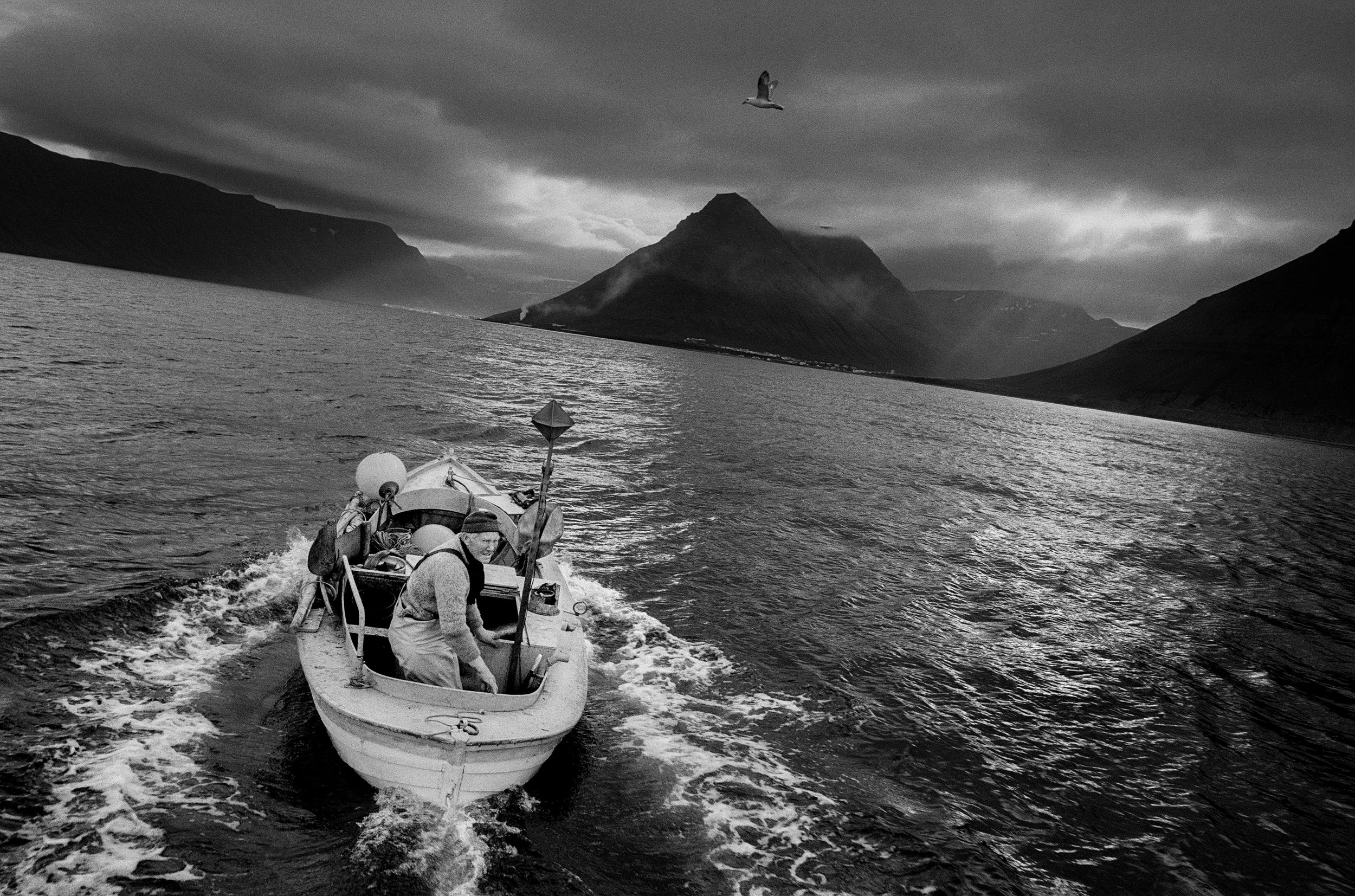
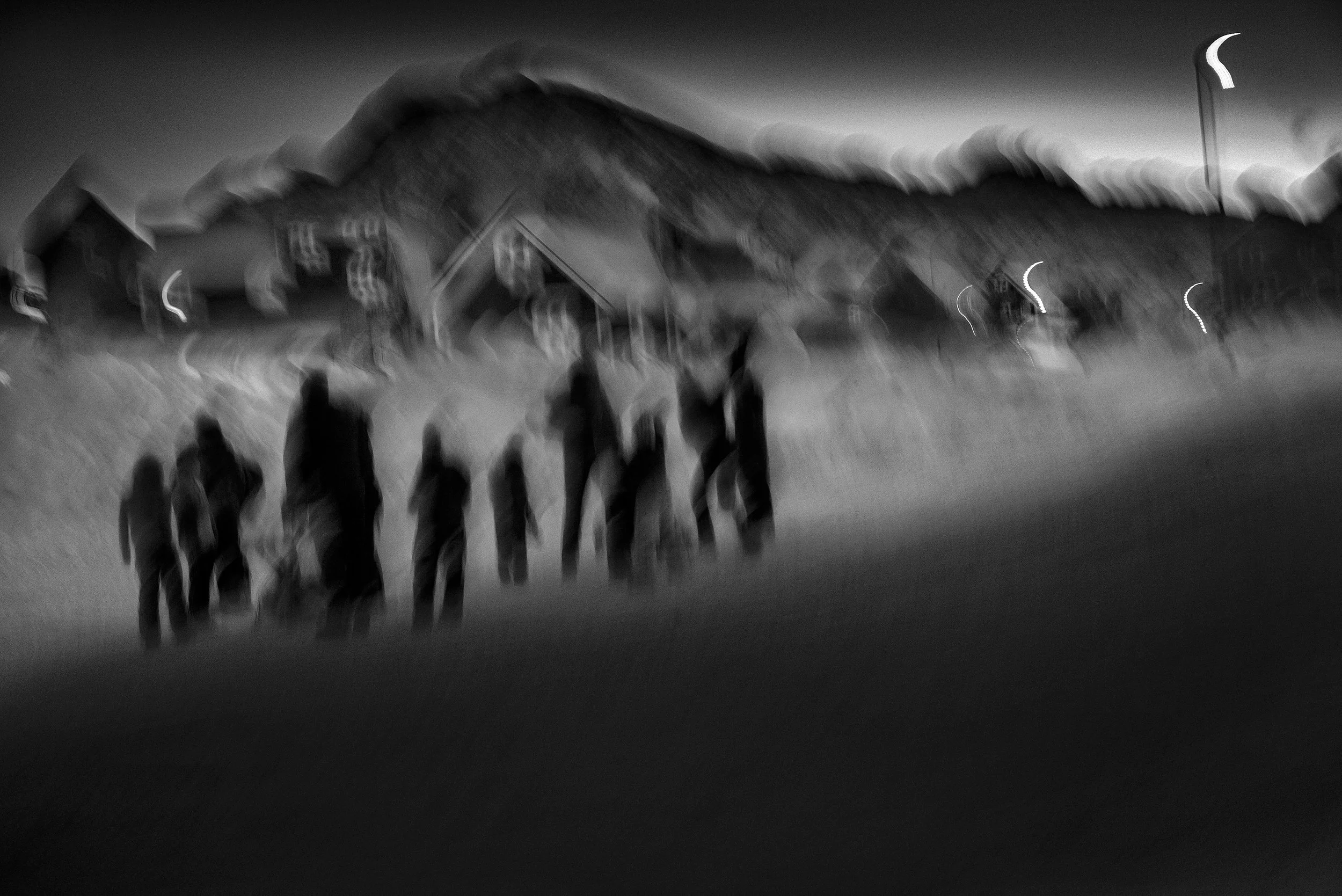
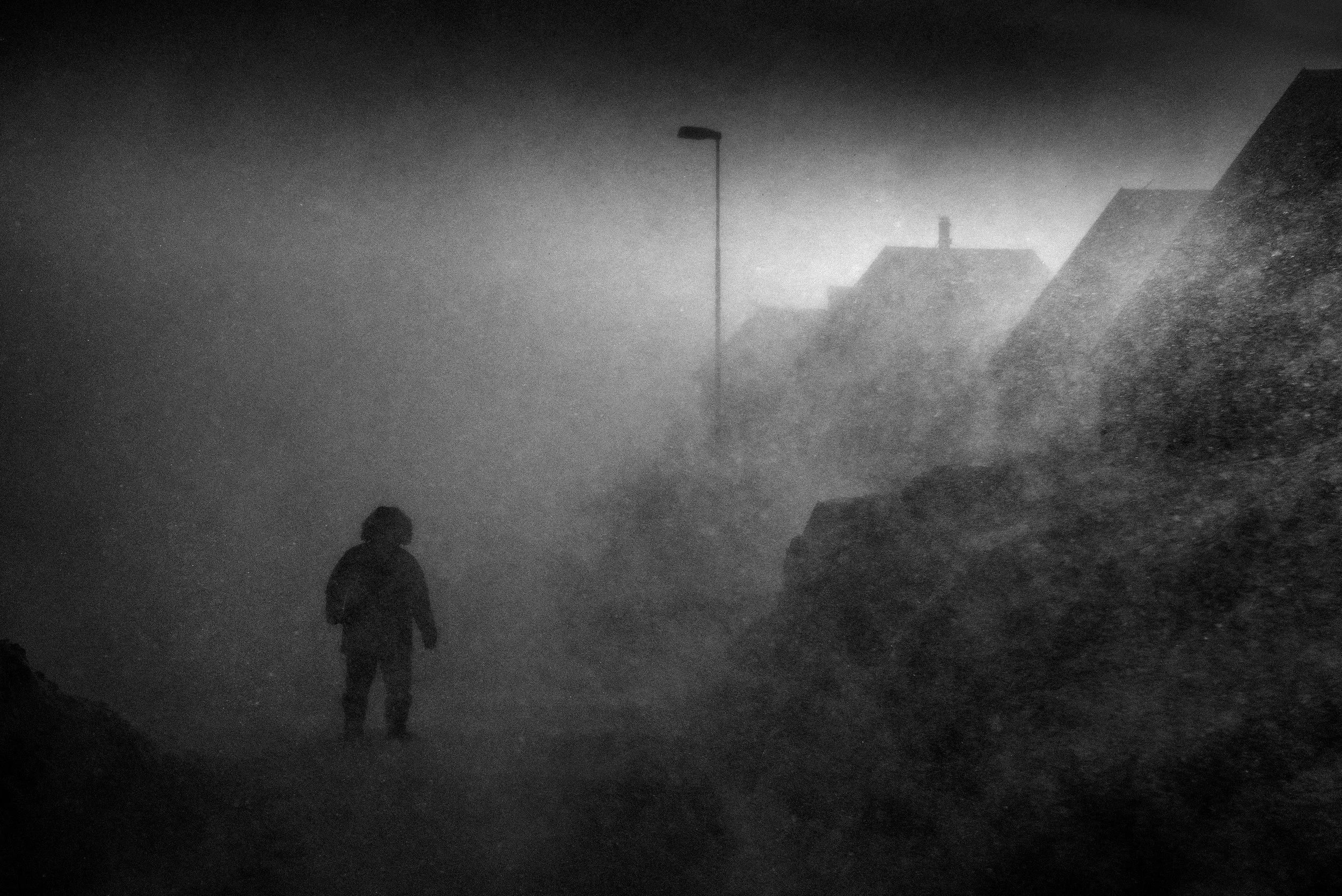
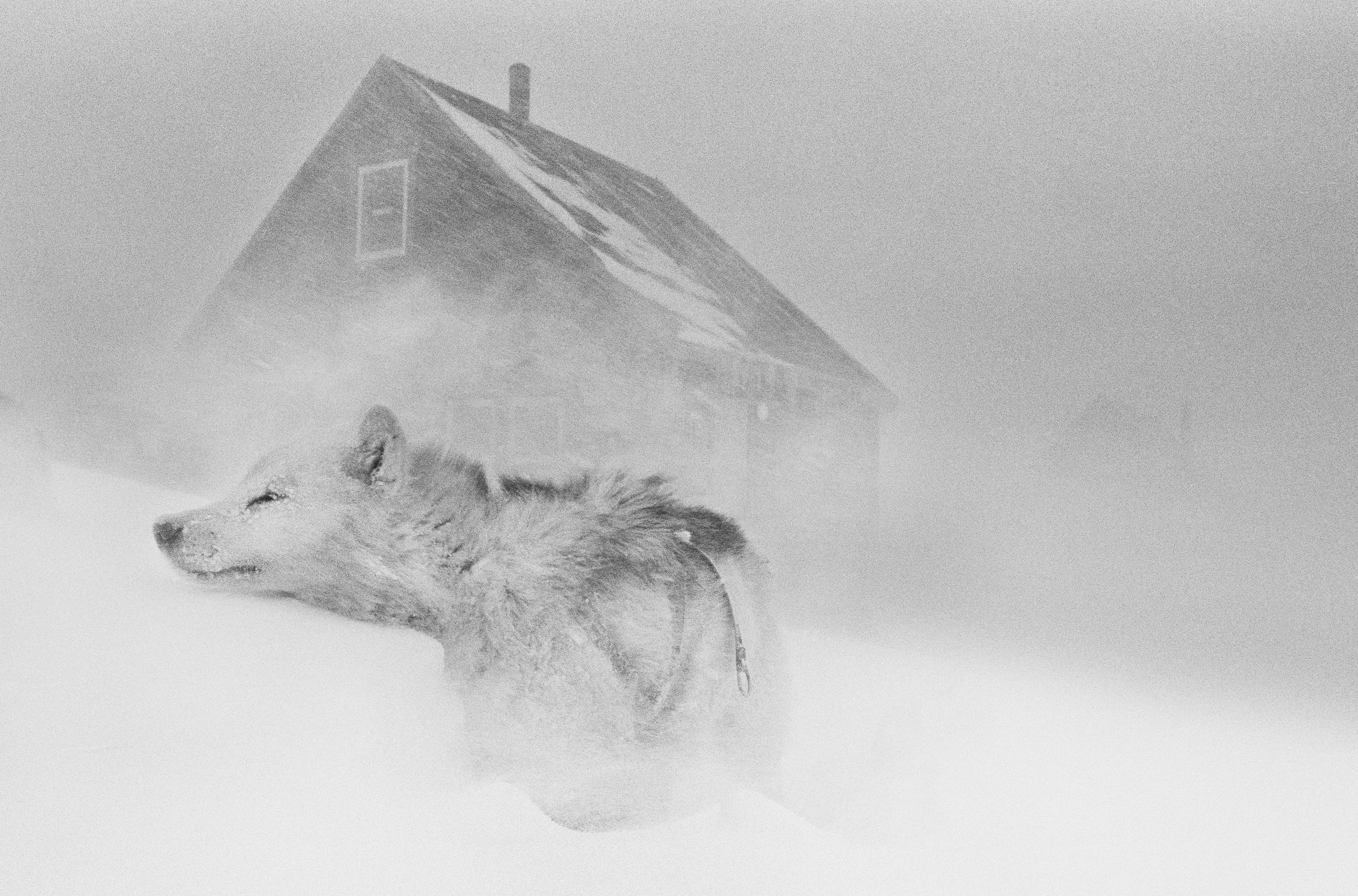
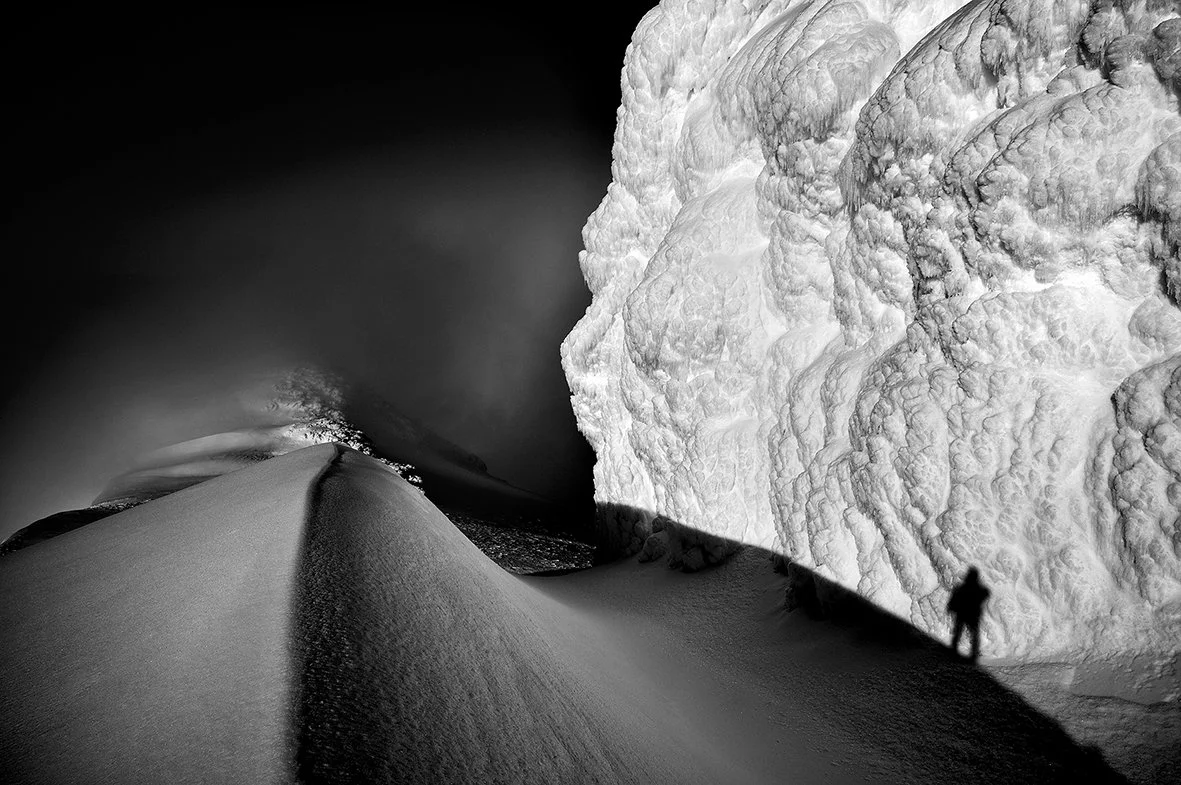
Sometimes, it feels like a challenge. This year, for example, I’ve been to a particular place four times, working on finishing a book. I keep going back, waiting for the right weather conditions. I needed photographs captured during stormy weather, the biggest storms, the glacier storms. They can be so powerful that they blow houses to pieces. I love photographing in those conditions because they represent the harsh reality of people’s lives and the struggles they face.
You mentioned Eugene Smith and the projects he worked on, like Pittsburgh and Minamata. His work was incredible, so passionate, and he dedicated so much time to it. That’s something I truly appreciate and aspire to emulate. Mary Ellen Mark was the same. Before she passed away in 2015, she kept working tirelessly. I try to stay fit by playing football and swimming in the ocean, but I couldn’t match her drive and determination. Seeing her passion was inspiring.
I believe I share that same passion, but it feels a bit isolating. It’s like being Robinson Crusoe living on an island, literally, Iceland. The art world here in Iceland isn’t particularly interested in photography and definitely don’t understand what is going on in the world. So, in a way, my mind is elsewhere. I long to talk to people who genuinely care about photography and share the same enthusiasm.
What drives you? Is it about impact?
Yes, I would say so. Seeing other people's work is a drive, just reading about the passion of others and witnessing it firsthand. I have my own passion and drive as well.
Sometimes, I compare music to photography. You might hear a song on the radio and then create a song that's completely different from what you heard. It’s the same with photography. You see a photograph, and it sparks an idea for something entirely unique, something no one else sees. It might not even resemble the photo that initially inspired you. That’s the influence of seeing a lot of work, it opens your eyes.
For me, it’s been a lifelong quest to capture a good photograph. That’s the drive. The moment you think, "I’ve got a great picture; I’ve made it," you’re finished. There always has to be that drive and passion for what people are doing in photography.
Would you say your goal is simply to show people what it looks like in those places, or do you aim to create some sort of impact, change, or awareness?
It’s both, actually. In my book, you can see the ageing process, not just in the people but in the environment. The guys I’ve followed, two of them, have changed significantly since I started. Hjelmer isn’t very different, but the other guys have aged visibly.
One of them is Hjelmer, a hunter I went with the first time. He’s changed a lot; he’s getting older. You can see it happening. The sea ice is also changing, it’s getting thinner. I photograph it during specific times, like in March, and over 20 years, you can see the difference. It’s thinning.
Hjelmer sometimes writes to me saying the sea ice isn’t safe anymore, no hunting. He tells me he misses the old Greenland. I once asked him, "If I could grant you one wish, what would it be?" He said, "Give me 25 years back in time."
Through my work, we show how these changes are happening. I’m not blaming anyone for driving their car or anything like that. It’s just the reality, we’re in a phase where our planet is changing. The ice is melting, glaciers are receding. I’ve heard figures like hundreds of billions of tonnes melting per year, it’s happening.
I leave it to scientists to explain the causes. My role is to document what I’ve seen. We published it in a book. My friend and partner in the publishing company, Einar Geir, is the genius designer behind it. We bounce ideas back and forth, sometimes argue, but we always find a solution. That’s how we work. And through the book, you'll see life changing and the sea ice melting.
When you look back at the photographs you took when you were 10 years old, did you discover anything from committing to a single subject for such a long time? In terms of how your photography may have progressed?
I was 10 years old when I took those photos of the seal hunters. I actually started taking pictures when I was 7 or 8.
I think when you’re young, you feel like you’ll live forever and want to do everything. But as you get older, you realise you need to focus on certain things. For me, it was the Arctic. I once went to Africa to photograph during a famine, and I felt like every photographer in the world was capturing the same images. That’s when I realised I needed to go somewhere different, where the cold is.
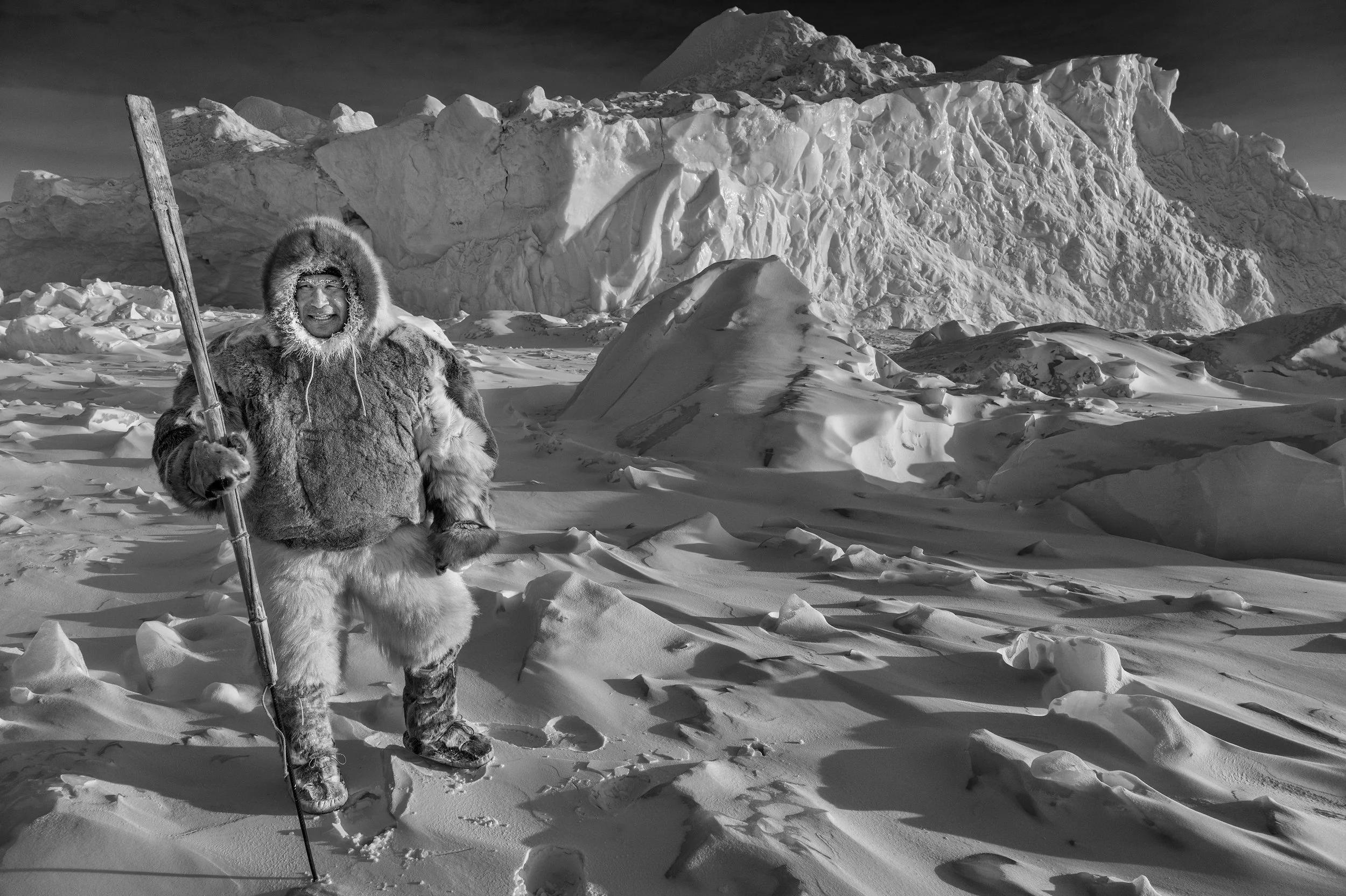
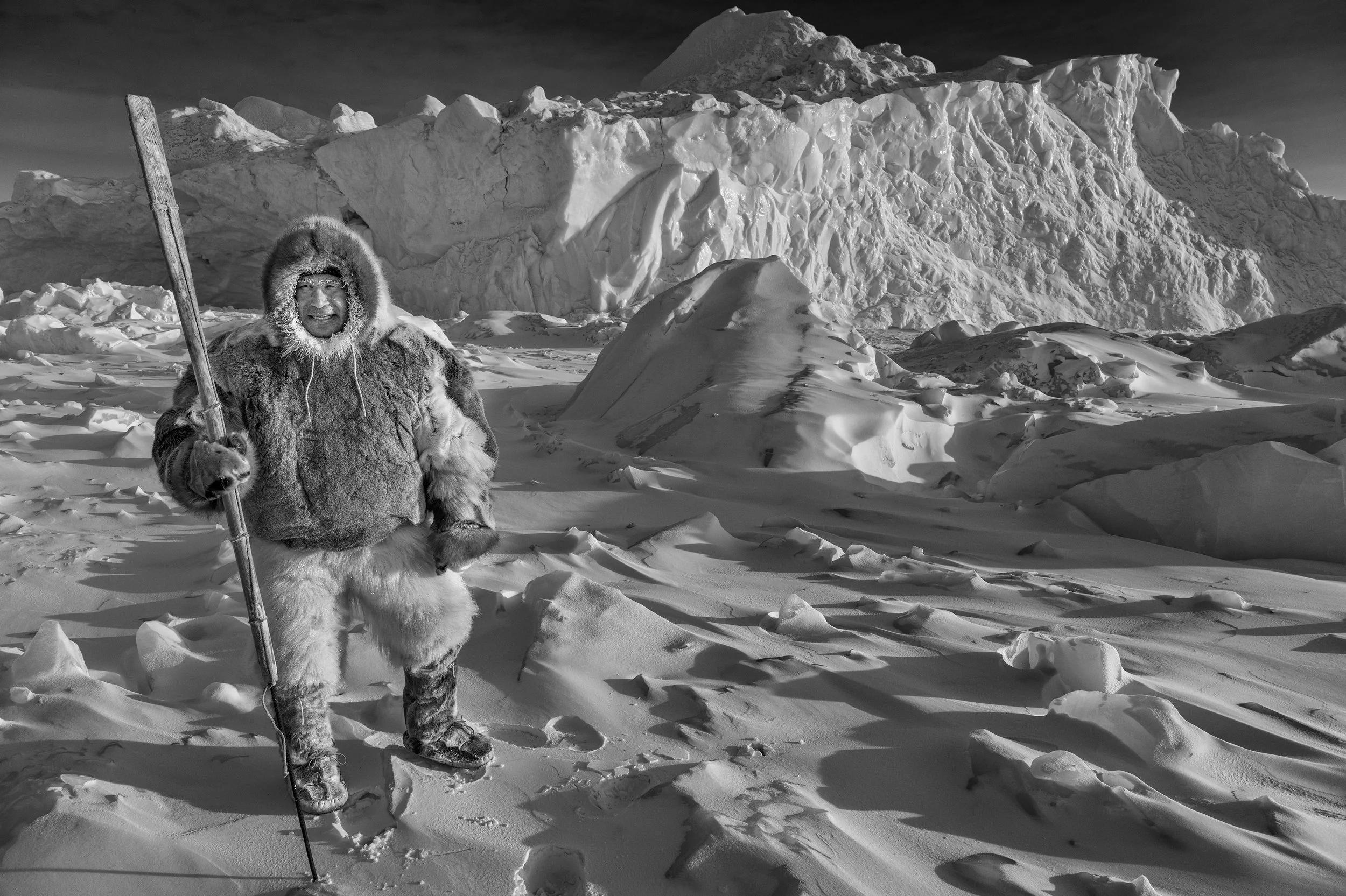
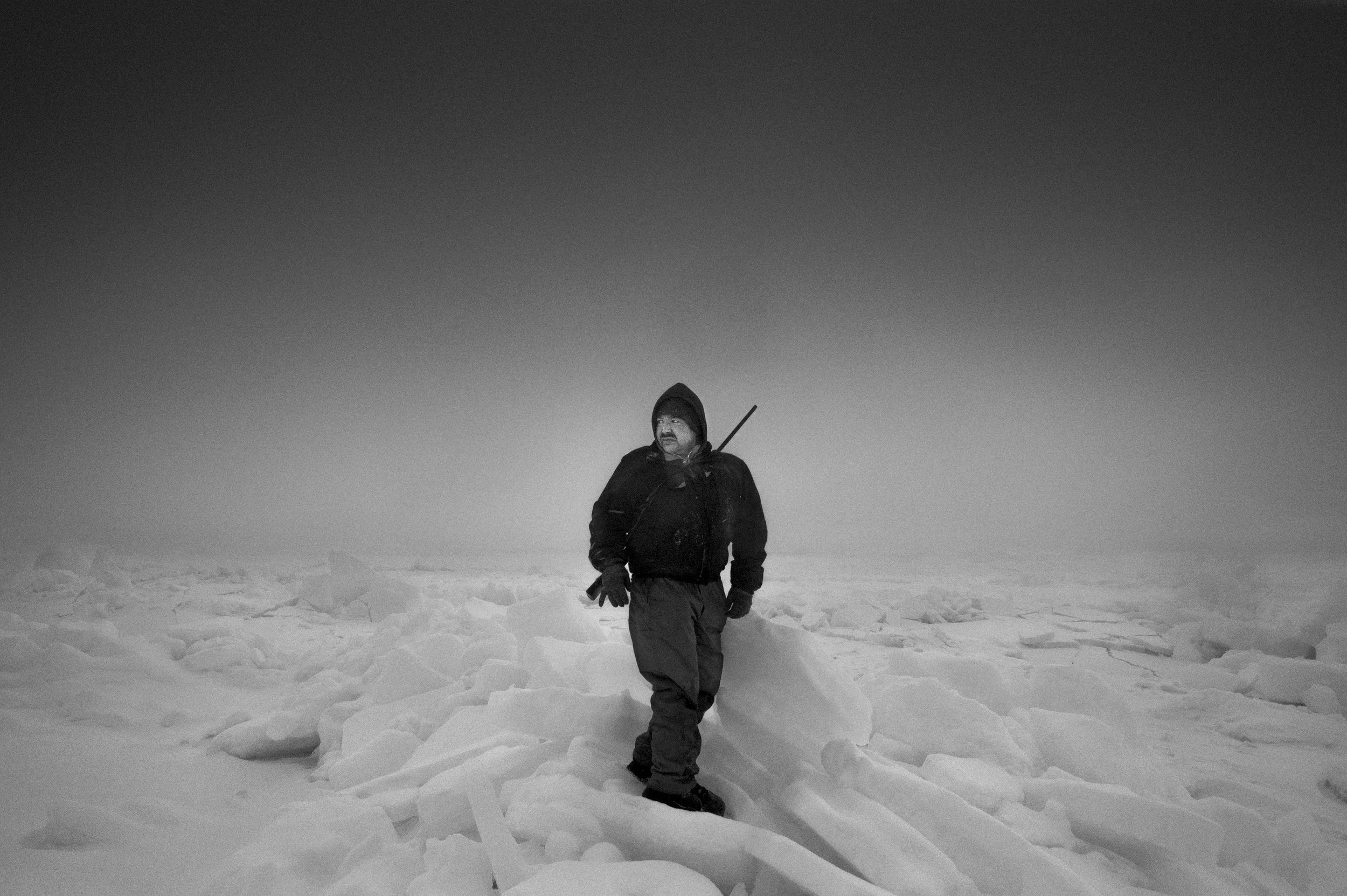
I’ve been focusing on photographing the Arctic, the Arctic countries, and cold regions ever since. It has taken its toll on me. A few years ago in Ingelfield fjord, northwest Greenland , it was minus 48 degrees with the windchill. We were on the sea ice in a storm, and we had to head back. The days were short, just about two hours of daylight. As the sun was setting with beautiful light, I saw a moment I couldn’t miss while looking for polar bear tracks on the ice.
Nothing worked when I snapped my camera. I took off my big gloves, leaving only thinner ones on, and my hands froze within 10 minutes. It still hurts. I have some lasting problems because of that. I asked a hunter if he’d ever frozen his hands, and he said, "No, we're not stupid." The excitement of getting the photograph led me to that mistake.
I had that photograph in an exhibition. When I passed it, I looked at it and thought, "There you are. I hate you. But I love you too." That is a photograph of a hunter on the sea ice in Tule.
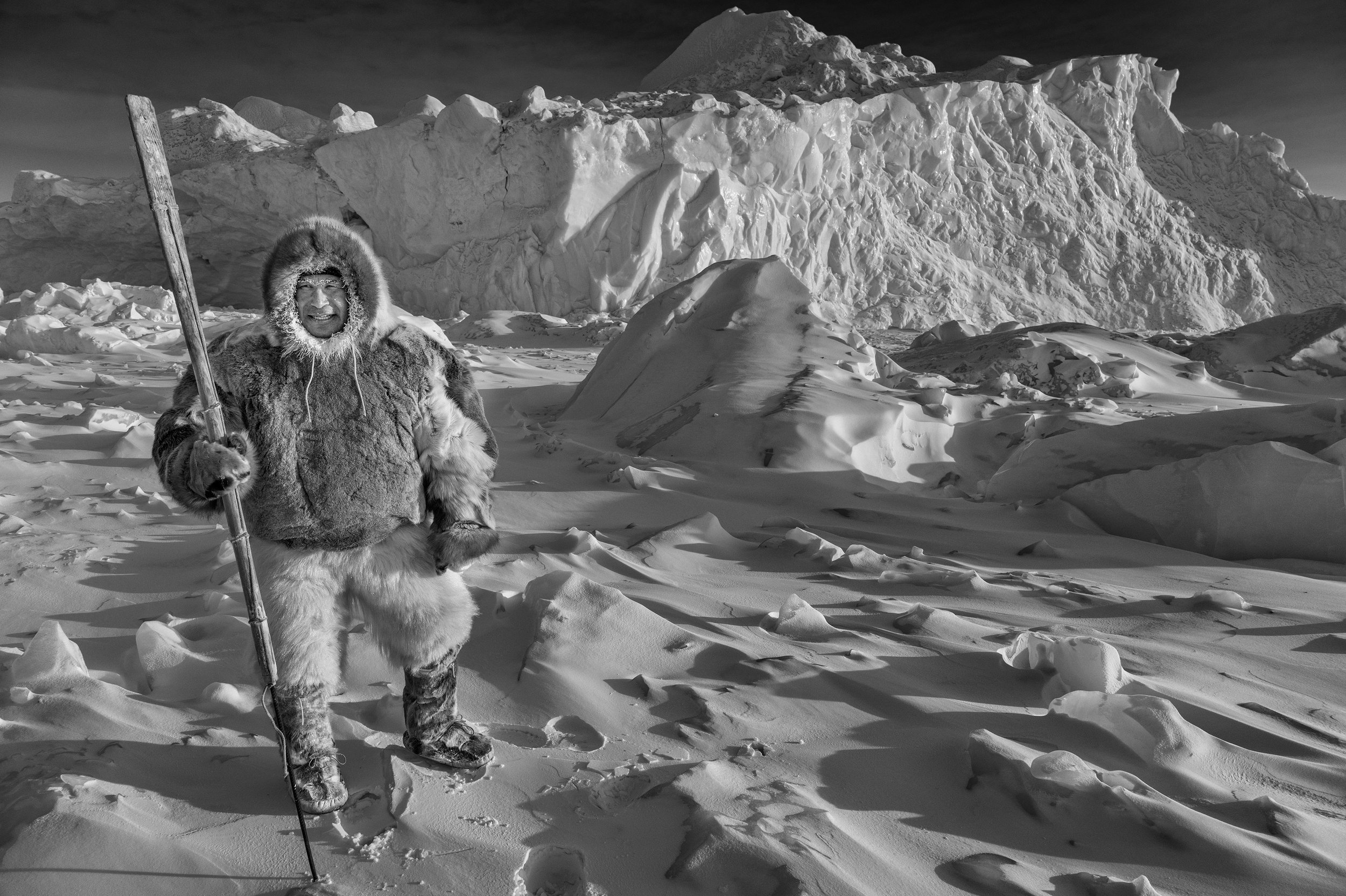
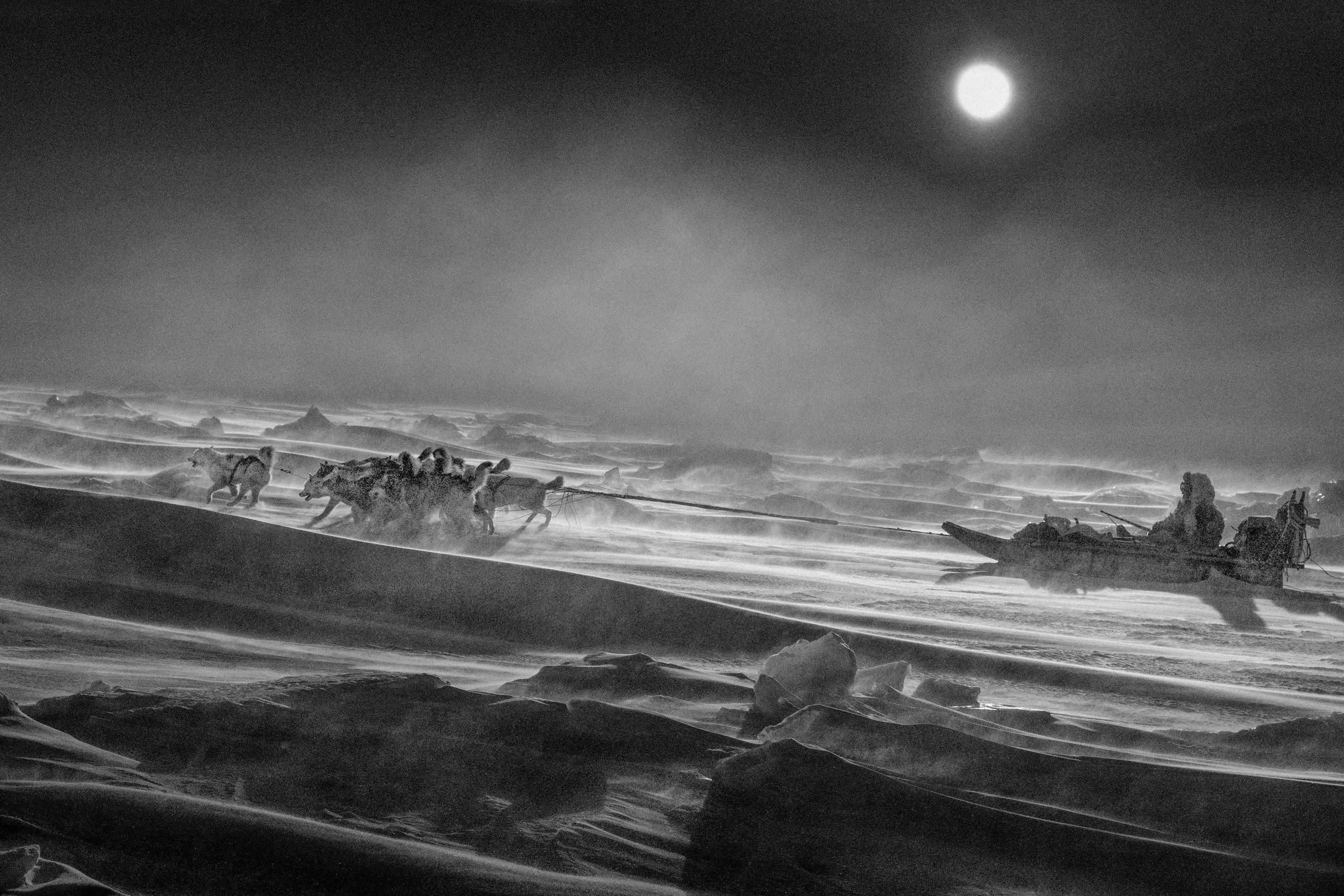
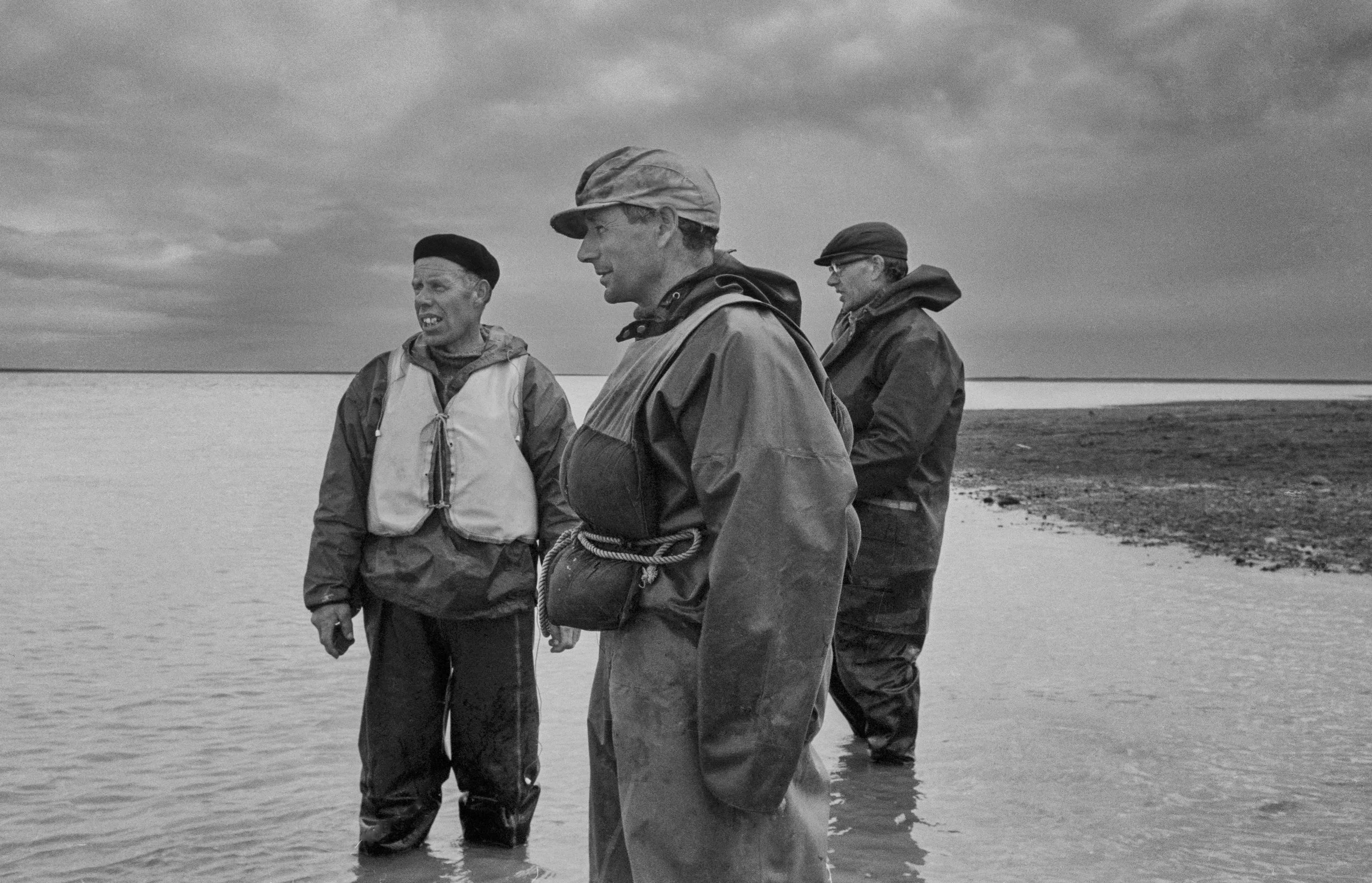
Another one is from a time I was with my friend Hjelmer, a hunter from Ittoqqortoormiit on the East coast of Greenland. We were heading back home in a storm, with a storm warning in effect and the ice all around us where braking up
Nobody was supposed to go out. I had never met his brother before, but he was in a little village where I was staying, in a small cabin, watching the sea ice. He had seen polar bears pass. I walked towards him and said, "Hi, can I take your photograph?" He looked at me, quite sternly, and replied, "Yeah, you can take one." I snapped a photo, and he asked, "Are you finished?" I said, "Yes, you said one." Then he laughed, and it broke the ice between us. We started talking. He knew who I was, and I knew who he was, though we had never met before. He was looking for polar bears on the sea ice. I said, "If you see one, will you let me know? I'm in that little cabin over there."
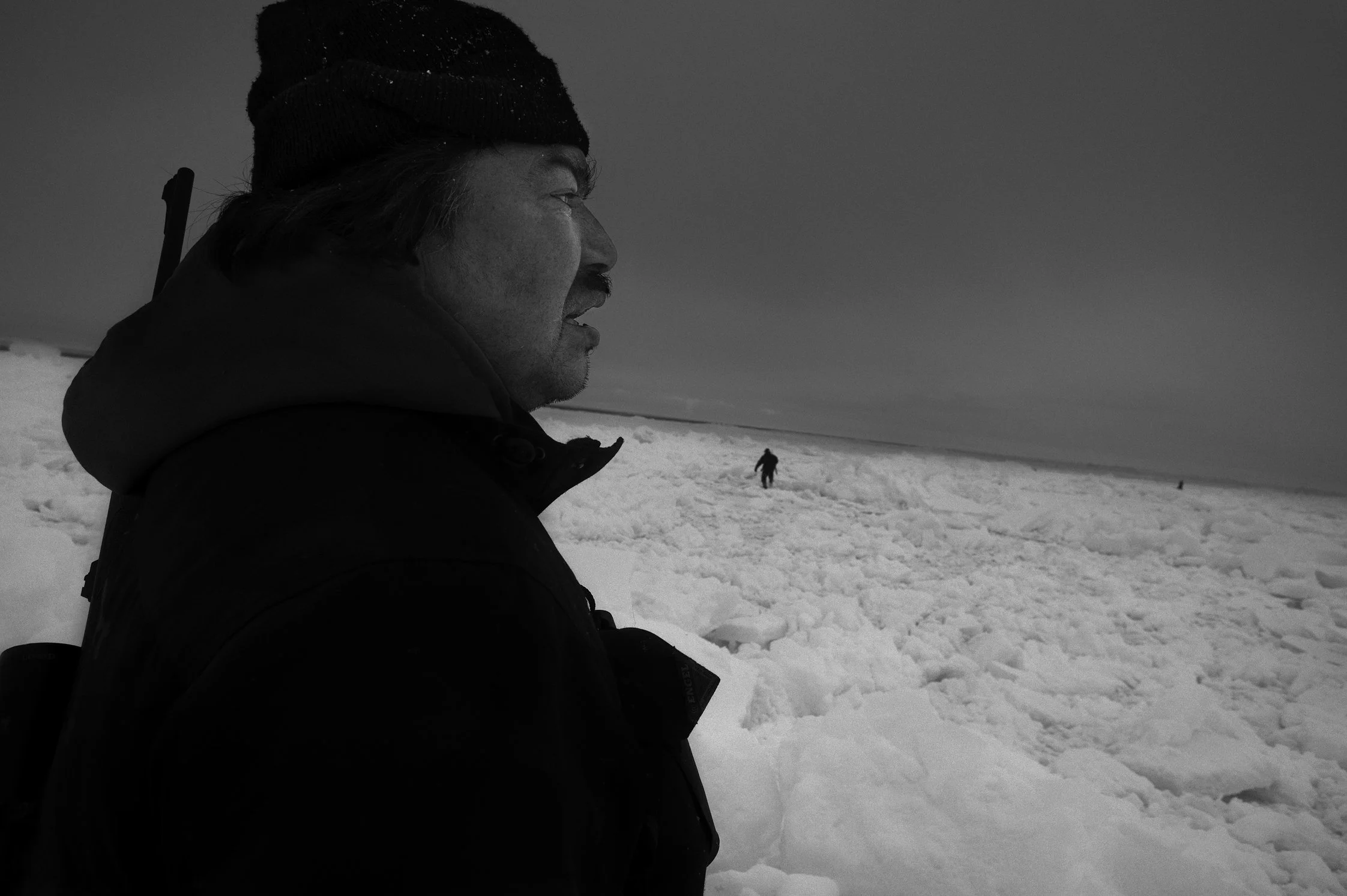
Ten minutes later, he came running and said there were four polar bears on the edge of the ice. His brother Hjelmer was coming, wanting to try to catch one before the storm hit. Hjelmer is a very brave man, a hunter, and one of the cleverest people I've ever met. When he arrived, I asked, "Hjelmer, can I come with you?" It was not allowed to accompany hunters, it was banned. He replied, "Oh, there are new rules. We can't take anybody with us." I looked him in the eye and said, "Hjelmer, you know I’m coming with you."
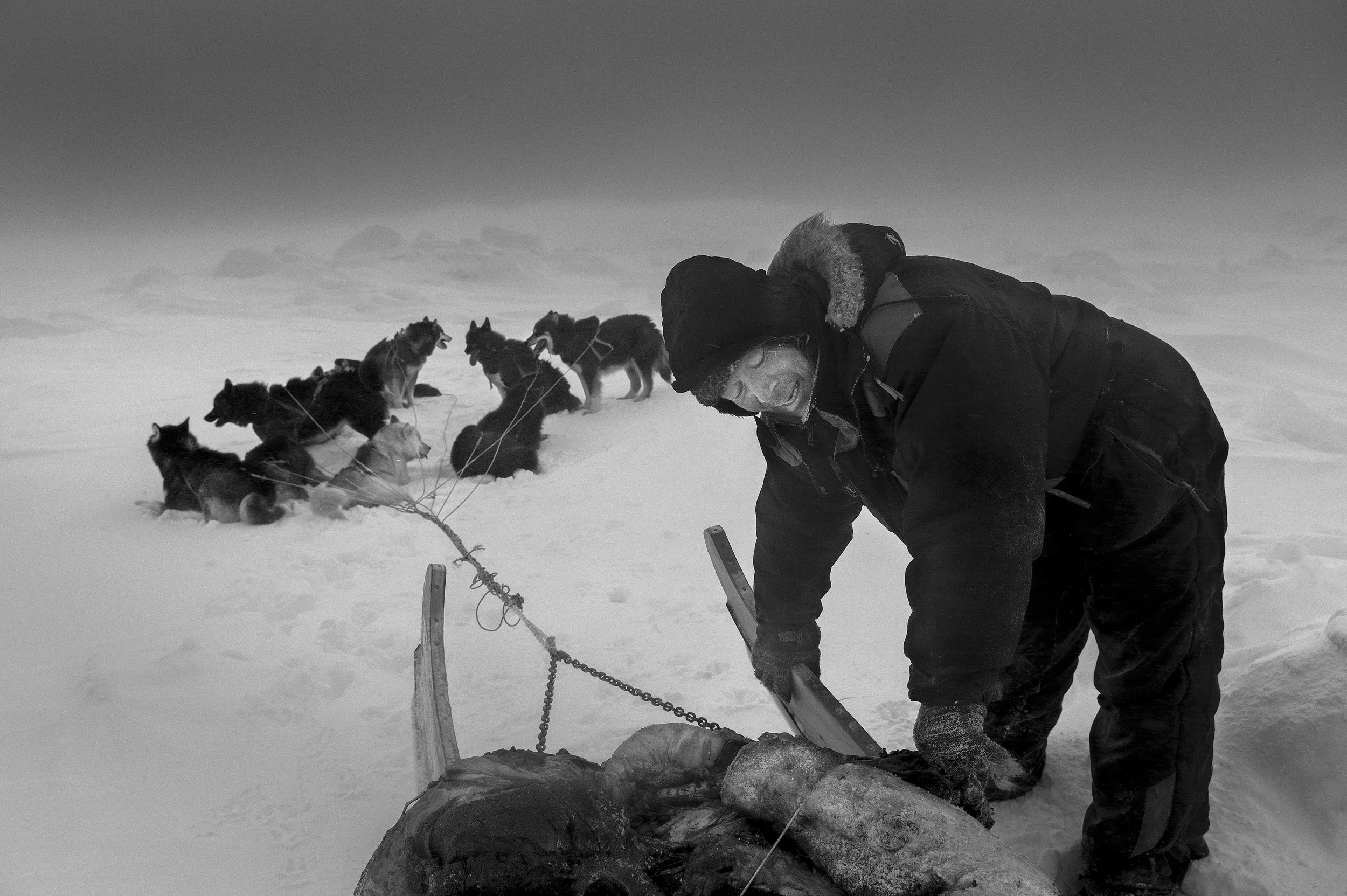
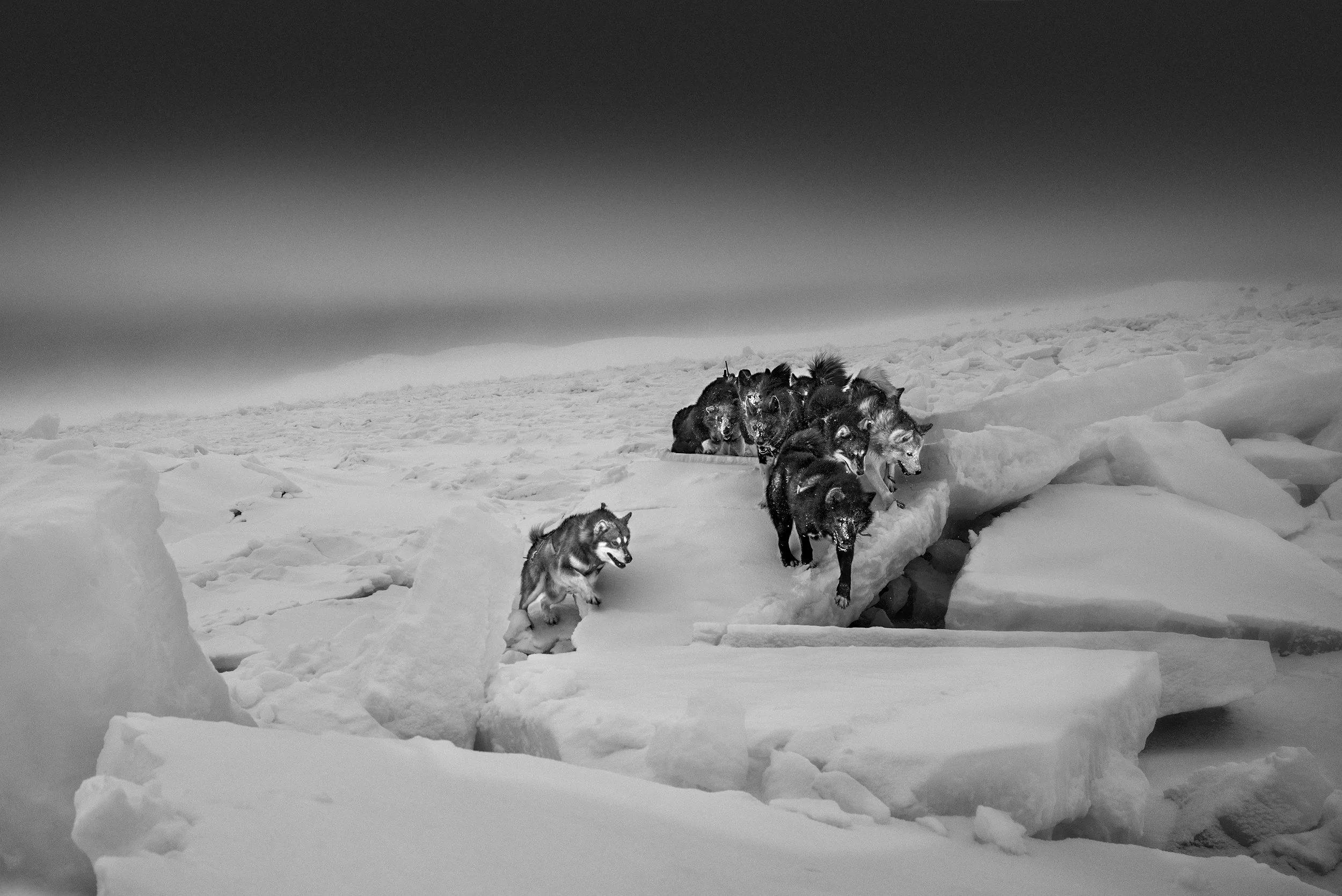
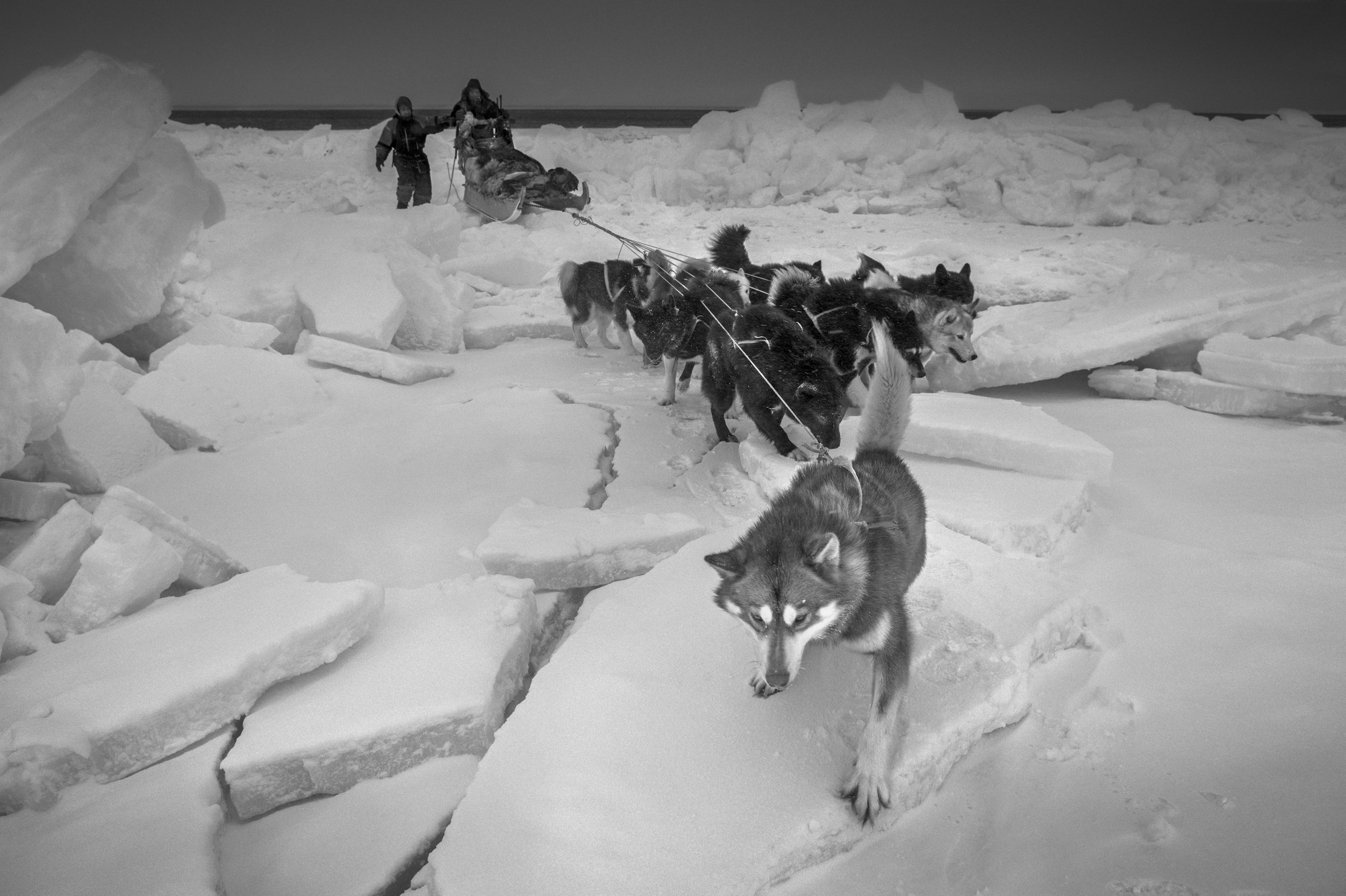
There was a long pause before he said, "Okay, stay behind so I can say you just followed." So, we ran on the sea ice for seven or eight kilometres. It was rumbling, crumbling, with cracks everywhere. We had to jump from iceberg to iceberg at times. Hjelmer managed to get one polar bear. There were three or four polar bears hiding somewhere on the sea ice and Hjelmer had lost his bullets when passing the rough sea ice.
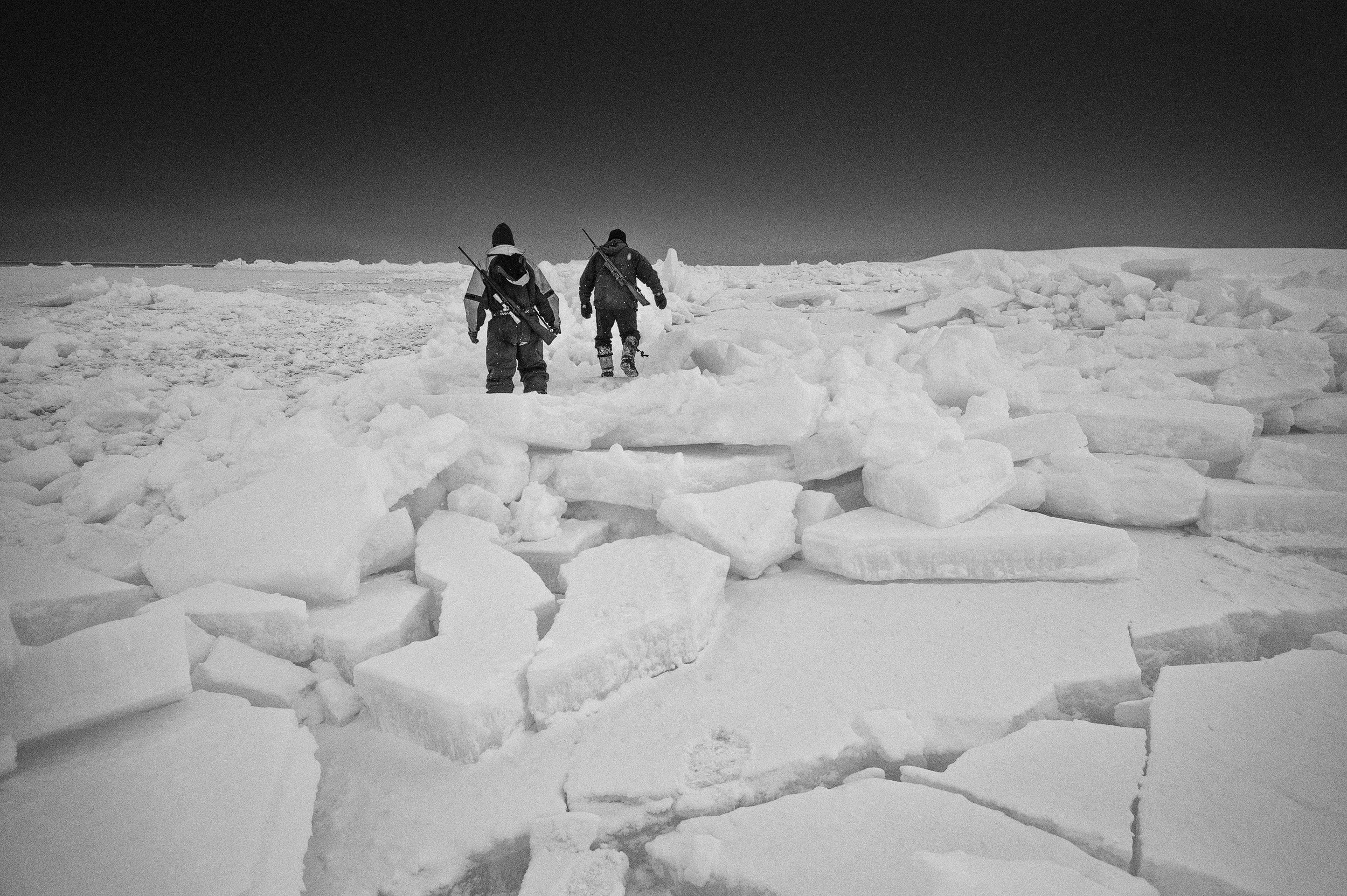
For 20 minutes, we were without any ammunition, vulnerable if they had attacked. Eventually, his brother arrived, and we felt safe again. The struggle then was getting back against the storm on the sea ice, which was cracking beneath us.
The moment captured in one of my favourite photographs was when Hjelmer was utterly exhausted. We had to drag the sleds over the cracks. He was just drained, and I tried to take a picture, but nothing worked in the extreme cold, minus 20, maybe minus 25 or even 30 degrees in the winter. I found myself pleading, "Please, just allow me to take one." I promised to be kind all my life. Suddenly, the camera snapped, that was the moment. Then it was gone. I looked up, and it had passed.
Photographing in those conditions is very difficult. It's like being a doctor trying to perform surgery while wearing boxing gloves. That's what it's like photographing with thick gloves on. So sometimes you have to take them off to get the shot. The batteries were draining too, and that was the last picture I got with that camera, a Leica Monochrome, the first model.
I like those pictures because they capture a moment in his life that will never come back. It was a fight for survival. He asked me, "Are you insured?" I said, "No, I forgot. Why?" He replied, "We might have to call a helicopter. They’ll rescue us, but you’ll have to pay for it."
There was a long pause, and then I said, "Hjelmer, I’ll take the dogs home; you take the helicopter." It was a silence for one minute then Hjelmer replied, no we go home together. When he got back to safety after four hours, he put his arms around me and said, "You're always welcome in my home, you know that." I said, "I know, thank you." He asked, "Why didn’t you want the helicopter to rescue us?"
I told him, "An Icelander never gets rescued by a Danish helicopter." But that wasn’t true, I simply didn’t have the money for the helicopter. He liked the answer; it was a joke. Of course, we like the Danes. That moment broke through, and after many years of friendship, there was total trust.
When I first met him 34 years ago, I was sitting in a village, wanting to meet him but not knowing what he looked like. I had been there for two days, sitting above the village, when a young man came walking towards me with his hand on his head. He said, "I am Hjelmer."
It sent a chill through me, like in Moby Dick, the first sentence is "Call me Ishmael." It felt like a great moment, and I’ve always treasured it. He does too; he even remembers what I was eating when he arrived, cod liver from a can. We became friends instantly, and our bond has grown closer over the years. I can photograph him comfortably even though he’s shy and doesn’t like attention.
This winter, he finally shared many stories we’d always hoped to hear. He never brags, most of what I know about him comes from others. It’s called Arctic Heroes, about the Greenlandic sled dogs and the hunters. The stories are beautiful, about how the dog would take you home in all kinds of weather.
This project is a step toward creating a bigger book about all eight Arctic countries. We sell books and prints to finance the work. We’ve paid for everything ourselves, without any grants from Iceland. It’s hard work.
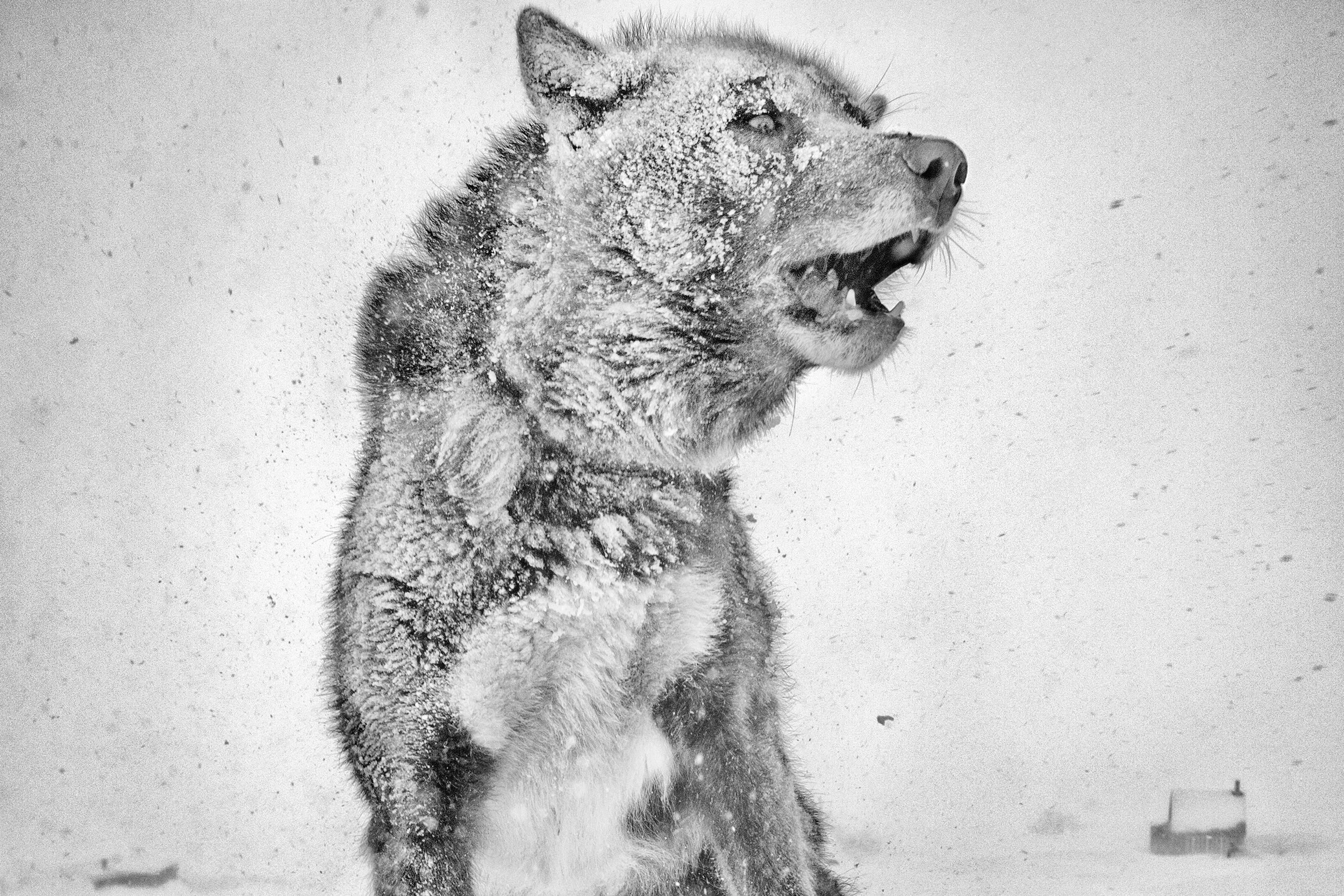
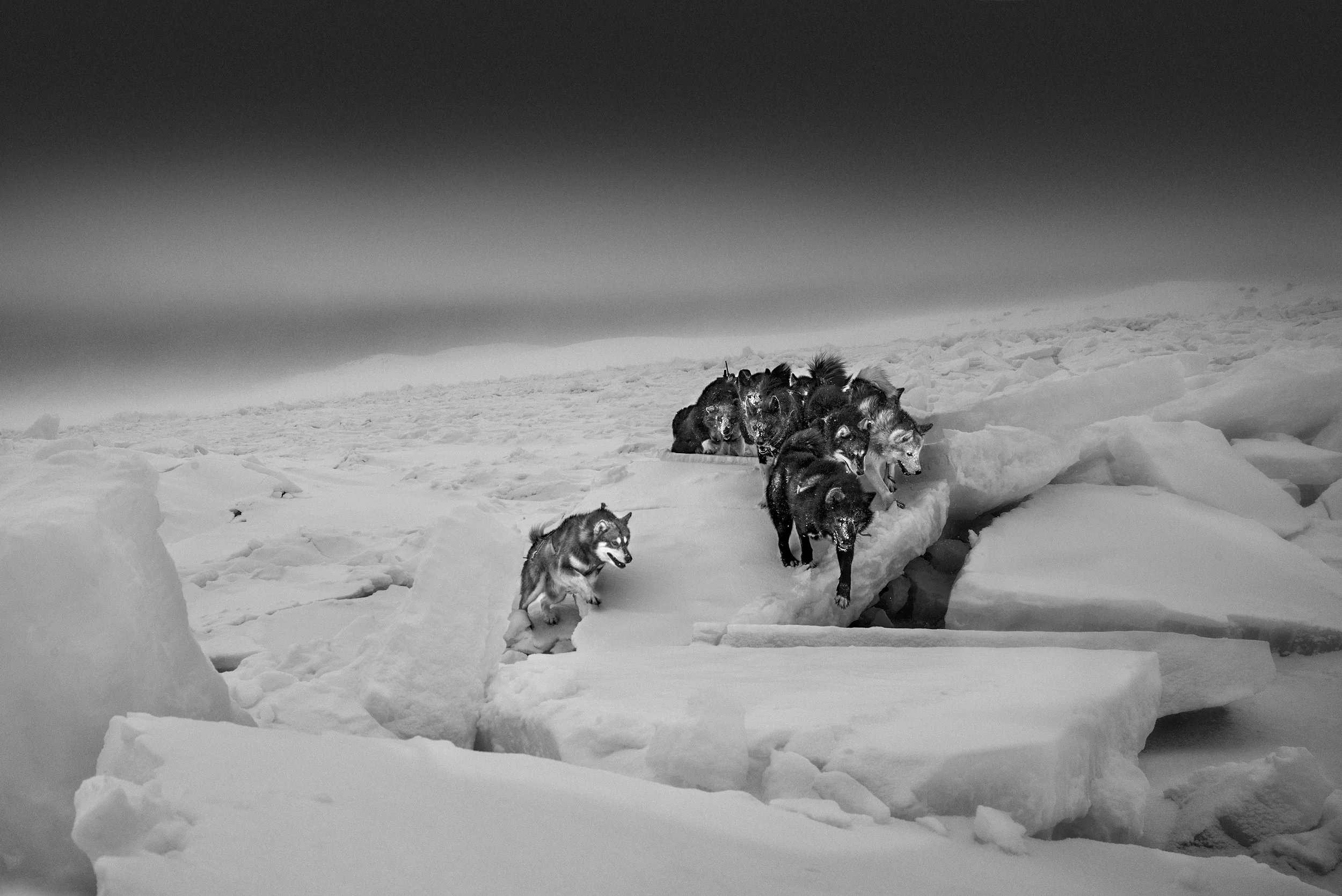
In our discussed environment, full of snowstorms and visual chaos, your compositions often focus on a single strong focal point. Can you describe your process of simplification? How do you reduce an image to an overwhelming atmosphere while keeping the subject clear?
That's a good question, and a hard one to answer. When I was young, I would listen to people on the farms nearby. I watched them closely, observing their facial expressions, their eyes. My father gave me books about paintings, focusing on faces and how they looked.
In my photography, I've always tried to capture specific moments. Some of the greatest photographers at this are Henry Cartier Bresson, W.Eugene Smith, Don Mc Cullen , and Mari Ellen Mark, among many others. I aim to capture the right moments, to see the expression on people's faces, and to place them in the frame in a way that works.
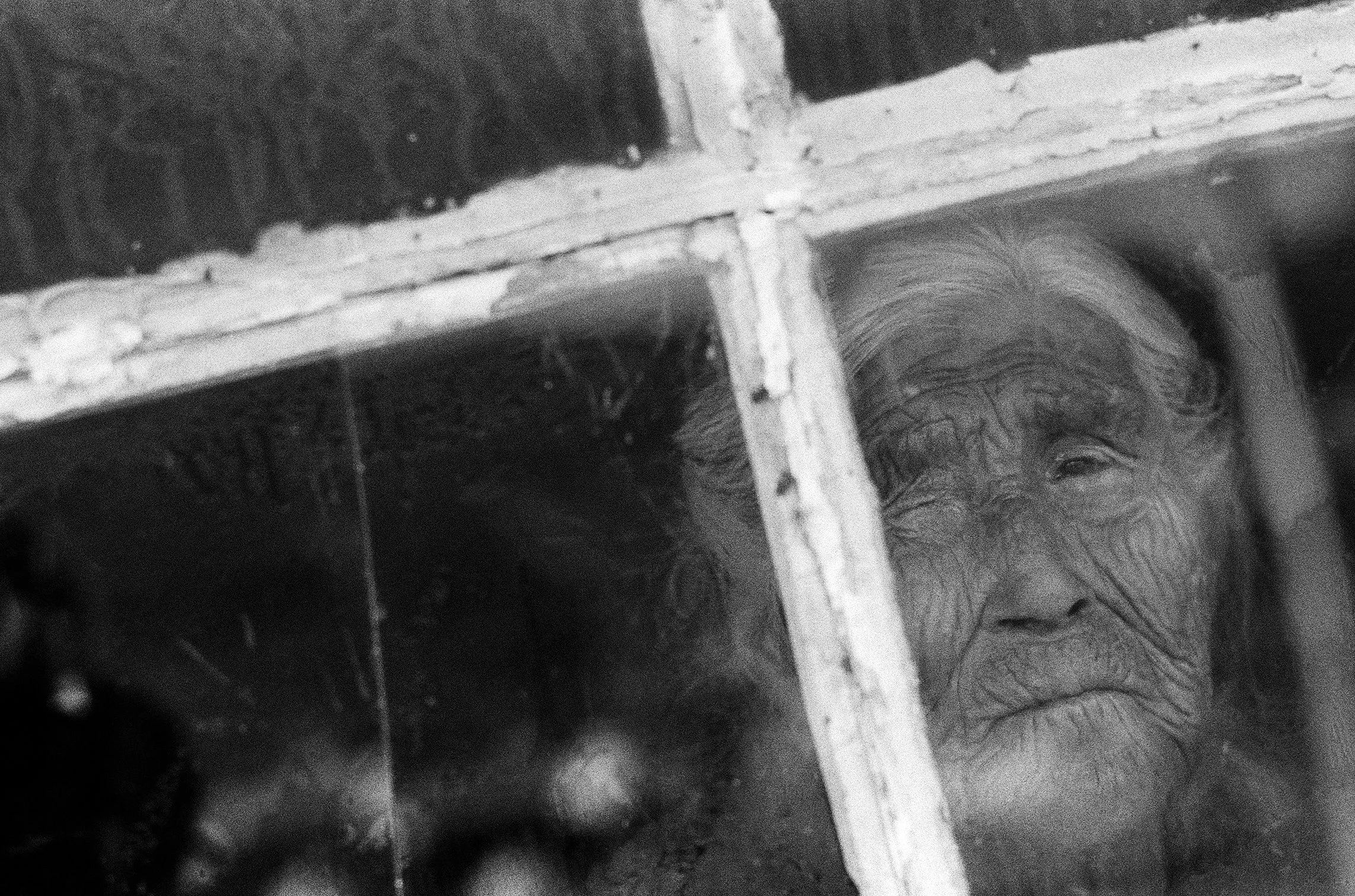
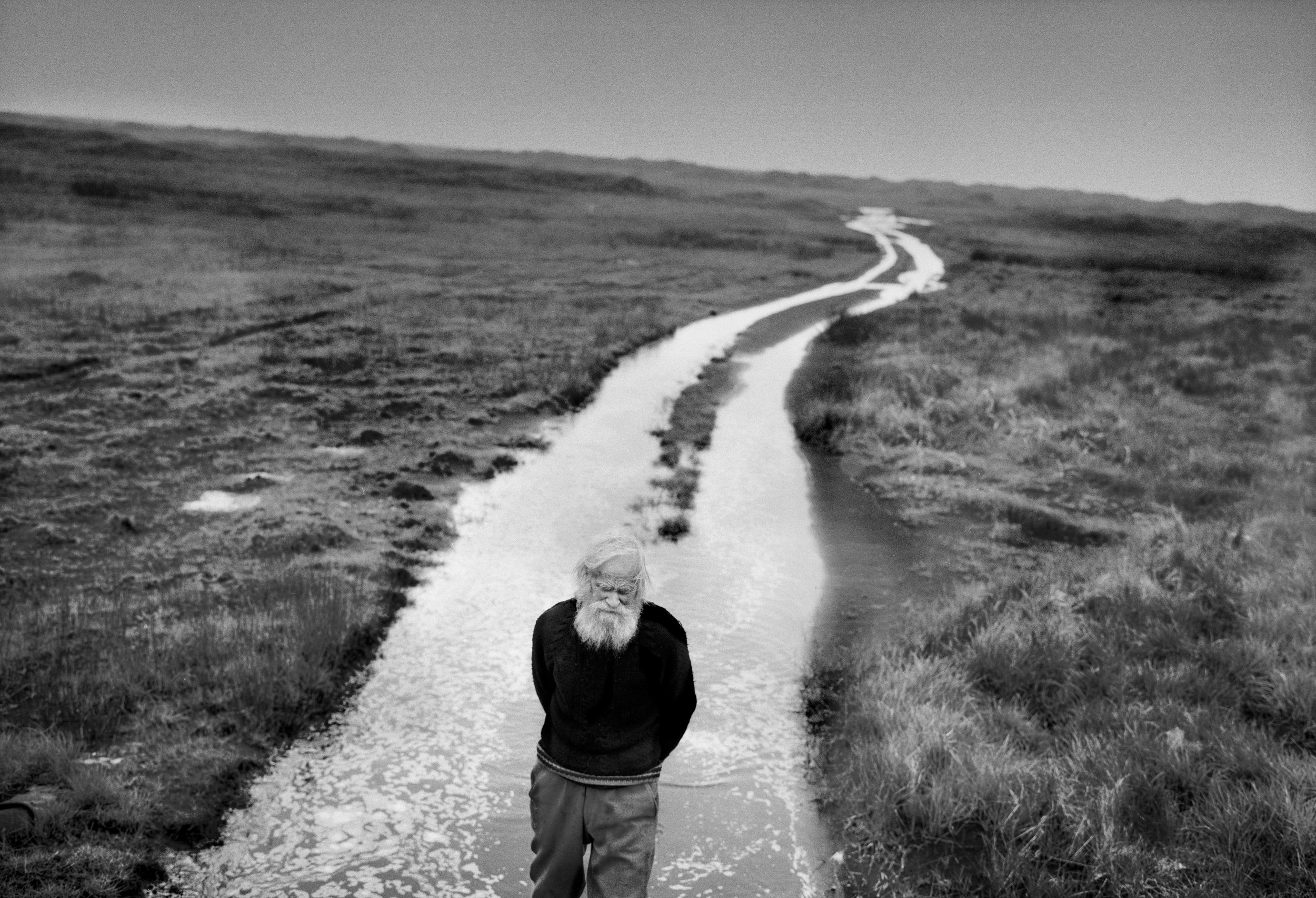
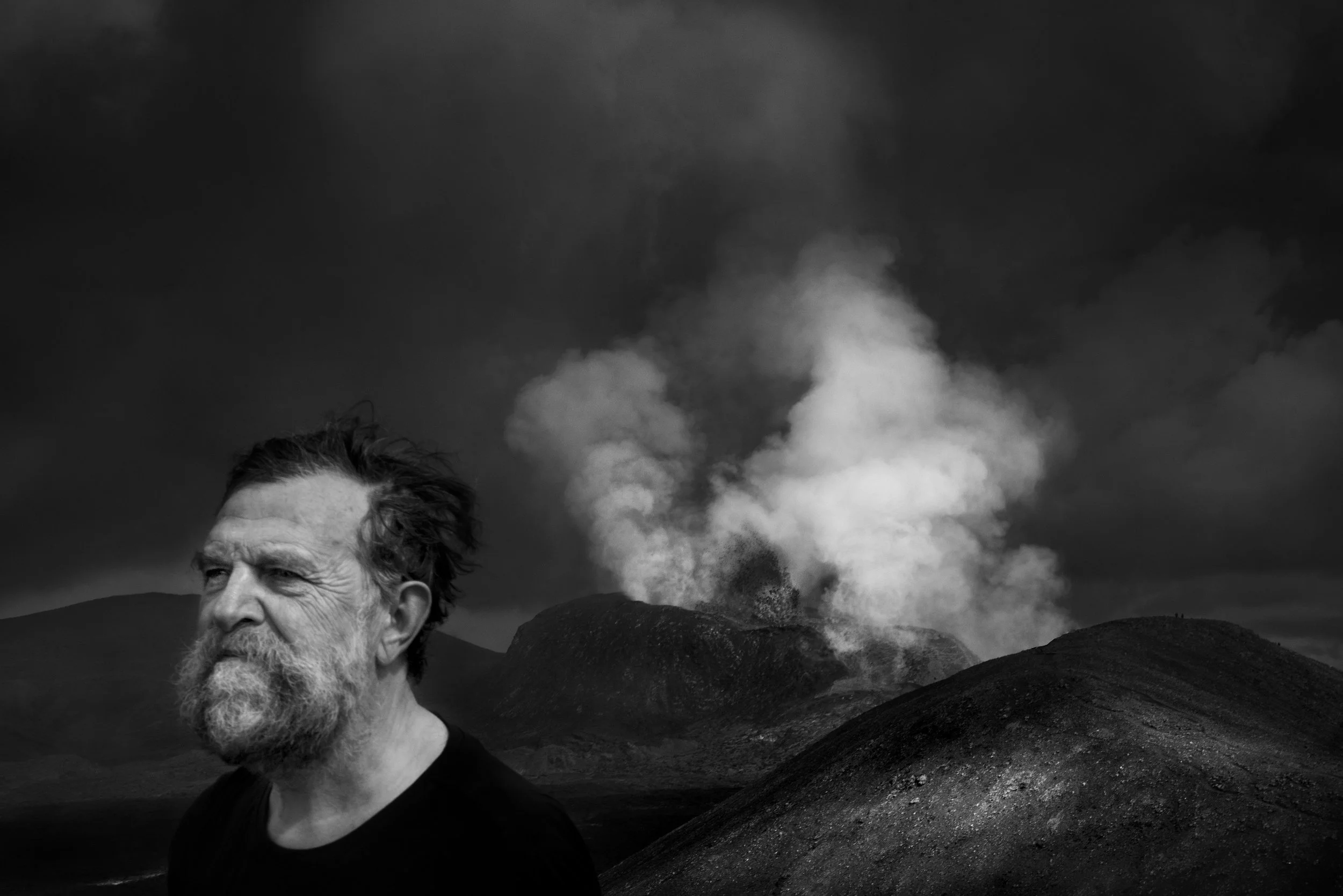
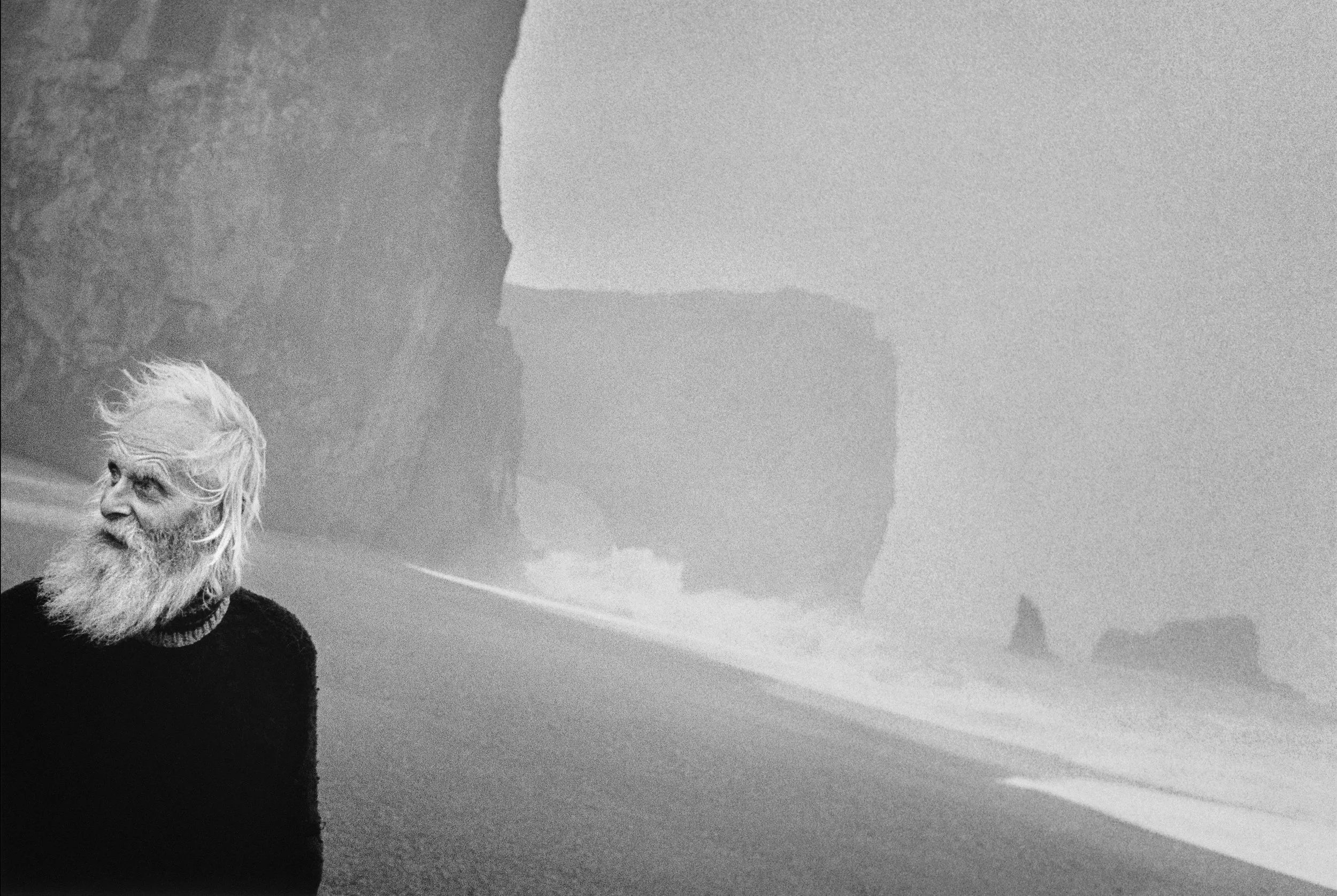
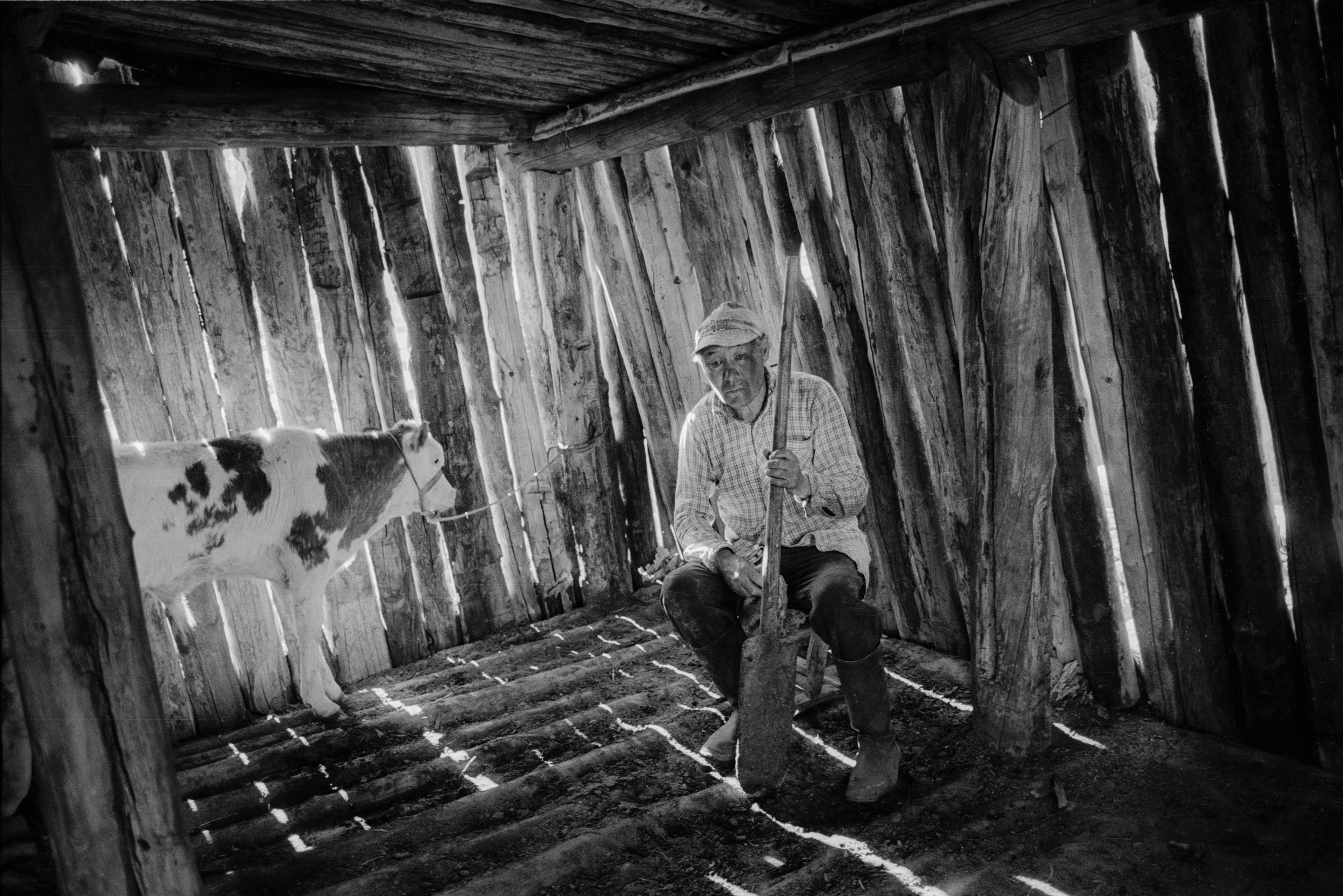
Take, for example, the photo of the old man with the beard. It breaks traditional framing rules, but it just happened naturally. I had a feeling about how to do it, much like having a feel for writing a song or playing a guitar. It was similar in that way. I took more pictures of him, framing them differently, but it was that one frame that really worked.
Sometimes it's about breaking the rules, but it works because of the context. For instance, I knew this man well. The first time I met him was after a storm. There was no electricity in his home because the power lines had gone down. He had to hand-milk the cows. I knocked on his door after someone told me about him and his brother, both remarkable men, still hand-milking their cows. When he opened the door, that's when our connection began.
Did you know him? How did that happen?
I saw in his eyes, very blue eyes, that he was a kind man. So I said, "I want to photograph you when you're hand-milking the cows." And he gave me coffee. I didn't drink coffee at the time. He took a glass with false teeth in it, poured it out, and put coffee in it. I thought, "Well, I'll drink it." So I drank the coffee, and it broke the ice. He looked at me, noticing I was drinking coffee from that glass that had false teeth in it just a few seconds before.
I photographed him while he was working. The photo ran on the front page, and the cows were a little dirty, so they were taken away from him. When I heard that, I felt really sad. I went to him again and said, "I'm so sorry. I didn’t want that to happen. Can I buy you new cows?" He replied, "Well, I didn't want to milk them anyway. I wanted to quit. So I'm happy. No worries." We became kind of friends. I always greeted him when I passed his home.
On the fourth trip, we walked to the Black Beach. He was looking for a mink that was killing his eider ducks. He was angry, and I felt it was a magical moment. There was steam in the air, and the waves were hitting the rocks. I was waiting, just backing off as he walked. He hardly noticed I was taking pictures. I was trying to capture the waves hitting the rocks, and he was looking angrily for the mink. I snapped a few pictures, not many, maybe six or eight. And this was the one.
Those are the moments I try to capture, to get the expression on people's faces. It's a story, a moment that never comes back. It tells a story, a face of a nation in one face, the Vikings and everything in his face. That certain photograph changed a lot for me. I had been photographing in the Arctic, and after that picture, I got many requests from magazines around the world.
They said, "You've been in the Arctic. We'd like to see some photographs." I showed them. They were all in black and white. Some people didn't even bother to say goodbye; they were just gone because it was black and white. I didn’t care. I just wanted to do it my way, still in black and white. But after that photograph, it went viral or something. I don’t know why, but suddenly people wanted to see more.
If I were a musician, that photograph would be my "Yesterday." But I want to continue, to write "Let It Be," "Here Comes the Sun," "Hey Jude," whatever. I want to keep going. When I have exhibitions, most people ask for that one photo. Sometimes, I’d like to skip it, but actually, I should be proud of it. And I am. There's no doubt about that. But you always want to look for the next one.
Did he like it?
Well, he liked it very much. He got roles in two films because of that photograph. He was in four or five advertisements for it. Whenever companies were doing advertisements, he told them to call me. They called me, and I told them, "You pay him like the others. Don't cheat him because he's an isolated farmer." When he got paid, he called me and said, "You have money here." I asked, "What?" He replied, "Yeah, they paid me so much." I told him, "Well, it's your money, not my money." He was a very good guy. Before he passed away, he wanted to give me a part of his land, but I refused. I couldn't do that. He had relatives.
He was very kind, and we liked each other very much. Whenever I passed his home, I brought food for him. Toward the end, he was sick and didn’t eat much, but I still brought food. I kept the friendship with him because he gave me so much by allowing me to take that photograph. It's the same with the Greenlandic hunters, I feel like I owe them.
For me, including them in the book is like giving them a voice to the world. When I photographed the hunter as we were heading back home from the sea ice, I told him about hunting polar bears. It's a sad moment when you see the king of the ice fall, but they have to do it because they can't shop like we do.
I told him, "I have photographs that might hurt you. I'll throw them away if you want me to." There was a long pause before he said, "No, you show them. I want the world to see how my life is. It's not like yours. It's a hard life. People die here sometimes. They disappear on the sea ice, fall into the ice, don't know how to swim, and they die."
It's a hard life, and it's never in the news. You never hear about it. There’s a lot happening there that the world doesn’t hear about. I wanted to give them a voice by honouring them with the books and the stories of the dogs and Arctic heroes. That’s how I’m paying back.
You often photograph animals. How do you decide when to let the animals take centre stage versus placing them in a supporting role to humans or the landscape?
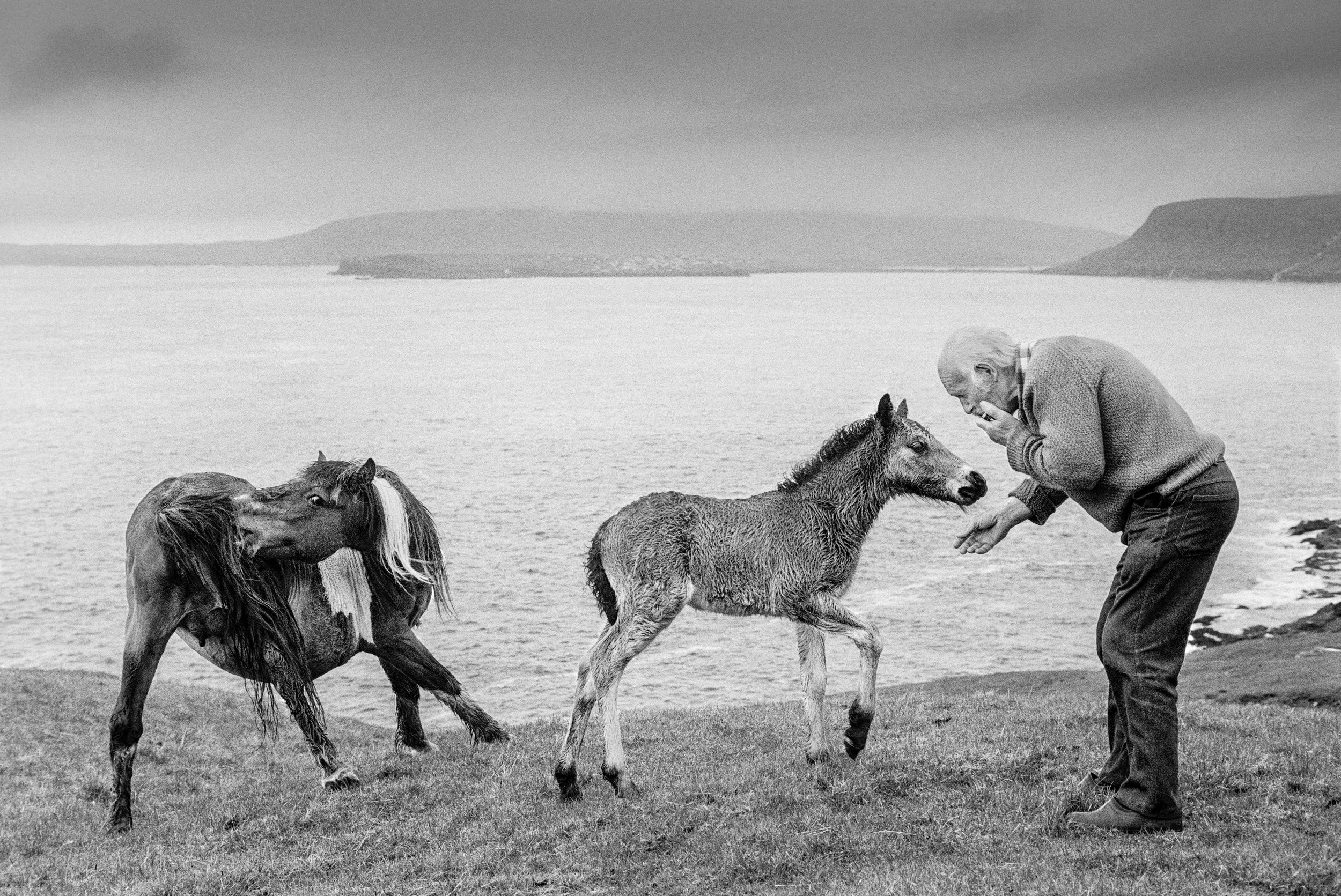
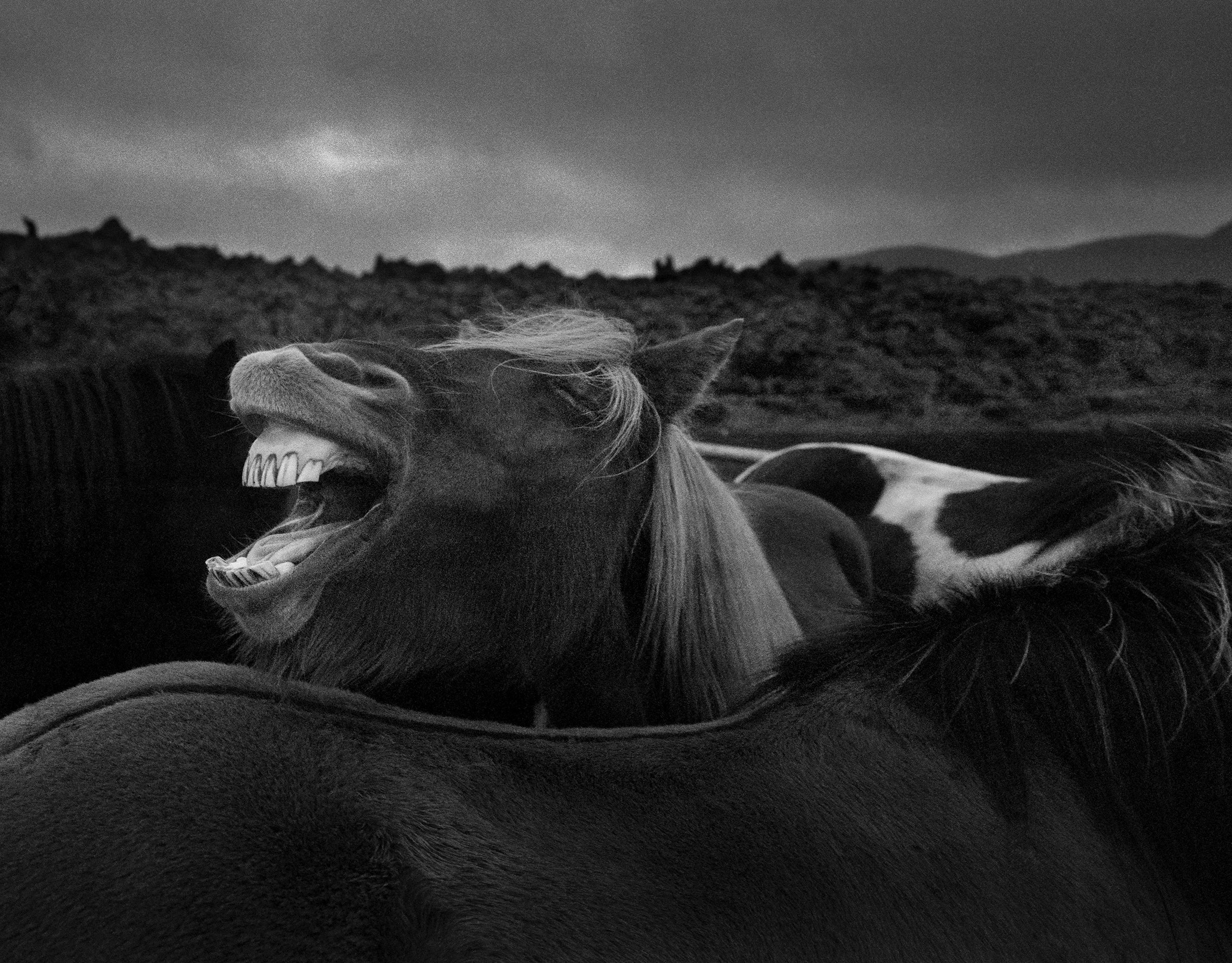
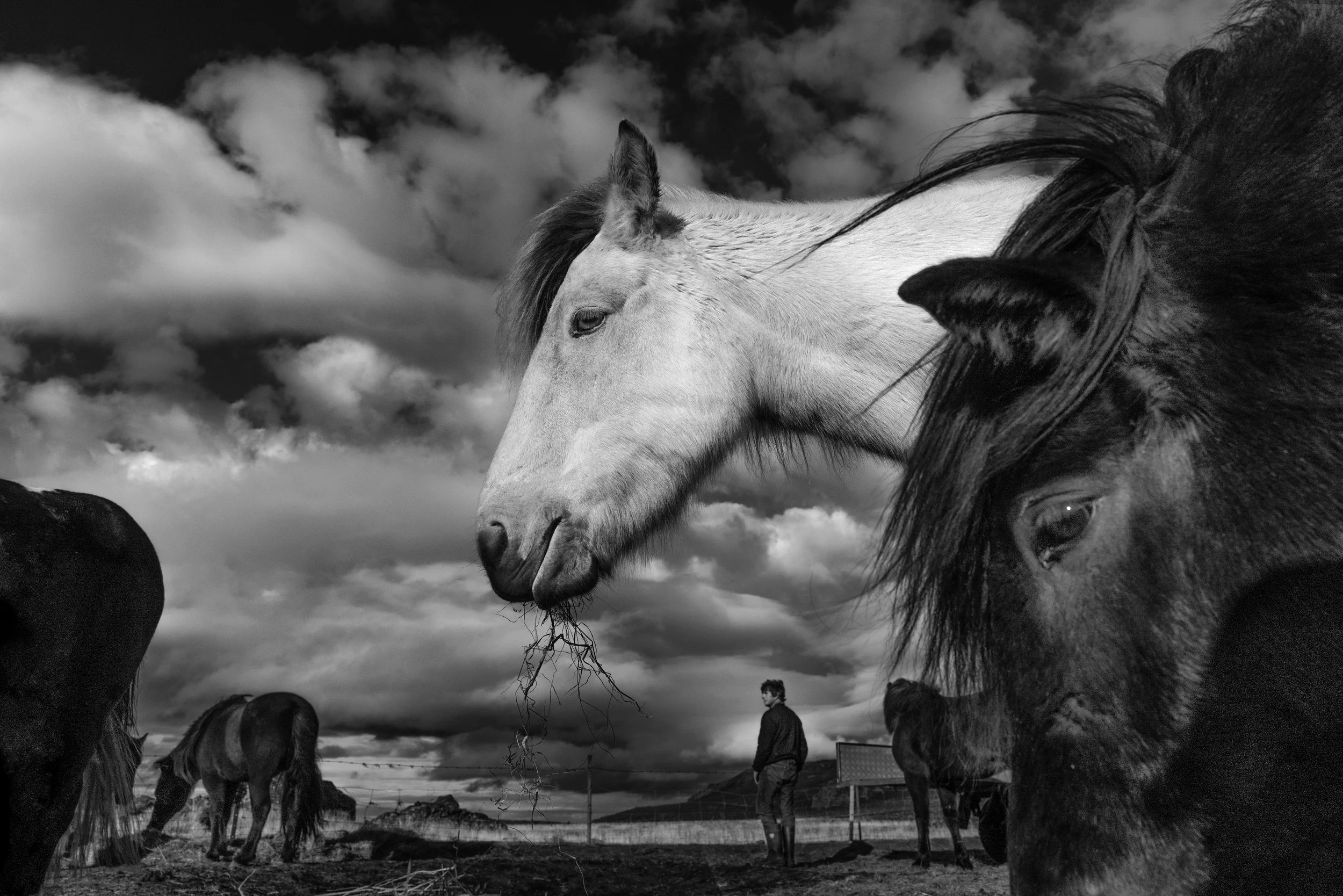
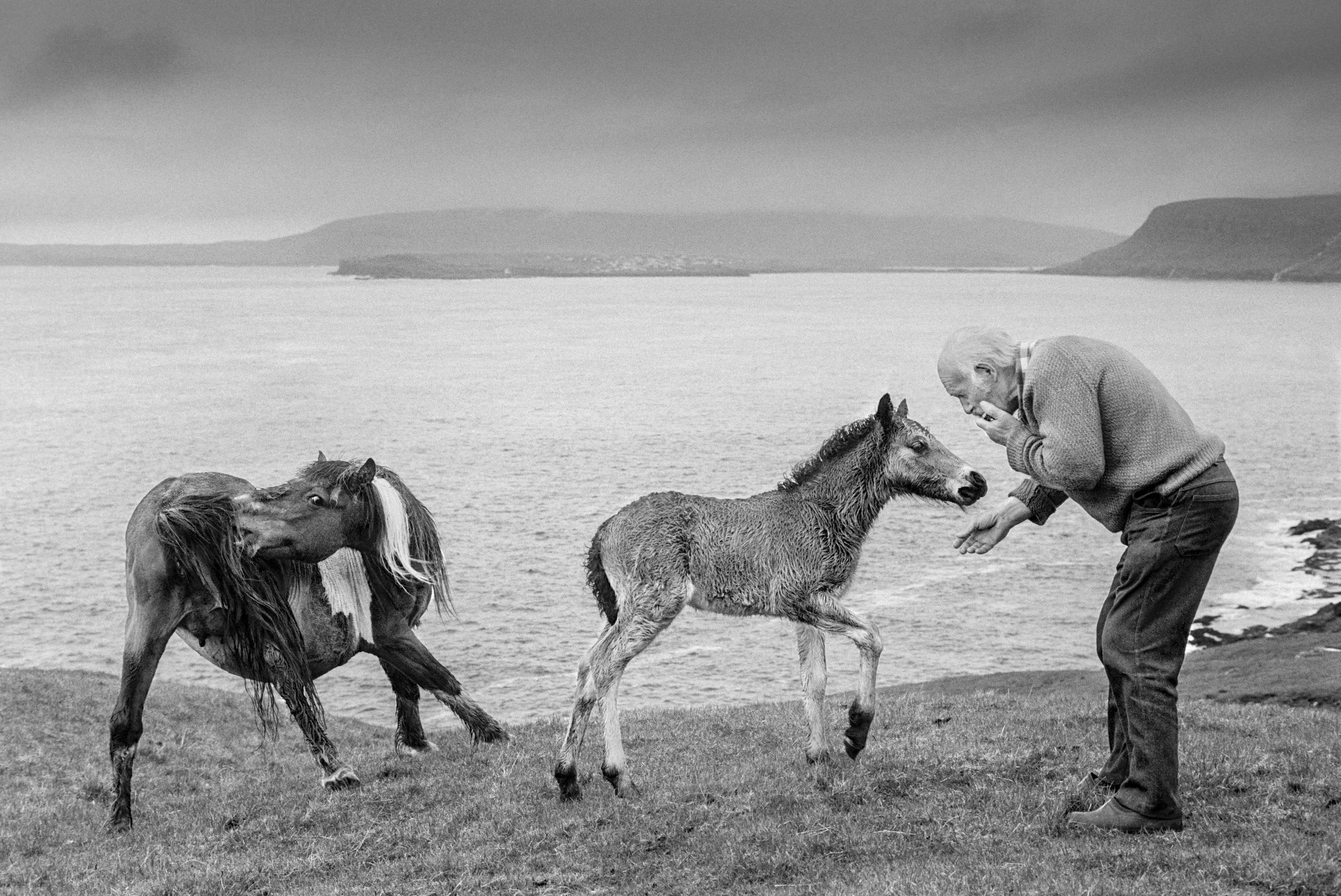
I just let things happen. The only time I 'cheated' in taking pictures of animals was when I gave a horse Coca-Cola, and he looked like he was laughing in the picture. That's cheating. But generally, I love letting things unfold naturally. I try not to force anything. You just have to be patient, though it can be difficult sometimes.
Is there a particular image that holds special meaning to you?
The next one.
There are a few that I really remember because it was a struggle to get them, it was a fight. Those images stay with you for life. But that’s the tricky part: when you have a strong feeling while taking a photograph and you show it to someone else, they might not feel what you felt in that moment. But I have that connection with the image. Sometimes, I think it does show through.
My favourite photographs are often taken in very bad weather because usually no one else is out taking pictures. I hate taking photos in the sunshine. I prefer the beautiful, moody light that comes in difficult conditions. That’s where you see the brilliance in Eugene Smith's pictures, how he printed them, what he did with them in the darkroom. He's a master, a genius.
His work sometimes feels like a painting. I think that in a hundred years, photographs like his will be praised as masterpieces, just like paintings. I hope so. I truly believe he deserves that recognition, along with many other photographers. Don McCullin is great. I met him once.
He’s a great man. I was at Paris Photo with a friend, looking at all the exhibitions. Some were good, some not so much. I was looking at one of Don’s photographs and said to my friend, "This is the greatest picture here." Suddenly, a man behind me said, "Thank you, sir." It was Don himself standing there. That was a great moment.
I really admire him. Now he's walking near his home, taking pictures of the landscape. It's beautiful how he does it. Some photographers have that special touch when they photograph, and I truly appreciate that.
What's important to you when recognising a good photo? Are there specific elements you look for? Does it need to be clear, contain specific information, or is it more about design? What captivates you when you see an image you like?
There are so many things. Sometimes a photograph just jumps out at you when you see it. I really appreciate the light in photographs, the framing, and the captured moments. I have one photograph on my wall at home, a Ruth Orkin photo of a woman walking in Florence, Italy. All the men are looking at her. It’s actually a staged photograph; she walked through the scene a few times. But that moment captured in it feels like a painting, truly beautiful.
Photograph: © 1952, 1980 Ruth Orkin
I’m drawn to moments in photographs, the framing, expressions on people’s faces, and so much more. I also admire photographers like Ralph Gibson; he works magic with his images. Honestly, I’m constantly changing my mind. Sometimes I see a photo and think, "Wow, this is a good picture." It just grabs you, and it’s hard to explain exactly why. There’s a sort of magic behind it.
I know we talked about a few pictures already, but do you have a picture that carries an incredible backstory or something you particularly enjoyed or that surprised you?
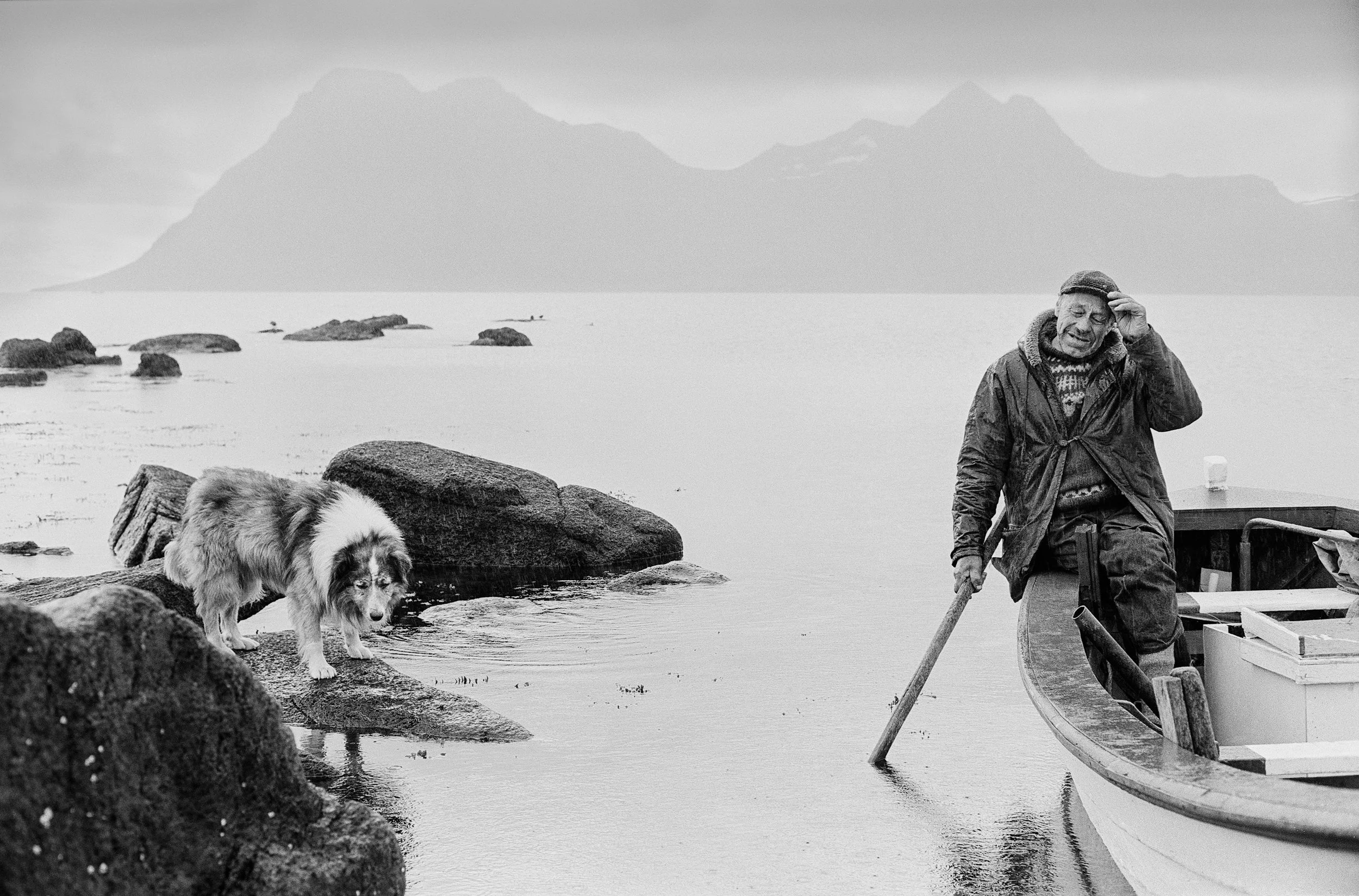
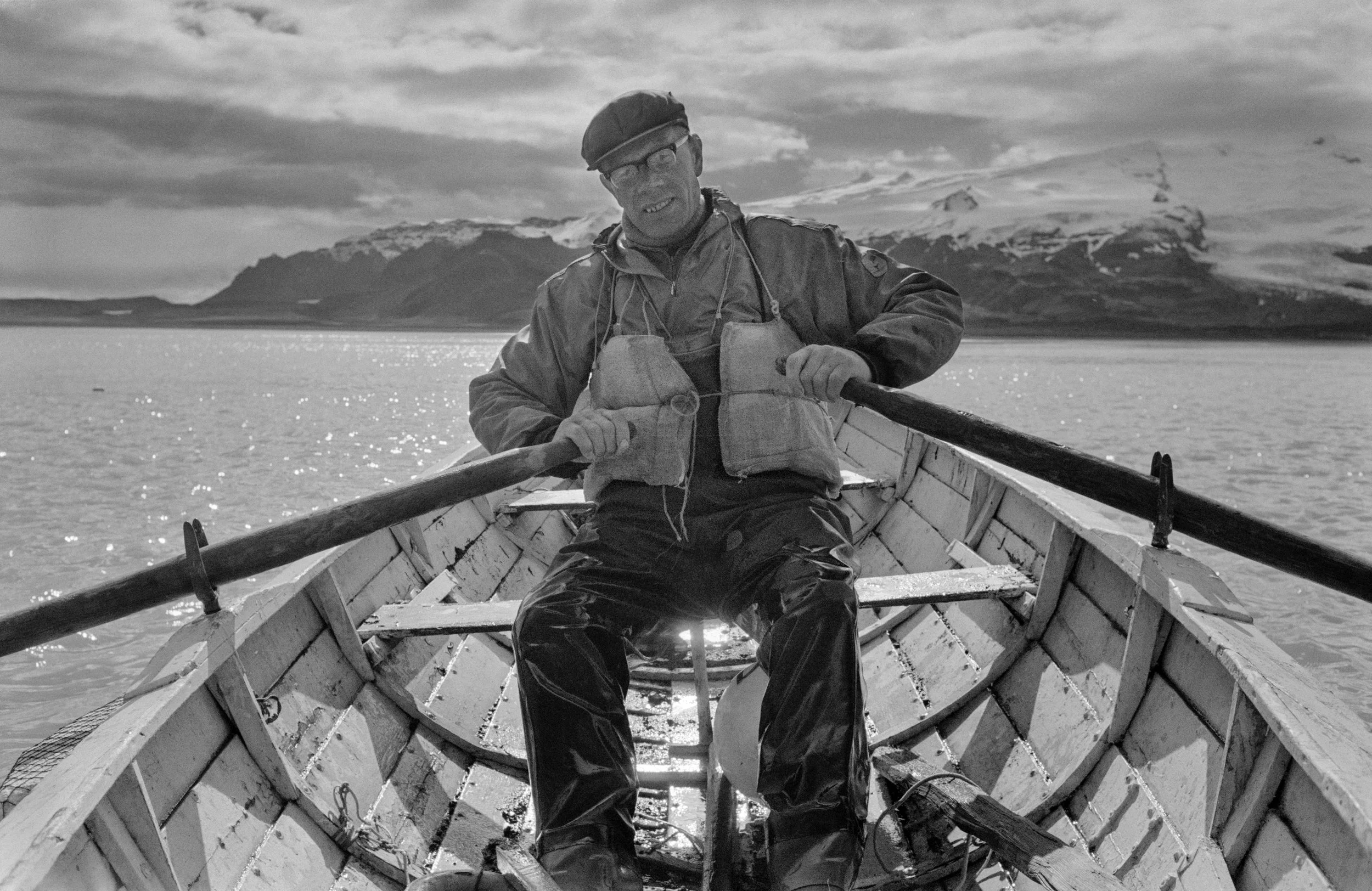
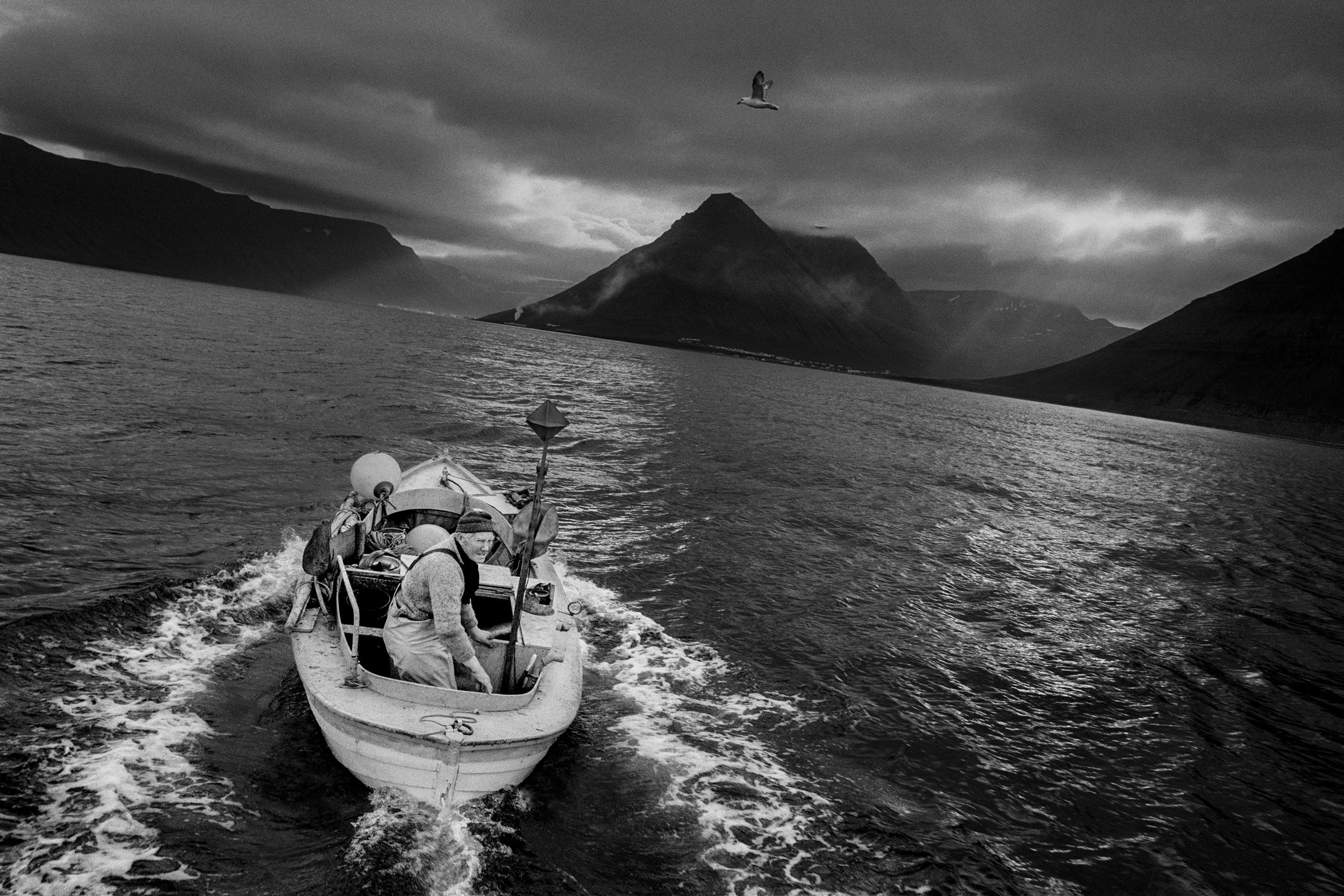
Ragnar: There are many I like. Sometimes a photograph takes time to resonate. For example, there's one picture that really started the Faces of the North project. It’s of an old man sitting in a boat, taken sometime in the 1980s. He was waiting for his flask of coffee, and his dog was sitting on a rock nearby, afraid of the ocean. The man held the boat by a rope in his hand, and he was telling me this story.
I was a bit shy around him, hesitant to take pictures, just snapping occasionally when he wasn’t looking. He told me about a shark he’d found dead on the surface of the ocean. He put a rope around its tail, rowed to shore, and tied his boat to the pier. Then he said, "The beast woke up. I haven’t seen half of my boat since then, it took half of it away." Whether it was true or not, I loved the story.
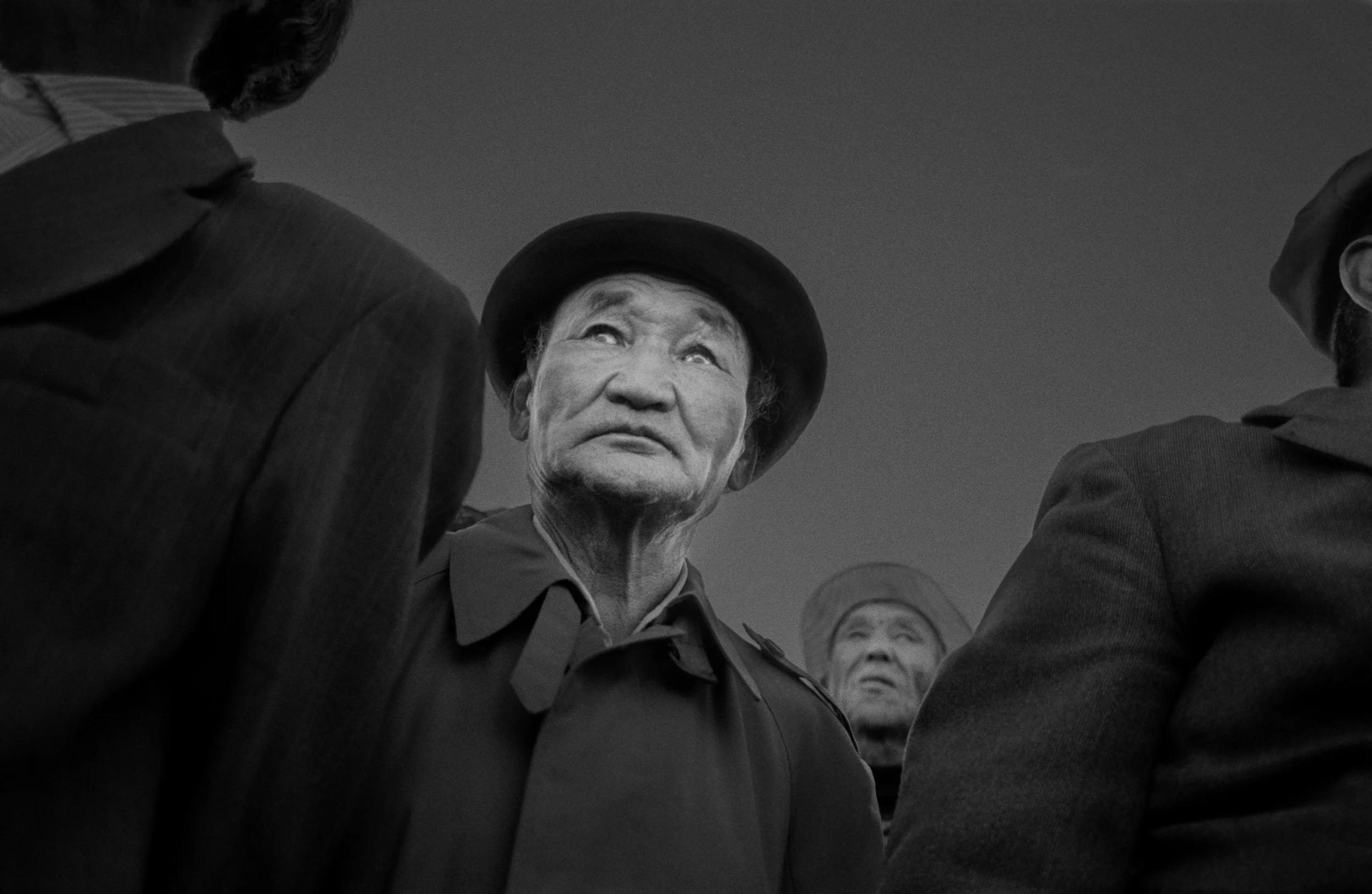
I remember thinking, This is something I have to photograph. This kind of life is fading away. I captured many people around the island, farmers and fishermen, all gone now. Everything has changed. Wooden boats have been replaced by plastic ones. Then I moved on to the Faroe Islands, Greenland, Siberia, and all over the Arctic, covering eight other countries struggling with similar changes.
That photograph marked the beginning. It took me two years to feel satisfied with how I printed it. I always printed it too dark, but eventually, I got it right, and it just worked. I love it. Some pictures need time to settle. I've spent 15,000 to 20,000 hours in the darkroom, always watching, printing, trying to figure out how I wanted a photograph to look. I still have my darkroom, and I go there sometimes. It’s a relaxing place, although the chemicals are toxic, I’d feel dizzy after long hours, even got sick for about a year from it.
But I love the darkroom. I love seeing the magic, the magic of black and white. That’s why I work in black and white. When I was young, witnessing an image come to life in the developer was magical. I think young photographers should experience that magic in the darkroom. That’s where my passion for black and white photography began.
I like creating images in a way that feels authentic. You can do that in Photoshop or Lightroom too. But my rule is: I only do on a computer what I could also achieve in a darkroom. Today, you see colour photographs with colors that don’t exist on this planet.
I’m not fond of such images because it feels like trying to follow a trend, like fashion. You know, those ugly jeans that come into style, fade away, and then come back again. It’s the same with photography trends, they fade. That’s why I stick to my rule: do what you can do in the darkroom.
If you could give your younger self one piece of photography advice, what would it be?
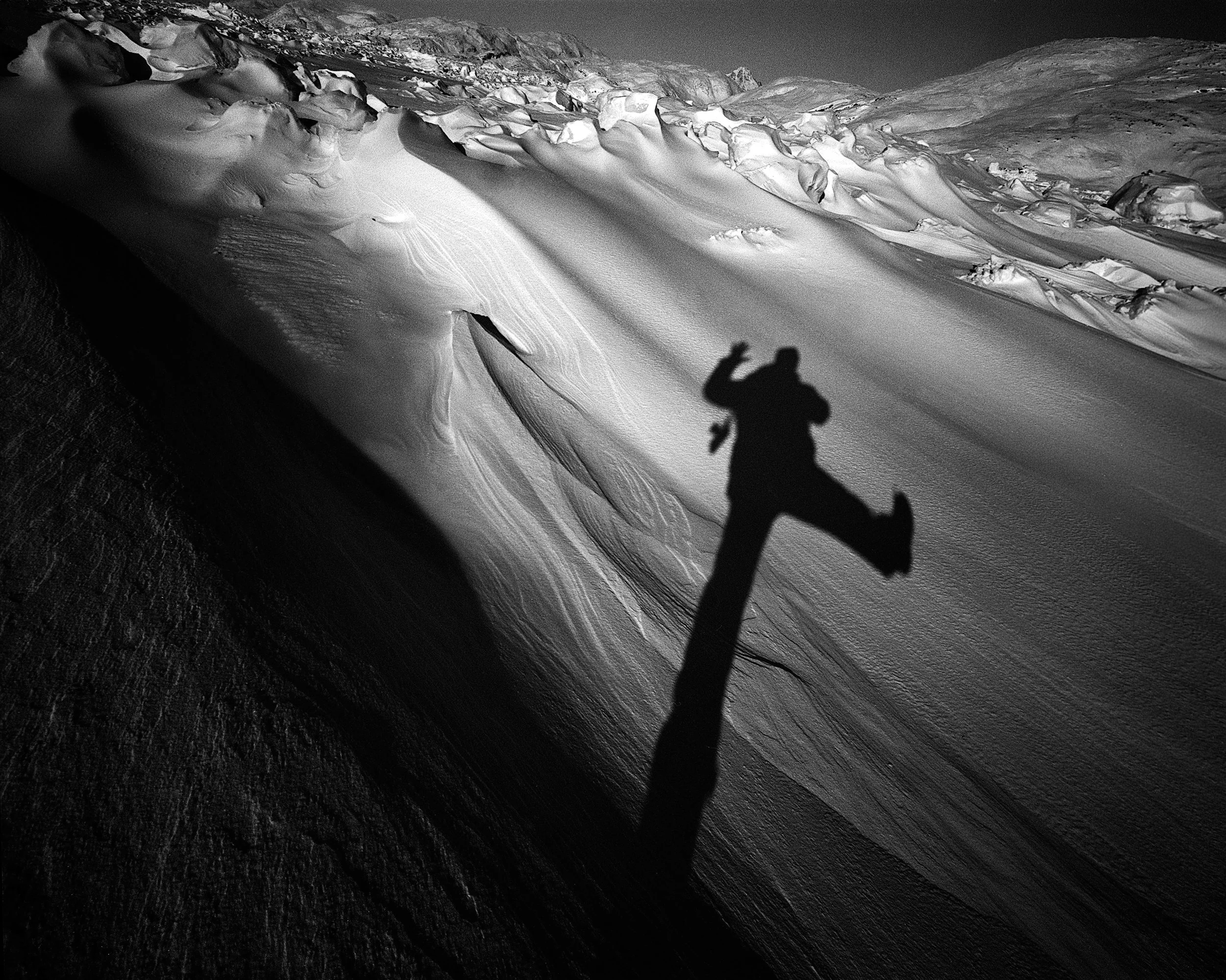
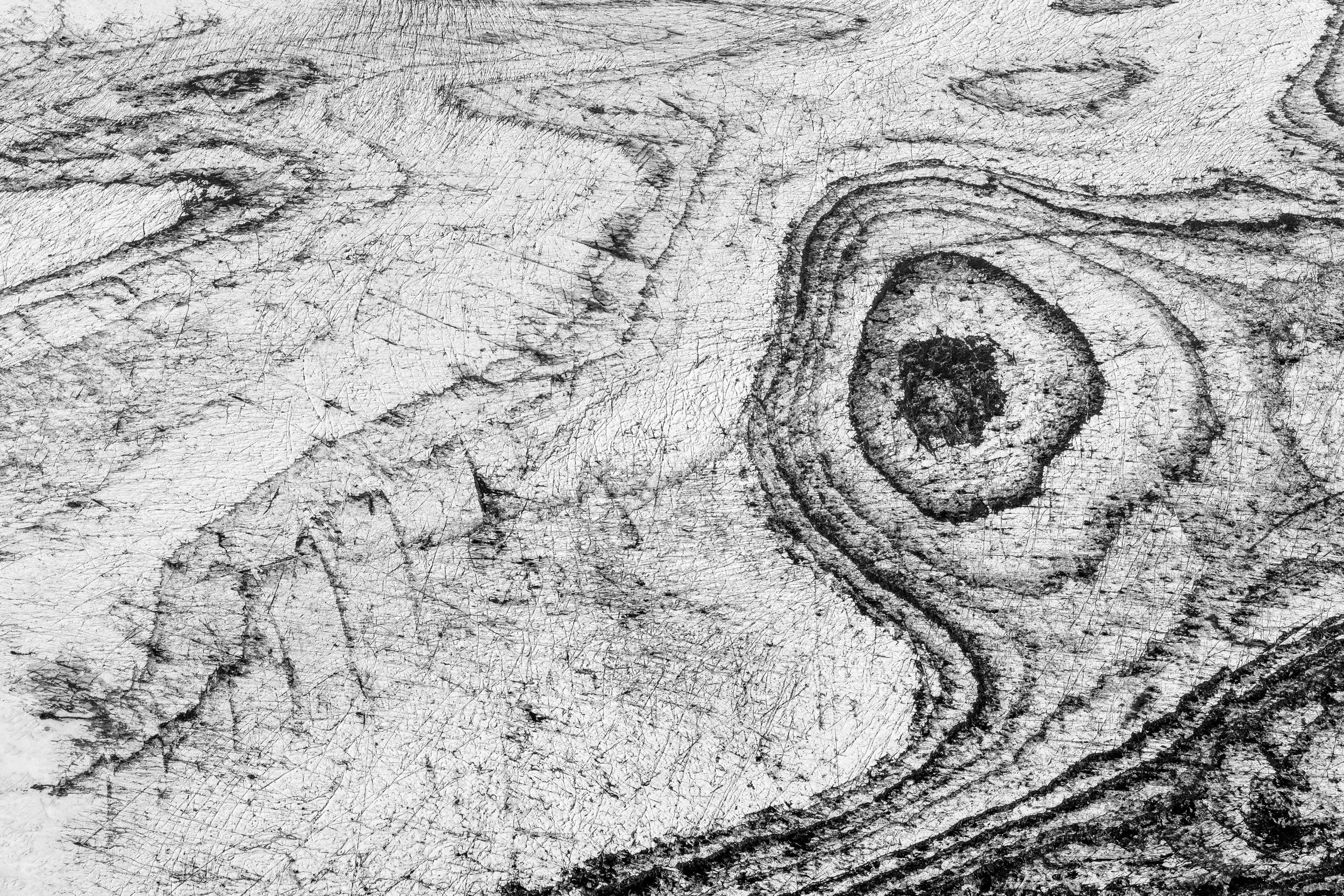
Well, I did learn to fly when I was young, I'm actually a pilot too. There were no jobs available as a pilot, so I'm very happy that I decided to become a photographer because I still fly and take pictures. I photograph the glaciers here in Iceland all the time to observe how they change. According to scientists, all of them will be gone in 150 to 200 years. I think it's important to document that.
We did a book called "Glacier." It's more of an abstract work. For my younger self, I’d say: focus on what truly interests you right from the start because time flies. I spent a lot of time working for a newspaper, which was a good learning experience, but there were so many tasks that didn’t interest me. If it’s possible, do what you love and do it wholeheartedly from early on. That’s my advice because I spent a lot of time doing things that didn’t really matter. Now, I feel like I need another 60 years to finish what I’m passionate about. Maybe I’ll manage half of those 60 years. I wish I could be like Keith Richards by then, still around and live forever.






Martin: Thank you very much. For your time.
Ragnar: Thank you, sir.
To discover more about this intriguing body of work and how you can acquire your own copy, you can find and purchase the book here.
More photography books?
We'd love to read your comments below, sharing your thoughts and insights on the artist's work. Looking forward to welcoming you back for our next [book spotlight]. See you then!
Wesley Verhoeve photographs first and finds the story later. His Notice books began with learning to slow down during lockdown in Vancouver. Photography Book Spotlight