Jeff Rothstein Spent The 1980s Capturing NYC's Jewish Lower East Side. Here's What He Discovered About Vanishing Communities
Welcome to another captivating photo essay, this time by Jeff Rothstein. We'd love to hear your thoughts. Feel free to comment below and, if you're interested, share your photo essay with us. Your perspectives add valuable dimensions to our collective exploration.
Jeff Rothstein's 1980s photographs captured a world that no longer exists.
The Jewish Lower East Side he documented was already fading when he walked those streets with his Nikon cameras. Kosher dairy restaurants, shops selling tallises and yarmulkes, elderly men in doorways, all of it would disappear within a decade. Rothstein didn't know he was creating a historical record at the time. He was just a Brooklyn photographer exploring different neighborhoods around the city.
Most street photographers today shoot gentrification as it happens.
They document the coffee shops replacing bodegas, the glass towers rising where tenements once stood. But Rothstein caught something different, the last breath of a community that had survived for generations. His black and white images look like they could have been taken in the 1940s or 1950s. They show us what we lost when entire neighborhoods transformed overnight into something completely different.
The Waning Days of New York City's Jewish Lower East Side
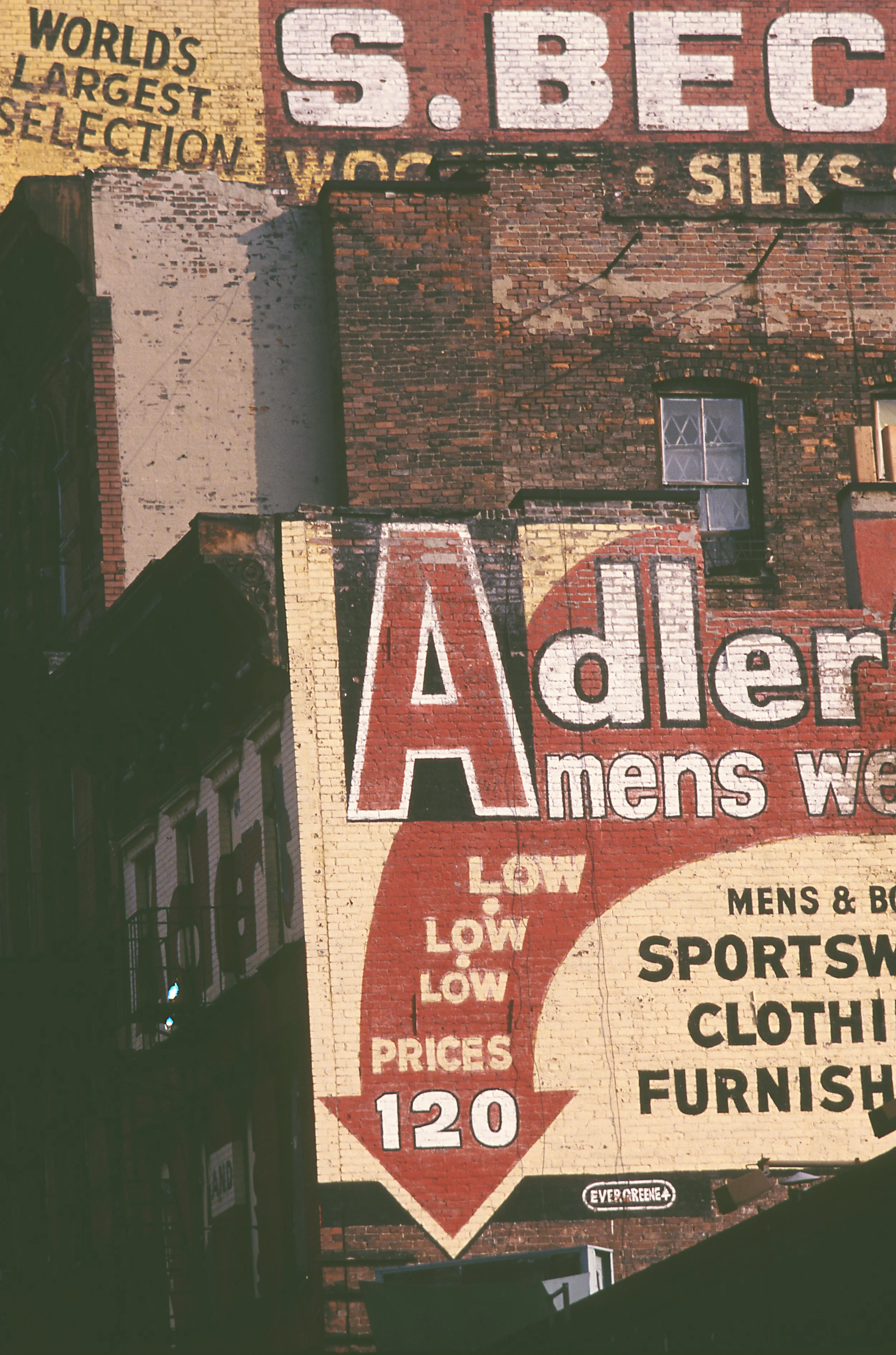
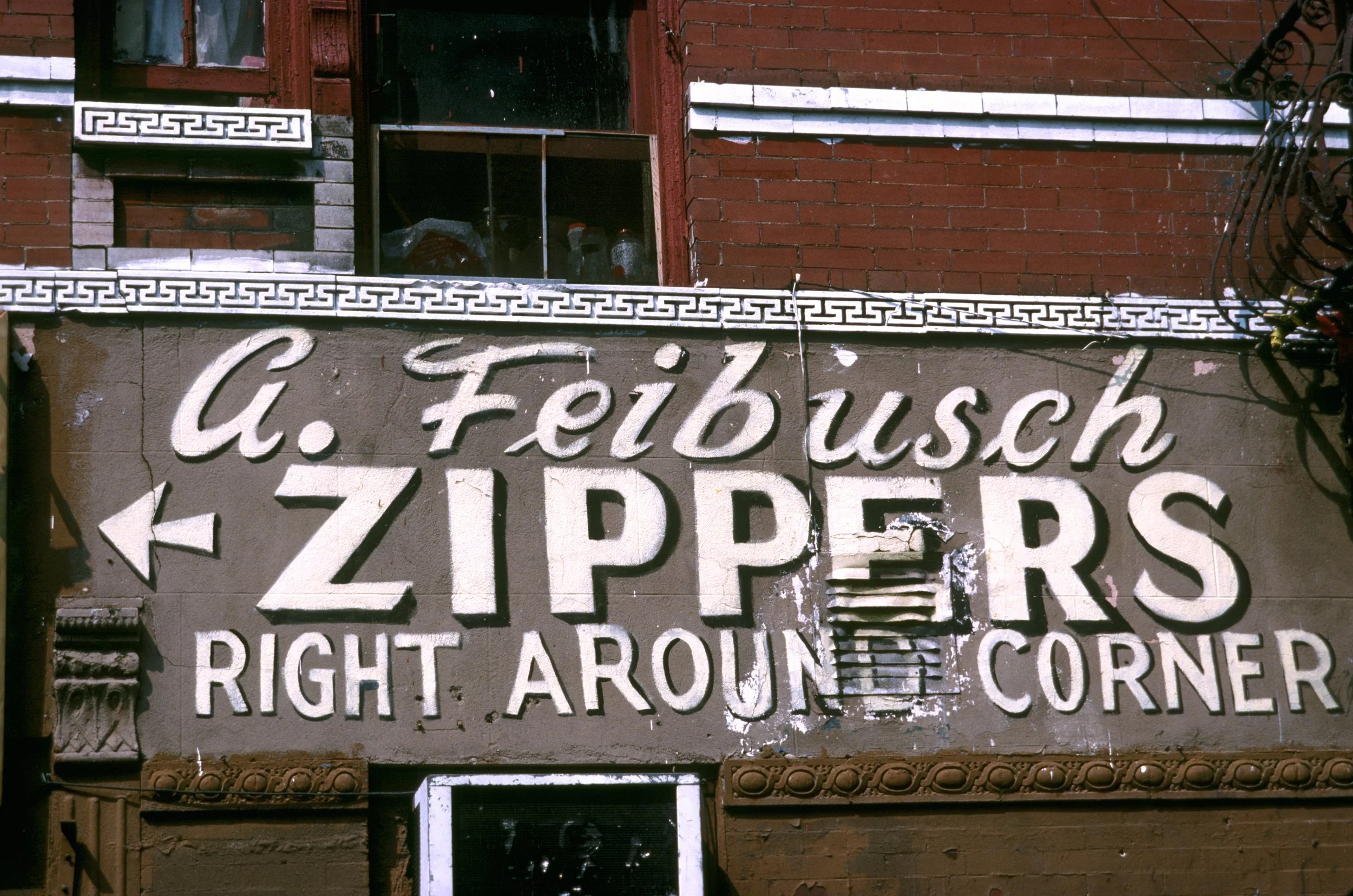
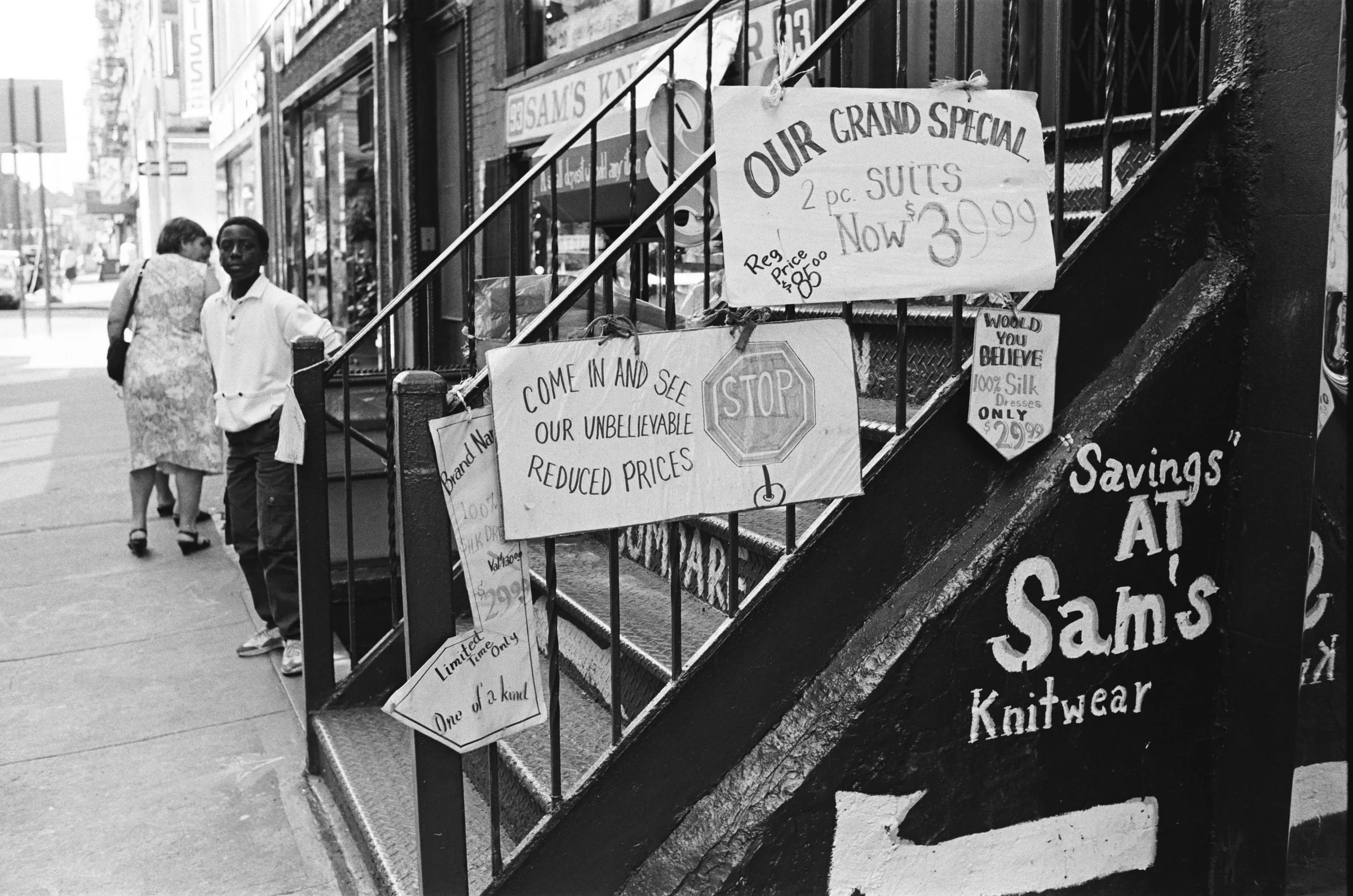
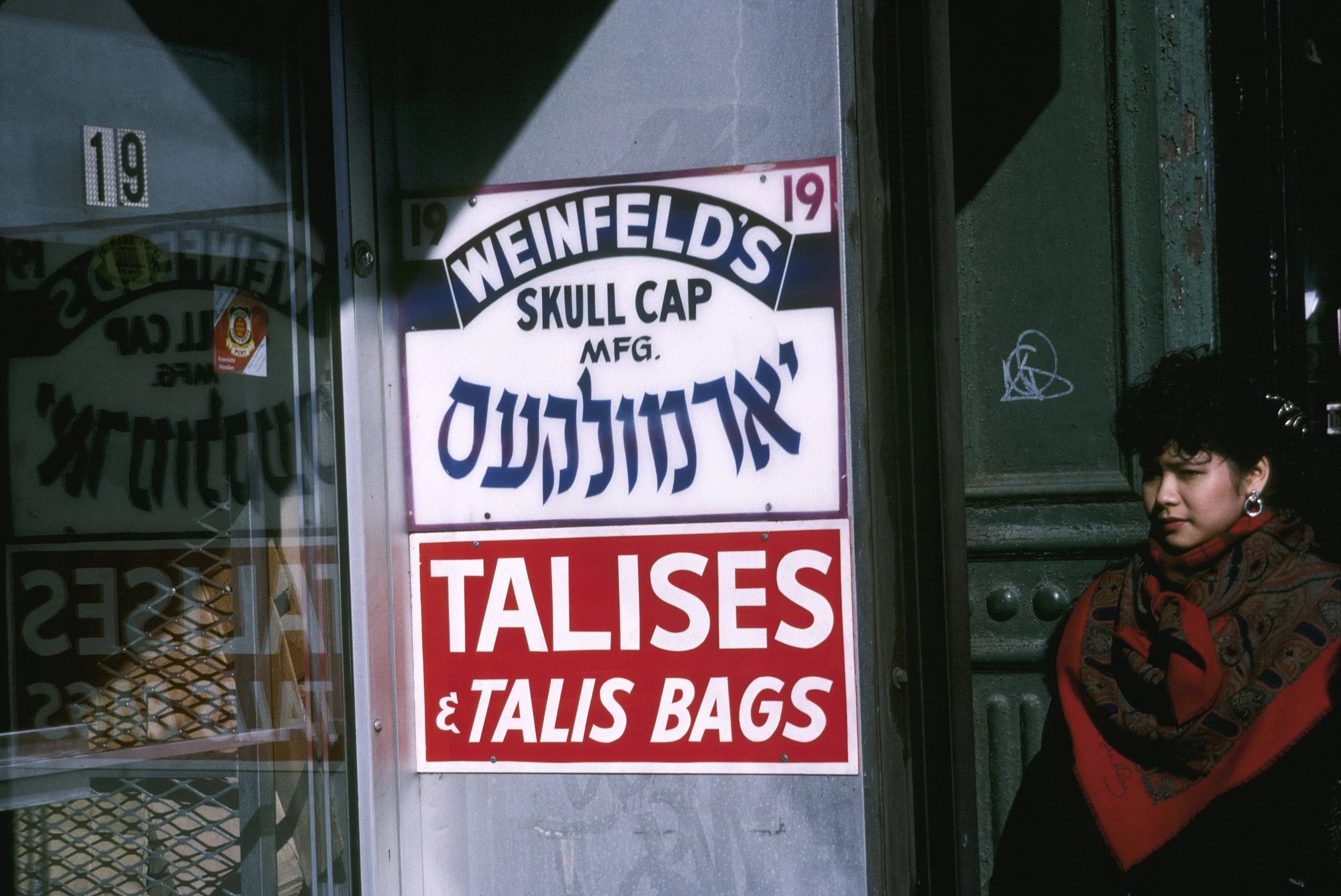
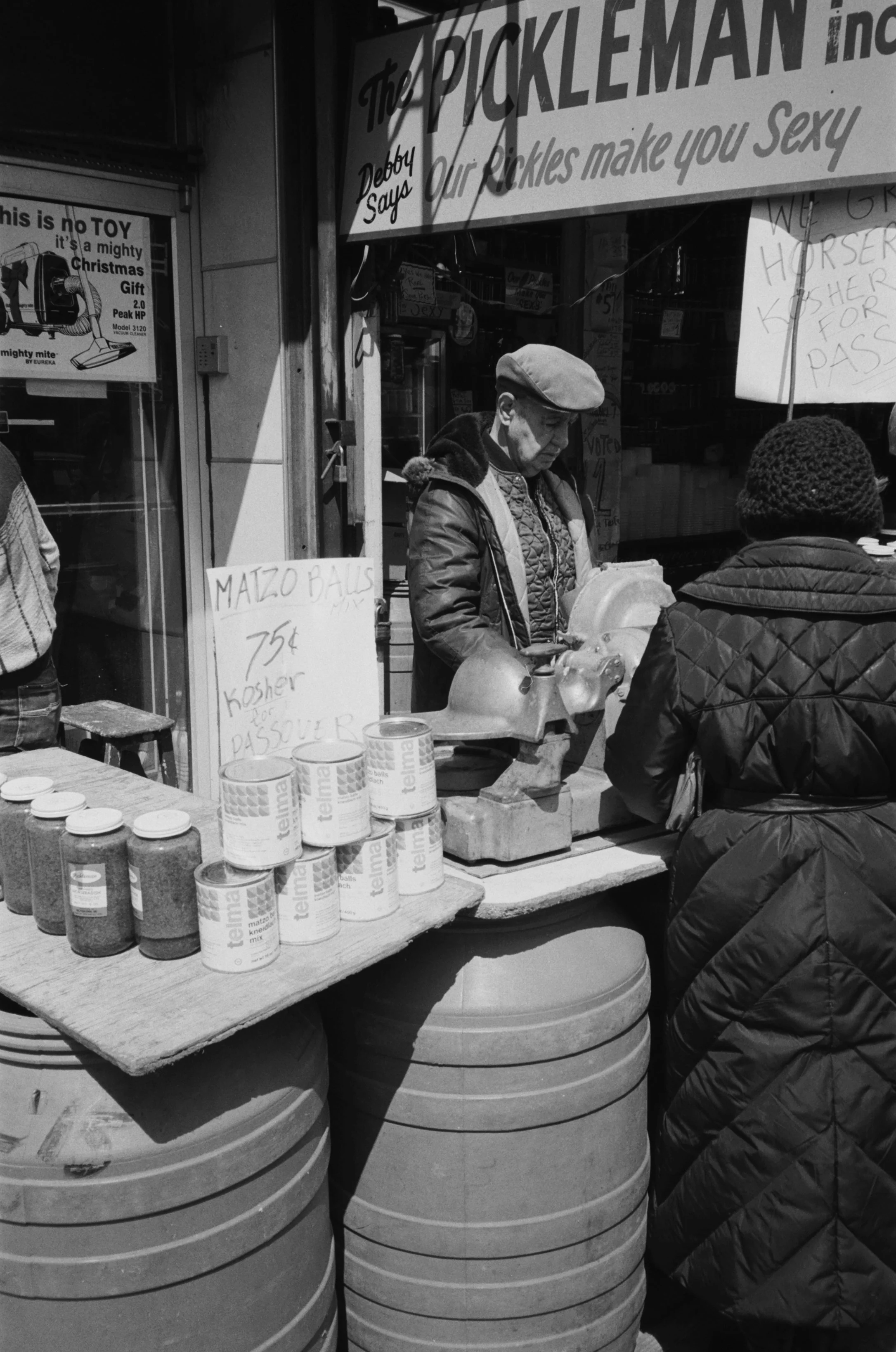
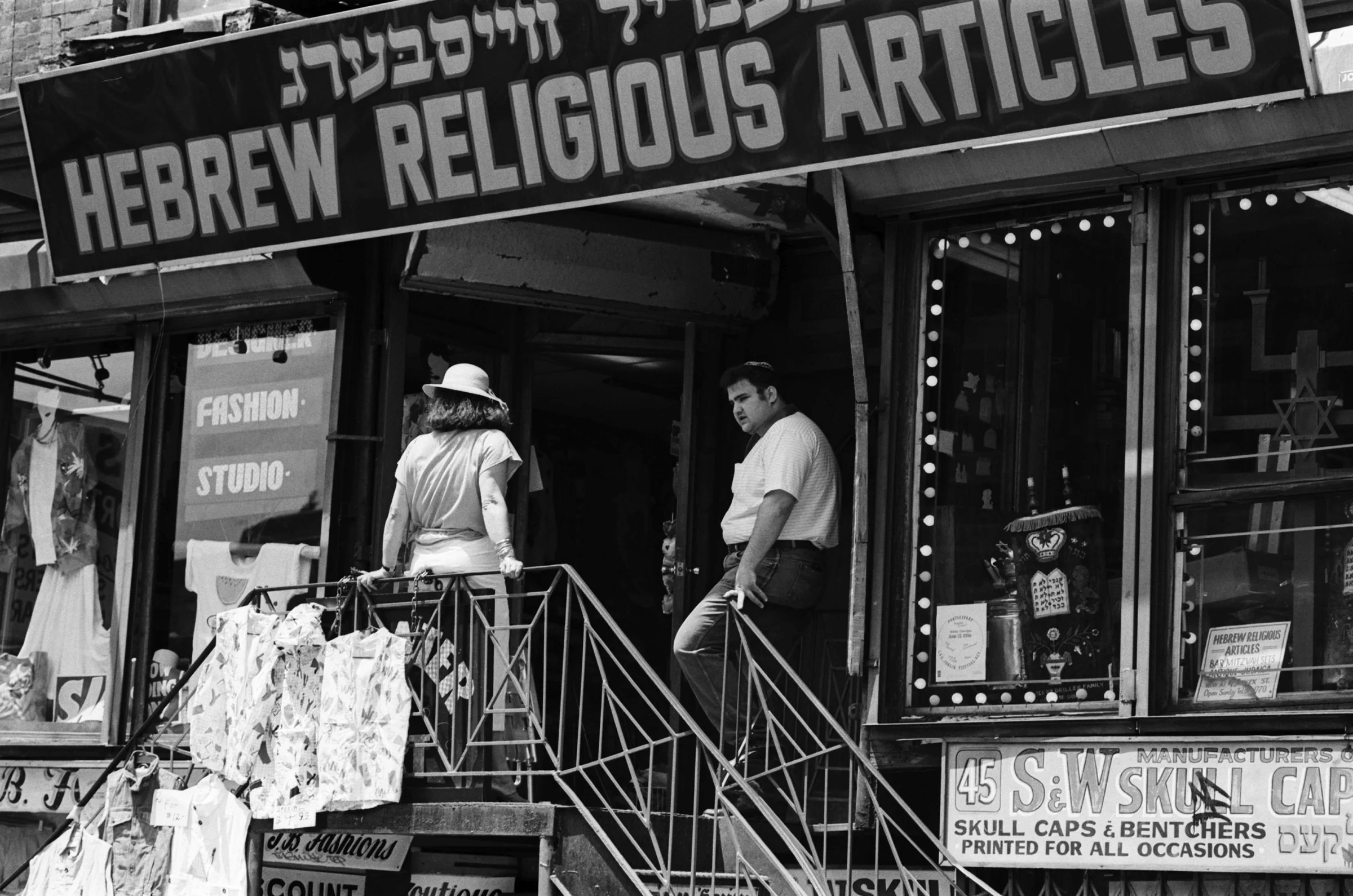
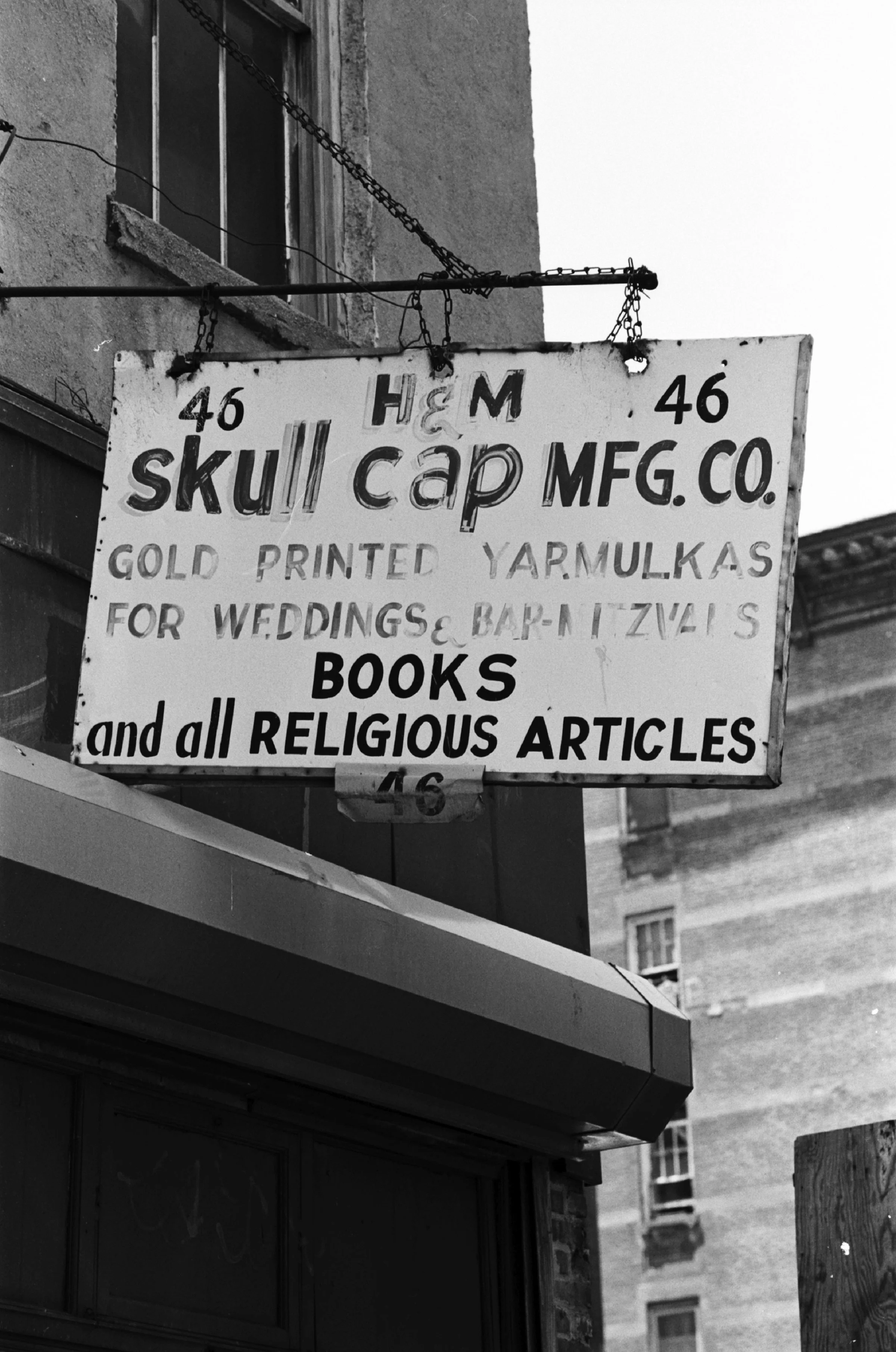
New York City's Jewish Lower East Side is a neighbourhood that now exists only in memories. When I photographed there in the 1980s, I knew that the area as we knew it was in its waning days. The shops selling menorahs, tallises, yarmulkes, and Judaica were still flourishing, as well as the kosher dairy restaurants. I would walk around the area taking photos and then take a break by eating matzoh brie at Sternberg's Dairy Restaurant on Essex Street. All the photos were shot on film with Nikon SLRs, which in itself takes us back to another era. I think these photos could easily have been taken earlier, much farther back than the 1980s; indeed, for the neighbourhood was a veritable time capsule of a bygone era. The Lower East Side has changed dramatically since then, with demographic shifts and gentrification. It's a different world, as is much of the city. One of the images in particular sticks in my mind. It's the one of an elderly bearded man in the doorway of a shop. It brings to mind Roman Vishniac's book A Vanished World, in which he photographed the lives of Jews in Central and Eastern Europe in the years leading up to the Holocaust. Memories go very deep, whether experienced firsthand or not.
You describe the Lower East Side in the 1980s as a place already fading into history. What made you feel it was important to document that moment, and did you know then just how quickly it would change?
If truth be told, I wasn't specifically trying to document the disappearing Jewish LES. I had been shooting different areas of NYC since the early 1970s. At the time I shot these photos,
I was in the moment and I guess I didn't have the foresight to realise how quickly the neighbourhood would change. It was only after the fact that I realised the historical significance of these images. History is often an afterthought, and photography can be an afterimage of history.
One of your images reminds you of Roman Vishniac’s book A Vanished World. How do you see your work connected to that tradition of preserving disappearing communities through photography?
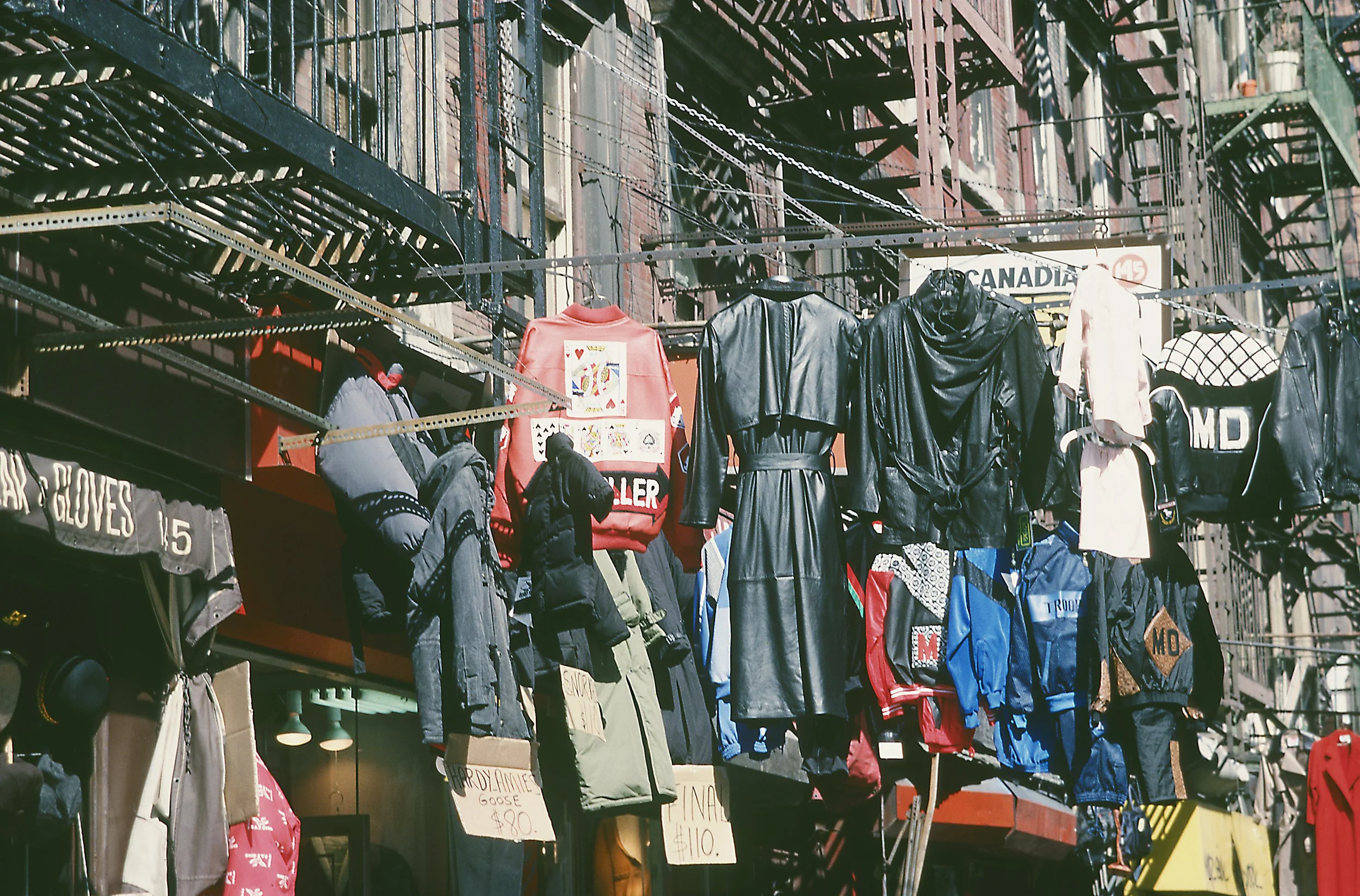
Looking back at my vintage photos, I see a city and a world that no longer exists. This is especially true of my black and white work. Those images of the Lower East Side were taken in the 1980s but look as if they could have been shot in a number of previous decades.
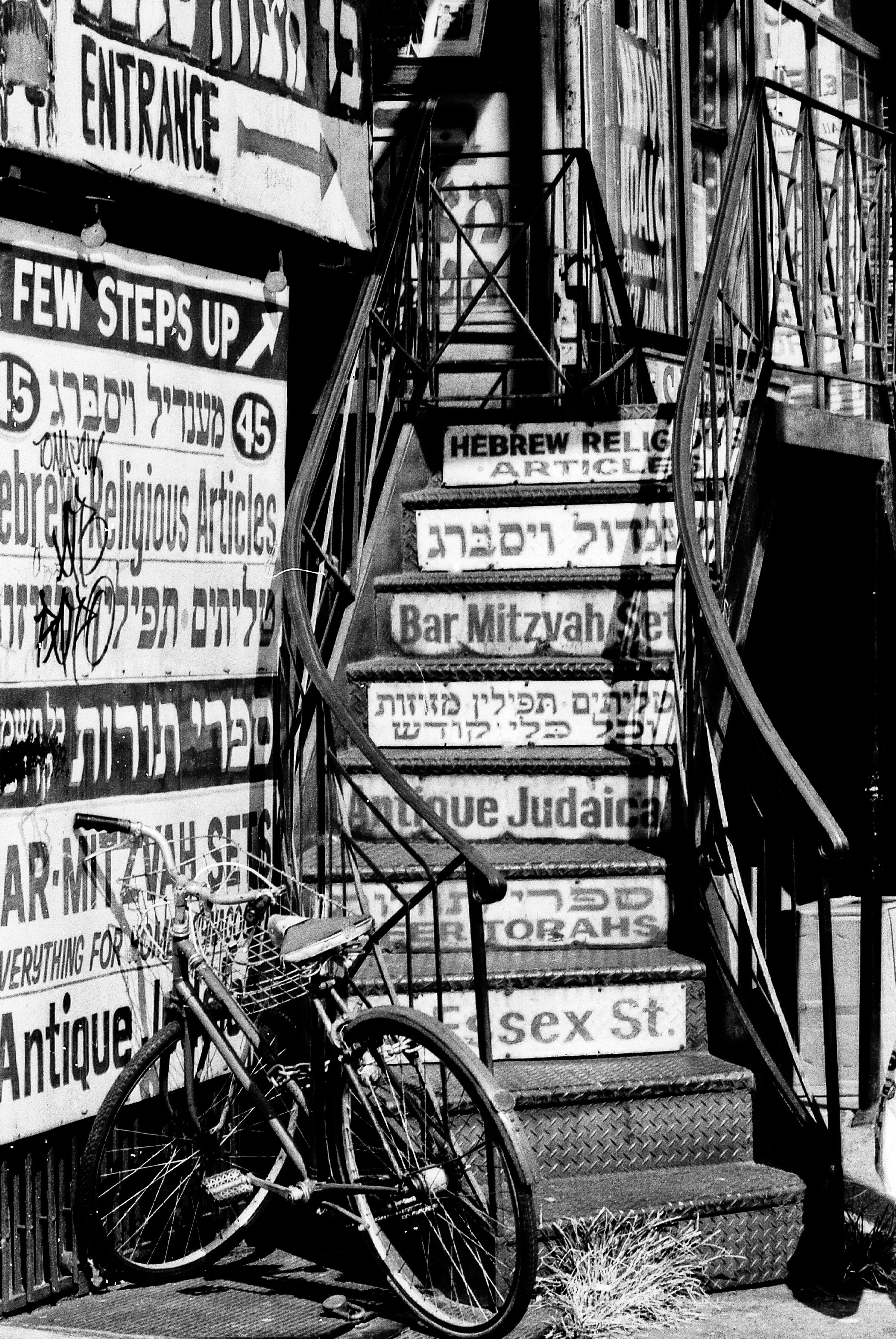
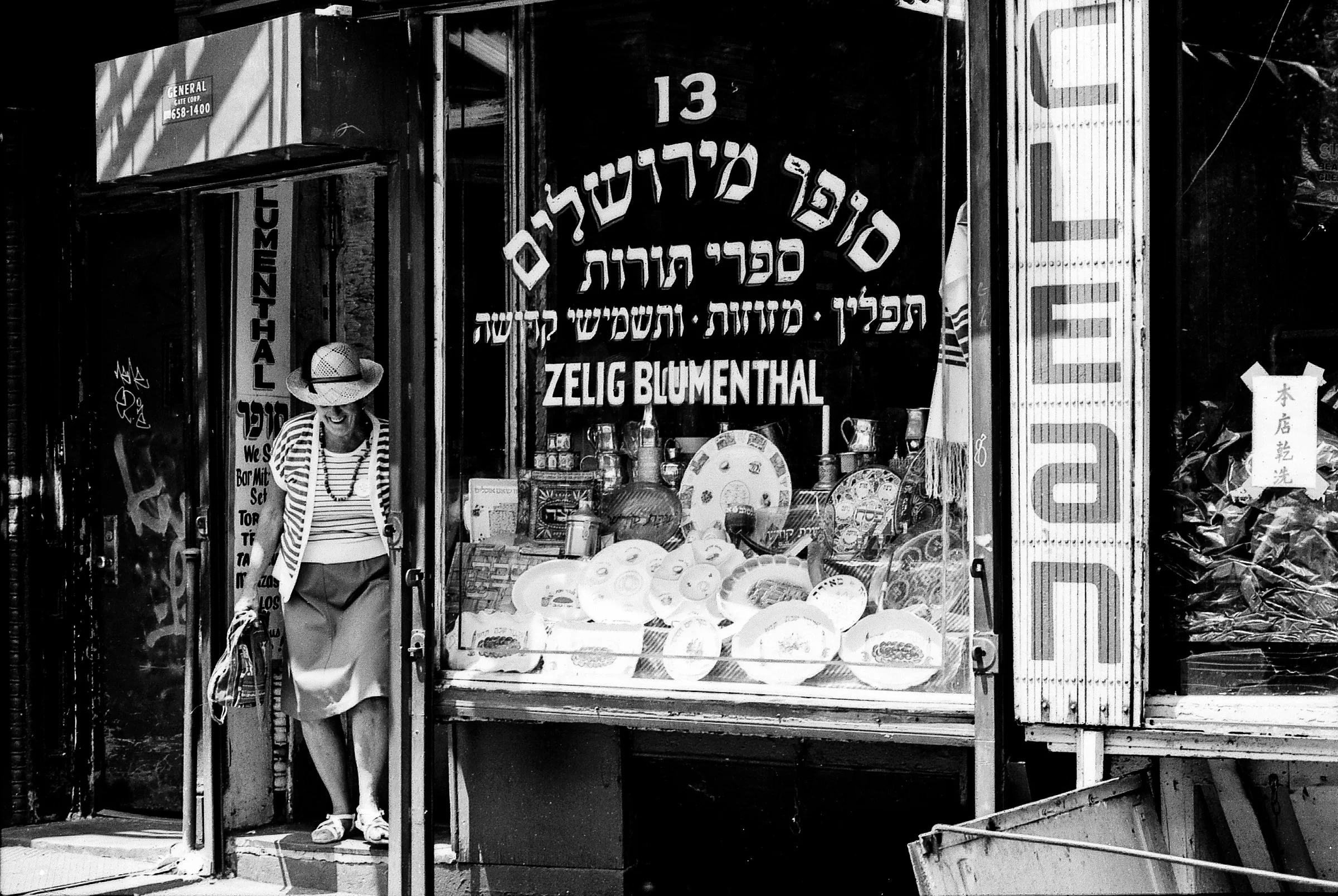
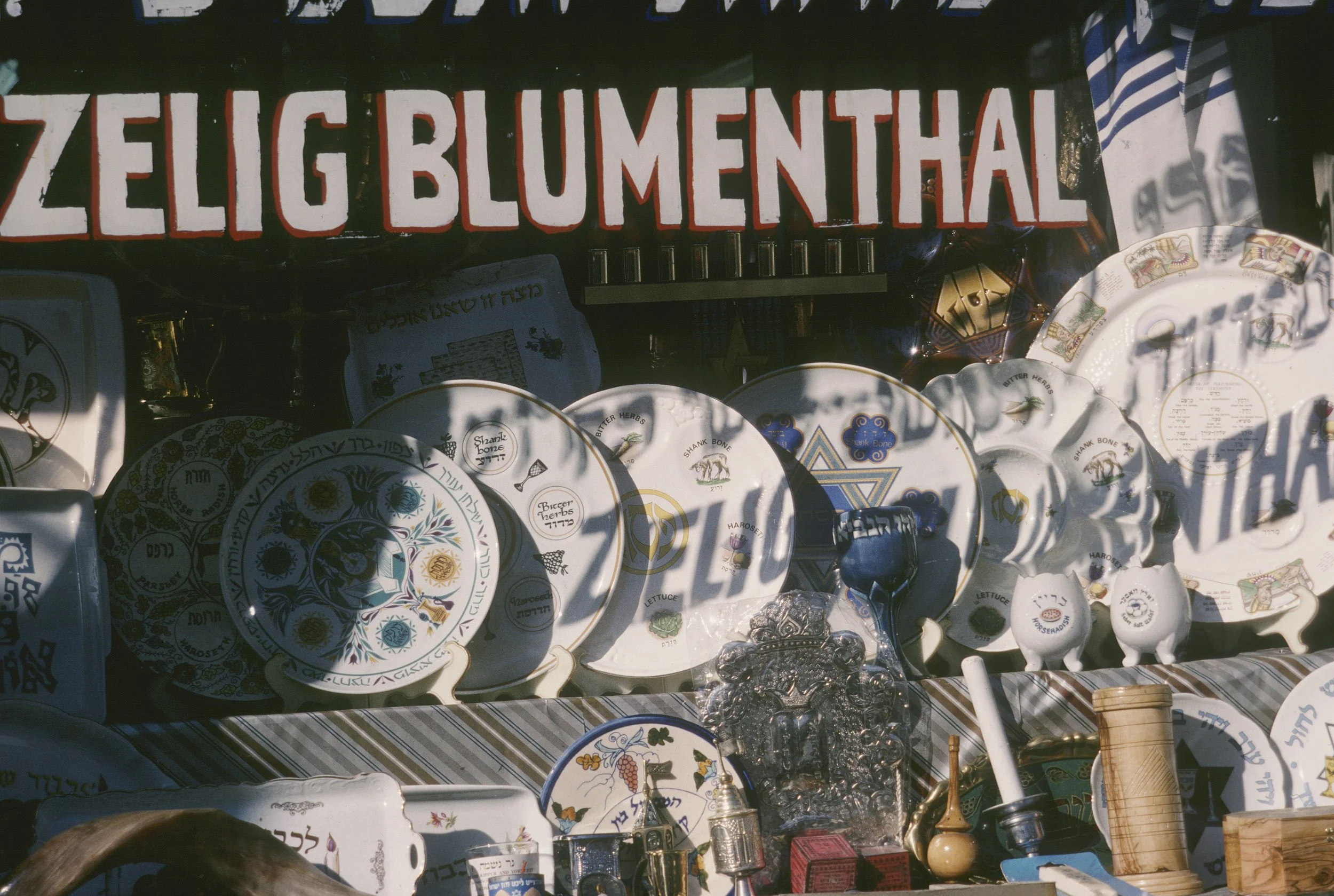
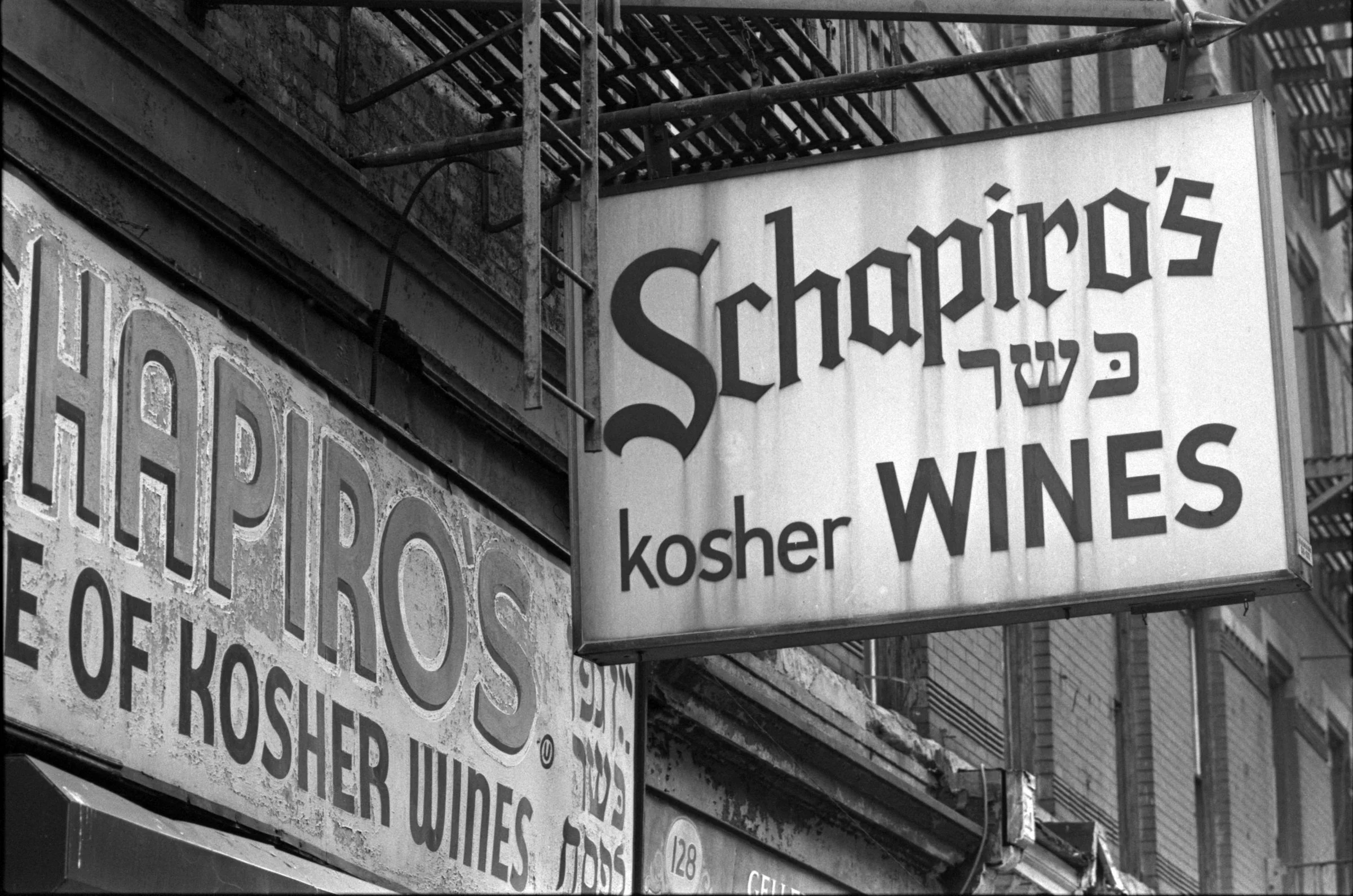
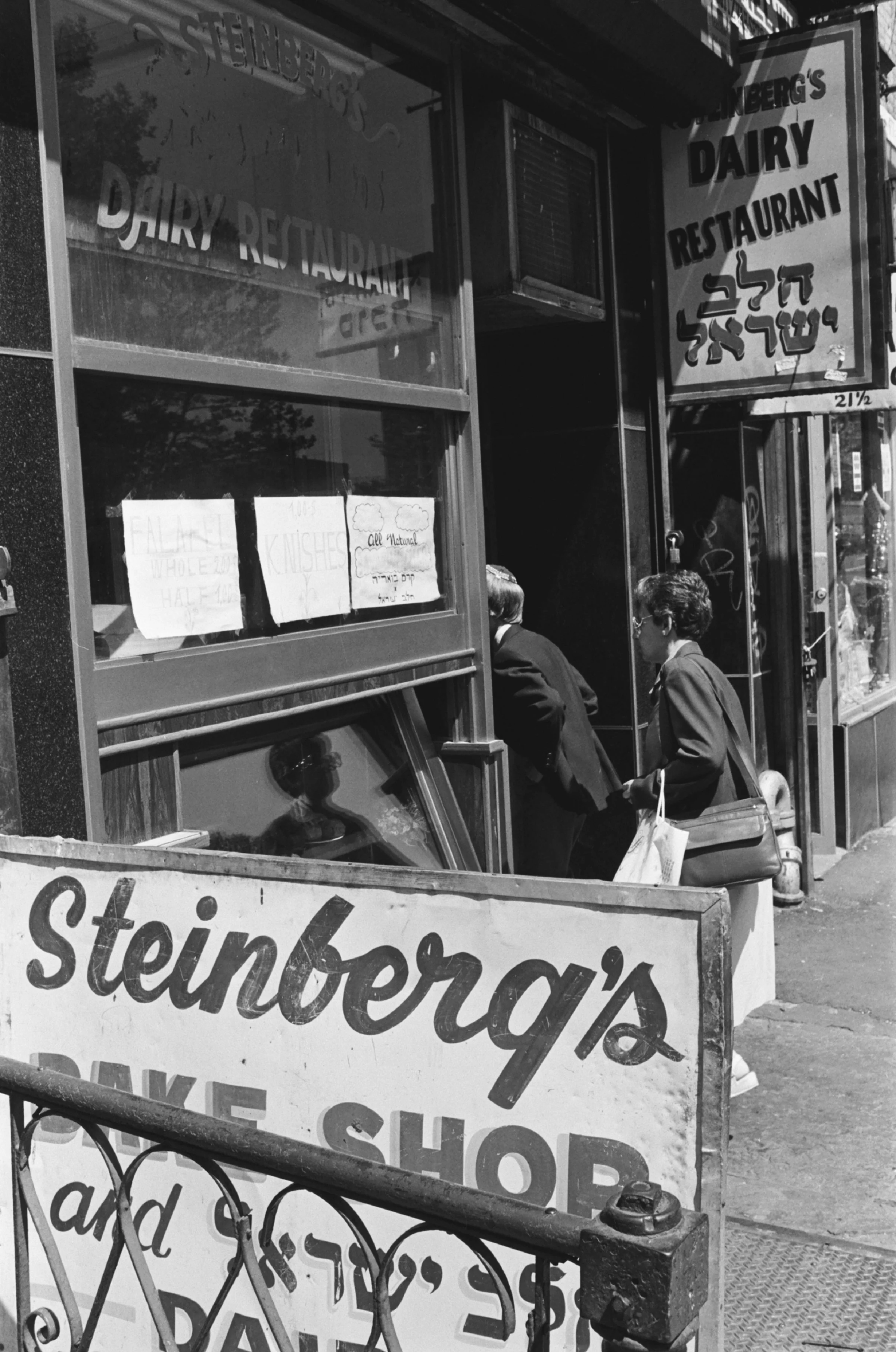
You mention that shooting on film with Nikon SLRs added to the timeless feeling of the project. How do you think using film influenced the way these photos look and feel?
Obviously, there were no digital cameras around at the time, which is actually a good thing. The high-pixel, sterile digital look wouldn't be appropriate for this subject matter. Technically, I used mostly Tri-X film for the b&w and Kodachrome slide film for the colour.
Looking back now, what do these images mean to you personally, and what do you hope younger viewers who never saw that version of New York take away from them?
Being Jewish, the photos resonate a bit more for me. It's a document of a specific time and place in the city. Young people should be aware of the millions of immigrants who settled in this and other areas of the country in the late 19th and early 20th centuries and what they went through to carve out a better life in America. "
Michael Behlen photographed water that would not stay still. For three years, he returned to Millerton Lake in California’s Central Valley, making all the photographs during storms, when the reservoir became harder to read. Picture Story