Seamus Murphy’s Strange Love Finds Shared Humanity Between Two Nations Once Defined as Enemies
Welcome to this edition of [book spotlight]. Today, we uncover the layers of 'Strange Love,' by Seamus Murphy (published by Setanta Books). We'd love to read your comments below about these insights and ideas behind the artist's work.
The exhibition for Strange Love opens Thursday, October 16, and runs until November 2 at Gallery 46, 46 Ashfield Street, London E1 2AJ, with the opening on October 16 from 6–9 pm including a book signing. On October 21 at 6.30 pm, Seamus Murphy will hold a conversation and Q&A with book publisher Keith Cullen, followed by another book signing. More details can be found here.
Photography can still reveal what politics hides.
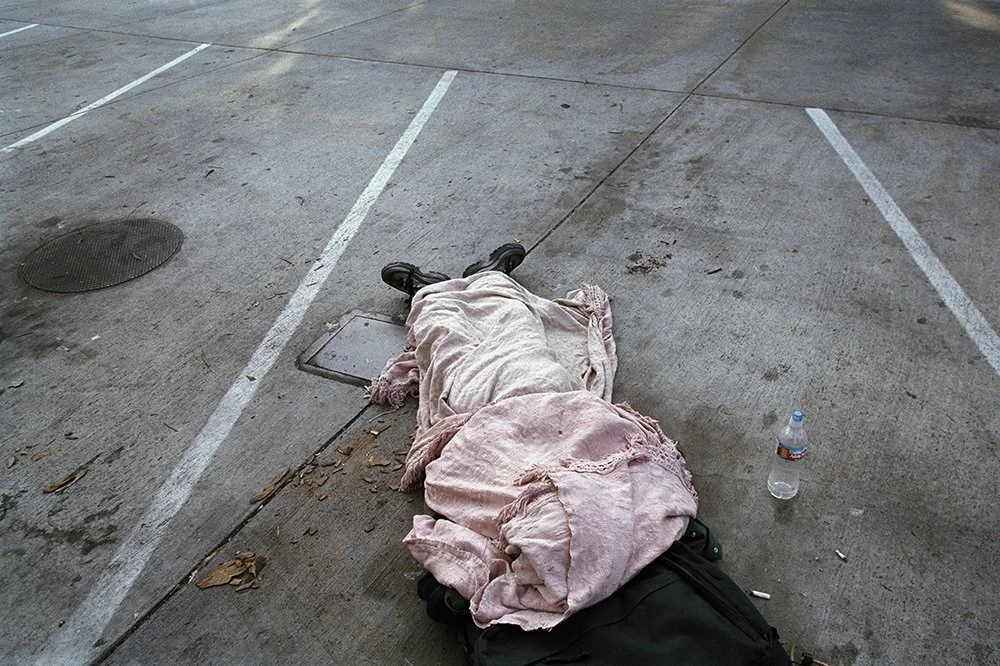
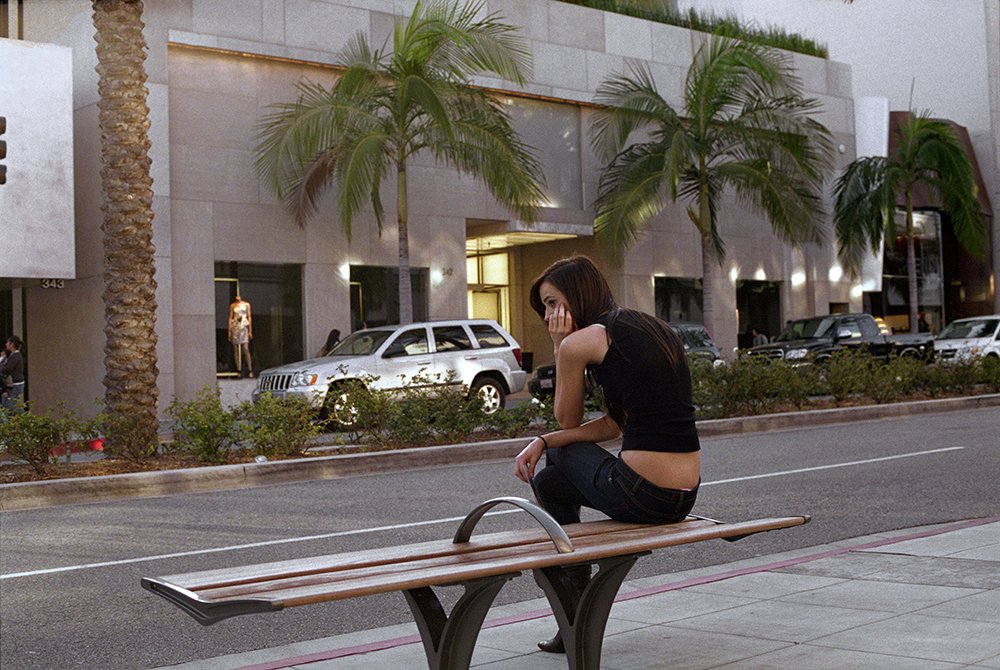
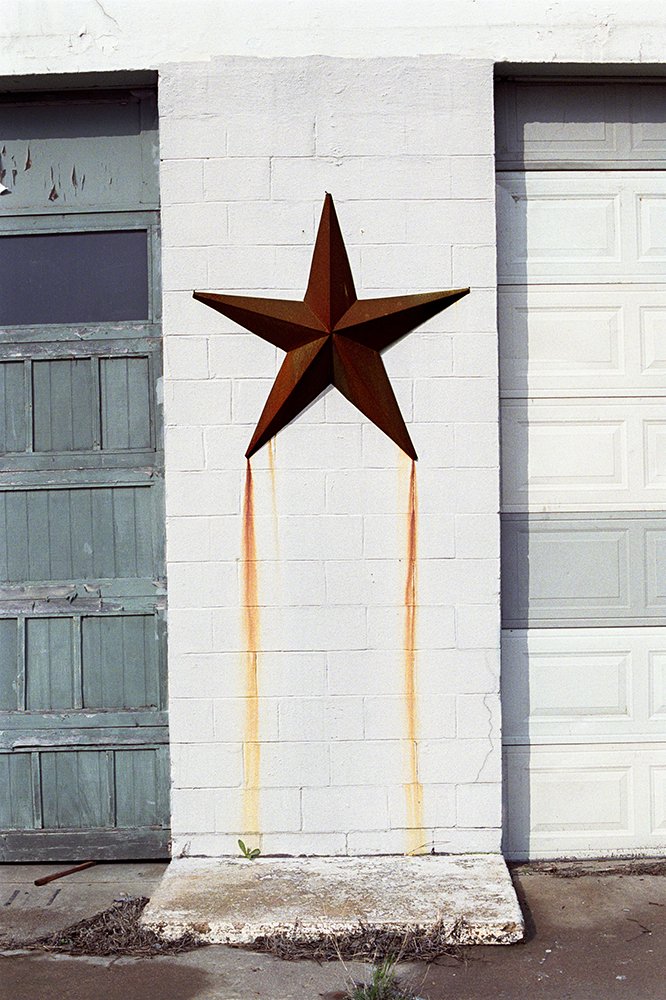
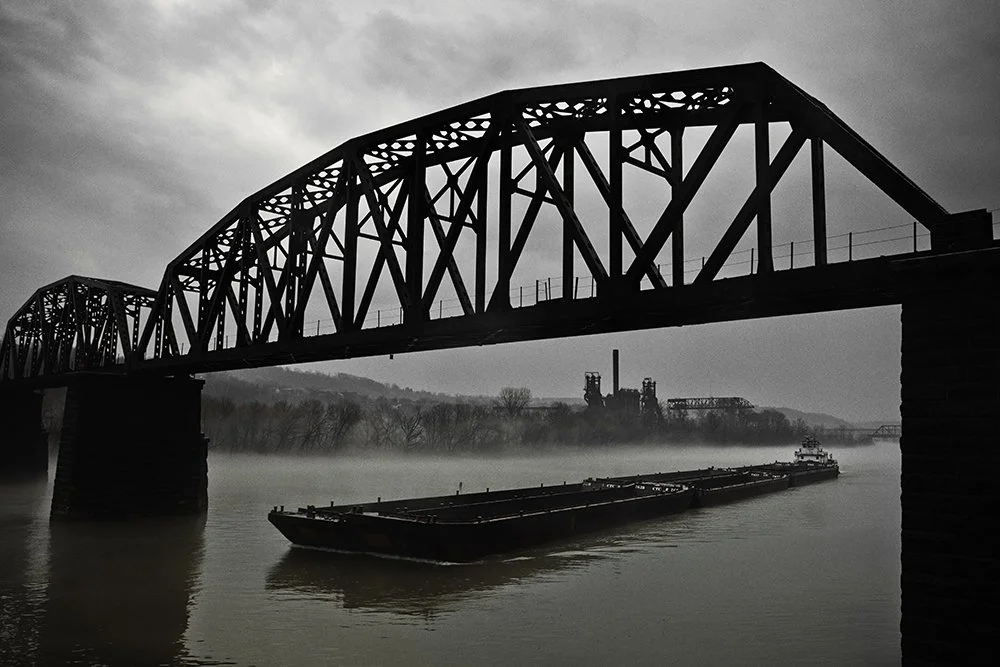
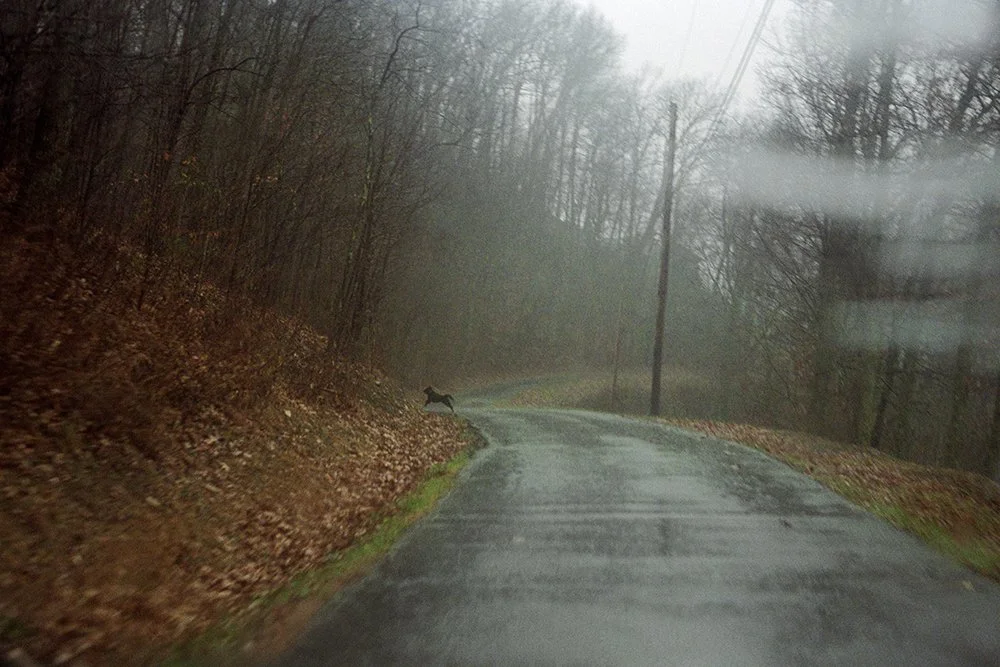
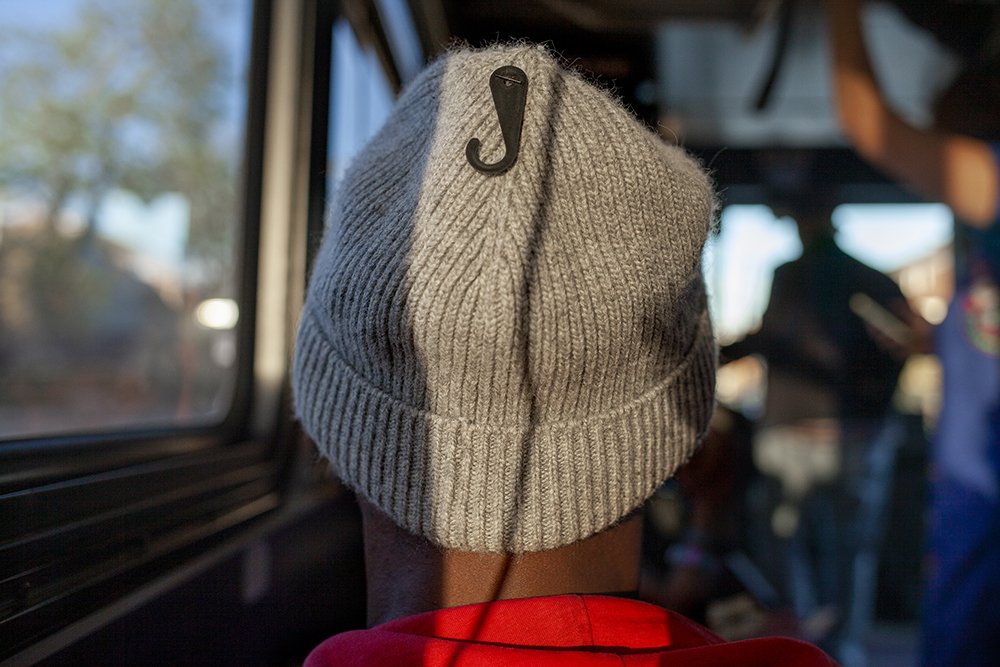
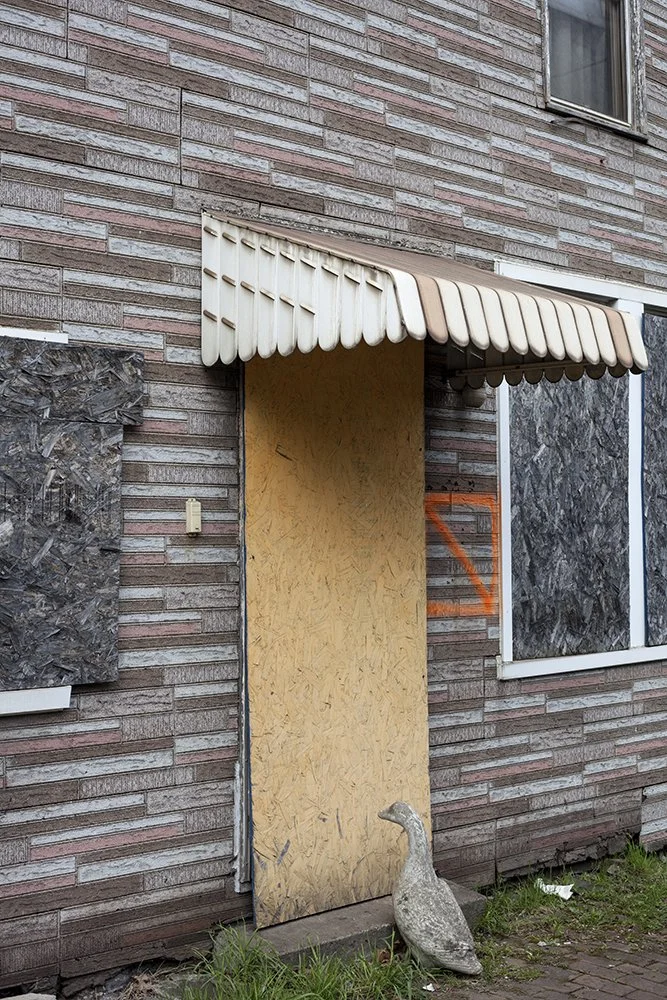
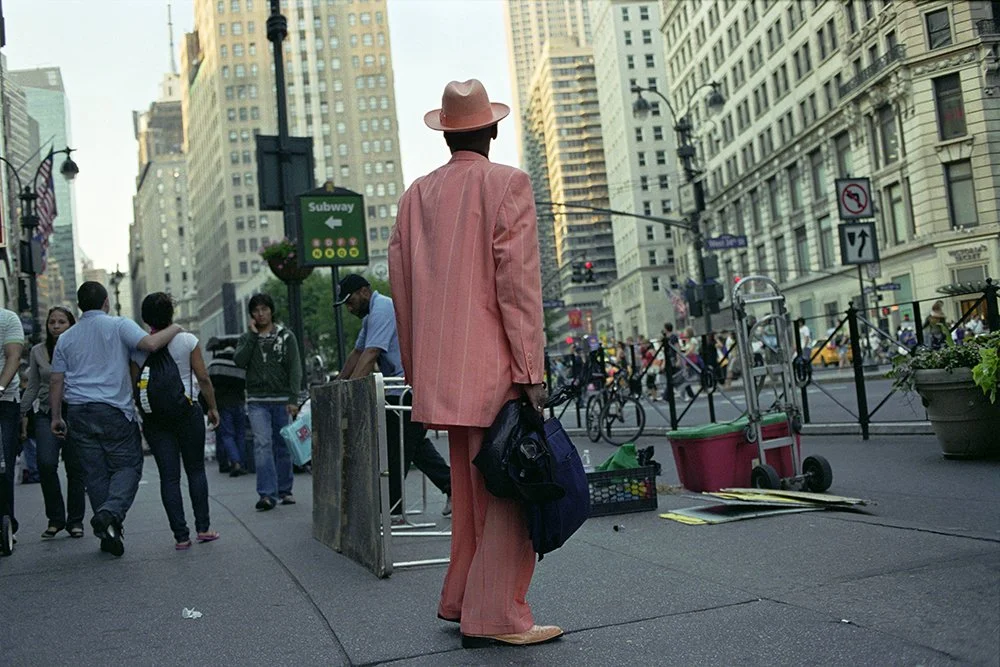
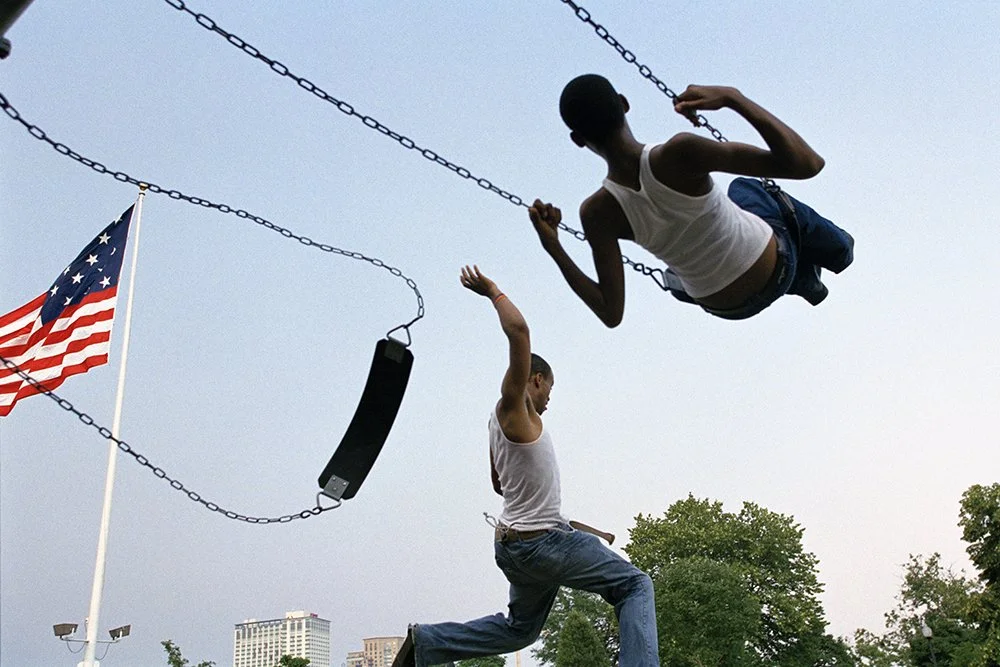
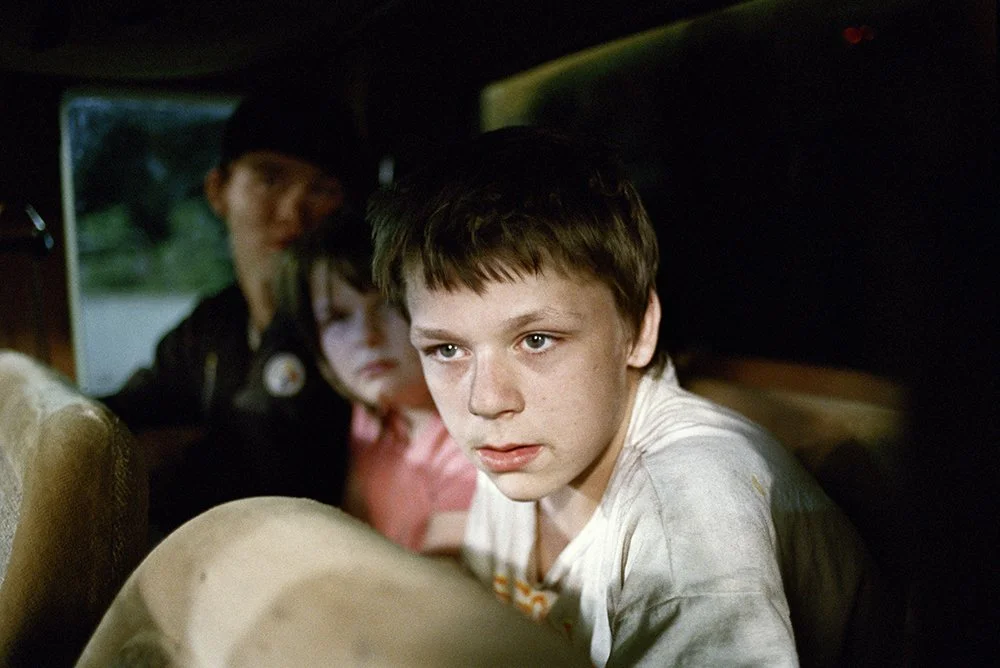
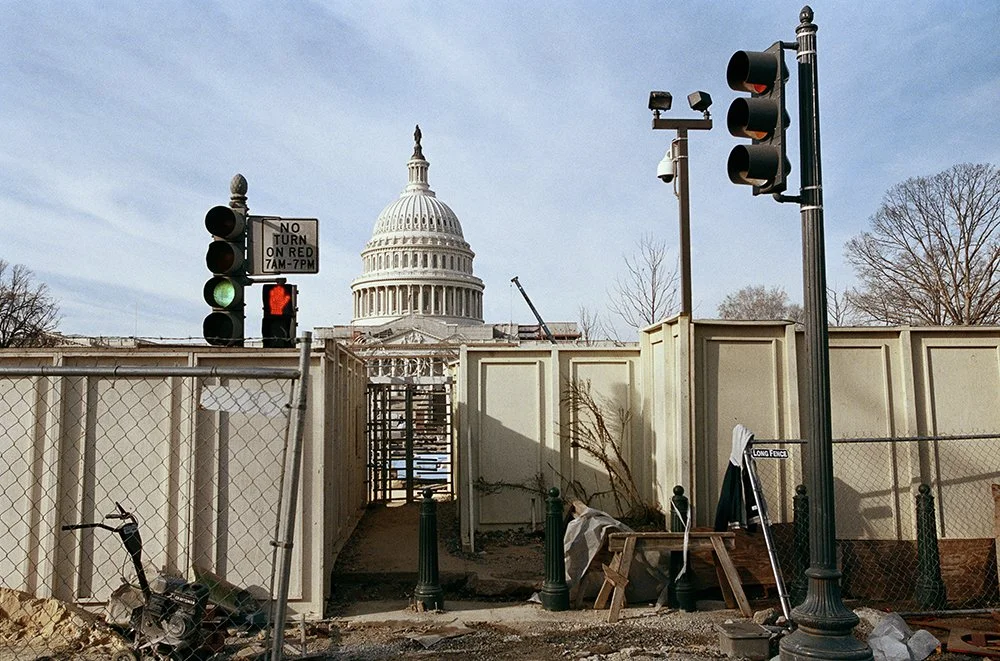
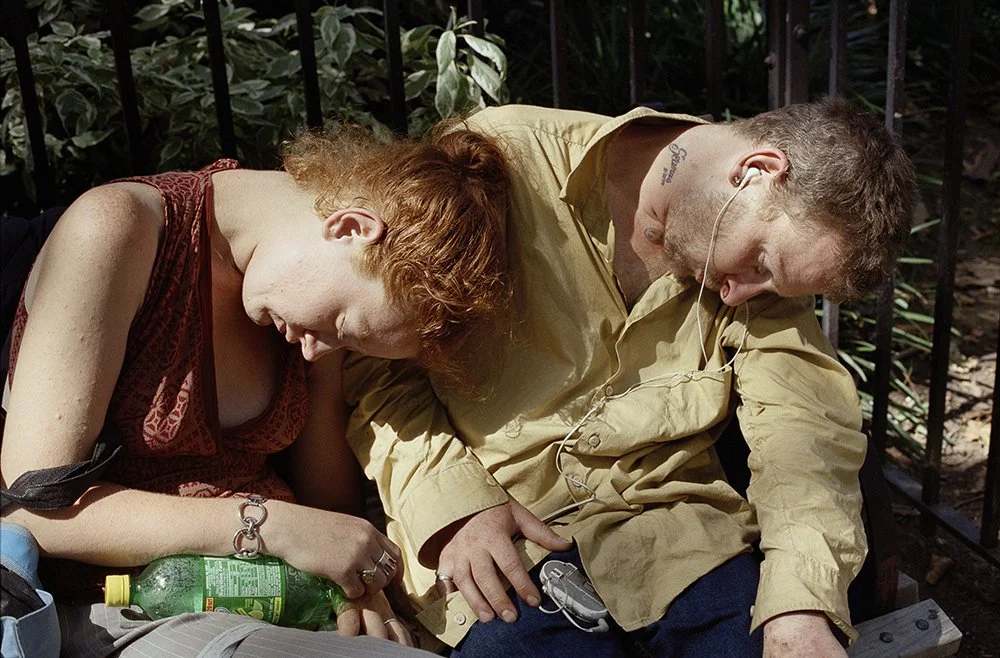
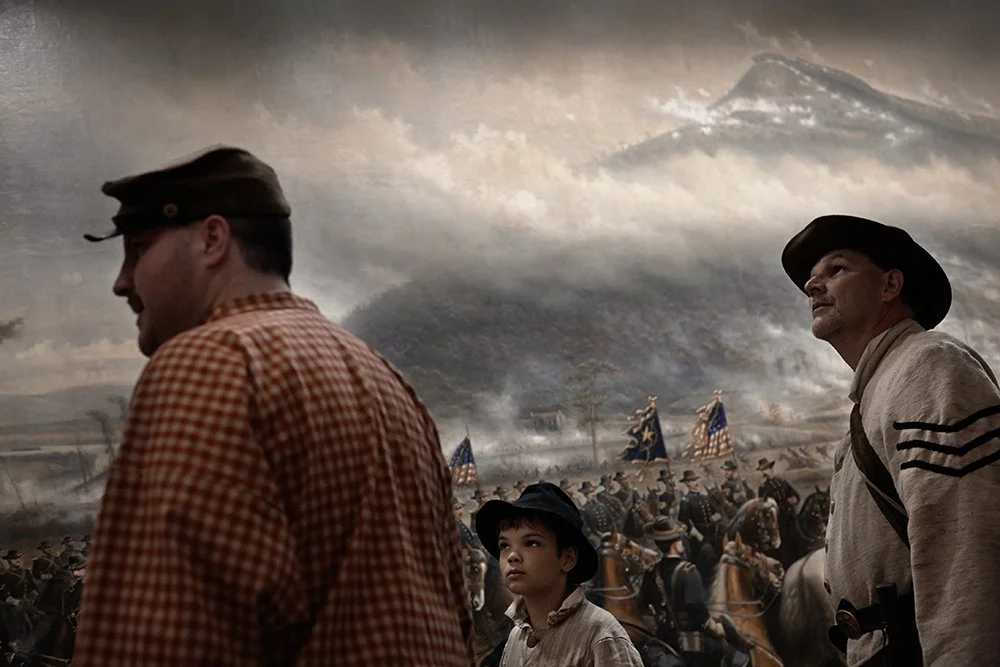
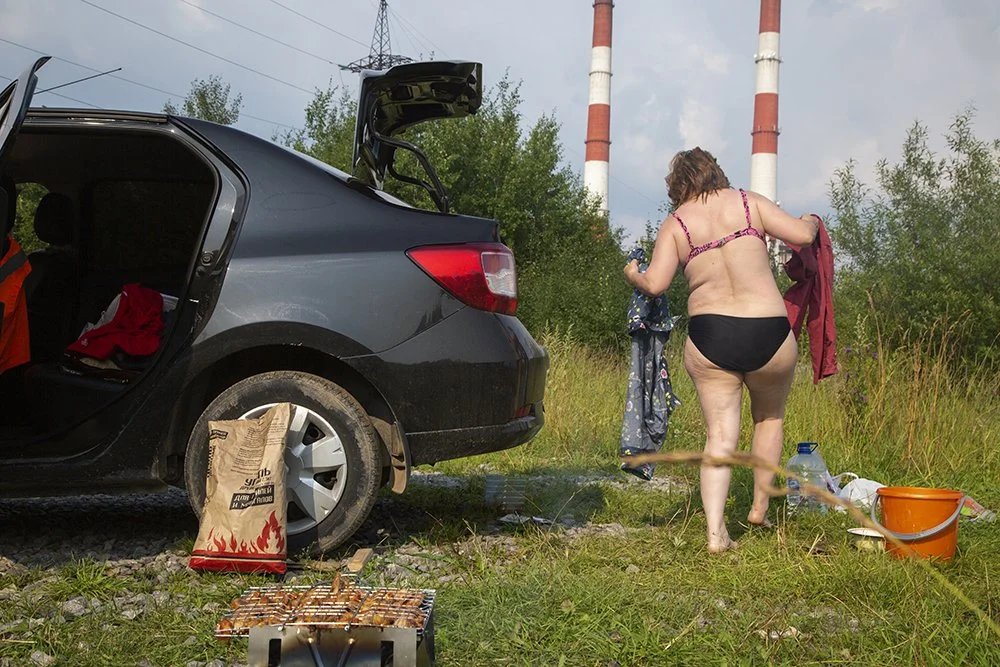
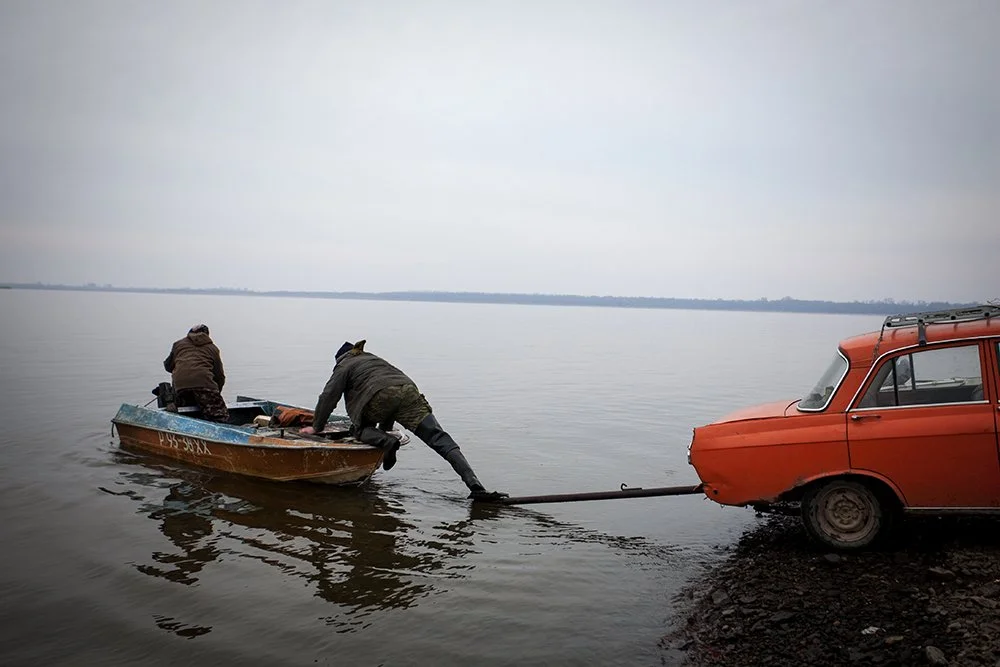
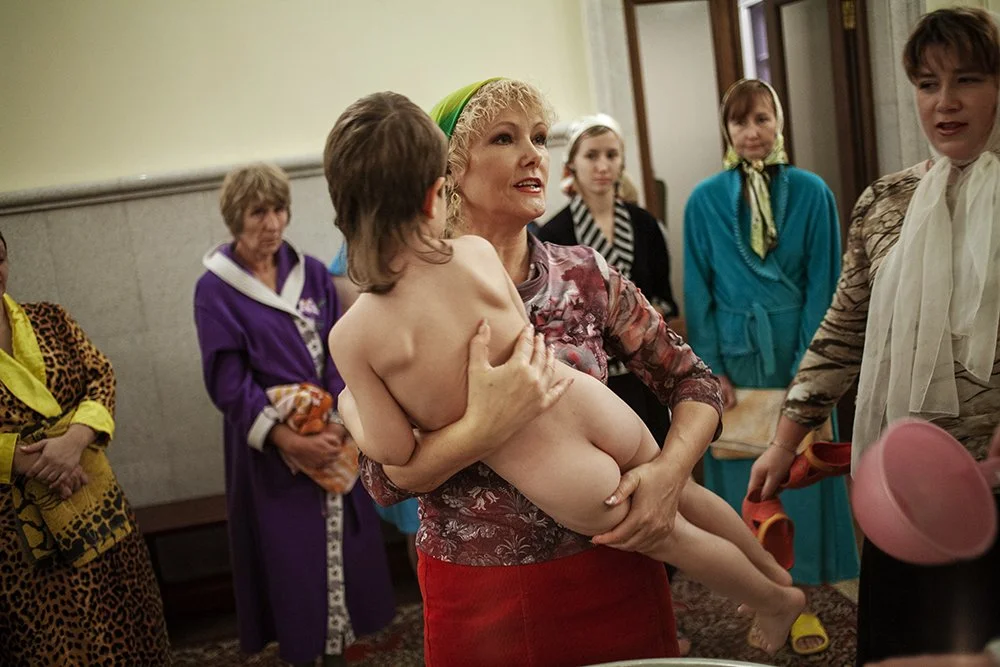
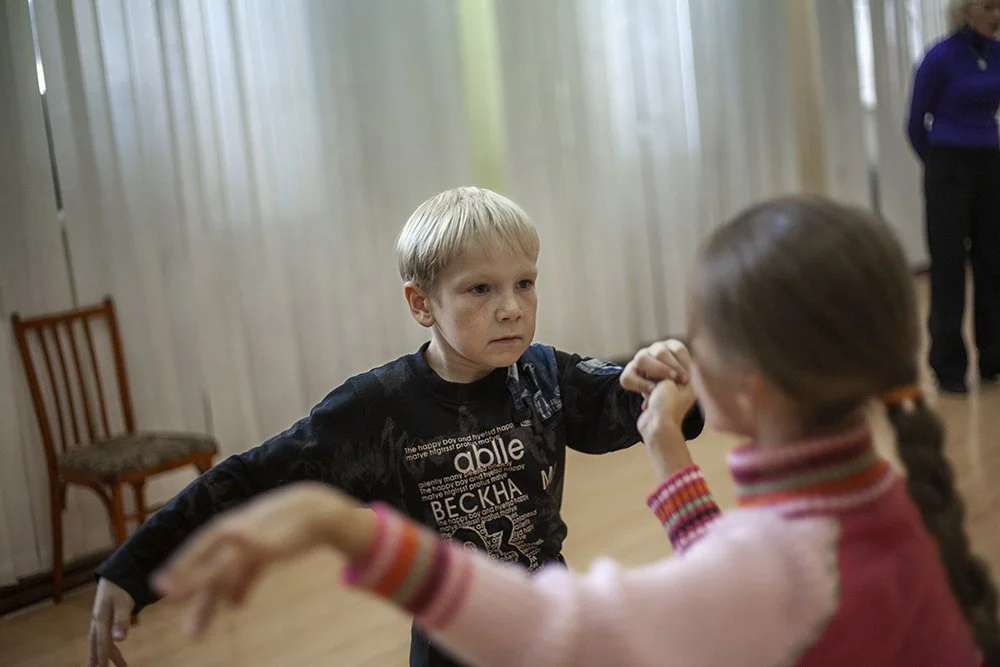
In his book Strange Love, Seamus Murphy photographed life in both the United States and Russia. He focused on small, everyday moments that show people as they really are, not as the media or leaders tell us. The project took many years because he wanted to understand the similarities between ordinary lives across two countries.
It is about connection and understanding, not judgment. Every image asks who we see as an enemy and why.
Seamus Murphy is an Irish photographer who worked for years in conflict zones.
After photographing war, he wanted to capture quieter stories, where tension is hidden in normal life. Strange Love shows what remains after politics and history have shaped people’s lives. He met farmers, factory workers, and students who share the same hopes and struggles in both countries.
Sometimes, to understand another culture, you need to see both sides.
Book Bio:
Strange Love is a long-term photographic project by Irish photographer Seamus Murphy, documenting life in the United States and Russia over more than a decade. The book explores the unexpected parallels between ordinary people in two nations often portrayed as enemies. Through portraits, streets, and everyday moments, Murphy highlights shared hopes, struggles, and ambitions, showing that human experience transcends politics and ideology. The work is both a visual essay and a reflection on empathy, connection, and understanding across cultures. (Setanta Books)
Project Start: What made you want to compare America and Russia through photos?
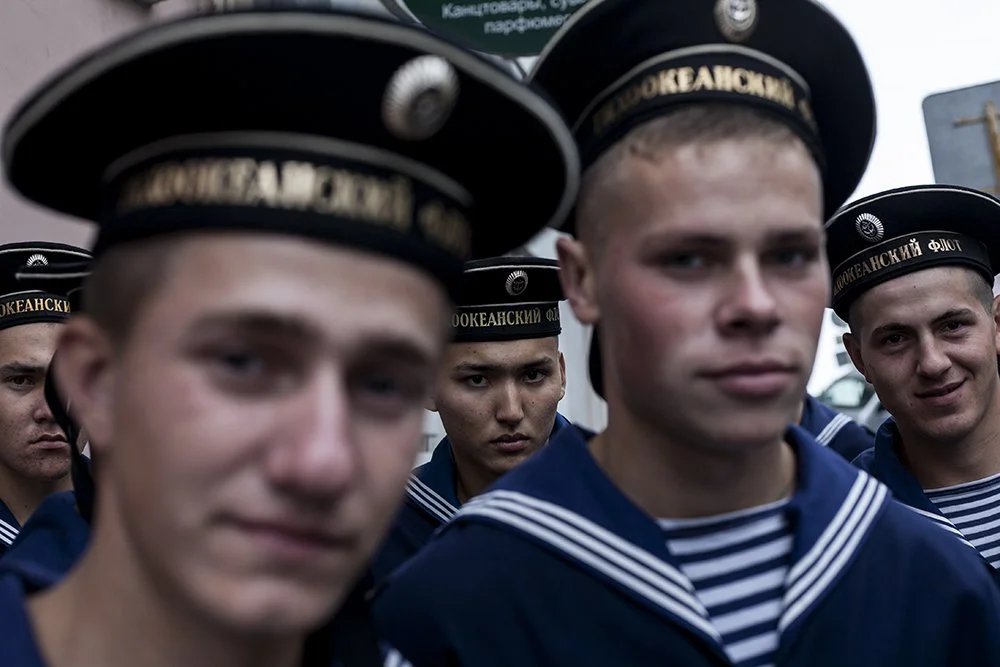
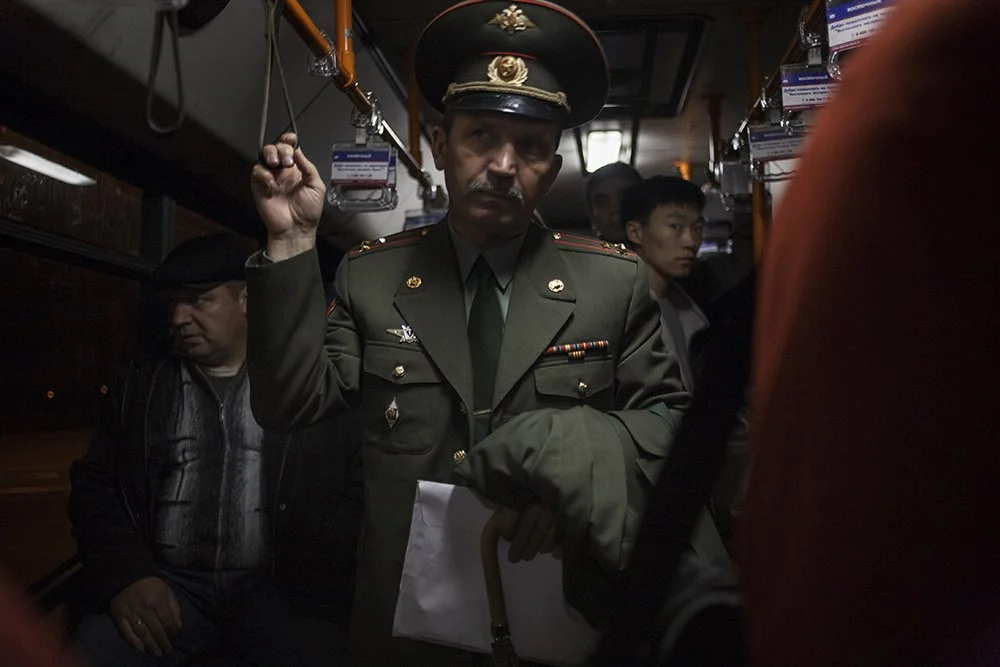
When I was originally struck by what I was seeing in Russia, it reminded me at times of what I had encountered or known about America, it shocked me. Weren’t they supposed to be so different from each other? Weren’t we always told they were natural, deadly enemies? Surely their lives would be so diametrically opposite to one another? What I was experiencing was that, certainly in the case of working people, they faced the same problems, challenges, upsets, and equally had the same needs and ambitions. In fact, the rich in both countries could also be seen as sharing similar goals too. So that made me rethink the project I had been working on in America, which I was at a very advanced stage with. It made me think more in terms of how the work related to Russia. And so I went back to Russia on two extended trips to complete the project.
Big Surprise: When you looked at your photos from both countries, what surprised you most about how similar they were?
Just what they so often shared. Weren’t these people supposed to represent such different systems and beliefs? Of course, I shouldn’t really have been shocked; humans are humans, wherever they are born, and we all have the same needs. We are just told otherwise; it’s propaganda. If you look around the world right now, everywhere, it’s even more evident and dangerous. Social media has become a new form of propaganda, even more insidious because it is largely promoted, often innocently, or unconsciously, by us.
In my introduction to the book, I end by asking the question:
“If my exposure to war has taught me anything, it is to ask, who chooses the enemy and decides when it’s time to hate them?”
Finding Locations: How did you choose which places to photograph in each country?
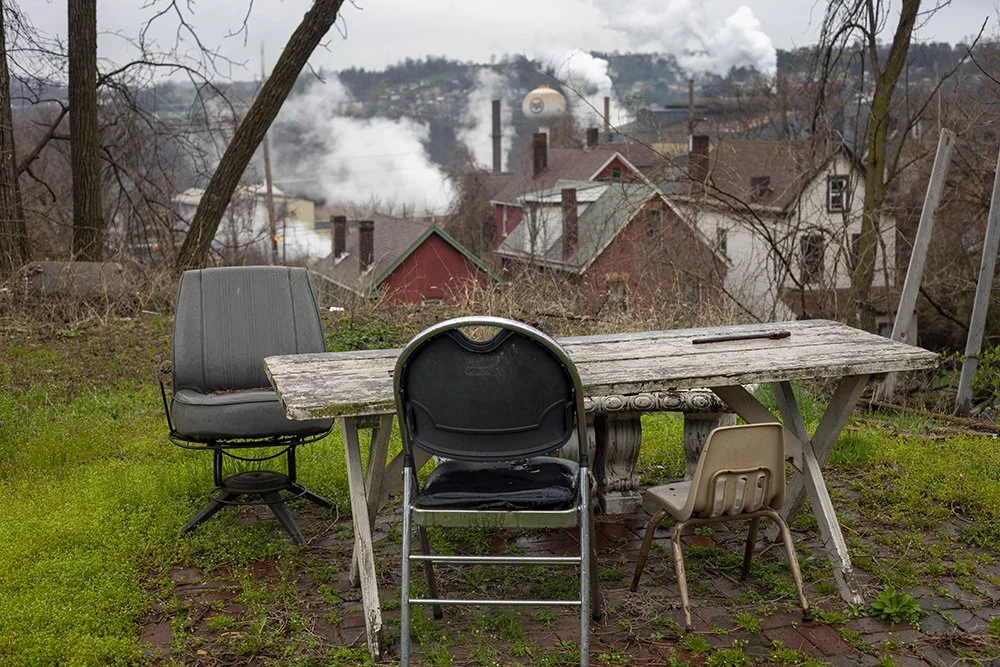
America started out with an overall theme, America. I was interested in the idea of America, the cultural influence of America, the legacies of the Beat movement, the 1960s, JFK; these things were in my head when I started out, and I was also thinking of the painter Edward Hopper and his America, these were feelings I had about the work I wanted to do. I think I understand looking at it now as dating back to my childhood and America’s influence on me growing up in Ireland. When I decided to incorporate Russia into the project, I thought about travelling somewhere that would be a fair equivalent to somewhere in the US. So as well as Moscow, which would have to be included, I opted for the Urals, an industrial area which has some parallels with industrial areas around Pittsburgh. Communities of migrants, who work in industry, sometimes weapons manufacture, who are forced one way or another into fighting wars, who have generations of veterans, who are extremely loyal, who are susceptible to the messages of strong leaders, etc.
You mentioned Edward Hopper influenced how you saw America, can you describe what it was about his paintings that connected to what you were trying to capture?
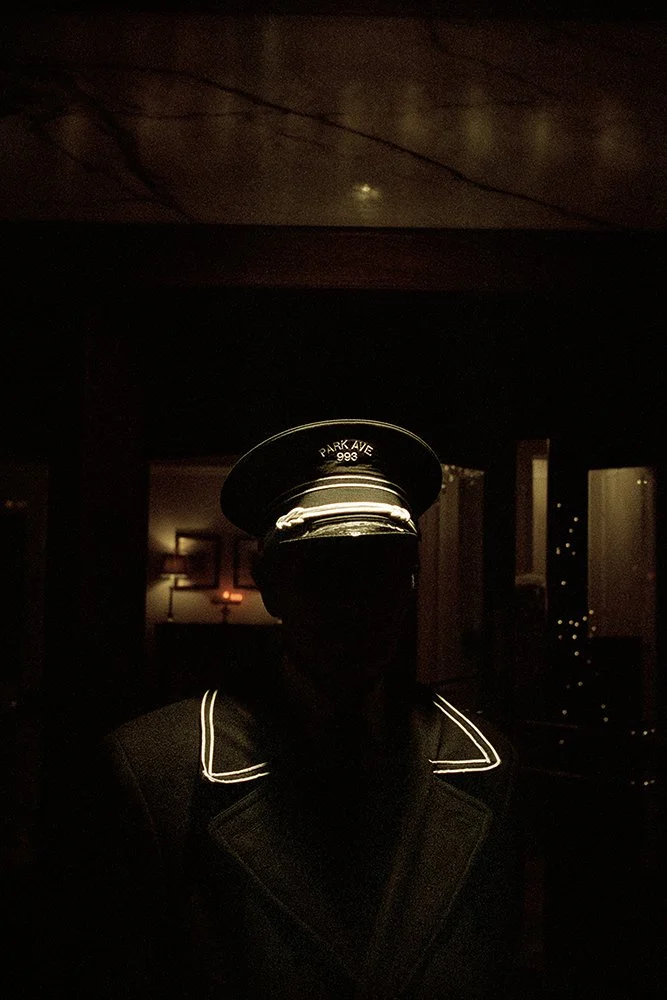
It's his way of showing America as a very modern place, his portrayal of freedom and anonymity in the city. His use of light and shade that reveal pockets of life in rooms and other spaces is quite theatrical, but also photographic. The colours sometimes have a tendency to be slightly desaturated, and dreamlike. It must have looked so fresh to Europeans and to people from places with traditional societies. Of course, he also shows the alienation that that modernity can foster.
Photo Mixing: In the book, you switch between American and Russian photos without labels, why did you want people to guess which country they're seeing?
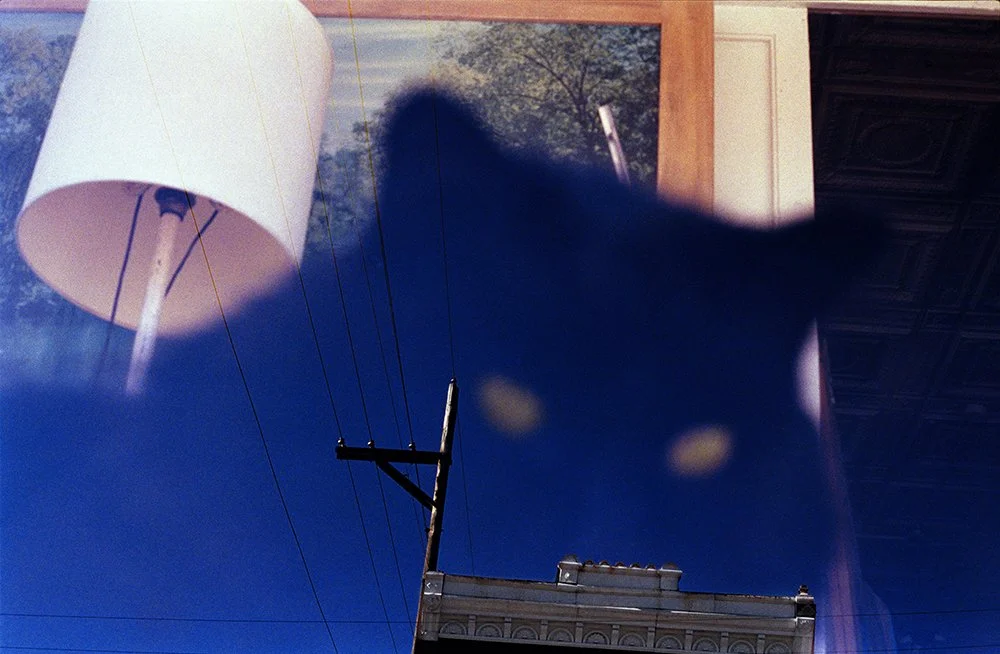
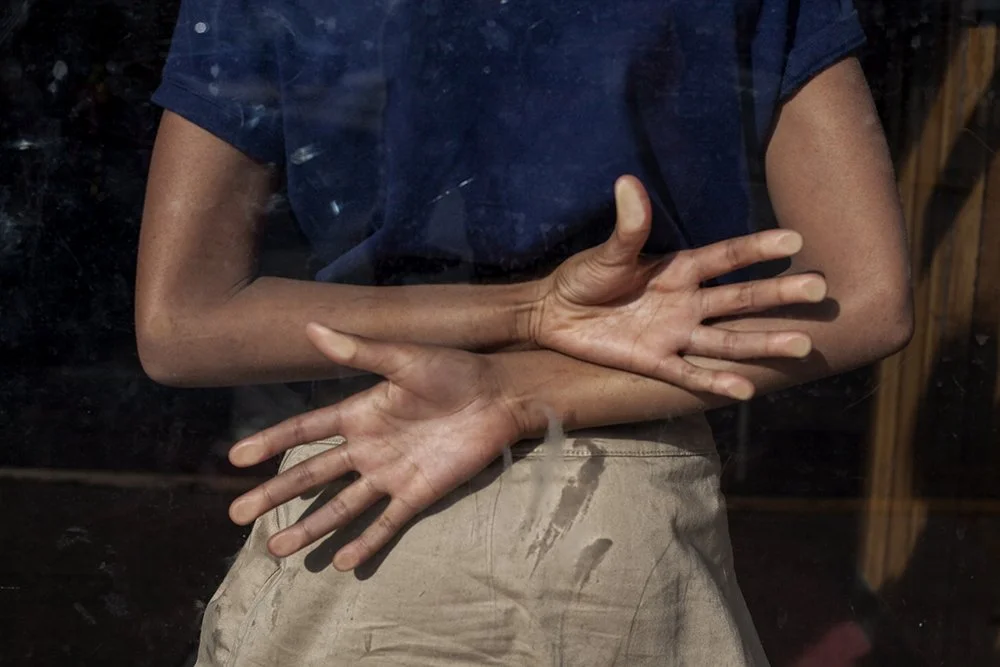
It wasn’t specific to this book; many photo books have captions or information at the end of the book. You want the reader/viewer to go on a journey with you, for them to immerse themselves in the experience of the photography, the emotions, the atmosphere, different places, human interactions and relationships, humour, surprises… There is the added element of losing your bearings with this book, where am I now? And if you start to look for clues, it might become hard in some cases to be sure if it’s America or Russia. What I wouldn’t want is it just becomes an exercise in guessing locations, the photographs should live on their own as statements in themselves and as a document of people’s lives in these places at this time.
When you said "each photograph should live on its own as a statement" - does that ever conflict with wanting people to see the similarities between the countries?
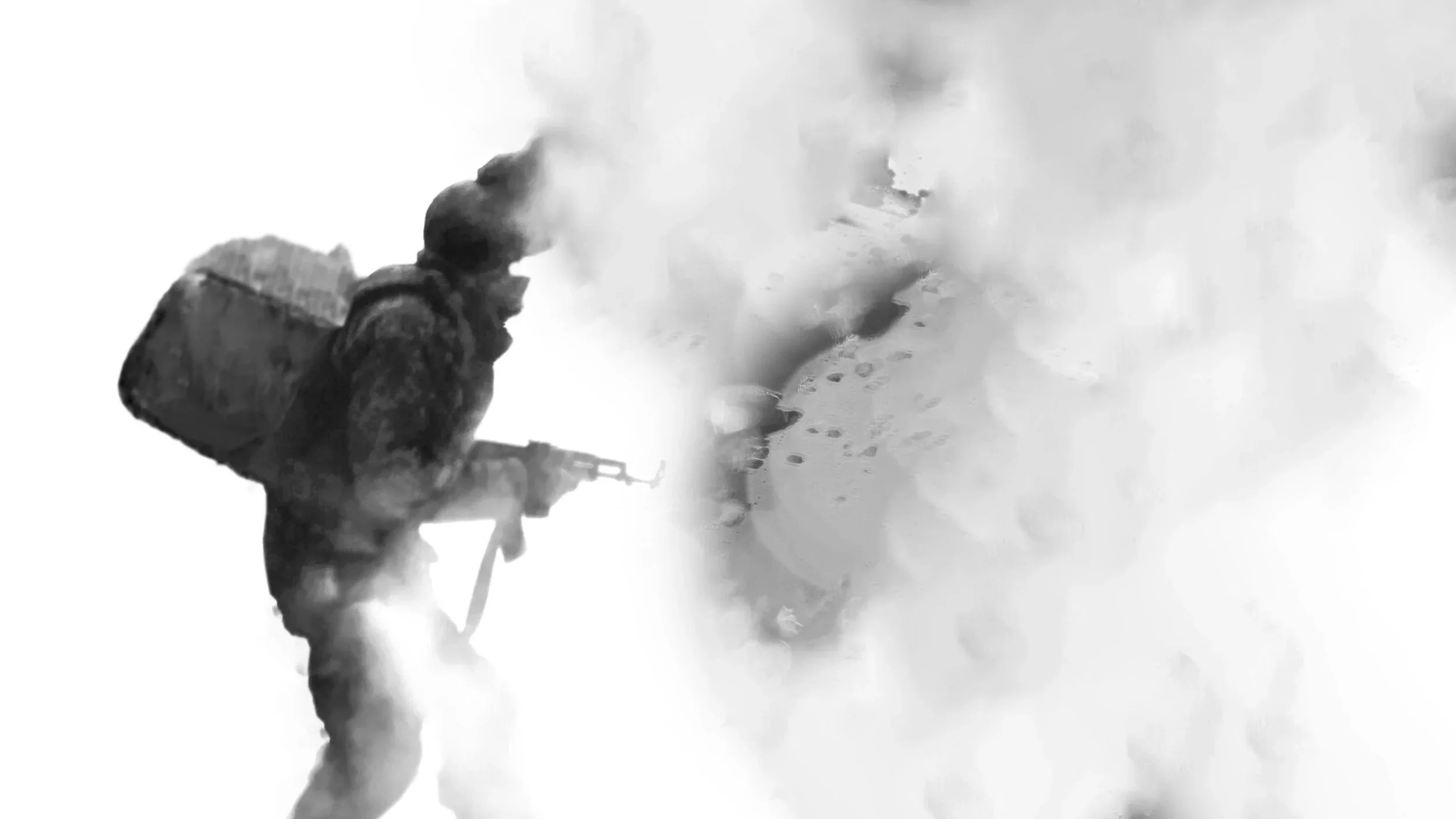
I wasn't deliberately looking for similarities; they should be there anyway if my thesis was authentic. It was more the overarching idea, but like the parachutist picture, I let the reality on the ground unfold and, following my instincts, hoped to find interesting situations with people.
Camera Setup: What camera and lens did you use most during your 14 years working on this project?
I shot it all on Canon. I ended up shooting a lot on 50mm; it became the lens that was around my neck most of the time. I also had a 17-40 lens that was useful and later a 24-105, but I relied a lot on a 50mm and a 35mm.
I started out early on shooting colour negative film in America. I wanted to get away from the digital workflow and process that I associate with work. This was a great decision at the time, it began in 2005, and film was still relatively inexpensive, and reliable processing was available everywhere. Much of the work in America was processed in Walmart and similar places, with no problems in quality. When I was commissioned to go to Russia in 2008, where the thought of the similarities with America first struck me, it was a digital assignment, and it made more sense by then. I didn’t have to worry about film processing in remote parts of the Russian Far East, or of running out of film, and I had a Canon 5D Mk1, which was making extraordinary files. I continued shooting film when I went back to America to work, occasionally mixing it with digital if I was on assignment. When I returned to Russia in 2017 and 2019, it was all digital.
For me, the biggest real difference between film and digital is the user aspect of it, how am I feeling about shooting either? That will affect the pictures I shoot. In most cases, the look of the image isn’t the point of the difference. However, there are some film images that have a highly distinctive look and feel, and I am so glad they were shot on film, and there are some digital images that work best because of the sharpness and low-light capability of the digital file. That’s for colour; black and white is a whole other thing.
Light and Timing: Did you shoot at specific times of day to make the industrial landscapes look similar in both countries?
No, I didn’t have that luxury, and life carries on beyond “magic” hours.
I also didn’t set out to make the places look similar. I was doing what I always do, trying to react to and capture what I am seeing, and to try to make an interesting photograph from it. Focusing on the similarities themselves would have been far too limiting, almost doctrinaire. Each photograph should have its own merits, beyond any possible similarity. The similarity is serendipity to the moment, beyond the location chosen of course, going to the Urals for example was already enough of a similarity. That would be judged and curated much later in the comfort of an editing and sequencing session at home.
Getting Access: What was the hardest location to photograph, and how did you get permission to shoot there?
I had great difficulties accessing the energy industries in the Russian Far East, which was what the assignment was centred around. Luckily, the magazine was Dispatches, which was edited by Gary Knight, an experienced photographer himself and a cool cultural figure. The photography was commissioned to work with, and balance out, the very dense and serious essays on Russia which made up the rest of that magazine issue. When I realised I was being lied to by the energy PR’s promising me what they had no intention of delivering, I just photographed life in a region that produced the energy bonanza that was fuelling Putin’s Russia. Early on, I sent the photograph of the lone weekend parachutist to Gary and said this was what I was now aiming for, and he just replied “Fantastic!”.
That parachutist photo you sent to Gary, what made you realise that single image captured what the project needed to be?
It felt like a liberation from a literal, journalistic interpretation of the brief I had for the commission. This was what was happening on the ground and this is what should guide me, which is exactly how I proceeded afterwards.
Photo Pairing: When putting the book together, how did you decide which American photo should sit next to which Russian photo?
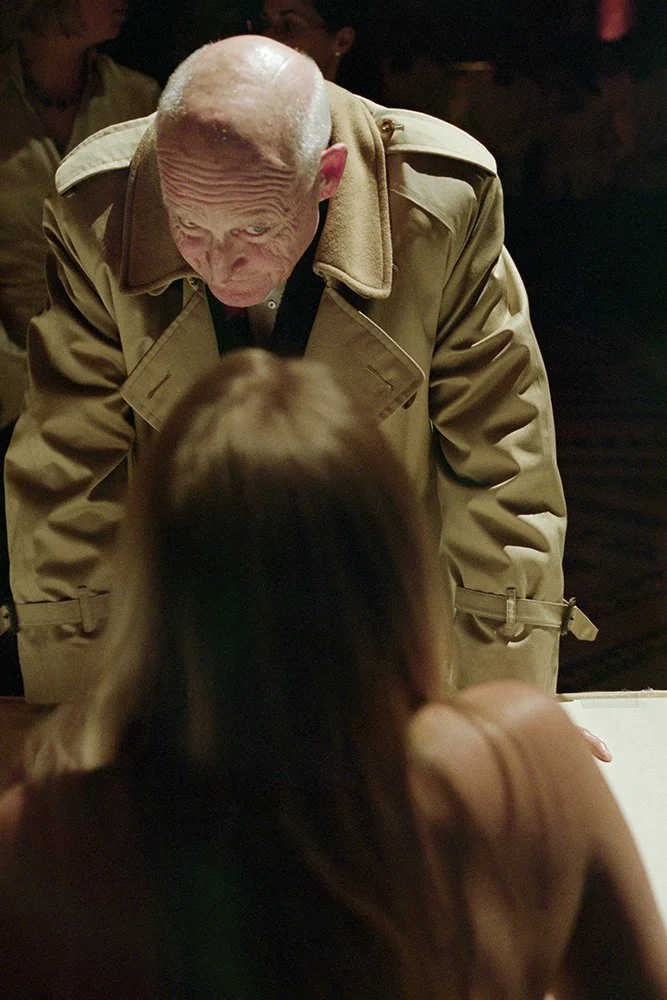
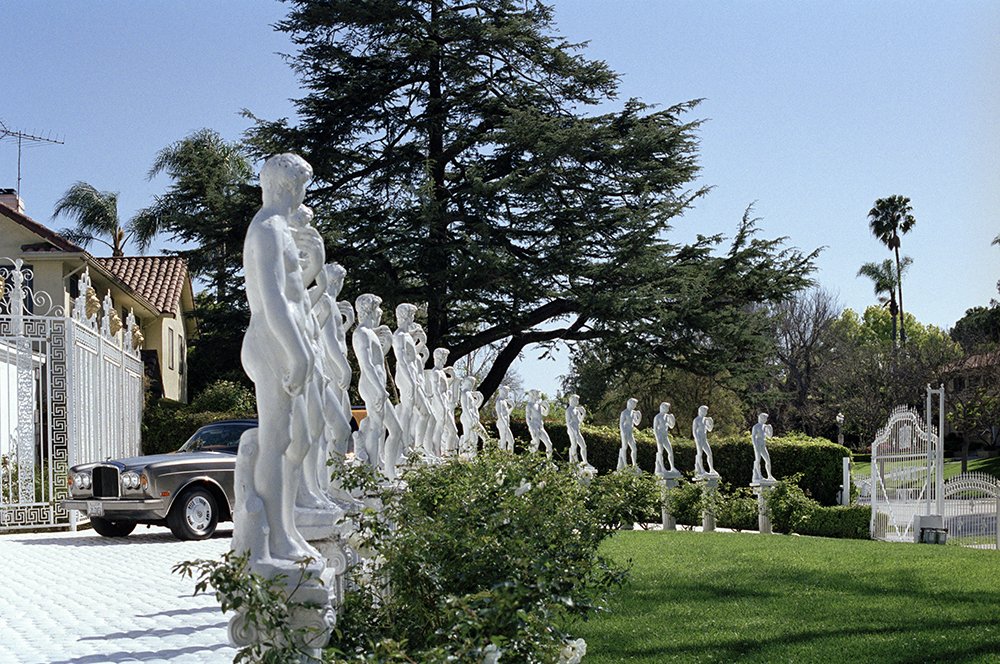
The layout is deliberately one photograph to each two-page spread. Each photograph should be viewed and valued on its own terms. However, what comes before the picture on that spread, and what comes after it, is where the sequencing is crucial. That depends on shape, colour, movement, emotional content…many things. There is an overall pace and flow you are trying to achieve, a journey undertaken from start to finish. But each image must stand on its own too.

Advice for Photographers: If someone wants to start a long project like this, what's the most important thing they should know?
Choose something that interests you enough, that means something to you, that you will have the stamina to continue with. That doesn’t have to be anything profound, it can simply be that it keeps you going out to take those photographs, in whatever way you choose. As you get further along with it, it will be feeding you anyway and it will guide you.
Good luck!
To discover more about this intriguing body of work and how you can acquire your own copy, you can find and purchase the book here. (Setanta Books)
More photography books?
We'd love to read your comments below, sharing your thoughts and insights on the artist's work. Looking forward to welcoming you back for our next [book spotlight]. See you then!
Robin de Puy could no longer make this project alone. She first photographed Randy in Ely, Nevada, during a 2015 road trip and kept returning to him for more than ten years. Interviews