How Do You Photograph a Country That Won’t Let You Look? Inside Tariq Zaidi’s North Korea Project
Welcome to this edition of [book spotlight]. Today, we uncover the layers of 'North Korea: The People's Paradise' by Tariq Zaidi (published by Kehrer Verlag). We'd love to read your comments below about these insights and ideas behind the artist's work.
Photographing North Korea means working under constant watch.
Two government guides followed London-based photographer Tariq Zaidi everywhere for two years, monitoring every frame he captured. The guides deleted thousands of his images on the spot, controlled his locations, and told him exactly what he could and could not photograph. Zaidi accepted these restrictions because fighting them would have meant producing nothing at all. His new book "North Korea: The People's Paradise" contains just 100 photographs from over 20,000 he shot during multiple trips between 2018 and 2020.
Most photographers would have given up after the first deleted image.
Zaidi found ways to capture authentic moments within the tightest creative constraints he had ever faced. He learned to work quickly, shoot multiple frames of fleeting expressions, and find humanity in the spaces between official supervision. His approach reveals how documentary photography can survive even when traditional methods fail. The result shows a side of North Korean daily life that exists beyond the typical propaganda imagery we see in Western media.
About the Book
Tariq Zaidi's 2023 book documents daily life across North Korea during multiple trips between 2018 and 2020. Two government guides accompanied him everywhere, controlling his movements and deleting thousands of images they considered inappropriate.
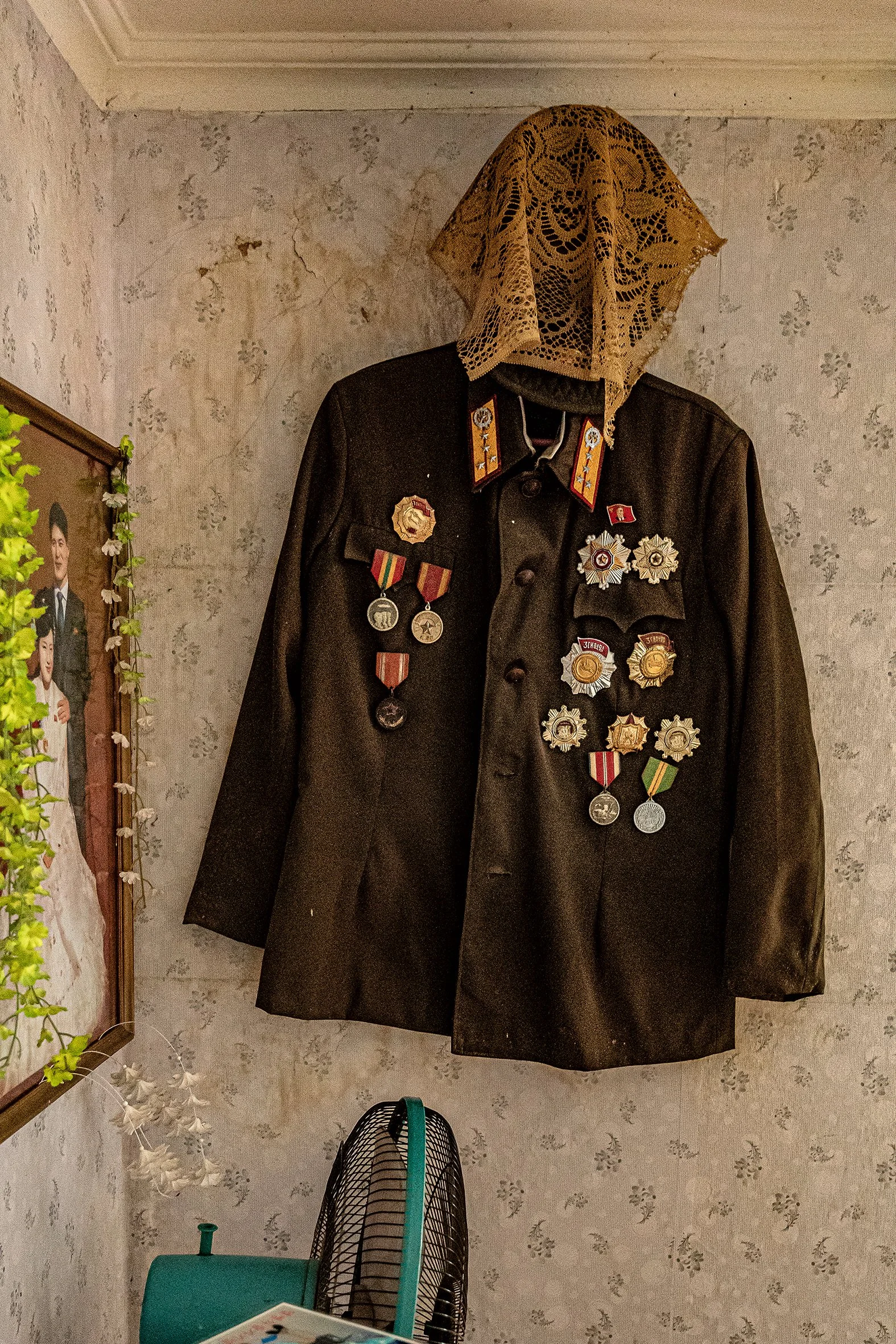
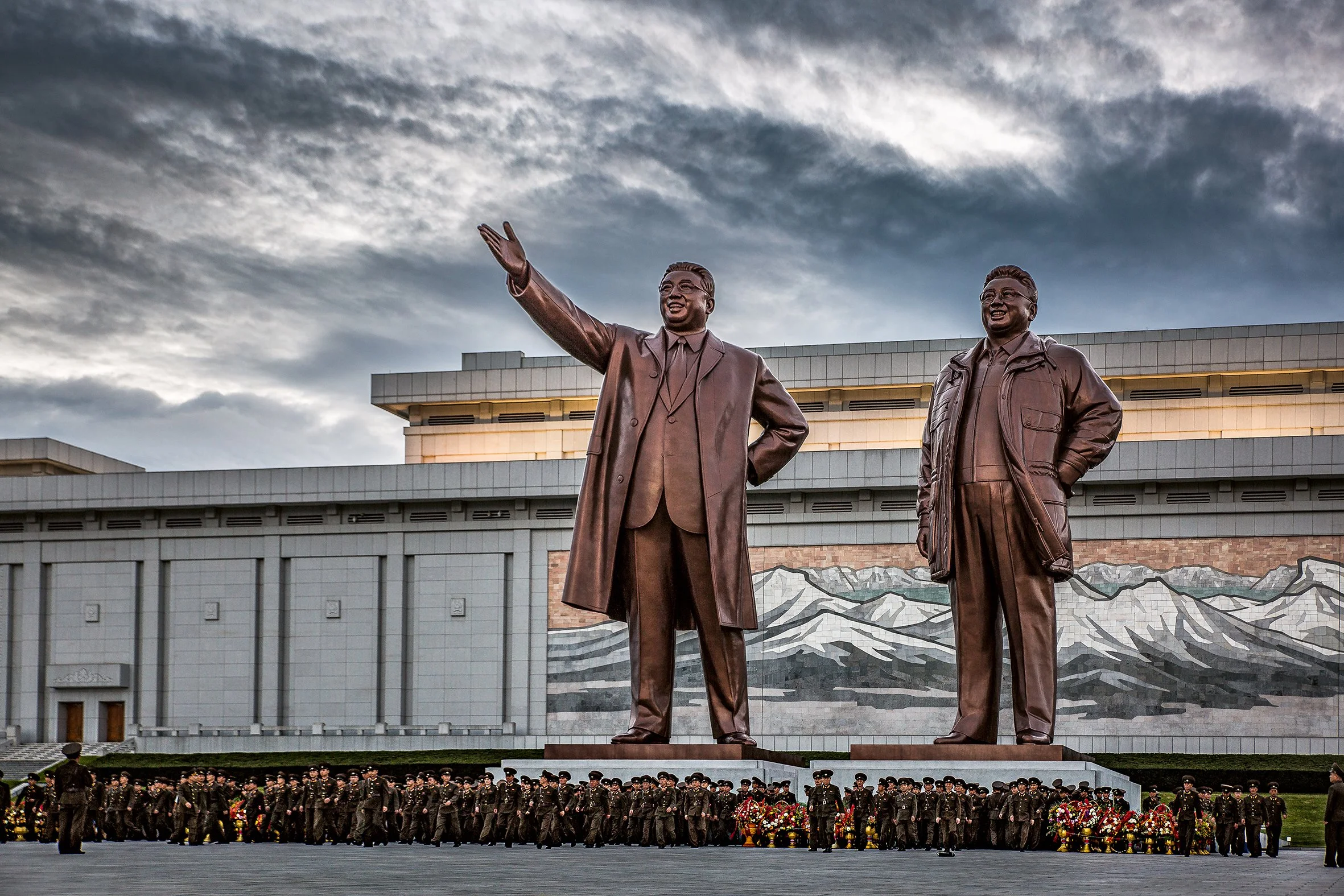
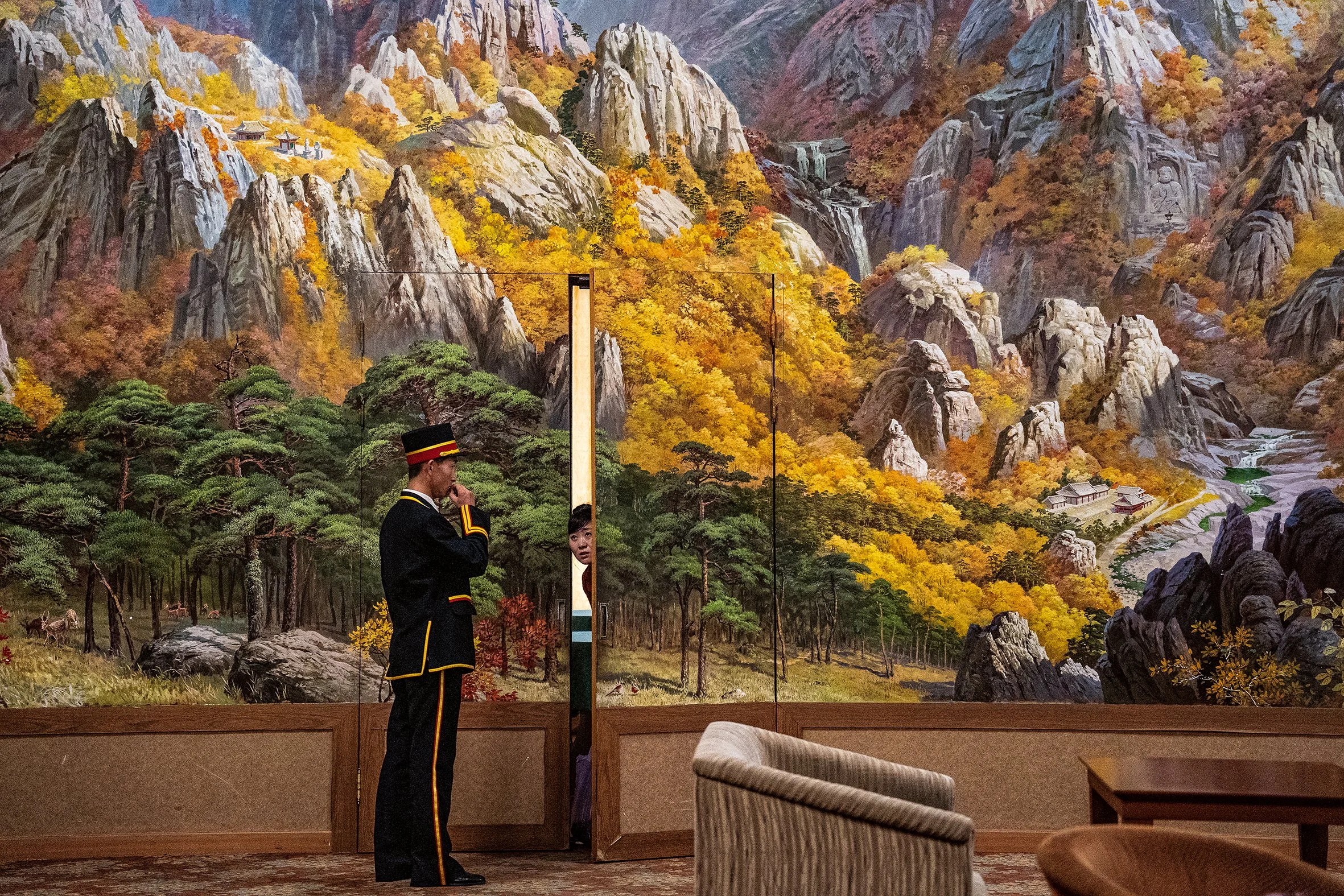
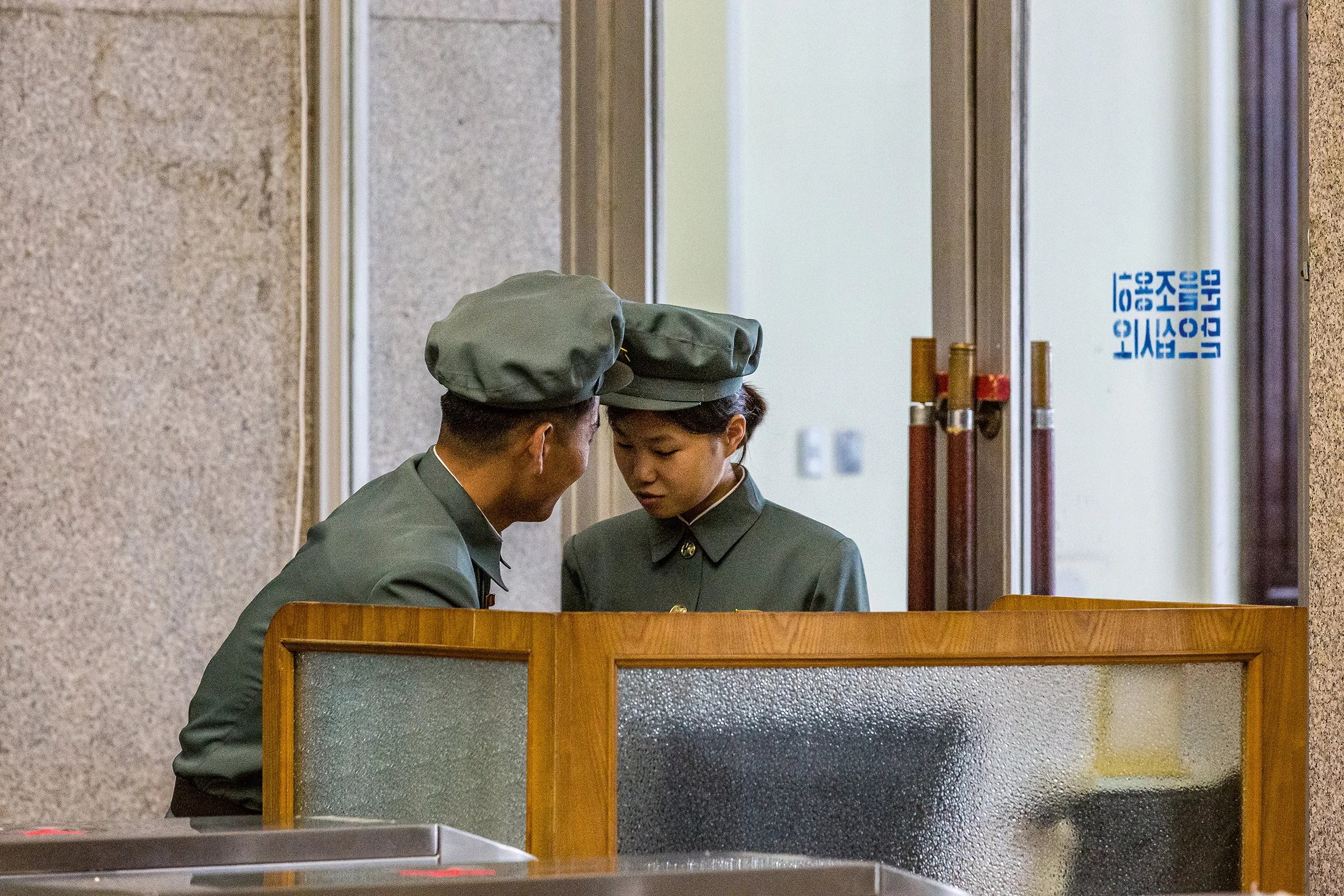
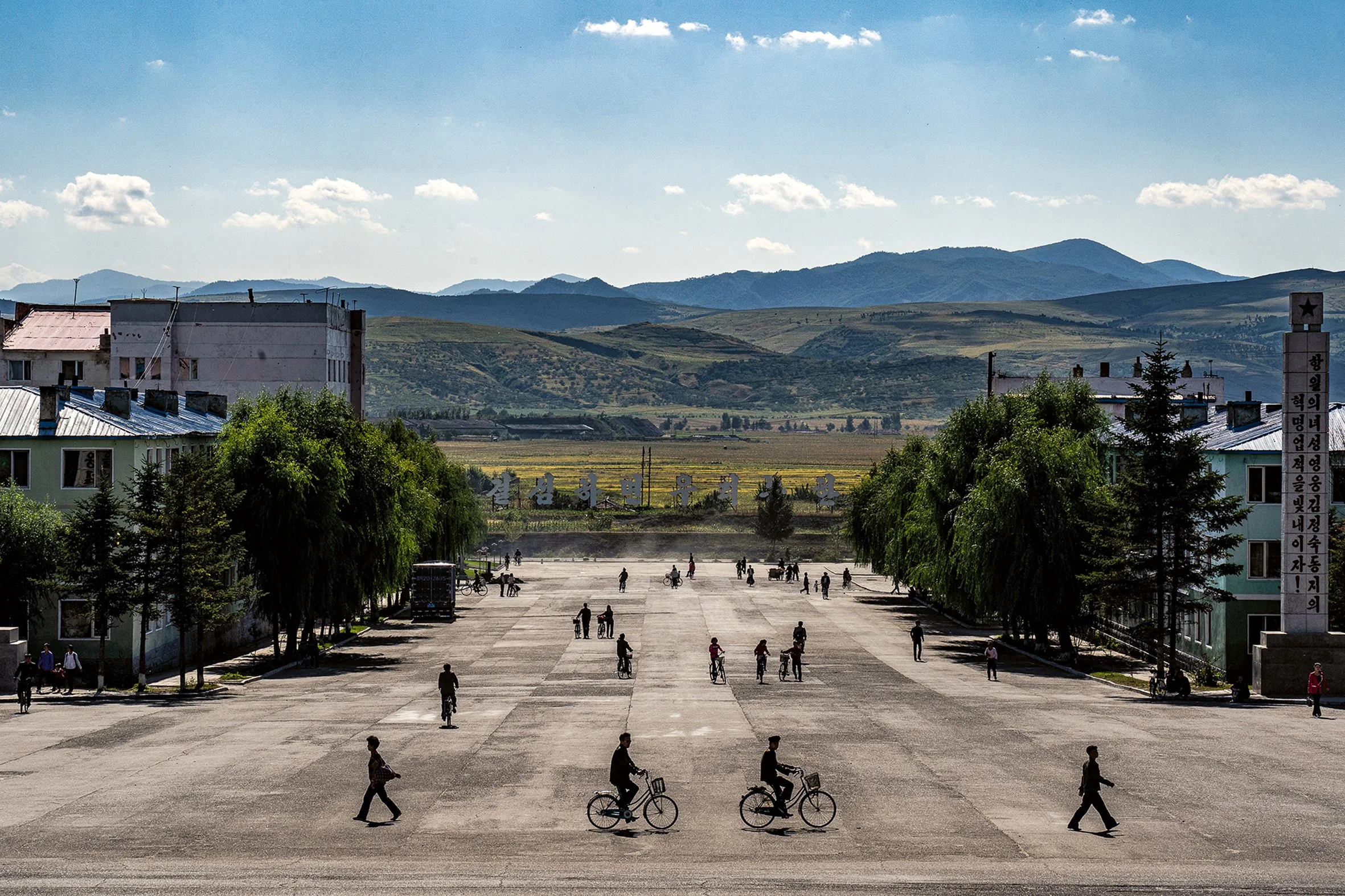
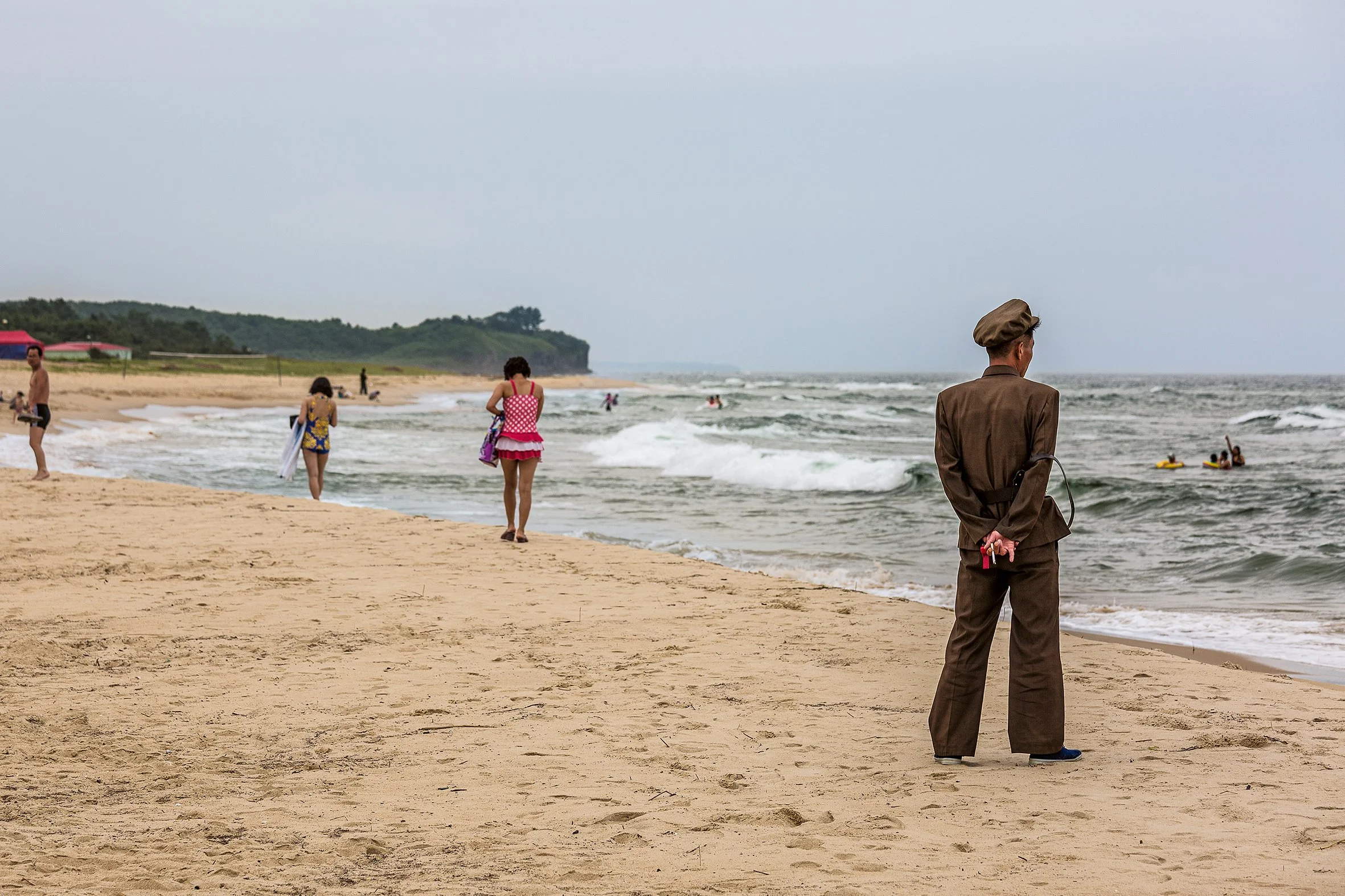
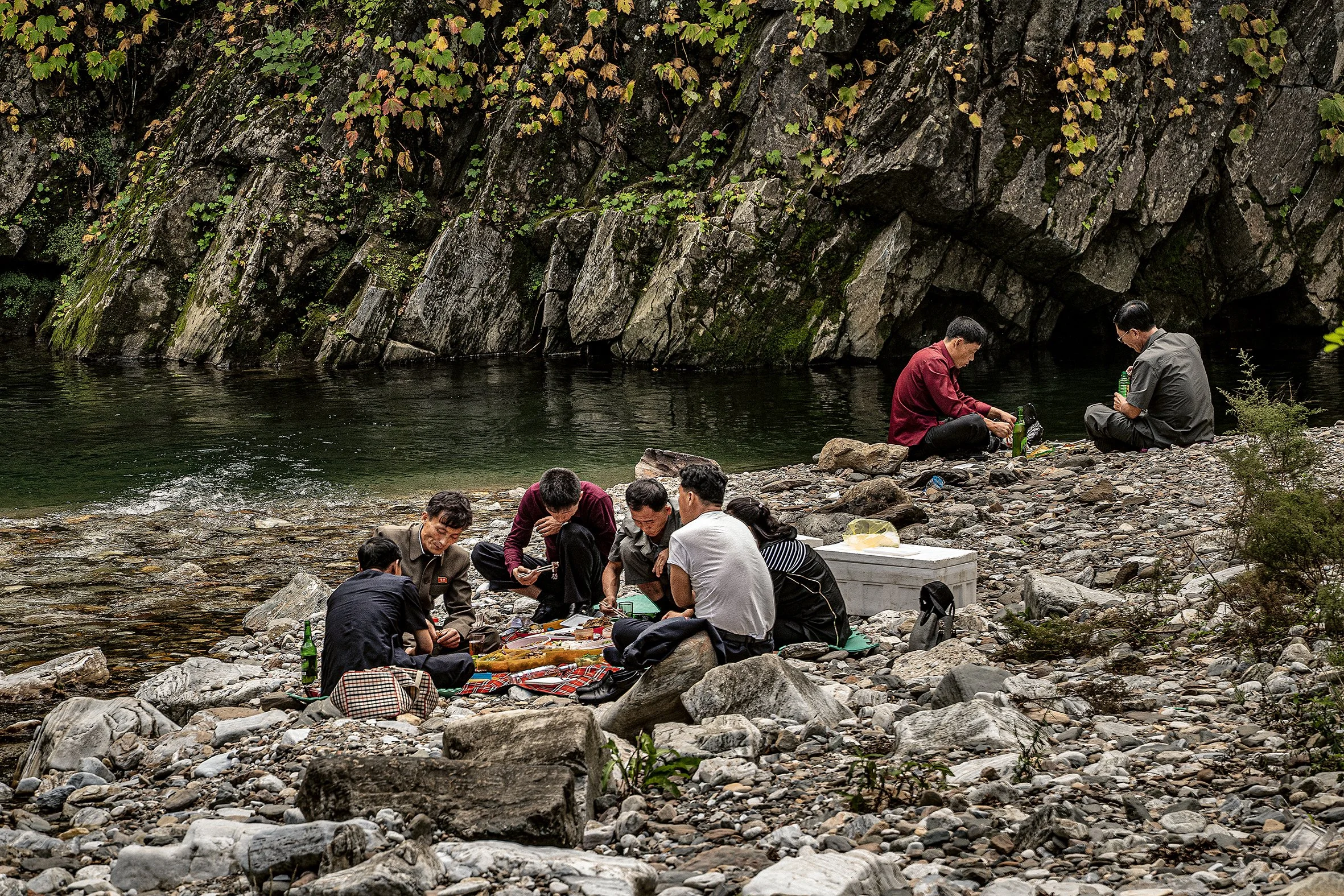
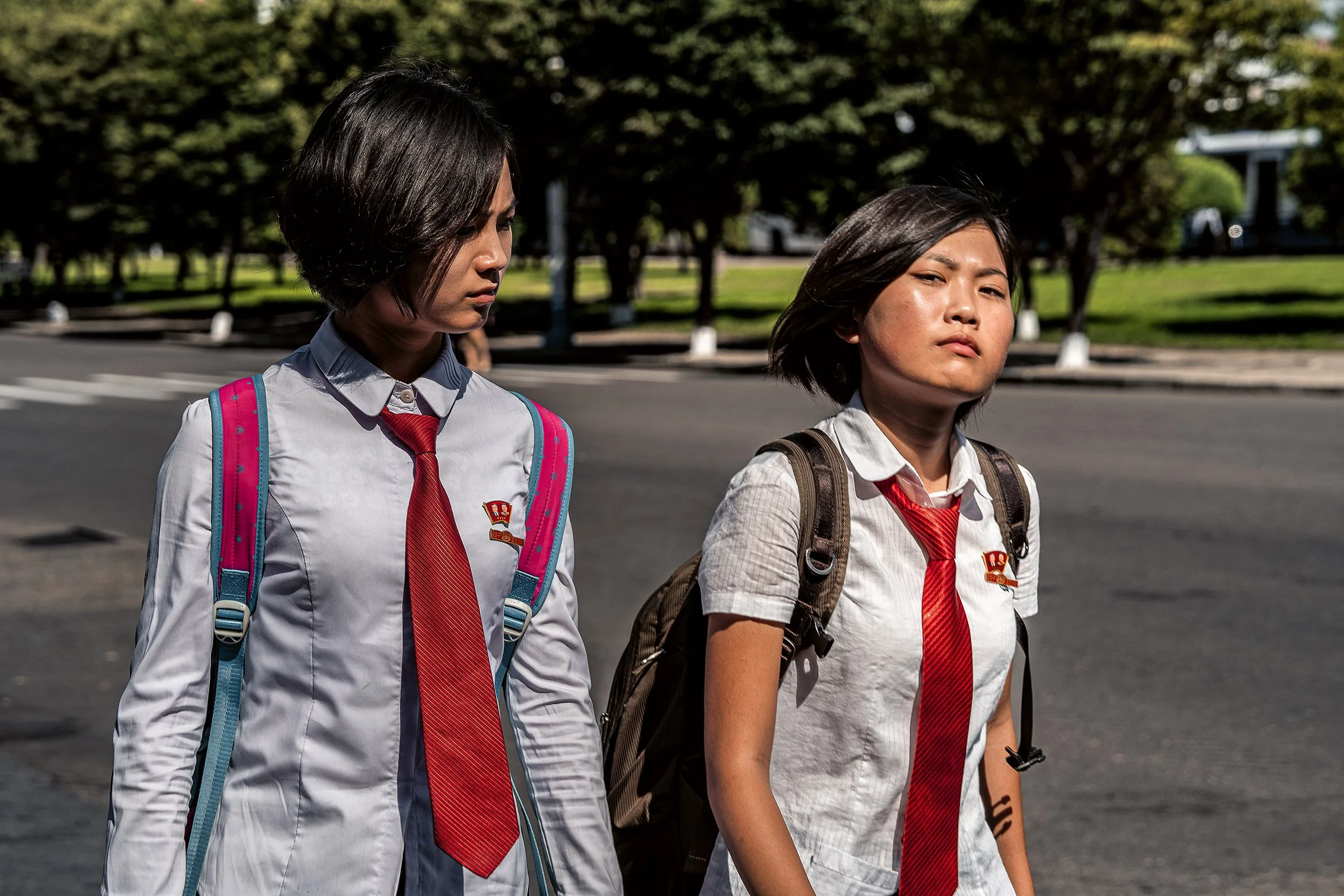
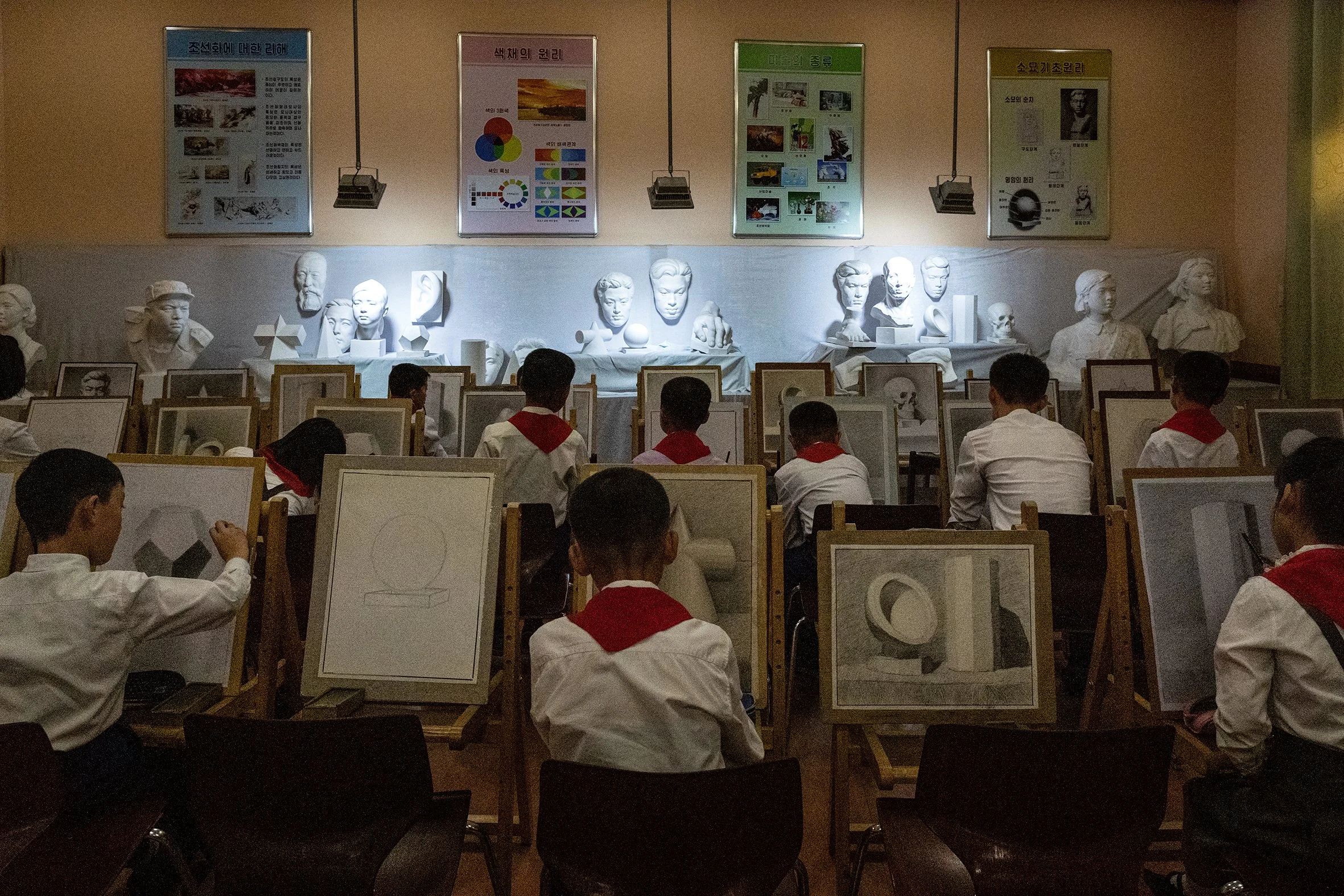
The book captures ordinary moments that exist behind North Korea's political facade - children playing in schoolyards, families having picnics near waterfalls, workers washing cars by riverbanks, and quiet exchanges between guards at public buildings. These scenes offer a different perspective from typical North Korea photography that focuses on propaganda displays or military parades.
Zaidi traveled from the Chinese border down to the Demilitarized Zone, visiting eight cities including industrial centers, coastal towns, and rural areas. From over 20,000 photographs captured during these supervised trips, 100 were curated for the final publication."
The final collection represents what North Korean officials were willing to let the outside world see. Each photograph had to serve the narrative the government wanted to tell, yet within those constraints, Zaidi found moments of human connection and daily routine that reveal glimpses of life in one of the world's most isolated countries.
The book is Zaidi's third published work, following previous documentary projects on the Democratic Republic of Congo and El Salvador. (Kehrer Verlag, Amazon)
Artist’s statement
Often associated with its absolute rule under Kim Jong-Un and state-controlled propaganda, North Korea demands a more humanistic understanding of its culture – beyond politics. While most information about the country offers a one-dimensional perspective, photography emerges as a vital medium to grasp and appreciate its complexities. 'North Korea: The People's Paradise' recognises this and aims to provide a perspective on a society often misunderstood and overshadowed by stereotypes.
Visiting North Korea is a rare privilege afforded to only a few individuals globally. The country attracts around 5,000 non-Chinese tourists annually; those fortunate enough to visit the country are met with strict rules and regulations, including the control of photography.
This book by Tariq Zaidi aims to use candid photography to explore the ordinary in this extraordinary state – everyday lives explored through a lens, illuminating the complex dynamics of people navigating their own paths within their country, whilst the country does the same globally.
Inviting readers to delve beyond the headlines, 'North Korea: The People's Paradise' sheds light on people’s experiences and reveals the diverse tapestry of the country’s people and culture, challenging our preconceived notions about North Korea. Throughout this book, photography is used to illustrate the hidden stories and realities that lie within its borders and the curtain of secrecy that dominates the narrative surrounding the country.
By my practice, I endeavoured to document what I witnessed, was shown, heard, and felt to the best of my abilities throughout my time in North Korea. My goal is to provide readers with a comprehensive and immersive experience, given the limitations of operating in North Korea. Forming one's perspectives now falls upon those who engage with my work.
Project Genesis: What drew you to North Korea as a subject, and how did you develop the "The People's Paradise" concept despite knowing about severe photography restrictions?
North Korea fascinated me because so little is known about daily life beyond the usual images of propaganda or militarism. My work has often taken me to underreported communities, and this was one of the most challenging. Unlike in places such as El Salvador or Africa, where I could build relationships with people, here almost no direct contact was possible. The People’s Paradise grew from documenting what I was shown and what I observed, moments of resilience, dignity, and culture.
My motivation was not to prove or disprove anything about the country, but simply to share what I could witness. I tried to notice the details that might otherwise be overlooked, how people interacted on the streets, how children played, or how daily routines unfolded against the backdrop of an unfamiliar landscape. In many ways, the project became an exercise in seeing and listening carefully, even when my ability to engage directly was limited. My aim was not to provide answers, but to offer glimpses of life that might help others see beyond stereotypes and political headlines.
Working Under Surveillance: With two minders constantly scrutinising and deleting your images, what specific techniques did you develop to capture authentic moments under intense surveillance?
Two guides accompanied me at all times, monitoring where I went and what I photographed. Certain sites were completely off-limits, and many images were deleted on the spot or at the end of each day. To adapt, I worked with what was possible, landscapes, cityscapes, and group scenes, often from buses or trains. Shooting quickly and taking multiple frames gave me a better chance to hold onto fleeting moments.
I accepted early on that control was part of the process. Fighting it would have meant producing nothing at all. By embracing the restrictions as part of the framework, I was able to concentrate on the opportunities that did exist. Some portraits I valued were lost, but respecting the rules was necessary to continue. The restrictions became part of the process, shaping how I approached the work, and forcing me to think more creatively about how to capture authenticity within tight boundaries.
You mentioned that fighting the restrictions "would have meant producing nothing at all." Was there a specific moment early on where you had to make that choice between artistic freedom and access?
Early on, I realised that insisting on complete freedom would have meant producing nothing at all. Embracing the rules instead became a creative challenge. The guides dictated what I could photograph and often requested deletions. I remember asking early in the project why some non-military images were removed, and they replied, “We only want you to take the best pictures possible, please try to take only good pictures.” Their words brought a smile to my face.
The guides shaped the scope of my photography: military subjects were off-limits, and solo portraits were discouraged, though group shots were permitted. Shooting often required rapid transitions between locations, leaving little time to plan each frame. Yet these constraints compelled me to discover creative solutions and capture moments within what was possible.
My aim is to offer readers a comprehensive, immersive experience within the limitations of working in North Korea. How one interprets these moments is now left to those who engage with my work.
Creative Control: How did you maintain artistic vision when your routes and subjects were predetermined and couldn't be altered?
Although my itinerary was fixed, I found ways to maintain a sense of authorship. I never staged images. Instead, I observed carefully, watching light and anticipating gestures or expressions that revealed something human. Working with minimal equipment allowed me to move quietly and react quickly. Patience remained central, even when I couldn’t wait in one place for long, I carried that mindset internally, ready for the few seconds when something real appeared.
In some ways, patience in North Korea was different from elsewhere. Normally, I might spend days in a single village or town, waiting for moments to unfold naturally. There, I had only minutes in a location, sometimes even less. The challenge was to hold on to the same philosophy of waiting but adapt it to a compressed timeframe. That discipline helped me capture images that carried both spontaneity and meaning, despite the strict schedule.
When you say you "never staged images" but had to work within such tight restrictions, how do you distinguish between authentic moments and what might have been performative behaviour by your subjects who knew they were being watched?
Every photograph I made was under conditions of supervision, so it was natural to wonder how much was real and how much was shaped by awareness of being watched. For me, authenticity appeared in the unscripted fragments: a pause between movements, a quick glance exchanged, or an expression that slipped through before formality returned. Those were the moments I trusted most. I never asked people to do anything; my role was to wait, observe, and let the camera notice what surfaced in those in-between spaces.
Capturing Humanity: What visual cues do you look for to convey dignity and soul when direct subject interaction is limited?
I look for dignity and individuality, small cues like a smile, a laugh, or the way someone works. Children were often curious and open, while adults were more cautious, especially in public places such as the metro. I only photographed those who were comfortable, never forcing or intruding. Respect was essential.
Even a fleeting glance can reveal a great deal if you are paying attention. For me, the key was to remain unobtrusive, to let people be themselves, and to frame them in the environments that gave their actions meaning. Even within limited interaction, those moments revealed enough to suggest the warmth and resilience of everyday life. They reminded me that photography, at its core, is about empathy and presence, not control.
Did you notice any difference in how people behaved when they thought the minders weren't watching?
Children responded differently from adults, they often engaged freely, curious about the camera. Adults carried more caution, especially in visible places. What interested me was the subtle shift that sometimes happened when the environment felt less controlled: a lighter gesture, a trace of relaxation, or a flicker of individuality breaking through. Those moments were rare, but they revealed a kind of humanity that didn’t depend on words. That contrast between guardedness and openness became part of what I was trying to capture.
Balancing Act: How do you frame shots that work as both documentary evidence and compelling visual art while subtly showing broader societal forces?
I don’t claim to show a complete truth. My access was restricted, and I could only work within that. Out of more than 20,000 images, I selected around 100 with my designer and publisher, aiming for authenticity and variety. Each photograph needed to add to a wider story, balancing landscapes, cityscapes, and daily scenes.
The selection process was rigorous. Many technically strong photographs did not make it into the final edit because they did not contribute to the overall narrative. Each image had to serve a purpose: either to illuminate an aspect of daily life, provide context, or balance the sequence visually. For me, it was important that the work felt honest and nuanced, avoiding stereotypes, while still allowing viewers to engage emotionally and form their own interpretations.
You mentioned shooting over 20,000 images but only selecting around 100. Walk me through that brutal editing process - what made you cut technically strong photographs that didn't serve the narrative?
The reduction from thousands of frames to a small selection was intense and took weeks to get down to the final 500 for selection and sequence for the book. Many images worked technically, but they didn’t belong to the story I wanted to tell. Editing meant asking, over and over, “does this move the narrative forward, or is it just a strong picture?” A good frame isn’t enough on its own, it needs to connect with the sequence and create dialogue with the others. In the end, I let go of a lot of work I cared about so that what remained could stand together as a coherent body of images.
Technical Strategy: What camera techniques and shooting strategies did you use to maximise meaningful captures in such controlled, unpredictable situations?
I kept my setup simple. A Sony A7 III with a 24–105mm lens was my main tool, with a 70–300mm lens for larger formal events like the Mass Games. I avoided flash, tripods, or staging, everything relied on natural light and anticipation. Shooting quickly with fast shutter speeds helped capture moments from buses, trains, or busy streets.
The choice of equipment was deliberate. In environments where you are monitored constantly, drawing attention to yourself with large gear can close doors quickly. A lightweight setup allowed me to blend in and move more freely. The simplicity of the equipment kept me agile under surveillance, while focusing my attention on anticipation, light, and the humanity of the moment.
Initial Impressions & Geographical Scope: What were your strongest first impressions of North Korea, and how did travelling to different regions beyond Pyongyang shape your understanding of the country?
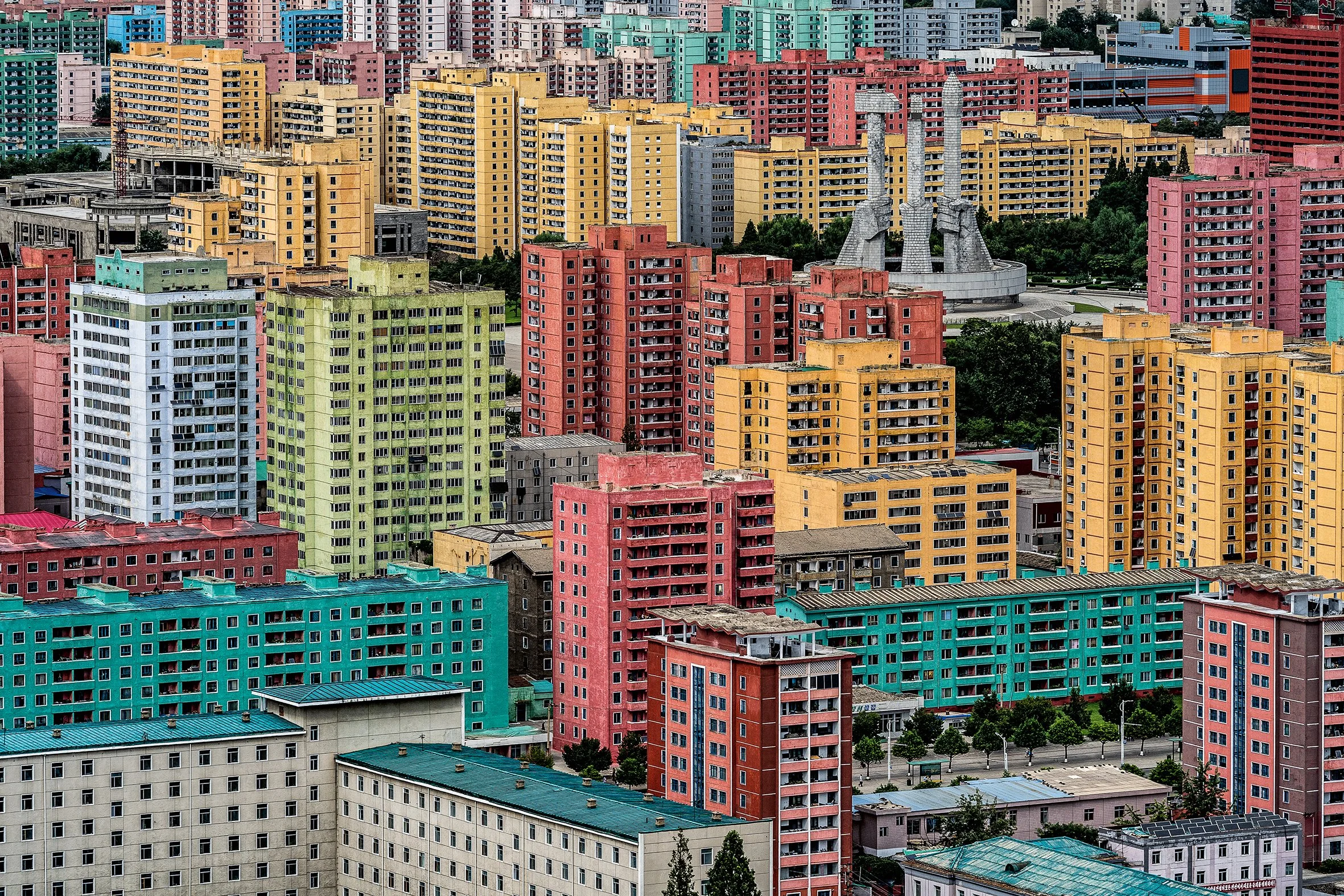
What struck me most was how similar people’s desires are everywhere: respect, work, and a better life for their children. I saw joy in laughter, music, and dancing, alongside deep reverence for their leaders and a strong sense of unity. The visual landscape was striking, clean, scenic, and heavily influenced by military imagery.
I travelled widely, from Dandong on the Chinese border down to Kaesong and the DMZ, across Nampo, Pyongyang, Wonsan, and north to Hamhung, Chongjin, and Hoeryong. The variety of these locations was invaluable: industrial centres, coastal towns, and border regions all offered different atmospheres. Taken together, they created a mosaic of impressions that would not have been possible by staying only in the capital. Each stop offered a slightly different perspective, building a broader picture within the limits I faced.
Writing the Book & Main Challenges: What was the most challenging aspect of creating this book, and how did you approach writing about a place where direct interaction with subjects was so limited?
The biggest challenge was working with so little freedom of movement or interaction. Everything was guided, and conversations with locals were not possible. That meant the story had to be told almost entirely through images. Curating them was a careful process, choosing photographs that were not only strong individually but that worked together to reflect diversity and nuance.
Writing the accompanying text was equally demanding. I had to be precise about what I saw, heard, and experienced without adding assumptions or interpretations. The words needed to complement the photographs by providing clarity, not by filling in what I could not know. My aim was to let readers step into what I saw, while being transparent about the limitations.


Distinction from Previous Projects & Key Takeaways: How did working in North Korea differ from your previous documentary projects in places like Congo and El Salvador, and what did this experience teach you about photography under extreme constraints?
This project was unlike anything I had done before. In many places, building trust with people is at the heart of the story. In North Korea, trust was not possible in the same way, oversight was constant, and interaction was minimal. That forced me to rely even more on patience, adaptability, and respect.
The experience reminded me that photography is as much about working within limitations as it is about freedom. Constraints can sharpen your vision and push you to find meaning in places where it might be easy to overlook it. Even under the tightest control, I discovered that moments of humanity are always present. For me, that reinforced the value of staying honest, working quietly, and letting the small details tell the story.
To discover more about this intriguing body of work and how you can acquire your own copy, you can find and purchase the book here. (Kehrer Verlag, Amazon)
More photography books?
We'd love to read your comments below, sharing your thoughts and insights on the artist's work. Looking forward to welcoming you back for our next [book spotlight]. See you then!
Robin de Puy could no longer make this project alone. She first photographed Randy in Ely, Nevada, during a 2015 road trip and kept returning to him for more than ten years. Interviews