From New York Streets to Global Cities: Phil Penman on 30 Years of Iconic Street Photography
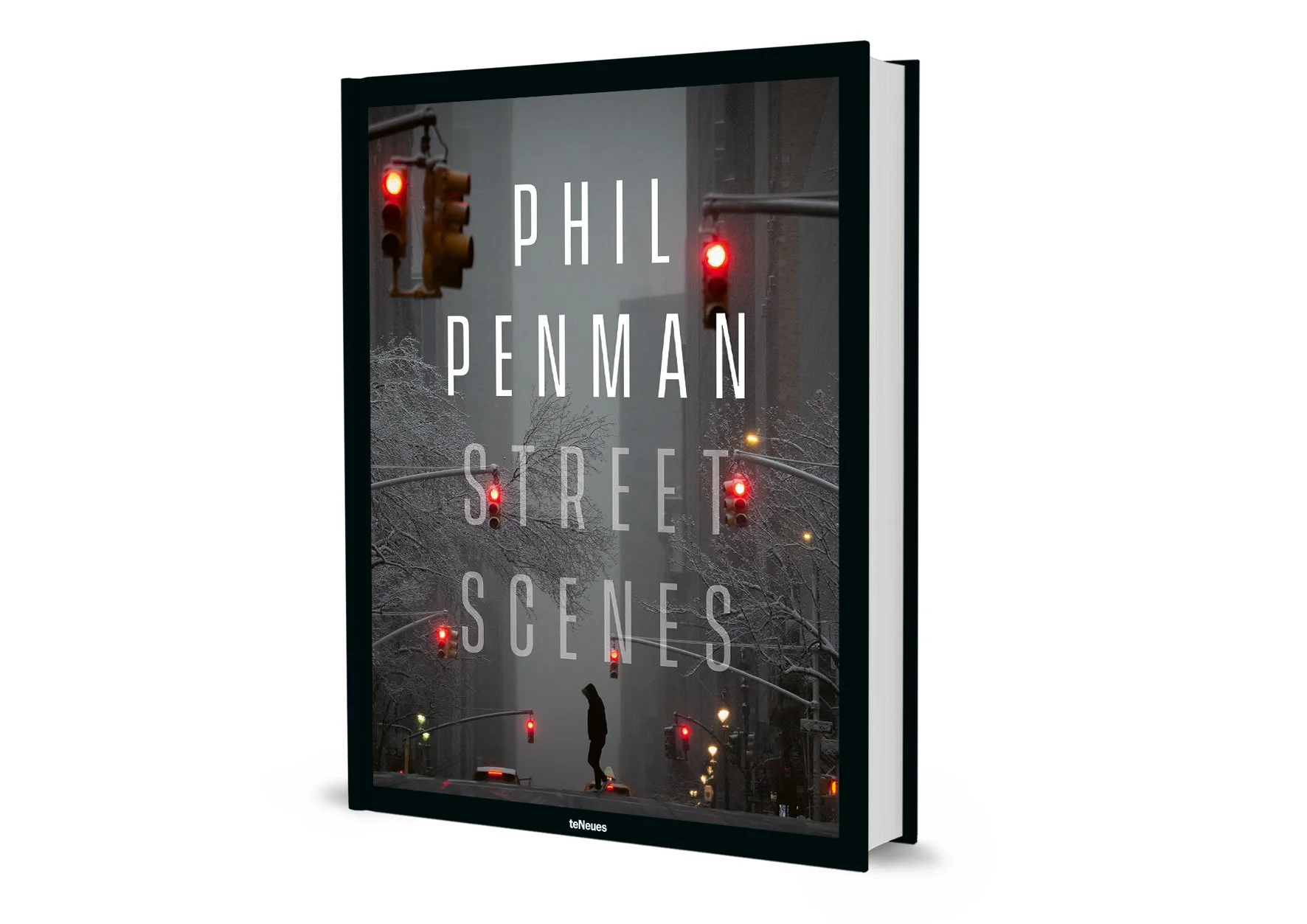
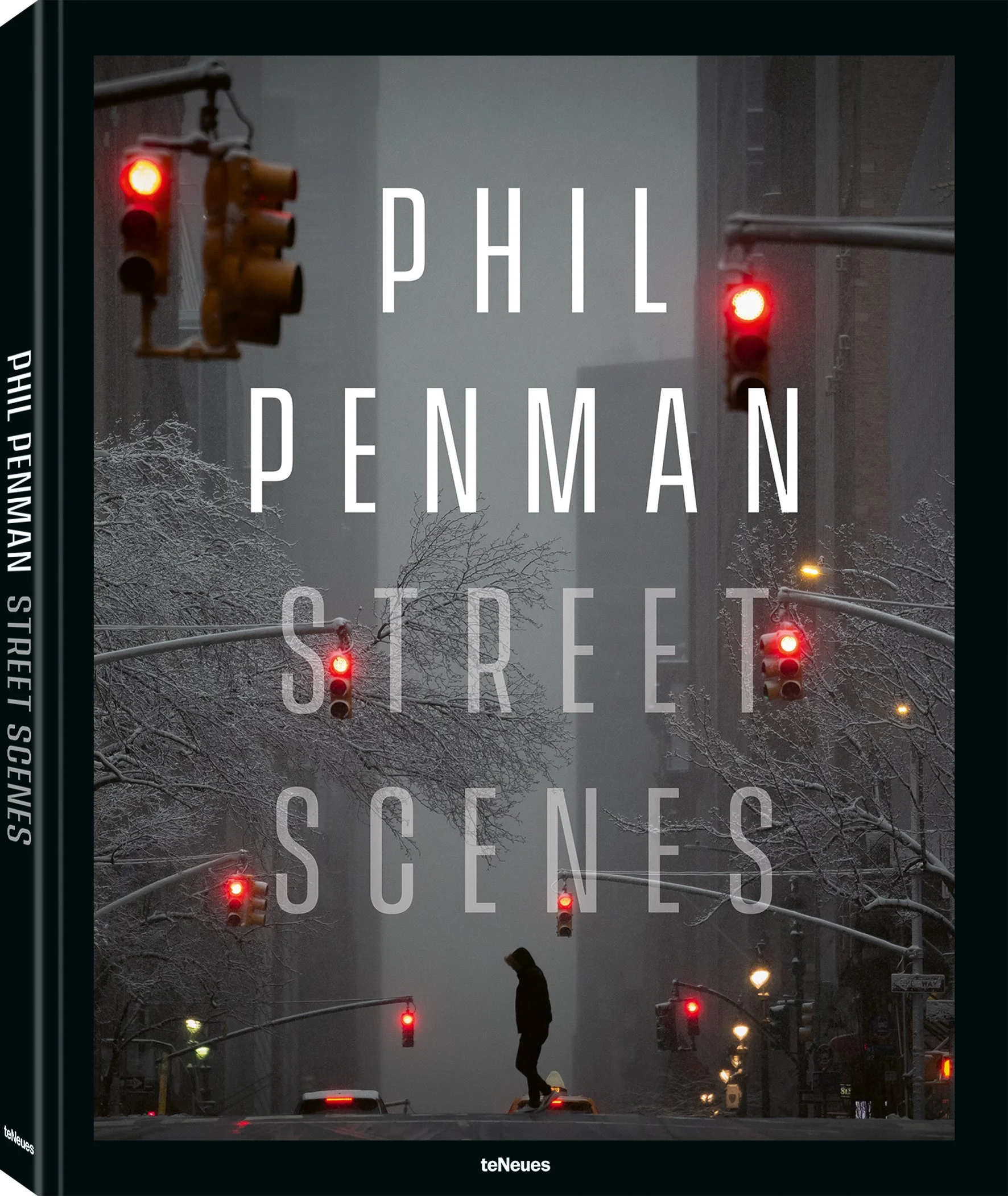
Welcome to this edition of [book spotlight]. Today, we uncover the layers of 'Street Scenes,' by Phil Penman (published by teNeues Verlag). We'd love to read your comments below about these insights and ideas behind the artist's work.
Phil Penman has captured 30 years of the world's streets.
His camera has documented everything from 9/11 to quiet moments in Tokyo alleyways. He shot for English tabloids, moved to New York at 22, and built a career most photographers only dream about. Now he shares the practical lessons that separate working photographers from weekend hobbyists. This is what three decades of professional street photography actually teaches you.
Most photographers chase the perfect shot, but Penman chases perfect systems.
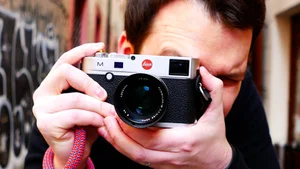
He carries two camera bodies everywhere because equipment fails at the worst moments. His Leica monochrome camera produces images that converted color photos simply cannot match, and he explains exactly why the difference matters. He has rules for photographing vulnerable people, strategies for capturing iconic landmarks differently, and strong opinions about why the "one camera, one lens" advice will destroy your career. These are the insights that come from making photography your living, not your hobby.
About the Book
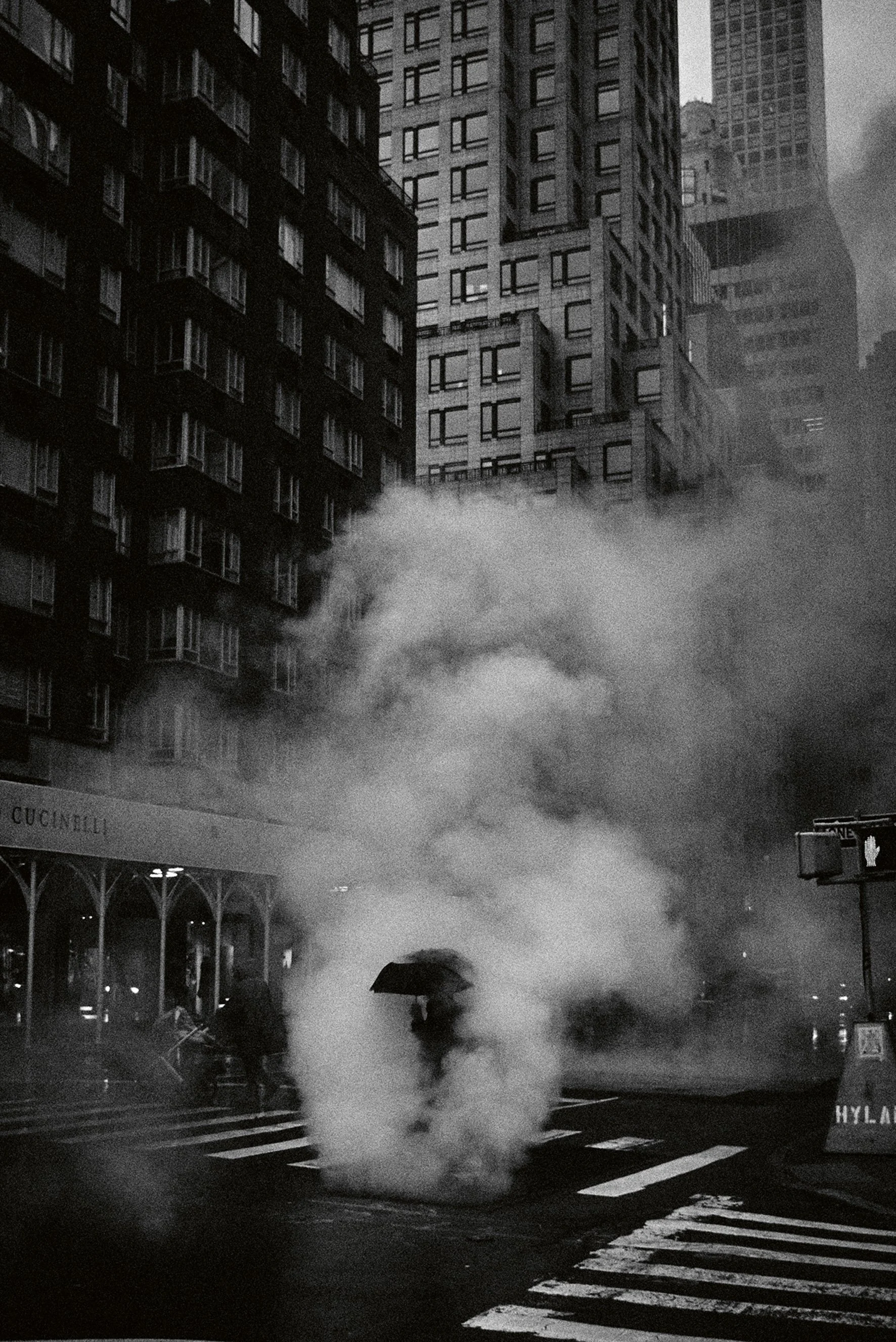
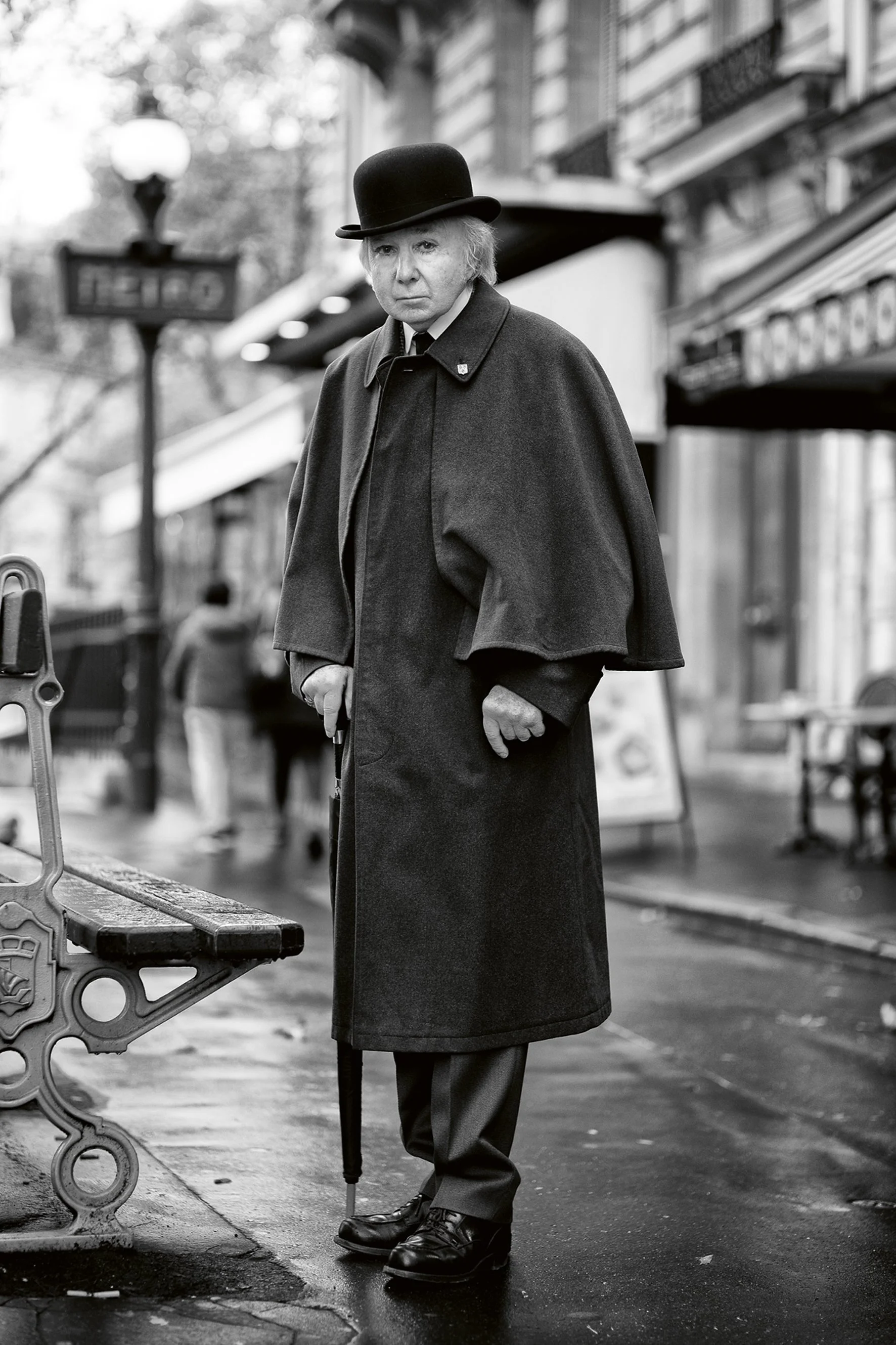
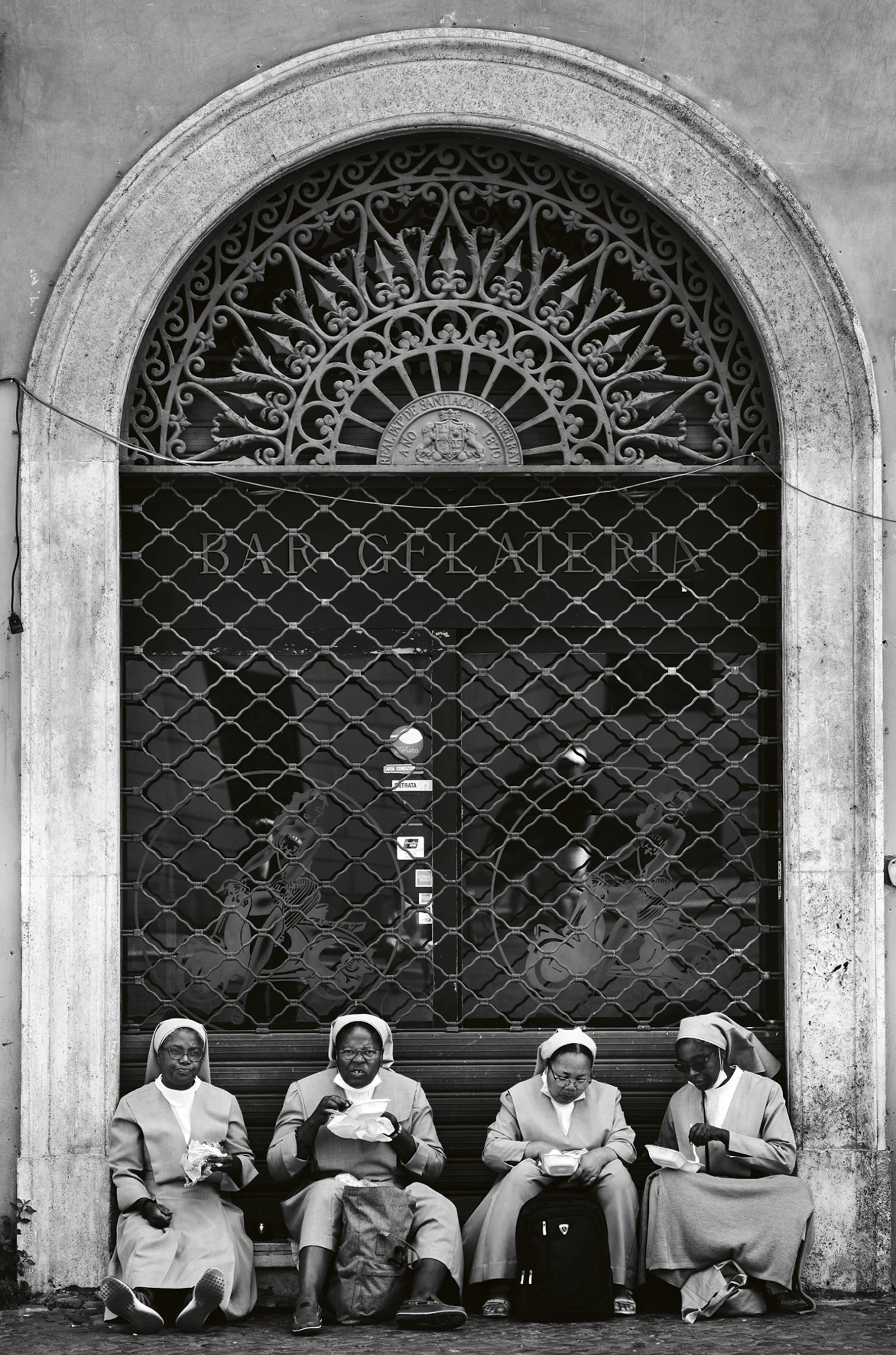
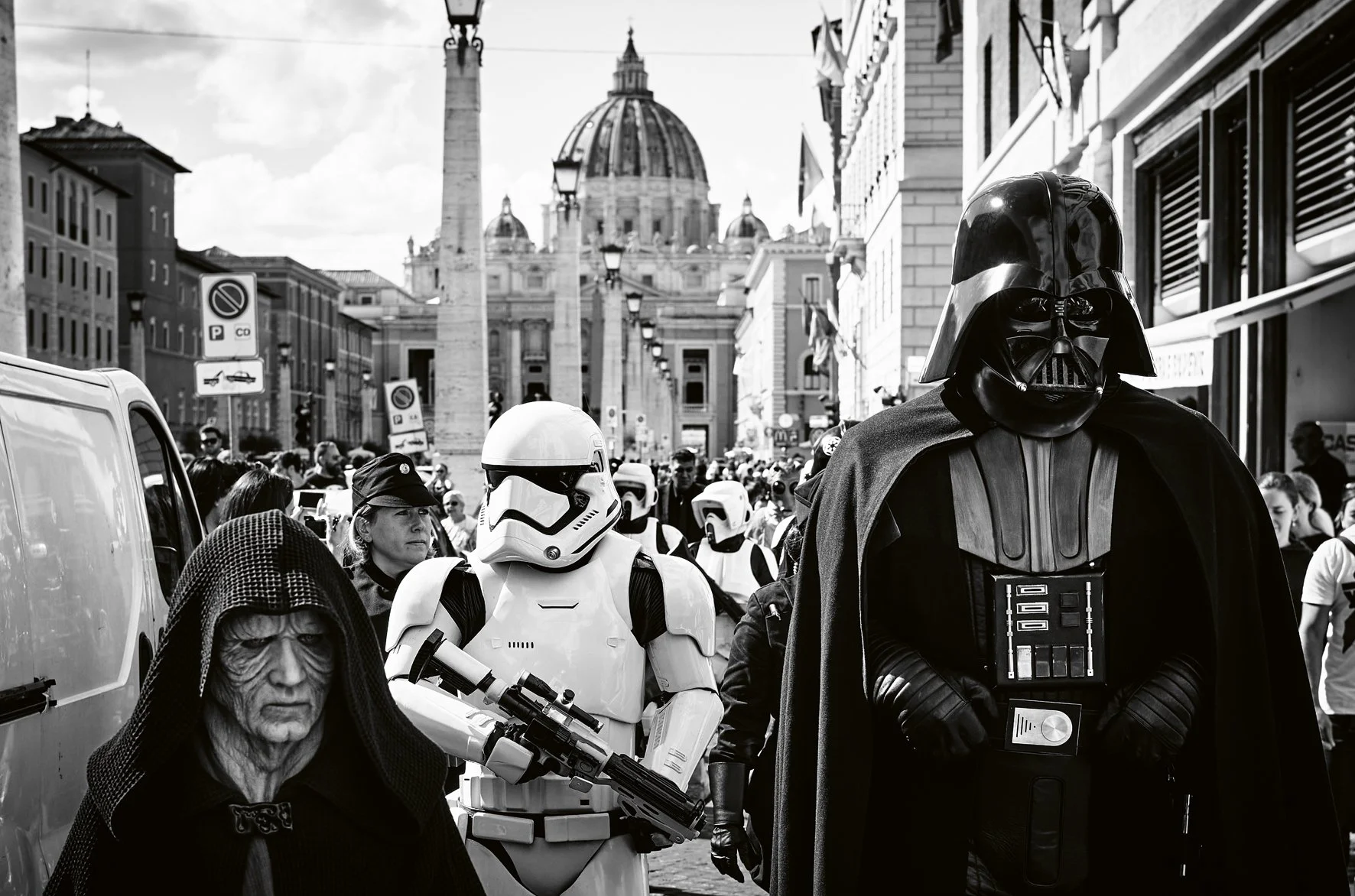
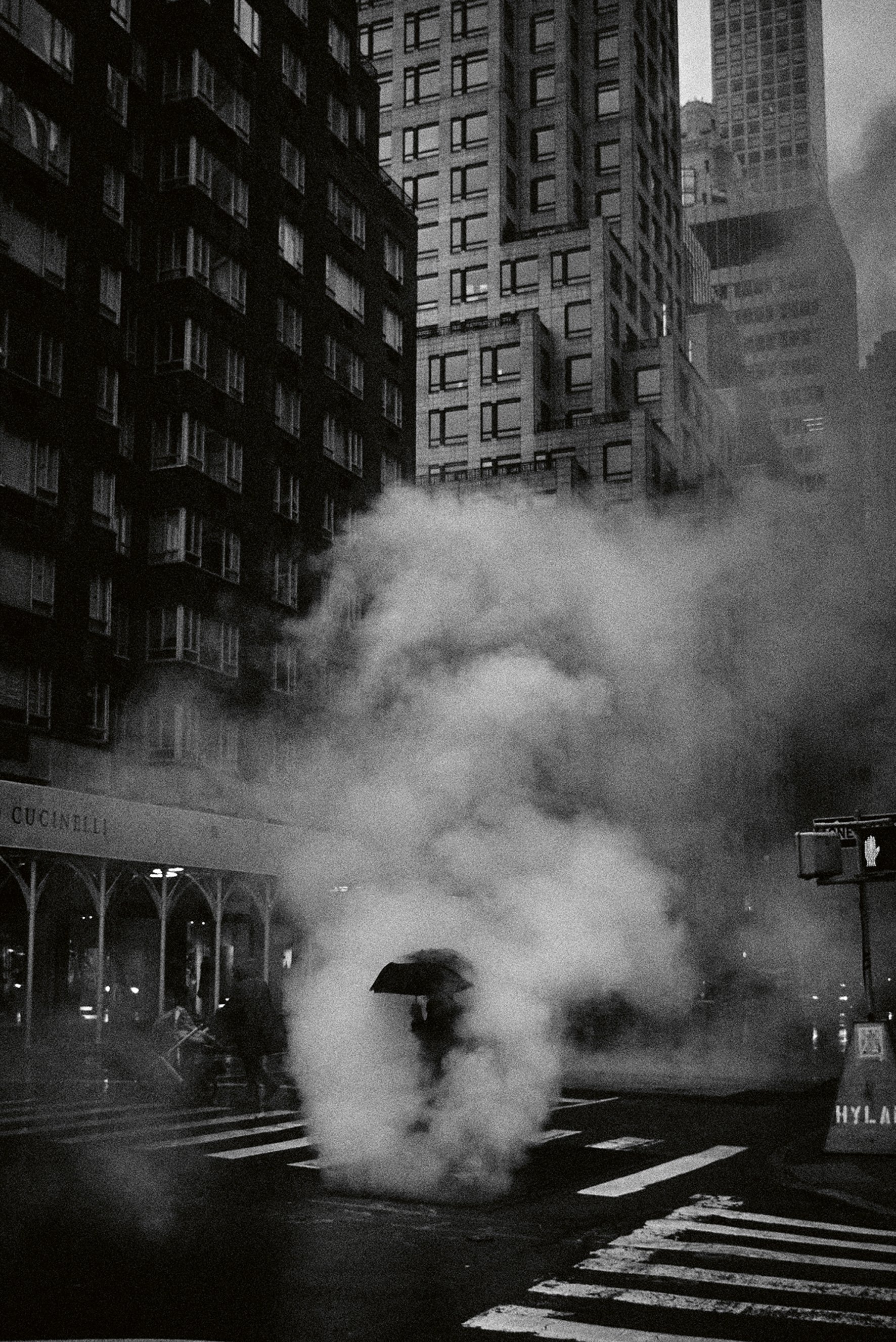
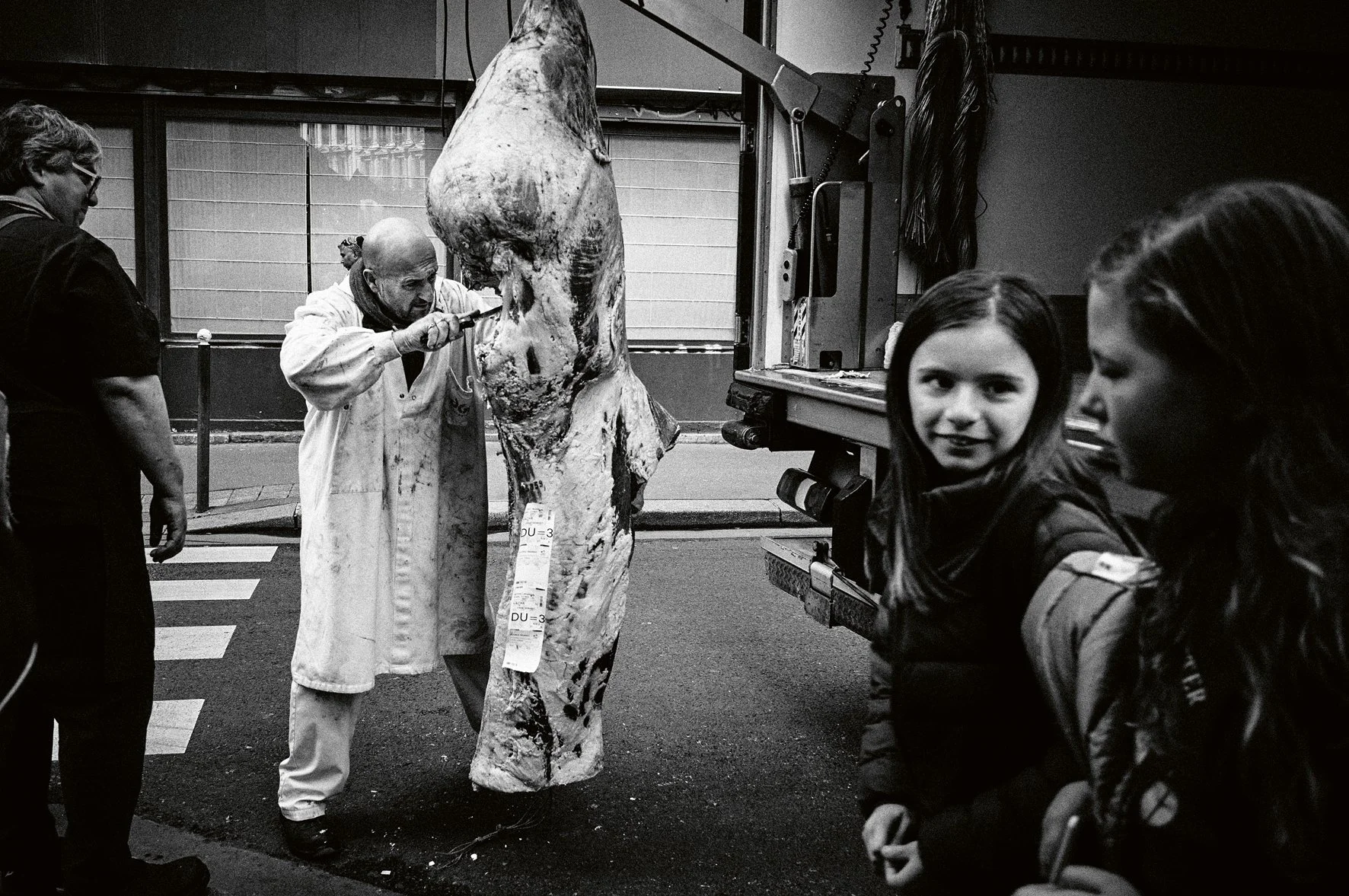
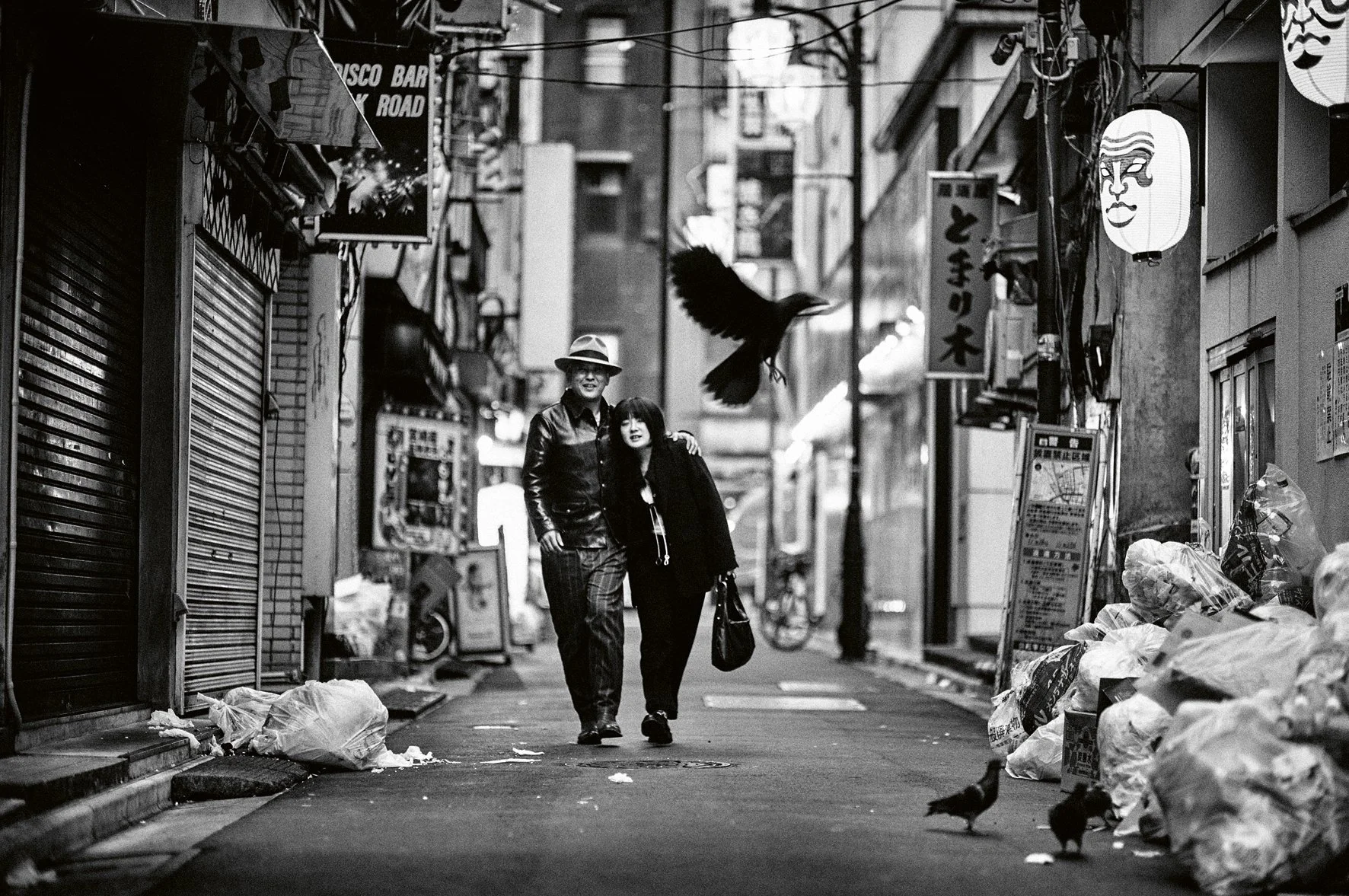
Street Scenes marks Phil Penman's third photography book, expanding beyond his New York-focused previous works to showcase three decades of street photography across dozens of cities worldwide. Unlike his earlier black-and-white New York collections, this book features vibrant color work alongside monochrome images from locations spanning India, Tokyo, Paris, Berlin, Rome, and many others.
The book represents Penman's evolution from local New York street photographer to global documentarian, featuring work dating back to 2004 and spanning his 30-year career. Each photograph demonstrates his philosophy of ethical street photography - capturing authentic human moments without exploiting vulnerable subjects, and finding fresh perspectives on iconic landmarks that have been "shot to pieces."
Street Scenes showcases Penman's mastery of both technical craft and human storytelling, from dramatic silhouettes to intimate portraits, proving that great street photography transcends geographic boundaries while maintaining consistent artistic vision. (teNeues Verlag, Amazon)
How did you start with photography?
I've been a photographer since I was 15 years old. It was originally kind of my backup subject. At the time I wanted to be a sports teacher, but that kind of failed. I got an F in sports studies and got an A in photography, so that led to me going into college. I studied photography for five years.
In college, my dad was a photographer as well, so I was kind of lucky that I had that. Then I went straight into work, working for local newspapers in England. Then I started working for what we call the Red Tops, which are the tabloids, and then the broadsheets. I got a job working in Los Angeles for a photo agency there, and then they had me move to New York like six months later and had me set up their office for them in New York City.
Six months after getting here, I was shooting the biggest event of my life, which was September 11th, and I've been here ever since.
Has your career turned out as you expected when you were 15, starting with photography?
Well, I had a goal. I'm a very goal-driven person. My goal was that I wanted to be living in New York City, working for a newspaper called The Independent, which was the flagship newspaper for photography, a broadsheet paper. I found myself in New York at 22 years old and I'd already achieved the goal that I wanted to obtain, which was working for them. I was doing all their features and portraits. Where I am now has far exceeded anything that I could have ever imagined. You still have to pinch yourself.
Do you have another goal right now?
God, yeah, I'm always setting goals. My next goal is kind of a 20-year goal, though. I would like to have something in, like a show in the Met, which is the Metropolitan Museum in New York, or MoMA in, say, 20 years. That would be my next big goal.
Street photography?
Just photography in general. I set myself a goal. I was with an old friend of mine and we set a goal that I wanted to have something in the Met or MoMA within 10 years. We set this years ago and then I found out that my first book that I ever released, Street, got into MoMA and they were selling it at MoMA. So I was like, all right, that goal is achieved. I've got something in there.
So now it has to be a big show, like a retrospective of a career. I'm 32 years into my career now, so let's add on another 20 years and then I should have a decent body of work to be able to get a show.
That's wonderful. What's the idea behind your new book?
The first two books that I did were both New York and the second book that I did was just black and white. The reasoning for that was we did want to include some color in the book. But when you're making a book, the color pictures have to be on particular sections of the book because of the way that it prints. We didn't know that when it came to doing the layout and then we had a last minute change. So it was just black and white.
To be honest with you, I was happy with how that book came out anyway. So this book was like, right, let's do completely the opposite of what everyone else is going to expect, which is another black and white book, just New York. So let's do every city that I've ever been to and let's include a ton of color in there as well. That's what we did.
But I thought you mainly used monochrome cameras. Did you focus on shooting colour in those places, or are those files you shoot in RAW?
I do both. Whenever I travel, I usually carry my monochrome setup, the Leica monochrome that I use. And then I also have one color camera with me that's like a second camera or a backup. That one will typically have color as well. I'm not taking two black and white cameras. Whenever I go out and shoot, I always have two bodies on me anyway, just in case one fails and you see that great picture and you don't have a camera to use.
I always have the color. The thing is when you shoot color and you convert it to black and white, it's never going to be as good as the monochrome on its own. People always ask about the conversion. Trust me, it's nowhere near. They're still great, but the monochrome is so bloody good that it just blows everything else out of the water. It's one of these things when you're doing black and white and you know how good it can be, you always want to be shooting with that camera.
Do you mean the mindset or the quality of the image?
Just the quality, the sensors, just the amount of depth you have to it. You can see it when you put it up ready to edit. You just have so much more detail in there. There's so much more that you can do with the layers as well. The dynamic range on it is really, really nice. But I do have the color camera and also you have to remember if you're doing a news job, it's in color and then you can convert it to black and white later. Or if you're doing a commercial job, obviously it's all got to be shot with a color camera as well, unless the client specifically asks for maybe a black and white film if they want to go down that route. I always say I've shot more color in my lifetime than I have black and white.
Can you explain the main difference between the two, such as how you compose or perceive the space when entering it with a colour, or monochrome camera? Do you view the scene differently?
The thing is, you can see color, right? Our eyes can see it naturally. Even when I'm using a color camera, I set my preview to black and white. So when I'm viewing the world, I'm actually looking at it in black and white because I find that more engaging. But it also helps compositionally.
It simplifies things and you can see lighting much easier than when doing it in color, because color can be distracting. Many people doing color are color grading anyway, which you can't see unless... sometimes if I want a Ridley Scott movie moment, I'll set my Kelvin down to 2000. Everything's blue, then I convert it back. But that's not because I want the finished version to look like that. It's because I want to enjoy taking the pictures. I want to feel like I'm in one of his movies.
What do you think about this idea that all you need is one camera and one lens?
Worst marketing campaign ever. You could tell that person... no, that doesn't work. You would be fired so fast if you were a working photographer. And I'm a working photographer, so no. That's for people that have jobs and don't have to rely on working for a living in photography.
So can you get around with a zoom lens?
I’m not a fan of zoom lenses, to put it mildly. In the UK when I was younger, if you showed up to a job with a 35mm lens while everyone else was using a zoom lens, like a 70-200mm, they would literally kick you out. And if you were the one who ruined their pictures, they would beat you up because, well, everyone has mouths to feed.
Everyone, this is their living. This is what they do for a job. And you show up on a job and there are say 20 of you, it would be like, right, we all need to get the picture. So what lens are we going to shoot this on so that effectively we all get the shot? So that one camera, one lens thing would last about one day and you probably wouldn't look too great at the end of it. And also my question to those people is, why the hell would you want to limit yourself?
You're missing so many great pictures in that sense, because even if you say, right, well, you can move, okay, but that's not gonna give you the same perspective as say a 90mm, or if you're shooting on a 28mm, you're gonna shoot the most unflattering portraits of people, and you're not gonna get that depth of field that you want as well. I get people say they wanna shoot one camera, one lens, but you're limiting yourself. No one else is getting hurt by it but you.
How do you decide when to use colour and when to use black and white in a street scene?
Sometimes I'll edit the same one, unless I shoot it with a monochrome camera. I will actually do edits in both color and black and white so that I kind of have them both. The thing is you don't really know until you're curating something as well that you might say, well, this pairing together would work really well, but they both need to be in color.
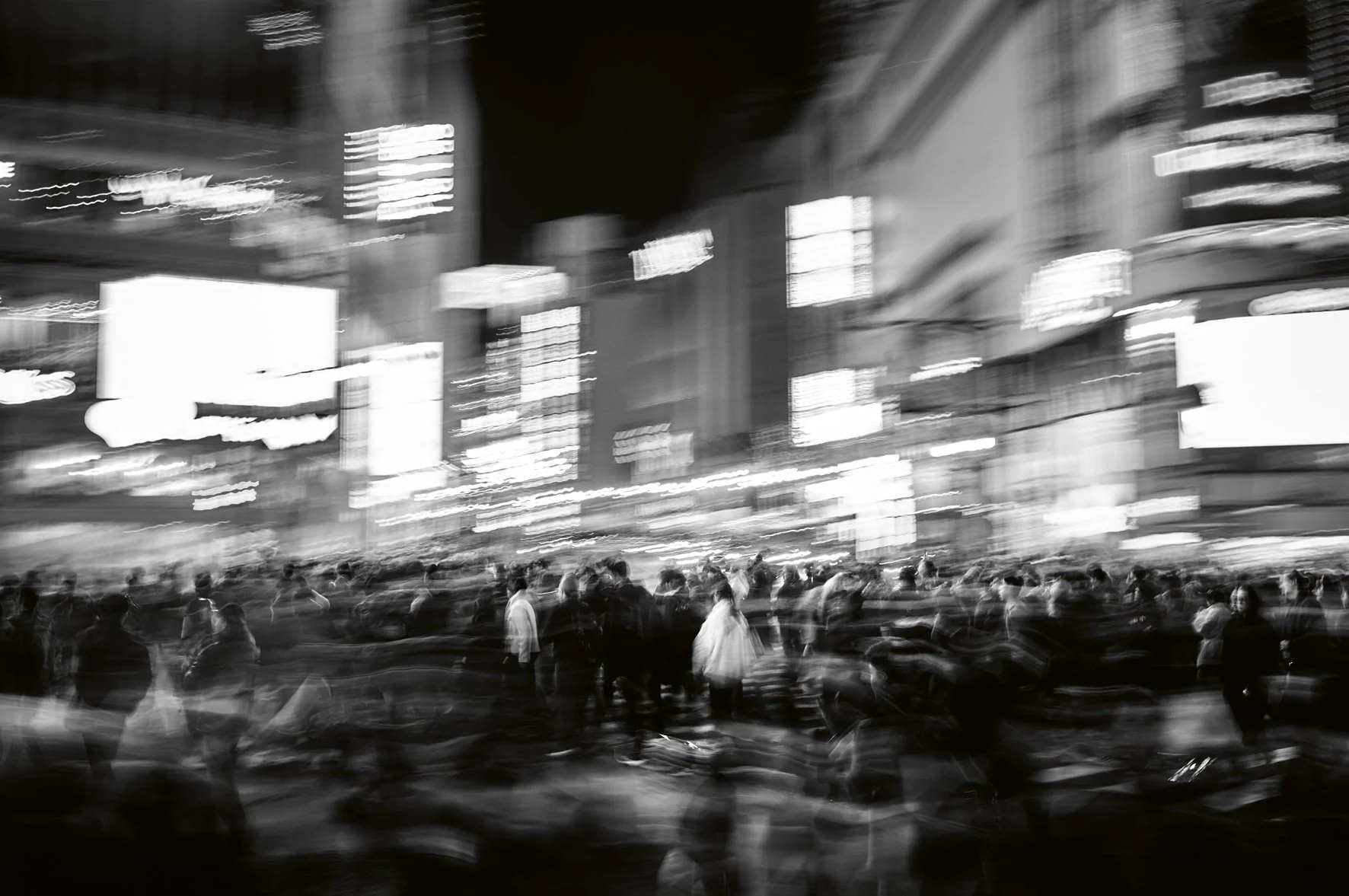
Some cities, like Tokyo, lend themselves to both black and white and colour. However, I personally prefer Berlin as a black and white city. The mood of the city feels very black and white to me. Paris can also feel very black and white to me, but that’s just my personal opinion. It’s not like someone else might feel completely different, and there’s nothing wrong with that. But when I was working on the new stuff, everything was in colour.
Let’s discuss your photography process. When framing a street scene, what factors do you consider when deciding what to include in the frame?
At this point, 30 years later, everything's muscle memory. You have to think in a fraction of a second, right? To put multiple things together in a frame. A lot of photographers think that they can just point a camera at something and then they say, well, that's the decisive moment. There's a hell of a lot more that goes into it than that. A really great photographer should be able to know where to move to set up the best composition and that's done here. It's not just pointing a camera at something, you're positioning yourself so that all the elements in a frame are working together and you're separating things apart. But that's all from muscle memory. It's not just pointing the camera at something.
A lot of the time, the way that I look at it is, I might have an idea for a subject or I see somebody walking towards me. As soon as you have that in your head, the first thing you're then thinking about is what's the background? How do I make that subject stand out the most? Because it's all very well, but if there's a bloody big pole coming out the back of their head, it's not gonna work that well. Whereas if I know that, all right, what's my background? And then I can move accordingly before my subject has gotten to me. And then if you're really good, you can actually make pictures happen by just the way that you position yourself and where you force people to walk as well. You can make pictures happen. It's all just practice, getting out of that one camera, one lens thing so that you know what lens is going to give you what look on your picture as well. And just going out and practicing, practicing so that everything just slowly sinks into your muscle memory.
Do you prefer to find the strongest composition and then have your subject enter like a chess piece, or do you follow the subject to fit into the composition you like?
You have to be able to do both. A good photographer can do everything and they can do it competently. You might excel at one particular thing, but you need to be able to know how to do all of them because otherwise, again, you're limiting yourself. There's nobody else, just you. You're the one that's getting hurt by it. I will say, right, this scenario requires me to maybe wait here a while until something happens and then some stuff is gonna be very spontaneous and you've got a fraction of a second to get that particular shot. But you as the photographer have to be able to weigh up, all right, if I quickly pull out the camera, am I gonna blow this picture or do I need to wait and let things play out and then do it?
During one of our previous conversations, you mentioned something that resonated with me. You said that if you’re using people in a photo, you must use them correctly. What does ‘using them correctly’ mean when composing a scene for you?
It's all very personal, right? When I've shot pictures, I never want someone to feel bad about the picture that I've taken of them. Because it's kind of like a cheap shot, you're making fun of them. Because we're all so perfect that we can make fun of these people, our lives are perfect.
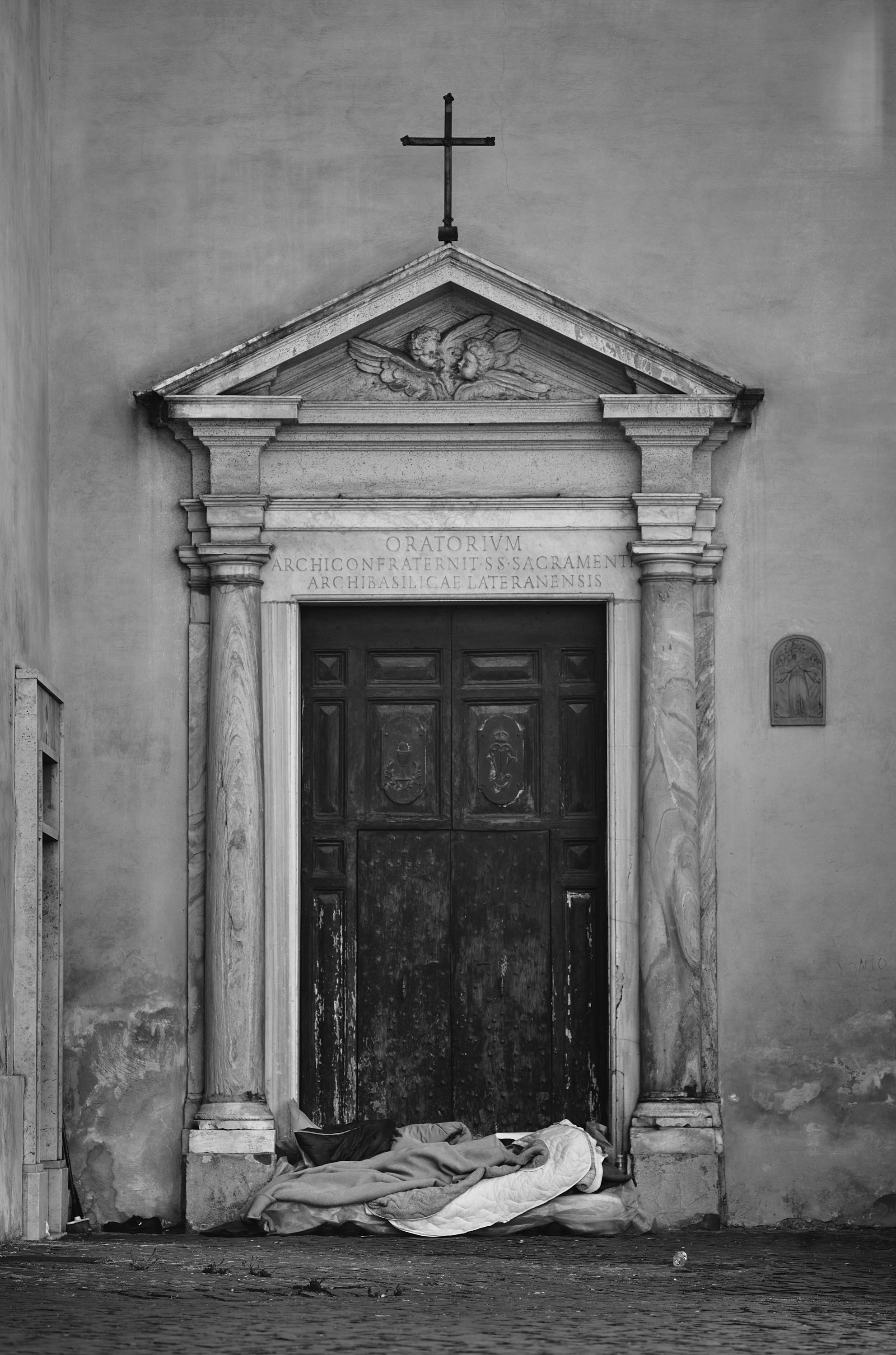
If I'm taking a picture of someone, I want to try to show them in a good light or I don't want to really try to take advantage of them as well. It's different if you're shooting news because you kind of have to just capture what you see. You're not supposed to orchestrate things or change things. Let me give you an example. There's a picture in the book actually, it's a church in Rome and you can see there are the blankets and everything in the doorway and then above the doorway is a cross.
If there was a person lying there for me, I wouldn’t feel right taking that particular picture. However, since I can’t see them, the shot is just blankets. It’s clear that this is someone’s home, and I was okay with that because I still get the story of the picture without showing the person in the frame. Often, when I’m taking a picture of a homeless person, it’s more of a portrait of them, and then I try to get that backstory so I have something to go with it.
I always say humor in photography is probably the hardest one to do because a lot of the time it can just come over very condescending. I think there are some really good photographers out there that can do this kind of stuff, but then some of it can look like it's a cheap shot at someone. So maybe you have a sign on the wall. I wouldn't want that sign to read something bad that goes with the person that's walking past me. That's just me personally. And then some people might not have a problem with it at all and that's got nothing to do with photography, that's just them and who they are.
Alright. I have a question about silhouettes, which is perhaps more focused on composition. We were talking about silhouettes that are prevalent on social media, but you’ve pointed out that they shouldn’t be the sole focal point of an image. So, how do you approach silhouettes differently, and what makes them successful, avoiding clichés and overused shots?
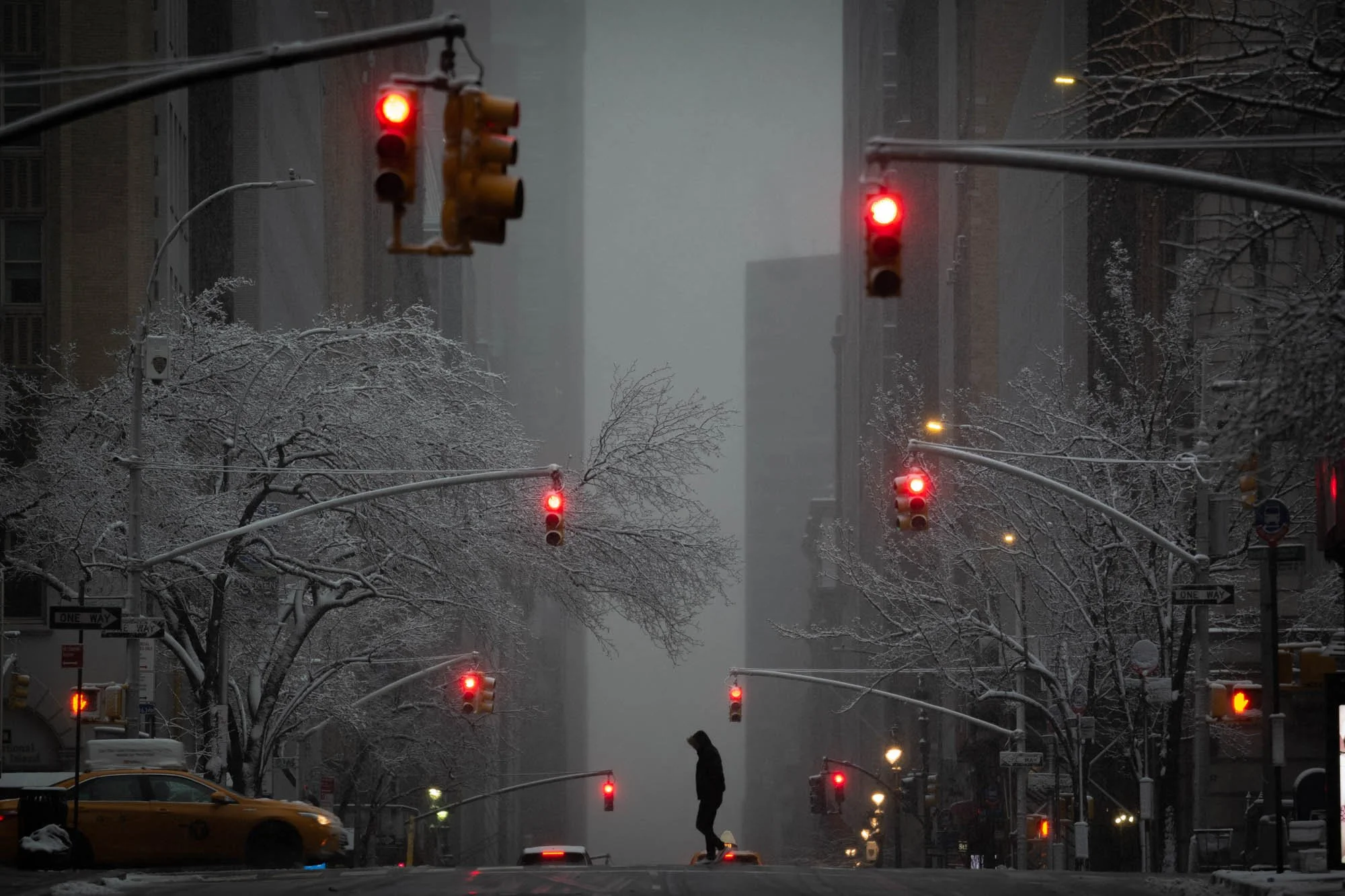
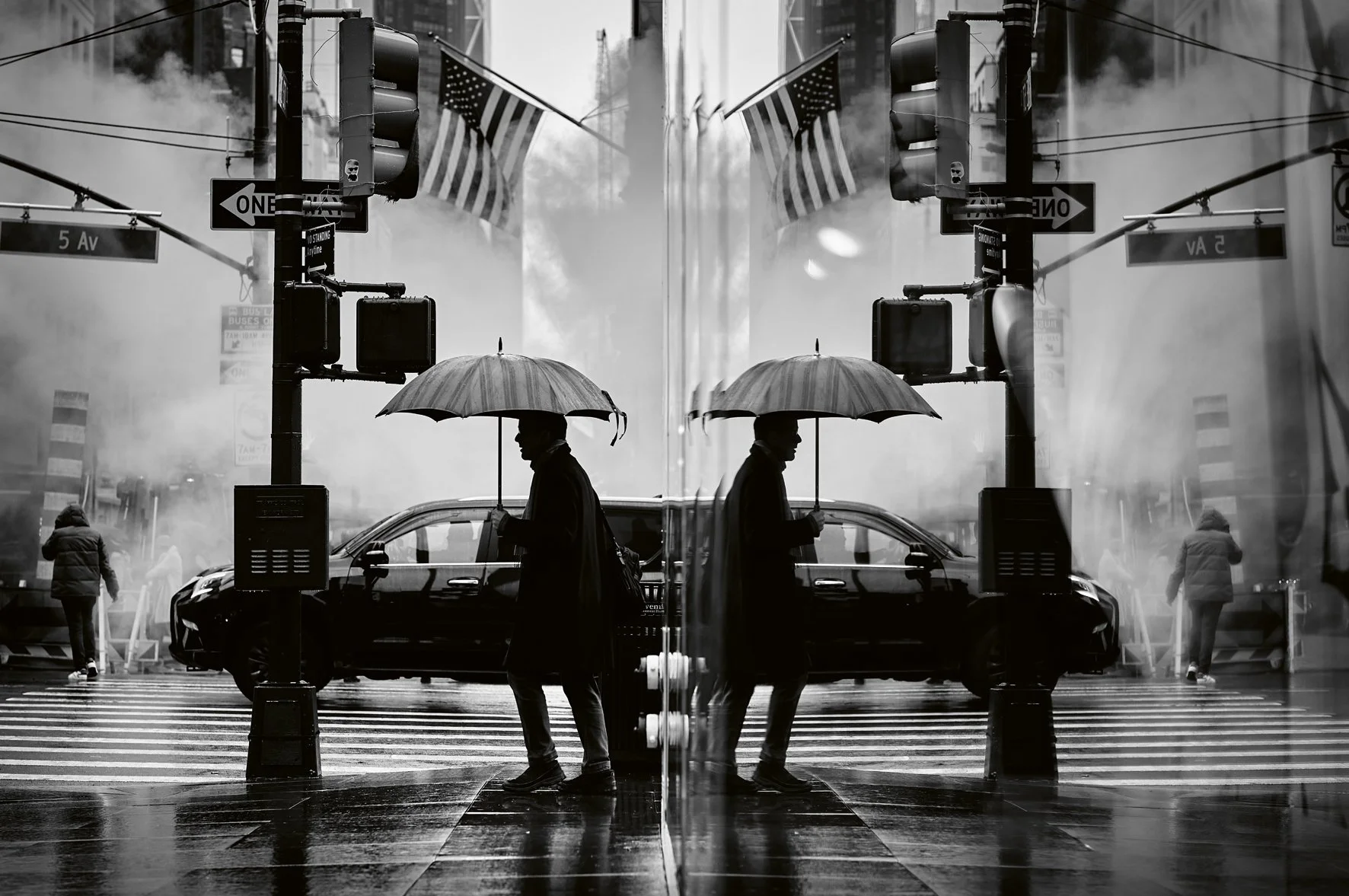
Because it's so much fun to shoot. Once you've done a few, you kind of know what works, how you isolate the subject from the background. And you might see your silhouette walking through the light and there's a spot of light or something. It's a lot of fun to shoot it. But at the end of the day, you can't have your whole career just based on those pictures. So that becomes a point where it's like, well, how can I evolve that shot into it's not just a silhouette, that silhouette is part of something else.
I think the problem is one of the driving factors is if you look on social media and you look at the algorithm and you look at the amount of likes, just using that as kind of a base point, a silhouette picture is going to get you far more likes and far more engagement because you're on a phone screen, it's a lot easier to see versus if you put up a portrait. People hate portraits. Absolutely just hate them. You can see it in the numbers. It's not like one or two portraits, it's just in general. Unless it's a particular type of portrait, but I'm not going to go down that route. But generally, most people would not respond to them.
They say the thing with silhouettes is because a lot of times people like to imagine themselves as being that person in that frame, which is one of the reasons those kind of pictures sell more as well. So there's a reason a lot of people do shoot a lot of silhouettes and they put them up online because they know that they're going to get higher engagement on their accounts and maybe they're going to gain more followers.
But the problem is you've got to imagine, say we'll take Instagram as an example, right? So you're looking at someone's profile and everything you see on there is silhouettes. That could be because they're trying to push their engagement or it could be that they just really enjoy shooting those types of pictures and there's nothing wrong with that at all. But for me, when you look at my feed, I don't want you to just look at it and go, well, oh, he can only do that.
Probably the best thing that I've liked recently was the fact that they've managed to hide the likes on the account. So now you can just put up whatever pictures you want. So your feed is more of a portfolio representing you and your photography. I really liked that. I'll give you an example. I put up one yesterday. It was typically on a post I get a few thousand and it was like 600 likes. It was a portrait of a bodybuilder, one that I really liked and really, really low engagement. So I already know that algorithm is going to kill me over it, but it's a representation of the pictures that I like.
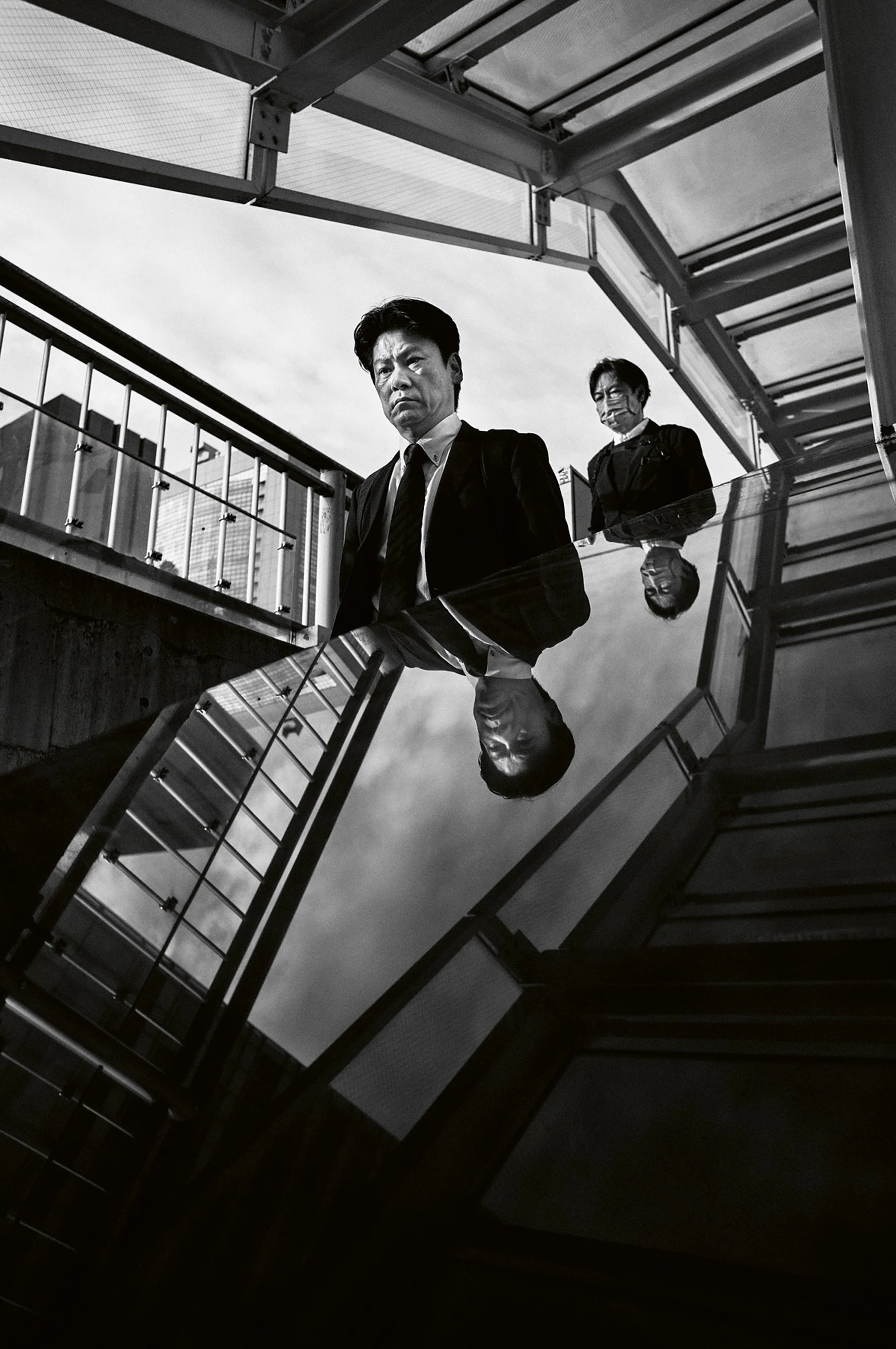
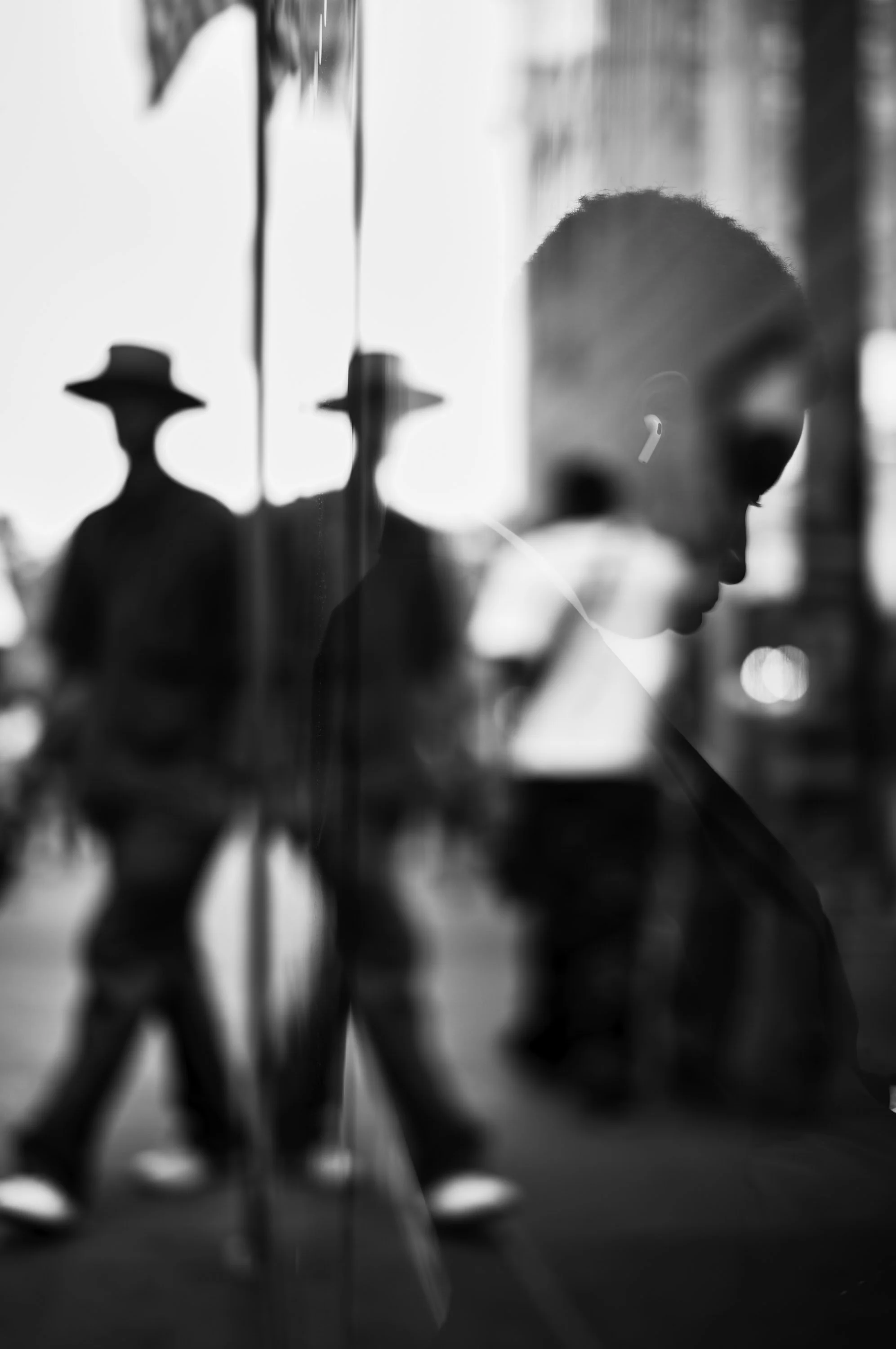
But if you're going to do those silhouette pictures, try to figure out how can I do this in a different way from what everyone else is doing? So it could be using reflective surfaces, shooting through something, trying to incorporate it as part of a bigger scene. I'll give you an example. There was one I did recently and it was a gentleman sat in a bus shelter and he had a pair of AirPods on. He sat on the inside and he had this reflection. And as people were walking towards me, you kind of had their silhouette because the lights behind them, they're reflecting, but they weren't the main part of the frame. The main part of the frame, the focus was on the earbud and the gentleman's shape. So it was reflection and then you had the silhouette in the background.
It was just like, how can I put multiple things together to create something different? Maybe it works, maybe it doesn't, but it's just trying to do something different so that your work stands out from the other people that are out there shooting.
What qualities do you look for in a good silhouette? Like separation between the subject and the background, or between limbs?
Yeah, that’s 101. You can do it in a couple of different ways. One way is to use your lens to push the background out of focus. Another way is to think of it like this: your eyes can see everything, but the camera can’t. So, if someone’s walking through a frame, the old technique was to squint your eyes, which kind of gives you what film would look like and tries to give you a representation. You always have to figure out, “Okay, my eyes might be able to see it, but can the camera see it?”
So when somebody's walking through something, where is that spot where they're separated from the background? So it could be a shaft of light. It could be shooting down a street and you're using the light from the sky to separate them. It could be that you're going down on the ground lower to be able to separate them because there's too much in the background below them. It's always... a lot of the time photographers, they'll get transfixed in one way. Just get into the habit of moving around the frame until you see that separation between your subject and the background. And that goes not just for silhouettes, but that goes for everything you shoot. How do you separate your subject from your background?
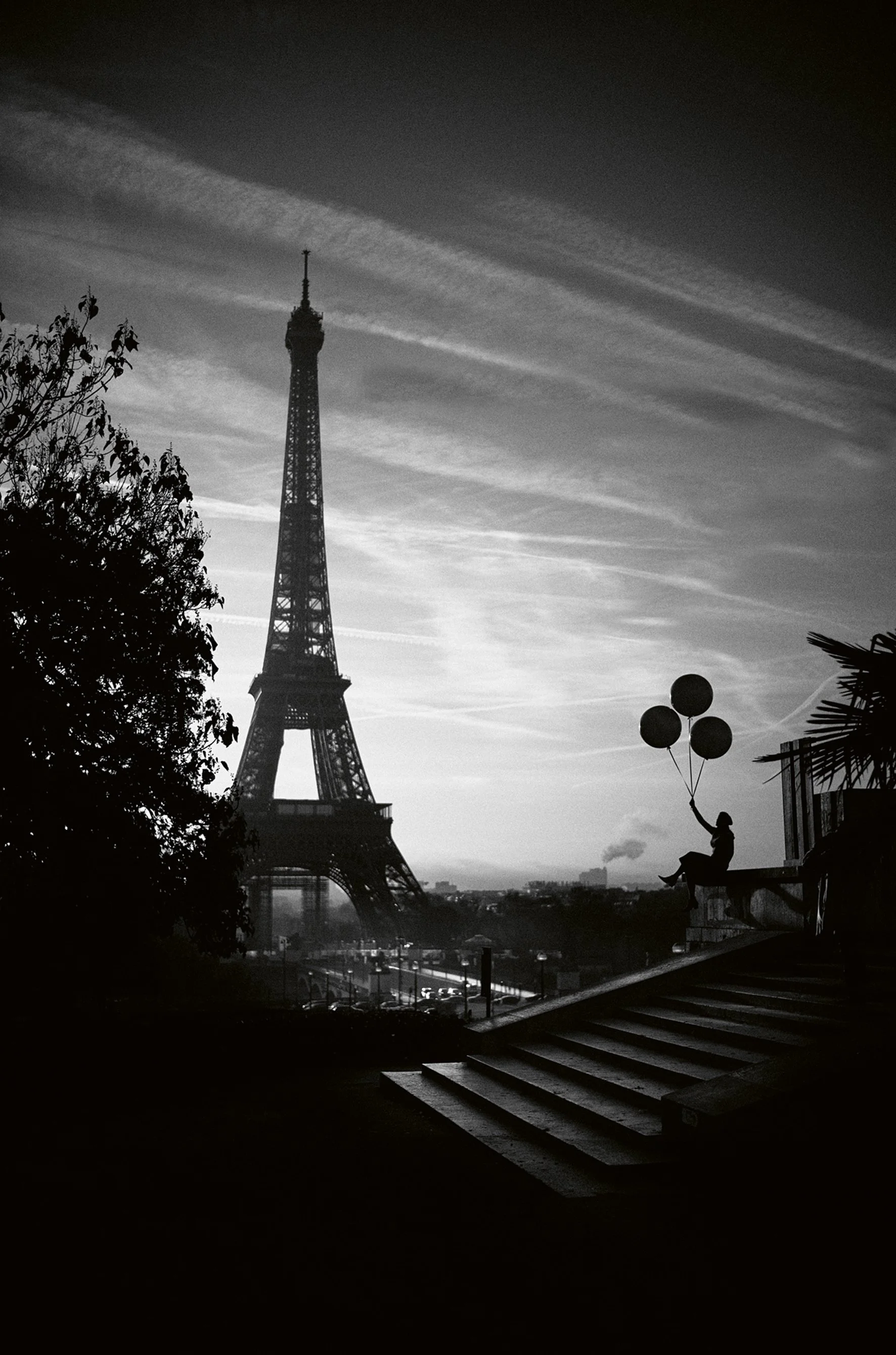
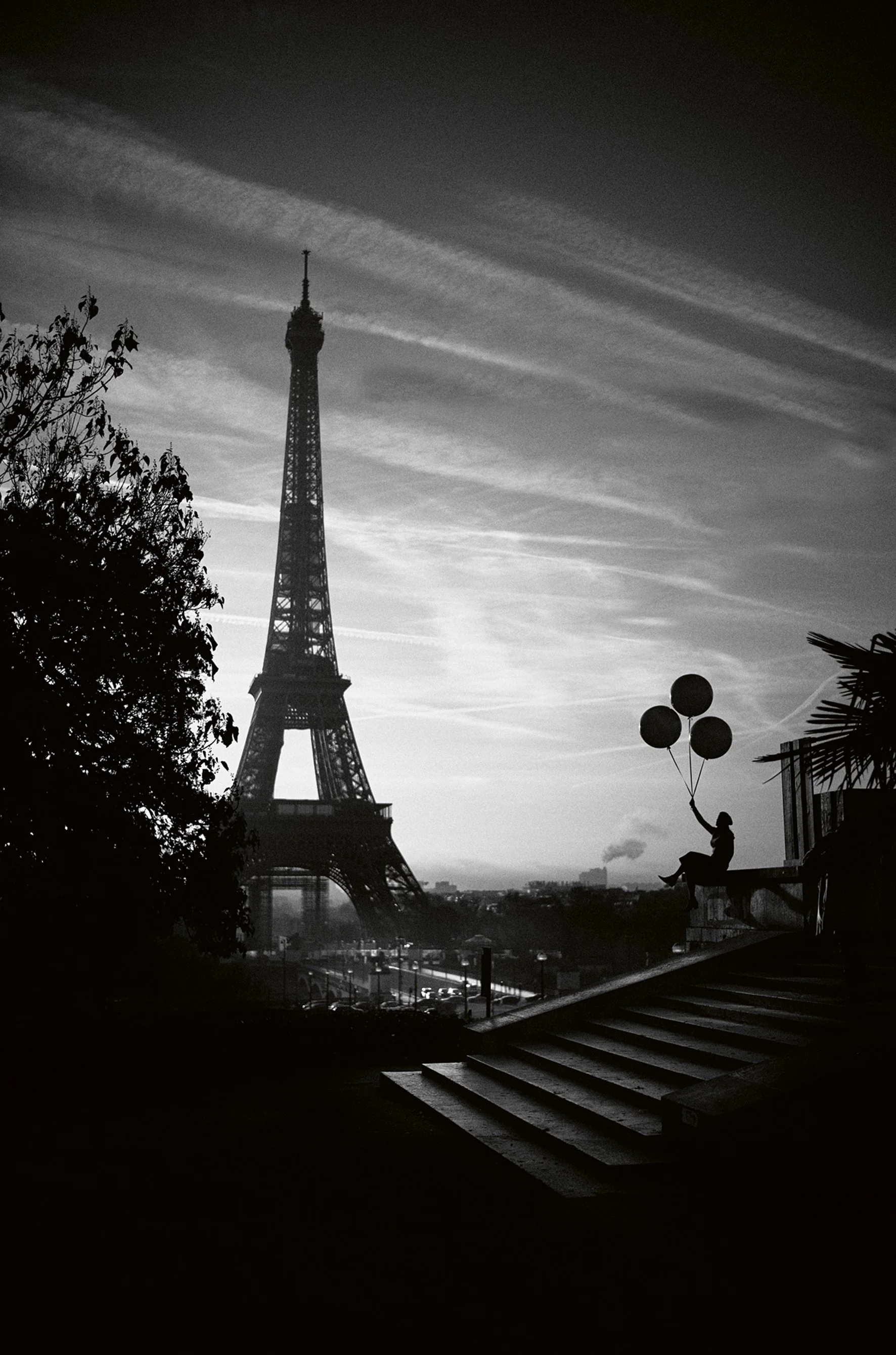
You’ve captured many iconic landmarks. Do you have a suggestion? It’s easy to fall into the trap of taking photos like everyone else. You mentioned that you approach it as a backdrop rather than the focal point of the image. How do you do that when including famous landmarks like the Eiffel Tower?
It's more of a personal challenge. Because you know that that building has been shot to pieces, people are taking them. So it's more of a personal spin. How can you do it differently? So it's more of a personal challenge to me. How can I get something from this that's different from what has been shot before? It's always gratifying when someone says to you, I've never seen that angle before. That's always a nice thing.
Or it can be that it just adds location. And again, question, why would you not photograph these places? They're beautiful pieces of architecture. It's always funny when someone says, the Eiffel Tower has been shot before. Yeah, because it's a bloody beautiful building, you idiot. That's why. You don't go to Paris and shoot some dingy dark alleyway. People go there and they want to go see these beautiful buildings. You could shoot all that other stuff as well, but you don't want to be one of these people again who's limiting themselves by not shooting it.
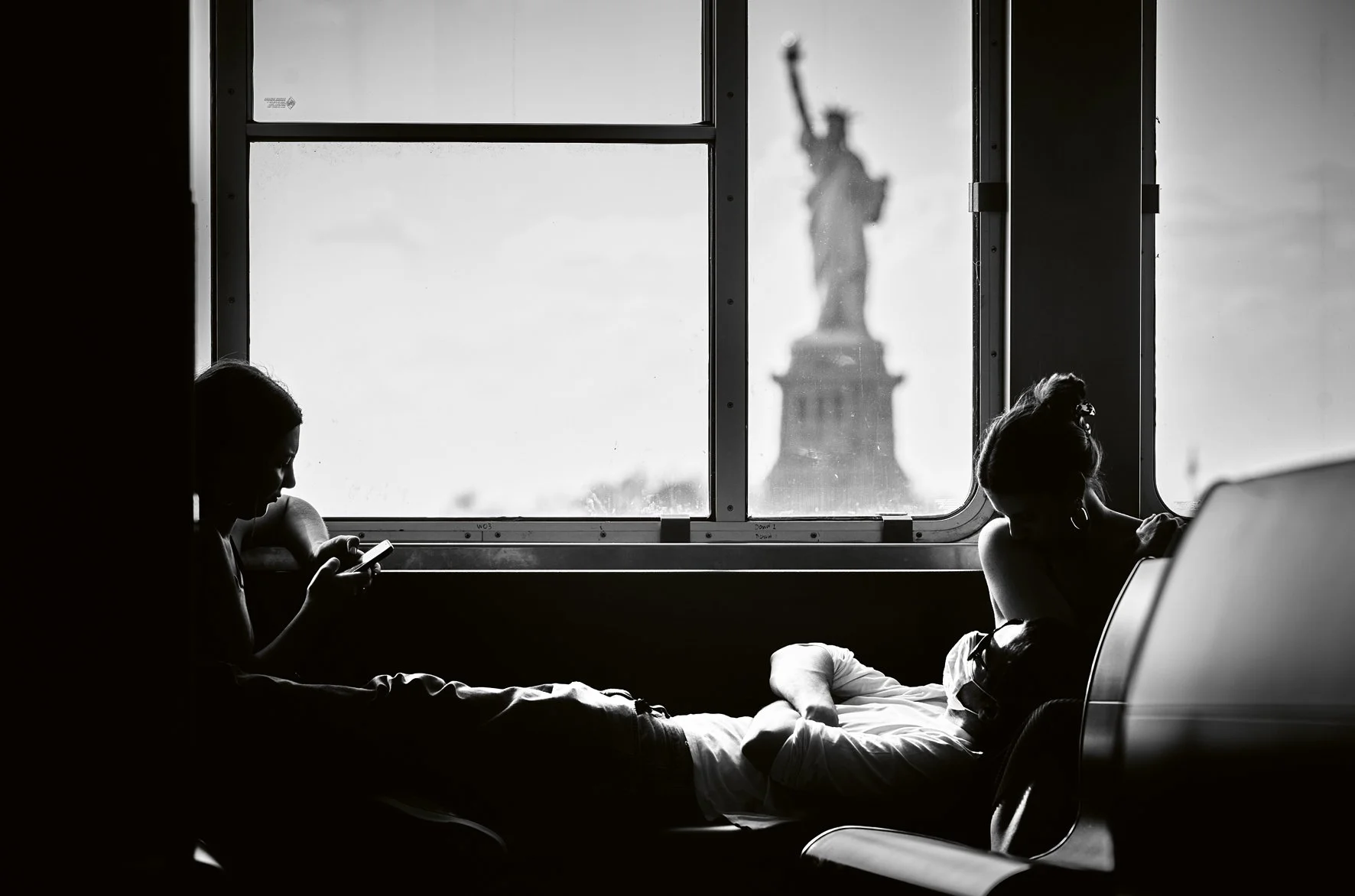
Do you stand at a point, thinking, ‘I’ll shoot the Statue of Liberty or Eiffel Tower or some other iconic buildings, frame it, and then find stories, or wait for inspiration?’
Well, you already know it's your background because it's going to be however far back. And then all you're doing is you're searching, looking around you. It's not like the Eiffel Tower is moving. It's not going anywhere, right? So it becomes more a case of you're searching actively all around, trying to look for different stories or different buildings or things that you can use to give it a different spin.
A good challenge, I would say, is to go to the Trocadero at the top. Everyone's shot from there. Go up there, stand up there, and try to figure out a way in which it hasn't been shot before. And there's always a picture there that hasn't been done before.
When you arrive to a new city with your camera, what's the first thing you're looking for to get the sense of the soul of the city?
When you arrive in a new city, you have to just start shooting immediately, like straight away, because the problem is your eye adjusts to your surroundings within two days. And then what you think was interesting when you first arrived is not so interesting anymore. So just as soon as you get somewhere, just start shooting everything immediately. Just like I said, it's not going to be that great after a few days in your mind anyway.
Everyone has a different interpretation of a city or the soul of a city. So it's very personal. And it could also be, like I said, Berlin to me just seems very dark. But that's just my interpretation. And I like the moodiness of that. Some people probably hate that.
For instance, in New York, you’re based there, so you don’t get new eyes the first two days. You’ve spent so much time there. Does it deepen your understanding of the city? It’s different from arriving in a completely new city.
Yeah, I find it really hard to shoot here now. It's not because there aren't pictures going on. There are pictures everywhere, but you've seen it and it's trying to get yourself energized to shoot. I will go around, I have my camera with me all the time and I'm looking for interesting people or portraits that I can do or interesting scenes.
But that's not to say that I'm not walking past pictures all day. It's just, I might have shot that particular building before. Maybe the light's not right at the moment. Or maybe it's got nothing to do with the cameras. It could be just your frame of mind or something that's going on in your life that's distracting you away from seeing stuff.
I'll give you an example. I went to the Diane Arbus exhibition recently. And it was so refreshing because it was all these portraits that social media tell you now that you're not allowed to do. And it was so refreshing to go into this exhibition where thousands of people have visited this show. And it just shows you that don't listen to the idiots right now because the pictures that you're seeing are going to be relevant in the future when maybe those people want to look and see what it looked like 30 years ago? What did it look like 50 years ago? Who were the people that were around? So I came out of that exhibition so inspired. I just went on like a rampage shooting for the next two, three hours, shooting a lot of stuff that I probably wouldn't have shot had I been walking around and not seen that exhibition.
Do you feel the Street Scenes advance your work or mark a new stage in your journey, compared to the New York Street Diaries?
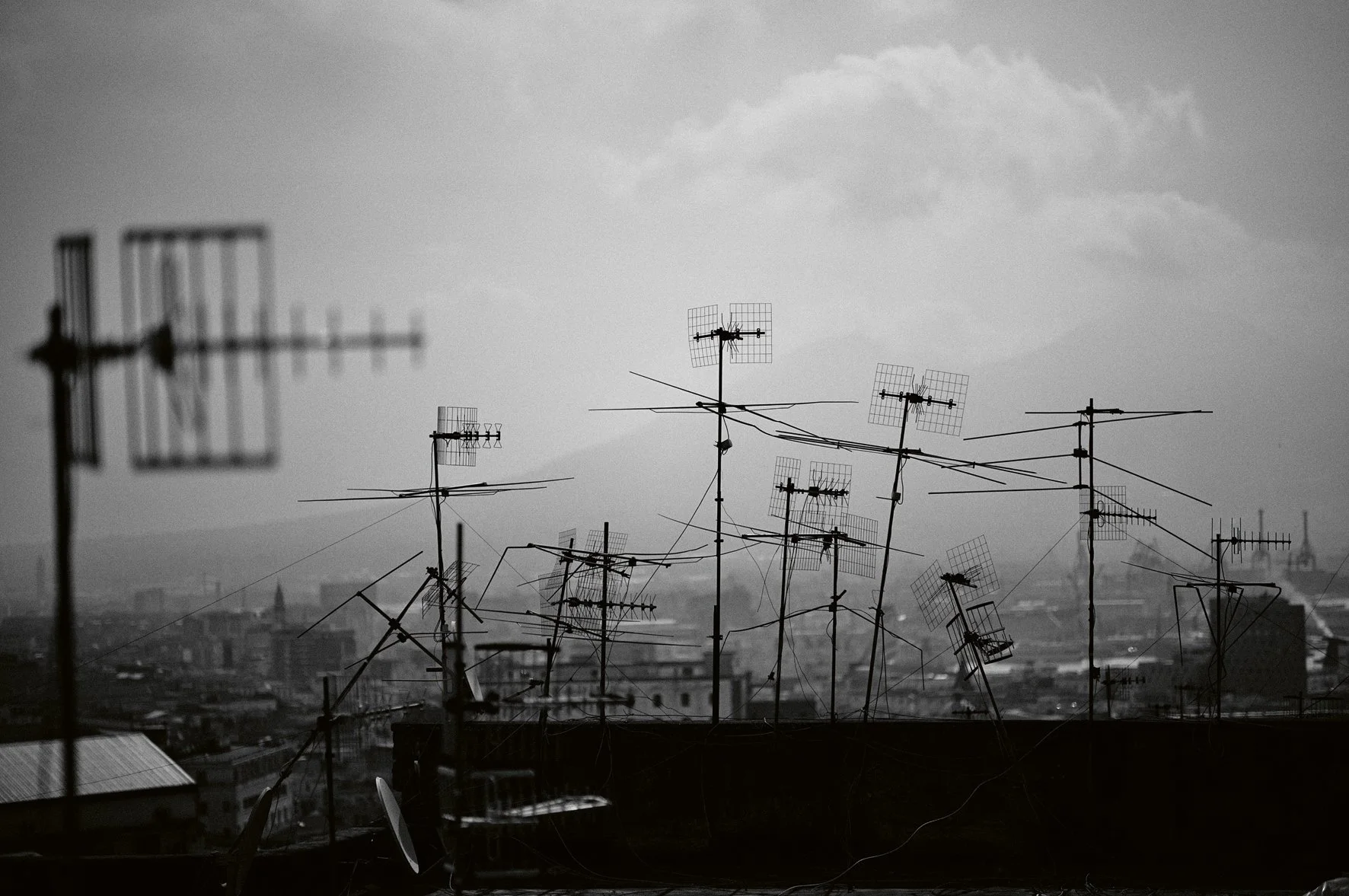
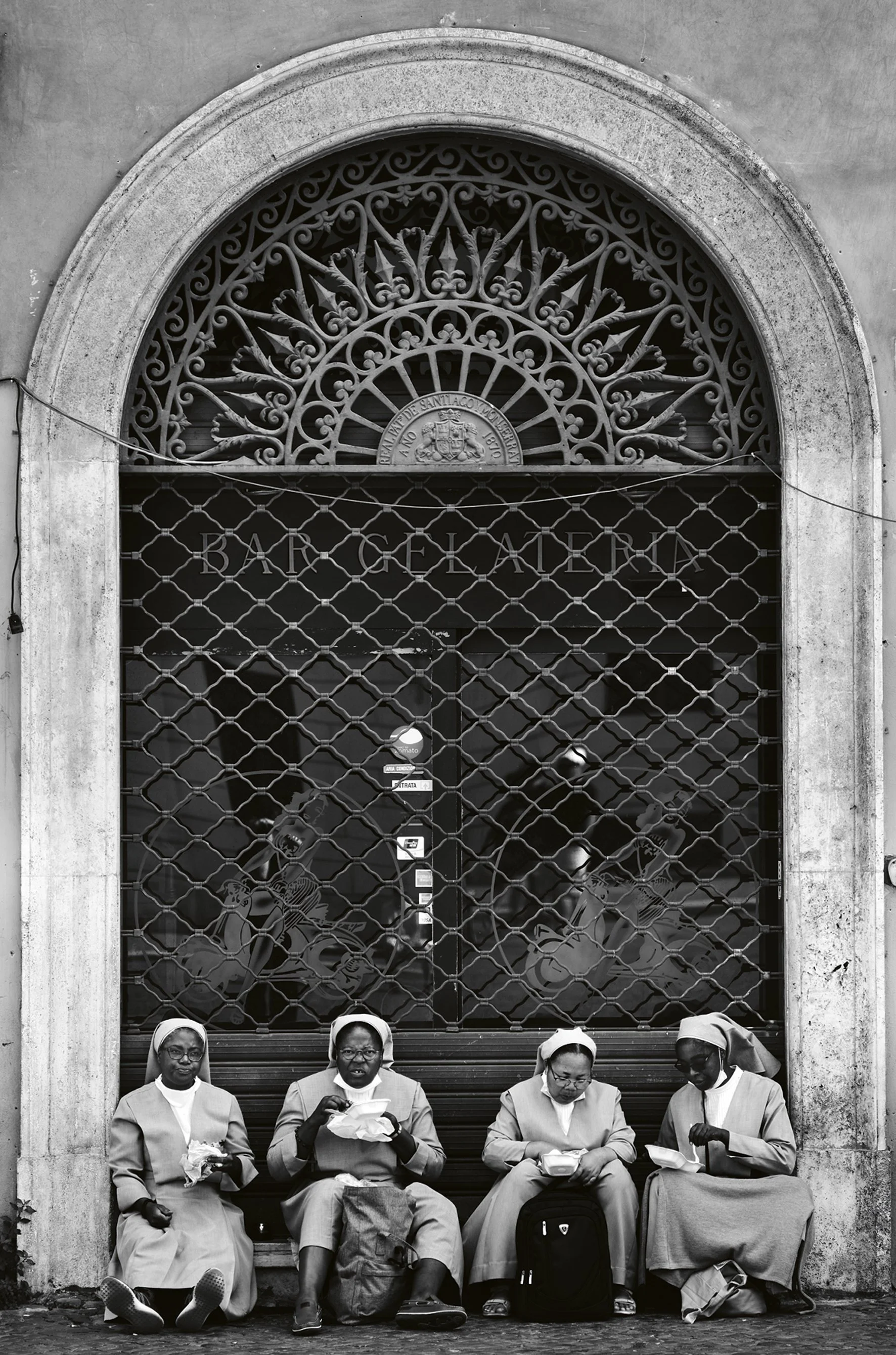
I think each book is getting better as it's going along, in my opinion. It was nice to be able to share work from all the different cities I've been to as well, because that was kind of the problem with the... not the problem, but the first two books were very much just New York. And I've shot so many pictures over the last 25 years. Well, longer than that, sorry, 30-odd years. I've shot so many other pictures around the world. I have a lot of stuff in there from India in 2004 when I was out there. And it's nice to be able to put it all together in one big book to share with everyone.
It's kind of interesting when you go through the book and just see how each city differs and then how sometimes you can have two pictures together from two different cities, but they're very similar. Although they're different, they're very much the same. Publishing books has been very rewarding because it allows people to be able to see your pictures in print form, which is huge rather than just on a tiny phone screen. You can spend a lot more time with a picture as well. You can really look at it and you're not doing the doom scroll.
Yeah, so I've really enjoyed doing books, but I'm kind of lucky that I've had a publisher that I can work with to do this as well. This is my fourth book now since 2019. I think the challenge now is going to be, right, well, what's the next book as well? And it's also been nice to start showing people some of the color work that I've done as well. That's been kind of nice.

So what's the next book?
It'll probably be one of the other cities, but I'm going to need a few more years to gather enough content. I need enough content from one city to give the book enough depth to it. You can actually see when someone shot something and it looks like it was shot every year. Because when you go for a book, you want it to feel epic. Like you were taken on a journey over a time period and you can see it. If you go for a book and it's only been shot within a year, it looks like it has been. So I need at least a few more trips to Tokyo or Paris and then I'll have another book ready.
Looking forward to seeing it.
Yeah, we'll see.
Martin: Thank you so much for sharing your insights and experiences, Phil. This has been incredibly valuable.
Phil: Cheers, Martin, thanks for inviting me.
To discover more about this intriguing body of work and how you can acquire your own copy, you can find and purchase the book here. (Amazon)
More photography books?
We'd love to read your comments below, sharing your thoughts and insights on the artist's work. Looking forward to welcoming you back for our next [book spotlight]. See you then!
Robin de Puy could no longer make this project alone. She first photographed Randy in Ely, Nevada, during a 2015 road trip and kept returning to him for more than ten years. Interviews