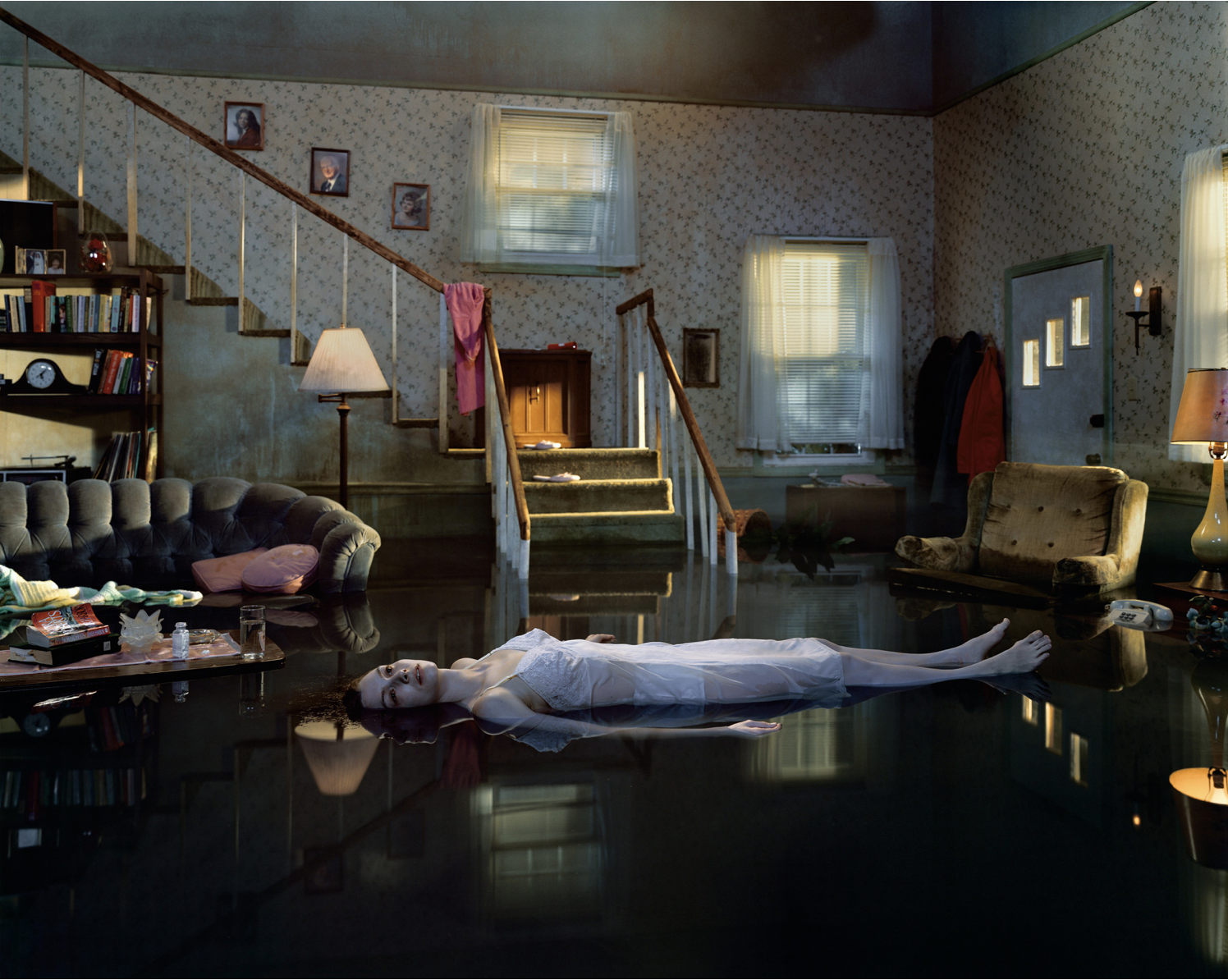
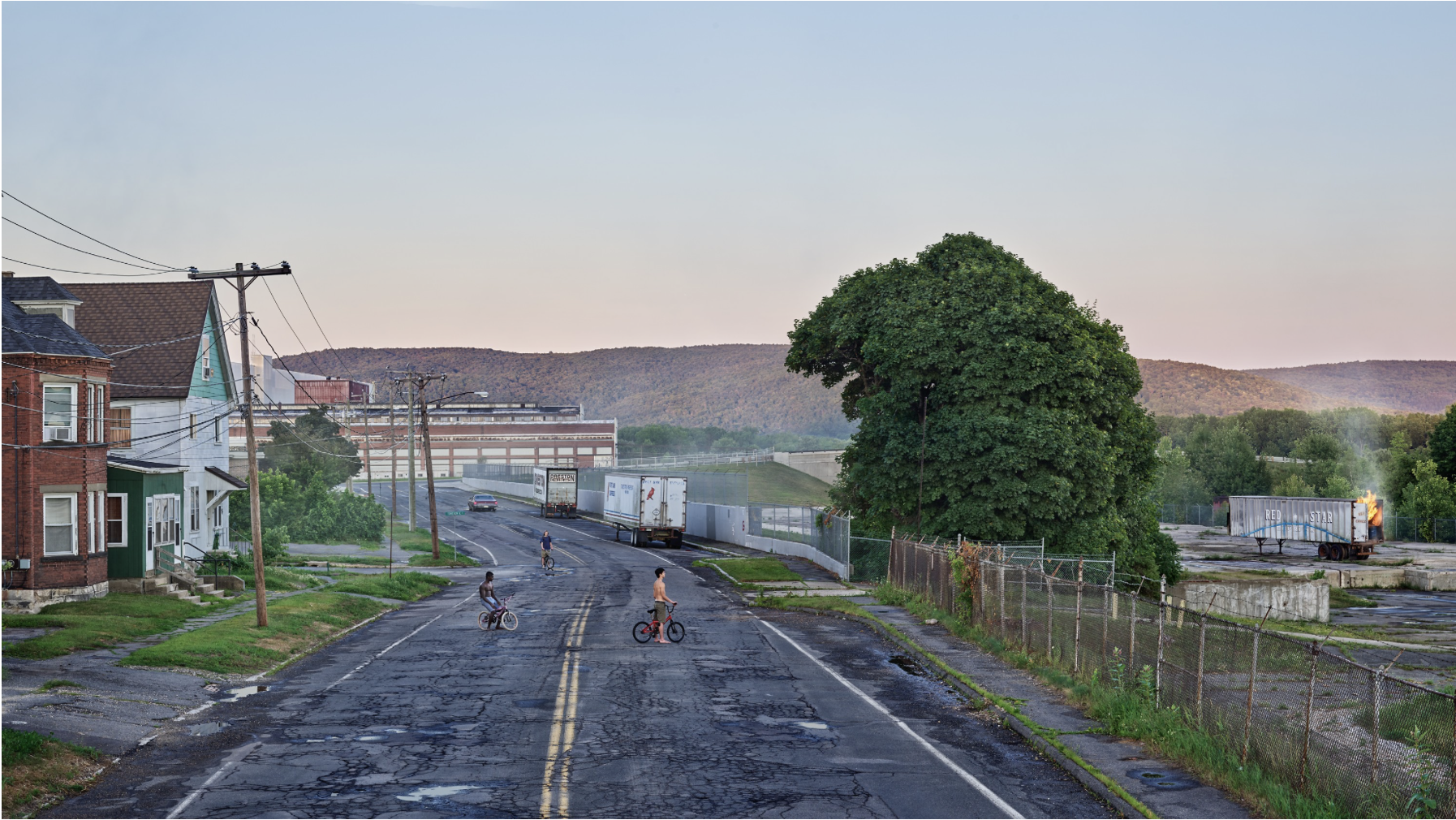
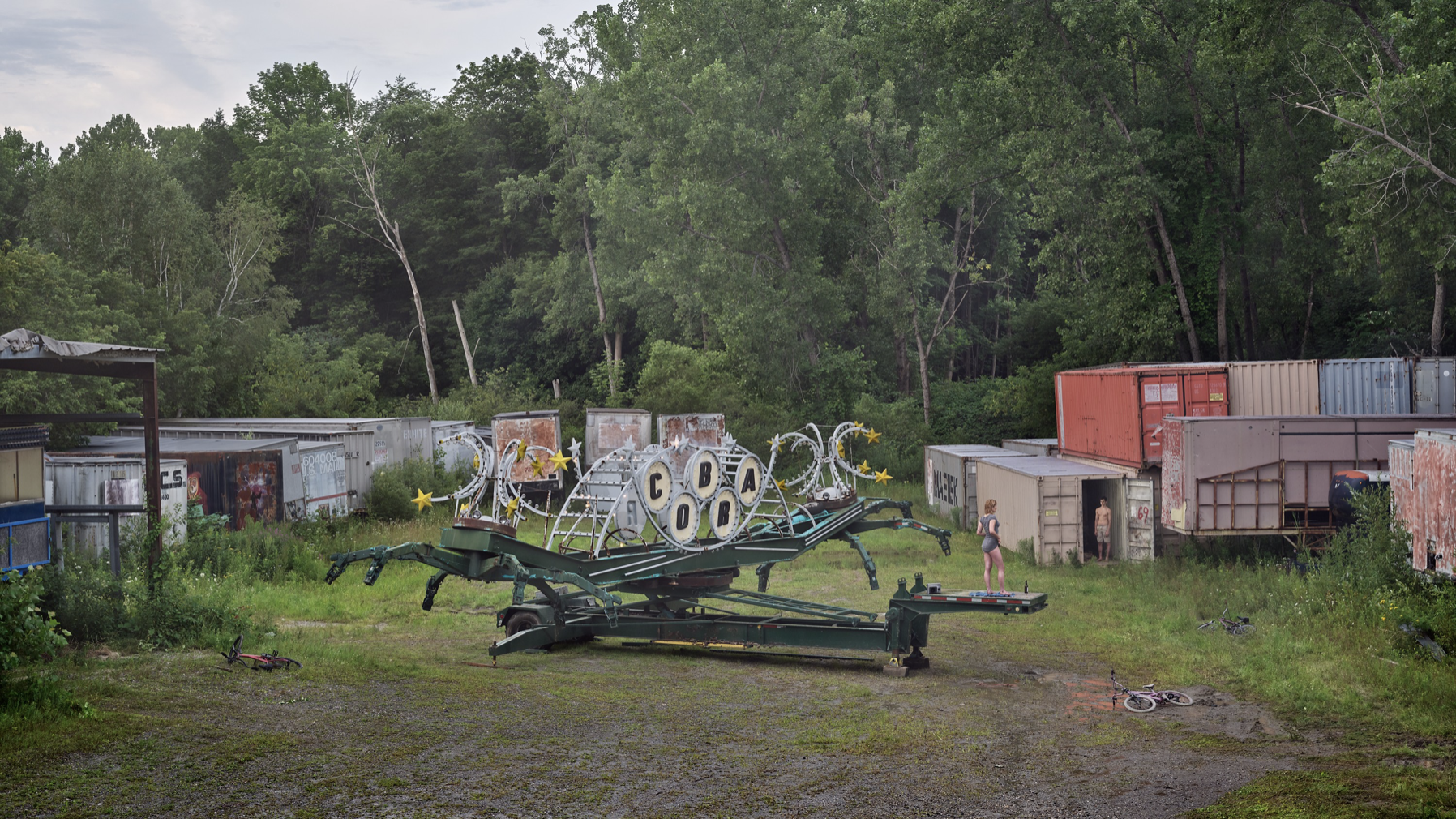
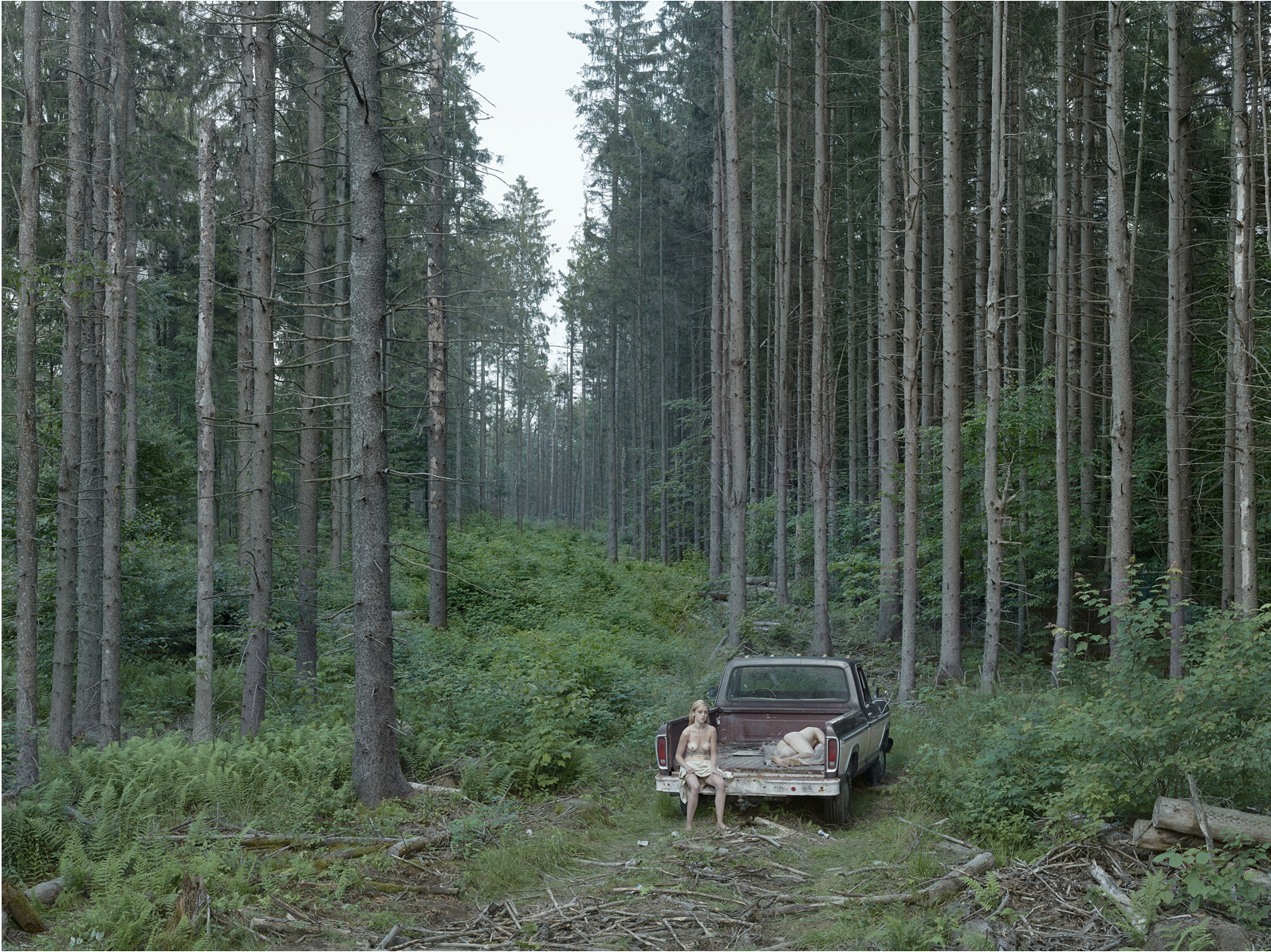
Gregory Crewdson makes photos that look like movies.
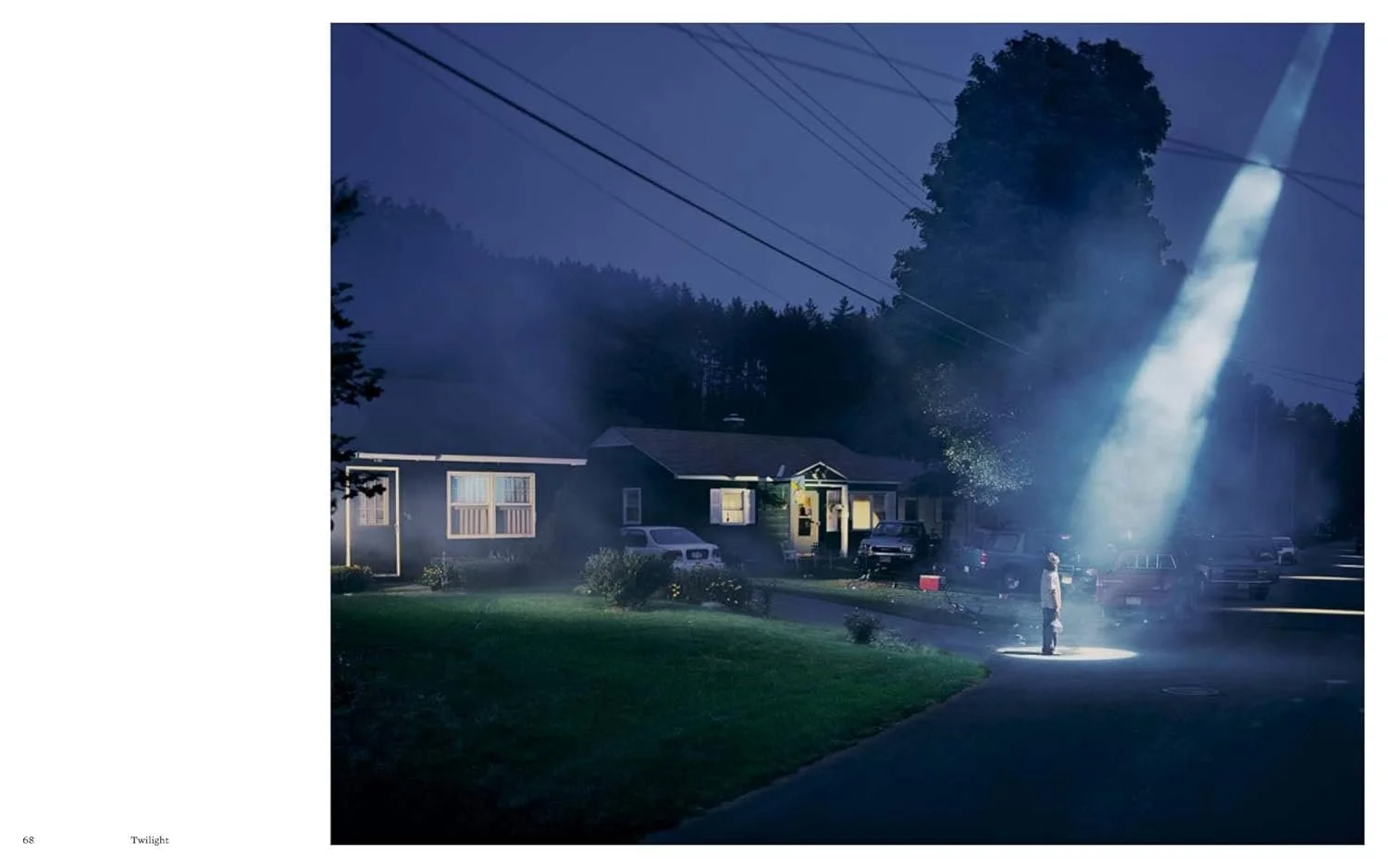
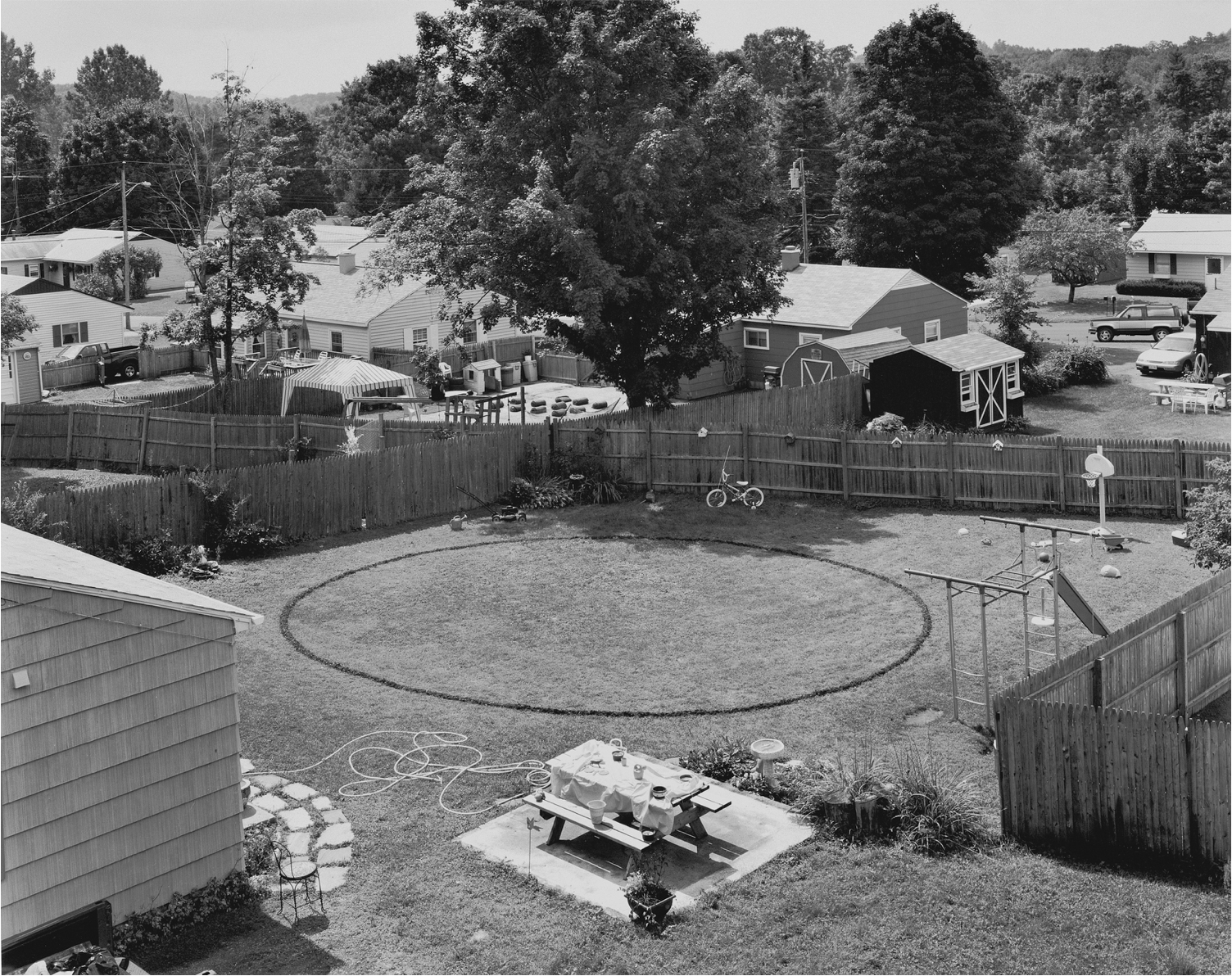
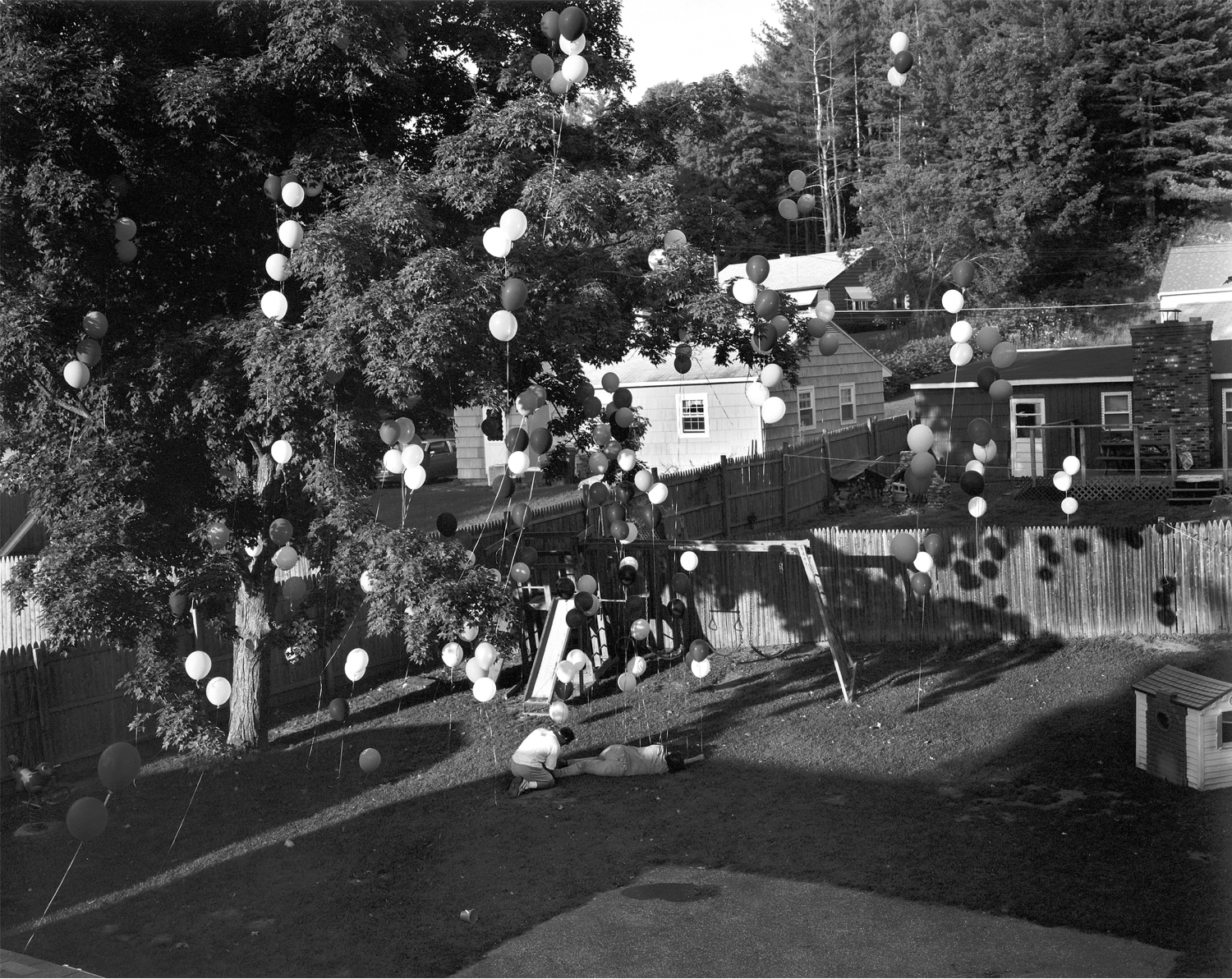
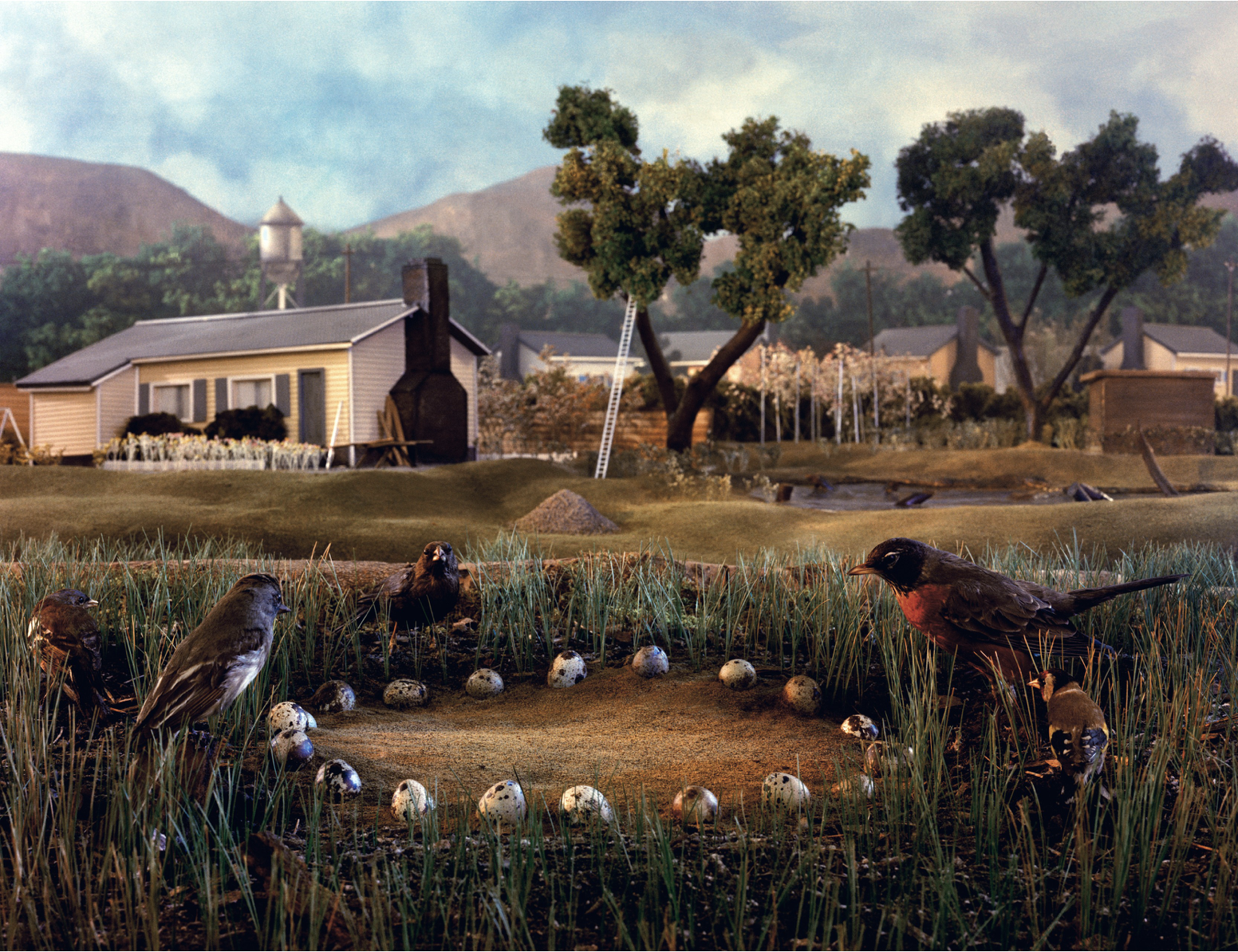
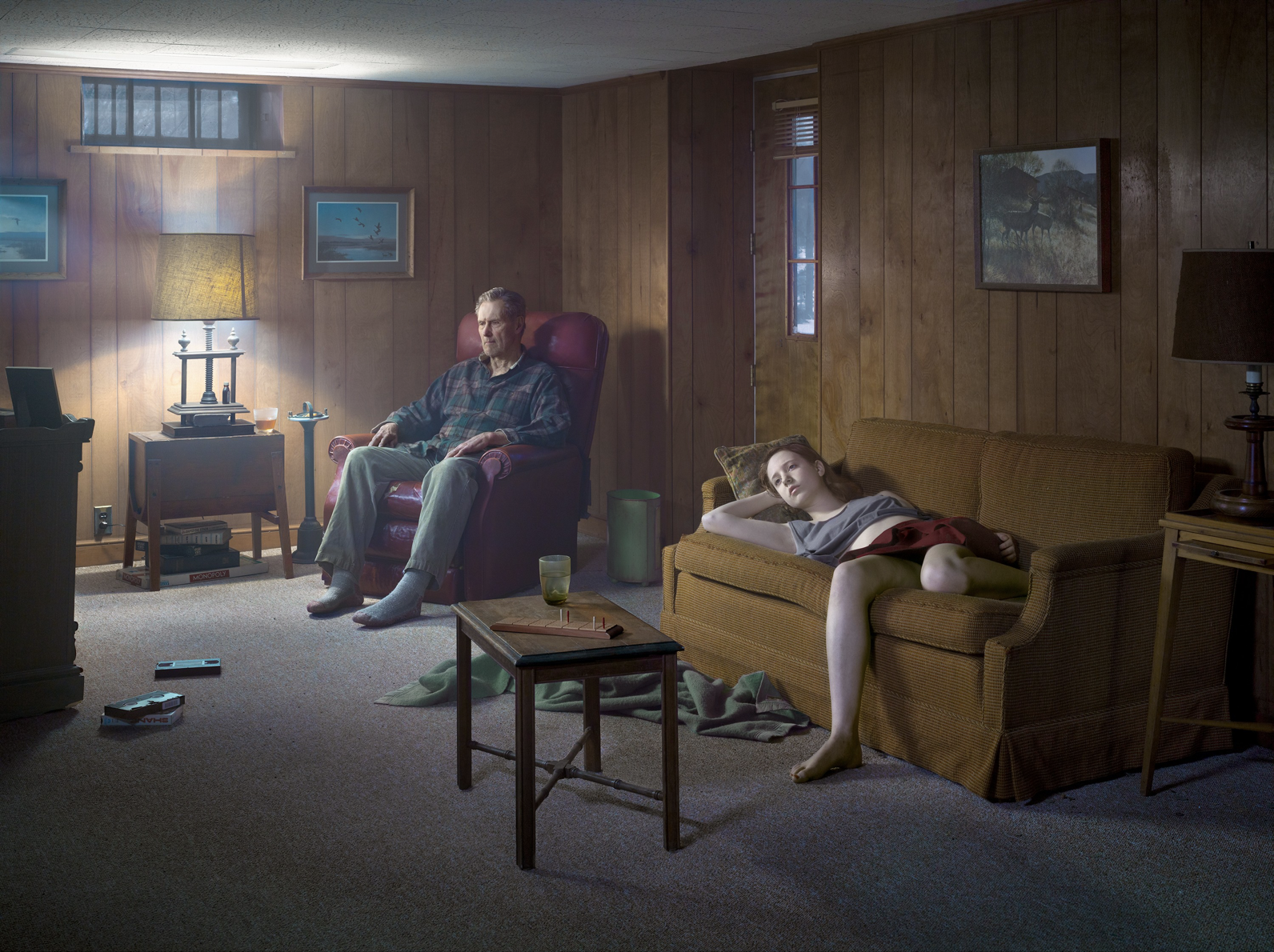
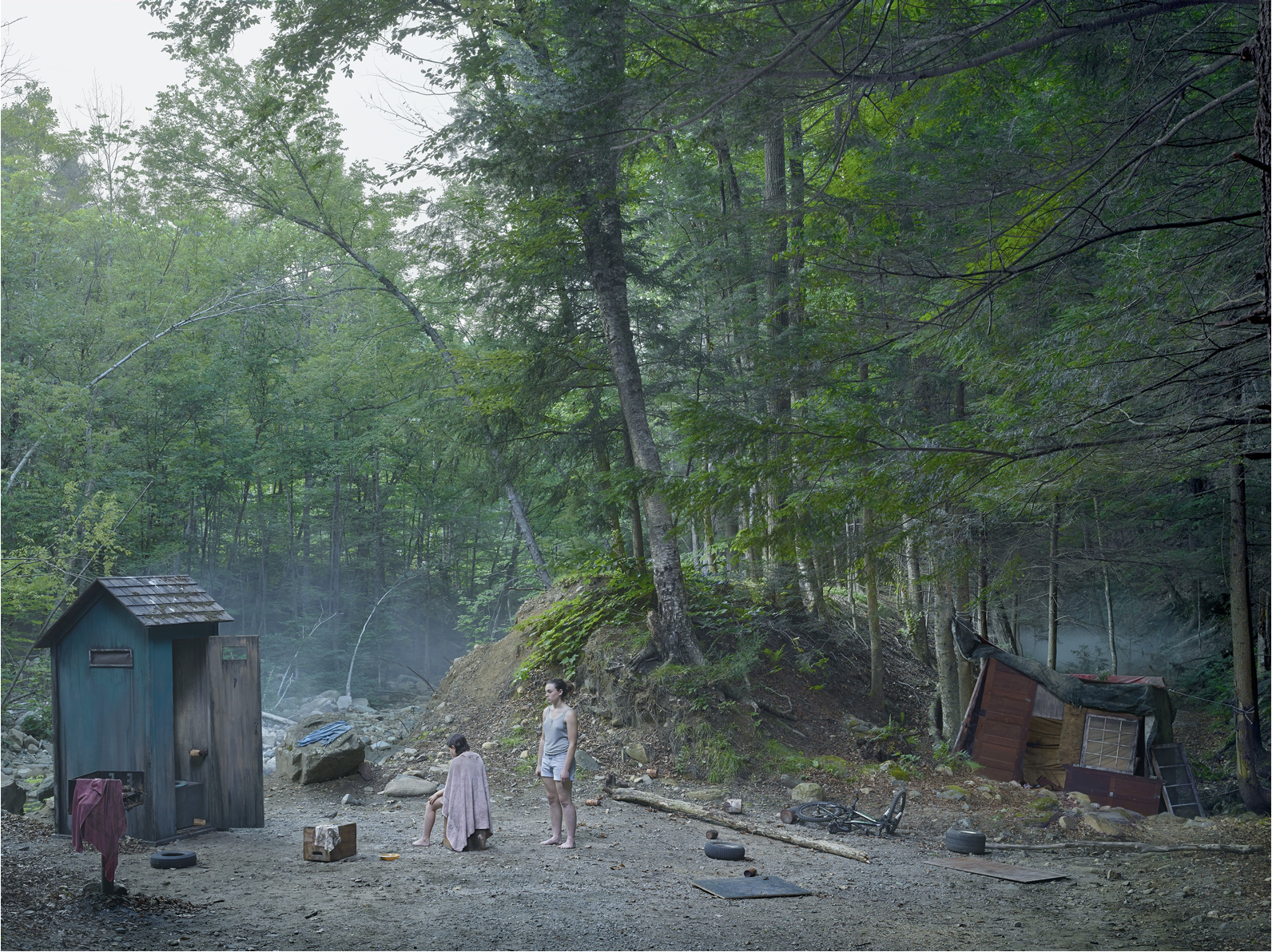
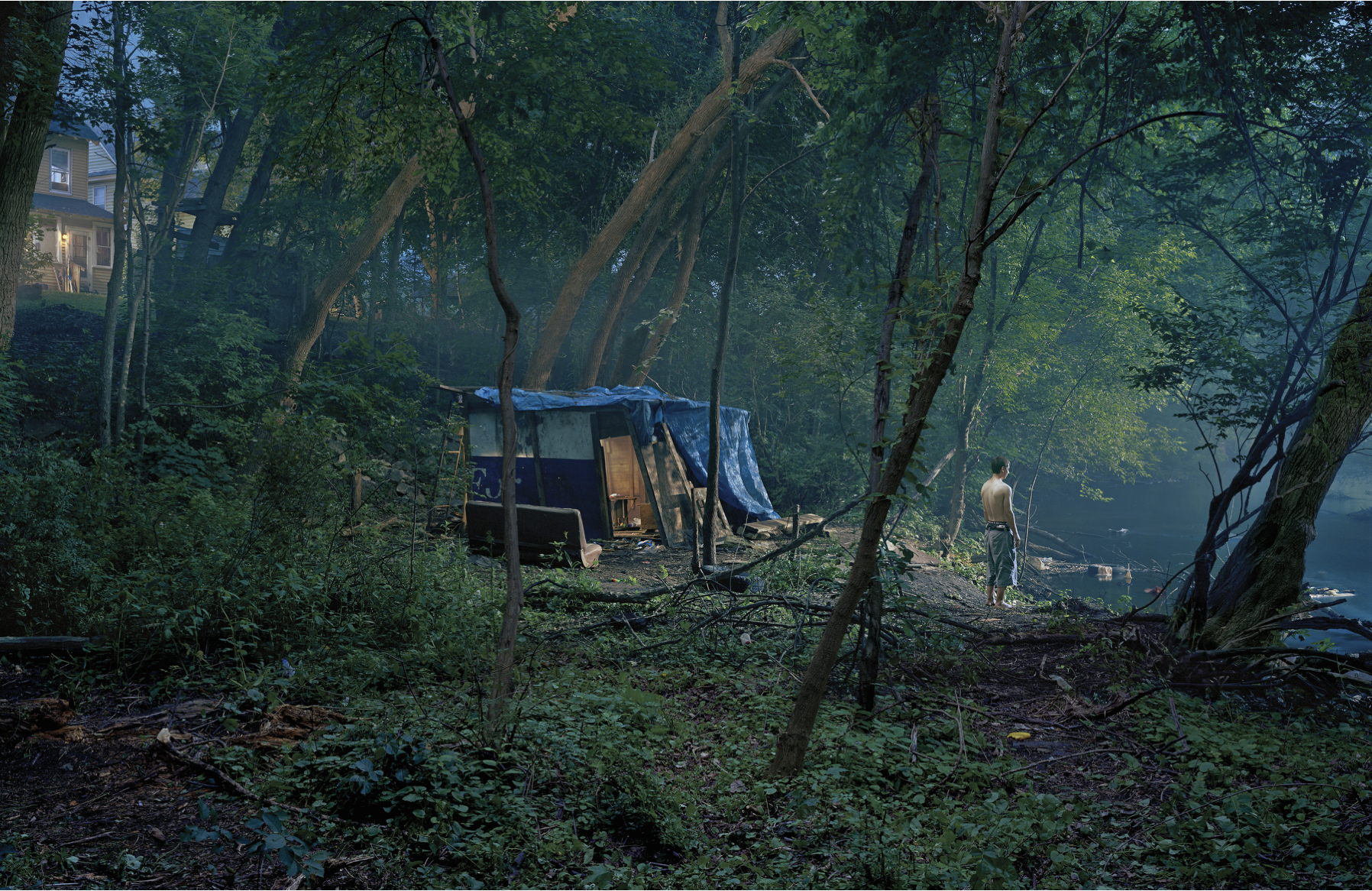
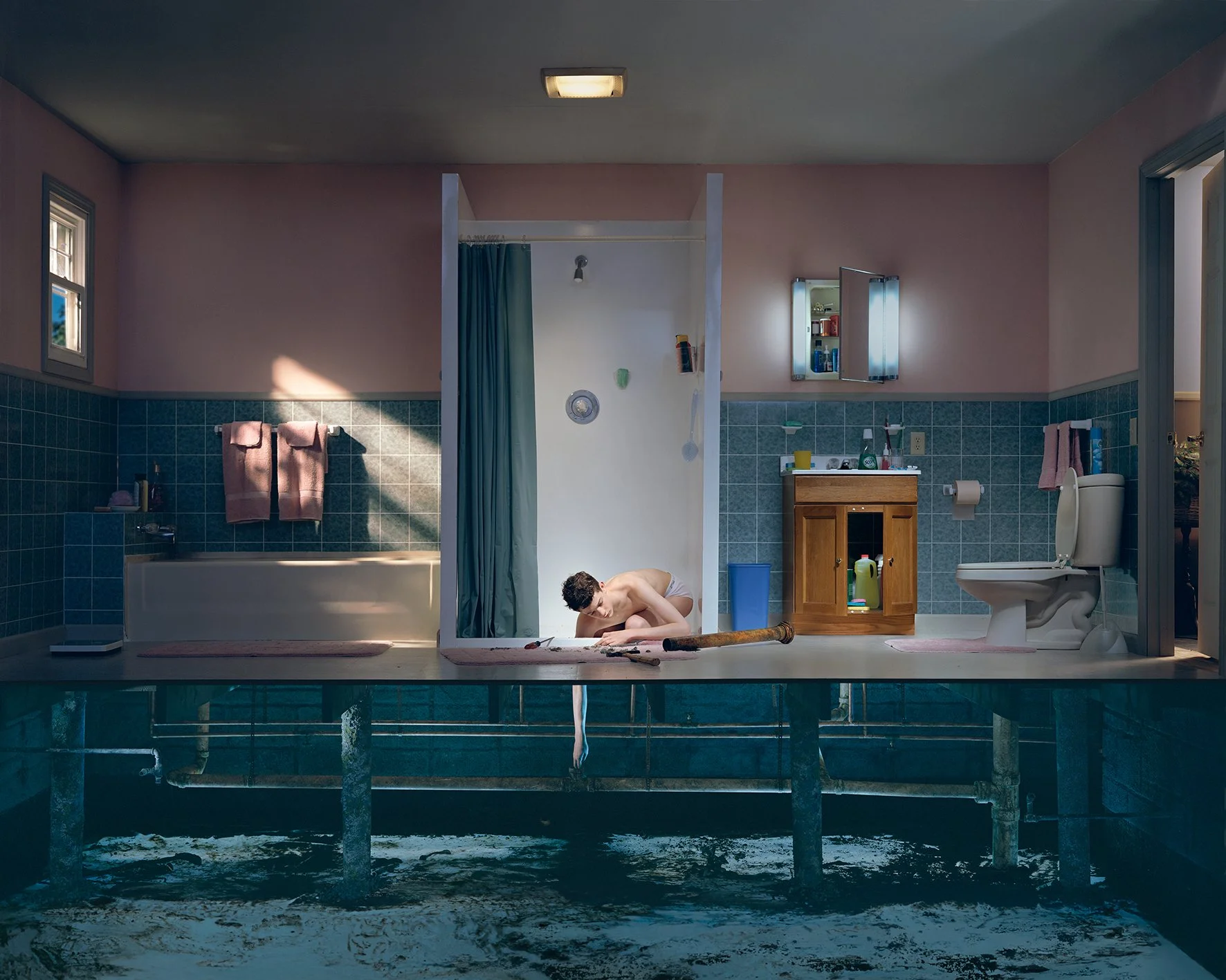
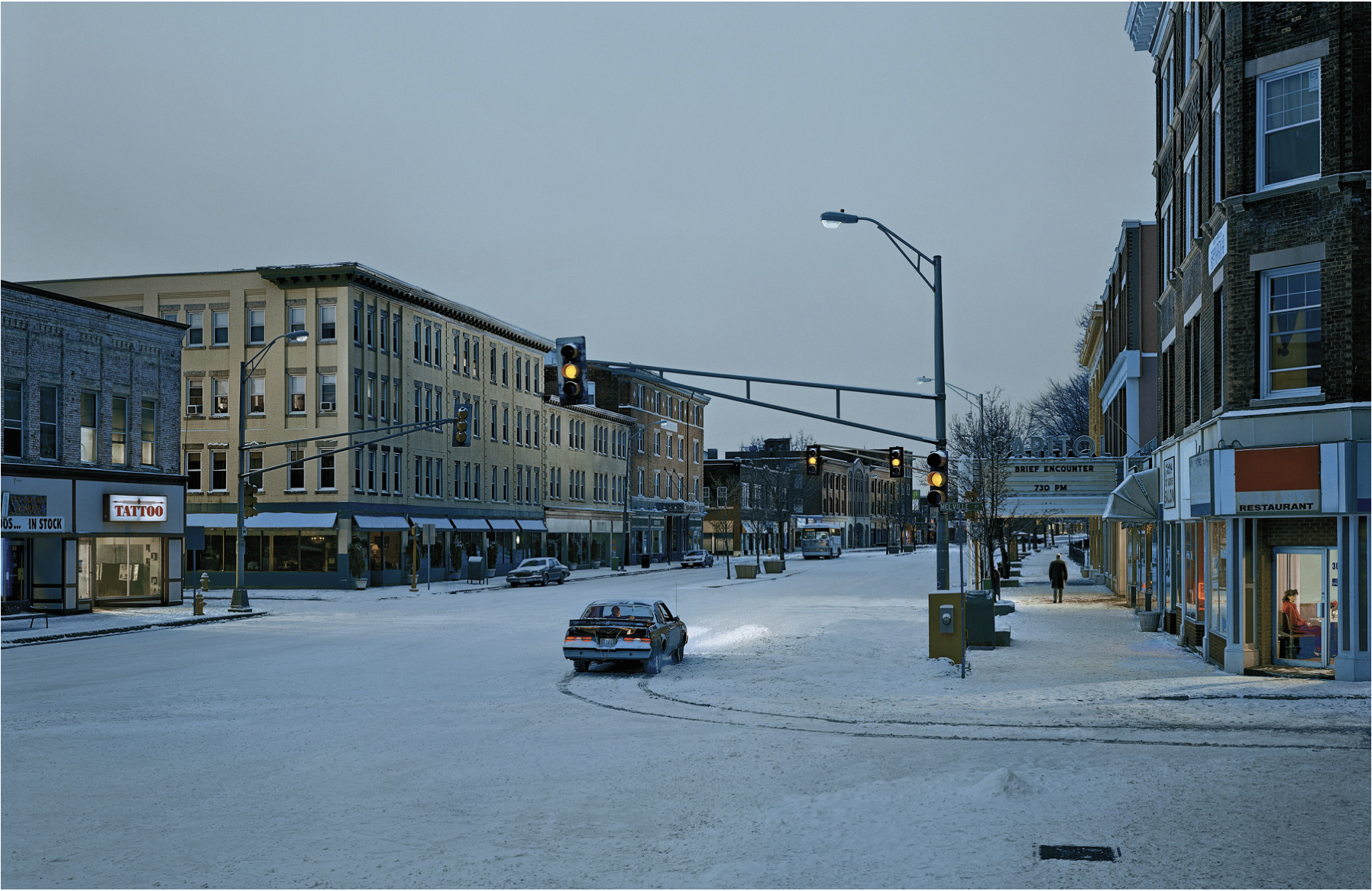
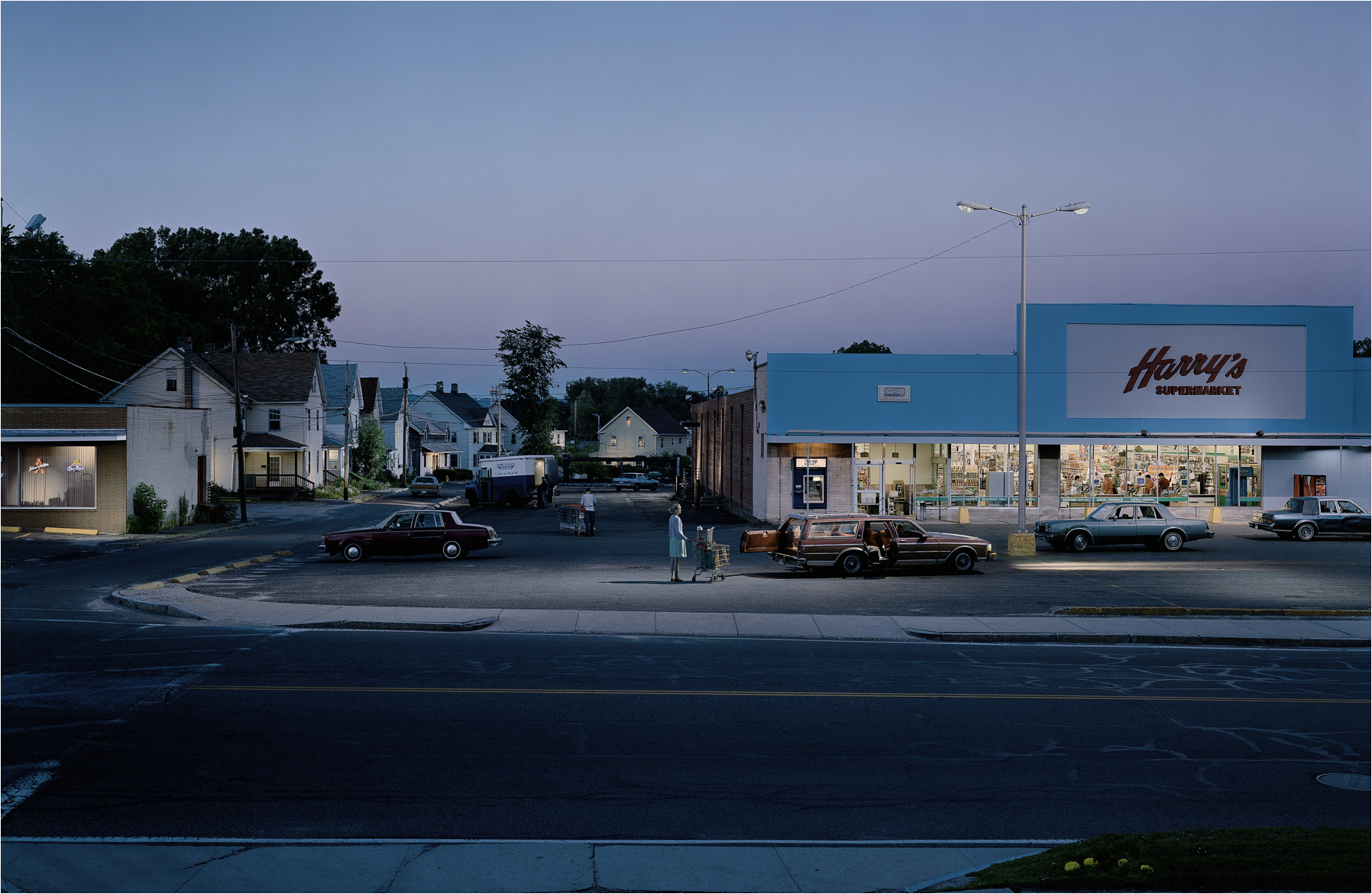
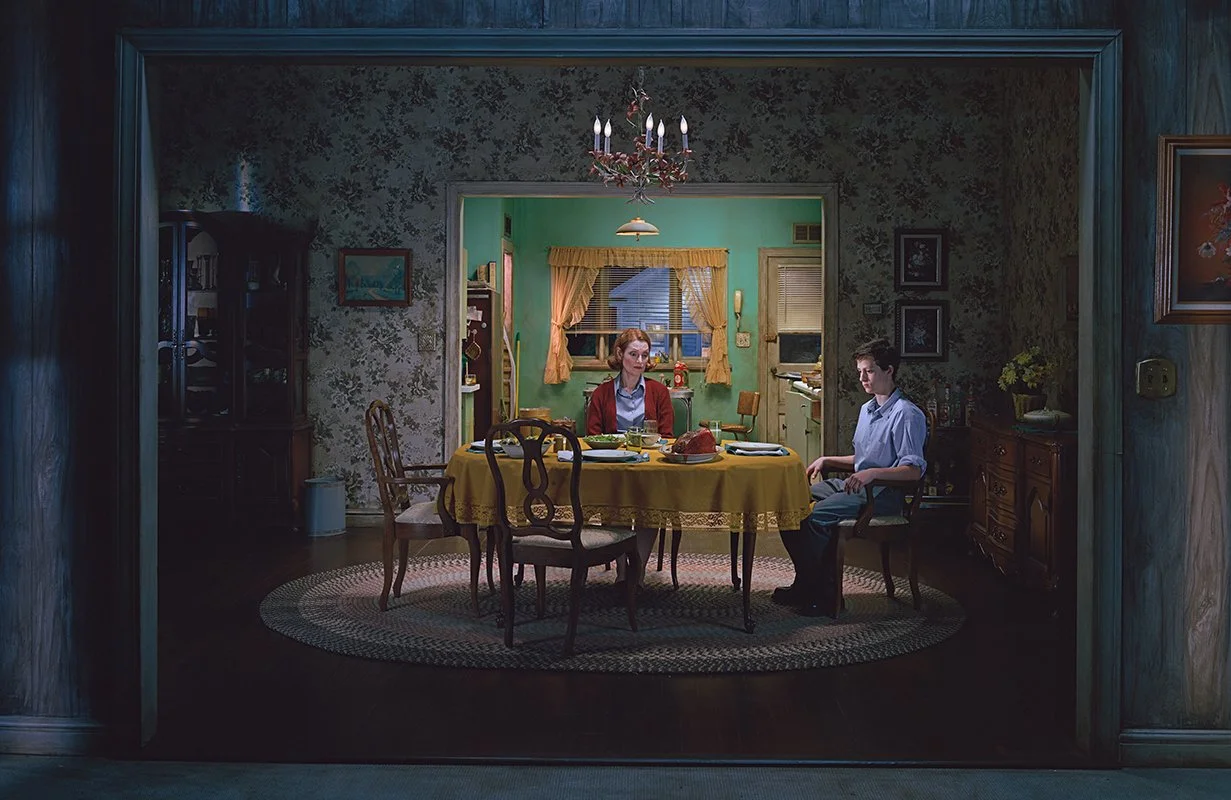
He builds scenes in small American towns where the streets, houses, and people look normal but something feels strange, like a moment from a story you cannot fully explain. Each detail is carefully staged with a large crew, film lights, and weeks of planning, yet the result is a single still photograph. The work looks cinematic because it has the scale of film production but the focus of photography. This is why Crewdson is known as one of the most ambitious photographers working today.
But what drives a person to create movie-sized pictures from everyday life?
Crewdson grew up in Brooklyn, struggled with dyslexia, and found his escape in images rather than words. As a teenager he saw a Diane Arbus exhibition, and the strange beauty of those pictures stayed with him. Later he studied photography and began to mix that influence with the language of cinema, especially the feeling of suspense and light. That path led him to turn ordinary suburban streets into worlds of mystery and imagination.
What if a single photograph could feel like an entire film?
About the Book
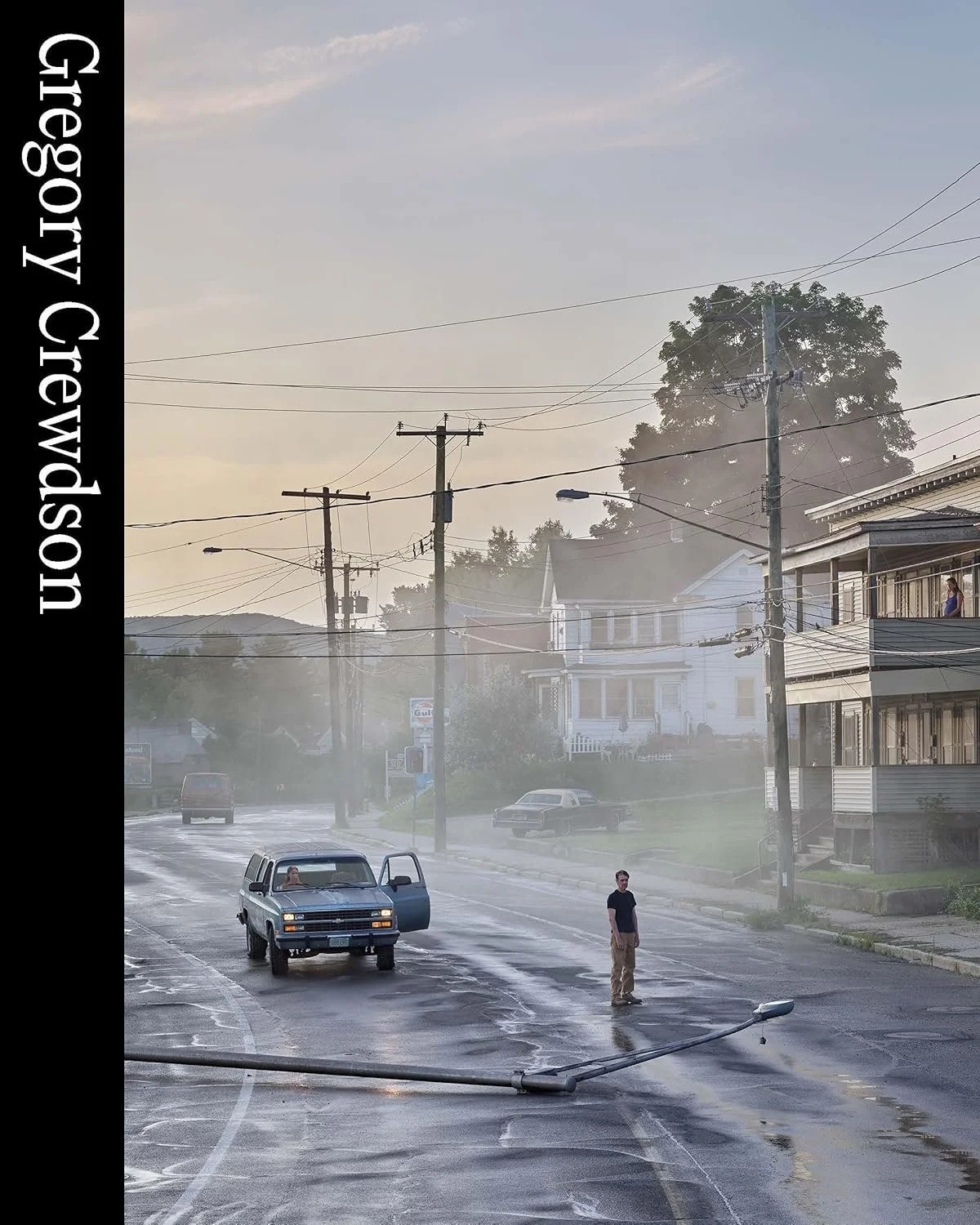
The comprehensive monograph "Gregory Crewdson," edited by Walter Moser and published by Prestel in 2024, marks the first complete retrospective of the photographer's nearly four-decade career. This 280-page hardcover volume brings together over 300 photographs and production stills from nine major series, spanning from his 1986-1988 Early Work through his latest 2021-2022 Eveningside series. Published to coincide with the major retrospective at Vienna's Albertina Museum, the book features essays by notable contributors including filmmaker David Fincher, photography expert Walter Moser, and novelist Emily St. John Mandel. The publication includes behind-the-scenes photographs printed on uncoated paper that reveal Crewdson's movie-like production process, showing how his teams of dozens create each meticulously staged image. With museum-quality reproductions and scholarly analysis, this definitive volume establishes why Crewdson's cinematic photographs have earned comparisons to old master paintings and auteur cinema while selling for prices that rival fine art. (Prestel Publishing, Amazon)
Martin: What first drew you to photography and when did you realise you wanted to create images on the scale of cinema?
Gregory: I think my first interaction with photography was when I was very young. I was ten years old and my father, who was a psychiatrist, took me to see the Diane Arbus retrospective at the Museum of Modern Art. That was the first time I was aware of the power and psychological complexity of photographs. And I still, all these years later, when I encounter an Arbus, I'm kind of transported to that moment of seeing those pictures for the first time as a young boy. So that was really the first aesthetic experience with the medium. But it wasn't until much later when I was in college that I took my first photography class.
I immediately fell in love with the medium. I think partially because of the stillness of pictures. I'm dyslexic, so college was kind of difficult for me, like reading and taking tests, but when I made my first picture it made sense to me. The frozen moment in time is something that I was able to read in my mind.
Around that same time I started taking classes not only in photography, but in film theory and starting to make a connection between the still photograph and moving images. And even from the very earliest pictures, I really was interested in bringing those two narrative forms together, bringing cinematic language into a still photograph. And I've been working and reworking through that ambition ever since.
How would you explain your photography to someone who has never seen it before?
I think at the heart of it, I'm a storyteller. And I'm very interested in telling a story through light and colour, I would say. So that's first and foremost how light tells a story. And then I would also say that I'm interested in the uncanny, and that is looking to everyday life and trying to find an unexpected mystery or unexpected sense of strangeness, maybe you could say. So the coming together of everyday life and some kind of darker tension.
You said that your images feel like a complete story. How do you come up with the narrative for an image? Where does it begin?
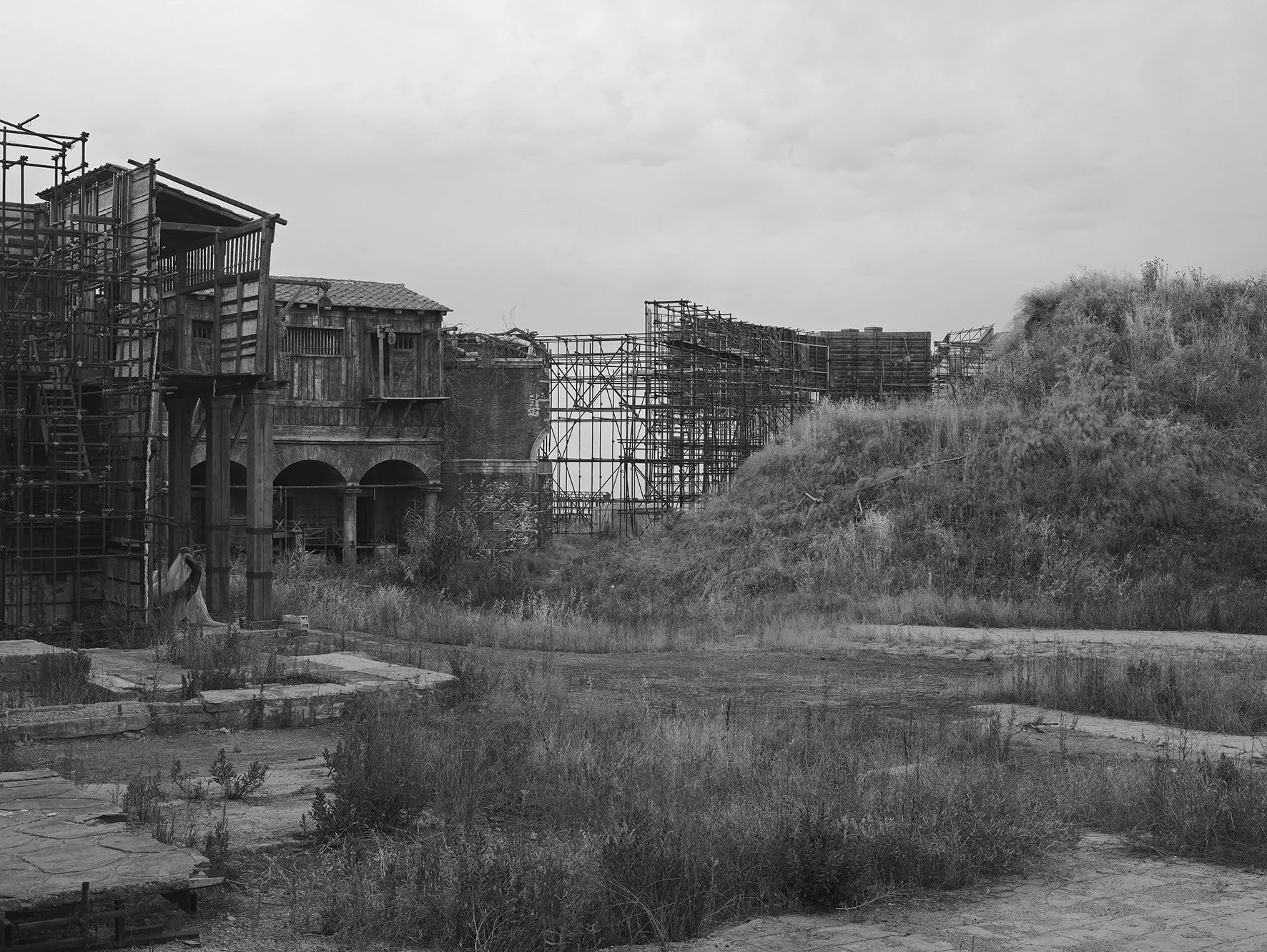
Well, it usually begins with me location scouting. That's the process I'm in right now actually, in pre-production. It happens months before I make a single picture. And then basically I drive around in circles and look for locations that feel like they could exist in my pictures. Something that feels ordinary but outside of time. Something that's formally interesting because the frame is so important.
And it's just that. It's like trying to find the right setting. And then through that process, a story will come, or an image, let's say. And it's usually quite simple, looking down the street. There's a car, a person getting out of a car.
The picture itself has to not be overly complex and needs to have a kind of visual impact, but also there needs to be a certain kind of simplicity of form. And that's how it begins. Then I work with Julianne, my partner, and we write a description of that picture.
It's like telling the story of what's in that picture without saying anything about a motivation or a plot or obviously no dialogue. It's just like what's in front of the camera.
And then that becomes almost like a screenplay. When we're months later, when we're in production, that's the Bible for the picture. And then as we're getting closer, I start working with my longtime director of photography, Rick Sands, and location managers, and line producers. And then we start working on all of the pre-production, all the logistics of making the picture.
And then we shoot over a short period of time, let's say six weeks or seven weeks. And we make X amount of pictures during that time. And that's almost like being on a movie or something. And there are all sorts of time issues and logistics and everything. But if it all goes right, those pictures will emerge finally. They're also cast, and we bring in prop cars and all that stuff too.
Many of your images suggest that something has just happened or is about to happen. What draws you to this in-between moment?
I think photography as a medium is very limited in terms of what it could tell. It's not like a movie. It's not like a novel. There's no evolution of a story. It's just a frozen moment in time. So by the very nature of the medium, I think the in-between moment makes a lot of sense because you get a sense that something just happened or something's about to happen, but the moment of the picture is neither of those. It's like the thing between the thing. And I find that very evocative. And it allows, in the end, the viewer to bring their own story to it.
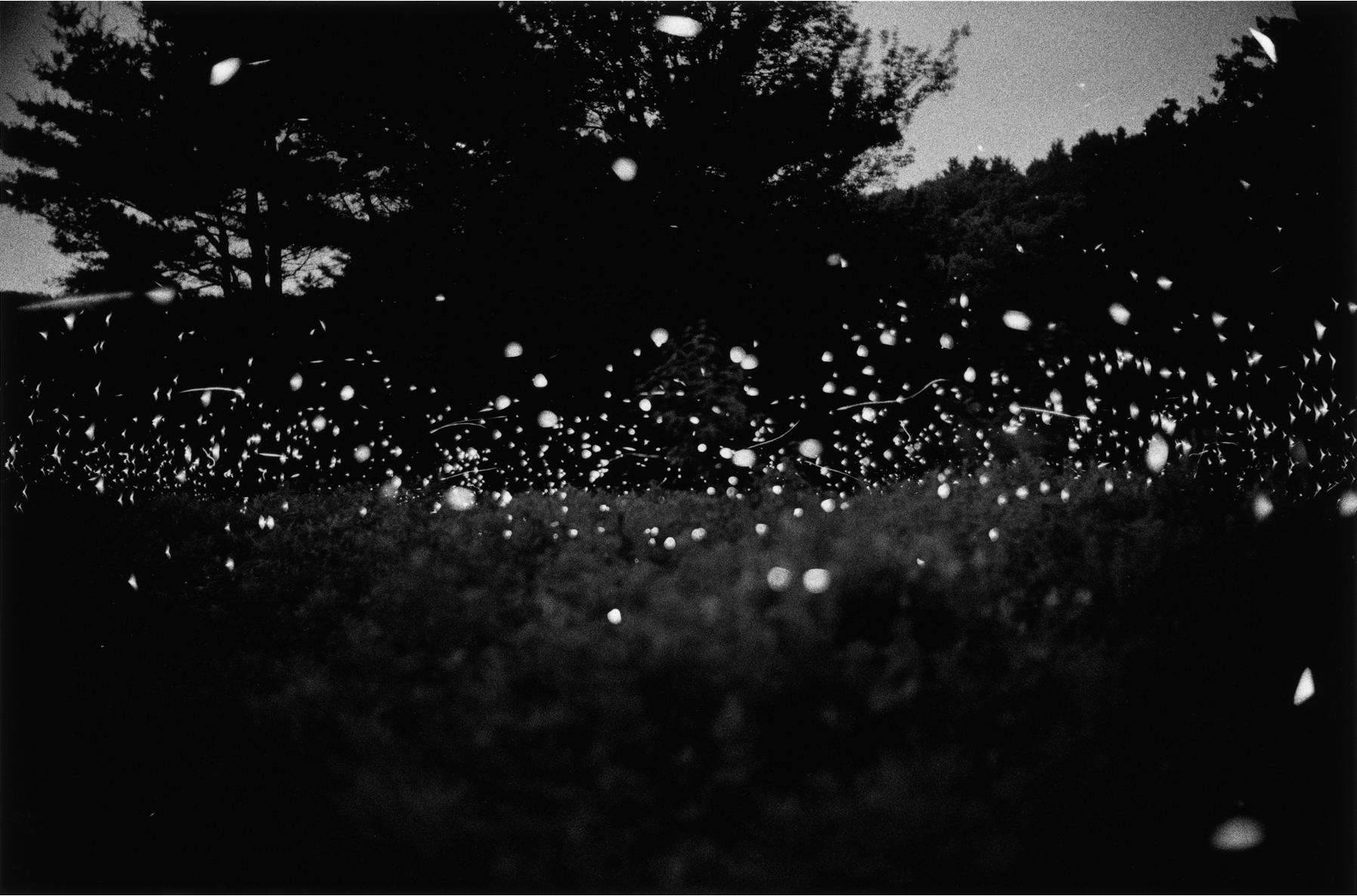
I mean, I've said many times before that I don't even know exactly what's happening in my pictures. And it kind of remains a mystery to myself. And that's important. I don't want to know what the answer is. I don't want resolution. I want mystery. So if it's mysterious to myself, then it should be mysterious to the viewer. And then the viewer brings their own thing to it. They bring their own history, their own backstory, let's say.
So you don't think about your photographs as part of a larger narrative, like a movie, or are they like self-contained worlds?
They're self-contained worlds, but they're part of a larger series. So each series is related to the previous series necessarily because I made them and they explore my own themes, my own motifs, but they're not directly related to one picture or another. They're like expressions of the same world, the same atmosphere, the same tone. So they should feel part of the same world, but not tell a complete story.
And do you think about how you, as a photographer, say something that has longevity?
Yes, very much so, particularly in this culture that we exist in. Photography is omnipresent, it's everywhere. It's on everyone's phones, everyone's screens, but by the very nature of, let's say, Instagram or social media or PDFs, those images are meant to be disposable in some way. They're meant to be fleeting. So on to the next picture. And I still believe in photography's larger possibility of a more permanent or legacy of a picture that exists on a wall, like a painting or other, or like a movie, that feels like it's coming from a subjective point of view that feels authored in some way and that feels permanent.
It feels like part of a continuum of an artist's vision. And that's, I think, becoming more rare though. I don't think most people experience pictures that way. So it's a challenge. I think we all experience, even myself, 99% of the pictures I encounter are on screens. They're not on walls. They're not in museums. They're not in art galleries. They're on digital screens. In a way that's an interesting problem because part of what's powerful about that is like everyone has access to the medium and everyone sort of learns to understand themselves through pictures.
But it becomes more difficult to make a picture that means something.
Do you think your visual style is key to this? If I were to ask you what is the key to cinematic photos like you do?
For me, it's like, I have a way of seeing the world that's obviously different from anyone else who has their own take on how to see the world. I think that's the challenge is to make a picture that feels truthful to your own vision. So that means your own narrative, your own story, but it also means your own style or your own sensibility. And so those two things coming together, the form and the content, create a recognisable style or sensibility. You can't just have one or the other. You need the interior story and the exterior world coming together.
How did you personally find your own style?
Through, I think this is for most artists, there's a revelation early in your life when you're coming of age as an artist, where you have all of the photographers that you love and artists and filmmakers and writers. And you borrow from them. And that's the history of the tradition in the medium.
And in my case, that's like Walker Evans and Diane Arbus and Cindy Sherman and filmmakers like David Lynch and Steven Spielberg and painters like Edward Hopper. So you have this whole canon of your personal heroes or icons, Stephen Shore is another one, Joel Sternfeld. And then you absorb all those conventions and then you reinvent it by bringing your own thing to it.
And what you hope to do is reinvent it by a small degree and make it your own. And that's the whole thing. Trying to inherit the language and then make it your own. And then other artists will take your vision and do the same.
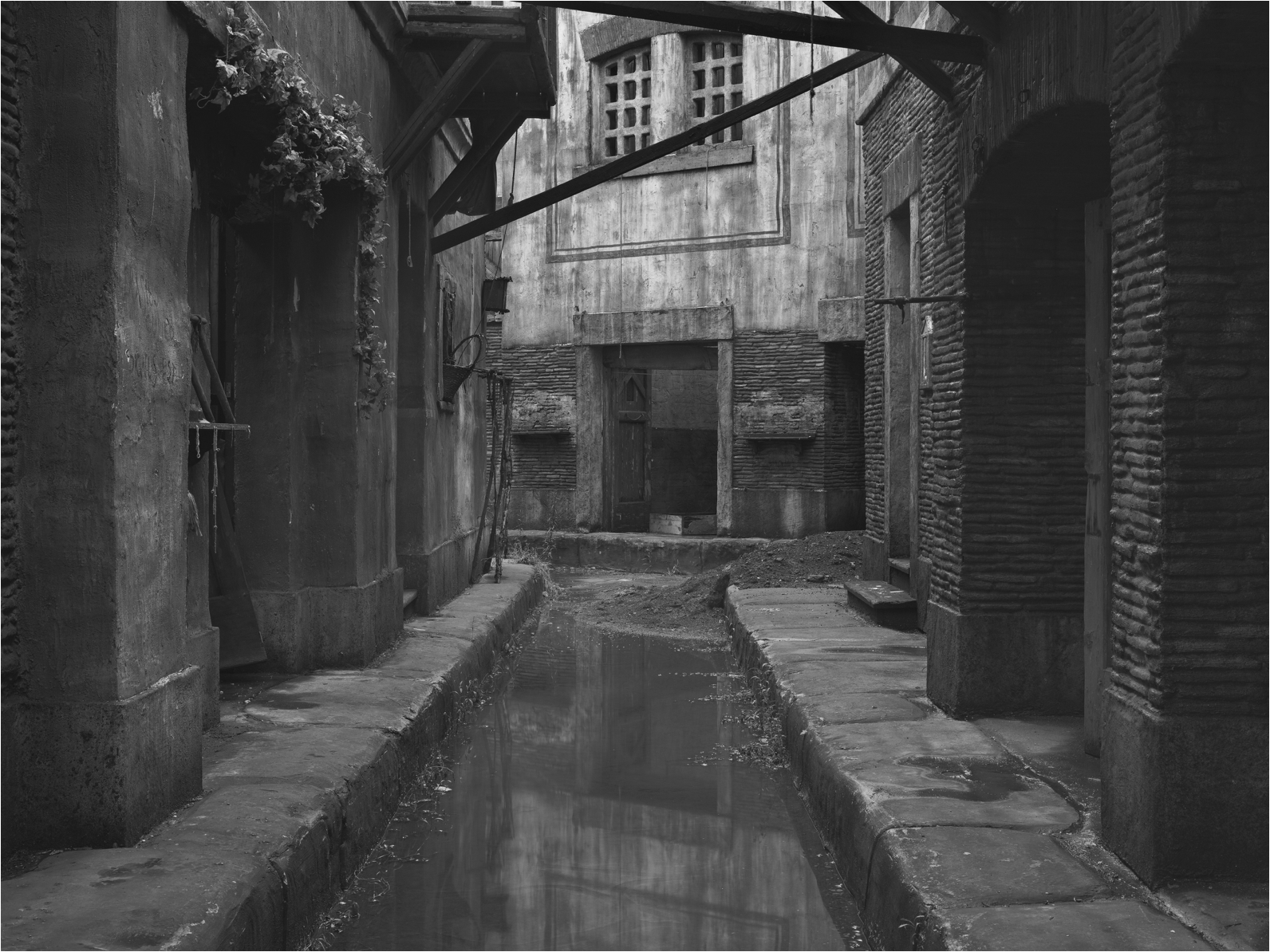
Are you personally still evolving? Do you see it when you look at your early work and then know what you are about to create?
It's a coming together of repetition and change. You never fully reinvent yourself completely. It's in small degrees. Preoccupations, the style remains constant, but then you always challenge it in one way or another.
So, and even when you change it dramatically, it's still telling a similar story. But yeah, you have to change. Otherwise, there's no other reason to do it. You always have to reinvent yourself, but also understand that you are who you are. So that's not going to change.
Is it still fun for you?
Yeah, I mean, I don't even know if I would use the word fun because, I mean, there are parts of it that are fun, but most of it is just trying to solve problems. It's like trying to solve a maths problem, really. There are problems on every stage of the way that you're trying to correct or solve. There are problems of the original conception of the picture and then there are problems making the picture and then there are problems in post-production. And in this case, the equations being changed in one way or another. And then you wind up with something other than what you thought you would have. But that's part of it.
Do you often have a vision and then build a stage or scene based on it? What’s the most important element in the frame when building a scene? Is it the light, the character, or the atmosphere? How do you perceive it?
It always changes. That's part of it. It's never what you think it is.
It's all those things coming together. It's the location, it's the casting, it's the light, it's the form, it's the details, it's the colour. If any one of those things is off, it's not going to work. So it's always like everything has to be in balance.
The frame is really important.
The frame?
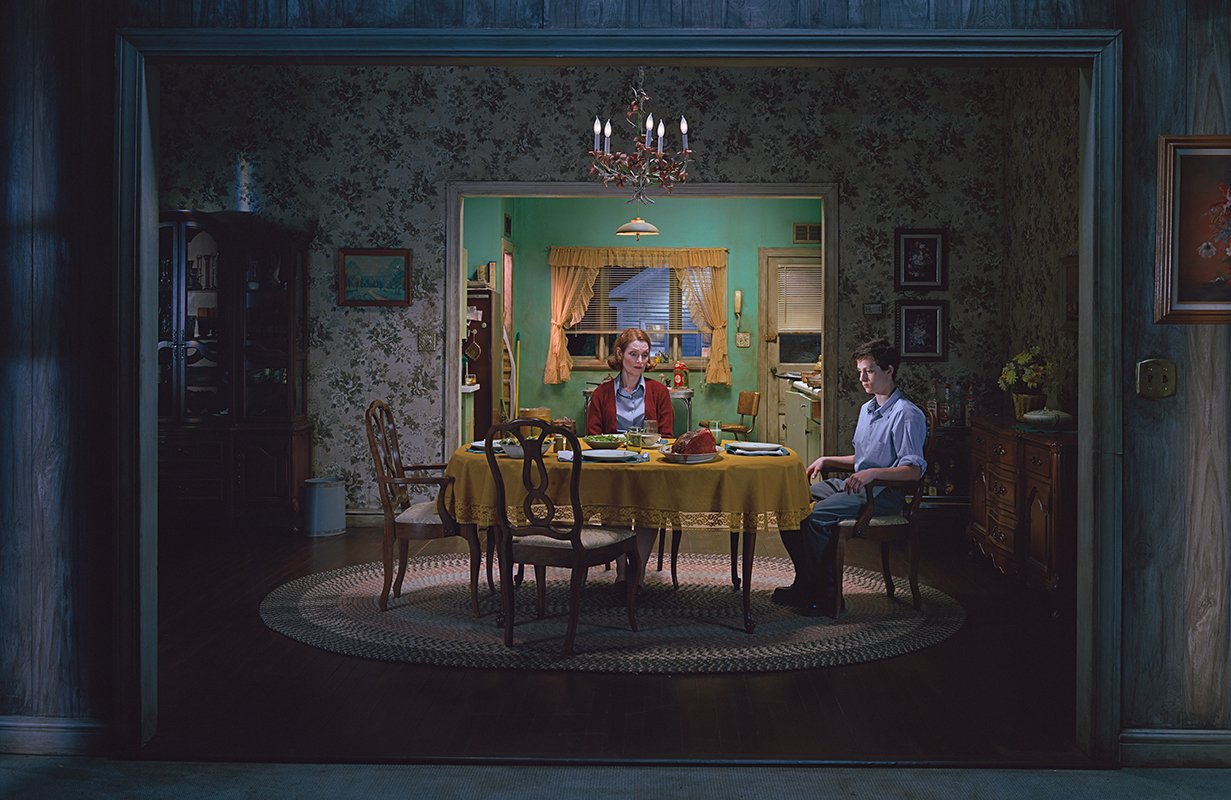
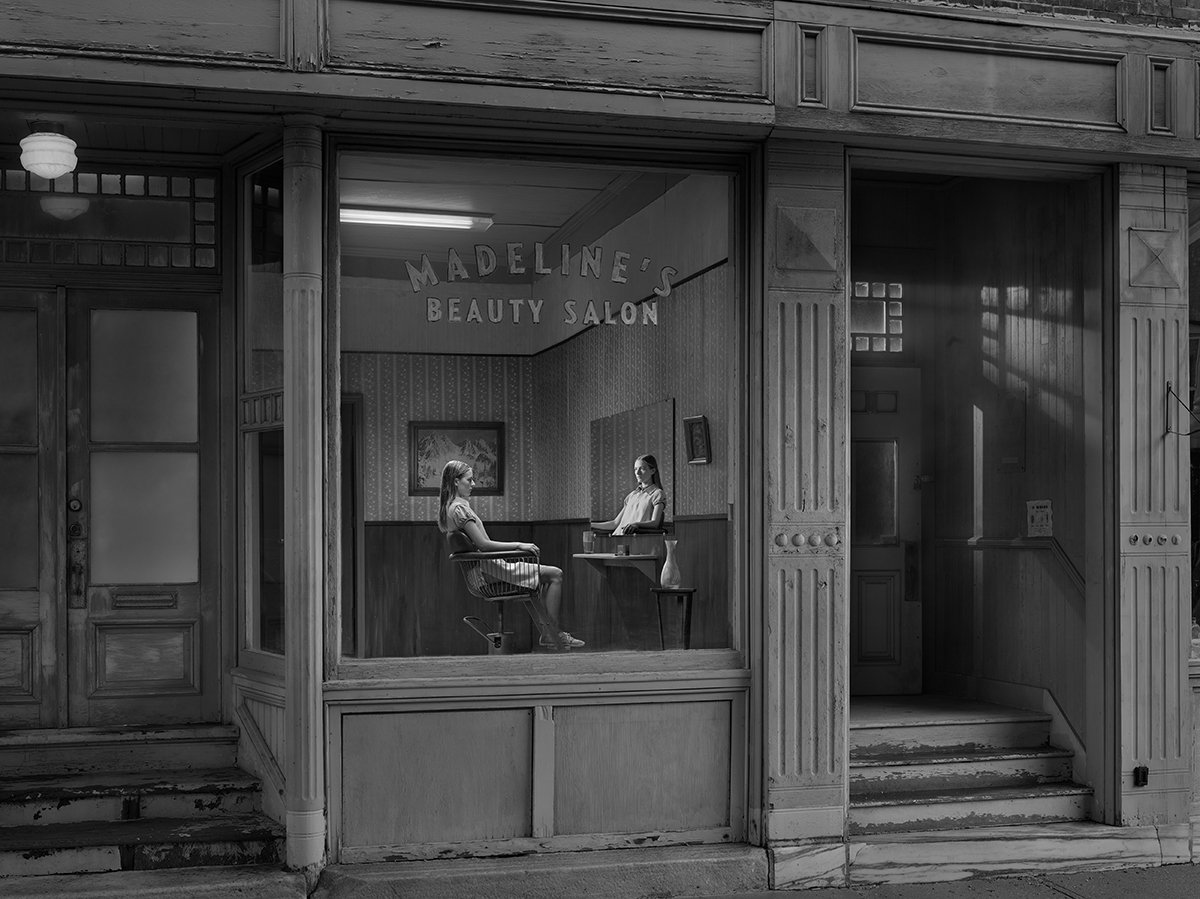
Yes, I mean, photography is about framing. So every part of it begins and ends with the frame. What's in the frame and what's not in the frame? Are there frames in the pictures? Because that's something I'm really interested in always. Windows, doorways, mirrors. These are all paintings. These are all frames within frames.
And they're all reminders that you're looking at a picture, that they're telling you something about the nature of storytelling. I like isolating figures in frames. Typically, a figure is isolated in some kind of framing device.
And that also helps to the story of aloneness because I think that's a big theme in the work. Wanting the sense of being alone or isolated, but also wanting to make a larger connection in the world. So these are all things I think about as I'm putting the story together.
Frames, it's really interesting. So do you build the scene around the frame, or when you find it, do you know it's your scene and what you're going to build around it?
Yes. So right now when I'm location scouting, I'm looking for ways to, I'm always thinking about how is the figure going to exist within a frame. And whether that's a porch or a car or some other framing device. I typically do not have two figures in the same space. Or if I do, there has to be a separation between them in some way. And I don't know why, that's just the way I read it.
How important when using frames is the symmetry? Is it like the proportions?
Always form first, always. It's always first a formal problem. So it's a formal problem first and then a psychological problem second.
What do you mean by that?
So you're looking to make a picture that is formally interesting. So you're using framing devices for that. But then there's another part of the equation, which is the psychology of the image. And that's harder to talk about, but that's the thing that is more interesting in the end. It's the thing that creates the psychological meaning. So what does it mean to have one figure isolated from another?
That means there's separation or disconnection, but there's also a longing, there’s a longing to make some kind of connection in the world. But I can't really say what my pictures say about those things really because if I knew, then it wouldn't be worth making the pictures. So the pictures help propel the search, but they don’t answer anything. They just lead you to the next picture.
You have mentioned that your images capture a perfect moment that never really existed. How do you know when you found that moment and the photograph is complete?
Well, first of all, you could see it when you're making the picture. You could literally see it on a screen or you could see it right in front of you even better. You could see when all the lights and the colour and the mood and the atmosphere all come together and you can see that. You could literally see it and you know that you've made it work. But then there's the whole process of putting all that together in post-production afterwards.
That takes a really long time to try to recreate the thing you saw on set. And you do that through digital compositing and Photoshop and all that stuff. Because we're constantly doing different focuses and stuff because we want all those elements. We need them for post-production. So we're shifting, the camera never moves ever. So it's not like we'll improvise and shift, because the camera's locked down, we could use all the elements later to create perfect focus and perfect atmosphere, the right fog, the right light, all of that.
And then you take just one frame or you take many exposures?
We take many exposures, many, like a hundred, over a hundred. And we're shooting, well, it's mostly light. We shoot always at twilight. We're shooting from light to darkness. And then we're also shooting for all the focus planes. We're shooting foreground, mid-ground, background, shooting elements for different light sources, fog passes. And not that we're going to use all those, we need them, because if we want to use them, we have them, if we need them, we'll use them. But if we don't have them, we can't use them.
It usually ends up with a master take that has everything as good as possible. Then, we add the foreground or background prop to make everything sharp.
What advice would you give your younger self about photography, now that you’ve been doing it for so long?
Just be truthful to yourself. Understand that all you have is your particular vision of the world. So you have to nurture that.

So it means not to compromise or...
Yeah, not to compromise. And it's really sometimes hard not to try to chase things like chase trends or chase relevancy, but you wind up chasing your own tail. If you do that, you have to know that what you're doing is there's a reason you're doing this and just be persistent and truthful and respectful to your vision, I guess.
And how do you know if you're staying true to yourself or if you're just wrong?
You just don't know, but you give your best guess and you try to keep on true north, the compass. And the other thing I would say is like being an artist by definition, there's an element of failure and there’s an element of disappointment always on every level. You have to understand that it's built into the medium and you have to accept that as well. So be truthful, but also understand that every artist confronts failure as part of the condition of being an artist.




Martin: Thank you for your time and for the interview.
Gregory: Thank you so much.
More photography books and interviews?
We'd love to read your comments below, sharing your thoughts and insights on the artist's work. Looking forward to welcoming you back for our next [book spotlight]. See you then!
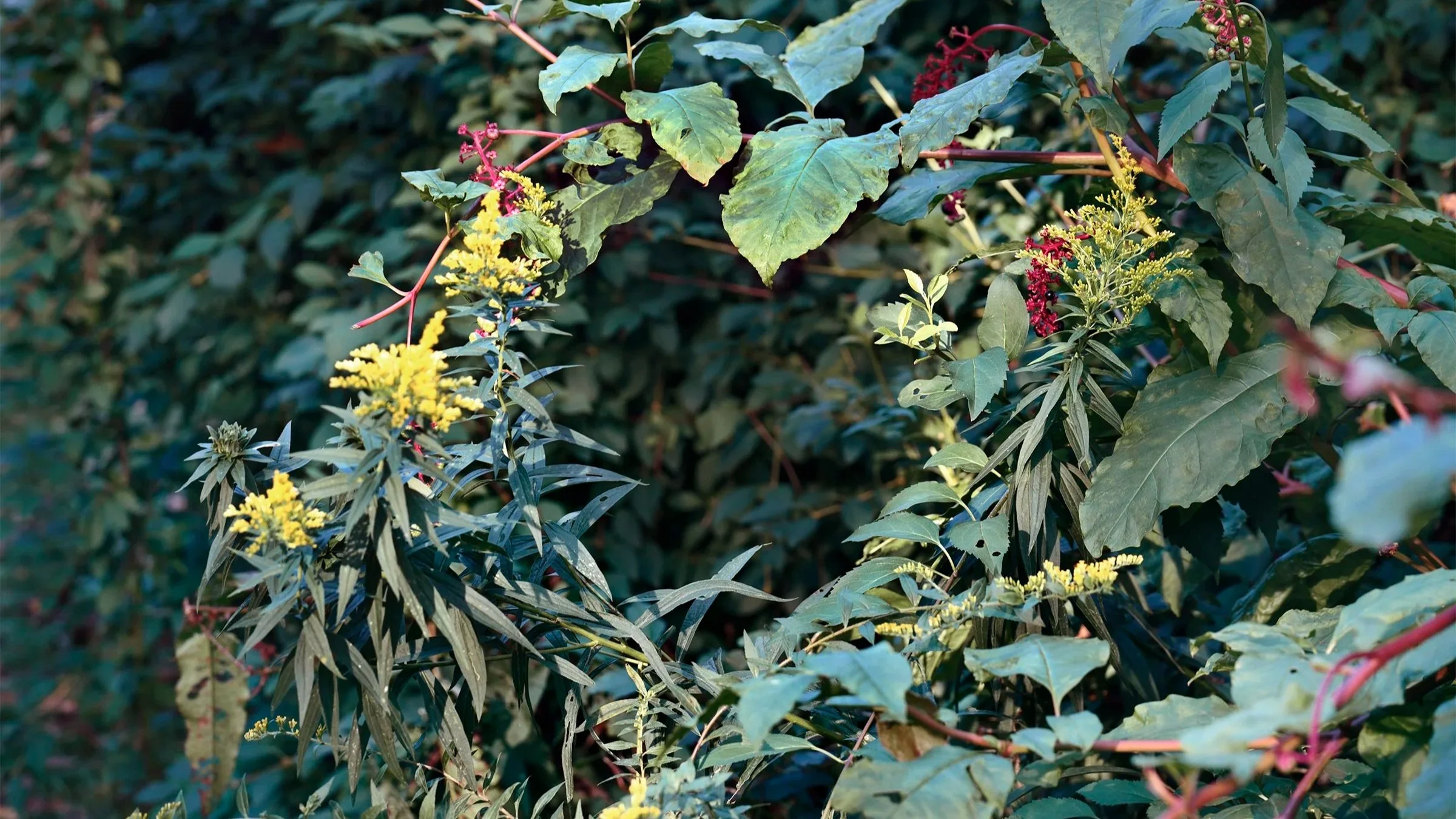
Catherine DeLattre’s photographs begin with something worth stopping for. Driving through Wayne County, Pennsylvania, she notices isolated houses, trees, and open fields. Photography Book Spotlight