Why Wendy Ploger Didn’t Burn Her Diaries and Instead Turned Them Into a 104-Page Photobook
Welcome to this edition of [book spotlight]. Today, we uncover the layers of 'Thank You For Ruining My Birthday,' by Wendy Ploger (self-publishing). We'd love to read your comments below about these insights and ideas behind the artist's work.
After her breakup, Wendy Ploger opened her diaries instead.
What began as private notes written between 2015 and 2019 slowly turned into material she could no longer ignore. During the pandemic, while injured and unable to work or even walk, she reread 116 pages of diary entries and recognized patterns of loss, repetition, and change. Rather than hiding or destroying them, she began asking whether these words and photographs could hold meaning beyond herself. This interview explores how personal records became the foundation of a photobook.
Editing the diaries was not about confession, but about decision.
Wendy reduced years of writing down to just 10 pages, applying the same strict editing she uses in photography. She worked closely with designer Cara Buzzell to shape pacing, silence, and connection between text and image, without forcing clear explanations. Along the way, themes of loneliness, dating, self-portraiture, and daily survival in New York City quietly emerged. The result is a conversation about how restraint, editing, and honesty can turn lived experience into a finished book.
The Book
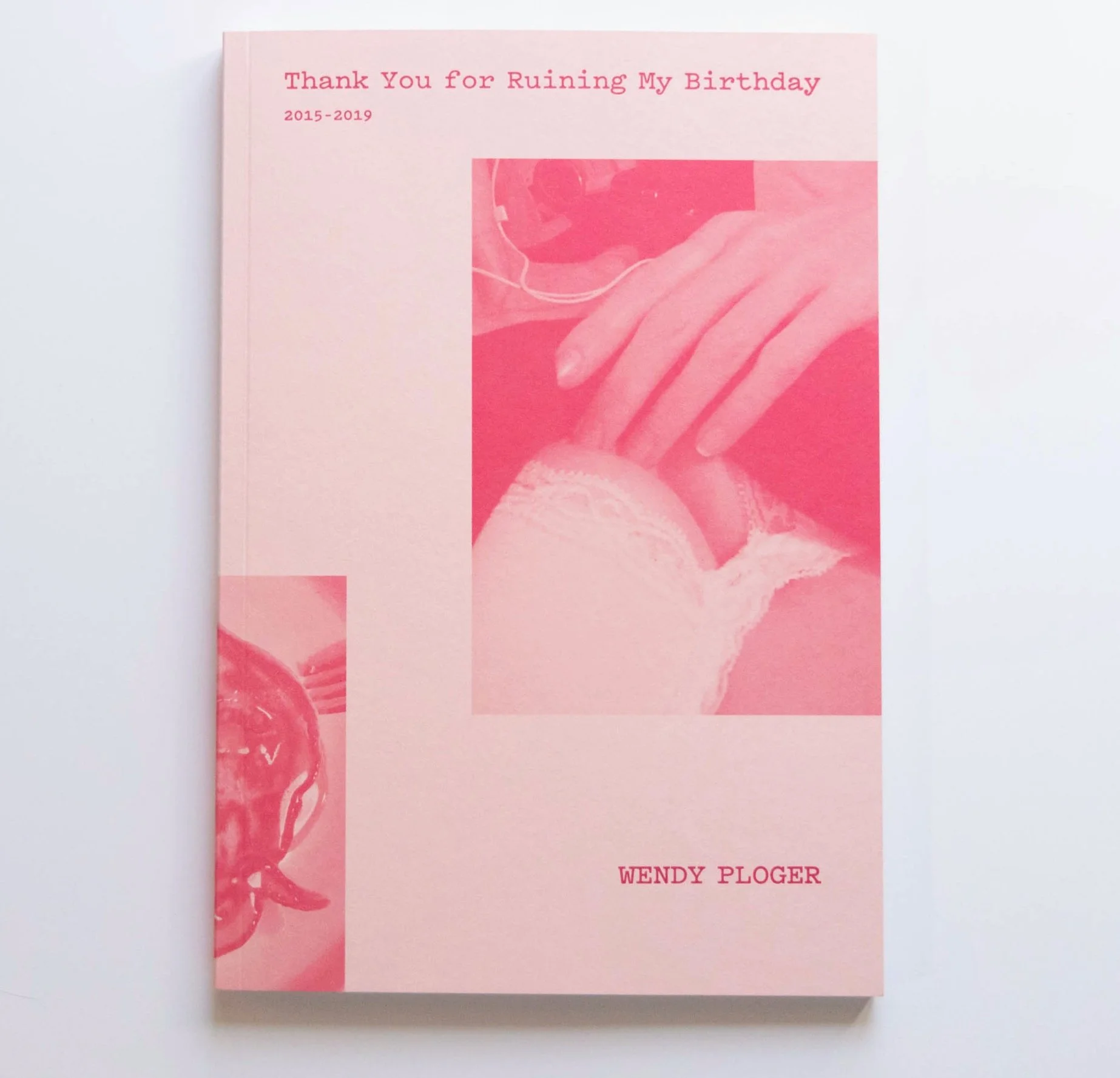
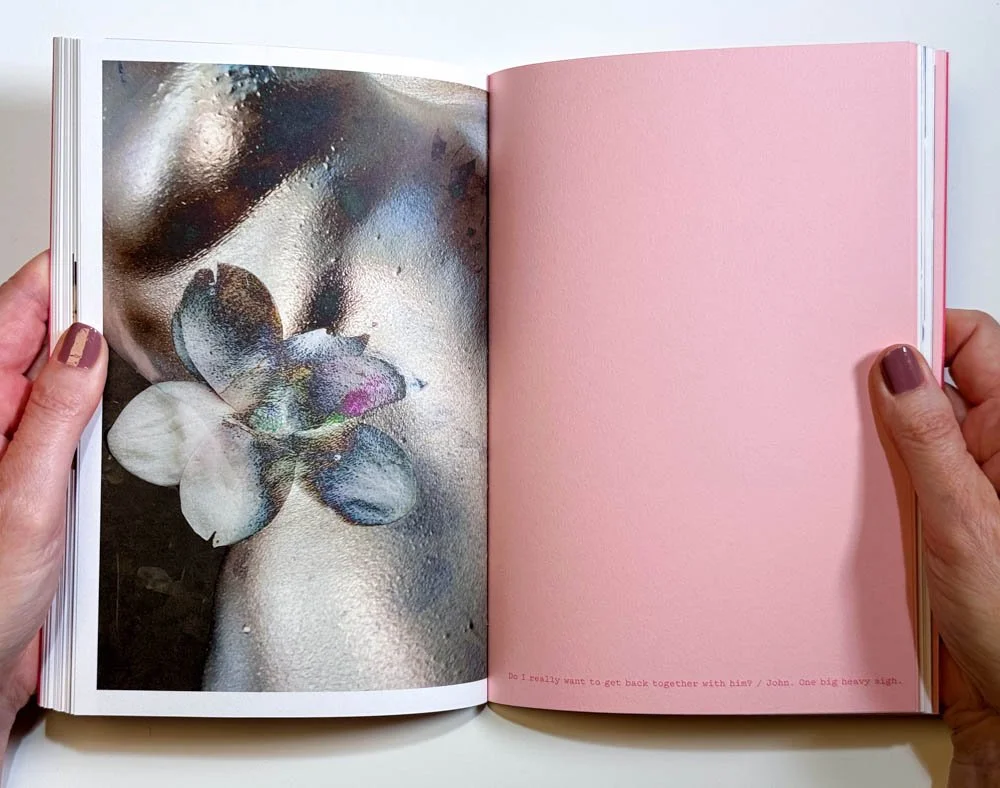
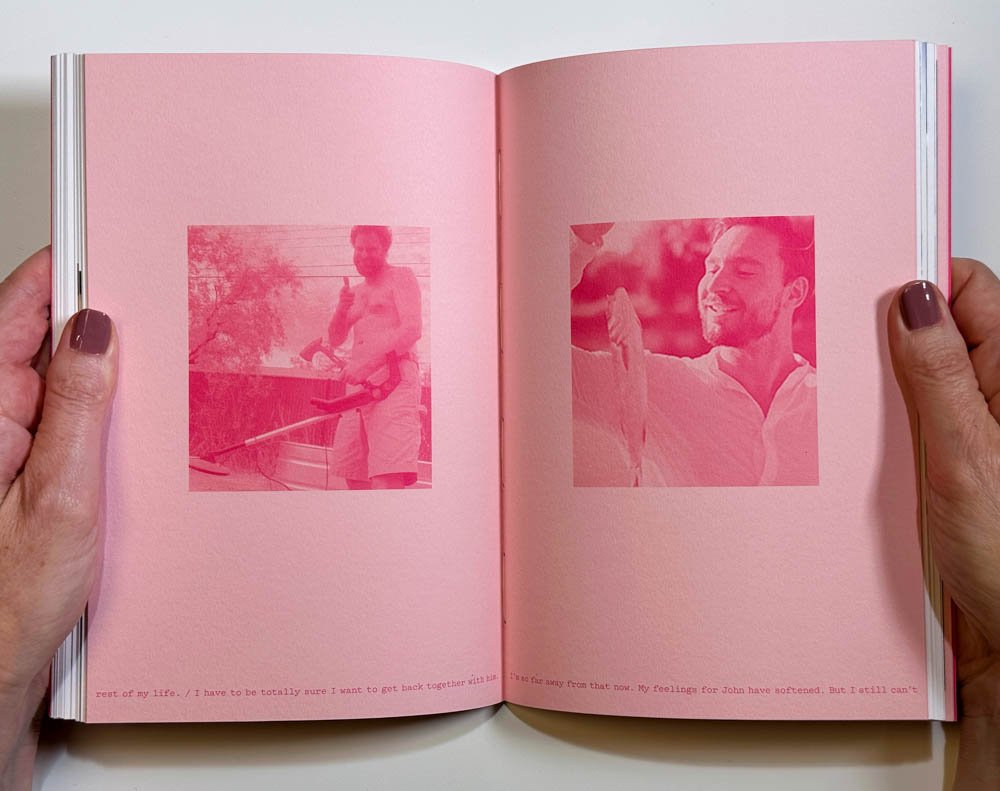
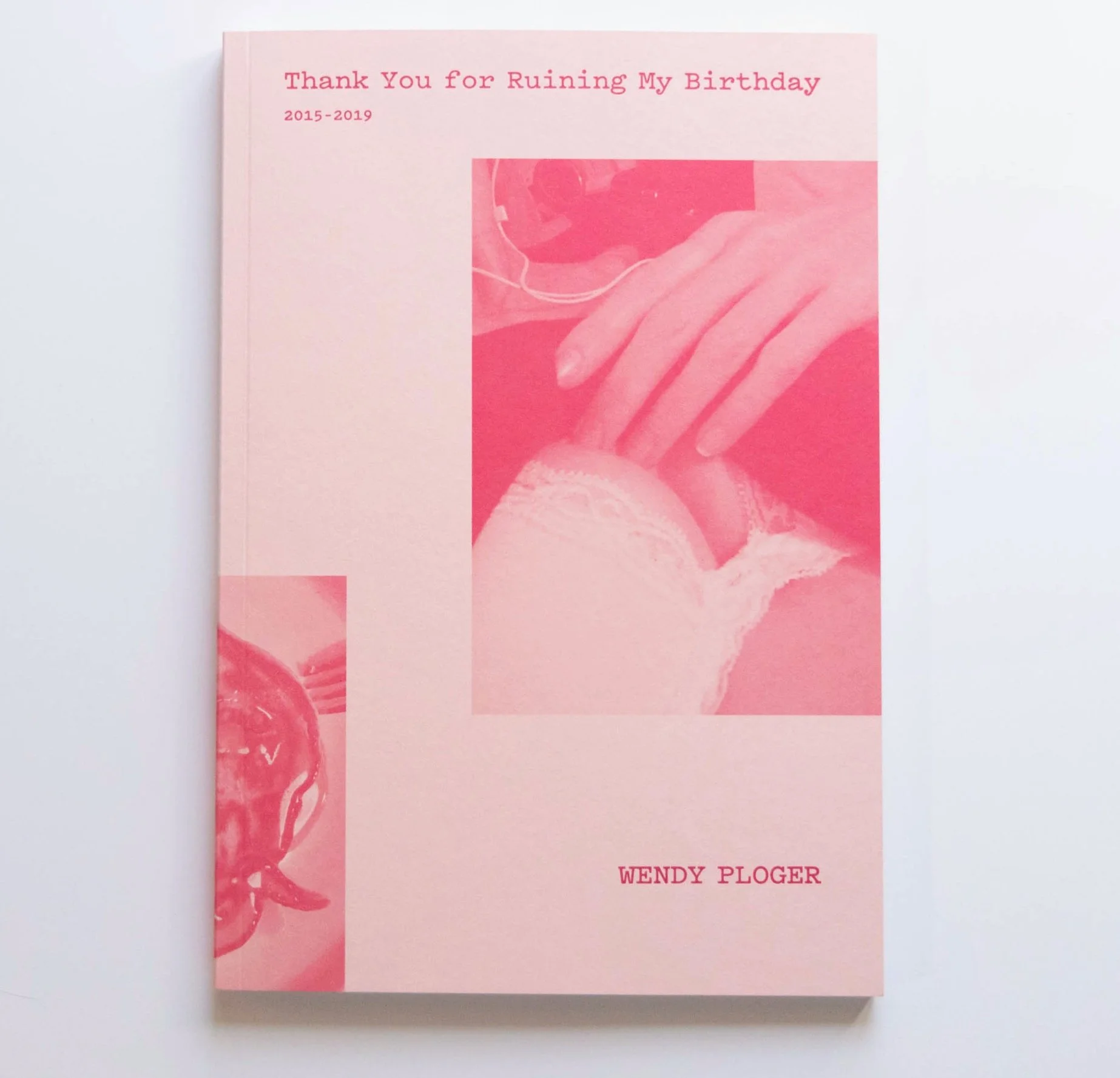
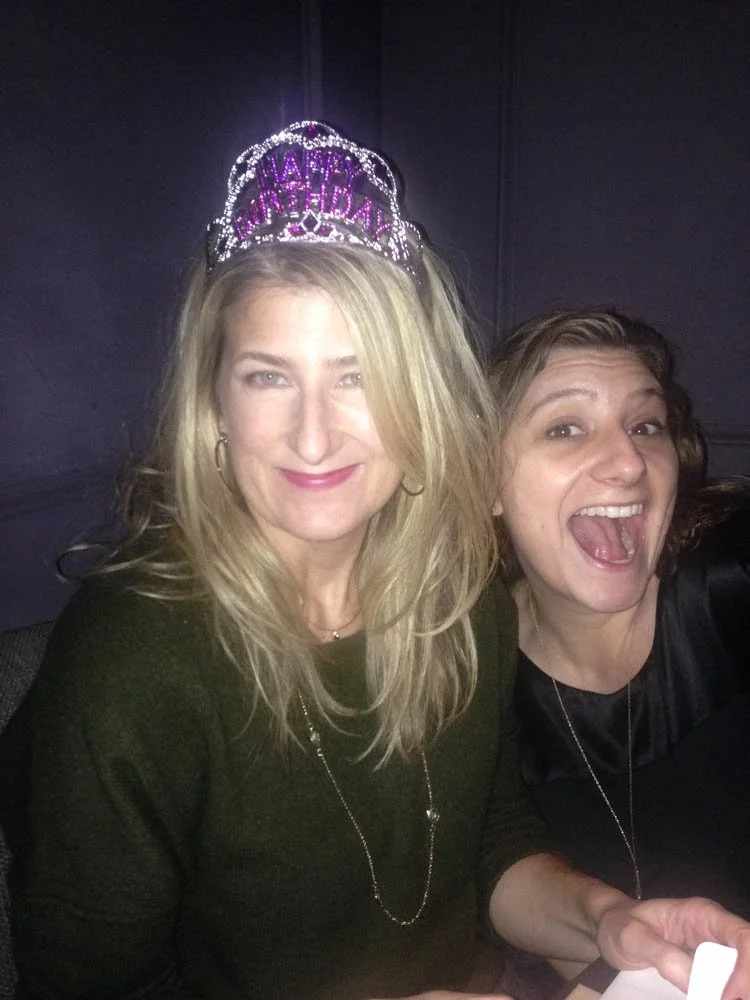
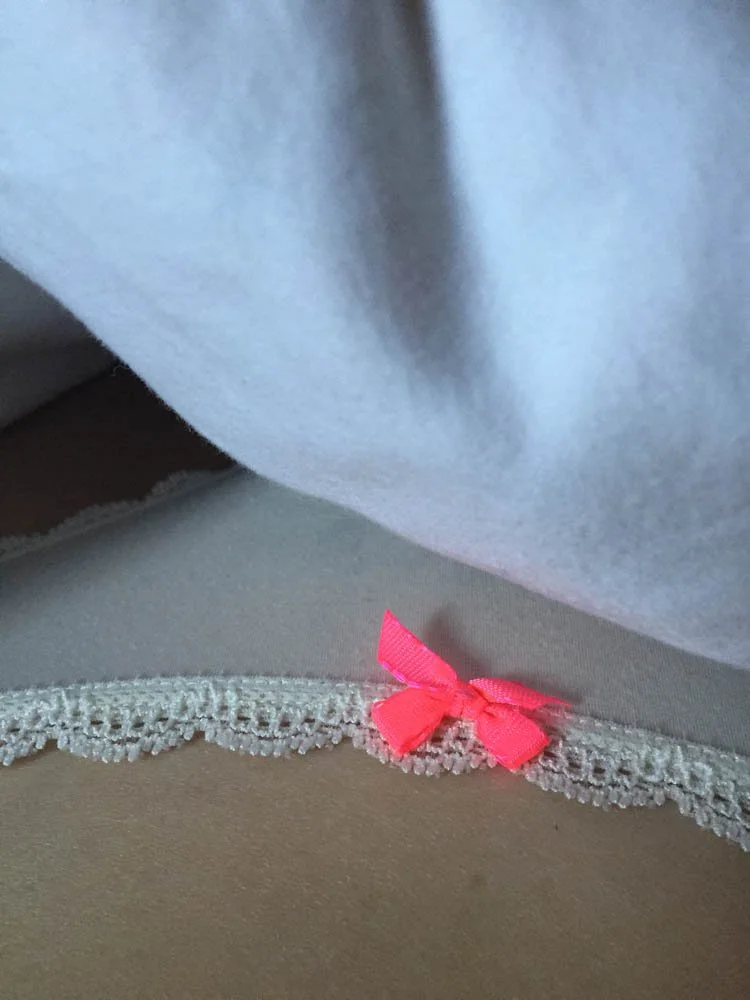
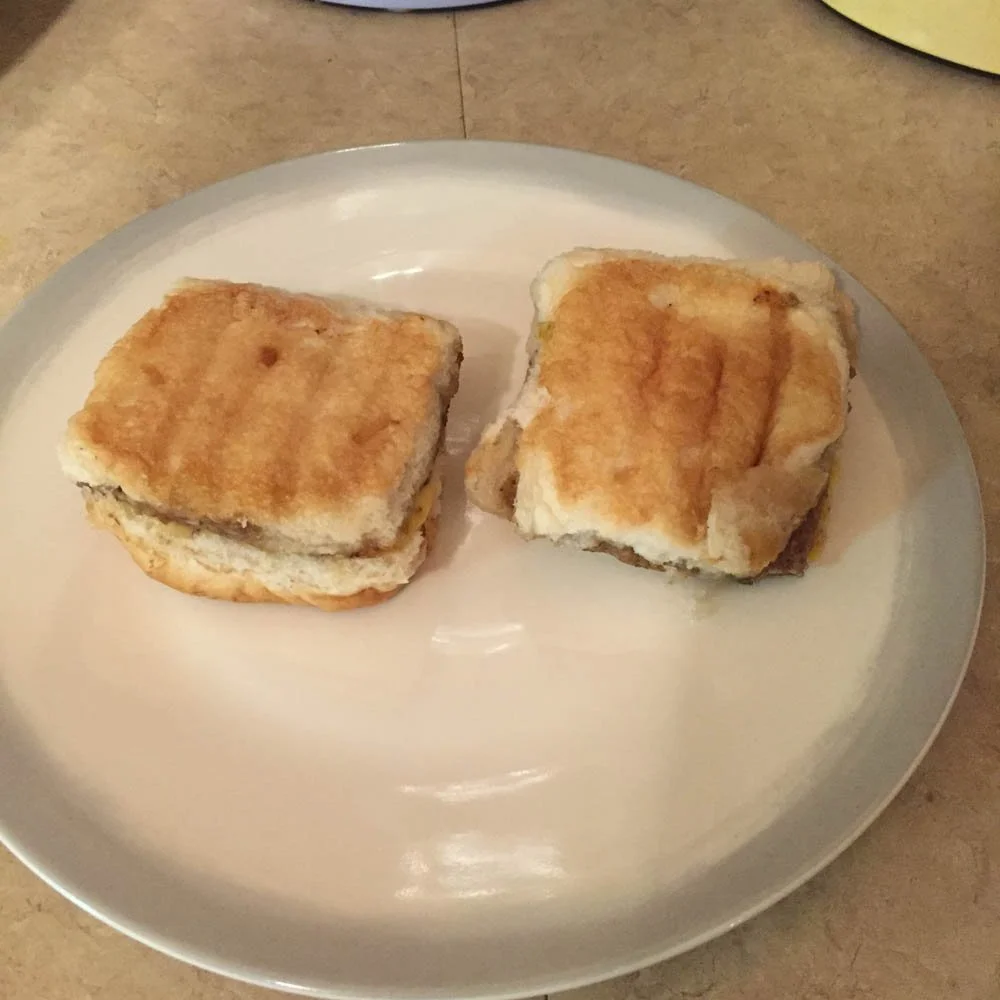
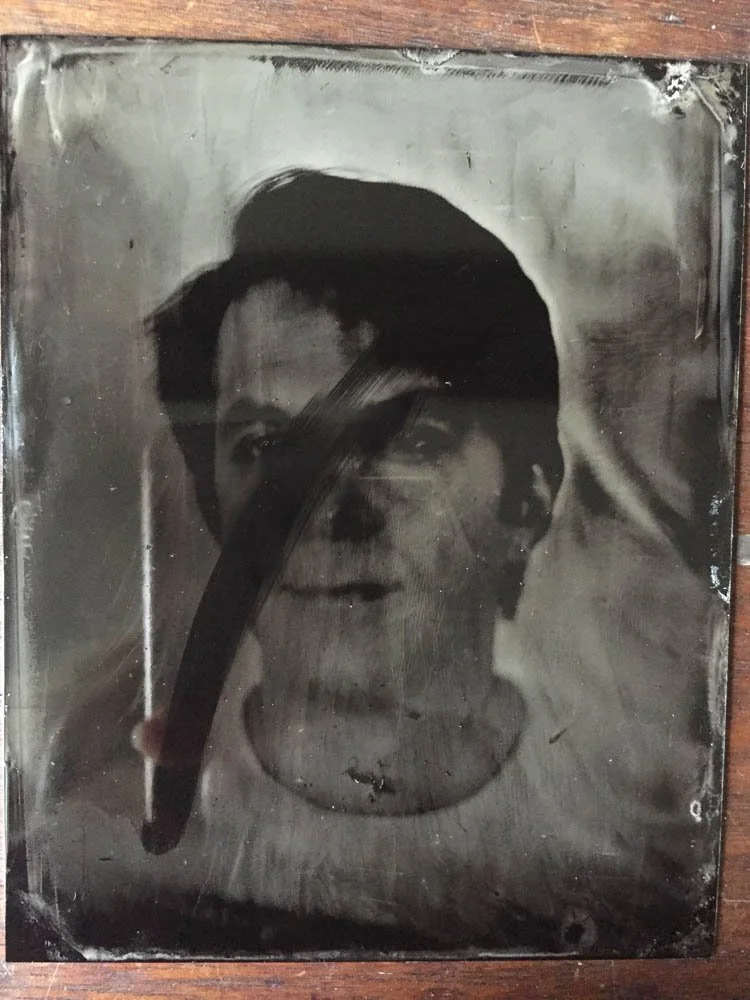
Thank You for Ruining My Birthday is Wendy Ploger’s first book, built from pages of her own personal diaries and images drawn from her photo library. The 104-page softcover traces the rejection, loneliness, and uncertainty she experienced while dating in New York City after the sudden end of a long-term relationship. Ploger pairs frank, sometimes funny writing with visual moments to explore identity, reinvention, curiosity, and the messiness of modern life. (Website)
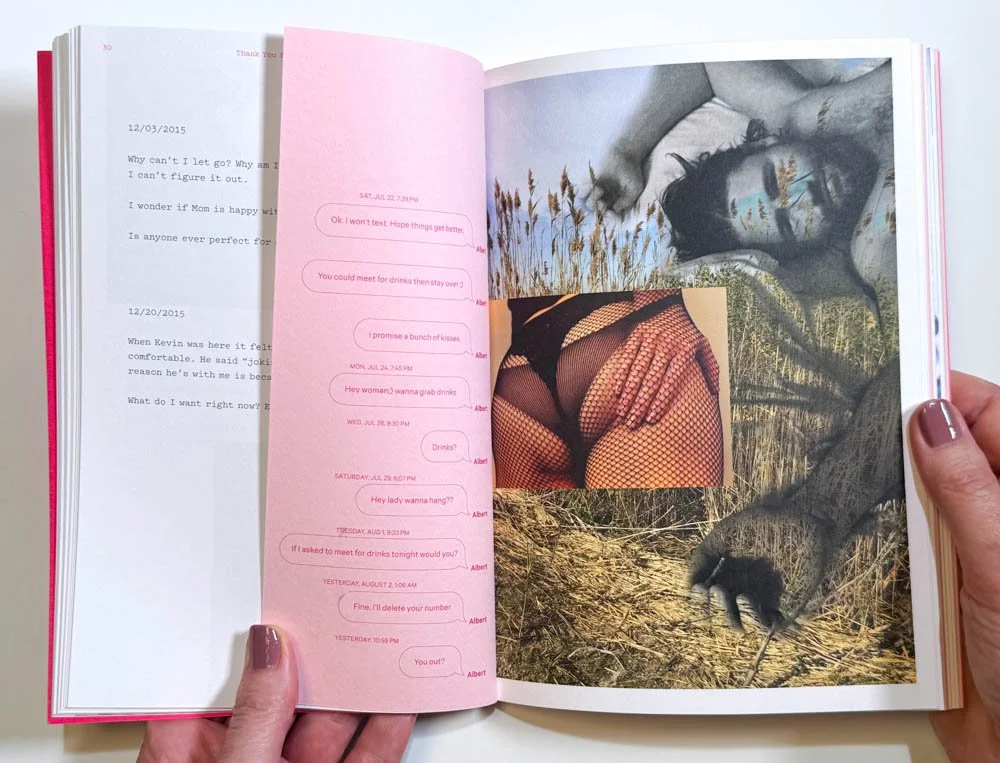
Project Genesis: What made you decide to transform your personal diaries from 2015 to 2019 into a photobook rather than keeping them private or burning them?
During the pandemic, I broke my left heel bone, so in addition to losing work, and not being able to socialize, I couldn’t even go for a much needed walk. I could, however, purge and organize so when I came across my diaries, I read a few entries to see if they were worth saving. While a lot of what I wrote was boring and repetitive, there did seem to be some nuggets of value.
It was cathartic to read about my “former self,” after the abrupt end of a long-term relationship. Looking back on that time reminded me that I have the capacity to grow, and lean more into Me (with the help of friends), and not Me within a relationship. That is empowering. And perhaps others could relate to that feeling of loss, but also the chance to better understand oneself.
I also signed up for Jason Langer’s monthly online photography CORE group meetings, and the seeds were planted for making a book, integrating my diary entries with the photos I took around the same time.
Visual-Text Integration: How did you select which photographs from your personal library would pair with specific diary entries, and what guided your decisions about this relationship?
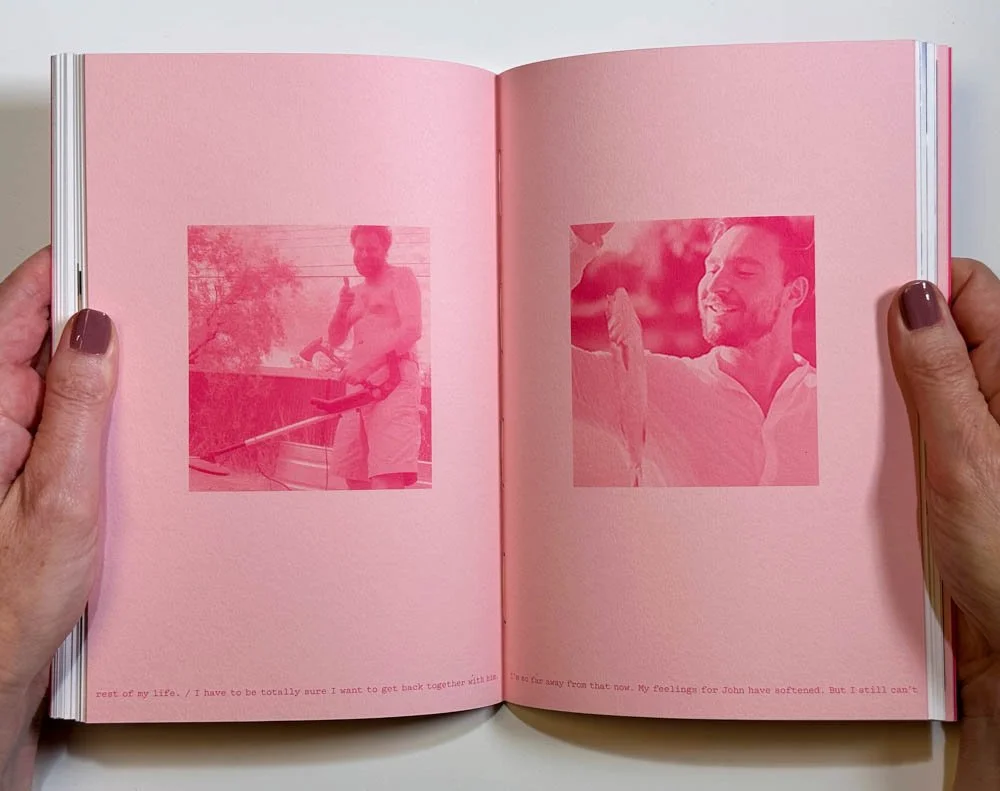
I looked for photos that reflected my state of mind at the time of the diary entries. When I took the photos, I wasn’t consciously aware of that connection, but the feelings of isolation and loneliness were quite obvious in the imagery, even though I didn’t really notice at the time they were taken. In terms of the layout within the story, my book designer, Cara Buzzell and I decided to not make the connections between the writing and the photography too obvious, but rather pace in such a way to let the reader make the connections themselves as the story advanced.
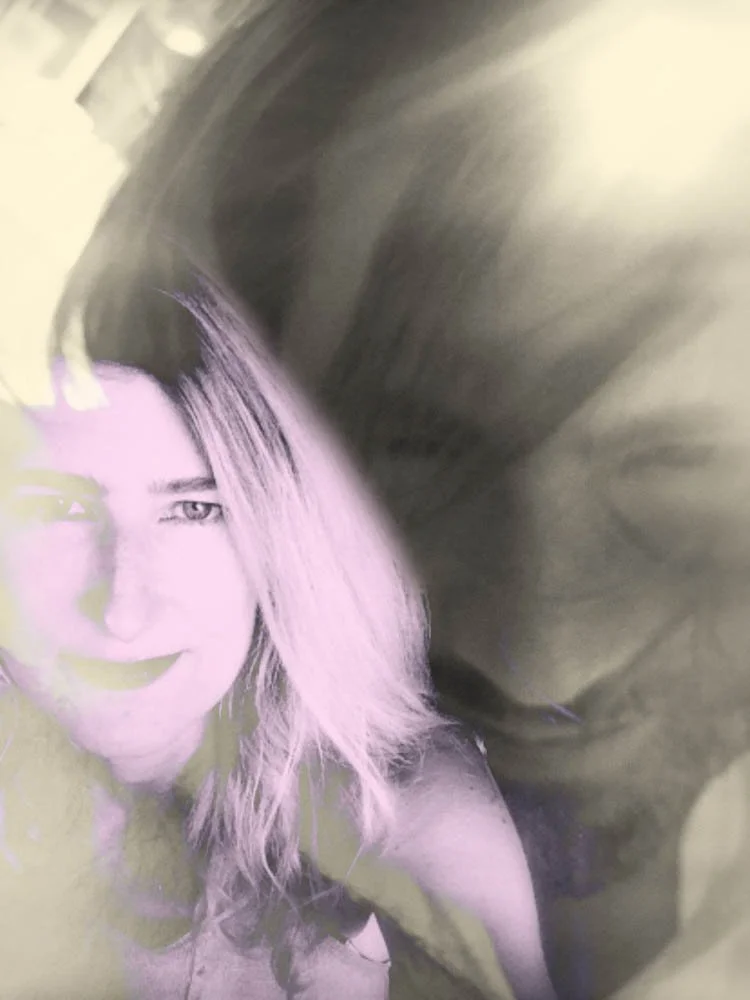
Editing Process: You reduced 116 pages of diary text down to 10 pages. How did you approach this aggressive editing while maintaining the emotional truth of your experience?
I’ve never considered myself a writer, but I have enjoyed editing other people’s work. I admire writing that says a lot with very few words. As a photographer, I have learned to be a very strict editor, making tough choices of elimination, maximizing impact with fewer photos. I do the same with words. But before I deleted any writing from the diaries, I asked myself if it was relevant to the narrative. And even if it was, I tried to eliminate any repetition.
Another rule I set was to step outside of myself and imagine someone reading for the first time. If I was bored by my own writing, then someone else reading it would be more so! It’s probably helpful that I lived it, and knew the story intimately. I did 3 major edits, and went through a few highlighters. Gina Rae La Cerva, author of Feasting Wild, was a great sound board for any awkward or incomplete writing within the story, so that was very helpful as well.
What did she (Cara Buzzell) bring to the project that you couldn't achieve on your own?
That was a humbling discovery. I thought for sure, I would be able to design the book myself. I had designed hundreds of magazine covers and layouts in my previous career as a graphic artist, and yet, when I sat down to make sense of my own photos and writing, I hit a wall. The layout of a photo book is very different than a magazine, I think, as the narrative is typically longer, and the visuals (and writing) need to keep the reader engaged for a longer period of time. Cara, a photo book designer, made sense of my messy story, understanding the relationship of the photos and writing much better than I could. From the final page count, to the paper stock, to the “intermission” pages in the center of the book, Cara really understood the reader’s experience, and was able to set the ideal pace, in an approachable, unique, and accessible book. I trusted the process, and Cara’s vision, much better than my own. It was a great match.

Self-Photography Approach: The book includes self-portraits and images where you turn the camera on yourself. How did photographing yourself during this vulnerable period differ from your work photographing others?
Photographing others was my way to connect with strangers. A person reveals a lot about themselves when a camera is pointed at them. There is a psychological element to photographing someone – you need to gain their trust very quickly. The end result was making sure the person was happy with their image, positive, and in a good light.
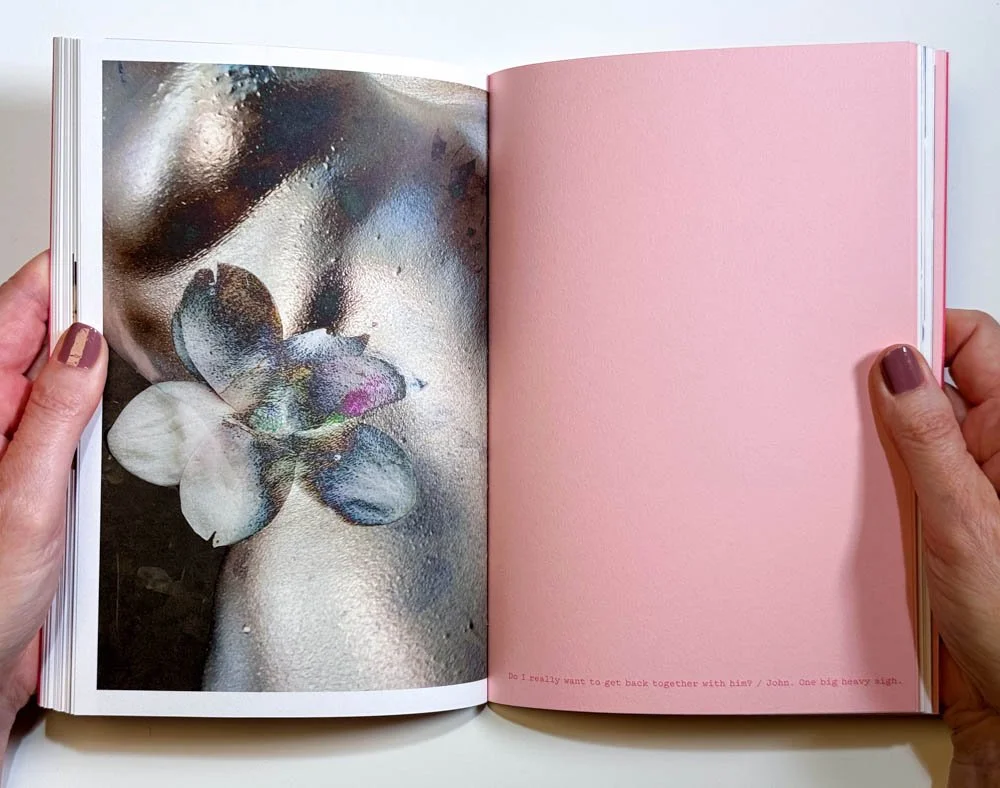
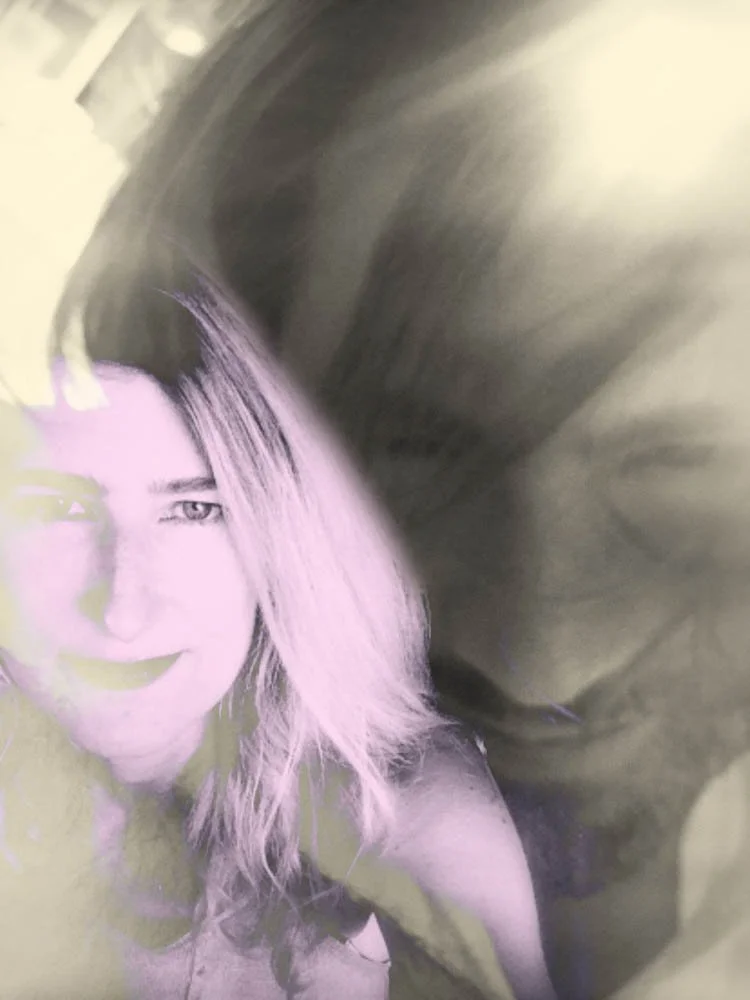
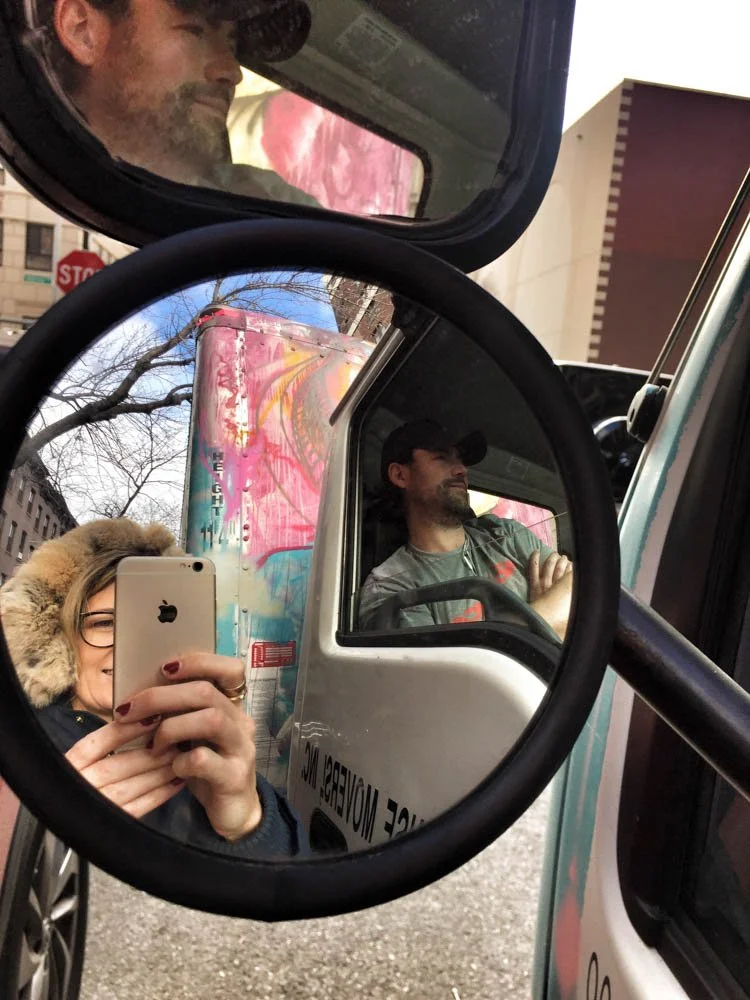
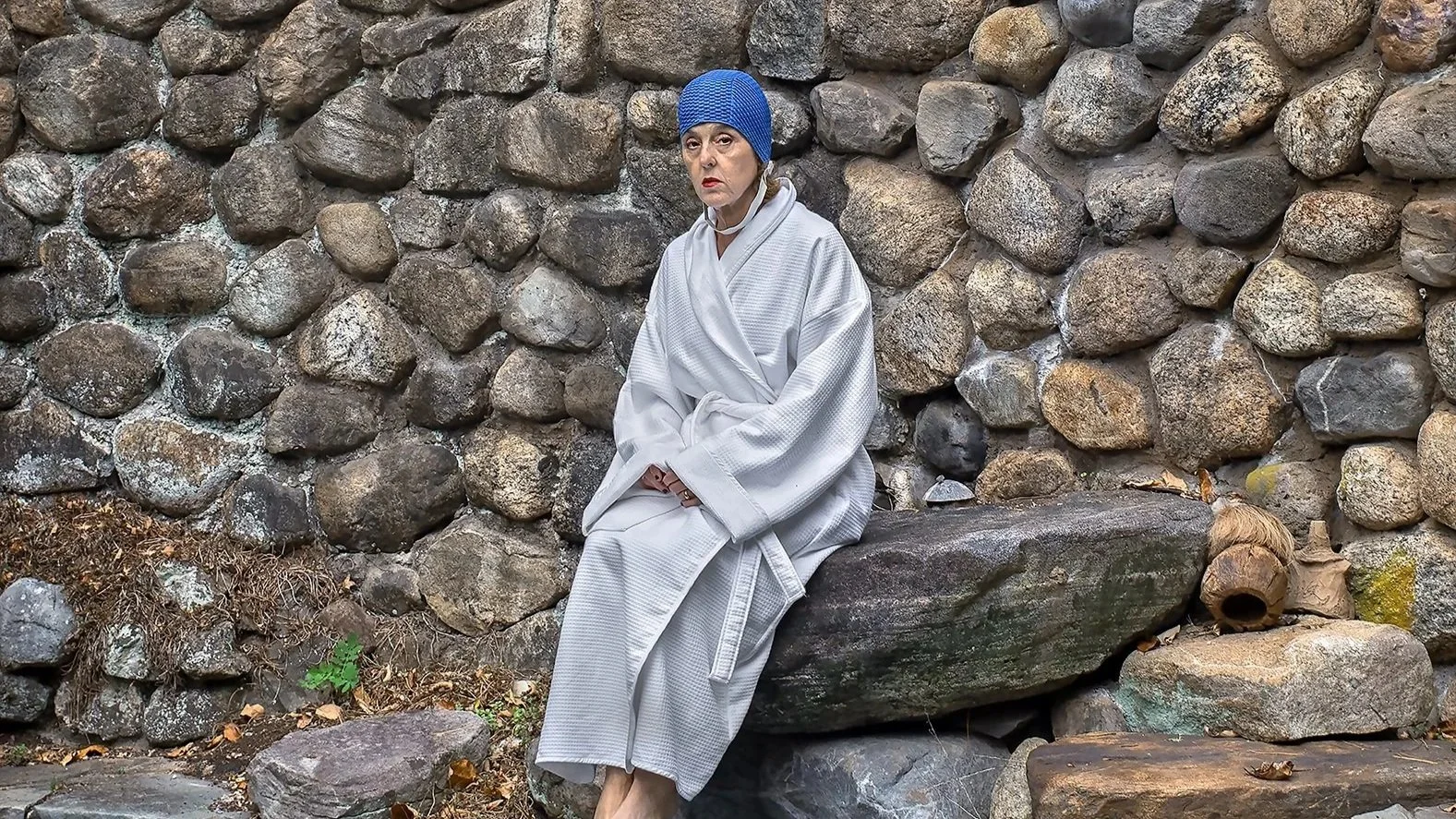
Taking this a step further, I wanted to learn more about myself, and self-portraiture was a tool for exploration. Perhaps a little scary at first, but it felt important- what are my limits, my likes and dislikes. And I enjoyed finding all the ways a person can look, from the bad to the pretty. It was raw, often unflattering, and fun. I tried to lean into the beauty of my uniqueness, literally enveloping myself with images of gold and nature which I’ve always been attracted to. I was letting go of old criticisms, building authenticity, and the capacity to love again.
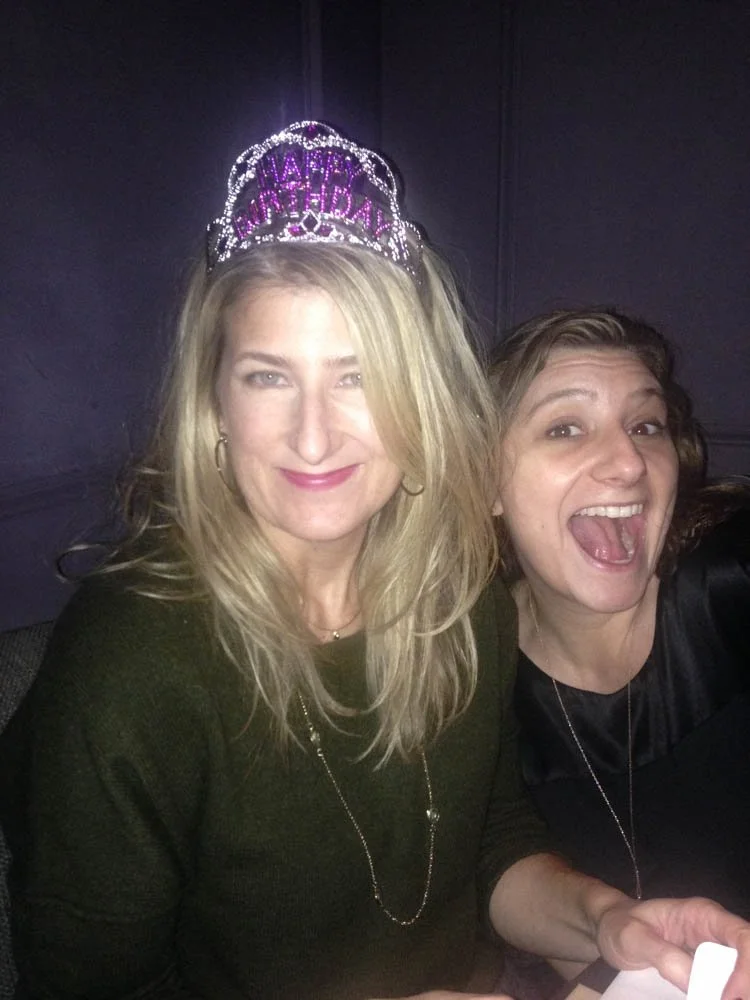
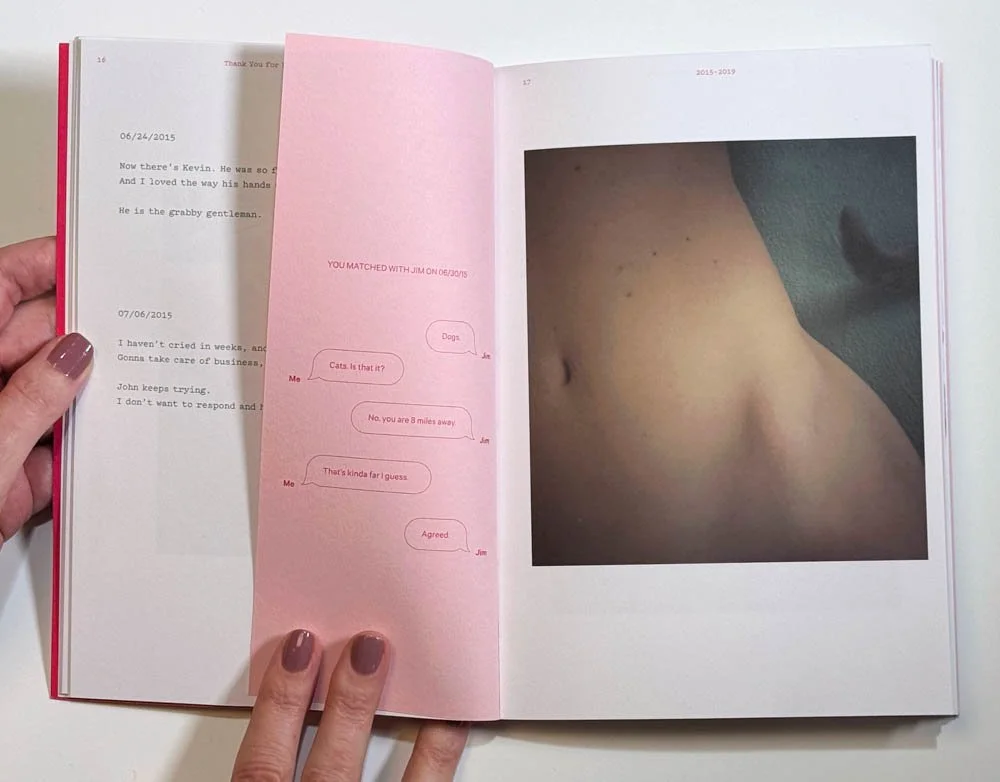
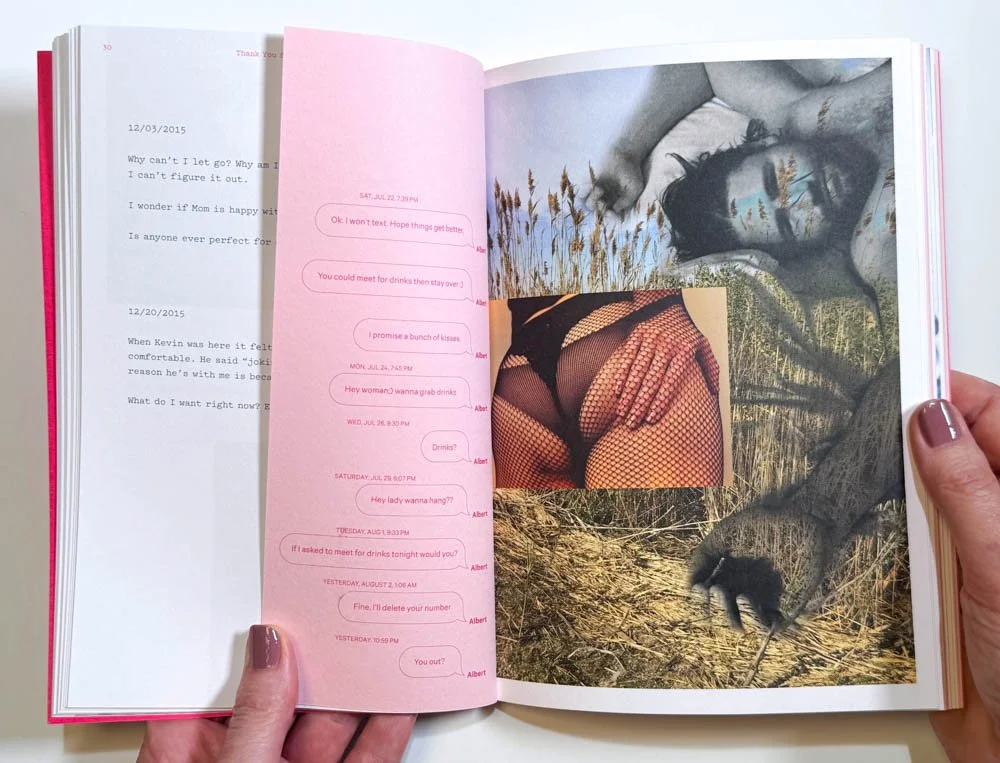
Book Design Elements: The book includes 10 inserts along with the 104 pages. What role do these physical inserts play in telling your story?
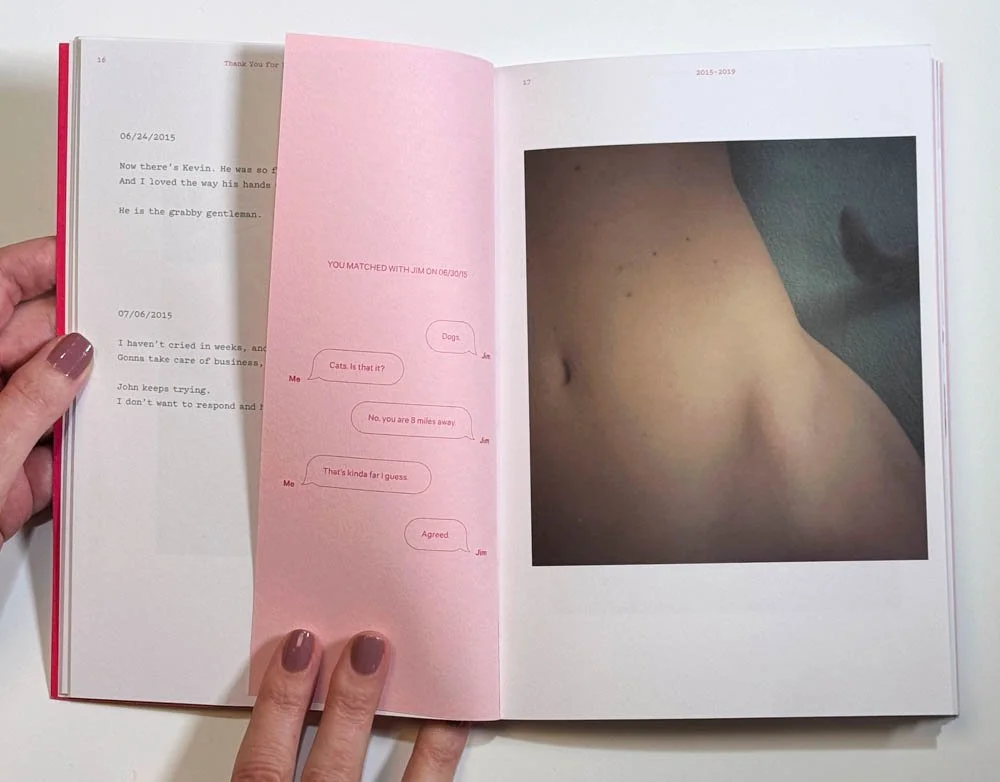
In addition to the diary entries and photos, I had also collected a number of sample conversations, clips, etc. The inserts mimicked the size of a cell phone screen, and also hid/revealed the photo that proceeded or followed in the book. It was nice to show these outside conversations woven in between the more personal diary entries, adding dynamic pauses to the story.
NYC Context: How did New York City itself function as both a backdrop and a character in your dating journey, and how did you capture this through your photographs?
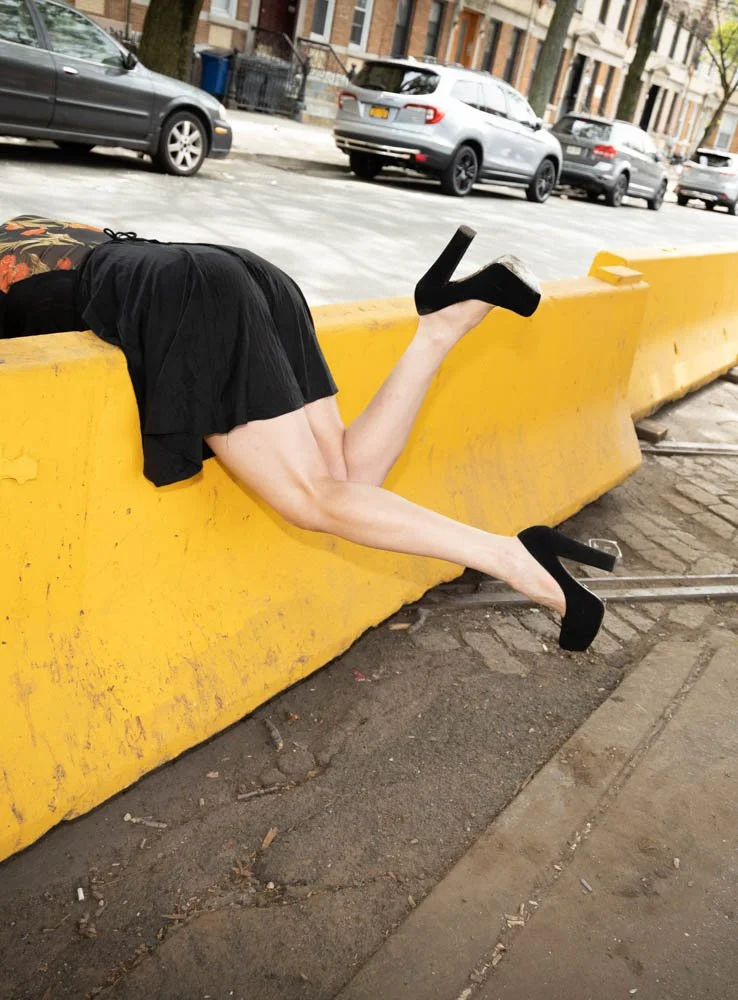
Living in New York City, I was always outside of my apartment, in different neighborhoods for my work as a photographer, but also with friends, shopping, museums, parks, and the like. Many hours were also spent shoulder to shoulder with complete strangers on the subway. And it is a constant inspiration for capturing a variety of life.
I found it easier to meet up with potential suiters because the dating pool is larger in NYC, but also easy to escape them, if needed, by disappearing back into the chaos of the city. I generally felt safe by the sheer number of people in my small radius, and within the comfort of brownstones, skyscrapers and bodegas. But there were times when I felt extremely alone despite the numbers. Taking photos allowed for closer inspection of the world right in front of me, in addition to revealing my internal thoughts and questions. Nan Goldin’s Ballad of Sexual Dependency on exhibition at MoMA at the time, also resonated, as did other photography and art exhibitions throughout the City.
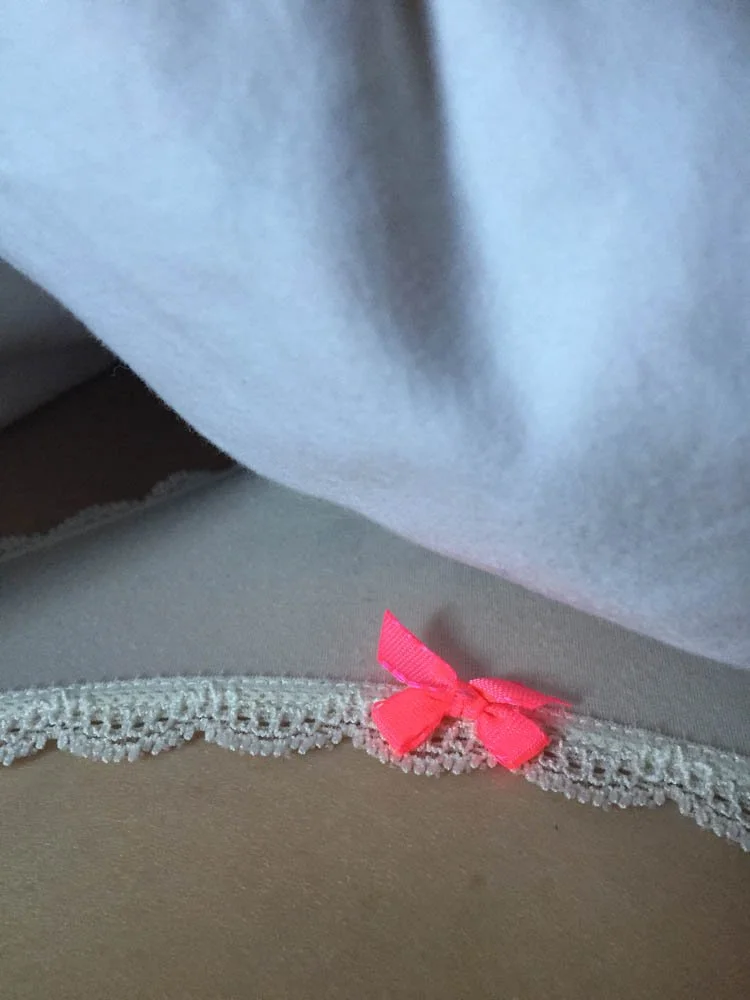
Authenticity Balance: How did you balance being honest and raw about your experiences while also making the story universal enough for readers to relate to?
It takes a village, as they say, and I am so grateful for the few people who read the book in advance of its publication. Based on their reaction and input, I had a good feel for how others might relate. We all can feel loneliness and rejection, and joy. The book may not be for everyone, but I felt that if I truly spoke from my heart, that it would resonate with others.
Photography as Therapy: In what ways did the act of photographing during this period of rejection and reinvention serve as a coping mechanism or tool for self-discovery?
Photography, while used as a tool of internal exploration, also got me out of my own head, and forced me to notice life going on as usual around me. The change of the seasons, the pigeons on the stoop, people going to work or holding hands, reminded me that, somehow, I fit into this chaotic world, and I wanted to know more, and to be a part of it.
More photography books?
We'd love to read your comments below, sharing your thoughts and insights on the artist's work. Looking forward to welcoming you back for our next [book spotlight]. See you then!
Ian Bates found his wildfire story after the fire. In 2014, he saw his first wildfire while visiting a friend in Eastern Washington. Photography Book Spotlight