Why James Florio Hiked Into a Blizzard Hundreds of Times to Photograph One Place
Welcome to this edition of [book spotlight]. Today, we uncover the layers of 'Thirtysix Views of Inverted Portal,' by James Florio (published by Mas Context). We'd love to read your comments below about these insights and ideas behind the artist's work.
For eight winters, one sculpture kept calling him back.
James Florio returned to the same hill again and again, often in extreme wind and snow, carrying an 8×10 camera and knowing he might not be able to make a photograph at all. The project grew through repeated visits, failed attempts, and long periods of waiting, until only 36 images remained for the final book. This is not about finding a single moment, but about staying with one place long enough to understand its limits. If you are interested in long-term projects, patience, and working with uncertainty, this conversation is for you.
This interview focuses on what it means to commit to one site over time.
Florio speaks about returning hundreds of times, accepting days when nothing was possible, and learning to work with nature instead of against it. He also reflects on large-format photography, physical effort, and why difficulty plays a central role in his practice. The conversation moves between making the images and shaping them into a book.
The Book
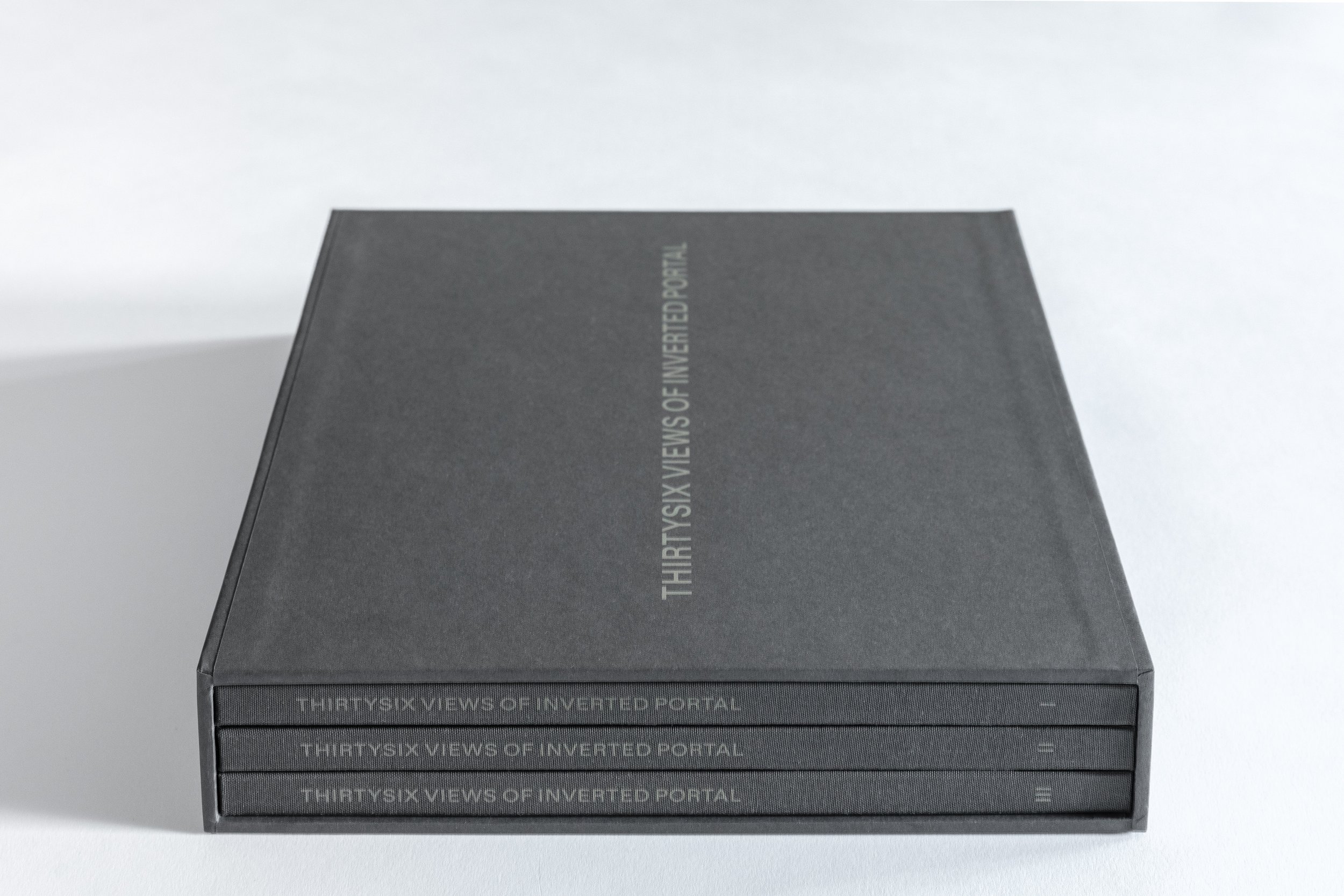
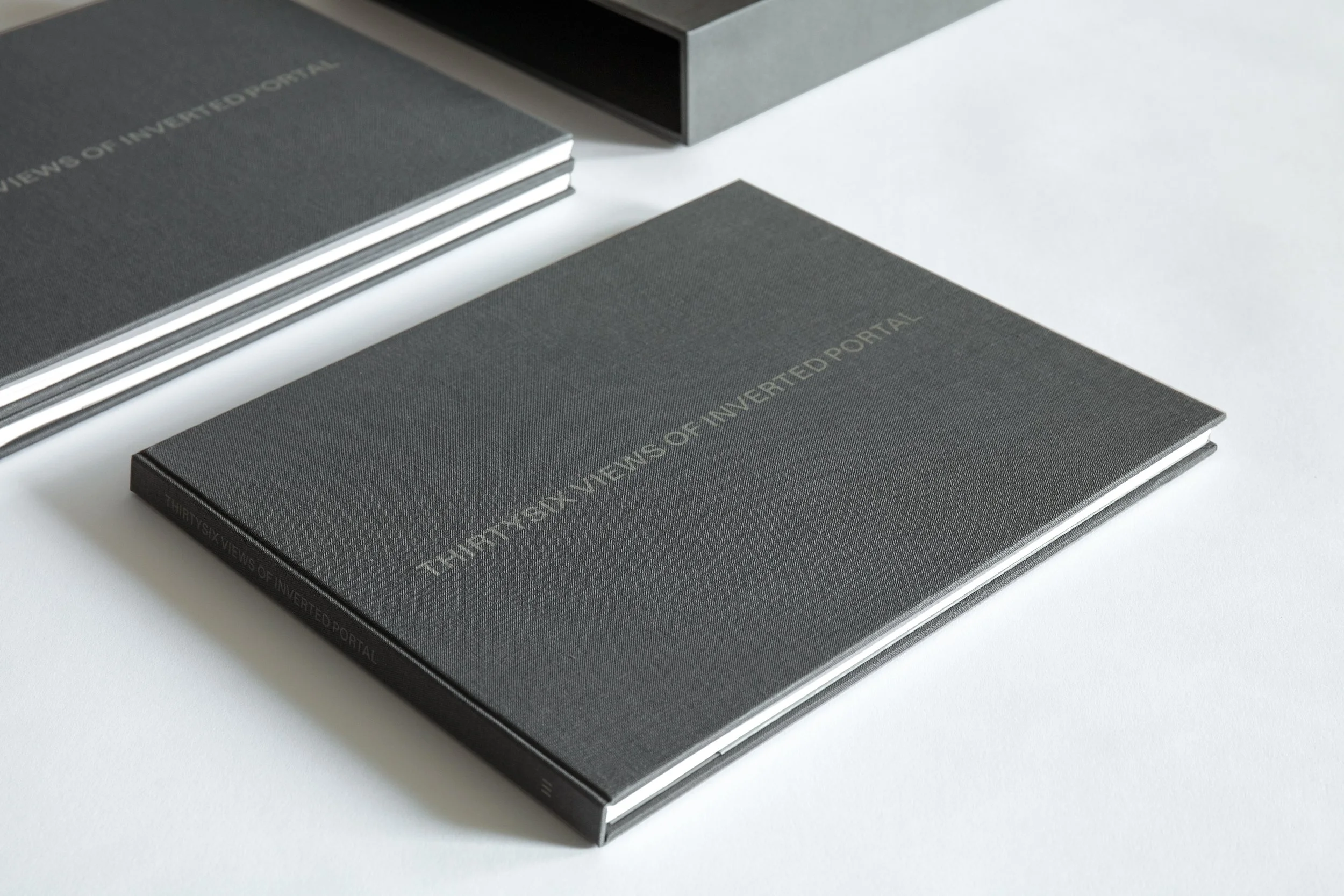
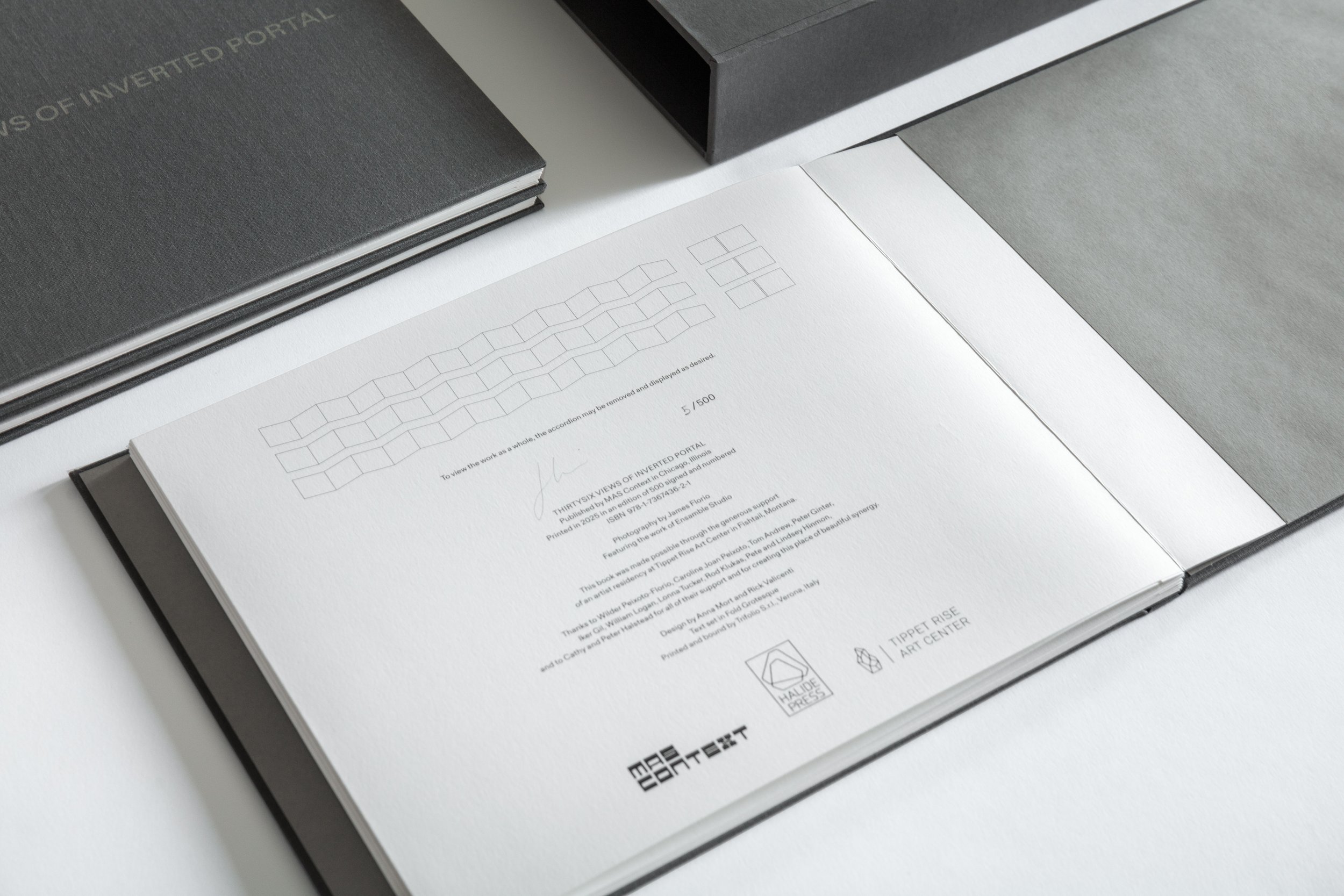
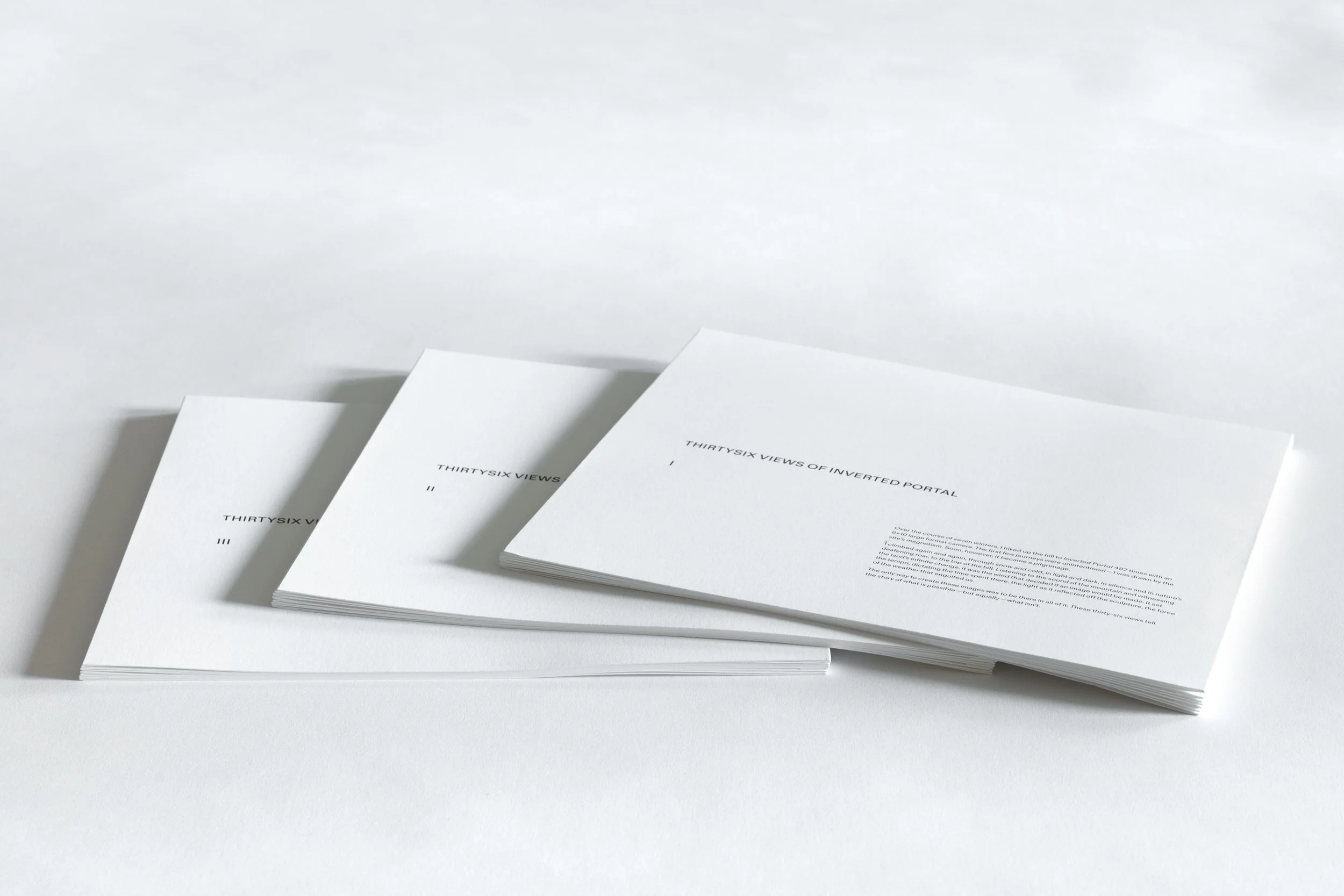
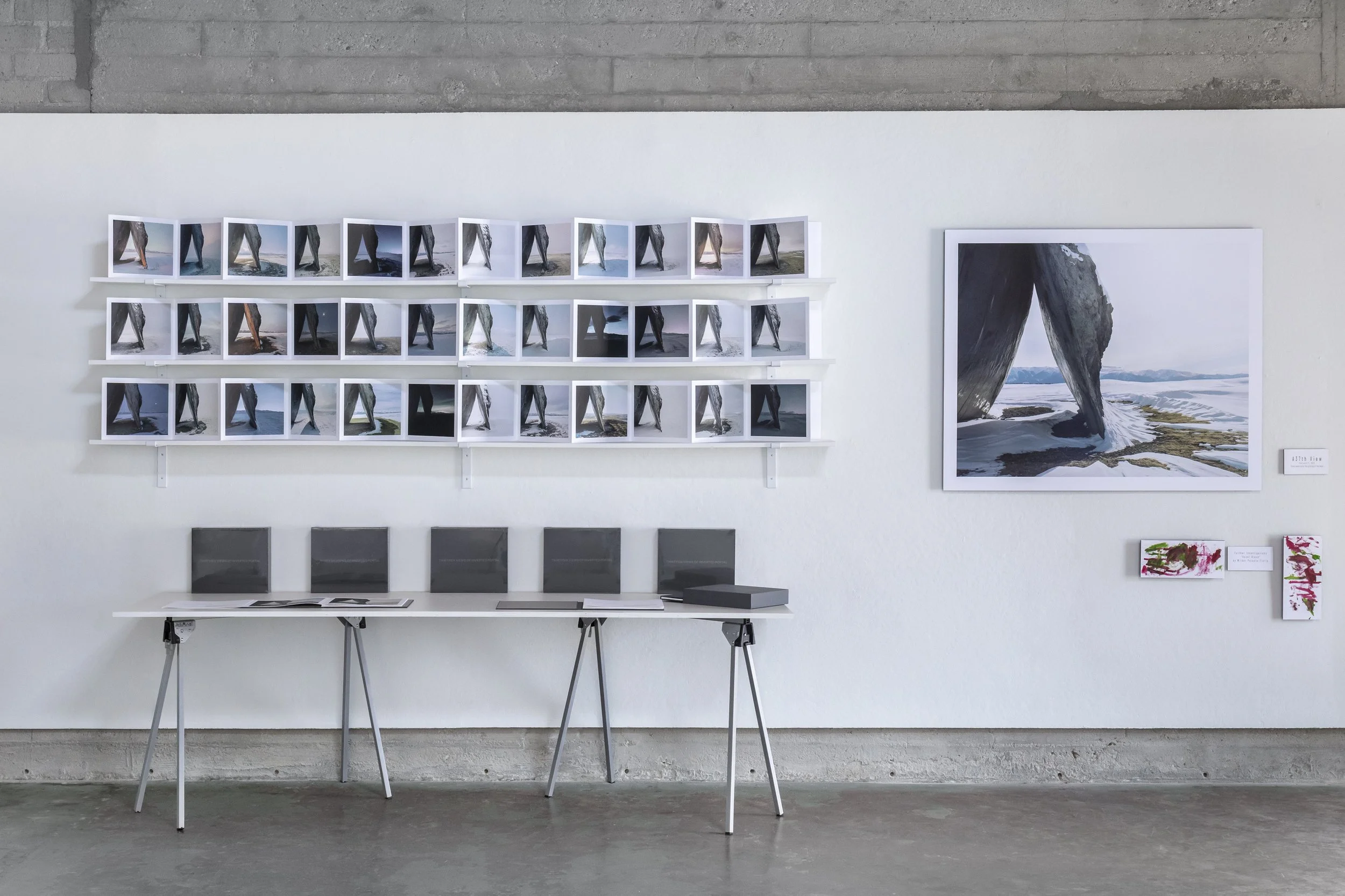
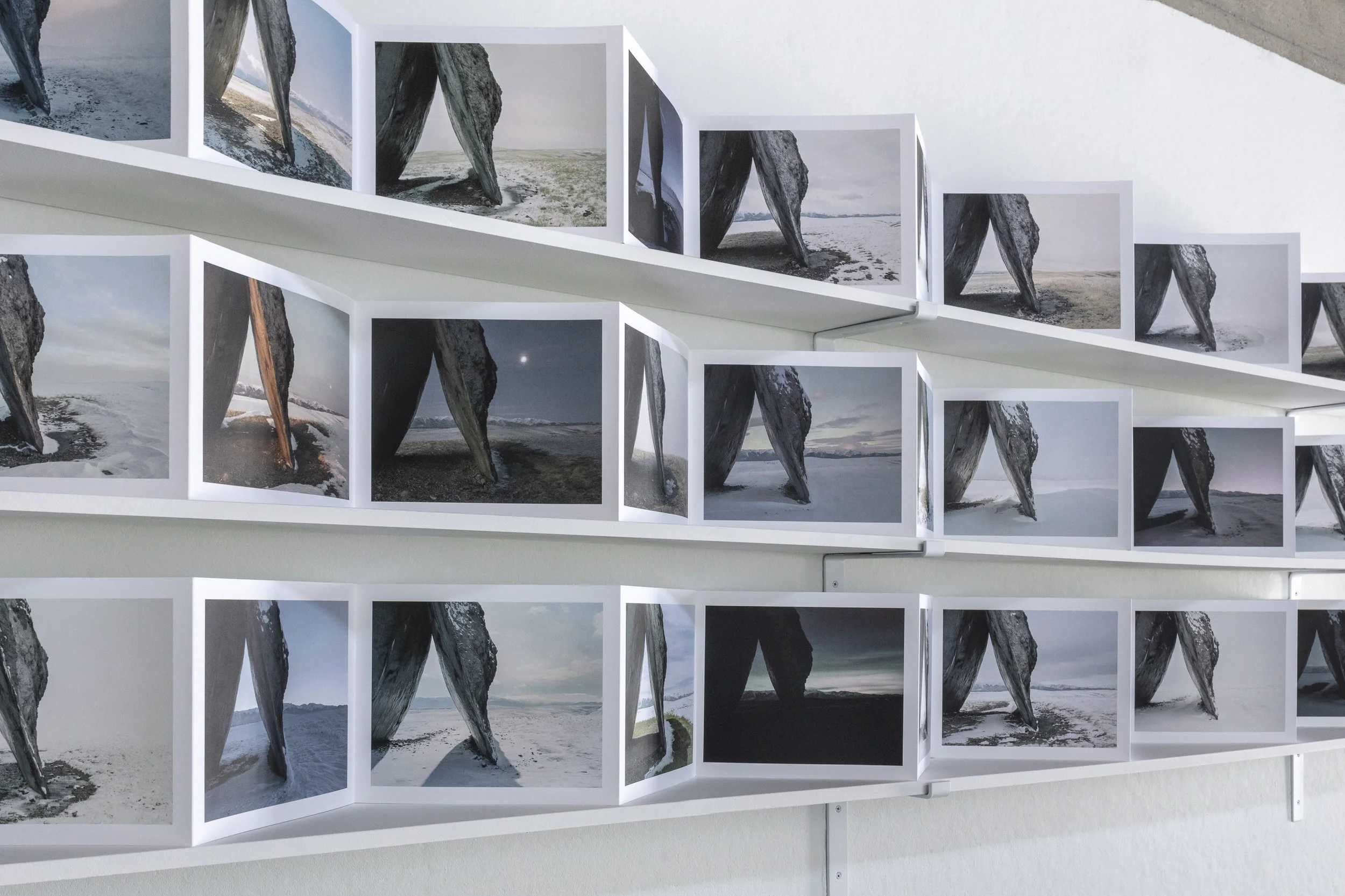
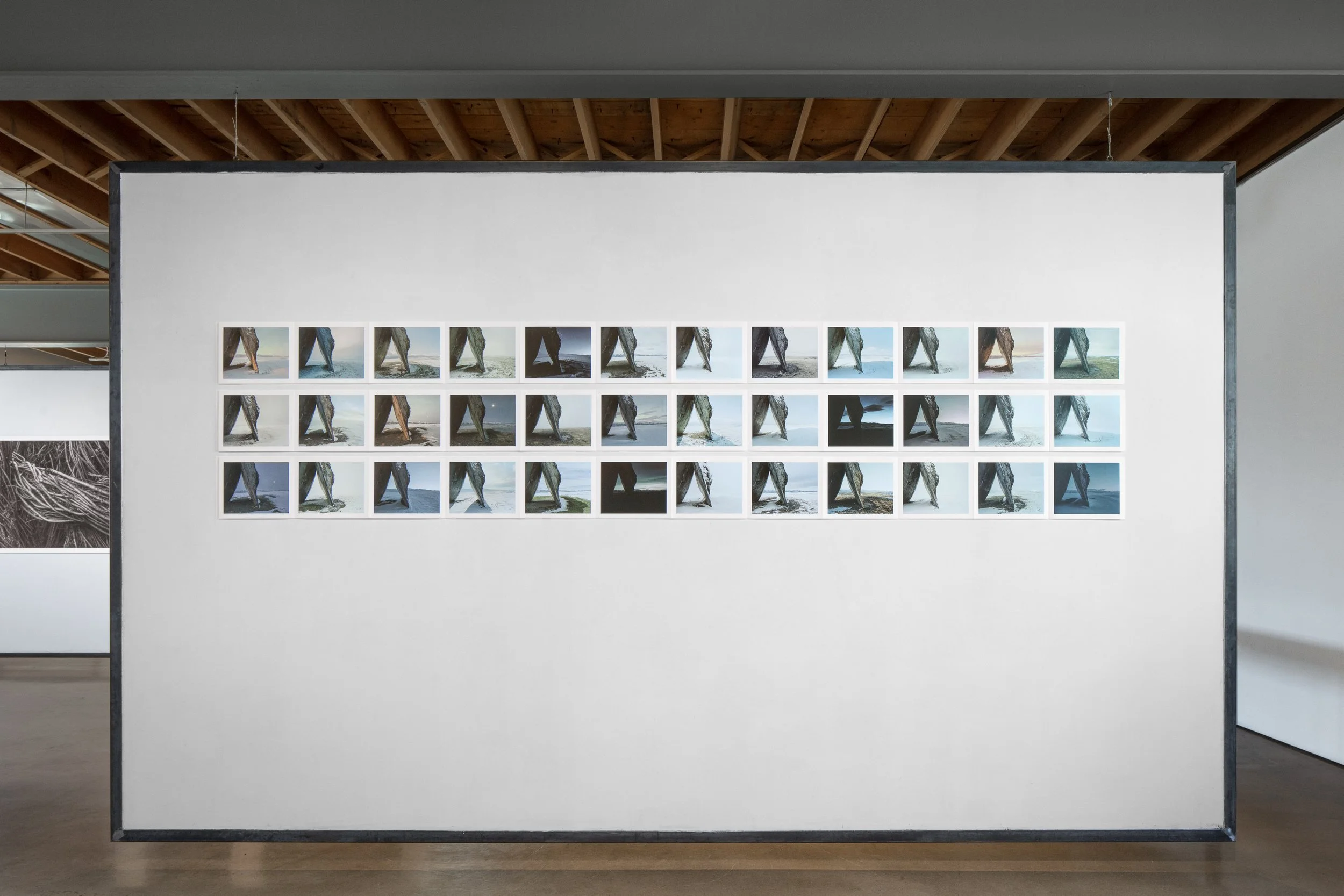
Thirty-Six Views of Inverted Portal by James Florio, published by MAS Context, is the result of a long-term photographic commitment to a single site at Tippet Rise Art Center. Over seven winters, Florio returned hundreds of times to photograph Ensamble Studio’s Inverted Portal sculpture using an 8×10 camera, often leaving without an image due to wind and weather. The book presents 36 selected views that reflect patience, repetition, and acceptance of failure, showing how time, effort, and return shape both the work and the photographer. (Mas Context, Amazon)
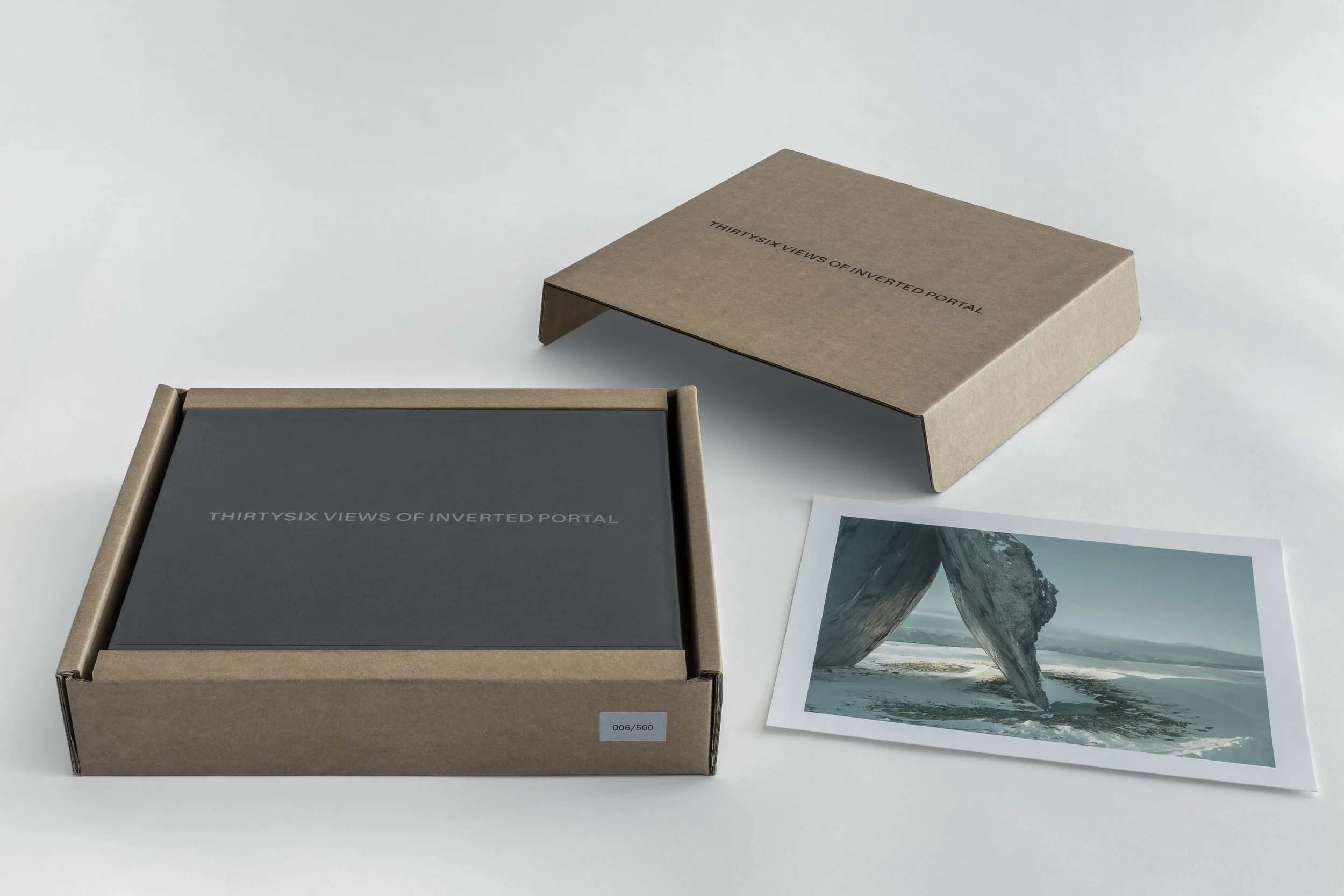
Long-term projects: With Inverted Portal, you returned 482 times over seven winters. What made you decide to go back so many times to photograph the same sculpture?
Part of the reason is because the dynamics of the site demanded a great deal of time and effort: It is one of the windiest locations at the Art Centre, and I was only making winter images, so it was also the windiest season. I made the hike so many times, but due to my equipment and its needs, an 8x10 camera, I was only able to make an image about 25 to 30% of the time. For example, heartbreakingly, the extremely windy winter of 2023-2024 yielded just one image. Time was necessary to create a large spectrum of variation: snow, wind, light, sound, and time. Of course, I was also falling deeply in love with standing there and bearing witness to a world in and of itself.
Now, it’s actually much more than 482, since I have continued shooting even after the printing of the book. I made the most physically challenging and one of my favourite images in February 2025, right after returning from being on press in Verona. I am still drawn to the site and to make these images. I am calling these my “37th Views.” For me, a project like this is never really over; both the site and the experience of hiking up there are permanently part of me.
You mentioned that the extremely windy winter of 2023-2024 yielded just one image after all those hikes. Can you tell me about that single image? What made it worth an entire winter?
That winter was extremely windy! I can still feel the chill in my bones. It still snowed a lot, but then the winds would arrive and blow much of the snow away. Inverted Portal is located on top of a hill that is one of the windiest spots at the Art Center. Unfortunately, because of the hill's angle, you can’t see the top of the hill or the base of the sculpture until you’re almost upon it, so I hiked up there many times through heavy snowdrifts, only to find brown dirt and dead grass at the top! Towards the end of the winter, we finally got a deep, wet snow without too much wind. I hiked up to the portal again, and this time the snow was beautifully covering everything. After such a long winter of attempts, I was so anxious that I exposed six sheets of film. When the film came back, and I began scanning it, there was a light leak in the upper left corner due to an unseen pinhole in the bellows. I couldn’t believe it. However, I continued to make scans anyway, as I always do, even with my mistakes. Somehow, the last sheet I scanned didn’t have the leak. I couldn't believe it. This became what is now the 36th view in the book.
Evolution from previous work: In the Sticks project, you learned the value of returning to locations through different seasons. How did this experience prepare you for the extreme commitment of the Inverted Portal project?
I was already deep (about four years) into Thirty-Six Views of Inverted Portal when I worked on Sticks. I can say that this was more a direct evolution of all my work at Tippet Rise Art Centre. My initial four visits to Tippet Rise were published in a set of small books by Divisare (Sun, Dew, Fire, and Fog), then I photographed Radical Logic, a look at the first 20 years of Ensamble Studio’s practice, with MAS Context. All these projects helped me to articulate a deep connection to the place and the work in front of me.
I will also say that I did not start out thinking it would take almost eight years… for me a project forms very slowly and builds upon itself, truly leading me along the way. This is one of the biggest lessons I have learned. It’s pretty amazing, because you can’t really see the full effect of that compounding while you are working on the project, but later, afterwards, there is no doubt that the commitment was well worth it and actually very necessary to make the work. What a gift to be able to be at Inverted Portal and be the only person for many miles around. Experiencing this vastness of time and nature with a never-ending curiosity to see compelled me to return again and again.
Working with extreme weather: The wind decided if you could make an image each time you climbed the hill. Can you explain how photographers can learn to work with nature instead of fighting against it?
The wind can be truly ferocious up there, and then alternatively it can (so rarely!) be utterly still and silent. I think because the elements dictate in this particular environment, I had no choice but to submit to them. Early on I briefly pondered building a sort of wooden windbreak or stand to help make more images, but that seemed like it would quickly make the project absurd, not to mention it would be against my fundamental desire to be a part of the elements. There are no images of many of my favourite “views”, times that the elements didn’t allow for an image. This taught me a lot about acceptance, control, and patience… allowing what is given rather than forcing an image to happen.
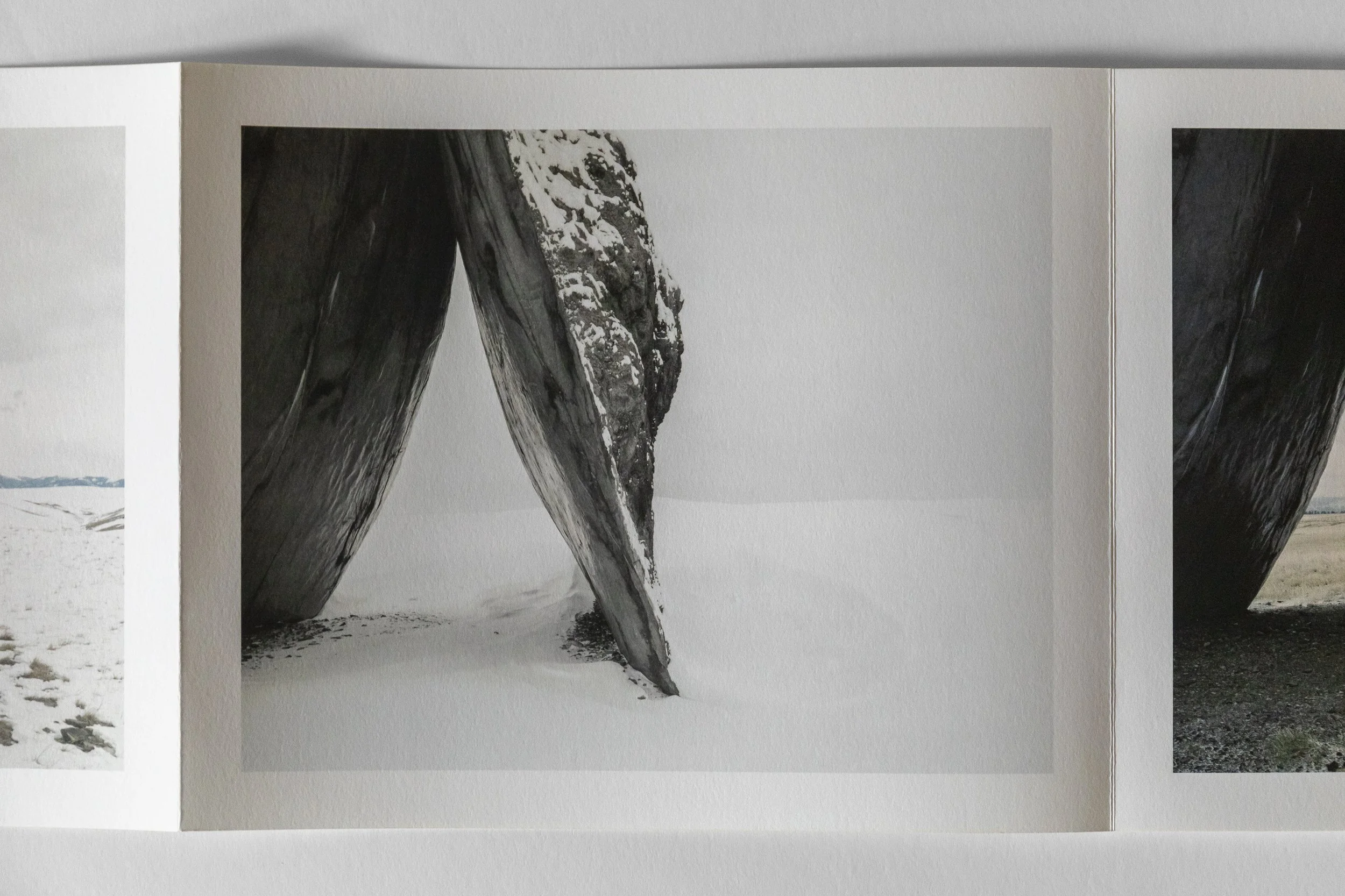
Large format dedication: You hiked up a hill 482 times carrying an 8x10 camera. What makes large format film worth this physical effort for architectural photography?
There are so many reasons this has become an integral part of my practice; from the depth it creates to the deliberation of the process it forces. I think, primarily, the experience of looking through the ground glass, to see the world upside down and backwards, challenges me to look and to see in a new way. Sometimes I like to think of this as going back to the root of an image. After all, the lens of our eye also sees the image backwards and upside down, and it’s only after our brains convert the images do we see the world “correctly.” I also know that for me personally, some amount of suffering is essential! The work needs to be hard in order to motivate me and to push me further and ever deeper. I am always working to grow as a photographer and a human being.
You said "some amount of suffering is essential" and that the work needs to be hard to push you deeper. That's a strong statement. Where does that belief come from for you?
I have always had a strong desire to discover and create. I think an inherent part of the creative process (of our lives really) involves challenges and mysteries; for me, it’s the thrill of exploration that makes making something so exciting. If it is too easy, or you know the outcome beforehand, it isn't much fun, is it? Also, when I reflected on the work of other artists I admired, it was evident that a great deal of difficulty and dedication went into it. Over time, I've learned that the struggles I face throughout the process are an essential part of the experience, and those challenges become what I remember and love most about each project, and can oftentimes be felt through the image.
Choosing your 36 views: You made the journey hundreds of times but chose only 36 images for the book. What makes a photograph deserve to be in your final selection?
This is a great question, and one I have thought a lot about. My best answer would be intuition. How it feels is more important than how it looks. I have a large magnetic wall in my studio, and I spent hundreds of hours looking at many images, moving, swapping, shifting them into place until it finally told the story that I wanted it to. I also had some help along the way. At one point, I had no idea how many views would be right. I was reading a biography about Claude Monet and read that he was obsessed with Japanese wood prints, especially those of Hokusai: the famous wave, and his 36 Views of Mount Fuji. I also revisited Ed Ruscha’s Every Building on Sunset Strip. So, with the help of Monet, Hokusai, and Ruscha, I found references to guide the project forward.
The role of waiting: You describe listening to the mountain and waiting for the right moment. How can photographers develop patience when working on long projects?
On a metaphysical level, I often felt like I could hear the sound of the mountains, the stones shifting, the primordial movements of the earth. I wanted to capture that and have it be embedded within each image. Listening to this taught me to think of time on a broad and deep scale. If you think of how long it takes a mountain to move out of the earth, the time we are working with is substantially shorter.
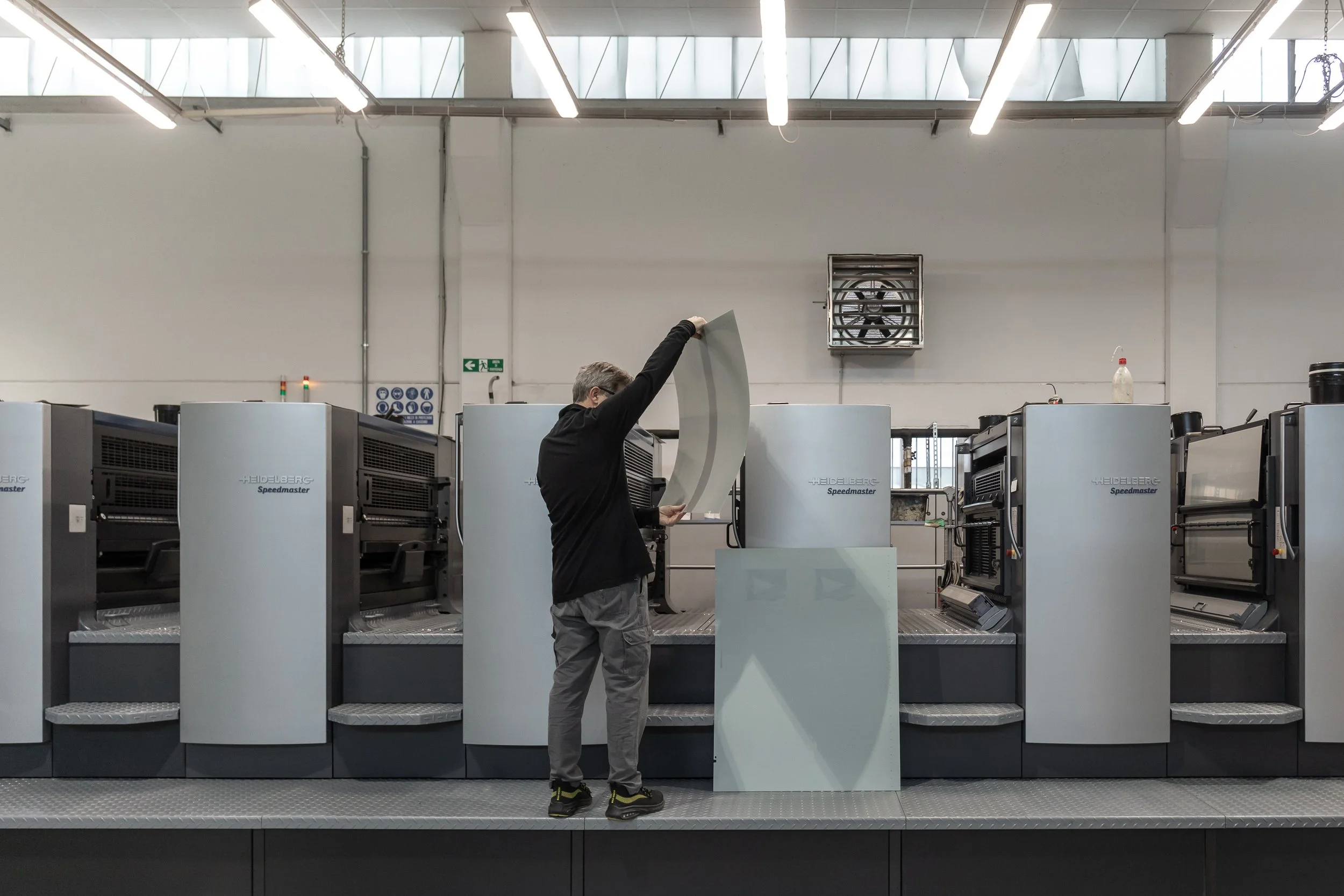
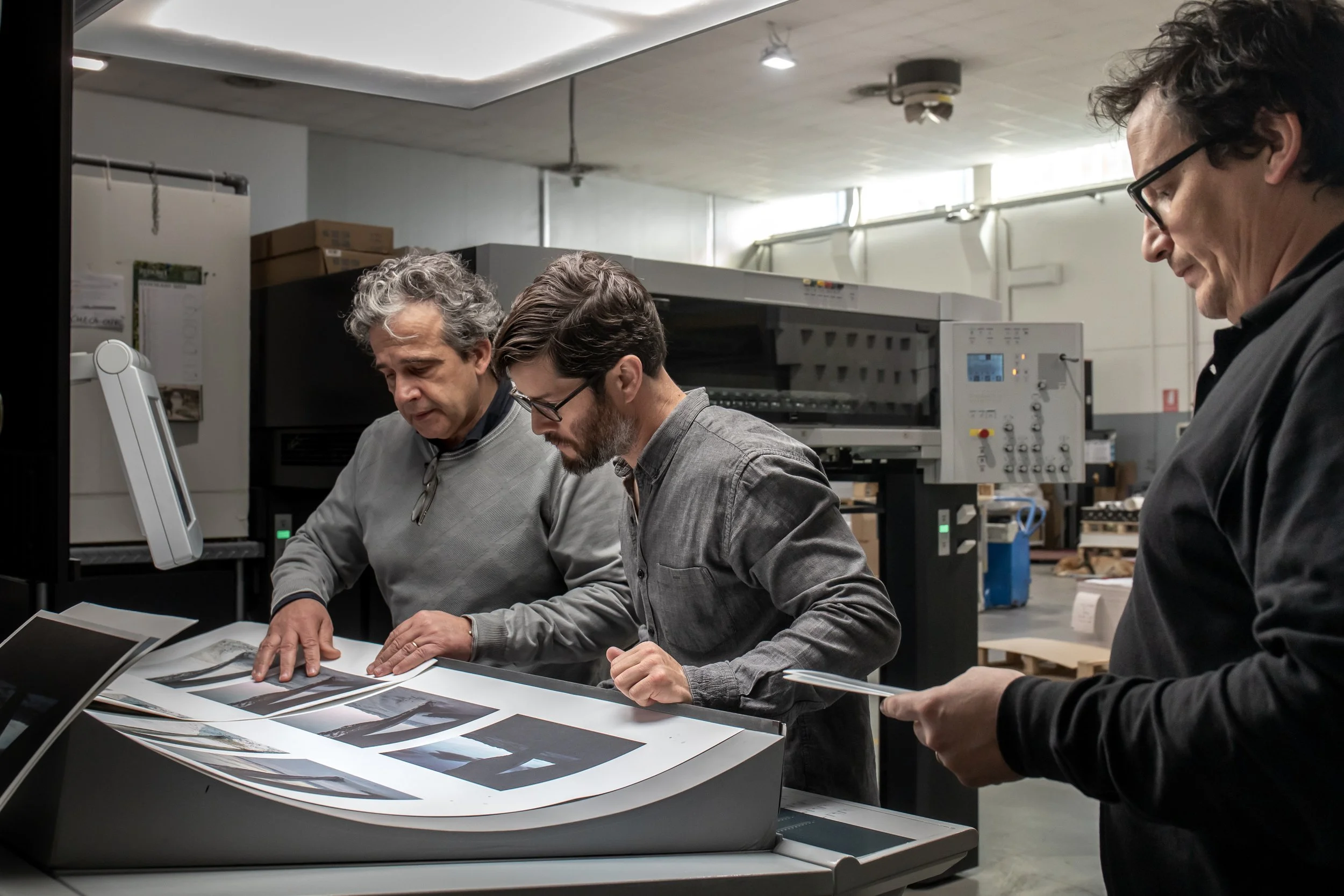
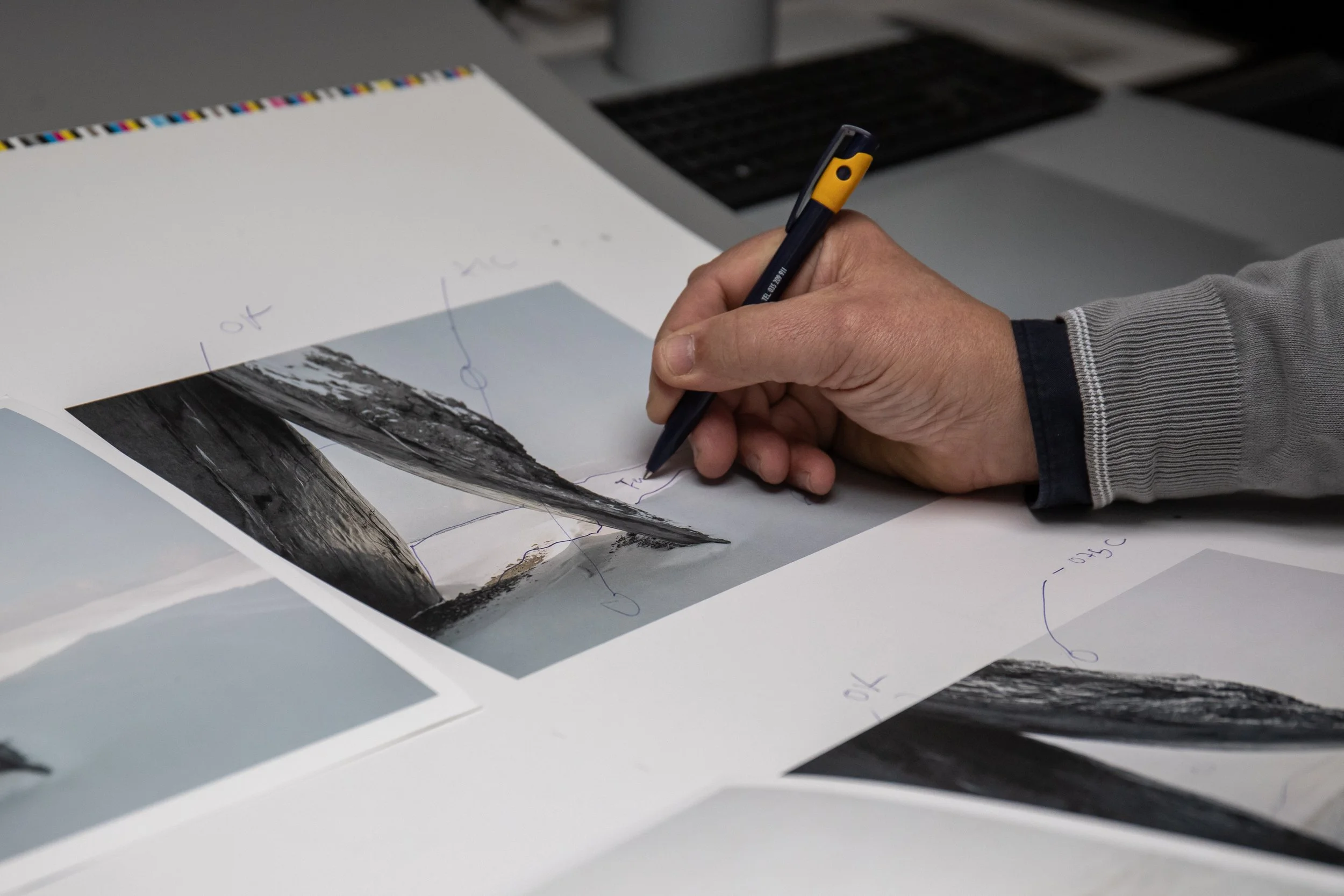
On the technical side of the book production, a whole new type of patience was required. It took me a great deal of time to work through the layout and formatting of the book, then find a printer who was able to execute a complex project beautifully. This took me from my own studio to Chicago, South Korea, Germany, and finally to Trifolio in Italy. I printed and made maquettes at each press; these were all failures, and it is astonishing how far they were from what I originally envisioned and what Trifolio successfully brought to life. It was a great lesson to me to take something all the way through to fully realise your vision.
Book design collaboration: Your book uses an accordion style that can be displayed without covers. Why did you choose this special format with designers Anna Mort and Rick Valicenti?
I initially collaborated with Anna and Rick on Radical Logic, and they are both amazing designers. Anna and I have also worked together on other books and design projects, one of which included a very special photo book with an edition of just five.
At the time, I really wanted to create both an exhibition and a book, allowing the work to be seen both as individual images and as a whole. After a long period of prototyping in the studio, I approached Anna and Rick with the idea of making some sort of accordion format; they agreed, and we began the journey of figuring out how to construct it.
Anna is an incredible designer and remarkably patient; I am infinitely grateful to her for her willingness to accommodate so many changes, and her willingness to question every detail with me. Even at the very end, she was always ready to do whatever it took to improve the project, even if only a tiny bit.
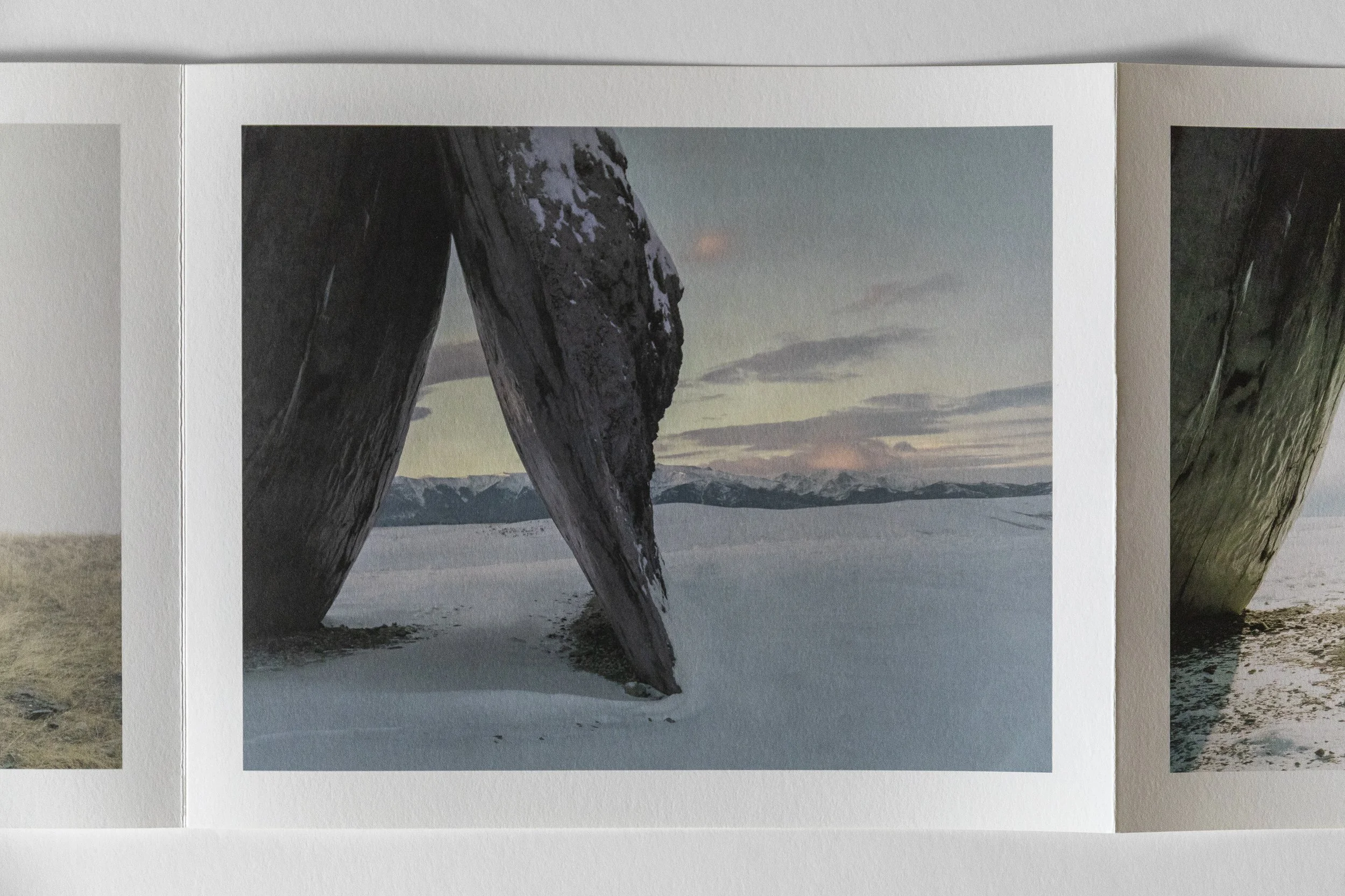
On January 7, 2025, just four days before leaving for Italy to oversee the printing, I hiked into the predawn darkness to say goodbye and enjoy one last view before going to press. In the darkness, I could hear elk in the valley below, walking and crunching through the frozen snow. Once I set up my camera and the first light began to emerge, I saw that the elk had gathered on the hill directly behind the portal. The sky was stunning, filled with the sort of pastel colours that I like to think of as Monet’s winter palette. I exposed four sheets of film and then hurried down the hill. I changed the film, contacted my developer (the amazing Slide Printer in Denver), and drove to Billings to overnight the film to them. They would develop it immediately and send it back overnight the same day. I wondered and hoped: Could this image make it into the book? On the film’s way back, a snowstorm hit, and the shipping company couldn't locate my package. I drove to Billings, where a friend doing seasonal work at FedEx helped me locate the package. I hurried home to make the scan. I then emailed Anna to make one more last-minute change to the book files, and the next day, I left for Italy. This photo became the 18th view in the book.
After this and so many incredible experiences and so many struggles along the way, I find myself reflecting more on how challenging it can be to find people who share your passion and obsession, those willing to go all the way, and perhaps even further. The individuals like this that you get to work with are incredibly important; they are essential to the success of any project. I want to acknowledge that this project would not have been in any way possible without so many people: my beautiful family, Caroline, Wilder, and my dad; the incredible founders of Tippet Rise, Cathy and Peter Halstead; Lindsey and Pete Hinmon, the Co-Directors of Tippet Rise; everyone who works at Tippet Rise; Anna Mort and Rick Valicenti; Massimo and his team at Trifilio; Anton and Debora of Ensamble Studio; Peter Ginter; the Slide Printer; and of course, the endlessly supportive and amazing Iker Gil of MAS Context.
That story about the elk and driving to FedEx to rescue your film is incredible. When you're standing there at the shipping facility searching for that package, are you thinking "this is crazy" or does it feel completely normal at that point?
Ha! Well, I think at that point I was just so focused on finding the film and it felt pretty normal considering everything that had happened up to that point. Looking back, I have to admit it's pretty crazy how many things had to come together to make that final image possible.
Philosophy of return: The project statement says these views show "what is possible but equally what isn't." What does failure teach us about photography?
I believe all of the views are part of the book, even the ones you can’t see. So, if failure (or perceived failure) is absolutely necessary to make good work, then logically this aspect of the work cannot be separated from the final successful images. One of the most important lessons I learned is that all of it is completely necessary, every part; one thing leads to the next and builds upon everything else. The initial pain of each “failure” later became so clearly an essential step, and the necessary preparation for what was next.
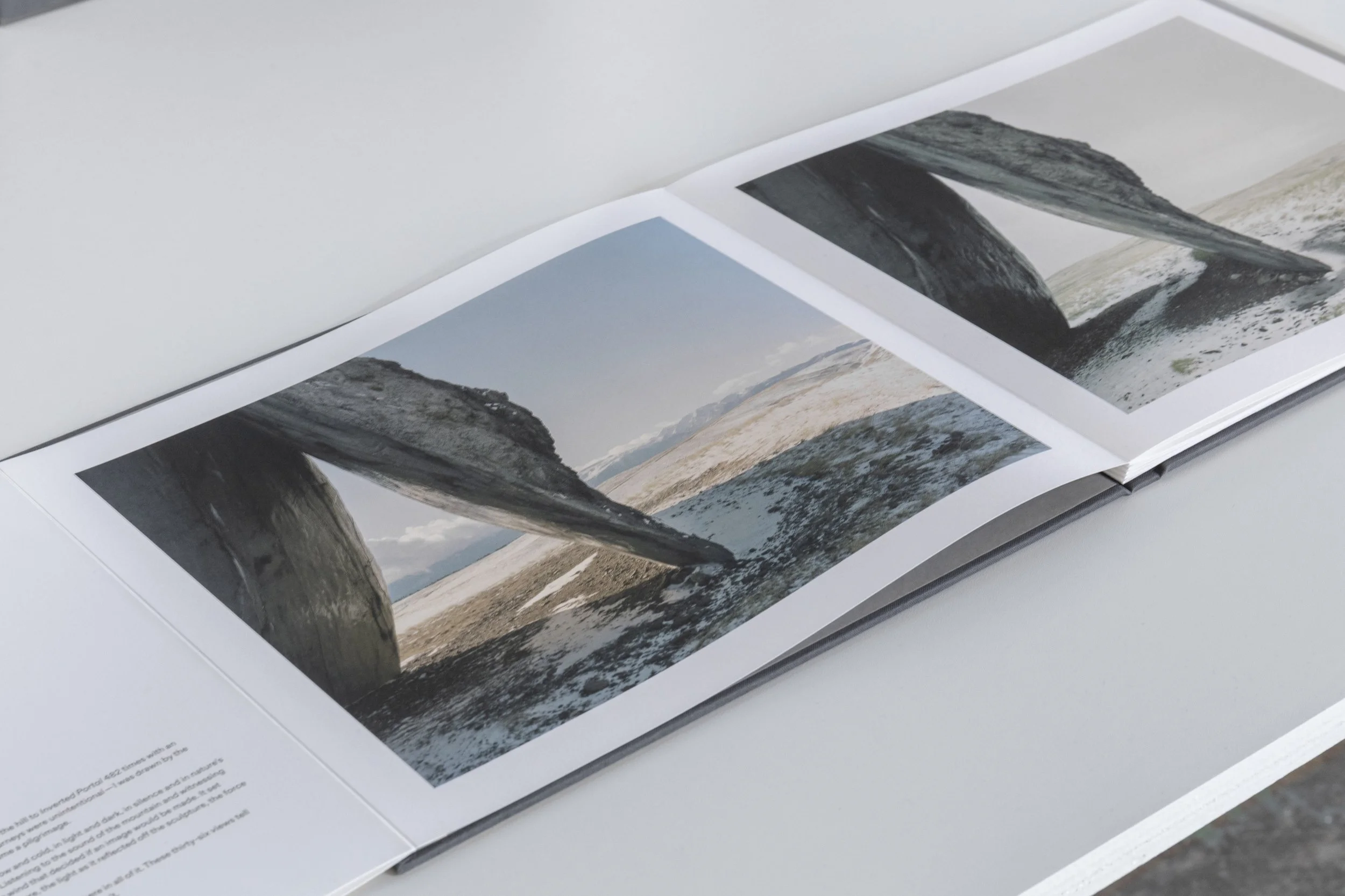
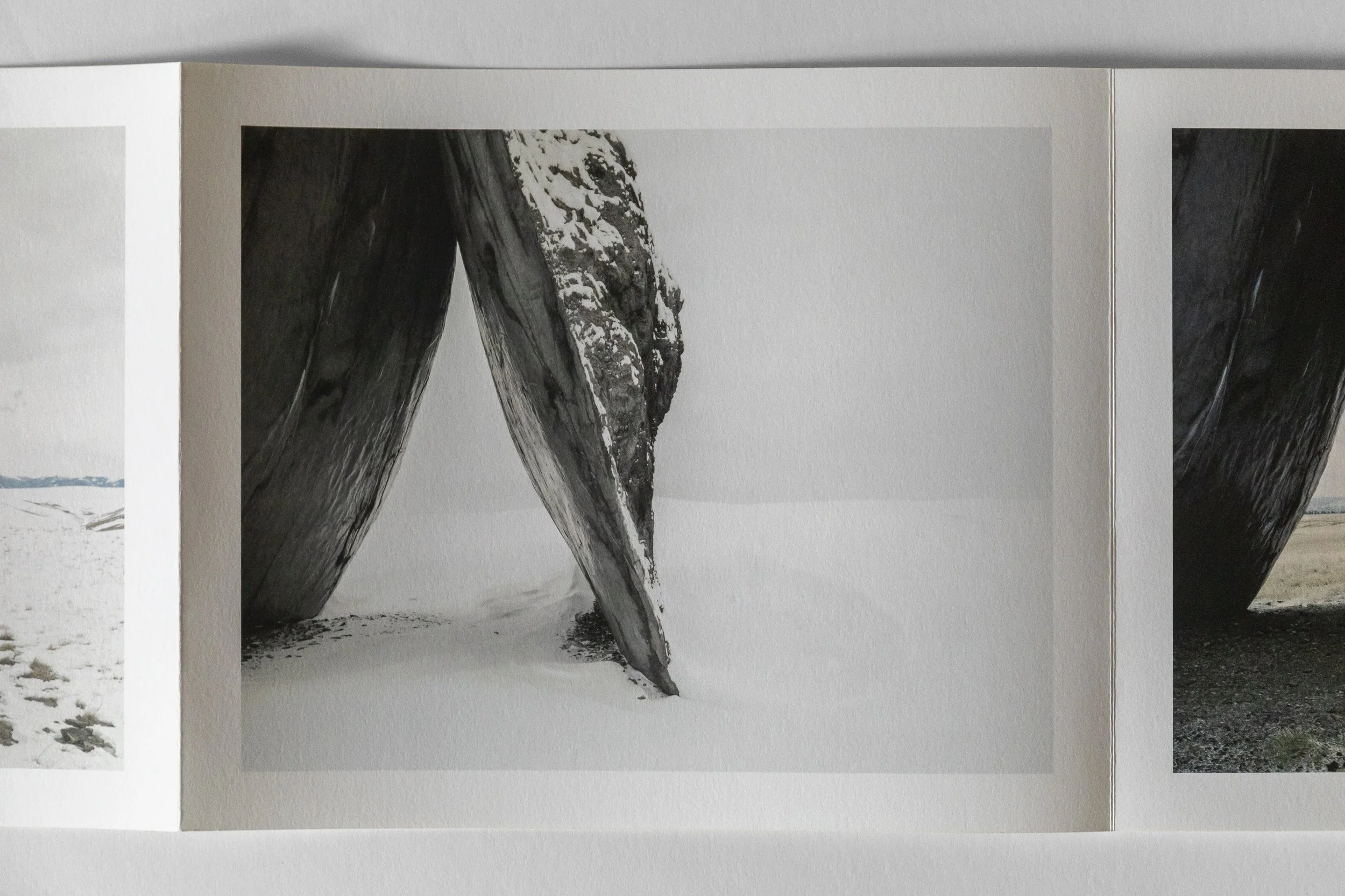
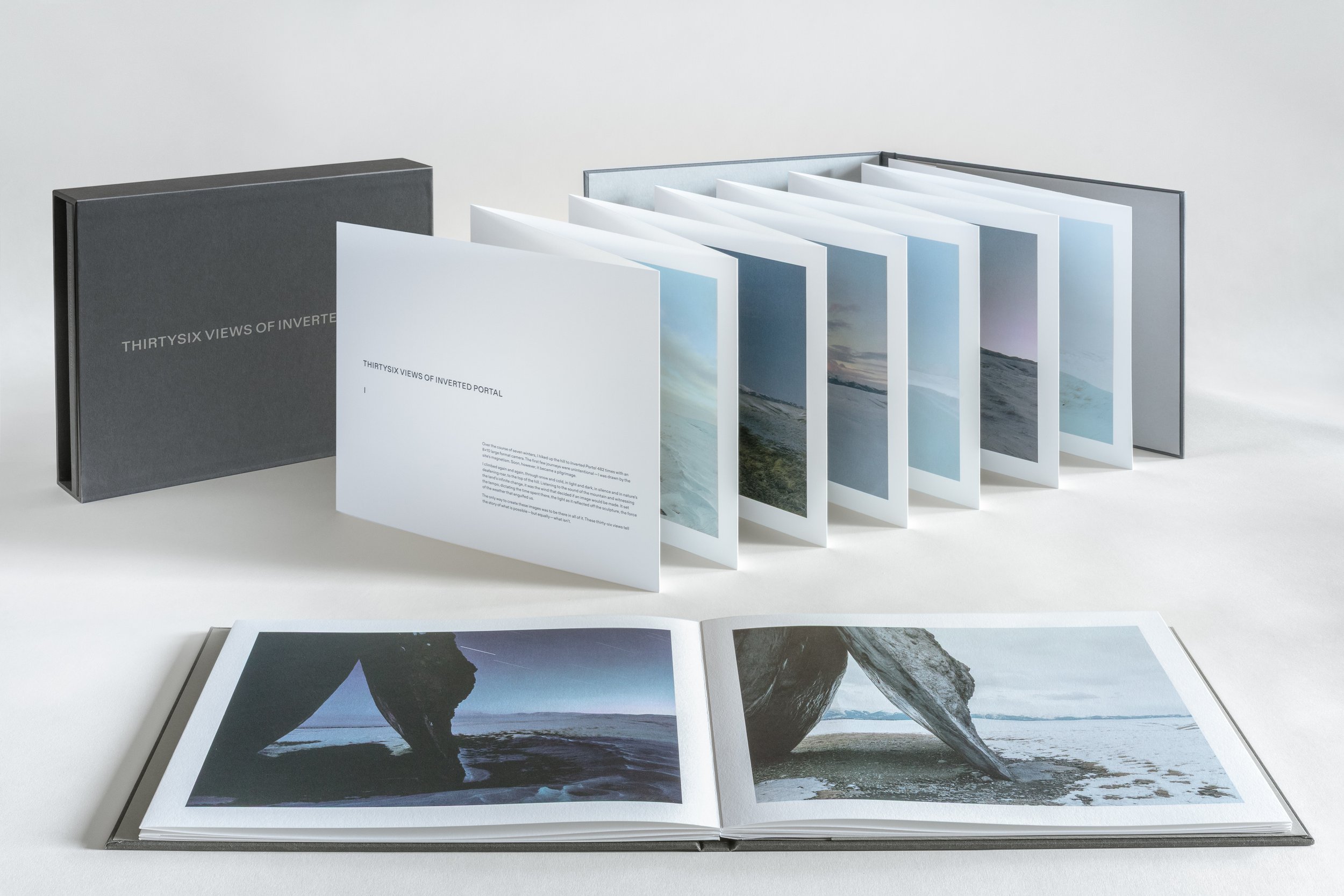
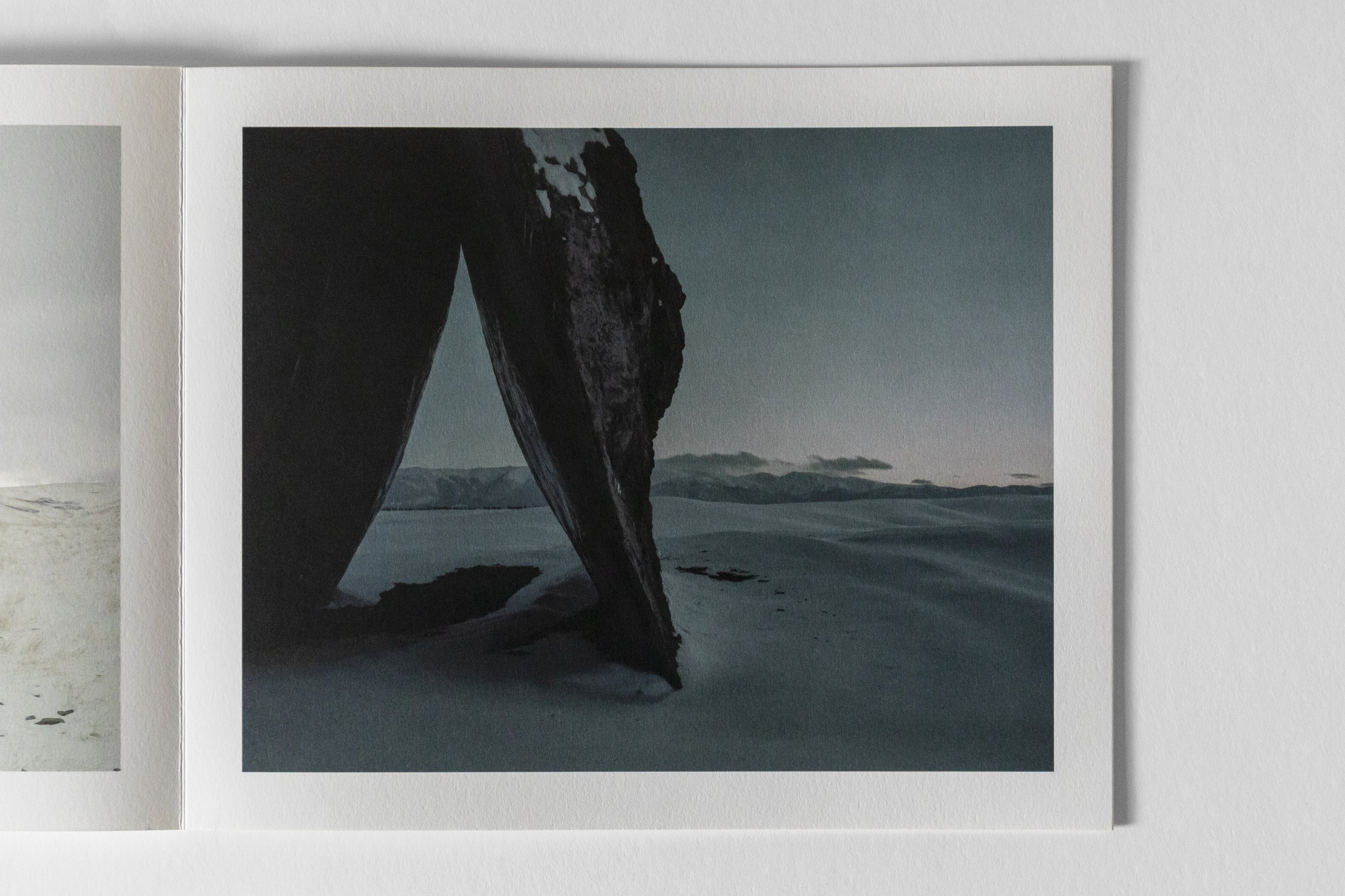
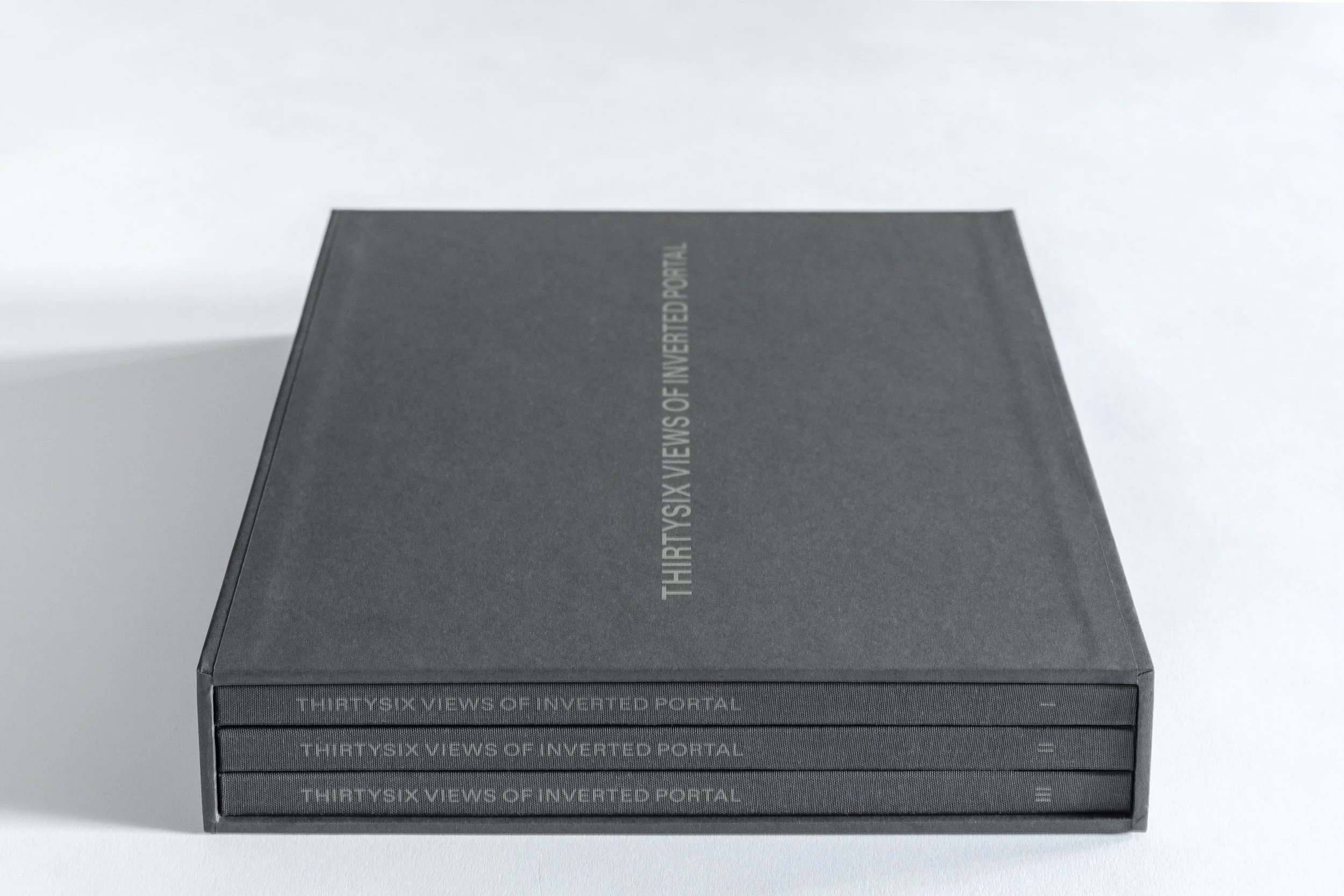
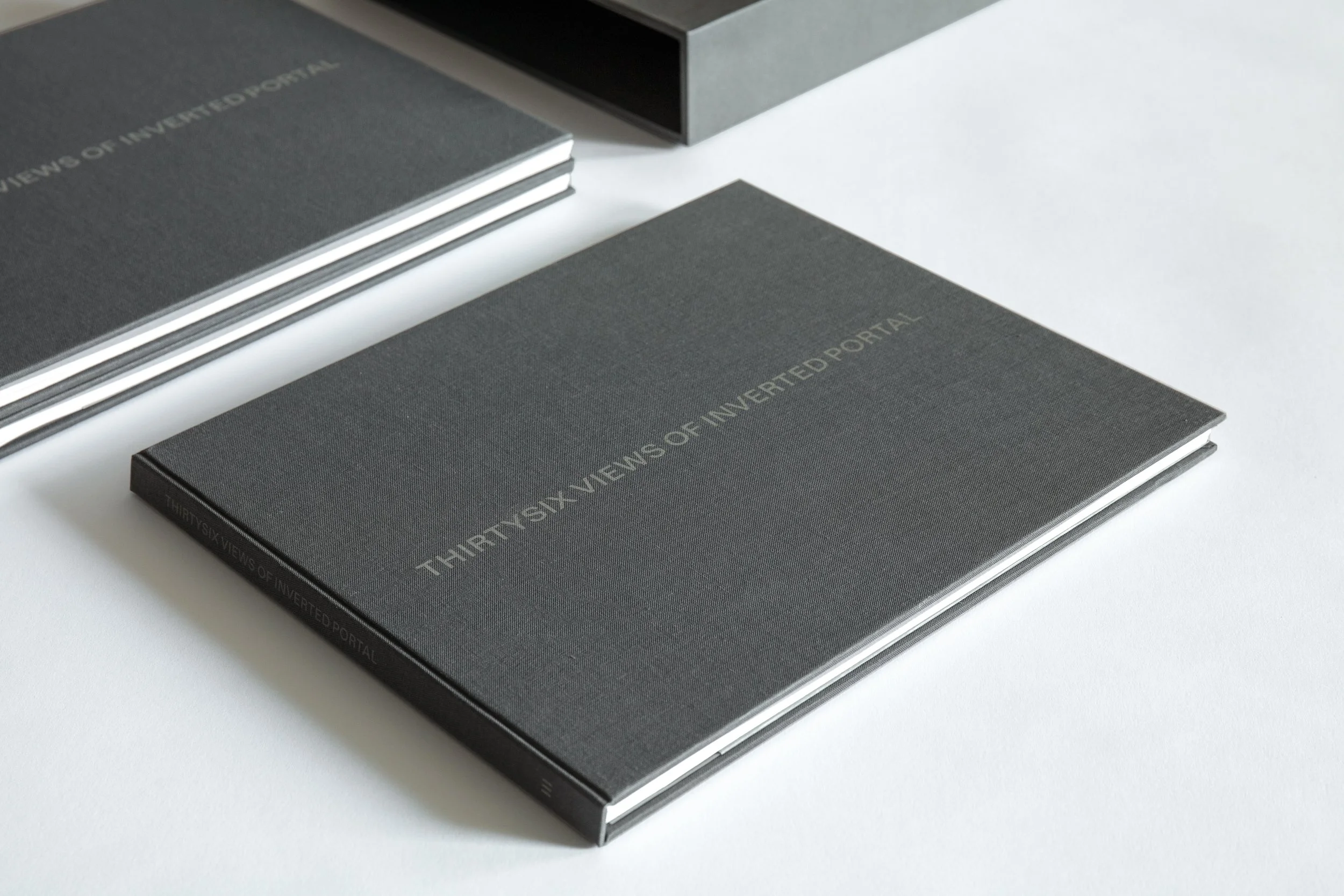
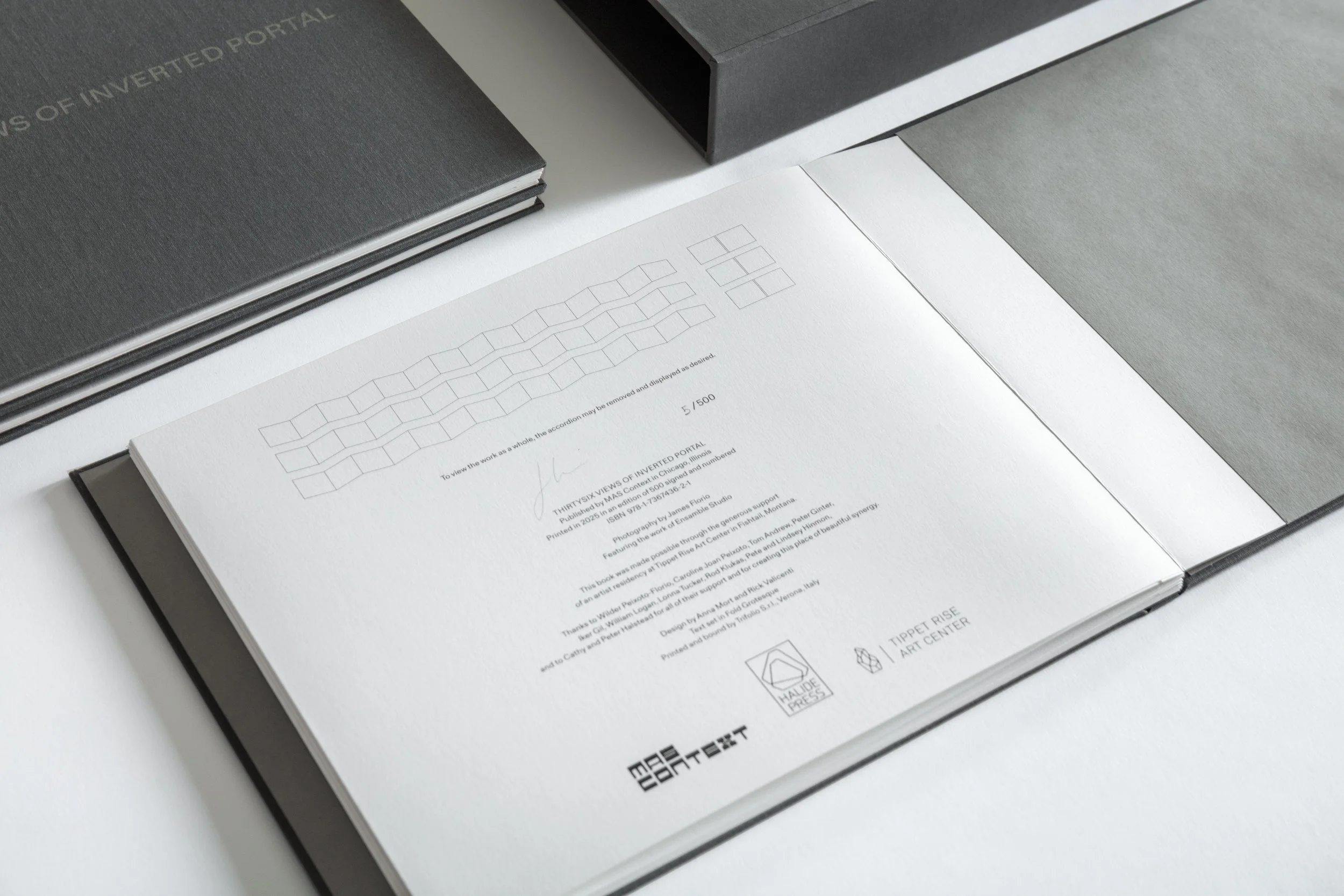
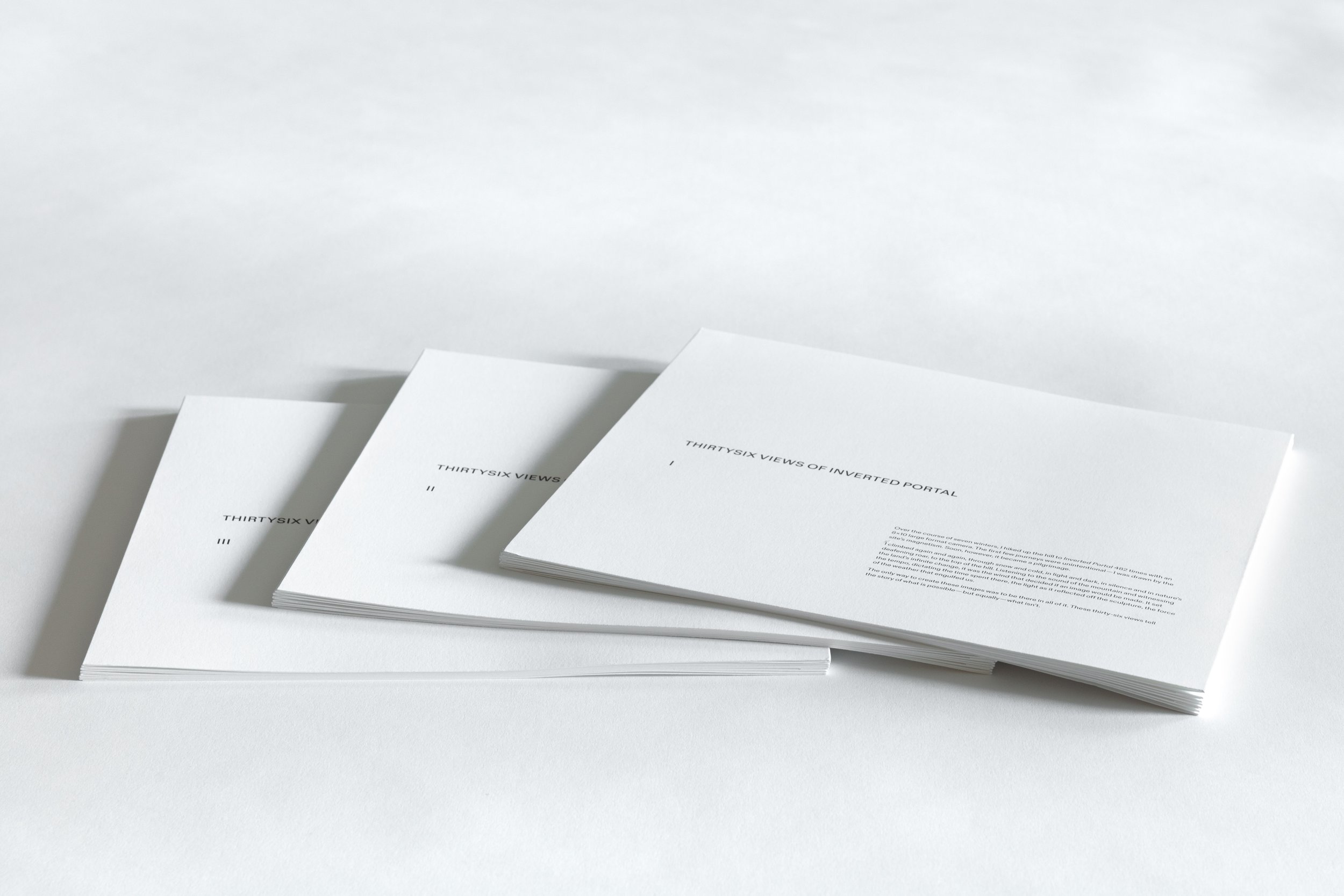
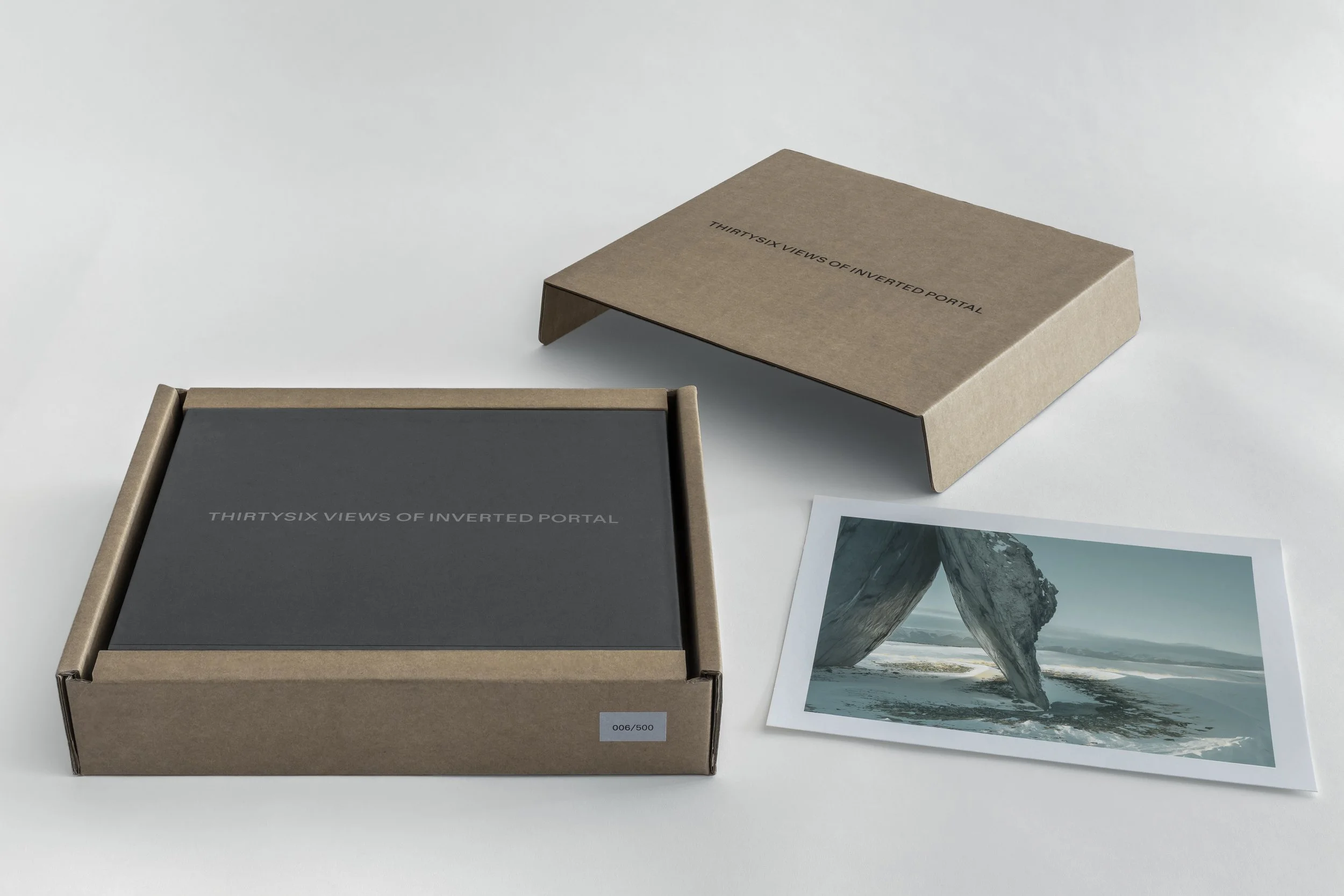
To discover more about this intriguing body of work and how you can acquire your own copy, you can find and purchase the book here. (Mas Context, Amazon)
More photography books?
We'd love to read your comments below, sharing your thoughts and insights on the artist's work. Looking forward to welcoming you back for our next [book spotlight]. See you then!
The street is boring until you learn what to notice. Most of the time, nothing special is happening. Photography Book Spotlight