Inbal Abergil on Photographing What Remains When Someone Never Comes Home
Welcome to this edition of [book spotlight]. Today, we uncover the layers of 'The Presence of Absence,' by Inbal Abergil (published by Kehrer Verlag). We'd love to read your comments below about these insights and ideas behind the artist's work.
Not every story of war involves the battlefield.
This conversation looks at what remains after someone never comes home. It stays with families, personal objects, and the moment loss becomes permanent. The focus is not on events, but on what follows and how people live with it. By the end, absence becomes something concrete, not abstract.
Ten years passed while this work slowly took shape.
Inbal Abergil returned again and again to the same families and objects. She talks about earning trust, waiting, and knowing when not to photograph. The work grew through time, repetition, and difficult restraint. What follows shows how documentary photography can hold grief without using it.
The Book
The Presence of Absence is a decade-long photographic project by Inbal Abergil that explores loss, grief, and recovery in the aftermath of war. It brings together stories of Gold Star Families whose loved ones were killed in action, still lifes of personal belongings that carry memory, and portraits of Casualty Notification Officers who deliver the news of death to families. Through images, objects, and a four-channel video featuring mothers who lost their sons, the book shows how people cope with absence and try to rebuild their lives after profound loss. The work highlights the human cost of conflict in a way that goes beyond battlefield imagery and examines how trauma and healing coexist. (Kehrer Verlag, Amazon)
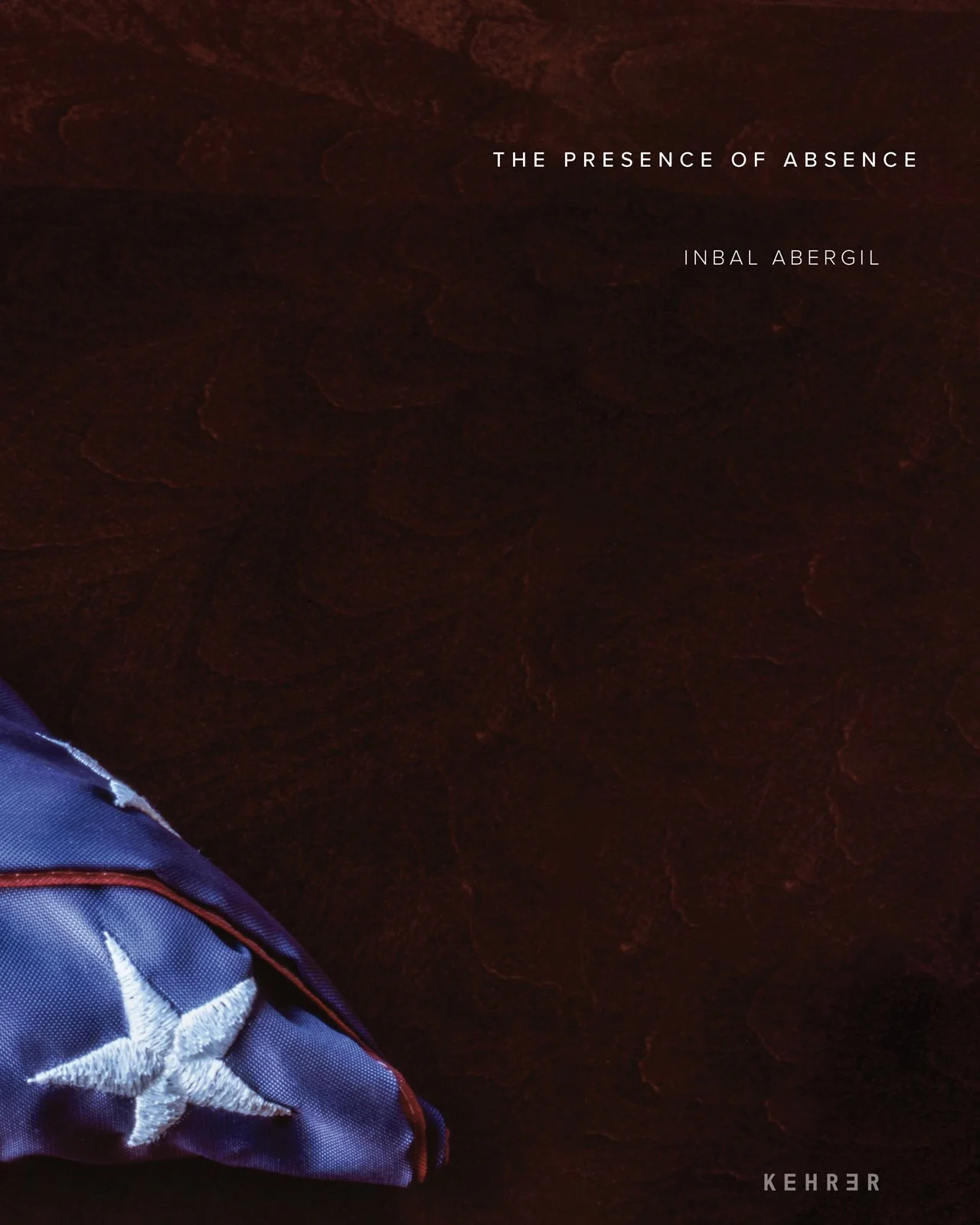
Project Start: What made you want to photograph Gold Star families after spending ten years on this work?
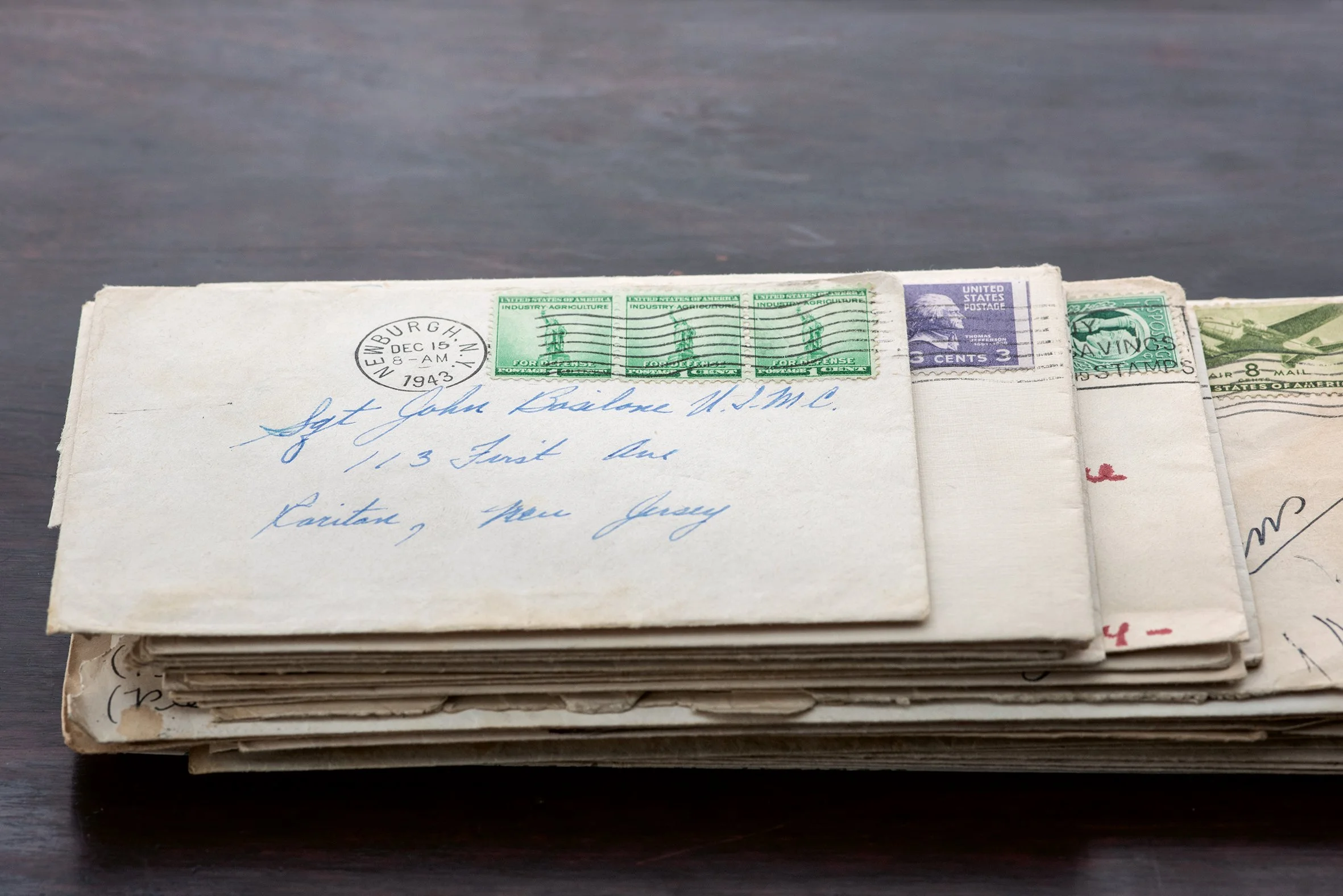
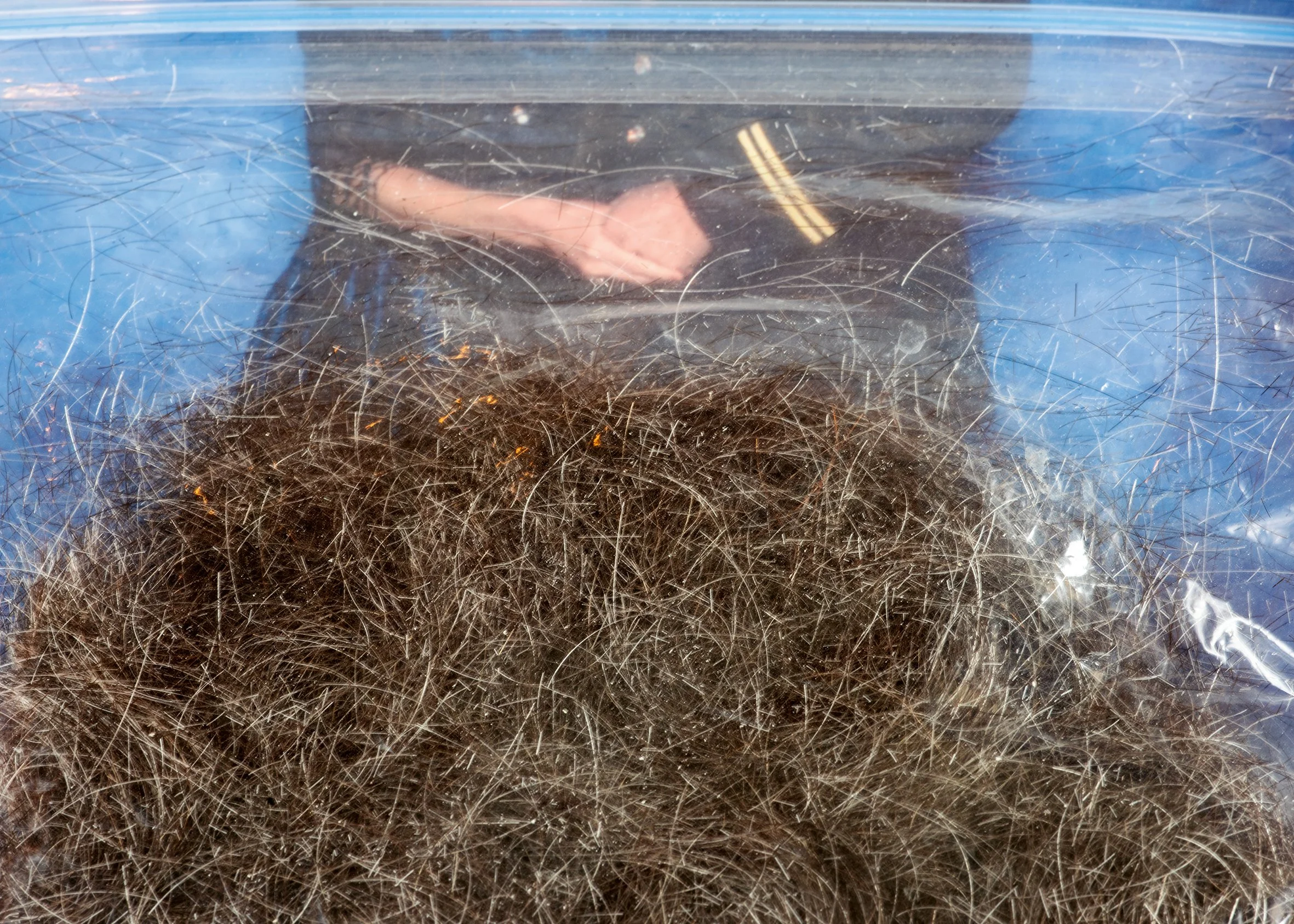
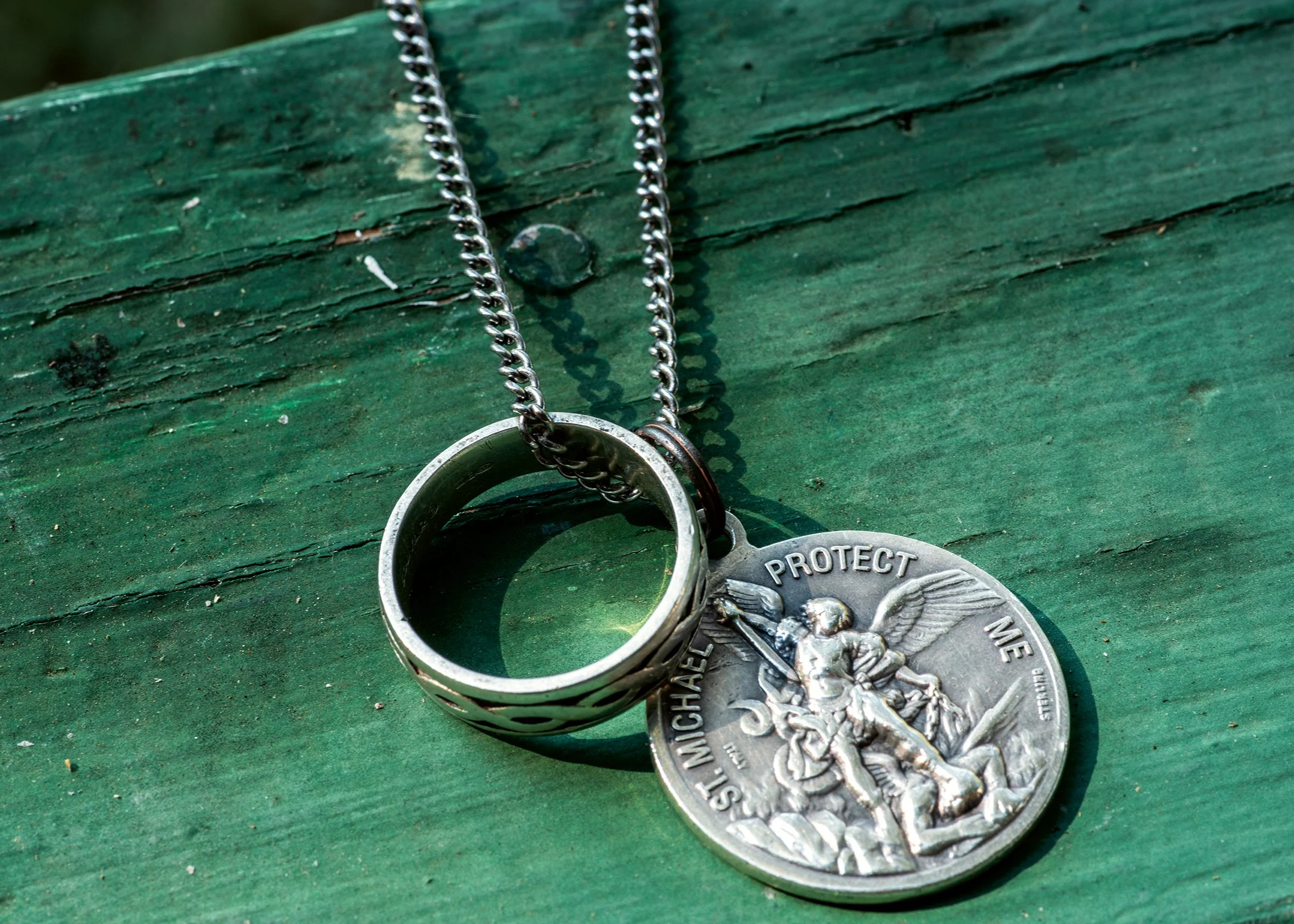
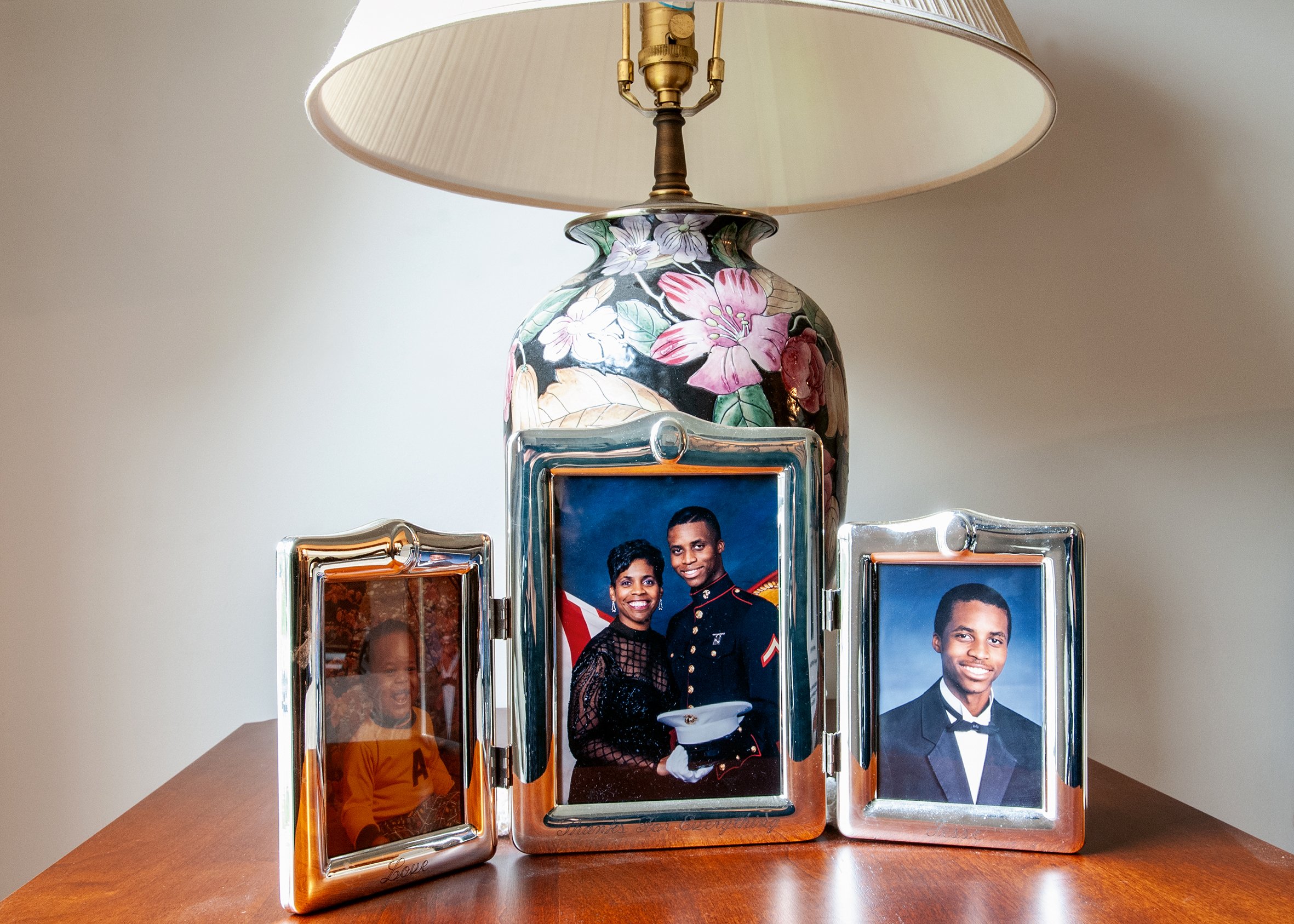
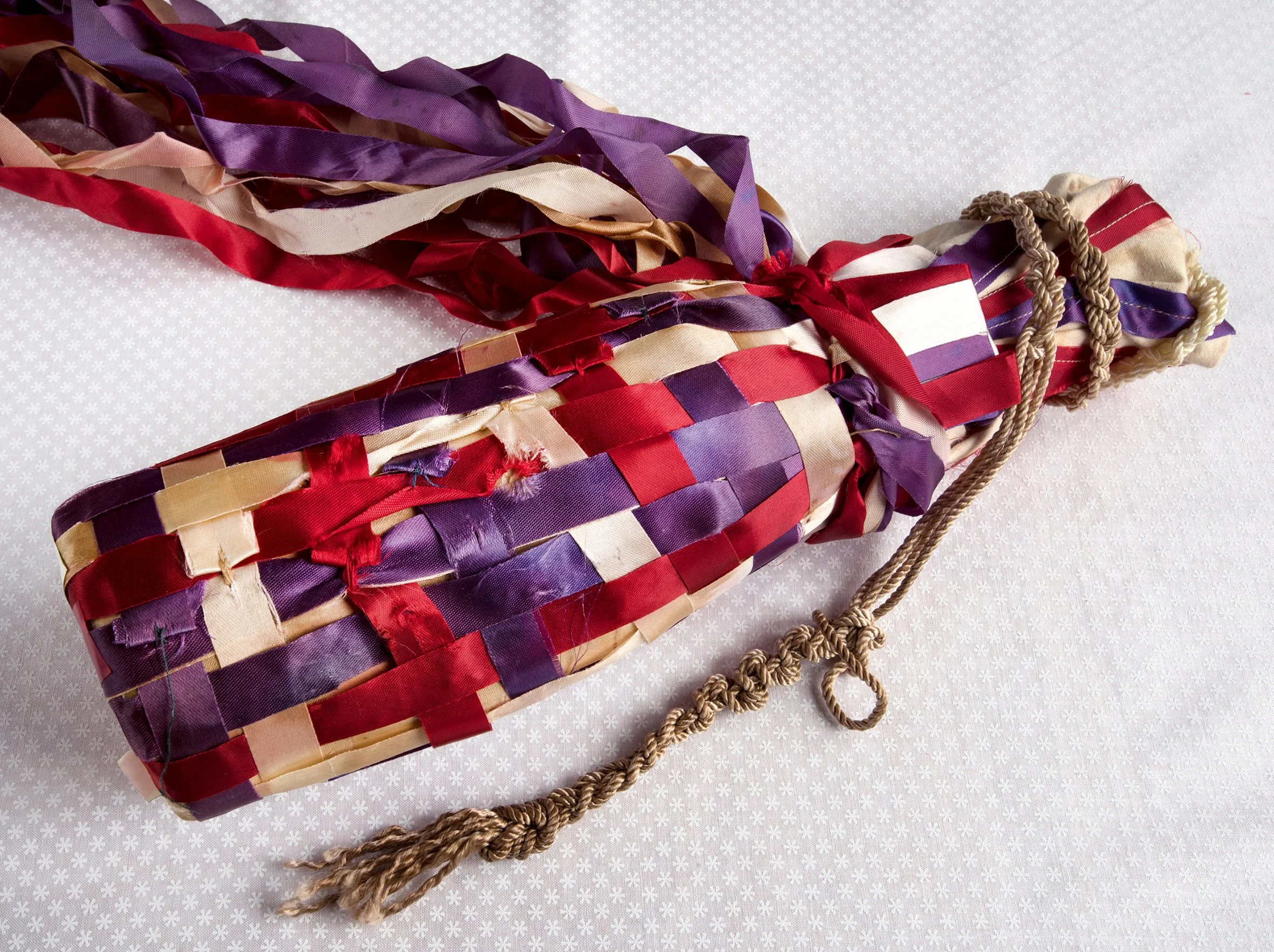
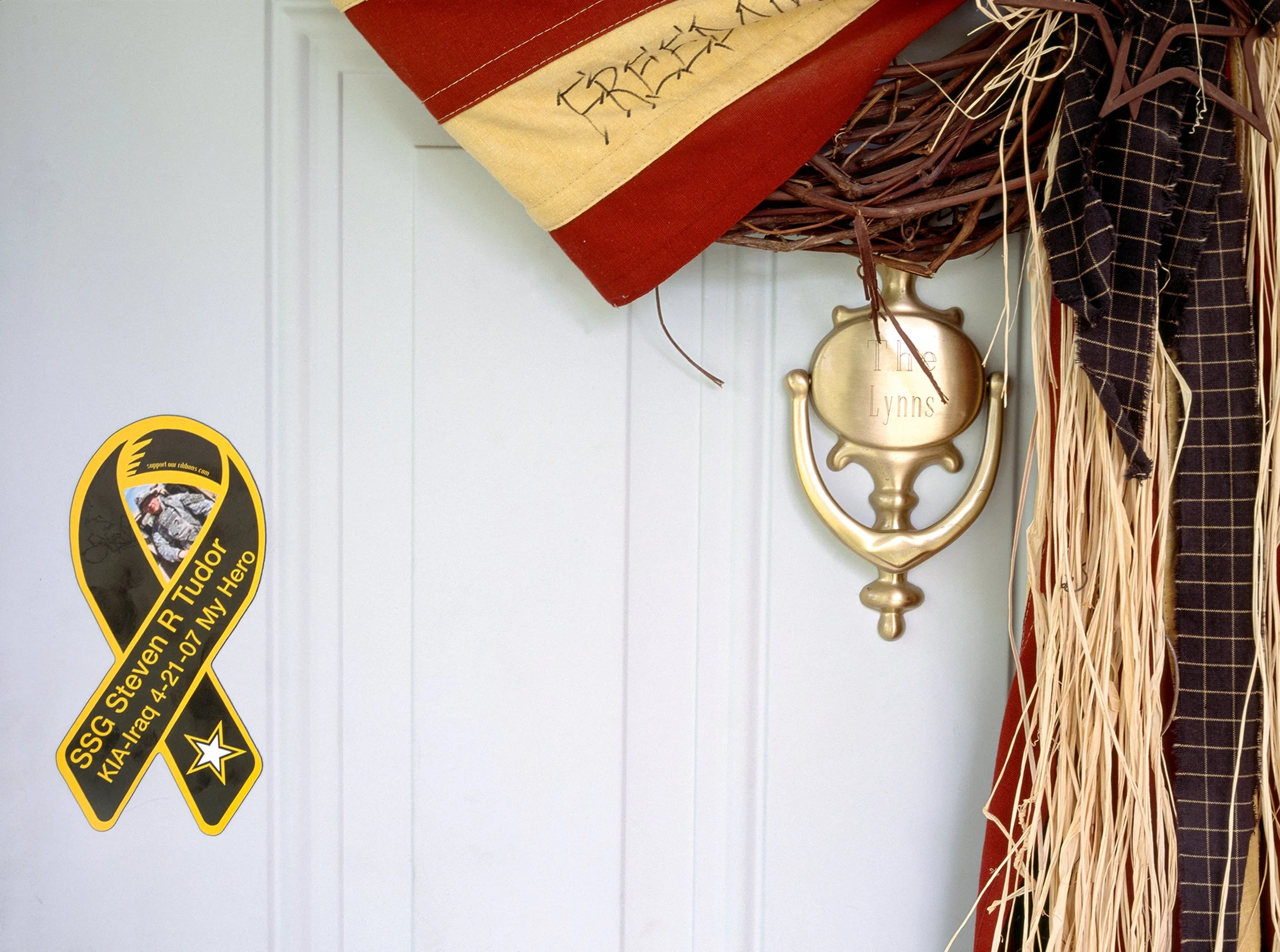
I wanted to understand who truly bears the human cost of conflict. While the world moves on to the next crisis, some people are left to live with enduring pain and loss. I was drawn to photographing Gold Star families because I wanted to witness and honour their experiences, to share the depth of their grief and resilience. Photographing the personal objects of their loved ones, which they keep to preserve memory, felt like a meaningful way to give visibility to both their private mourning and the universal experience of grief.
Access and Trust: How did you build trust with families to photograph their personal items from loved ones who died in war?
I began by reaching out to private organisations that support Gold Star families. My first connection came through the Gold Star Mothers organisation, when a woman who had lost her husband agreed to work with me. She became my first family and then patiently explained how things work within the military and introduced me to others. I made sure to introduce each family to my work and was clear from the start that the project would be exhibited in galleries, included in museum collections, and published in a book. I didn’t rely on social media to connect with families; every connection came personally, from one person I got to know to the next. This approach allowed trust to grow naturally and respectfully.
Technical Choice: Why did you pick your specific camera and lighting style to photograph the saved objects of fallen soldiers?
I work with medium format film and use natural light with long exposures. Often, I didn’t know how much space I would have in a family’s home, so natural light let me work comfortably even in small areas. It also allowed me to give each object the attention it deserves and to photograph them in the place where they belonged, keeping their original context and surroundings intact.
Three Parts Together: Your book includes photos of families, Casualty Notification Officers, and the film "Four Mothers" - how do these three parts work together?
The Gold Star families were the first body of work I focused on. During my interviews with them, the topic of notification often came up, as each family had its own challenging story. For example, Tracy was never officially notified that her wife Donna had been killed, because the army didn’t recognise their legal marriage and she wasn’t considered the next of kin.
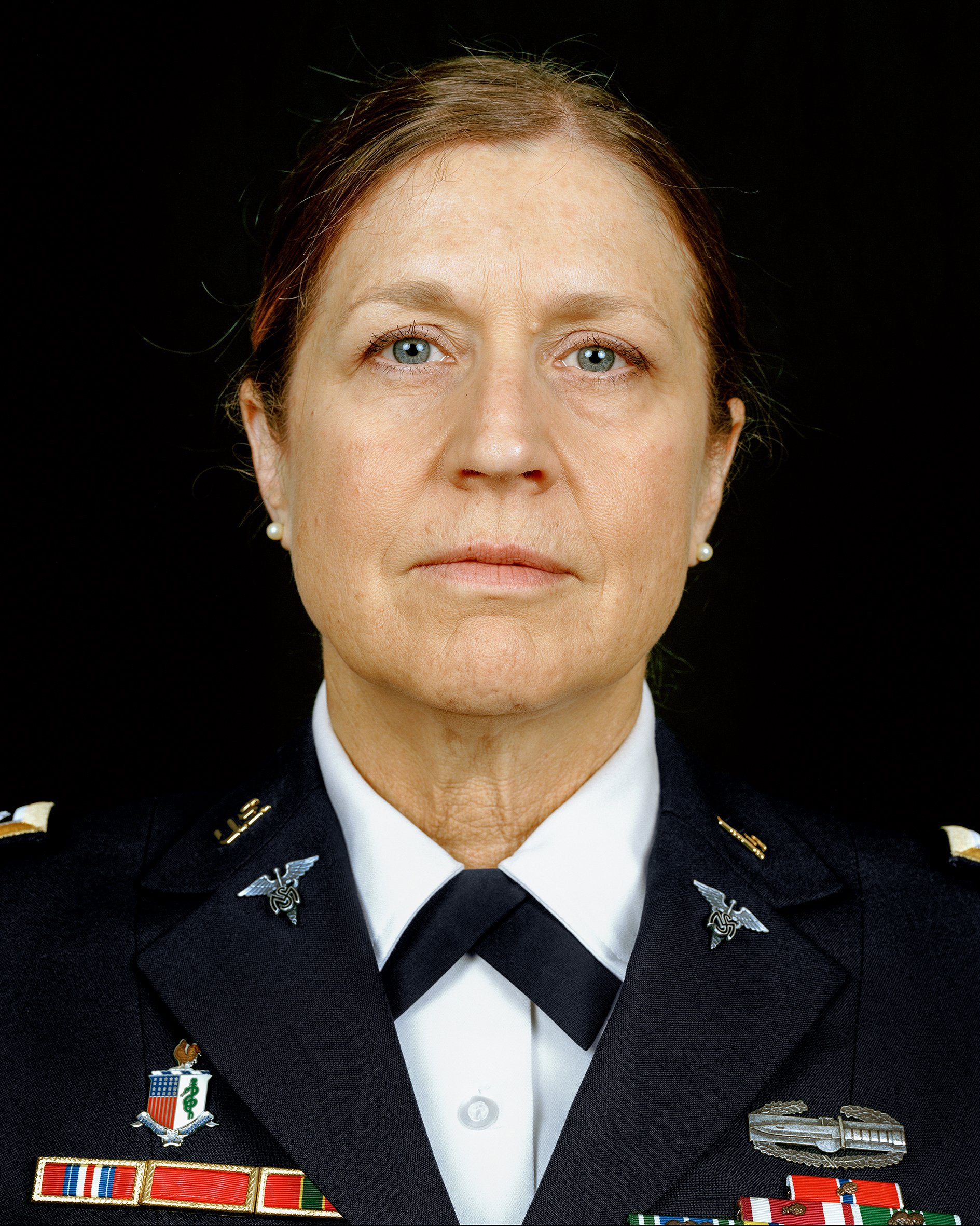
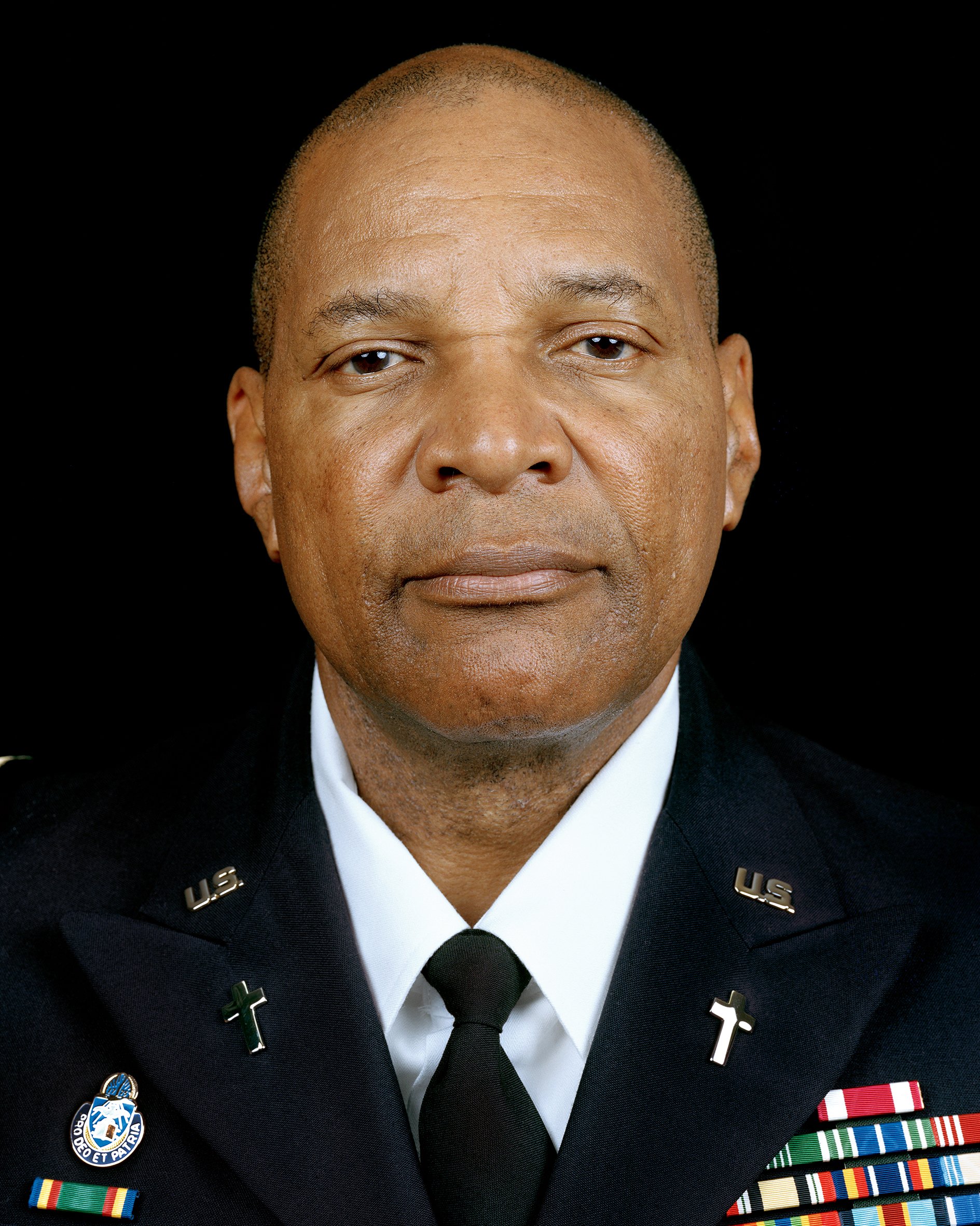
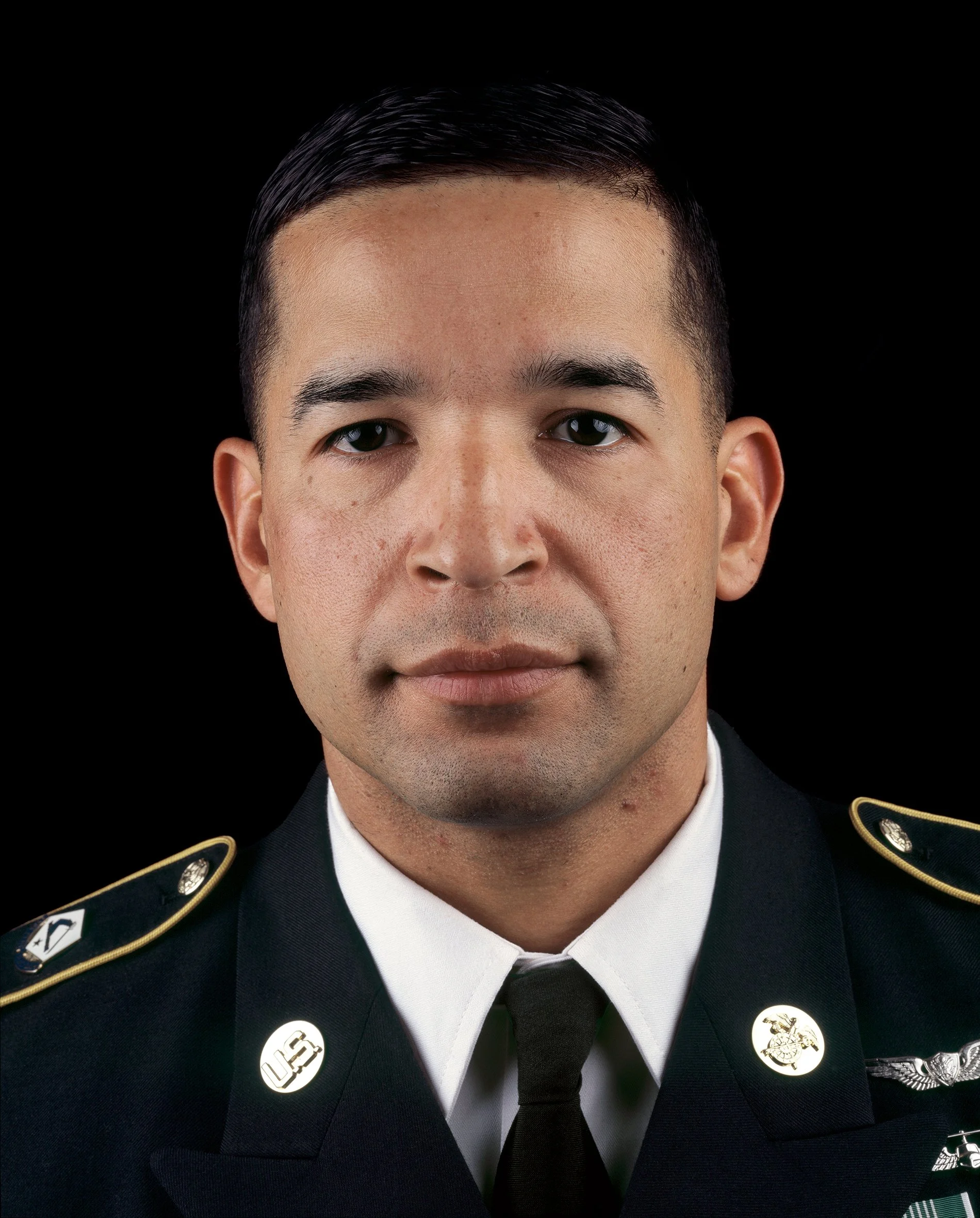
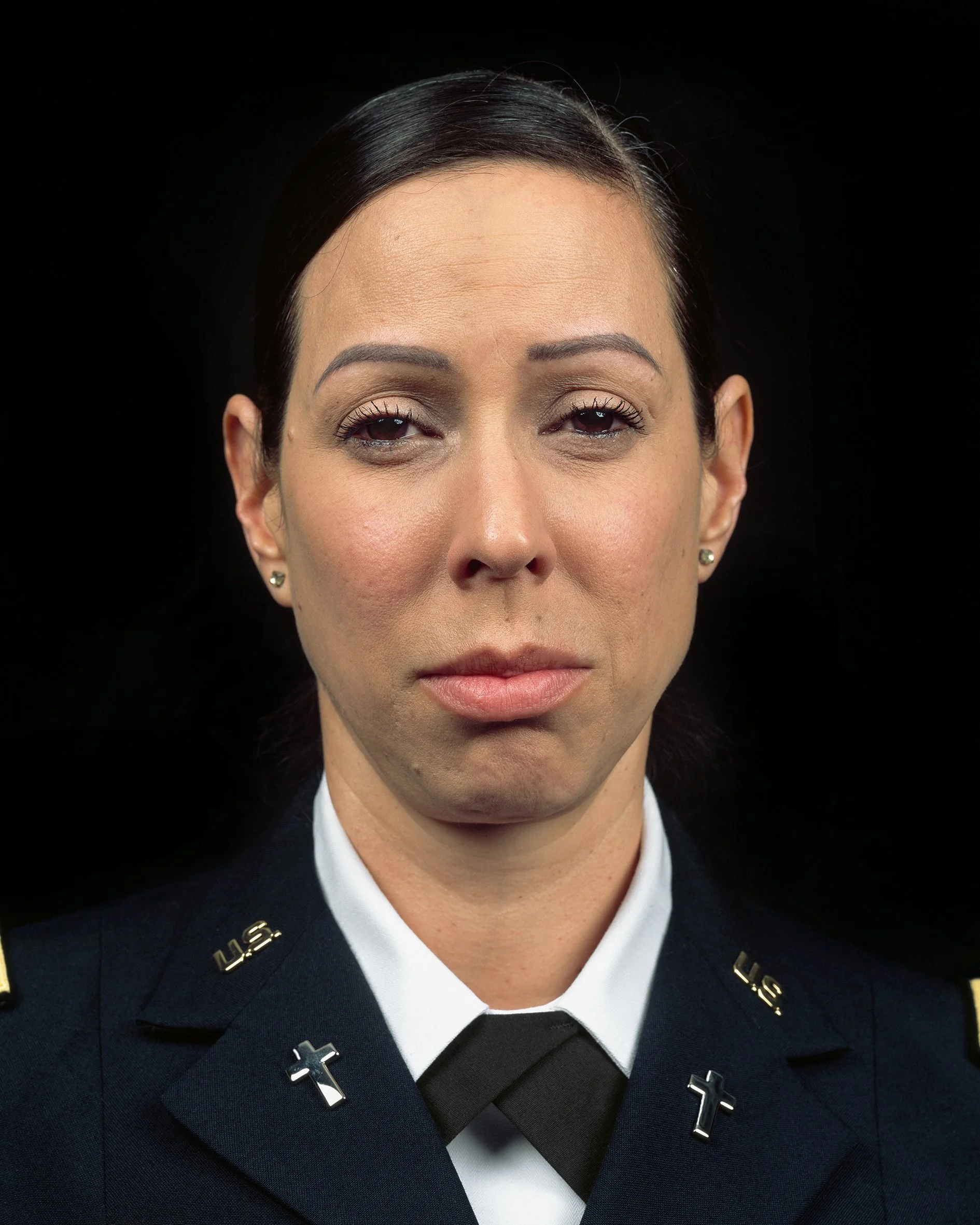
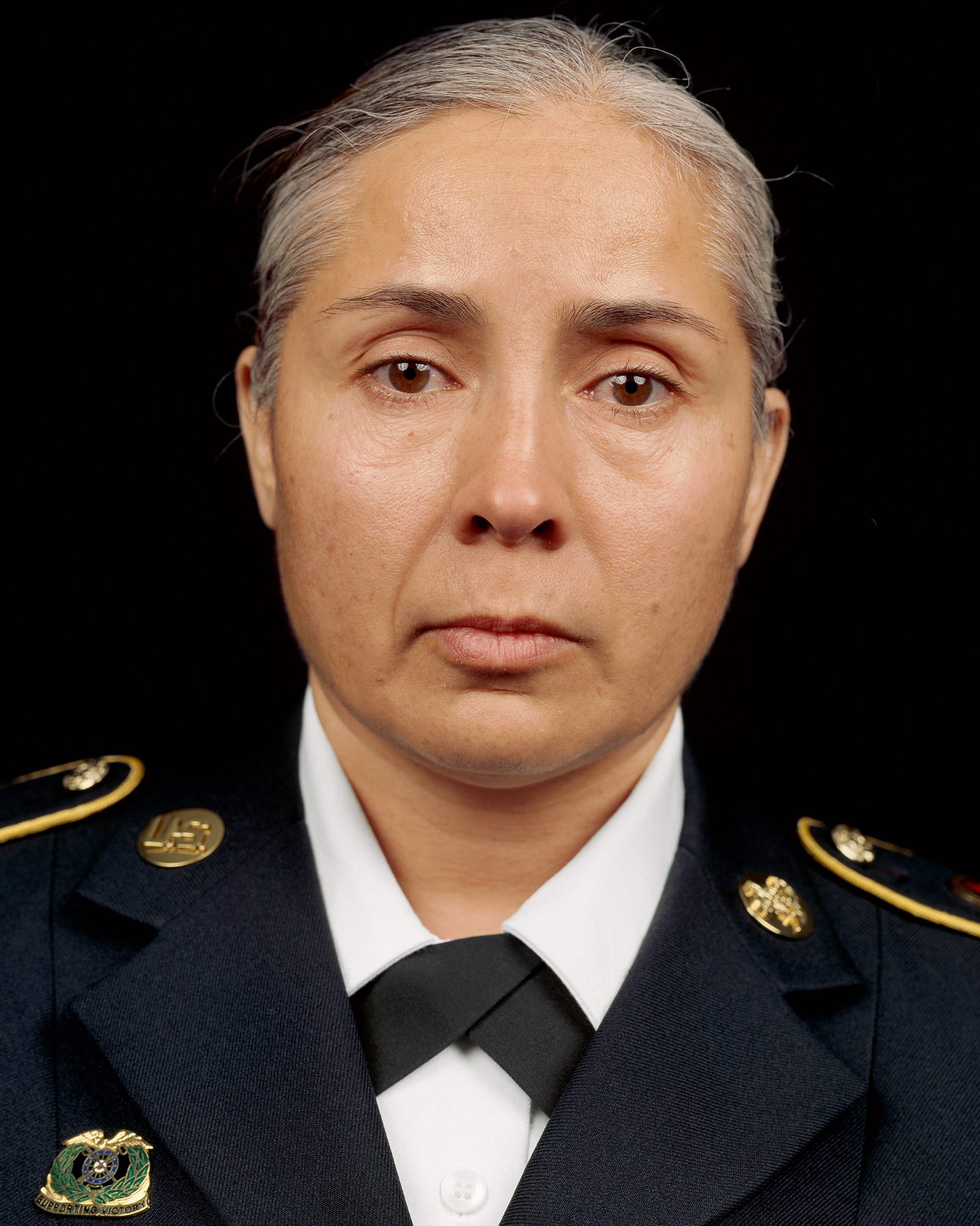
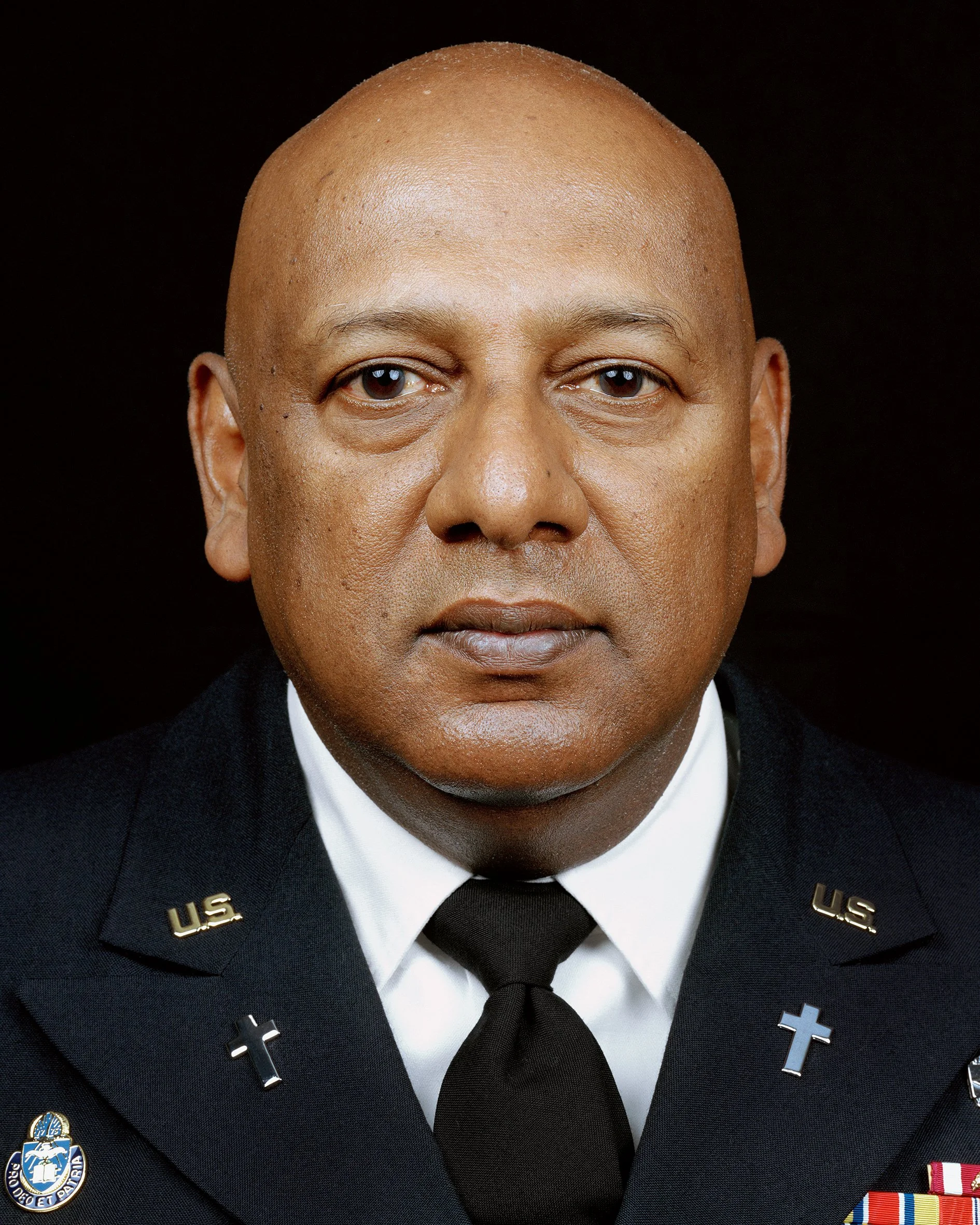
This led me to want to meet the Casualty Notification Officers themselves, to understand the training they undergo, the process they follow, and the work they do. This became the second body of work, revealing soldiers who volunteer for this difficult job so that mistakes are minimised and healing is made possible for families.
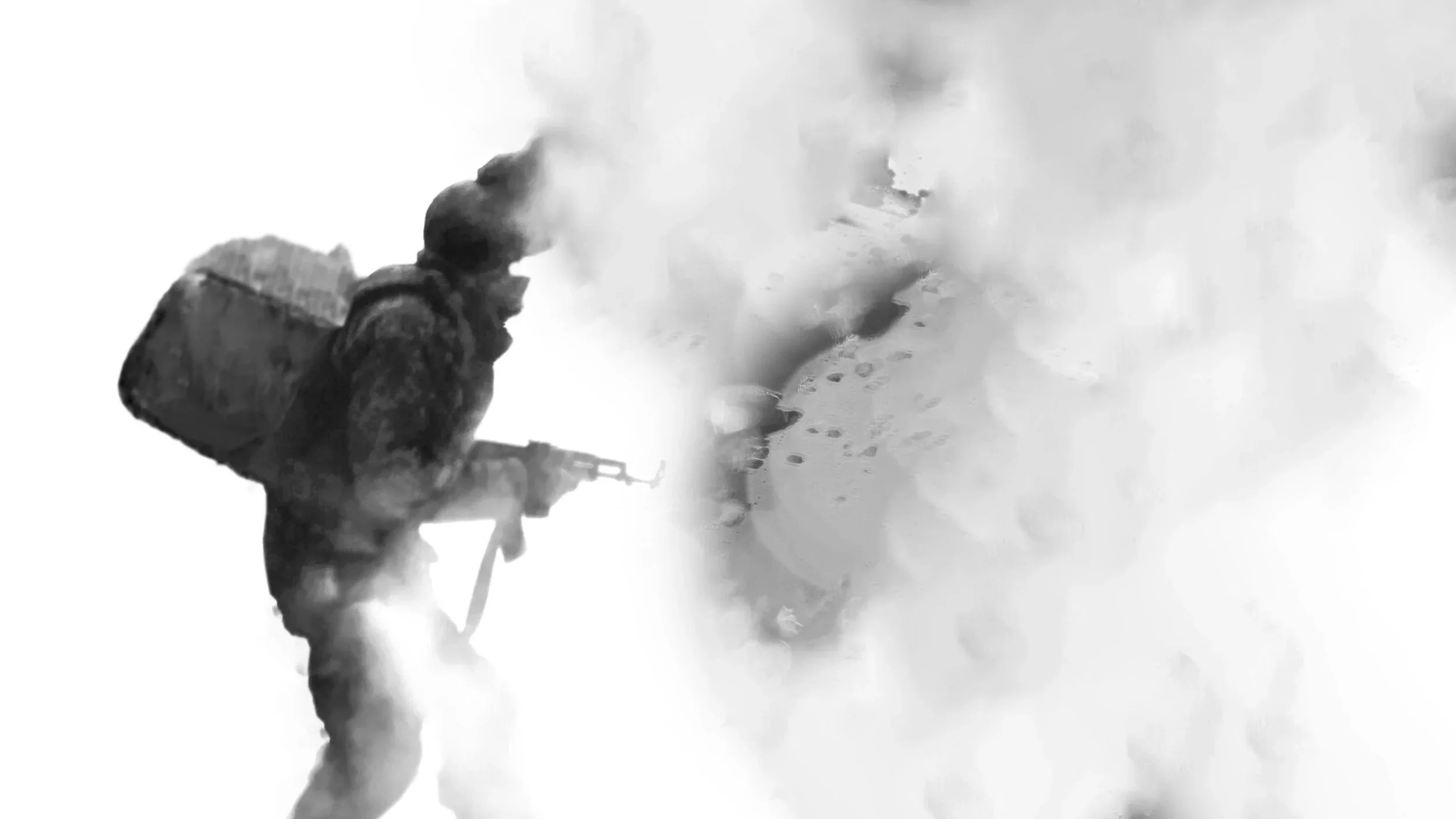
The third part, Four Mothers, features interviews with four mothers who lost their sons in combat, reflecting on life 10–15 years after their loss. They offer a positive perspective on how grief shaped their lives, motivating them to educate and support others. Together, these three parts create a fuller picture of loss, grief, and resilience, showing the human impact of war from multiple perspectives, the families, the officers who deliver the news, and the long-term reflections of those who continue to live with loss.
You mentioned Tracy wasn't officially notified because the army didn't recognise her marriage to Donna - how did that story change the way you approached photographing the notification officers?
Hearing Tracy’s story made me acutely aware of how much can go wrong in moments that are meant to provide clarity and care. It reminded me that notification is not only a formal military procedure, but a deeply human encounter shaped by systems, laws, and blind spots. When I approached the Casualty Notification Officers, I did so with a heightened sensitivity to the weight they carry and the responsibility they assume. I wasn’t interested in portraying them as representatives of an institution, but as individuals navigating an imperfect system while trying to act with compassion. Tracy’s experience underscored for me how crucial their role is, and how much is at stake when that role is fulfilled, or fails.
Personal Connection: As someone from Jerusalem and of North African background, how did your own life experience shape how you photographed these American military families?
Growing up in Jerusalem, in Israel, and experiencing war throughout my life has had a profound impact on my practice. It made me deeply aware of the human cost of conflict and the ways it shapes people and society. I believe there needs to be more space and platforms to share the pain and loss of survivors, so that healing becomes possible. My own experiences pushed me to approach these American military families with sensitivity and care, aiming to show the real consequences of war—not the way it is often portrayed in movies, but the very real human impact it leaves behind.
Most Difficult Image: Which photograph was hardest to make, either because of emotions or technical problems?
I always photograph after having a conversation with the family members, so I carry all their stories with me in my mind. Photographing these objects was always deeply moving because it was so emotional and painful. Many families shared personal items, including journals of their loved ones, and being able to read their words was incredibly touching. I felt deeply grateful that they trusted me to engage with such intimate parts of their lives.
From a technical perspective, objects that were reflective were particularly challenging. I didn’t use artificial light, so I had to rely on natural light and reflectors, carefully managing the environment to photograph each object respectfully and clearly.
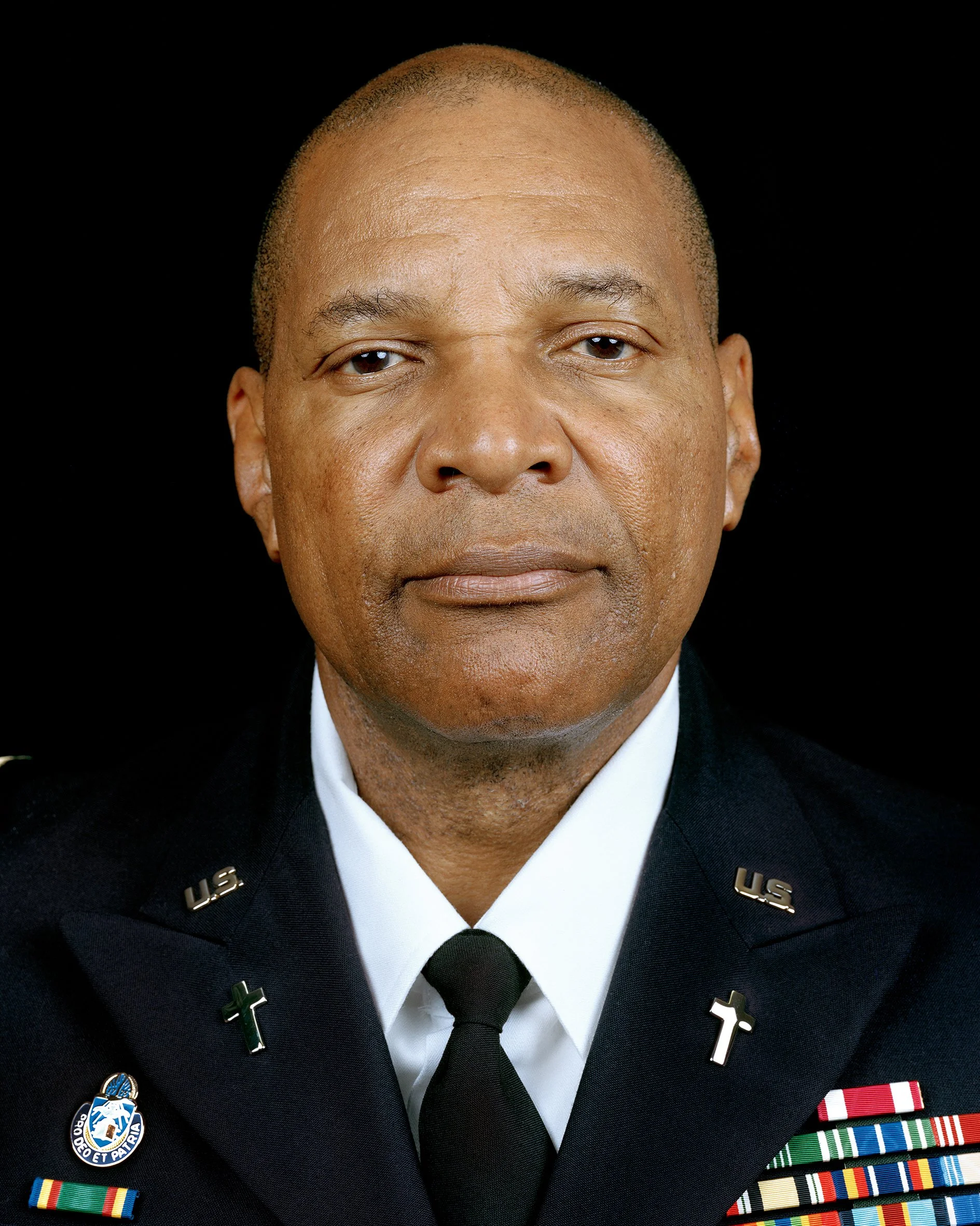
Officer Portraits: You photographed Casualty Notification Officers who bring news of death to families - what did you want readers to feel when looking at their faces?
Meeting with the Casualty Notification Officers and hearing their side of the story, I discovered some of the most compassionate people, individuals who aren’t thinking about themselves at all, to the point that many feel they don’t have a story to tell. Their work is entirely about the families. They rehearse their scripts, making sure they can hold themselves together so that they don’t add to the family’s trauma and so that healing can be possible.
I wanted to convey all of this, their dedication, care, and quiet strength, in their eyes. I photographed them with a 4x5 camera, asking them to look into the lens and think about the families they have notified, so that the depth of their commitment and empathy comes through.
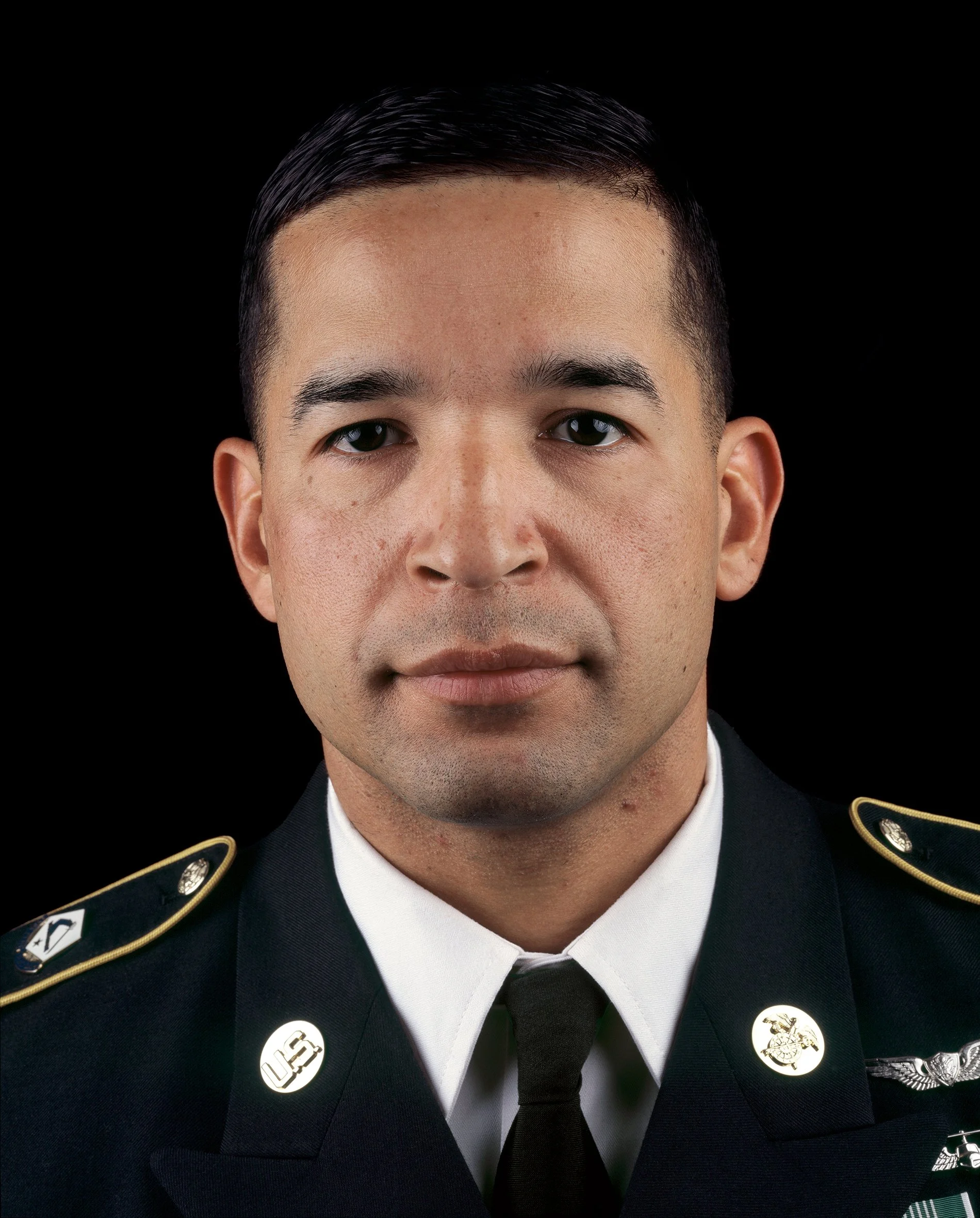
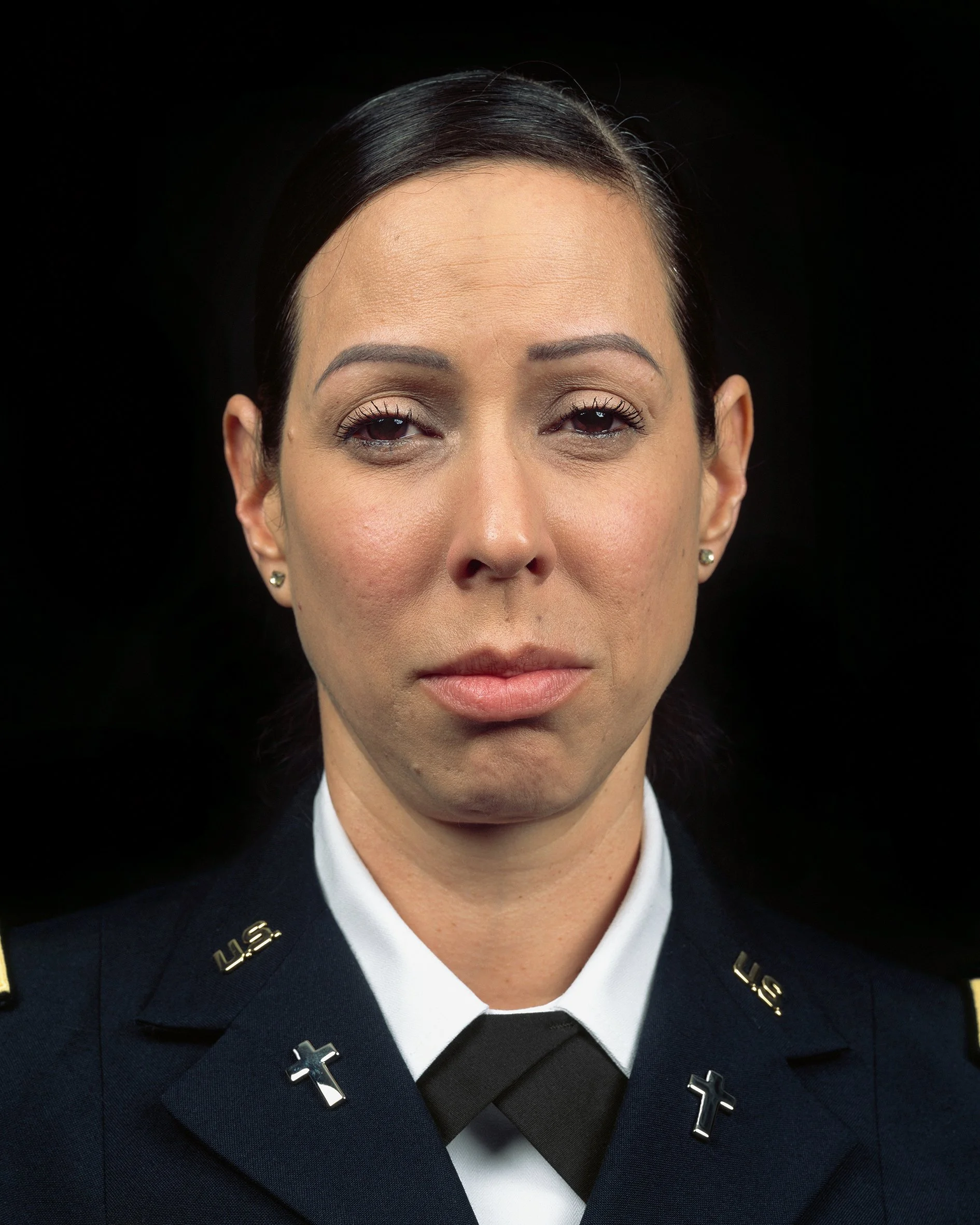
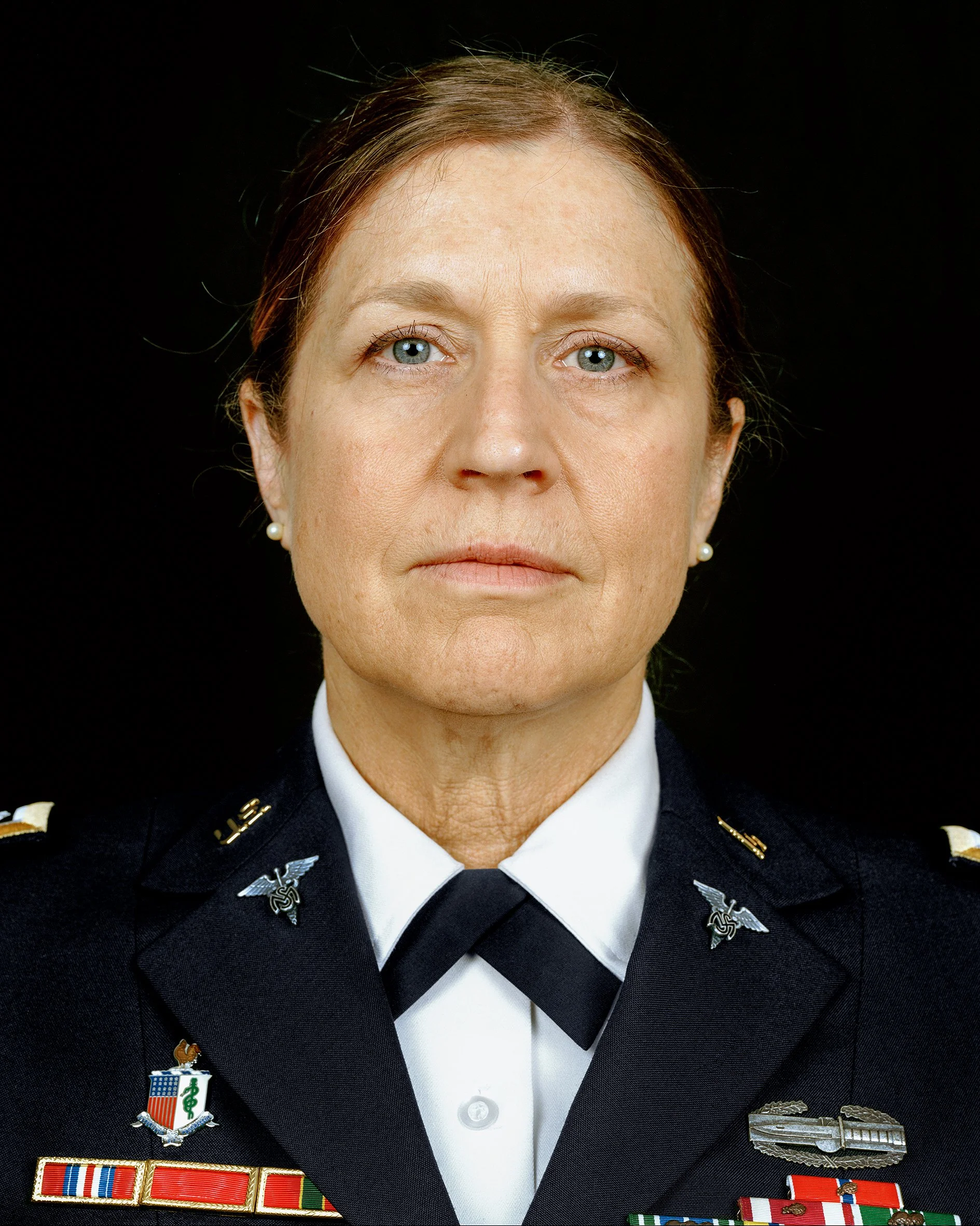
When you say the officers "feel they don't have a story to tell" - what convinced them to be photographed for your project?
I believe it was the understanding that the work is about them as individuals, but also about acknowledging the emotional labour of the role itself. Many officers agreed to participate once they realised the portraits were another way to honour the families, by showing the seriousness, preparation, and care that goes into notification. I also spent time listening before ever taking out a camera. That process helped build trust and allowed them to see that their quiet presence, restraint, and sense of responsibility were the story, even if it didn’t feel like one to them.
Objects as Memory: What photography tips can you share about shooting personal items that hold big meaning for people?
Approach every object with respect and be open to surprises. From my experience, even with many survivors, each story is unique. Be present and listen; every object carries its own story, and as a photographer, you have the responsibility to honour and share that narrative.
Long-Term Impact: After working on this project from 2015-2025, how did it change the way you think about making documentary photos about grief and loss?
First, I would say that grief and loss are universal, but the way we experience them is deeply private, and often, you feel alone in your grief. That’s why it was so important for me to create the film Four Mothers, where the mothers could come forward, share their experiences, and reflect on how, for example, the second year after a loss can be even more difficult than the first, because the reality of the absence becomes undeniable: their loved ones will never return.
The film has become, in a way, a guide for grief, not just for those affected by war, but for anyone who has experienced loss. This is something I could never have anticipated when I began this project. It has taught me to always be open and ready for the truths that will reveal themselves along the journey, and to approach documentary photography with empathy, patience, and a deep respect for the stories people carry.
The film became "a guide for grief" in ways you never expected - have any of the Gold Star families told you how others have used it?
The film is still early in its life, so I’m very much looking forward to hearing how families and audiences may use it in the future. That said, the essay Stephen Mayes wrote for the book, about For Mothers and the larger project, already offers a powerful example of how people are responding. He reflects on how listening to the mothers allows the sons’ names and stories to be spoken again, and how their lives continue through the voices of those who loved them. “Each of us that listens will hear for the first time about Jesse, Kristoffer, Isaac, and Justin, much as we might have heard stories about them during their lives. Now their names are spoken again, and although they are dead, their narratives continue in those of their mothers.” For me, that response affirmed something I hoped for but couldn’t predict: that the film could create a space where memory is carried forward, not as history alone, but as something living. I hope that, over time, families will find their own ways to use the film, whether to open conversations, to feel less alone in their grief, or to recognise that their loved ones’ stories still matter and are still being heard.
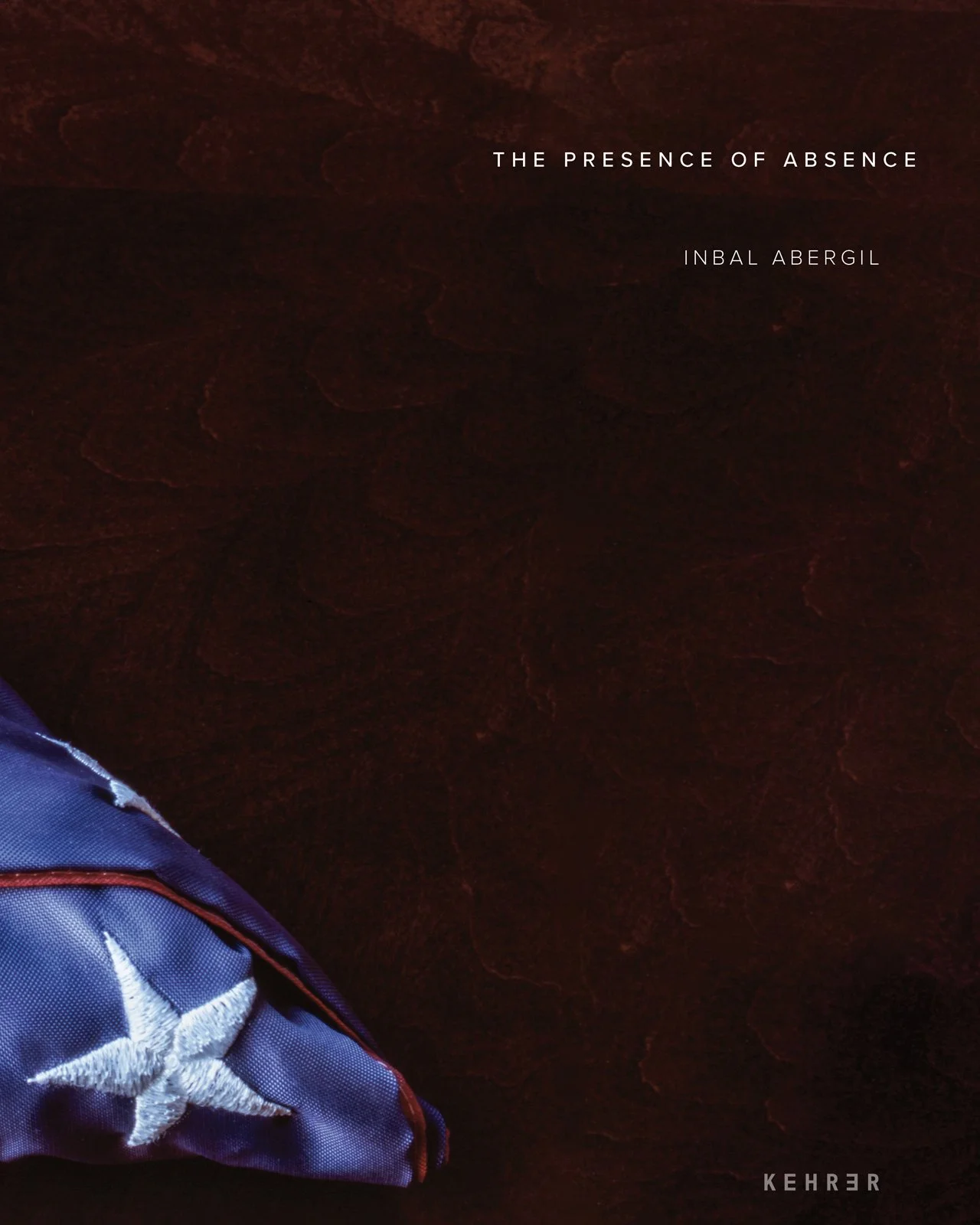
To discover more about this intriguing body of work and how you can acquire your own copy, you can find and purchase the book here. (Kehrer Verlag, Amazon)
More photography books?
We'd love to read your comments below, sharing your thoughts and insights on the artist's work. Looking forward to welcoming you back for our next [book spotlight]. See you then!
Robin de Puy could no longer make this project alone. She first photographed Randy in Ely, Nevada, during a 2015 road trip and kept returning to him for more than ten years. Interviews