The Year of the Lizard: How Fleeting Light, Instinct, and Analogue Film Became a 63-Copy Handmade Book
Welcome to this edition of [book spotlight]. Today, we uncover the layers of 'Das Jahr der Eidechse [The Year of the Lizard],' by Susanne Willuhn (self-publishing). We'd love to read your comments below about these insights and ideas behind the artist's work.
I trust instinct more than intention when photographing.
This idea shapes The Year of the Lizard, a book built from brief moments that appear before they can be fully understood. The photographs come from paying attention rather than planning, and from reacting before meaning is fixed. Nothing is staged, and nothing tries to explain itself. The work stays close to uncertainty, where light, form, and atmosphere shift quickly.
Overthinking can quietly disconnect photographers from what they see.
Susanne Willuhn talks about working with analogue film, using imperfect cameras, and allowing mistakes to remain part of the image. She explains why presence matters more than control, and how intuition guides both her shooting and the handmade production of the book. The conversation stays focused on perception, attention, and reacting before logic takes over.
The Book
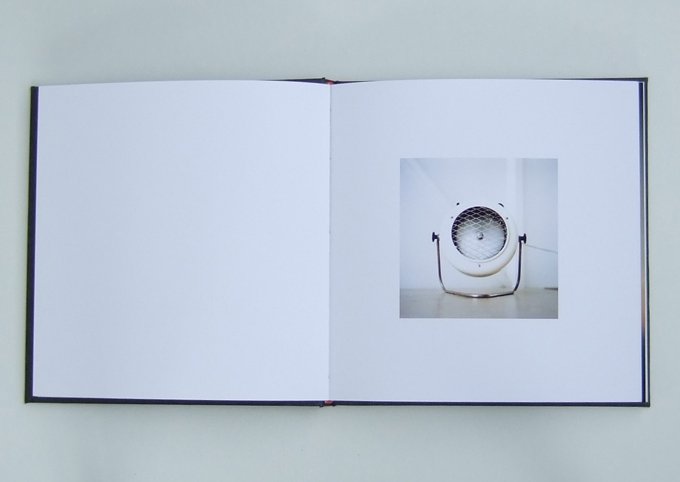
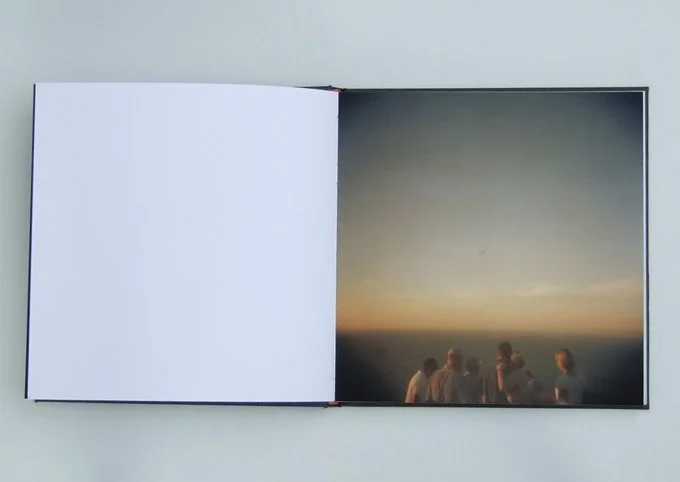
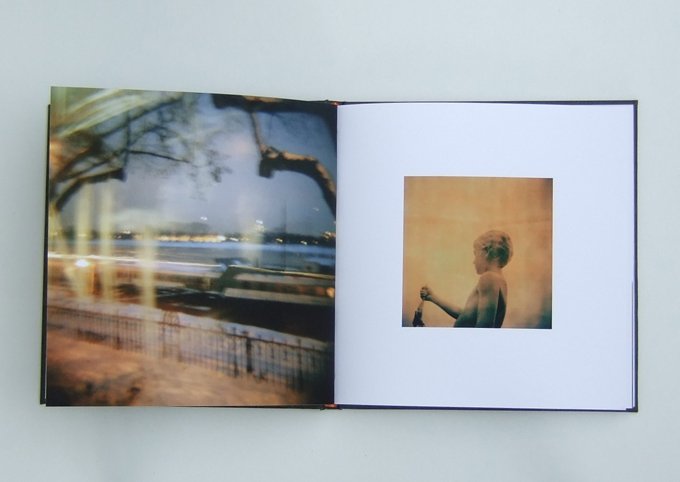
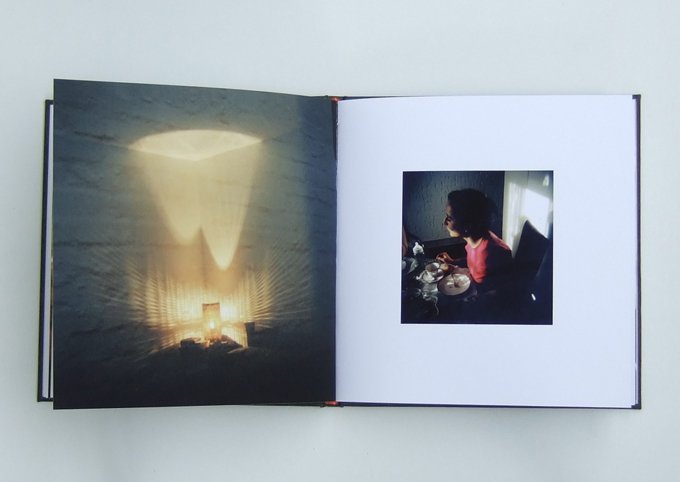
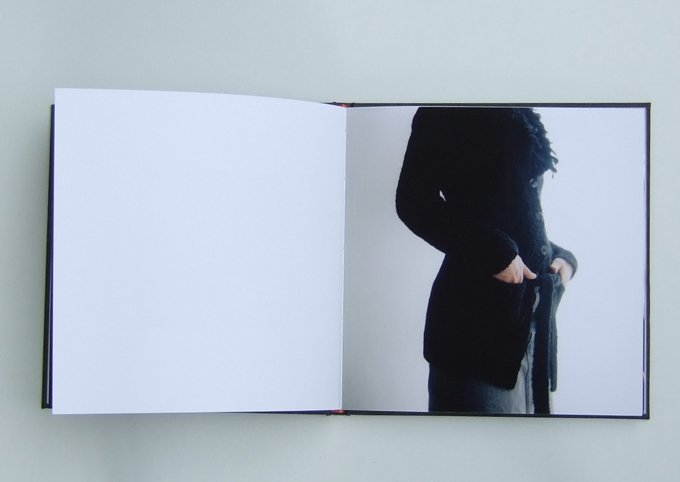
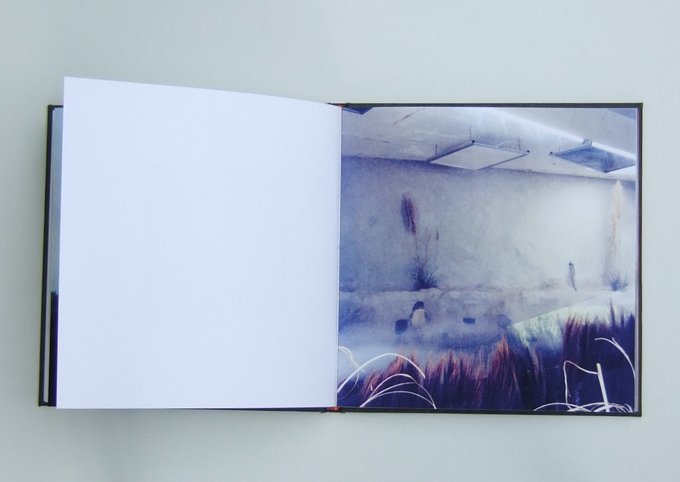
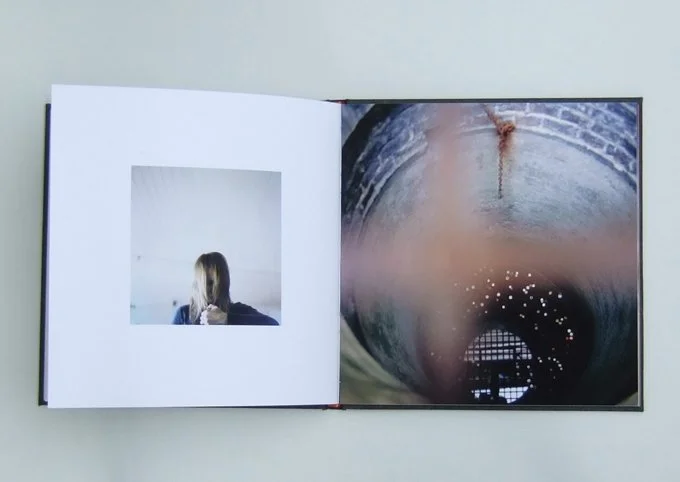
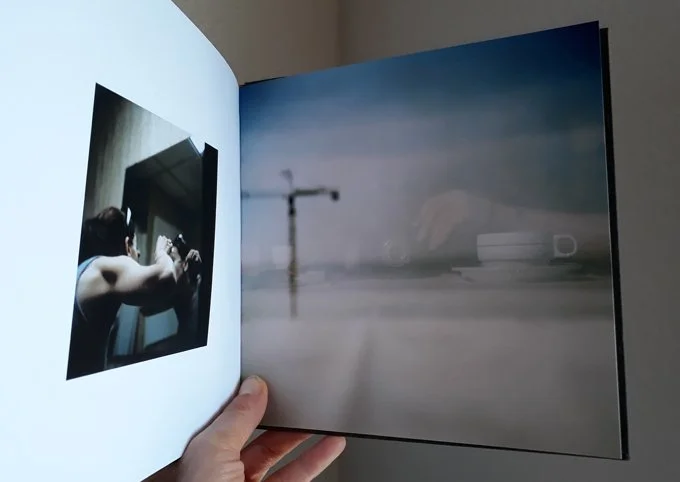
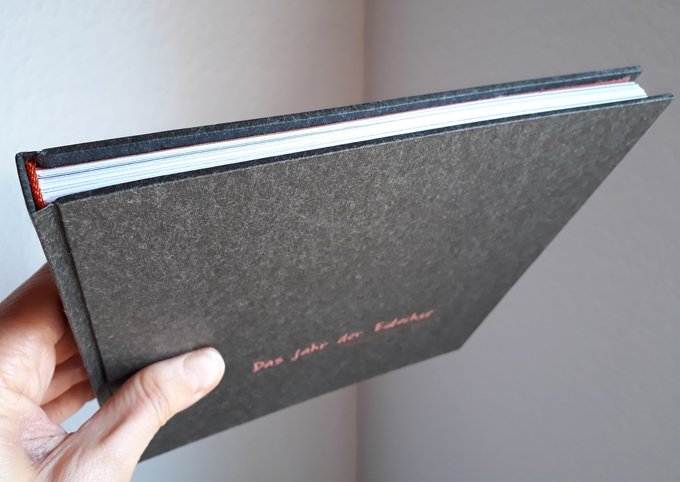
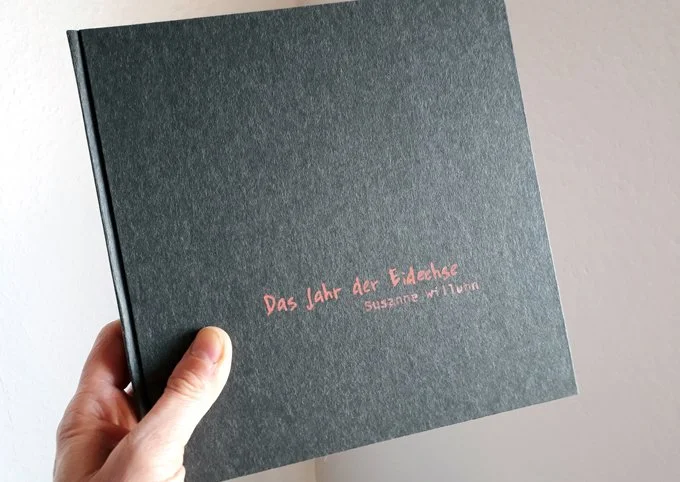
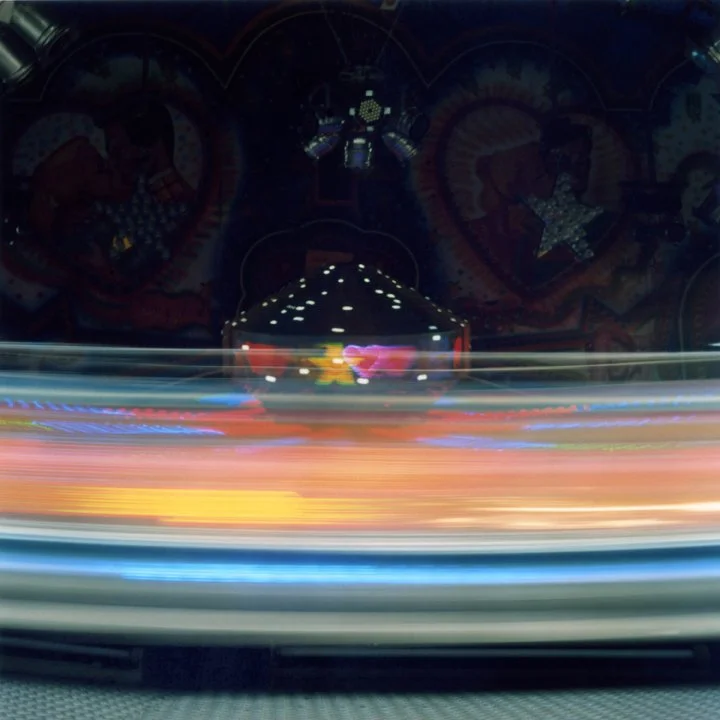
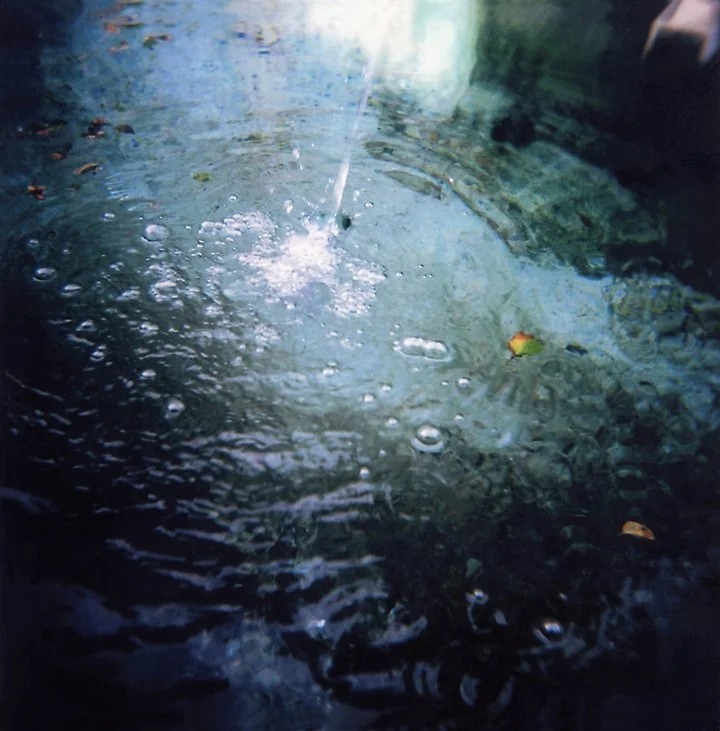
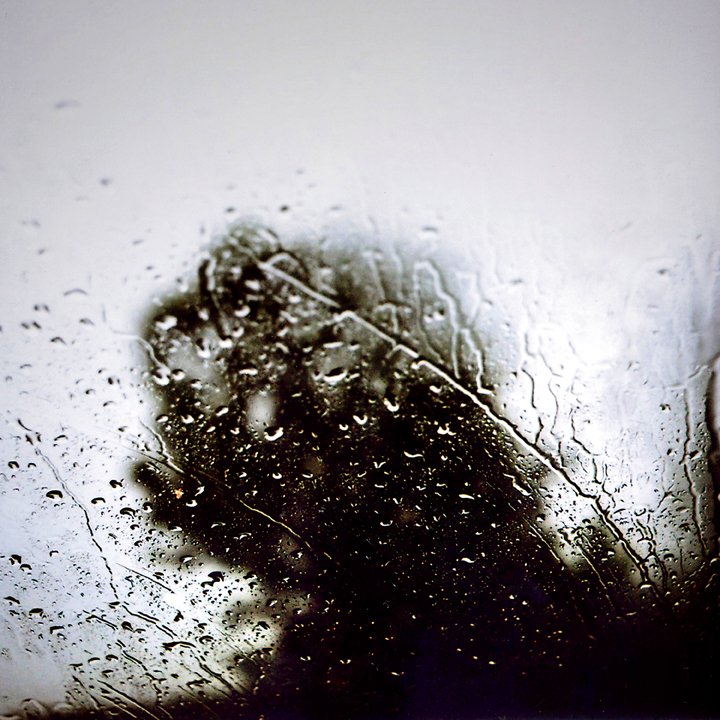
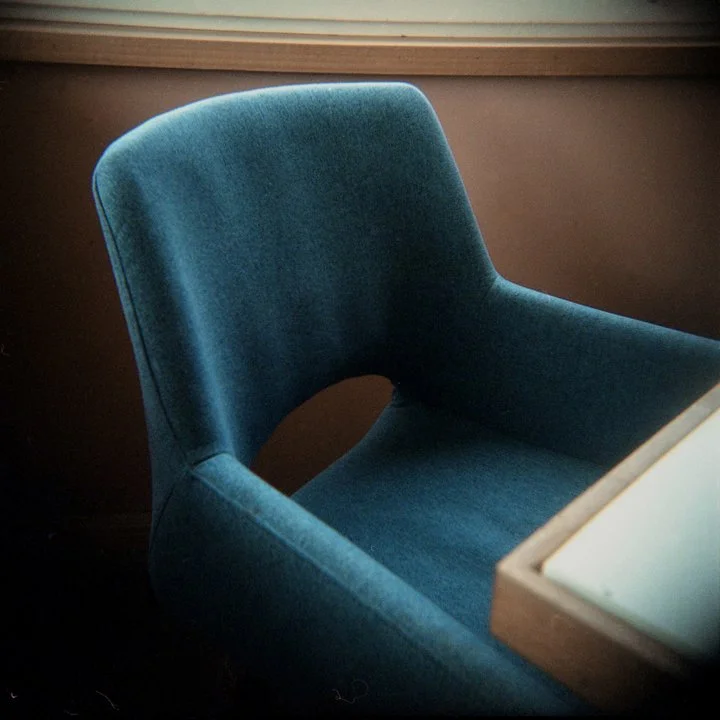
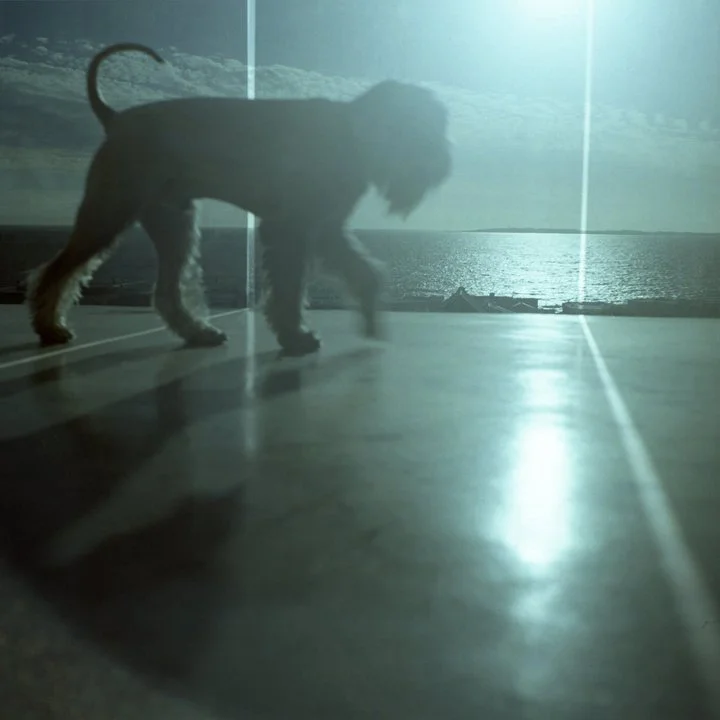
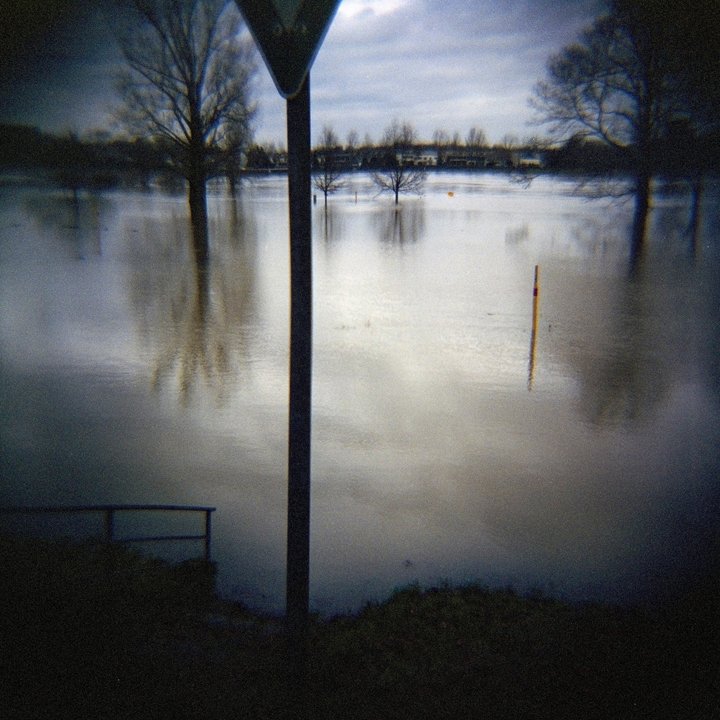
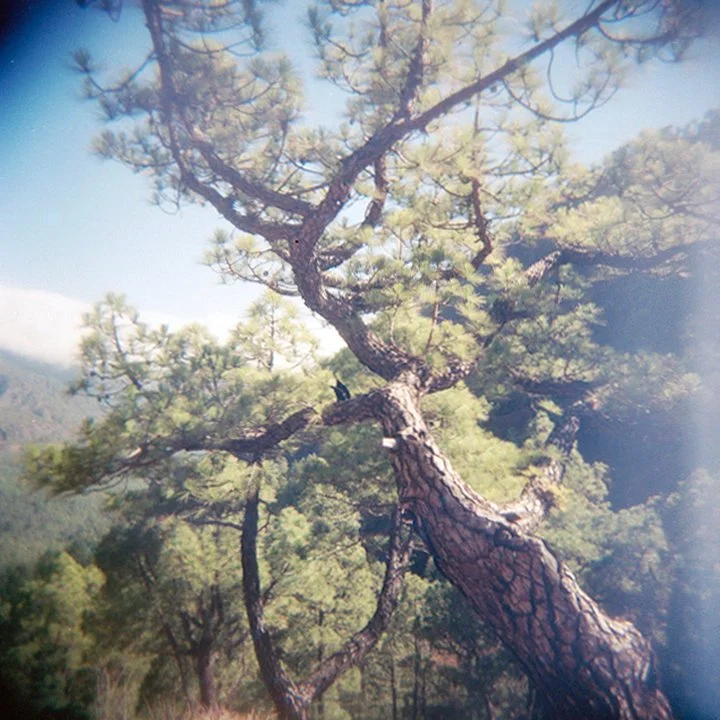
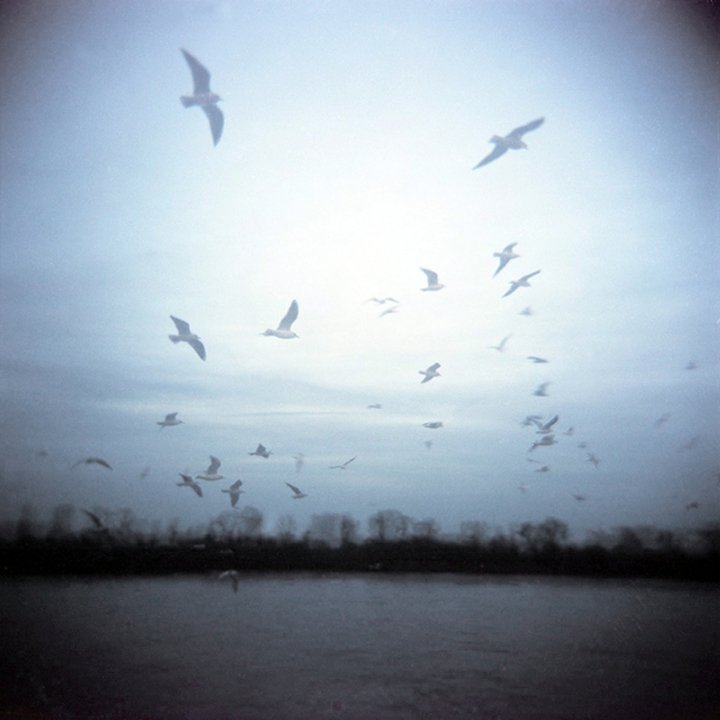
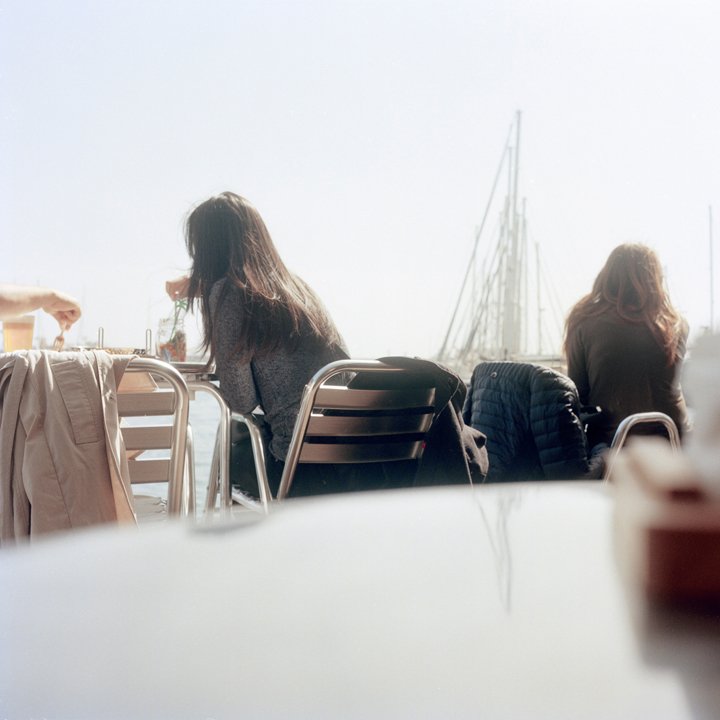
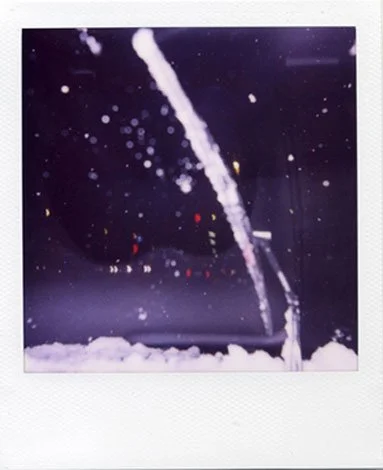
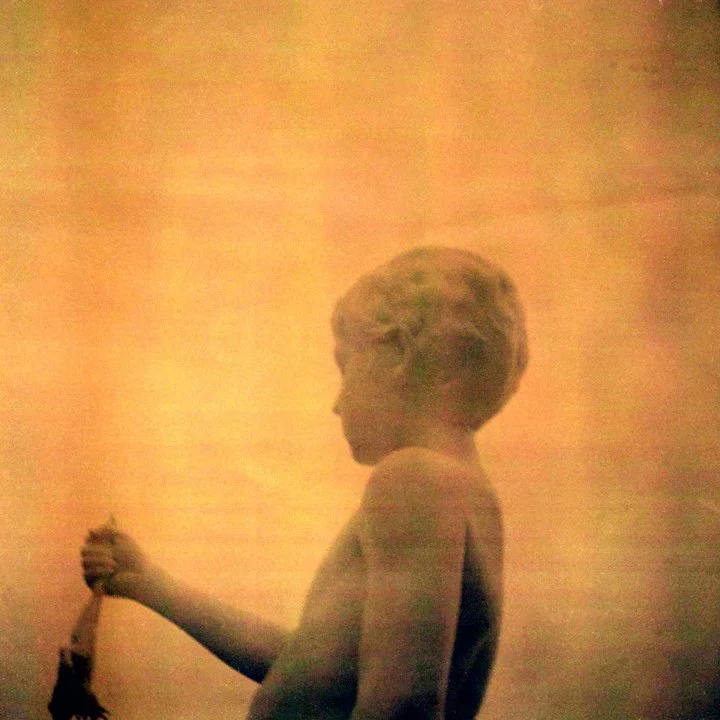
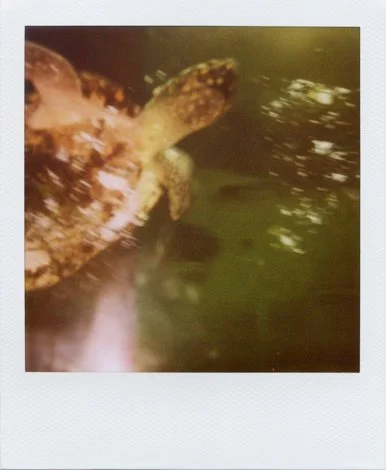
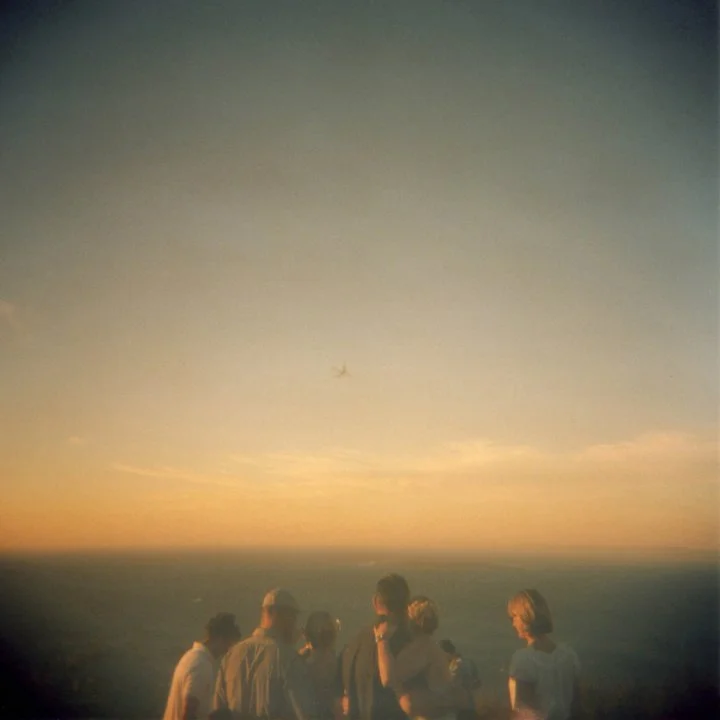
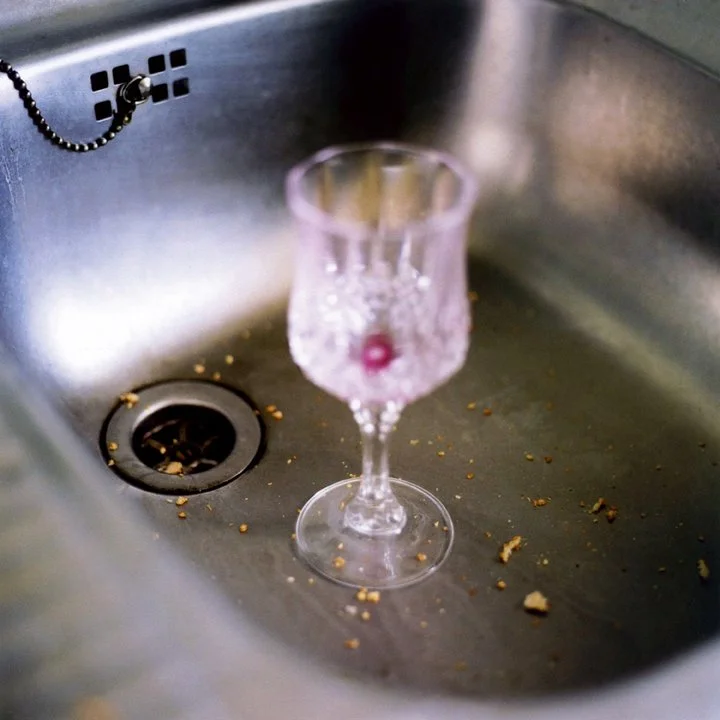
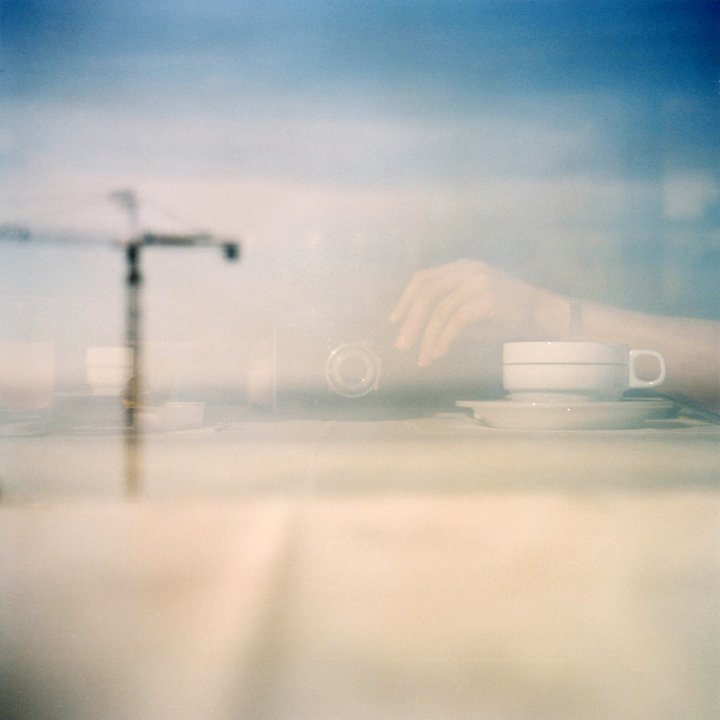
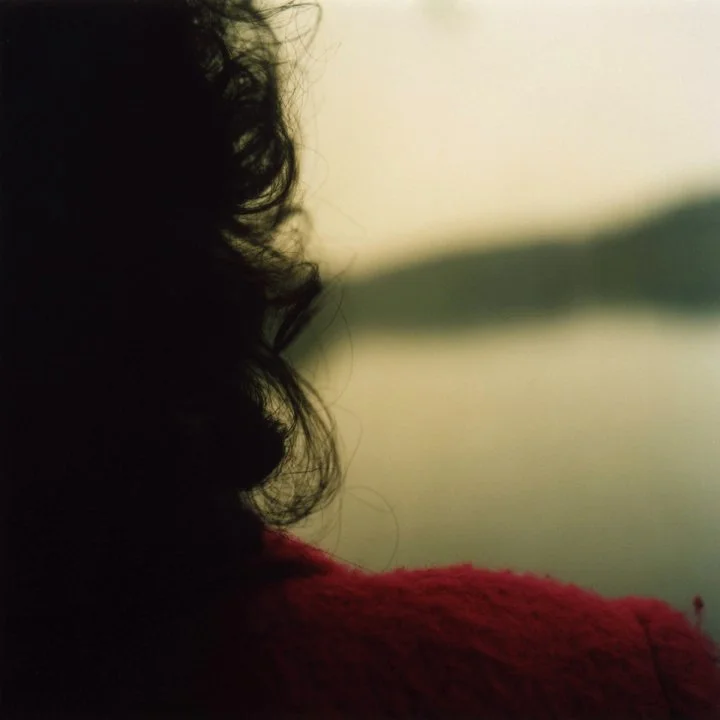
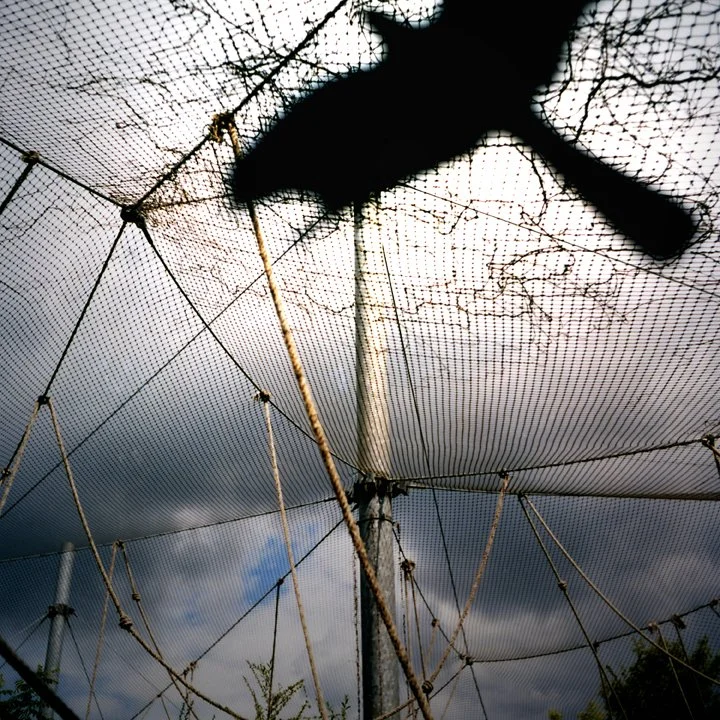
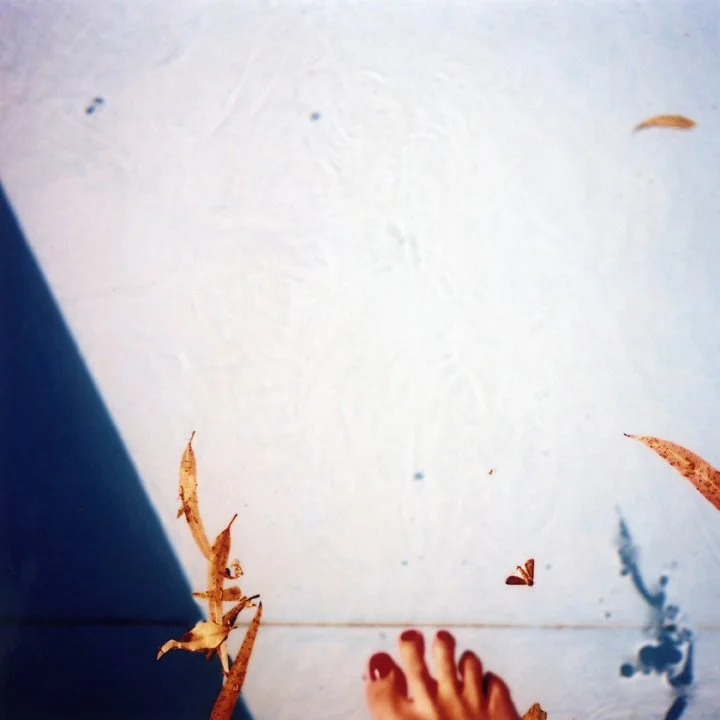
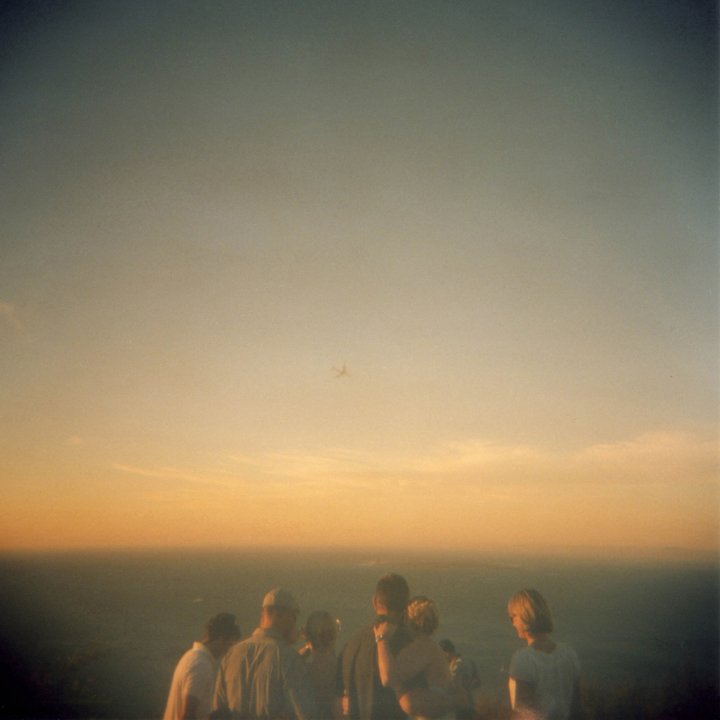
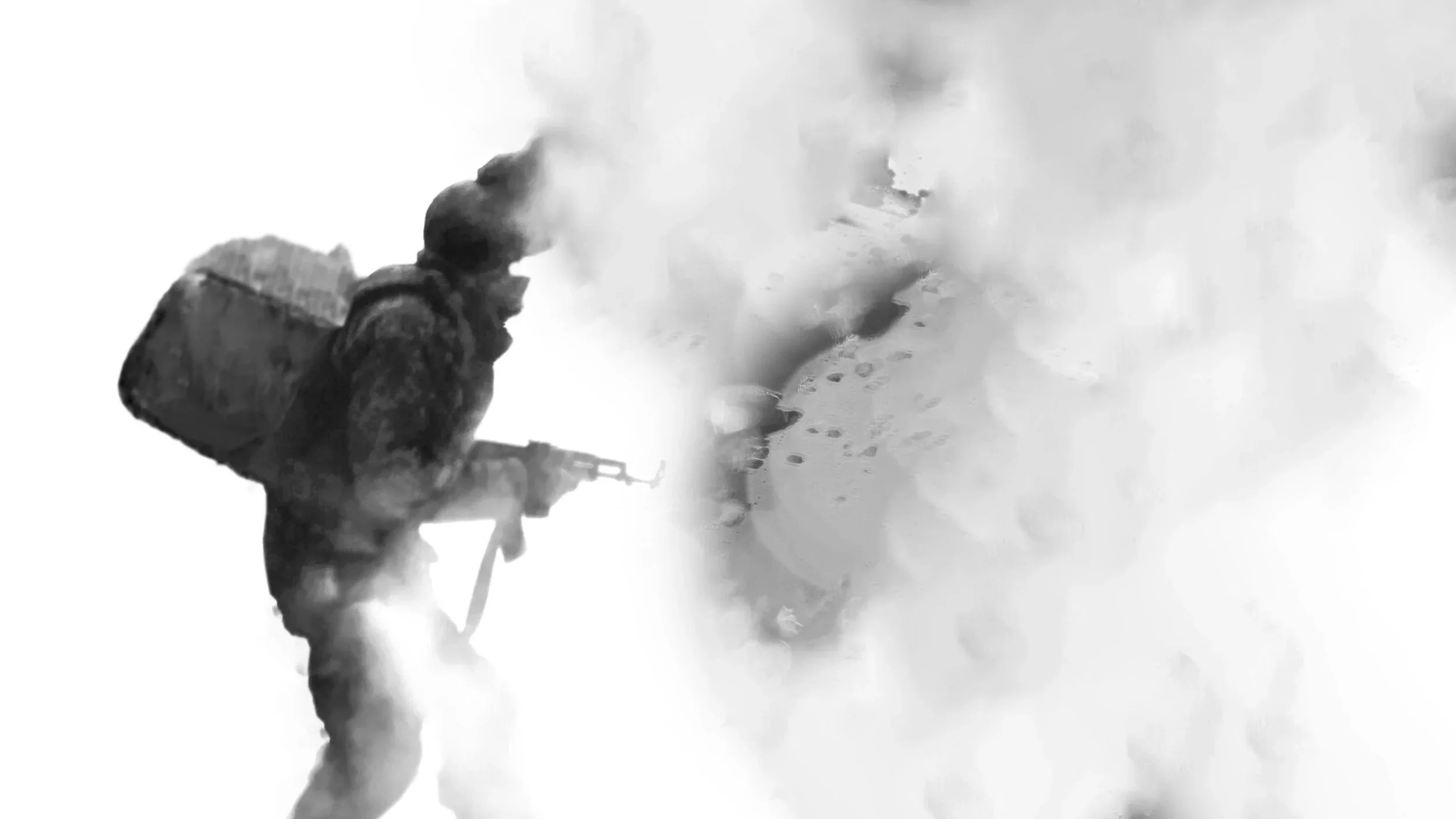
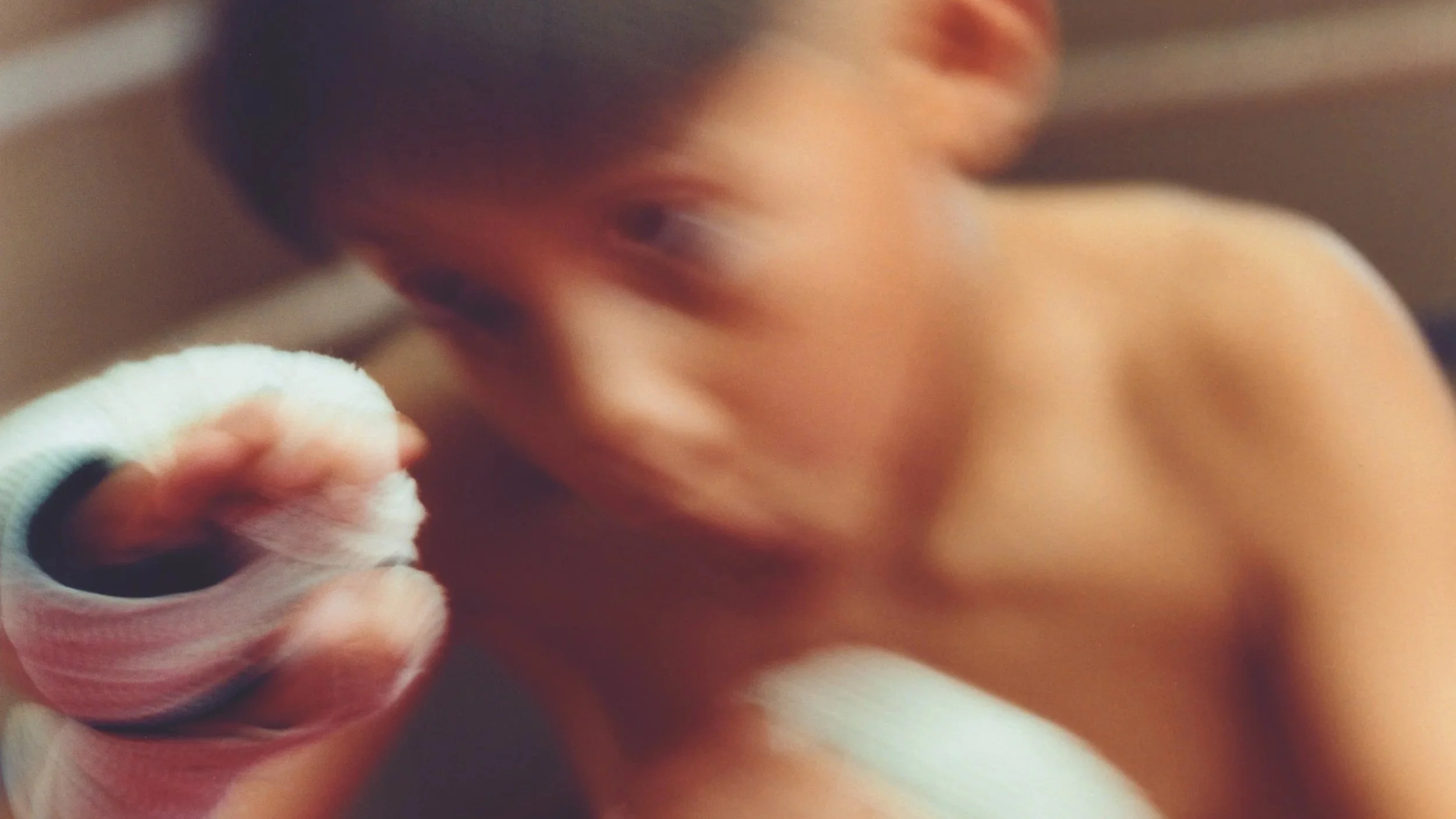
Das Jahr der Eidechse (The Year of the Lizard) is a handmade, self-published photo book by photographer Susanne Willuhn that presents 49 color photographs printed on matte paper, bound in a 20×20 cm hardcover and limited to 63 signed copies. The images feel instinctual, unplanned, and deeply personal, mixing everyday, often overlooked moments with mysterious places and objects that resist easy interpretation. Like a lizard that leaves its tail behind to move forward, the work embraces loss, chance, and what is gained only by paying attention to fleeting light and shifting perception. The sequencing was shaped with editor Wolfgang Zurborn, and the edition was shortlisted for a photobook prize at the Encontros da Imagem festival. (Website)
Project Origin: What inspired you to use the lizard as a metaphor for the fleeting moments you photograph?
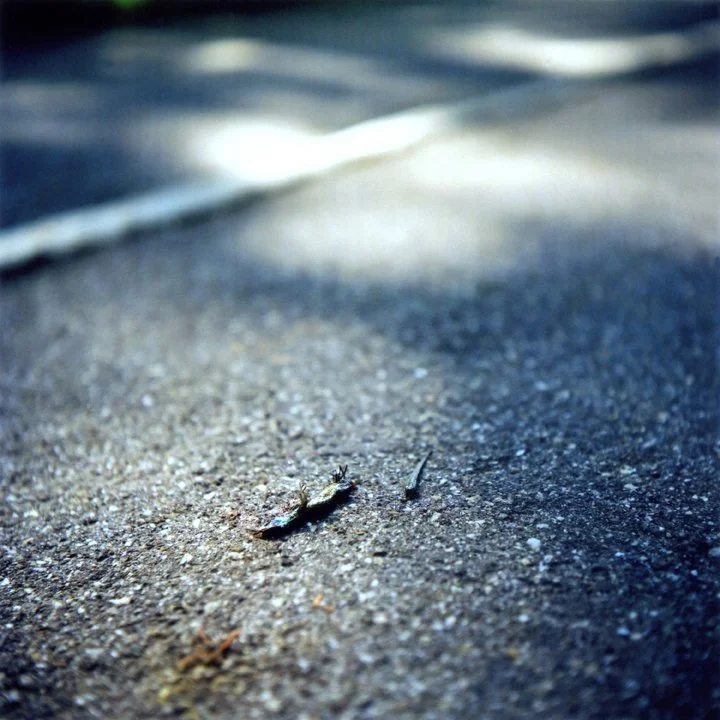
There’s this photograph of a dead lizard with its tail shed, lying in the middle of the road, that stayed with me. I remember walking up the street and noticing a shimmer; it came from the lizard’s skin, so it must have just happened.
I sensed that this image held the key to the book’s core, and for a while I even planned to use it as the cover (before ultimately deciding to publish the book without a cover image at all). But it took me some time to understand the message of the image. I was too close to the work to see its broader meaning, so the first dummy lay untitled for a while, just waiting.
With some distance, I realised that the photo of the lizard reflects many aspects of how I see the world through the lens: an interplay of light and shadow, the coexistence of the fleeting and the lasting, and a certain tension.
Lizards are very elusive animals. They appear briefly and disappear again. When threatened, they shed their tails, leaving something behind as a kind of illusion while the essential part has already withdrawn. That really spoke to me.
At the same time, they embody something instinctive and immediate, because they simply react, a facet that resonates with my intuitive way of working.
In the end, the lizard has become the ideal metaphor for the book.
Intuitive Process: How does working with analogue film help you capture these “vague sensations” and “subtle hints” you describe?
Working with film automatically makes me more present. I only have a limited number of frames, and that gentle pressure keeps me attentive. If I have to advance the film or even reload at a crucial moment, the magic of the instant may be gone.
What helps me most, though, is the absence of a display. Since I can’t immediately check and evaluate what I have done, I can stay in the flow without distraction. It’s giving up a bit of control and trusting my intuition and perception.
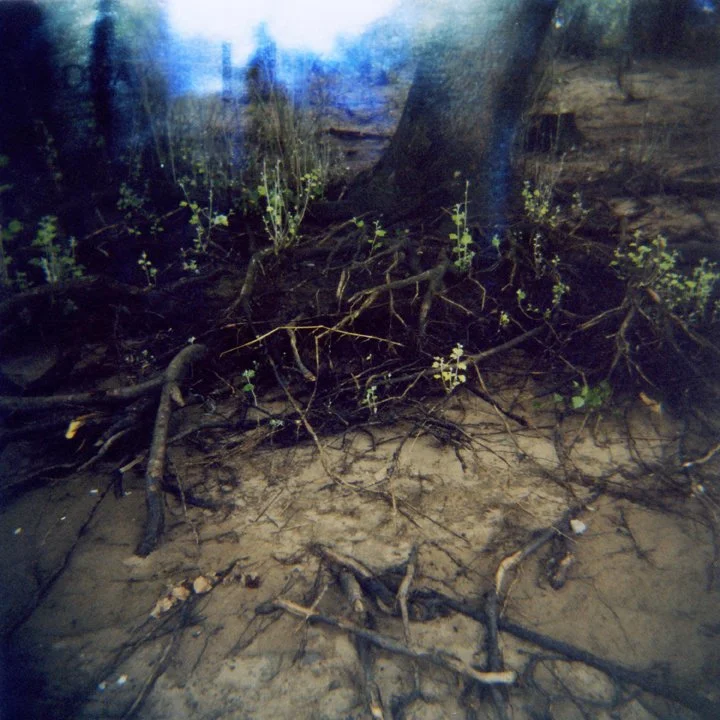
Analogue photography is also more open to chance and to mistakes. Sometimes I won’t have chosen the technically “correct” setting when a moment arises, but those imperfections can free the photo from being a literal depiction. It opens up space for imagination, memory, and associations. That's why I often reach for my unpredictable Holga camera. I have always been drawn to an aesthetic of imperfection that lives from some kind of tension or fragmentation. I like it when a photo breaks expectations.
I own several medium-format cameras that I use depending on the situation or my mood. The counterpart to the Holga is my vintage Rolleiflex TLR. It allows me to connect deeper with my surroundings. Looking down through the waist-level finder onto the focusing screen, I feel like both an observer and a participant.
Both cameras speak to different facets of my intuitive process. Holga images live above all through chance and uncertainty, while Rolleiflex photos come from a place of quiet attention and focus. Often, I even carry several cameras with me when I’m out shooting.
Another factor for me is the time that passes before the film is developed. This delay creates a valuable distance between myself and the moment of capture. Often, later on, I don’t even remember exactly where or how I took the photo. I find I need this very detachment to view the image more objectively.
I need my own memory of the situation to fade before I can tell if the photo stands on its own, whether I managed to capture an underlying essence or if it remained a mere reflection of reality.
Square Format Choice: Why did you choose the square format for this book, and how does it create space for viewer associations?
I want viewers to really immerse themselves in the book. That’s why it was important for me to also include full-page photographs that can unfold their entire power, without restrictive borders. The square itself feels like a very natural way for me to work; it's the format I photograph in almost exclusively. I like the calm and balance it conveys. It gives a sense of depth, and my eye can move evenly outward from the centre, spreading with ease.
I find that the photos in this book, with their very diverse subjects and varied visual language, benefit from this format; it holds them together well. The square is neutral enough to act as a quiet frame. I think a good interplay has emerged this way: the individual images provide dynamism and complexity, while the format offers stability and cohesion. This creates a space where the outside world can fade into the background.
For me, looking at these images feels like looking out of a window and into a mirror at the same time.
Seeing Differently: Can you explain what happens in that “brief moment” when your perception changes before your mind takes over?
It’s actually quite difficult to describe, because it usually happens spontaneously. It feels like an immediate intuition, an impulse that’s just there, faster than any conscious thought.
Sometimes, for instance, I’ll walk into a room and press the shutter before I’ve even rationally grasped my surroundings, simply because there was something. Only then do I start looking around properly. And quite often, any photos I take at that spot afterwards just don't match the quality of that first one. It seems to me that the openness of the first moment is already gone by then.
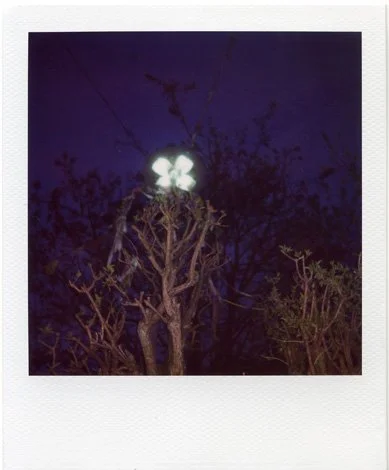
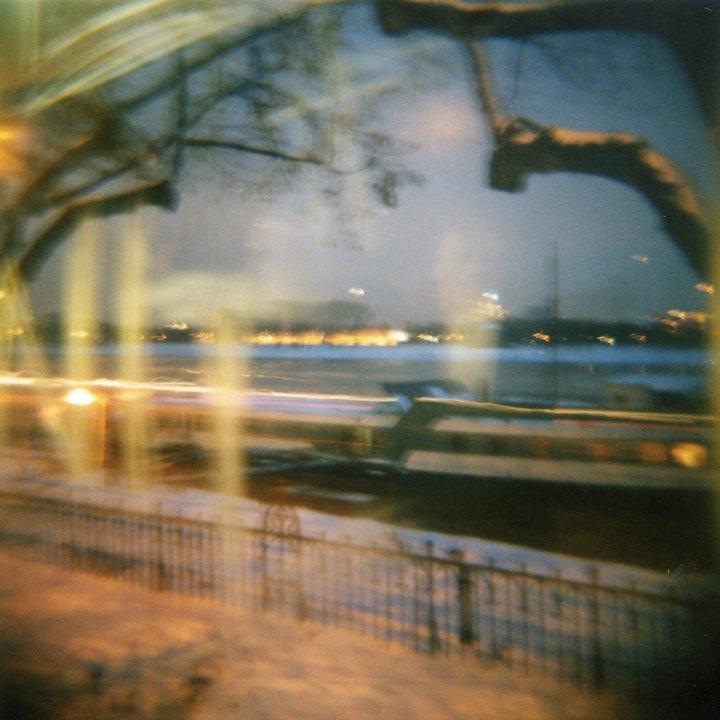
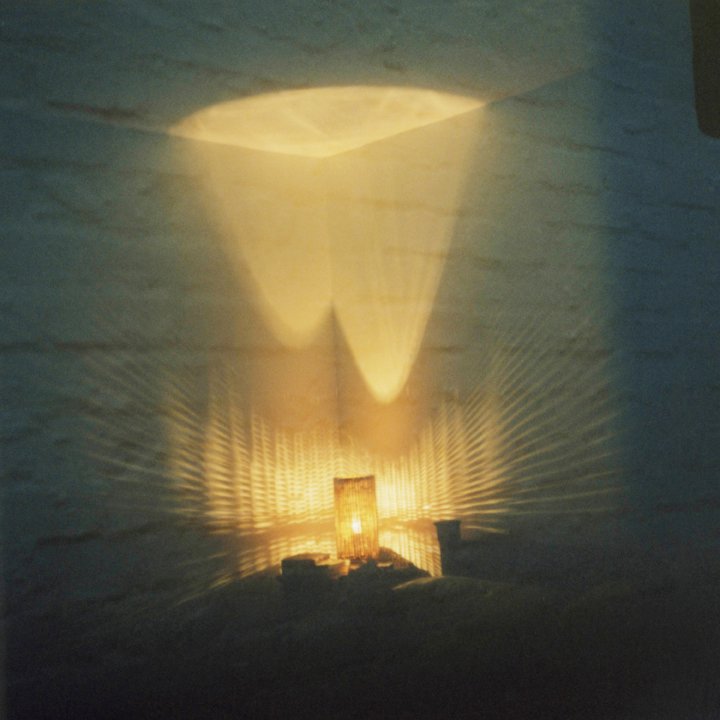
It’s those moments when I suddenly stop, turn around, or look up without knowing exactly why. I just get caught on something – like a tree standing near a streetlamp – and I have to take a shot. If I then move a few steps closer to inspect the scene, the magic has vanished. I can't see anything special anymore. But the Polaroid has preserved what I saw in that brief moment, when everything lined up perfectly: the tree looks like a being with a crown of light. My eye saw that before my mind could categorise it as a “streetlamp behind a tree“.
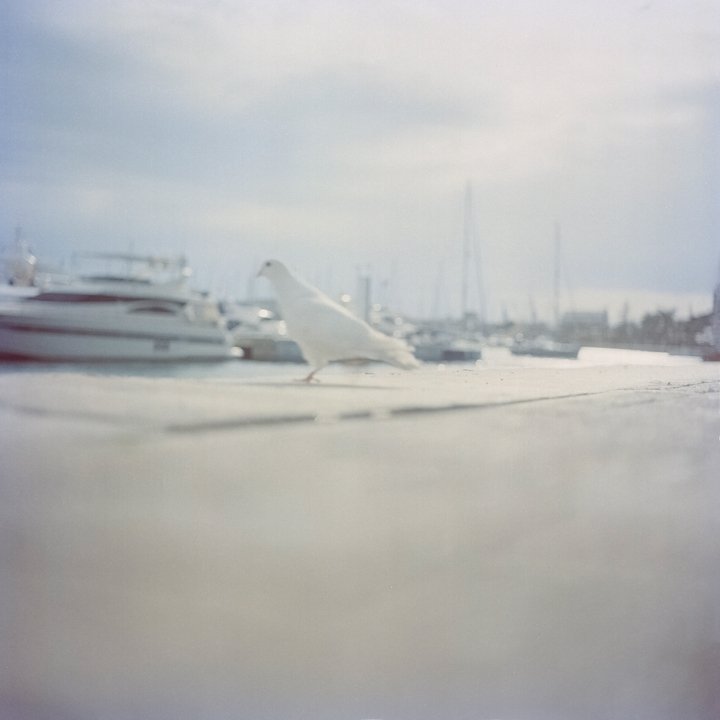
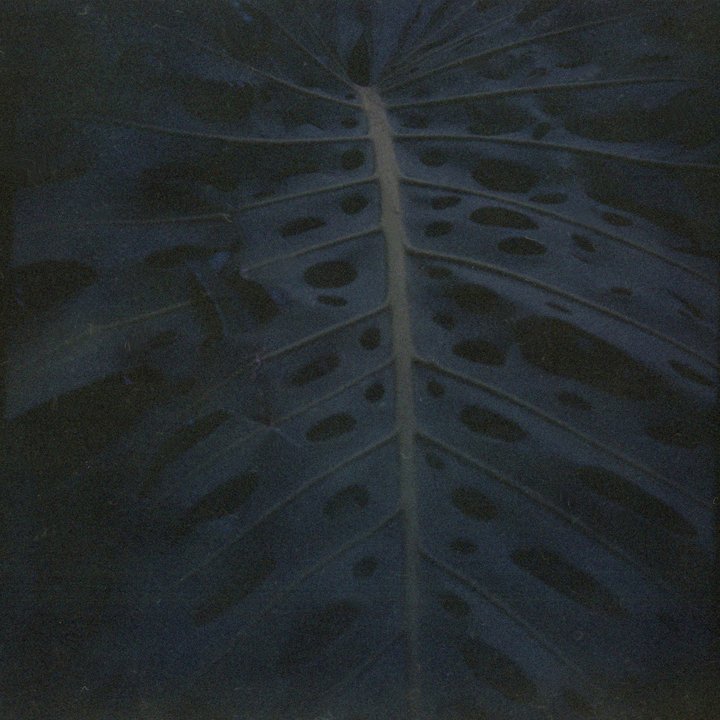
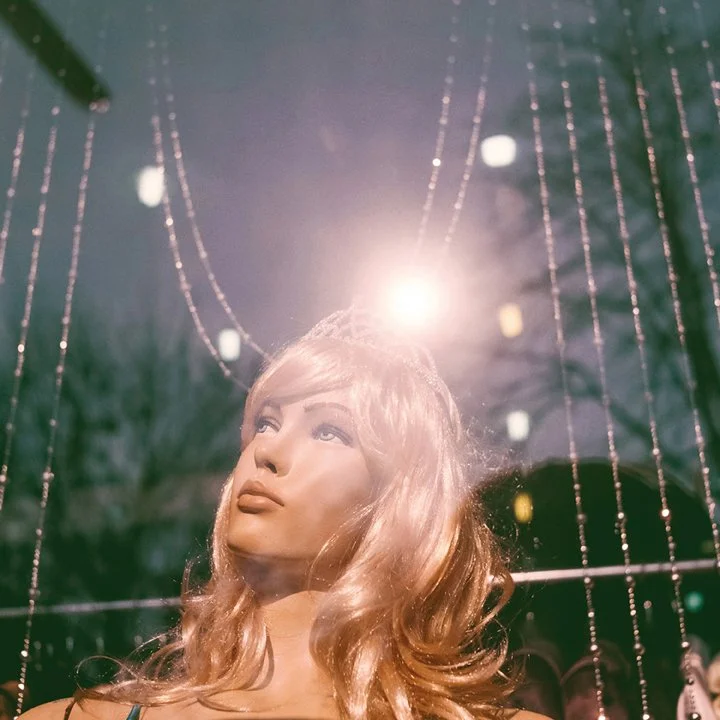
But it isn’t always that abrupt. Often, I linger in a place for a while, exploring the space playfully with my camera. I try different angles or focus on details, finger on the shutter, waiting for a moment to unfold. I wonder if I can evoke something more from the scene. Then, perhaps the light shifts and a mannequin suddenly seems alive; a leaf might look mysterious when seen up close, or a pigeon might land right in front of my lens.
It’s a fragile window of time where everything just feels right – light, colour, angle, atmosphere – where things align and transform before the mind pulls them back into reality.
Finding Subjects: How do you train yourself to notice these fragile moments in ordinary things like lamp light or car reflections?
I find it helpful to reach a sense of quiet and openness. If my head is too crowded, I simply lose sight of what really matters to me. Even being too emotional, whether that’s positive or negative, tends to get in the way. Actually, the most honest pictures happen when I have no plan at all. The moment I start trying to take a meaningful photo, I feel blocked.
When my mind is empty enough, I can see a subject detached from its context. I stop looking at things just for their function and instead start seeing everything as an interplay of light, shapes, and colours. That helps me notice details and ruptures that are easy to overlook but can open the door to a different kind of perception.
A chair is no longer just for sitting; it becomes a body that catches light in a particular way and gains another kind of presence. To get that necessary distance from the meaning of objects and situations, I also like to play with unusual angles, reflections, or subtle layers like glass or leaves. In my landscape photos, where there are no singular subjects, elements like trees or water blend into a larger tapestry of light and atmosphere, functioning more as an inner landscape.
A certain aesthetic matters to me, but it’s only the surface. Beneath it, I’m looking for something deeper. I want to hint at what lies underneath, to capture an essence that points beyond the object itself. The motifs act as projection surfaces for how I see the world, while remaining anchors in reality. Through them, the immaterial can take on a form; hopefully, something I normally only sense becomes visible.
A lot of my shots happen on the sidelines, and when a visual impulse hits, I know I have to react immediately before logic can label the moment and tuck it away.
Of course, not every one of these moments turns into a compelling or meaningful photo. I can easily go through almost a whole roll of film without getting anything that resonates. There’s no magic formula, and that’s what makes it so exciting. You basically never know what the final image will reveal.
But one thing I’m sure of: without a certain level of openness and presence, it doesn’t work for me.
Handmade Production: What did you learn from printing and binding all 63 copies yourself?
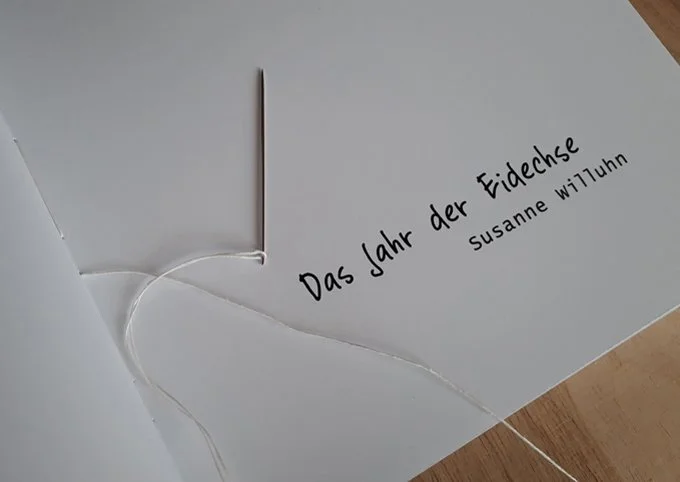
Originally, I hadn’t planned on making so many copies; I just really wanted to bring this book into the world exactly how I envisioned it, which meant learning the craft of bookbinding properly. It was important to me that it became a solid, traditional hardcover.
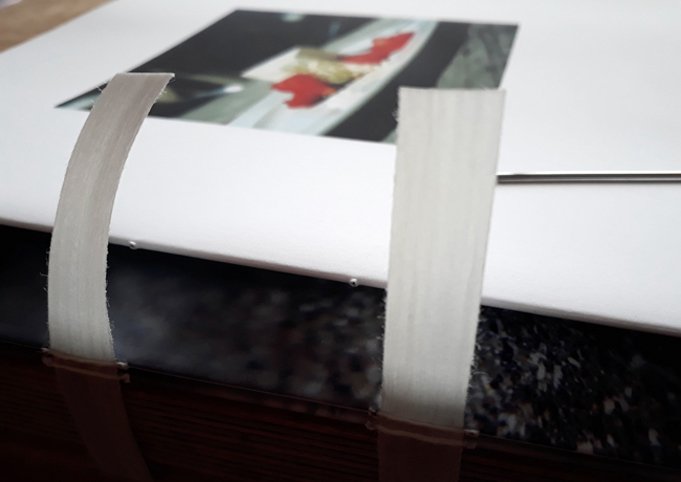
But once I was deep into the process, looking for the right paper, testing binding techniques, watching tutorials and studying manuals, and making practice runs, I realised that the learning process was so time-consuming and, frankly, expensive, that I couldn't just stop after a few copies. Then the first lockdown happened, and I used that time to just keep going.
Along the way, I learned that working by hand is always a negotiation between freedom and limitation. I couldn't always do things exactly the way I’d pictured them. For instance, I ended up stamping and tracing the title by hand because printing on the black cover just wouldn't work. And the book block isn’t perfectly aligned either. But in the end, I think that those tiny imperfections actually suit the spirit of my work much better than industrial perfection ever could.
Once again, it proved helpful to let things take their own course. Whenever I ran into a problem without an immediate solution, I just trusted that the right idea would show up at just the right time.
Also, in bookbinding, so much depends on precision and care. One wrong move at the very end, glue accidentally landing on the cover or an endpaper slipping, and the whole piece is flawed. You need a certain rhythm and routine. Eventually, my hands took over and I developed a kind of muscle memory. And once I’ve found my tempo, binding became really satisfying, almost meditative. All in all, it felt like entering a whole new creative world.
Sequence Building: How did you and Wolfgang Zurborn decide on the order of the 49 photographs?
We developed the edit in a workshop I attended at the Lichtblick School in Cologne. At first, we focused on sorting through the different layers of my work. Some photos are more concrete, others are purely about the atmosphere, and some subjects feel almost metaphorical. The challenge was to find a structure that reflected all this variety without feeling chaotic. There’s no traditional narrative thread here; instead, it’s a visual interplay of friction and harmony. Some photos are arranged as diptychs across a double page, so that they complement each other associatively, while others stand alone. We also used two different image sizes to give each image exactly the space it needs.
We wanted the sequence to have a rhythm that gives the viewer room to breathe, so they don’t feel overwhelmed by all the impressions. In the end, the final order came down again very naturally. Editing with Wolfgang means really engaging with the power of the images and quieting the conceptual noise for a while. That’s something that resonated with my own way of working immediately.
Looking Inside: What do you mean when you say viewers should “look inside” your pictures to make them become “independent, free, and universal”?
It’s important to me that the photos separate themselves from me as a person. To connect with an image, it shouldn't matter how or why it was taken, or what it means to me personally. I am not looking to document being in a certain place at a certain time; I want to show something that goes beyond that personal moment.
I am convinced that the less a viewer looks for context or a link to the photographer, the more room there is for a deeper resonance.
For me, “looking inside” is the opposite of merely looking at the surface. If you truly look into something, you become part of it, allowing you to find your own, very personal meaning in what you see. I see my photographs as open spaces that offer room for the viewer’s own associations and memories. Those can take a completely different form for everyone. The images become universal, not because everyone experiences the same, but because they allow each viewer to experience something uniquely their own. At least, that is what I hope.



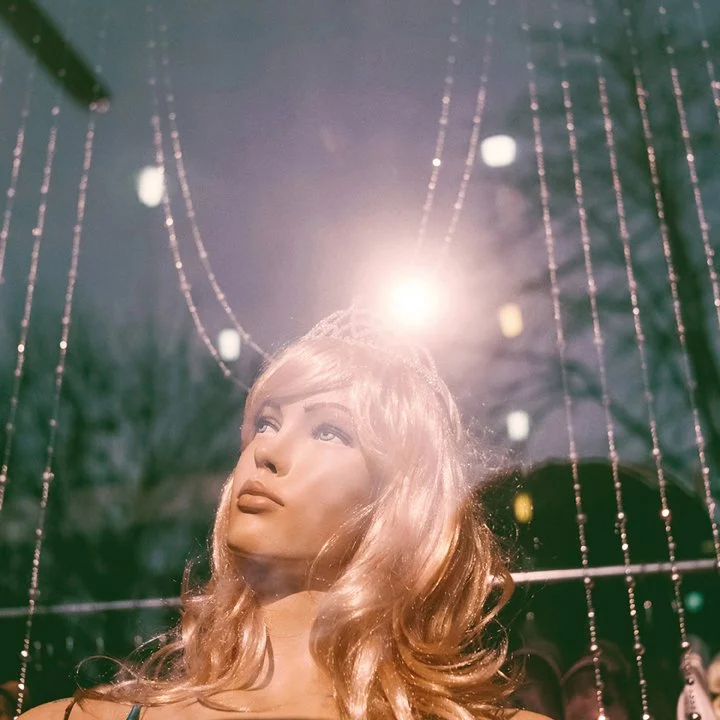
To discover more about this intriguing body of work and how you can acquire your own copy, you can find and purchase the book here. (Website)
More photography books?
We'd love to read your comments below, sharing your thoughts and insights on the artist's work. Looking forward to welcoming you back for our next [book spotlight]. See you then!
Robin de Puy could no longer make this project alone. She first photographed Randy in Ely, Nevada, during a 2015 road trip and kept returning to him for more than ten years. Interviews