AT A GLANCE
- Known for
- Bold, saturated color pictures such as Giraffe (1964), and the covers of more than a hundred jazz albums
- Works in
- Color slide film (Kodachrome), dye transfer prints, later digital capture and pigment prints
- Camera
- Rolleiflex for early jazz portraits; a Nikon D2X digital camera in his later years
- Also
- Opened the Space Gallery for color photography (1977) with Jay Maisel and Ernst Haas; hosted the TV series The Photographer's Eye (1982)
- Awards
- ASMP Outstanding Achievement in Photography (1981) · more than 250 awards from design and photography groups · one of PDN's 20 most influential photographers (2000)
- Start with
- The Color of Jazz (Rizzoli, 2006)
- Links
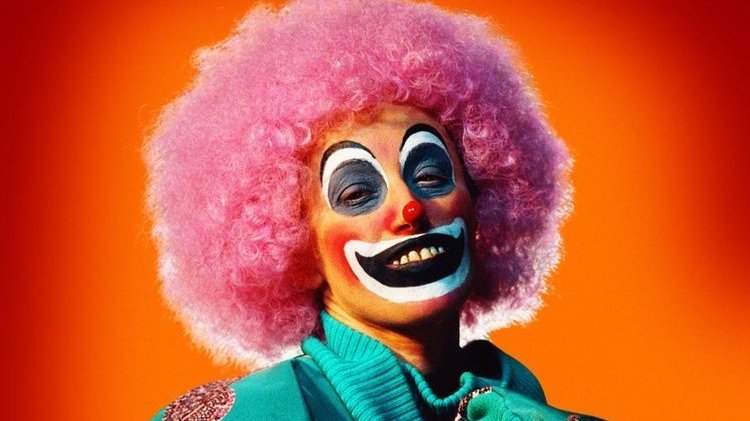
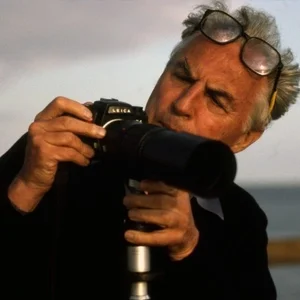
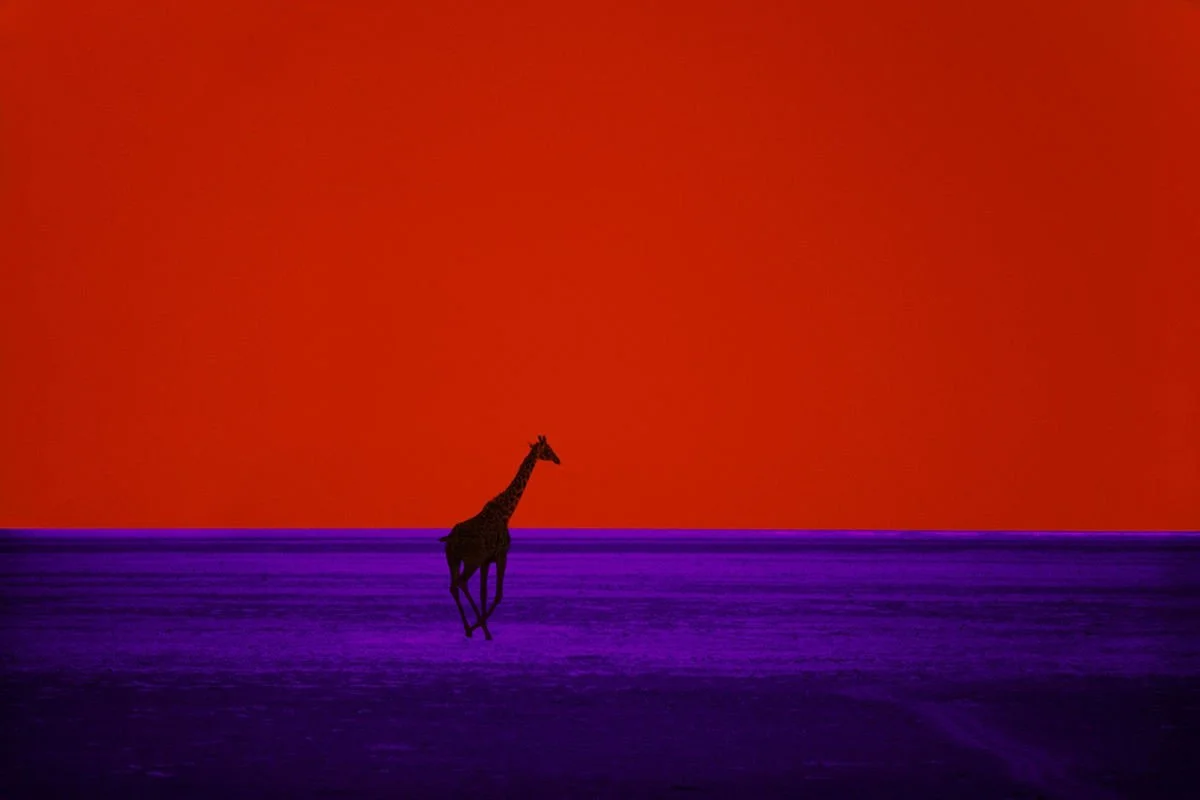
Pete Turner was an American photographer, born in Albany, New York, in 1934. He was one of the first to treat color as the main subject of a photograph, at a time when serious photography was mostly black and white. His strong, saturated pictures appeared in magazines such as Look, Esquire and Sports Illustrated, in big advertising campaigns and on the covers of more than a hundred jazz albums. Giraffe, with its red sky, is his best known image. He died at his home on Long Island in 2017.
The story
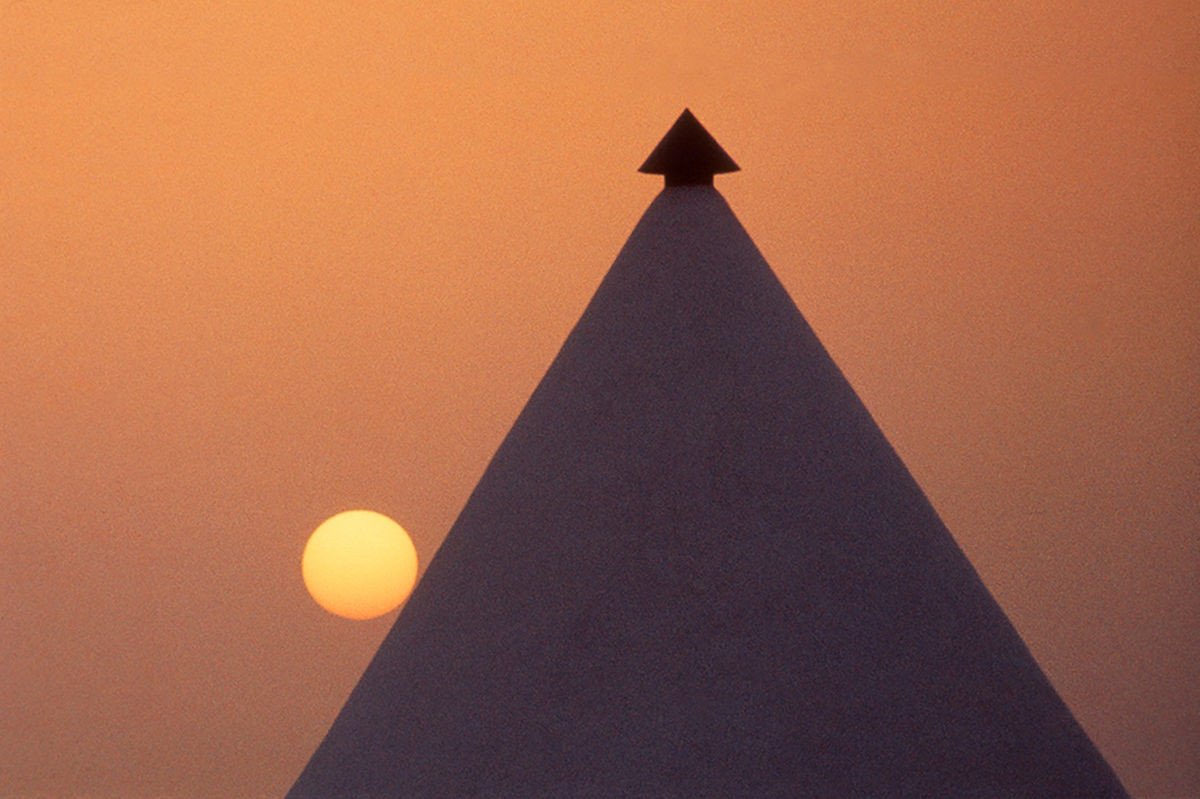
It was just after New Year's 1960, and Pete Turner was crossing the Nubian desert. The sun was going down over a small town. There he saw a railroad hut with a triangular roof. By walking behind it, he found he could move the sun in his viewfinder wherever he wanted: on top of the roof, or next to it.
Turner was 25 and on his first big assignment, for the Airstream trailer company and National Geographic. The trip took him overland from Cape Town to Cairo. The picture from that evening became Rolling Ball. George Eastman House in Rochester bought it for its collection in the same year.
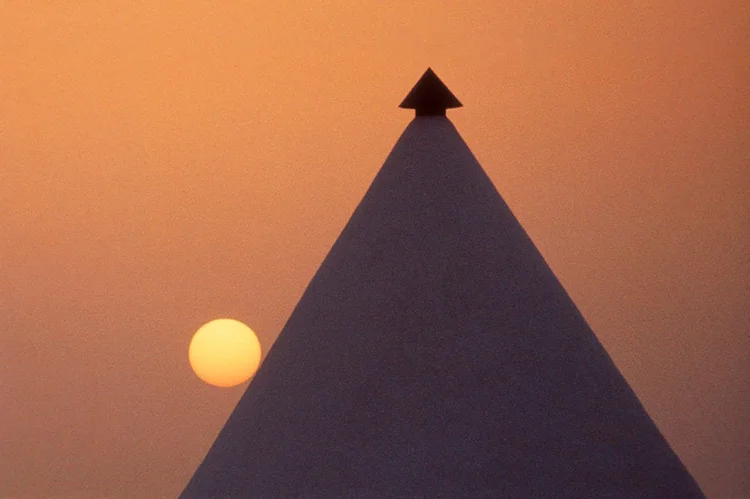
That sunset taught him to arrange a picture, not only to find it. But the bigger step came four years later in Kenya. There Turner photographed a giraffe with its legs in a perfect stride. He did not like the background, which he found flat and colorless. So he used an optical printer and added color as a graphic element: a red sky over a purple plain.
In the 1960s, natural color was the rule, and the picture looked outrageous. Even so, the Metropolitan Museum of Art showed Giraffe in its Photography in the Fine Arts exhibition in 1967 and bought it the same year. Also in 1967 it became the cover of Wave, an album by Antonio Carlos Jobim. When a later reissue came out, a printing mistake turned the red sky green. Turner was horrified at first, but he came to accept it.
Years later he remembered the evening in the desert this way: “Suddenly I realized that photography was not just finding pictures, but making them happen.”
The work
Turner was the only child of Donald and Ruth Turner. His father led a 23-piece jazz orchestra in Montreal, so music was part of his childhood. In 1945 the family moved to Rochester, New York, and he began making black and white pictures. At about 14 he started to process color film himself. He studied photography at the Rochester Institute of Technology, where Minor White and Ralph Hattersley were among his teachers, and graduated in 1956. In the Army he ran a color lab in Long Island City and used his free hours to photograph neon reflections and balloons around Manhattan.
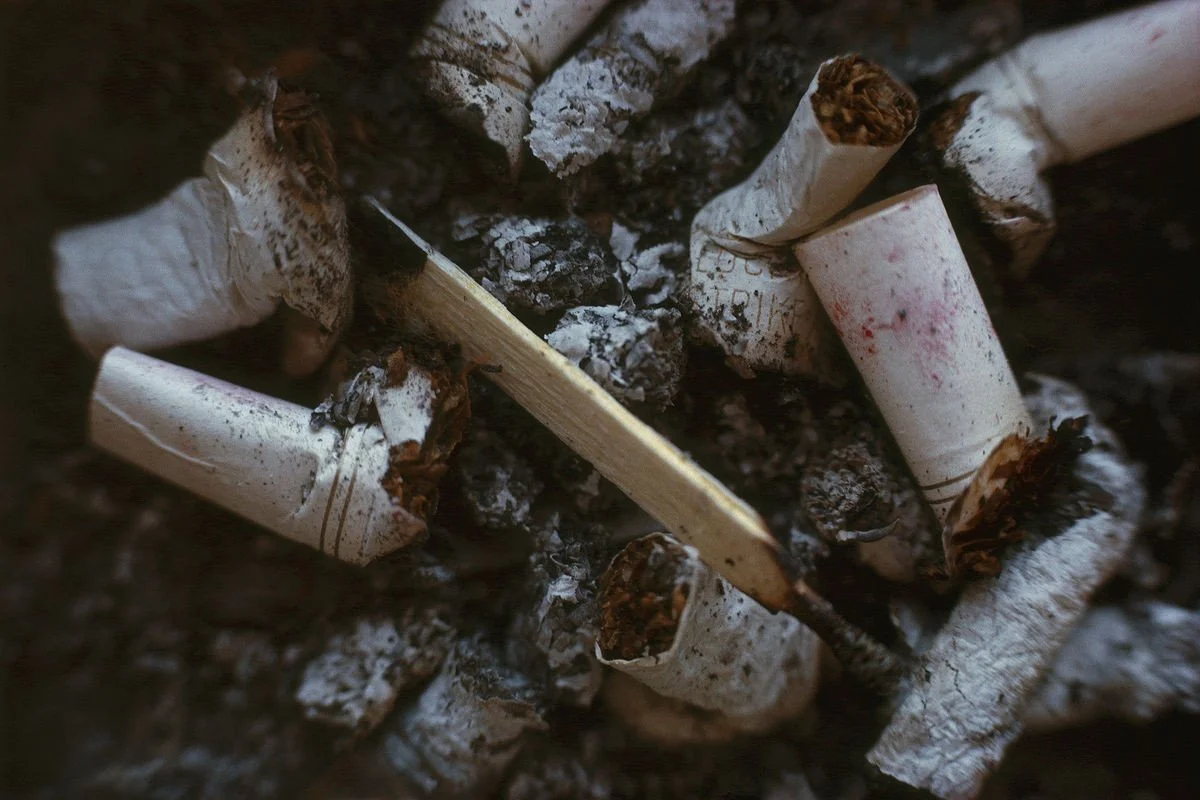
In 1958 he met the record producer Creed Taylor. This began a long partnership on labels such as Impulse!, Verve, A&M and CTI. Turner usually got only the album title and rarely heard the music first. Often the two picked images from his archive. A Day in the Life, for a Wes Montgomery album, shows an ashtray from his own apartment after a long night. Night Train came from a 1961 Esquire essay on American railroads, made for the editor Harold Hayes.
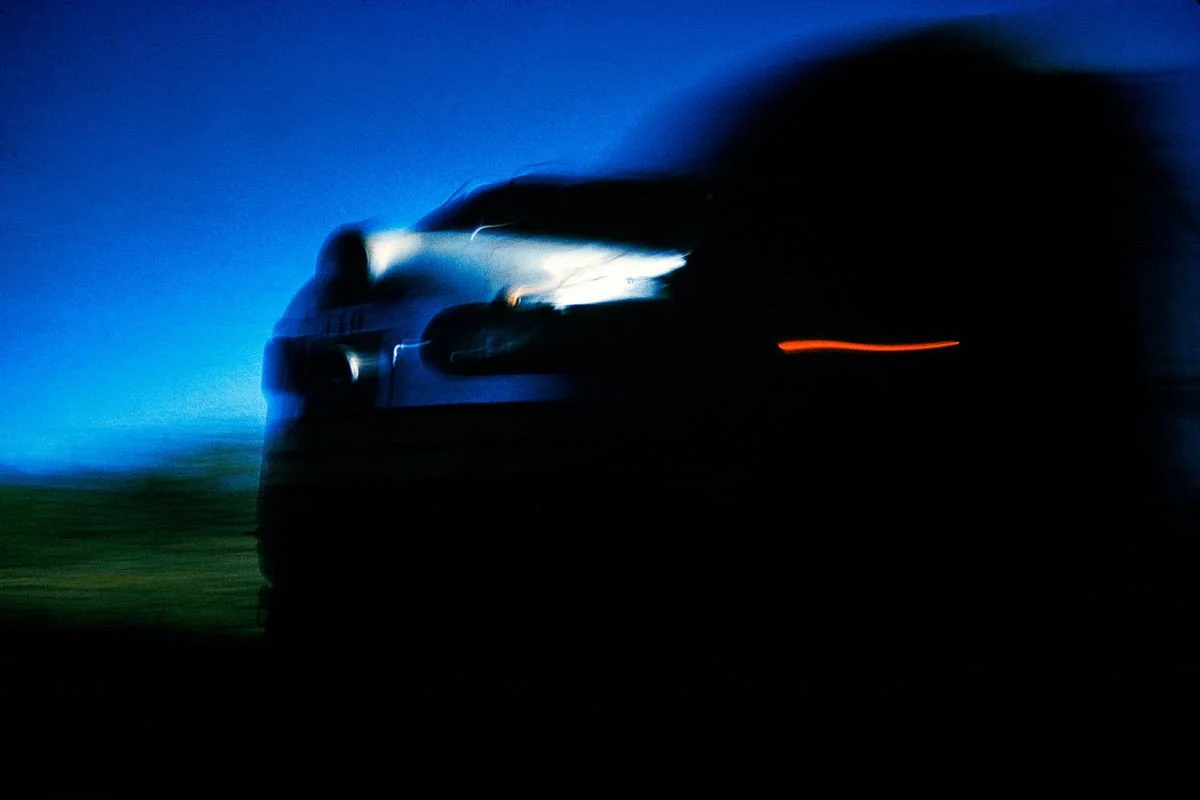
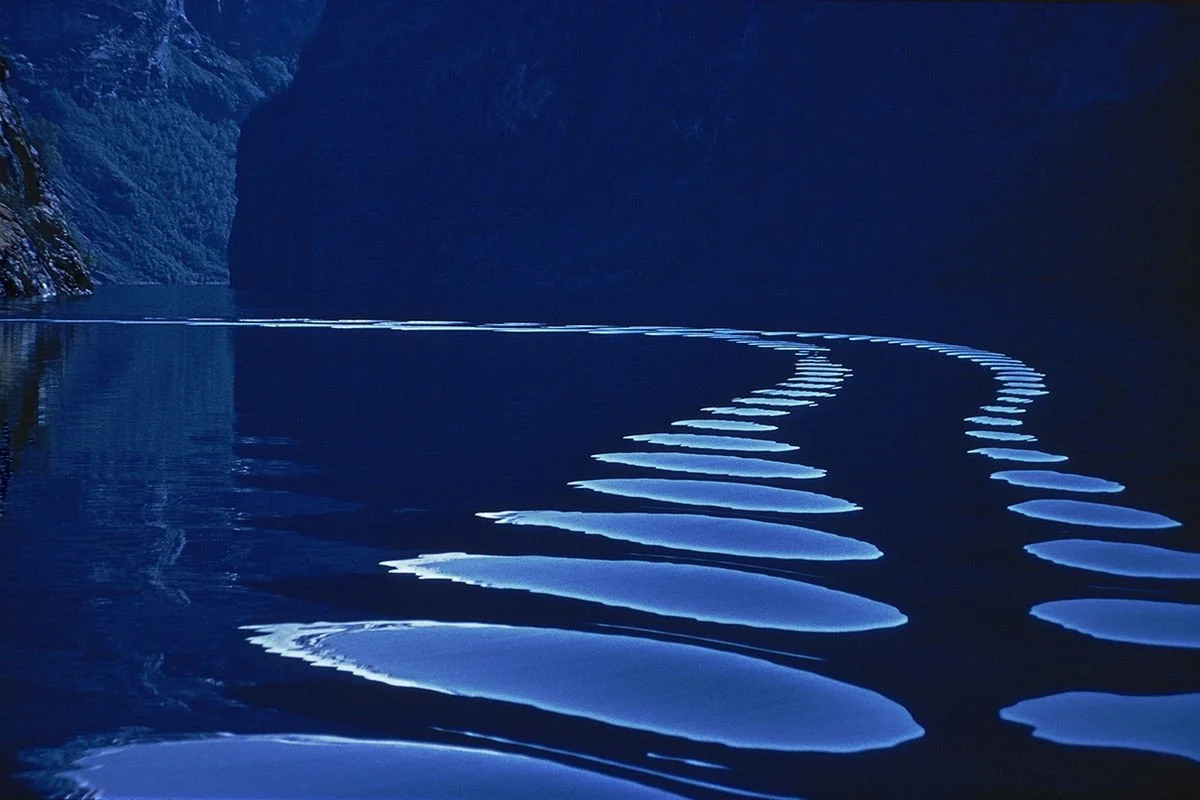
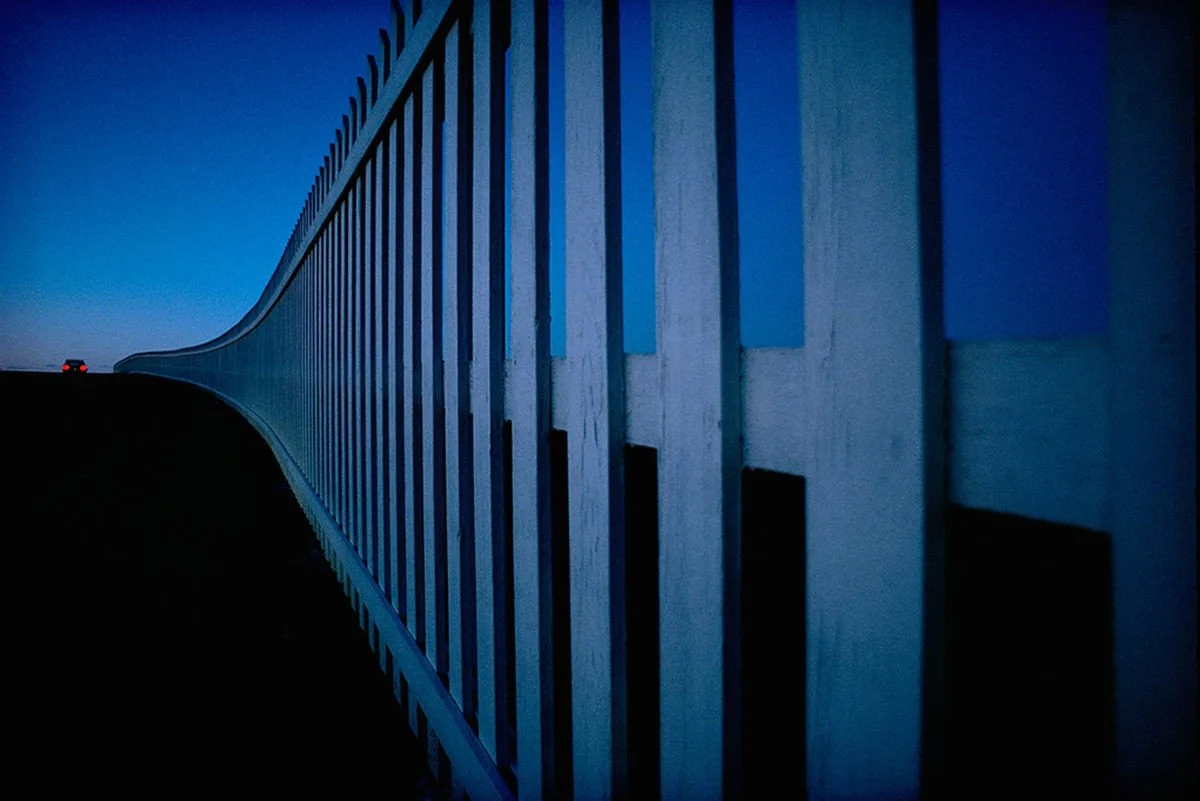
His color came from careful work in the darkroom and in the camera. He used polarizers, colored filters and double exposures. To protect his original slides, he copied his Kodachrome slides onto Kodachrome again and added filters, which gave stronger contrast and deeper color. Boat Wake, made from a boat in a Norwegian fjord, used a cool filter to make the water bluer. For Road Song, he left a museum job in Kansas City, waited for the blue sky of dusk and photographed car lights next to a long white picket fence.
From 1966 Turner had his own studio in New York, later in the Carnegie Hall building. Advertising became a large part of his work, but he kept making personal pictures around the world. In 1977 he opened the Space Gallery with Jay Maisel and Ernst Haas to show color photography as art. He also made special effects stills for Close Encounters of the Third Kind and hosted the Nikon TV series The Photographer's Eye. From the late 1980s he worked from a studio in Wainscott, East Hampton. George Eastman House became the main home of his archive and gave him the retrospective Pete Turner: Empowered by Color in 2006.
- 1934Born in Albany, New York
- 1956Graduates from the Rochester Institute of Technology
- 1959Travels overland from Cape Town to Cairo on his first major assignment
- 1960George Eastman House buys Rolling Ball for its collection
- 1964Photographs the giraffe in Kenya that becomes Giraffe
- 1967The Metropolitan Museum of Art shows and acquires Giraffe
- 1977Opens the Space Gallery for color photography with Jay Maisel and Ernst Haas
- 2006Retrospective at George Eastman House; The Color of Jazz is published
- 2017Dies at his home on Long Island, New York
Lessons
Make the picture happen. In the desert, Turner did not wait for the sun to fall into place. He walked until the sun sat exactly where he wanted it on the roof of a hut.
Treat color as a shape. For Giraffe he changed a dull background into a field of red. The color became part of the design, not only a record of the scene.
Keep an archive you can use. Many of his album covers came from older trips and personal work. A picture made for one reason can find a second life years later.
Try this: at sunset, find one simple shape outside, such as a roof, a post or a sign. Make ten frames while you move your feet, so the sun or a light sits in a different place each time. Then choose the one where shape and light work as one.
Gear
Turner liked to talk about color more than cameras, but some of his tools are documented.
Rolleiflex: he used one for an early portrait session with John Coltrane at the saxophonist's home, working alone for about an hour.
Kodachrome slide film: his originals were Kodachrome slides, and he duplicated them onto Kodachrome with filters to get stronger color.
Polarizing filter: he said that in his early years even using a polarizer to boost color was a big deal.
105mm lens: he described grabbing a 105mm lens, a small telephoto, for a cheetah walking beside his car in Kenya.
Nikon D2X: in his later years he shot digitally with this Nikon camera and printed on Epson printers.
Books
The Color of Jazz (Rizzoli, 2006). This book collects his best known jazz album covers, made mostly with the producer Creed Taylor. Quincy Jones wrote the foreword and Creed Taylor the afterword, and Turner tells the story behind many of the pictures. The design studio Hopkins/Baumann made the layout. A good first book for anyone who loves jazz, graphic design or strong color.
Pete Turner African Journey (Graphis, 2001). A visual diary of more than forty years of travel in Africa, starting with his 1959 trip from Cape Town to Cairo. It has 208 pages and 148 photographs, many across two pages. Gordon Parks wrote the introduction, and Massimo Vignelli designed the book. It suits readers who like travel, landscape and portraits in rich color.
Pete Turner Photographs (Harry N. Abrams, 1986). His first monograph, published by Harry N. Abrams. It brings together the color work of his first three decades, from magazine stories to personal pictures. Look for it second hand. It is the best place to see his early surreal color in one book.
In his words
“Suddenly I realized that photography was not just finding pictures, but making them happen.”
“Color photography to me is about mood and feeling. If you can control the colors, you can create the mood.”
“People are assaulted with visual distractions. My job is to intensify the experience of color for them.”
“I was a vacuum for color.”
“Shapes always play an important role in my work.”