AT A GLANCE
- Known for
- Cookbook photography, and her food blog Tartelette
- Works in
- Color; natural light, often combined with strobes
- Camera
- Canon 5D Mark II with 24–70mm, 100mm macro and 90mm tilt-shift lenses (around 2012)
- Also
- Former pastry chef; author of the food photography guide Plate to Pixel (2011)
- Start with
- Plate to Pixel: Digital Food Photography & Styling (Wiley, 2011)
Hélène Dujardin is a French-born food photographer from Provence who lives in Charleston, South Carolina. A former pastry chef, she taught herself photography on her blog Tartelette. She has photographed dozens of cookbooks and wrote the food photography guide Plate to Pixel.
The story
In a Charleston restaurant called Mistral, the pastry chef had a problem. Hélène Dujardin left little sketches for the staff, so they would know how each dessert should look when she was away. One night she came to eat there with her family. The plate she was served looked nothing like her drawing. Half joking, she went back to the kitchen. The cooks were honest. “They said you can’t draw, your sketches are like a three-year-old. So I started leaving snapshots.”
Baking had come first. She grew up in Provence, and tarts were the first thing her grandmother taught her to make. Later she used mini tart tins so often that people called her “Tartelette.” In the late 1990s she moved to the United States to study history, and she never left. The job at Mistral came by chance, when the owner had no one else. “I had no credentials to be a pastry chef. Life just happened,” she said. A one-month trial turned into five years.
After Mistral, she began a portfolio of her desserts. The plan was to stay a pastry chef. But while making it, she found something else. “I realized I enjoyed the photography more than making the desserts,” she said. So she taught herself, and she practiced on her blog, Tartelette, which went live in late 2006. For each recipe she shot two or three frames and a few pictures of the ingredients. Her first professional job was as a photo assistant for Garden & Gun magazine.
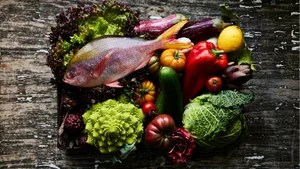
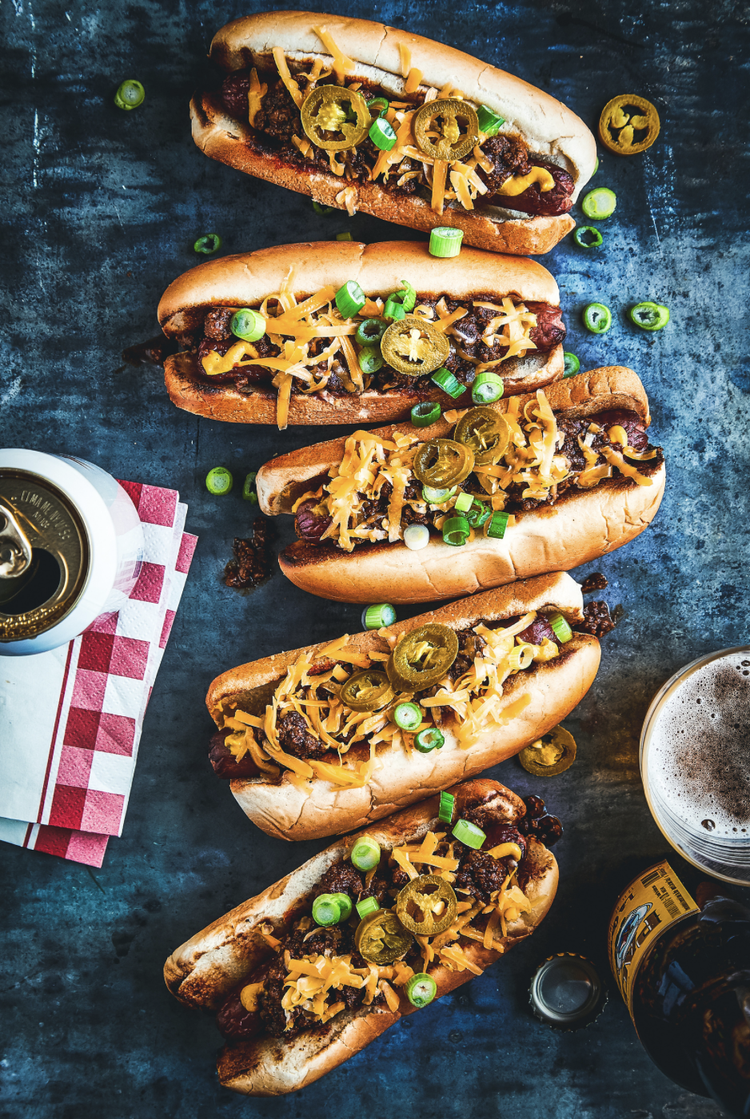
The blog was noticed. Wiley asked her to write a book, and Plate to Pixel came out in 2011. Publishers hired her for cookbooks, from Virginia Willis’s Basic to Brilliant, Y’all to Gina Homolka’s Skinnytaste Fast and Slow, with 120 of her photographs. In 2012 she hung her first exhibition at Heirloom Books in Charleston. Her portfolio today runs from chili dogs on a dark tray to whole grilled fish.
The snapshots that began as notes for a kitchen became her work. The food in them still points back to Provence. “Every time I do a tart, something with almonds or apricots, that reminds me of my grandmother, and lavender, cardamom, those make me think of my mother,” she said.
The work


- 1990sMoves from Provence to the United States to study history
- 2006Starts her food blog, Tartelette, in late 2006
- 2011Publishes Plate to Pixel with Wiley
- 2011Photographs Basic to Brilliant, Y’all by Virginia Willis
- 2012First photography exhibition, at Heirloom Books in Charleston
- 2012Marmalade by Elizabeth Field is published with her photographs
- 2016Skinnytaste Fast and Slow is published with 120 of her photographs
- 2020Photographs The Easy Christmas Cookie Cookbook
Lessons
Use the camera as a notebook. Her first food photos were simple snapshots, made to show the kitchen staff how a dessert should look.
Let a project be your school. She taught herself photography by shooting for her own blog, a few frames for every recipe.
Do not get too comfortable. She changes her aperture all the time. A different depth of field can tell a different story about the same dish.
Try this: take a bowl of fruit and photograph it in different light: outdoors, indoors, backlit, side lit, bounced and diffused. Hélène Dujardin suggests this to see how the same object tells a different story in each light.
Gear
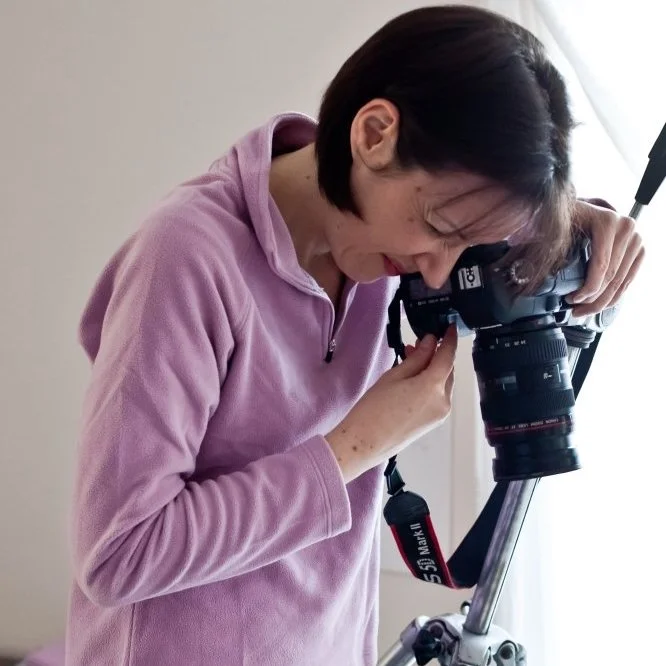
Canon 5D Mark II: in a Saveur Q&A from around 2012 she said she had a couple of these cameras. Her profile portrait also shows a 5D Mark II on a tripod.
Three lenses: she rotated between a 24–70mm zoom, a 100mm macro and a 90mm tilt-shift lens, depending on the subject, angle, space and story.
Tripod: for winter days with little light, she advises longer exposures with the camera on a tripod.
Fill card or reflector: a piece of foam board or a reflector bounces light back onto the food and softens shadows.
She works mostly with natural light, but she taught herself artificial light too. On her website she writes that she often combines natural light with strobes.
Books
Plate to Pixel: Digital Food Photography & Styling (Wiley, 2011). Her own guide, written after Wiley noticed her blog. The book has 288 pages and walks through the basics step by step: camera settings, natural and artificial light, composition, styling with herbs, fruit, bread and other details, and the work after the shoot, from software to backup. It is full of pictures from her blog and portfolio, many with notes on the camera settings, and it shows her home studio. Reviewers liked its warm, personal voice. In her own words, it was not written for seasoned commercial photographers. The best place to start for food bloggers and beginners.
Basic to Brilliant, Y’all (Ten Speed Press, 2011). A cookbook by the Southern chef Virginia Willis, with photography by Hélène Dujardin and a foreword by Anne Willan. It has 150 Southern recipes, each in a simple everyday version and a dressed-up version for guests. Willis mixes her French culinary training with the Georgia home cooking she grew up with, and adds family stories and notes on Southern food history. About 280 pages with color photographs. Good for seeing how her pictures work across a full book.
Marmalade: Sweet and Savory Spreads for a Sophisticated Taste (Running Press, 2012). A small 192-page book by Elizabeth Field, photographed by Hélène Dujardin. It has citrus marmalades, fall and winter flavors like double ginger pear and quince raspberry, and savory spreads such as red onion marmalade. There are also breads and biscuits to serve with them, and main dishes that use marmalade, like roast duck and glazed country ham. For the shoot, seven boxes of marmalade arrived at her home. A lovely book for anyone who likes jars, light and color.
Skinnytaste Fast and Slow (Clarkson Potter, 2016). The second cookbook by Gina Homolka of the Skinnytaste blog, written with the dietitian Heather K. Jones. It has 140 healthy recipes: 60 for the slow cooker and 80 that take 30 minutes or less, each with nutrition facts. The 304-page book includes 120 color photographs by Hélène Dujardin. A good example of her clean, bright work for a big mainstream cookbook.
In her words
“I realized I enjoyed the photography more than making the desserts.”
“Everything I do [in the kitchen] is a way to connect with home. I learned everything I know from my grandmother and mother.”
“It really doesn’t feel like work.”