AT A GLANCE
- Known for
- Portraits of world leaders, artists and scientists, above all Winston Churchill in 1941
- Worked in
- Mostly black and white, also color
- Camera
- 8x10 Calumet studio camera, with his own portable lights
- Also
- Companion of the Order of Canada (1990); his archive went to the National Archives of Canada in 1987
- Start with
- Karsh: Beyond the Camera (David R. Godine, 2012)
- Links
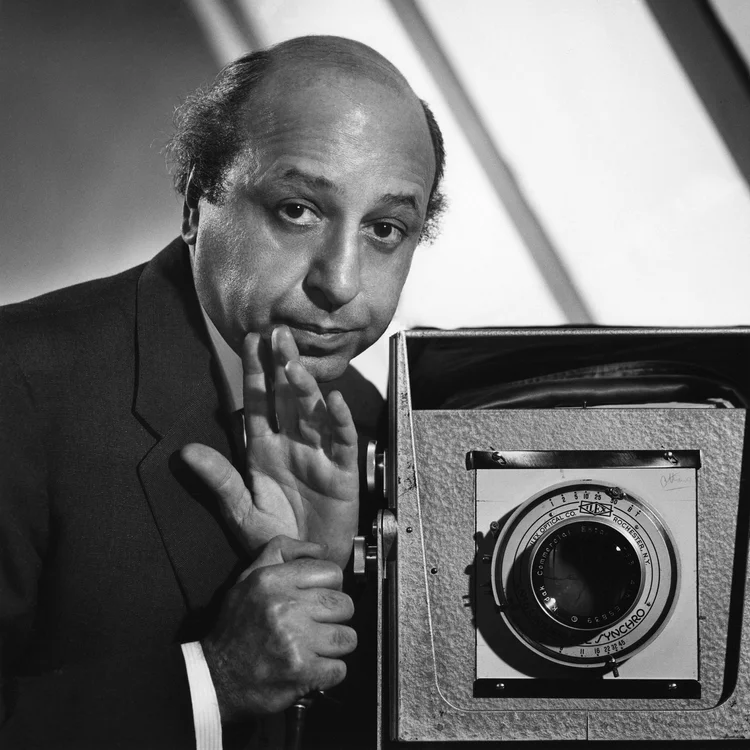
Yousuf Karsh (1908–2002) was an Armenian-Canadian portrait photographer. He came to Canada as a young refugee and opened a studio in Ottawa in 1932. His 1941 portrait of Winston Churchill made him famous, and he went on to photograph many of the best-known people of the 20th century.
The story
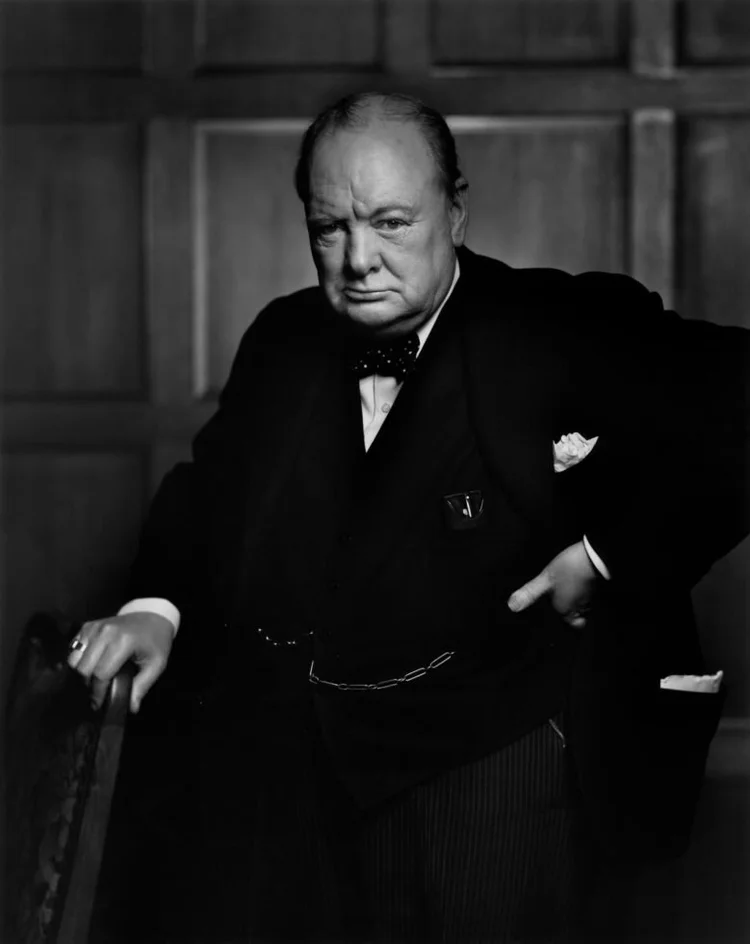
On 30 December 1941, Winston Churchill came to Ottawa and spoke to the Canadian Parliament. Afterwards he walked into the Speaker’s Chamber. Yousuf Karsh had set up his lights and his large camera there the evening before. Nobody had told Churchill about a portrait. “Why was I not told?” he asked. After a pause, he gave in: “You may take one.”
The cigar stayed in his mouth. Karsh waited, but Churchill kept chewing. So the photographer stepped forward, said “Forgive me, sir,” and took the cigar away. “By the time I got back to my camera, he looked so belligerent he could have devoured me,” Karsh wrote. “It was at that instant that I took the photograph.”
The man behind the camera was 33. Born to an Armenian family in Mardin, he had fled to Syria with his family in 1922, “taking no baggage, only our lives.” As a teenager he came to Canada to live with his uncle, George Nakash, a portrait photographer in Sherbrooke, Quebec. The uncle gave him a Kodak Brownie. From 1928 to 1931 he assisted John H. Garo, a portrait photographer in Boston. Garo taught him to work with daylight and to wait for the right light. “I knew I wanted to photograph those men and women who leave their mark on the world,” Karsh remembered.
In 1932 he opened a studio in Ottawa. At the Ottawa Drama League he found stage lights, which he could create, change and make stronger. He brought that light into his portraits. In the theatre he also met the actress Solange Gauthier, who became his wife in 1939.
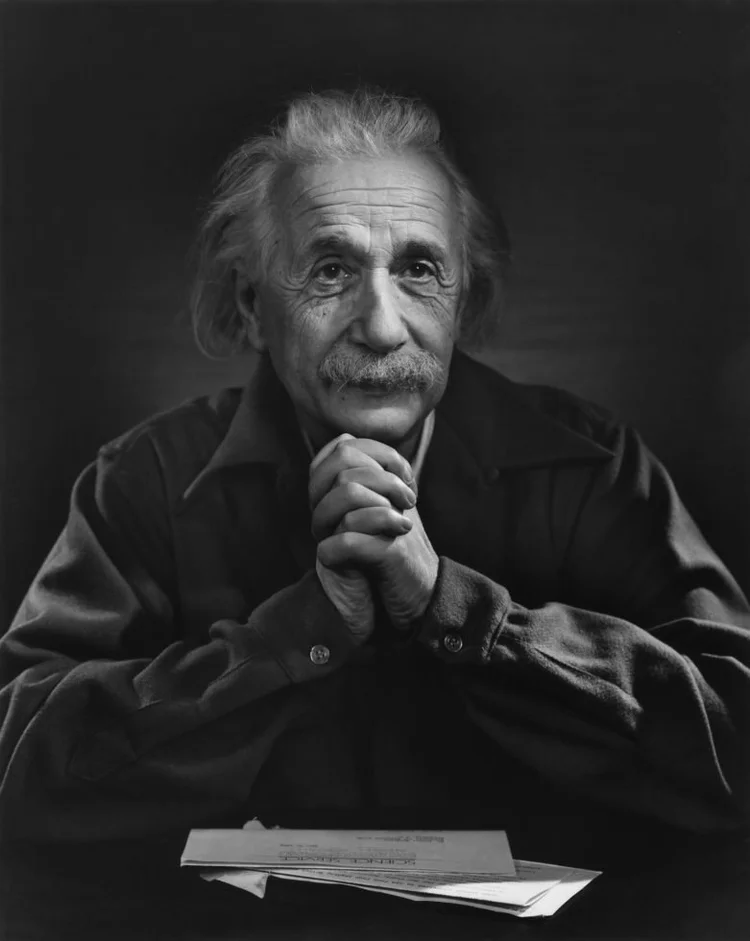
Then came Churchill. In January 1942 the portrait was on the cover of Saturday Night, and the next month LIFE printed it too. From then on, Karsh photographed the famous one after another. He always did his homework first. “What makes them tick, why are they creative, which of their talents is so coveted?” In 1948 he photographed Albert Einstein. “Einstein showed his wisdom and compassion in his face,” he said.
In 1985, more than forty years later, he looked back at the moment with the cigar. It was not a plan. “If I had given it a thought,” he said, “I would never have dared do it. I did it intuitively.”
The work


- 1908Born on 23 December in Mardin, in the Ottoman Empire
- 1922His Armenian family flees to Syria
- 1924Comes to Canada to live with his uncle George Nakash in Sherbrooke
- 1928Starts three years as assistant to John H. Garo in Boston
- 1932Opens his portrait studio in Ottawa
- 1941Photographs Winston Churchill in Ottawa on 30 December
- 1967Becomes an Officer of the Order of Canada
- 1992Closes his studio at the Château Laurier
- 2002Dies on 13 July in Boston
Lessons
Do your homework. Before a sitting Karsh read about the person and asked what made them creative.
Prepare the light early. For Churchill, lights and camera were ready the evening before. Later he usually set up a day ahead.
Trust the moment. The cigar was not planned. He acted, and the picture came in that instant.
Try this: before your next portrait, read about the person and write down one thing you want the picture to show. Set up your light before they arrive, then watch for the moment.
Gear
Karsh worked mostly with large studio cameras. A museum in Ottawa now keeps much of his studio equipment.
Box camera: his first camera was a Kodak Brownie, a gift from his uncle George Nakash in Sherbrooke.
8x10 view camera: his main camera for more than thirty years was a pale grey 8x10 Calumet bellows camera, made in Chicago in 1956. Its back could be changed to smaller formats like 5x7. He kept an identical one in New York.
Portable studio lights: he carried his own lights to his sitters. In 1985 he travelled with about 250 pounds of equipment. His last main studio light was a Colortran light box with a Mylar diffusing screen on a Dyna Lite stand.
In 1998 he gave the Canada Science and Technology Museum (now Ingenium) the lens he used for the Churchill portrait. He mostly worked in 8x10 or 4x5, and only now and then used a medium format or 35mm camera.
Books
Karsh: Beyond the Camera (David R. Godine, 2012). Edited by the curator David Travis, with an introduction by him. The book has 68 portraits in a small, affordable paperback. Each portrait faces the story of how it was made, taken from recordings of Karsh and his studio assistant Jerry Fielder. Besides Hemingway, Audrey Hepburn and Churchill, it shows lesser-known sitters and commercial work for Ford and Maclean’s. A good first book for anyone who wants to know how his portraits happened.
Karsh: A Fifty-Year Retrospective (New York Graphic Society / Little, Brown, 1983). A large book with 176 black-and-white duotone plates and 12 color photographs. Karsh wrote short texts to go with the pictures, about the sittings and the people. When it came out, it was called the largest and most lavish of his books. Look for it if you want to see his work printed big.
Karsh: A Biography in Images (MFA Publications, Museum of Fine Arts, Boston; paperback 2004). Made with Jerry Fielder and with a foreword by Malcolm Rogers, it is a revised version of the 1996 sixty-year retrospective. It includes a long autobiographical essay. Next to famous portraits of Churchill, Picasso and Einstein, it shows early experiments and his Canadian photojournalism: Ottawa, wheat fields, cities and factories. Every photograph has a short note by Karsh.
In Search of Greatness: Reflections of Yousuf Karsh (1962; later available from University of Toronto Press). His autobiography, about 240 pages. Karsh tells how an Armenian refugee boy became a portrait photographer, and shares stories from his sittings with statesmen, artists and others, along with his ideas about portraiture. For readers who want his own voice more than pictures.
In his words
“All those things are available to everyone; it is the meeting of minds that is recorded.”
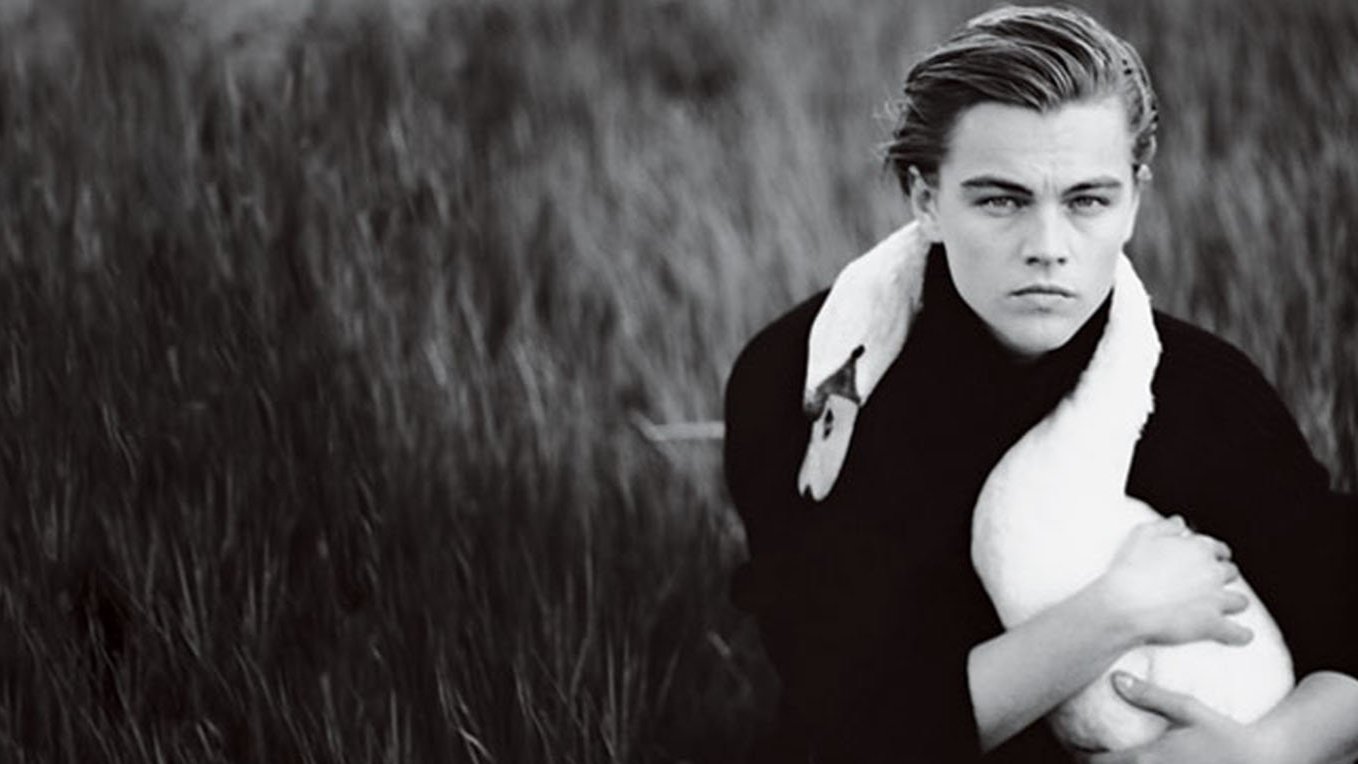
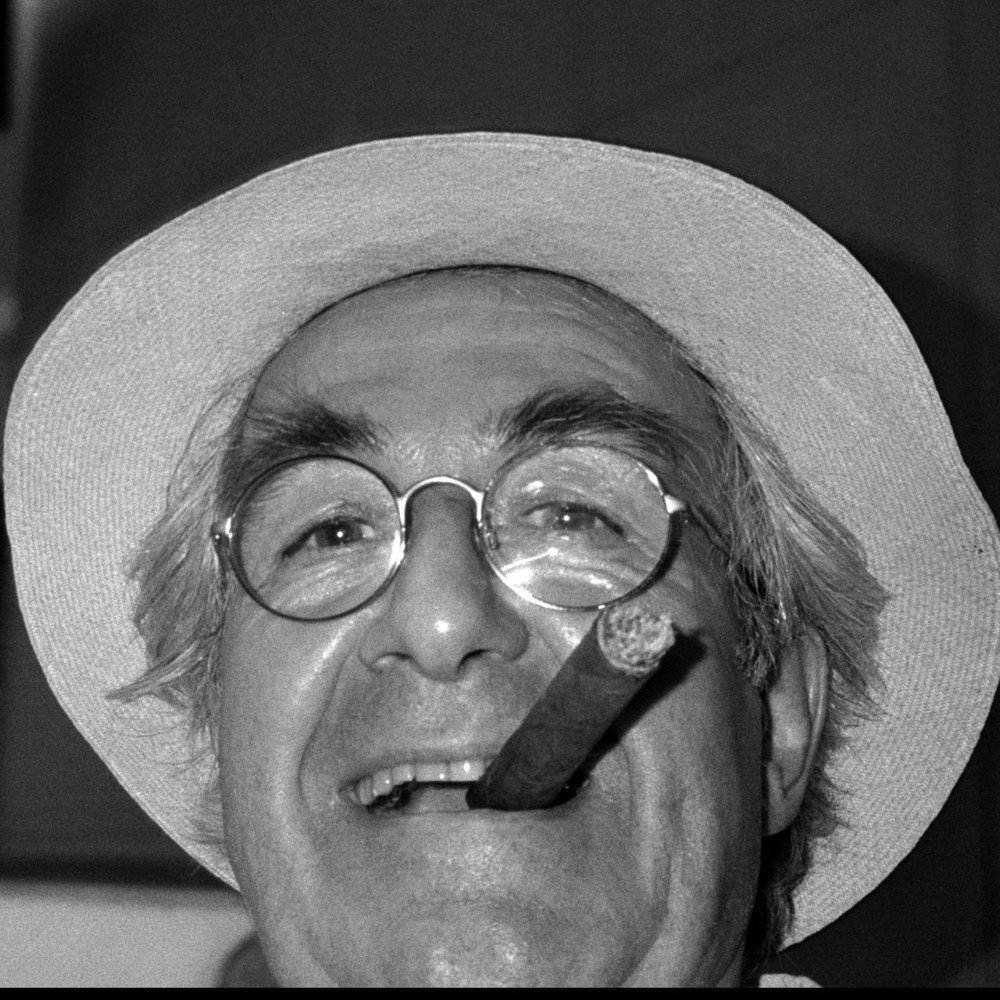


Did you know that Winston Churchill refused to put down his cigar for his portrait in 1941.